Chicago pop-punk act Real Friends' documentary ‘Moving Forward’, about the growth of the band, and what lies ahead of them.
Social & External
Himself
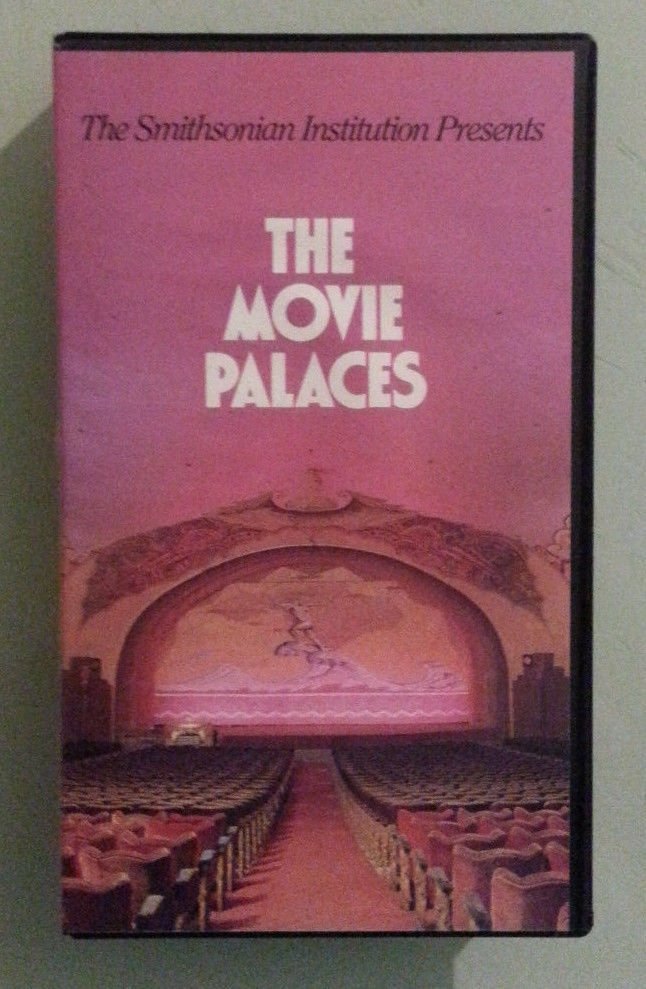
A documentary about the great American movie palaces of the 1920s and 1930s. Filmed on location at some of the extraordinary theaters across the country, the program explores the diverse and priceless architecture of such greats as the Atlanta Fox, the Wiltern in Los Angeles, San Antonio's Majestic, Seattle's Fifth Avenue and, perhaps the most famous, Radio City Music Hall in New York City. Also included are stills and vintage clips of classic movies and newsreels of the era that illustrate the historical evolution and mass appeal of the movie palaces. Picture palace organist Gaylord Carter performs a variety of movie accompaniments.
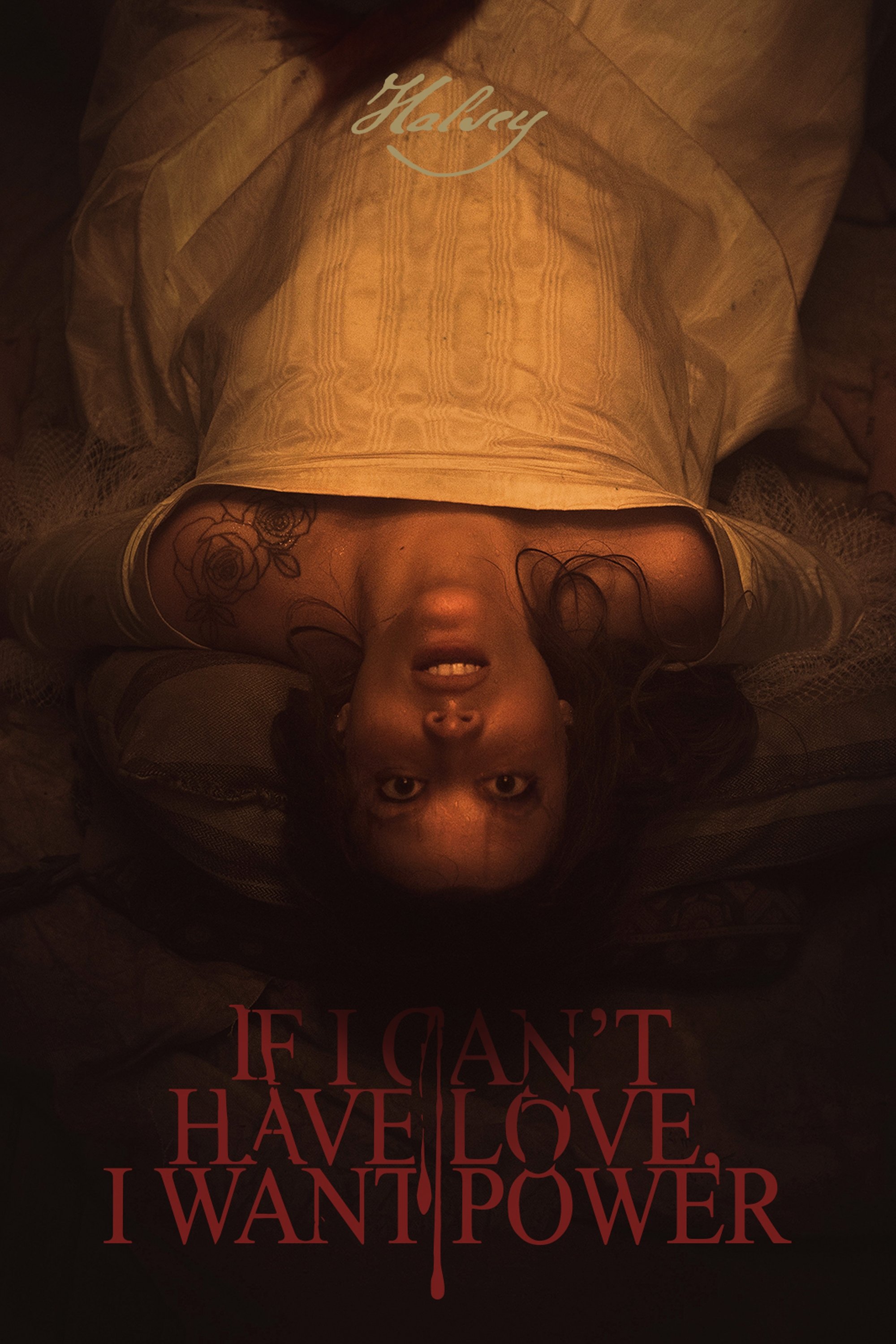
Featuring music from her fourth studio album produced by Trent Reznor and Atticus Ross, this evocative film experience stars Halsey as the young and pregnant Queen Lila, who wrestles with the manipulative chokehold of love.
Barbie meets another Barbie Roberts, forming a close friendship, nicknaming each other Malibu and Brooklyn when they both attend the Handlers, Performing Art School in NYC, over the summer, competing for a spot at the spotlight solo.
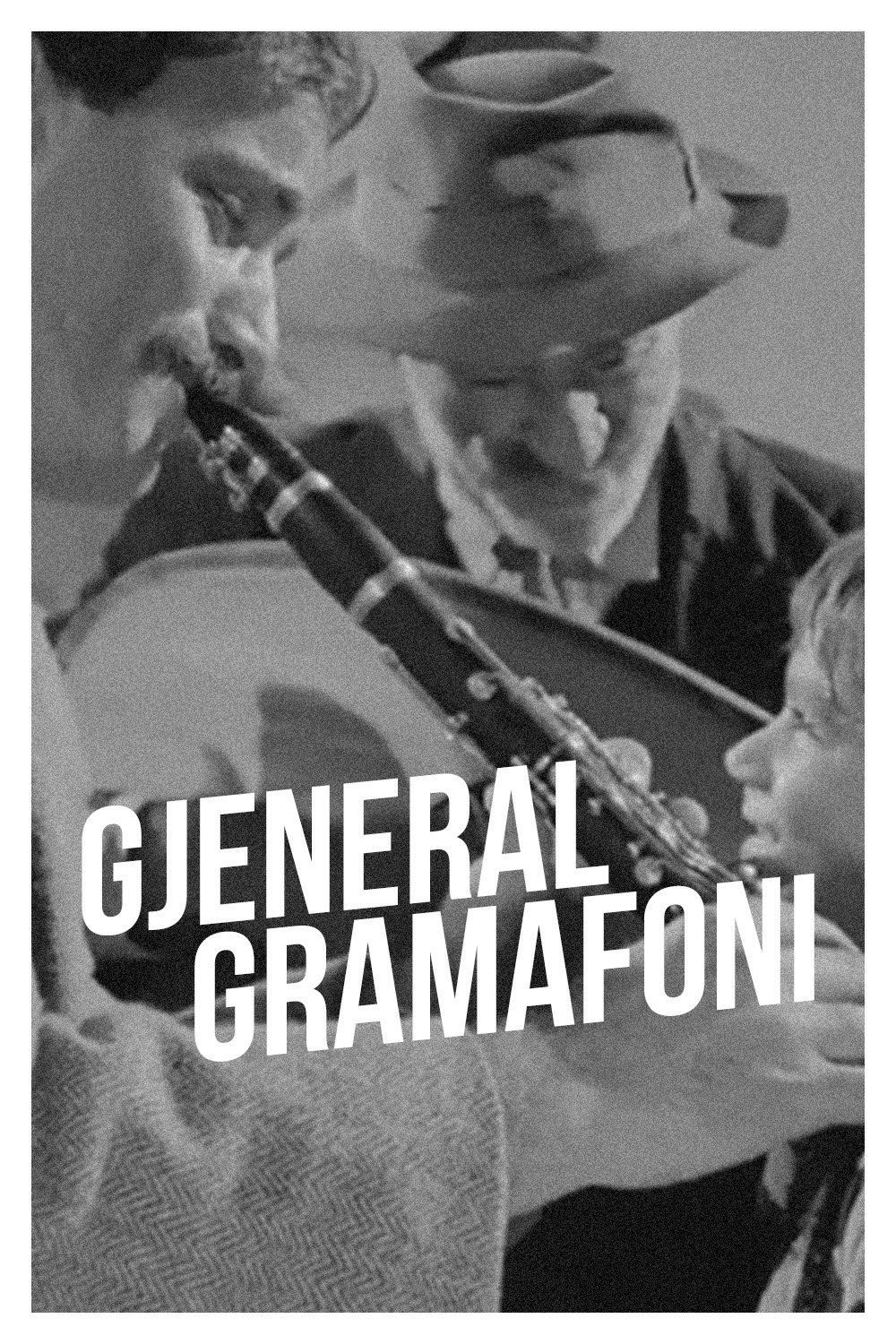
Halit Berati, a virtuoso clarinet player, is invited by the Italians to record his music, which is to be sold along Italian records.
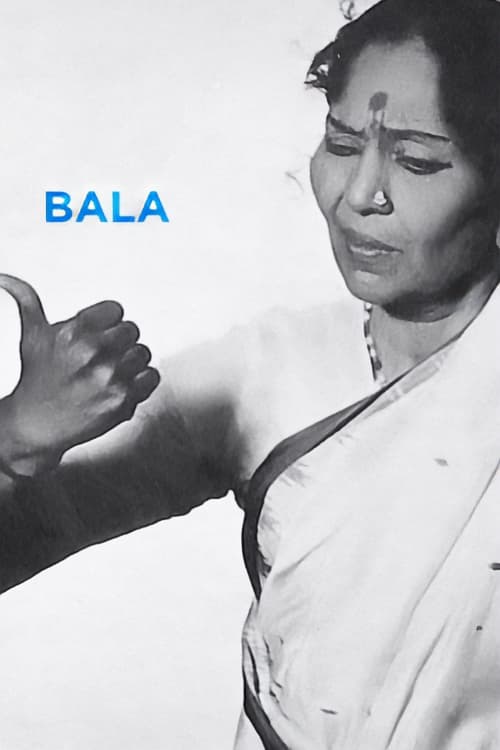
A documentary about the aging prima ballerina Balasaraswati (popularly known as "Bala"), the most famous exponent of the Bharatanatyam dance.
Twenty years ago, novelist Salman Rushdie was a wanted man with a million pound bounty on his head. His novel, The Satanic Verses, had sparked riots across the Muslim world. The ailing religious leader of Iran, the Ayatollah Khomeini, had invoked a little-known religious opinion - a fatwa - and effectively sentenced Rushdie to death. This film looks back on the extraordinary events which followed the publication of the book and the ten year campaign to get the fatwa lifted. Interviews with Rushdie's friends and family and testimony from leaders of Britain's Muslim community and the Government reveal the inside story of the affair.
Lord Baden-Powell's 1908 handbook Scouting for Boys is one of the most influential and best-selling books of all time. In the 20th century, only the Bible, the Koran and the Thoughts of Chairman Mao sold more. But they had fewer jokes, no pictures and were useless at important stuff like tying knots. In this entertaining and affectionate film, Ian Hislop uncovers the story behind the book which kick-started the Scout Movement - a work which is very eccentric, very Edwardian and very English. Hislop discovers that the book is also very radical and addresses a variety of modern issues, such as citizenship, disaffected youth and social responsibility. He explores the maverick brilliance of Baden-Powell, a national celebrity after his heroism in the Boer War, and considers the book's candid focus on health and well-being.
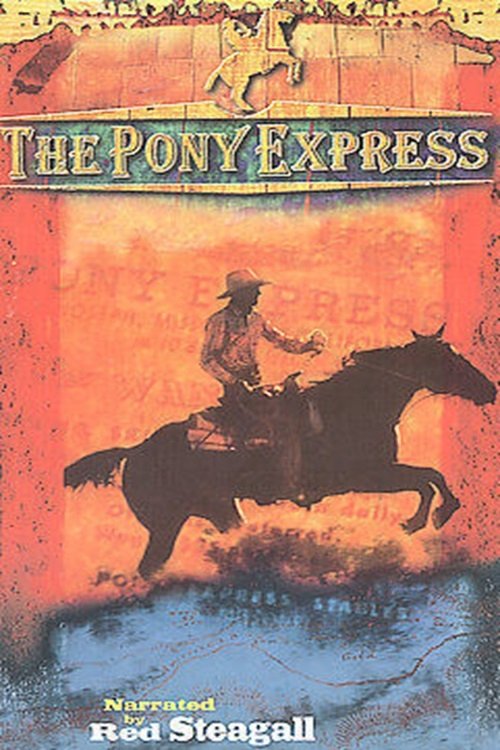
The Pony Express delivered mail from coast to coast for only 18 months. Yet during its brief glory days, it became a legend of the American frontier. This fascinating and well-researched video recounts the history of the Pony Express, retraces the famous trail, and uncovers the reasons behind its demise and lasting legacy.
A musical, and also a reflection on watching, on trying to escape an anthropocentric gaze and also on watching itself in cinema. Featuring mares and horses: Triana, Víctor K, Bambi Sailor, San Special Solano, Buck Red Skin, Onkaia, Cool Boy, the donkey Agostino, the mule Guapa. And also Alfredo Lagos, Raül Refree, María Marín, Pepe Habichuela, Virgina García del Pino, María García Ruiz, Pilar Monsell, María Pérez Sanz.
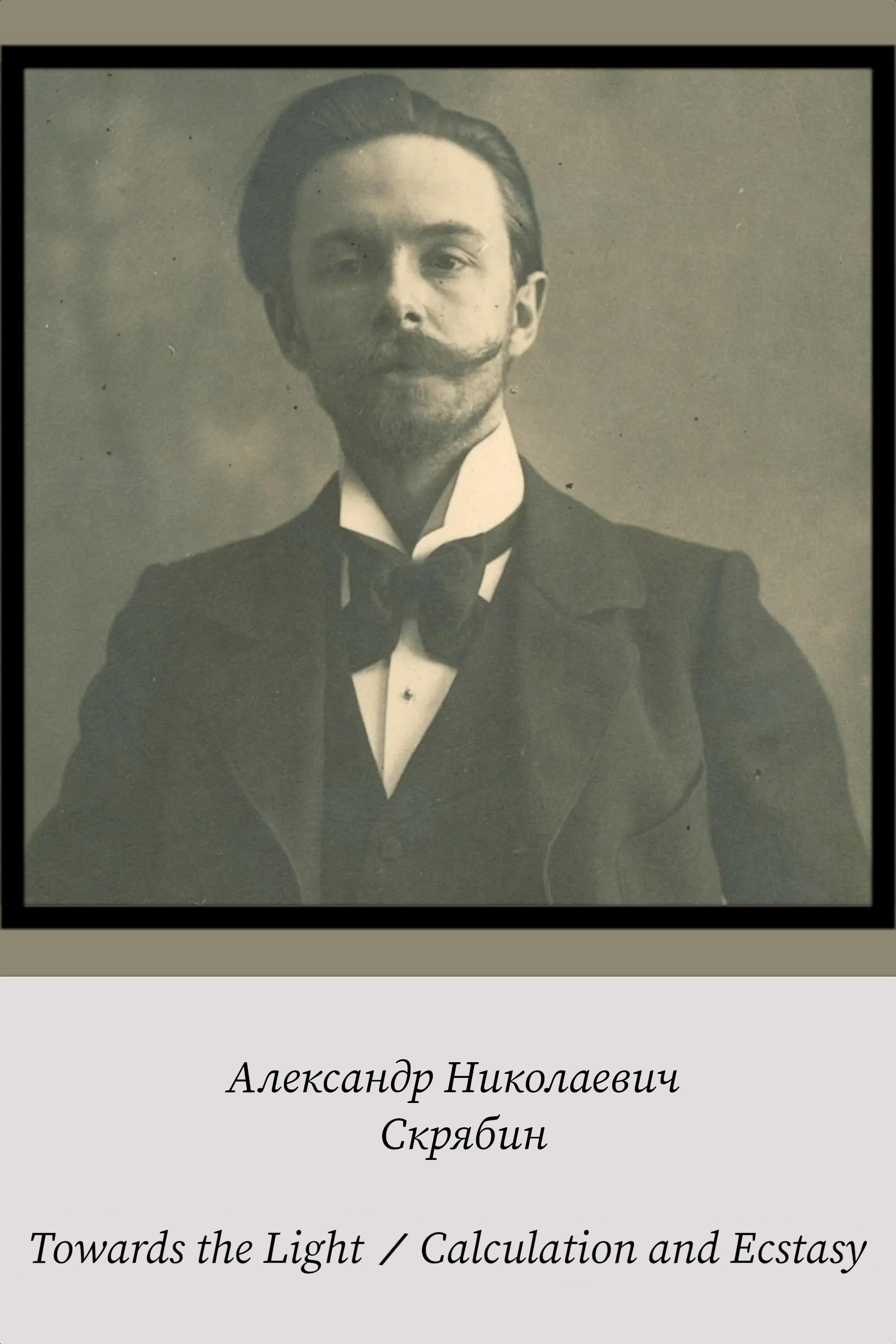
Alexander Scriabin (1872–1915) born in Moscow, was an innovative, mystical, avant-garde Russian pianist and composer. This film explores Scriabin’s profound vision of art's unity — where music, movement, light and colour merge to create transcendent experiences. Some claim Scriabin pioneered atonality before Schoenberg. Key works: Poème, Op. 32 No. 1 (1903) and Vers la flamme, Op. 72 (1914). Featuring commentary from esteemed musicians like Eduard Artemyev, Vladimir Ashkenazy and Vladimir Horowitz, Artist: Hermann Nitsch, conductor Mikhail Pletnev and insights from Scriabin’s daughter: Marina Scriabine, this documentary offers a unique glimpse into the life and works of one of music’s most enigmatic figures. Shot across stunning locales in Switzerland, Italy and Russia, enriched with Scriabin’s own writings and rare archival materials. The highlight includes a historic recording of Scriabin himself, playing his Poem Op. 32 No. 1 on a Welte Mignon player-piano, recorded in 1908.
70-year-old Timo makes the most of his short ride to work. Speeding up on a bicycle ends up in a ditch, but the adrenaline rush leaves a feeling of pleasure.
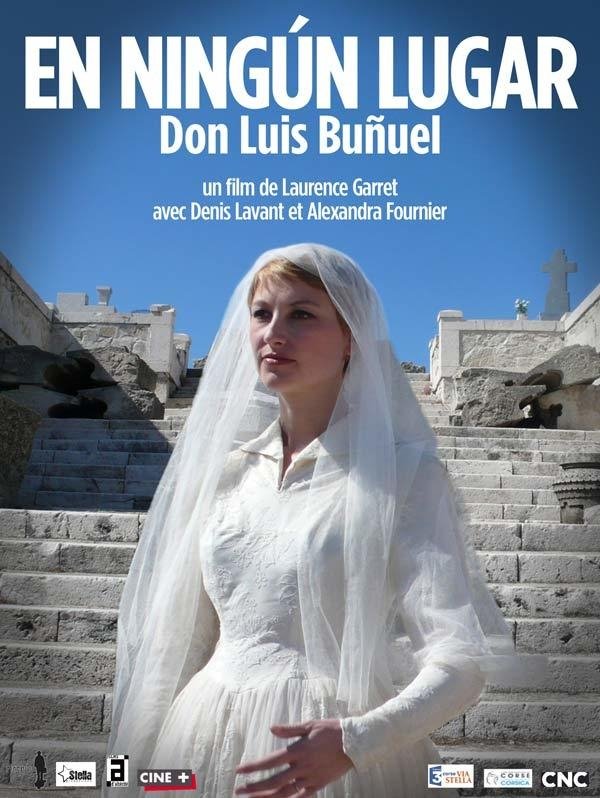
Denis Lavant reads long passages from Luis Buñuel's semi-autobiographical "My Last Sigh". From this text, without film excerpts, Laurence Garret travels in the footsteps of Buñuel, from Calanda to Zaragoza, Madrid to Toledo, Spain to Mexico.
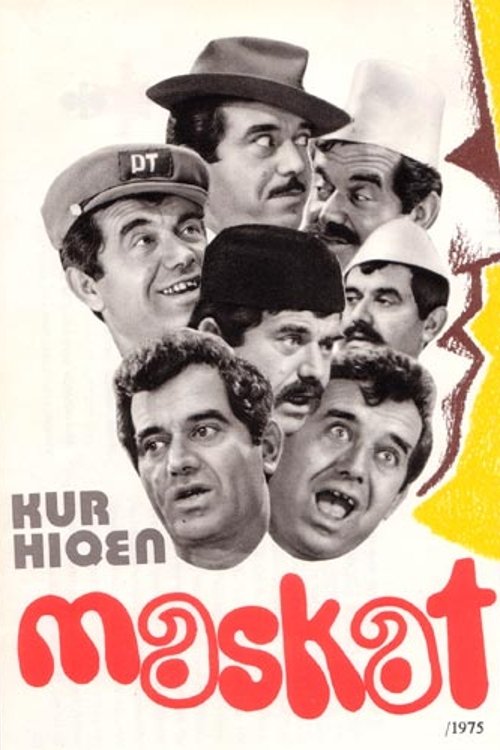
A satirical anthology film transforms popular humorous and sarcastic stage songs into standalone vignettes that lampoon the absurdities of bureaucratic officials and the liberal attitudes that were systematically targeted and suppressed in that era.
During a creative evening, an artist sits down at his desk and finishes a piece.
A behind the scenes featurette focussed on Hammer Film Productions' 1971 film 'Doctor Jekyll & Sister Hyde.'
The first of two documentaries about Ingmar Bergman produced to mark his 70th birthday. Includes behind the scenes "home movies" from Bergman's personal archive, interviews with Bergman recorded over his 40 years in the film industry and passages from his autobiography read by Max von Sydow and Bergman himself.
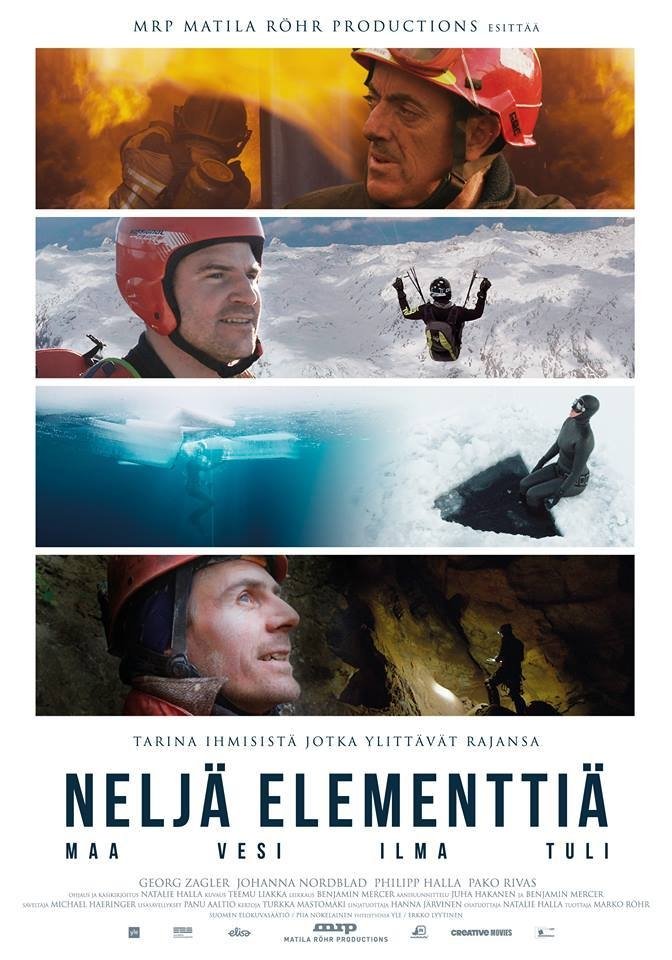
A journey into four classical elements through the four main characters of the film. The main characters in the movie represent each of their own elements.