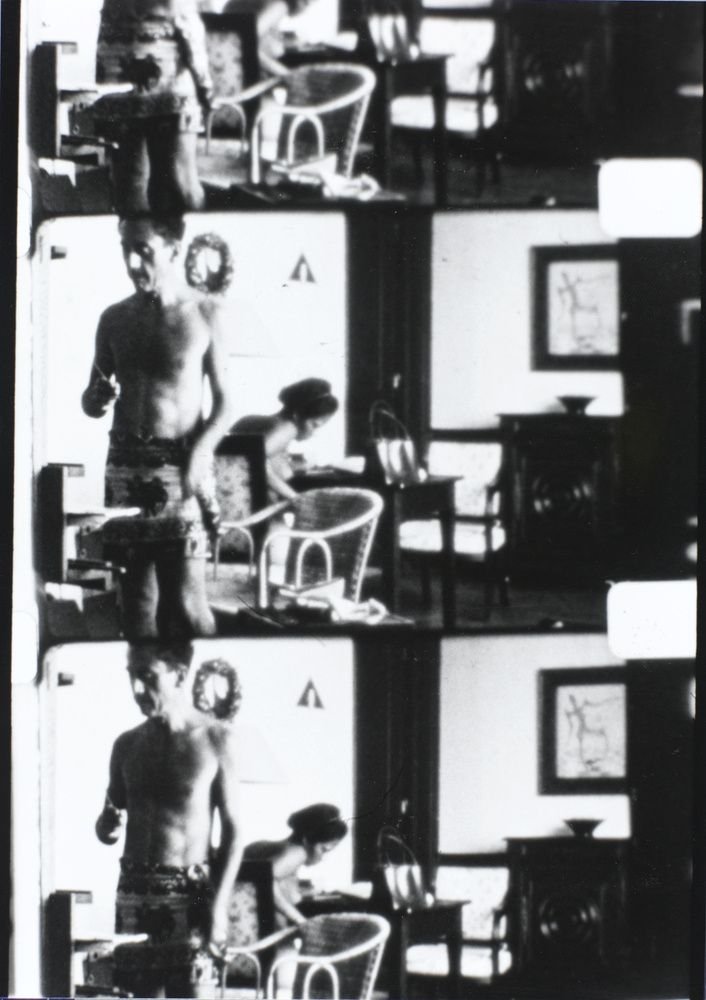
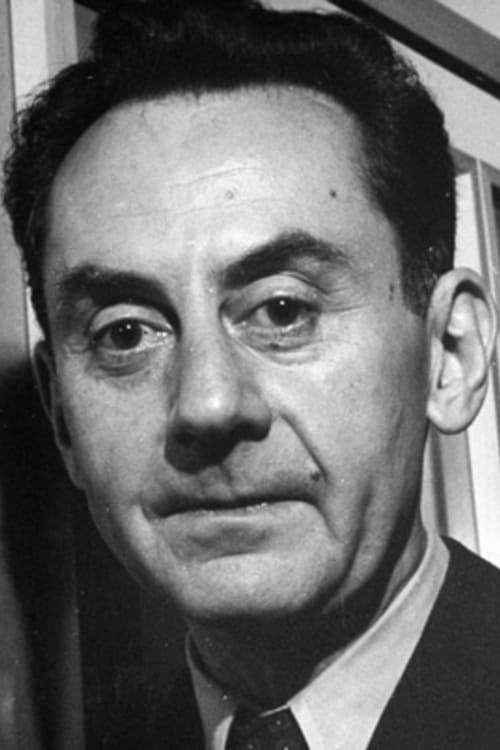
Very brief view of Man Ray and his friend Ady Fidelin while at a seaside resort
Social & External
herself
himself
The video revolution of the 1970s offered unprecedented access to the moving image for artists and performers. This Is Not a Dream explores the legacies of this revolution and its continued impact on contemporary art and performance. Charting a path across four decades of avant-garde experiment and radical escapism, This Is Not a Dream traces the influences of Andy Warhol, John Waters and Jack Smith to the perverted frontiers of YouTube and Chatroulette, taking in subverted talk shows and soap operas, streetwalker fashions and glittery magic penises along the way.
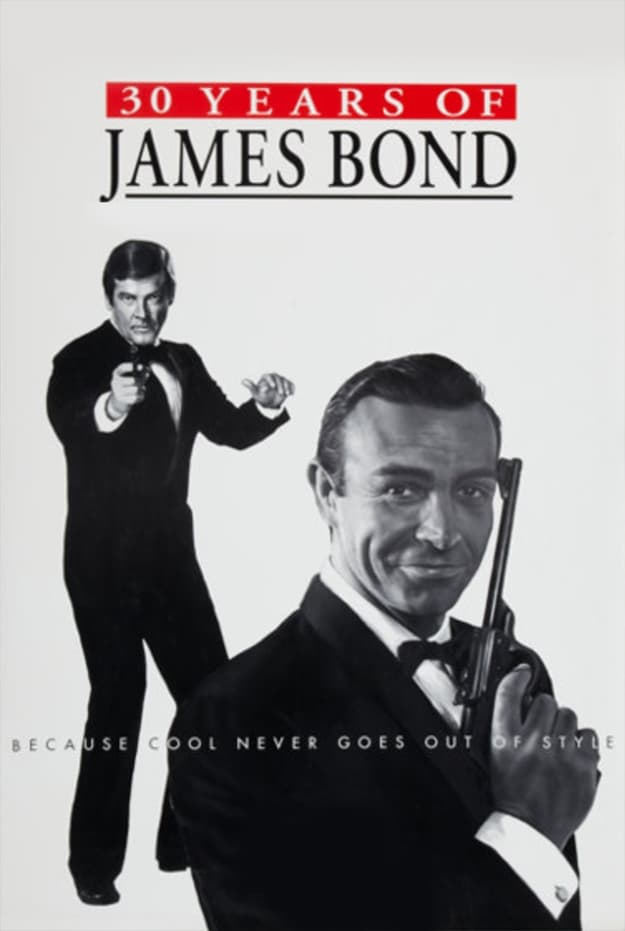
An examination of why the James Bond films have proved so popular including a discussion between the four actors who have played Bond, an interview with Cubby Broccoli and contributions from the directors, production designers, special effects and stuntmen.
Jonathan Ross delves into the world of James Bond and meets with new and former cast members who reveal humorous stories and anecdotes in a series of interviews. All the 5 Bonds at the time are featured, though only Lazenby (reflecting in the usual frank, self criticizing manner), Moore and Brosnan granted an interview. Connery and Dalton are featured through some unused footage from LWT's 30 years of James Bond program. The ever faithful Desmond Llewelyn turns up in character as well as some other less related peeps like Christopher Lee, Paul McCartney and the ultimate playboy: Hugh Hefner -- who all give an interesting perspective on the worlds most famous spy.
Short film about the formation and extraction of petroleum
Short film about Hitler's rise to power in 1933
The Dawn is Too Far: Stories of Iranian-American Life poetically narrates the story of a community of Iranian Americans who have made the San Francisco Bay Area their home over the past five decades. The film explores Iranian immigration through turbulent histories of dissent, revolution, war, and separation, and the reinvention of identity in a new land and culture. The Dawn is Too Far highlights how Iranian students, activists, and artists have navigated displacement while drawing on and influencing Bay Area culture. This community offers a more nuanced story of the Iranian diaspora—the ways that this community enriches the region where they live, work, and build families. The Dawn is Too Far undermines the tired and overplayed news headlines that are dominated by narratives of enmity and mistrust between the government of Iran and the U.S., to offer a more humane understanding of the how people's lives and the sacrifices they make are part of the larger story of immigration.
"Graphic City" explores Lisbon's vibrant urban art scene through the unique eyes of artist Mariana Duarte Santos. Between murals and interventions that transform public space, the film delves into the streets of the Portuguese capital to reveal the artistic expression that arises from the city's walls. This documentary captures the creative spirit of Lisbon, where every corner becomes an open canvas for the imagination.
Tattooing — "the world's oldest skin game" — is the subject of this iconic documentary. Writer/director Geoff Steven scored a major coup by signing Easy Rider legend Peter Fonda as his presenter. Travelling to Aotearoa, Samoa, Japan and the United States, the doco traces key developments in tattooing, including its importance in the Pacific, prison-inspired styles, and the influence of 1960s counterculture. Legendary tattooists feature (including Americans Ed Hardy and Jack Rudy), while the closing credits parade some eye-opening full body tattoos.
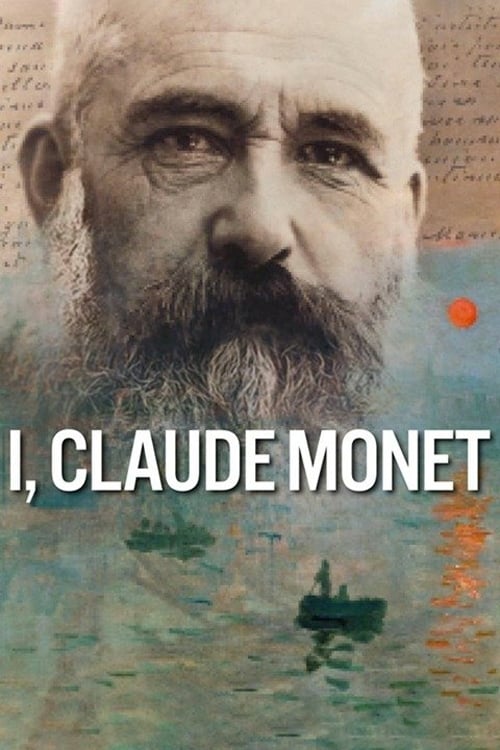
From award-winning director Phil Grabsky comes this fresh new look at arguably the world’s favourite artist – through his own words. Using letters and other private writings I, Claude Monet reveals new insight into the man who not only painted the picture that gave birth to impressionism but who was perhaps the most influential and successful painter of the 19th and early 20th centuries. Despite this, and perhaps because of it, Monet’s life is a gripping tale about a man who, behind his sun-dazzled canvases, suffered from feelings of depression, loneliness, even suicide. Then, as his art developed and his love of gardening led to the glories of his garden at Giverney, his humour, insight and love of life is revealed. Shot on location in Paris, London, Normandy and Venice I, Claude Monet is a cinematic immersion into some of the most loved and iconic scenes in Western Art.
A warship is displayed
This black-and-white archival film outlines the importance of Canada's forests in the national war effort during the Second World War.
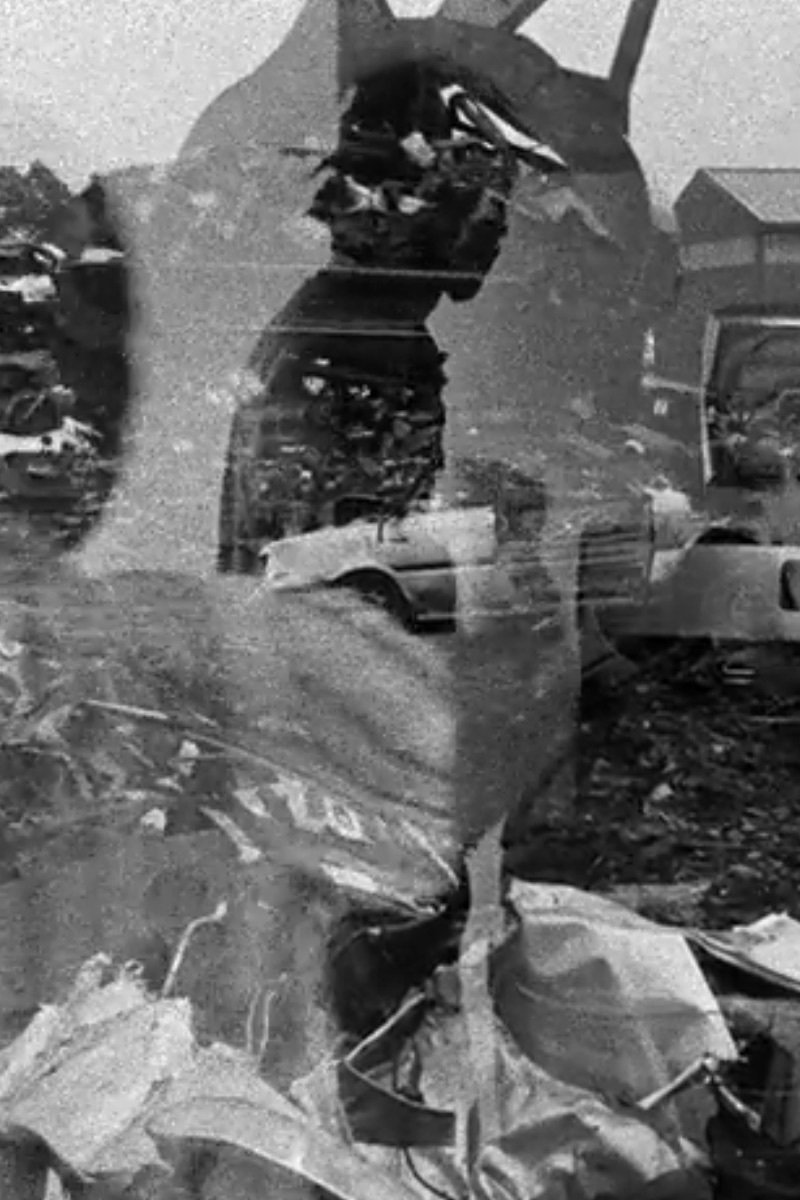
A beautifully wrought superimposition in black-and-white, MANSFIELD PRODUCT COMPANY layers a crane demolishing a car with two young men installing a stove. The fact that this haiku on the industrial lifecycle was shot in Kevin Jerome Everson's hometown of Mansfield, Ohio, lends a personal dimension to the visual mingling of old and new. - Max Goldberg
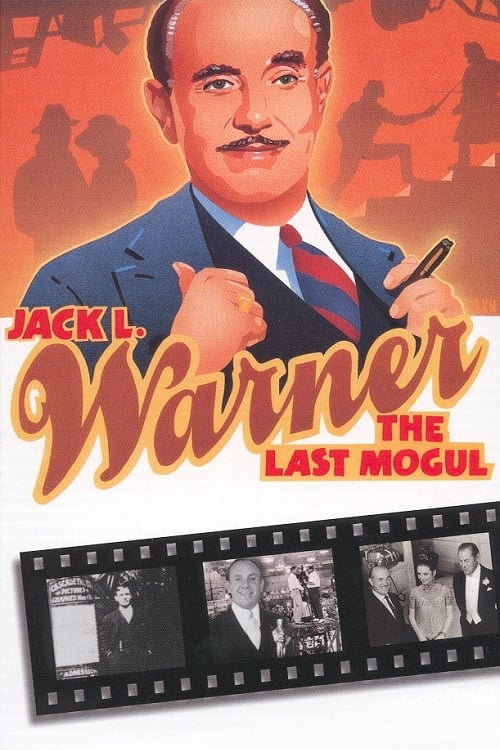
An insider's account of Jack Warner, a founding father of the American film industry. This feature length documentary provides the rags to riches story of the man whose studio - Warner Bros - created many of Hollywood's most classic films. Includes extensive interviews with family members and friends, film clips, rare home movies and unique location footage.
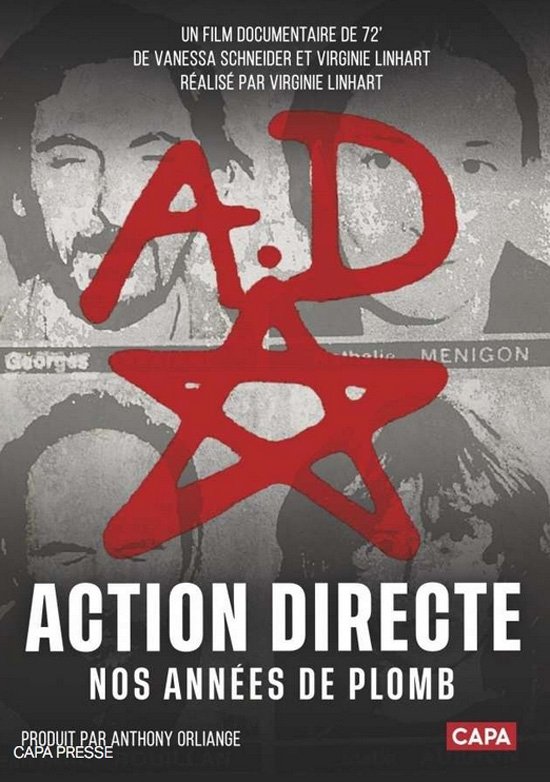
Between 1979 and 1987, a far-left group wreaked havoc across France. Robberies, bombings, assassinations. They struck hard and disappeared in a cloud of explosives, leaflets scattered in the wind, and relentless ideological demands. Their name? Action Directe. More than 80 attacks, 26 wounded, and 12 dead in less than ten years. Stunned French citizens discovered posters plastered everywhere showing portraits of these young women and men who looked like everyone else and whom nothing seemed to be able to stop. A long and intense manhunt began, culminating in the arrest of the group's leadership.
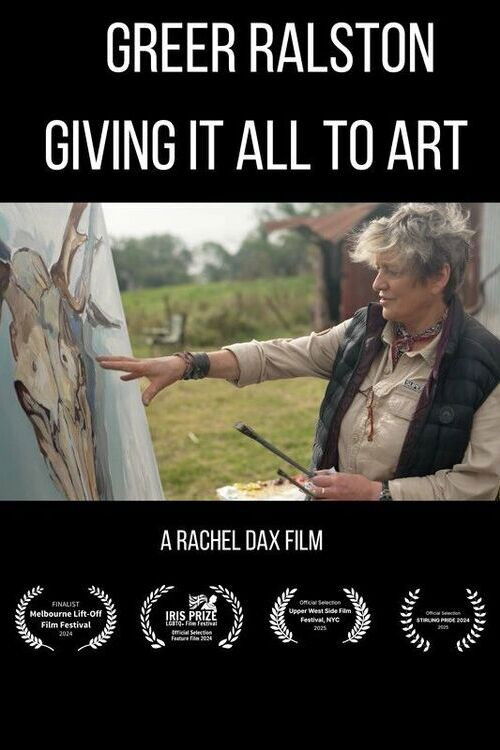
An intimate portrait of figurative artist Greer Ralston as she astonishes us with her exceptional talent and tells of her plans to devote herself solely to art.
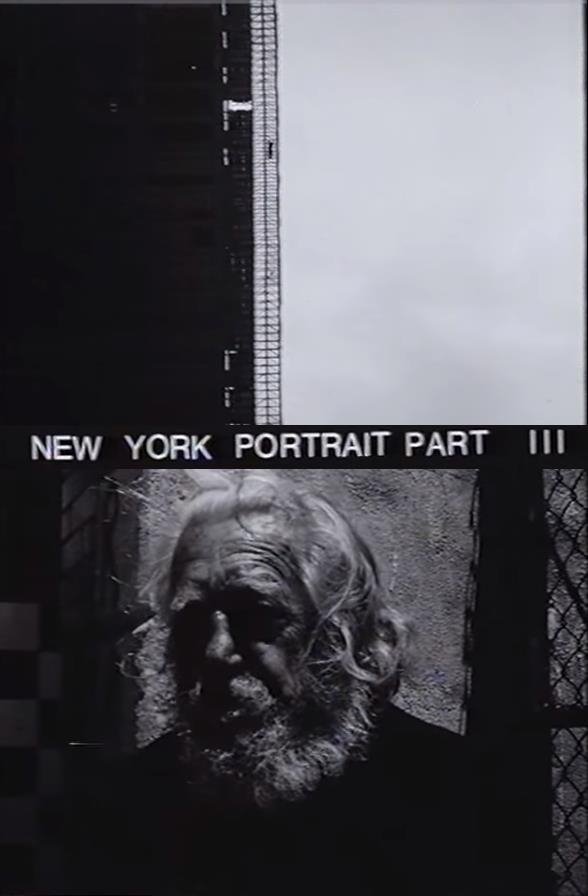
"[Hutton’s] latest urban film, New York Portrait, Chapter III, takes on a unique tone in relation to Hutton’s ongoing exploration of rural landscape. The very fact that Hutton is dealing with older footage, with archives of memory more than immediacy, gives it a different texture than his earlier New York films. Hutton always found the presence of nature in the city, not only in his many shots of sky and vegetation, but also in the geometry and texture of the city itself, which seemed to project an independence from the human." (Tom Gunning)
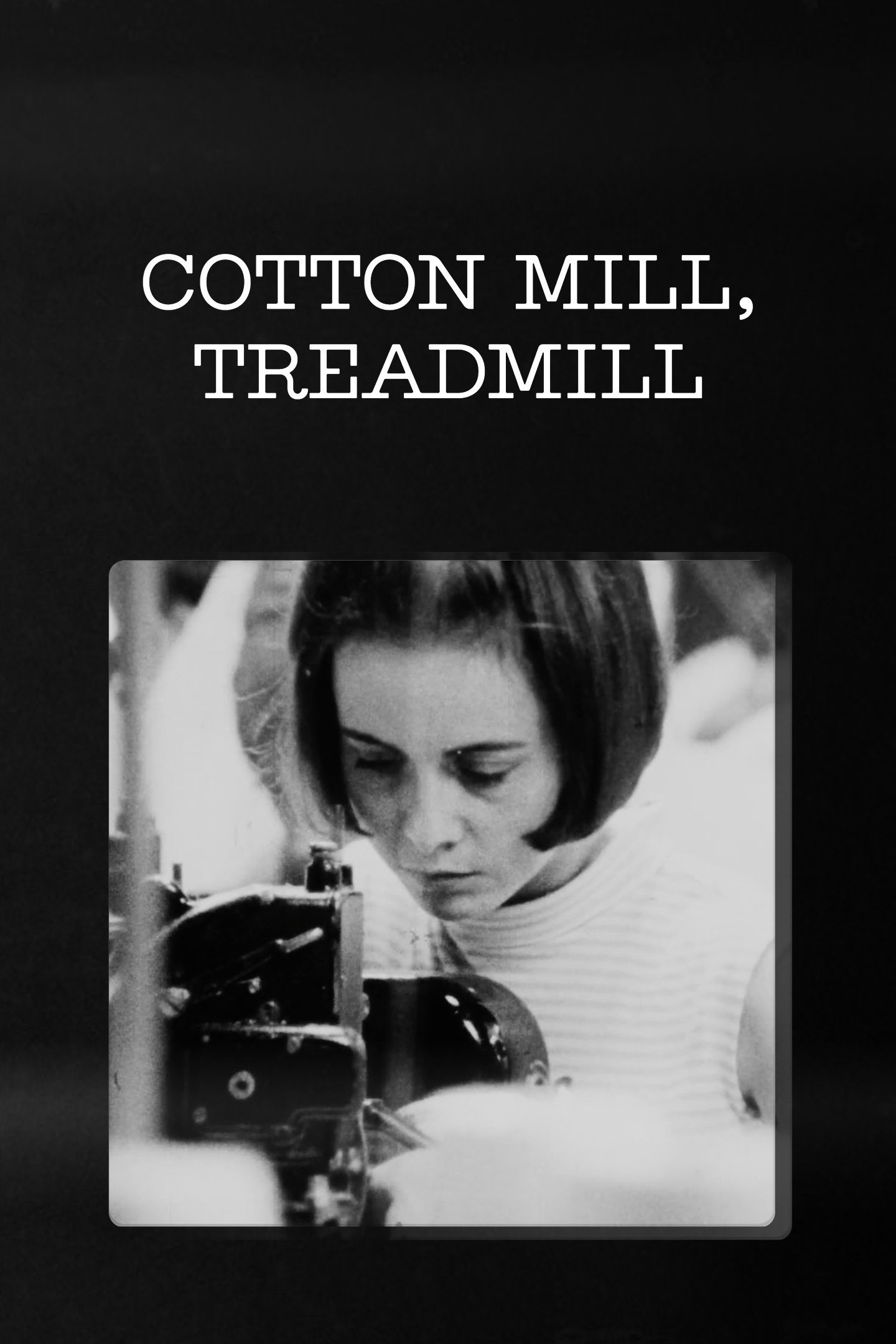
Director Denys Arcand made an inquiry on textile industry in Quebec, meeting employers and workers of that industry.
Early Errol Morris documentary intersplices random chatter he captured on film of the genuinely eccentric residents of Vernon, Florida. A few examples? The preacher giving a sermon on the definition of the word "Therefore," and the obsessive turkey hunter who speaks reverentially of the "gobblers" he likes to track down and kill.
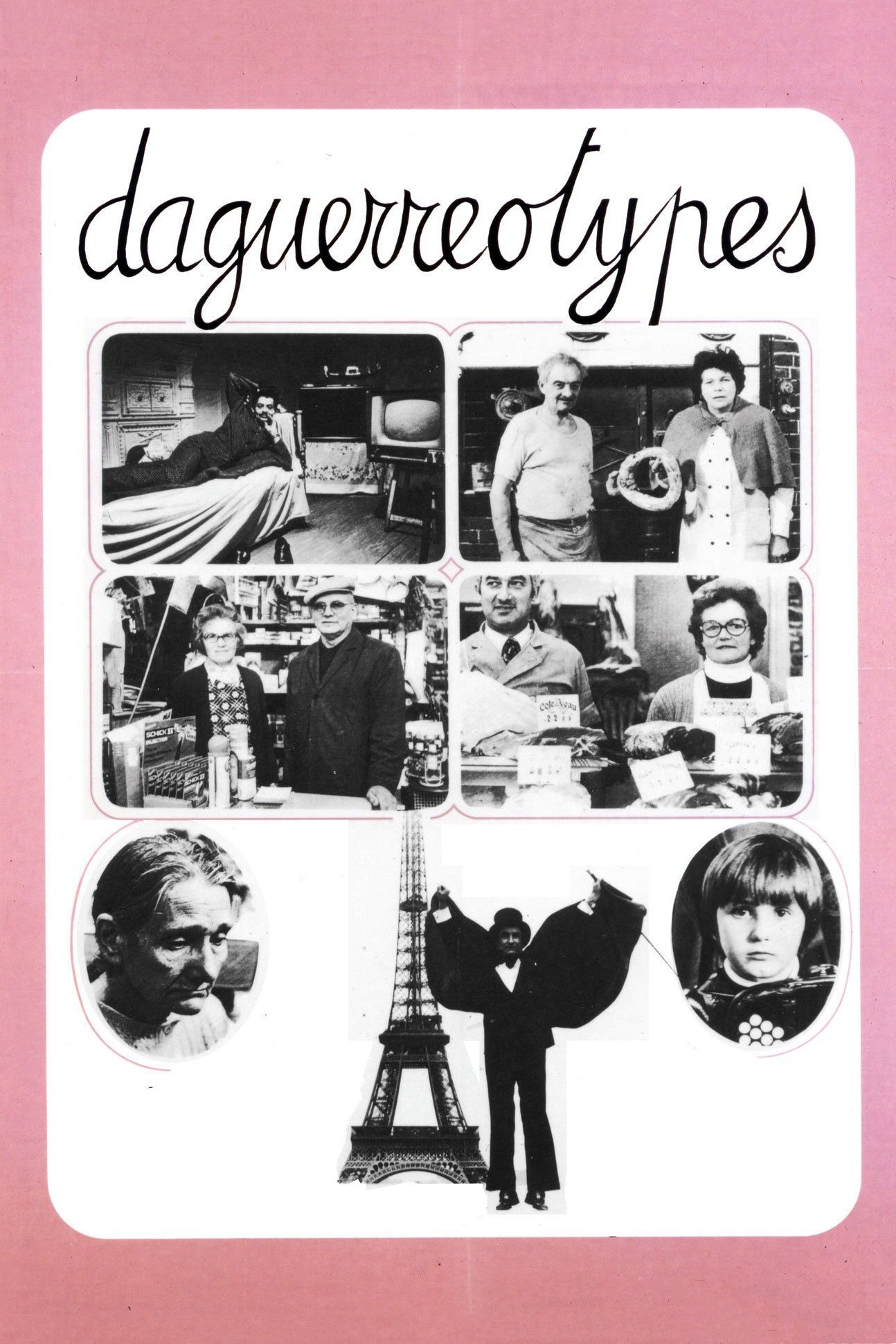
An intimate portrait of the small shops and shopkeepers of the Rue Daguerre in Paris, a picturesque street that has been the filmmaker’s home for more than 50 years.
The life of Mr. Spock, as well as that of Leonard Nimoy, the actor who played him for almost fifty years, written and directed by his son: Adam.
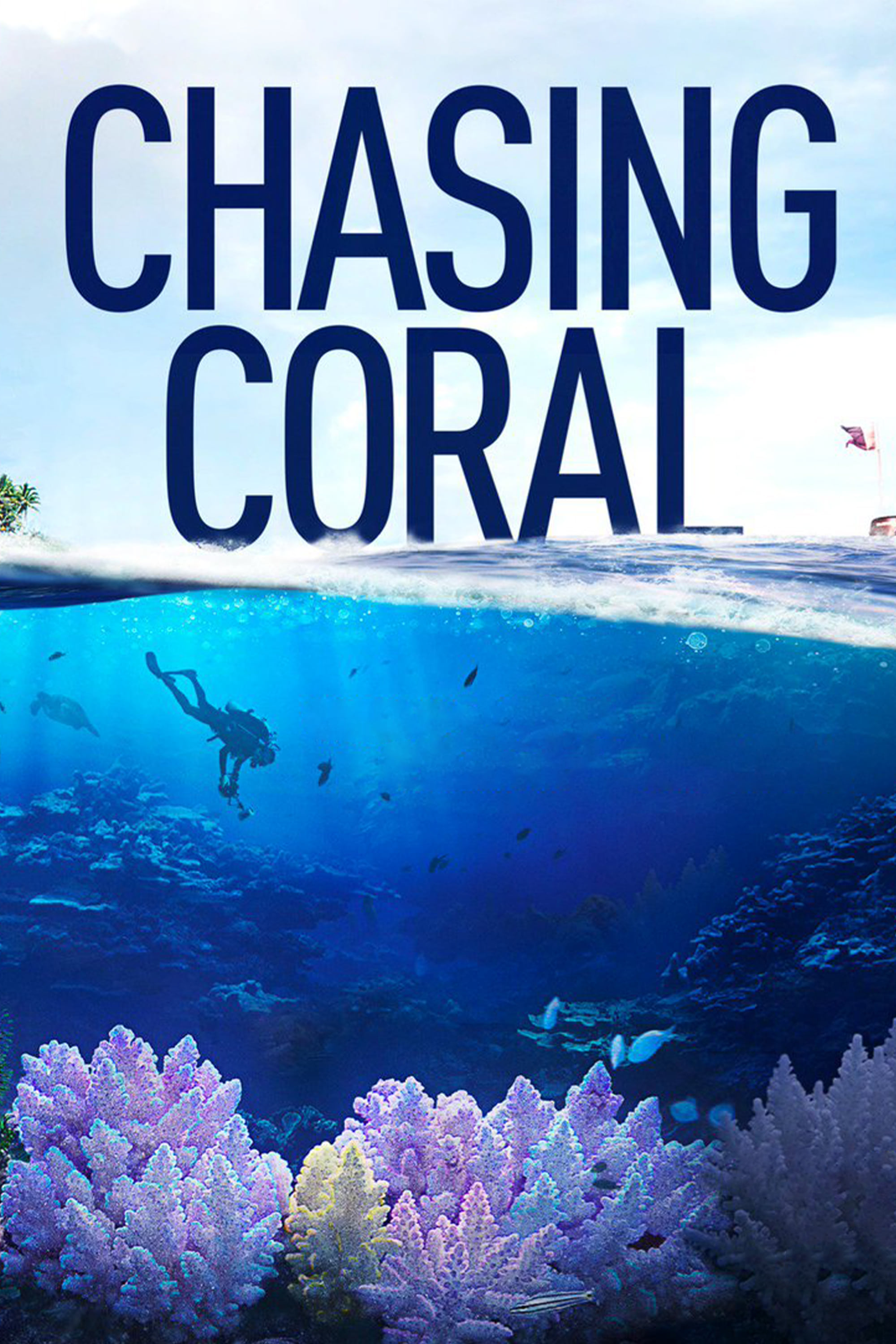
Coral reefs are the nursery for all life in the oceans, a remarkable ecosystem that sustains us. Yet with carbon emissions warming the seas, a phenomenon called “coral bleaching”—a sign of mass coral death—has been accelerating around the world, and the public has no idea of the scale or implication of the catastrophe silently raging underwater.
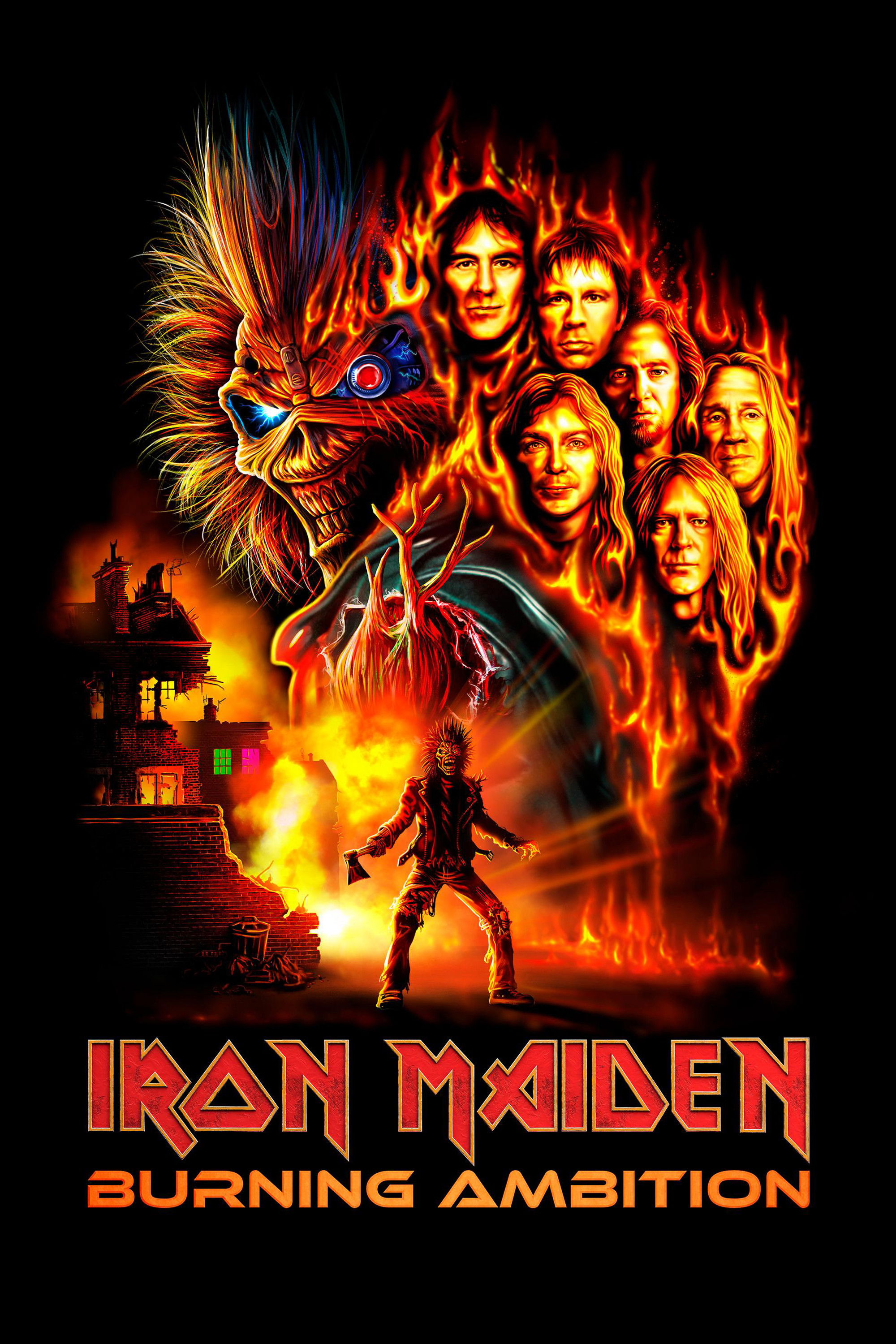
With unprecedented access to the official archives and intimate recollections from the band, both current and past, Iron Maiden: Burning Ambition invites fans to experience one of the most iconic journeys in music history. Spanning five decades, this electrifying documentary charts the band’s rise from the pubs of East London to the world’s biggest stadiums. Featuring exclusive interviews with band members and contributors such as Javier Bardem, Lars Ulrich and Chuck D, as well as all-new animated sequences of the band's legendary mascot, Eddie, the film offers a rare and intimate look at Iron Maiden’s uncompromising vision and unwavering connection with their truly global army of fans.
A detailing of the rise to prominence and global sporting superstardom of six supremely talented young Manchester United football players (David Beckham, Nicky Butt, Ryan Giggs, Paul Scholes, Phil and Gary Neville). The film covers the period 1992-1999, culminating in Manchester United's European Cup triumph.
Al Pacino's deeply-felt rumination on Shakespeare's significance and relevance to the modern world through interviews and an in-depth analysis of "Richard III."
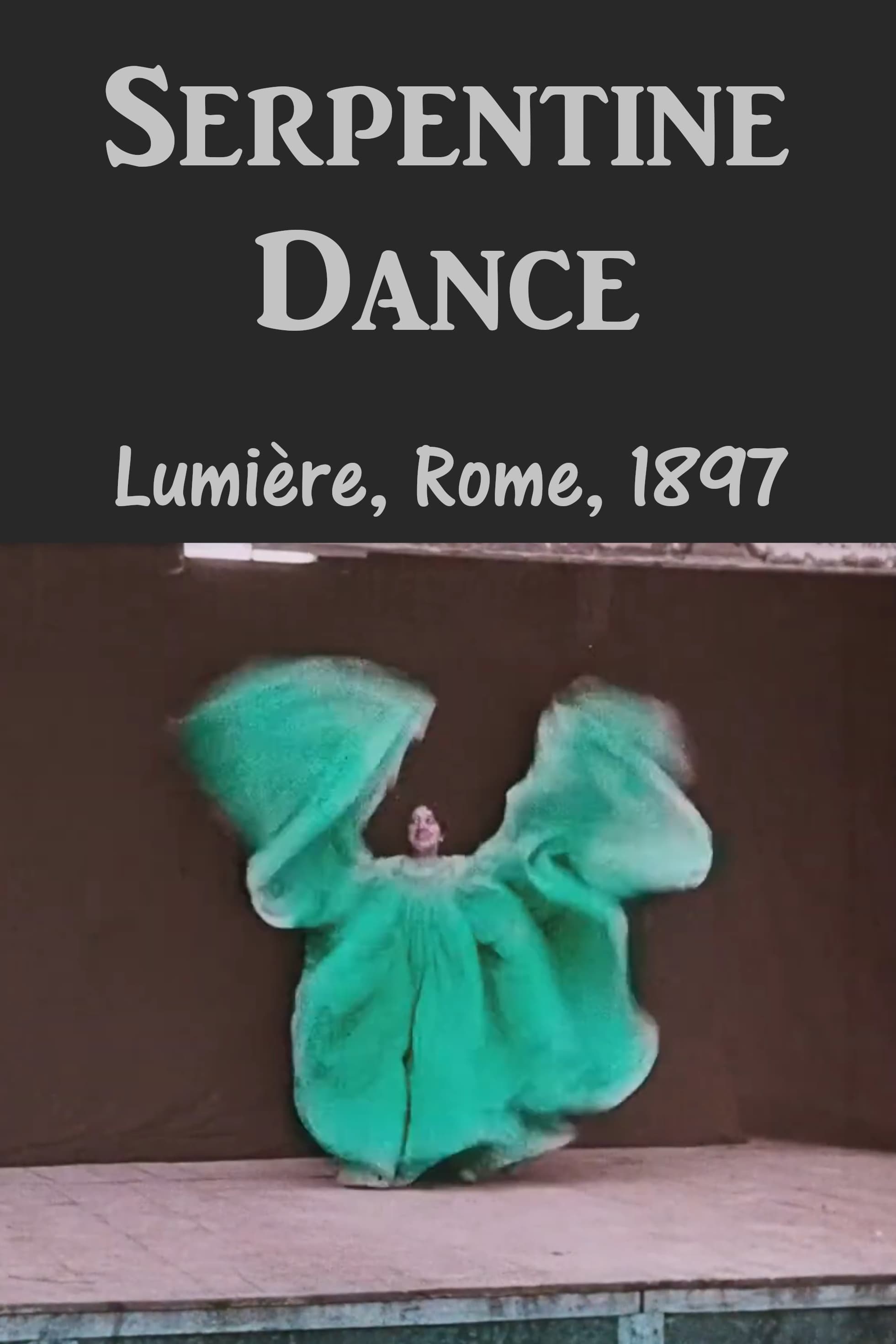
Angelic and demonic serpentine dance from dawn of cinema. Hand-colored frame by frame. Lumière no. 765 or 765.1 (colorized, different dancer?).
Marlon Riggs, with assistance from other gay Black men, especially poet Essex Hemphill, celebrates Black men loving Black men as a revolutionary act. The film intercuts footage of Hemphill reciting his poetry, Riggs telling the story of his growing up, scenes of men in social intercourse and dance, and various comic riffs, including a visit to the "Institute of Snap!thology," where men take lessons in how to snap their fingers: the sling snap, the point snap, the diva snap.
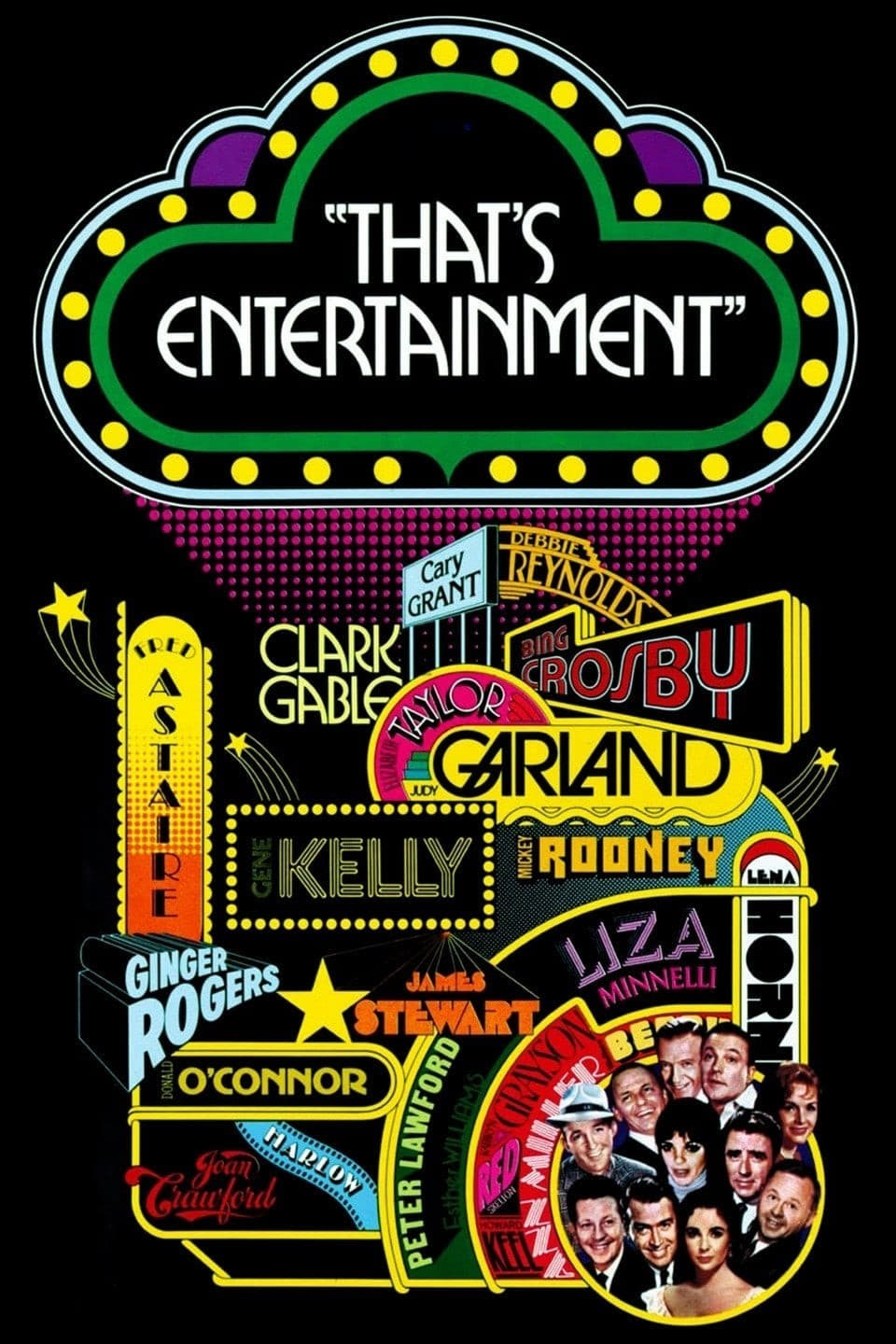
Various MGM stars from yesterday present their favorite musical moments from the studio's 50 year history.
The life and career of an actor, artist, and icon. His own journey through his own camera.
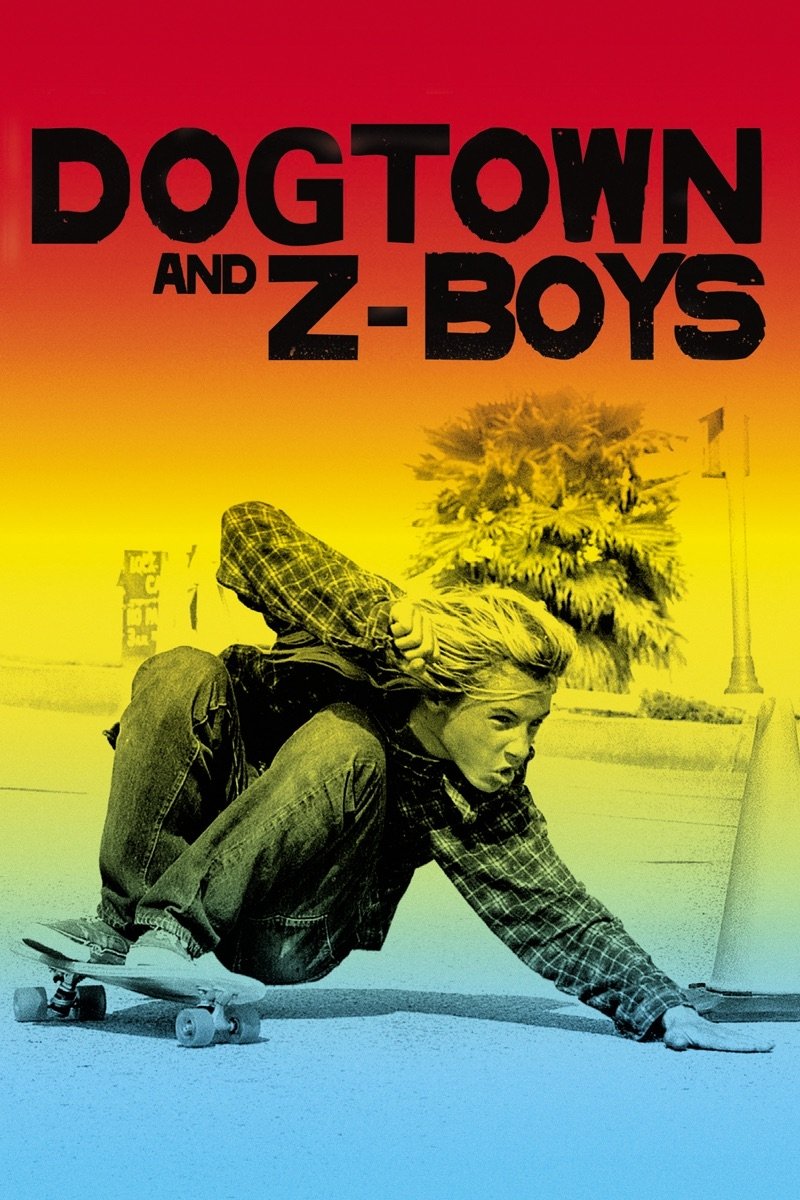
This award-winning, thrilling story is about a group of discarded kids who revolutionized skateboarding and shaped the attitude and culture of modern day extreme sports. Featuring old skool skating footage, exclusive interviews and a blistering rock soundtrack, DOGTOWN AND Z-BOYS captures the rise of the Zephyr skateboarding team from Venice's Dogtown, a tough "locals only" beach with a legacy of outlaw surfing.
Those who knew iconic funnyman John Candy best share his story, in their own words, through never-before-seen archival footage, imagery, and interviews.
King of the slack wire. His daring feats of balancing as he performs his thrilling feats in midair show that he is perfectly at home.
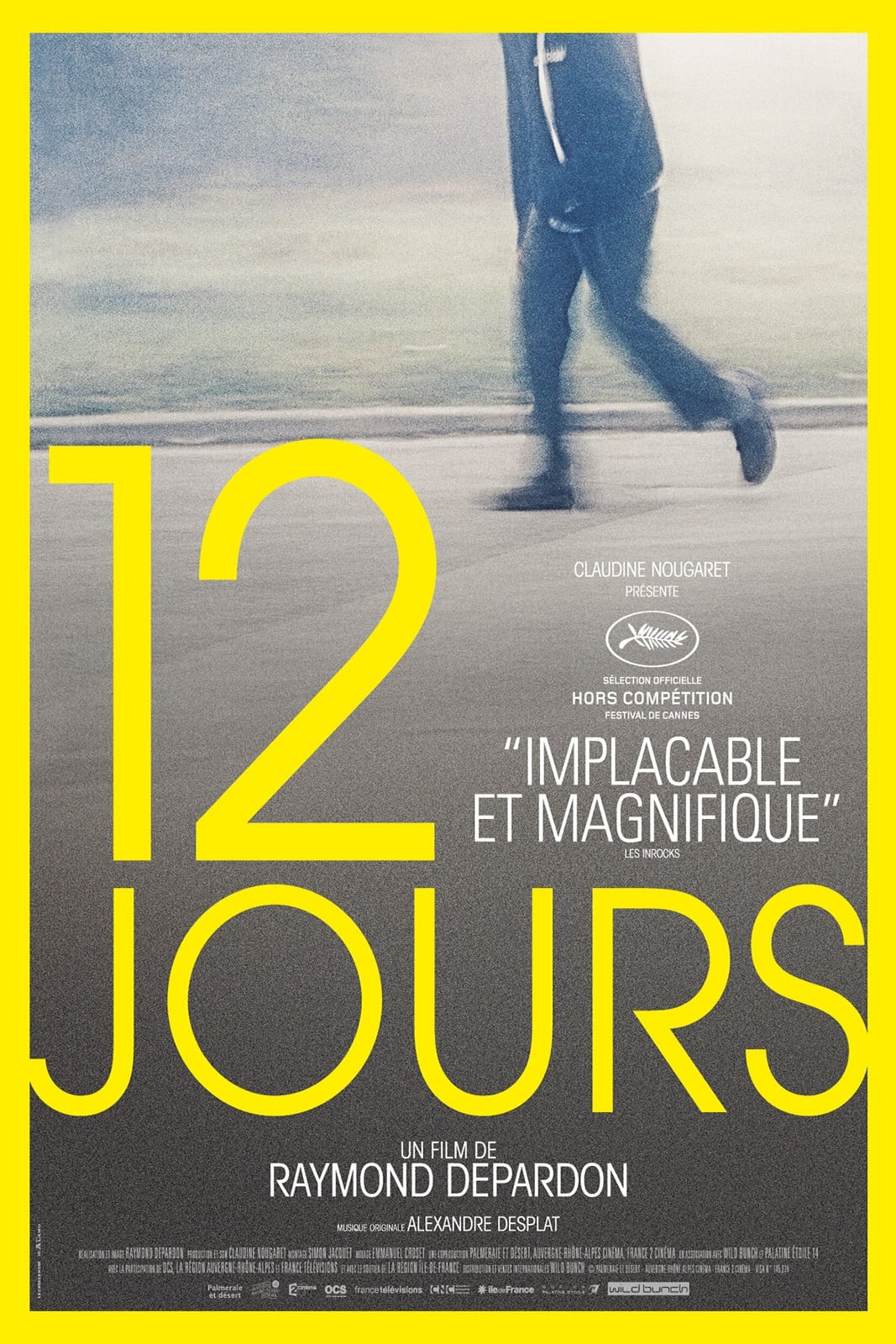
A new documentary by filmmaker-photographer Raymond Depardon – where justice and psychiatry meet.
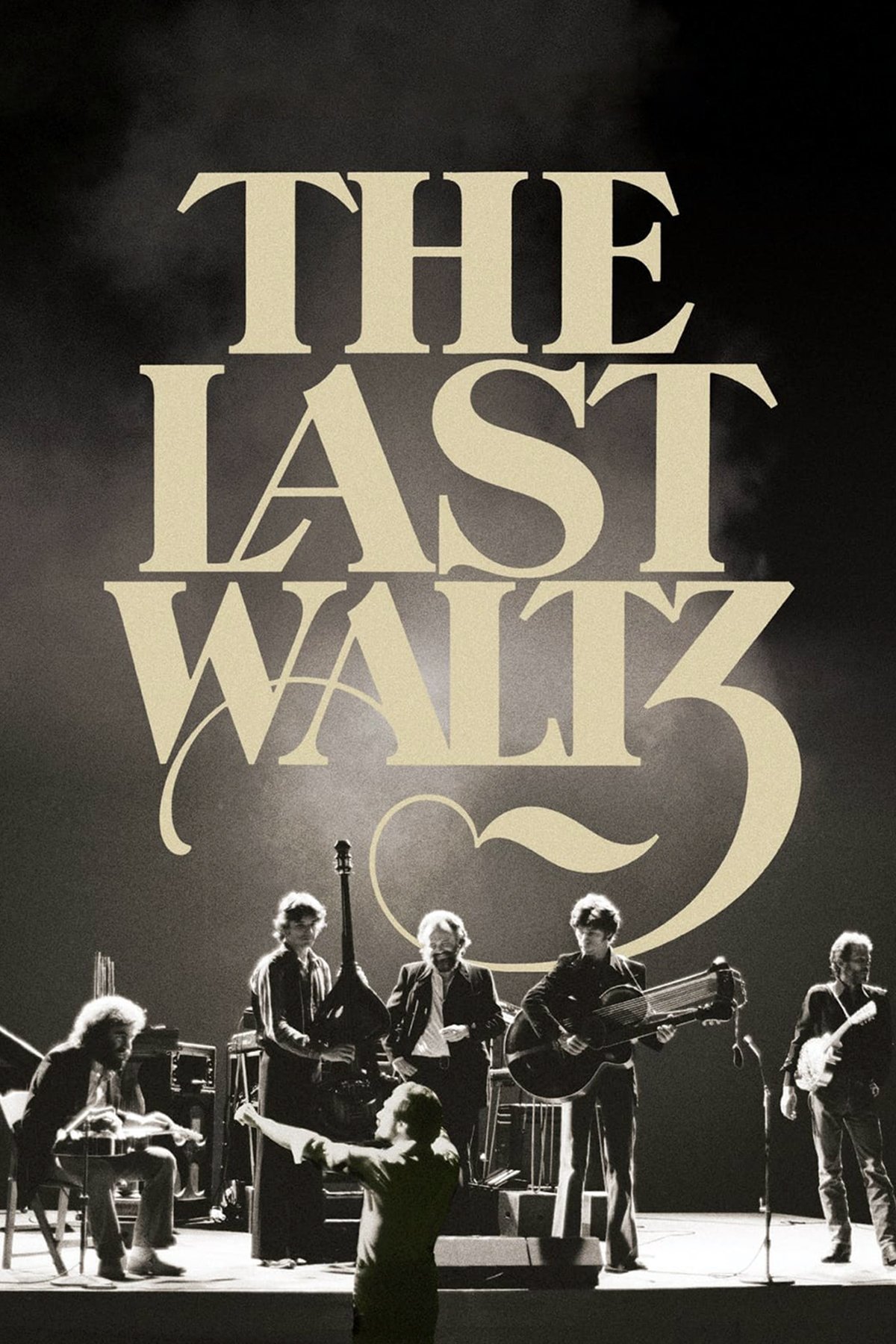
Martin Scorsese's documentary intertwines footage from The Band's incredible farewell tour with probing backstage interviews and featured performances by Eric Clapton, Bob Dylan, Joni Mitchell, Van Morrison, and other rock legends.
Behind-the-scenes documentary about how Lionel Messi succeeded in lifting the World Cup – the only trophy to have eluded him in an incredible career.
NUDE explores perceptions of nudity in art by chronicling the creative process of photographer David Bellemere as he's commissioned by NU Muses founder Steve Shaw to shoot a fine art calendar of nude photographs.
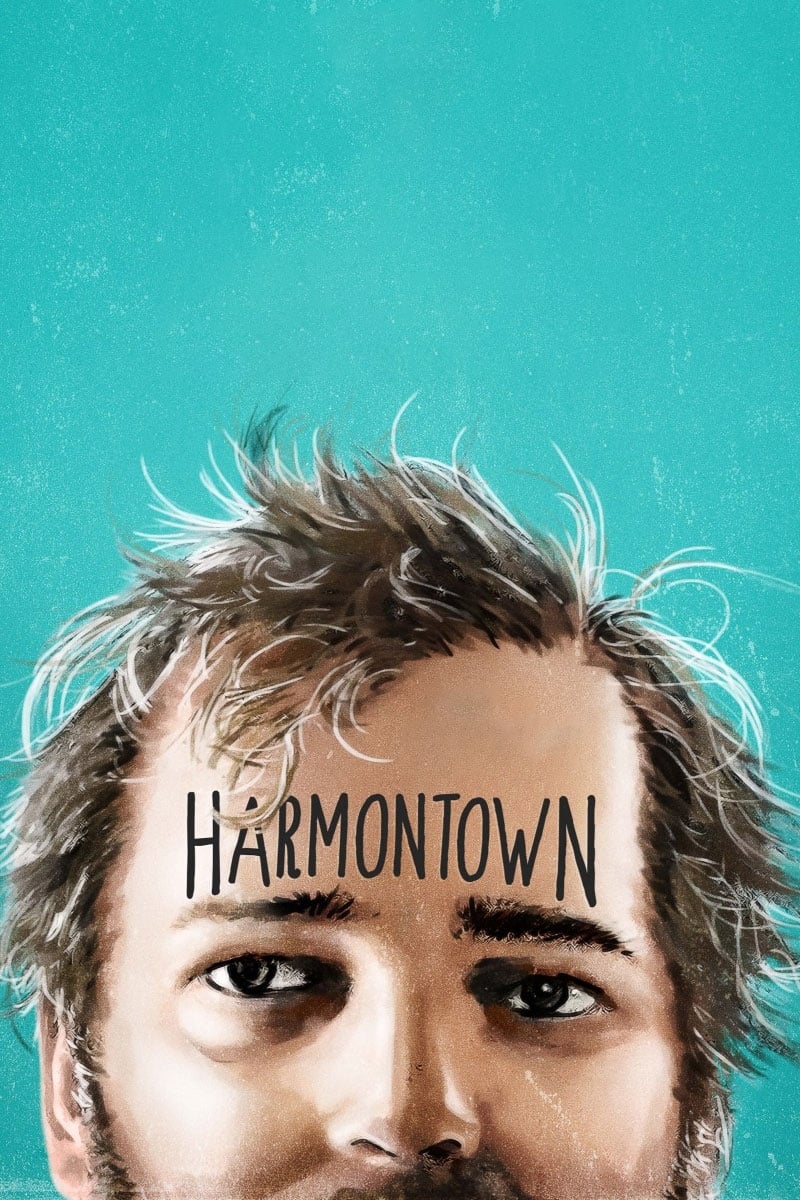
A comedic, brutally honest documentary following self-destructive TV writer Dan Harmon as he takes his live podcast on a national tour.
In the Realms of the Unreal is a documentary about the reclusive Chicago-based artist Henry Darger. Henry Darger was so reclusive that when he died his neighbors were surprised to find a 15,145-page manuscript along with hundreds of paintings depicting The Story of the Vivian Girls, in What is Known as the Realms of the Unreal, of the Glodeco-Angelinnian War Storm, Cased by the Child Slave Rebellion.