Social & External
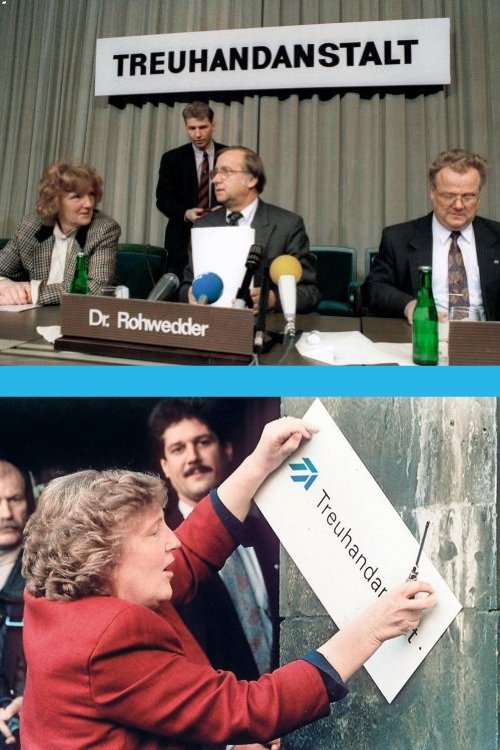
In the early summer of 1990, the Treuhandanstalt was founded to privatize the "state-owned" companies of the GDR. In the four years that followed, around 4,000 of these companies were closed and around two and a half million jobs were lost. Until its closure at the end of 1994, the Treuhandanstalt incured debts totaling 256 billion marks - the equivalent of around 150 million marks every day. The Treuhand also allowed itself to be cheated out of many billions of marks. This scandal was never fully investigated. Most of the perpetrators went unpunished or were not even charged.
The documentary tells the story of the reunification from the perspective of six teenagers from East Germany.
Germany in the summer of 1961 - the "Iron Curtain" divides the country. Only in Berlin is the border still permeable. West Berlin is the open wound of the GDR. Until August 13, 1961, a summer Sunday that would divide the world into a before and an after. 2011 marks the 50th anniversary of the day on which the division of Berlin cemented the division of Germany and Europe for more than two and a half decades. The docu-drama "Geheimsache Mauer - Die Geschichte einer deutschen Grenze" by Christoph Weinert and Jürgen Ast tells the story of the Berlin Wall and the inner-German border from a new, unusual perspective: from the point of view of those who planned, built and guarded it. The film takes the viewer behind the scenes of the Wall builders: it reveals the "concreted" thinking and calculating calculations of the Wall strategists - and their secret plans to perfect the deadly border further and further.
Berlin, summer 1988: While Michael Jackson and Pink Floyd perform in the West, East Berliners can look forward to Bruce Springsteen, Depeche Mode and James Brown. The documentary reveals how the organizers enforced the concerts with the state authorities. On the anniversary of the fall of the Wall.
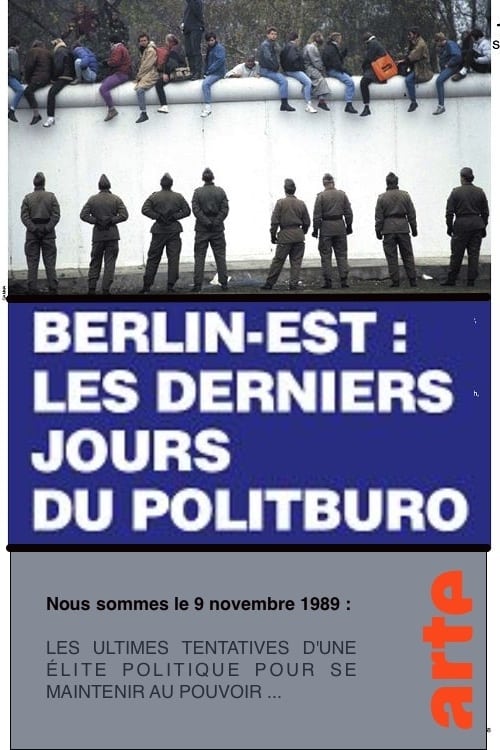
On October 18, 1989, the SED Central Committee confirms the dismissal of Erich Honecker. The documentary tells the story of the last months of the Politburo, of the demise of the GDR's most important organ of power, from spring 1989 to early 1990.
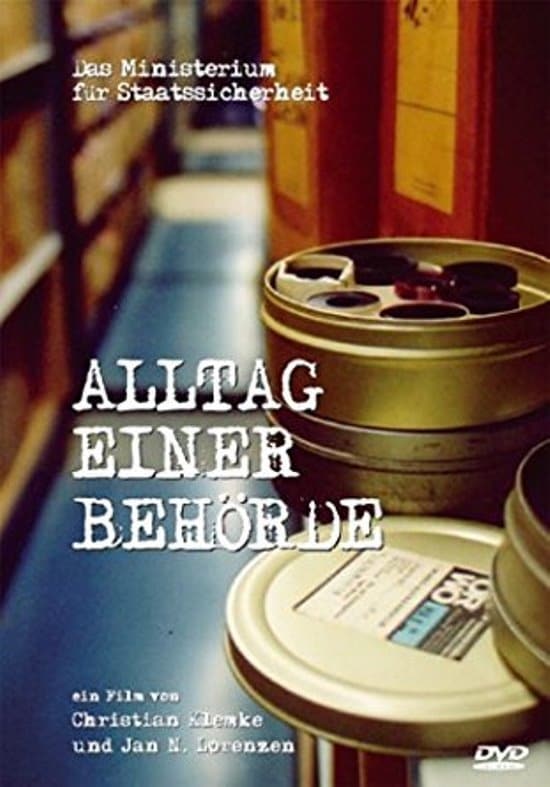
Former heads, senior officers and the rector of the MfS law school explain how the ministry functioned. The interviewees see themselves as legitimate actors with a clear mandate and political enemy image. They provide an insight into the techniques and routines of secret service work, psychological tricks during interrogations and the management of “unofficial collaborators”. What they all have in common is that they are not aware of any moral guilt. The directors contrast their footage of prisons and archives with the statements of former Stasi employees in an attempt to expose their evasions and efforts at suppression.
Volker Koepp documents life in the Dorotheenstadt in Berlin-Mitte, which was called "Feuerland" in the 19th century.
The former athlete Barbara follows her husband to the province and attempts to masters her new life, even after her separation from him.
At the end of the 1950s, the production of optics in the German Democratic Republic has reached top quality and instigates interest in the West. When national demand rises strongly and at the same time the export to South America heavily decreases, the Volkspolizei - the GDR police force - starts to look into the case. Two seemingly unrelated cases are the starting point for the investigation by second lieutenant Schellenberg of the department for optics racketeering: An old woman who was arrested in the Berlin city railway for trying to smuggle a pair of binoculars to West Berlin, and a dead person in an area of allotments who was involved in obscure dealings with optical devices.
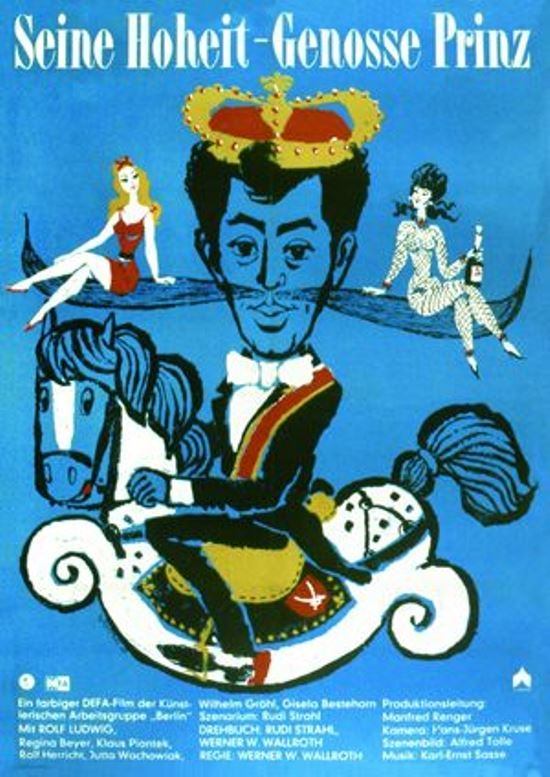
Kasper Mai, an export merchant and comrade with a “clean” record, discovers he is the prince of Hohenlohe-Liebenstein. His royal grandmother designates him as the heir to her estate. A private trip to her reveals that she does not want a NATO airbase built on her land. The GDR and his grandmother thus find a common interest, and a clever lawyer from the East works against other family members looking to settle their debts with the estate money.
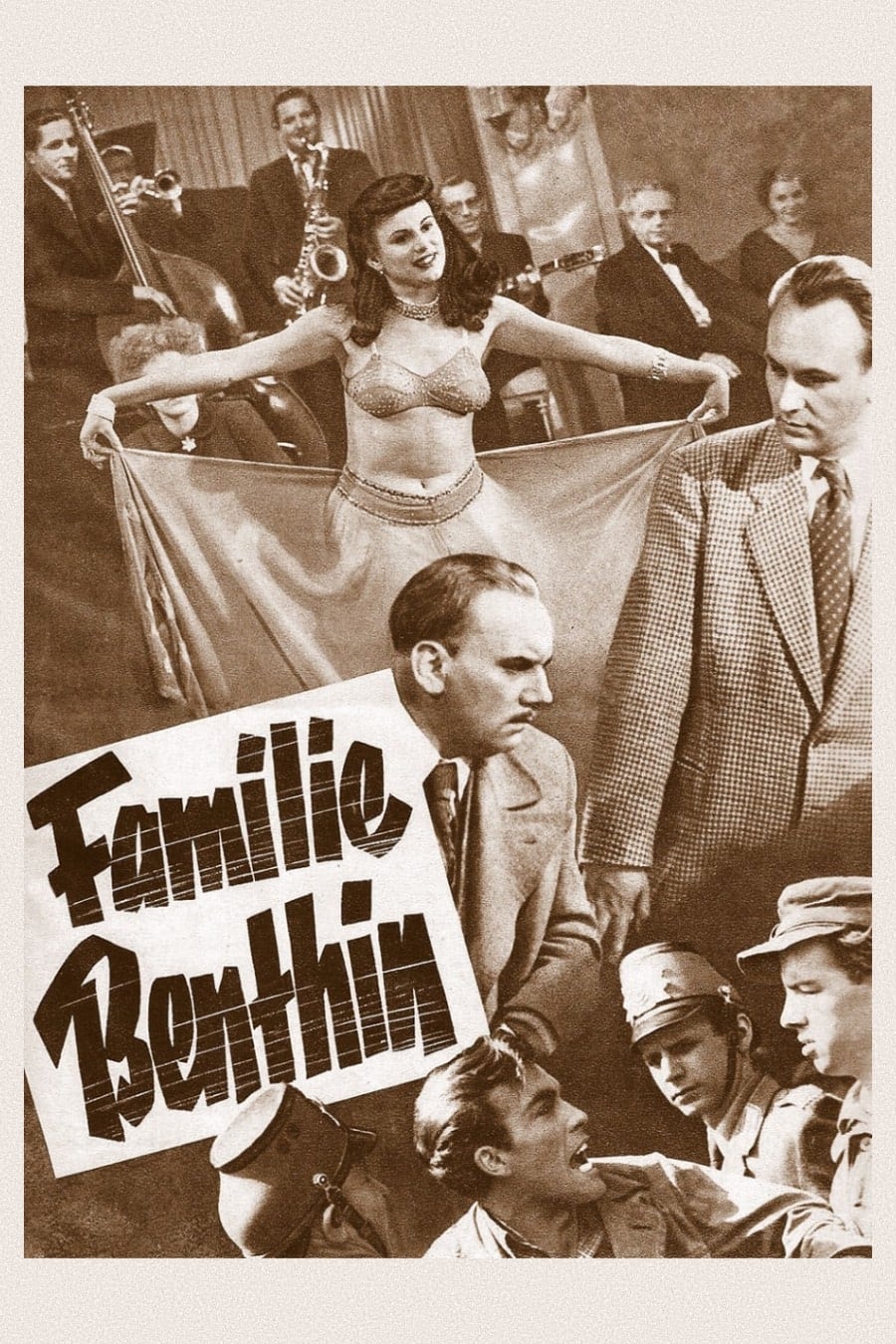
The brothers Theo and Gustav Benthin pull profits through smuggling in divided Germany: Theo in the West and Gustav in the East. The East German police catch on quickly, however, and Gustav is arrested. The small band of smugglers disperses, with Gustav’s chauffer Peter Naumann fleeing to the West and his sister choosing the East after struggling to find work and lodging in the West.
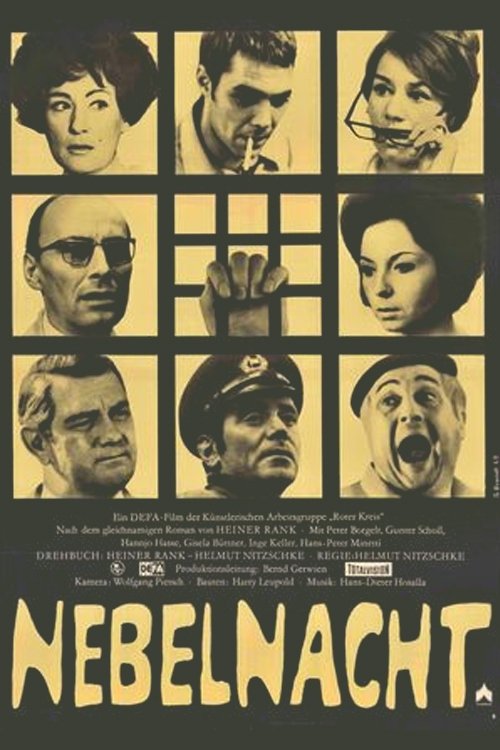
Paul Schulte takes a spa stay on the Baltic Sea to have his heart condition treated. His wife Barbara accompanies him and finds interest in the valuable art objects in a nearby church. Together with her accomplice and lover Klaus Grunow, she plans to break into the church. But Paul Schulte sees through his wife's plans and tries to dissuade her. One morning, Paul Schulte is found dead.
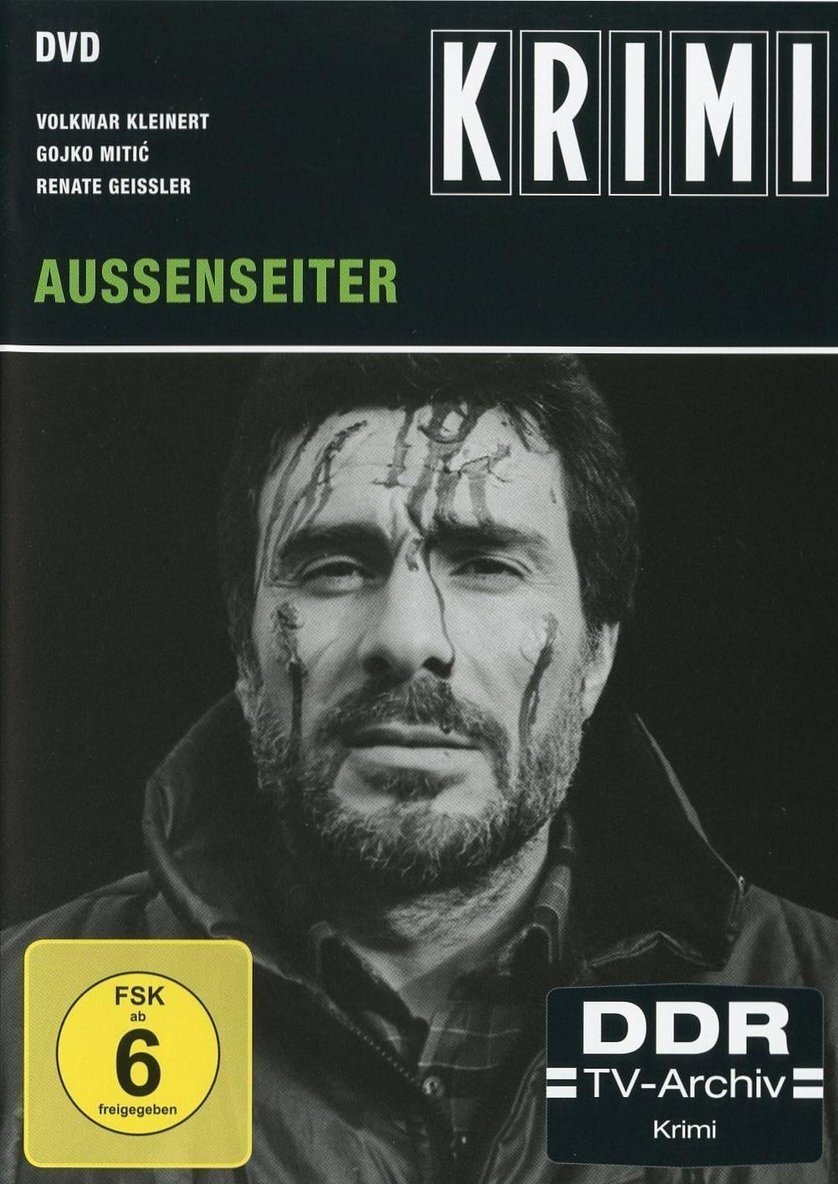
When a motorcyclist dies in an accident, lieutenant Kreutzer and his colleague Arnold receive the order to investigate the backgrounds of this mysterious case. Although the leads point to murder, head physician Dr. Nikolai, the driver of the car involved in the accident, maintains his innocence and even has an alibi. With a lot of arduous detail work, Kreutzer follows all leads and evidence. Both Nikolai’s colleagues and his son act suspiciously. Eventually, Kreutzer convicts the criminal who secretly used the physician’s car for his criminal dealings.
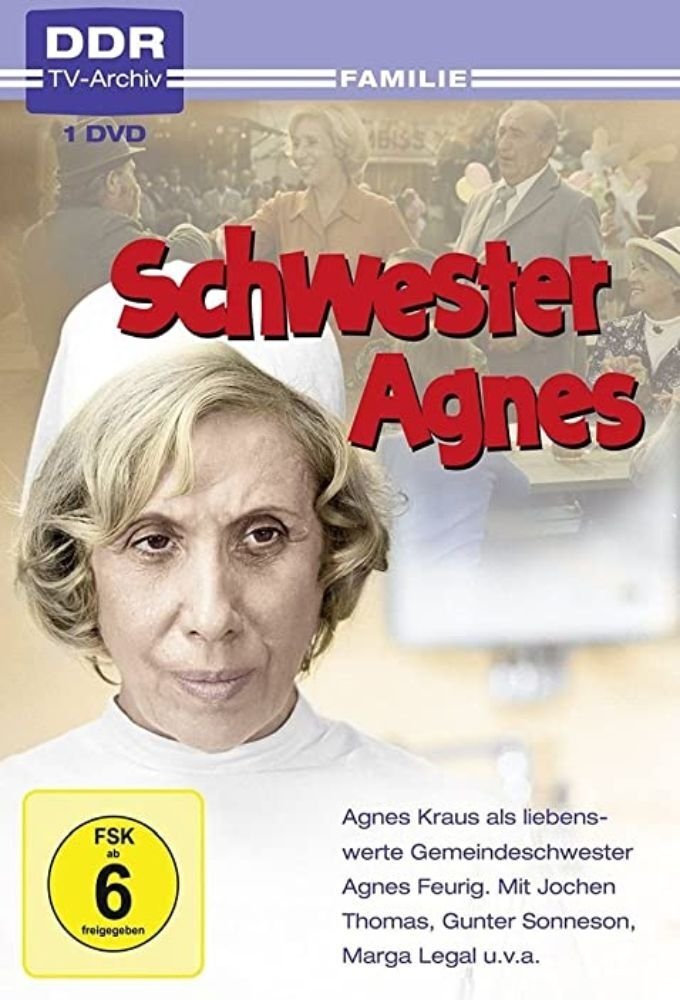
Sister Agnes helps in all situations and does not only make friends. She has just fallen out with the new mayor. The consequences leave an entire community upside down.
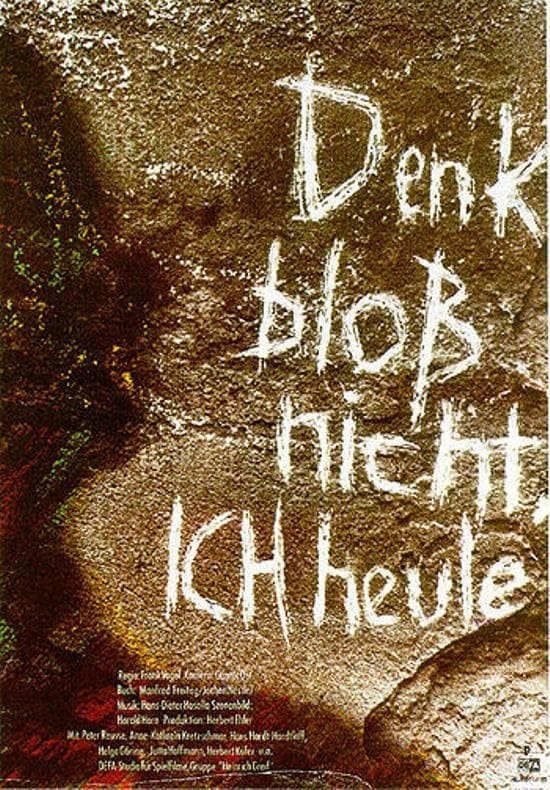
High-school senior Peter considers the adults around him to be hypocritical, self-congratulatory, and immersed in the past. He gets suspended for writing an essay that his teachers consider to be a challenge to the state. Just Don't Think I'll Cry became one of twelve films and film projects-almost an entire year's production-that were banned in 1965-1966 due to their alleged anti-socialist aspects. Although scenes and dialogs were altered and the end was reshot twice, officials condemned this title as "particularly harmful." In 1989, cinematographer Ost restored the original version, and this and most of the other banned films were finally screened in January 1990. Belatedly, they were acclaimed as masterpieces of critical realism.
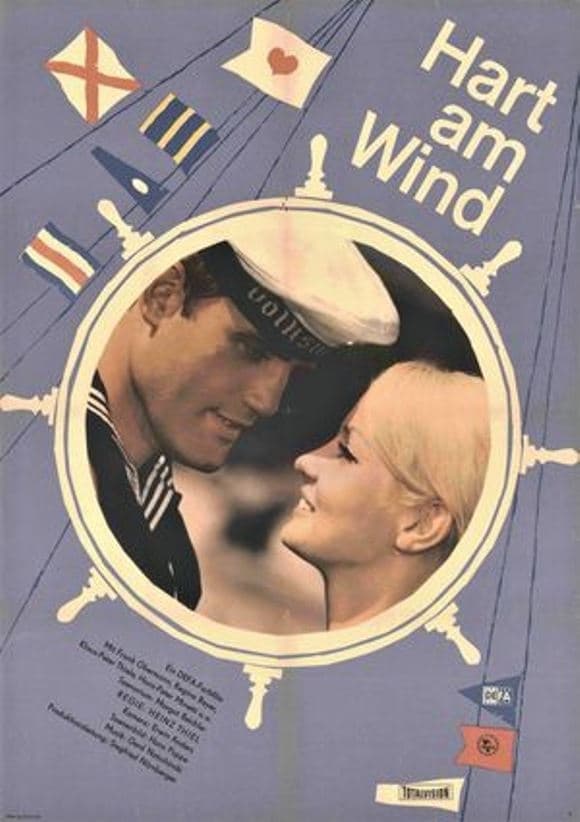
The electrician Peter Drews is a brigadier at a Baltic Sea dockyard. His men are among the most reliable and diligent workers at the dockyard. Their motivation, however, increasingly suffers from Peter’s narcissism and imperiousness. Even his girlfriend Brigitte who is also a member of the brigade finds it increasingly difficult to accept his behavior. One day, Peter decides that the entire group must enter the navy - just because he has received his conscription call. While four men follow Peter into the navy, Brigitte, who has broken up with Peter, takes over the control of the brigade. During the work at the ship on which Peter is based at she meets the charming lieutenant Asmus.
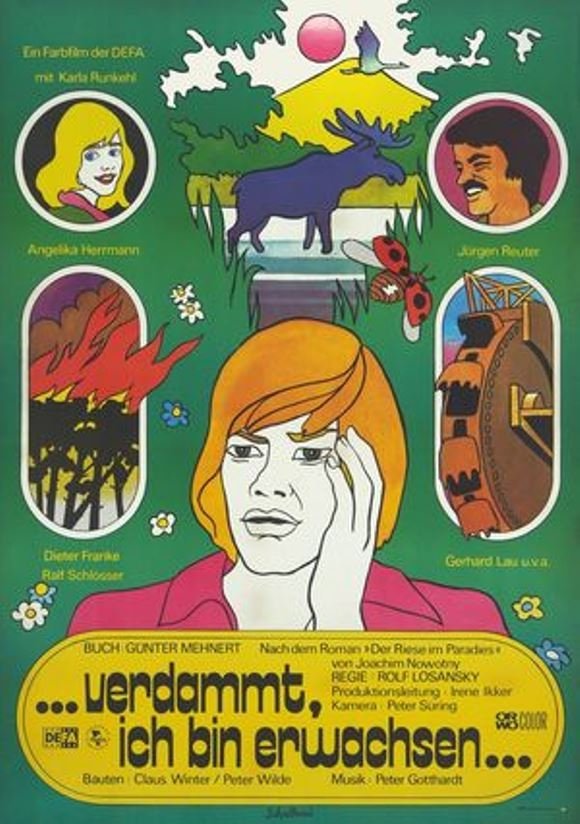
15-year old Klaus Kambor, called Kurbel, is living in a village in Lusatia and already thinks of himself as an adult. He can hold a lot of rhubarb wine and has already kissed a girl. But with his new method of lawn mowing, which he thinks is brilliant, Klaus makes a big mistake: He causes a wild fire in the forest. Then he does not react adult-like at all, but shirks the responsibility, which leads to the break-up with his girlfriend Daniela. Furthermore, Klaus does not realize that several of the places he likes the most in his environment are now going to be sacrificed to mining. When Klaus becomes friends with the teacher Konzak and with the construction worker Jule, he feels understood for the first time and starts to take more responsibility.
World War II is over and Heinrich, a young German boy, influenced by the Russians, starts to act according to Communist principles in a small German village.
An inside look at one of the most anticipated movie sequels ever with James Cameron and cast.
A string of threatening emails escalates into a revenge plot involving a newly married US marshal and his ex-girlfriend.
In an intimate and joyful story of love in the face of loss, celebrated poets Andrea Gibson and Megan Falley find strength—and unexpected hilarity—in what might be their final year together.
Through deeply personal interviews with her siblings and an examination of the photographs, letters, and belongings left behind, Mariska assembles a new portrait of her mother Jayne Mansfield, an extraordinary and complex woman.
After the high-profile killing of Damilola Taylor, Cornelius' family move out of London. But when they discover their new town is run by racists, Cornelius takes a drastic step to survive.
The Making-of James Cameron's Avatar. It shows interesting parts of the work on the set.
A purely observational non-fiction film that takes viewers into the ethically murky world of end-of-life decision making in a public hospital.
Musician and performance artist Laurie Anderson reflects on the deaths of her husband Lou Reed, her mother and her beloved dog.
A documentary about the making of season five of the acclaimed AMC series Breaking Bad.
The life and career of one of comedy's most inimitable modern voices, Mr. Gilbert Gottfried.
Featuring interviews with filmmakers and industry legends, discover the origins and evolution of The Joker, and learn why The Clown Prince of Crime is universally hailed as the greatest comic-book supervillain of all time.
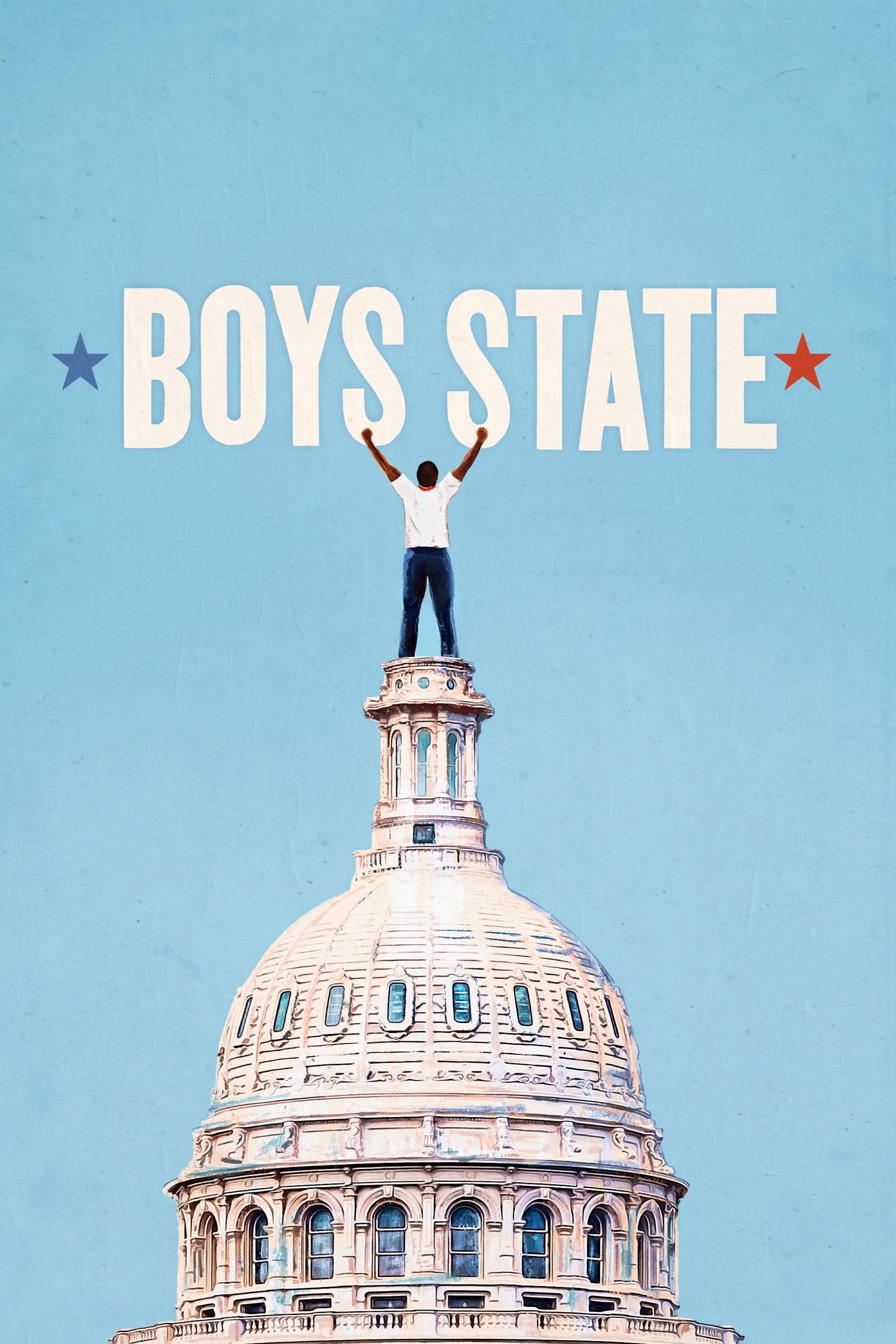
This raucous journey into the heart of democracy captures an unusual rite of passage: 1,100 teenage boys from across Texas coming together to build a representative government from the ground up.
Al Pacino's deeply-felt rumination on Shakespeare's significance and relevance to the modern world through interviews and an in-depth analysis of "Richard III."
A documentary about the life and films of director John Ford.
Artists in LA discover the work of forgotten Polish sculptor Stanislav Szukalski, a mad genius whose true story unfolds chapter by astounding chapter.
The life and career of an actor, artist, and icon. His own journey through his own camera.
Alex Gibney explores the charged issue of pedophilia in the Catholic Church, following a trail from the first known protest against clerical sexual abuse in the United States and all way to the Vatican.
A backstage and on-stage look at Justin Bieber during his rise to super stardom.
A candid look at rehearsal footage in support of a focus on pre-viz.
A tribute to Chadwick Boseman, celebrating his life and legacy.