This James A. FitzPatrick Traveltalks short visits the West German cities of Hamburg, Bremen, Munich, and Heidelberg. Included are scenes of World War II destruction that lingered at the time.
Social & External
Narrator (voice)
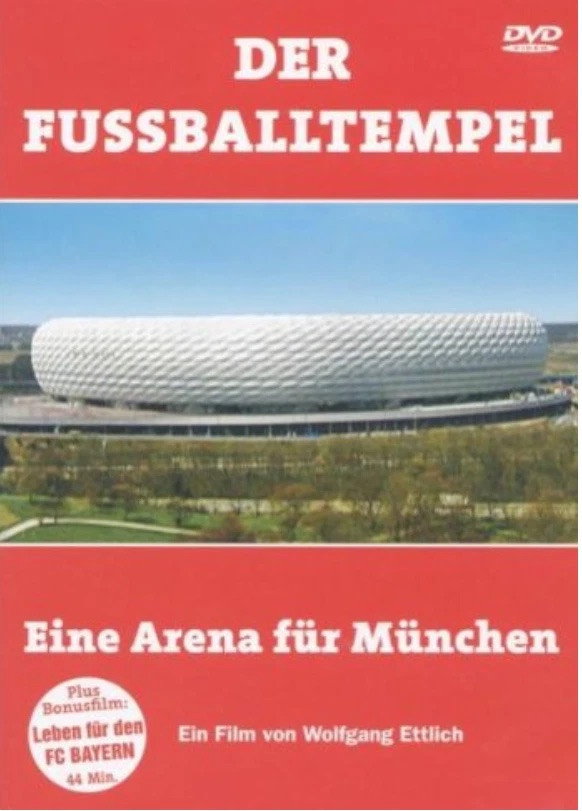
A documentary of the German national soccer team’s 2006 World Cup experience that changed the face of modern Germany.
Filmmaker Alain Resnais documents the atrocities behind the walls of Hitler's concentration camps.
Tokyo International travelers brave constant rain and still have a great experience in one of the world's largest cities. The backpackers learn about Japan's fascinating history at the Edo and war memorial museums before heading to the world's largest fish market. Partying in several of the incredible nightlife areas of Tokyo opens their eyes to the unique Japanese youth culture. Experience the rush of traveling the world for the first time with a crew of international back-packers, ages 16 - 22 on their quest for adventure, romance and the perfect moment.
Join Megan McCormick on a journey of discovery across Japan's spectacular heartland starting in Japan's beautiful former capital Kyoto. She explores Buddhist temples, World Heritage Sites, and bargains at the city's best flea market. She then travels to Osaka, and Iga-Ueno, a former ninja stronghold, where she learns the secrets of these famously skilled assailants. She also visits the remote Sado Island and Himeji.
This Traveltalk series short visits the State of Virginia. In 1947, agriculture was the mainstay of the economy. Tobacco, molasses from cane and peanuts were the agricultural mainstays. The State capitol, Richmond, can boast the oldest legislature in the Western Hemisphere. There are many attractions including old caverns with beautiful rock displays.
This Traveltalk series short visits several popular vacation spots in Michigan. Among them are Saugatuck, which hosts a school for artists during the summer; Zeeland, where descendants of Dutch settlers perform traditional Dutch dances wearing wooden shoes; the Silver Lake sand dunes, where specially outfitted cars race; and Colon, "The Magic Capitol of the World", which hosts an annual gathering of magicians.
In this travelogue of Ceylon, the first stop is Colombo, the capital and chief seaport of this island nation. A short train ride from Colombo is Mount Lavinia, one of the country's most popular pleasure resorts. The next stop is the Peradeniya Gardens, the highlight of which is a magnificent avenue of majestic royal palms. Another botanical item of interest in Ceylon is the manufacture of rubber and the abundance of rubber trees in cultivation. The final stop is the city of Kandy, the primary attraction of which is the Temple of the Tooth.
This Traveltalk series short visit to New Zealand starts in Auckland, a bustling, modern city. Next is Christchurch, home of Canterbury University, where rowing teams participate in a regatta. Nearby is Lake Wakatipu, which inspires artists to put their impressions on canvas. We then visit Rotorua, a city famous for its geysers, hot springs, bubbling mud pools, and other geothermal activity. At Ferry Springs there is lots of trout for fishing. Later, a group of natives performs a canoe dance.
The Andes Mountains travel the western side of South America. Unlike many other mountain ranges of their altitude, the Andes do support human life on their high altitude slopes. Modern life is slowly making its way to the high altitude Andes, but the natives for the most part continue with the traditional ways of their ancestors, growing limited crops such as beans and potatoes - where the crop originated - raising sheep and pigs, and living in crude huts. The llama is the most useful of their work animals. The most conspicuous aspect of the native dress is their derby hats, the origins which are unknown. Further down the slopes, agriculture and ranching is more productive and is carried out by descendants of the Spanish settlers. There is a famous lake district in the Chilean part of the Andes, where resort hotels are located.
This Traveltalk series short gives a glimpse into South African history, albeit from a white person's viewpoint. South Africa is a union of four separate states: the Transvaal, the Orange Free State, Natal, and the Cape Provence.
This travelogue begins with the vast agricultural wealth of the country, whose farmers can produce four times the amount required to feed the country's population. As such, the export of these agricultural products is a vital part of the country's economy. This agricultural tradition extends to its food consumption, as Denmark's vast array of open faced sandwiches is world renowned. It also extends to flower production and the Dane's love of flowers, which are sold in public markets. Denmark has a strong social support system, as witnessed by the free and mandatory public schooling, free medical services for expectant mothers and children, the provision of cooperative housing and housing for seniors, and the provision of old age pensions without premiums.
This Traveltalk series short looks at four of Spain's most famous cities, Granada, Seville, Toledo, and Madrid, with an emphasis on the Moors and their influence on the country.
This Traveltalk series short visits an array of locations associated with England's heritage. Included are Runnymede, Windsor, Ascot, Lincoln, Wells, Salisbury, Glastonbury, and the ancient Stonehenge site.
This Traveltalk series short highlights rural areas of England. We stop at the village of Bradford-on-Avon, with its thatched roofs, also Stoke Poges, the burial place of British poet Thomas Gray.
This Traveltalks short visits Cape Town, the legislative capital of South Africa.
This Traveltalk series short visits the village of Chichicastenango, Guatemala and emphasizes the influence of the Mayan culture on its people. It shows how the residents intermingle ancient religious practices with Catholic teachings. Narrator James FitzPatrick introduces, and greets on camera, Father Ildefonso Rossbach, a Catholic priest who ministers to the local population in the village and outlying areas.
The film follows the career of detective inspector Marianne Atzeroth-Freier through the Hamburg police force of the 80s and 90s. At the end of the 70s, Marianne is 30 years old and a single parent; she becomes one of Hamburg's first female police officers. Marianne is one of the first women ever to be promoted to the Hamburg homicide squad. The opposing forces in this male-dominated world are strong, she is not really taken seriously and is even bullied along the way, until she comes to the attention of the furrier Lutz R.. Against the considerable resistance of her superior, Marianne investigates in her spare time and makes a significant contribution to solving the case of the "acid barrel murderer".
Exploring the mechanisms of the Nazi seizure of power and focusing on forgotten sites in Saxony and Thuringia, the film investigates early "wild" concentration camps established after 1933 for the suppression of political opponents.
Endless beaches, dunes, heath and the Wadden Sea characterize the landscape of Sylt. Germany's largest North Sea island is also a paradise for numerous animal and plant species. Around half of its area is under landscape or nature protection. In spring and autumn, thousands of migratory birds stop here on their way between Siberia and East Africa. Sheep graze on the dike meadows, female seals give birth to their young off Sylt. And the Sylt Wadden Sea is one of the last large wilderness areas in Europe. But in winter storms hit the island. If the “Blanke Hans”, as the storm on Sylt is called, causes the North Sea to rage, it hits the island with tremendous force. Only a few places on the German North Sea coast are as exposed to the force of the sea as the west coast of Sylt. The documentary shows Sylt's nature in fascinating images. People who are particularly connected to the island and its nature are accompanied in their everyday lives.
When Allied forces liberated the Nazi concentration camps in 1944-45, their terrible discoveries were recorded by army and newsreel cameramen, revealing for the first time the full horror of what had happened. Making use of British, Soviet and American footage, the Ministry of Information’s Sidney Bernstein (later founder of Granada Television) aimed to create a documentary that would provide lasting, undeniable evidence of the Nazis’ unspeakable crimes. He commissioned a wealth of British talent, including editor Stewart McAllister, writer and future cabinet minister Richard Crossman – and, as treatment advisor, his friend Alfred Hitchcock. Yet, despite initial support from the British and US Governments, the film was shelved, and only now, 70 years on, has it been restored and completed by Imperial War Museums under its original title "German Concentration Camps Factual Survey".
Those who knew iconic funnyman John Candy best share his story, in their own words, through never-before-seen archival footage, imagery, and interviews.
A visual montage portrait of our contemporary world dominated by globalized technology and violence.
This documentary movie is about the battle of San Pietro, a small village in Italy. Over 1,100 US soldiers were killed while trying to take this location, that blocked the way for the Allied forces from the Germans. Preserved by the Academy Film Archive in 2005.
Daniel Craig candidly reflects on his 15 year adventure as James Bond. Including never-before-seen archival footage from Casino Royale to the upcoming 25th film No Time To Die, Craig shares his personal memories in conversation with 007 producers, Michael G Wilson and Barbara Broccoli.
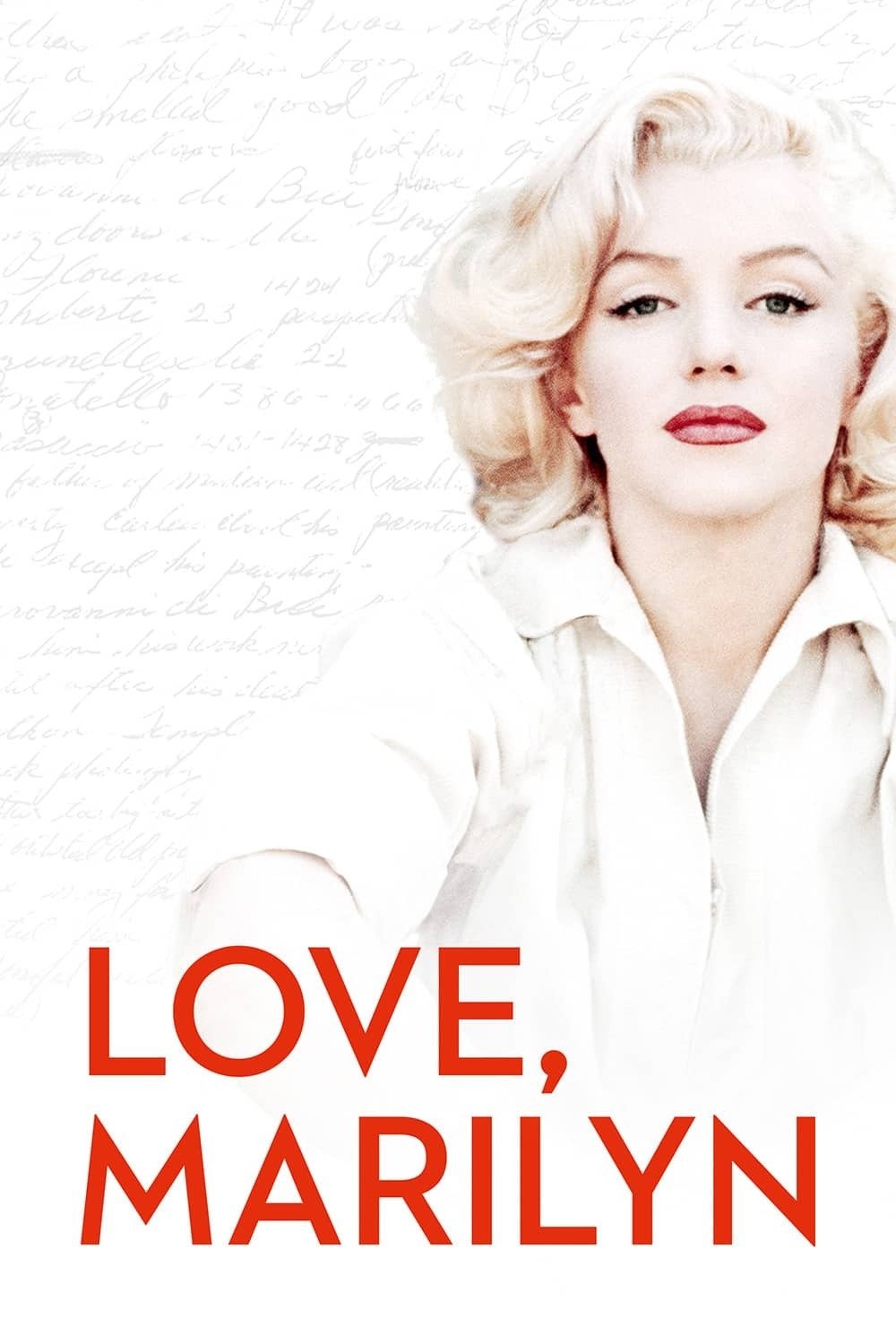
Using the book 'Fragments', which collects Marilyn Monroe's poems, notes and letters, and with participation from the Arthur Miller and Truman Capote estates who have contributed more material, each of the actresses will embody the legend at various stages in her life.
The life and career of one of comedy's most inimitable modern voices, Mr. Gilbert Gottfried.
Through deeply personal interviews with her siblings and an examination of the photographs, letters, and belongings left behind, Mariska assembles a new portrait of her mother Jayne Mansfield, an extraordinary and complex woman.
Diaries, audiotapes, videotapes and testimonials from friends and colleagues offer insight into the life and career of Gilda Radner -- the beloved comic and actress who became an icon on Saturday Night Live.
Ross McElwee sets out to make a documentary about the lingering effects of General Sherman's march of destruction through the South during the Civil War, but is continually sidetracked by women who come and go in his life, his recurring dreams of nuclear holocaust, and Burt Reynolds.
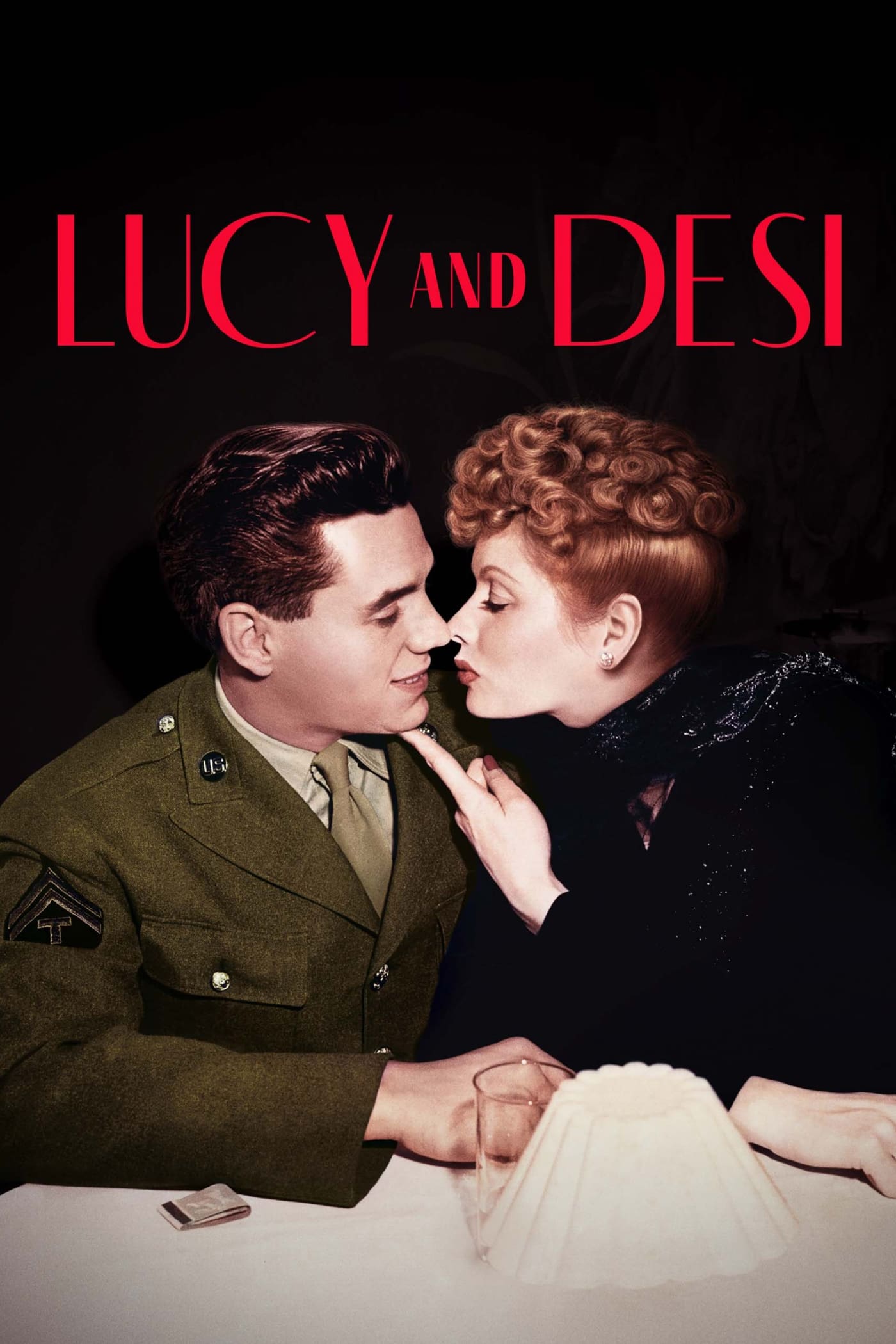
Explore the unlikely partnership and enduring legacy of one of the most prolific power couples in entertainment history. Lucille Ball and Desi Arnaz risked everything to be together.
Lyrical and powerfully personal essay film that reflects on the deaths of her husband Lou Reed, her mother, her beloved dog, and such diverse subjects as family memories, surveillance, and Buddhist teachings.
Prelude to War was the first film of Frank Capra's Why We Fight propaganda film series, commissioned by the Pentagon and George C. Marshall. It was made to convince American troops of the necessity of combating the Axis Powers during World War II. This film examines the differences between democratic and fascist states.
One Life captures unprecedented and beautiful sequences of animal behaviour guaranteed to bring you closer to nature than ever before, as well as a second disc packed full of never before seen extras including an exclusive making of featurette narrated by Daniel Craig.
Produced and presented as evidence at the Nuremberg war crimes trial of Hermann Göring and twenty other Nazi leaders, this film consists primarily of dead and surviving prisoners and of facilities used to kill and torture during the World War II.
In one single, epic camera move we journey from Earth's surface to the outermost reaches of the universe on a grand tour of the cosmos, to explore newborn stars, distant planets, black holes and beyond.
The life and career of an actor, artist, and icon. His own journey through his own camera.
The wild West Berlin of the 1980s became the creative melting pot of pop subcultures: music, art and chaos. Before the Iron Curtain fell, anything and everything seemed possible.
The extraordinary story of how Hollywood changed World War II – and how World War II changed Hollywood, through the interwoven experiences of five legendary filmmakers who went to war to serve their country and bring the truth to the American people: John Ford, William Wyler, John Huston, Frank Capra, and George Stevens. Based on Mark Harris’ best-selling book, “Five Came Back: A Story of Hollywood and the Second World War.”
Join the likes of Jeremy Renner, Hailee Steinfeld, Florence Pugh, and Vincent D’Onofrio as they reveal how Marvel Studios’ “Hawkeye” was conceived and created. Witness firsthand what it took to pull off the show’s pulse-pounding action set pieces, and discover how iconic characters from the pages of Marvel Comics such as Kate Bishop were adapted and brought to life for the six-episode series.