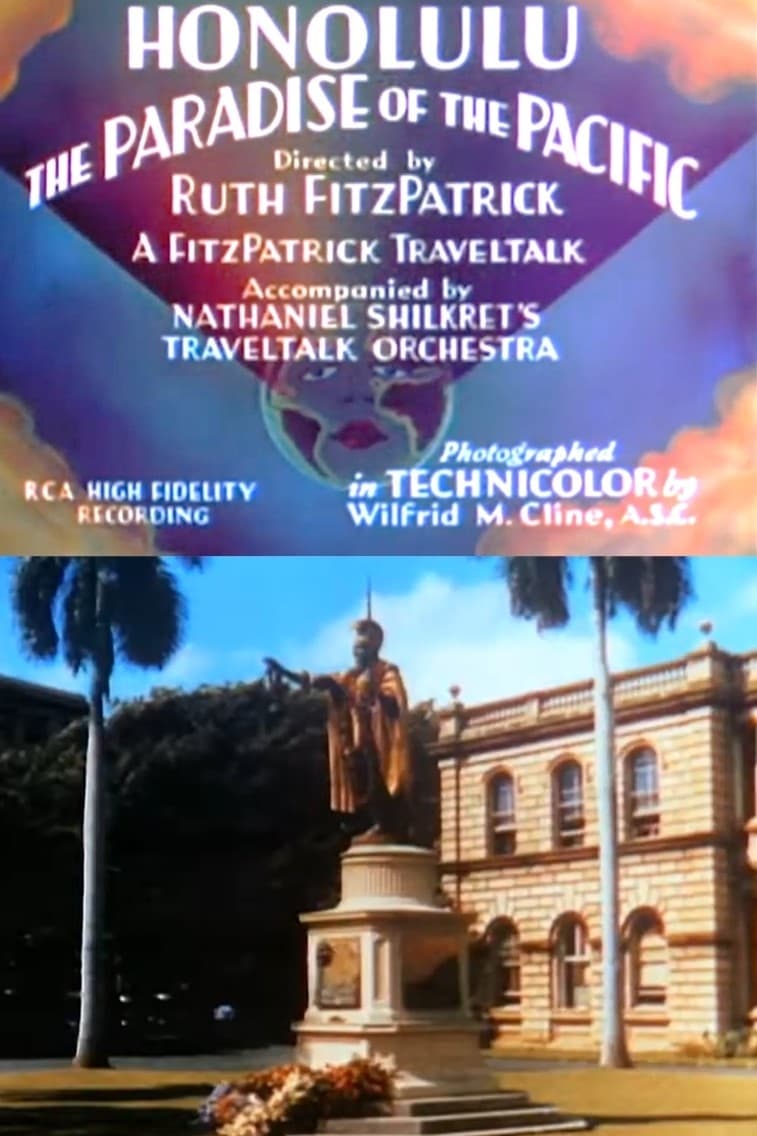
This Traveltalk short visits Hawaii's capital city.
Social & External
Narrator (voice)
Josh-awan Bulman details some highlights of the Zhuang Alliance Group's Style Guide.
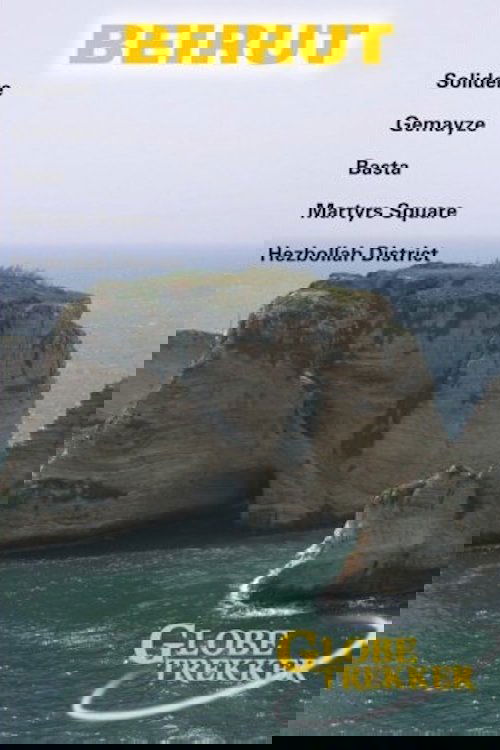
Beirut, Lebanon's capital has a long history of political and social unrest that still makes headlines today. Globe Trekker's Beirut City Guide captures the city in more optimistic days, two weeks before the latest outbreak of hostilities in Lebanon between Israeli and Hezbollah forces in July 2006. Globe Trekker Megan McCormick explores the neighborhoods of Basta, Solidere, Gemayze and the Hezbollah District and finds a city in the midst of regeneration. She gets a glimpse at Beirut's future when meeting up with a group of young Arabic hip hop artists, who are eager to live in peace and put the country's political troubles in the past.
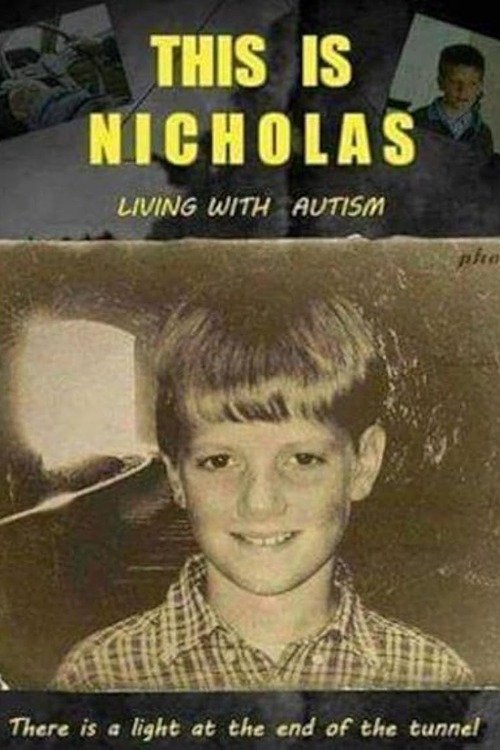
A mother determines to see her son faced with autism and depression overcome challenges, along with support from family, the community and teachers.
Roving foodies Angela May and Bobby Chinn embark on two culinary journeys across Asia. Angela travels to the western coast of India to sample the cuisine and culture of the thriving melting pot that is Goa. Meanwhile, Bobby travels to Manila where he discovers a passionate and humorous people, and their love of food.
An investigation by BBC News Arabic into Russian oligarch Roman Abramovich, who controls companies that have donated $100m to Elad, a settler organisation operating in occupied East Jerusalem.
"Duel" describes the clash of two athletes, shot putters David Davis and Alfred Sosgórnik.
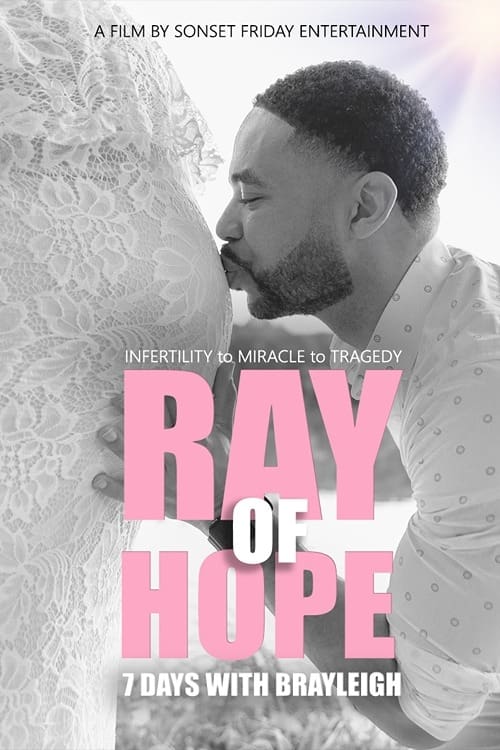
The powerful story of a couple who's hopes of having a child went from infertility, to a miracle, to tragedy.
What does it mean to be of a place? Of the sun and soil and bees, of the water and black ants and cowpeas. To be so entangled with an ecosystem, generation after generation, that nature and culture become one? Clans living in Tharaka, Kenya, have been subjected to colonialism and all that follows. Their indigeneity unthreaded by a powerful few pulling the world apart for profit. But Atharaka – ‘those of Tharaka’ – are remembering the power in their identity. Beside the Kithino River, they are reviving customs and enabling nature to regenerate: rethreading a complex biocultural system that brings balance, autonomy, and joy.
In Monarch's Antarctic Base, a frozen fortress buffeted by screaming winds and surrounded by impenetrable ice, King Ghidorah shakes off his icy slumber and escapes in one of the film's most thrilling sequences. Join the filmmakers as they reveal how King Ghidorah was brought to terrifying life inside Monarch's underground biolab with its towering ice wall.
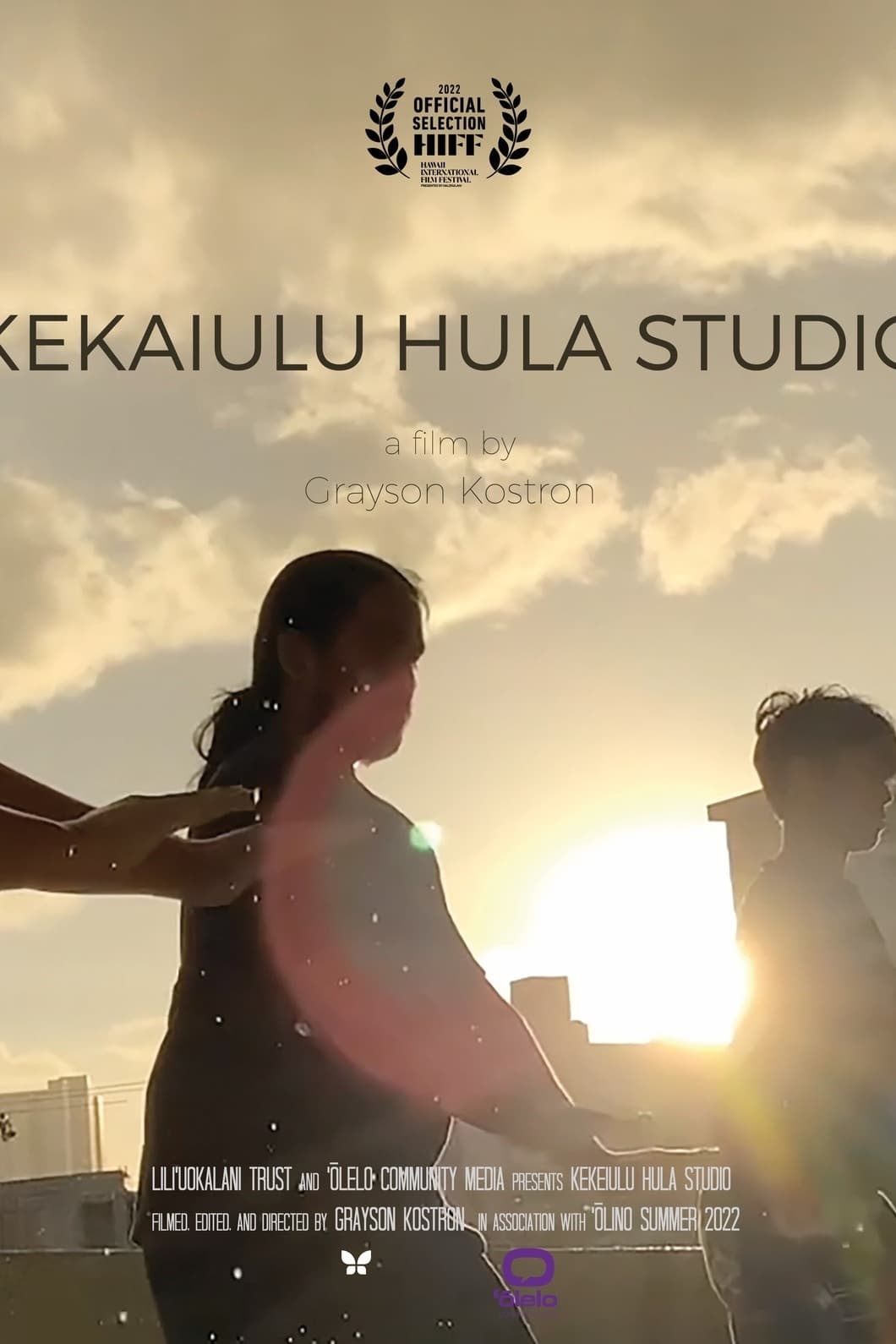
Kekaiulu Hula Studio follows the Proclaimed Hula Halau of the same name, showcasing their twist on what the real reason for hula is and what life as a dancer in the halau is really like. Something previously unseen in the public eye.
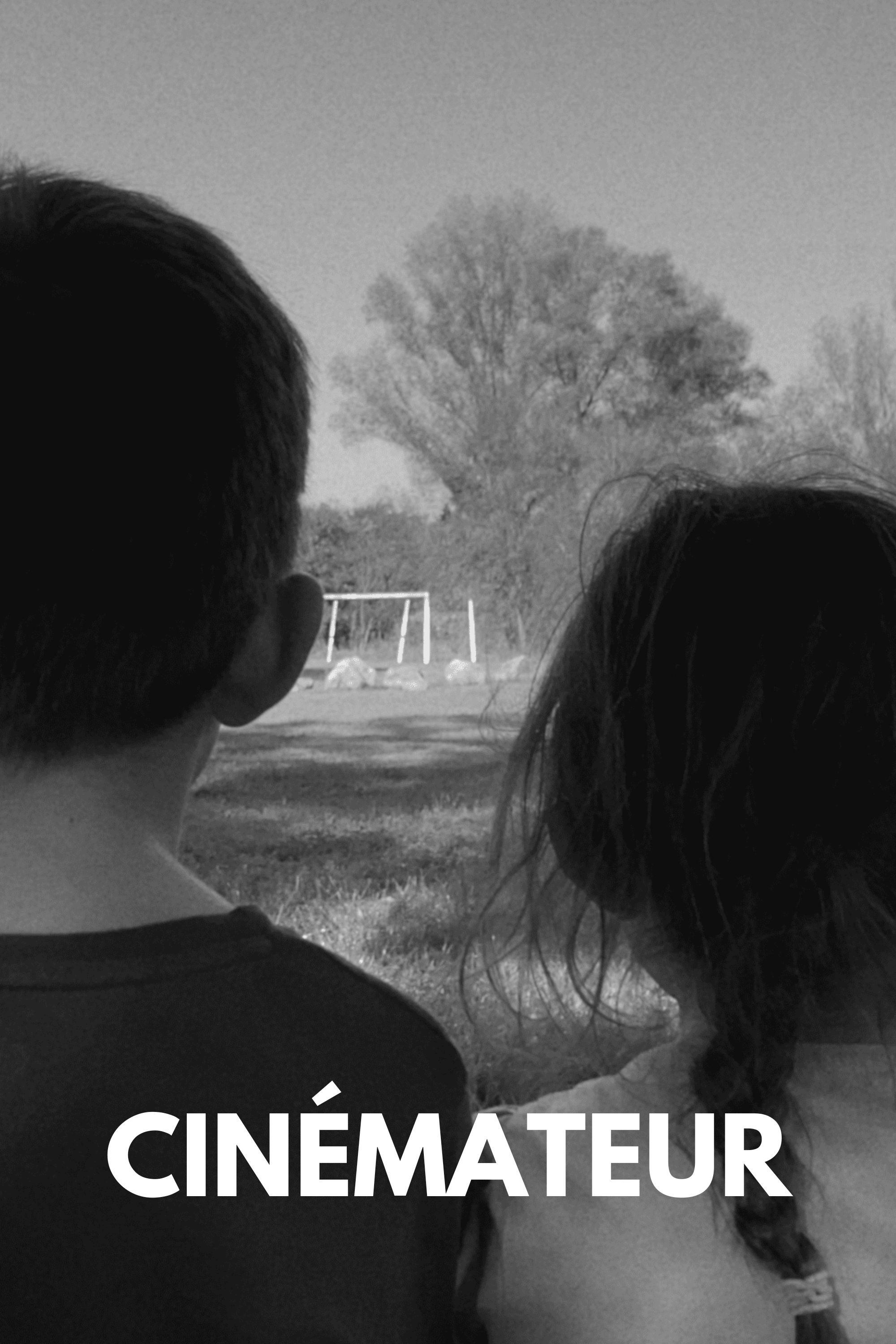
Two children are directed by a cinemaker.
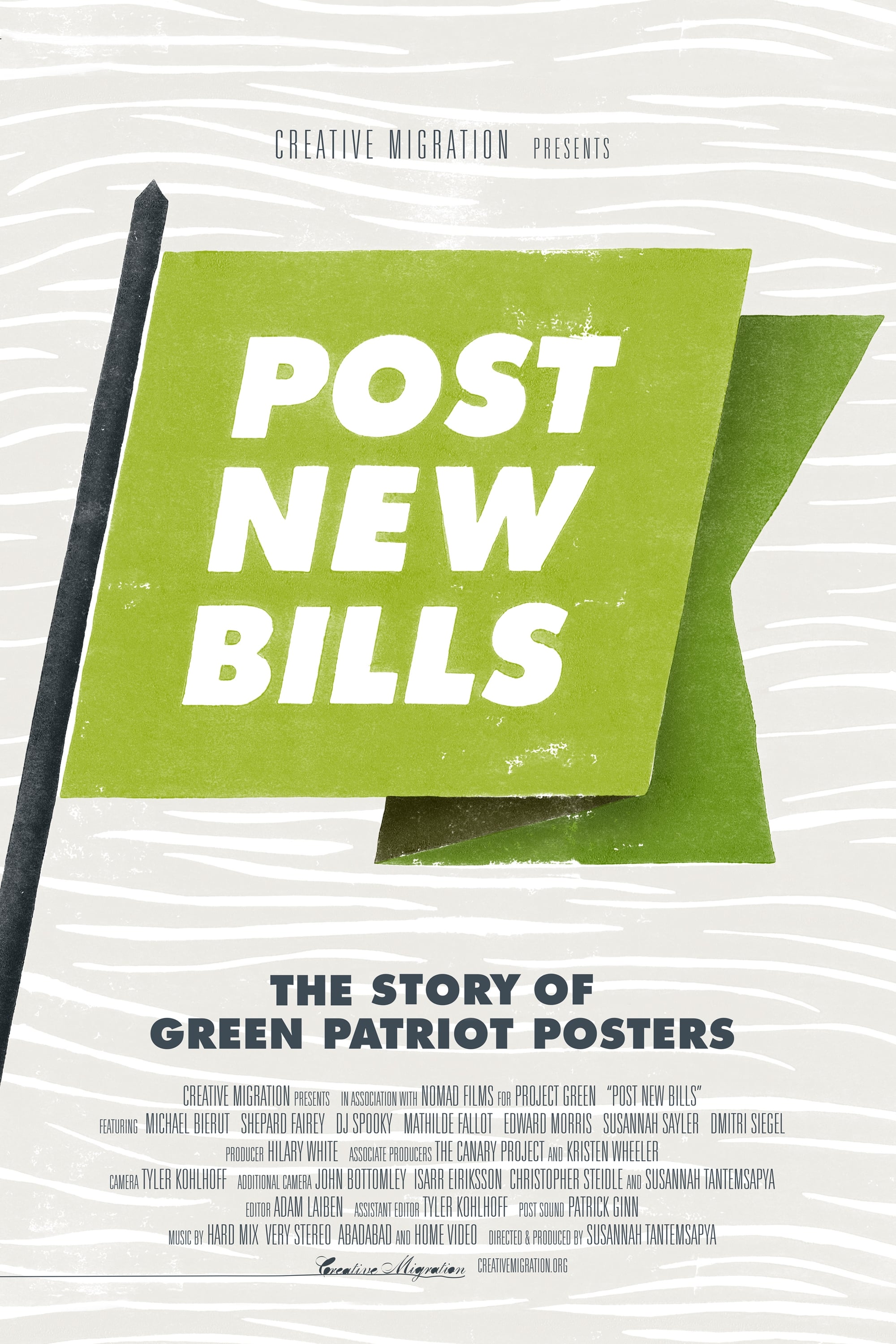
A short documentary illustrating how art can influence public perception towards environmental issues. Green Patriot Posters is a highly acclaimed multimedia design campaign that challenges artists to deepen public understanding and ignite collective action in the fight against climate change. So far, it has reached five million people through print media, public space and digital culture. The film features interviews with key Green Patriot Posters contributors (Shepard Fairey, Michael Bierut, DJ Spooky, Mathilde Fallot) and its founders (The Canary Project, Dmitri Siegel).
In 1986, Billy Joel released the album titled The Bridge on July 29th on Columbia Records. Go behind the scenes with Billy and learn about the songwriting and recording process behind the album.
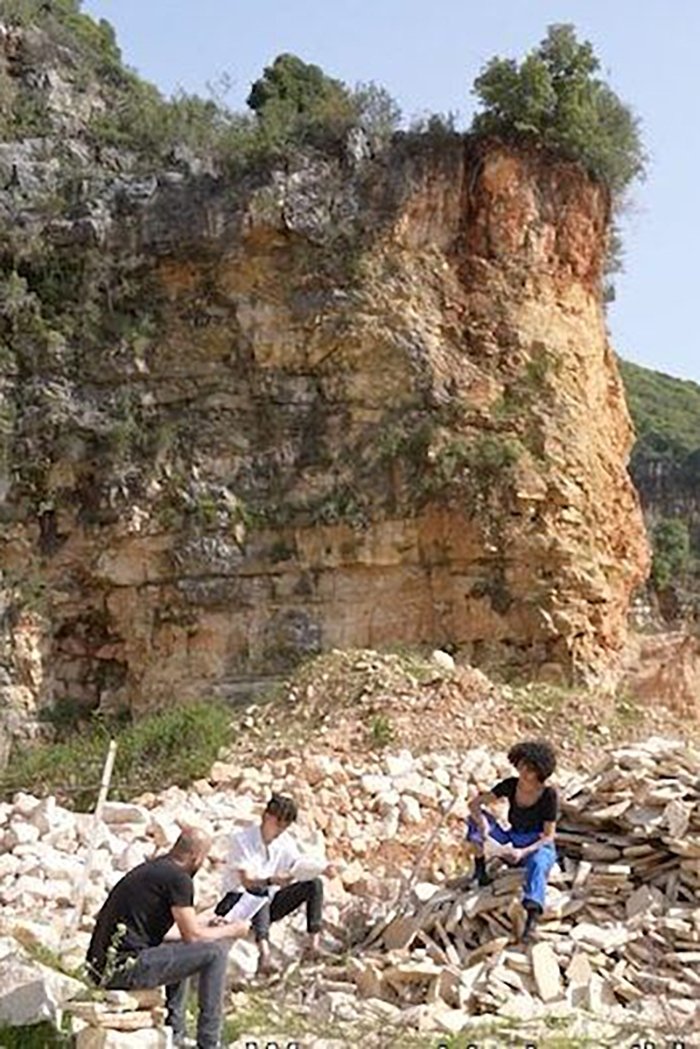
A prospective wish is announced at the very beginning: "Imagine a land without ownership". Ownership? Since when? How? Where? With which implications? This is what Marwa Arsanios endeavours to discover in the fourth part of her meticulous ongoing project whose generic title is Who Is Afraid of Ideology? After documenting feminist experiments of community autonomy in Lebanon, Kurdistan and Syria (Who Is Afraid of Ideology? I&II, FID 2019), Marwa Arsanios ventures a hypothesis in the form of speculative fiction, from a remote piece of land in Lebanon, a cut in a stone quarry. In this small piece of land, a few sidekicks make that postulate, and slowly share stories of domination and exploitation. This land has a complicated administrative, legal, geological and biological history. (Nicolas Feodoroff - FIDMarseille)
The Golden Kingdom of Thailand is home to some of the most pungent and spicy fresh ingredients in the world. Regarded as the world's fourth most popular cuisine, Thailand is valued for its low fat content and health enhancing properties. Join Merrilees as she visits paddy fields and aircraft-hangar sized rice barges, shops in the floating markets of Bangkok and the night market in Chiang Mai and discovers beautiful fresh fruit and the notoriously smelly durian fruit.
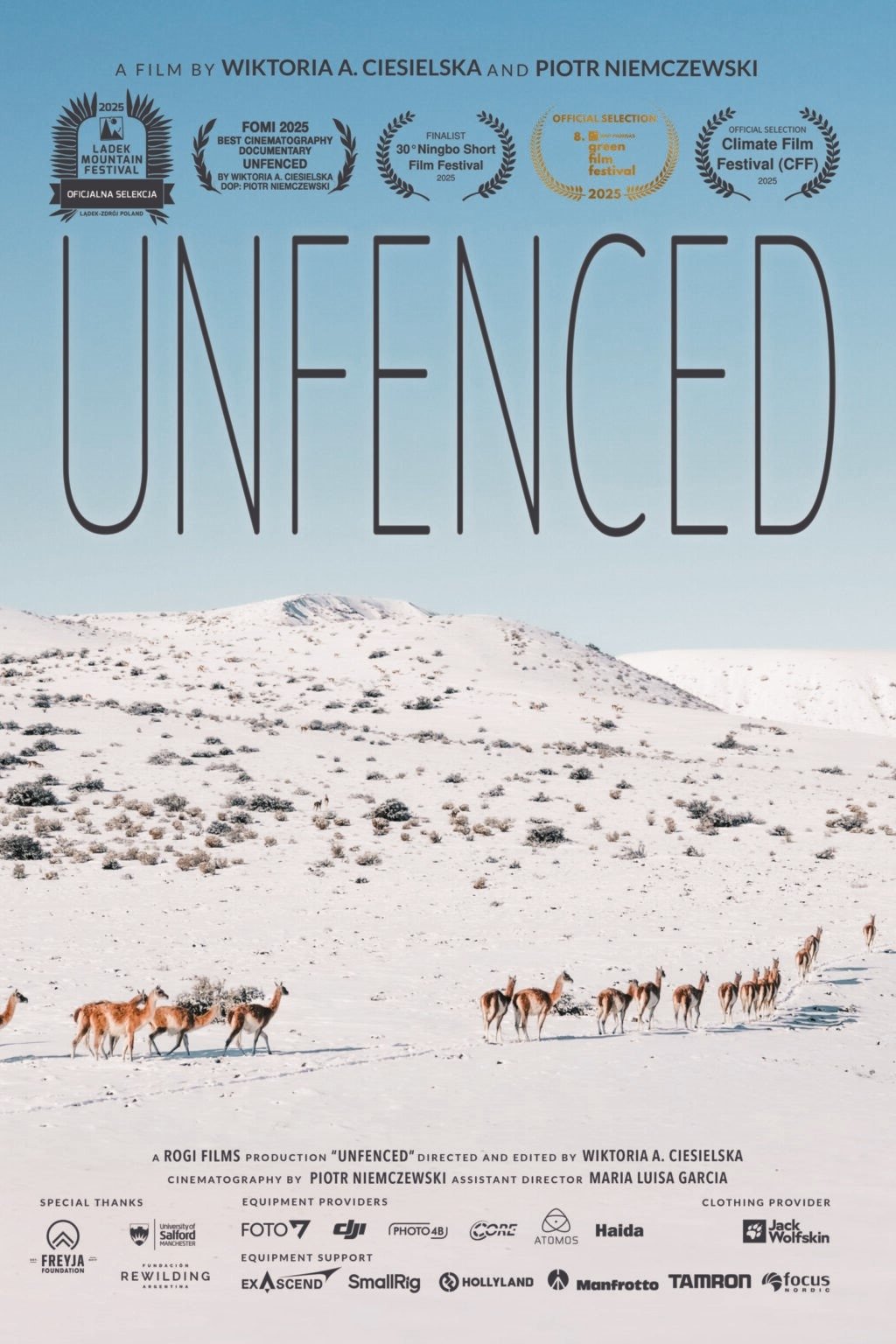
Amidst harsh winter conditions, Patagonia Park Argentina’s rewilding team works to dismantle deadly fences – enabling guanacos to continue their ancestral migrations unimpeded. This effort is part of their remarkable mission to restore the Patagonian steppe. This short wildlife documentary is a journey into the heart of Patagonia Park, Argentina, where the spectacle of winter migrations unfolds against the backdrop of ongoing rewilding efforts.
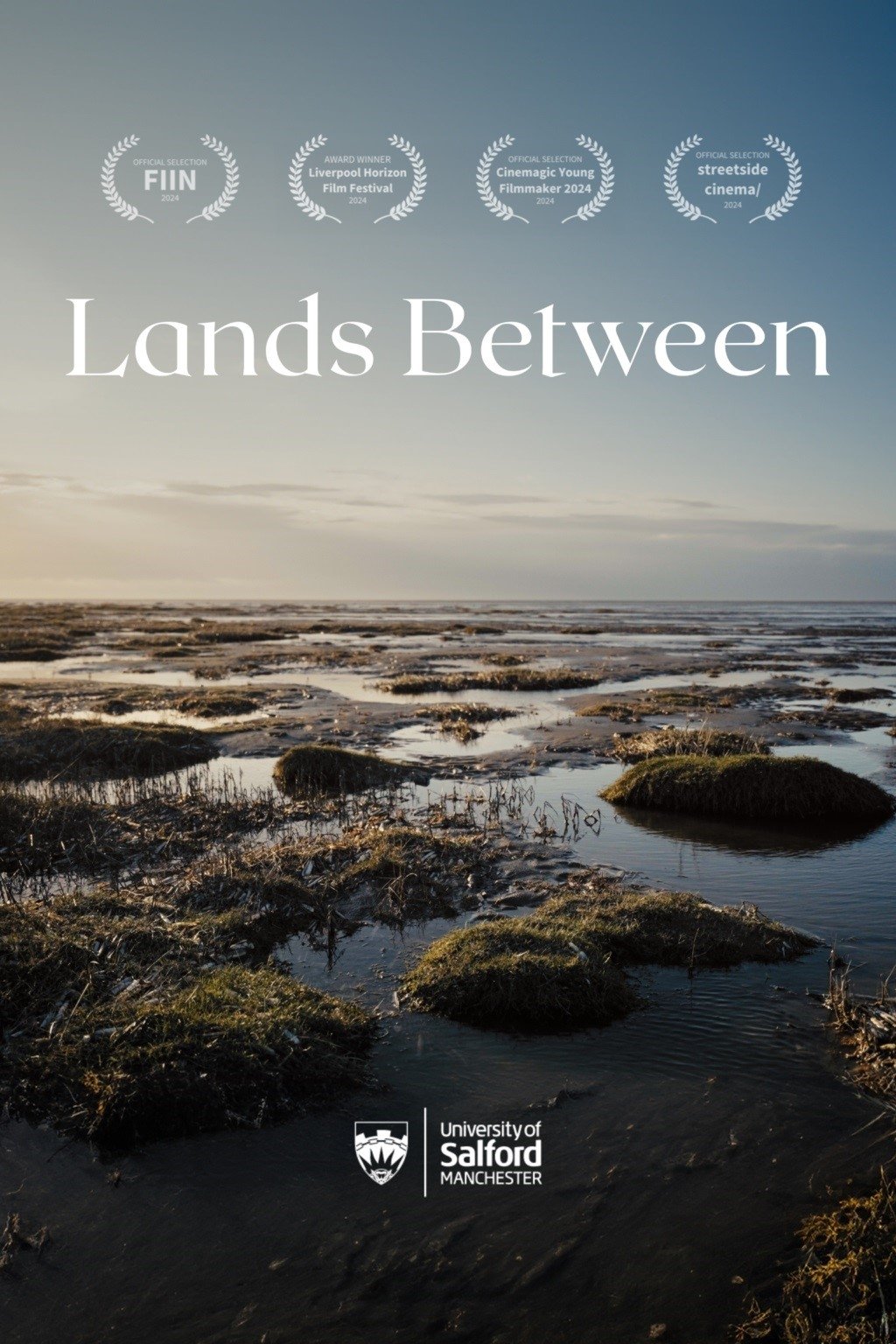
West Coast of England, redshanks wander through wetlands in search of food while facing constant threats from loose dogs.
In his first public endurance feat, David Blaine was buried underground in a plexiglas coffin underneath a 3-ton water-filled tank for seven days and nights, surviving on nothing but liquids.
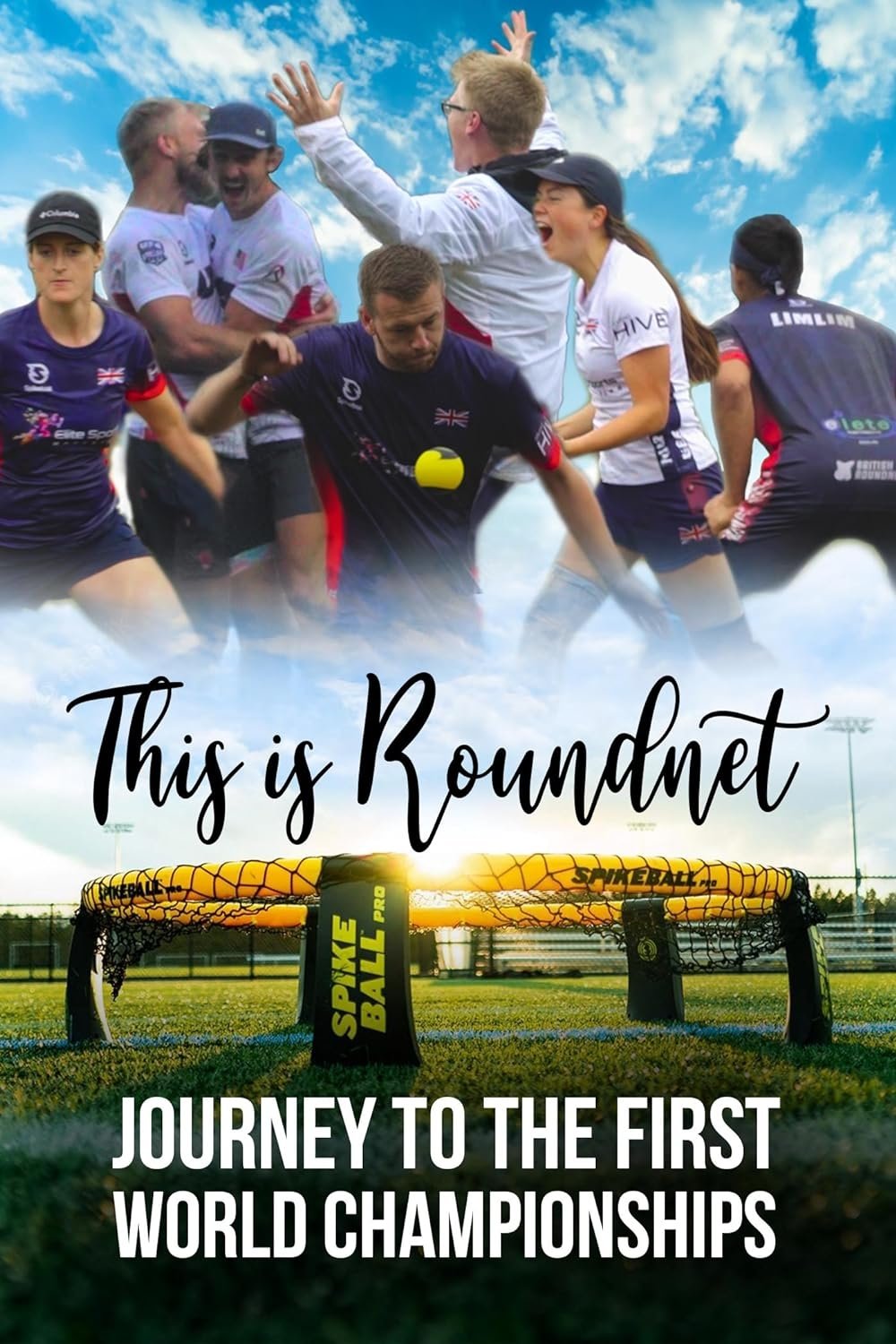
This is a documentary that follows a group of friends as they see what it takes to play at the first ever Roundnet World Championships. Showcasing Roundnet as a sport on the rise as well as the incredible community behind the weird and wonderful game.
William Courtenay's color film of the pacific campaign and Japan's downfall.
A look behind the lens of Christopher Nolan's space epic.
Join the likes of Jeremy Renner, Hailee Steinfeld, Florence Pugh, and Vincent D’Onofrio as they reveal how Marvel Studios’ “Hawkeye” was conceived and created. Witness firsthand what it took to pull off the show’s pulse-pounding action set pieces, and discover how iconic characters from the pages of Marvel Comics such as Kate Bishop were adapted and brought to life for the six-episode series.
Riding Giants is story about big wave surfers who have become heroes and legends in their sport. Directed by the skateboard guru Stacy Peralta.
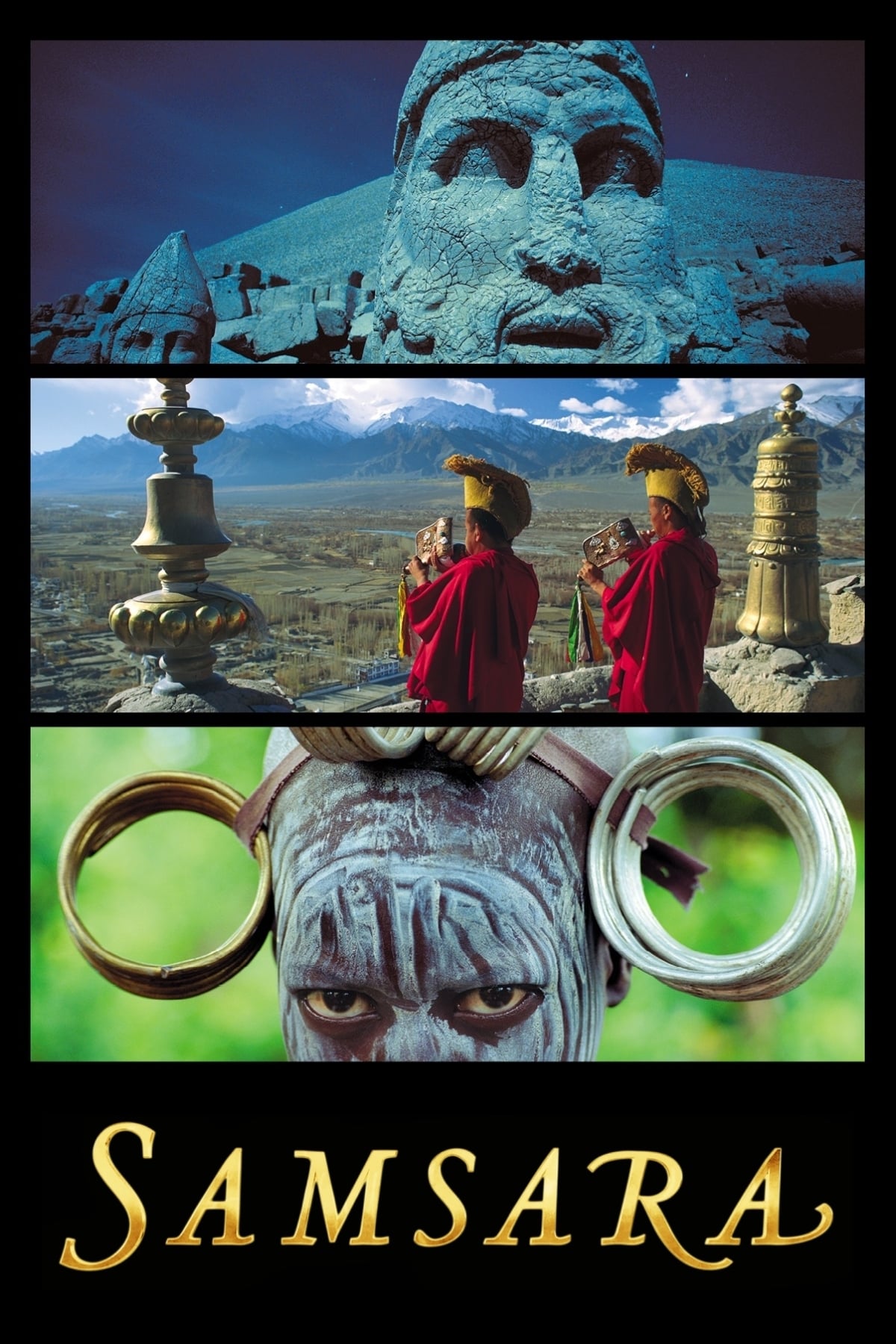
Filmed over nearly five years in twenty-five countries on five continents, and shot on seventy-millimetre film, Samsara transports us to the varied worlds of sacred grounds, disaster zones, industrial complexes, and natural wonders.
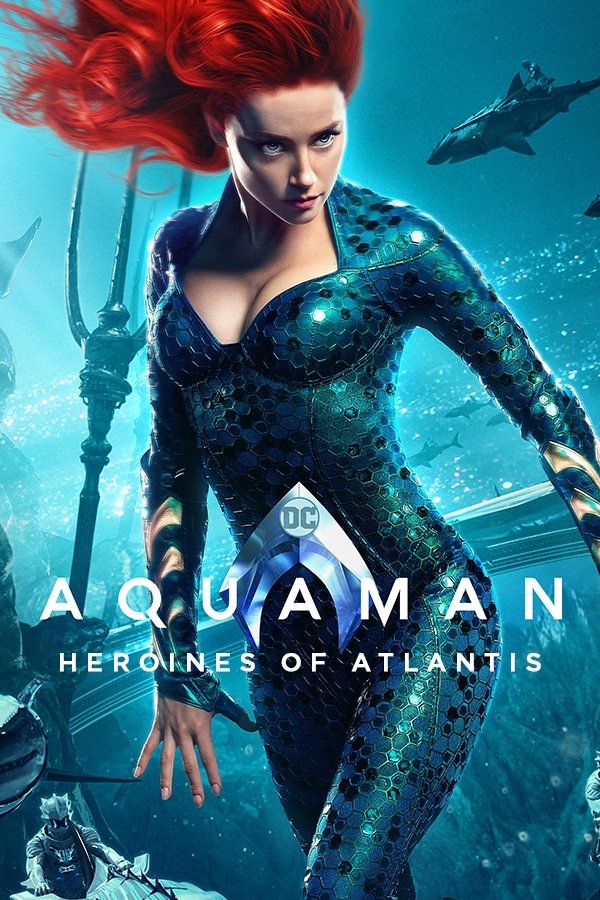
Amber Heard and Nicole Kidman discuss their characters Mera and Atlanna.
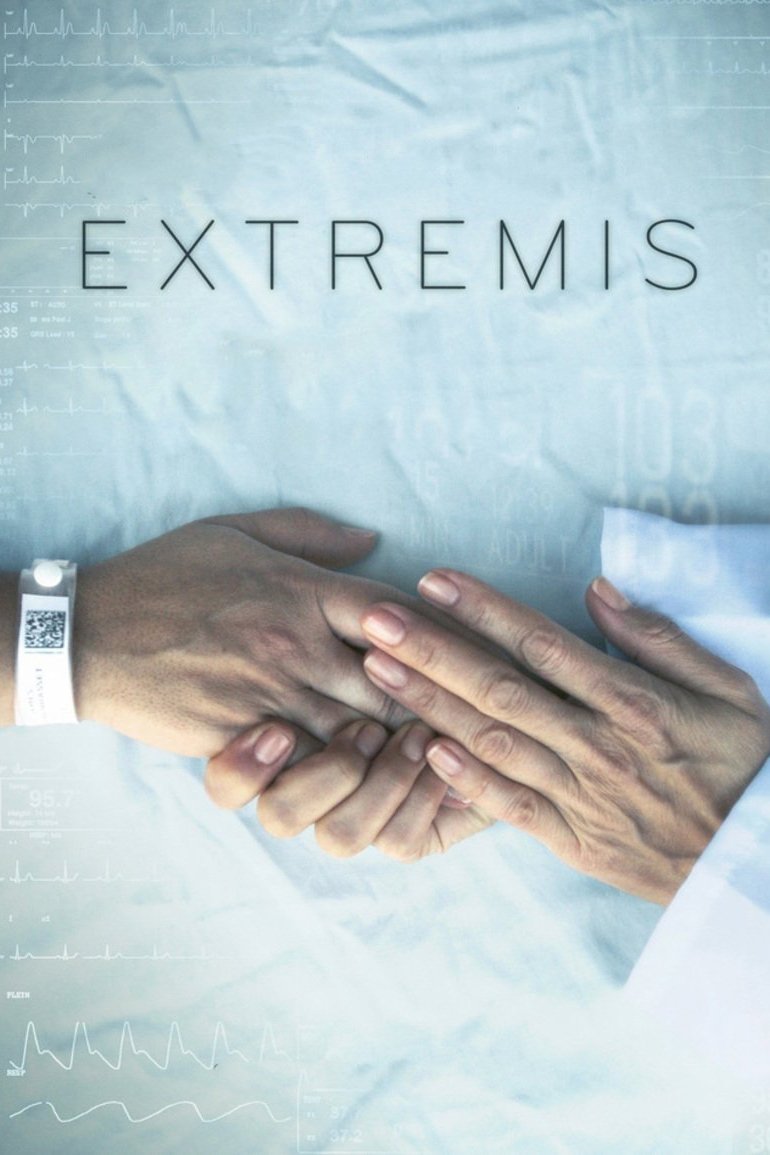
A purely observational non-fiction film that takes viewers into the ethically murky world of end-of-life decision making in a public hospital.
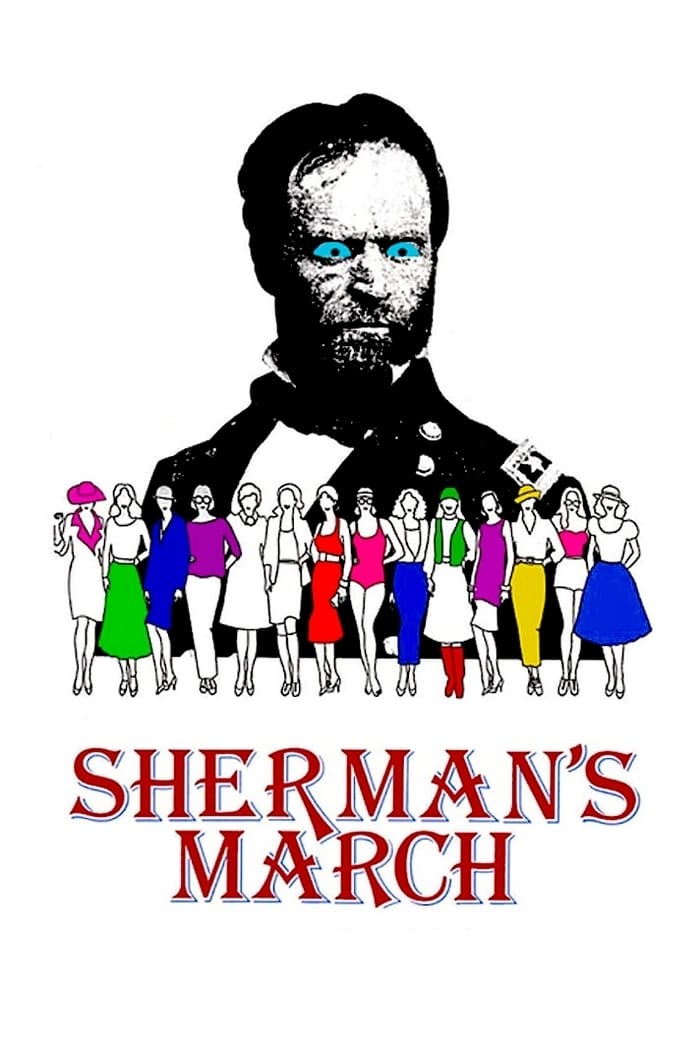
Documentarian Ross McElwee originally set out to make a travelogue of sorts tracing General William T. Sherman's infamous scorched-earth march through the Confederacy in the latter stages of the Civil War. Instead, haunted by a recent breakup with a girlfriend, McElwee ends up documenting his progress -- or lack thereof -- in starting a new relationship. His journey then becomes one of self-reflection and self-discovery rather than a historical/sociological exploration.
This special explores the return of Obi-Wan Kenobi and Anakin Skywalker to the screen, as well as Ewan McGregor and Hayden Christensen to their classic roles. Director Deborah Chow leads the cast and crew as they create new heroes and villains that live alongside new incarnations of beloved Star Wars characters, and an epic story that dramatically bridges the saga films.
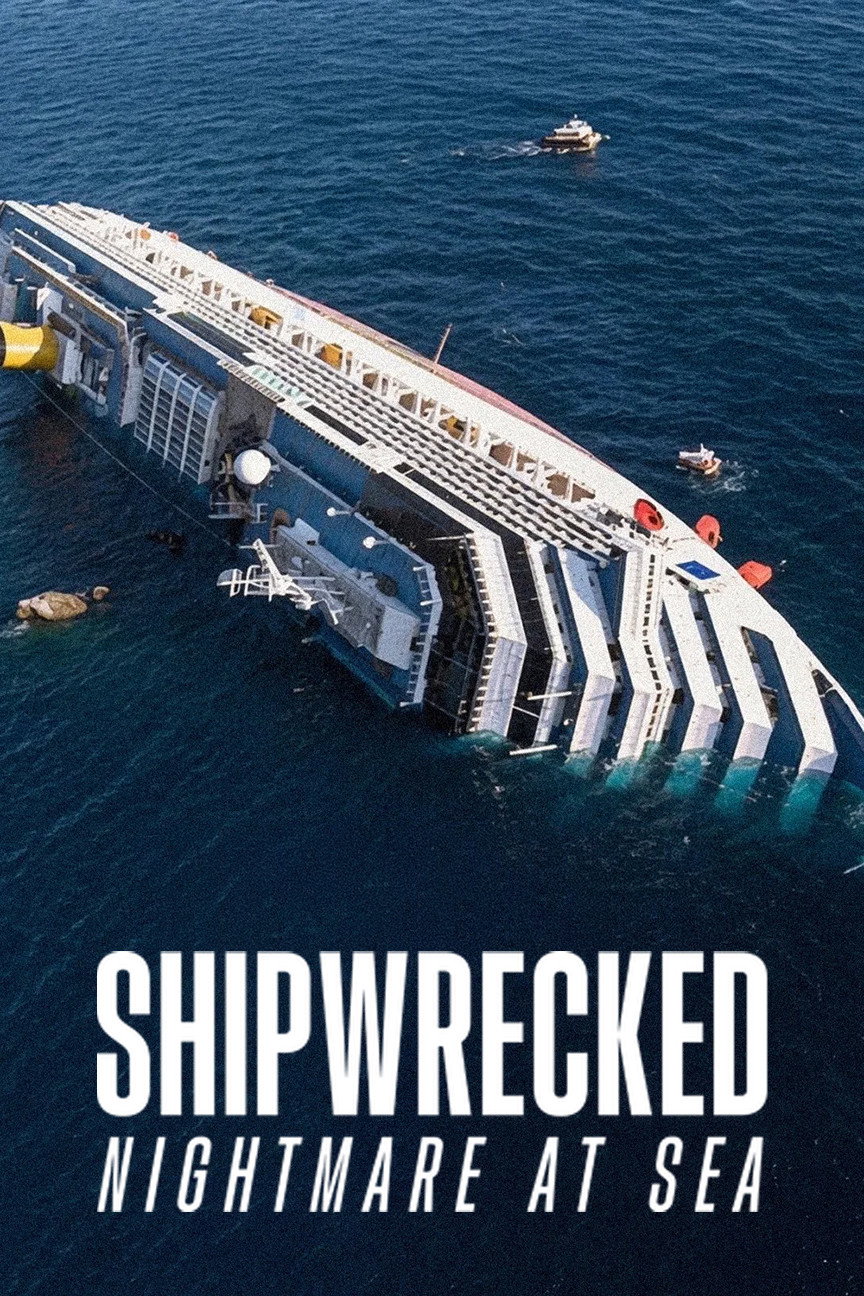
Never-before-seen footage and survivor accounts trace the 2012 shipwreck of a luxury cruise and the disaster that ensued, in this immersive documentary.
An inside look at one of the most anticipated movie sequels ever with James Cameron and cast.
Featuring interviews with filmmakers and industry legends, discover the origins and evolution of The Joker, and learn why The Clown Prince of Crime is universally hailed as the greatest comic-book supervillain of all time.
An IMAX 3D camera chronicles the effort of 7 astronauts aboard the Space Shuttle Atlantis to repair the Hubble Space Telescope.
Daniel Craig candidly reflects on his 15 year adventure as James Bond. Including never-before-seen archival footage from Casino Royale to the upcoming 25th film No Time To Die, Craig shares his personal memories in conversation with 007 producers, Michael G Wilson and Barbara Broccoli.
JB Smoove and Martin Starr host a celebration of 20 years of "Spider-Man" movies, from the Sam Raimi trilogy to Marc Webb's movies and the trio from Jon Watts.
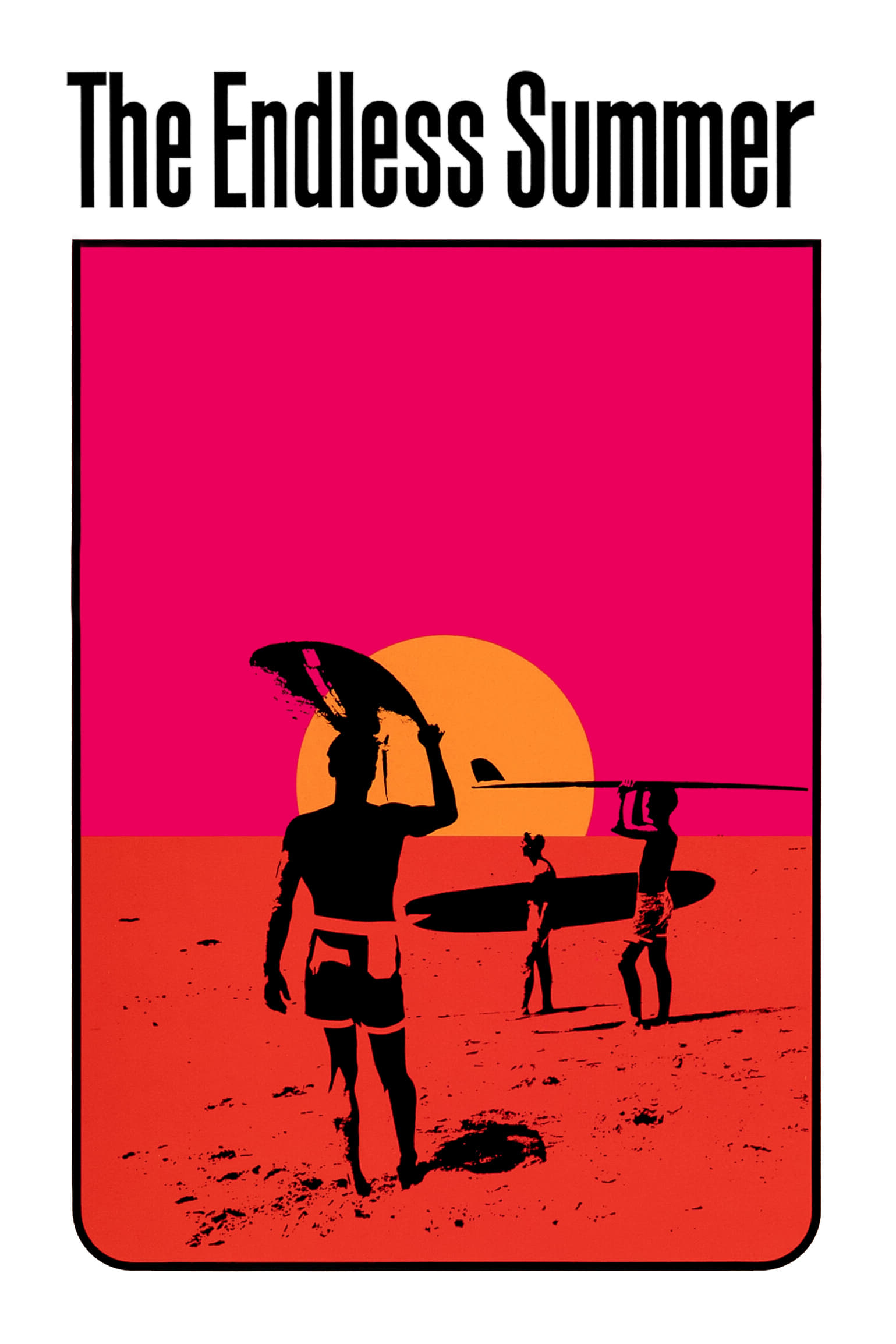
Bruce Brown's The Endless Summer is one of the first and most influential surf movies of all time. The film documents American surfers Mike Hynson and Robert August as they travel the world during California’s winter (which, back in 1965 was off-season for surfing) in search of the perfect wave and ultimately, an endless summer.
Carefully picked scenes of nature and civilization are viewed at high speed using time-lapse cinematography in an effort to demonstrate the history of various regions.
From the heights of her modeling fame to her tragic death, this documentary reveals Anna Nicole Smith through the eyes of the people closest to her.
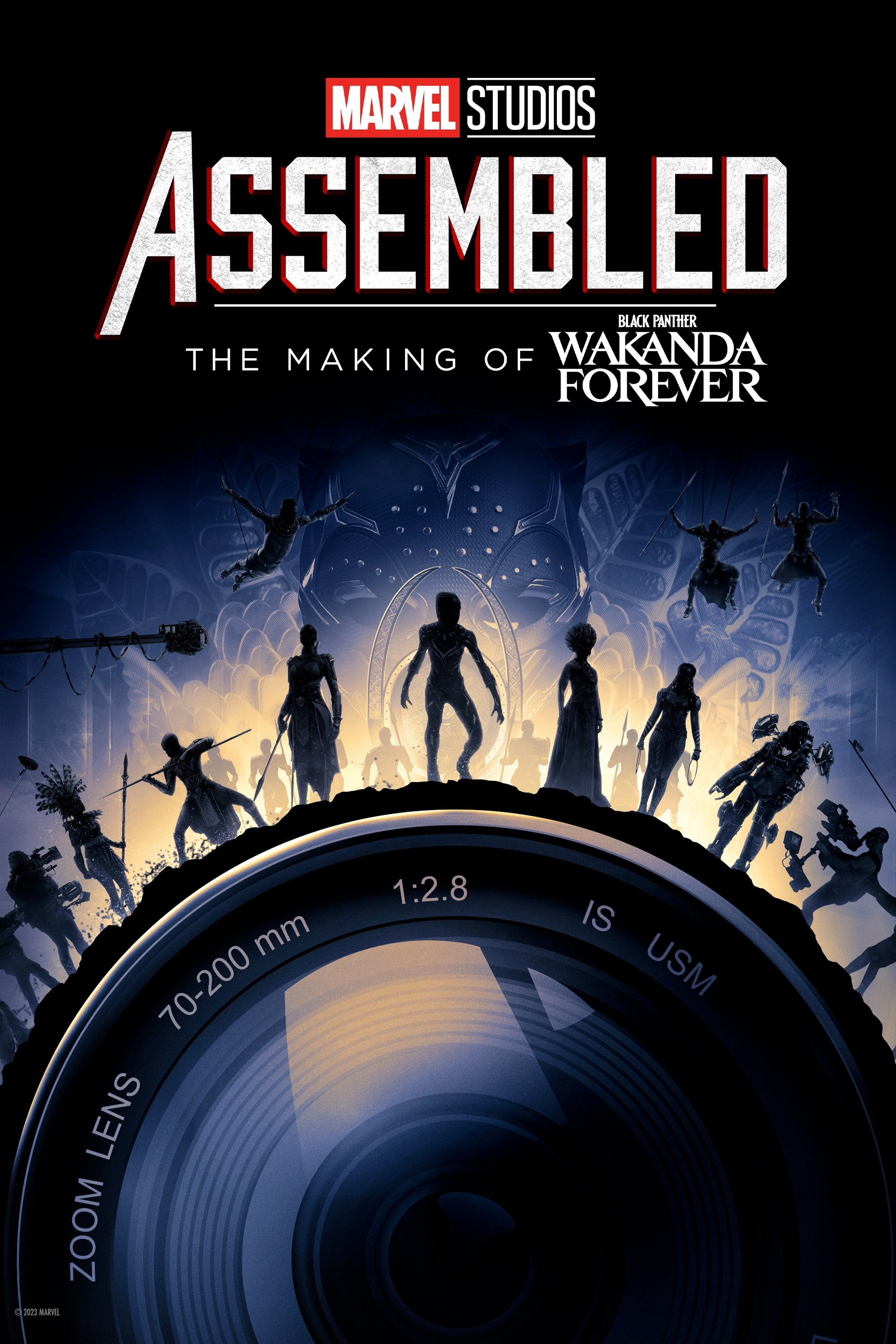
Follow the production of “Black Panther: Wakanda Forever” as the cast and crew take on the incredible challenge of remembering T’Challa with a chapter befitting the late king. Through intimate behind-the-scenes footage and interviews, watch Shuri take on the mantel of Wakanda’s hero and face a new foe from the ocean’s depths in Namor.
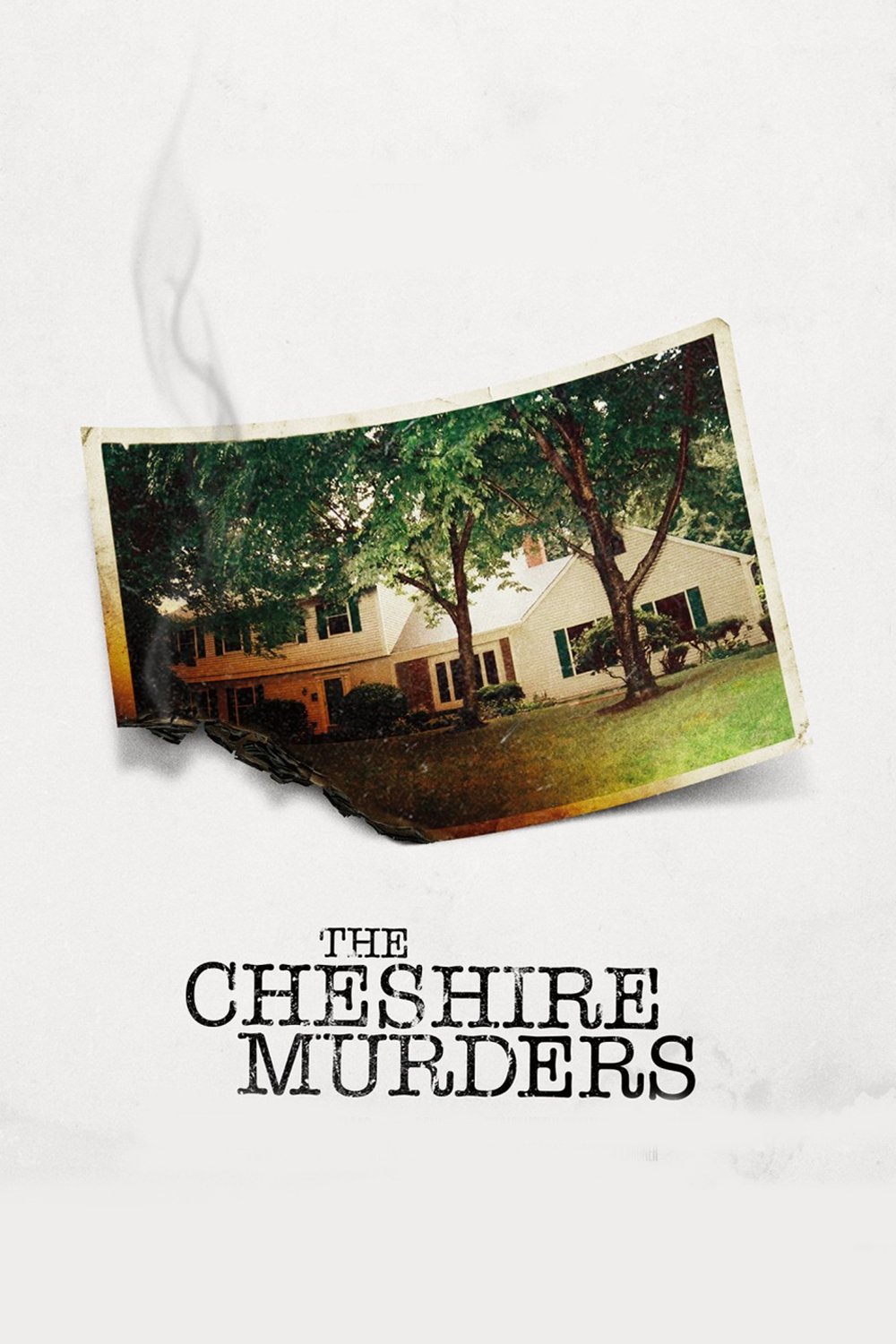
In the early-morning hours of July 23, 2007, in Cheshire, Conn., ex-convicts Steven Hayes and Joshua Komisarjevsky broke into the family home of William Petit, his wife, Jennifer, and their daughters, Michaela, 11, and Hayley, 17. Dr. Petit was beaten and tied to a pole in the basement. The three women were bound in their bedrooms while the men ransacked the house. The brutal ordeal continued throughout the morning, ending with rape, arson and a horrific triple homicide.
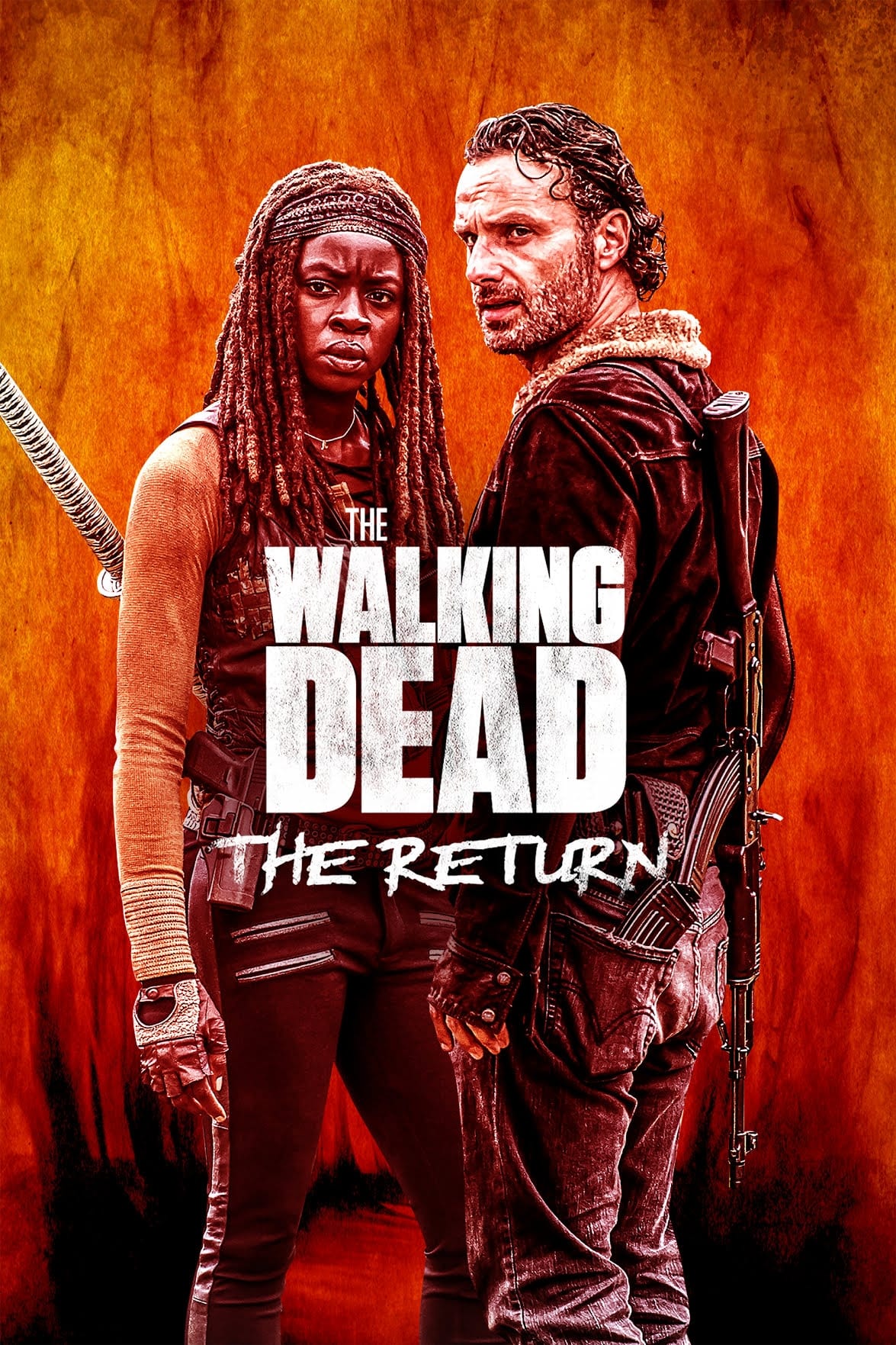
Stars of "The Walking Dead," Andrew Lincoln and Danai Gurira, walk down memory lane and visit iconic locations where pivotal moments between their characters, Rick and Michonne, were filmed.