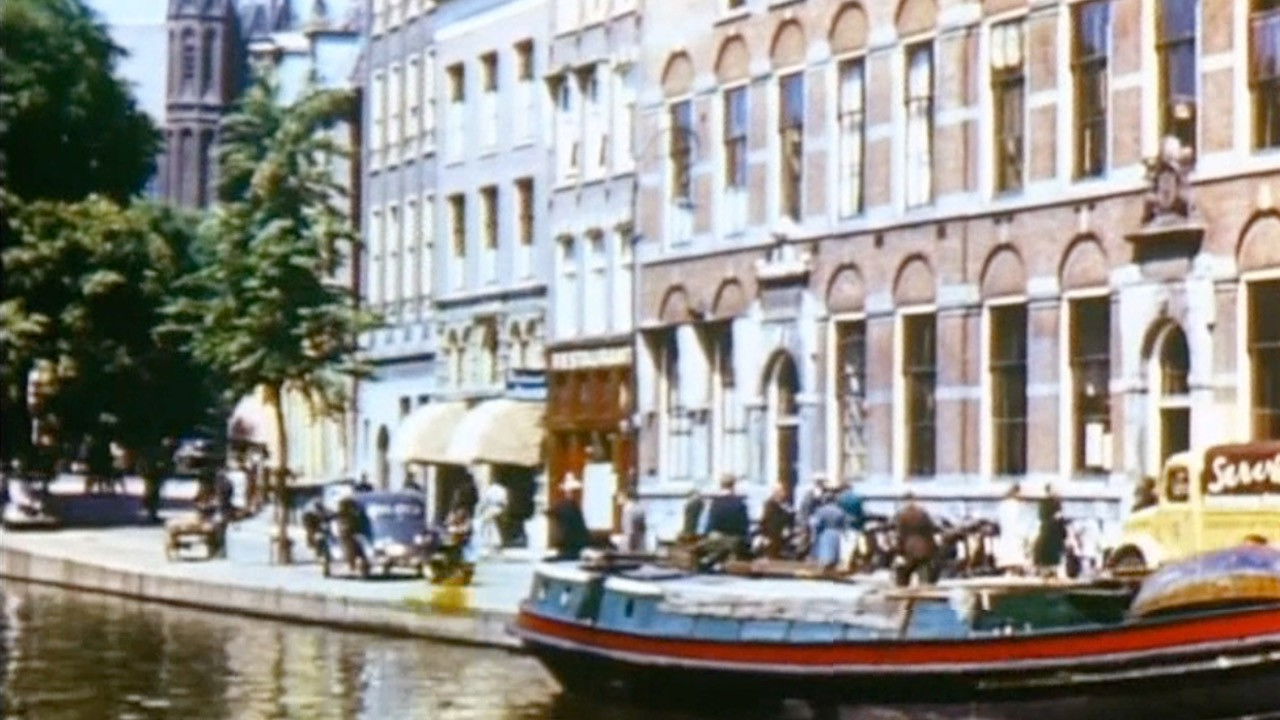
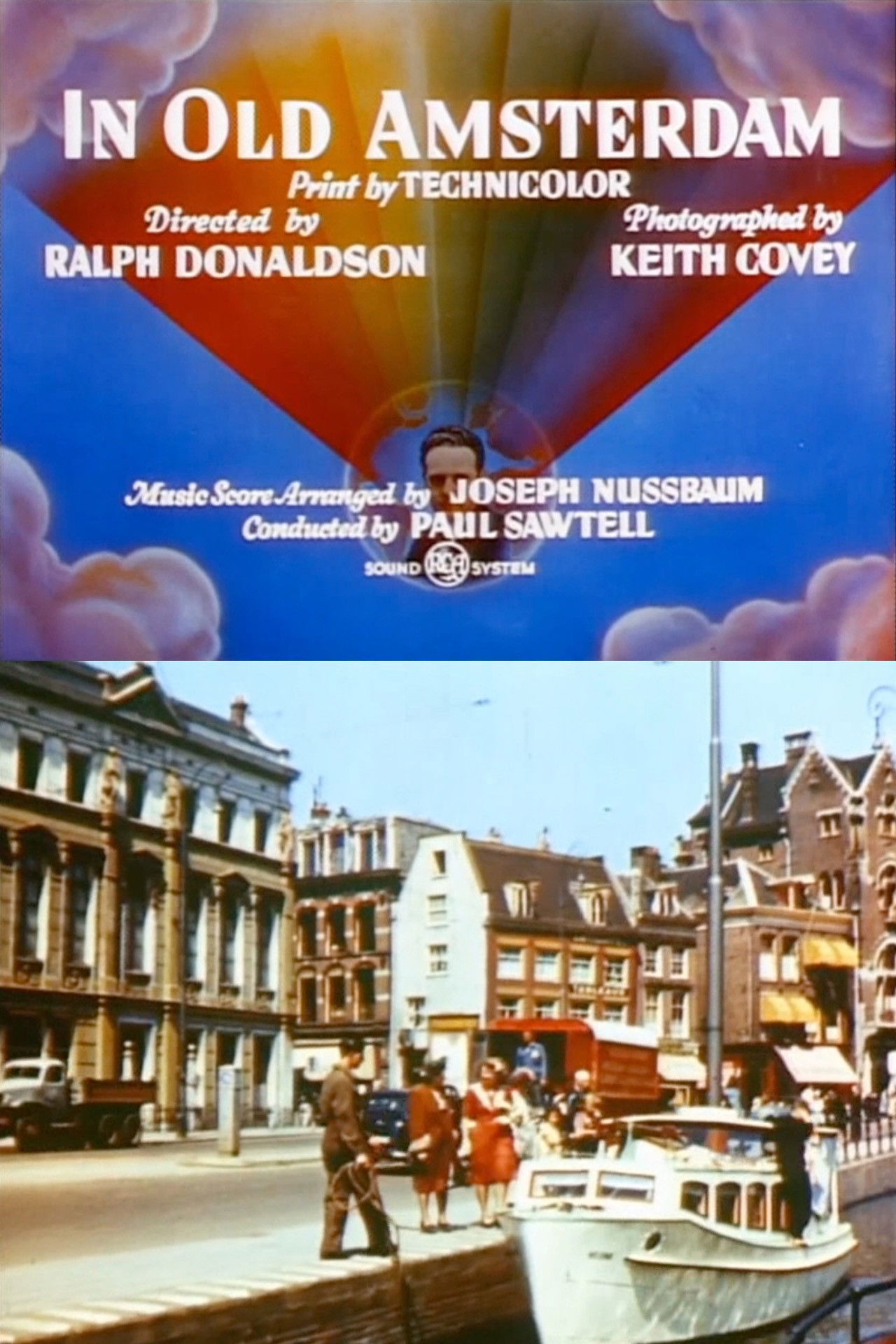
This Traveltalks entry looks at the sights, sounds, people, and art masterpieces in the capital of the Netherlands.
Social & External
Narrator (voice)
A stunning trek from the vale of Kashmir, via Sind Valley and Kargil and Lamayaru Monastry.
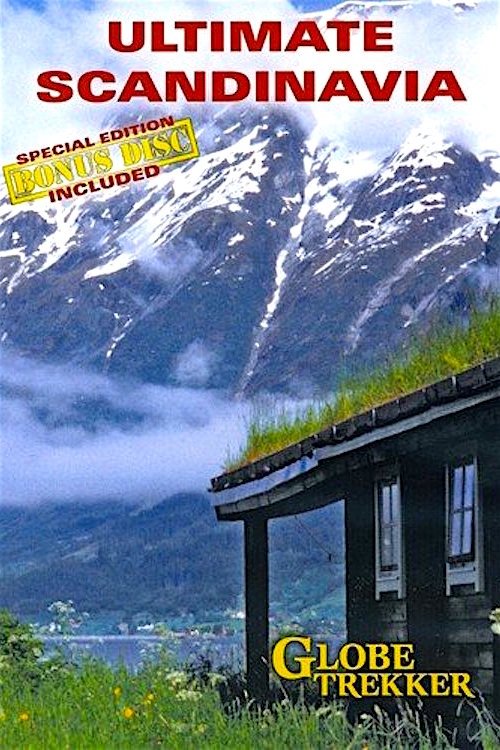
In this ultimate guide to Scandinavia travelers Megan McCormick, Ian Wright and Neil Gibson explore Denmark, Sweden, Norway, Lapland, Finland and the Baltic States. From enjoying a traditional Viking festival to crossing the Arctic Circle into Lapland for dinner with reindeer herders to a visit to the capital of Lithuania, Vilinus, and the Midsummer Night Festival in Kernave, these hosts will introduce the viewer to a variety of sites and attractions during their Scandinavian tour.
Bruin has a new mission: to become a superstar, just like his idol Michael Jackson. Although singing is not his greatest talent, he starts - supported by friends and colleagues - to build a music career.
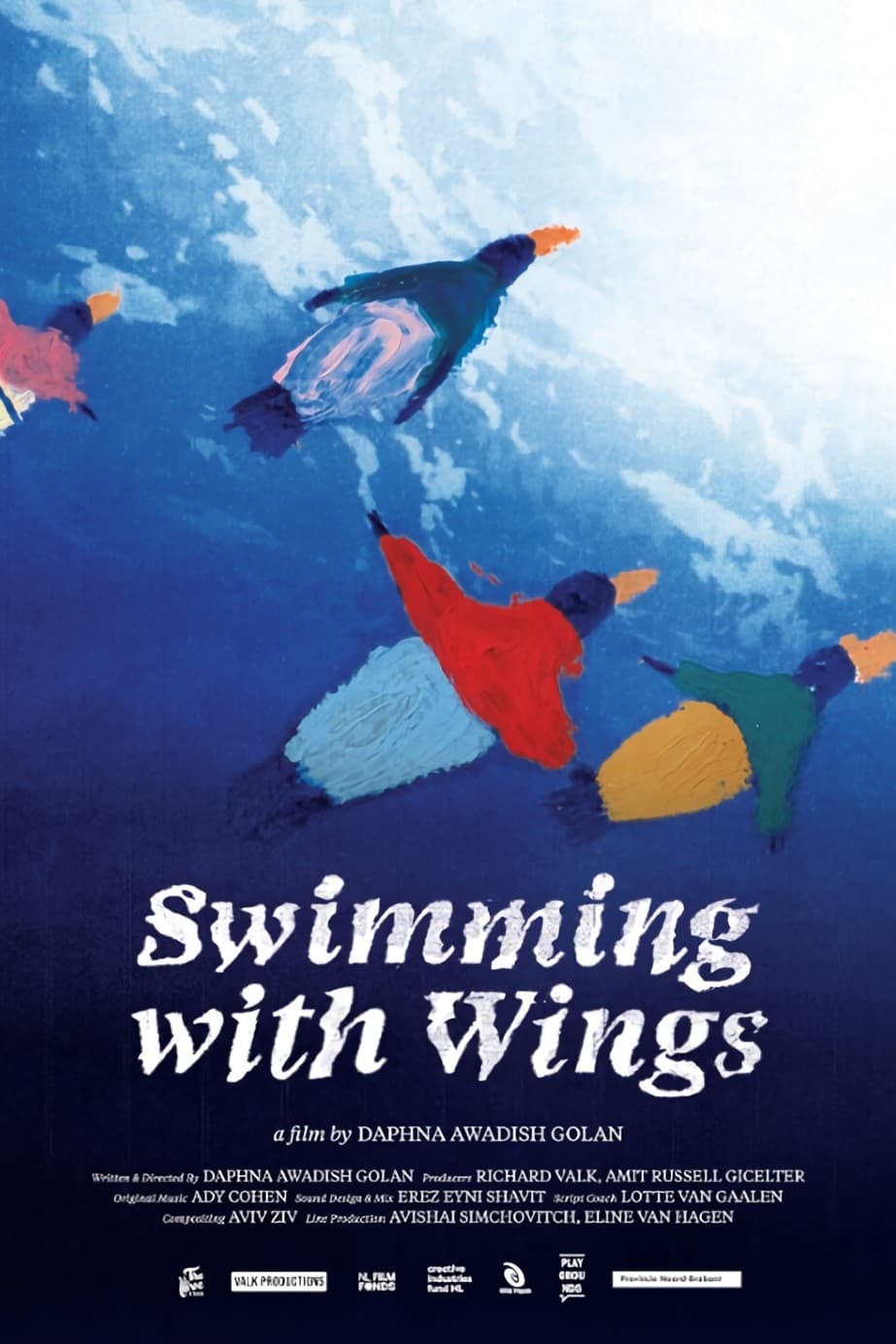
A short animated documentary exploring the immigration experience through the eyes of children learning how to swim with clothes on in the Netherlands.
A light and somewhat satirical look at the problems and pleasures of Continental holiday travel. A passenger on the Hook Continental Express from Liverpool St. imagines the possible destinations of his fellow passengers.
Coach passengers give their reasons for preferring that type of transport. A group of ramblers visit the Welsh mountains; an angler and his family spend a peaceful day by a country river; a family goes to the seaside; some students visit Oxford during a music festival.
An American couple tour Britain with a teenage girl, visiting London, Canterbury, Cambridge, the West Country, Caernarvon, etc.
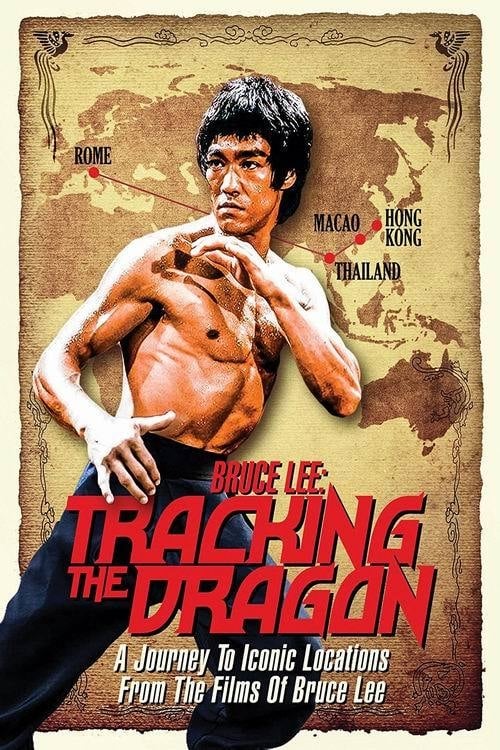
Bruce Lee expert John Little tracks down the actual locations of some of Bruce Lee's most iconic action scenes. Many of these sites remain largely unchanged nearly half a century later. At monasteries, ice factories, and on urban streets, Little explores the real life settings of Lee's legendary career. This film builds on Little's earlier film, Pursuit of the Dragon, to present a comprehensive view of Lee's work that will change the way you see the films.
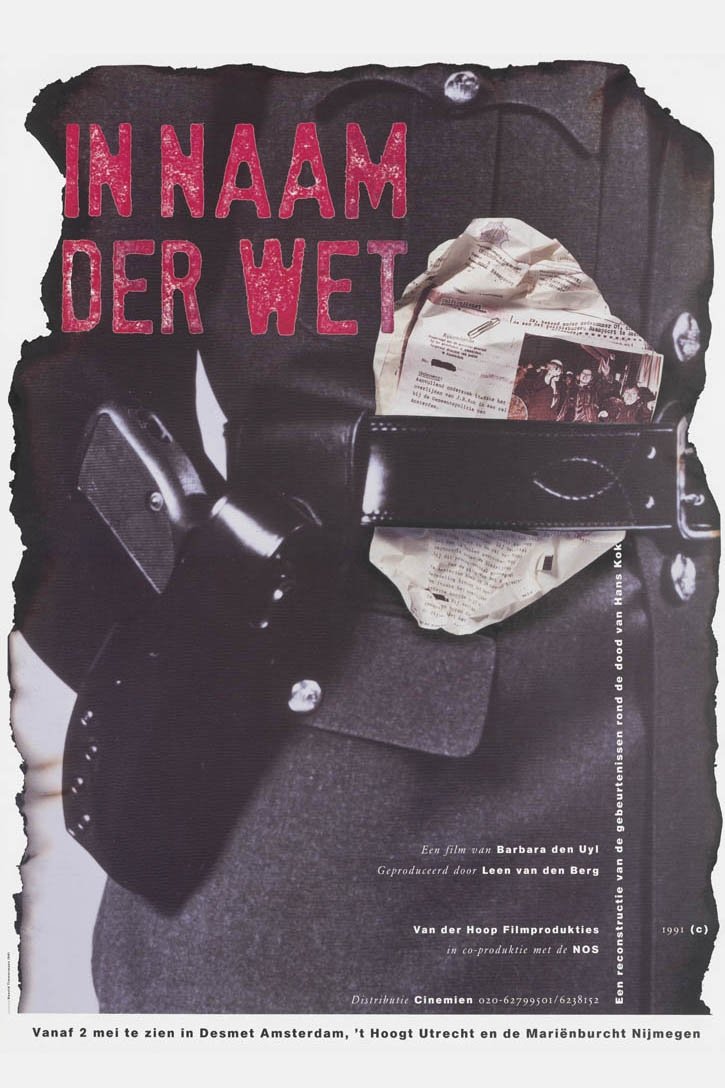
Partially staged documentary by Barbara den Uyl investigates the case of Hans Kok, the squatter who was found dead in an Amsterdam police cell in October 1985.
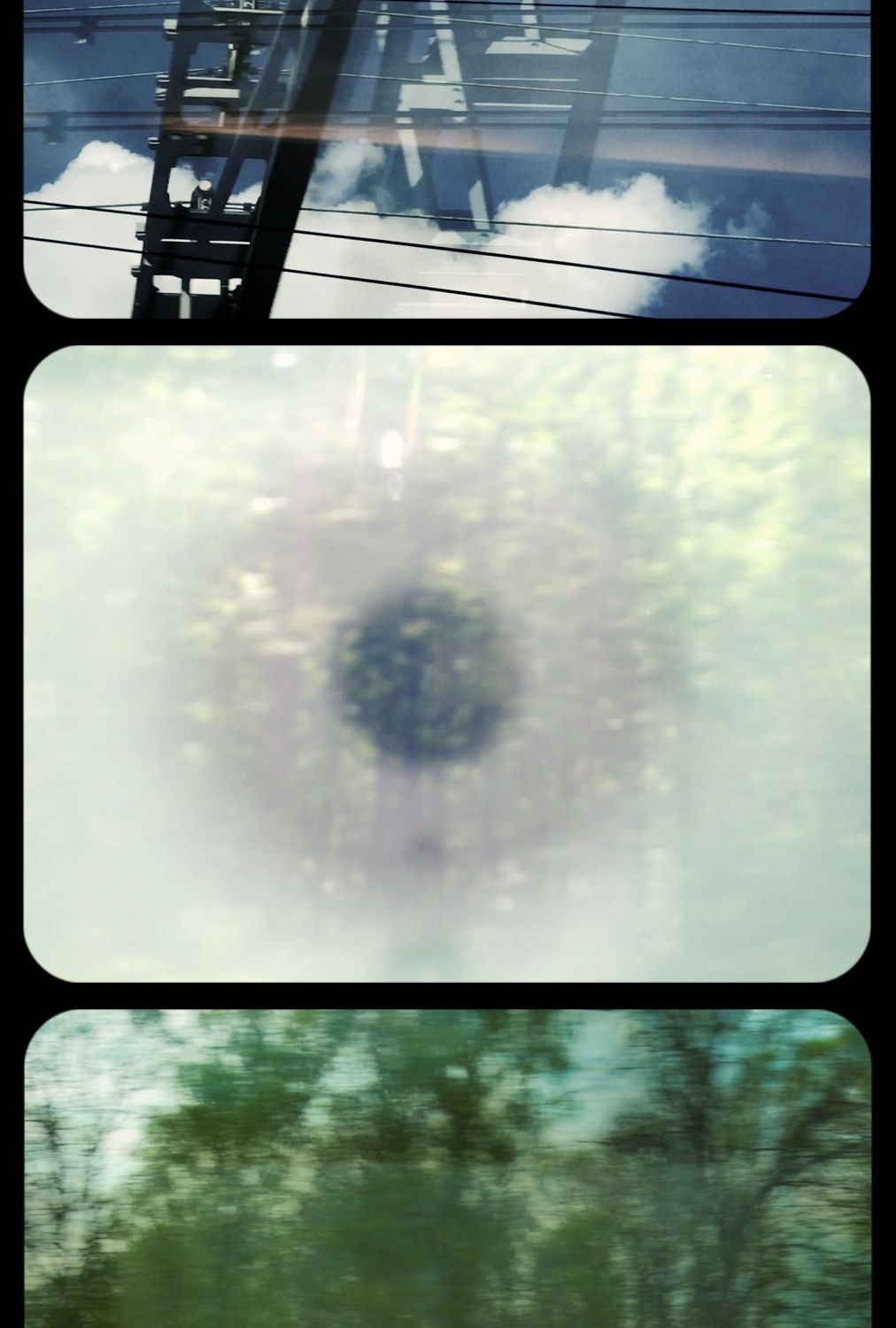
The reception ebbs and flows as the unfamiliar landscape whirls by the window of a plane or train or car. Communication is delayed, fragmented, interrupted. Memories of a distant country.
Sports enthusiast Ernest is to cover 6,000 kilometers on his motorcycle in 15 days, crossing Austria, Italy, Switzerland, the Balkans and Czechoslovakia.
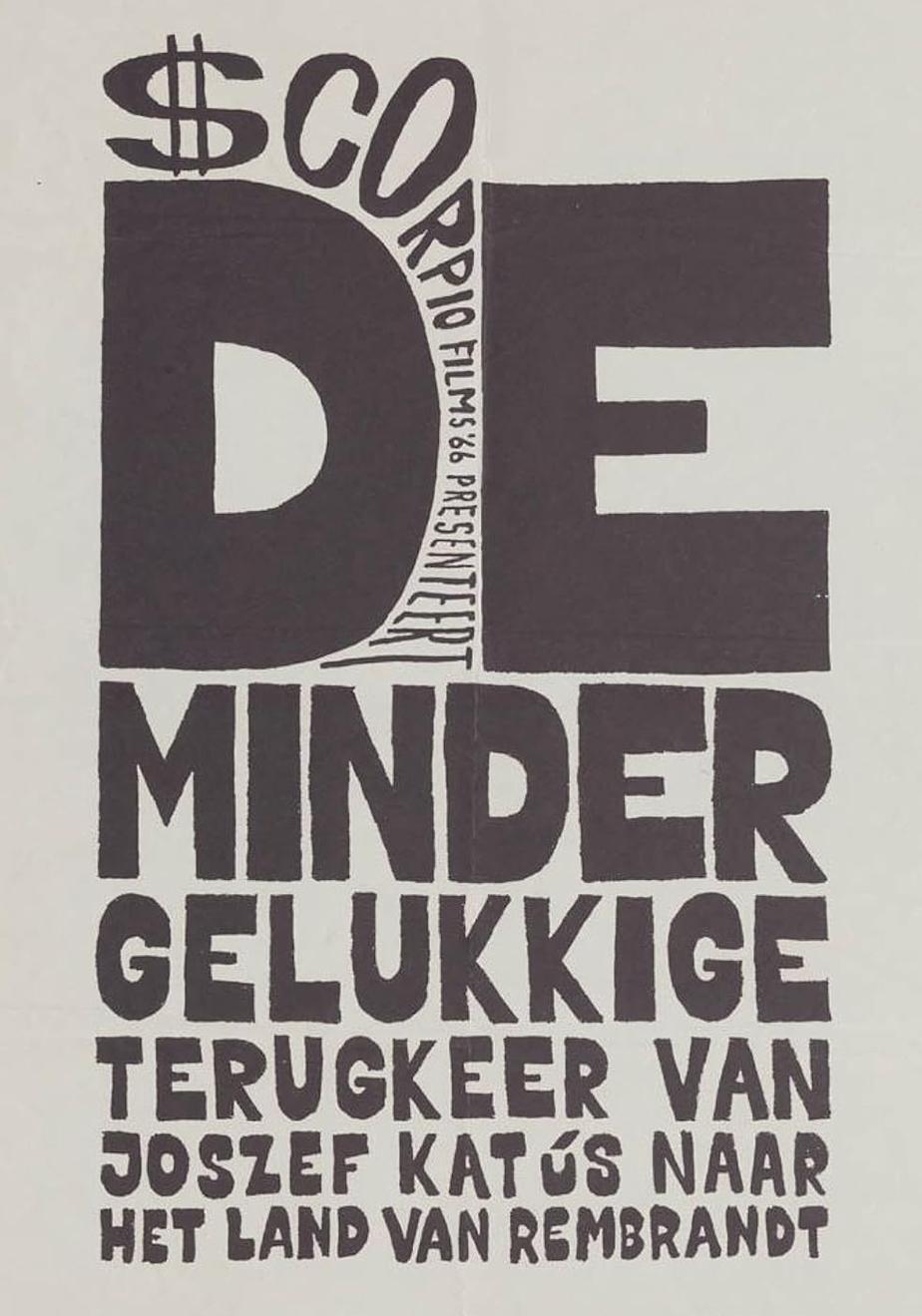
The dutchified Hungarian Joszef Katús returns, after a months-long absence, to Amsterdam on 29 April 1966. The arrival of the Provos changed a great deal in the Dutch capital. The film follows Katús, mostly roaming the streets, in a loose documentary style. The events are set against the backdrop of four national occasions - The Queen's Birthday, Labour Day, Liberation Day and Remembrance Day.
Short film about the attractions of the Italian coastal town of Rapallo.
Rebellious City is a documentary about the Provo movement and the city of Amsterdam in the sixties.
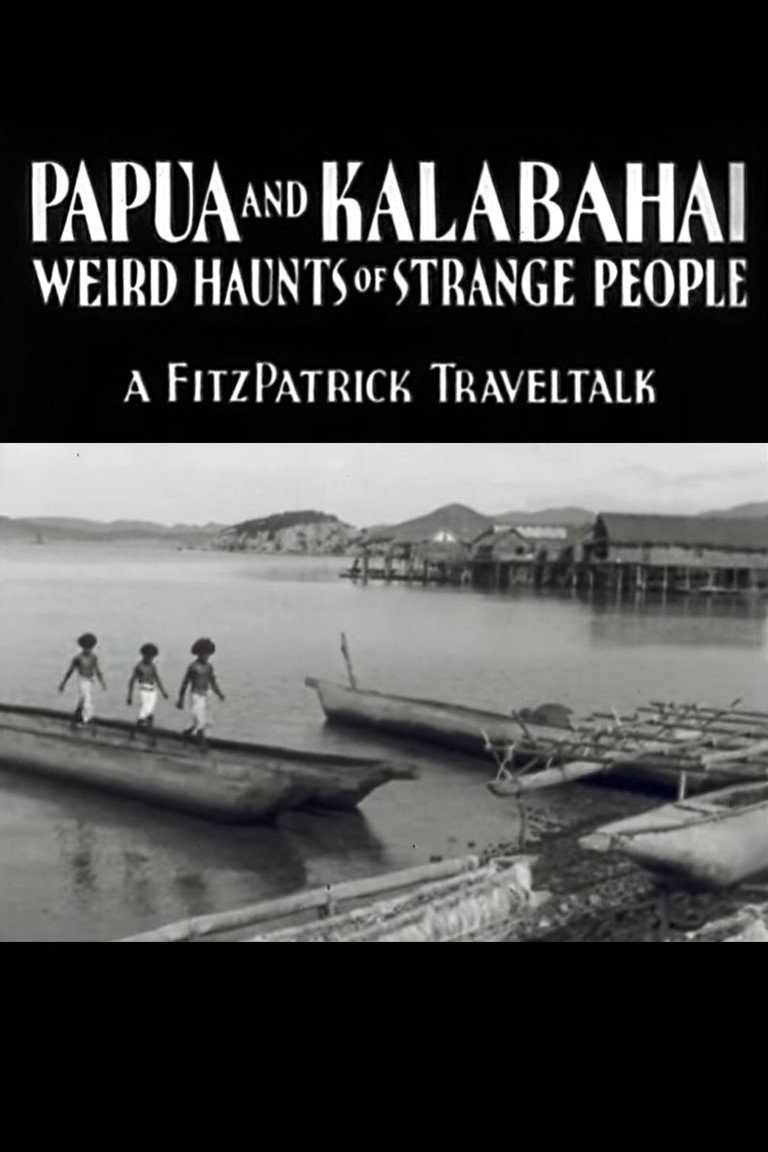
This Traveltalk series short visits Papua and Kalabahai.
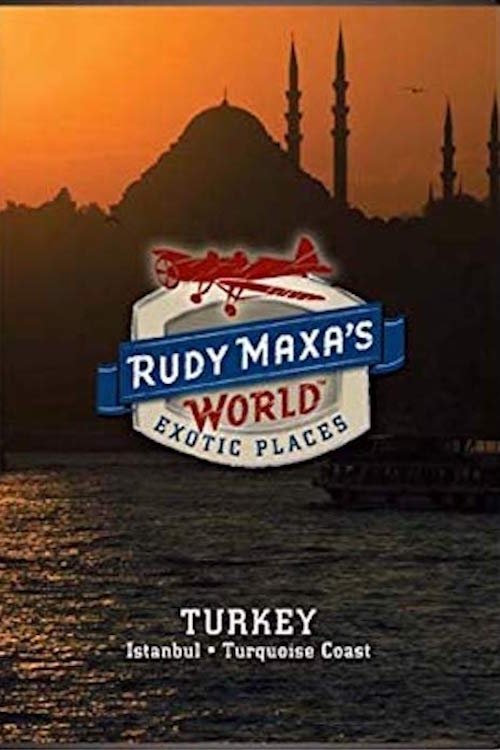
Join veteran travel writer and TV show host Rudy Maxa as he explores Turkey, a land of stark beauty that sits at the crossroads where Europe and Asia -- and two of the world's great religious faiths -- meet. Maxa guides you through the mysteries of Istanbul's Grand Bazaar and then into the delights of a bona fide Turkish bath. Next, he hops on a boat to explore the many Roman ruins along Turkey's southern Turquoise Coast.
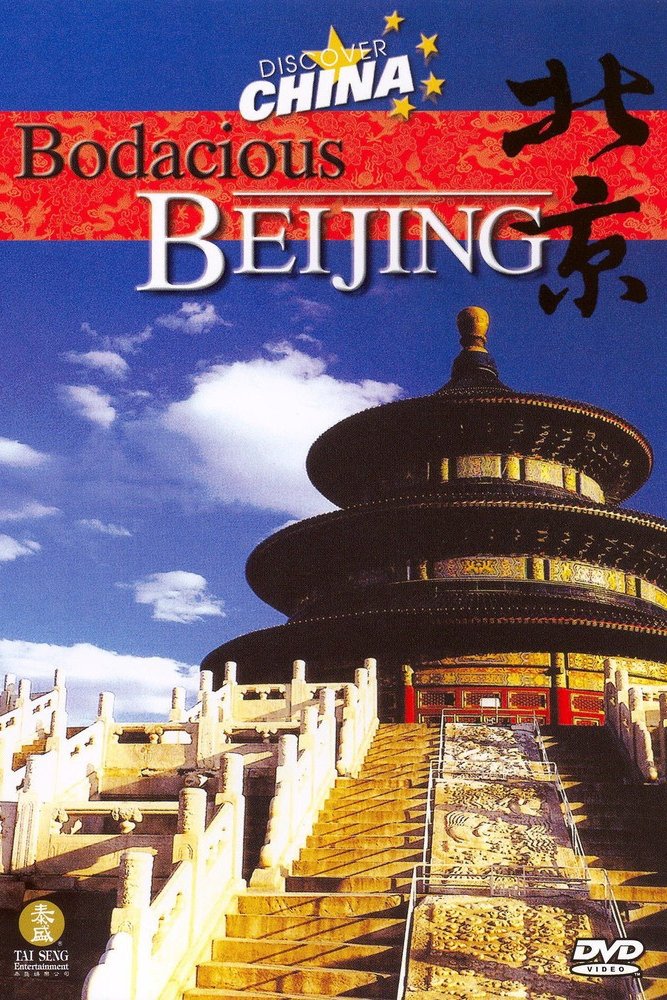
Take a trip to the amazing Chinese capital without leaving your own home. Not content with a tourist-only view of Beijing, this documentary hangs with the locals in roadside food stalls and antique flea markets. But the big landmarks -- such as the Great Wall and the Forbidden City -- are showcased amply as well. Like any good vacation, this whirlwind of culture, history, shopping and food will leave you satisfied and reluctant to return home.
An English travelogue by Stef Tijdink and Peter Delpeut
Amateur travelogue of the Kagan Valley and Darband, Pakistan.
Those who knew iconic funnyman John Candy best share his story, in their own words, through never-before-seen archival footage, imagery, and interviews.
This character-driven film considers the evolving sex trafficking landscape as seen by the main players: the exploited, the pimps, the johns that fuel the business, and the cops who fight to stop it.
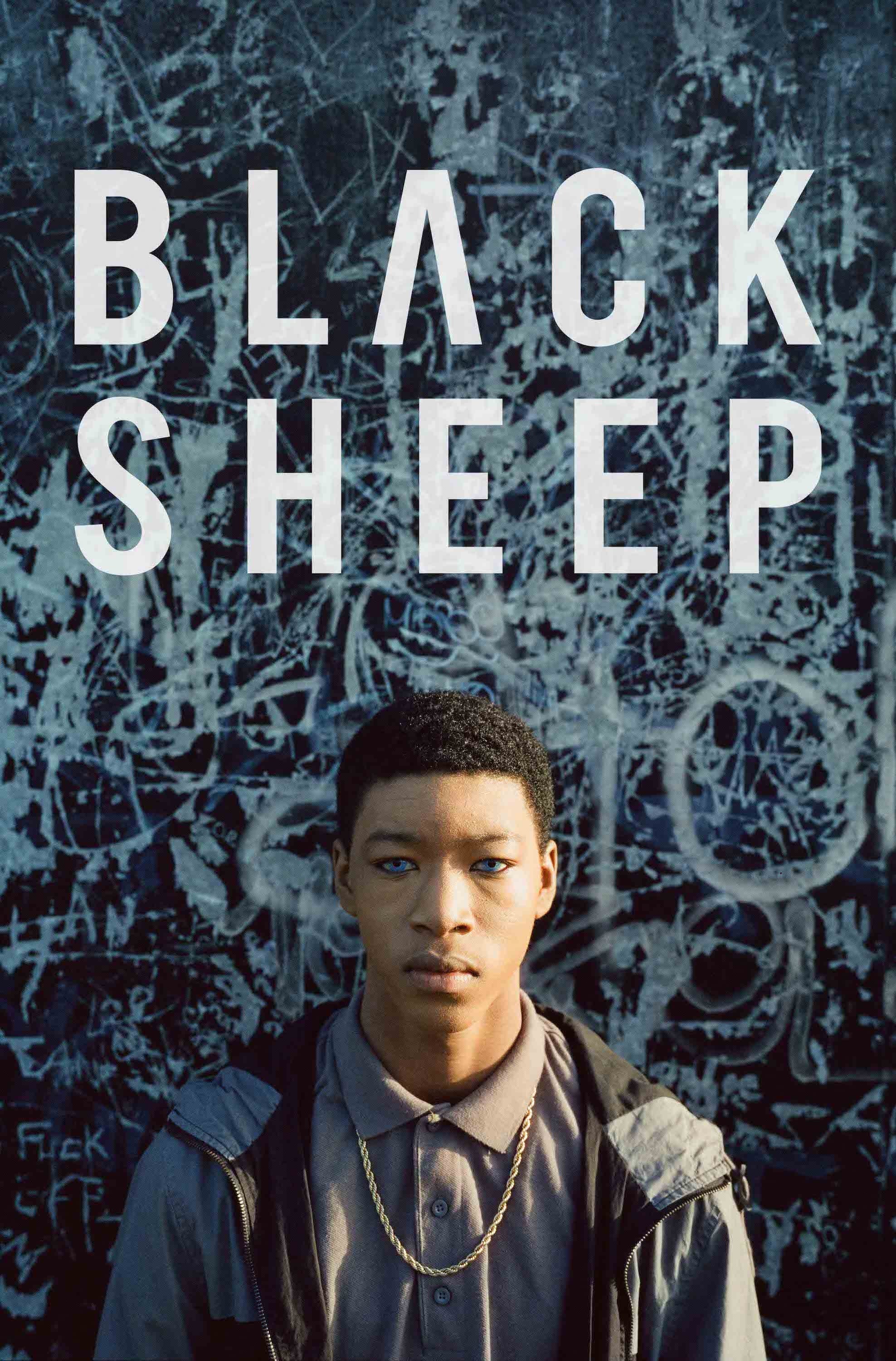
After the high-profile killing of Damilola Taylor, Cornelius' family move out of London. But when they discover their new town is run by racists, Cornelius takes a drastic step to survive.
A detailing of the rise to prominence and global sporting superstardom of six supremely talented young Manchester United football players (David Beckham, Nicky Butt, Ryan Giggs, Paul Scholes, Phil and Gary Neville). The film covers the period 1992-1999, culminating in Manchester United's European Cup triumph.
SEDUCED AND ABANDONED combines acting legend Alec Baldwin with director James Toback as they lead us on a troublesome and often hilarious journey of raising financing for their next feature film. Moving from director to financier to star actor, the two players provide us with a unique look behind the curtain at the world's biggest and most glamourous film festival, shining a light on the bitter-sweet relationship filmmakers have with Cannes and the film business. Featuring insights from directors Martin Scorsese, 'Bernando Bertolucci' and Roman Polanski; actors Ryan Gosling and Jessica Chastain and a host of film distribution luminaries.
Through deeply personal interviews with her siblings and an examination of the photographs, letters, and belongings left behind, Mariska assembles a new portrait of her mother Jayne Mansfield, an extraordinary and complex woman.
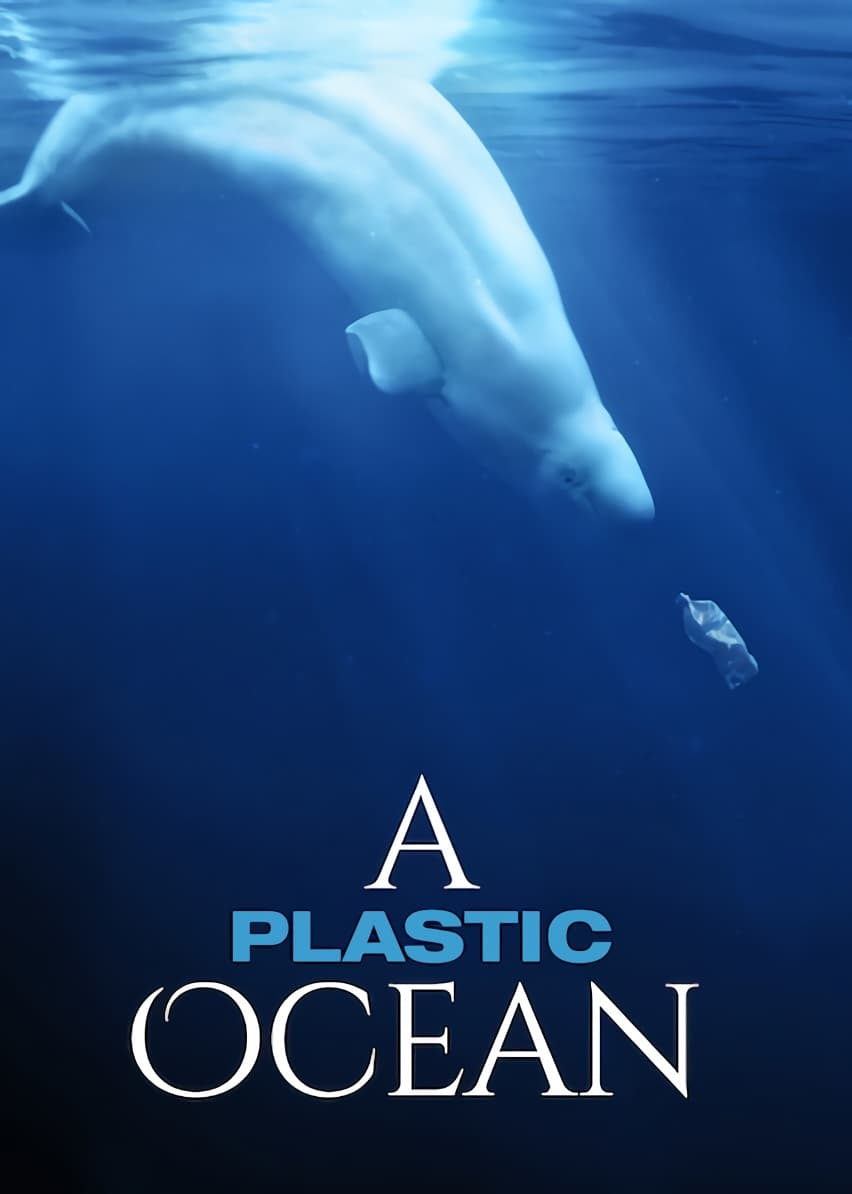
A documentary focused on plastic pollution in the world's oceans.
Daniel Craig candidly reflects on his 15 year adventure as James Bond. Including never-before-seen archival footage from Casino Royale to the upcoming 25th film No Time To Die, Craig shares his personal memories in conversation with 007 producers, Michael G Wilson and Barbara Broccoli.
The life and career of an actor, artist, and icon. His own journey through his own camera.
A documentary about the life and films of director John Ford.
A documentary chronicling Vogue editor-in-chief Anna Wintour's preparations for the 2007 fall-fashion issue.
14-year-old Laura Dekker sets out on a two-year voyage in pursuit of her dream to become the youngest person ever to sail around the world alone.
Examines the life and career of singer Whitney Houston. Features never-before-seen archival footage, exclusive recordings, rare performances and interviews with the people who knew her best.
This compelling Documentary moves beyond the spotlight and past the attention-grabbing headlines to give pop superstar Chris Brown a chance to tell his own story. New interviews with the international phenomenon reveal long-awaited answers about his passion for making music, his tumultuous and much publicized relationships, and the pitfalls of coming of age in the public eye. Also included is new concert footage, behind-the-scenes access, and special interviews from Usher, Jennifer Lopez, DJ Khaled, Mike Tyson, Jamie Foxx and others.
Follow pop provocateur Lady Gaga as she releases a new album, preps for her Super Bowl halftime show, and confronts physical and emotional struggles.
A look at the origins, history and conspiracies behind the "Majestic 12", a clandestine group of military and corporate figureheads charged with reverse-engineering extraterrestrial technology.
Long-lost footage from Elvis Presley's legendary Las Vegas residency in the 1970s woven together with rare 16mm footage from Elvis on Tour, and 8mm from the Graceland archive, plus recordings of Elvis telling "his side of the story" rediscovered during Baz Luhrmann's research for his 2022 film, Elvis.
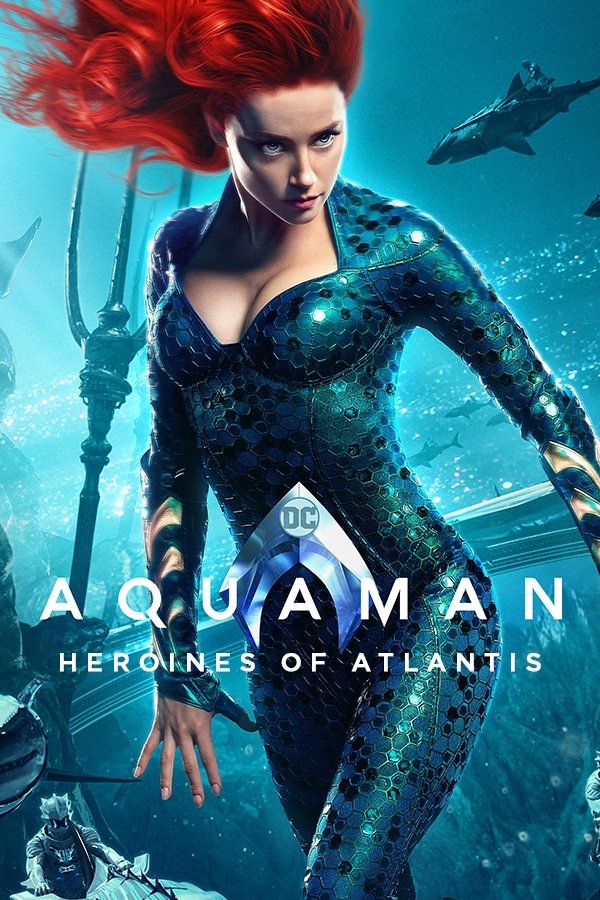
Amber Heard and Nicole Kidman discuss their characters Mera and Atlanna.
An inside look at one of the most anticipated movie sequels ever with James Cameron and cast.
JB Smoove and Martin Starr host a celebration of 20 years of "Spider-Man" movies, from the Sam Raimi trilogy to Marc Webb's movies and the trio from Jon Watts.