Social & External
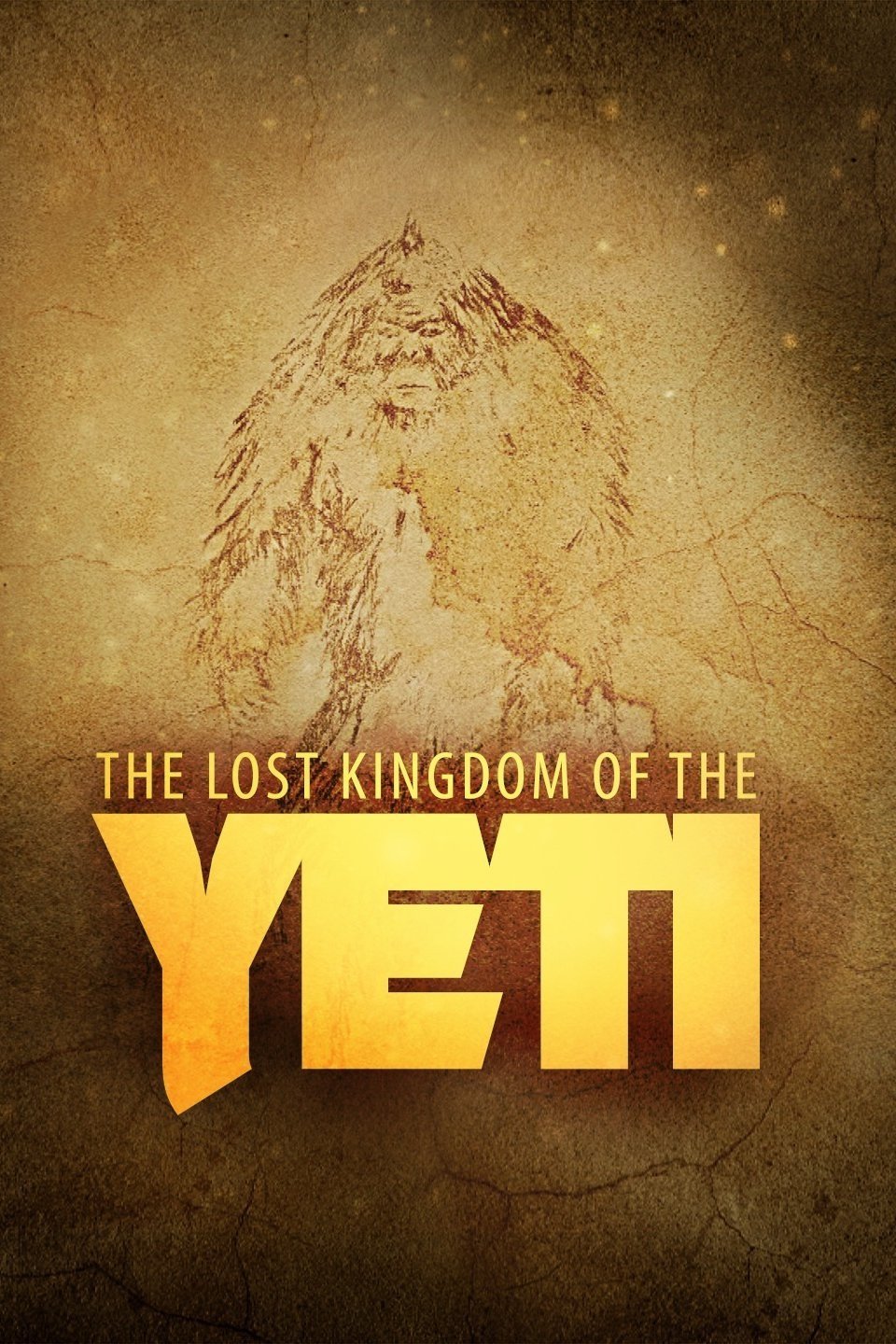
From the Bhutanese wilderness, scientist and yeti-hunter Mark Evans hears fresh reports of new sightings; Mark mounts a considerable expedition into the Himalayas and takes his search for the yeti further than ever before.
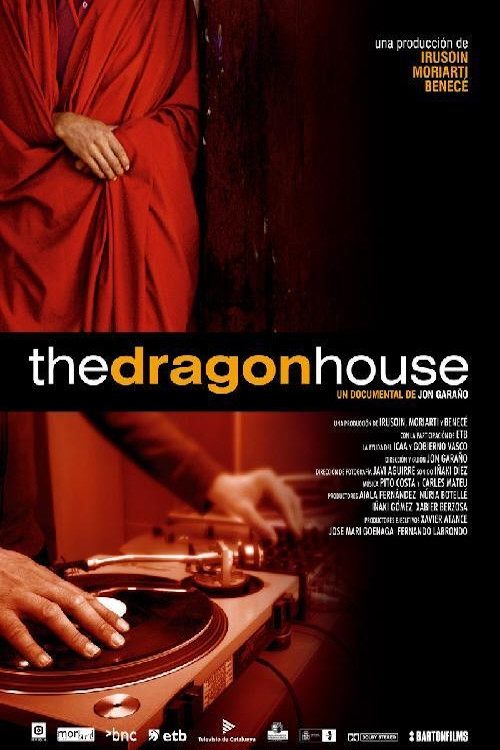
The Dragon House portrays the confrontation between tradition and modernity which the Kingdom of Bhutan is currently experiencing. This is done by means of two Bhutanese characters: a young Buddhist monk, heir to the local tradition, and the first disc jockey to dare to play House and Techno music in the small Himalayan kingdom.
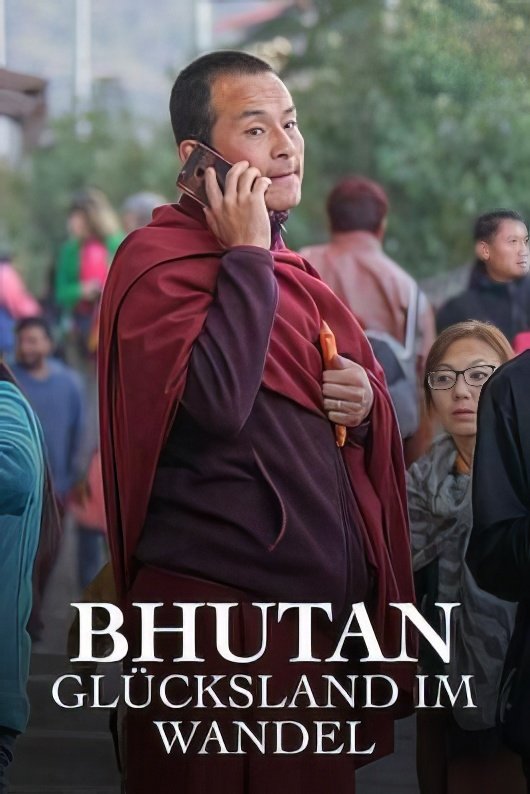
It was only in the 2000s that the population of Bhutan discovered television and the Internet, as well as the first democratic elections. Near the capital Thimphou, one of the fastest-developing cities in Southeast Asia, live some 20,000 nomadic yak herders.
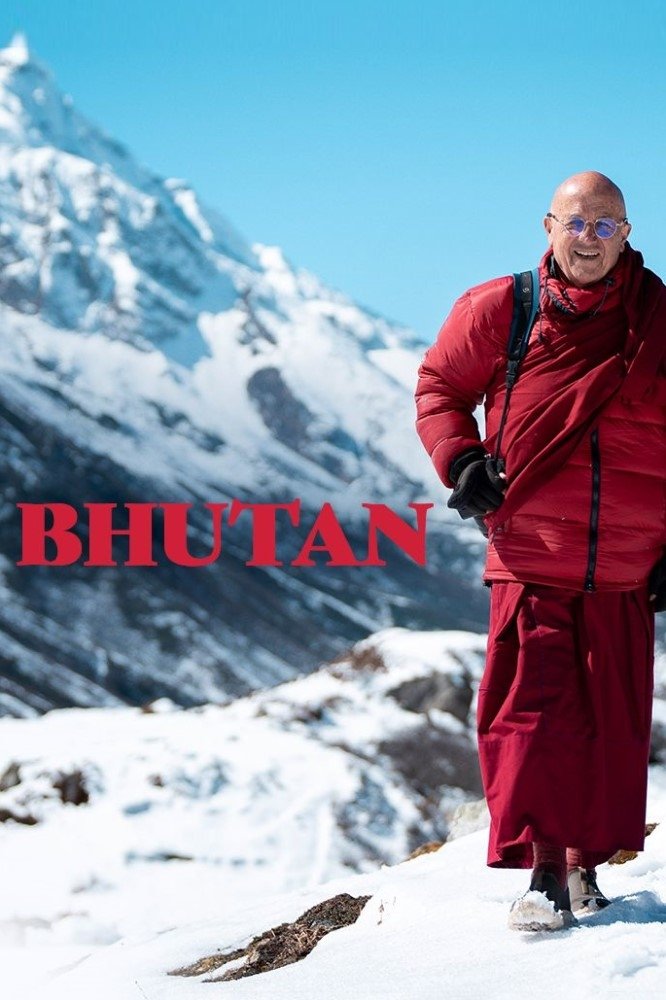
Buddhist monk and photographer Matthieu Picard as he returns to the Asian country in the Himalayas where he spent a decade after seven years away, revisiting breathtaking landscapes and experiencing local traditions.
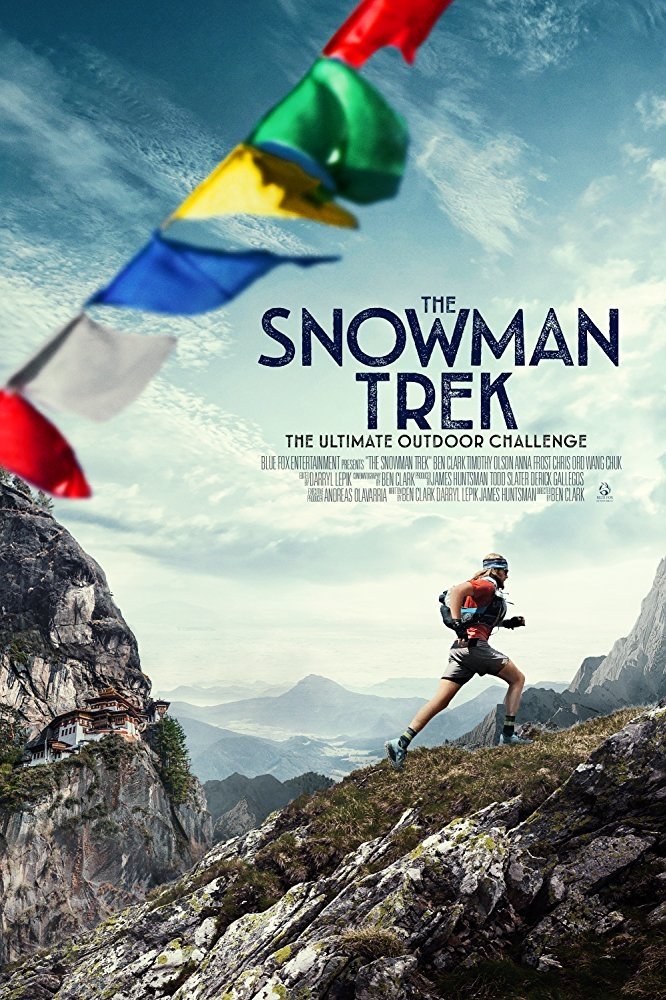
Ultramarathon runners Ben Clark, Anna Frost and Tim Olson travel to Bhutan's high Himalayan landscape to try and set a speed record on the world's hardest trek.
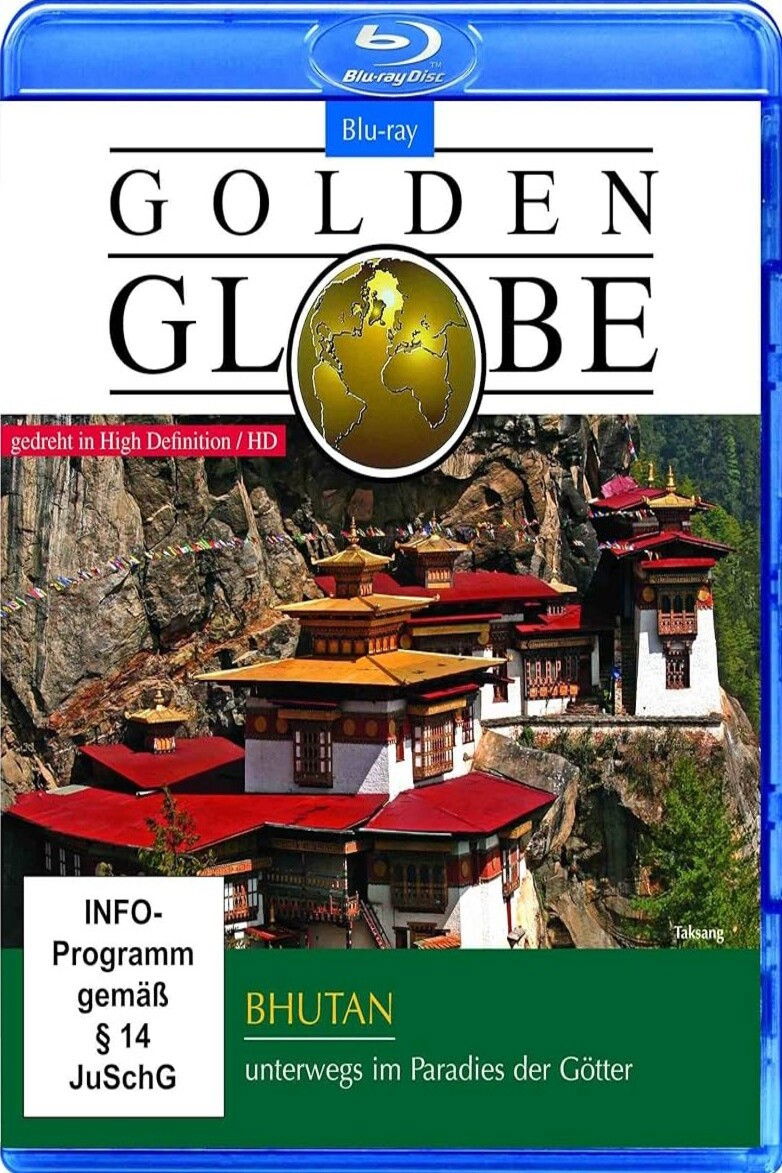
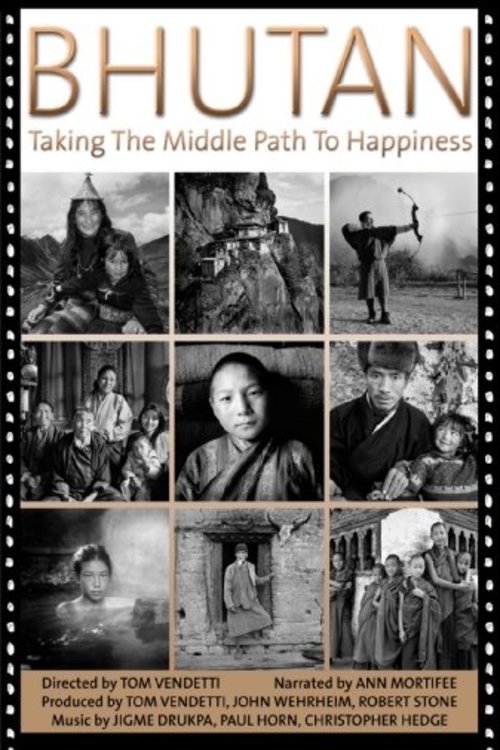
Imagine a country where happiness is the guiding principle of government. Imagine a people who see all life as sacred and the source of their happiness, a place with an abundance of clean and renewable energy, a nation committed to preserving its culture and whose progress is measured by obtaining Gross National Happiness for its people. Where is this Shangri-La? Bhutan. But can a place like Bhutan really exist? Can such ideals be realized? Can this small, geographically isolated country tucked away in the Himalayans truly protect its environment and culture as they open their doors to the West? The answer is rooted in the Bhutanese view of the world, anchored in Buddhism, with the simple message that happiness can only be found by taking the middle path the path that balances the needs of man with the powerful spirits of nature.
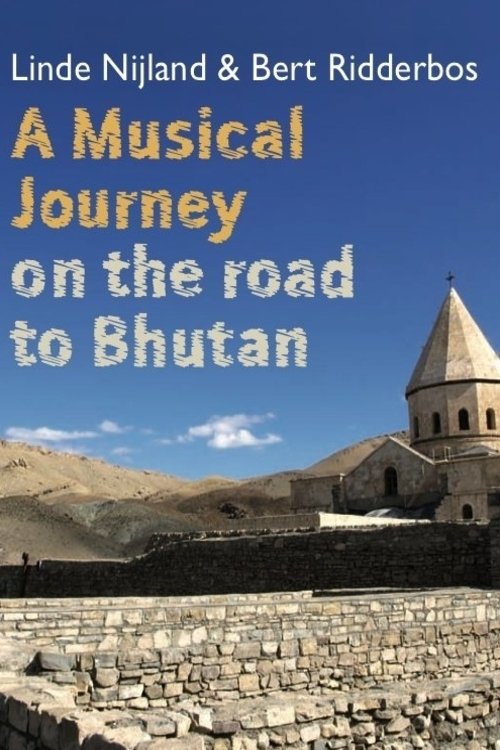
The Frisian singer Linde Nijland was always fond of the combination of traveling and singing. An invitation to listen to a concert in honor of the coronation of the fifth king of Bhutan was the ideal occasion in 2008 to make a months-long journey through South East together with multi-instrumentalist Bert Ridderbos.
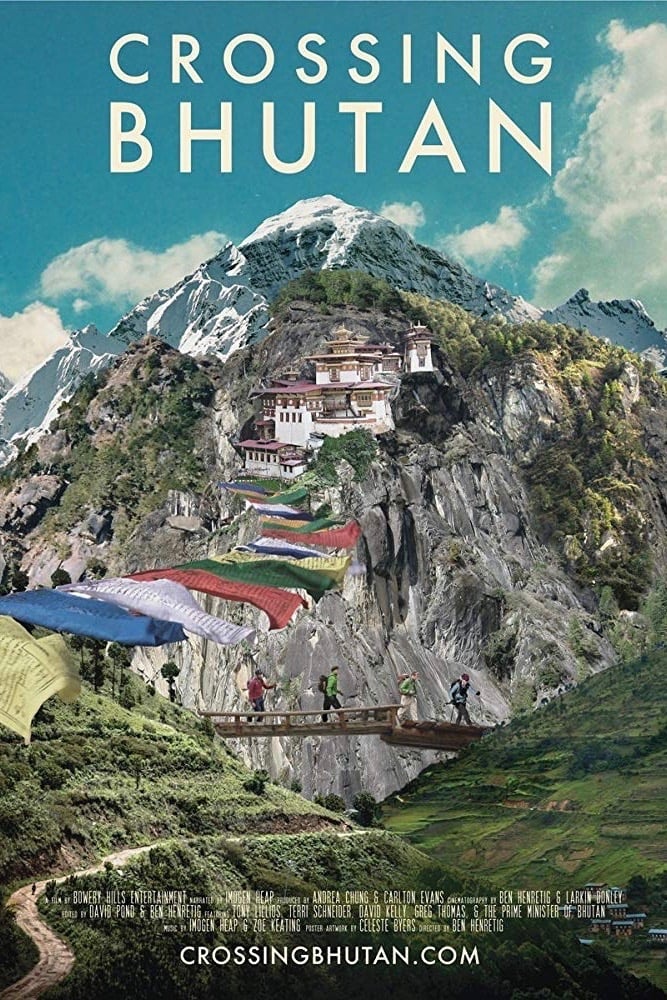
Bhutan is known as the last Himalayan Buddhist Kingdom and one of the happiest places on earth. 'Crossing Bhutan' tells the story of four veteran athletes and their journey to explore Bhutan’s enigmatic policy of Gross National Happiness by making the first 485-mile, border-to-border crossing of this isolated kingdom entirely by foot and bike.
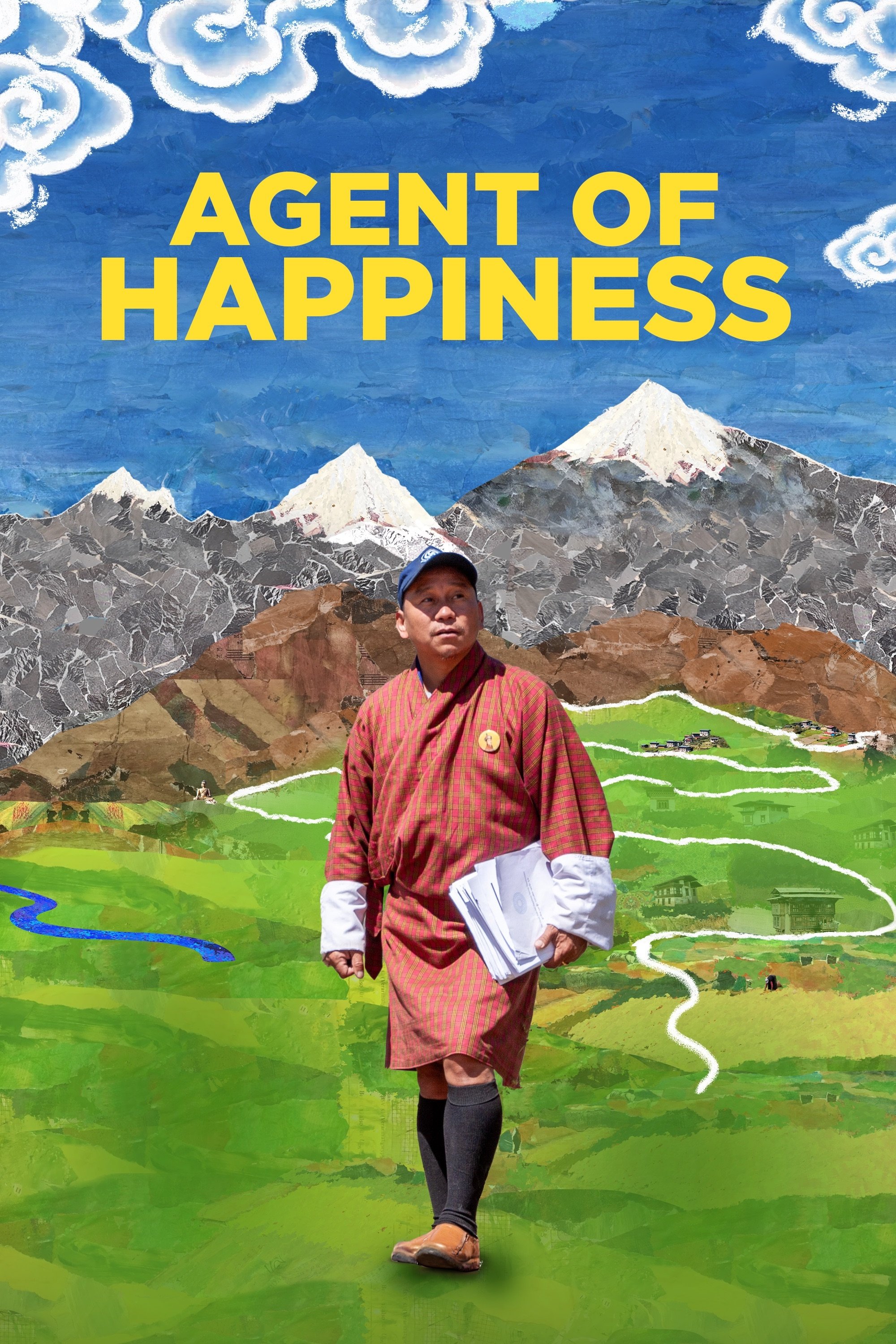
The documentary team follows two happiness agents in their forties who spend a month and a half on the road twice a year, going door-to-door with their questionnaires in isolated villages in the Himalayas. The filmmakers undertake to provide an intimate insight into the daily lives and desires of Bhutanese people, and also seek the answer to the universal question of whether happiness can really be measured. Gross National Happiness promises a heart-warming journey into a mysterious, fairytale-like world, which is the exact opposite of the social order dominated by consumption and desires.
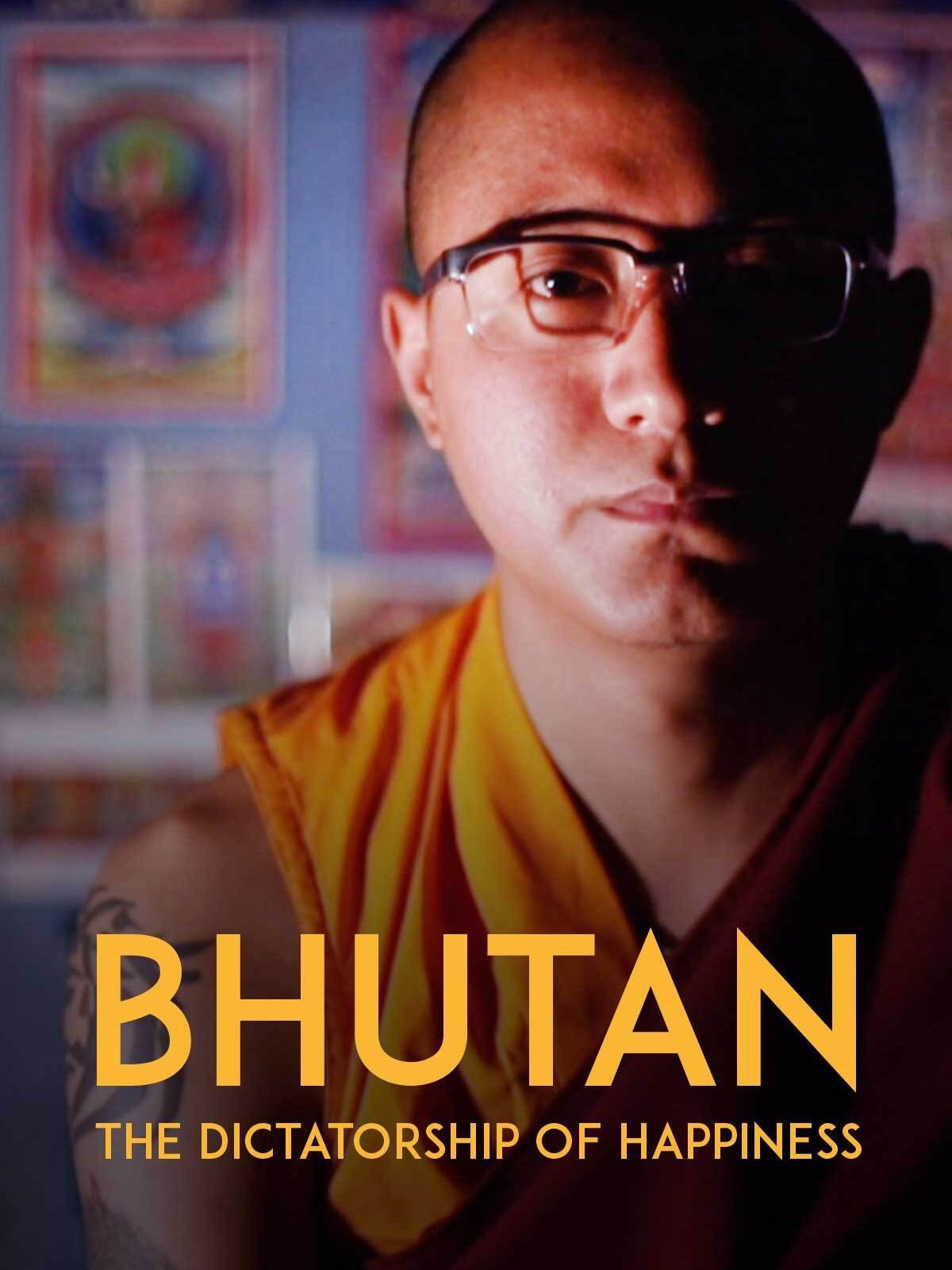
Hidden away in the Himalayan foothills, Bhutan is a country reputed for its exquisite natural beauty and the importance its people place on individual happiness. The Bhutaneses’ acute environmental awareness has led it to being the only carbon-negative country in the world. To many, the small nation seems like a model for the rest of the world. But behind this idyllic façade there lies a more sinister reality. Buddhism is the only religion tolerated by the Wangchuck dynasty who have ruled the country for the last century. This ultra-conservative regime is closely intertwined with the Buddhist faith. The flocks of millionaires and Hollywood stars who arrive in Bhutan to work on their karma can only be accommodated thanks to the toil of terribly paid workers. This film explores the dynasty’s rule while also taking a look at the youthful counterculture movement which has emerged since the country’s exposure to the internet.
A visual montage portrait of our contemporary world dominated by globalized technology and violence.
Through deeply personal interviews with her siblings and an examination of the photographs, letters, and belongings left behind, Mariska assembles a new portrait of her mother Jayne Mansfield, an extraordinary and complex woman.
The film follows adventurer Jeff Johnson as he retraces the epic 1968 journey of his heroes Yvon Chouinard and Doug Tompkins to Patagonia.
This documentary focuses on the actors and their journey over two summers to create the remake to the original IT, by Stephen King. The documentary originally released as bonus material, bundled with IT: Chapter Two.
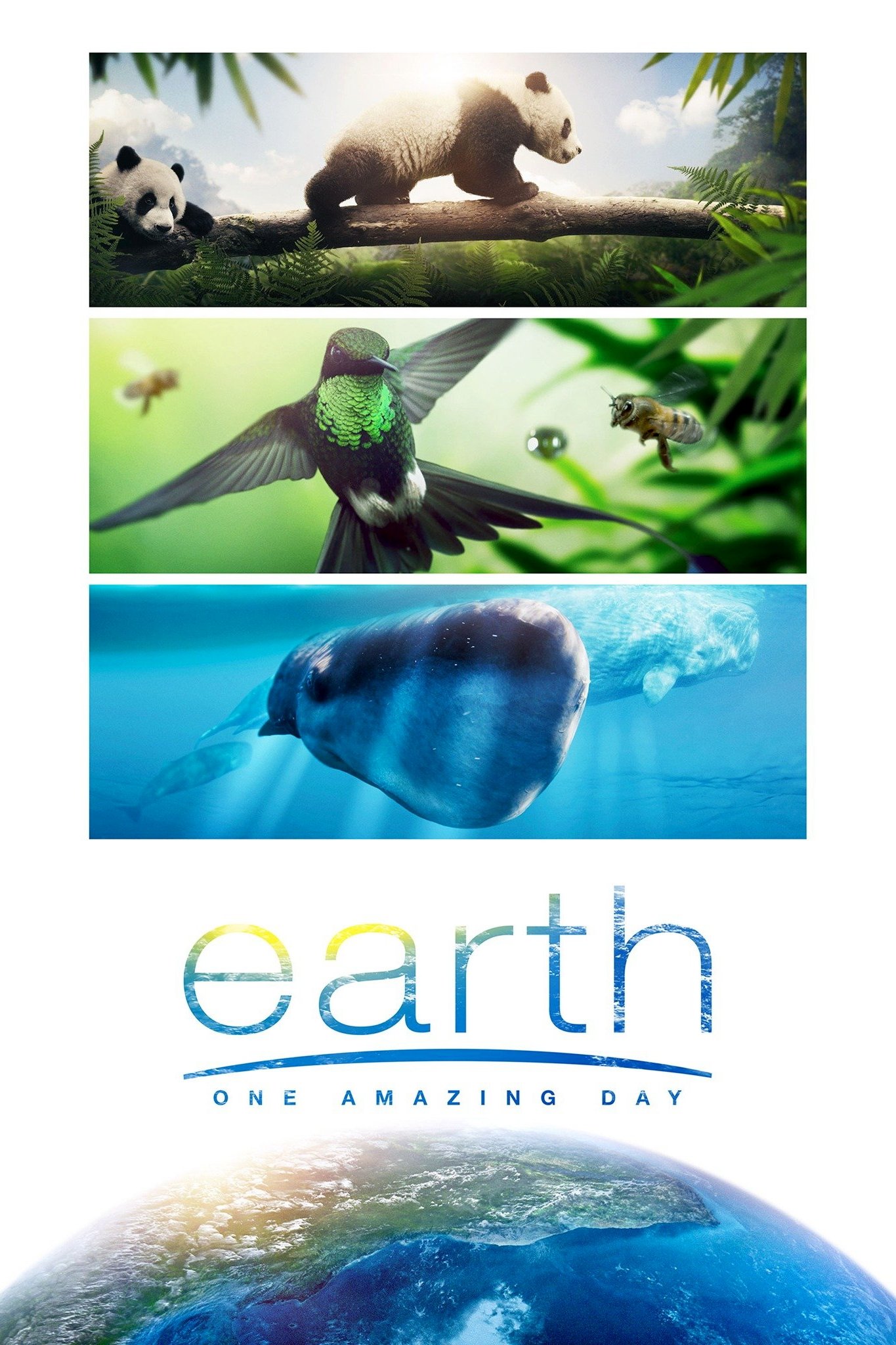
An astonishing journey revealing the awesome power of the natural world. Over the course of one single day, we track the sun from the highest mountains to the remotest islands to exotic jungles.
The life and career of an actor, artist, and icon. His own journey through his own camera.
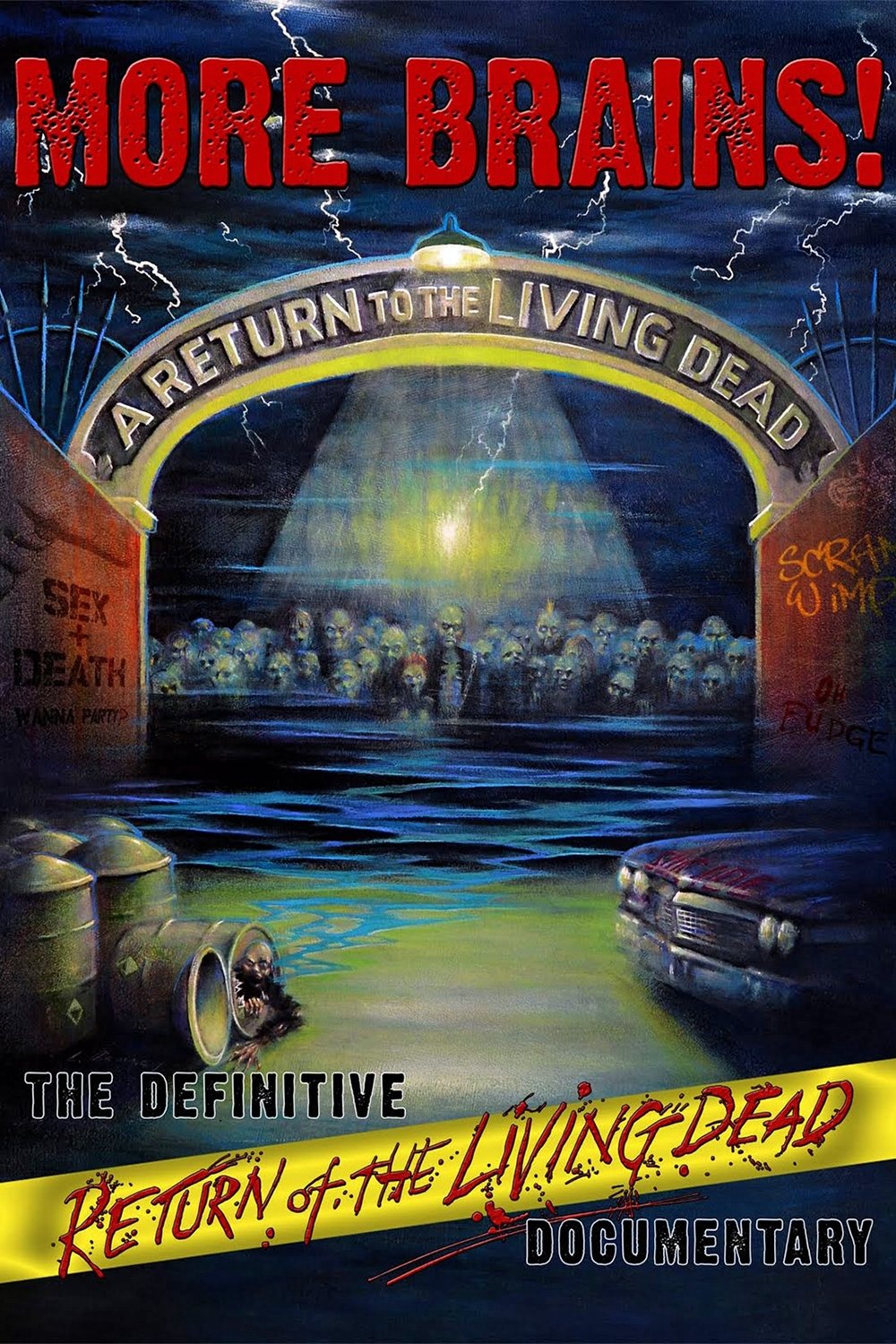
Retrospective documentary about the making of the horror cult classic "The Return of the Living Dead."
Al Pacino's deeply-felt rumination on Shakespeare's significance and relevance to the modern world through interviews and an in-depth analysis of "Richard III."
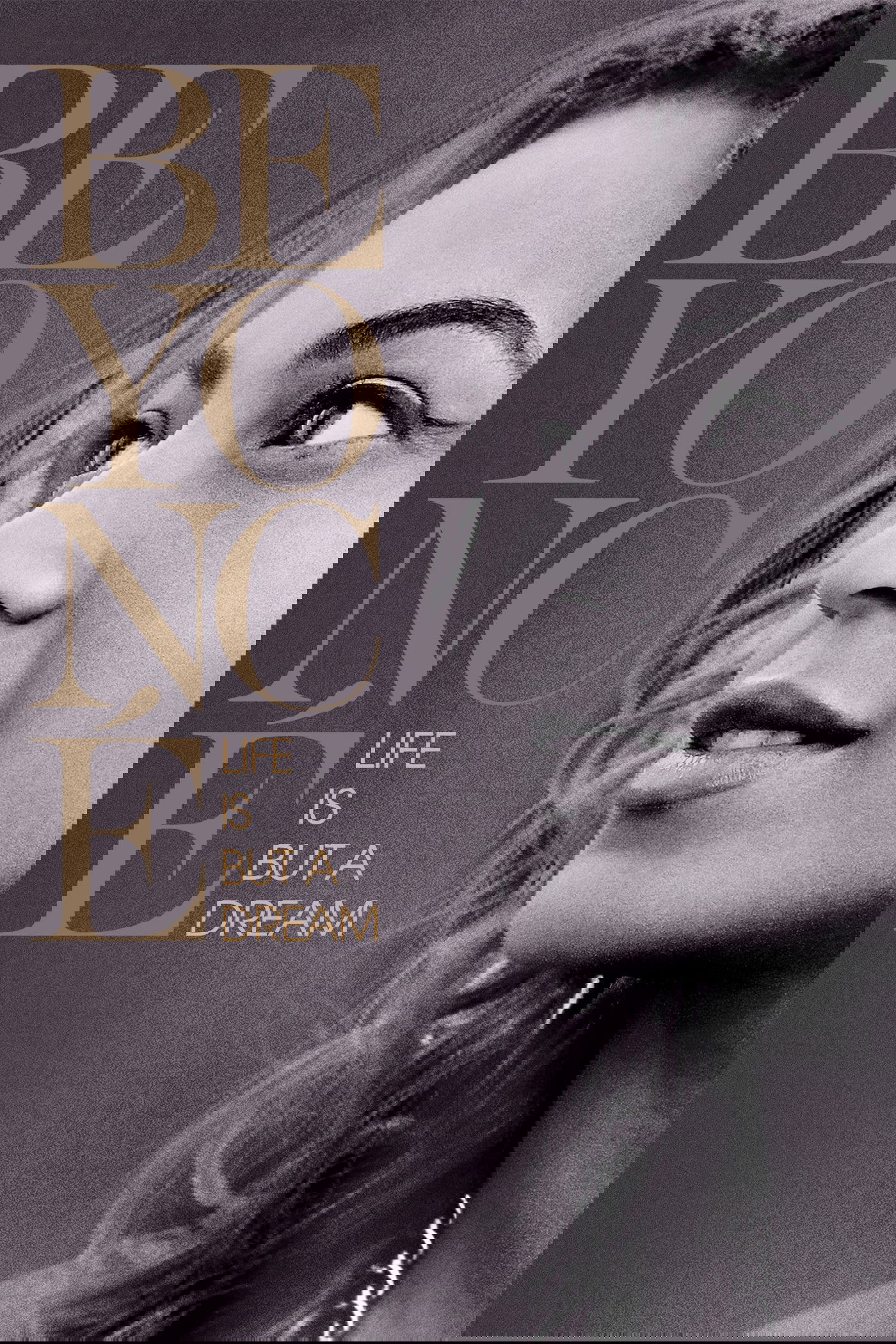
Life Is But a Dream is a HBO documentary about the life of US singer Beyoncé Knowles during the years 2011 and 2012 and on the recording of her fifth album. The film was directed by Beyoncé herself. The film shows Beyoncé from intimate moments of her pregnancy to behind the scenes and rehearsals of the main concerts of that time.
Daniel Craig candidly reflects on his 15 year adventure as James Bond. Including never-before-seen archival footage from Casino Royale to the upcoming 25th film No Time To Die, Craig shares his personal memories in conversation with 007 producers, Michael G Wilson and Barbara Broccoli.
Musician and performance artist Laurie Anderson reflects on the deaths of her husband Lou Reed, her mother and her beloved dog.
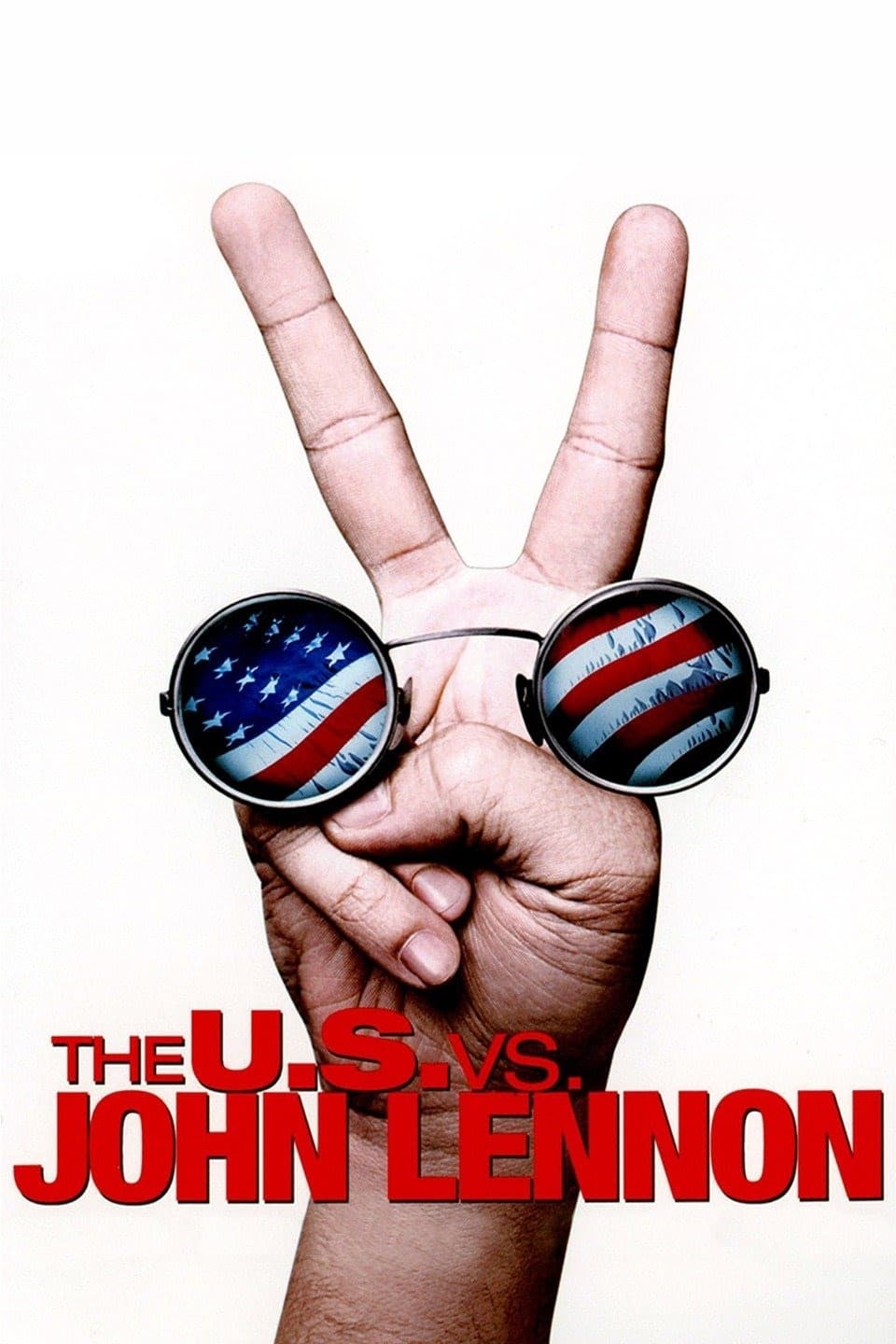
A documentary on the life of John Lennon, with a focus on the time in his life when he transformed from a musician into an antiwar activist.
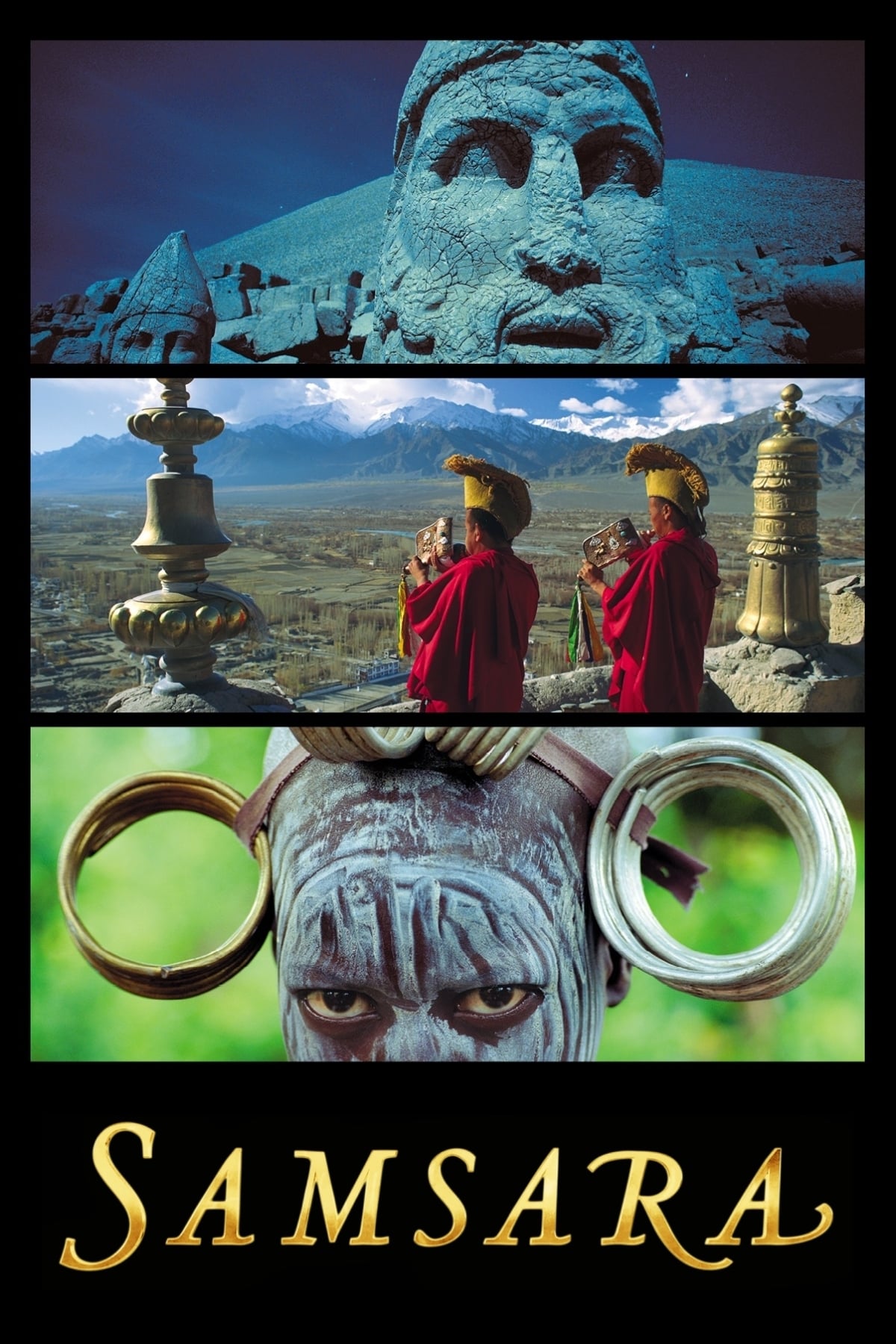
Filmed over nearly five years in twenty-five countries on five continents, and shot on seventy-millimetre film, Samsara transports us to the varied worlds of sacred grounds, disaster zones, industrial complexes, and natural wonders.
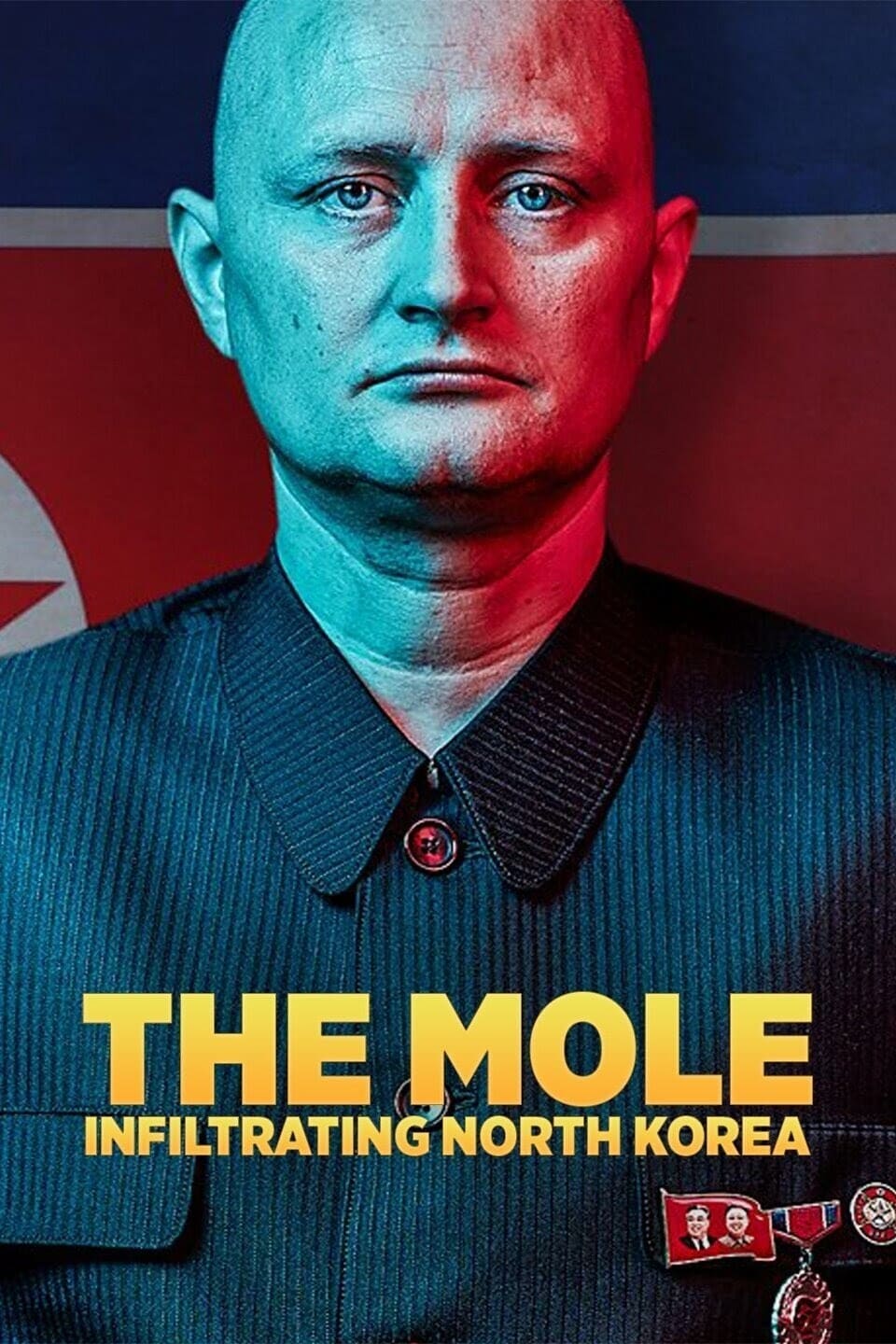
A real-life undercover thriller about two ordinary men who embark on an outrageously dangerous ten-year mission to penetrate the world's most secretive and brutal dictatorship: North Korea.
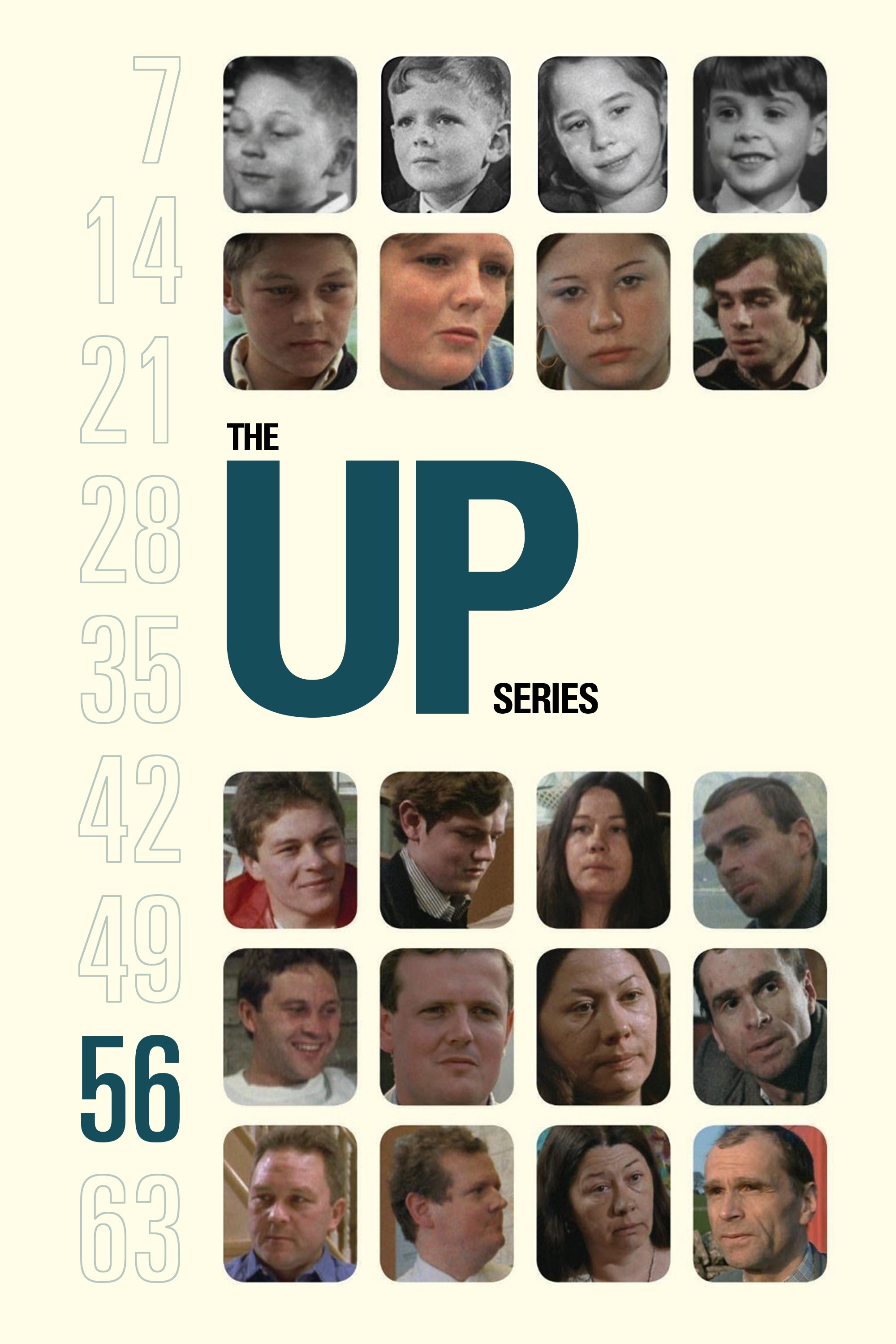
When a cross-section of seven-year-olds were interviewed for 7 Up in 1964 it was immediately evident that their social backgrounds influenced their attitudes towards life. While the upper class children were confident and self-assured, those from middle and working class backgrounds were resigned to a challenging life of hard work. This premise was put to the test every seven years when the same group were interviewed about the progression of their lives. 49 years in the making, the changes that occurred to the original 14 make for fascinating television and are in many ways the stories of all our lives. From success and disappointment, marriage and childbirth, to poverty and illness, nearly every facet of life has been captured on film. Now, at the age of 56, the group are once more brought together and, with the benefit of hindsight, assess whether their lives have been ruled by circumstance or self-determination.
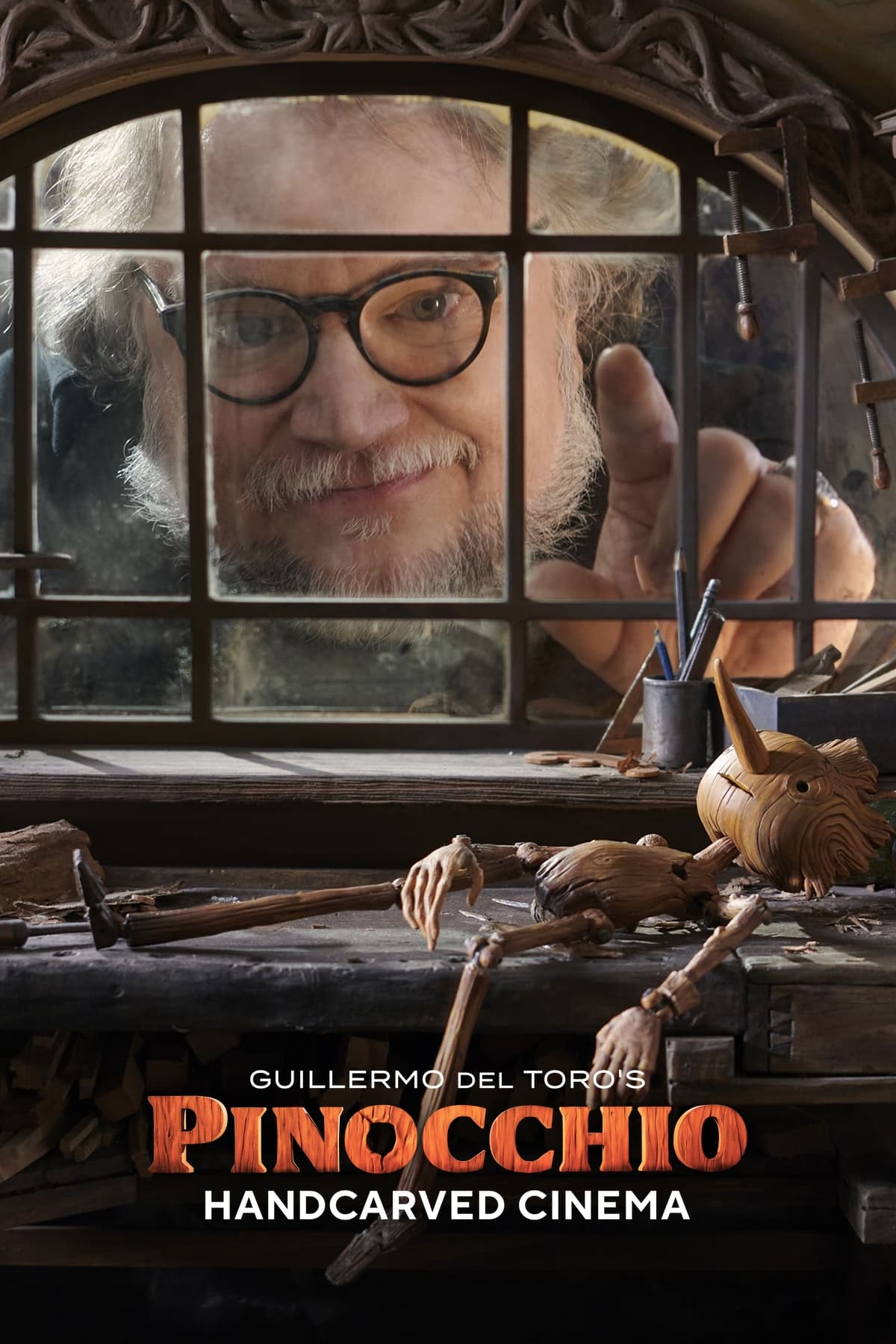
With mesmerizing footage and time lapses of animators at work, this behind-the-scenes special captures the artistry of a unique tale years in the making.
In this fascinating Oscar-nominated documentary, American guitarist Ry Cooder brings together a group of legendary Cuban folk musicians (some in their 90s) to record a Grammy-winning CD in their native city of Havana. The result is a spectacular compilation of concert footage from the group's gigs in Amsterdam and New York City's famed Carnegie Hall, with director Wim Wenders capturing not only the music -- but also the musicians' life stories.
A look at the origins, history and conspiracies behind the "Majestic 12", a clandestine group of military and corporate figureheads charged with reverse-engineering extraterrestrial technology.
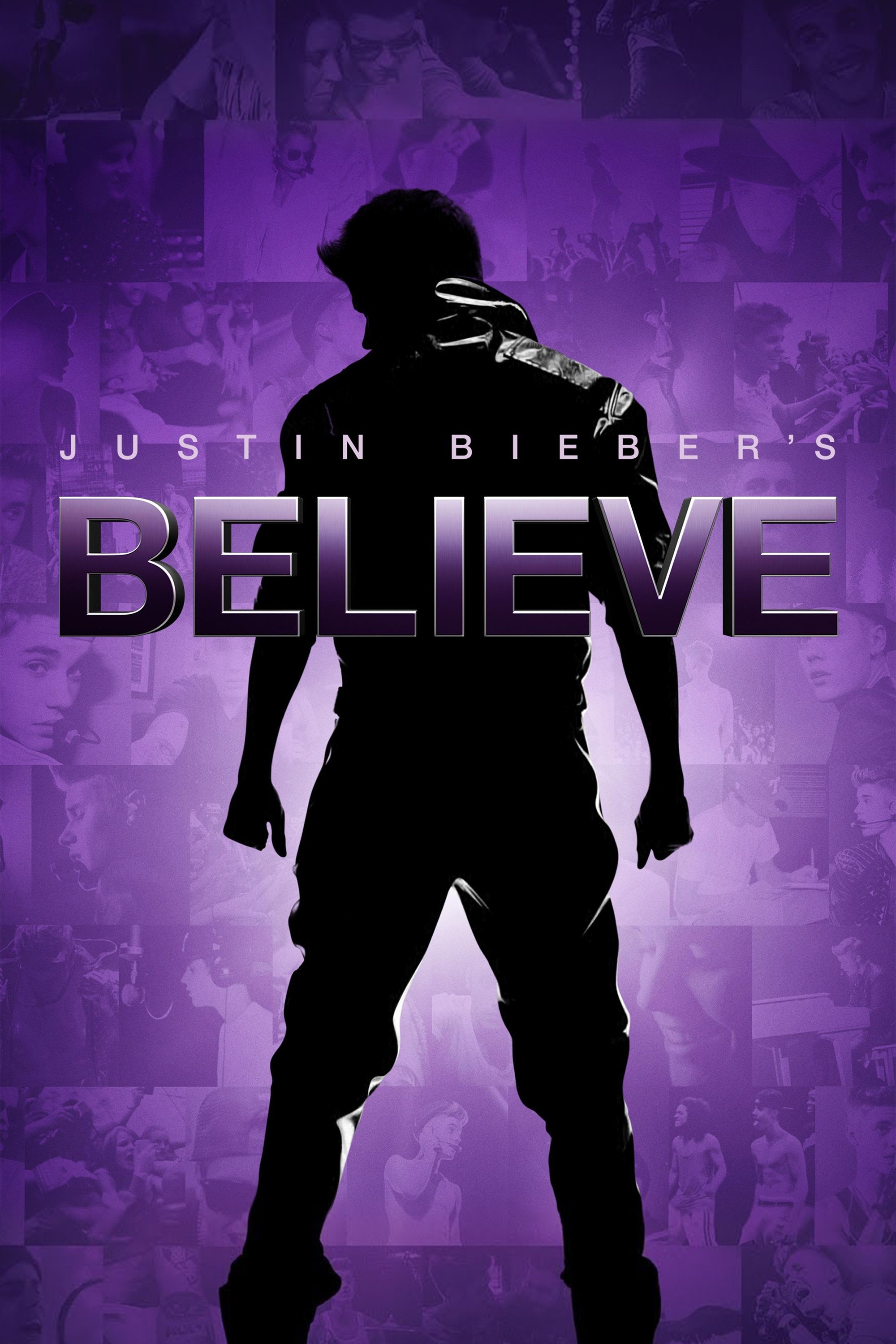
A backstage and on-stage look at Justin Bieber during his rise to super stardom.
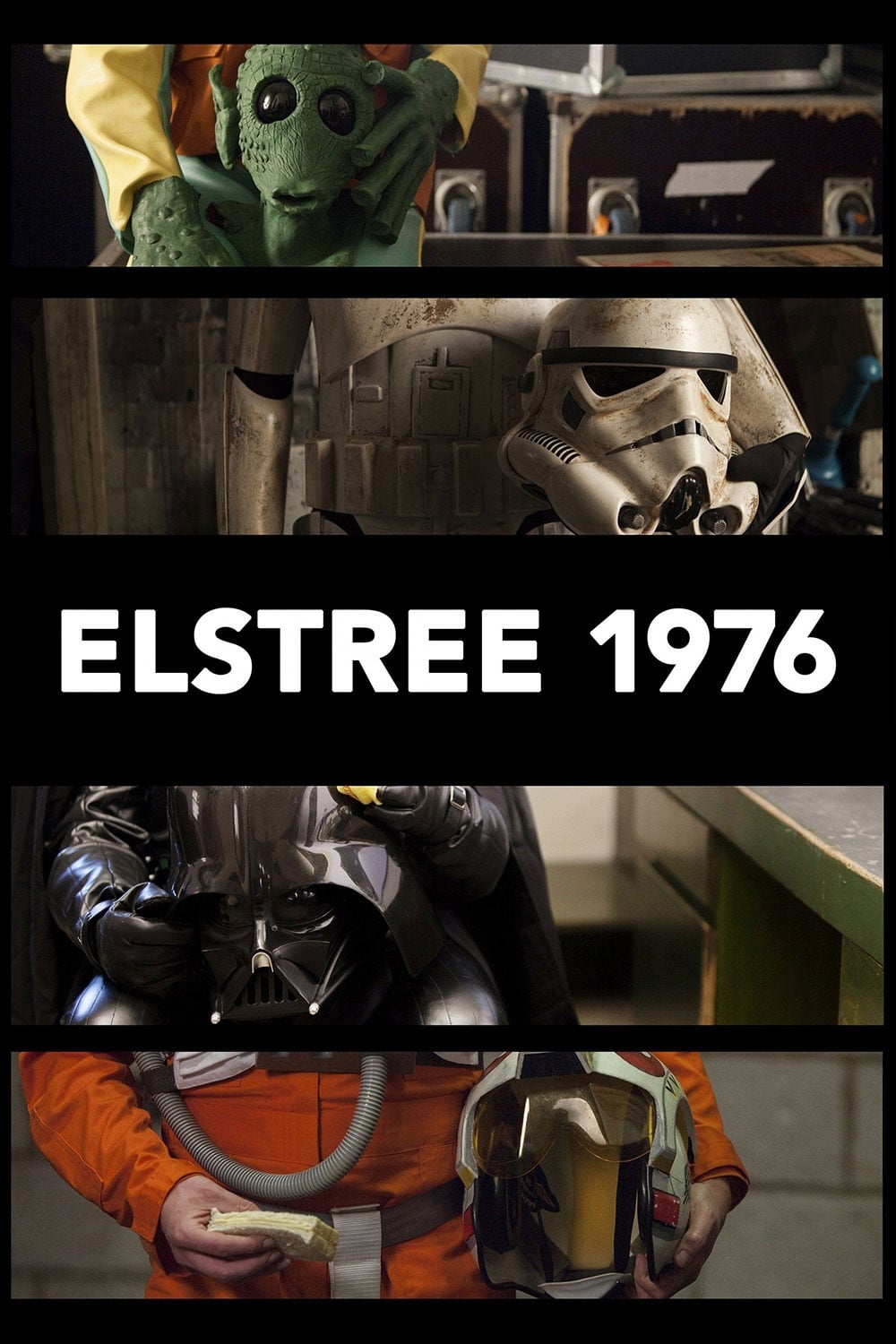
A documentary about ten very different lives connected by having appeared onscreen wearing masks or helmets in Star Wars.