Social & External
Unknown Role
The Bokelberg photographic collection brings to life the Paris of the Belle Époque (1871-1914), an exhibition of workshops and stores with extremely beautiful shop windows before which the owners and their employees proudly pose, hiding behind their eyes the secret history of a great era.
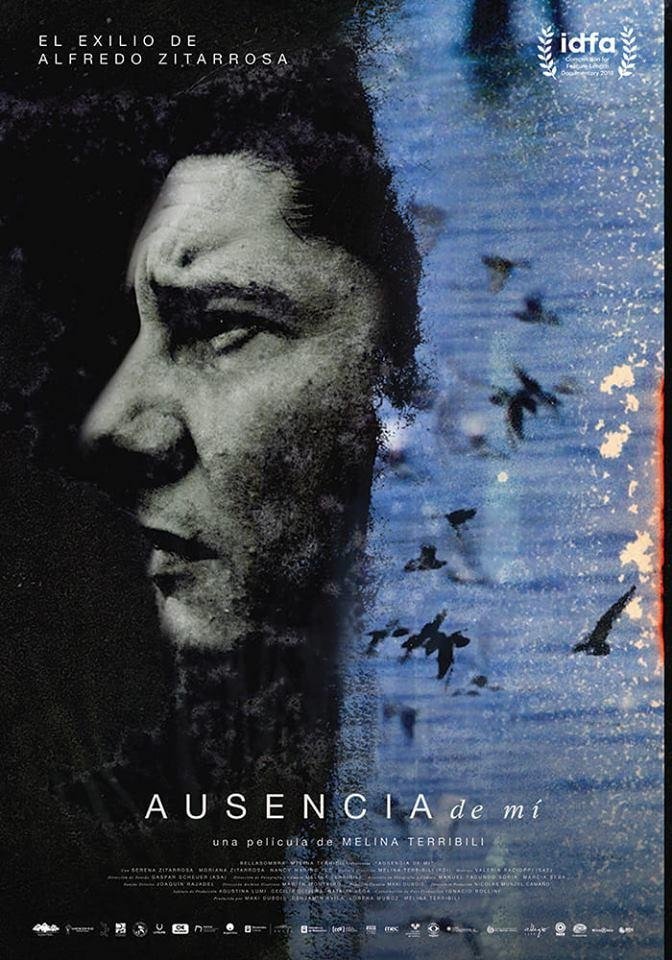
Hundreds of boxes left by the famous uruguayan musician and political activist Alfredo Zitarrosa (1936-1989) who run away the dictatorship in the 70s, have not been touched since his death 27 years ago. Now his wife and daughters are trying to save the memories, tapes, music and sound recordings that the boxes contain to the posterity.
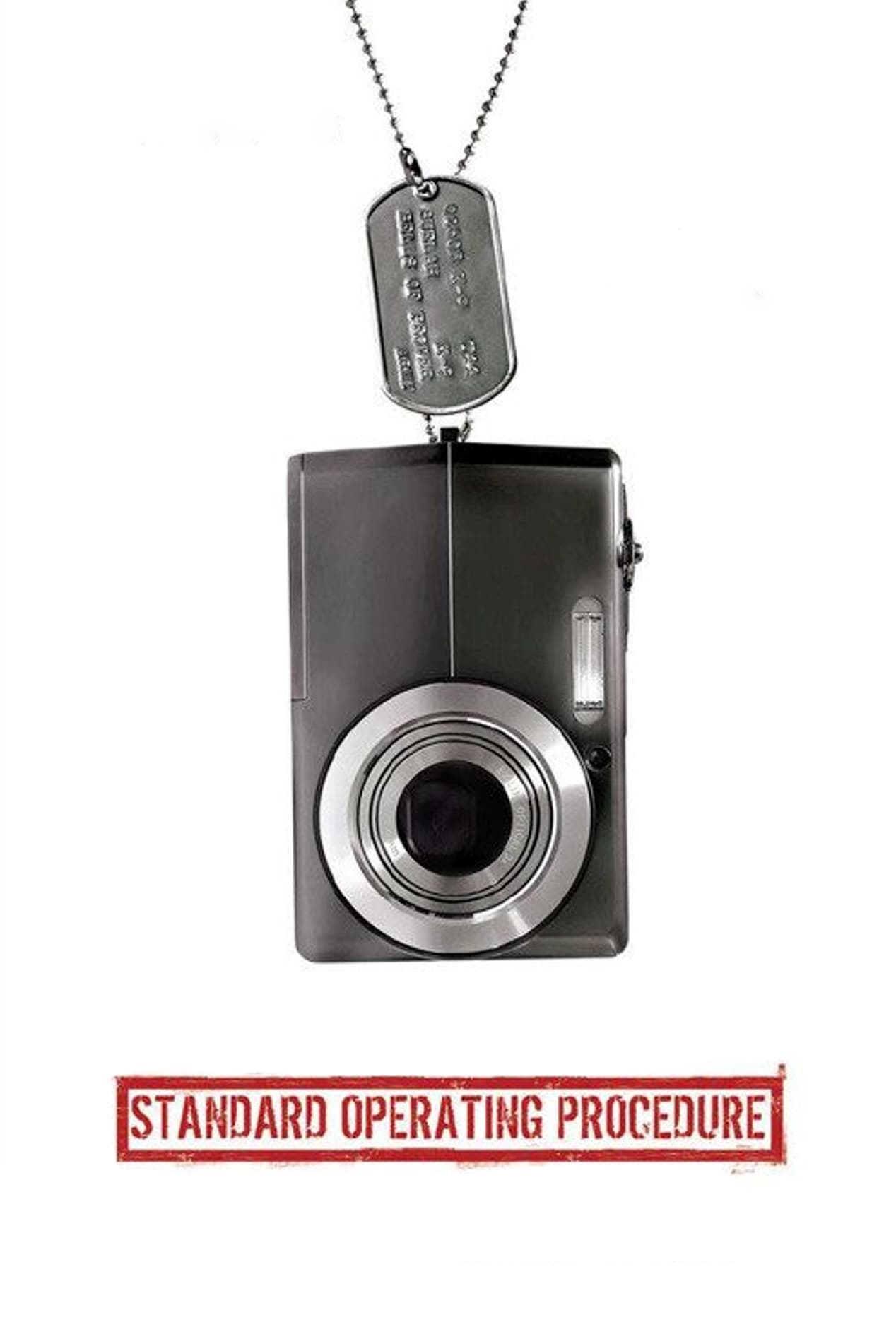
Errol Morris examines the incidents of abuse and torture of suspected terrorists at the hands of U.S. forces at the Abu Ghraib prison.
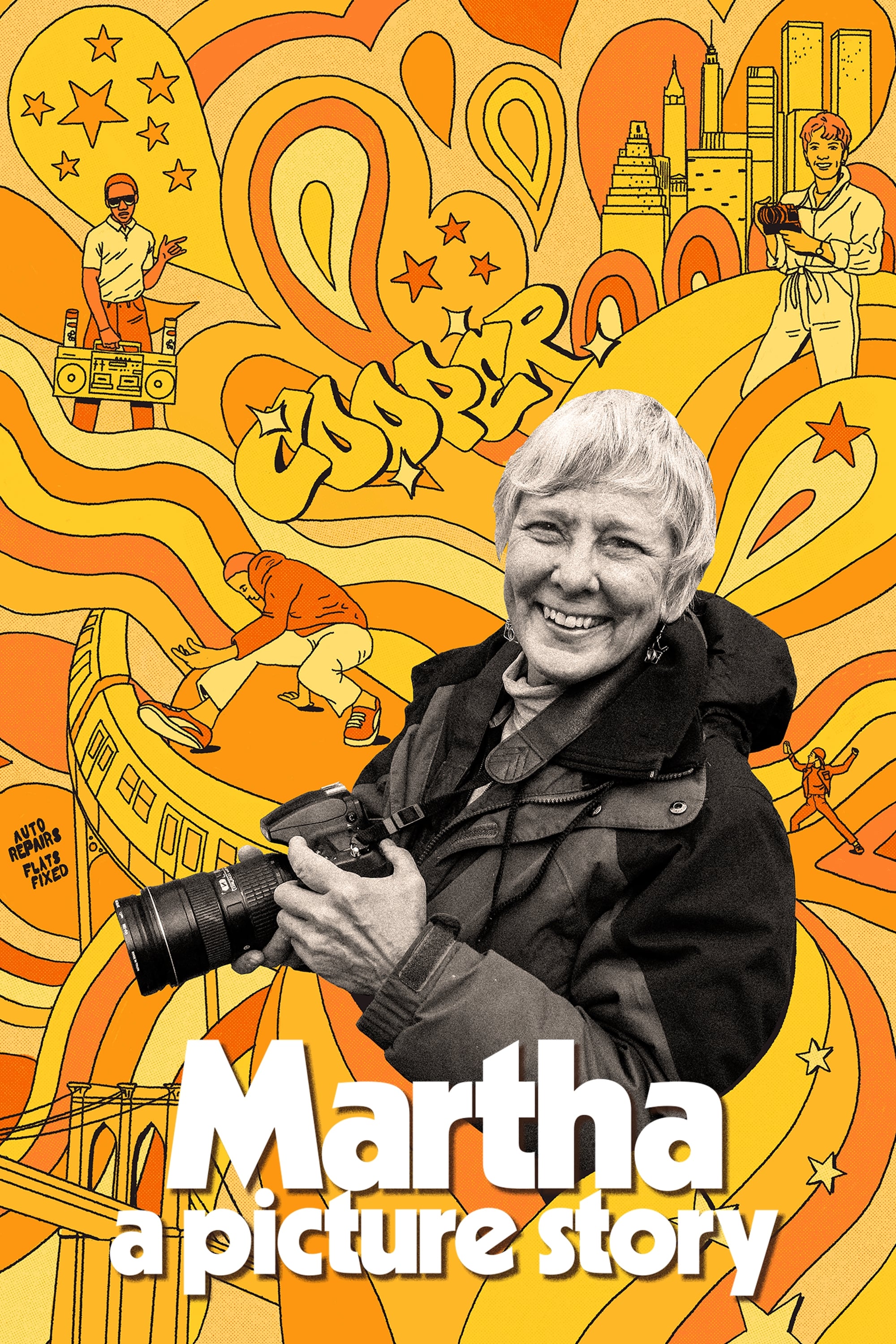
In 1970s New York, photographer Martha Cooper captured some of the first images of graffiti at a time when the city had declared war on it. Decades later, Cooper has become an influential godmother to a global movement of street artists.
John Baumhackl recalls the early days of the Vietnam War when more and more troops were being sent into combat every month. In 1968, John's number came up and he was drafted into the conflict. Buying a camera at his company store before shipping off, he captured many battles while in a helicopter. John was near the front lines when President Nixon made the controversial decision to push into Cambodia. In John's view, this saved American lives.
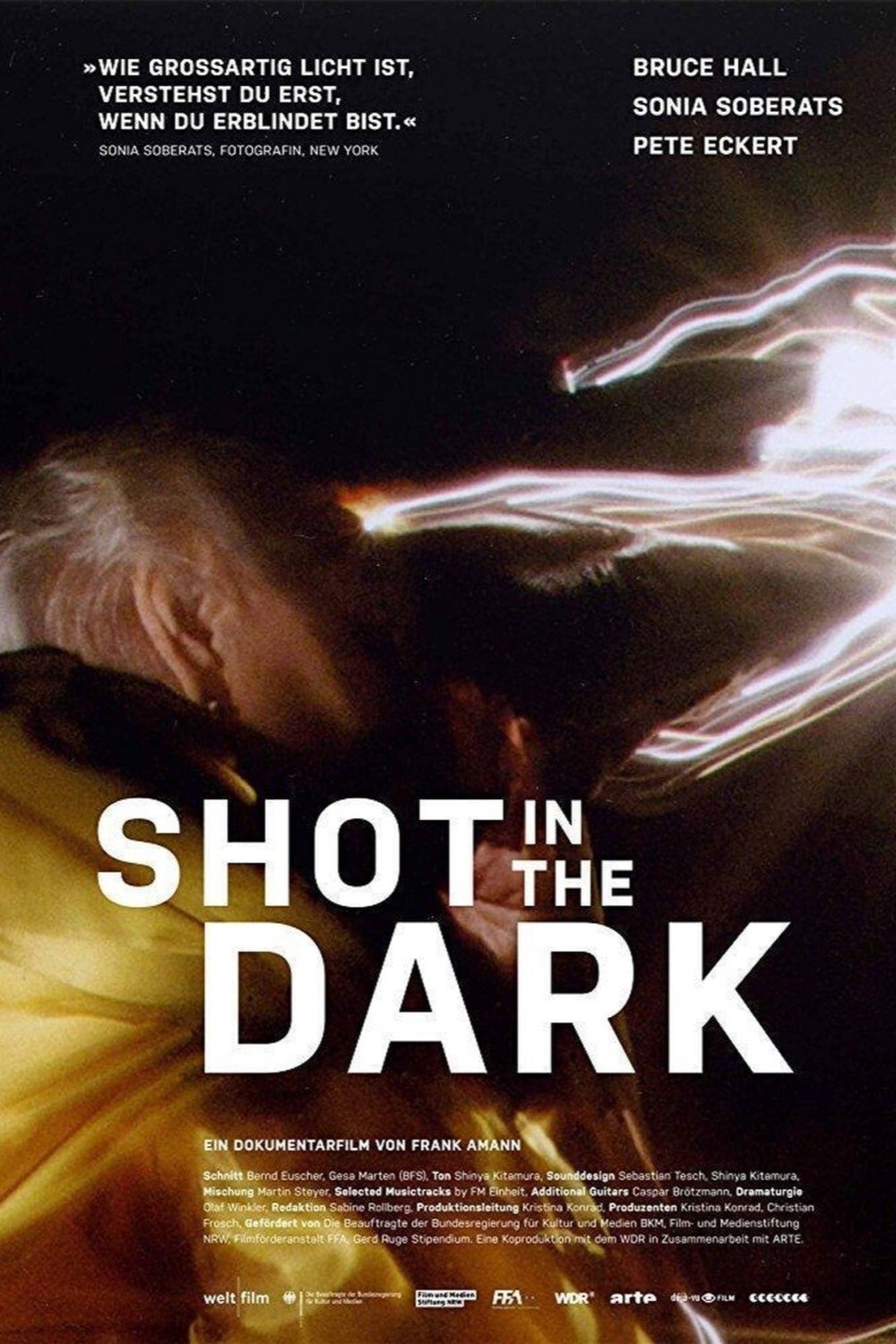
Shot in the Dark is a documentary on three blind photographers: Pete Eckert, Sonia Soberats and Bruce Hall. A documentary on three blind people who devote their lives to creating images. What do they see in their mind's eyes? Do they sense that which we sighted miss, overlook, or don't take into consideration? Their images, as we sighted can see, are extraordinary. "Even with no input the brain keeps creating images," says Pete Eckert. Sonia Soberats states, "I only understood how powerful light is after I went blind." Shot in the Dark is a journey into an unfamiliar yet fascinating realm. "My camera is like a bridge," claims Bruce Hall. All these photographers embrace fantasy, chance, and contingency at a fundamental level. Shot in the Dark enriches our understanding of perception and creation. We all close our eyes in sleep, the sighted and blind alike, and in our dreams - we see.
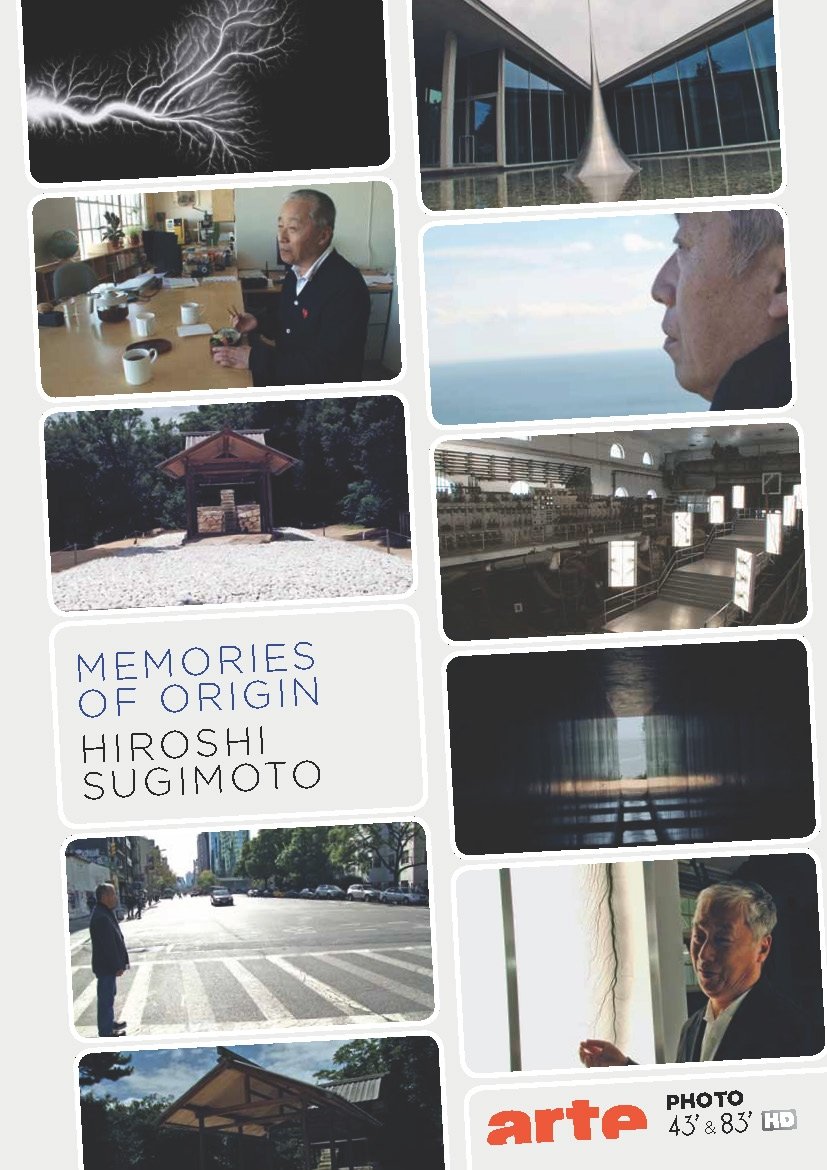
This documentary follows 200 days in the life of contemporary artist Hiroshi Sugimoto— a leading presence in the world of modern art. He is the winner of many prestigious awards and his photographs are sold for millions of yen at overseas auctions. The film shows the sites of the Architecture series shot in southern France, the huge installation art work at 17th Biennale of Sydney, his new work Mathematics at Provence, his art studio while working on Lightning Fields, and more. It thoroughly pursues the question Sugimoto's works pose - "living in modern times, what are these works trying to tell us?" A thrilling look into the world of Hiroshi Sugimoto.
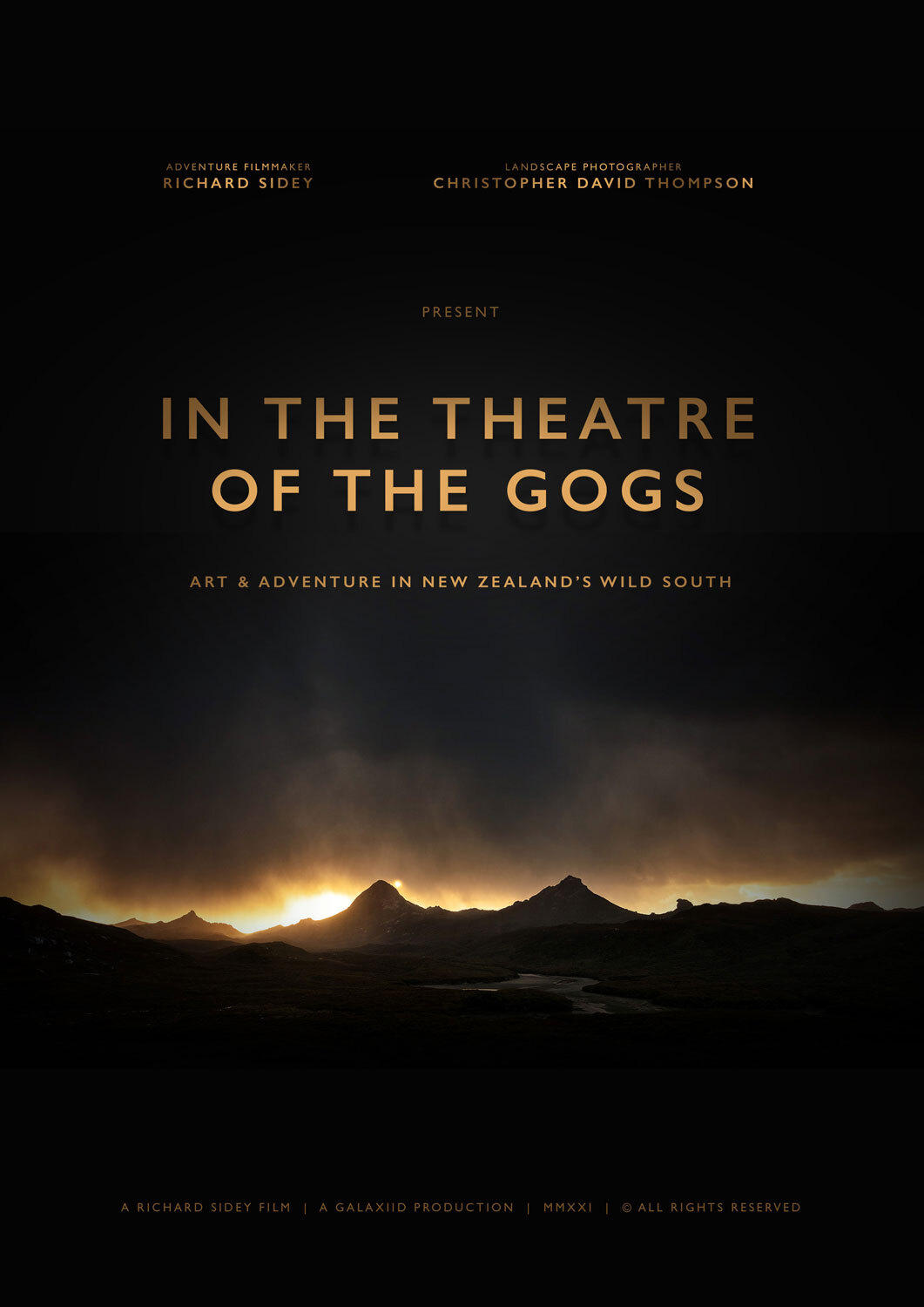
A contemplation of art and adventure in the southern wilds of New Zealand by both a landscape photographer and an adventure filmmaker. This film is the unexpected result of their two unique perspectives.
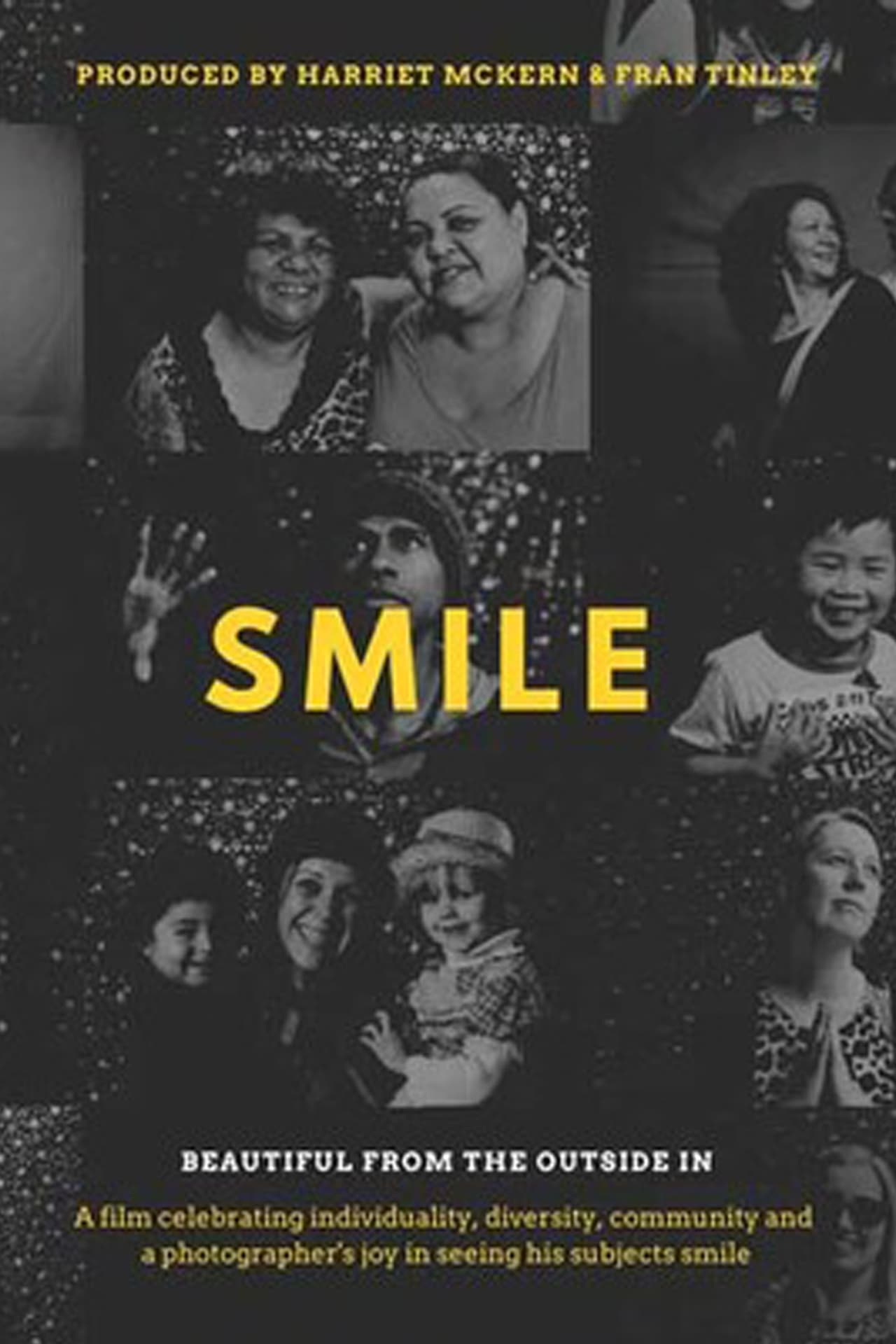
A heartwarming exploration of a community art project by photographer Tawfik Elgazzar providing free portraits for locals and passers-by in Sydney, Australia's Inner West. The film explores the nature of individuality, cultural diversity and the positive joy for the photographer of seeing his subjects smile.
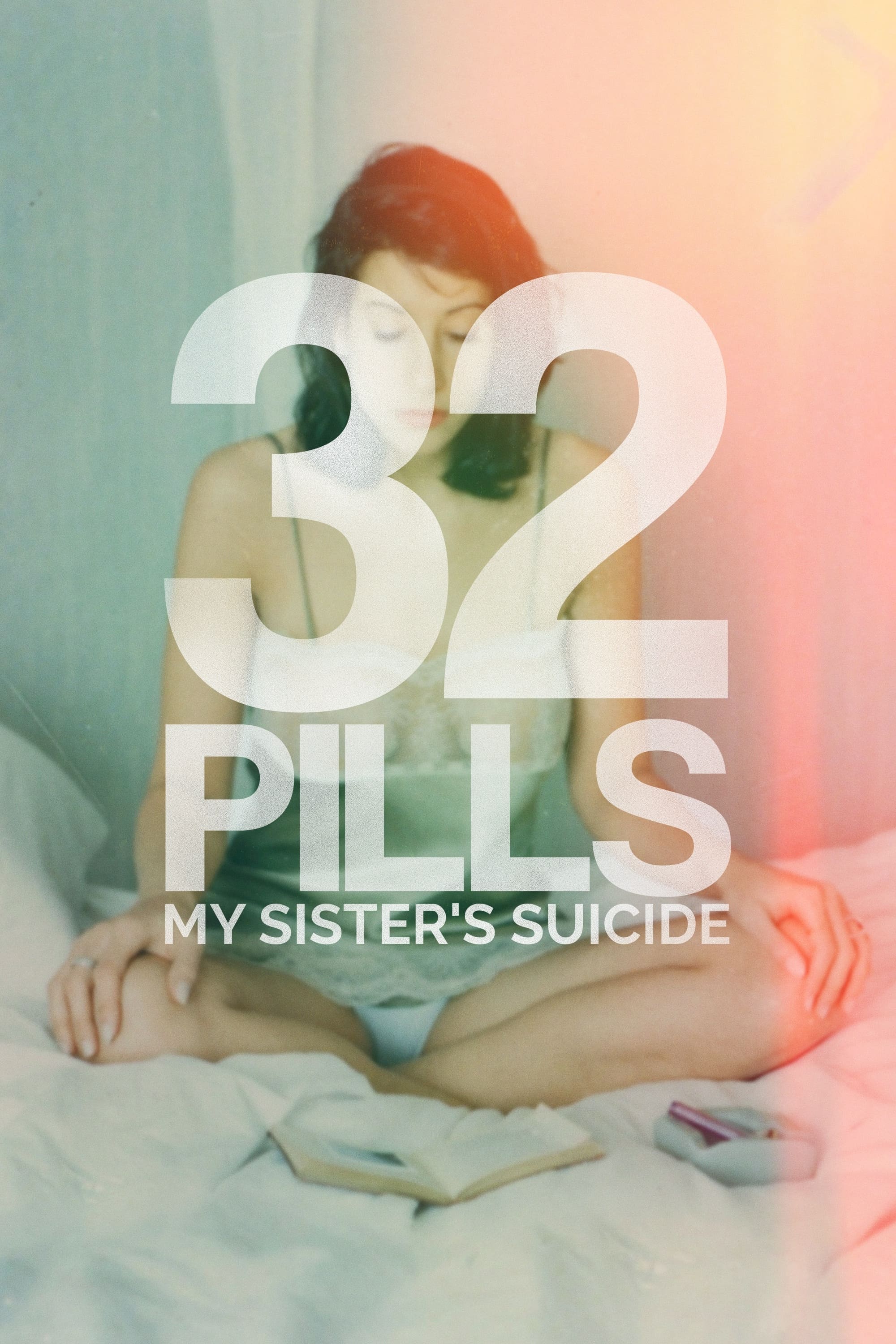
Traces the life and mental illness of New York artist and photographer Ruth Litoff, and her sister's struggle to come to terms with her tragic suicide.
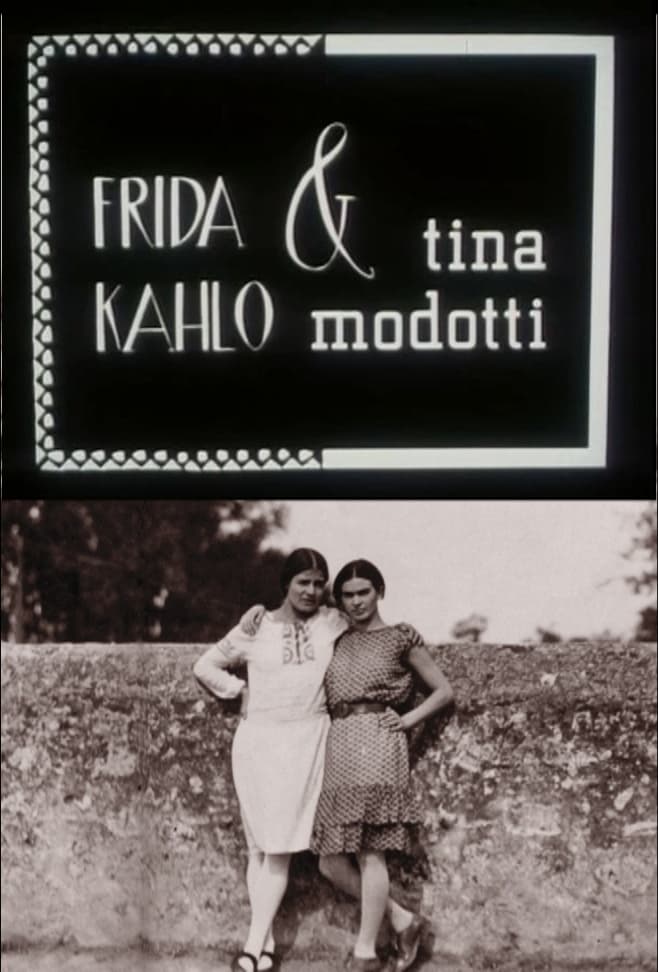
An unconventional portrait of painter Frida Kahlo and photographer Tina Modotti. Simple in style but complex in its analysis, it explores the divergent themes and styles of two contemporary and radical women artists working in the upheaval of the aftermath of the Mexican Revolution.
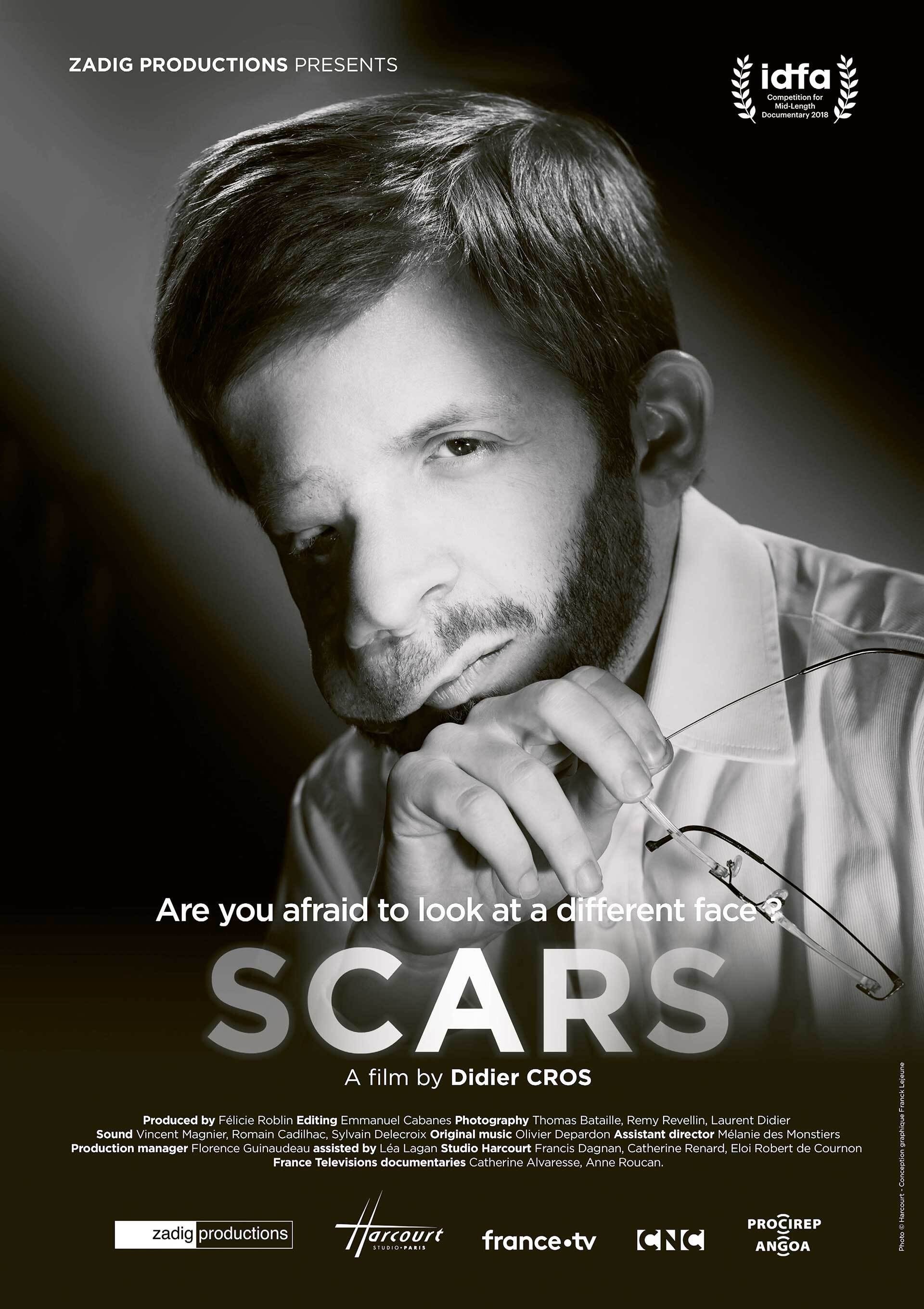
We admire beauty; we recoil from bodies that are marred, disfigured, different. Didier Cros’ moving, intimate film forces us to question what underlies our notions of beauty as we join a talented photographer taking stunning portraits of several people with profound visible scars which have dictated certain elements of their lives but have not come to define their humanity. The subjects' perceptions of themselves are dynamic, unexpected, and even heartwarming. This is an unforgettable journey to be shared with the world.
A fist-person story of the director of the documentary, who talks about the loneliness that entails living with an eating disorder and her vision now thar she is entering into adulthood.
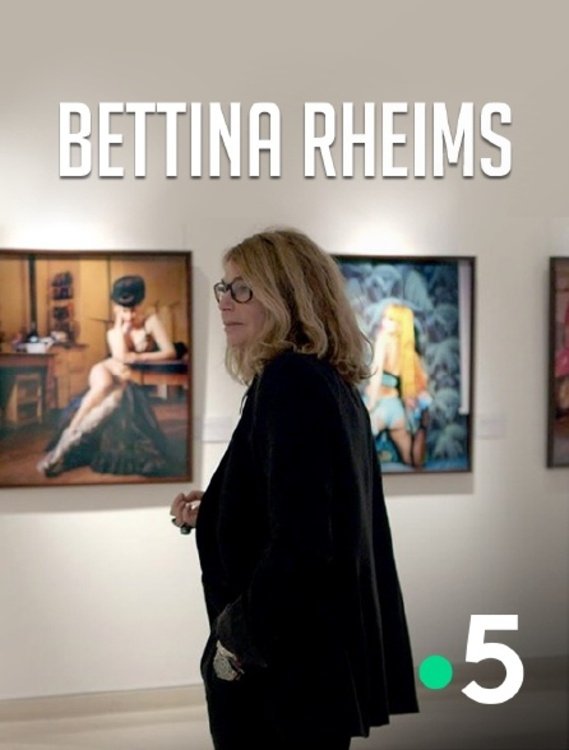
Whether famous or anonymous, stars or prisoners, models or sex workers, women have always been at the center of Bettina Rheims' photographic work since her debut in 1978. Both subversive and glamorous, trashy and sophisticated, her photographs mark and bear witness to the upheavals of the era, which this leading photographer both anticipated and accompanied.
The co-founder of the Gamma press agency, Raymond Depardon, created this documentary of press photographers in Paris and their subjects by following the photographers around for one month, in October, 1980. In-between long hours waiting for a celebrity to emerge from a restaurant or a hotel, boredom immediately switches to fast action as the cameras click and roll when the person appears. The reaction to the gaggle of photographers is as varied as the people they often literally chase all around town. While some of the celebrities, such as Jacques Chirac who was mayor of Paris at the time, are perceived as comical caricatures, others are shown simply going about ordinary pursuits - including Catherine Deneuve, Gene Kelly, and Jean-Luc Godard.
The work of photographer Diane Arbus as explained by her daughter, friends, critics, and in her own words as recorded in her journals. Illustrated with many of her photographs. Mary Clare Costello, narrator Themes: Arbus' quirky go-it-alone approach. Her attraction to the bizarre, people on the fringes of society: sexual deviants, odd types, the extremes, styles in questionable taste, poses and situations that inspire irony or wonder. Where most people would look away she photographed.
A handful of prisoners in WWII camps risked their lives to take clandestine photographs and document the hell the Nazis were hiding from the world. In the vestiges of the camps, director Christophe Cognet retraces the footsteps of these courageous men and women in a quest to unearth the circumstances and the stories behind their photographs, composing as such an archeology of images as acts of defiance.
As a visually radical memoir, CAMERAPERSON draws on the remarkable footage that filmmaker Kirsten Johnson has shot and reframes it in ways that illuminate moments and situations that have personally affected her. What emerges is an elegant meditation on the relationship between truth and the camera frame, as Johnson transforms scenes that have been presented on Festival screens as one kind of truth into another kind of story—one about personal journey, craft, and direct human connection.
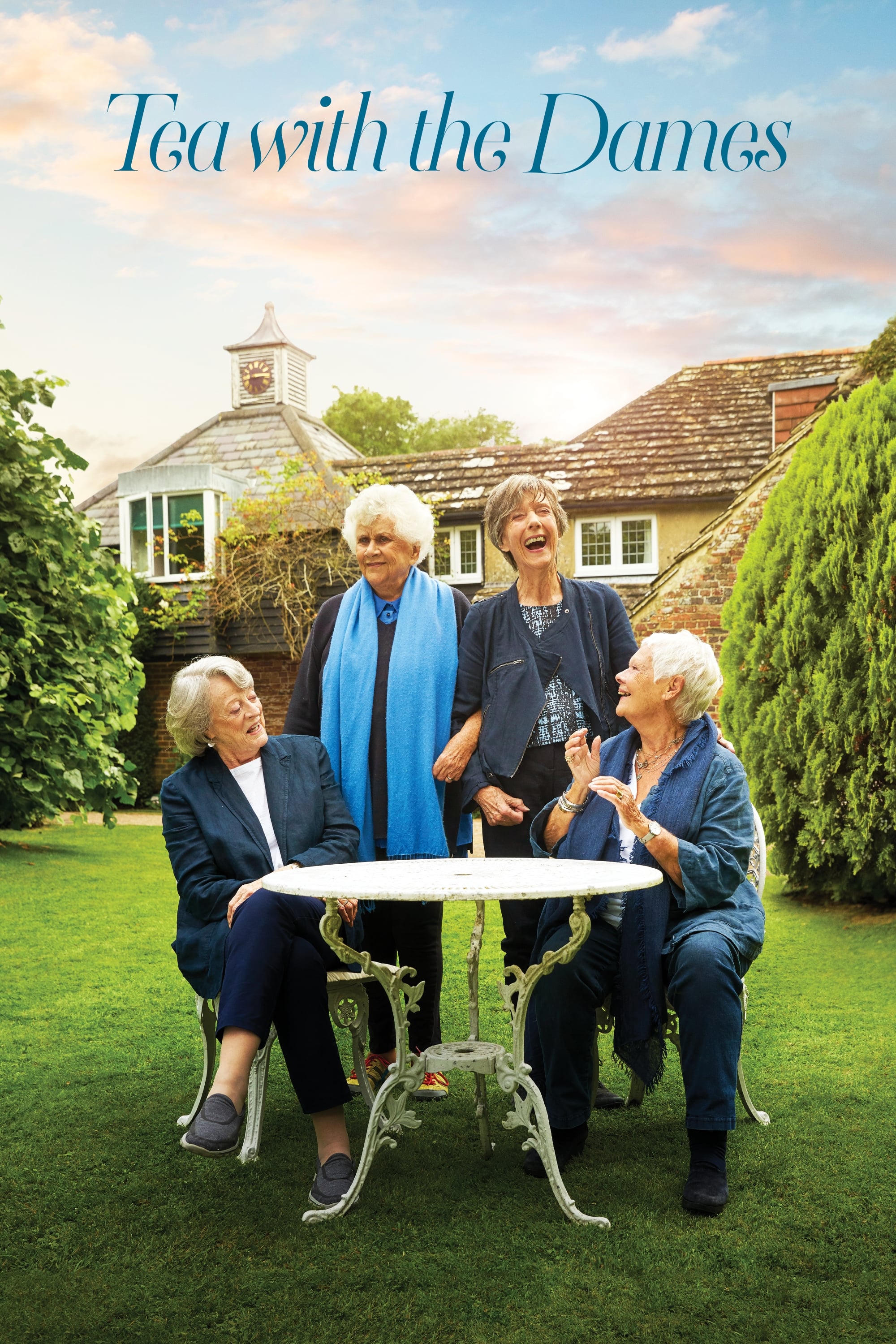
BBC Arena's documentary on the Dames of British Theatre and film featuring Maggie Smith, Eileen Atkins, Judi Dench and Joan Plowright on screen together for the first time as they reminisce over a long summer weekend in a house Joan once shared with Sir Laurence Olivier.
A documentary on the expletive's origin, why it offends some people so deeply, and what can be gained from its use.
Through deeply personal interviews with her siblings and an examination of the photographs, letters, and belongings left behind, Mariska assembles a new portrait of her mother Jayne Mansfield, an extraordinary and complex woman.
Lyrical and powerfully personal essay film that reflects on the deaths of her husband Lou Reed, her mother, her beloved dog, and such diverse subjects as family memories, surveillance, and Buddhist teachings.
The Making-of James Cameron's Avatar. It shows interesting parts of the work on the set.
From the heights of her modeling fame to her tragic death, this documentary reveals Anna Nicole Smith through the eyes of the people closest to her.
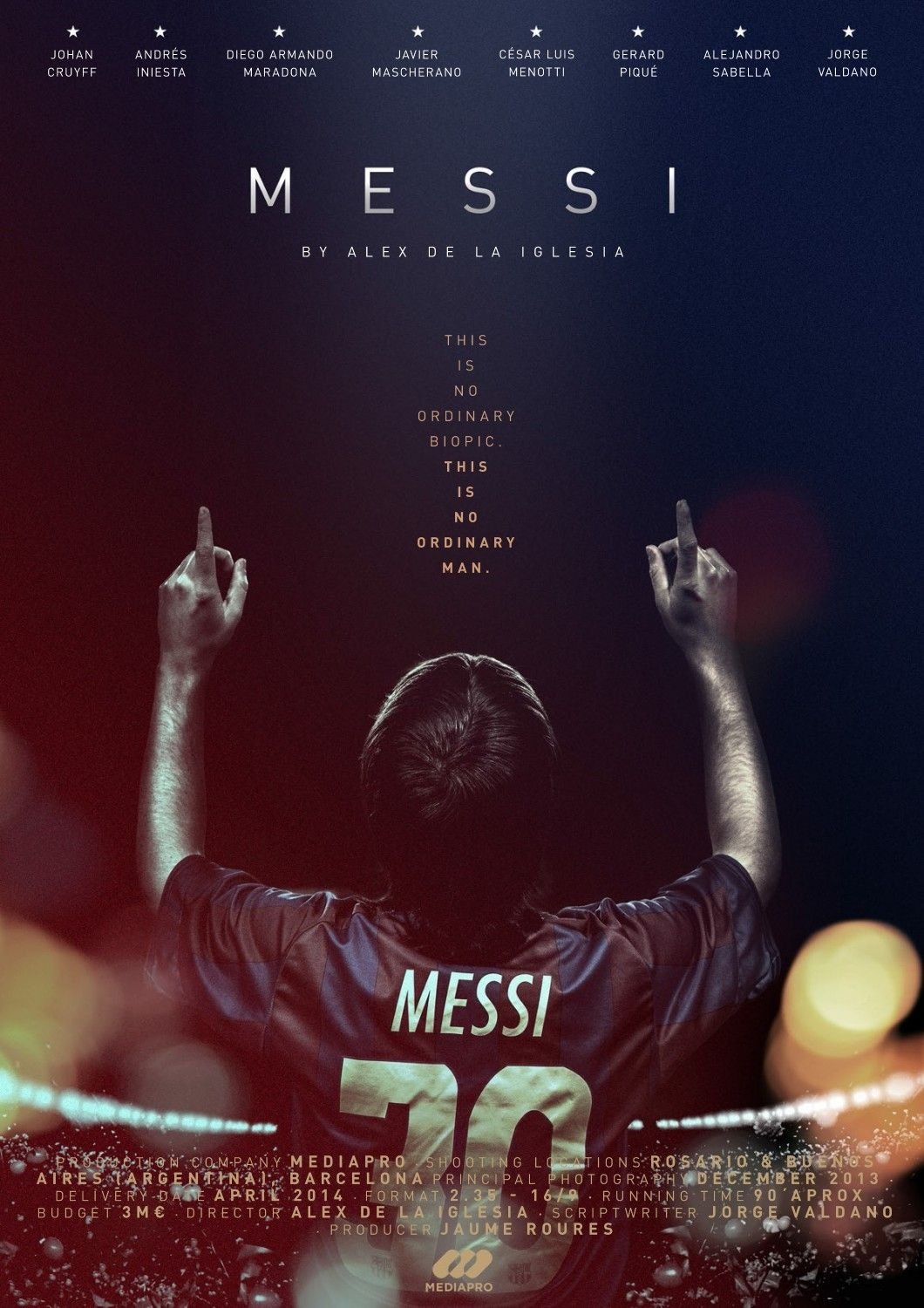
His teachers, coaches, childhood friends and Barça teammates, together with journalists, writers and prominent figures from the history of football, come together in a restaurant to analyze and pick apart Messi's personality both on and off the field, and to look back at some of the most significant moments in his life. Viewed from Álex de la Iglesia's unique perspective, Messi recreates the player's childhood and teenage years, from his very first steps, with a football always at his feet, through to the decision to leave Rosario for Barcelona, the separation from his family, and the role played in his career by individuals such as Ronaldinho, Rijkaard, Rexach and Guardiola.
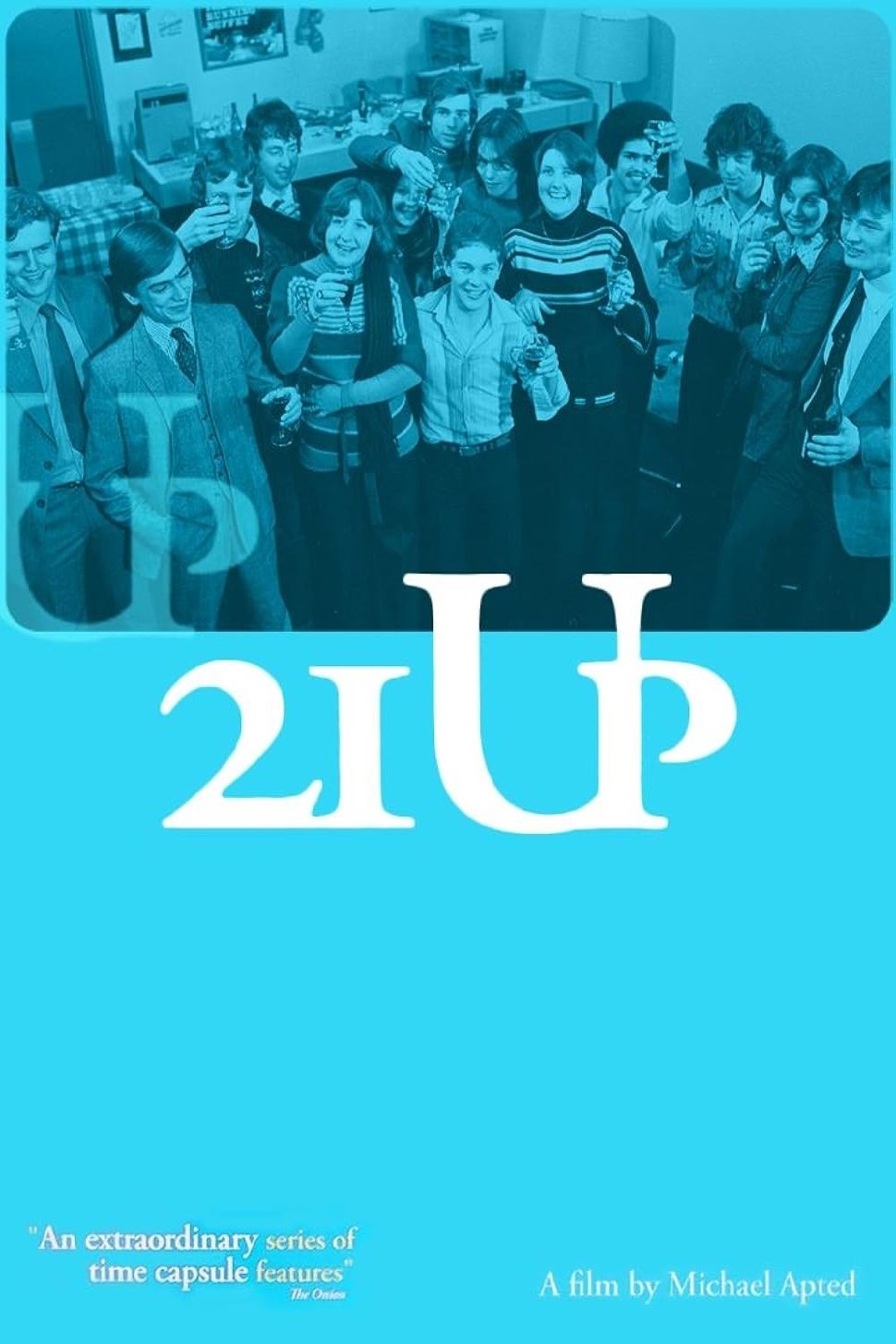
Just two years away from turning 30, participants in Michael Apted's documentary series are facing serious questions of identity and purpose, wondering whether they've found their place in the world.
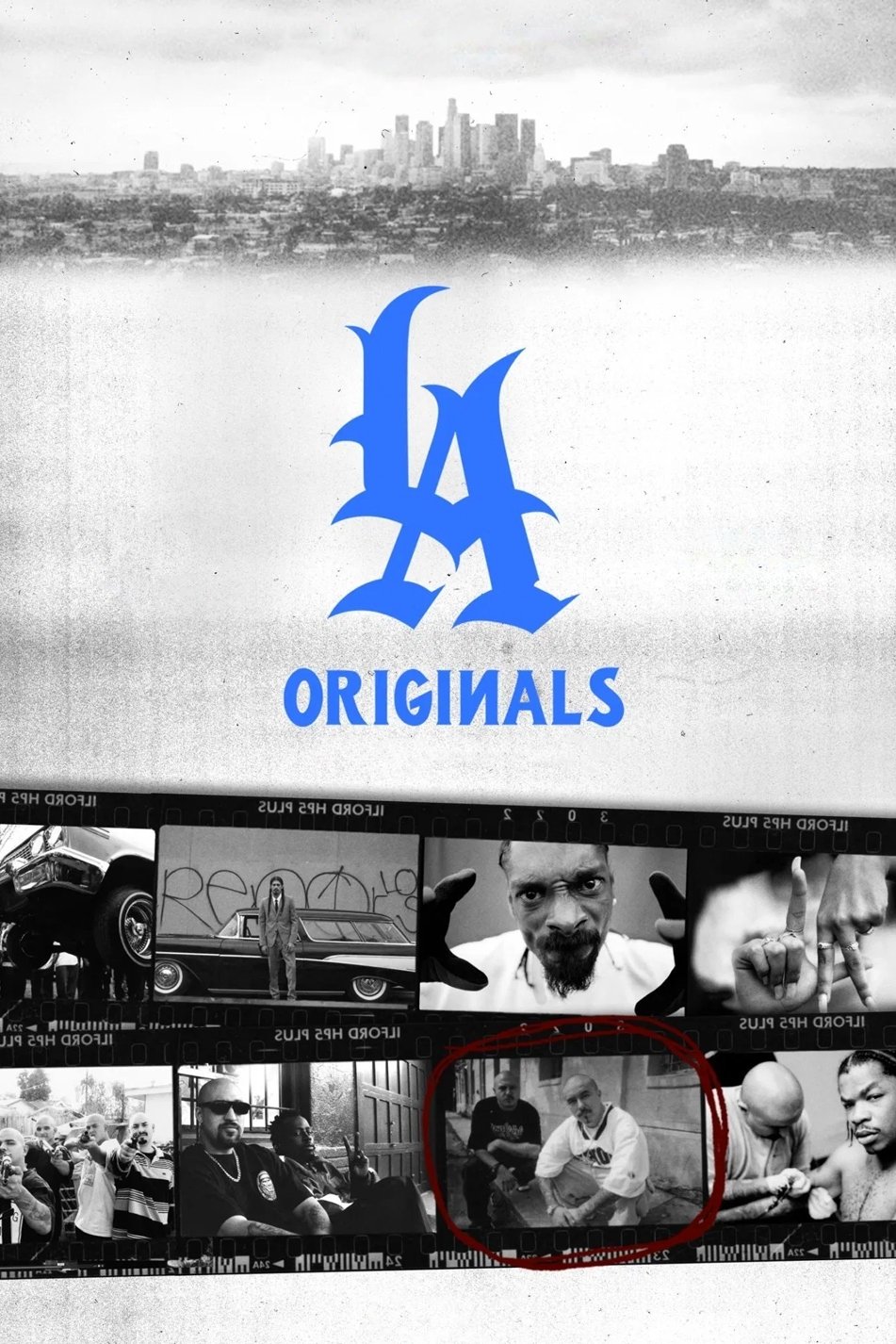
Photographer Estevan Oriol and artist Mister Cartoon turned their Chicano roots into gritty art, impacting street culture, hip hop and beyond.
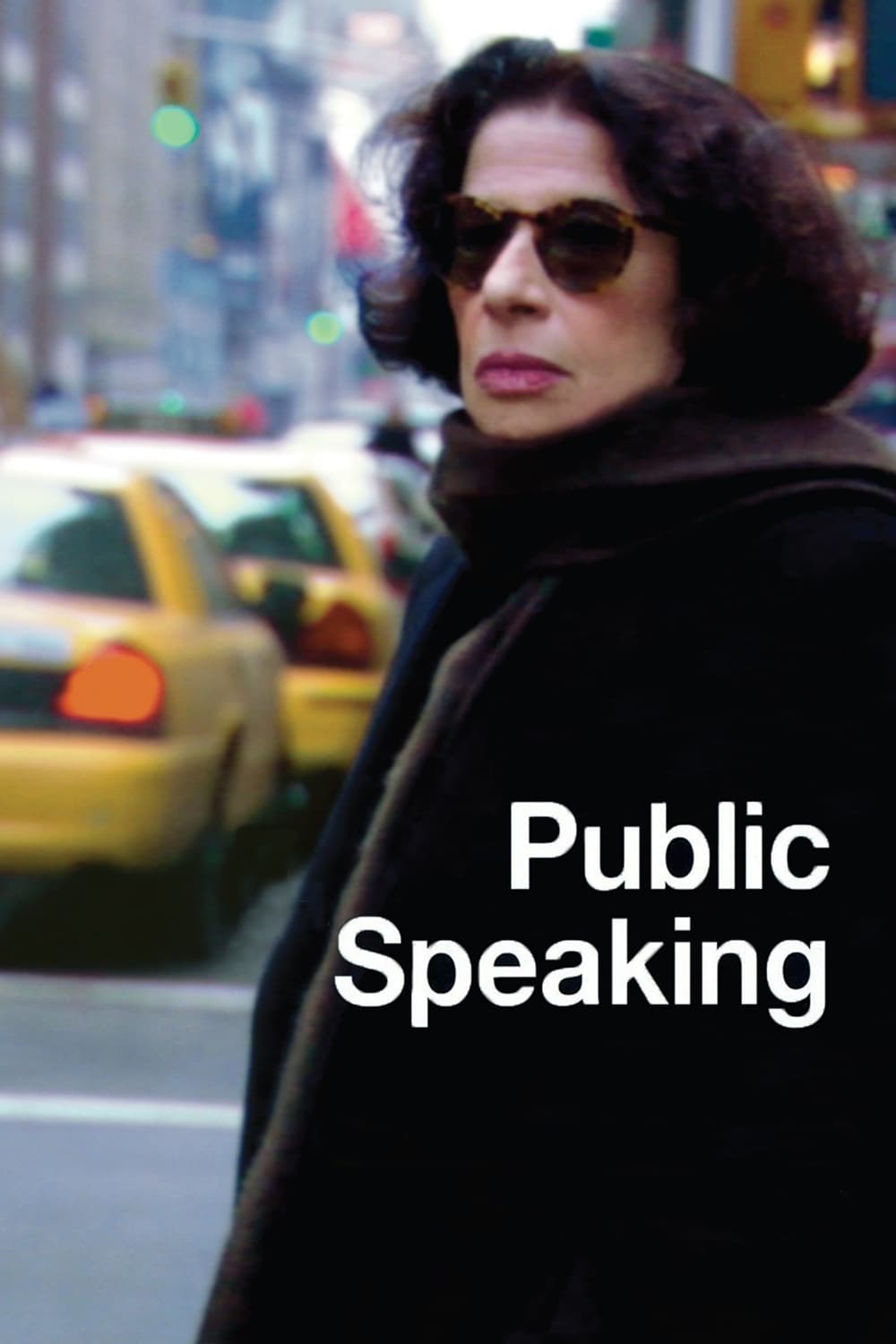
Martin Scorsese’s portrait of writer and social commentator Fran Lebowitz, celebrated for her sharp wit and observations on modern life. Filmed at New York’s Waverly Inn and intercut with archival footage and interviews, the documentary captures Lebowitz’s distinctive worldview through her spontaneous monologues and public appearances.
A purely observational non-fiction film that takes viewers into the ethically murky world of end-of-life decision making in a public hospital.
A visual montage portrait of our contemporary world dominated by globalized technology and violence.
After another 7 year wait, director Michael Apted revisits the same group of British-born children from Seven Up! and 7 Plus Seven. The subjects are interviewed as to the changes that have occurred in their lives during the last seven years.
An exploration —manipulated and staged— of life in Las Hurdes, in the province of Cáceres, in Extremadura, Spain, as it was in 1932. Insalubrity, misery and lack of opportunities provoke the emigration of young people and the solitude of those who remain in the desolation of one of the poorest and least developed Spanish regions at that time.
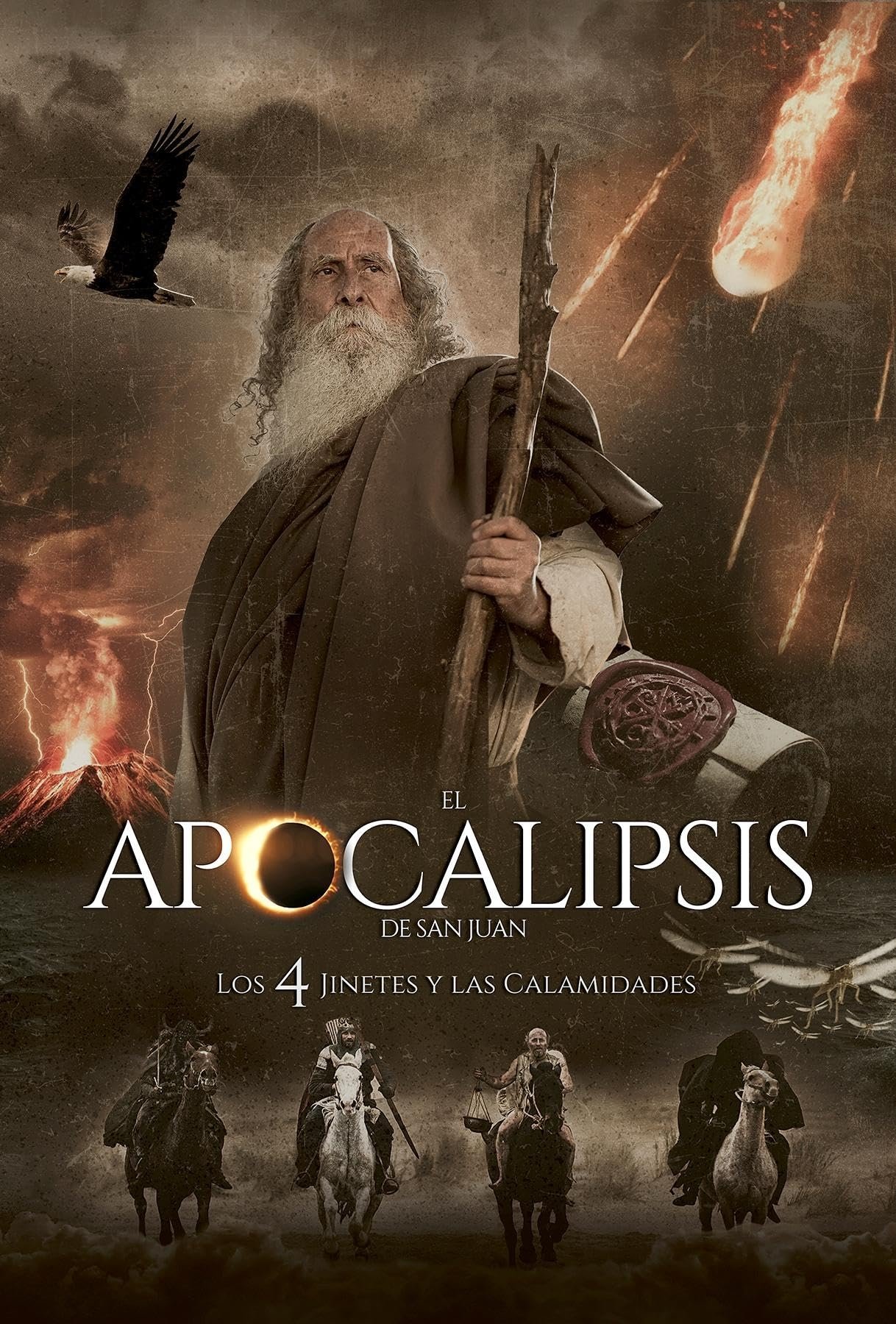
Embark on an epic journey through time and faith with 'The Apocalypse of Saint John.' Join the Apostle John in a stunning visual narrative that unravels the visions of the End Times. Experience each vision like never before, with striking visual effects and epic scenes that immerse you in the apocalyptic narrative.
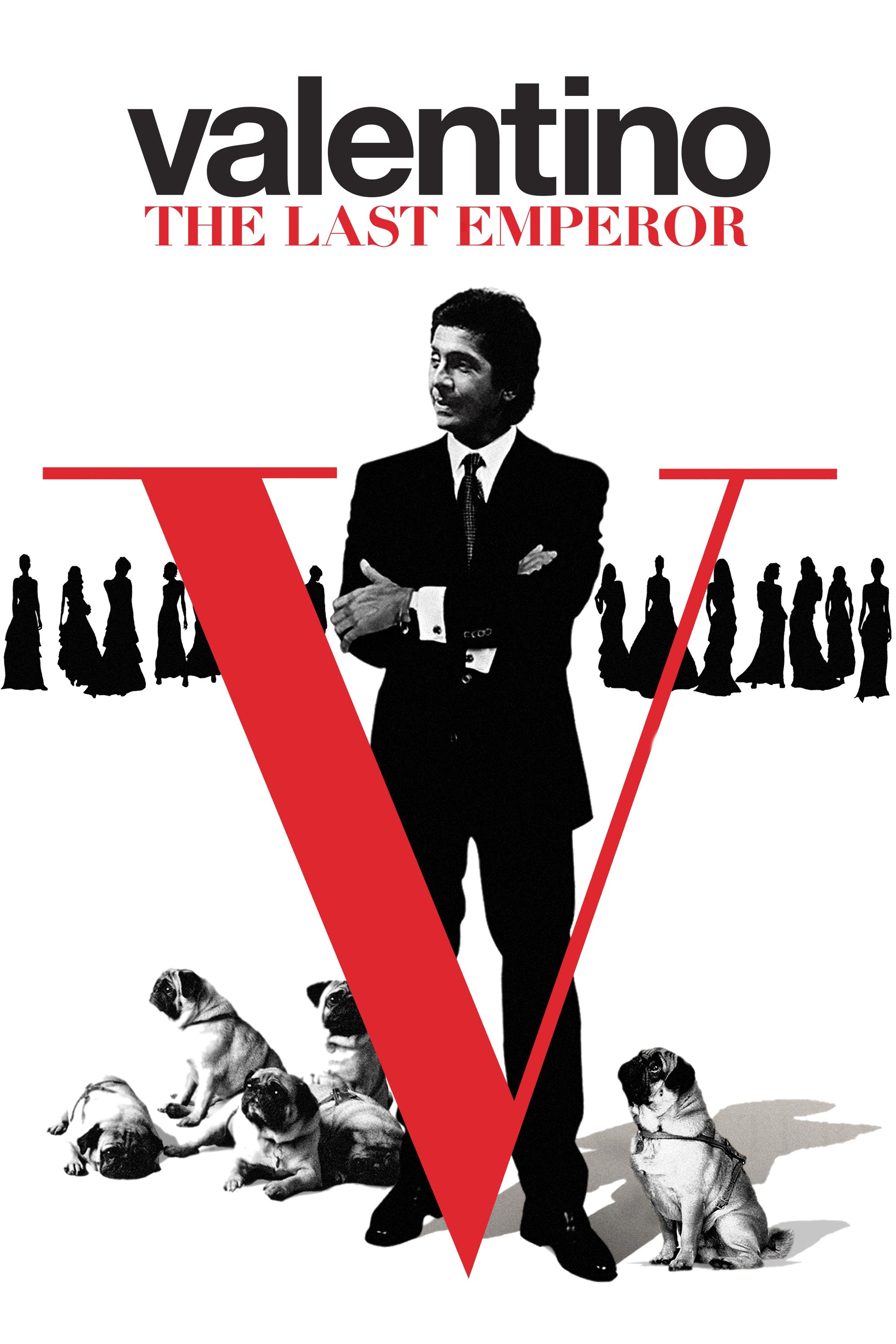
Film which travels inside the singular world of one of Italy's most famous fashion designers, Valentino Garavani, documenting the colourful and dramatic closing act of his celebrated career and capturing the end of an era in global fashion. However, at the heart of the film is a love story - the unique relationship between Valentino and his business partner and companion of 50 years, Giancarlo Giammetti. Capturing intimate moments in the lives of two of Italy's richest and most famous men, the film lifts the curtain on the final act of a nearly 50-year reign at the top of the glamorous and fiercely competitive world of fashion. (Storyville)
A documentary examining the decade of the 1970s as a turning point in American cinema. Some of today's best filmmakers interview the influential directors of that time.
Artists in LA discover the work of forgotten Polish sculptor Stanislav Szukalski, a mad genius whose true story unfolds chapter by astounding chapter.
The life and career of an actor, artist, and icon. His own journey through his own camera.