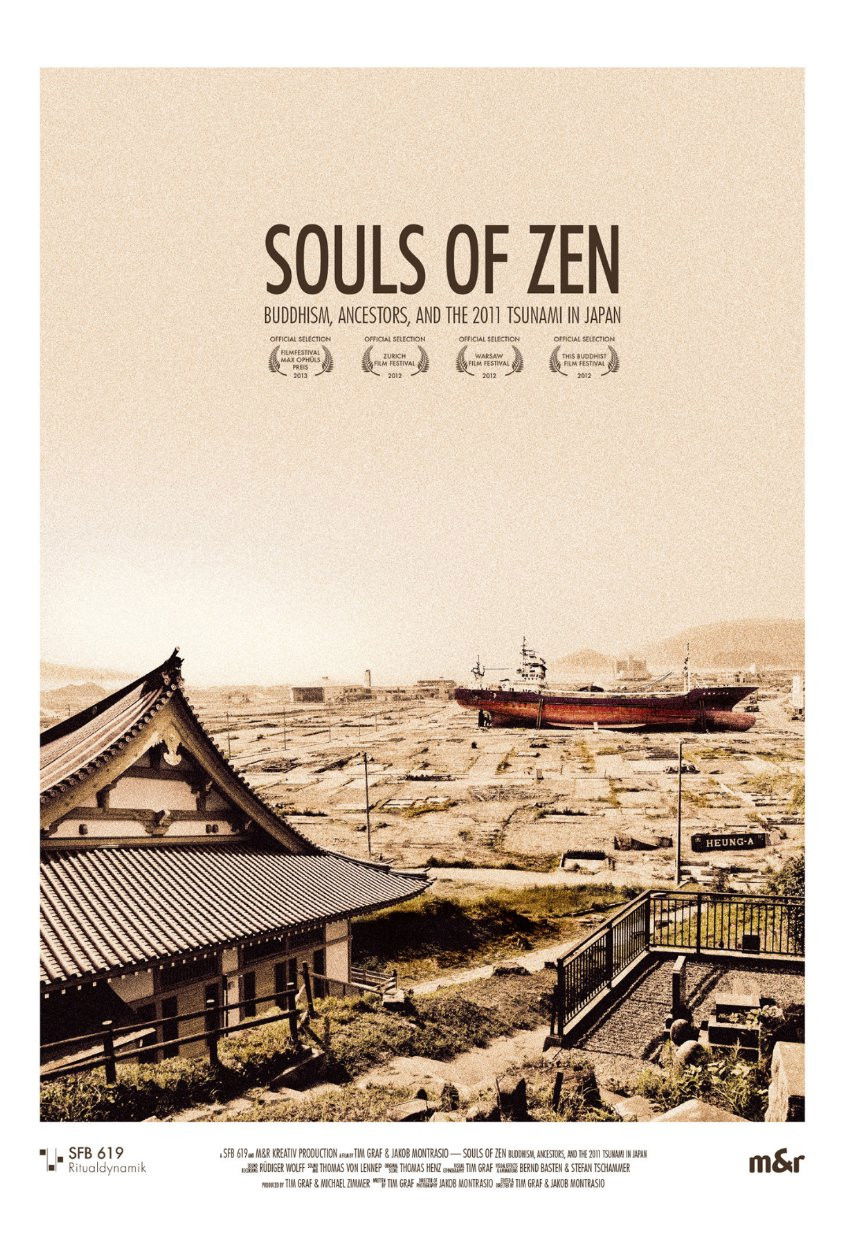
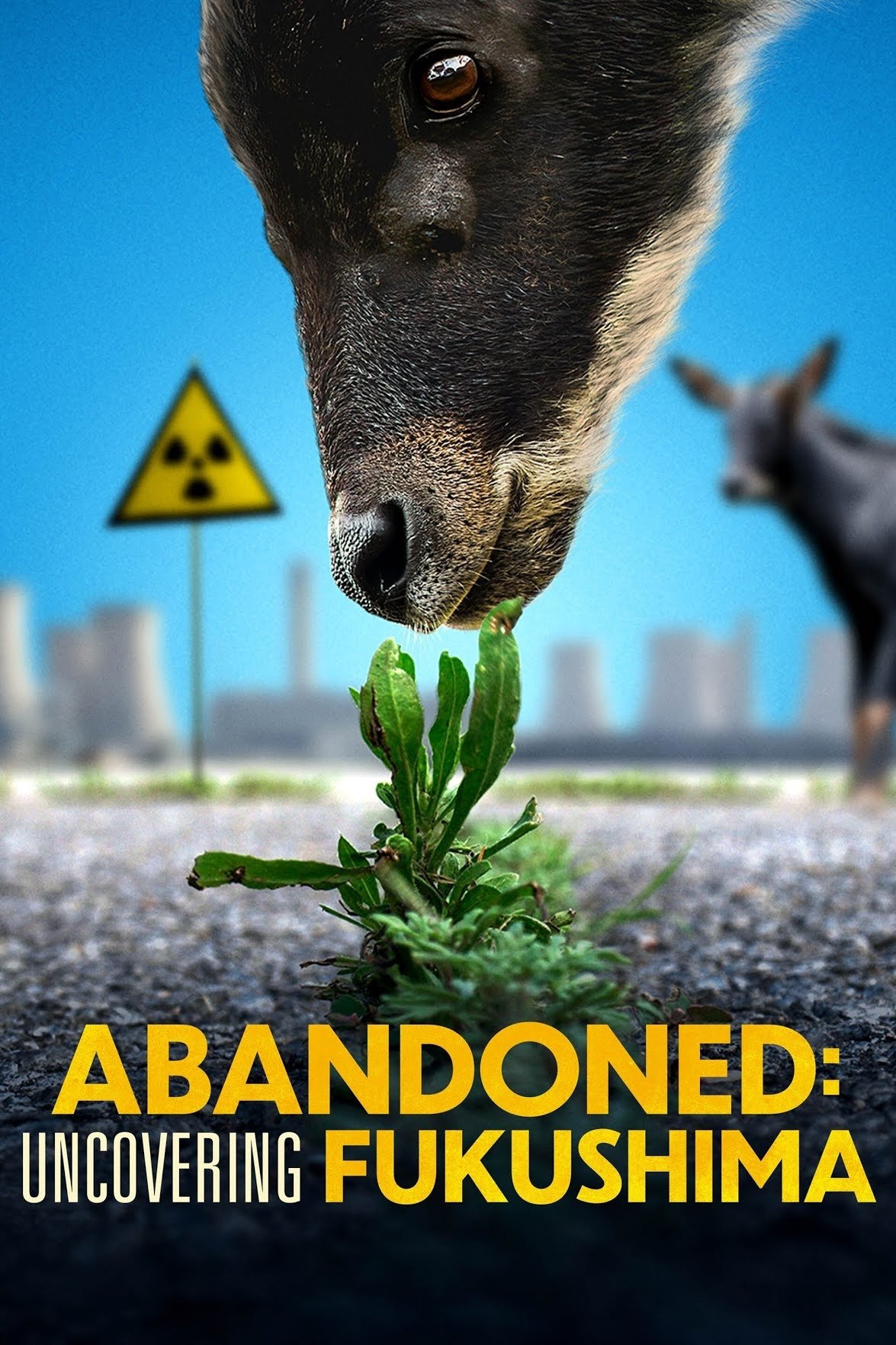
On March 11 2011, after a magnitude 9 earthquake, a giant tsunami destroyed most of the north eastern japanese coast, killing almost 20,000 people.
Social & External
In a quiet forest, a sign warns of radiation hazard. “Is this the past or the future?” muses the masked figure who appears like a kind of ghost in nuclear disaster areas. At a time when nuclear power may be re-emerging as an alternative to fossil fuels, this calmly observed and compelling tour takes us to places that may serve as a warning.
"Trinity and Beyond" is an unsettling yet visually fascinating documentary presenting the history of nuclear weapons development and testing between 1945-1963. Narrated by William Shatner and featuring an original score performed by the Moscow Symphony Orchestra, this award-winning documentary reveals previously unreleased and classified government footage from several countries.
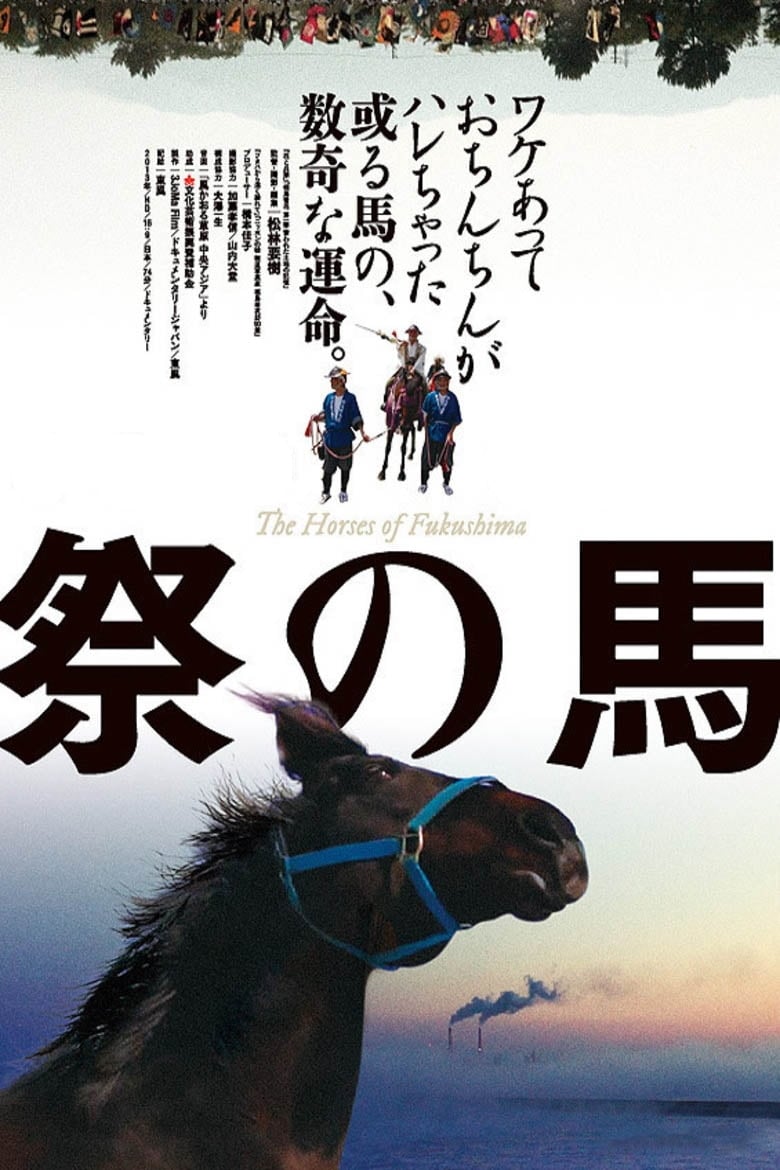
Eerie images of landscapes after the Fukushima nuclear disaster shot on black and white 8mm.
Starting off a kilometre high, travelling at the speed of a jet aircraft, and heading for us. It doesn't make for a good outcome. Hollywood-style graphics and real-life archive bring home an imagined near-future scenario, all based on cutting-edge science. —Trevor
The definitive account of Japan’s struggle as it faced a nuclear catastrophe while still reeling from the devastation of an earthquake and tsunami.
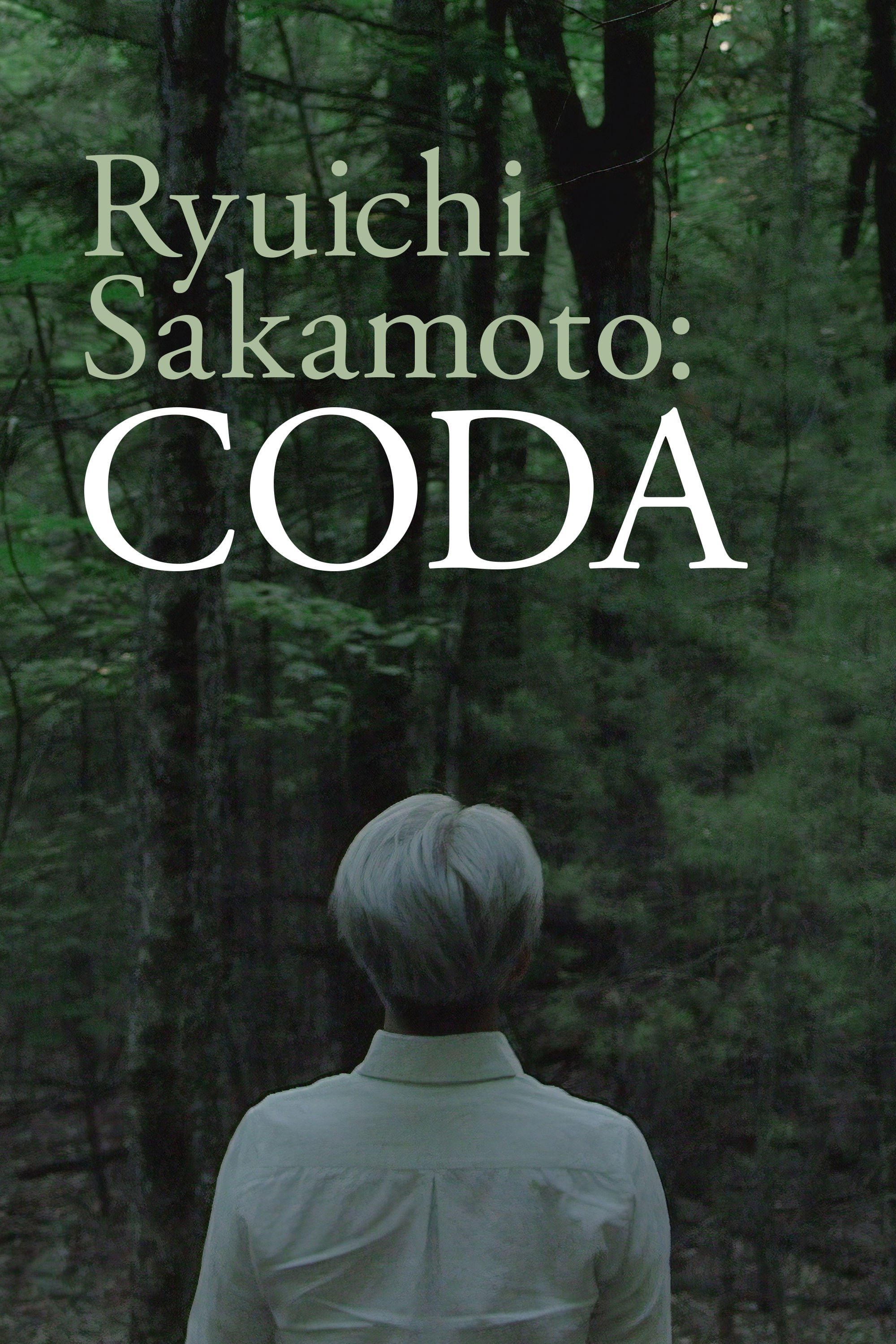
Oscar winning composer Ryuichi Sakamoto weaves man-made and natural sounds together in his works. His anti-nuclear activism grew after the 2011 Fukushima disaster, and his career only paused after a 2014 cancer diagnosis.
30 years after the Chernobyl catastrophe and 5 years after Fukushima it is time to see what has been happening in the “exclusion zones” where the radioactivity rate is far above normal.
After the disaster of March 2011, the Japanese authorities decided to build a gigantic 15 meter high, 500 kilometer long, anti-tsunami wall, separating the land and the ocean. But what is the environmental and human impact of this wall? The population is divided on their opinion: should they cut the island off from the sea or stay vulnerable to tsunamis? Is there another way?

Since 1950, there have been 32 nuclear weapon accidents, known as "Broken Arrows." A Broken Arrow is defined as an unexpected event involving nuclear weapons that result in the accidental launching, firing, detonating, theft or loss of the weapon. To date, six nuclear weapons have been lost and never recovered.Now, recently declassified documents reveal the history and secrecy surrounding the events known as "Broken Arrows". There have been 32 nuclear weapon accidents since 1950. Six of these nuclear weapons have been lost and never recovered. What does this say about our defense system? What does this mean to our threatened environment? What do we do to rectify these monumental "mistakes"? Using spectacular special effects, newly uncovered and recently declassified footage, filmmaker Peter Kuran explores the accidents, incidents and exercises in the secret world of nuclear weapons.
In the aftermath of the 3.11 Fukushima Daiichi Nuclear Power Plant accident, the Japanese government began implementing a large-scale decontamination effort to clean up the radioactive materials. A mother, a farmer, a community leader, an evacuee - hear how the clean-up effort has been carried out around their lives and what their hopes are for the reconstruction of Fukushima.
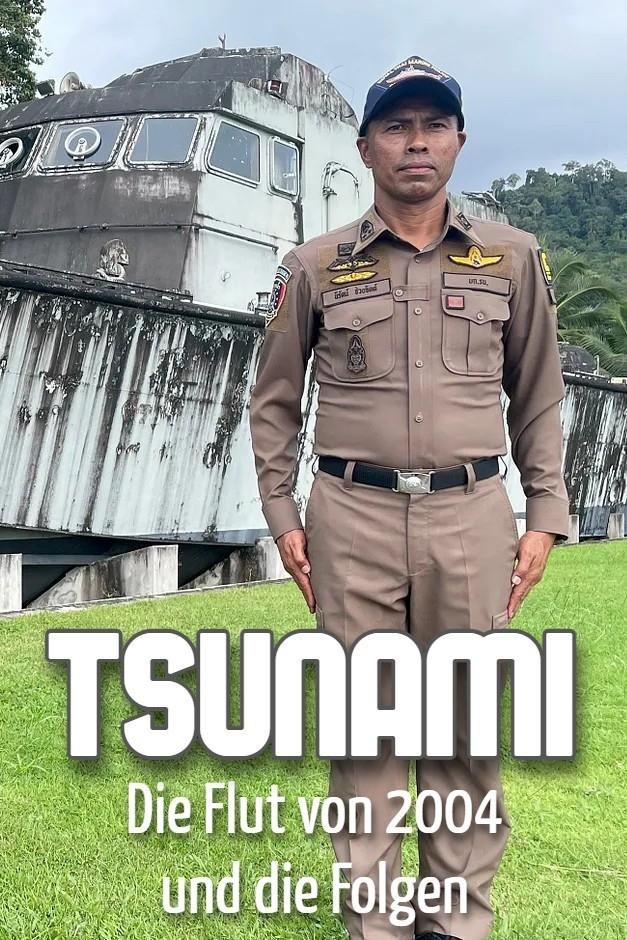
A minute-by-minute account of the Boxing Day 2004 Tsunami told through amateur video footage of people who were there.
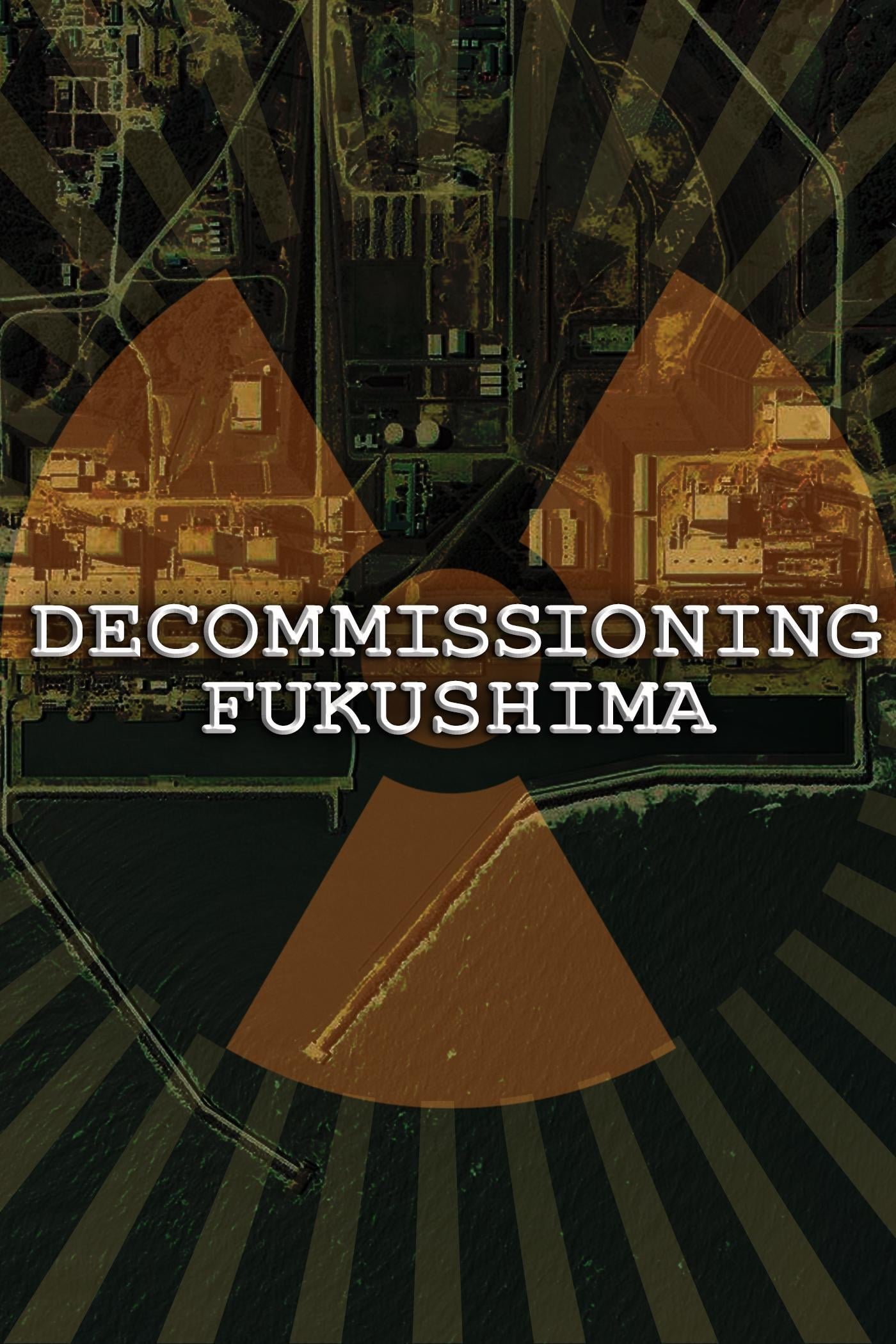
TEPCO's Fukushima Daiichi Nuclear Power Plant is the site of one of history's worst nuclear disasters: the meltdown of three nuclear reactors. The decommissioning program in Japan learns from the Three Mile Island decommissioning in the US after the nuclear plant accident in 1976 in Pennsylvania.
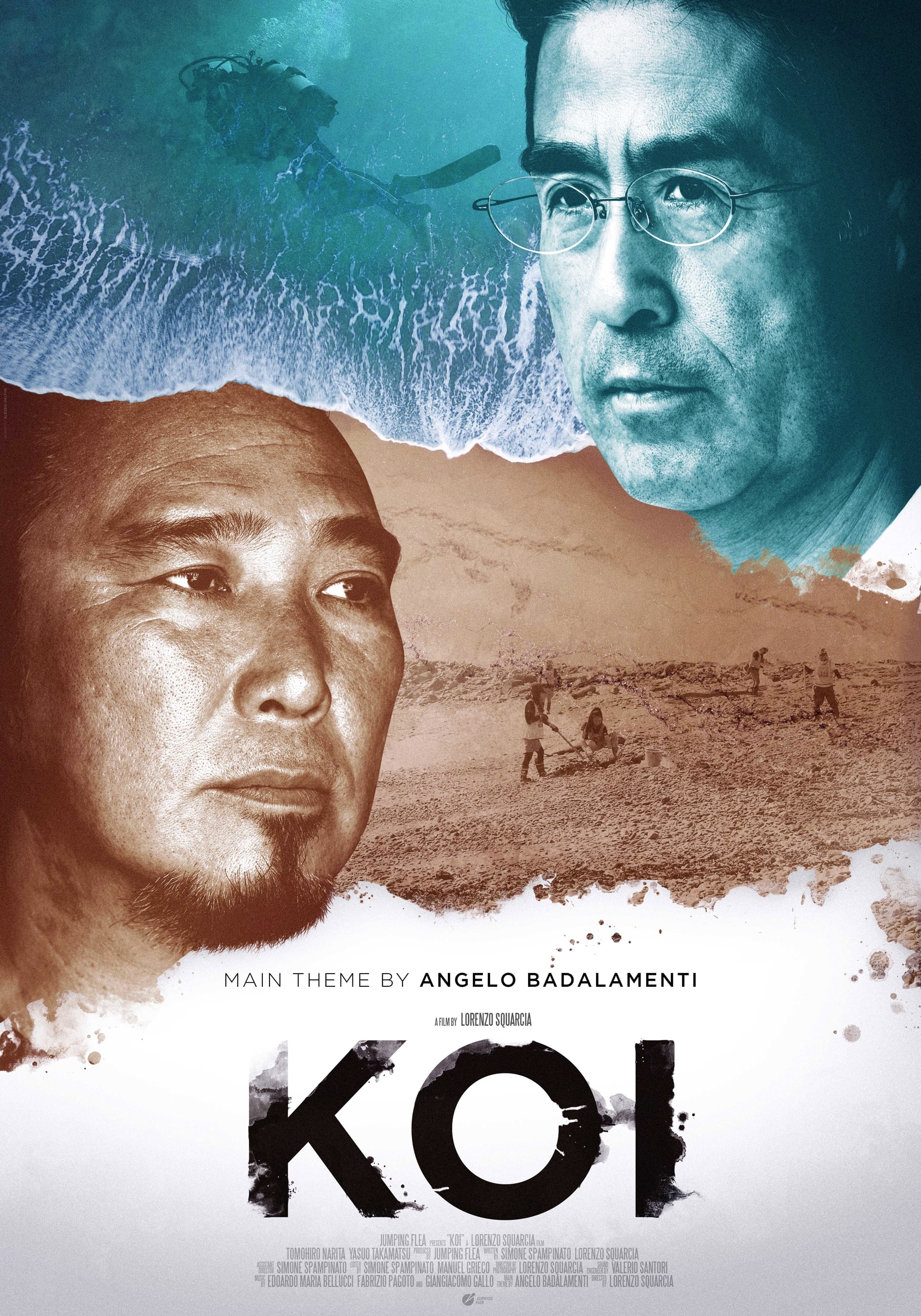
There's no definitive separation as long as there is memory'. Since the Tsunami hit the northern part of Japan's coast in 2011, more than 20 thousand people lost their lives, and many others are still missing. As time went by the families of the victims abandoned all hope and stopped looking for their loved ones. However, this is the story of two men that are still fully committed to their respective searching activities. Even though their backgrounds are extremely different, both share a strong force of will and firmly wish to keep alive the memories of the ones that went missing. Perseverance is what pushed an ex-convict to look for redemption by helping the victims' families to find the remains of their loved ones, and perseverance is what brought a bus driver to start to dive in order to search for his wife.
The Boxing Day Tsunami in 2004 was the most devastating natural disaster in modern times, killing 228,000 people across 13 countries in just a few hours. AFTER THE WAVE tells the untold story of this epic forensic operation in Thailand to identify and return home the bodies of over 5,000 victims, both locals and holidaymakers from around the world. Led by a crack Australian team, the best forensic specialists from around the world were in a race against time to give back every victim their identity. Creating forensic history, the international team’s mantra from the outset was ‘we will take them home’, a seemingly impossible ambition but one that almost succeeded. In this film forensic science intersects with powerful stories of survival and loss, attempting to make some sense out of a tragedy so bewilderingly complete that nearly a decade out it still seems far-fetched to most of us.
Ten years after one of the most deadly tsunamis ever known, scientists are making a shocking discovery. Experts used to believe that the biggest killer waves were only generated in a handful of regions, but mounting evidence now suggests that more of the world’s coasts, from the Mediterranean to Australia, could be in grave danger. But where will the next Big One strike?
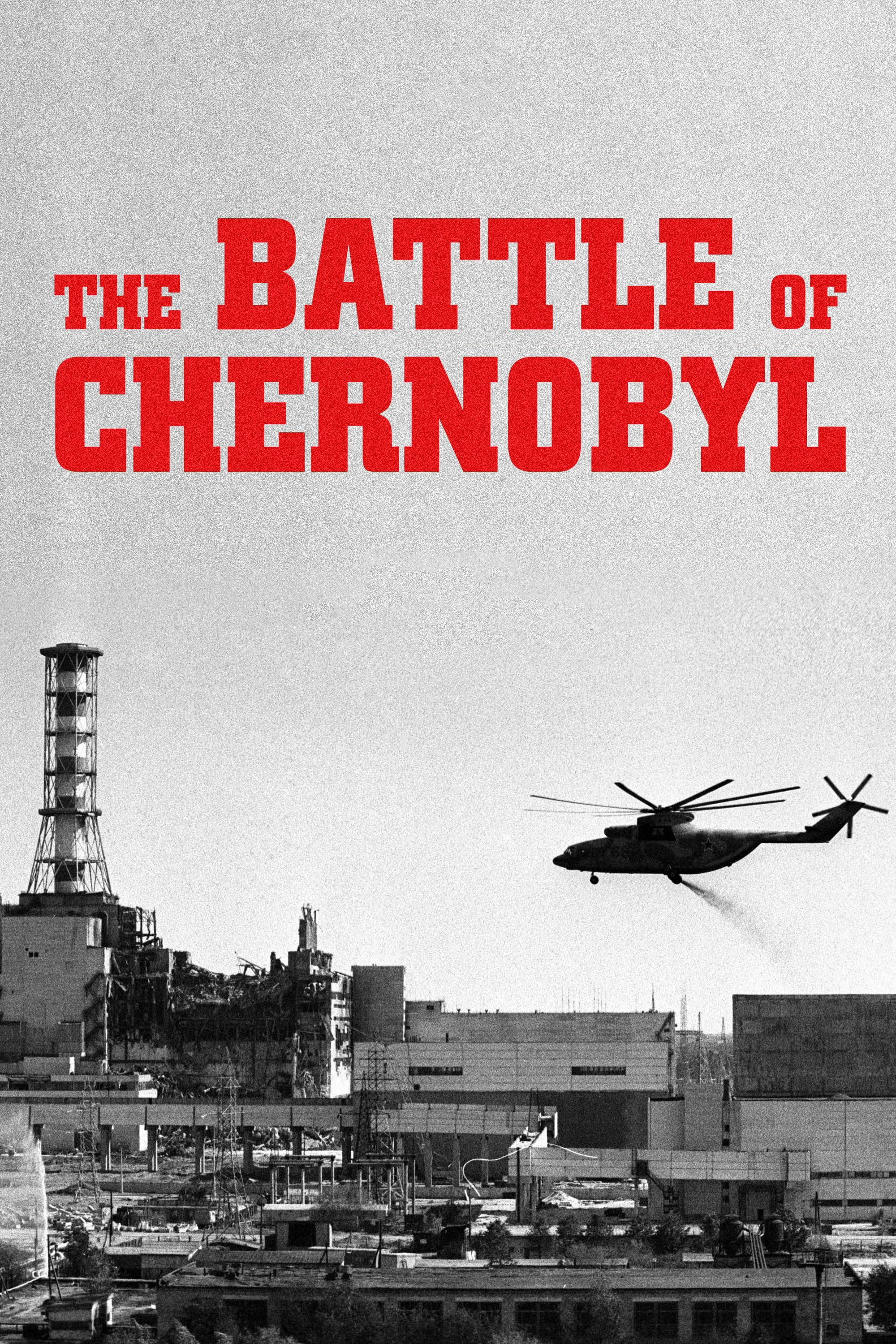
On April 26, 1986, a 1,000 feet high flame rises into the sky of the Ukraine. The fourth reactor of the Chernobyl nuclear power plant just exploded. A battle begins in which 500,000 men are engaged throughout the Soviet Union to "liquidate" the radioactivity, build the "sarcophagus" of the damaged reactor and save the world from a second explosion that would have destroyed half of Europe. Become a reference film, this documentary combines testimonials and unseen footage, tells for the first time the Battle of Chernobyl.