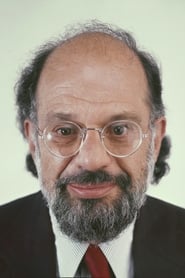
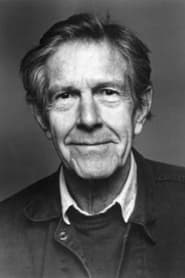
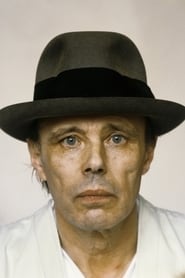
A compilation of avant-garde artwork and talent of the mid to late 20th century hosted by Ryuichi Sakamoto.
Social & External
The people behind it
Ryuichi Sakamoto
Self
Allen Ginsberg
Self (archive footage)
Charlotte Moorman
John Cage
Judith Malina
Julian Beck
Nam June Paik
Joseph Beuys
Laurie Anderson
Merce Cunningham
A study of observations around the ancient monument of the temple of Augustus and Livia and to cities of Vienne, Chonas-l'Amballan and Saint-Prim. Firstly proposed as a sort of ghost hunting, the project seems to focus on a world of figures, the whispers of the roads, diegetic/non-diegetic sounds and a camera that tries to investigate under fragments of logic and articulating cuts.
Abstract video art set to the music of Philip Glass.
An NTSC space opera.
Two gay men in Japan discuss the end of their respective relationships.
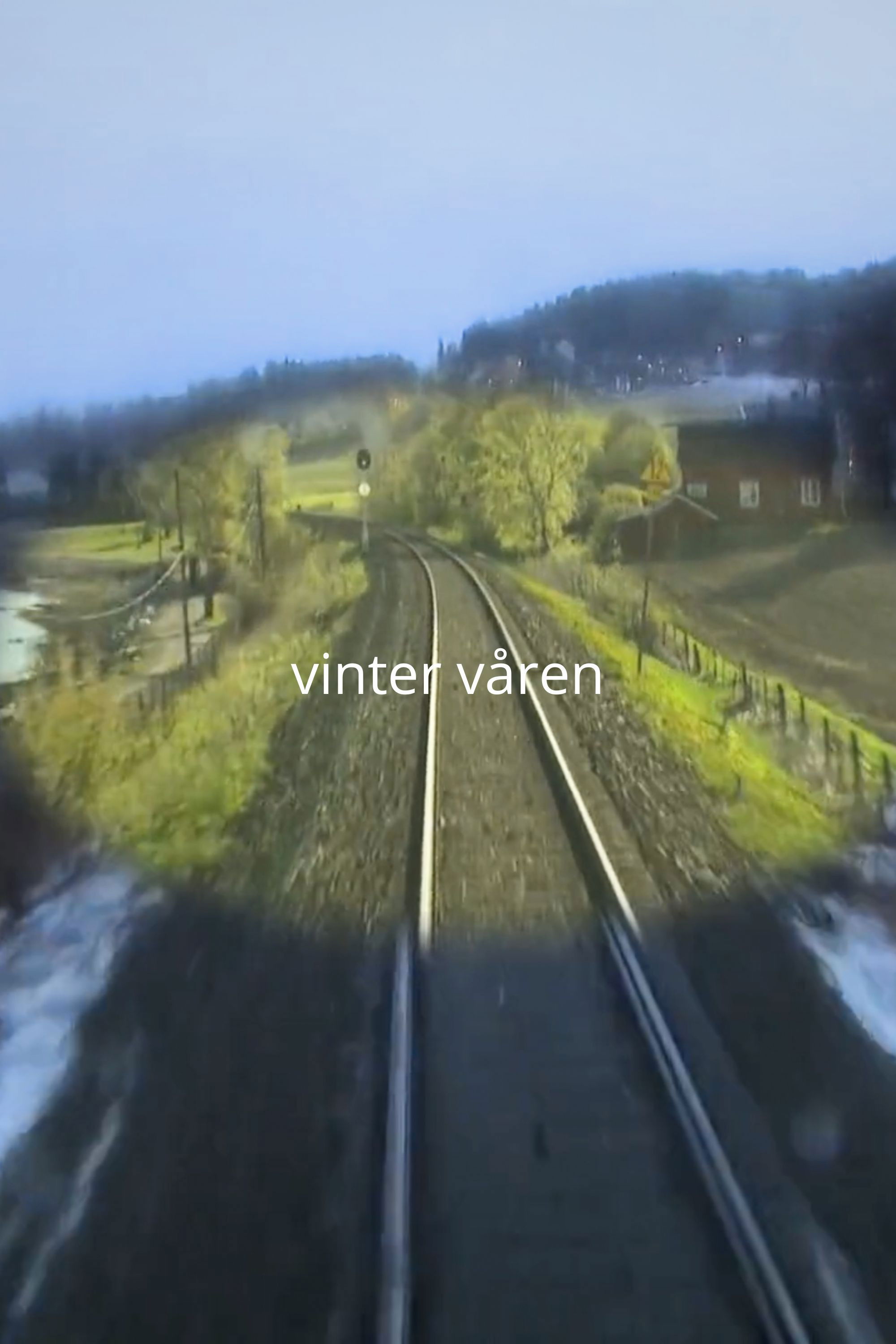
A train moves through winter as a superimposed image of the same route in spring gradually emerges. Both moments coexist within a single frame, revealing two seasons happening at once.
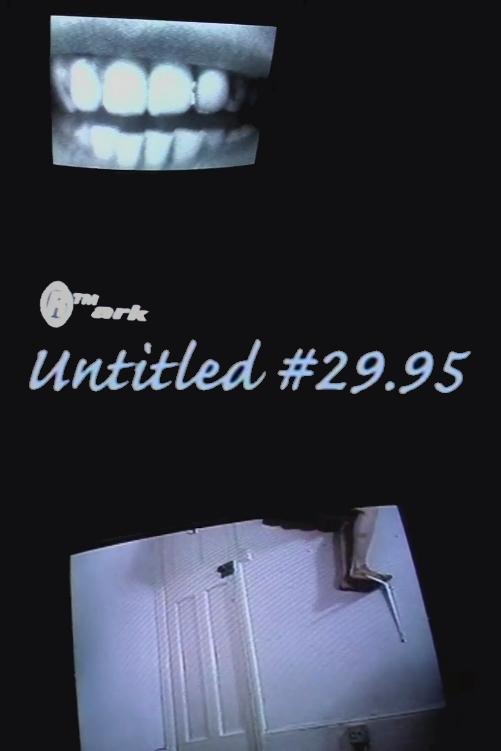
Originally produced anonymously and distributed by RTMark, Untitled #29.95 tells the story of the commercial art establishment's attempt to turn video art into a precious commodified object through the release of limited editions during the nineties.
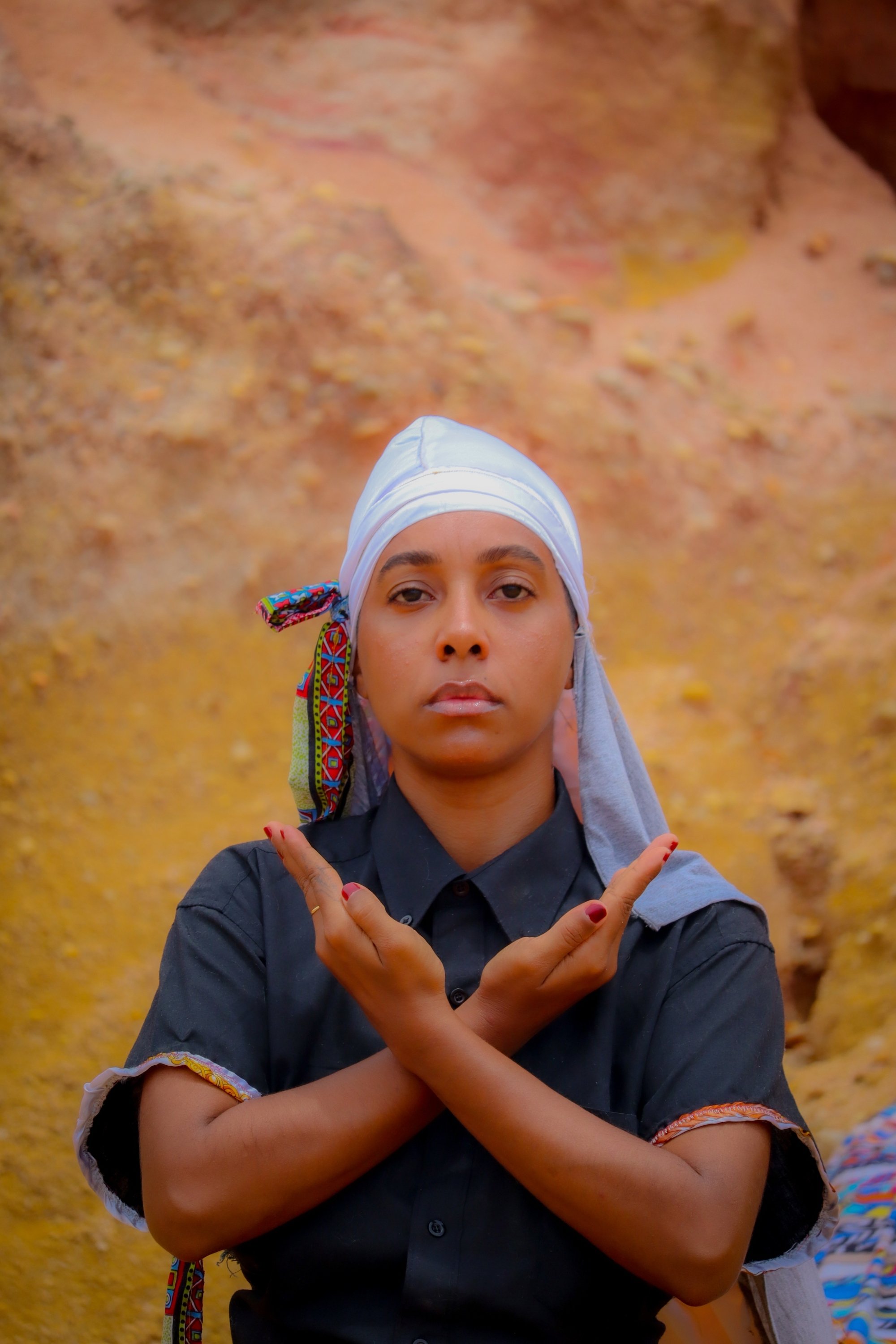
That Child with AID$ tells the story of Brazilian advocate and artist Lili Nascimento, who was born with HIV in 1990. Lili has worked to expand narratives about living with HIV beyond the limited images and ideologies that permeate the AIDS industry.
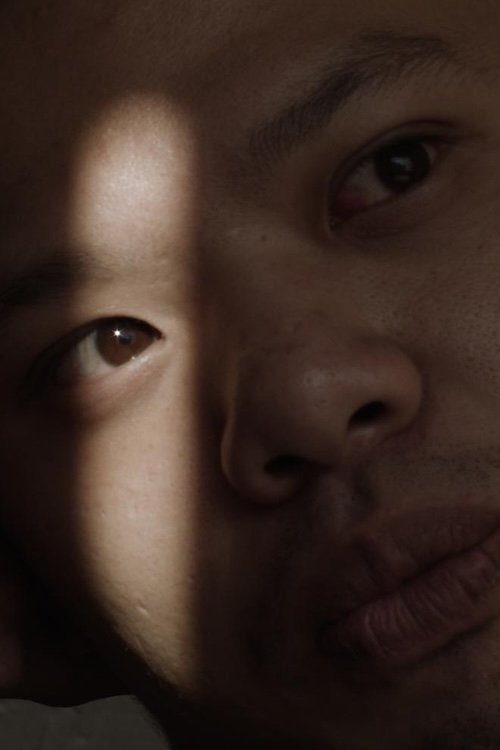
Heart Murmurs is a poetic dialogue between the filmmaker and Dean, a young man living in Hong Kong. In reflecting on his experience living with a congenital disability and HIV during the first years of the COVID pandemic, Dean expresses his sense of self in the face of regular medical challenges.
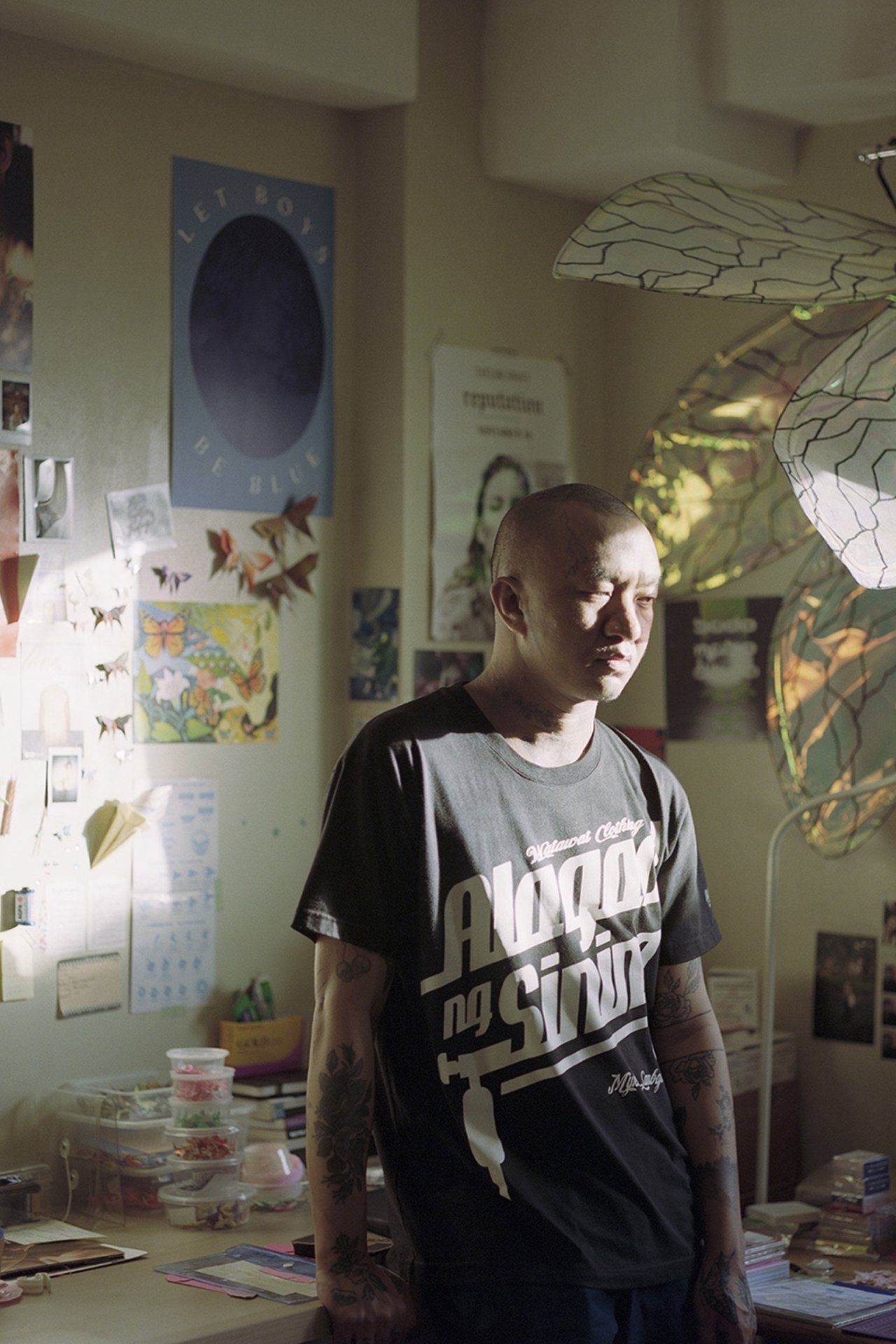
This Bed I Made presents the bed as a place of solace and agency beyond just a site of illness or isolation. Through the shared stories of two Filipino men living with HIV, the video explores modes of care, restoration, and abundance in the midst of pandemic pervasion.
Losing the Light reflects the artist's bitter battle to stay in this world as a long-term survivor of AIDS who has lost his vision to CMV retinitis. An experimental self-portrait, the video evokes the dissolution and fragmentation of the artists body, representing the impact of blindness, long-term HIV infection, and the cumulative effects of decades of antiretroviral medication.
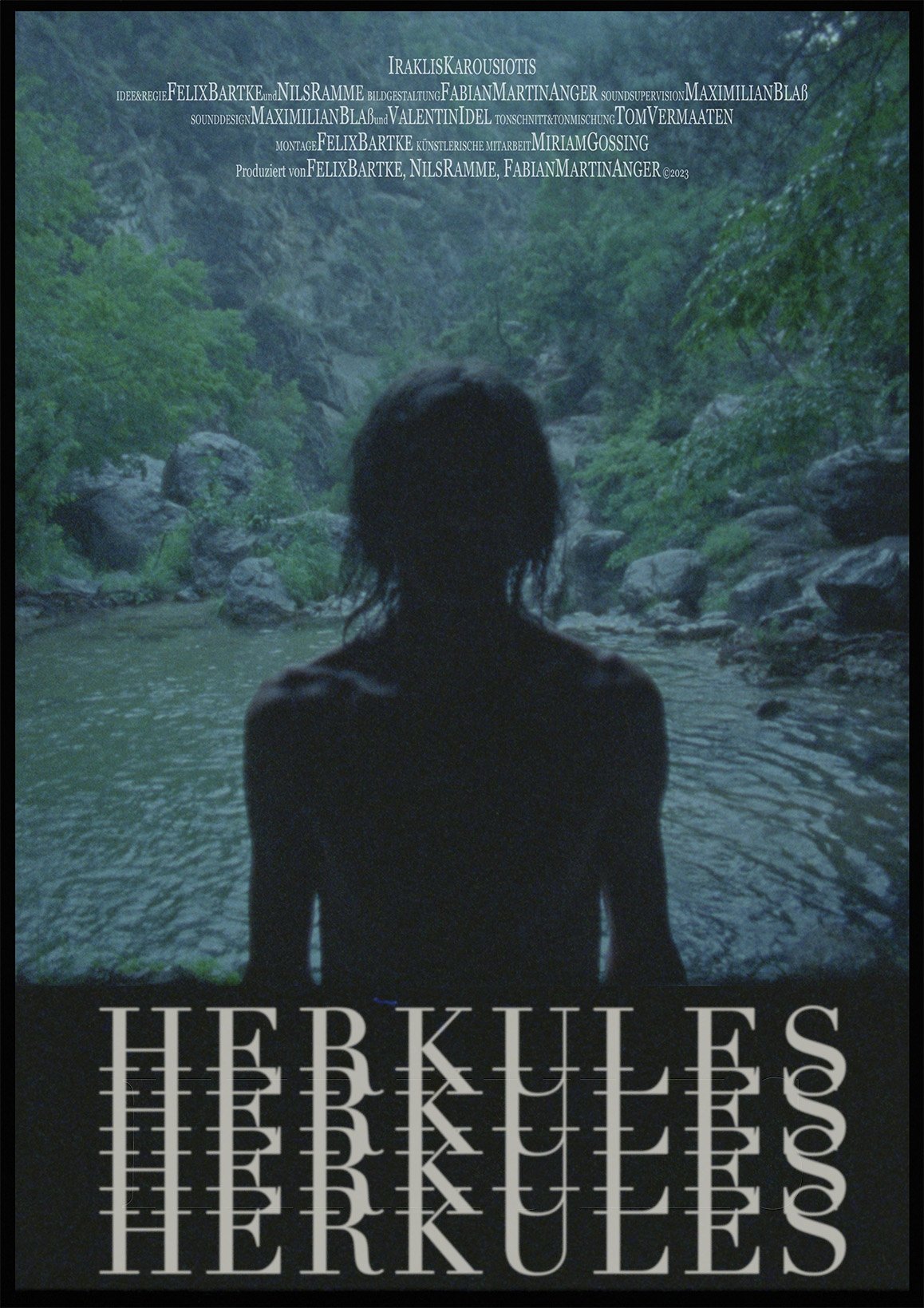
Hercules travels by bicycle from Krefeld on the Lower Rhine to Olympus, the throne of ancient deities. The Hercules myth, as a primal myth of male power, is questioned through biographical reflections and the staging of mythological echoes. The dramaturgical structure of the hero's journey disintegrates in a multi-material perspective into questions about male identity, ideals and remorse.
Memory is a collaboration with musician Noah Lennox (Panda Bear), exploring the relationship between a musician and filmmaker and their personal reflection on memories. From Super 8 home movies and entirely handmade, this film explores familiar memories, the present moment combined with past experiences and how it all seems to evade from our present memory.
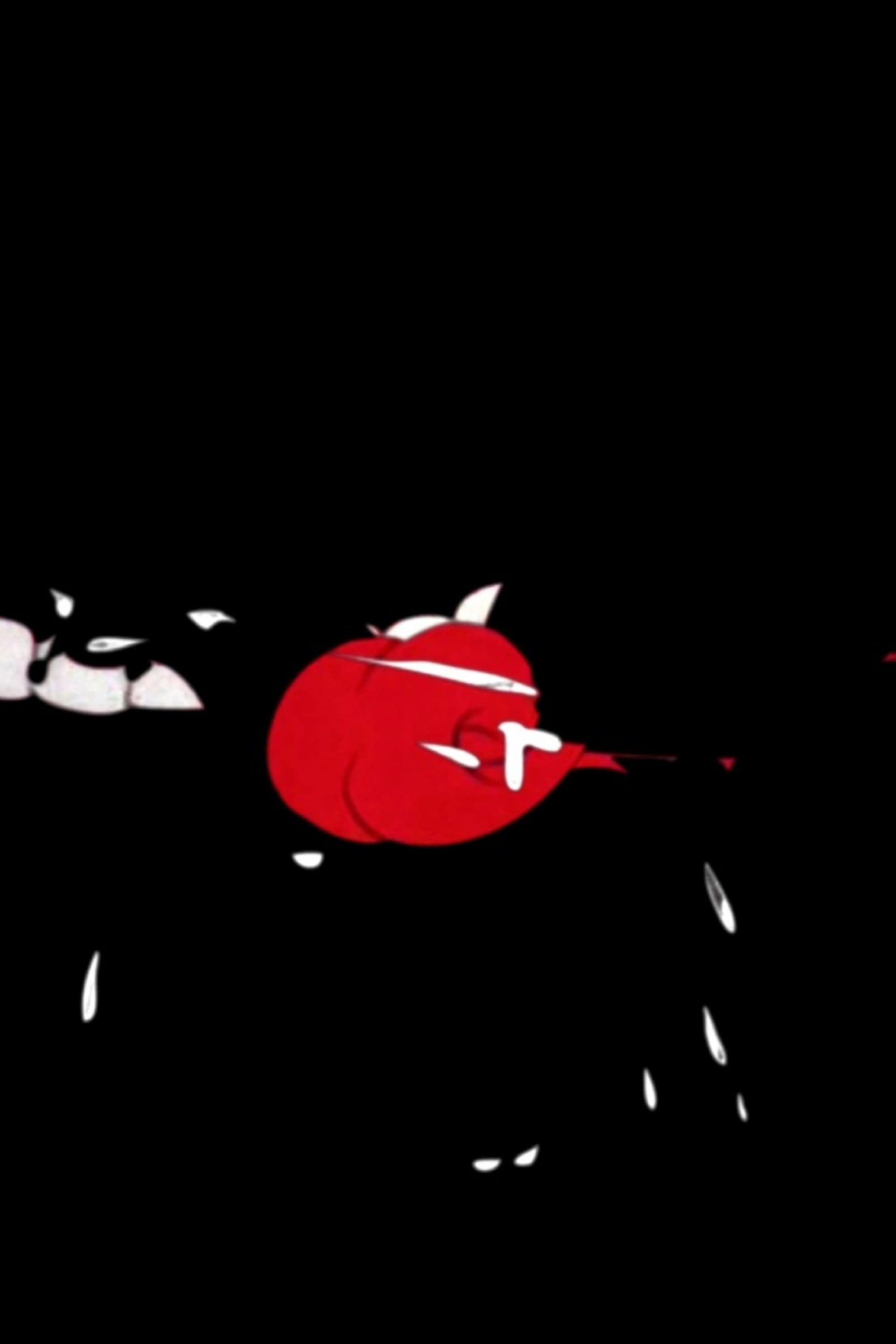
American cartoons are the starting point for Martin Arnold's new work. Sequences of short films form the basis of a process of fragmentation, deconstruction, dismantling and repetition. Arnold uses fun, family entertainment to create films with open-ended possibilities for association. His pieces, such as Hydra (2013), Charon (2013), Nix (2013) and Self Control (2011), feature characters whose anatomy is no longer recognizable as such, but rather resemble puppets, remotely controlled from the outside. Trembling hands, dancing tongues, blinking eyes and snoring mouths move like ghosts against an abyss-like deep black background, in which bodily elements constantly disappear, only to reappear once more.
Shifting Margin Part 1 (1991) Produced, Directed, Photographed, and Edited by Albert Gabriel Nigrin Special Thanks: Brodsky and Treadway and DAK Productions Length: 3 minutes A statue of a horse [located in the Luxembourg Gardens in Paris, France] shot at 18fps on Kodachrome color super 8mm film transferred to high quality video. The film camera was shaken at various intensities to simulate the various forms of horse locomotion -- walk, trot, gallop, etc. The film is silent yet one hears the rhythm of hooves. The green color of the statue's faded bronze was amplified, as was the blue sky in post-production. A homage to Pegasus, Le Magnifique in Cocteau's Beauty and the Beast, and Eadweard Muybridge.---AGN
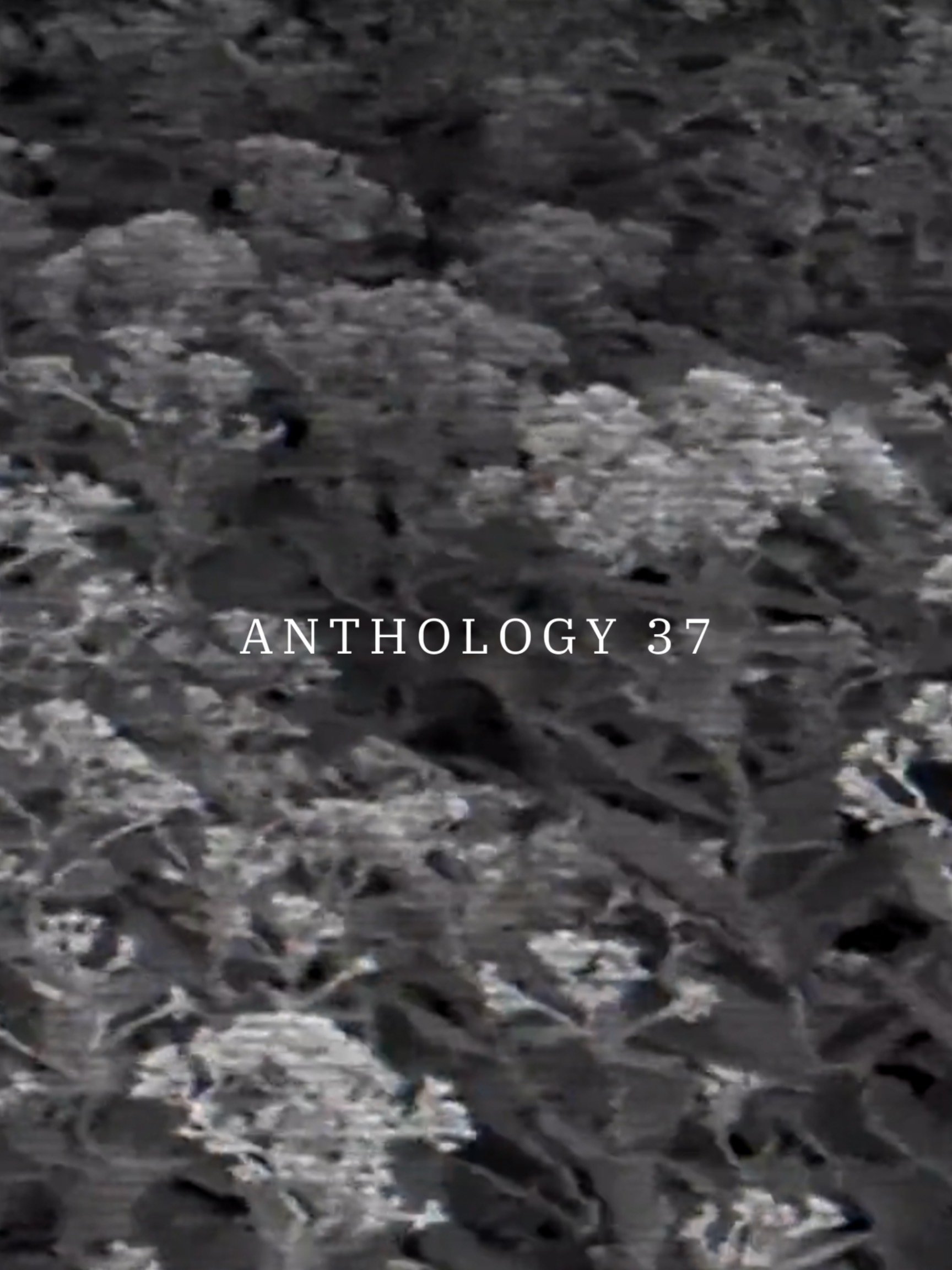
After a troubled young man leaves his friend for dead, he retreats to his mother's house where he watches a collection of old videos called Anthology 37. Lines blur between fiction and documentary and dream-like states as his guilt reaches its breaking point. Shot between 2013 and 2023.
A film about peace, love and war. Dedicated to the 100th anniversary of the end of the Civil War in Russia. The film takes place at the end of the summer of 1917, when Russia and the whole world were at a crossroads between two eras. None of the people could even imagine how much his life would change in the very near future. In a strange way, the atmosphere of the film echoes our current reality and what is happening in Russia today. According to the form of visualization, the film belongs to experimental mockumentary cinema. To give greater authenticity to what is happening on the screen, the shooting was carried out on black-and-white negatives of 16 and 35 mm, hand-operated cameras were used and the material was developed in manual spiral tanks. The documentary chronicle of the Kolchak army of 1919 and the White army in the Far East of 1922 is embedded in the finale of the film.
Lupita Nyong'o narrates a documentary about Peanuts and its creator, Charles M. Schulz. Famous fans—including Drew Barrymore, Kevin Smith, and Al Roker—share its influence on them, and a new animated story finds Charlie Brown on a quest.
A unique cinematic experience that invites audiences on a vibrant journey through the life of cultural icon Pharrell Williams. Told through the lens of LEGO® animation, turn up the volume on your imagination and witness the evolution of one of music's most innovative minds.
A primetime special with performances from the superstar including Adele’s first new material in six years plus her chart-topping hits. The special will also feature an exclusive interview with Adele by Oprah Winfrey from her rose garden, in Adele’s first televised wide-ranging conversation.
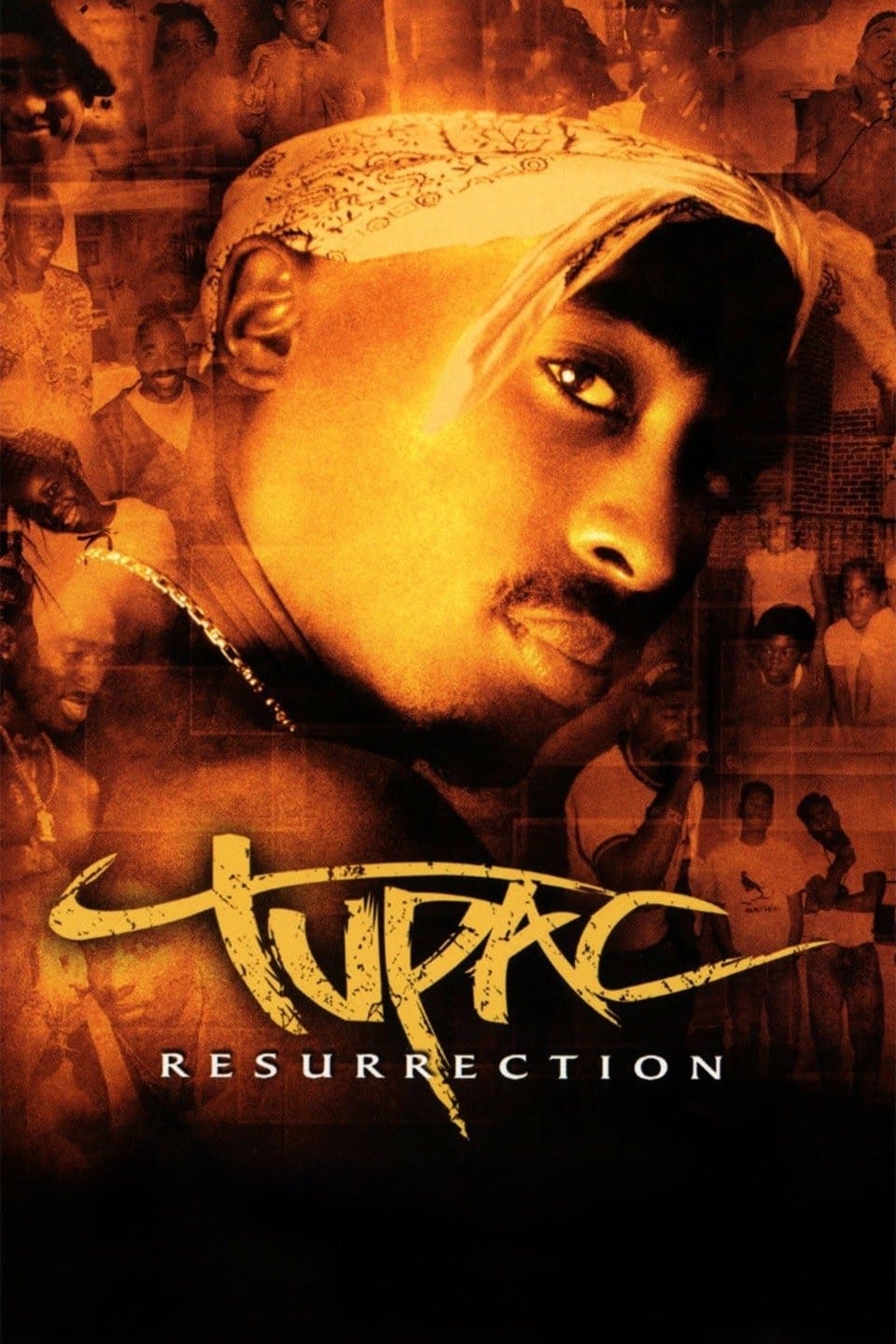
Home movies, photographs, and recited poetry illustrate the life of Tupac Shakur, one of the most beloved, revolutionary, and volatile hip-hop MCs of all time.
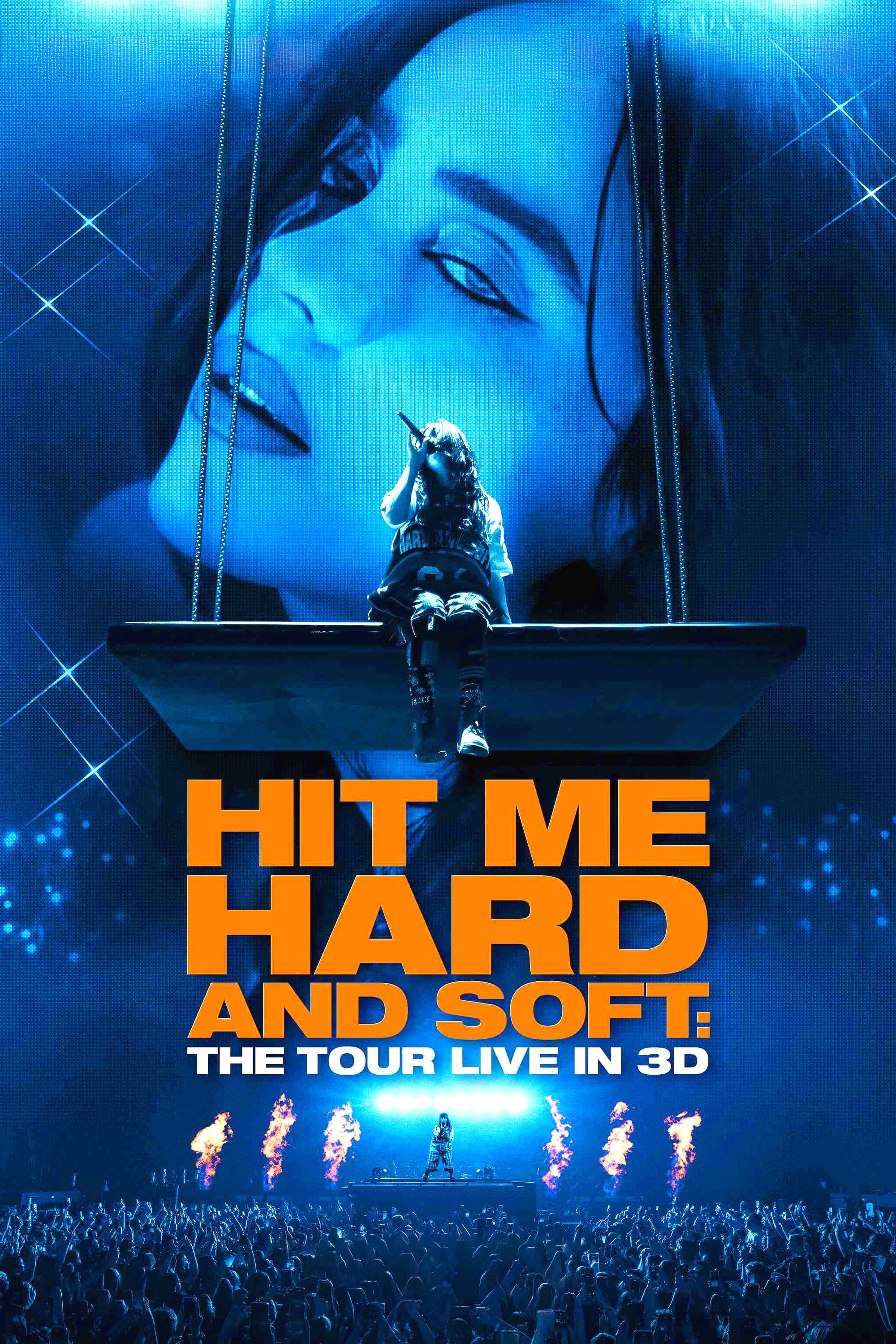
Captured during Billie Eilish's sold-out world tour, a concert experience from one of the most celebrated and successful artists of her generation, presented in immersive 3D.
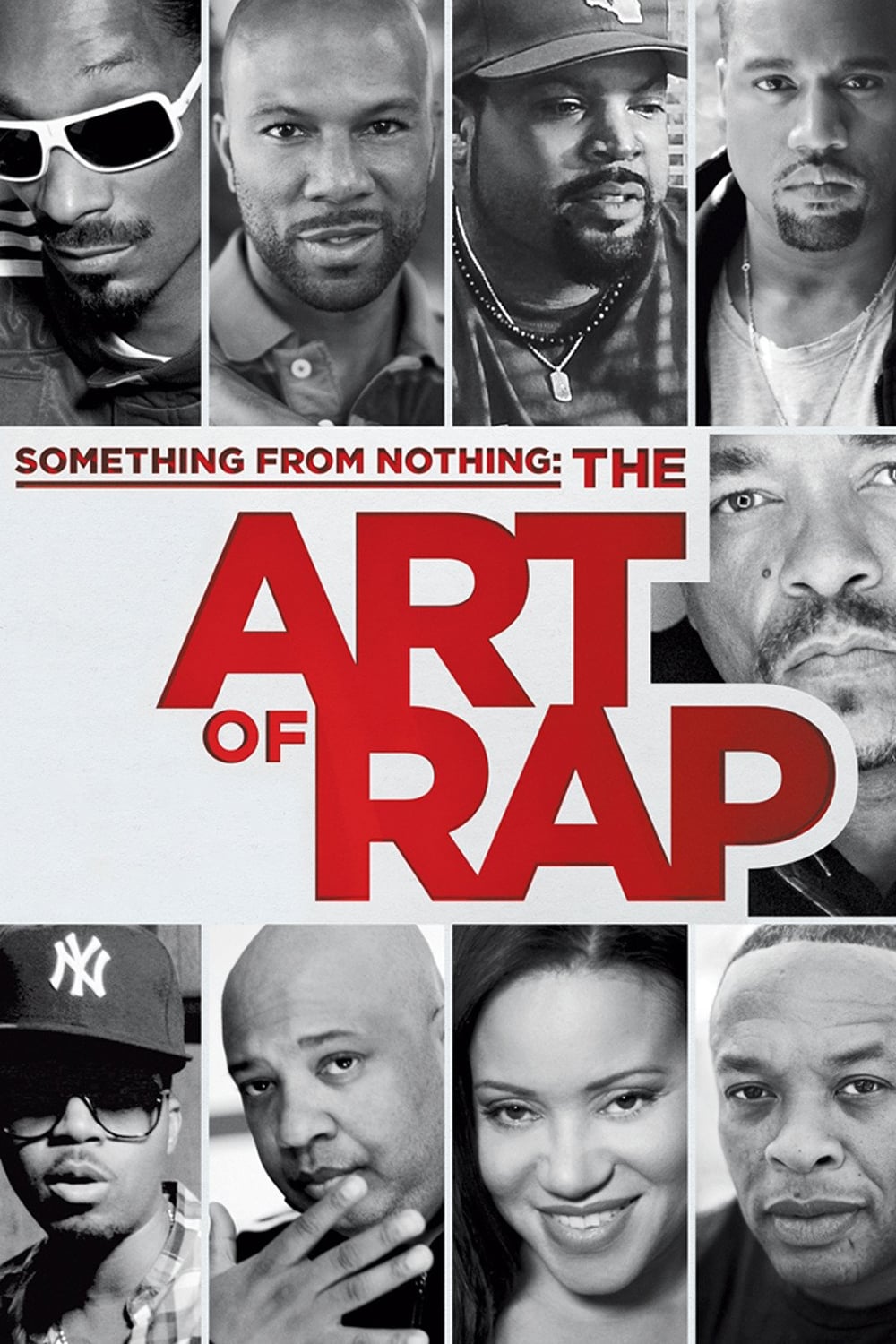
SOMETHING FROM NOTHING: THE ART OF RAP is a feature length performance documentary about the runaway juggernaut that is Rap music. At the wheel of this unstoppable beast is the film's director and interviewer Ice-T. Taking us on a deeply personal journey Ice-T uncovers how this music of the street has grown to dominate the world. Along the way Ice-T meets a whole spectrum of Hip-Hop talent, from founders, to new faces, to the global superstars like Eminem, Dr Dre, Snoop Dogg and Kanye West. He exposes the roots and history of Rap and then, through meeting many of its most famous protagonists, studies the living mechanism of the music to reveal 'The Art Of Rap'. This extraordinary film features unique performances from the entire cast, without resorting to archive material, to build a fresh and surprising take on the phenomenon that is Rap.
Live Aid was held on 13 July 1985, simultaneously in Wembley Stadium in London, England, and the John F. Kennedy Stadium in Philadelphia, United States. It was one of the largest scale satellite link-ups and television broadcasts of all time: watched live by an estimated global audience of 1.9 billion, across 150 nations. "It's twelve noon in London, seven AM in Philadelphia, and around the world it's time for Live Aid...!"
Global superstar Jennifer Lopez reflects on her multifaceted career and the pressure of life in the spotlight in this intimate documentary.
A backstage and on-stage look at Justin Bieber during his rise to super stardom.
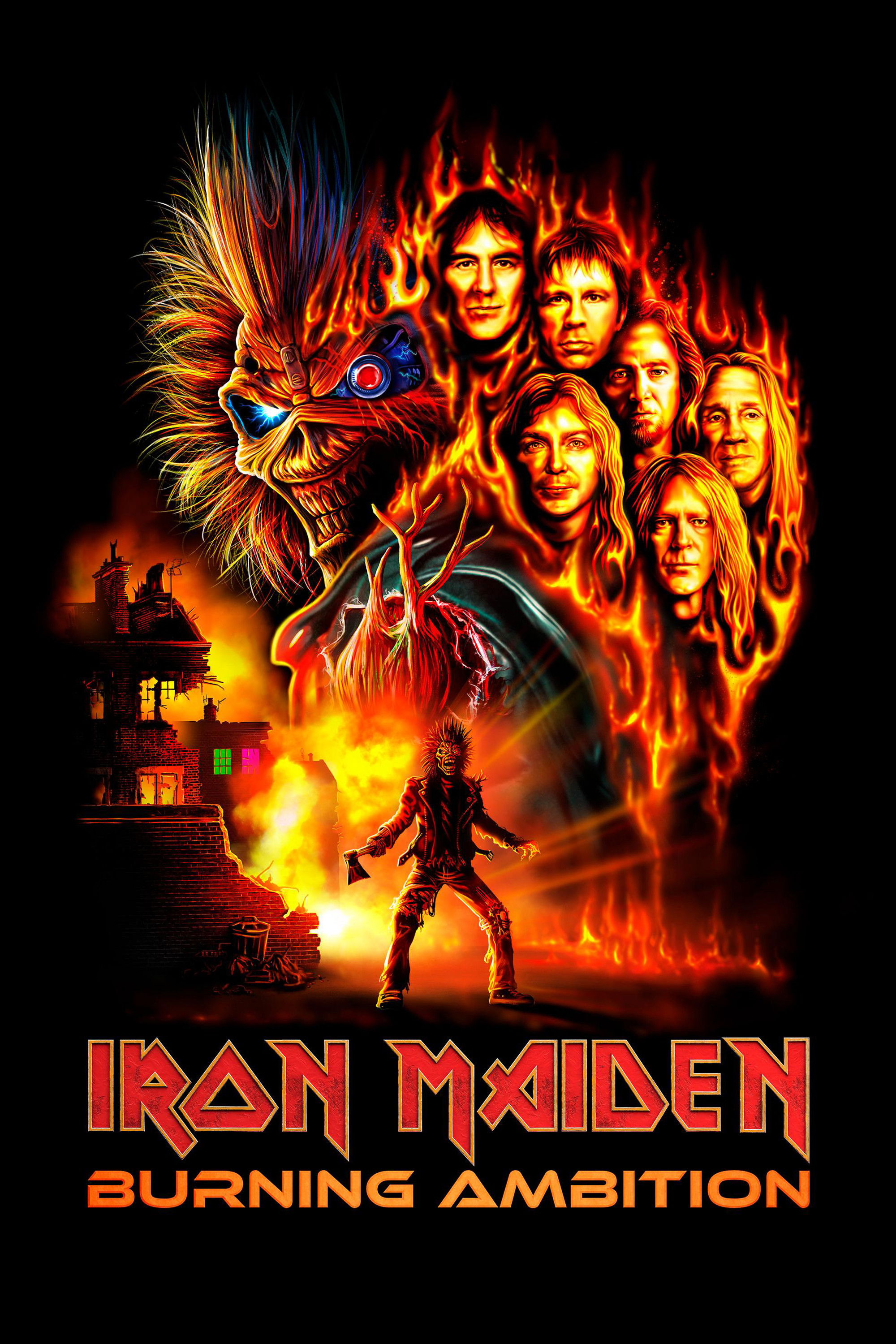
With unprecedented access to the official archives and intimate recollections from the band, both current and past, Iron Maiden: Burning Ambition invites fans to experience one of the most iconic journeys in music history. Spanning five decades, this electrifying documentary charts the band’s rise from the pubs of East London to the world’s biggest stadiums. Featuring exclusive interviews with band members and contributors such as Javier Bardem, Lars Ulrich and Chuck D, as well as all-new animated sequences of the band's legendary mascot, Eddie, the film offers a rare and intimate look at Iron Maiden’s uncompromising vision and unwavering connection with their truly global army of fans.
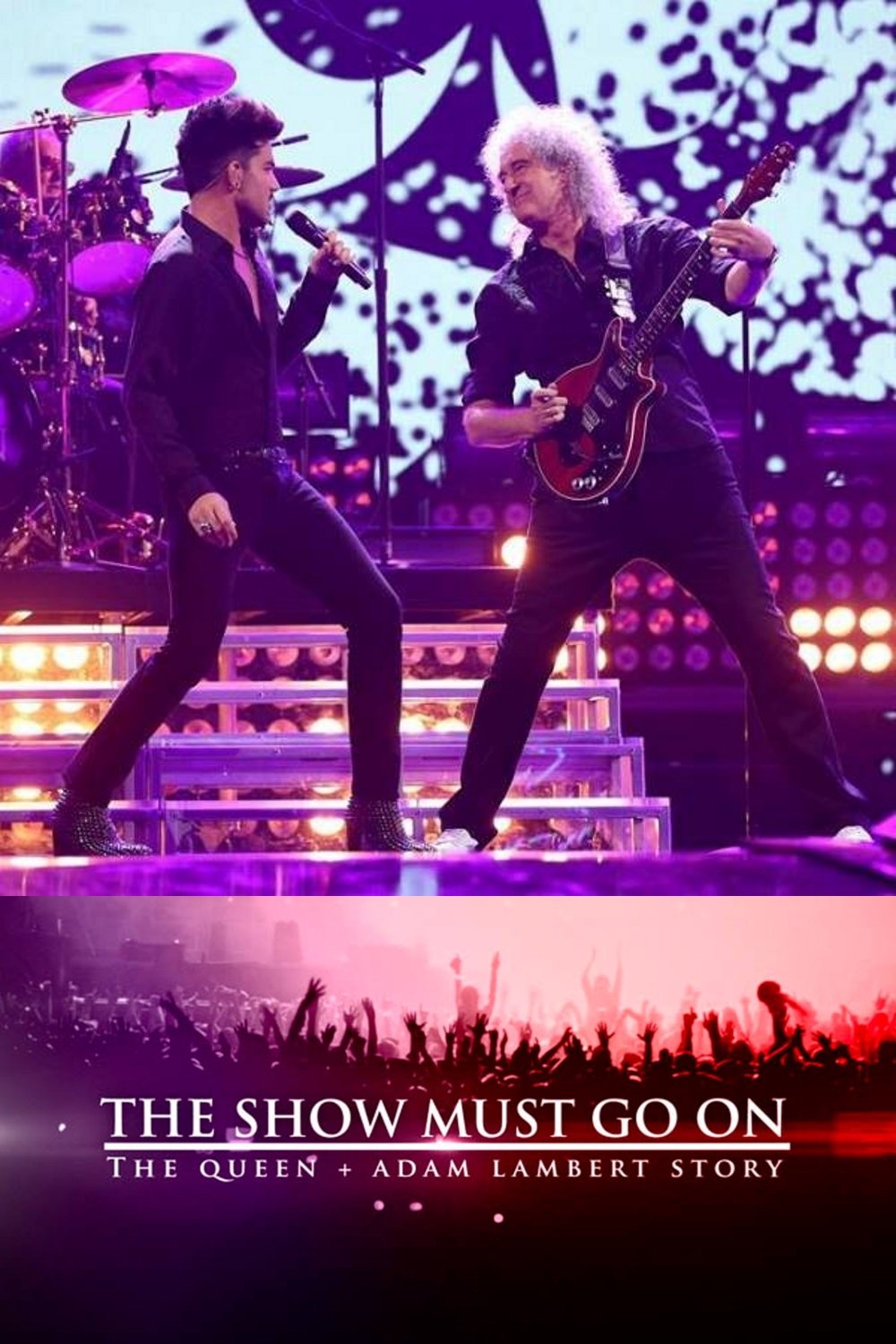
A documentary chronicling Queen and Lambert's incredible journey since they first shared the stage together on "American Idol" in 2009.
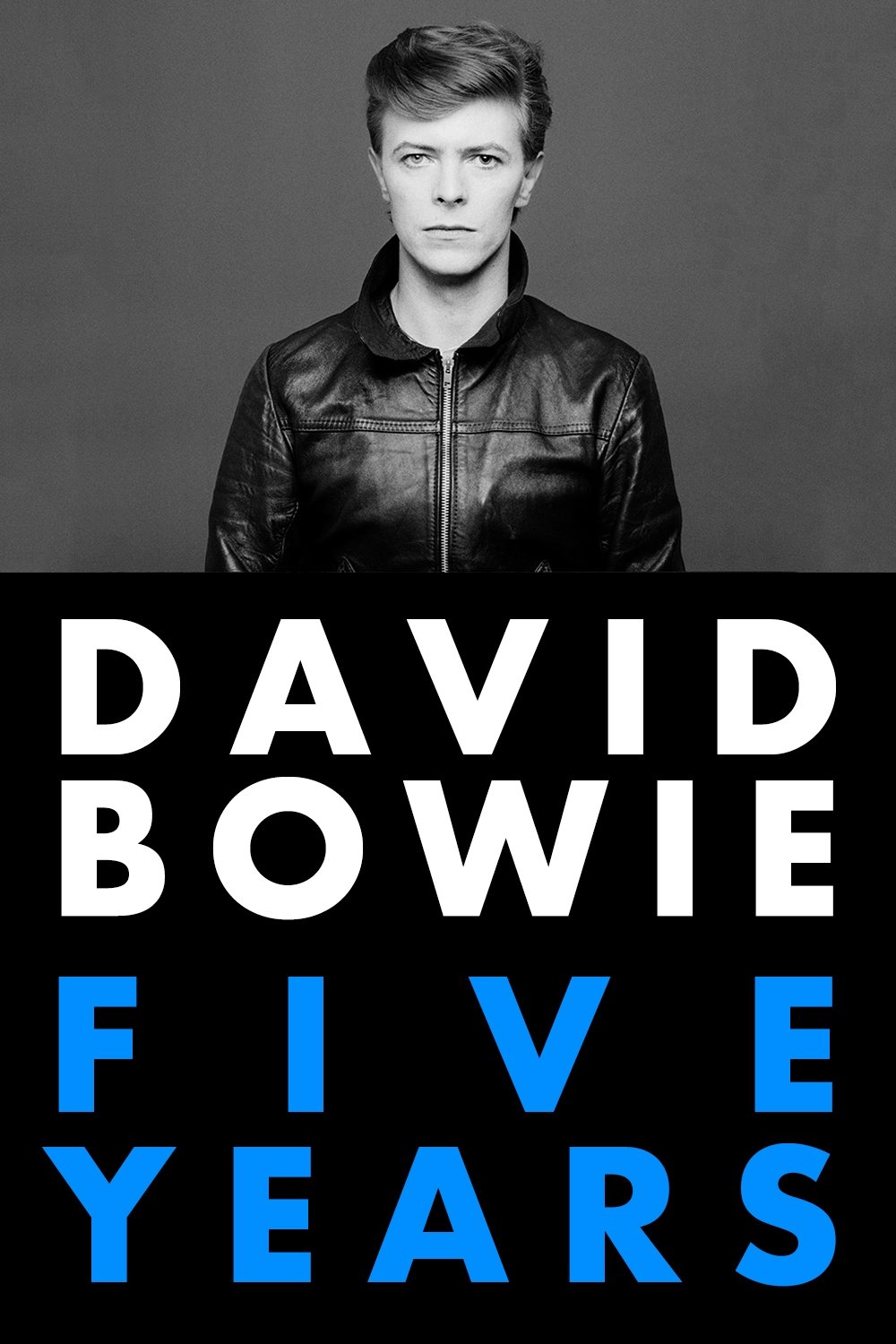
Featuring a wealth of previously unseen archive, this film looks at how Bowie continually evolved: from Ziggy Stardust to the Soul Star of Young Americans, to the ‘Thin White Duke’. It explores his regeneration in Berlin with the critically acclaimed album Heroes, his triumph with Scary Monsters and his global success with Let’s Dance. With interviews with all his closest collaborators, David Bowie - Five Years presents a unique account of why Bowie has become an ‘icon of our times’.
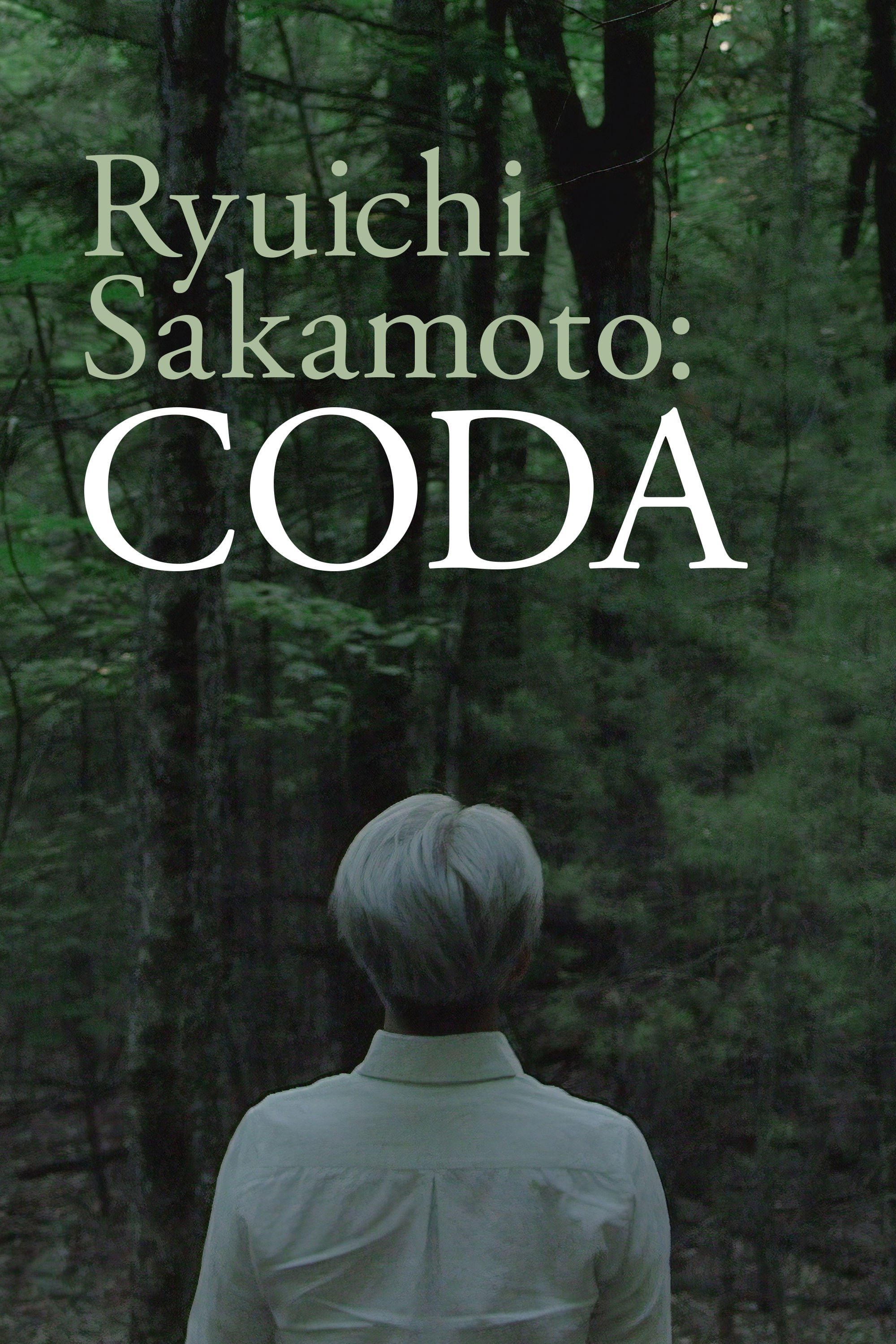
Oscar-winning composer Ryuichi Sakamoto weaves man-made and natural sounds together in his works. His anti-nuclear activism grew after the 2011 Fukushima disaster, and his career only paused after a 2014 cancer diagnosis.
The Up in Smoke Tour is a West Coast hip hop tour in 2000 featuring artists Ice Cube, Eminem, Proof, Snoop Dogg, Dr. Dre, Nate Dogg, Kurupt, D12, MC Ren, Westside Connection, Mel-Man, Tha Eastsidaz, Doggy's Angels, Devin The Dude, Warren G, TQ, Truth Hurts and Xzibit.
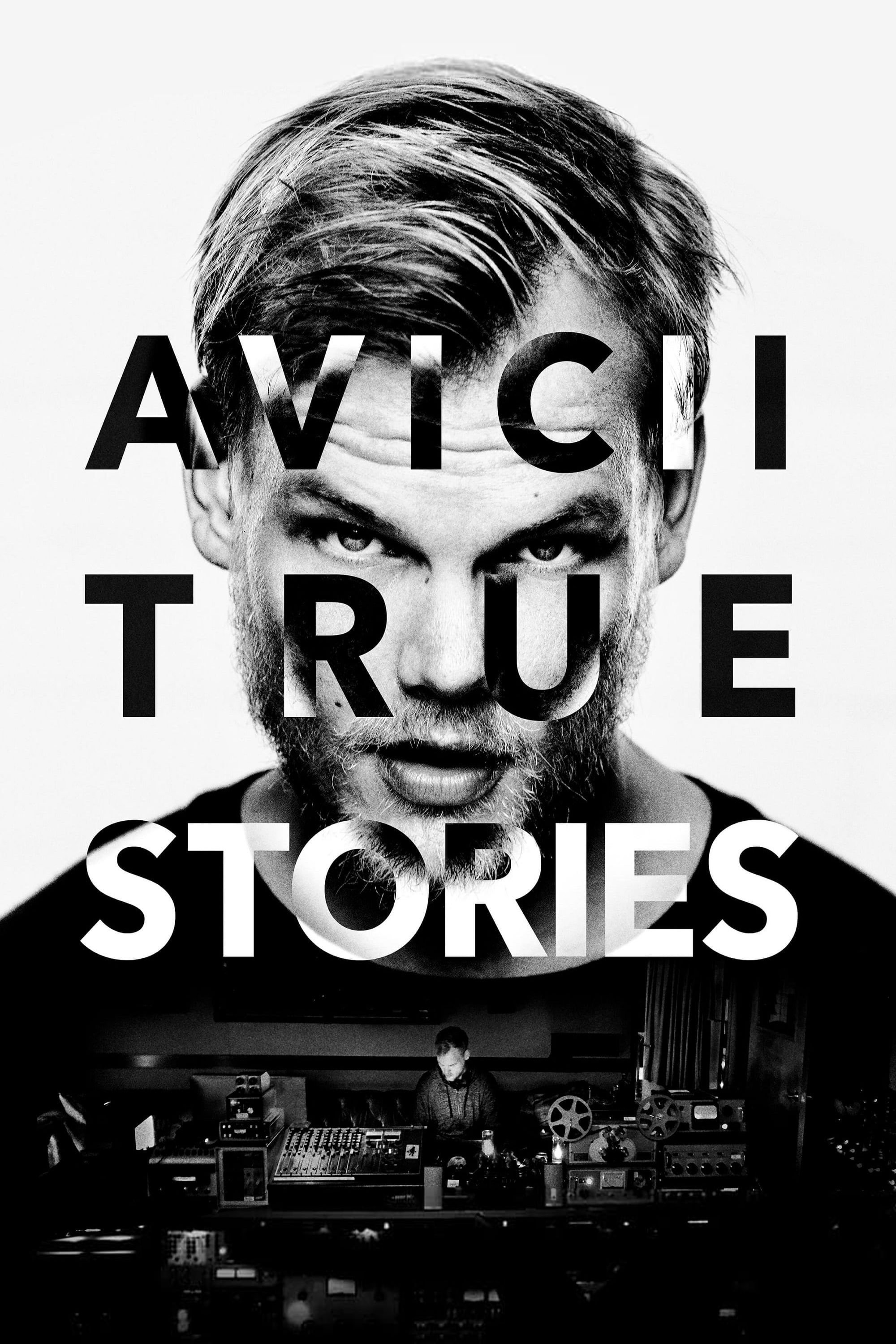
Documentary about the arena-packing Swedish DJ, chronicling his explosive rise to fame and surprising decision to retire from live performances in 2016.
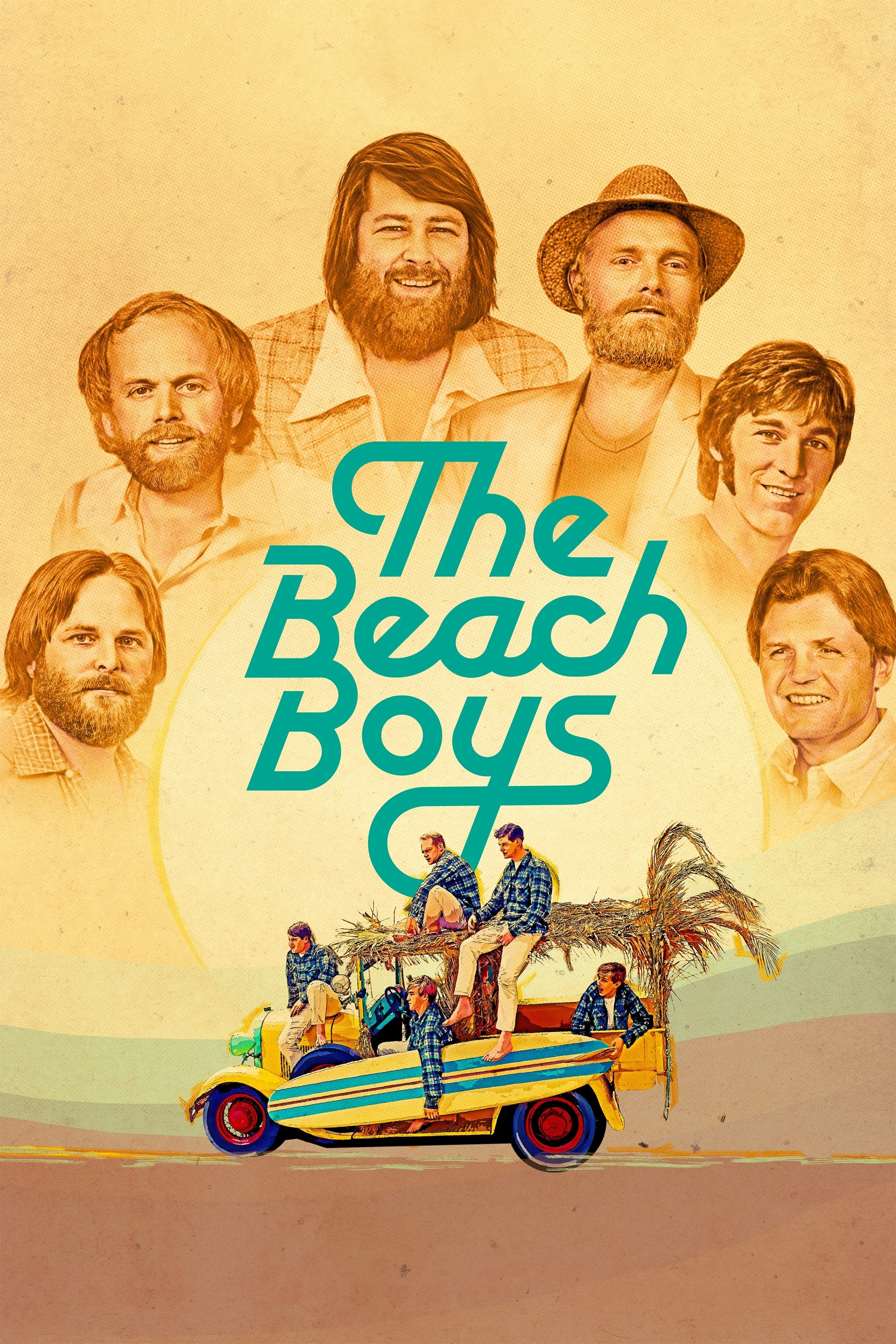
A celebration of the legendary band that revolutionized pop music, and the iconic, harmonious sound they created that personified the California dream, captivating fans for generations and generations to come.
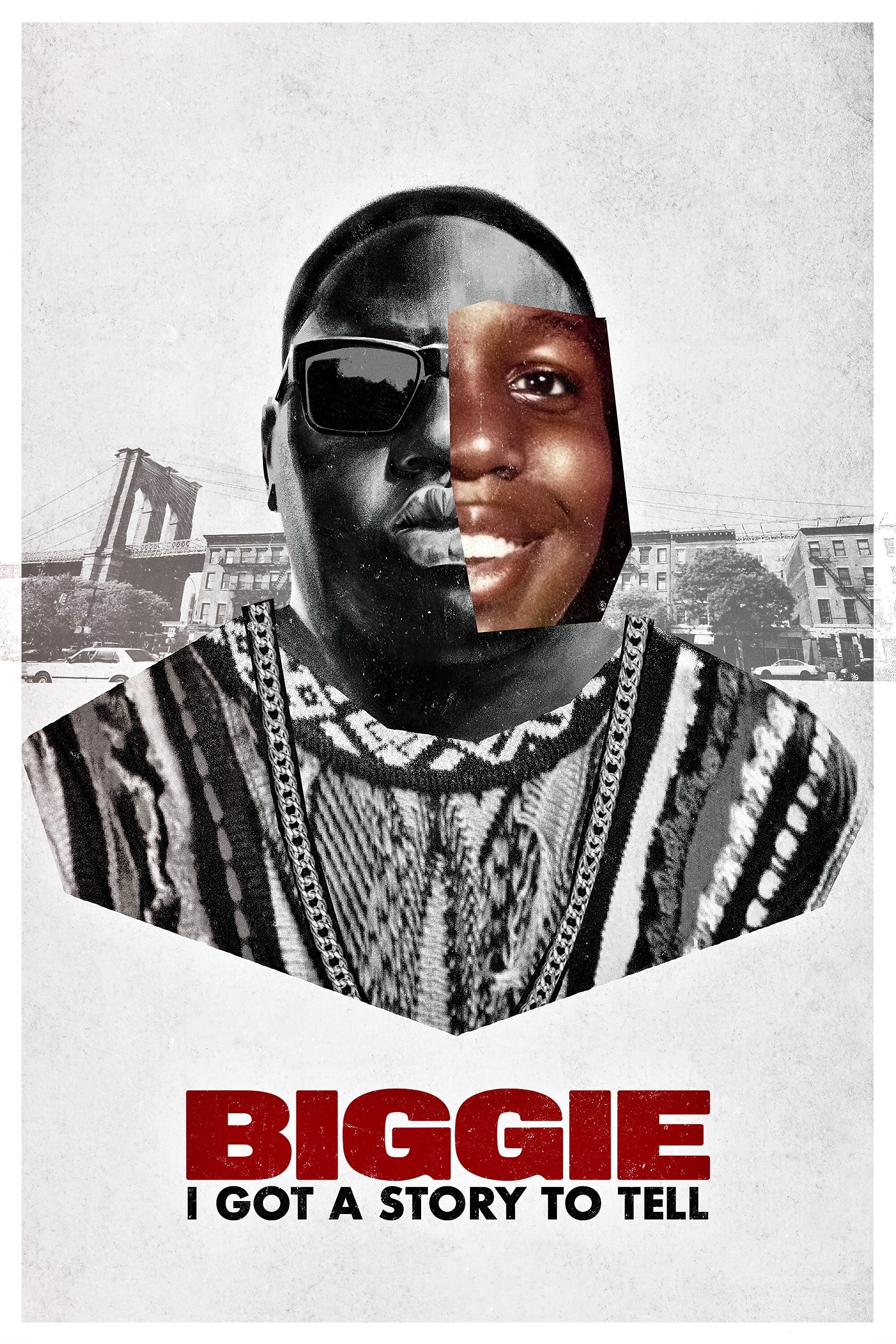
Christopher Wallace, AKA The Notorious B.I.G., remains one of Hip-Hop’s icons, renowned for his distinctive flow and autobiographical lyrics. This documentary celebrates his life via rare behind-the-scenes footage and the testimonies of his closest friends and family.
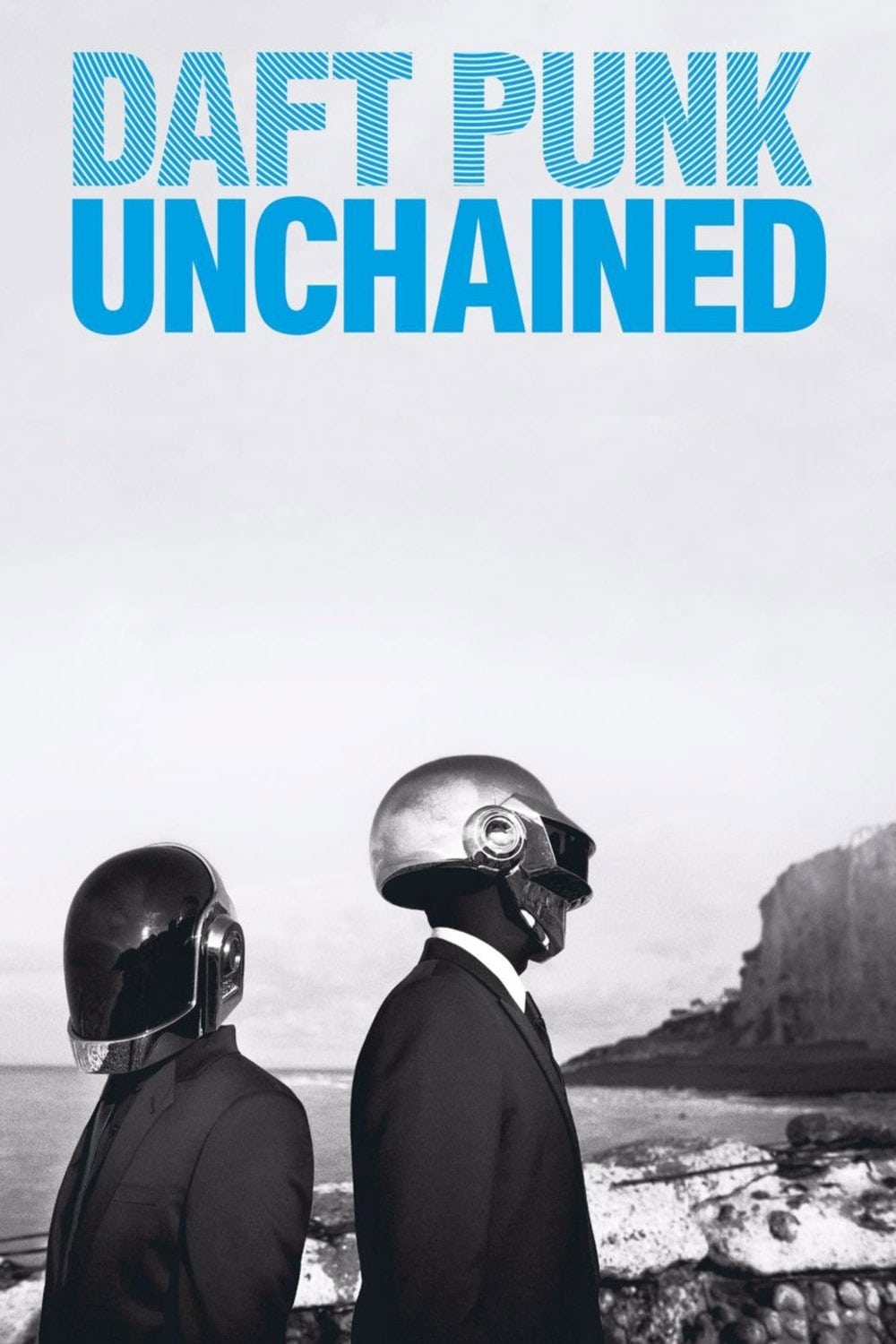
Daft Punk Unchained is the first film about the pop culture phenomenon that is Daft Punk, the duo with 12 million albums sold worldwide and seven Grammy Awards. Throughout their career Thomas Bangalter and Guy-Manuel de Homem-Christo have always resisted compromise and the established codes of show business. They have remained determined to maintain control of every link in the chain of their creative process. In the era of globalisation and social networks, they rarely speak in public and neither do they show their faces on TV. This documentary explores this unprecedented cultural revolution revealing a duo of artists on a permanent quest for creativity, independence and freedom.
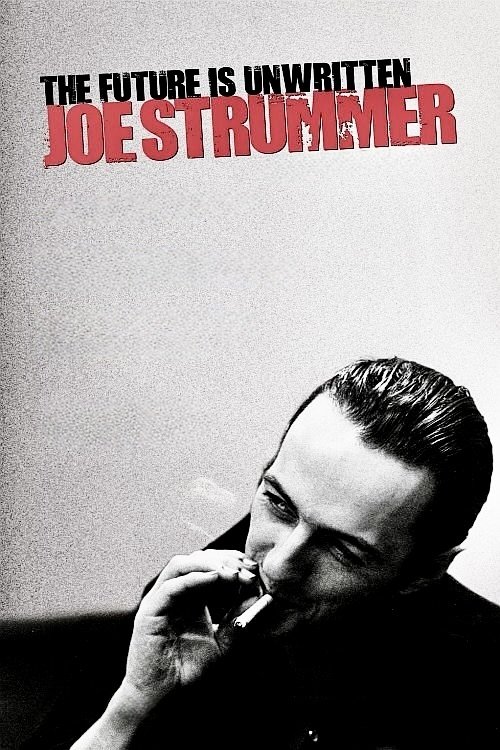
As the front man of the Clash from 1977 onwards, Joe Strummer changed people's lives forever. Four years after his death, his influence reaches out around the world, more strongly now than ever before. In "The Future Is Unwritten", from British film director Julien Temple, Joe Strummer is revealed not just as a legend or musician, but as a true communicator of our times. Drawing on both a shared punk history and the close personal friendship which developed over the last years of Joe's life, Julien Temple's film is a celebration of Joe Strummer - before, during and after the Clash.
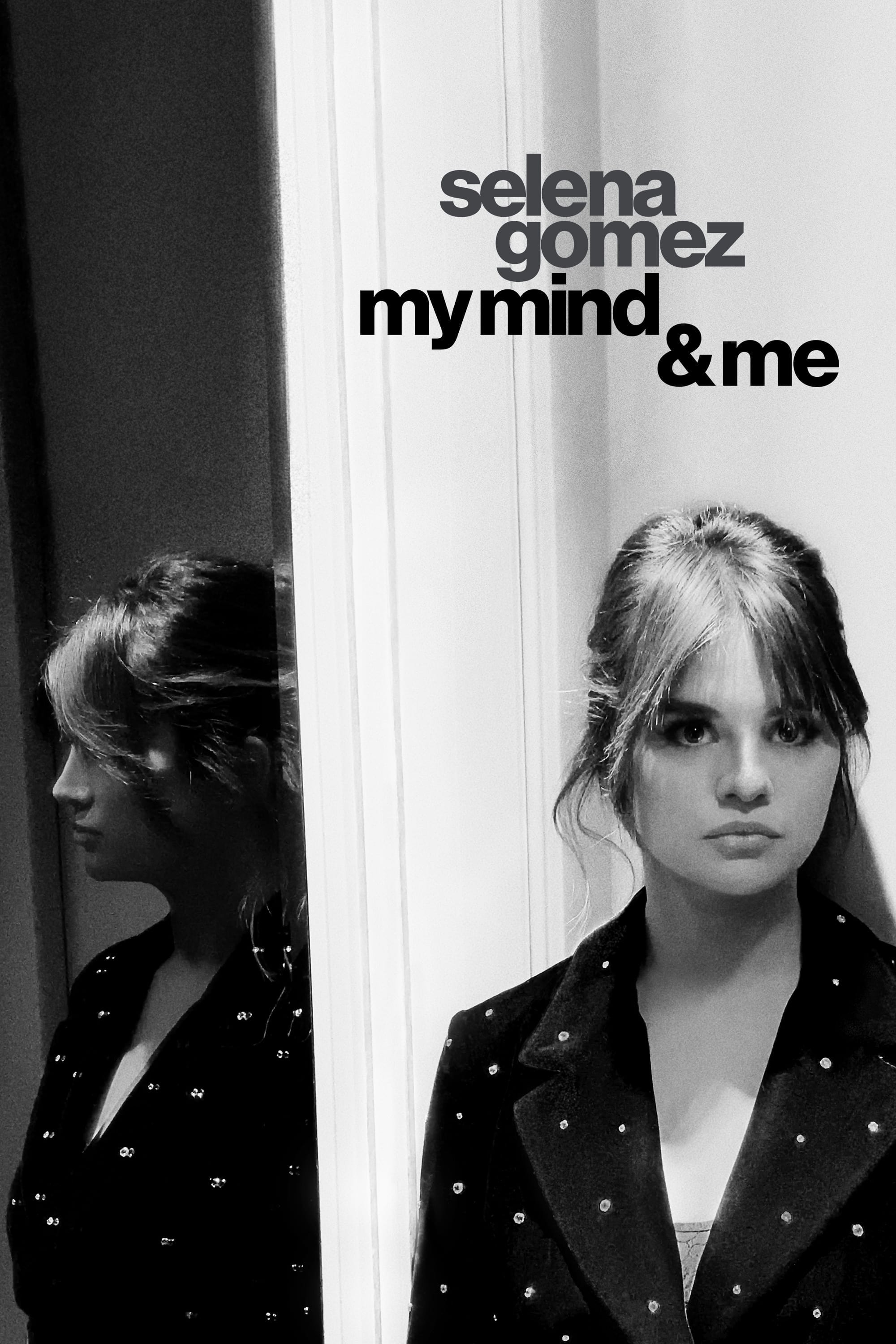
After years in the limelight, Selena Gomez achieves unimaginable stardom. But just as she reaches a new peak, an unexpected turn pulls her into darkness. This uniquely raw and intimate documentary spans her six-year journey into a new light.