From a marriage proposal to a broken condom, Fucking in love is an intimate journey based in New York, in the search of love and desire. A journey in flesh and emotion where submitting oneself to the other ignites an affirmation of the self.
Social & External
Herself
Guy Debord's analysis of a consumer society.

"Marx can wait" was something Camillo Bellocchio said to his twin Marco the last time they met before the former died at a young age in the heated days of 1968. This documentary is dedicated to his memory.
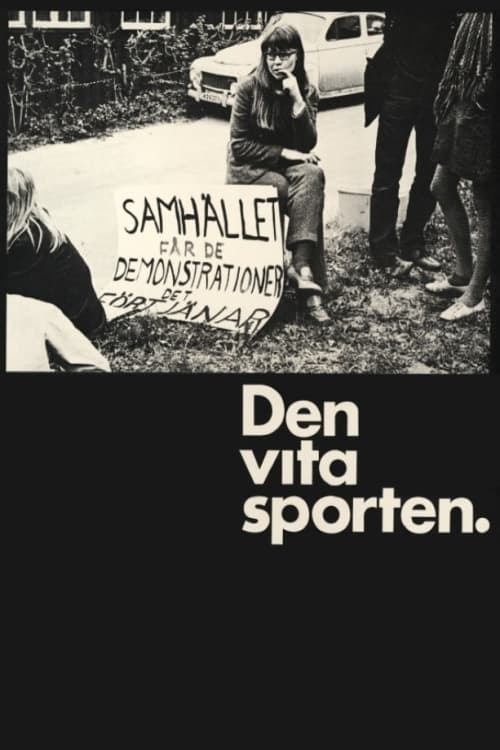
Documentary film about the protests against the 1968 Davis Cup tennis match between Sweden and Rhodesia, in Båstad, Sweden. In a series of interviews, demonstrators and members of the Swedish government give their views on sport, politics and civil disobedience.
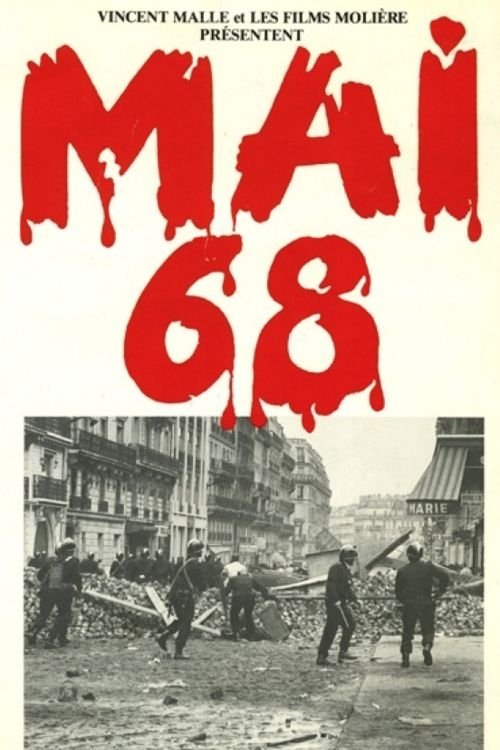
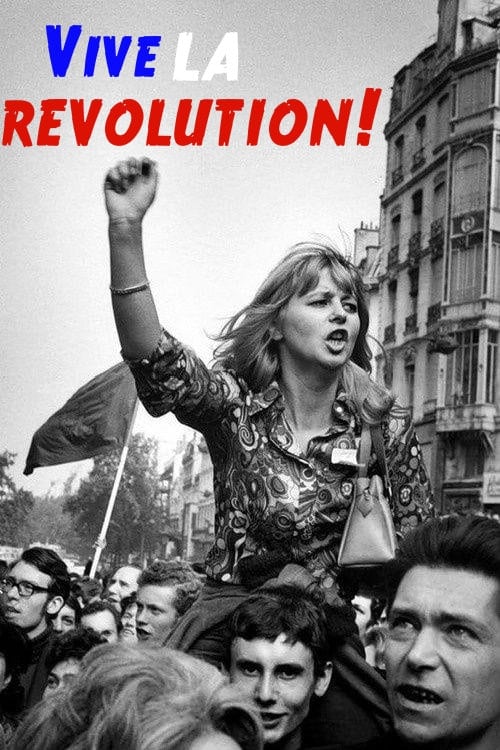
A montage film that begins in May 1, 68 and ends in mid-June. Everything is there: the students of Nanterre in revolt, the demonstrations, the cobbles, the barricades, the rioting nights, the busy Sorbonne, the happening of the Odeon, the factories on strike and Séguy who gets on the bandwagon , the general protest, 10 million French without work, de Gaulle and The reform, yes, the doglit, no, the Gaullist demonstration of May 30, Grenelle, the death of a high school student, the offensive Pompidou and the return in the factories.
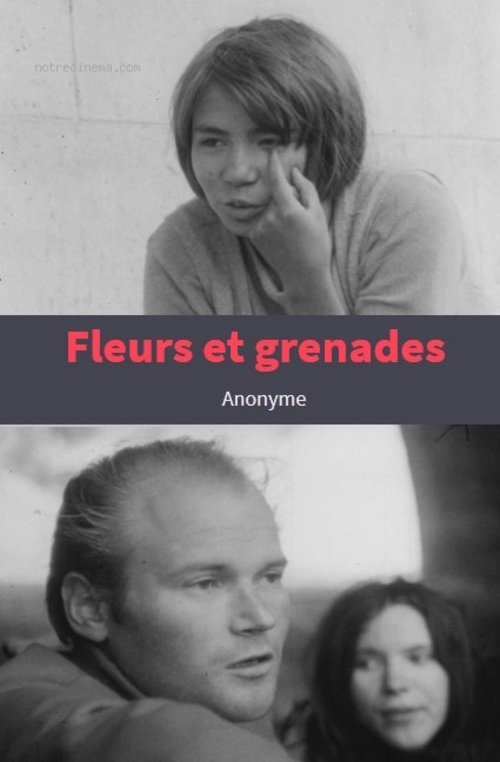
A film considered almost lost even by Garrel, who recently found his negatives. Shot during the events of the May 68, it was made collectively; the film is a merge of Garrel’s and his partners’ points of view, all of them students and filmmakers that participated in the revolt.
Feeling unfair about the power's portrayal of all its opponents, at the dawn of the '68 protests a young man decided to become a photographer to set things right. "Taking a good picture is a great act of faith". Tano D'Amico thus began a journey that would lead him to be at the forefront of the social battles of the 1970s: the birth of new movements, "the appearance on the threshold of history of a people who had never entered history", the hopes, illusions and betrayals. Tano still continues to photograph workers, the homeless, migrants, the last people and all those who take protest to the streets.
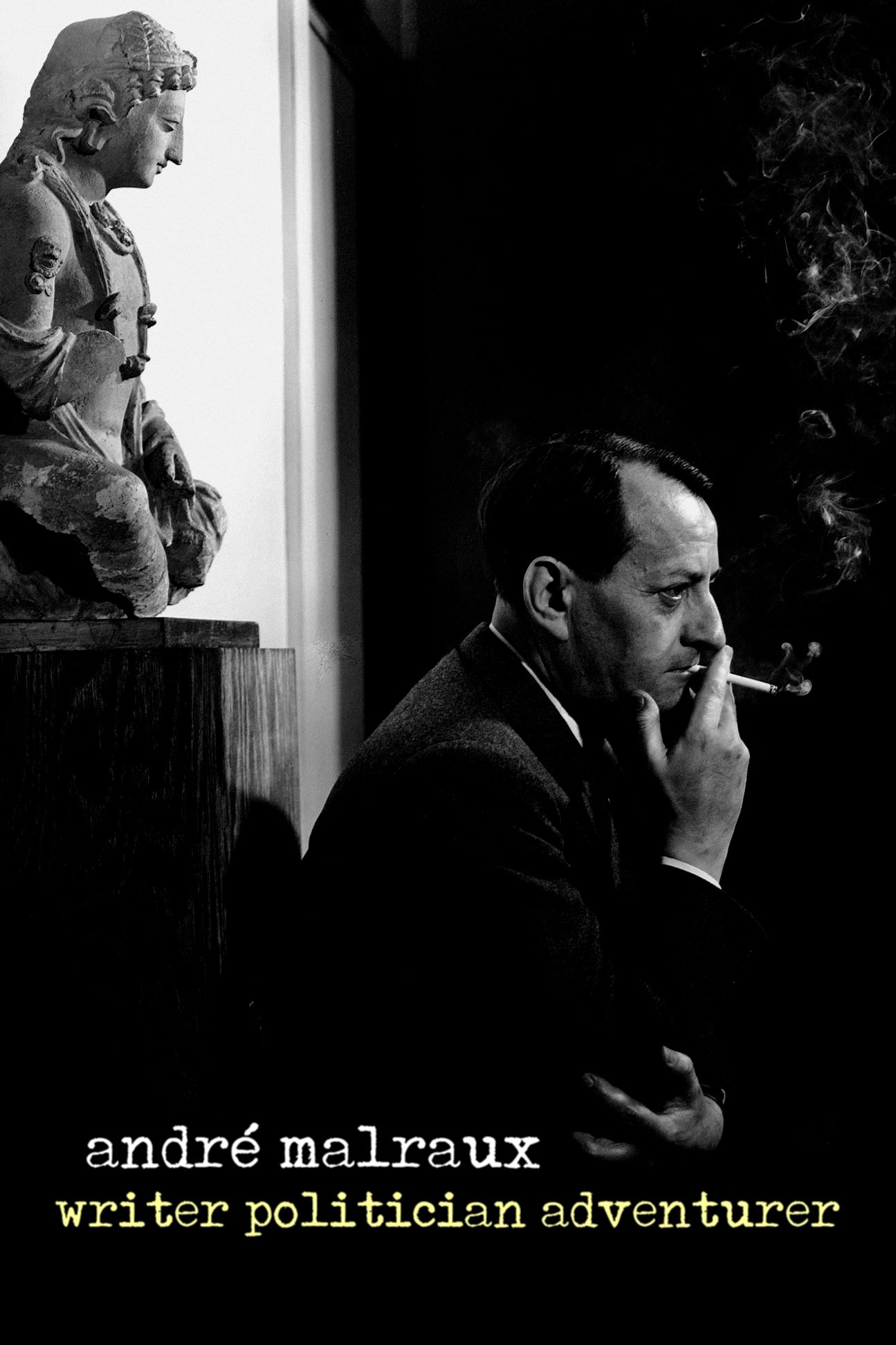
Writer, journalist, explorer, filmmaker, communist militant, freedom fighter. Truths and lies. A plot twist. Politician. General De Gaulle's shadow. Overwhelmed by the weight of power. The numerous exploits of André Malraux (1901-1976).
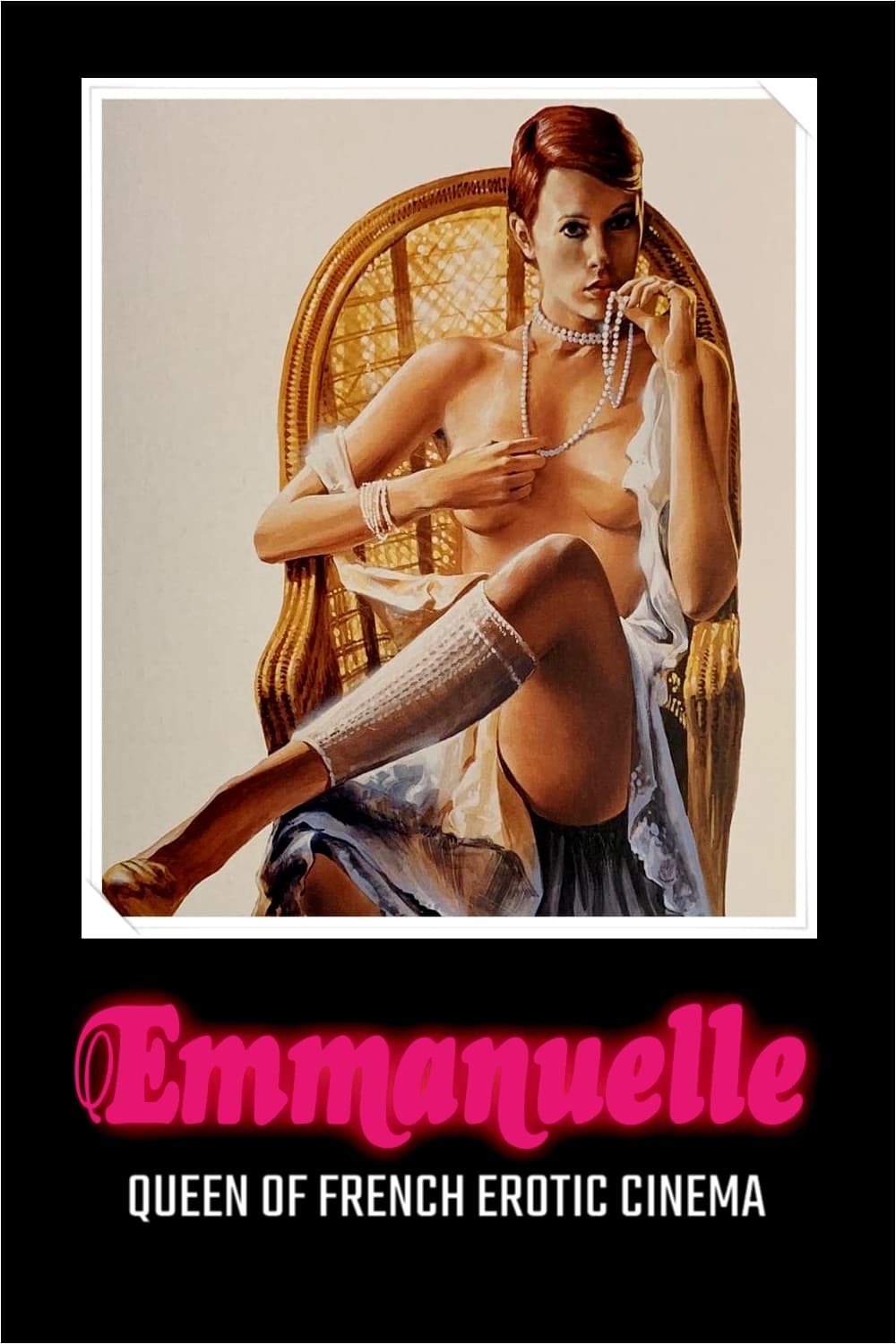
France, 1974. The erotic film Emmanuelle, directed by Just Jaeckin, breaks all records for cinema attendance: the story of the creation of a sensual epic that marked a turning point in the struggle for sexual emancipation.
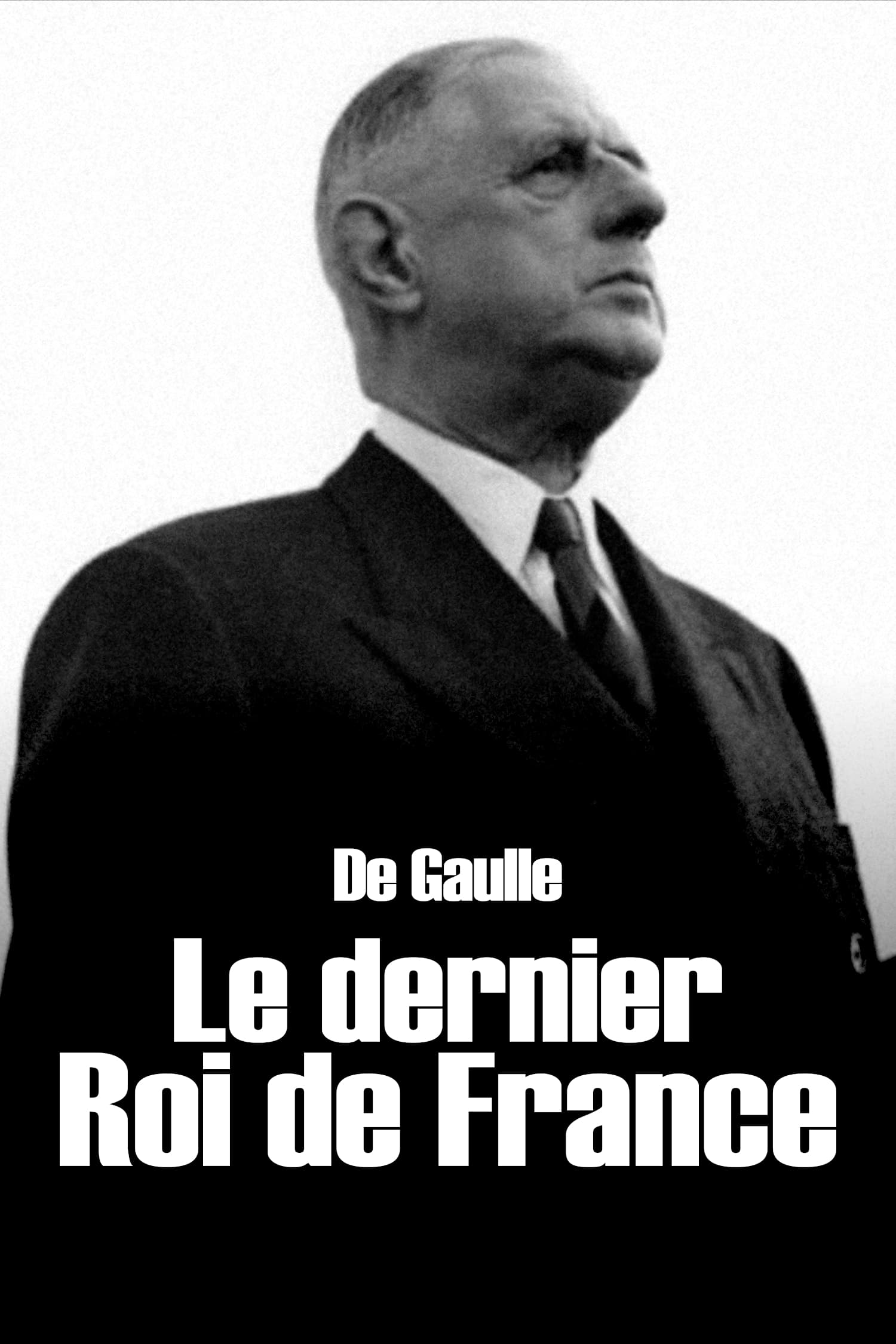
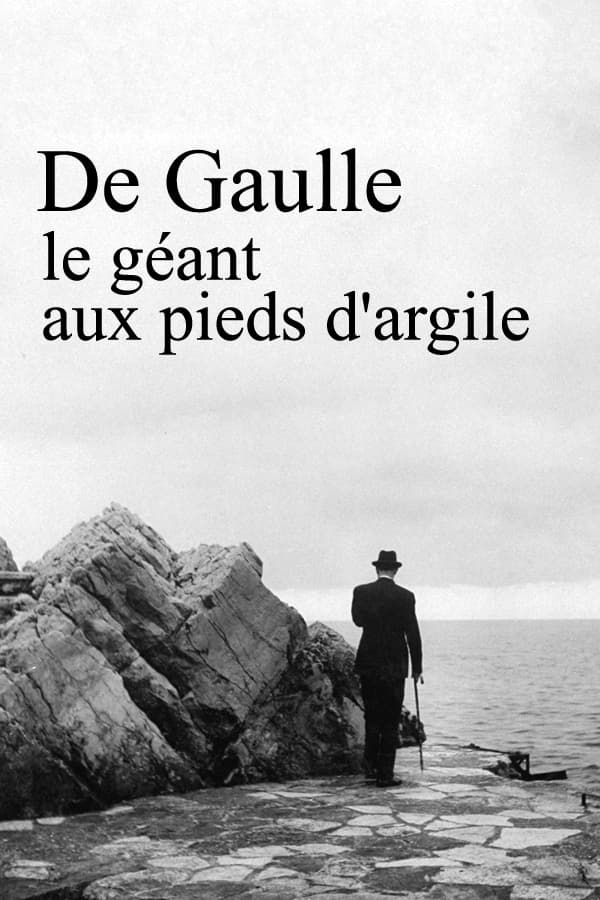
Charles de Gaulle, the first president (1958-1969) of the Vth Republic, France’s current system of government, left his mark on the country . He was statesman of action and has been compared to a monarch. This film depicts the general’s personality through the great events of his presidential term, at a time when the world was undergoing considerable changes.
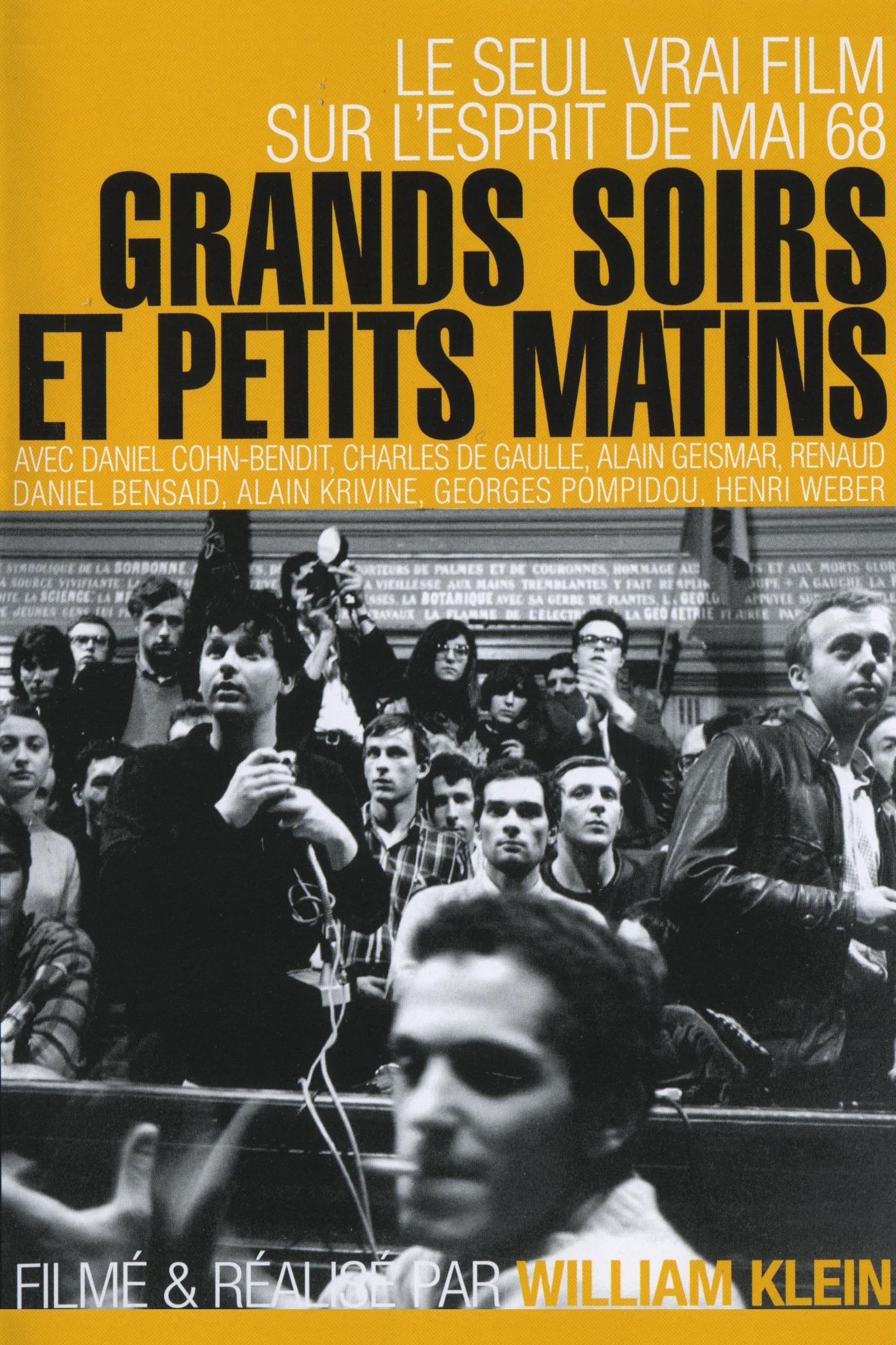
Filmmaker William Klein documents the Paris student riots that occurred in May of 1968.
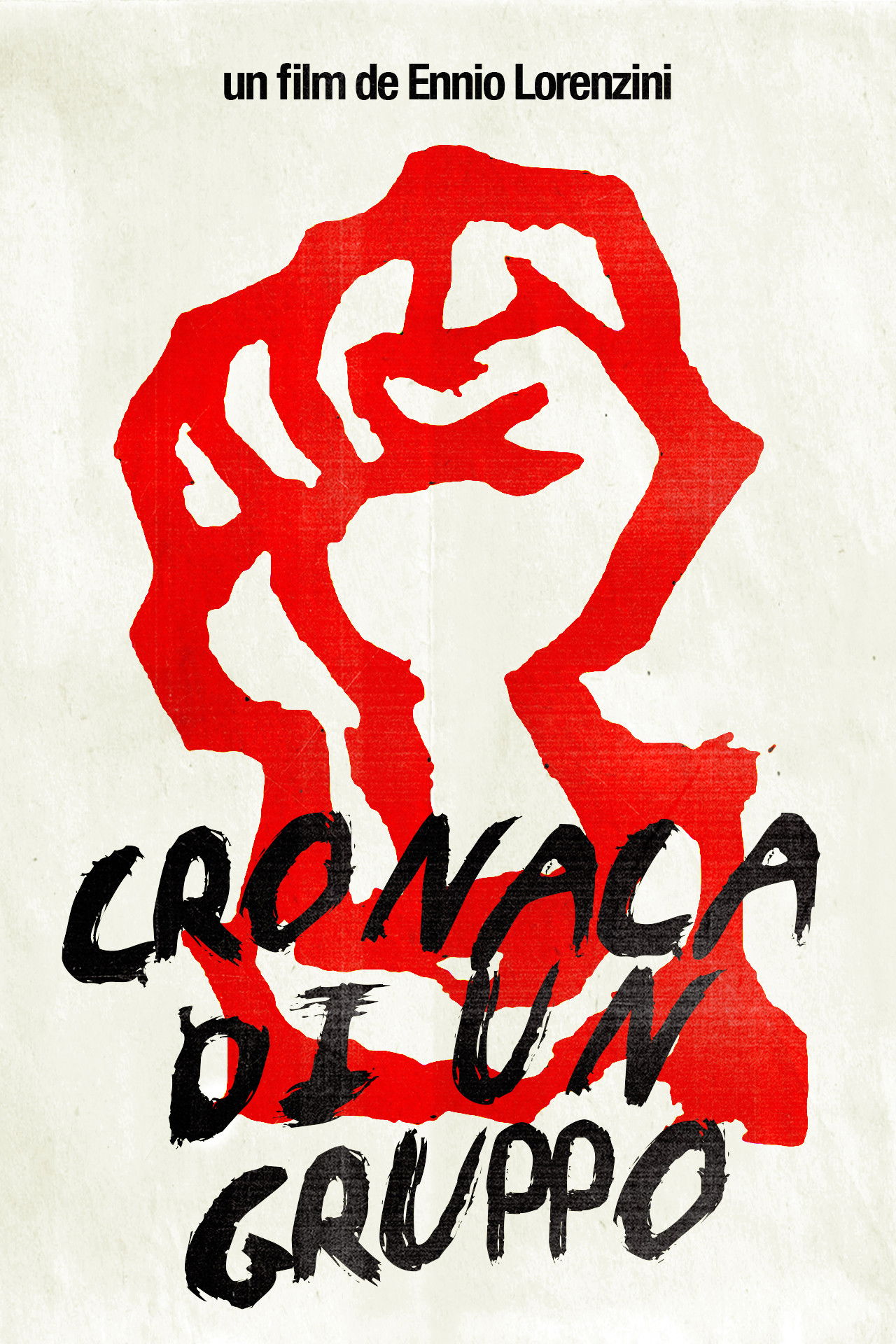
Produced within the framework of the “Programmi Sperimentali” of Italian public television (structure of the RAI which allowed, in the 1970s, the production of films such as Lutte en Italie by the Dziga Vertov Group, Cancer by Glauber Rocha or Perché pagare per essere felici by Marco Ferreri), Cronaca di un gruppo tells the story of a group of young French revolutionaries who, between Paris and the Pyrenees region, are looking for ways to continue their political activities, through the theater experimental and counter-information, the day after May 68. Produced in collaboration with Gianni Toti, Didier Sandre and the Nanterre experimental theater group.
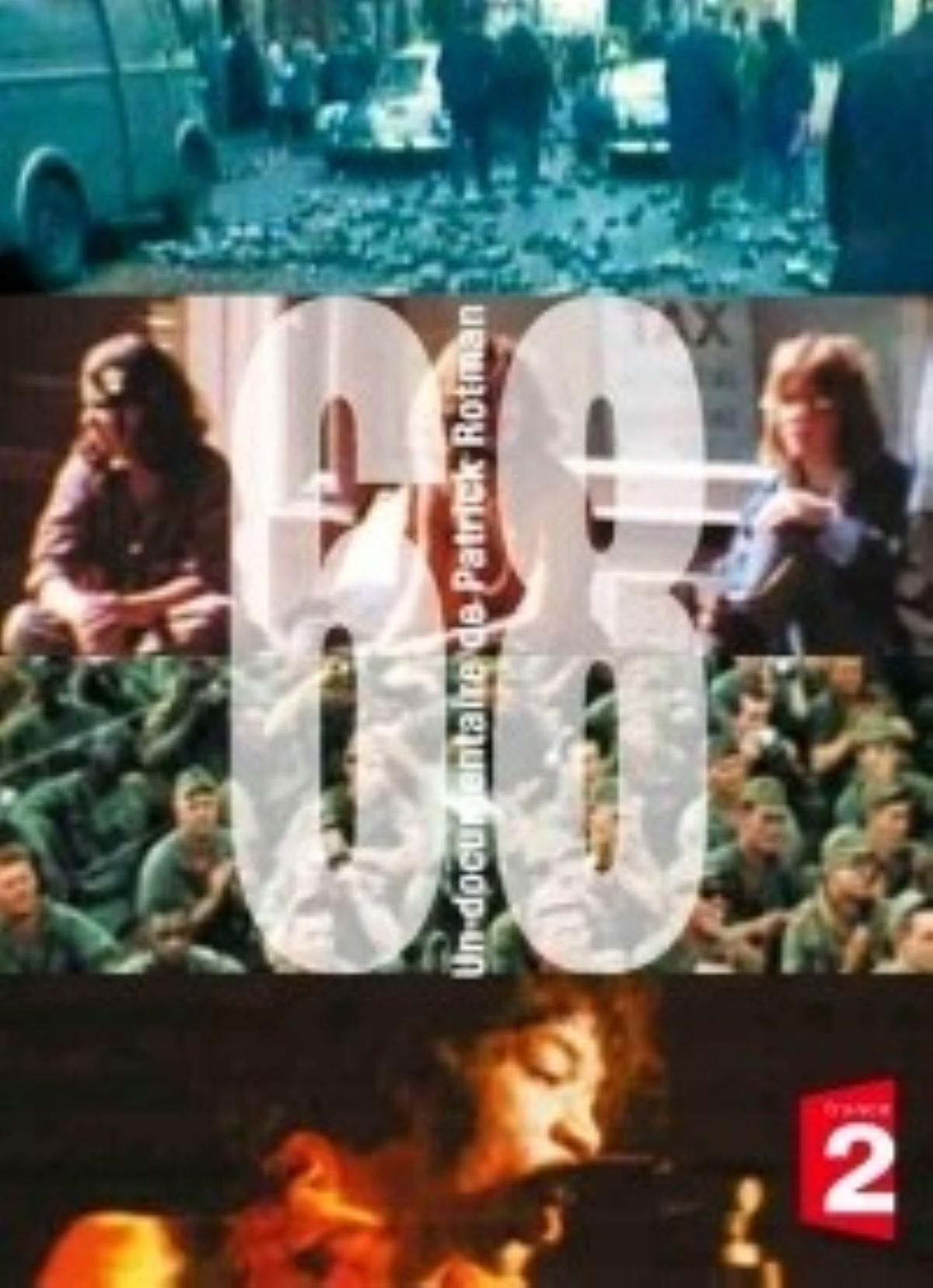
From Washington to Saigon, Rome to Mexico, Paris to Prague, a wave of protests shook the world. 68 looks back at the looks back at the Vietnam War, the Prague Spring and the Soviet Invasion, the Paris riots, Dubcek, Che Guevara, De Gaulle, Cohn-Bendrik and more. A dive into the chaos of a turbulent year, featuring fantastic colour footage and the music of Jimi Hendrix, Janis Joplin, Jim Morrisson and Bob Dylan.
Paris, Latin Quarter, May 1968. Images of barricades and police movements in the street. In his bedroom, on his bed, a young man indulges in daydreams that invade the whole space.
A year in the life of Elsa Michaud and Gabriel Gauthier, students of Fine Arts in Paris, lovers in troubled times, overwhelmed by maddening verbal and auditory stimuli, witnesses of a globalized violence more visible than ever in a chaotic digital era, in which the slow execution of simple gestures in a silent performance is an act of resistance.
In 1968 Joan Bakewell was one of the few female TV presenters, fronting the BBC's Late Night Line-Up and addressing daily the most pressing issues of the time. In this film she looks back at the events that led to what for many became the defining event of that extraordinarily turbulent year - the protests in France in May. While the rest of the world was in turmoil, with the Vietnam War causing increasing dissent, the Civil Rights movement growing in intensity and young people finding new ways of expressing themselves, as 1968 began it seemed to France's president, General de Gaulle, that his country was immune to the kind of protest sweeping the rest of the world.
In 1969, the Renovación Universitaria movement and the subsequent raid on the Central University of Venezuela by the government of Rafael Caldera, triggered a strong wave of protest in the Institutes of Higher Education in Venezuela. This documentary collects part of the events that took place in the city of Mérida, Mérida State, where the University of the Andes is located.
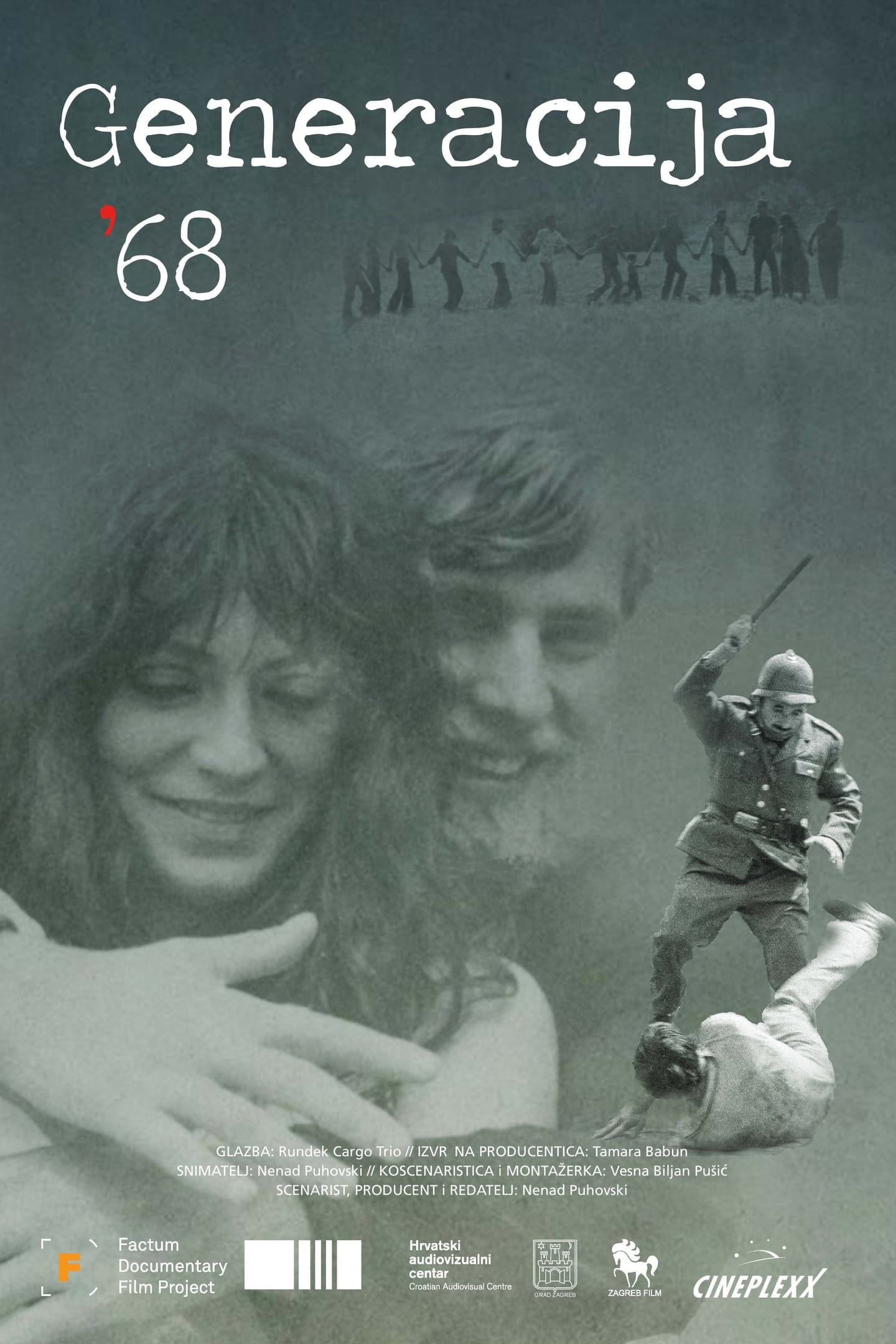
With his film Generation '68, the author makes a homage to the generation with which he shares his youthful enthusiasm and the idea about a revolution that will change the world, while being "realistic and demanding the impossible". At the same time he questions the true impact of these changes on social and - probably more important - private level. Having ideas is easy; making them look credible to the generations that follow is somewhat more difficult. By rejecting the ideals of the 1968 as unworkable, the new generations are coming up with some of their own, maybe even more unrealistic ones...
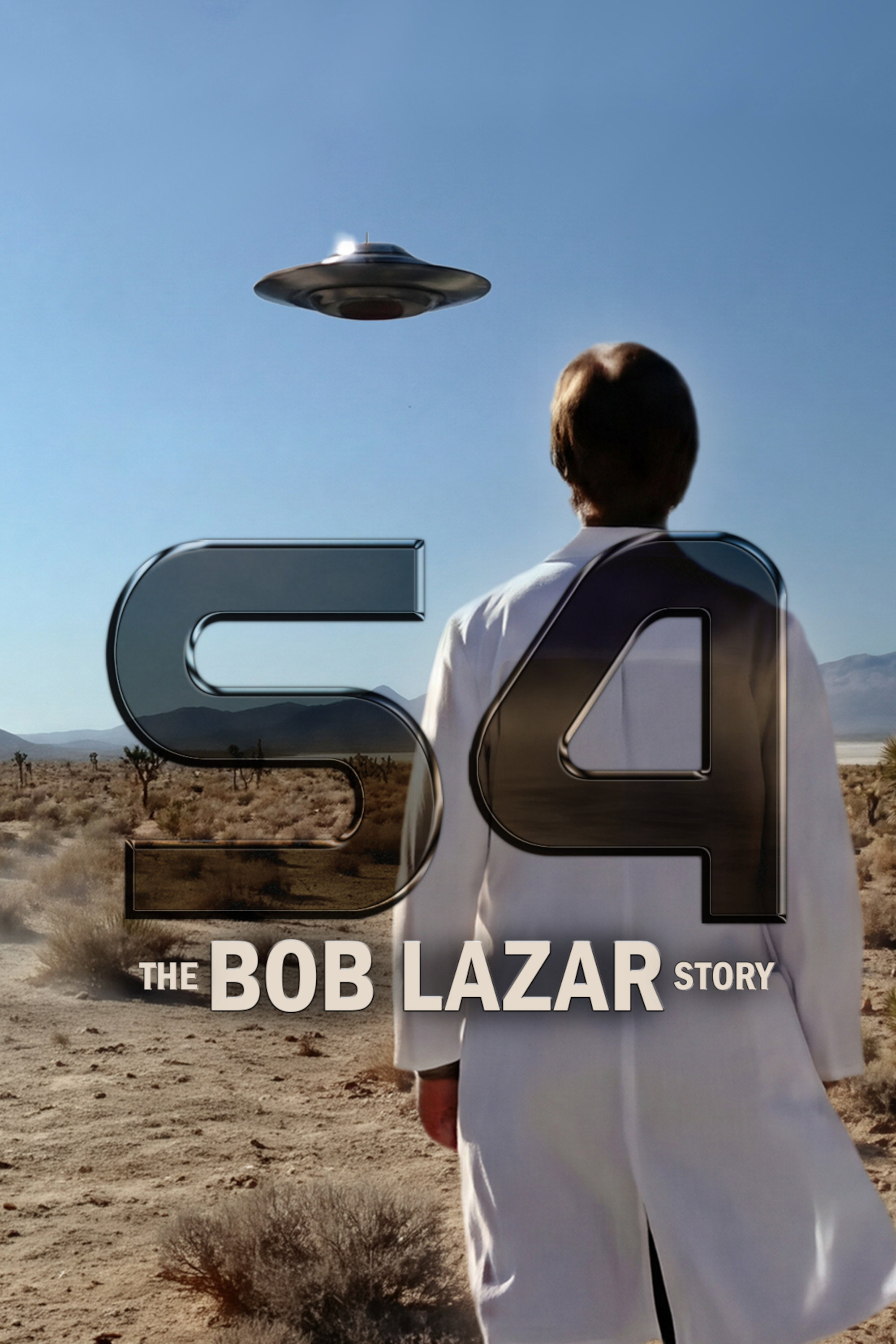
A look at the origins, history and conspiracies behind the "Majestic 12", a clandestine group of military and corporate figureheads charged with reverse-engineering extraterrestrial technology.
A purely observational non-fiction film that takes viewers into the ethically murky world of end-of-life decision making in a public hospital.
JB Smoove and Martin Starr host a celebration of 20 years of "Spider-Man" movies, from the Sam Raimi trilogy to Marc Webb's movies and the trio from Jon Watts.
Artists in LA discover the work of forgotten Polish sculptor Stanislav Szukalski, a mad genius whose true story unfolds chapter by astounding chapter.
Brilliant, long in-the-works story of the life and art of the world's greatest comedian and the cinema's first genius, Charlie Chaplin. Produced, written and directed by renowned film critic Richard Schickel.
Those who knew iconic funnyman John Candy best share his story, in their own words, through never-before-seen archival footage, imagery, and interviews.
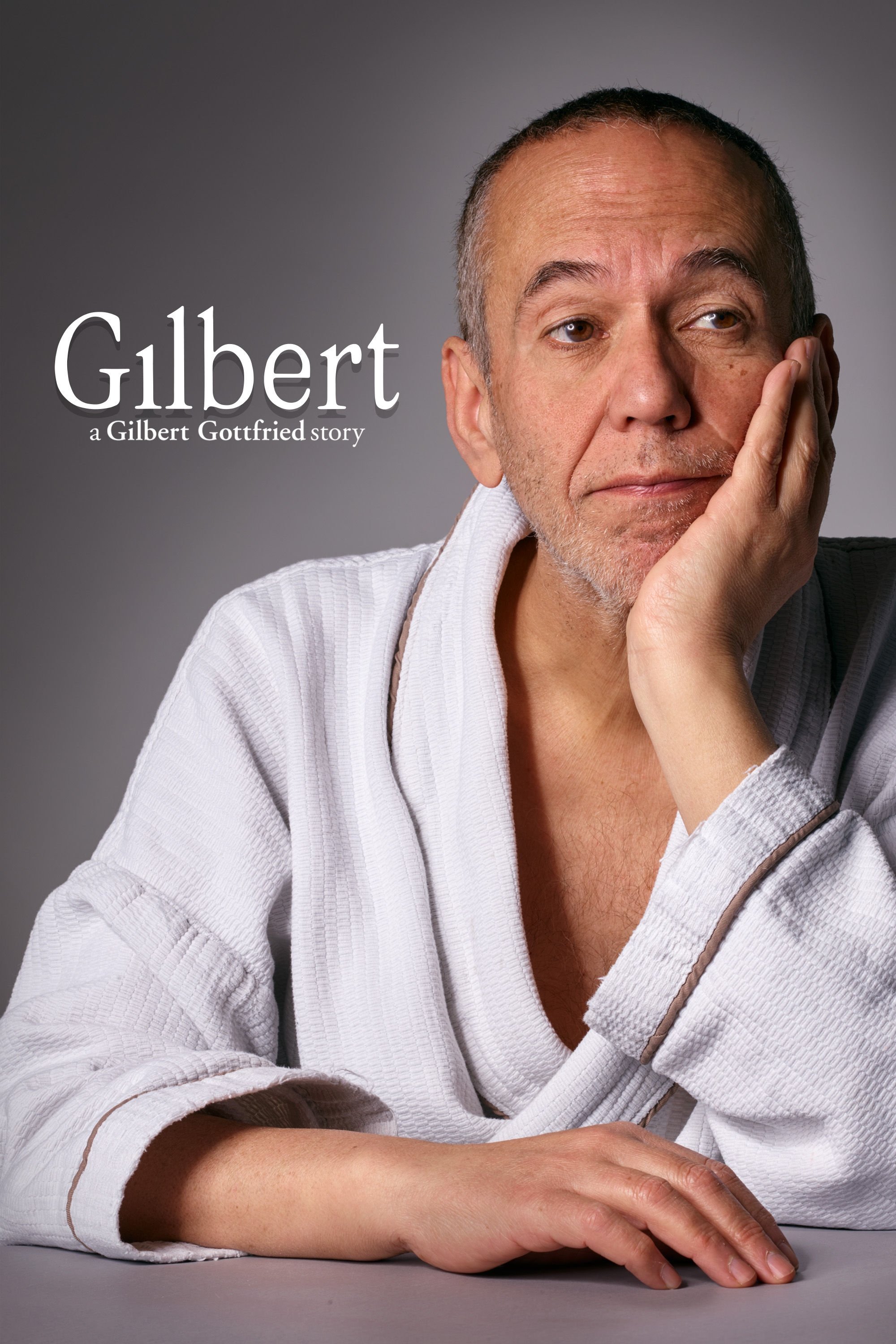
The life and career of one of comedy's most inimitable modern voices, Mr. Gilbert Gottfried.
Retrospective documentary about the making of the horror cult classic "The Return of the Living Dead."
Al Pacino's deeply-felt rumination on Shakespeare's significance and relevance to the modern world through interviews and an in-depth analysis of "Richard III."
A documentary about the life and films of director John Ford.
Director Michael Apted revisits the same group of British-born adults after a 7 year wait. The subjects are interviewed as to the changes that have occurred in their lives during the last seven years.
When Allied forces liberated the Nazi concentration camps in 1944-45, their terrible discoveries were recorded by army and newsreel cameramen, revealing for the first time the full horror of what had happened. Making use of British, Soviet and American footage, the Ministry of Information’s Sidney Bernstein (later founder of Granada Television) aimed to create a documentary that would provide lasting, undeniable evidence of the Nazis’ unspeakable crimes. He commissioned a wealth of British talent, including editor Stewart McAllister, writer and future cabinet minister Richard Crossman – and, as treatment advisor, his friend Alfred Hitchcock. Yet, despite initial support from the British and US Governments, the film was shelved, and only now, 70 years on, has it been restored and completed by Imperial War Museums under its original title "German Concentration Camps Factual Survey".
A detailing of the rise to prominence and global sporting superstardom of six supremely talented young Manchester United football players (David Beckham, Nicky Butt, Ryan Giggs, Paul Scholes, Phil and Gary Neville). The film covers the period 1992-1999, culminating in Manchester United's European Cup triumph.
A documentary on a former Miss Wyoming who is charged with abducting and imprisoning a young Mormon Missionary.
A sexual wellness company gains fame and followers, then members come forward with shocking allegations.
A visual montage portrait of our contemporary world dominated by globalized technology and violence.
In this genre-bending tale, Errol Morris explores the mysterious death of a U.S. scientist entangled in a secret Cold War program known as MK-Ultra.
Follow the evolution of the 'Halloween' movies over the past twenty-five years. It examines why the films are so popular and revisits many of the original locations used in the films - seeing the effects on the local community. For the first time, cast, crew, critics and fans join together in the ultimate 'Halloween' retrospective.
The most comprehensive retrospective of the '80s action film genre ever made.
Lyrical and powerfully personal essay film that reflects on the deaths of her husband Lou Reed, her mother, her beloved dog, and such diverse subjects as family memories, surveillance, and Buddhist teachings.