Survey of the Boer war with reconstructions and actualities.
Social & External
Historic look at the Columbia River and its development. This film contains rare footage of Grand Coulee Dam construction, Indian fishing at Celilo Falls and the 1948 Vanport flood.
A look at the unusual process used in the making of the film Shortbus (2006) featuring interviews, behind the scenes footage and clips from the feature film. Director John Cameron Mitchell starts with the concept of using real sex in a film with a positive message. The cast of unknowns is selected from homemade audition tapes and then a callback audition workshop. More acting workshops are used to develop the characters and script. The project overcomes a number of obstacles and the rest of the film's development is followed up until its premiere at the Cannes Film Festival.
The film attempts a philosophical understanding of some chapters of the Gospel and raises questions about the surmountability of the exoteric barrier.
A city, three streams, its overlooked urban green and the water that never stops running
A look back at a 70s cult classic, Tower of Evil.
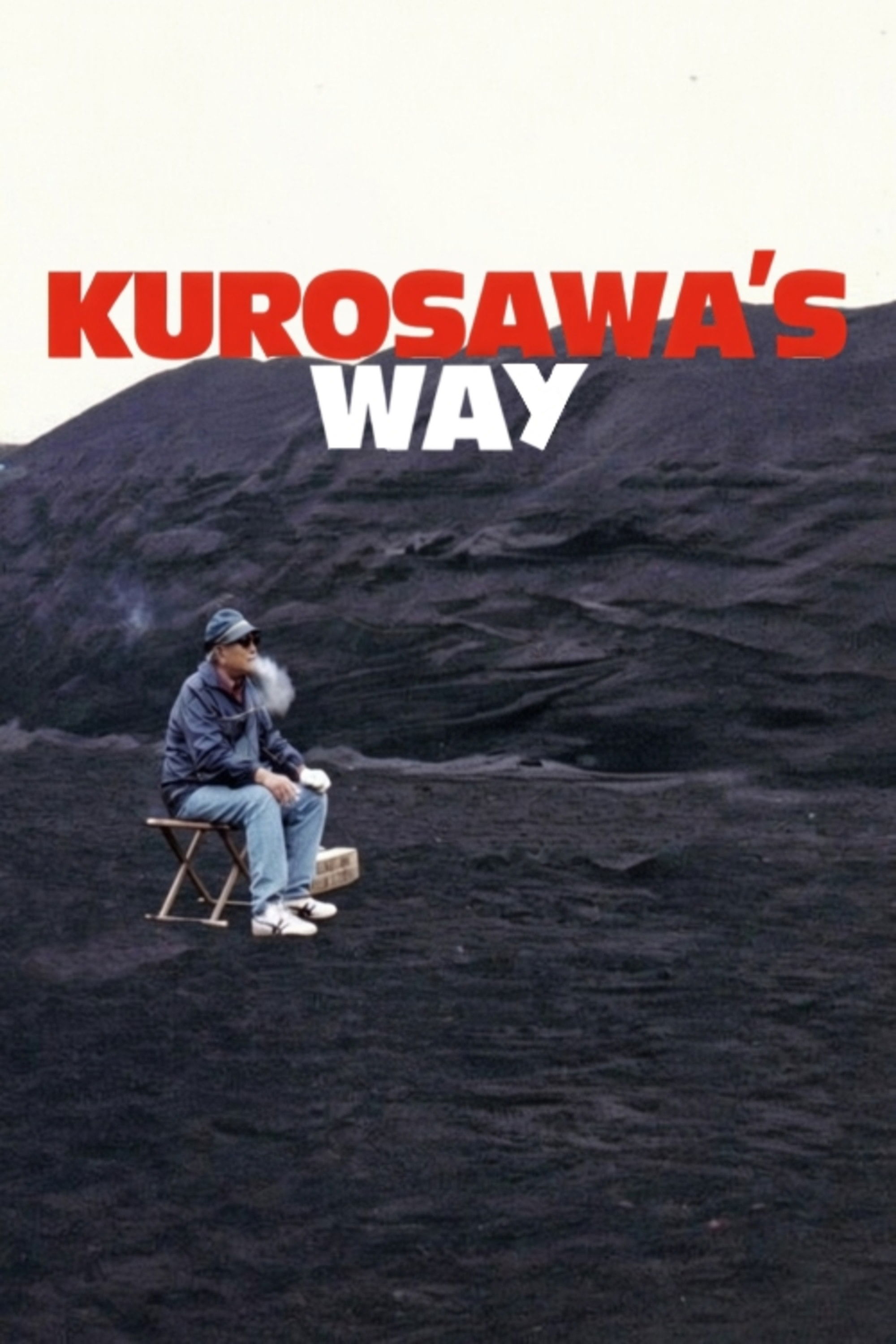
Eleven major film makers from Europe, America and Asia talk about Akira Kurosawa and discover surprising influences on their own work.
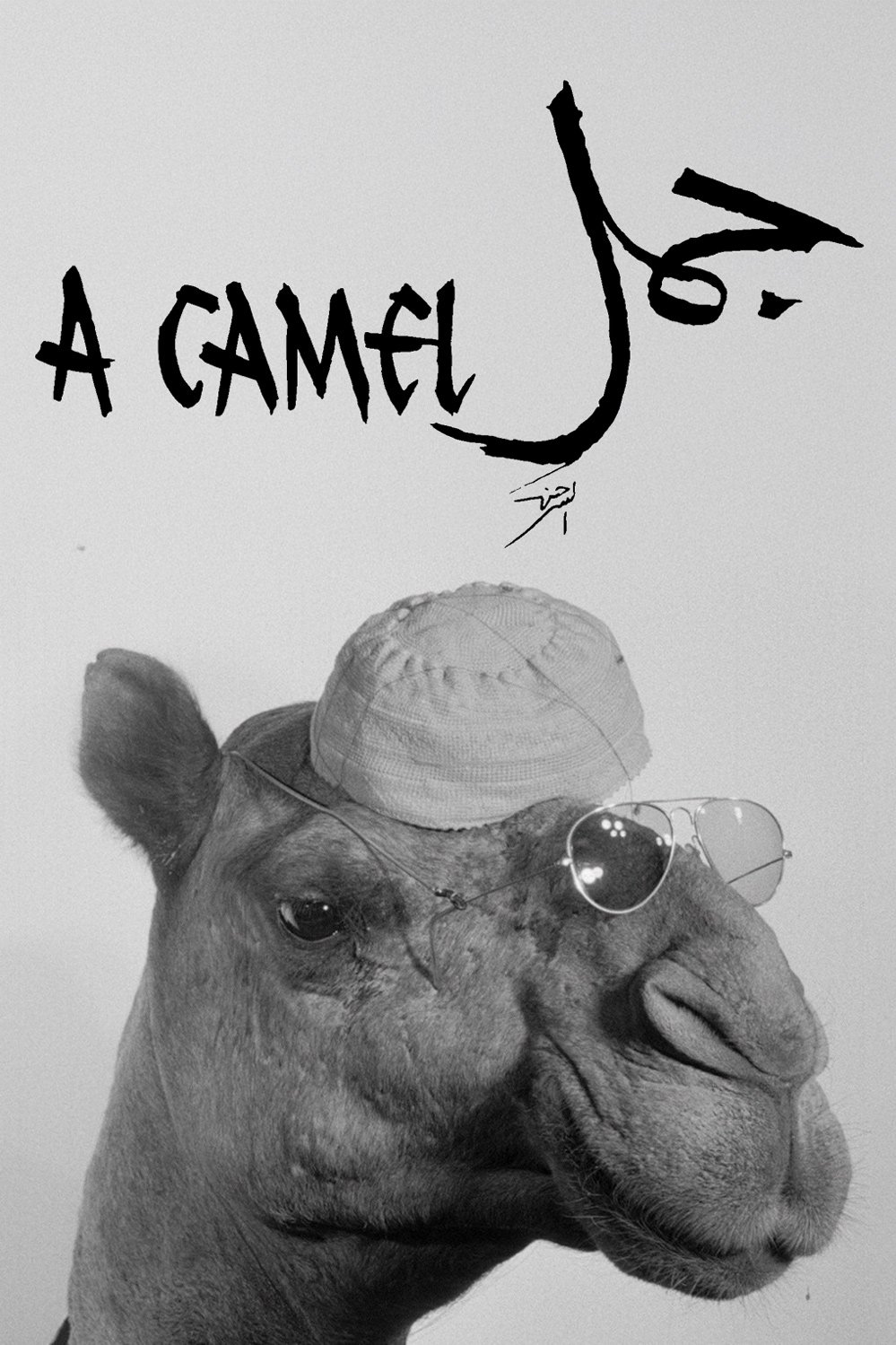
The short film Jamal (1981) by Ibrahim Shaddad is a report from the life of a camel, most of which plays out in a dreary, small room – a sesame mill.
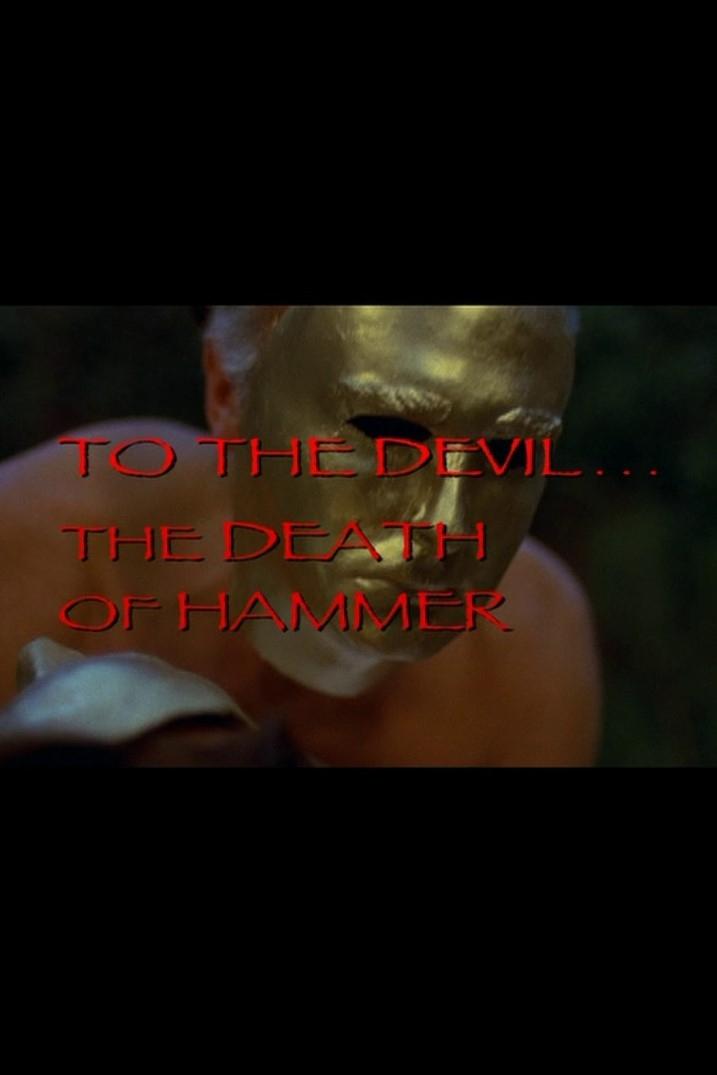
A short retrospective documentary looking at the making of the final Hammer Films production of the 1970s, "To the Devil a Daughter."
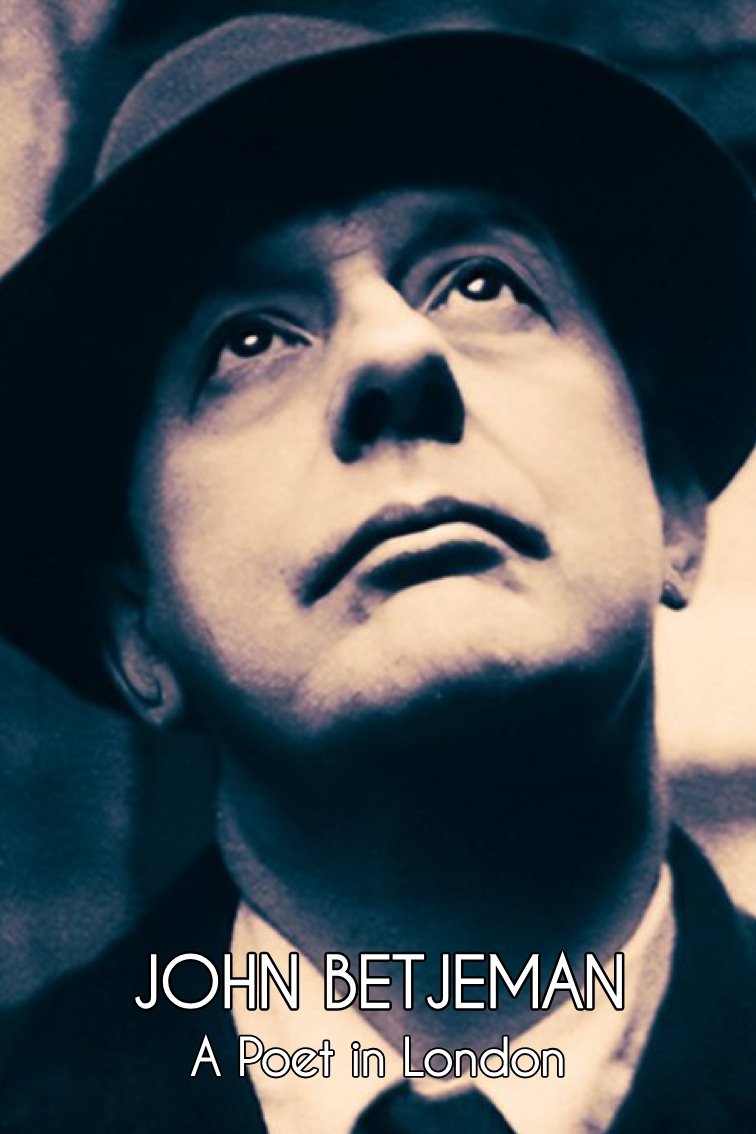
Poet John Betjeman is shown visiting locations including Vauxhall Park, Aldersgate Street station, Camden Town and Hatfield, where he recites a handful of his poems.
The cast and crew talk about the core themes of the film and the seeds of the film.
Mina Smallman’s daughters were murdered. As their killer and police who took selfies with the bodies come to trial, she shares her journey of grief, rage and faith with Stacey Dooley.
This documentary film focuses on the animal life that survives in this harsh arctic climates at the edge of the ice - from the simple algae to narwhals, polar bears, sea birds, seals, whales and walruses.
Hunting Season deals with the wave of homosexual murders that plagued São Paulo and Rio de Janeiro in the 1980s. With street statements and cultural and artistic figures such, such as Zé Celso, Jorge Mautner, Roberto Piva and others.
The past drags itself into the present day, taking us back to the era of the Dominican Republic's greatest dictator, while we explore the traces of Nazism in the corners of the island. This short documentary borders on a dark and little-known aspect of Dominican history, taking the viewer on a subversive journey through time and memory.
A internally displaced Nepali schoolboy works on the construction of a road to support his family, Ram Kumar heaves large boulders and smashes rocks while dreaming of a future as a pilot, a doctor or the next great leader of Nepal.
What is it like to be HIV-positive in Russia? The authors of the film spent several days with the HIV-infected characters Alexandra and Olesem and made a film about how they live. This is a kind of chronicle - the characters in the frame live their lives. Moments of sadness, moments of joy. They live as they know how and as they really live.
By inviting viewers to take a closer look at the birds that serve as one of this country’s hardiest symbols, Karsten Wall’s stunning documentary invites a deeper consideration of the conditions we humans have created for them.
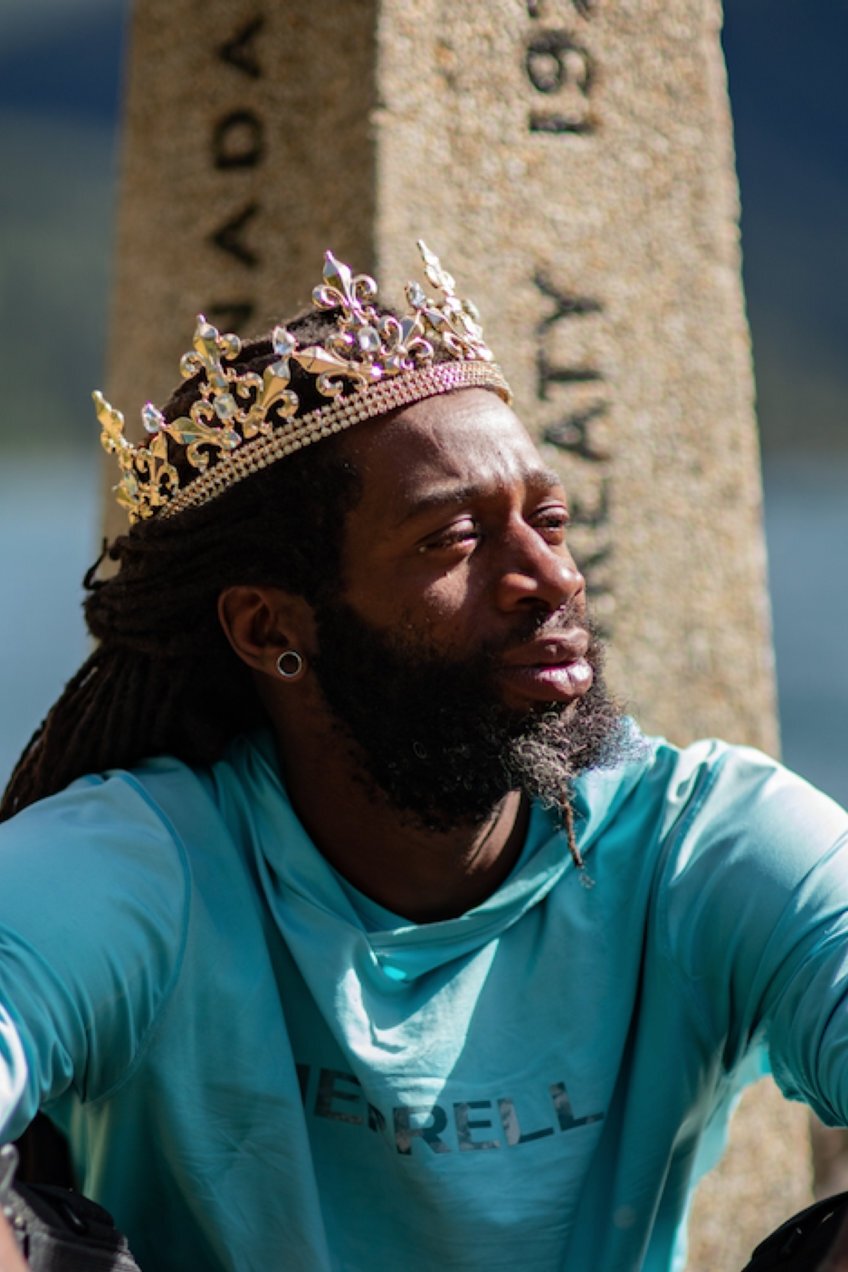
Thru hiker and veteran Will “Akuna” Robinson completes the Triple Crown of Hiking: the Appalachian Trail, the Pacific Crest Trail, and the Continental Divide Trail. This film shares Robinson’s thoughts on this incredible achievement that made him the first African American male on record to complete the Triple Crown of Hiking.
In recent years, more than 2,500 books have been removed from school districts around the US, labeled as banned, restricted, or challenged, and made unavailable to millions of students. By no accident, the themes targeted are the usual scapegoats of the American Right—LGBTQ+ issues, Black History, and women’s empowerment—impeding the power of future generations to develop their own thoughts and opinions on critical social issues. By weaving together a lyrical montage of young readers and authors, THE ABCs OF BOOK BANNING reveals the voices of the impacted parties, and inspires hope for the future through the profound insights of inquisitive youthful minds.
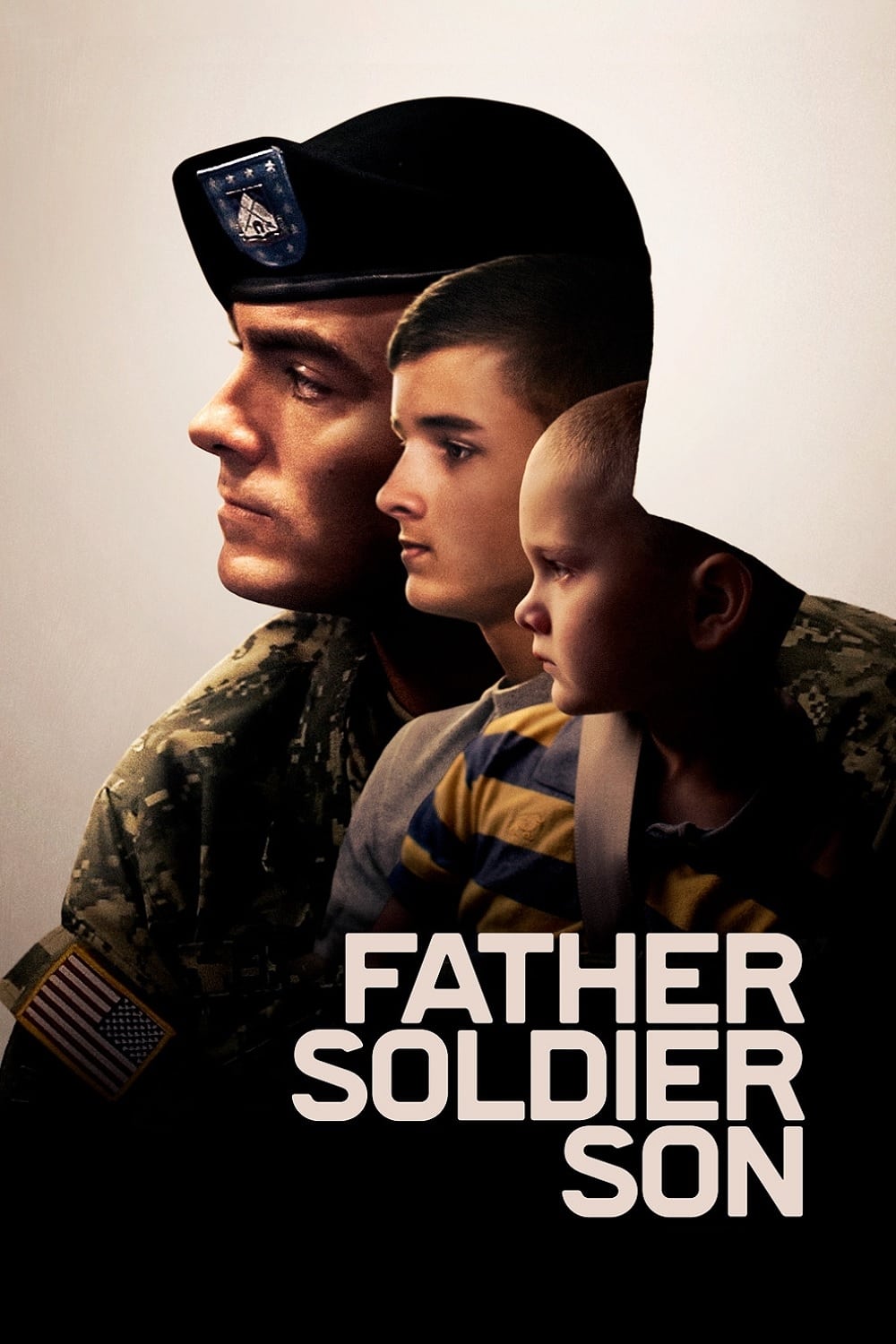
When Sgt. First Class Brian Eisch is critically wounded in Afghanistan, it sets him and his sons on a journey of love, loss, redemption and legacy.
Prelude to War was the first film of Frank Capra's Why We Fight propaganda film series, commissioned by the Pentagon and George C. Marshall. It was made to convince American troops of the necessity of combating the Axis Powers during World War II. This film examines the differences between democratic and fascist states.
With unprecedented access, this documentary follows the extraordinary journey of “Raqqa is Being Slaughtered Silently”—a group of anonymous citizen journalists who banded together after their homeland was overtaken by ISIS—as they risk their lives to stand up against one of the greatest evils in the world today.
Amid the failing counteroffensive, a journalist follows a Ukrainian platoon on their mission to traverse one mile of heavily fortified forest and liberate a strategic village from Russian occupation. But the farther they advance through their destroyed homeland, the more they realize that this war may never end.
A visual montage portrait of our contemporary world dominated by globalized technology and violence.
Korengal picks up where Restrepo left off; the same men, the same valley, the same commanders, but a very different look at the experience of war.
When Allied forces liberated the Nazi concentration camps in 1944-45, their terrible discoveries were recorded by army and newsreel cameramen, revealing for the first time the full horror of what had happened. Making use of British, Soviet and American footage, the Ministry of Information’s Sidney Bernstein (later founder of Granada Television) aimed to create a documentary that would provide lasting, undeniable evidence of the Nazis’ unspeakable crimes. He commissioned a wealth of British talent, including editor Stewart McAllister, writer and future cabinet minister Richard Crossman – and, as treatment advisor, his friend Alfred Hitchcock. Yet, despite initial support from the British and US Governments, the film was shelved, and only now, 70 years on, has it been restored and completed by Imperial War Museums under its original title "German Concentration Camps Factual Survey".
Set both in Latin America and the United States, the film explores the historic and current relationship of Washington with countries such as Venezuela, Bolivia and Chile. Pilger says that the film "...tells a universal story... analysing and revealing, through vivid testimony, the story of great power behind its venerable myths. It allows us to understand the true nature of the so-called "war on terror". According to Pilger, the film’s message is that the greed and power of empire is not invincible and that people power is always the "seed beneath the snow".
A love letter from a young mother to her daughter, the film tells the story of Waad al-Kateab’s life through five years of the uprising in Aleppo, Syria as she falls in love, gets married and gives birth to Sama, all while cataclysmic conflict rises around her. Her camera captures incredible stories of loss, laughter and survival as Waad wrestles with an impossible choice– whether or not to flee the city to protect her daughter’s life, when leaving means abandoning the struggle for freedom for which she has already sacrificed so much.
A documentary that explores the downloading revolution; the kids that created it, the bands and the businesses that were affected by it, and its impact on the world at large.
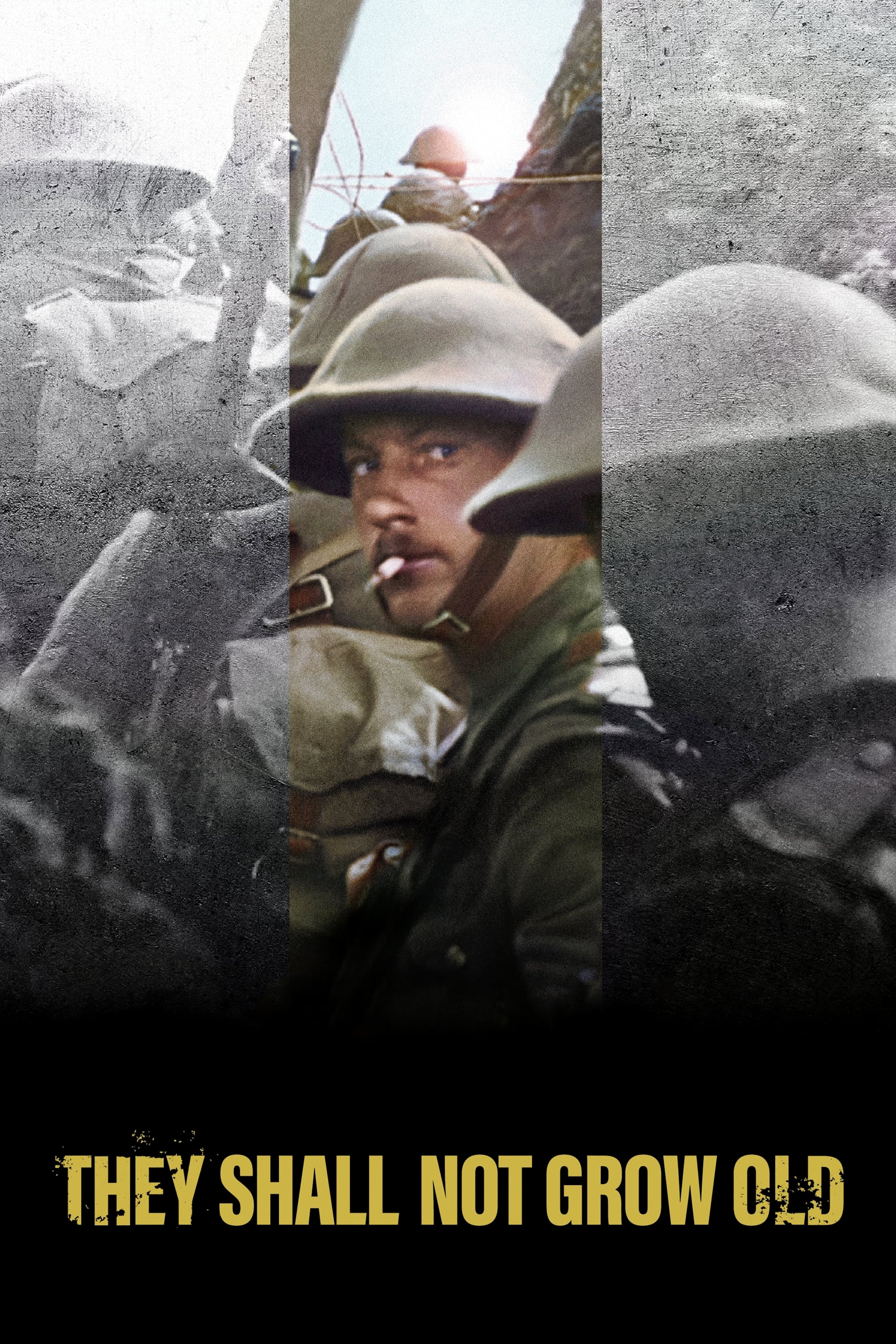
A documentary about World War I with never-before-seen footage to commemorate the centennial of Armistice Day, and the end of the war.
Featuring interviews with filmmakers and industry legends, discover the origins and evolution of The Joker, and learn why The Clown Prince of Crime is universally hailed as the greatest comic-book supervillain of all time.
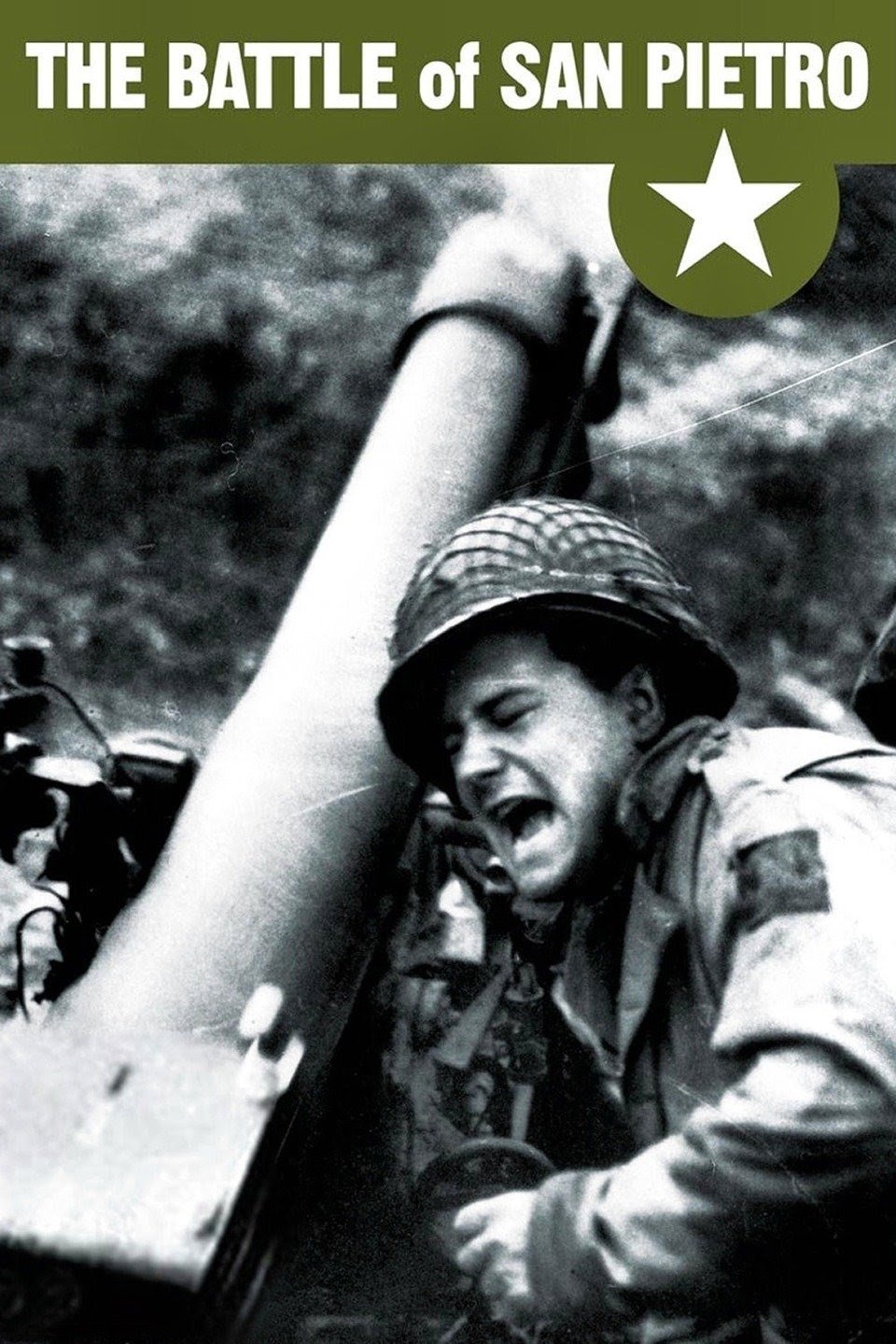
This documentary movie is about the battle of San Pietro, a small village in Italy. Over 1,100 US soldiers were killed while trying to take this location, that blocked the way for the Allied forces from the Germans. Preserved by the Academy Film Archive in 2005.
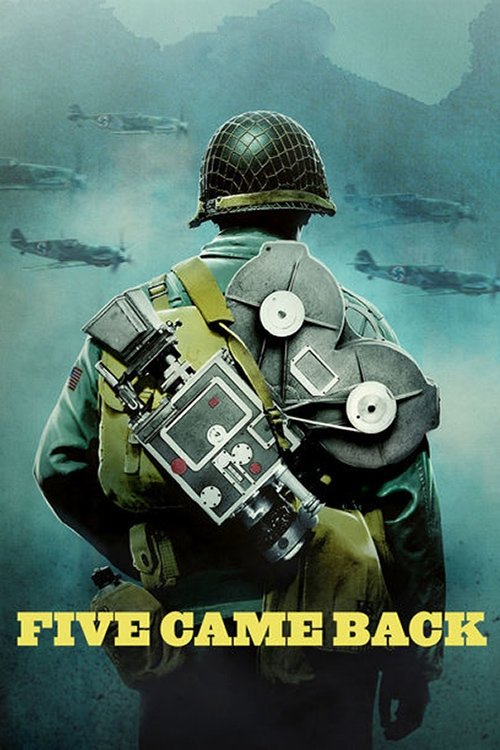
The extraordinary story of how Hollywood changed World War II – and how World War II changed Hollywood, through the interwoven experiences of five legendary filmmakers who went to war to serve their country and bring the truth to the American people: John Ford, William Wyler, John Huston, Frank Capra, and George Stevens. Based on Mark Harris’ best-selling book, “Five Came Back: A Story of Hollywood and the Second World War.”
A documentary about the sport of boxing, as seen through the eyes of champions Mike Tyson, Evander Holyfield and Bernard Hopkins.
The life and career of one of comedy's most inimitable modern voices, Mr. Gilbert Gottfried.
War stories about family, ethics and honor include the true story of two U.S. Marines who in a span of six seconds, must stand their ground to stop a suicide truck bomb, a Navy Corpsman who attempts to hold on to his humanity, and a WW2 soldier who gets separated from his squad and is forced to re-evaluate his code.
A comedic, brutally honest documentary following self-destructive TV writer Dan Harmon as he takes his live podcast on a national tour.
A documentary on the expletive's origin, why it offends some people so deeply, and what can be gained from its use.
JB Smoove and Martin Starr host a celebration of 20 years of "Spider-Man" movies, from the Sam Raimi trilogy to Marc Webb's movies and the trio from Jon Watts.