Autumn, photographed during the last months of the drought year, 2015, is a stately, but intimate, seasonal tome, a celebration of the poignancy and mystery of our later years. – Nathaniel Dorsky
Social & External
The Greek island of Syros is visited by a series of unexpected guests. Immutable forms, outside of time, aloof observants to human conditions.
The rare short film presents a curious dialogue between filmmaker Julio Bressane and actor Grande Otelo, where, in a mixture of decorated and improvised text, we discover a little manifesto to the Brazilian experimental cinema. Also called "Belair's last film," Chinese Viola reveals the first partnership between photographer Walter Carvalho and Bressane.
"My last image of Jonas."—Ken Jacobs
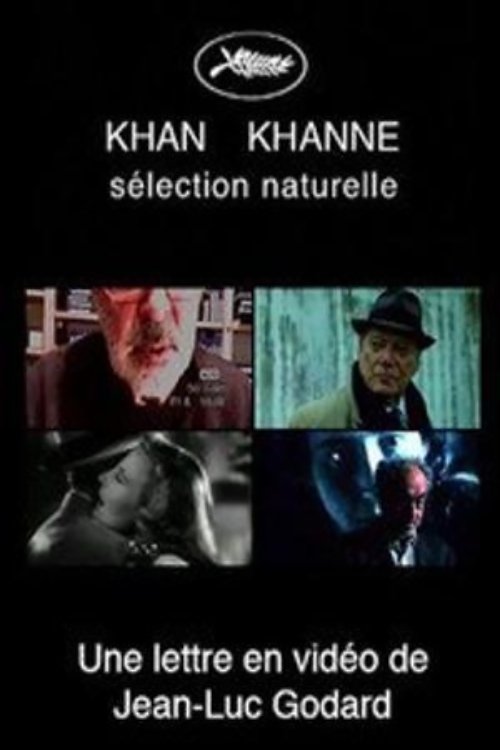
Rather than writing a simple letter to explain his absence from the press conference for his latest Cannes entry, "Goodbye to Language," at the Cannes Film Festival, instead, legendary filmmaker Jean-Luc Godard created a video "Letter in motion to (Cannes president) Gilles Jacob and (artistic director) Thierry Fremaux." The video intercuts from Godard speaking cryptically about his "path" to key scenes from Godard classics such as "Alphaville" and "King Lear" with Burgess Meredith and Molly Ringwald, and quotes poet Jacques Prevert and philosopher Hannah Arendt.
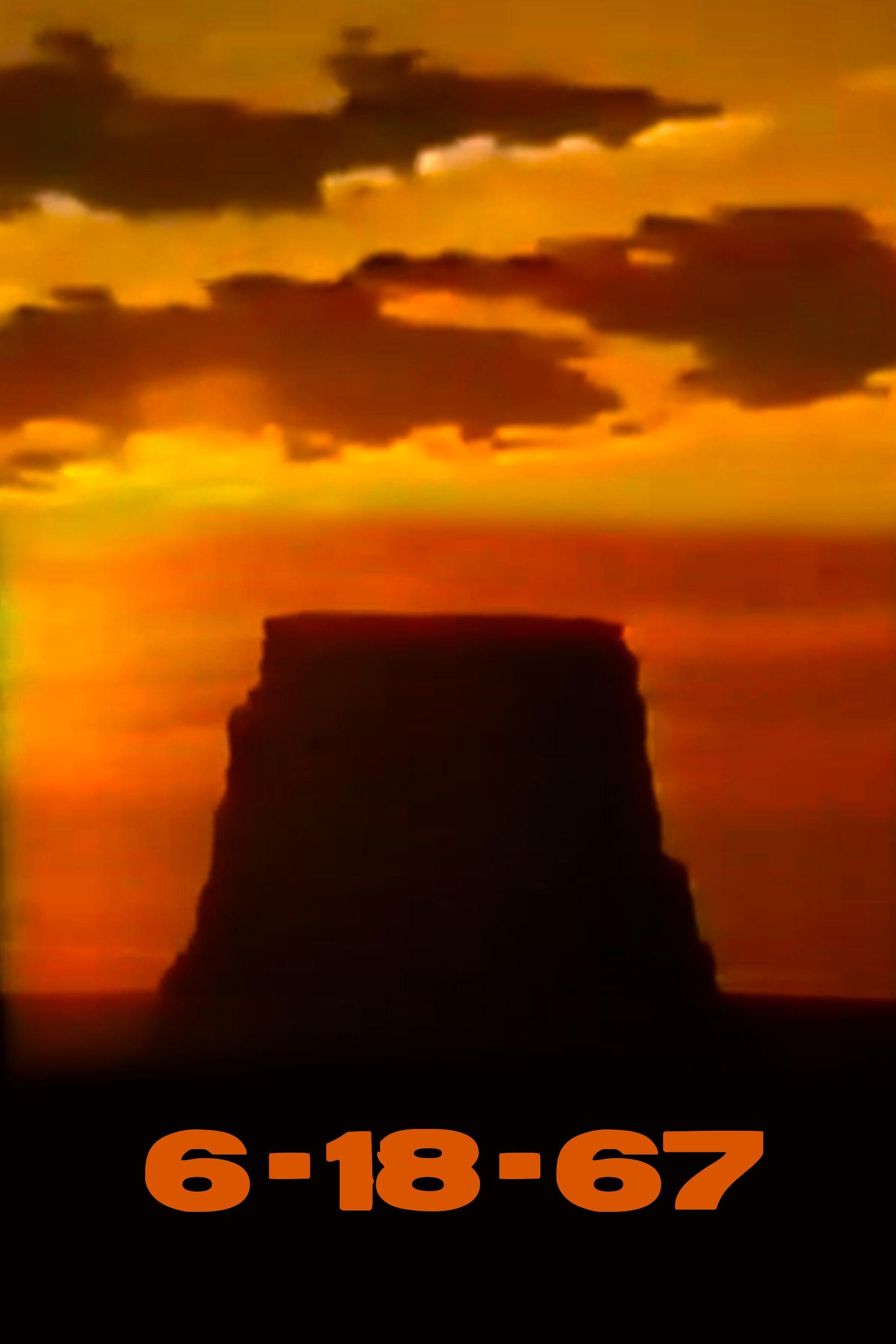
6-18-67 is a short quasi-documentary film by George Lucas regarding the making of the Columbia film “Mackenna's Gold”. This non-story, non-character visual tone poem is made up of nature imagery, time-lapse photography, and the subtle sounds of the Arizona desert.
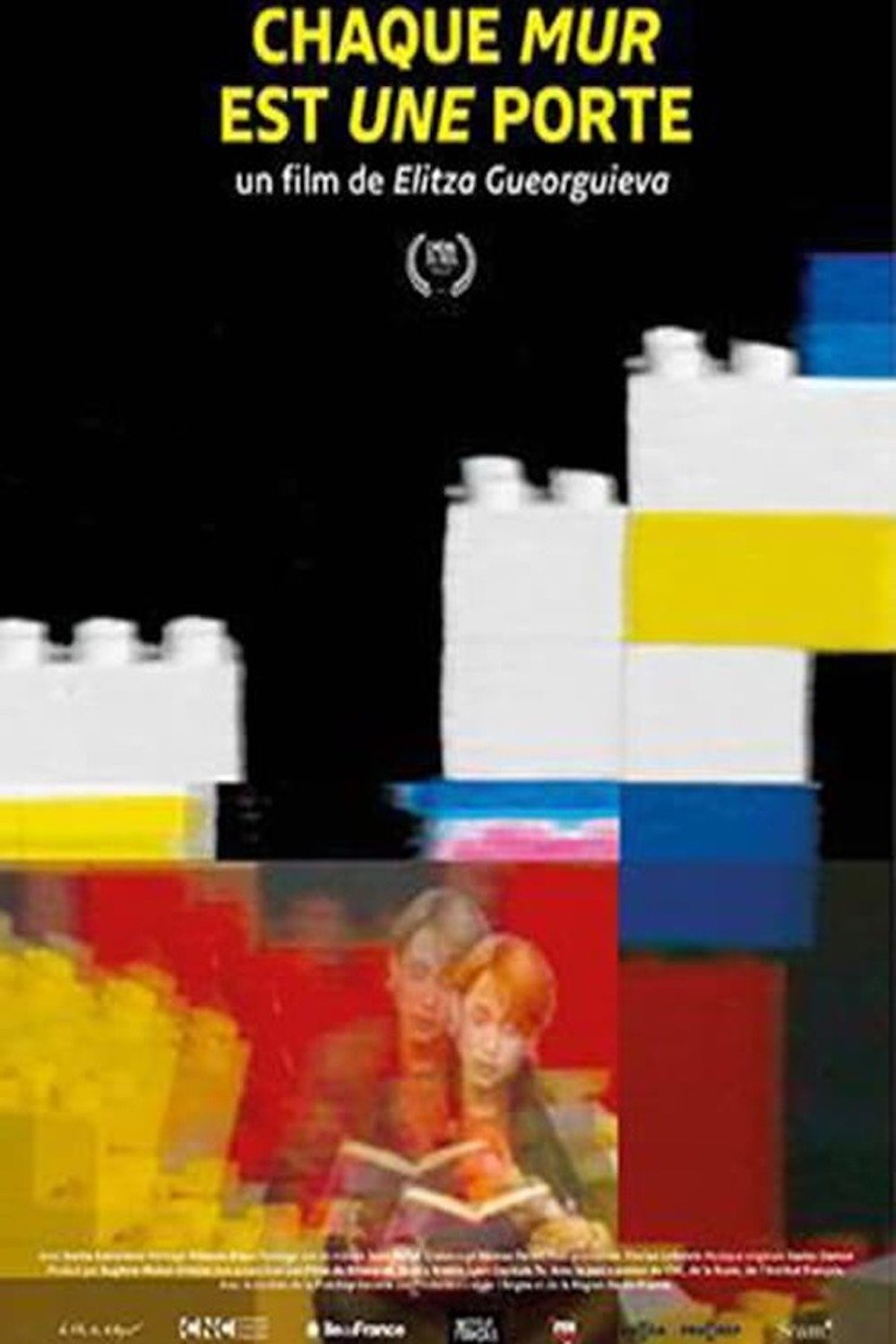
Drawing on VHS tapes of a programme hosted by her mother on Bulgaria’s national television, the filmmaker gives a pop-style and in-depth chronicle of the gentle – even “over-gentle” – 1989 revolution.
Made on a wind-up Bolex camera, The Sound of Seeing announced the arrival of 21-year-old filmmaker Tony Williams. Based around a painter and a composer wandering the city (and beyond), the film meshes music and imagery to show the duo taking inspiration from their surroundings.
Lucien Bull was a pioneer in chronophotography. Chronophotography is defined as "a set of photographs of a moving object, taken for the purpose of recording and exhibiting successive phases of motion."
WORM AND WEB LOVE begins with bracketed light, a throbbing worm in the sand and sea foam mixed with grass and oceanic detritus, soon superimposed upon the dark blue-toned face of a man, then a woman (Michael McClure and Amy Evans McClure), each seen, then on, through superimpositions of drifting smoke and the back-lit stark grid of a spider's web. The obvious affections of the man and woman, their clear display of love, is metaphored in these tenuous superimpositions, culminating in the frantic movements of the spider itself and the dance of joy of the features of the couple in loving resolution.
This is a film made in Toronto, in memoriam, so to speak - a memory piece, a "piecing-together" of the experience of living there. The consciousness of the maker comes to sharply focused visual music - not to arrive at snapshots, as such, but rather to "sing" the city as remembered from daily living...complementary, then, to an earlier film, "Unconscious London Strata." Preserved by the Academy Film Archive in 2015.
Pun on "light" intended - that short preceding expulsion of breath perhaps the "subject matter" of this film which centers in consideration of death. It is the third tone poem film and did much surprise me by thus completing a trilogy of the "4 classical Elements." (SB)
After a six -or seven- year study of Hammurabi's Code, original Babylonian Text and translation, I've tried to feel my way into the moving visual thought process of this ancient culture (whose numerical system is composed primarily of building materials, nails, joints and the like): this, then, is a visual music which balances the two thought processes of Structure and Nature.
Out of the vagueries of sometime beseeming repetitive light patterns, and the delicately variable rhythms of thought process, the imagination of The Monumental and of the Ephemeral are born to mind hard as nails.
This is an architectural garden of the variably brash rock-solid liquid-encompassing, but always imitative, human mind as it processes the given light thoughtfully. This film is about that.
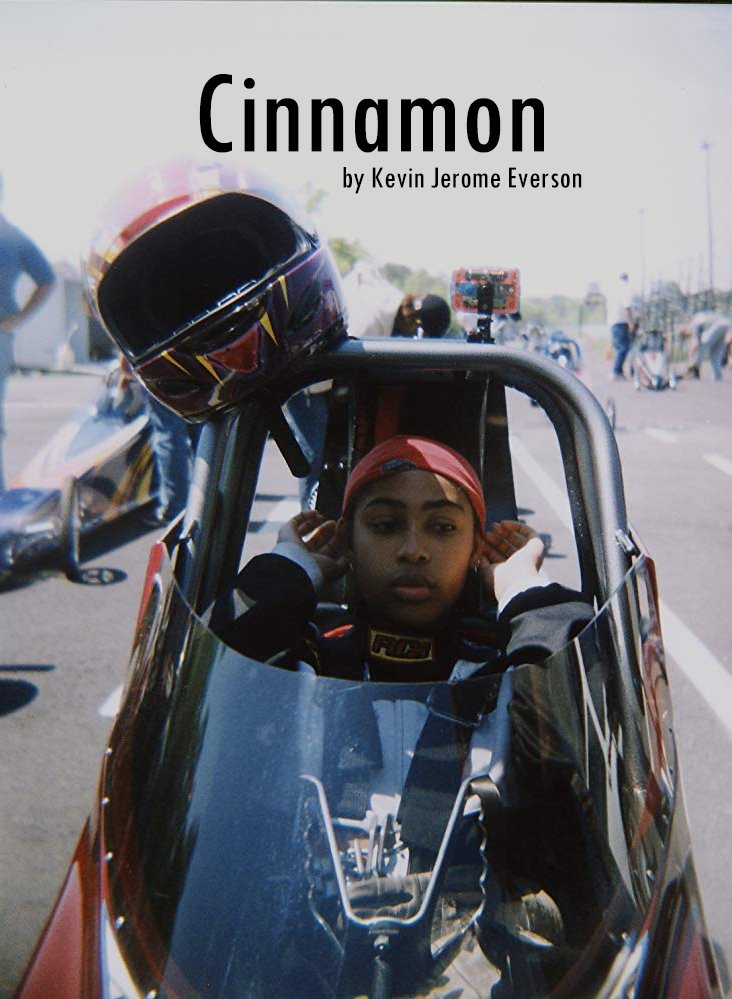
An experimental film that lifts the veil on the world of African American drag racing.
A homage to Andrei Tarkovski made for the Spanish edition of the Chris Marker movie 'Une journée dans la vie d’Andrei Arsenevich'.
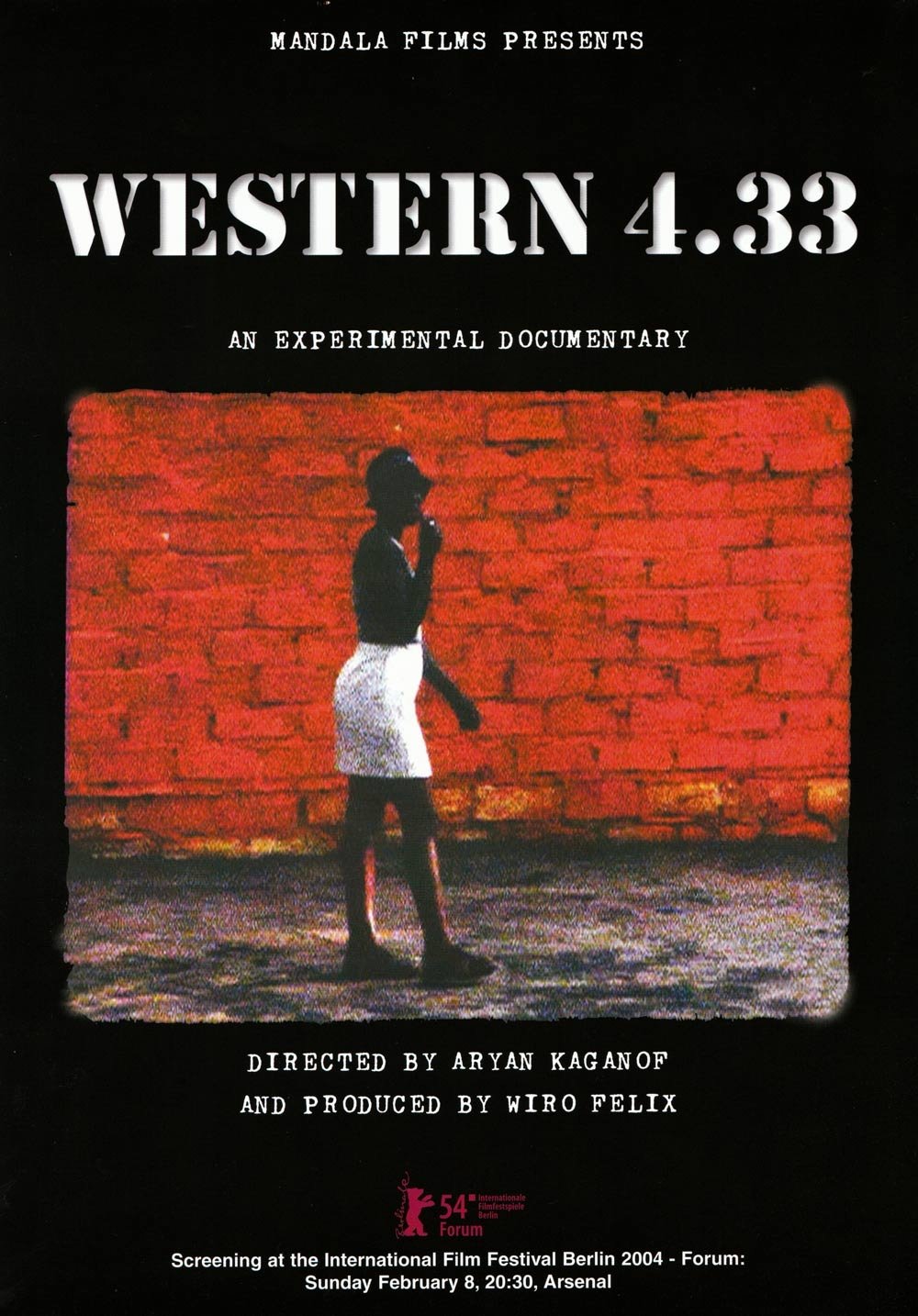
Vertiginous documentary, shot in effective black-and-white, treats two painful histories. The first is a love story about a truck driver who, on his way from Johannesburg (South Africa) to Luderitz (Namibia), is haunted by thoughts of his girlfriend and their recently severed relationship. His memories are expressed in an often recurring scene, in which songs by Alec Empire, Macy Gray and Robert Schumann roughly tell the story. This small history is alternated with the tragic fate of the Namibian Heroro people, many thousands of whom died early last century in concentration camps that had been set up by the German colonisers near Luderitz. The depiction of this history is cruder and more poignant, with slanting frames, odd camera angles and a multi-layered sound sculpture. The dilapidated barracks and officers' quarters are the last remnants of the miscarried, so-called civilisation projects in Africa.
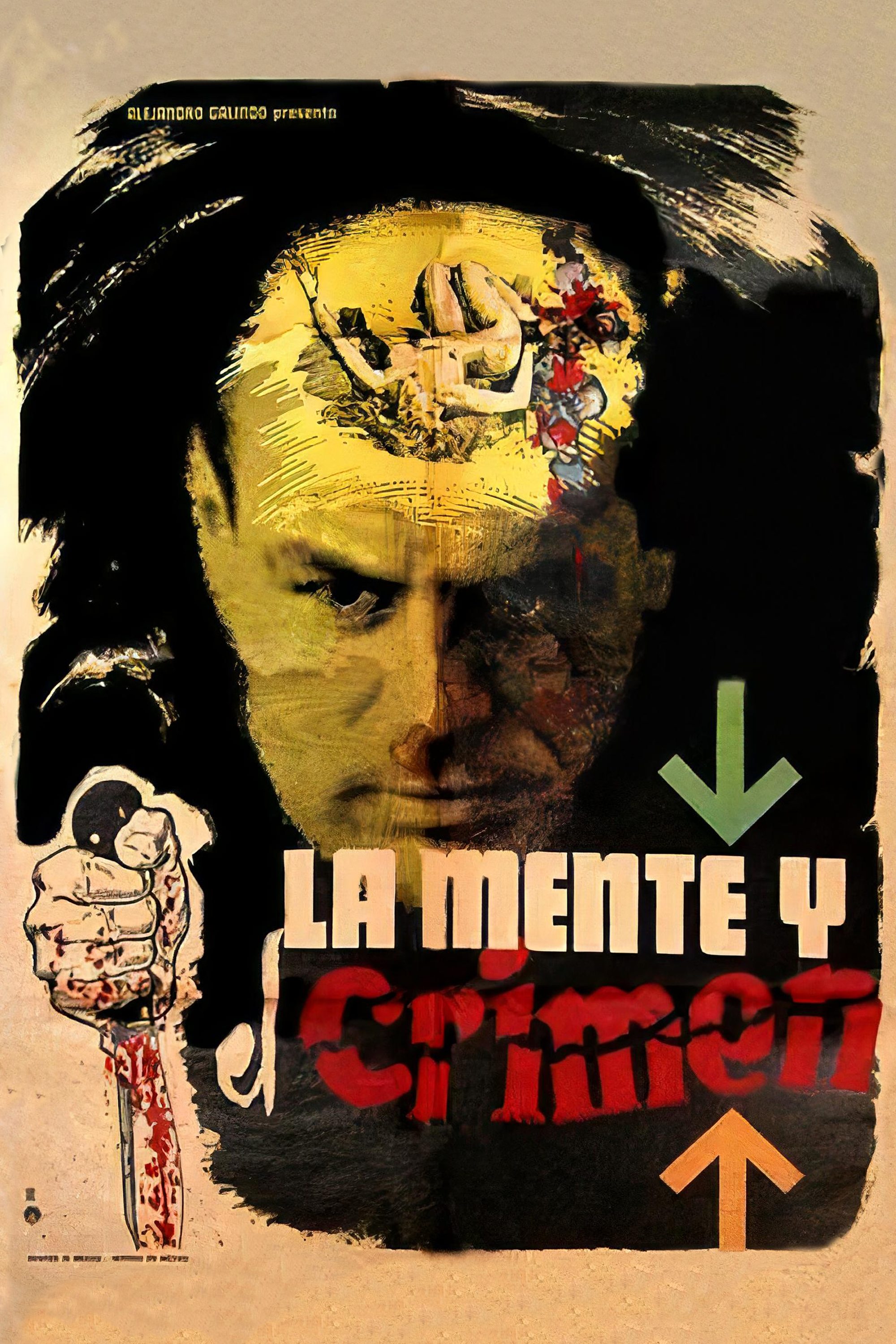
The discovery of a human torso thrown into a waterway, leads the viewer to observe the work of modern criminology and the task of special agents to track and record the psychopath's mentality through the elucidation of techniques present in the reality of the police investigation.
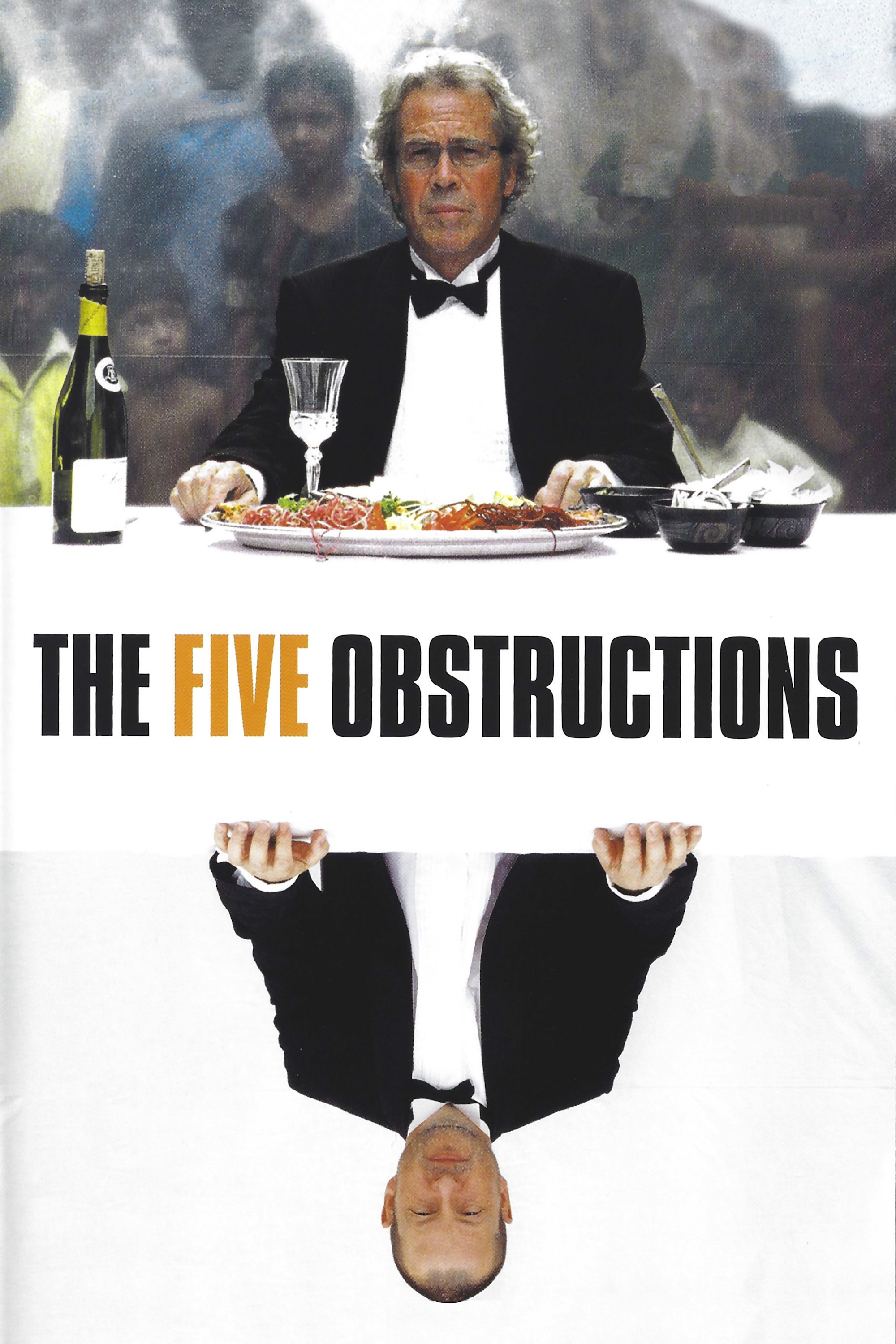
In 1967, experimental filmmaker Jorgen Leth created a striking short film, The Perfect Human, starring a man and women sitting in a box while a narrator poses questions about their relationship and humanity. Years later, Danish director Lars von Trier made a deal with Leth to remake his film five times, each under a different set of circumstances and with von Trier's strictly prescribed rules. As Leth completes each challenge, von Trier creates increasingly further elaborate stipulations.