Social & External
The people behind it
The origins of "cangaço", armed brigands in the Northeast between 1935 and 1939, interviews with some survivors of the fighting, police and outlaws movement. Interspersed with testimonials, authentic sequences of films made in 1936 by Benjamin Abraham, an Arab peddler who managed to film the famous band of Virgulino Ferreira da Silva, the "Lampião".
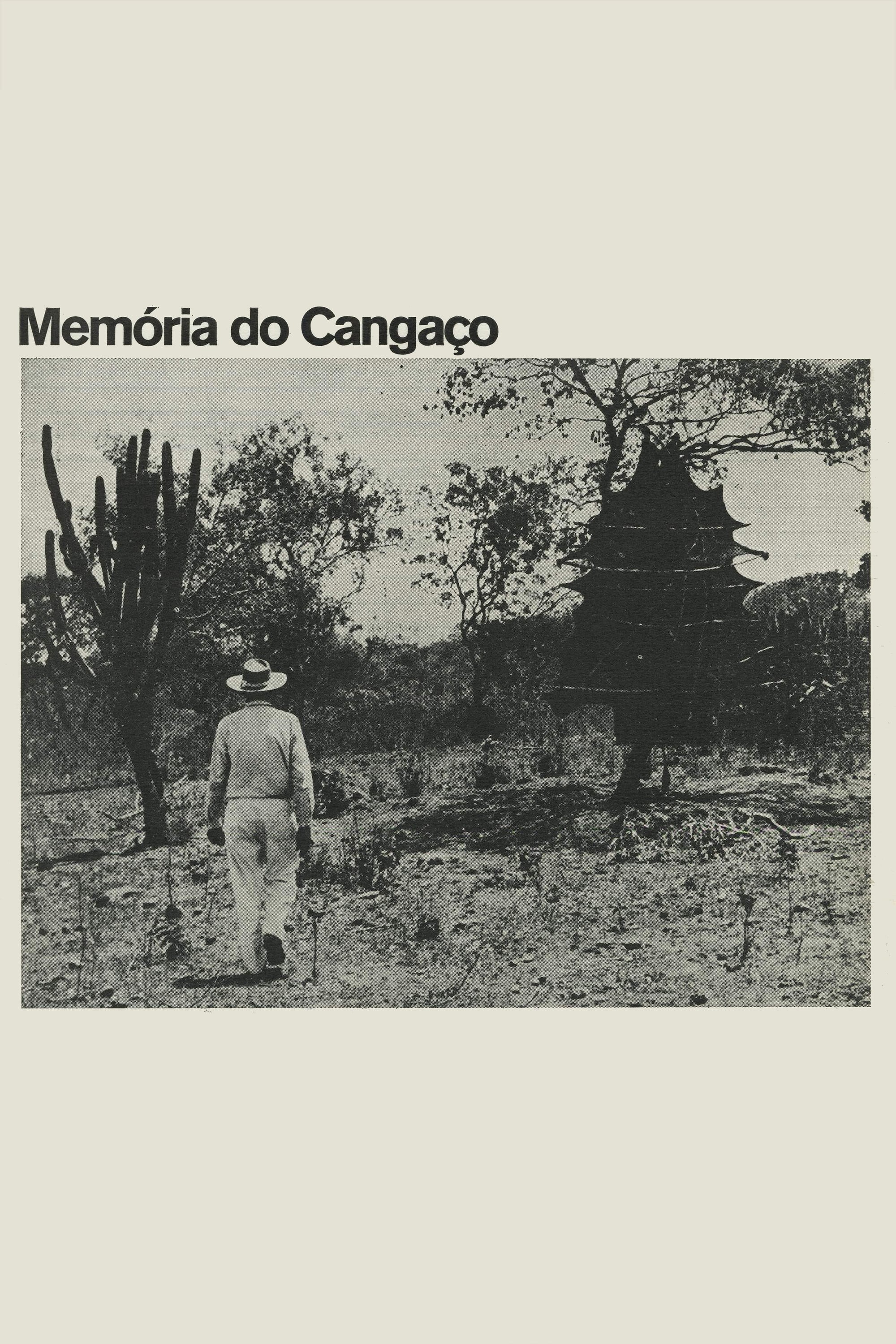
Scenes from the daily life of Virgulino Ferreira da Silva—the cangaceiro leader Lampião—and his group, captured by cinematographer Benjamin Abrahão. Their survival strategies in the sertão landscape, their gestures, habits, clothing, and diet are illustrated. Proud of their status, the group's main members are shown displaying their weapons and combat skills in the caatinga. Maria Bonita and Lampião appear in moments of tension and relaxation, highlighting the harmony of the band and, above all, the rigors of life as a cangaceiro. (Cinemateca Brasileira)
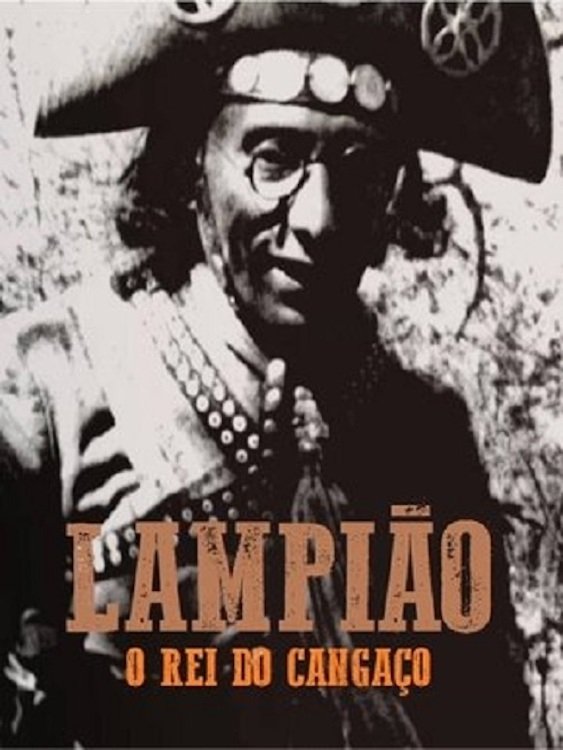
A docufiction film about the fall of Virgulino Ferreira da Silva, widely known as Lampião – the mythical bandit leader from the Brazilian northeast who fought the local power and put his name in history.
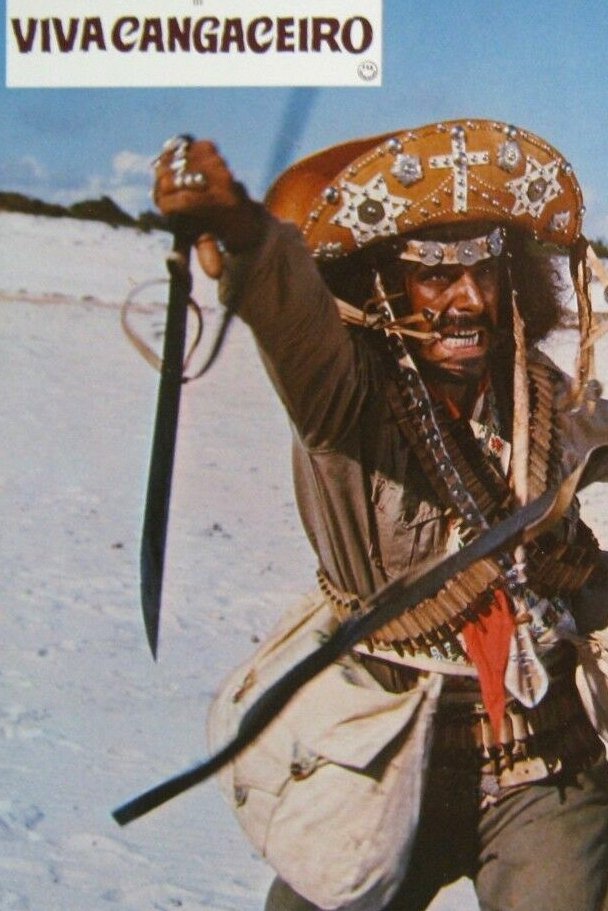
'Bruce' goes to head with bandits who are terrorising and murdering villagers.
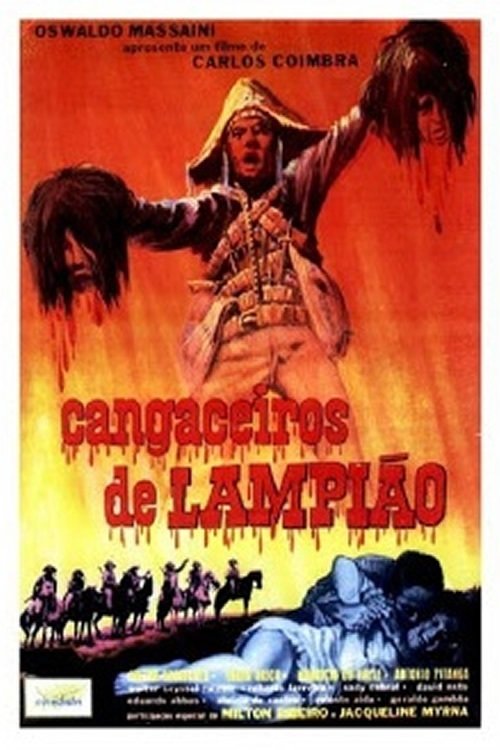
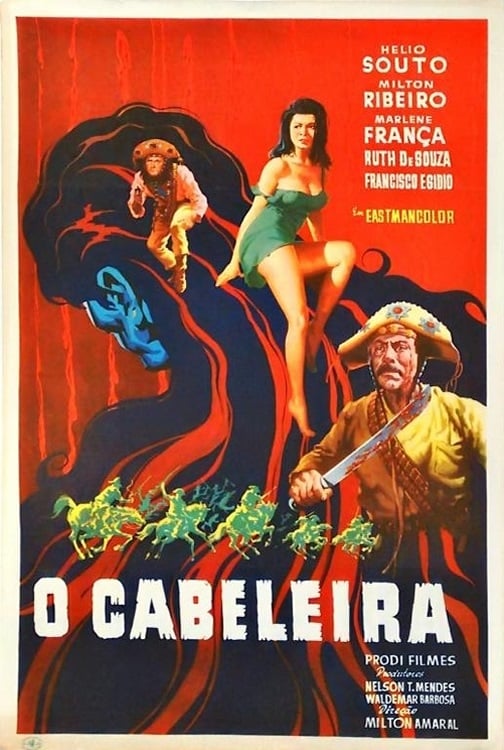
On the day of Pedro Boiadeiro's wedding, a band of cangaceiros who survived the Angicos massacre invade his home, then proceed to beat him up, and abuse and murder his wife. Pedro sets out to get revenge on each one.
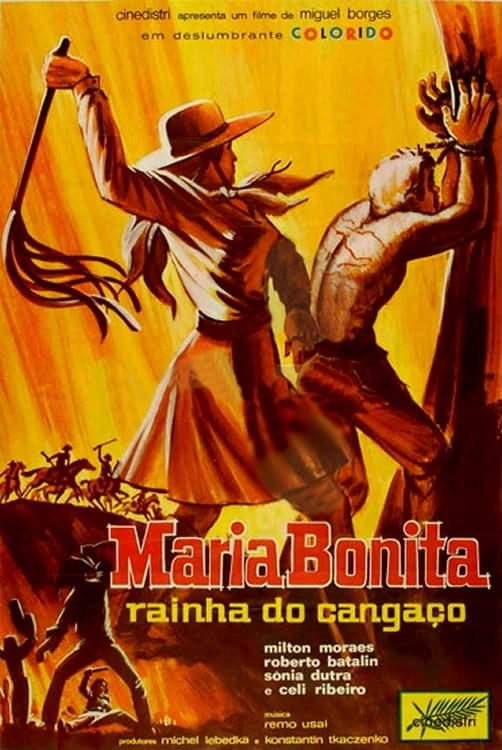
Romantic biography of Maria Bonita, daughter of a poor farmer who was kidnapped by Lampião and became his lover.
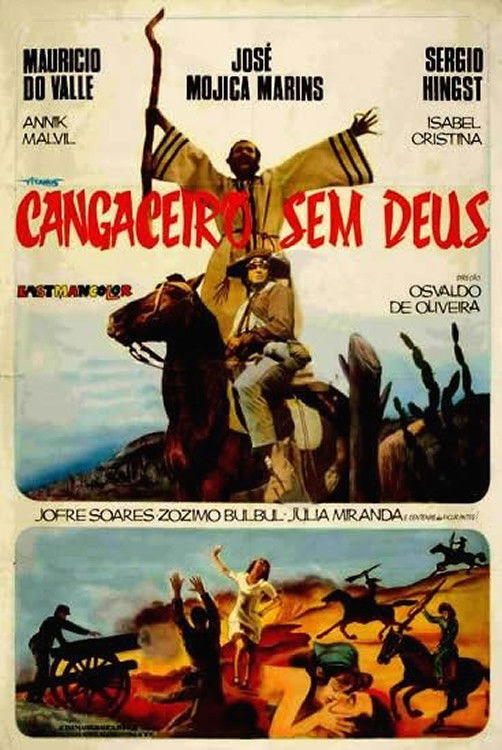
Brazil, the 1920s. The sadistic colonel Minas massacres the hometown of a famous cangaceiro (a kind of revolutionary bandit). The only survivor is a young farmer called Espedito; he is nursed back to health by a hermit who thinks he has been sent by God and therefore baptizes him the Redeemer. Espedito/The Redeemer forms his own gang of cangaceiros but doesn’t really understand what he’s doing until he befriends the proverbial European intellectual, a Dutch Oil prospector, who introduces him to important people. Espedito is hired by the Dutchman and a corrupt local governor, but then the Dutchman changes sides …
In the time of the "cangaceiros" in the badlands of the Northeast of Brazil, the cruel Captain Galdino Ferreira and his band abduct the schoolteacher Olívia, expecting to receive a ransom for her. However, one of his men, Teodoro, falls in love and flees with her through the arid backcountry chased by the brigands.
After the proclamation of the Republic, a group of fanatics in the sertão dreamed of and fought for the restoration of the Monarchy. At that bloody time, Fabiano, a quiet boy, becomes a cangaceiro and is attacked by the police. Although wounded, he manages to take refuge on a farm where he is hidden in by Lúcia, the farmer's daughter, with whom he falls in love.
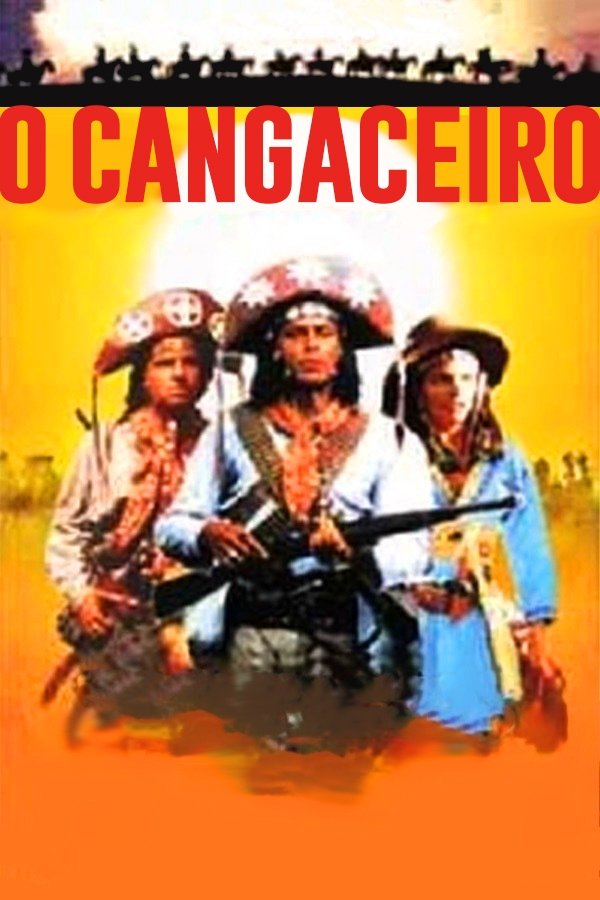
This is a remake of Brazil's first international success in the cinema world. Just as its same name predecessor was, this film is a fictional version of the story of the "cangaceiros." These were bandits who sacked towns and spread terror throughout Northeastern Brazil in the 1930s. This group of outlaws is led by Captain Galdino and his wife Maria Bonita.
Based on the novel by Franklin Távora, the film follows the adventures of a father and a son in 18th century Brazil.
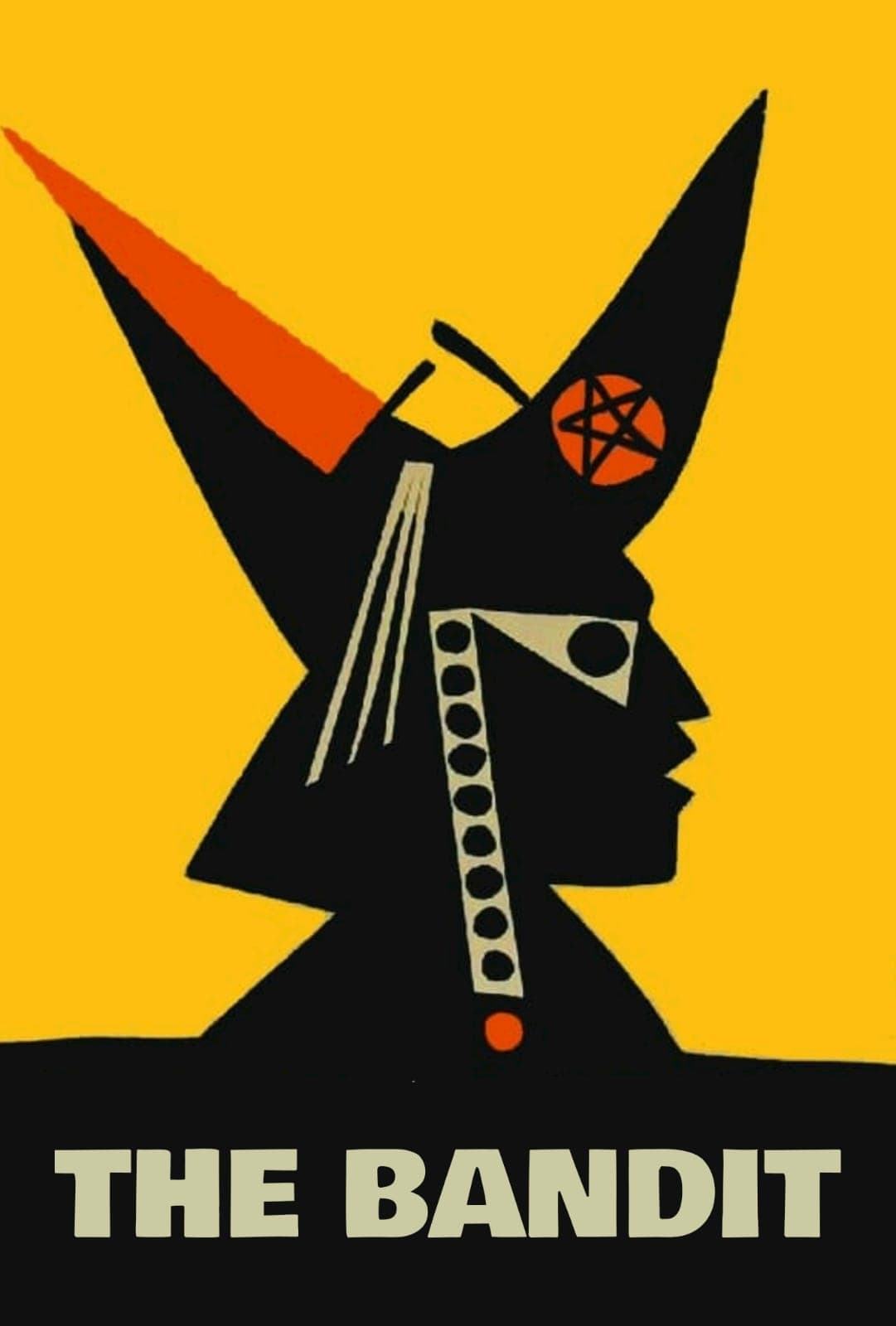
A man seeks revenge after his sister get raped by an unknown foreign, identified only by scar and a missing finger. But his payback journey is a long way and bears its surprises.
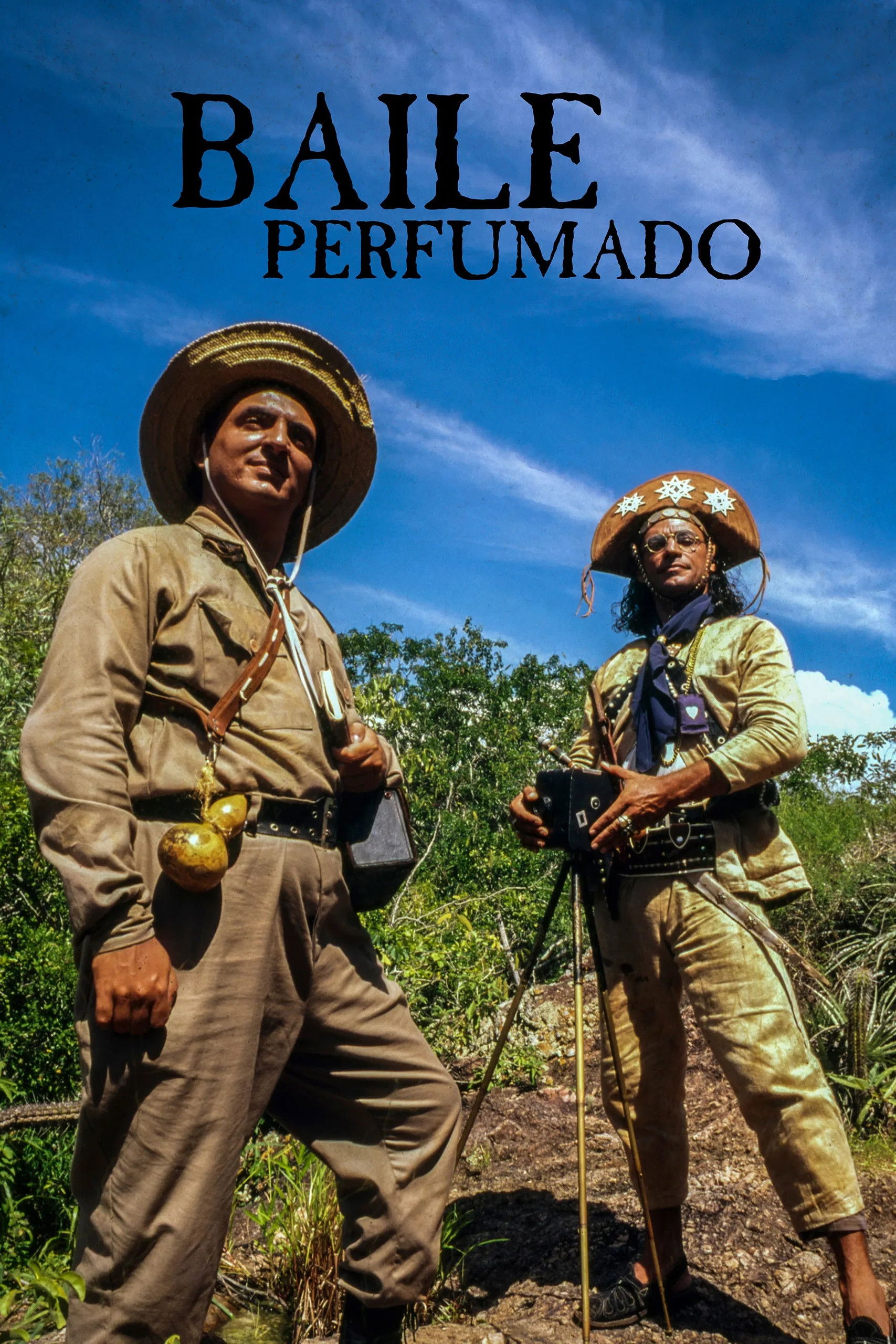
A Lebanese photographer living in Brazil in the '30s manages to film the band of Lampião, a legendary Brazilian bandit.
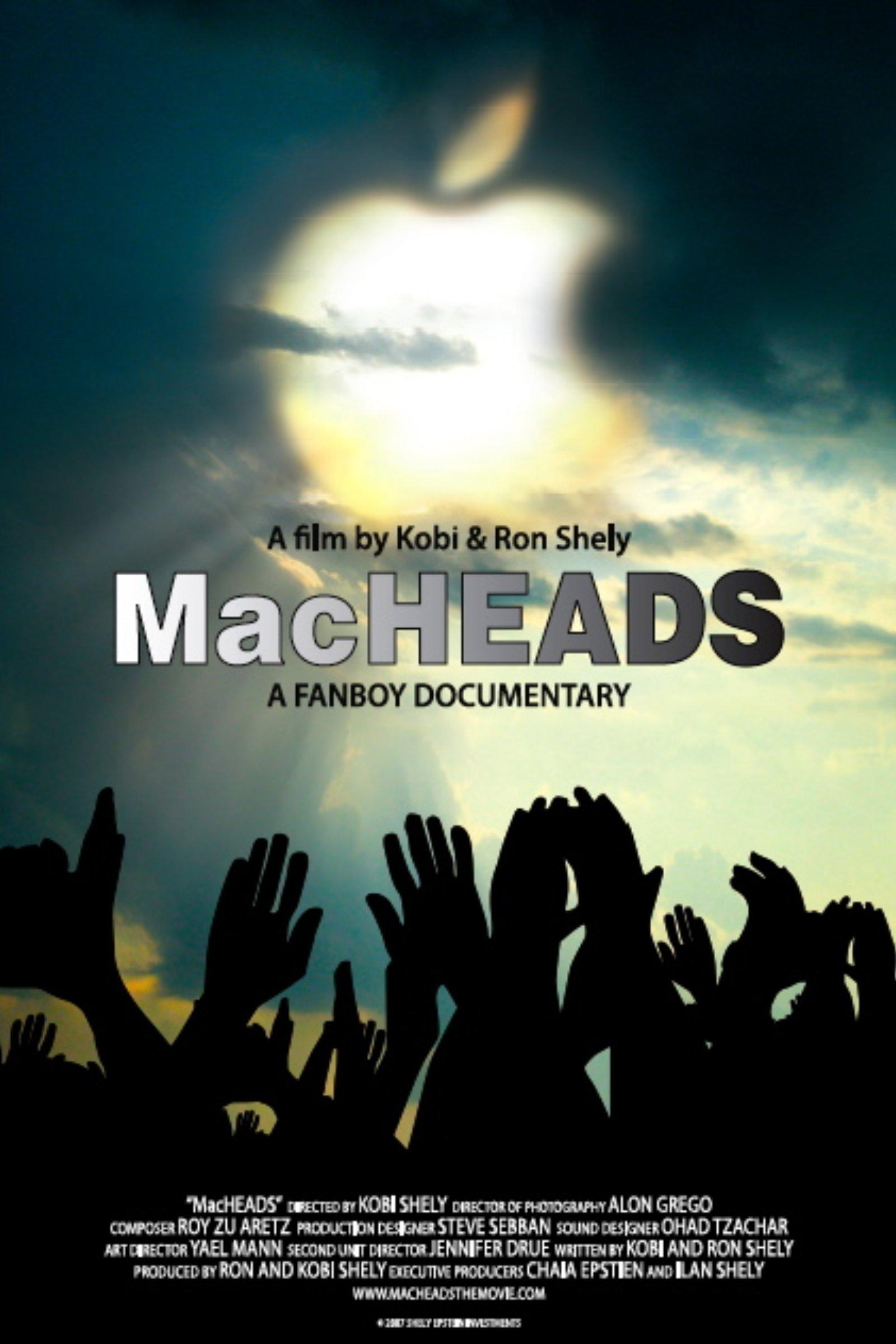
A exploration of the fanaticism that surrounds the Apple brand, featuring interviews with Mac evangelists and members of the Mac community.
A look at the high profile case of Liberian Olivia Zinnah, who died in 2012 of complications from a rape that occurred when she was just 7 years old.
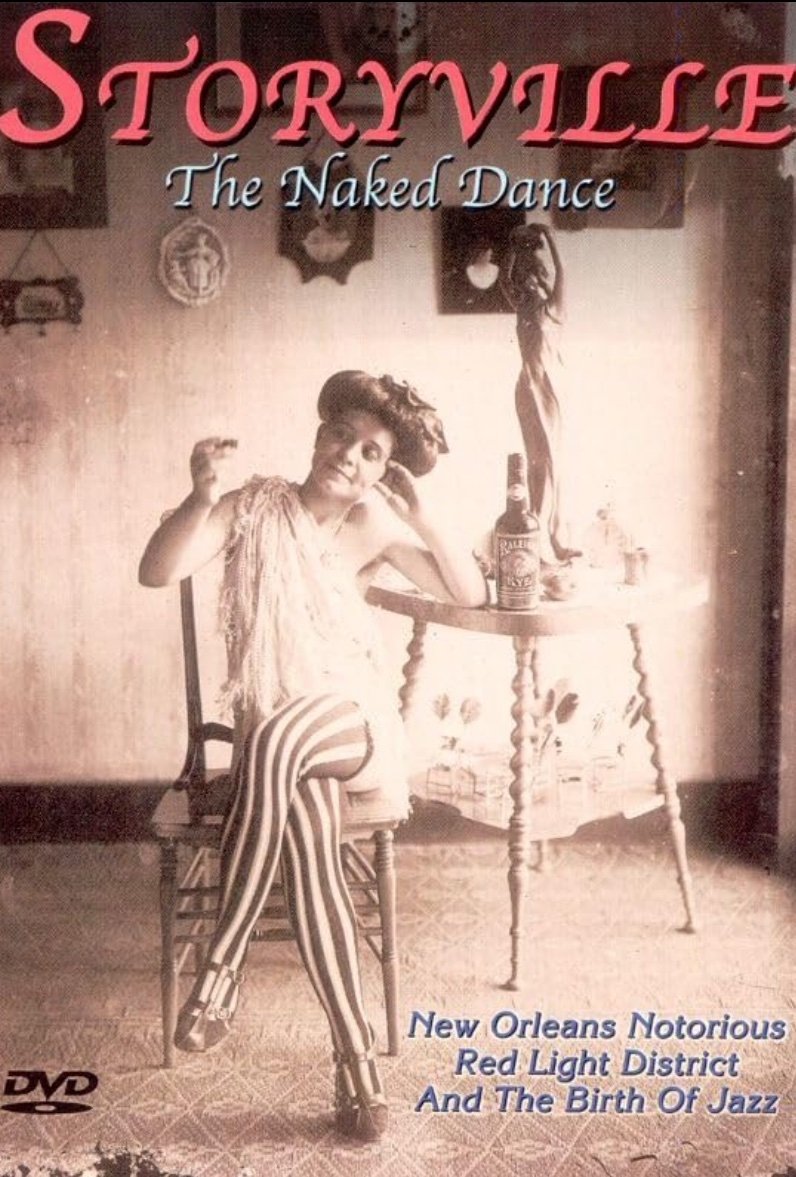
The Naked Dance is the first documentary about America's legendary legal red-light district that thrived in New Orleans from 1898 until World War I. Storyville got its name when Alderman Sidney Story attempted to clear up the New Orleans waterfront by restricting prostitution to a specific neighborhood. To his chagrin, the area was dubbed "Storyville," and it was so known until the U.S. Navy closed it for good in 1917.
This video diary, filmed between May 4, 1999 and February 1, 2000, brings together a series of self-portraits, a head in all its states.
Once the eviction announcement its released, the residents of the Santa Cruz 140 building are prepared to resist and spend the night waiting, not knowing what would happen when morning comes.
A documentary about the life and films of director John Ford.
Alexander McQueen's rags-to-riches story is a modern-day fairy tale, laced with the gothic. Mirroring the savage beauty, boldness and vivacity of his design, this documentary is an intimate revelation of McQueen's own world, both tortured and inspired, which celebrates a radical and mesmerizing genius of profound influence.
A night of drunken chaos rocks a quiet Dutch town in this shocking documentary about a teen's birthday invite that accidentally went viral on Facebook.
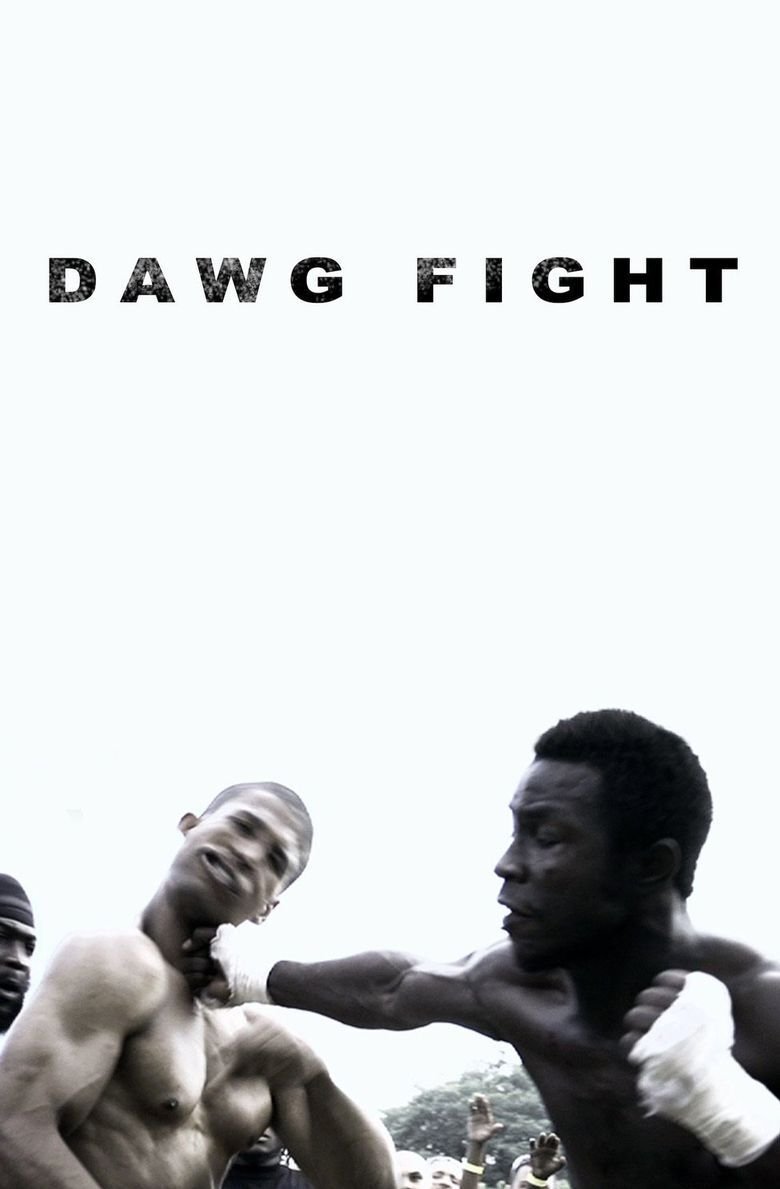
In a crime-plagued neighborhood near Miami, brutal, bare-knuckled backyard fights give young men a chance to earn money -- and self-respect.
This revealing documentary honors the legendary Sidney Poitier—iconic actor, filmmaker, and civil rights activist. Featuring interviews with Denzel Washington, Spike Lee, Halle Berry, and more.
Through deeply personal interviews with her siblings and an examination of the photographs, letters, and belongings left behind, Mariska assembles a new portrait of her mother Jayne Mansfield, an extraordinary and complex woman.
An inside look at one of the most anticipated movie sequels ever with James Cameron and cast.
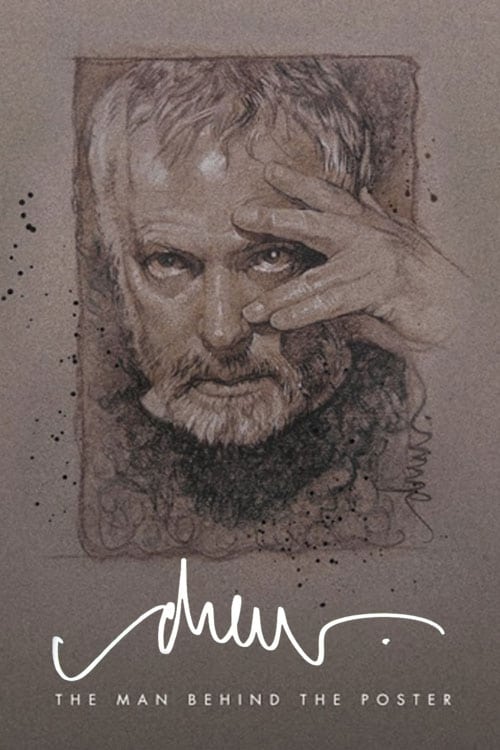
A documentary on legendary movie-poster artist Drew Struzan.
A look at the origins, history and conspiracies behind the "Majestic 12", a clandestine group of military and corporate figureheads charged with reverse-engineering extraterrestrial technology.
Director Michael Apted revisits the same group of British-born adults after a 7 year wait. The subjects are interviewed as to the changes that have occurred in their lives during the last seven years.
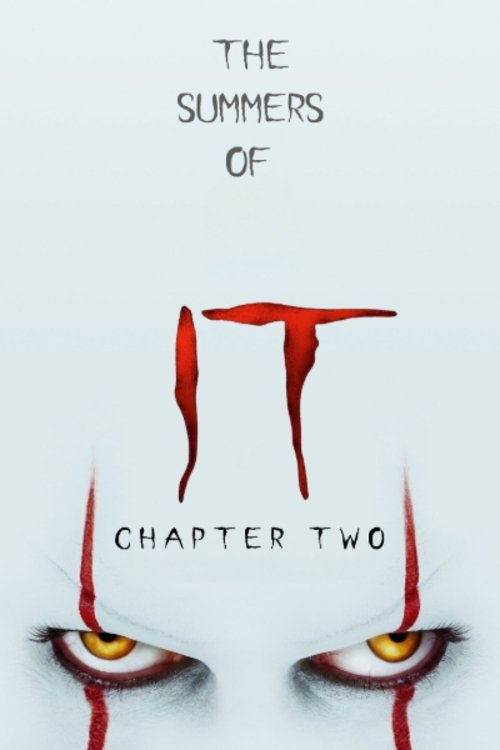
This documentary focuses on the actors and their journey over two summers to create the remake to the original IT, by Stephen King. The documentary originally released as bonus material, bundled with IT: Chapter Two.
A purely observational non-fiction film that takes viewers into the ethically murky world of end-of-life decision making in a public hospital.
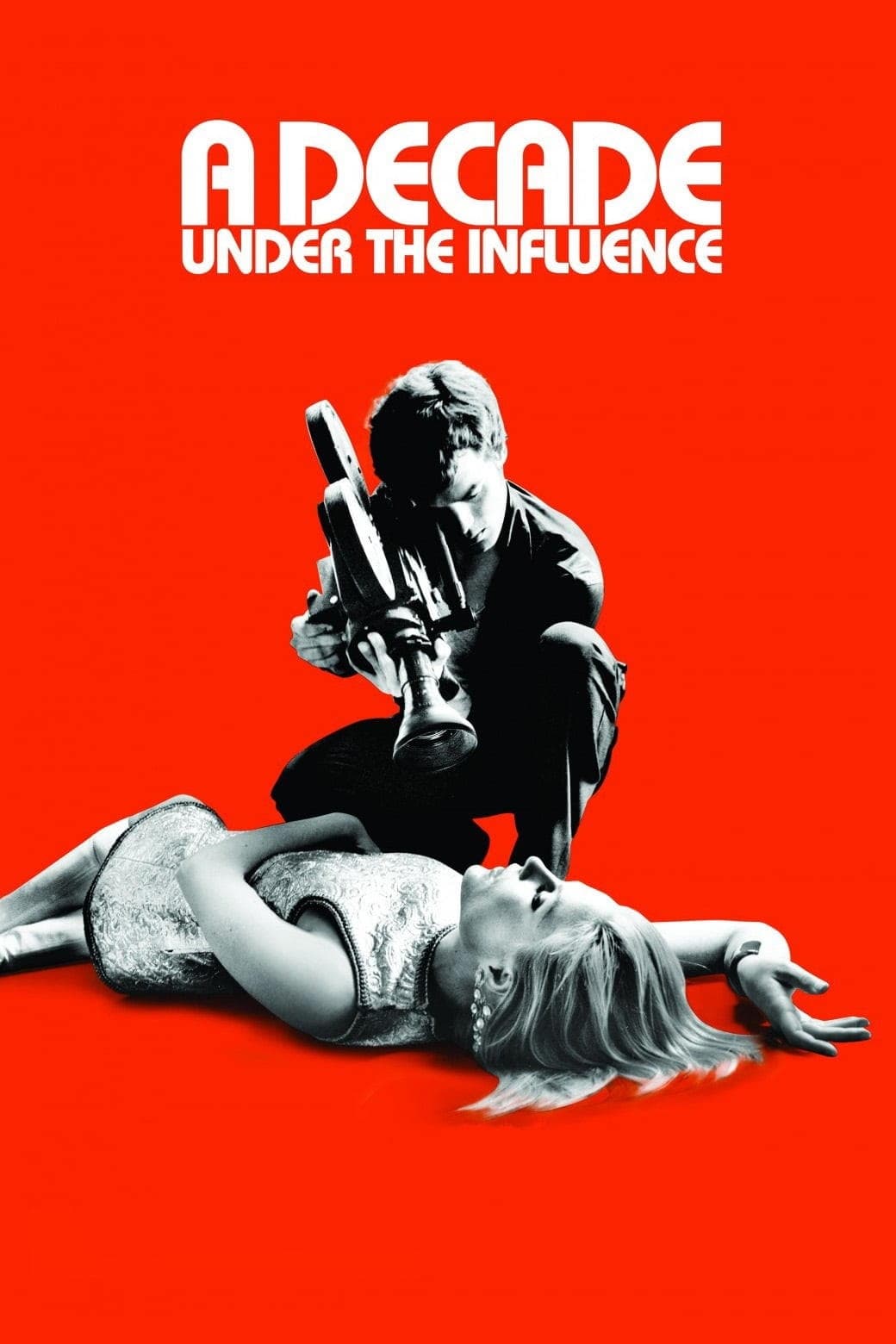
A documentary examining the decade of the 1970s as a turning point in American cinema. Some of today's best filmmakers interview the influential directors of that time.
After another 7 year wait, director Michael Apted revisits the same group of British-born children from Seven Up! and 7 Plus Seven. The subjects are interviewed as to the changes that have occurred in their lives during the last seven years.
A visual montage portrait of our contemporary world dominated by globalized technology and violence.
Award-winning journalist Daniela Arbex examines the horrors of the Colônia psychiatric hospital, where more than 60,000 people were killed over decades.
Brilliant, long in-the-works story of the life and art of the world's greatest comedian and the cinema's first genius, Charlie Chaplin. Produced, written and directed by renowned film critic Richard Schickel.
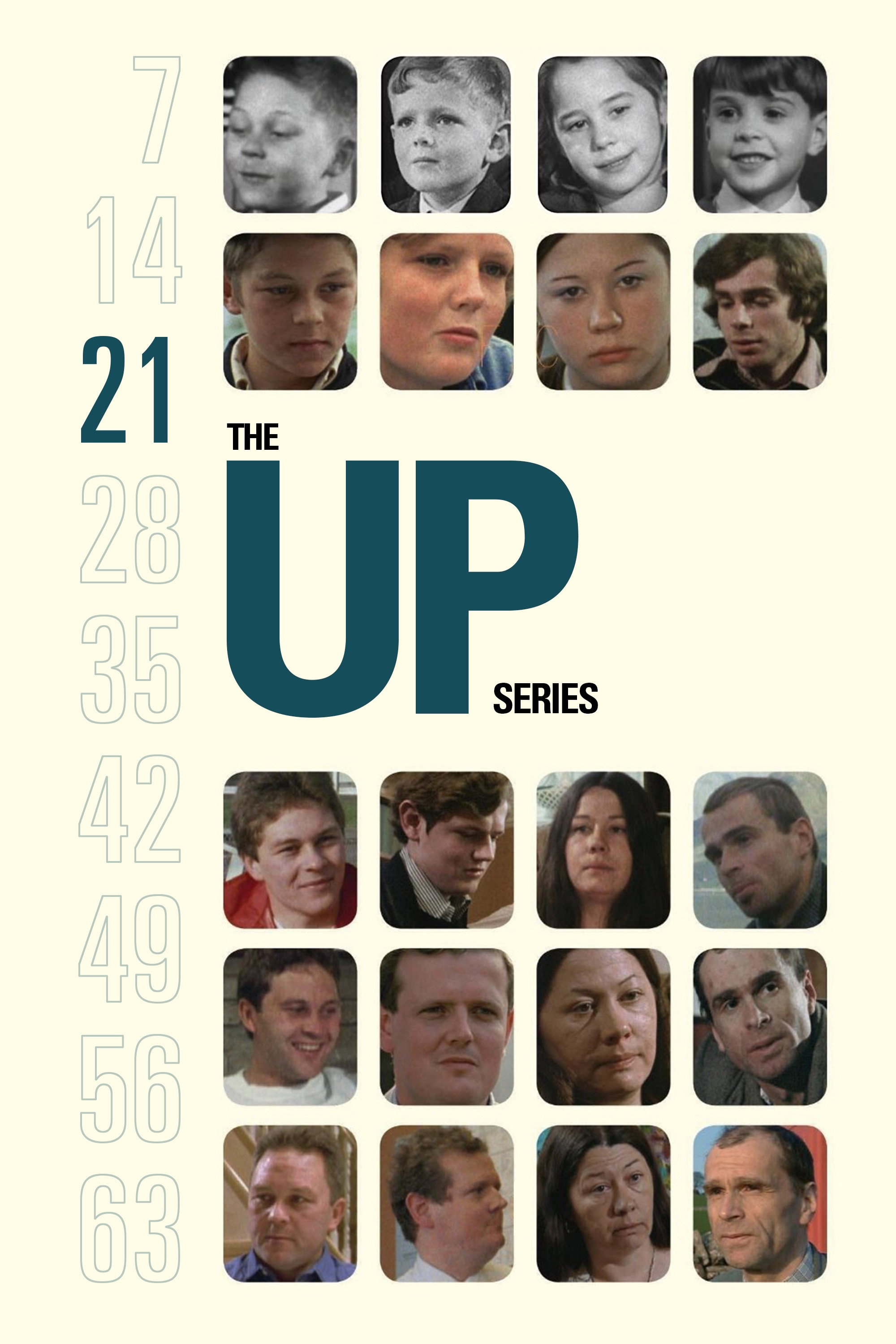
Just two years away from turning 30, participants in Michael Apted's documentary series are facing serious questions of identity and purpose, wondering whether they've found their place in the world.
SEDUCED AND ABANDONED combines acting legend Alec Baldwin with director James Toback as they lead us on a troublesome and often hilarious journey of raising financing for their next feature film. Moving from director to financier to star actor, the two players provide us with a unique look behind the curtain at the world's biggest and most glamourous film festival, shining a light on the bitter-sweet relationship filmmakers have with Cannes and the film business. Featuring insights from directors Martin Scorsese, 'Bernando Bertolucci' and Roman Polanski; actors Ryan Gosling and Jessica Chastain and a host of film distribution luminaries.
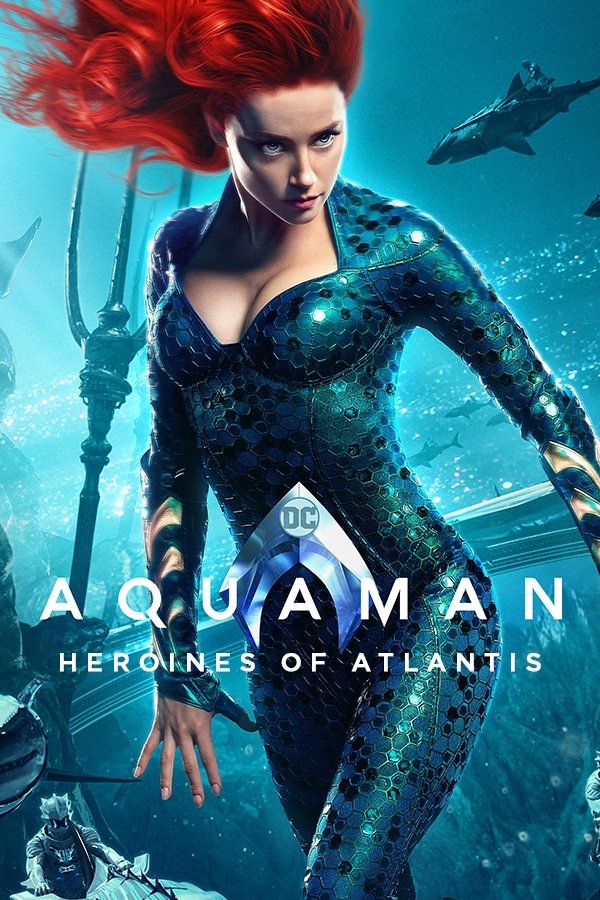
Amber Heard and Nicole Kidman discuss their characters Mera and Atlanna.