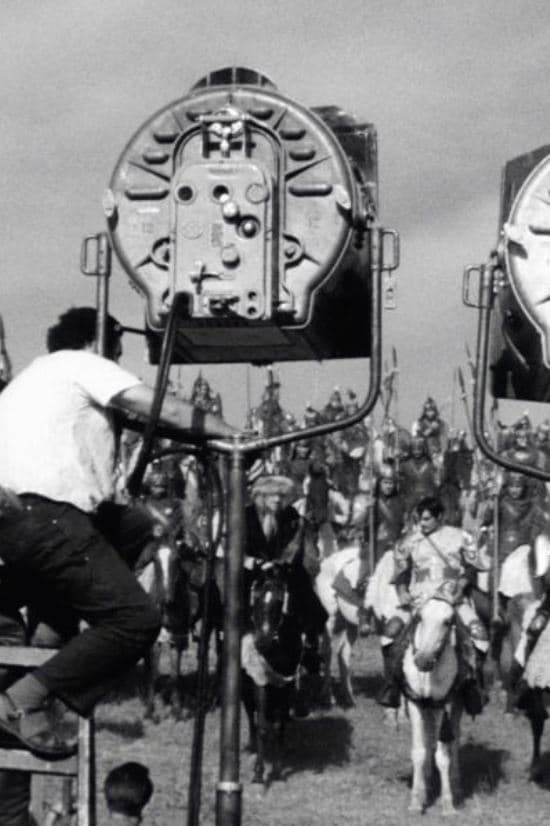
Short documentary on the making of Henry Levin's Genghis Khan, which filmed on location in Yugoslavia. The final film's epic battle scenes are contrasted with the mundane reality of life on a film set.
Social & External
Narrator
Self
Out of State is the unlikely story of native Hawaiians men discovering their native culture as prisoners in the desert of Arizona, 3,000 miles, and across the ocean, from their island home.
An exploration of the intricate art of filmmaking, delving into the multifaceted stages of scriptwriting, cinematography, and meticulous final editing. It provides a behind-the-scenes journey, unraveling the creative and technical complexities that bring a film to life. As an illustration, the film-within-a-film narrative centers around a race car competition.
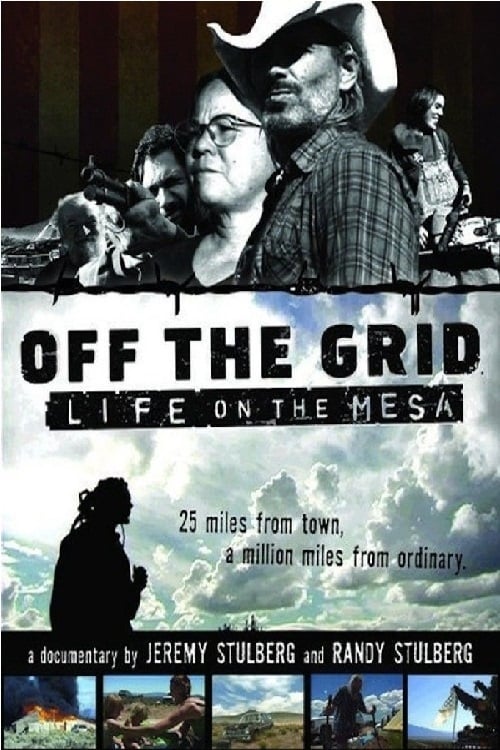
Twenty-Five miles from town, a million miles from mainstream society, a loose-knit community of eco-pioneers, teenage runaways, war veterans and drop-outs, live on the fringe and off the grid, struggling to survive with little food, less water and no electricity, as they cling to their unique vision of the American dream.
Lloyd Kaufman from Troma sits down for a Q&A at The Prince Charles Cinema in London on the evening of a Troma Triple-bill.
The intricate history of UFA, a film production company founded in 1917 that has survived the Weimar Republic, the Nazi regime, the Adenauer era and the many and tumultuous events of contemporary Germany, and has always been the epicenter of the German film industry.
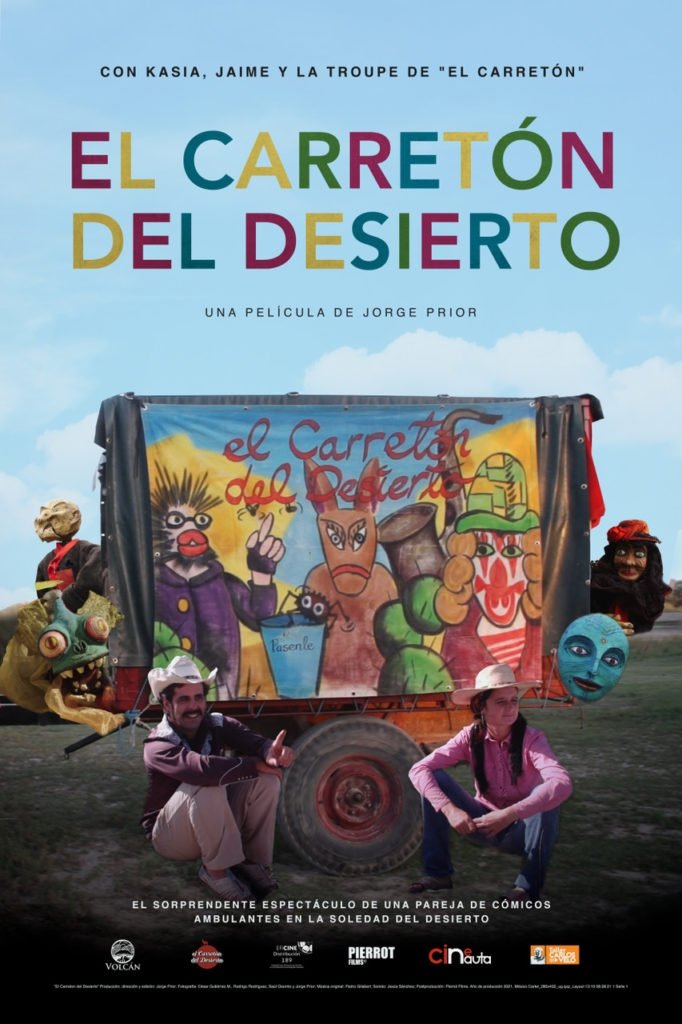
A couple of artists travels through the Mexico desert to present their puppet show.
A retrospective documentary about the groundbreaking horror series, Friday the 13th, featuring interviews with cast and crew from the twelve films spanning 3 decades.
Short featurette about the inspiration behind Pixar's "Cars".
If you think Burning Man is all about naked dancers tripping on substances, think again. This debut documentary by Renea Roberts takes an intelligent and thoughtful look at how the promotion of a gift economy ethic influences a host of social elements. The focus is on community and the power of gifting.
Superfan David Whiteley celebrates the unsung British heroes behind the first film in the Star Wars’ franchise, 1977’s eponymously titled Star Wars. The Star Wars saga ends with the release of The Rise of Skywalker in December 2019. This documentary celebrates where it all began. It includes previously unheard stories from the people who made one of the most successful movies of all time, with additional interviews and previously unseen behind-the-scenes footage. The presenter, Star Wars superfan David Whiteley, who has his own connection to the original film (he was born on May the 4th), tracks down the often modest British talent who brought the galaxy to life. David explores the contribution of the London Symphony Orchestra and meets Ann Skinner, who was in charge of continuity. As well as seeing her original stills from the set, Ann reveals how she helped Sir Alec Guinness with one of the most famous speeches in Star Wars.
Cameramen and women discuss the craft and art of cinematography and of the "DP" (the director of photography), illustrating their points with clips from 100 films, from Birth of a Nation to Do the Right Thing. Themes: the DP tells people where to look; changes in movies (the arrival of sound, color, and wide screens) required creative responses from DPs; and, these artisans constantly invent new equipment and try new things, with wonderful results. The narration takes us through the identifiable studio styles of the 30s, the emergence of noir, the New York look, and the impact of Europeans. Citizen Kane, The Conformist, and Gordon Willis get special attention.
The cast and crew of Community reflect on creating the final season of the show.
As a child in Burkina Faso, Yacouba was sent away from home to study the Qur'an, where he and his classmates were almost starving. The young boys would trek across miles of wilderness, only to fall and beg at a straw hut for meagre rations. It is from this harsh background that the young farmer became determined to develop techniques that would bring exhausted soil back into production. His efforts have outdone the work of the world's leading scientists and technological advances costing millions of pounds. They may also yet prove crucial to the future of the world's rapidly growing population and global food demands.
A mechanic discovers the fossil of a huge carnivorous dinosaur, unleashing a war between scientists, mayors and neighboring towns to keep “the biggest dinosaur in the world.” Among bone thefts, replicas and a mayor obsessed with creating Dinolandia, anything goes when it comes to surviving.
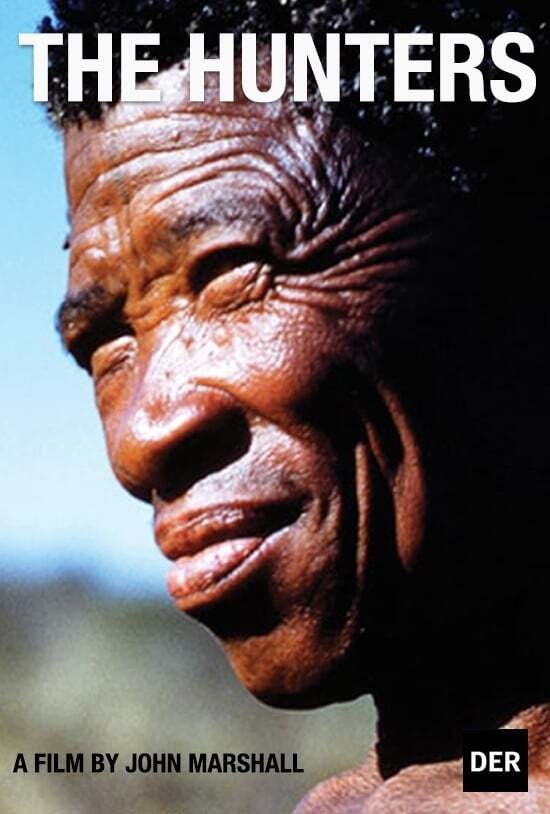
An ethnographic film that documents the efforts of four !Kung men (also known as Ju/'hoansi or Bushmen) to hunt a giraffe in the Kalahari Desert of Namibia. The footage was shot by John Marshall during a Smithsonian-Harvard Peabody sponsored expedition in 1952–53. In addition to the giraffe hunt, the film shows other aspects of !Kung life at that time, including family relationships, socializing and storytelling, and the hard work of gathering plant foods and hunting for small game.
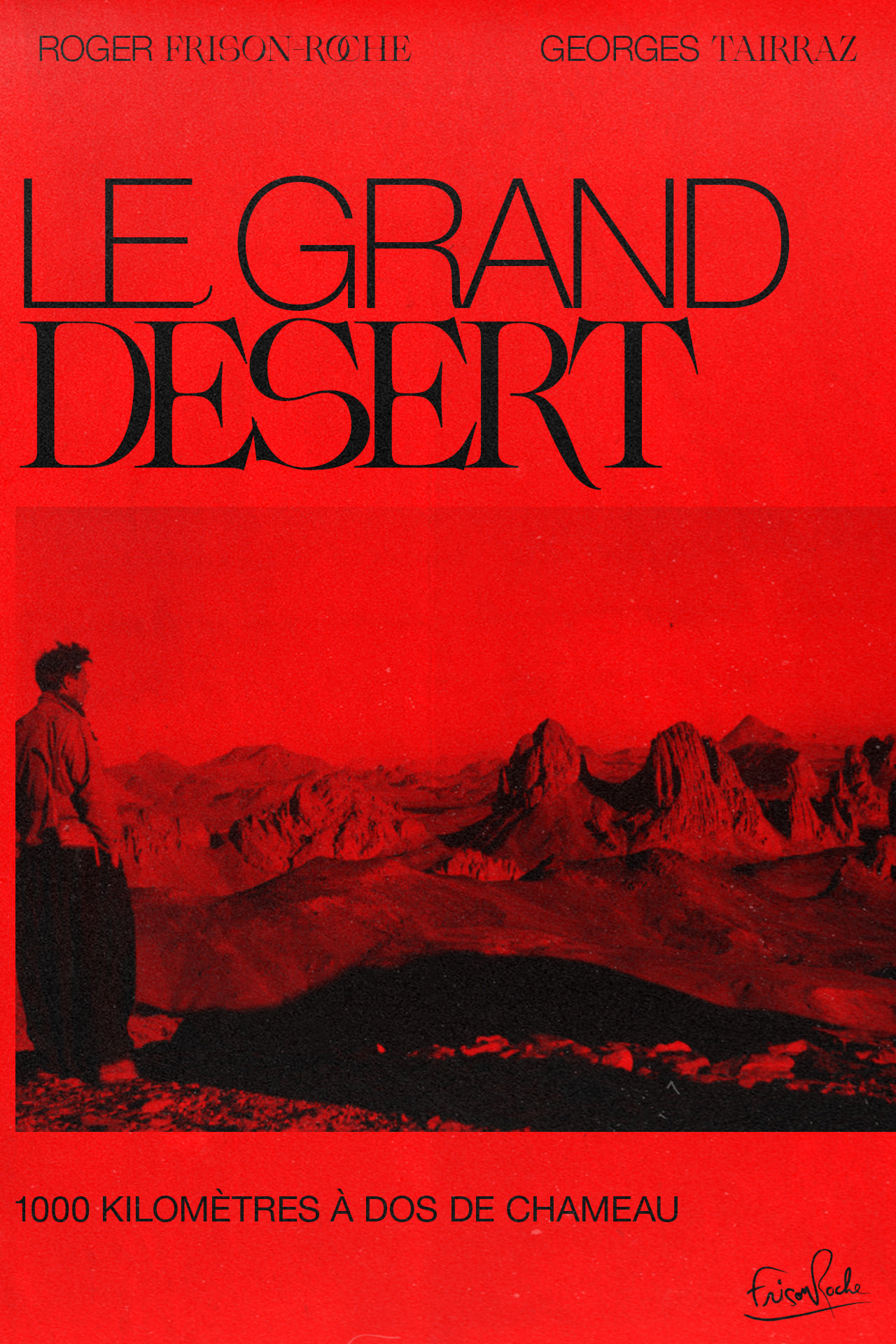
In 1950, the explorer Roger Frison-Roche made a crossing of more than a thousand kilometers on the back of a camel with the photographer Georges Tairraz II, in the heart of the Sahara, from Hoggar then Djanet in Algeria to Ghat in Libya. From their journey they brought back a large number of color films and documents. Among thousands of photos, they selected 47 images which reflect the various aspects of these immense spaces which occupy a third of Africa in the book "The Great Desert". “The Great Desert, 1000 kilometers on camelback” is the eponymous 85-minute documentary of this epic, released in 1950.
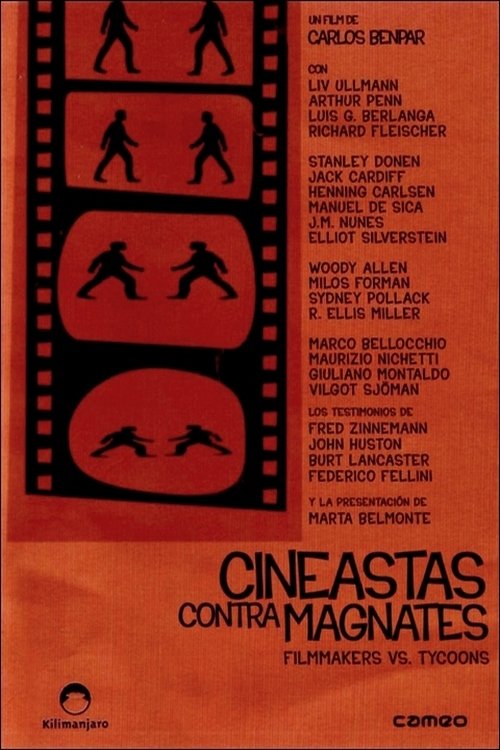
How the cinema industry does not respect the author's work as it was conceived, how manipulates the motion pictures in order to make them easier to watch by an undemanding audience or even how mutilates them to adapt the original formats and runtimes to the restrictive frame of the television screen and the abusive requirements of advertising. (Followed by “Filmmakers in Action.”)
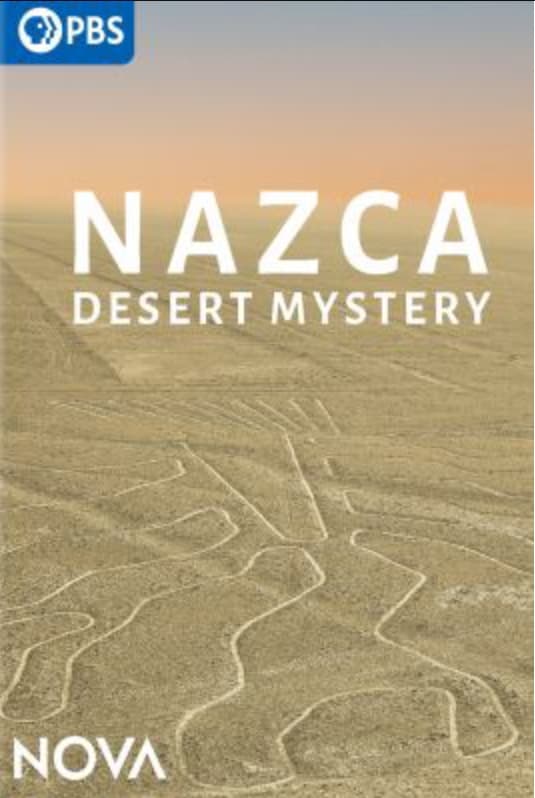
One of the world’s greatest ancient enigmas, the Nazca lines are a dense network of criss-crossing lines, geometric shapes, and animal figures etched across 200 square miles of Peruvian desert. Who created them and why? Ever since they were discovered in the 1920s, scholars and enthusiasts have raised countless theories about their purpose. Now, archaeologists have discovered hundreds of long-hidden lines and figures as well as evidence of ancient rituals, offering new clues to the origins and motivations behind the giant desert symbols.
We mark a new milestone in the chapter of human flight. Join Jetman Yves Rossy and his protege, Jetman Vince Reffet as they explore the limits in the city of dreams. "The real dream is to be completely free"