Social & External
Jessy
Vincent
Moeder
Aadi and Tara fall in love but both hate the idea of marriage and plan to separate when their lives take them to different countries. However, as they grow closer, their emotions are not easily managed.
Mrs. Blank visits her lawyer Karels to request his assistance with a matter. She is a niece of Baroness de Hagen. The baroness's son and daughter-in-law have passed away, and Mrs. Blank would be the sole heir, provided that the young son is no longer alive. Karels has to make sure the son disappears so that Mrs. Blank can claim the money in ten years. The son grows up in a gypsy family, but one day he finds out that this is not his family. What will happen? Will Mrs. Blank still get her money?
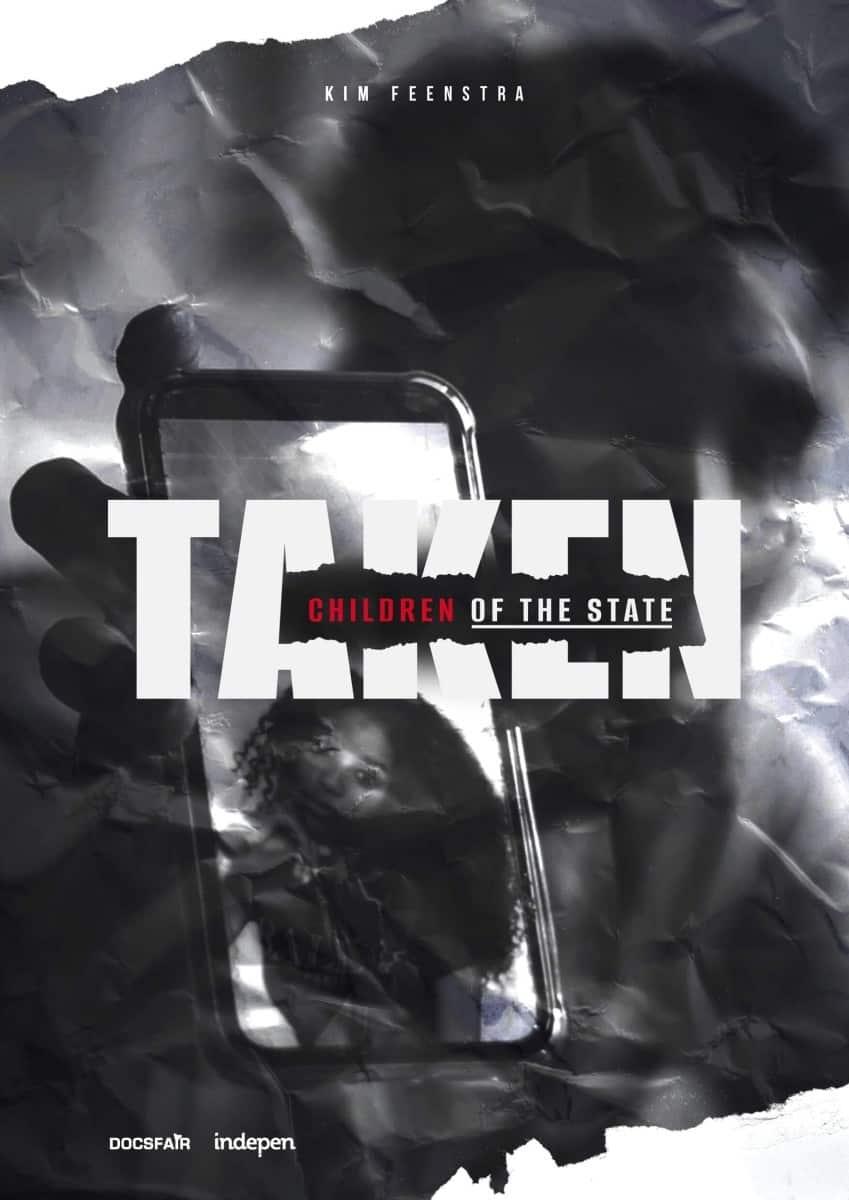
On June 12, 2019, the Committee to Investigate Violence in Youth Care presented its final report. The conclusions were startling. Kim Feenstra set out to find out what progress has been made within the Youth Care system since then and ended up in a circle of grief and pain dominated by money, power and powerlessness. In her search, Kim Feenstra spoke to many people involved. The stories can be described as downright shocking. In many cases Youth Care appears to act as a revenue model that is exploiting parents and children. The complex system has only one entrance, but the exit is obstructed by all stakeholders who want to maintain their revenue model. The people who really matter, the parents and children, encounter a power block of inhuman proportions. A system dominated by money, power and powerlessness.
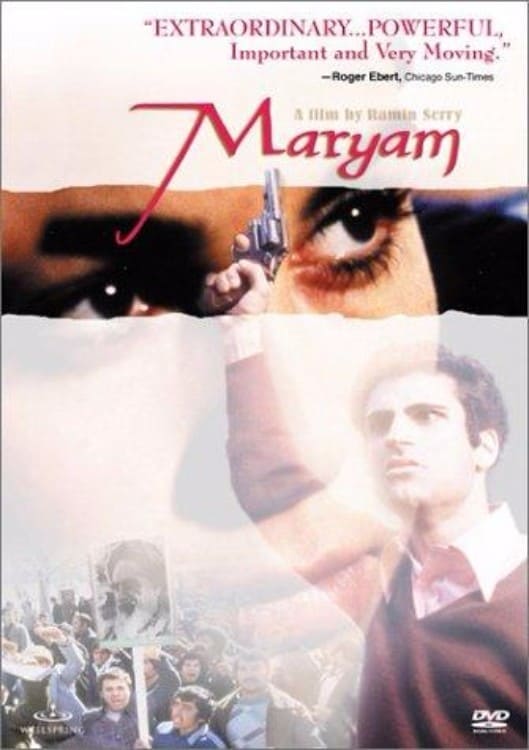
An Iranian-born teenager living in suburban New Jersey thinks of herself as simply an American until anti-Iranian sentiment erupts in her community after American hostages are held in Iran.
The story is set near the southern border filled with explosive mines. The men of the "Network" stubbornly slam themselves against the border, trying to cross it to no avail. They have to take refuge in a local's house where one of the members fall in love with a beautiful girl...
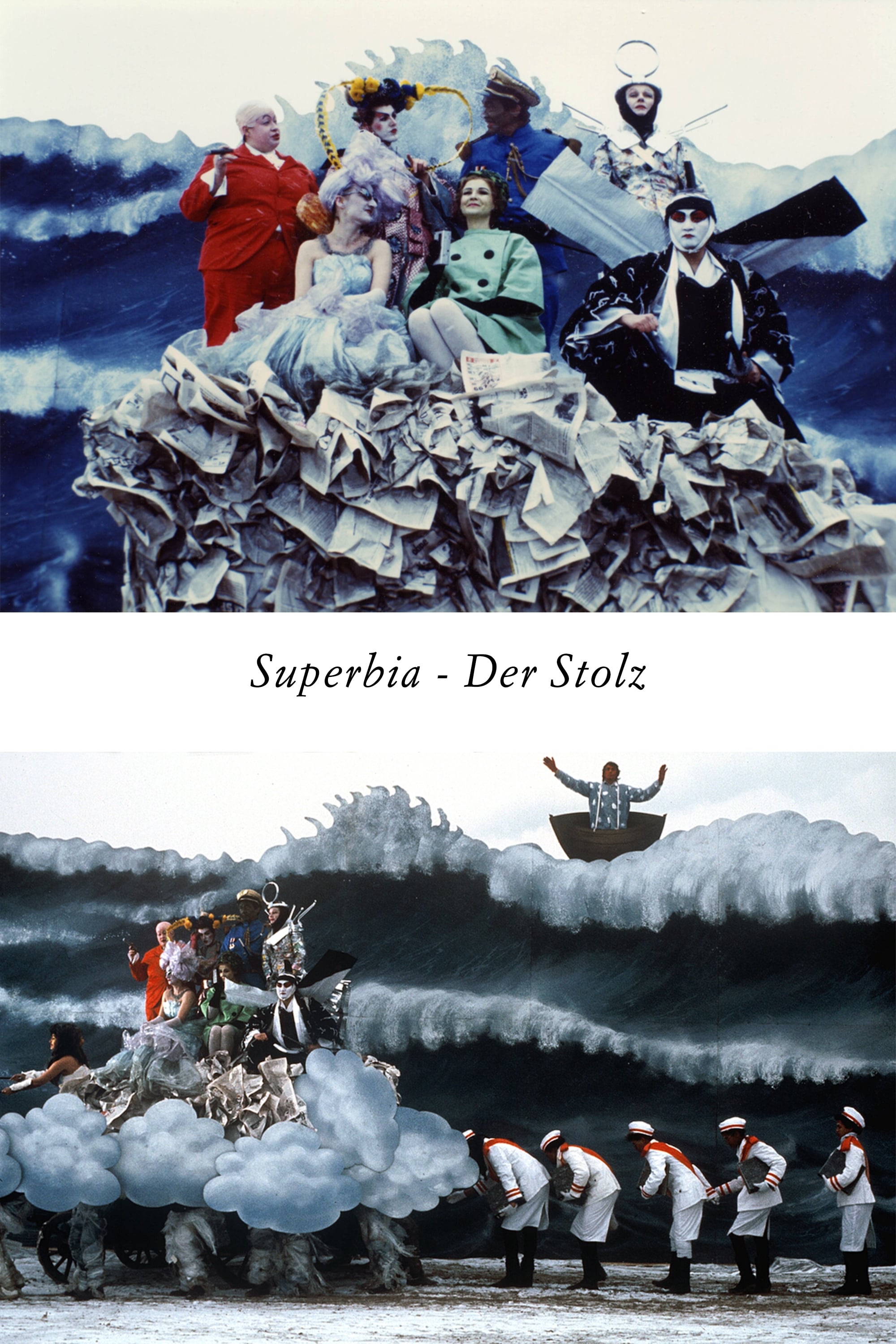
Pride is the first of the seven deadly sins. The introduction is made through early allegorical forms and figures (triumphal procession, dance of death, Baroque tragedy etc.) The triumphal procession of the giant haystack as a symbol of human vanities becomes a military parade of abrupt, functional and arrogant gestures. The most diverse musical fragments and rhythms intone the montage of details in the staged triumphal procession, juxtaposed with documentary images, including marches, ticker-tape parades and military review.
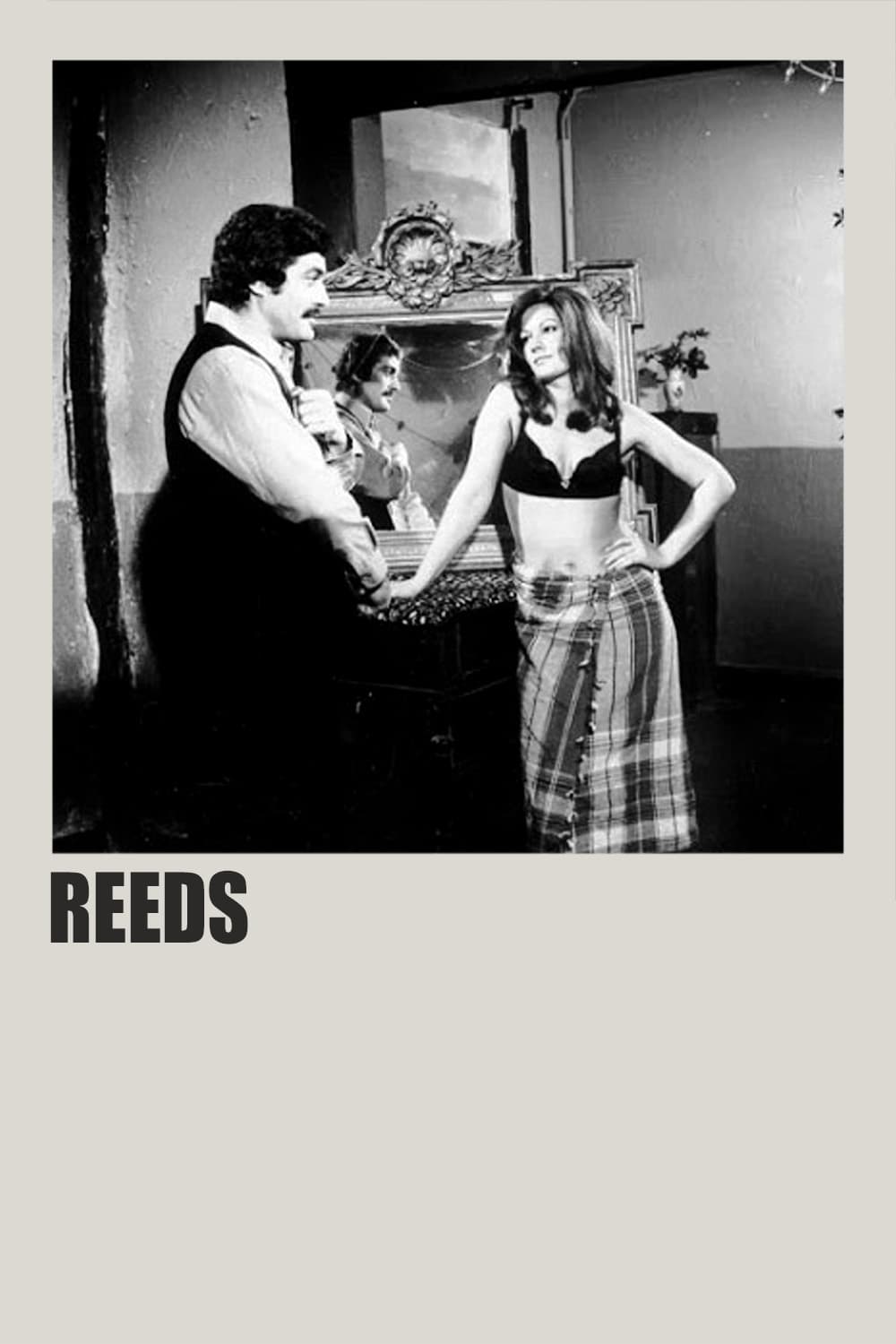
Hayriye is afraid of the future. Every day, while waiting for his beloved Ali to return from fishing on the long wooden pier, she disappears one day; it is Ali' turn to wait.
In Tupelo, Mississippi, in 1962, a poor, young, single mother is impregnated by a womanizing has-been singer. Her mother tries to force her to give the child away but our heroine isn't sure. As she tries to solve her problems she receives assistance from unlikely quarters: a lesbian gang and the feminist/nudist/stripper/adult film star they idolize.
Hamlet returns home from drama school in United States, after the cold-blooded assassination of her father by her uncle, who has married Hamlet’s mother. After seeing her father’s ghost, Hamlet decides to feign insanity, in order to get to the truth.