This documentary chronicles the lives of two mountaineers from Nepal who have left the high Himalaya in search of "success" in New York City.
Social & External
Himself
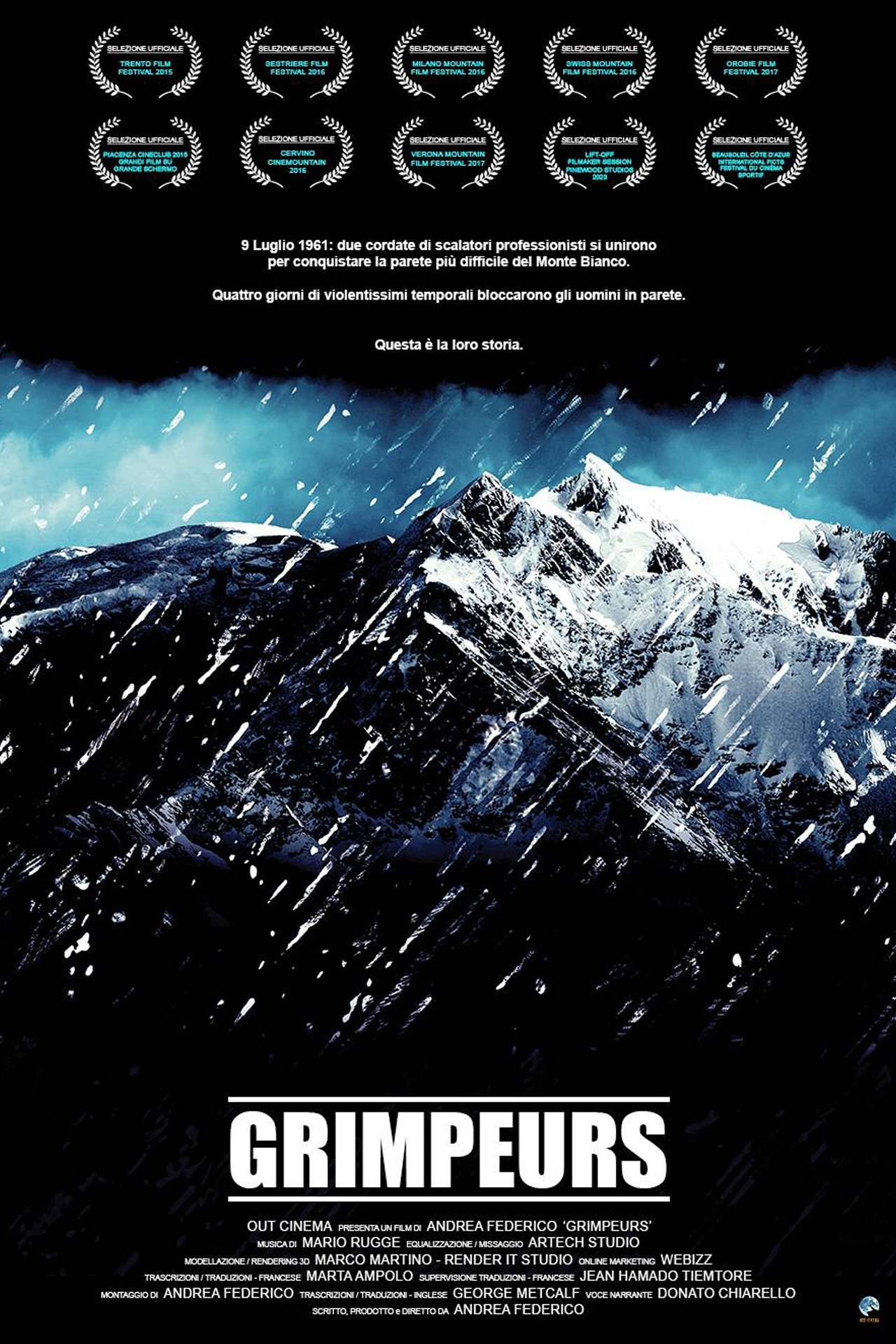
In 1961 the southern face of the Central Pillar of Mont Blanc was still unclimbed. Two roped parties of climbers decided to come together to attempt to open a new route. Four days of violent storms caught the climbers just 80 metres from the summit. Of the seven climbers, only three returned home. One of the most intense and dramatic events in the history of climbing relives on the big screen, thanks to accounts and images of the feat.
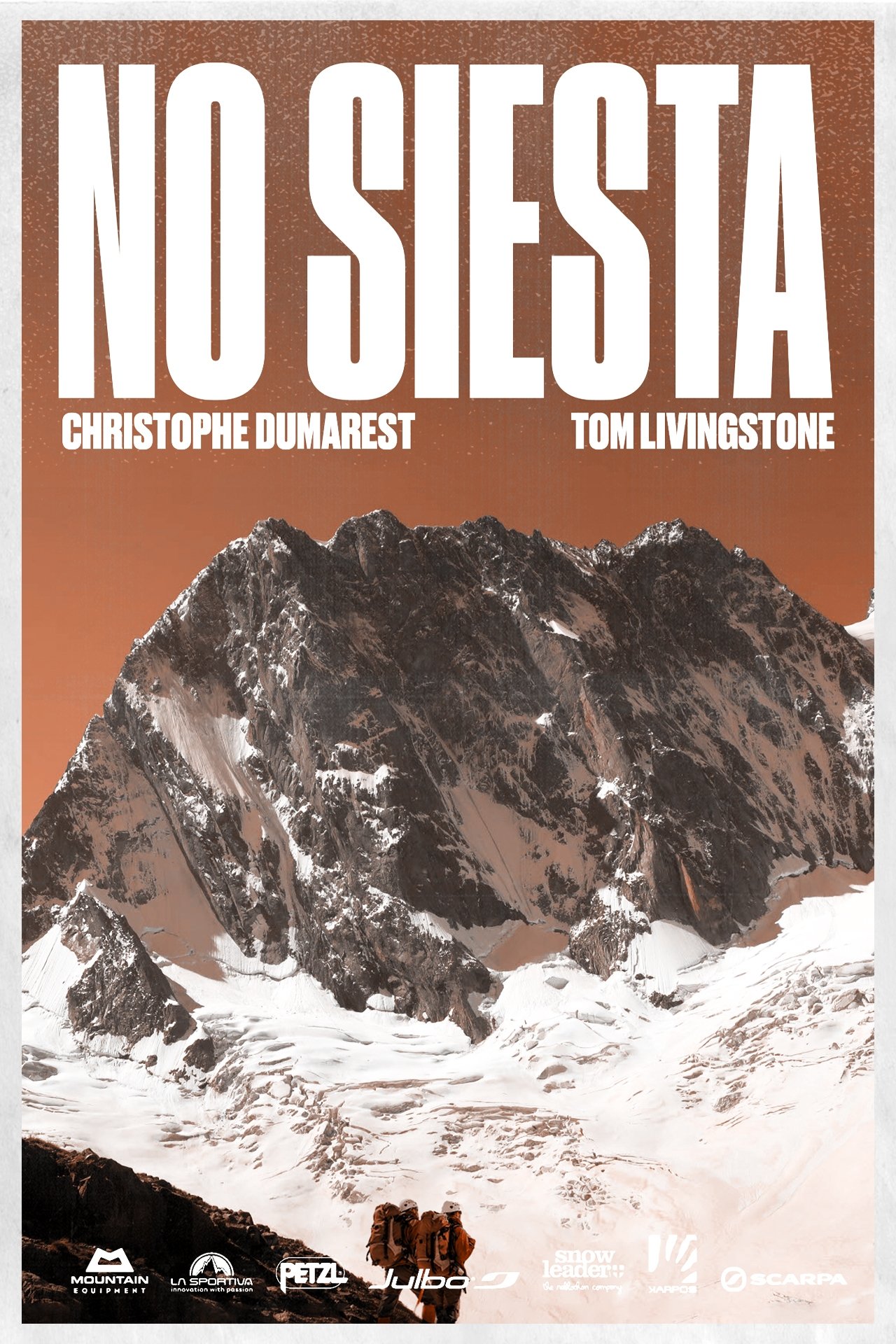
It's one of the hardest routes on a north face that's not lacking in them: No Siesta on the Grandes Jorasses, 30 pitches of mixed, ice and rock, sometimes dubious, sometimes compact. Opened in 1986 by Jan Porvaznik and Stanislav Glejdura, No Siesta has seen a few repeats that have made it a legend: first solo in 3 days by Patrice Glairon-Rappaz in 2000, first winter and free by Robert Jasper in 2003. For the past ten years, the (rare) repeaters have been setting off on this route in the fall, or winter. Christophe Dumarest knows the north face of the Jorasses well: and for good reason, with this ascent of No Siesta his counter shows twelve routes on the north face! Not far from being a record, no doubt. Roped up with Briton Tom Livingstone, the team climbed No Siesta with two bivouacs. A short and successful film about what remains one of the most famous routes in the Alps.
In 2019, Nepalese mountain climber Nirmal “Nims” Purja set out to do the unthinkable by climbing the world’s fourteen highest summits in less than seven months. (The previous record was eight years). He called the effort “Project Possible 14/7” and saw it as a way to inspire others to strive for greater heights in any pursuit. The film follows his team as they seek to defy naysayers and push the limits of human endurance.
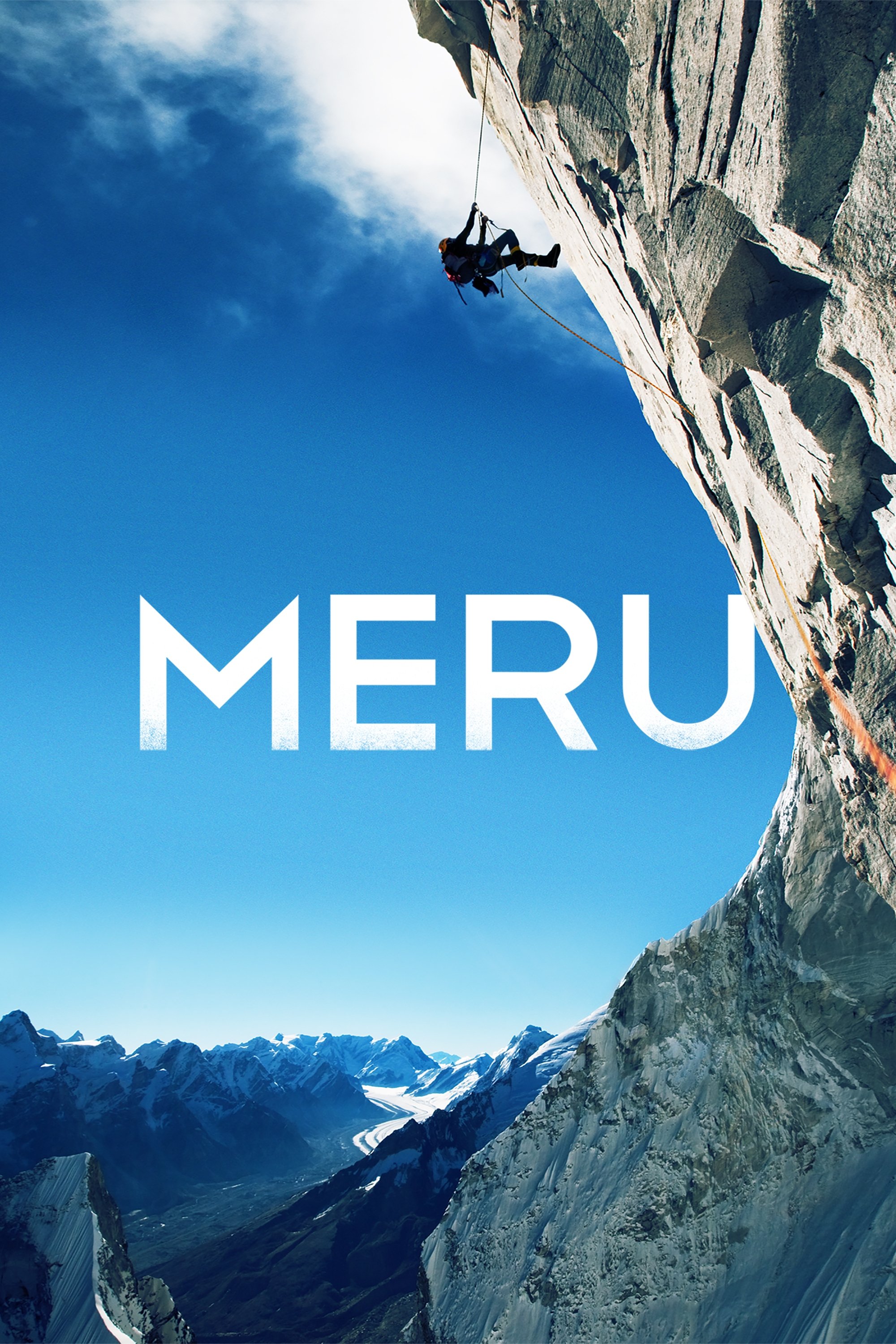
Meru is the electrifying story of three elite American climbers—Conrad Anker, Jimmy Chin, and Renan Ozturk—bent on achieving the impossible.
Yûichirô Miura, the man who skied down Everest, journeys to an 8,000 foot mountain in the midst of a frozen antarctic wasteland to experience the incomparable thrill of skiing where no one has skied before.
Six blind Tibetan teenagers climb the Lhakpa-Ri peak of Mount Everest, led by seven-summit blind mountain-climber Erik Weihenmayer.
For decades, an elite handful of climbers have competed for the coveted speed record on the 3,000-foot Nose of El Capitan, risking big falls to shave mere seconds off the fastest time. When a record held by superstar Alex Honnold is broken by little-known climbers Brad Gobright and Jim Reynolds, Honnold drafts fellow climbing legend Tommy Caldwell to establish a new mark that will stand the test of time. Honnold pushes for perfection while Caldwell, a family man, wrestles with the risk amid a series of accidents on the wall that lay bare the consequences of any mistake.
In this retrospective tribute, acclaimed filmmaker Jean Walkinshaw hails the 100th anniversary of Mount Rainier National Park in Washington by talking to those who know it best: the scientists, naturalists, mountain climbers and artists whose lives have been touched by the peak's far-reaching shadow. The result is a harmonious blend of archival material and high-definition footage celebrating an icon of the Pacific Northwest.
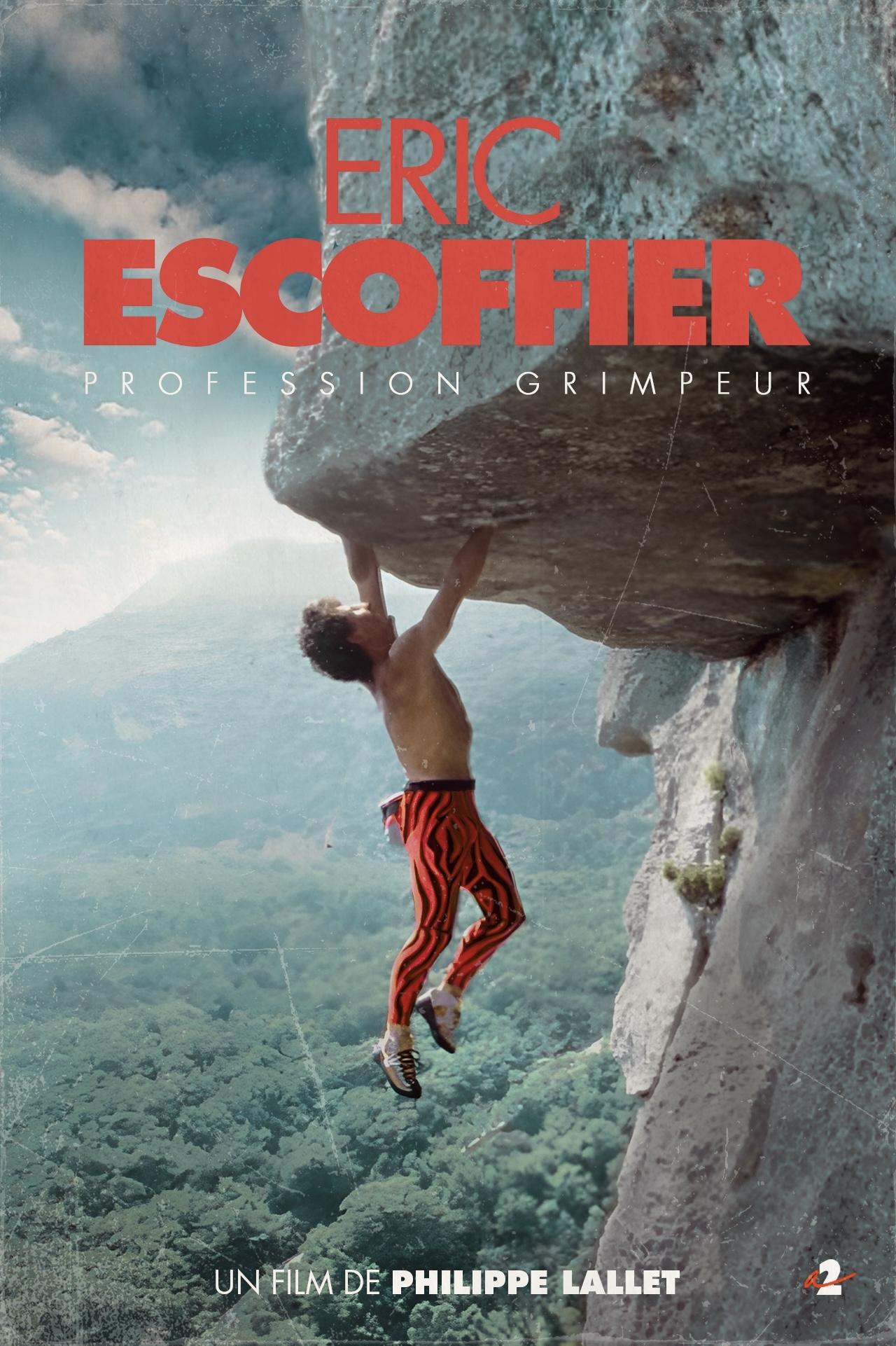
A documentary portrait of the legend Eric Escoffier at the height of his mountaineering career. A true athlete, Escoffier has comprehensive, cutting-edge preparation in three different climbing disciplines: rock climbing, ice climbing and solo free climbing, without any safety devices. Philippe Lallet's camera follows Eric in his performances and in his preparation for one of the first La Sportroccia climbing competitions, in 1985 in Bardonecchia in Italy.
Breathtaking climbing sequences. As a guide, none other than "The Rock Queen" Catherine Destivelle. Climbing companions of the caliber of Chris Bonington or Tom Livingstone, one of the greatest Himalayan climbers today... for the production of "Great Britain, Journey to the Sources of Mountaineering," Vincent Perazio and Bertrand Delapierre have proven themselves equal to a complex but fascinating subject: the British origins of mountaineering. A journey through time. Since the second half of the 19th century and the beginnings of the British writer Albert F. Mummery, who would become the first sport mountaineer, notably in the Alps and the Caucasus.
For nearly three years, director Dina Khreino interviewed world-class mountain climbing athletes, listening to what compels them to leave behind families, friends, and everyday comforts to risk everything for a fleeting glimpse into the unknown. What she found was a tribe, a diverse group of professional adventurers and amateur philosophers forged by the ultimate test of body, mind, and spirit. In the face of shifting winds, sheer granite cliffs, and impossible odds, they climb. Each for their own reason, but every one connected by the vertical world. In this rarefied air, these athletes are fundamentally changed, not just as climbers, but as human beings.
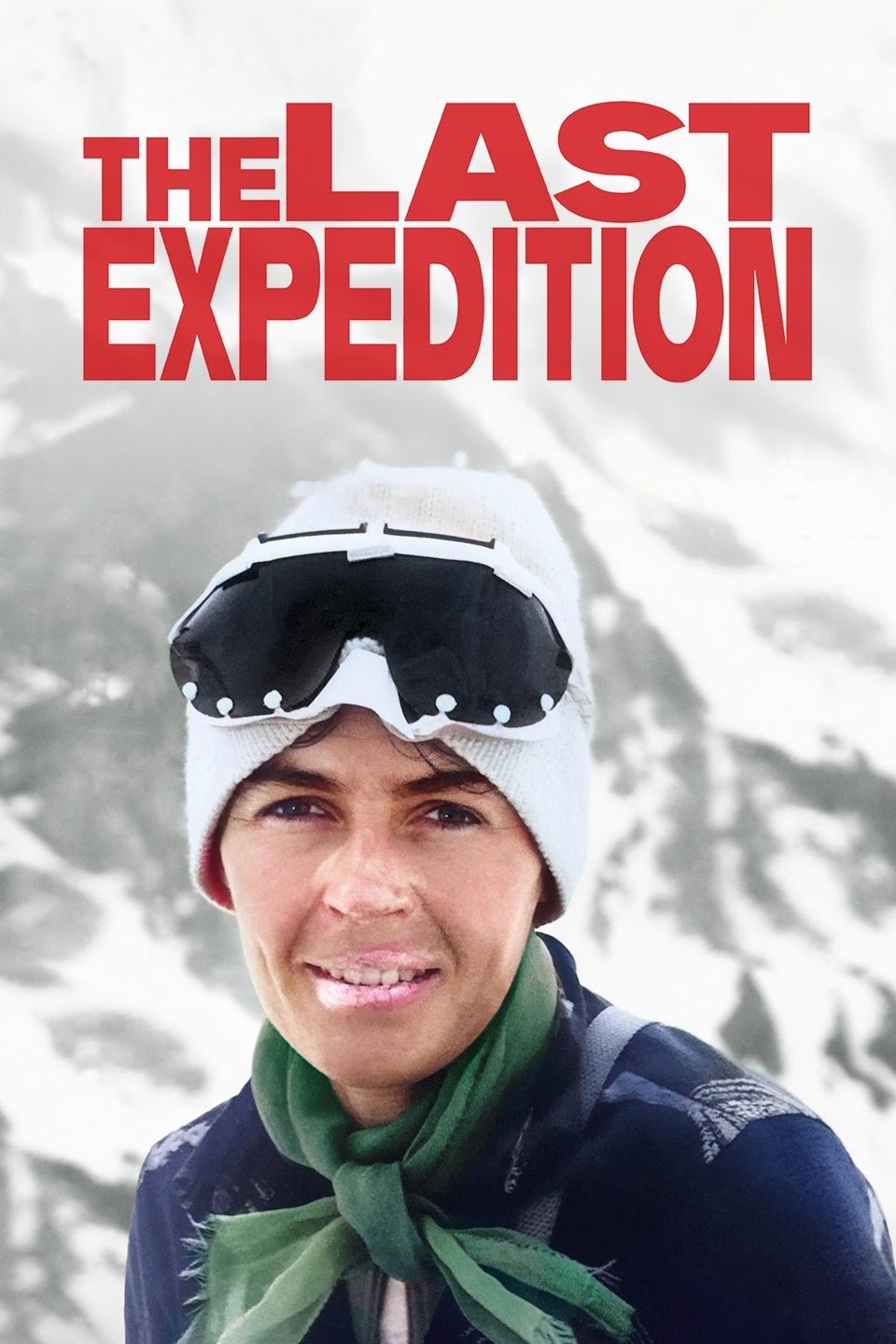
Participants' account of Wanda Rutkiewicz's last expedition.
The true story of Wanda Rutkiewicz, the first woman in the world and the first person from Poland to climb the highest peaks on earth, told by herself.
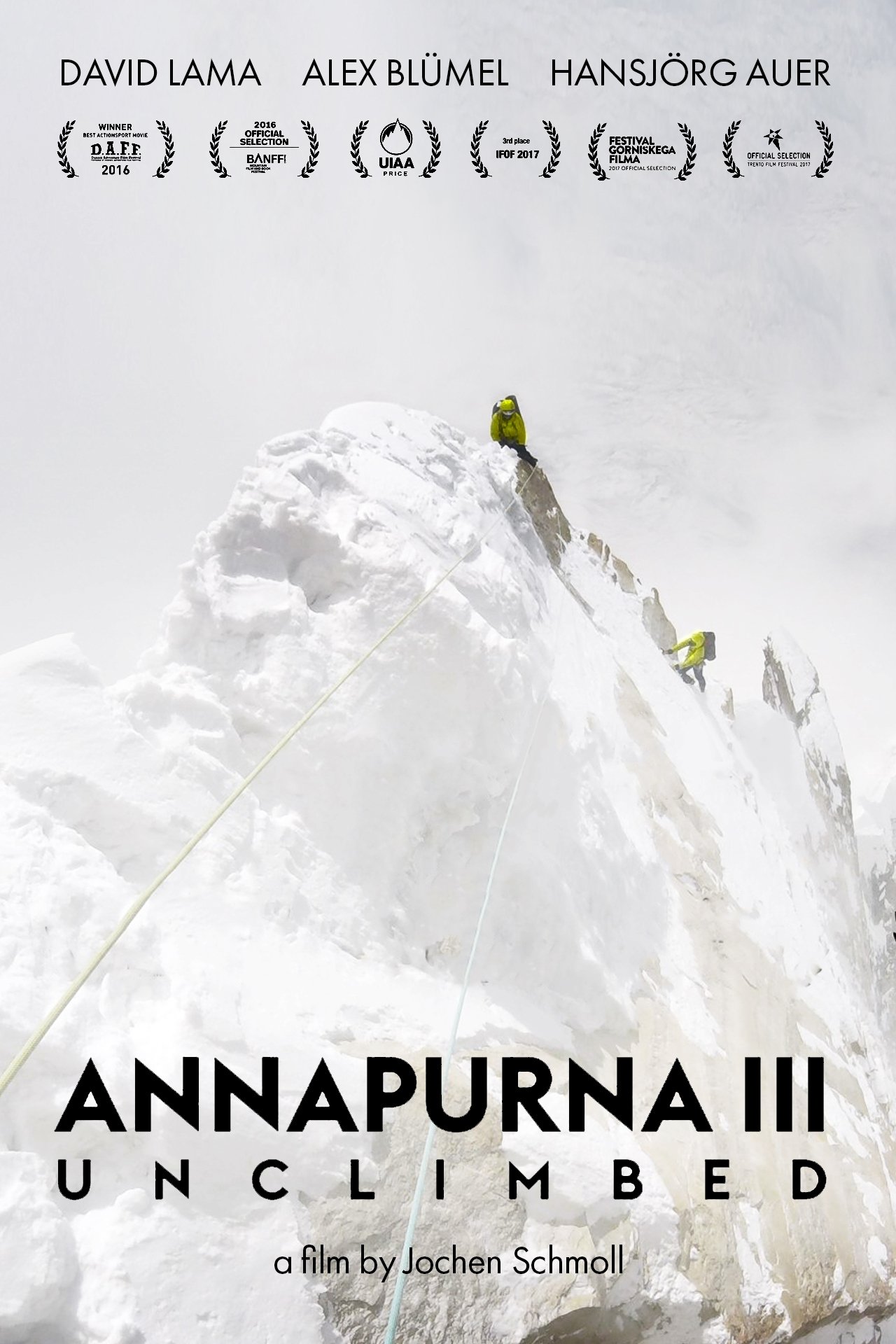
“Annapurna III – Unclimbed” is an award-winning 12-min documentary featuring the 2016 expedition to the Himalayas of Nepal led by David Lama together with Austrian alpinists Hansjörg Auer and Alex Blümel. Join the team in their feelings of fatigue, anxiety, exposure and ordeal during their 5 weeks attempting one of the world’s greatest, unsolved puzzles of alpinism: The unclimbed south-east ridge of Annapurna III.
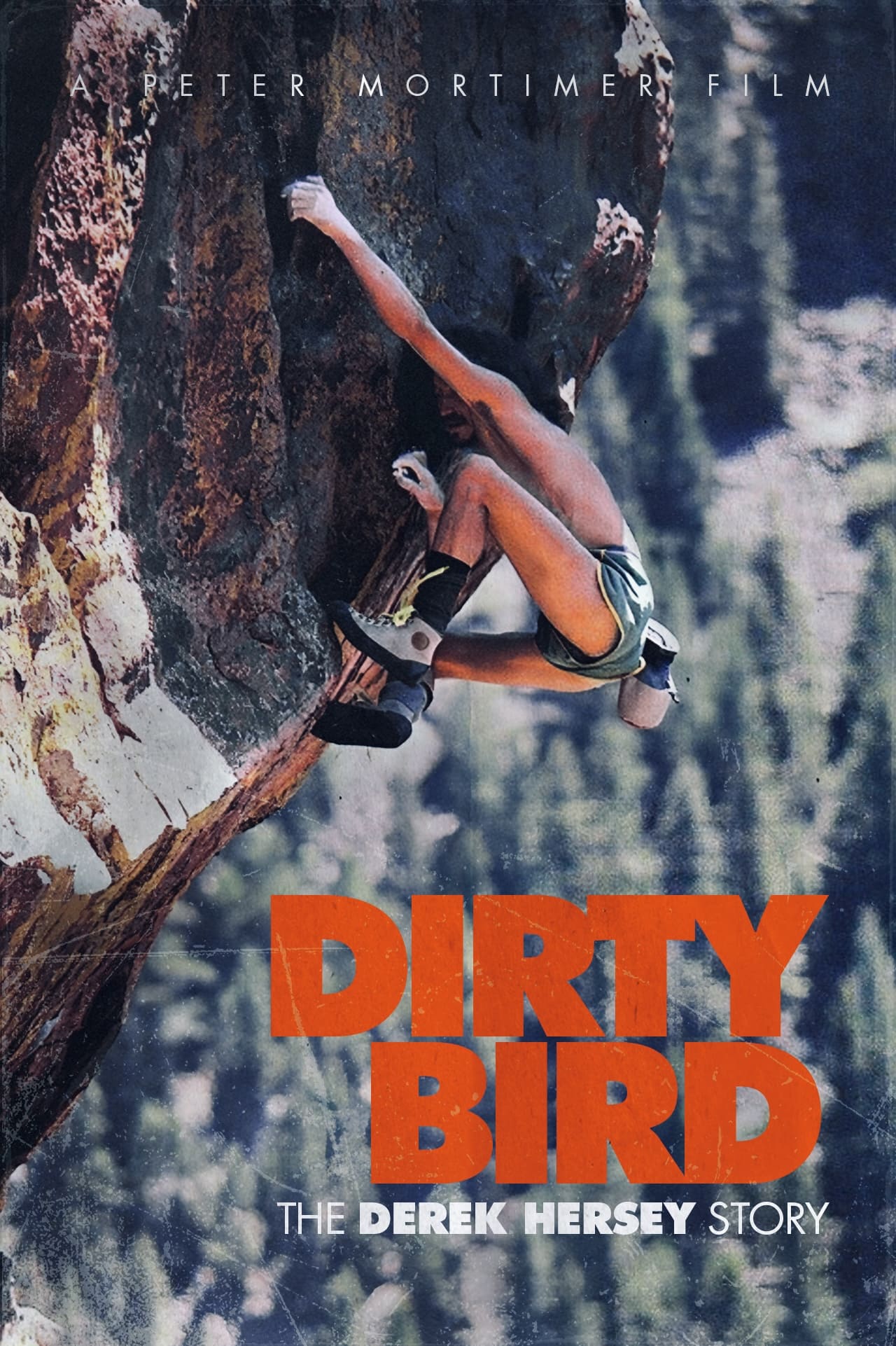
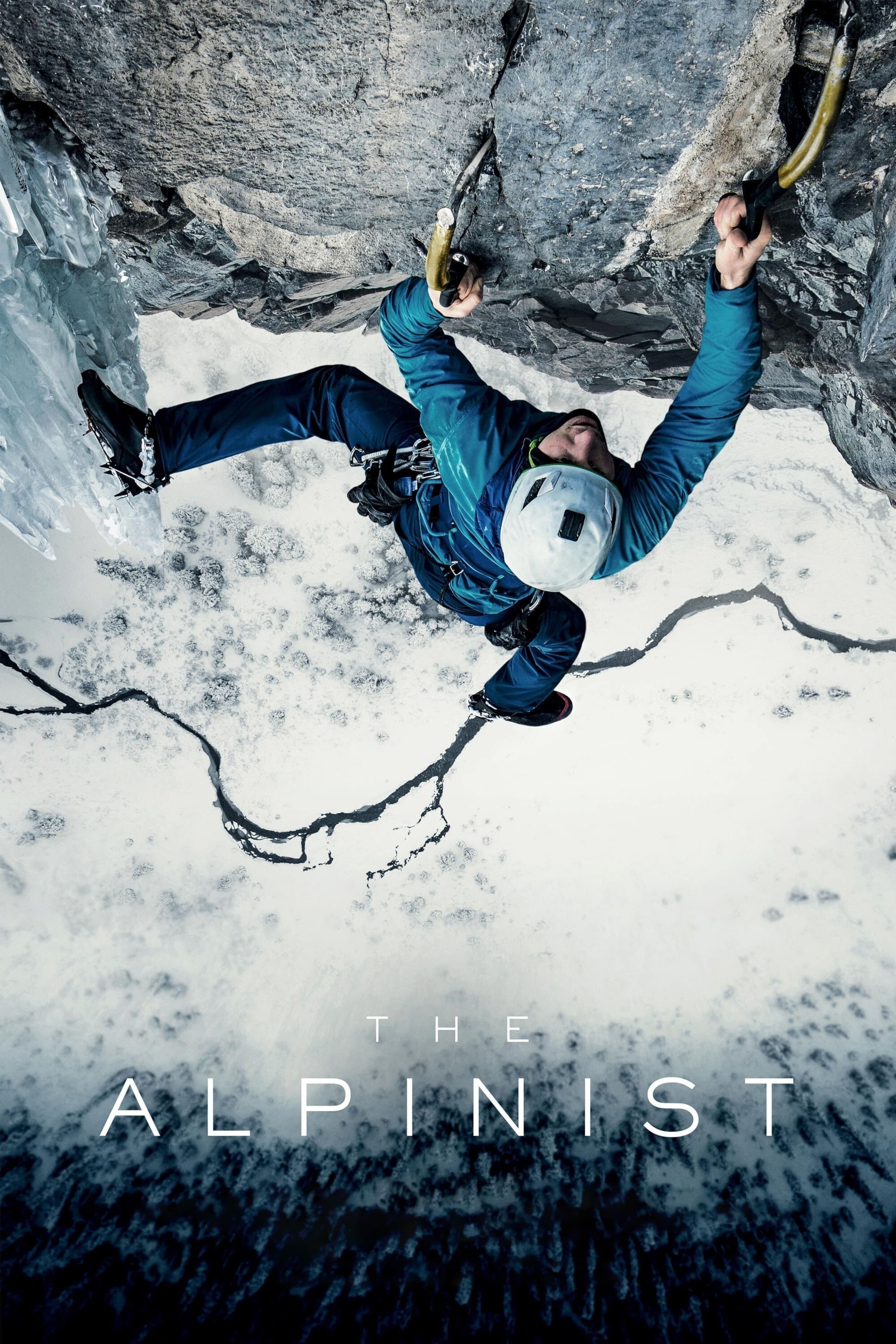
Marc-André Leclerc, an exceptional climber, has made solo his religion and ice his homeland. When filmmaker Peter Mortimer begins his film, he places his camera at the base of a British Columbia cliff and waits patiently for the star climber to come down to answer his questions. Marc André, a little uncomfortable, prefers to return to the depths of the forest where he lives in a tent with his girlfriend Brette Harrington. In the heart of winter, Peter films vertiginous solos on fragile ice. He tries to make appointments with the climber who is never there and does not seem really concerned by this camera pointed at him "For me, it would not be a solo if there was someone else" . Marc-André is thus, the "pure light" of the mountaineers of his time, which marvel Barry Blanchard, Alex Honnold or Reinhold Messner, interviewed in the film. An event film for an extraordinary character.
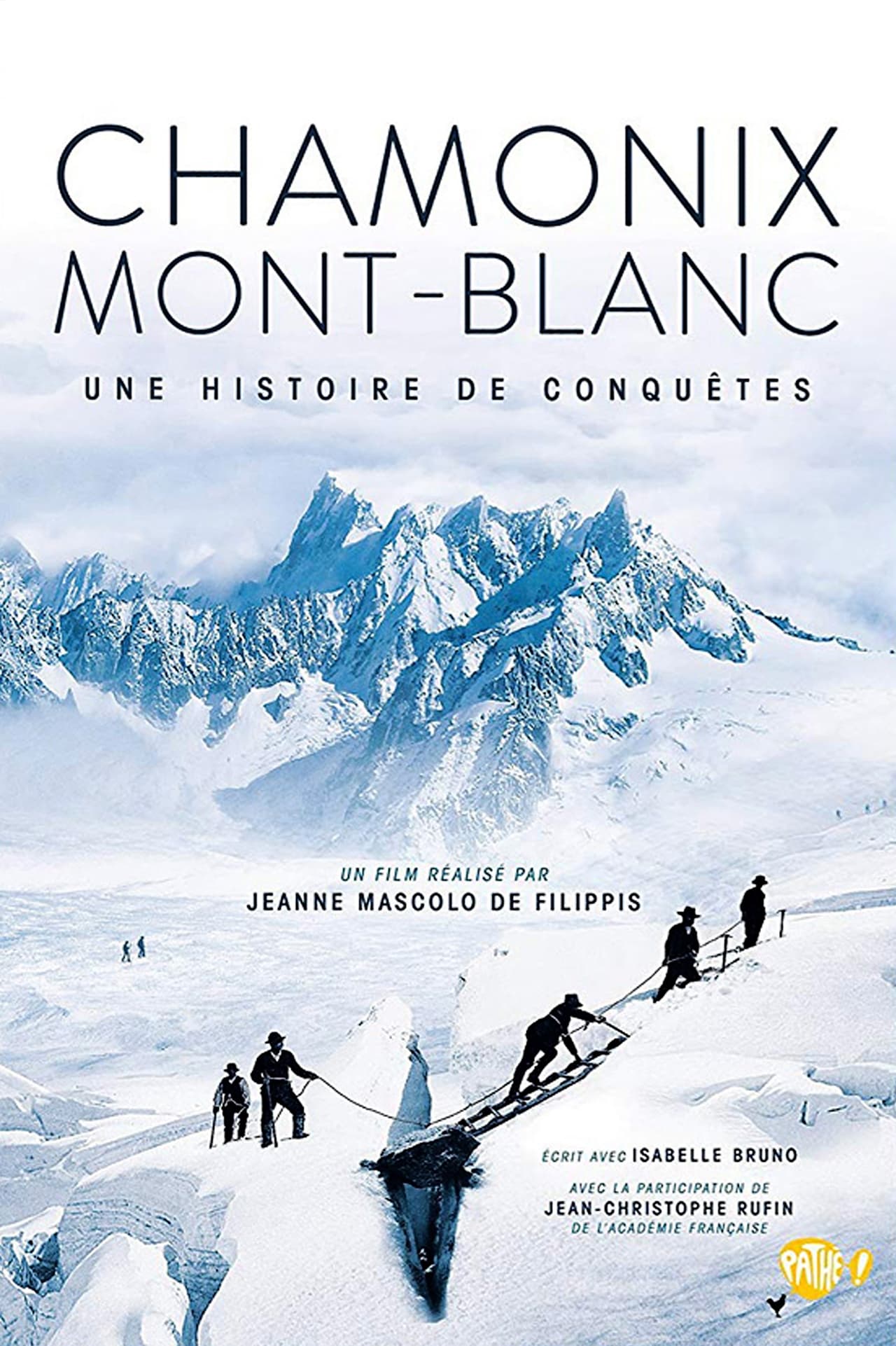
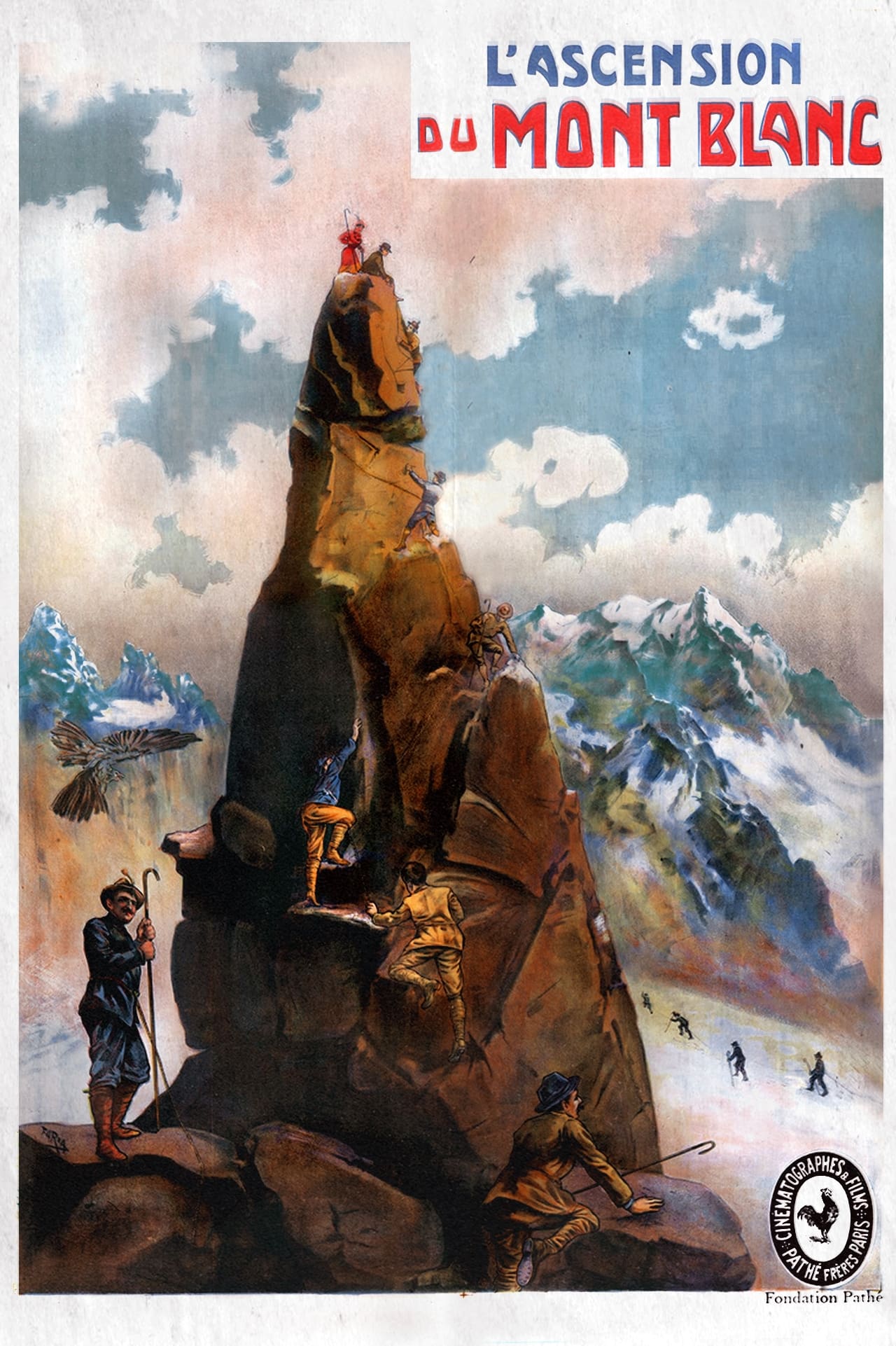
Joseph Vallot and his team of guides and porters climb Mont Blanc in 1906. Their ascent will take three days. They spent their nights at the Grands Mulets refuge and the Grand Plateau refuge. This is the very first successfully filmed ascent. Joseph Vallot (1854-1925), rich heir of Lodève in Occitania. He devotes part of his fortune to the observation of the Alps, sometimes opposing the scientific community. He built an observatory, still standing today.
In 1966, John Harlin II died while attempting Europe's most difficult climb, the North Face of the Eiger in Switzerland. 40 years later, his son John Harlin III, an expert mountaineer and the editor of the American Alpine Journal, returns to attempt the same climb.