Moona Moon is a poet and kanaktivist. She appears on stage with her texts at Spoken Word Performances. Her topics include racism, sexism and life/survival in a white German society.
Social & External
herself
How did Nazi Germany, from limited natural resources, mass unemployment, little money and a damaged industry, manage to unfurl the cataclysm of World War Two and come to occupy a large part of the European continent? Based on recent historical works of and interviews with Adam Tooze, Richard Overy, Frank Bajohr and Marie-Bénédicte Vincent, and drawing on rare archival material.
By means of objects, photos, tapes and films, director Angelika Levi, half-German, half-Jewish, examines the story of her family. The film deals with trauma and the way history is produced, filed away, turned into discourse and ordered on macro and micro levels.
Documentary about filmmakers of the New German Cinema who were members of the legendary Filmverlag für Autoren (Film Publishing House for Authors). Among them are Werner Herzog, Rainer Werner Fassbinder, and Wim Wenders.
The real Great Escape didn't feature Steve McQueen racing through the Third Reich on a motorcycle like in the 1963 movie, but the big breakout was still thrilling in every way. This program sheds new light on the audacious escape of 76 Allied airmen from a Nazi POW camp during World War II.
A documentary of the German national soccer team’s 2006 World Cup experience that changed the face of modern Germany.
Nazi propaganda film about the Condor Legion, a unit of German "volunteers" who fought in the Spanish Civil War on the side of eventual dictator Francisco Franco against the elected government of Spain.
Knots and Fields examines the aesthetic debates and tensions that have animated the Darmstadt courses over six decades, exploring their relevance today in an increasingly globalised environment.
Documentary about women without papers, living in Germany and working as maids.
The army of the GDR, called NVA had not survived the reunification of Germany, it was completely absorbed by the Bundeswehr and scrapped subsequently. But what apparently went on so smoothly as a peaceful unification of hostile brothers quietly left deep scars in the East German landscape.
A year has passed since the attacks on the Nord Stream gas pipelines, and it is still unclear what actually happened at the bottom of the Baltic Sea at that time. ARD, Süddeutsche Zeitung, and DIE ZEIT have joined forces for a large-scale investigation and set out to find the alleged perpetrators. An investigation into one of the most spectacular criminal cases of our time, an attack of historic proportions.
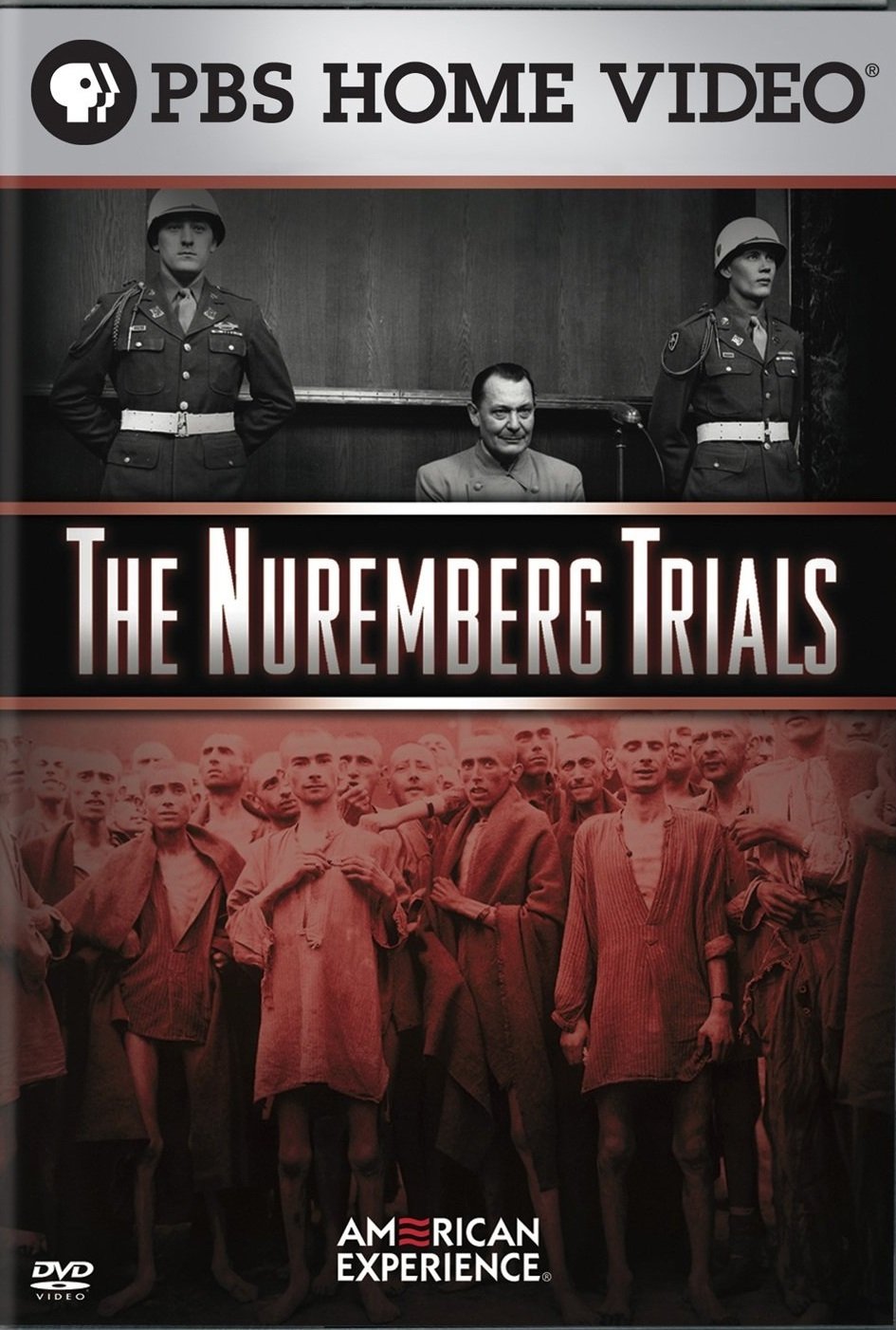
One journalist described it as a chance "to see justice catch up with evil." On November 20, 1945, the twenty-two surviving representatives of the Nazi elite stood before an international military tribunal at the Palace of Justice in Nuremberg, Germany; they were charged with the systematic murder of millions of people. The ensuing trial pitted U.S. chief prosecutor and Supreme Court judge Robert Jackson against Hermann Göring, the former head of the Nazi air force, whom Adolf Hitler had once named to be his successor. Jackson hoped that the trial would make a statement that crimes against humanity would never again go unpunished. Proving the guilt of the defendants, however, was more difficult than Jackson anticipated. This American Experience production draws upon rare archival material and eyewitness accounts to recreate the dramatic tribunal that defines trial procedure for state criminals to this day.
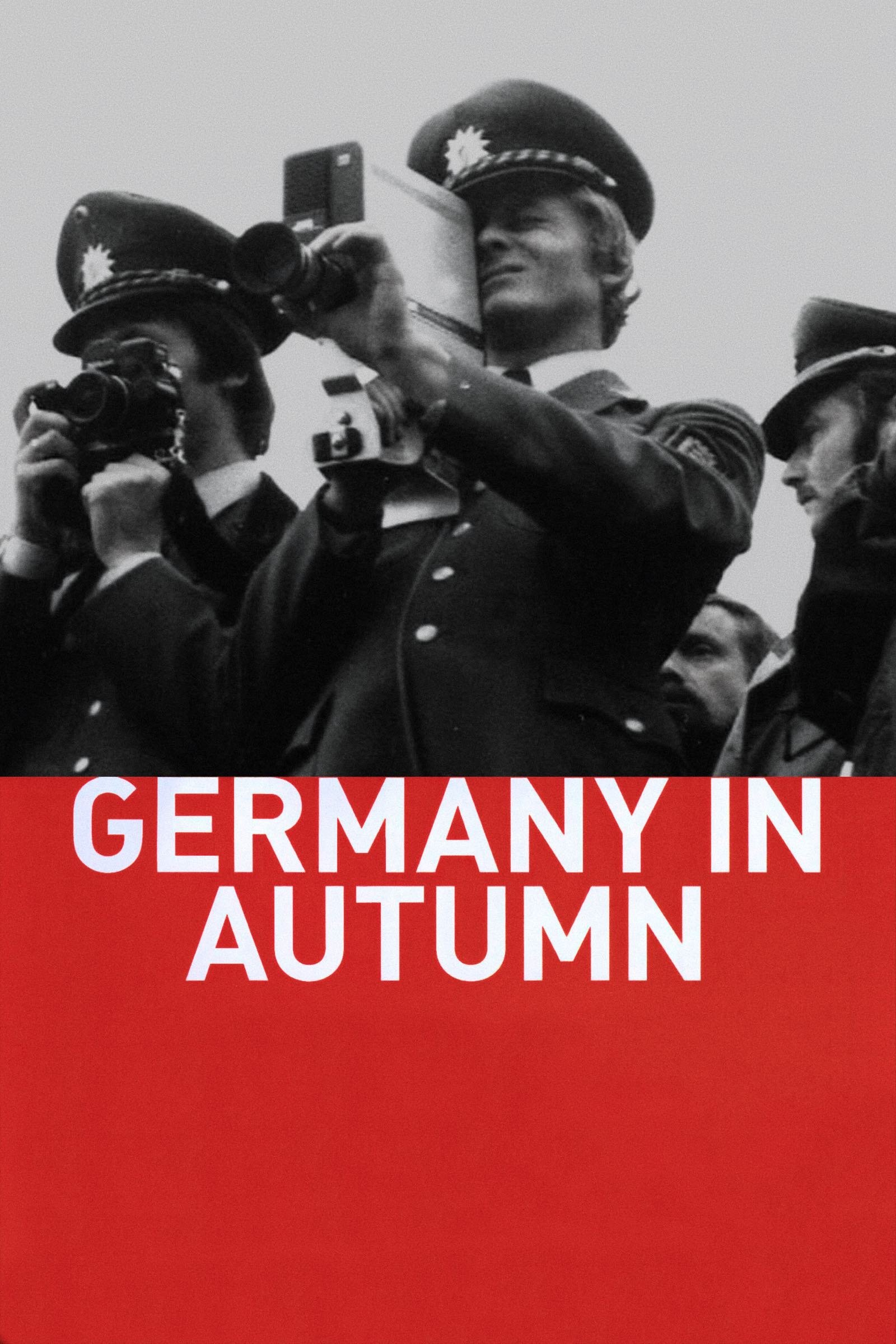
Nine fictitious documentaries and films reflect the mood of late 1970s Germany, particularly the two-month period in 1977 when a businessman was kidnapped by the RAF (Red Army Faction). The kidnap had been made to orchestrate the release of the original leaders of the RAF, aka the Baader-Meinhof.
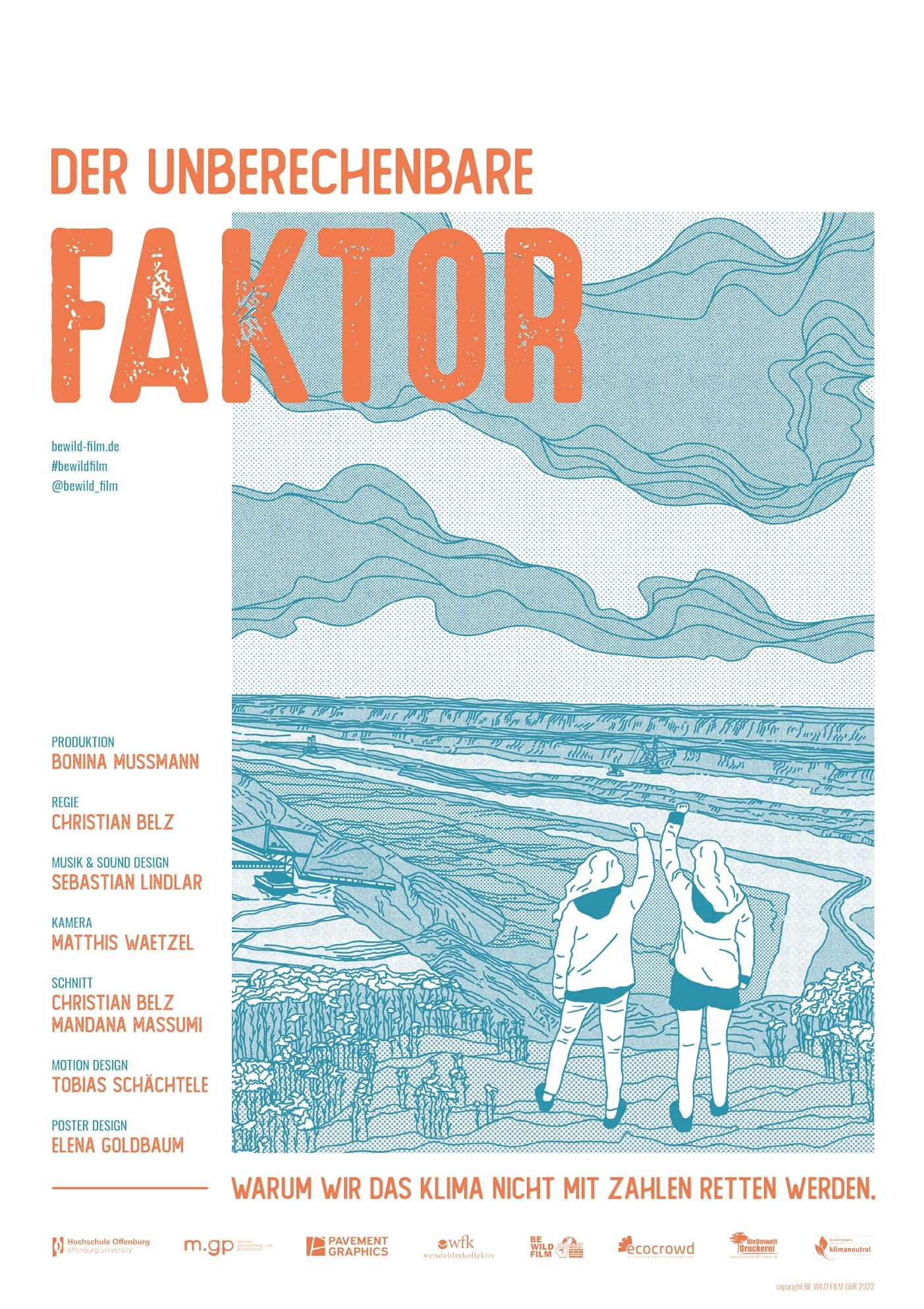
In today's climate debate, there is only one factor that cannot be calculated in climate models - humans. How can we nevertheless understand our role in the climate system and manage the crisis? Climate change is a complex global problem. Increasingly extreme weather events, rising sea levels, and more difficult living conditions - including for us humans - are already the order of the day. Global society has never faced such a complex challenge. For young people in particular, the frightening climate scenarios will be a reality in the future. For the global south, it is already today. To overcome this crisis, different perspectives are needed. "THE UNPREDICTABLE FACTOR" goes back to the origins of the German environmental movement, accompanies today's activists in the Rhineland in their fight against the coal industry and gives a voice to scientists from climate research, ethnology and psychology.
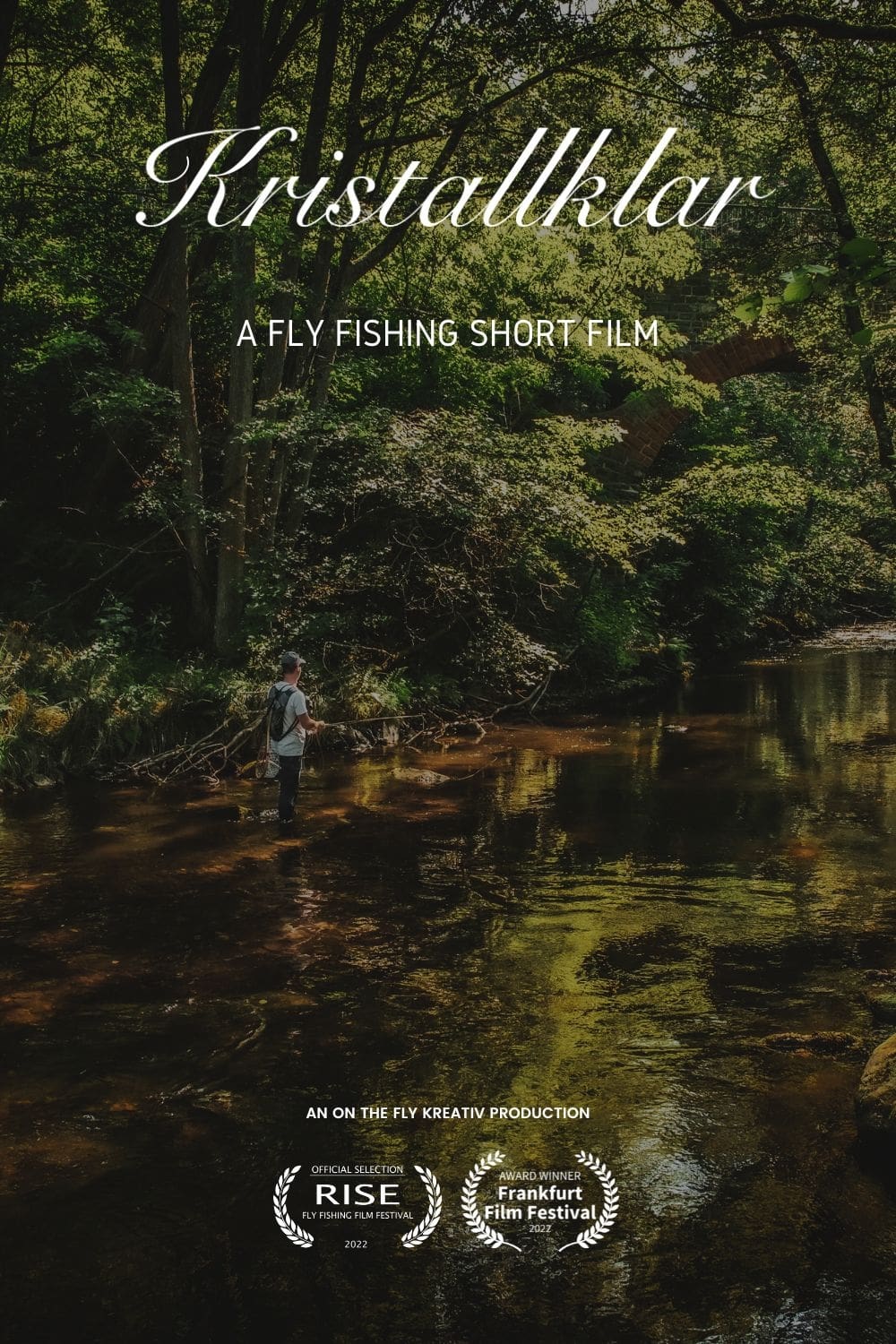
Kristallklar tells the tale of a hidden river holding wild brown trout near the border of Luxembourg and Germany. Find out about this magical river from the perspective of Kirill, who recently acquired the lease to the fishing rights of the river and a small tributary thereof. It captures the essence of a fly fishing adventure on the river embarked on by the incredibly passionate Kirill and two companions: Nic, a fly fishing scientist and Simon, the filmmaker. The film tries to capture the feeling of the magnificent surroundings and being at peace on the river. It also delves into topics of conservation of nature and the plans to re-stock the river with native crayfish which vanished from the river. A lot of love went into this film the hope is that it inspires those around the world to find a love for the outdoors and to preserve it for many years to come and just to get out there and fly fish.
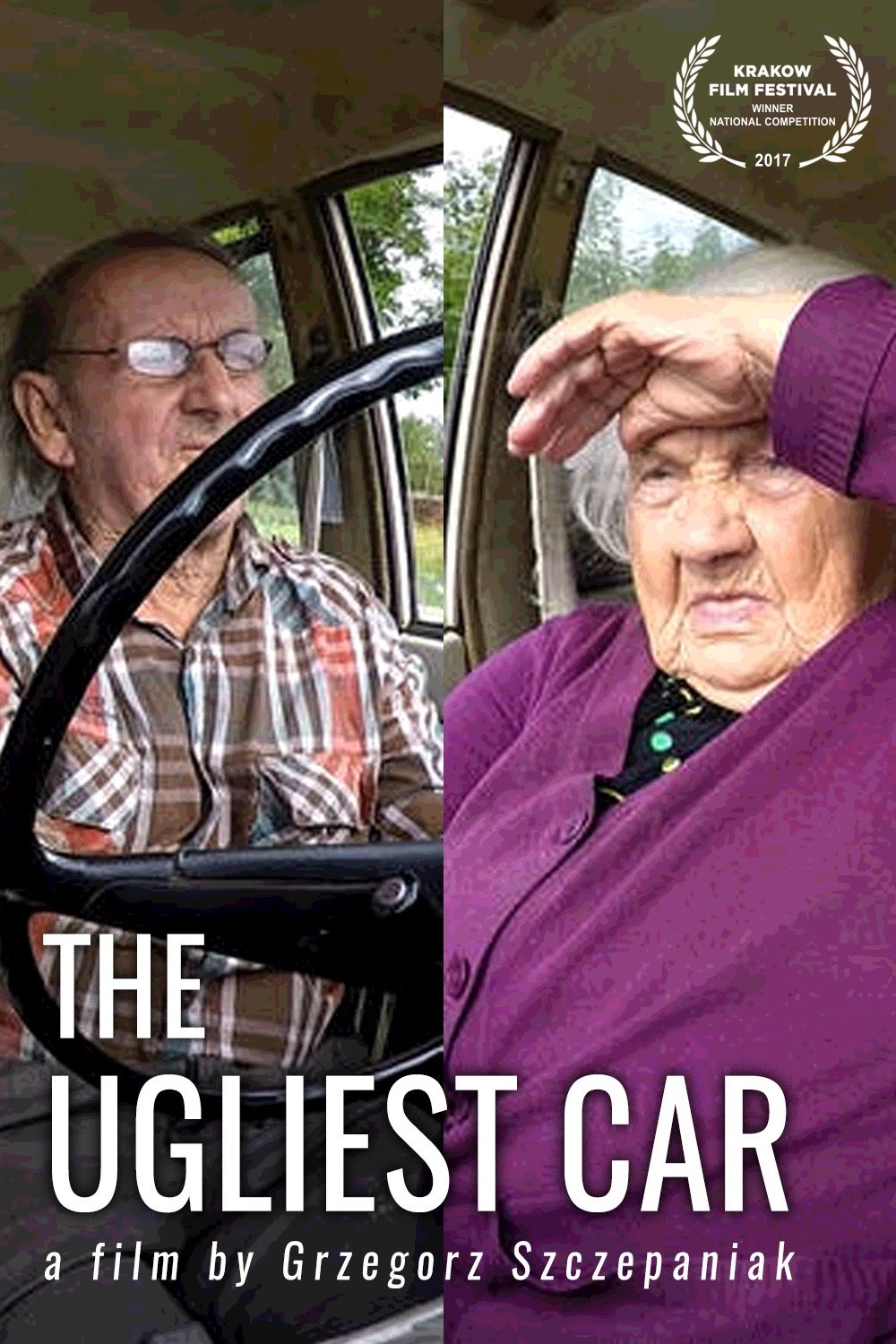
The youngest protagonist of the documentary is Wartburg, an automobile over 50 years of age. The car is still on the road, driven by Bogdan, a 70-year-old who is taking his mother to visit the German factory where she was forced to work during WWII. In this road movie which takes place between Majdanpek and Germany, the trip becomes a journey into the past, retracing memories from the war and revealing a unique relationship between an old son and his elderly mother.
The rut of Dalmatian hinterland changes with the arrival of returning guest workers, and things they bring along: cars, radios and new way of life.
Wolves divide and fascinate us. 150 years after they were driven to extinction in Central Europe, they are returning slowly but inexorably. Are they dangerous to humans? Is it possible to coexist? Using Switzerland as a point of departure, where wolves have returned in the very recent past, this documentary sheds light on the wolf situation in Austria, eastern Germany, Poland, Bulgaria, and even Minnesota, where freely roaming packs of wolves are more common sight.
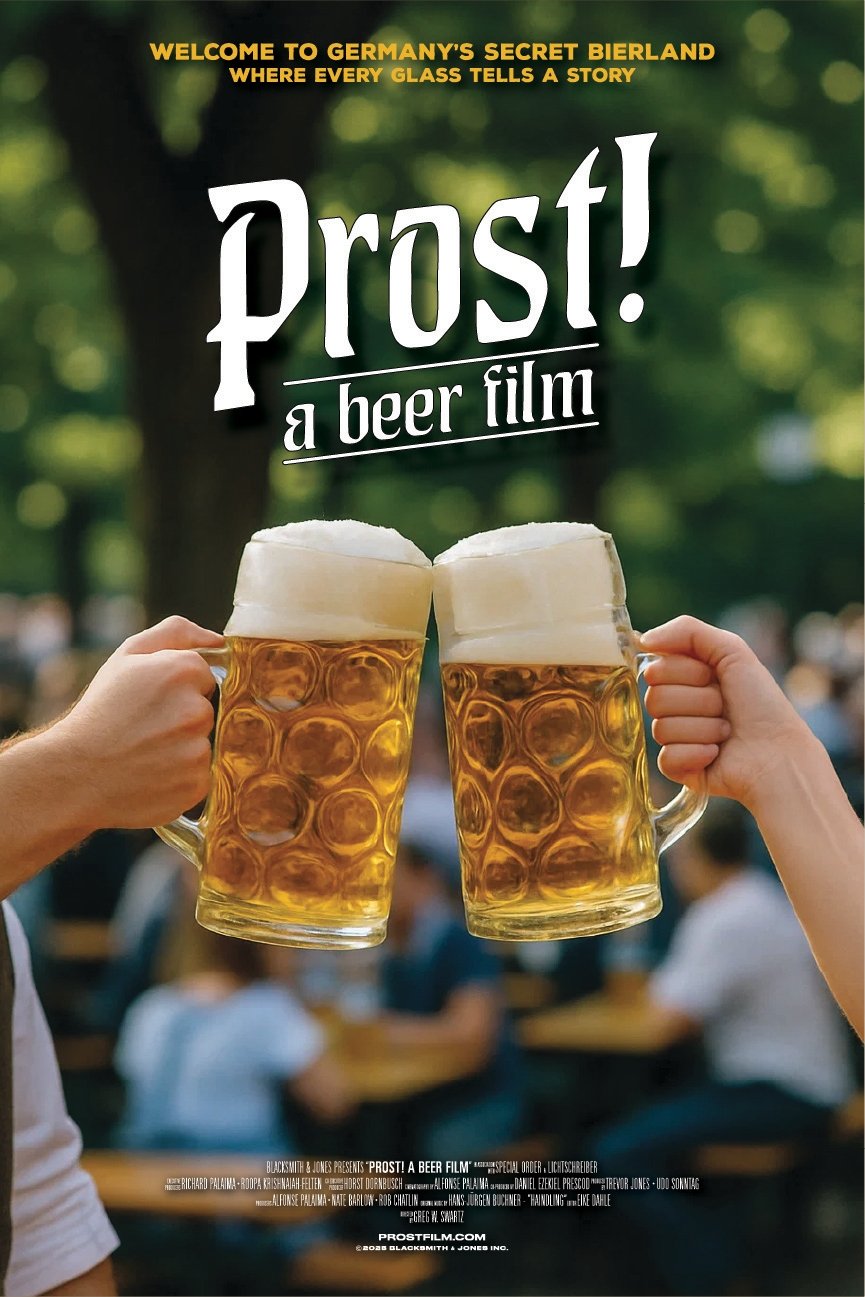
Prost takes you inside Bavaria’s Upper Franconia—home to more breweries per capita than anywhere else in the world. From ancient cellars to bustling beer gardens, this two-part film explores how beer shapes culture, tradition, and community in the region proudly known as “BierLand.”
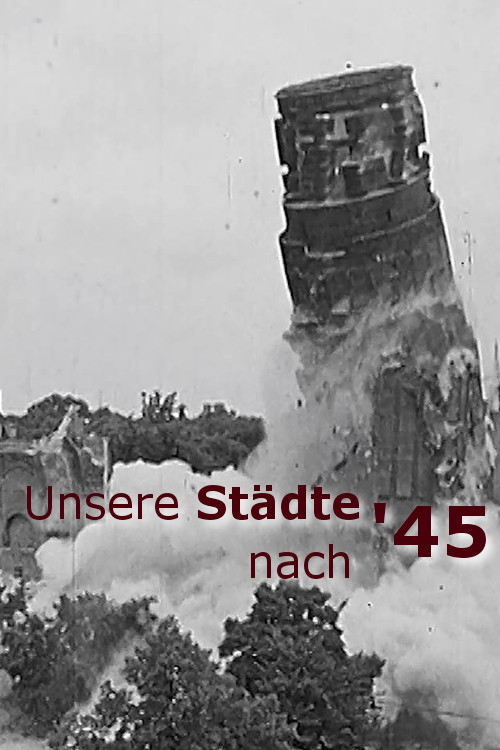
A documentation about the reconstruction and destruction of german cities after the 2nd World War.
Helke Sander interviews multiple German women who were raped in Berlin by Soviet soldiers in May 1945. Most women never spoke of their experience to anyone, due largely to the shame attached to rape in German culture at that time.
JB Smoove and Martin Starr host a celebration of 20 years of "Spider-Man" movies, from the Sam Raimi trilogy to Marc Webb's movies and the trio from Jon Watts.
Lyrical and powerfully personal essay film that reflects on the deaths of her husband Lou Reed, her mother, her beloved dog, and such diverse subjects as family memories, surveillance, and Buddhist teachings.
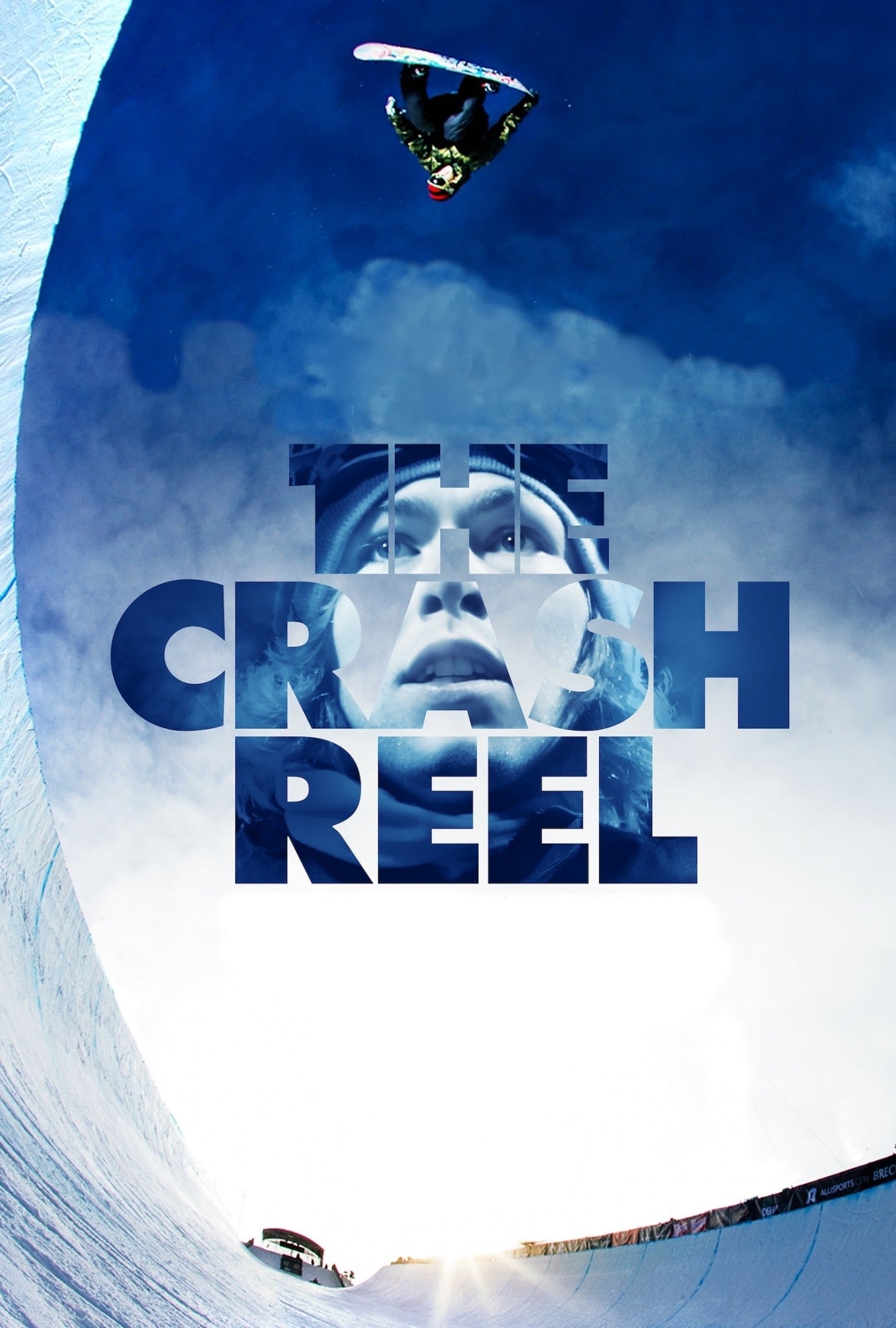
The Crash Reel tells the story of a sport and the risks that athletes face in reaching the pinnacle of their profession. This is Kevin Pearce’s story, a celebrated snowboarder who sustained a brain injury in a trick gone wrong and who now aims, against all the odds, to get back on the snow.
A presentation of a case for a needed transition out of the current socioeconomic monetary paradigm which governs the entire world society. This subject matter will transcend the issues of cultural relativism and traditional ideology and move to relate the core, empirical 'life ground' attributes of human and social survival, extrapolating those immutable natural laws into a new sustainable social paradigm called a 'Resource-Based Economy'.
Using the book 'Fragments', which collects Marilyn Monroe's poems, notes and letters, and with participation from the Arthur Miller and Truman Capote estates who have contributed more material, each of the actresses will embody the legend at various stages in her life.
A documentary about how a dominant cultural and demographic institution both sustains their traditional activities and adapts to the digital revolution.
A documentary chronicling Queen and Lambert's incredible journey since they first shared the stage together on "American Idol" in 2009.
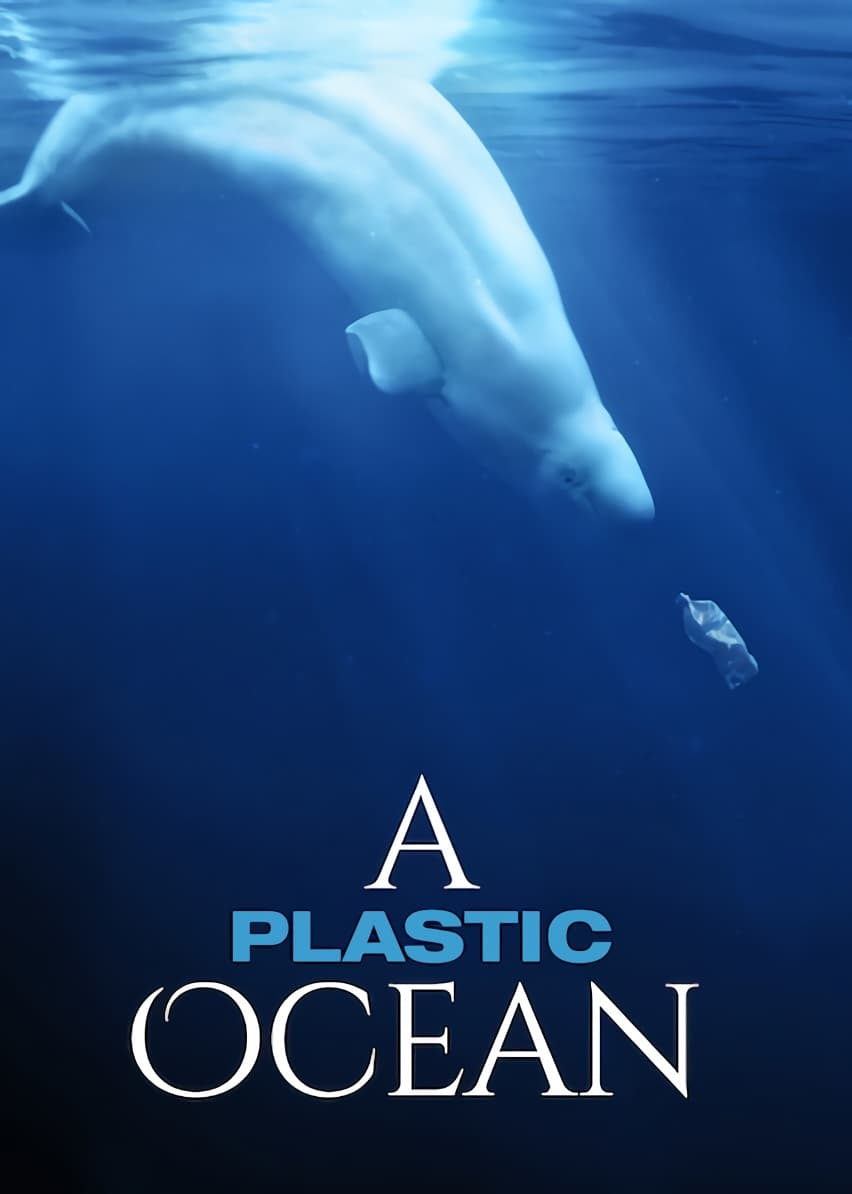
A documentary focused on plastic pollution in the world's oceans.
A visual montage portrait of our contemporary world dominated by globalized technology and violence.
Long-lost footage from Elvis Presley's legendary Las Vegas residency in the 1970s woven together with rare 16mm footage from Elvis on Tour, and 8mm from the Graceland archive, plus recordings of Elvis telling "his side of the story" rediscovered during Baz Luhrmann's research for his 2022 film, Elvis.
The life and career of an actor, artist, and icon. His own journey through his own camera.
Daniel Craig candidly reflects on his 15 year adventure as James Bond. Including never-before-seen archival footage from Casino Royale to the upcoming 25th film No Time To Die, Craig shares his personal memories in conversation with 007 producers, Michael G Wilson and Barbara Broccoli.
Al Pacino's deeply-felt rumination on Shakespeare's significance and relevance to the modern world through interviews and an in-depth analysis of "Richard III."
Live Aid was held on 13 July 1985, simultaneously in Wembley Stadium in London, England, and the John F. Kennedy Stadium in Philadelphia, United States. It was one of the largest scale satellite link-ups and television broadcasts of all time: watched live by an estimated global audience of 1.9 billion, across 150 nations. "It's twelve noon in London, seven AM in Philadelphia, and around the world it's time for Live Aid...!"
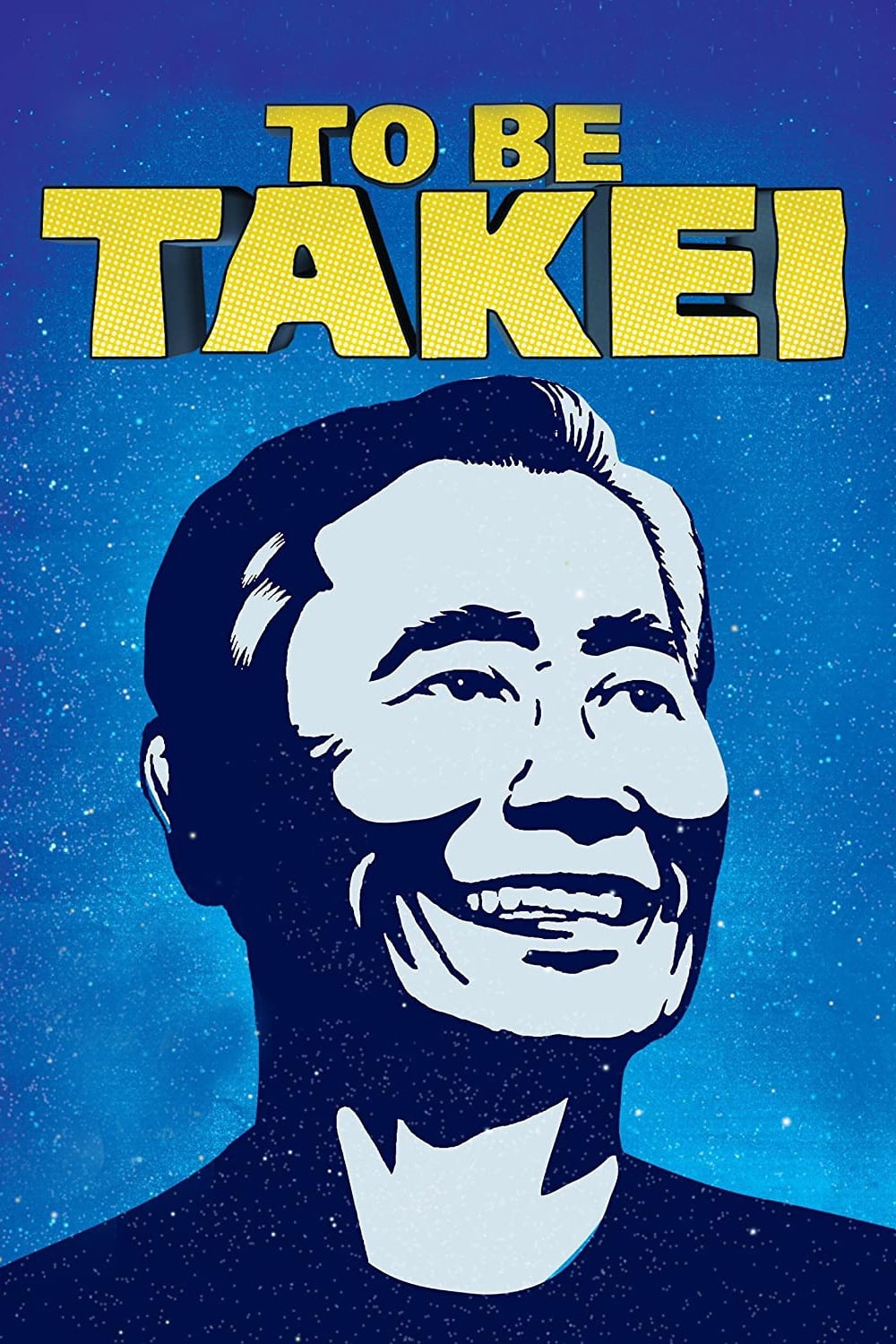
Over seven decades, actor and activist George Takei journeyed from a World War II internment camp to the helm of the Starship Enterprise, and then to the daily news feeds of five million Facebook fans. Join George and his husband, Brad, on a wacky and profound trek for life, liberty, and love.
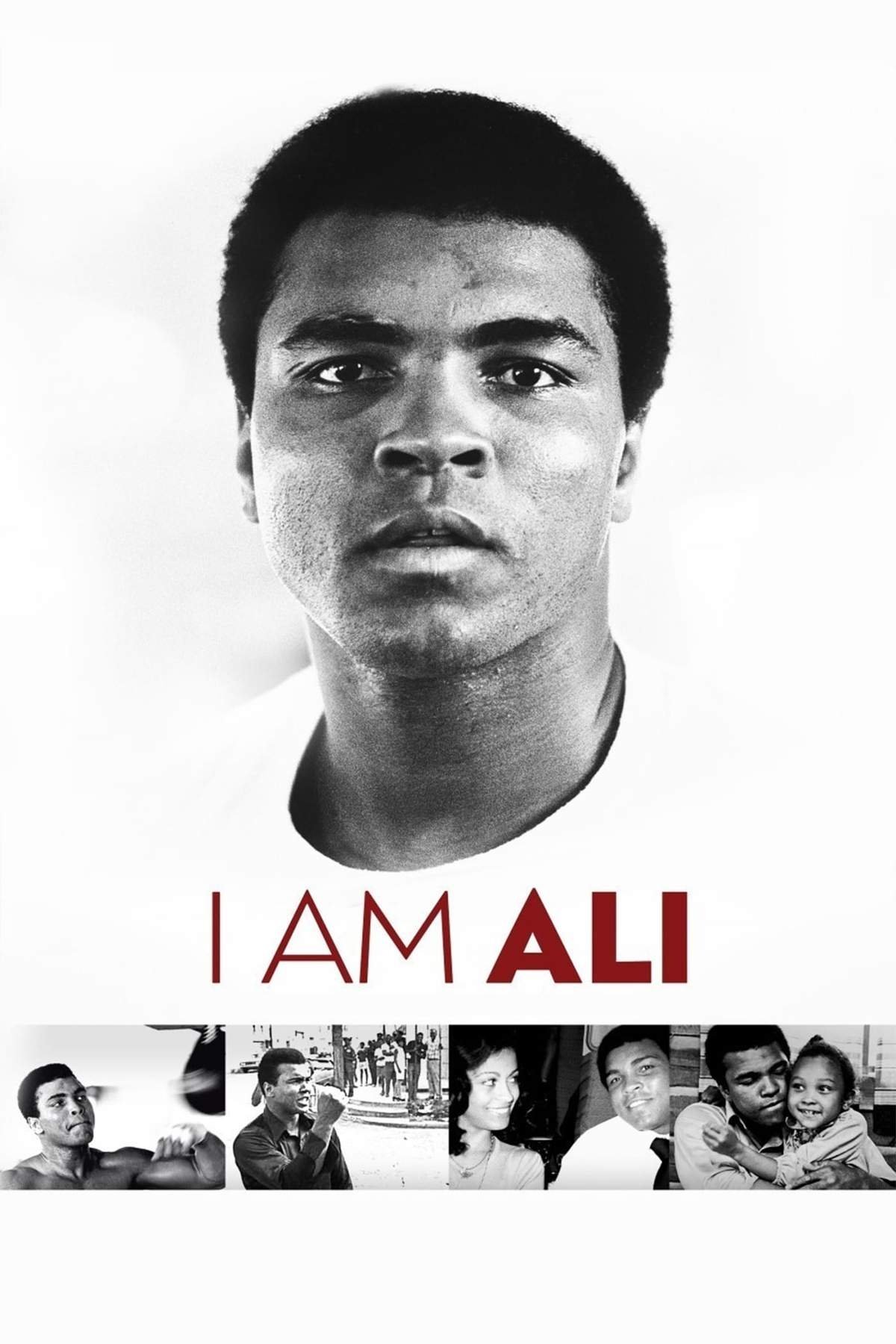
Unprecedented access to Muhammad Ali's personal archive of "audio journals" as well as interviews and testimonials from his inner circle of family and friends are used to tell the legend's life story.
The life of Mr. Spock, as well as that of Leonard Nimoy, the actor who played him for almost fifty years, written and directed by his son: Adam.
Lupita Nyong'o narrates a documentary about Peanuts and its creator, Charles M. Schulz. Famous fans—including Drew Barrymore, Kevin Smith, and Al Roker—share its influence on them, and a new animated story finds Charlie Brown on a quest.
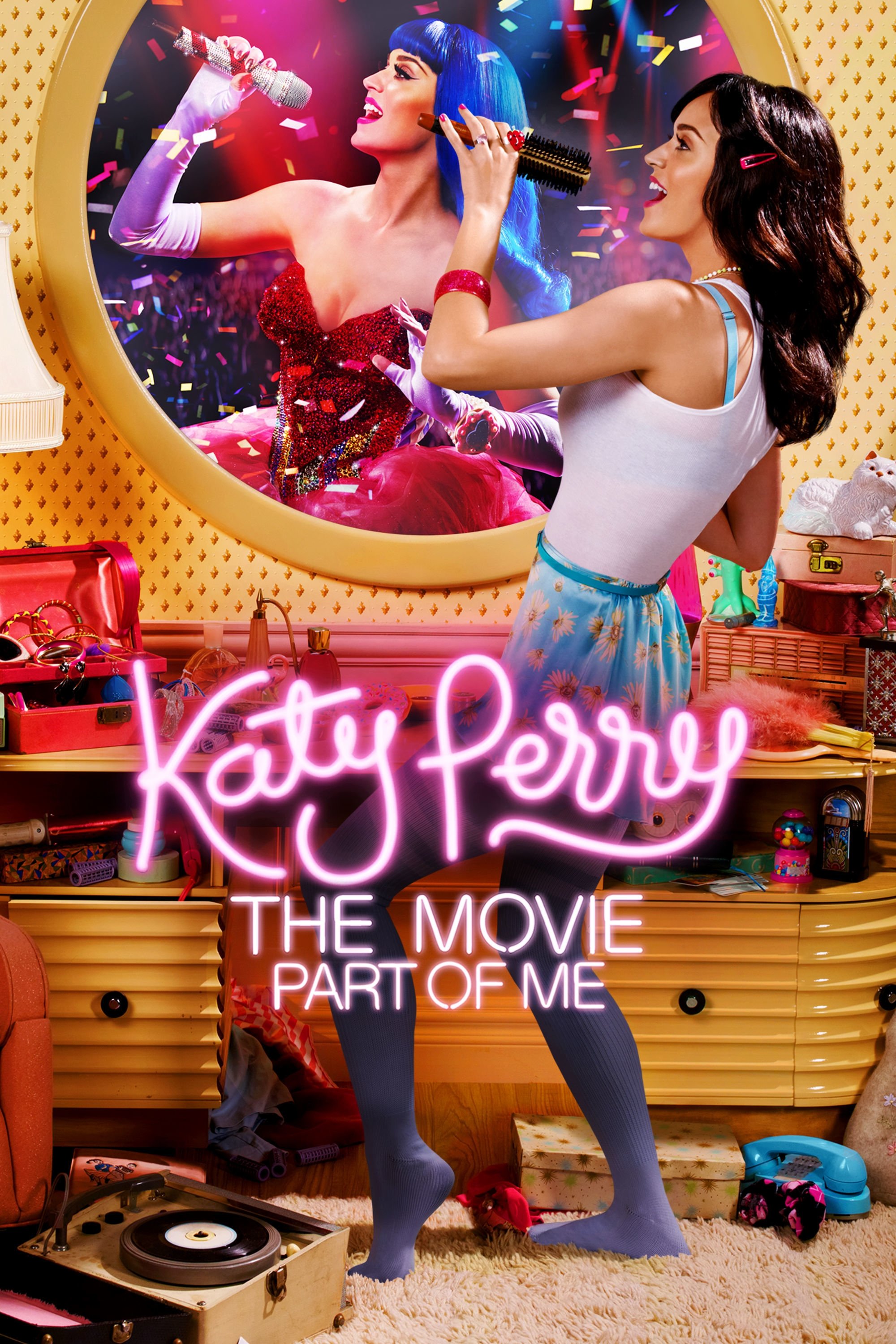
Giving fans unprecedented access to the real life of the music sensation, Katy Perry: Part of Me exposes the hard work, dedication and phenomenal talent of a girl who remained true to herself and her vision in order to achieve her dreams. Featuring rare behind-the-scenes interviews, personal moments between Katy and her friends, and all-access footage of rehearsals, choreography, Katy’s signature style and more, Katy Perry: Part of Me reveals the singer’s unwavering belief that if you can be yourself, then you can be anything.
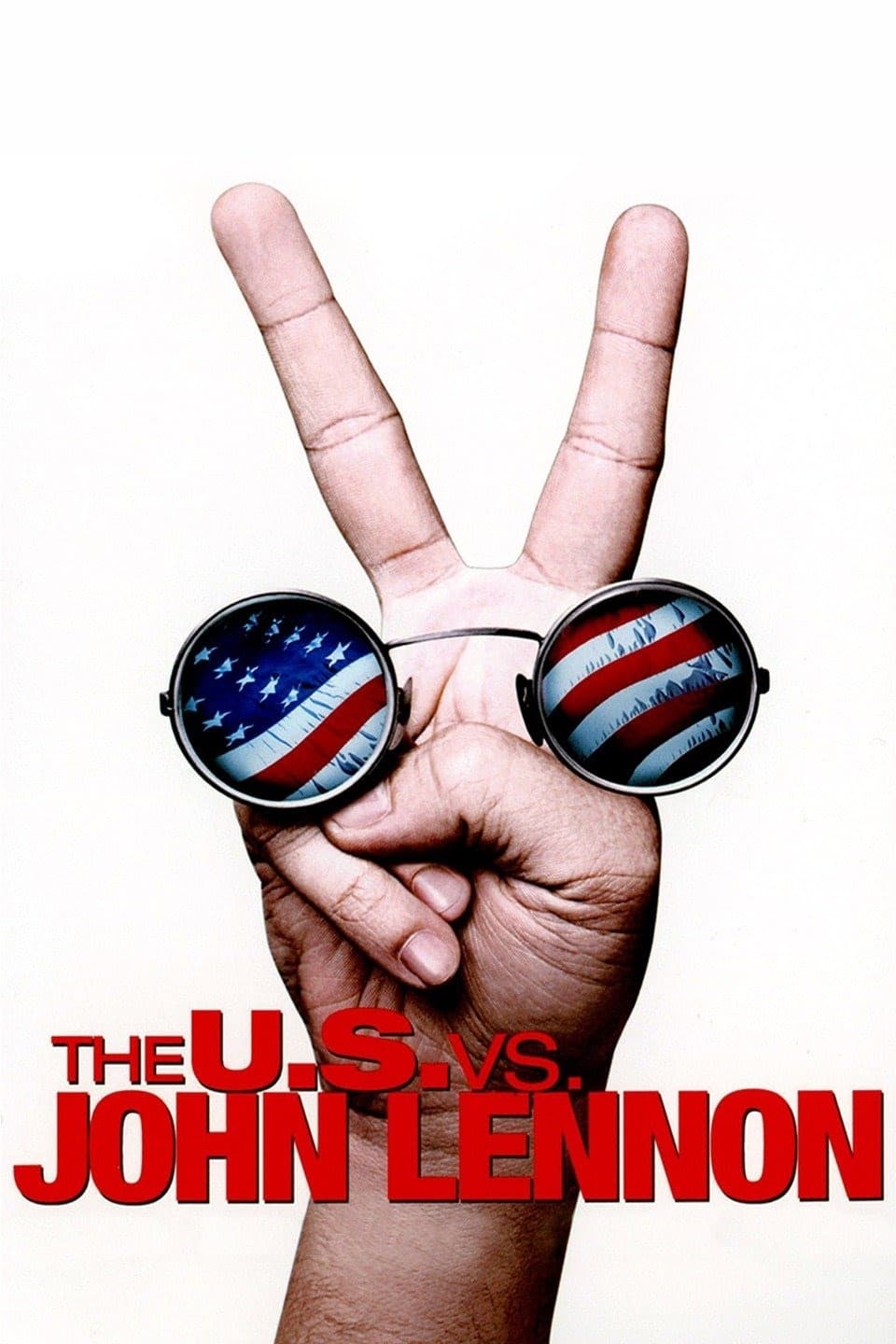
A documentary on the life of John Lennon, with a focus on the time in his life when he transformed from a musician into an antiwar activist.