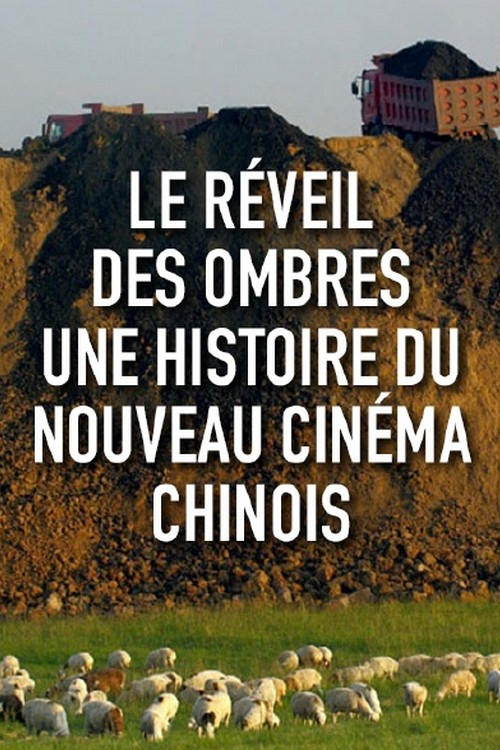
"A history of new chinese cinema"
Documentary about new chinese cinema.
Social & External
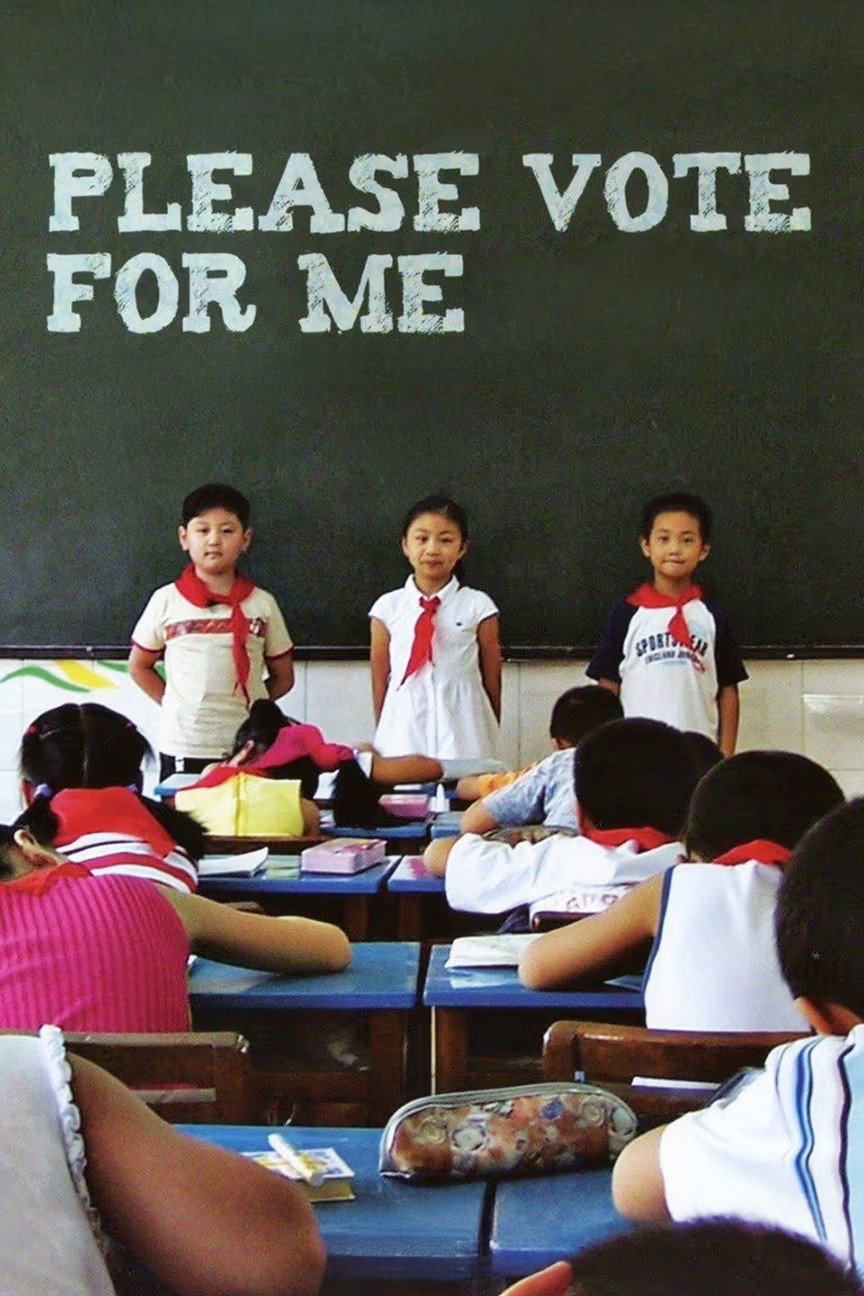
This documentary from 1980 depicts a factory community in China where over 6000 workers process, spin and weave raw cotton into 90 million yards of high-quality cloth per year. Also seen are the workers' residential, social, recreational and educational facilities, all located on factory property. The film presents an engrossing study of a lifestyle that is very different from that of the Western world.
China's top drama academy stages the American musical "Fame," China's first official collaboration with Broadway, as the graduation showcase for its senior class. During the eight-month rehearsal, five students compete for roles, struggle with pressure from family and authority, and prepare to graduate into China's corrupt entertainment industry.
China is pushing hard into German and European markets. Furthermore, Beijing is developing into an increasingly powerful military power. An investigative reporter team from BR, rbb, and SWR is investigating the impact this has on Germany's internal and external security.
A documentary about Caroll Spinney who has been Sesame Street's Big Bird and Oscar the Grouch since 1969. At 78-years-old, he has no intention of stopping.
Crocodile in the Yangtze follows China's first Internet entrepreneur and former English teacher, Jack Ma, as he battles US giant eBay on the way to building China's first global Internet company, Alibaba Group. An independent memoir written, directed and produced by an American who worked in Ma's company for eight years, Crocodile in the Yangtze captures the emotional ups and downs of life in a Chinese Internet startup at a time when the Internet brought China face-to-face with the West. Crocodile in the Yangtze draws on 200 hours of archival footage filmed by over 35 sources between 1995 and 2009. The film presents a strikingly candid portrait of Ma and his company, told from the point of view of an “American fly on a Chinese wall” who witnessed the successes and the mistakes Alibaba encountered as it grew from a small apartment into a global company employing 16,000 staff.
In the 19th century, China held the monopoly on tea, which was dear and fashionable in the West, and the British Empire exchanged poppies, produced in its Indian colonies and transformed into opium, for Chinese tea. Inundated by the drugs, China was forced to open up its market, and the British consolidated their commercial dominance. In 1839, the Middle Empire introduced prohibition. The Opium War was declared… Great Britain emerged as the winner, but the warning was heeded: it could no longer depend on Chinese tea. The only alternative possible was to produce its own tea. The East India Company therefore entrusted one man with finding the secrets of the precious beverage. His mission was to develop the first plantations in Britain’s Indian colonies. This latter-day James Bond was called Robert Fortune – a botanist. After overcoming innumerable ordeals in the heart of imperial China, he brought back the plants and techniques that gave rise to Darjeeling tea.
Over the last 40 years, China has been transformed out of all recognition. The scale of its growth and the sheer speed of change has been astonishing. The country has seen the largest lifting of people out of poverty that has ever taken place in human history. How did an impoverished and backward communist country become an engine of global capitalism? What lies ahead for this economic behemoth?
Three farming families in Hanyuan, China, strive to give their children a good life in the midst of an ecological crisis, as widespread use of pesticides leads to a dramatic decline in bees and other pollinating insects in the valley.
Part Two: SMALL HAPPINESS - Despite the tremendous advances women in China have made, serious problems continue. Long Bow women talk about love, marriage, work, birth control, birth customs and the now outlawed custom of foot binding. Truly moving interviews with Lingqiao and her mother-in-law draw us into their lives.
Chai Jing's documentary about the massive smog problem in China. Chai Jing started making the documentary when her as yet unborn daughter developed a tumour in the womb, which had to be removed very soon after her birth. Chai blames air pollution for the tumour. The film, which combines footage of a lecture with interviews and factory visits, has been compared with Al Gore's An Inconvenient Truth in both its style and likely impact. The film openly criticises state-owned energy companies, steel producers and coal factories, as well as showing the inability of the Ministry of Environmental Protection to act against the big polluters.
To discover the truth behind the mysterious objects her uncle brought back from the Far East during her childhood, filmmaker Francesca Lixi embarks on a journey to those places through archival footage.
A documentary following Zhou Yuanquiang, a cultural worker in Jingdezhen, China who makes movies with untrained local actors.
Confucius was one of history's most influential thinkers. He was a sage, philosopher and teacher who, with Socrates and Buddha, lived at an extraordinary time in the evolution of human civilization. This stunningly beautiful drama-documentary explores the life and times of Confucius, while reflecting on his influence on modern justice and morality. Today, Confucius is a window into China's rise.
This film offers us a juxtaposed journey of two priests: Father Van Ban, a Vietnamese priest from the parish of Thy Hu in the Hé region, who after nine years of training in Paris decides to return to Vietnam, and Bernard de Terves, a young deacon from the Foreign Missions of Paris who decides to leave for China after his ordination. Their intersecting paths allow us to address themes related to East-West intercultural dialogue, particularly that of transmitting the Gospel message.
A documentary about young people from rural China who get payed to improve World of Warcraft characters for kids in the West.
In 1946, Heidi is entrusted to a Swiss family by her father. He will never come back for her. Today, François Yang questions his mother about her past. What follows is a journey to China, a quest to reconstruct memory. Through contact with her brothers and sister, Heidi measures the extent of the drama experienced by her family that remained in China, persecuted by the Communist Party.
Two-part documentary about the Tibetan refugee community in India. Feingold interviews Tibetan philosophers and former political prisoners. Part One (60 mins.) "Body, Speech, and Mind: Conversations with Tibetan Philosophers". Part Two (30 mins.) "Resisting the Chinese Occupation: Personal Accounts of Tibetans".
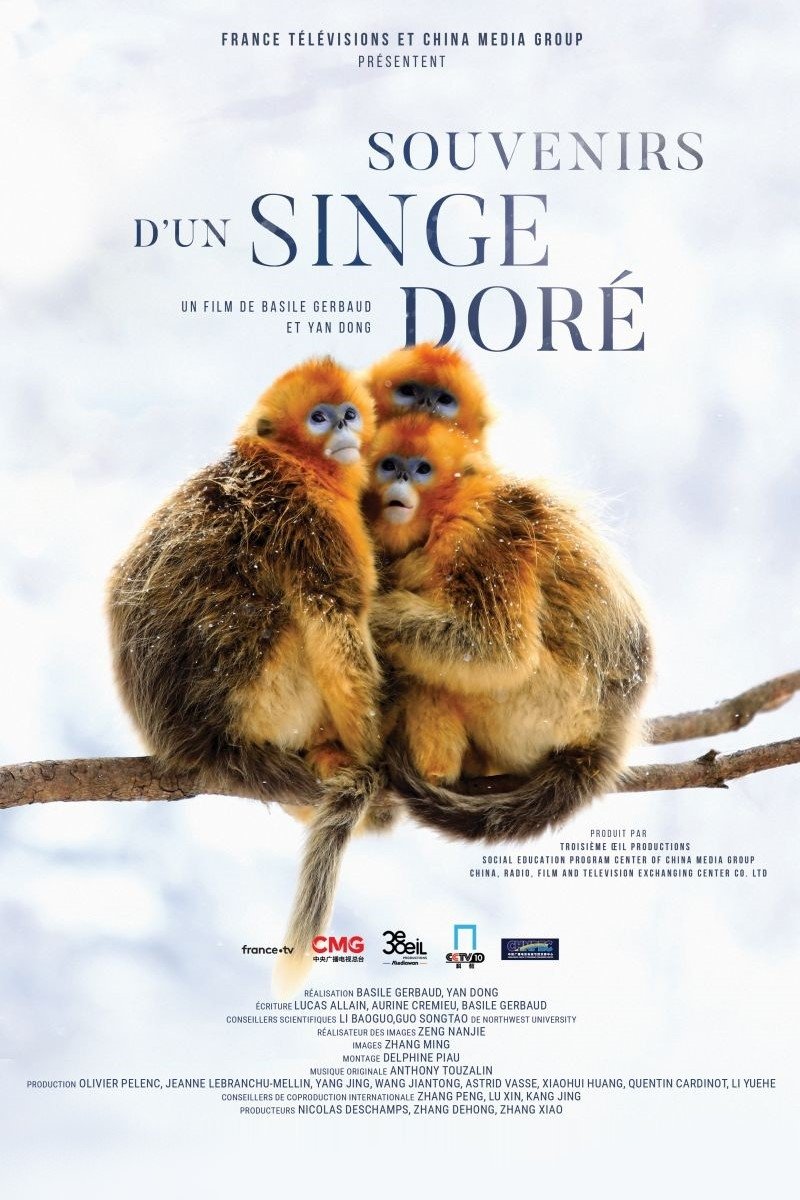
Venturing into the wilds of China, "Born in China" captures intimate moments with a panda bear and her growing cub, a young golden monkey who feels displaced by his baby sister, and a mother snow leopard struggling to raise her two cubs.
As a visually radical memoir, CAMERAPERSON draws on the remarkable footage that filmmaker Kirsten Johnson has shot and reframes it in ways that illuminate moments and situations that have personally affected her. What emerges is an elegant meditation on the relationship between truth and the camera frame, as Johnson transforms scenes that have been presented on Festival screens as one kind of truth into another kind of story—one about personal journey, craft, and direct human connection.
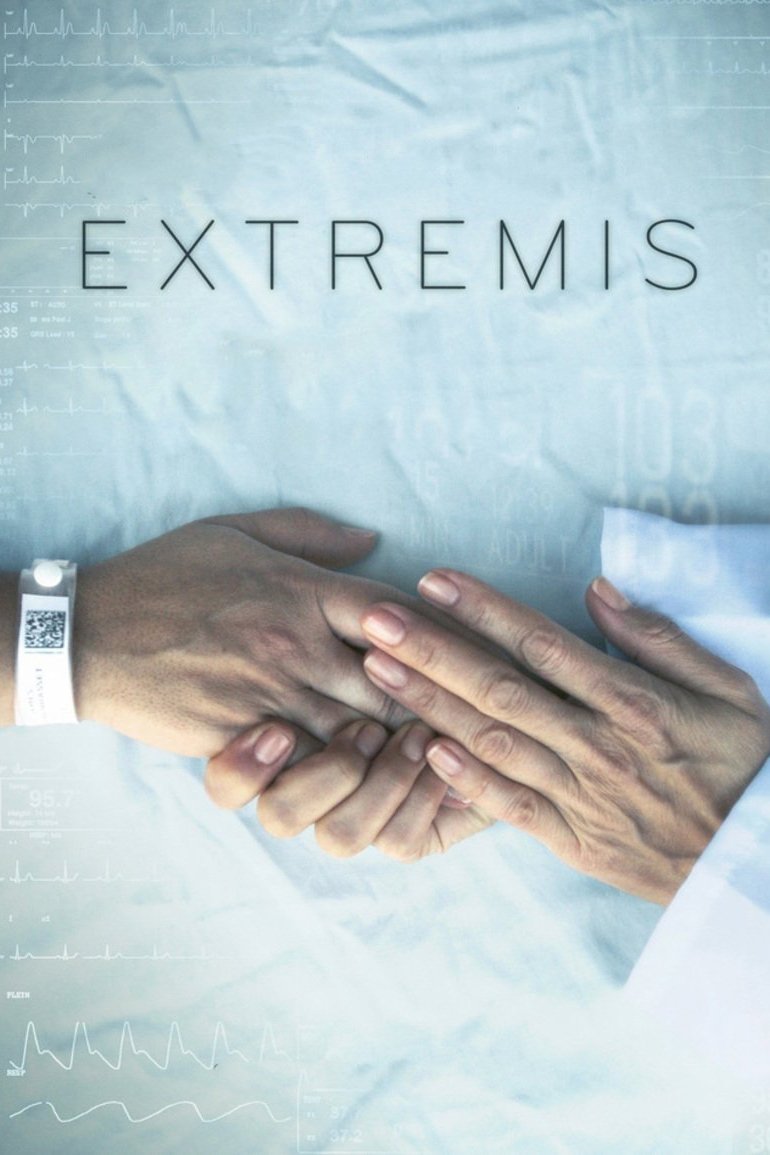
A purely observational non-fiction film that takes viewers into the ethically murky world of end-of-life decision making in a public hospital.
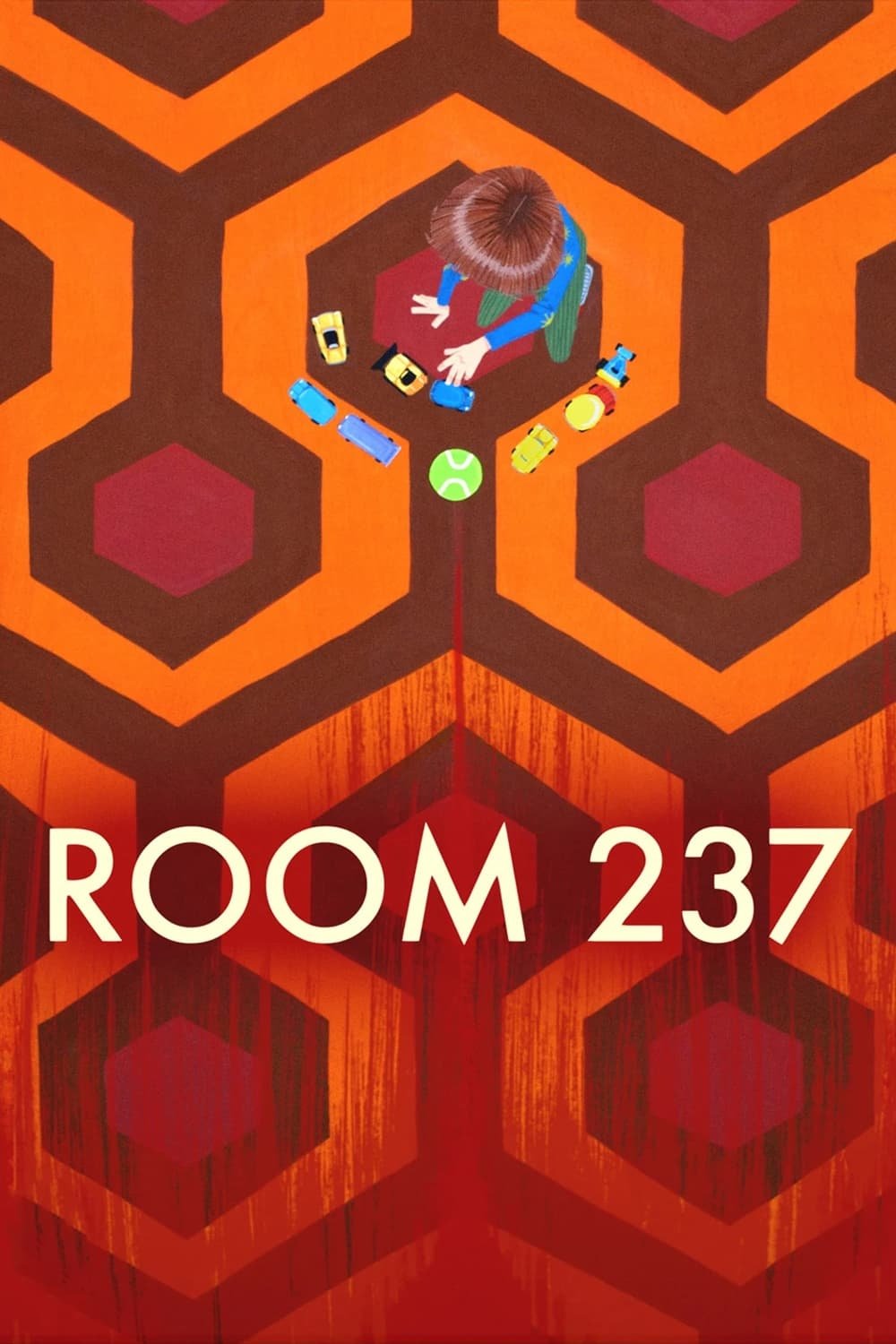
A subjective documentary that explores various theories about hidden meanings in Stanley Kubrick's classic film The Shining. Five very different points of view are illuminated through voice over, film clips, animation and dramatic reenactments.
Lyrical and powerfully personal essay film that reflects on the deaths of her husband Lou Reed, her mother, her beloved dog, and such diverse subjects as family memories, surveillance, and Buddhist teachings.
Documentary filmmaker Frederick Wiseman takes us inside Northeast High School as a fly on the wall to observe the teachers and how they interact with the students.
In 1992, teenager Sandi Tan shot Singapore's first indie road movie with her enigmatic American mentor Georges – who then vanished with all the footage. Twenty years later, the 16mm film is recovered, sending Tan, now a novelist in Los Angeles, on a personal odyssey in search of Georges' vanishing footprints.
After the high-profile killing of Damilola Taylor, Cornelius' family move out of London. But when they discover their new town is run by racists, Cornelius takes a drastic step to survive.
Filmed and edited in intimate vérité style, this movie follows visionary medical practitioners who are working on the cutting edge of life and death and are dedicated to changing our thinking about both.
One-man armies, meet-cutes, casual strolls away from huge explosions — stars and industry insiders toast and roast these cinematic chestnuts and more.
Filmmakers discuss the legacy of Alfred Hitchcock and the book “Hitchcock/Truffaut” (“Le cinéma selon Hitchcock”), written by François Truffaut and published in 1966.
A documentary examining the decade of the 1970s as a turning point in American cinema. Some of today's best filmmakers interview the influential directors of that time.
A film shot during the summer of 1968 in Oakland, California around the meetings organised by the Black Panthers Party to free Huey Newton, one of their leaders, and to turn his trial into a political debate. They tried and succeeded in catching America’s attention.
Martin Scorsese’s portrait of writer and social commentator Fran Lebowitz, celebrated for her sharp wit and observations on modern life. Filmed at New York’s Waverly Inn and intercut with archival footage and interviews, the documentary captures Lebowitz’s distinctive worldview through her spontaneous monologues and public appearances.
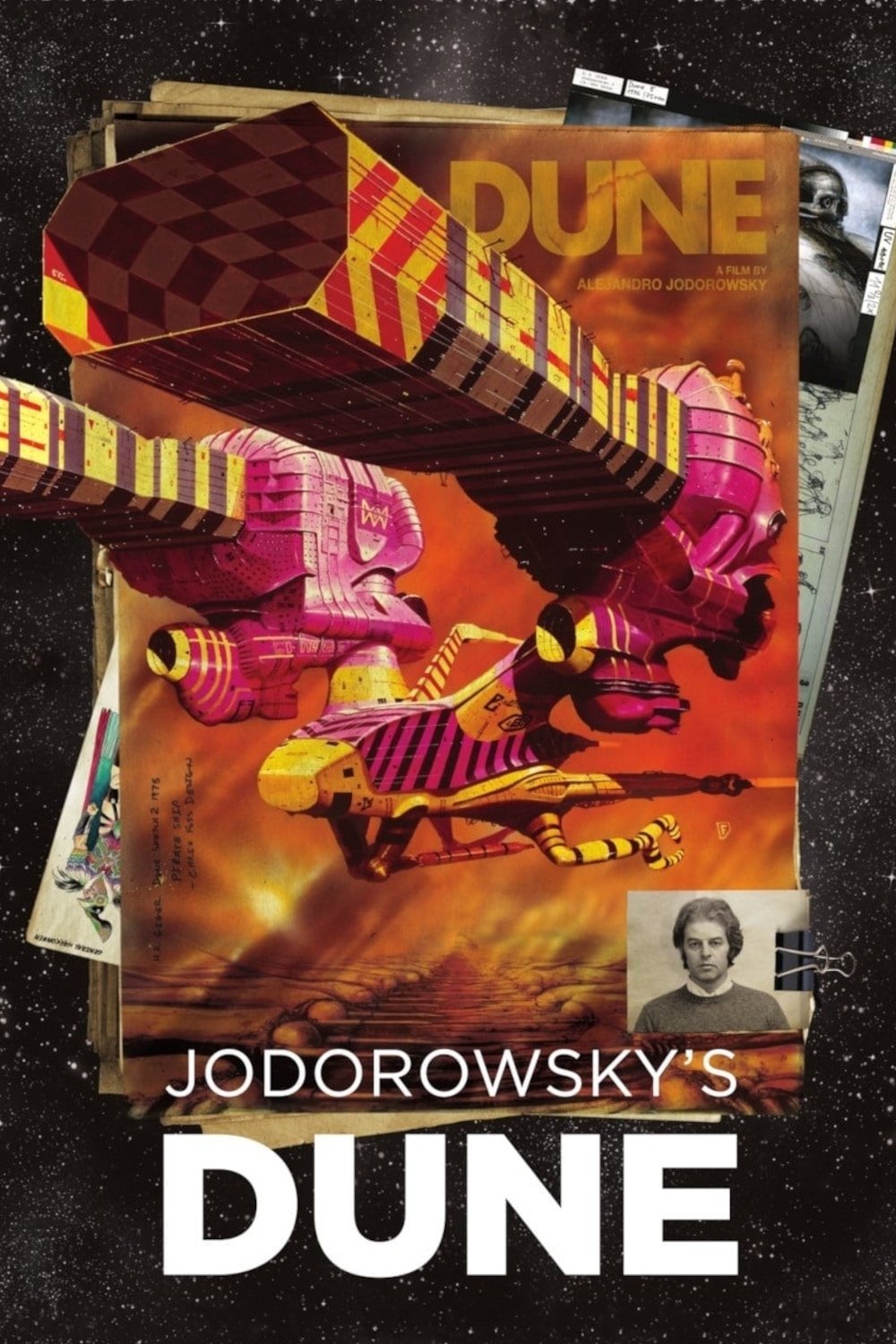
In 1974, Chilean-French director Alejandro Jodorowsky embarked on the quixotic project of adapting Frank Herbert's influential novel Dune (1969) for the big screen. After investing two years, and millions of dollars, the gigantic project ended in failure; but the artists Jodorowsky brought together to carry it out continued to work together, and ended up laying the foundations for modern science fiction cinema.
Using the book 'Fragments', which collects Marilyn Monroe's poems, notes and letters, and with participation from the Arthur Miller and Truman Capote estates who have contributed more material, each of the actresses will embody the legend at various stages in her life.
An impressionistic portrait of the iconic actor Harry Dean Stanton comprised of intimate moments, film clips from some of his 250 films and his renditions of American folk songs.
An inside look at one of the most anticipated movie sequels ever with James Cameron and cast.
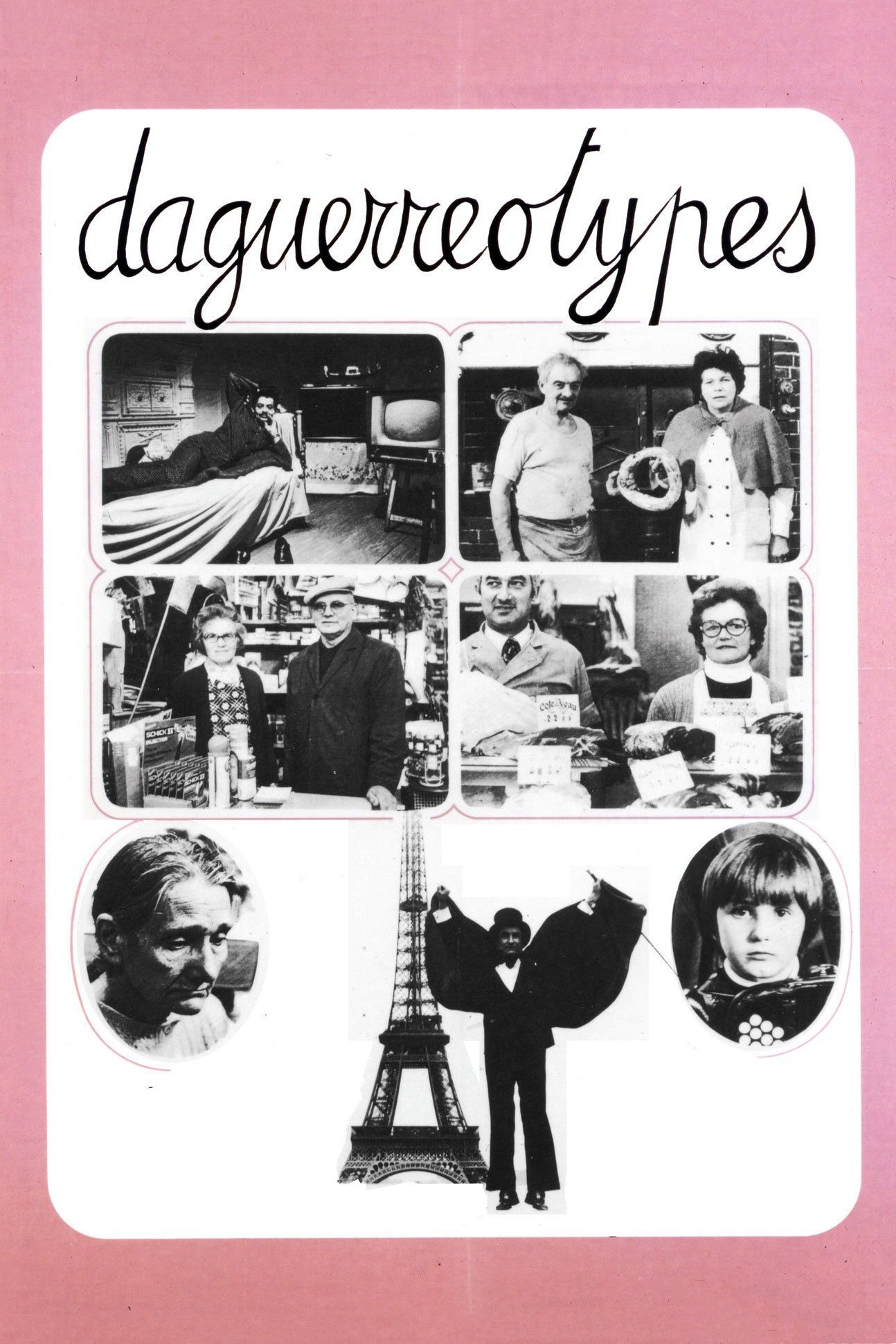
An intimate portrait of the small shops and shopkeepers of the Rue Daguerre in Paris, a picturesque street that has been the filmmaker’s home for more than 50 years.
The Making-of James Cameron's Avatar. It shows interesting parts of the work on the set.
This special explores the return of Obi-Wan Kenobi and Anakin Skywalker to the screen, as well as Ewan McGregor and Hayden Christensen to their classic roles. Director Deborah Chow leads the cast and crew as they create new heroes and villains that live alongside new incarnations of beloved Star Wars characters, and an epic story that dramatically bridges the saga films.