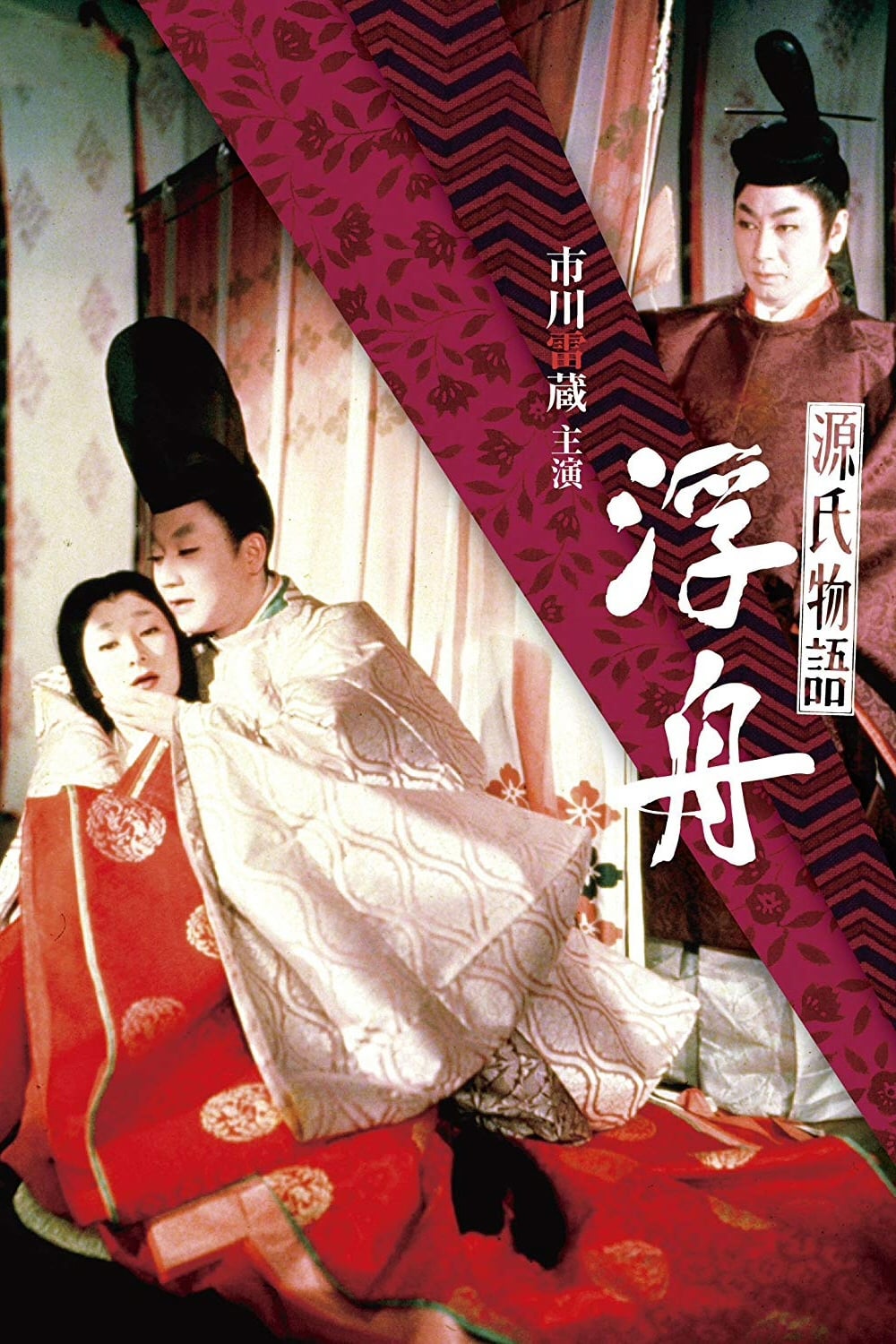
Floating Vessel (源氏物語 浮舟 , Ukifune) is a 1957 color Japanese film directed by Teinosuke Kinugasa. Drawn from parts of the famous Genji monogatari by Lady Murasaki.
Social & External
The people behind it
Kazuo Hasegawa
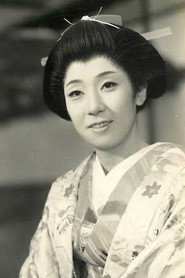
Fujiko Yamamoto
Ukifune
Nobuko Otowa
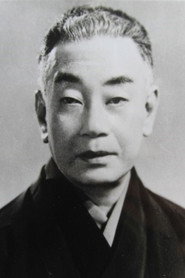
Raizō Ichikawa
Michiko Ai
Teruyo Asagumo
Mirasaki Fujima
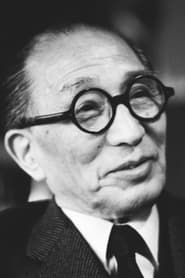
Ganjirō Nakamura II
Emperor
Christina, on arriving in Japan, acquaints a Japanese man at the airport who looks like a sap. He takes her to his apartment where he brutally rapes her and keeps her hostage and bound in chains. Christina's alluring beauty eventually enchants the rapist and he is soon consulting his 'How to Stimulate a Woman' sex book in an effort to please her...
Bonobono: Kumomo no Ki no Koto was the second theatrical Bonobono movie, released by Amuse Pictures in theaters in Japan on August 10, 2002. It was done completely in 3D.
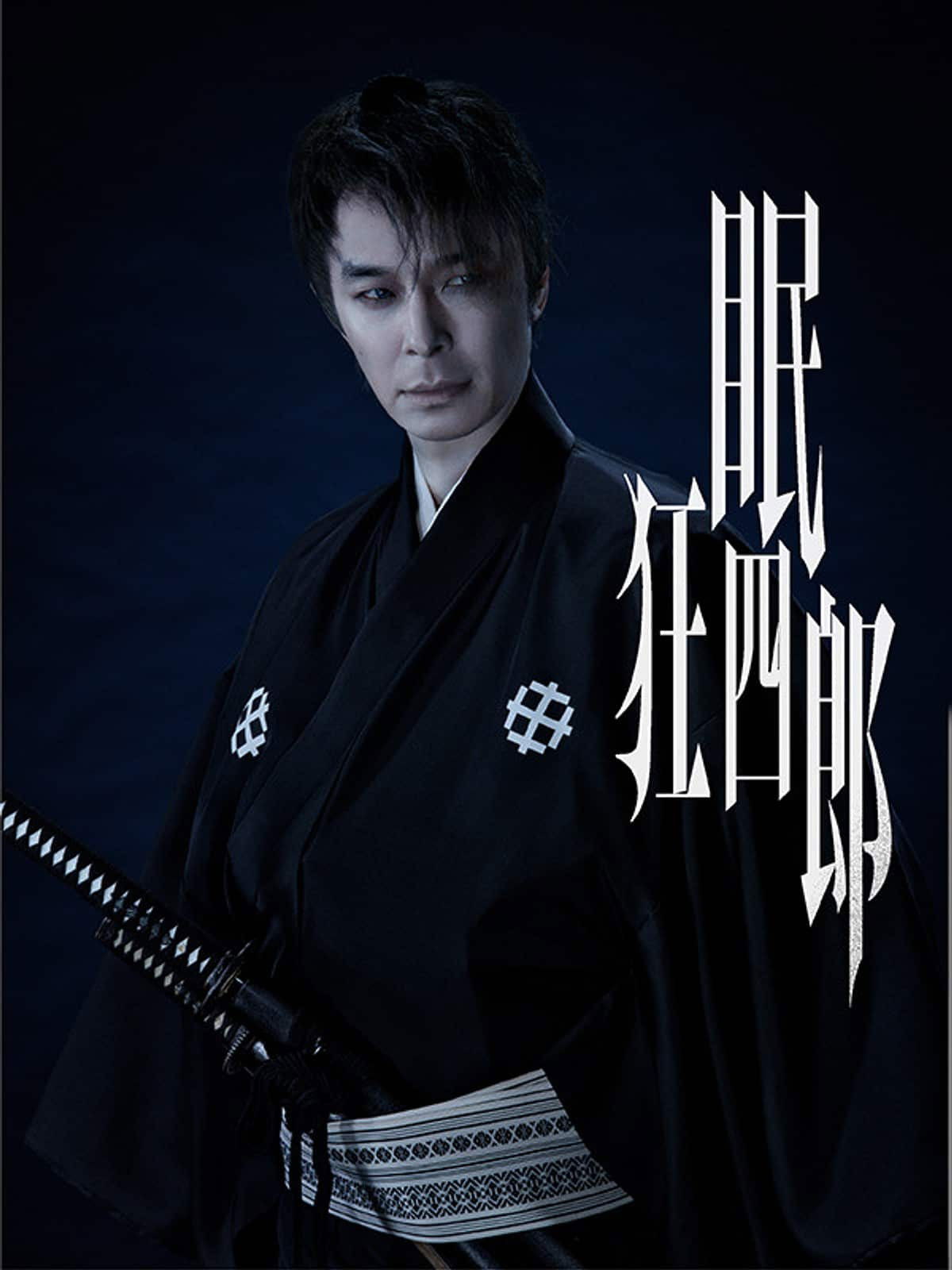
Blue-eyed ronin Nemuri Kyōshirō is ordered to eliminate assassins targeting a senior official. A rosary links the plot to hidden Christians, drawing him into rival power struggles—and multiple factions trying to kill him.
Amelia and Wes have had a falling out in Japan, a foreign land neither of them are accustomed to. While doing some soul-searching on her own, Amelia begins to notice that she's being stalked by a strange man. Wes pleads with her to come back for her own safety - but Amelia's about to find that sometimes the most familiar faces are the most misgiving.
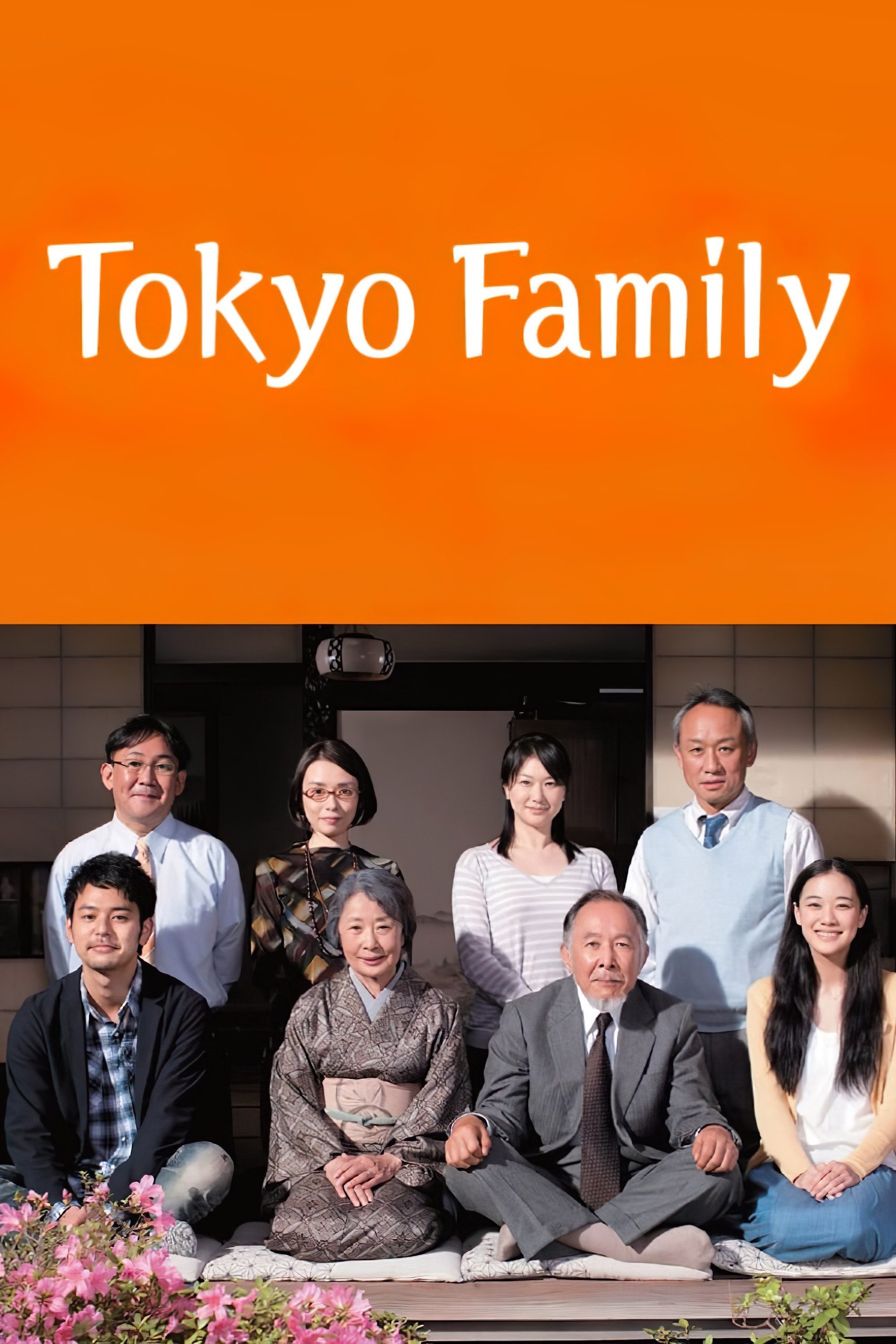
An elderly couple journey to Tokyo to visit their grown children, only to find them preoccupied and self-involved.
Based on four of the six short stories compiled in Murakami Haruki's anthology, After the Quake explores the complex aftermath of Japan’s earthquakes and other global crises. (Movie version of the TV drama).
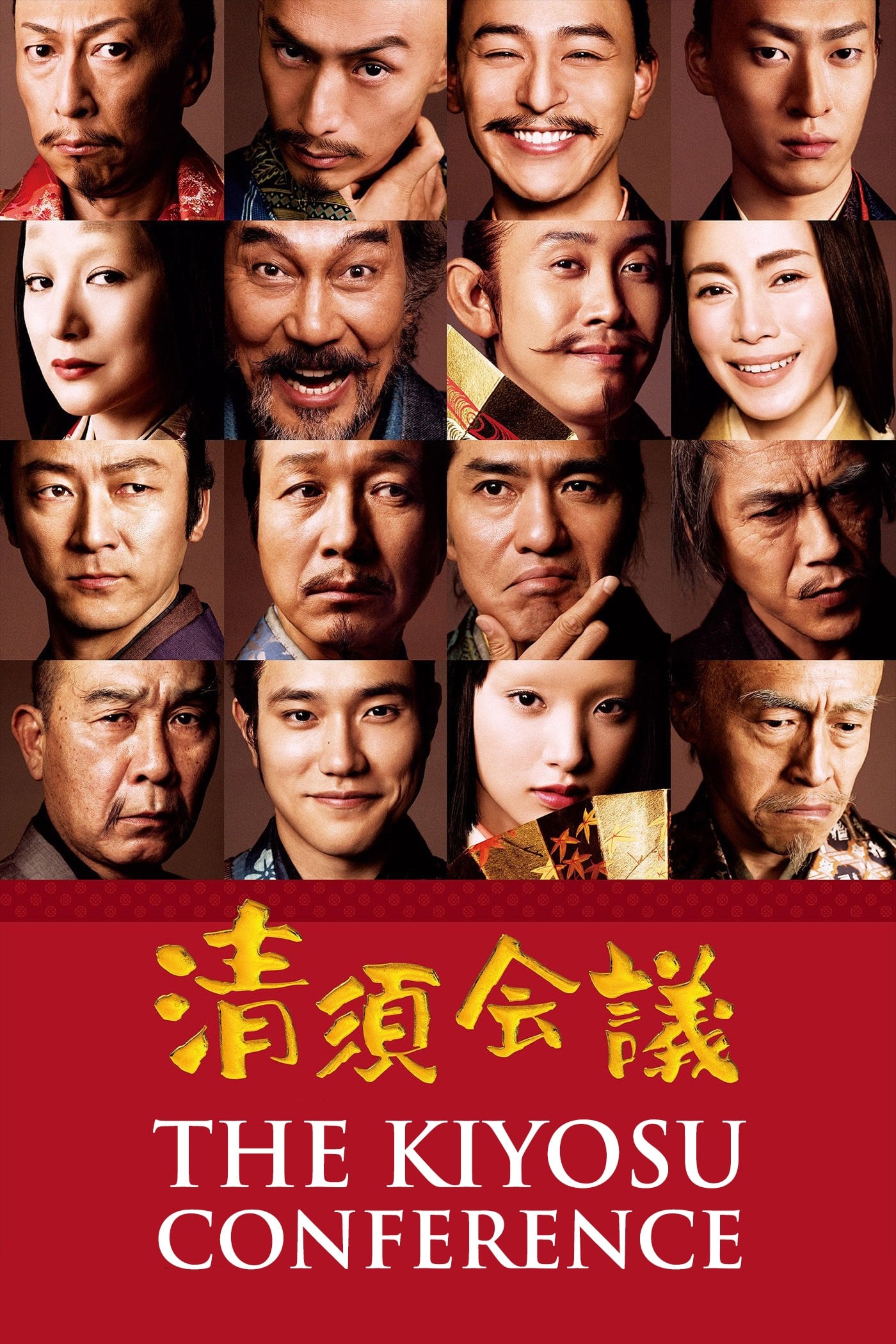
After the forced suicide of Nobunaga Oda at the Incident at Honnō-ji, powerful figures Katsuie Shibata, Hideyoshi Toyotomi, Nagahide Niwa and Tsuneoki Ikeda meet to decide on a successor. The conference would become Japan's first group made political decision. The meeting was known as the Kiyosu Kaigi.
A shy young secretary is intrigued by her new neighbor.
A daughter is constantly overshadowed by her famous father, but she is determined to make her own mark in the world.
Shinohara, a young bodybuilder, joins a para-military sect in northern Japan. His instructor, Takizawa, takes a liking to the new recruit. After an early “special” training session the two develop a lasting and loving relationship.
A coming-of-age story about a high-school girl who wants to use magic, featuring the 11-member experimental band Vampillia
Having put down his sword and given up the will to fight, the masterless samurai Iemon lives in solitude while being haunted by his violent enigmatic past...
Summoned by his dying father, Miyagi returns to his homeland of Okinawa, with Daniel, after a 40-year exile. There he must confront Yukie, the love of his youth, and Sato, his former best friend turned vengeful rival. Sato is bent on a fight to the death, even if it means the destruction of their village. Daniel finds his own love in Yukia's niece, Kumiko, and his own enemy in Sato's nephew, the vicious Chozen. Now, far away from the tournaments, cheering crowds and safety of home, Daniel will face his greatest challenge ever when the cost of honor is life itself.
A boy living in underdeveloped Welsh village hopes for a better time of his homeland when seeing the two Japaneese businessmen with the apparent intentions to build a factory there.
He was married to his lover's butterfly and started a new residence. But good things do not last. In his uncle, Uzaemon in Kawashima, Yoshiji Akaji, Yoshimoto's lender, and Kanehira Akagi, the older brother of the former loan of Mishima, played a challenge. It is said to open the ladies' room to the settlement of Wada island. Although Jiro headed to Shigetsugu for arbitration, he was forced to surrender. In such a case, Jiro became chased by Kinpei and others.
A photographer on a trip to Japan meets a fellow American woman and they quickly fall in love. However, when he returns home to the US, he discovers that she is his girlfriend's older sister.
The Way of Drama unfolds in the world of kabuki in Osaka, but also addresses the politics of popular culture and the rivalry between theatrical styles like those used by amateur actors to dramatise contemporary events.
Ichibei, a thief known as "Yami no Kiba," and his daughter Oasa are caught by members of a street performer family with a nationwide organization when the kite they are riding falls deep into the mountains of Owari. Nitayu, the key person in the clan, learns of Ichibei's obsession to avenge his father's murder by the Tokugawas and promises to help him. When Ichibei learns of Shogun Ienari's plan to transport a pure gold statue of Prince Ieyasu from Sunpu to Edo Castle, he joins forces with the bandit Kojiro to steal it. ......
Marc Schrader, a rookie cop caught red-handed with drugs in a police raid of an illegal rave, joins a homicide investigation conducted by Chief Inspector Minks. The victim is a naked young woman with the skin stripped off her back, killed as she staggered into traffic. As Schrader and Minks investigate the murder, the case is complicated by a finger found in the stomach of the victim. Forensic examination proves the finger belongs to Nobert Günzel, who was previously convicted of rape and assault. The police raid Günzel’s residence, and discover a blood-stained table with restraints and bits of human flesh in his basement. They also find video equipment and preserved, tattooed skin from the victim’s back. Soon, they found dead bodies buried in the garden. Günzel then goes missing.
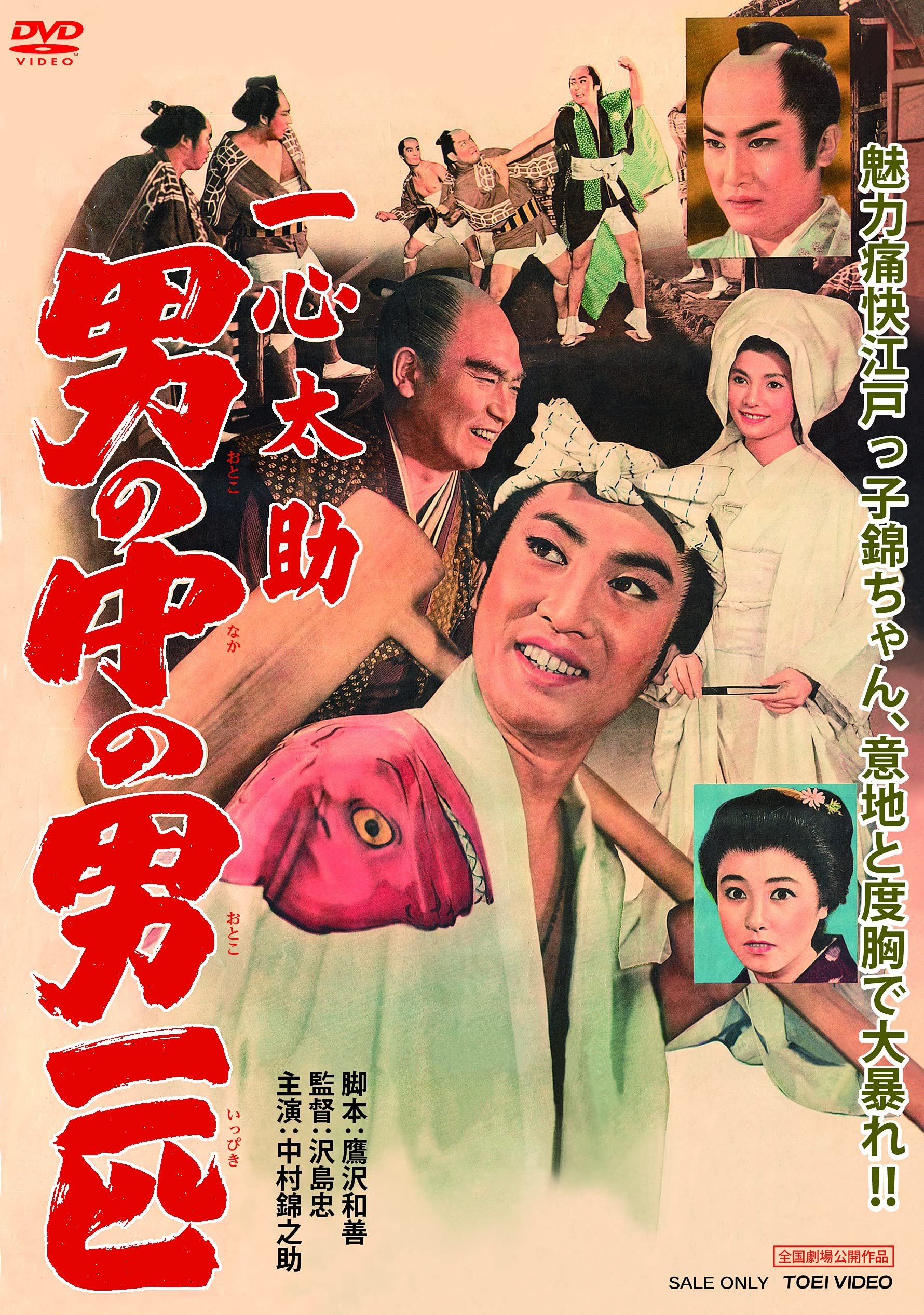
In the third entry into this mega-hit series, Isshin Tasuke, a spirited fishmonger in Edo who looks just like Shogun Iemitsu undergoes a series of unforeseen troubles in his newly wedded life.
A fugitive lord and his six retainers disguise themselves as monks to bluff their way through a hostile checkpoint.
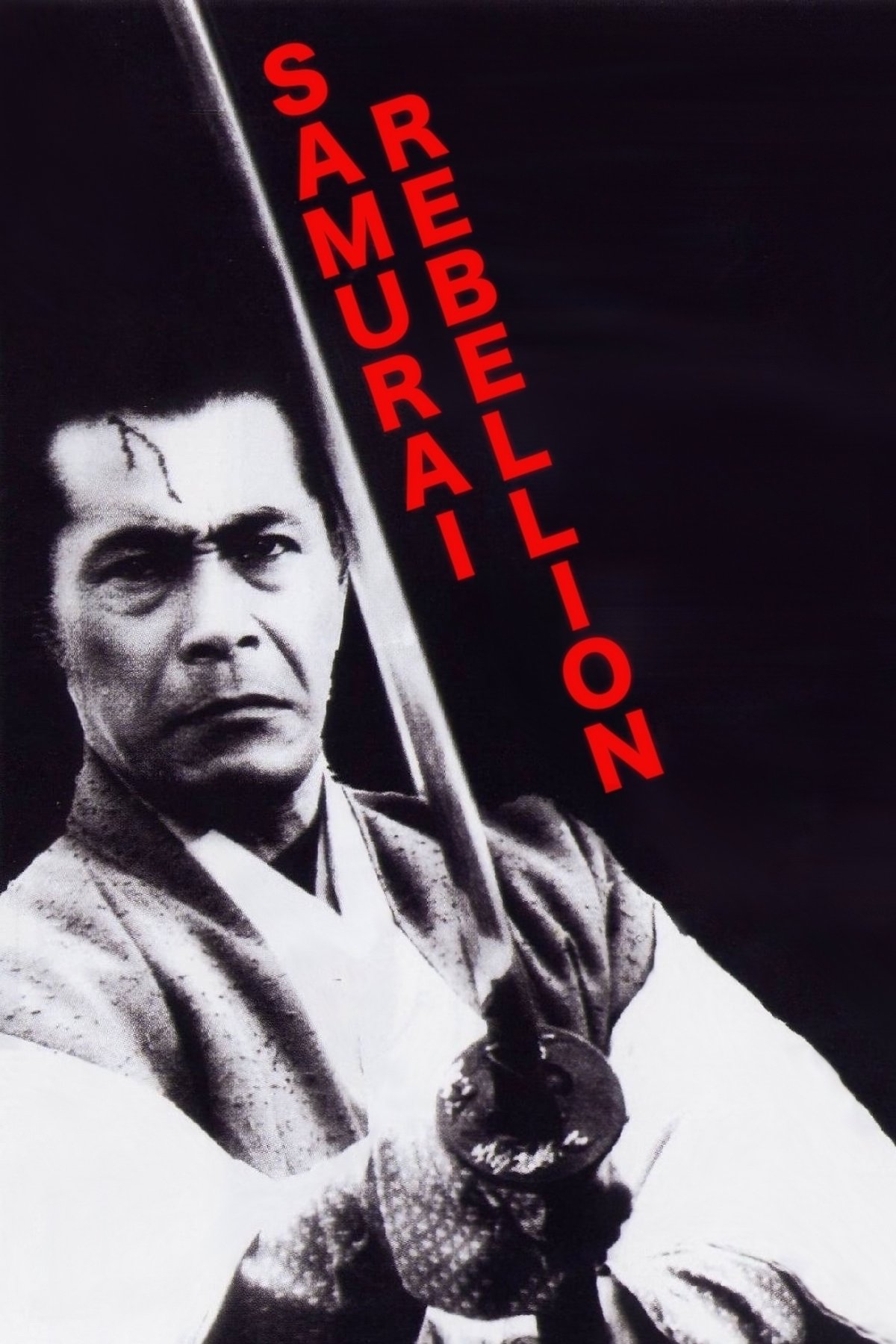
The mother of a feudal lord's only heir is kidnapped by the lord. Her husband and his samurai father must decide whether to accept the unjust decision, or risk death to rescue her.
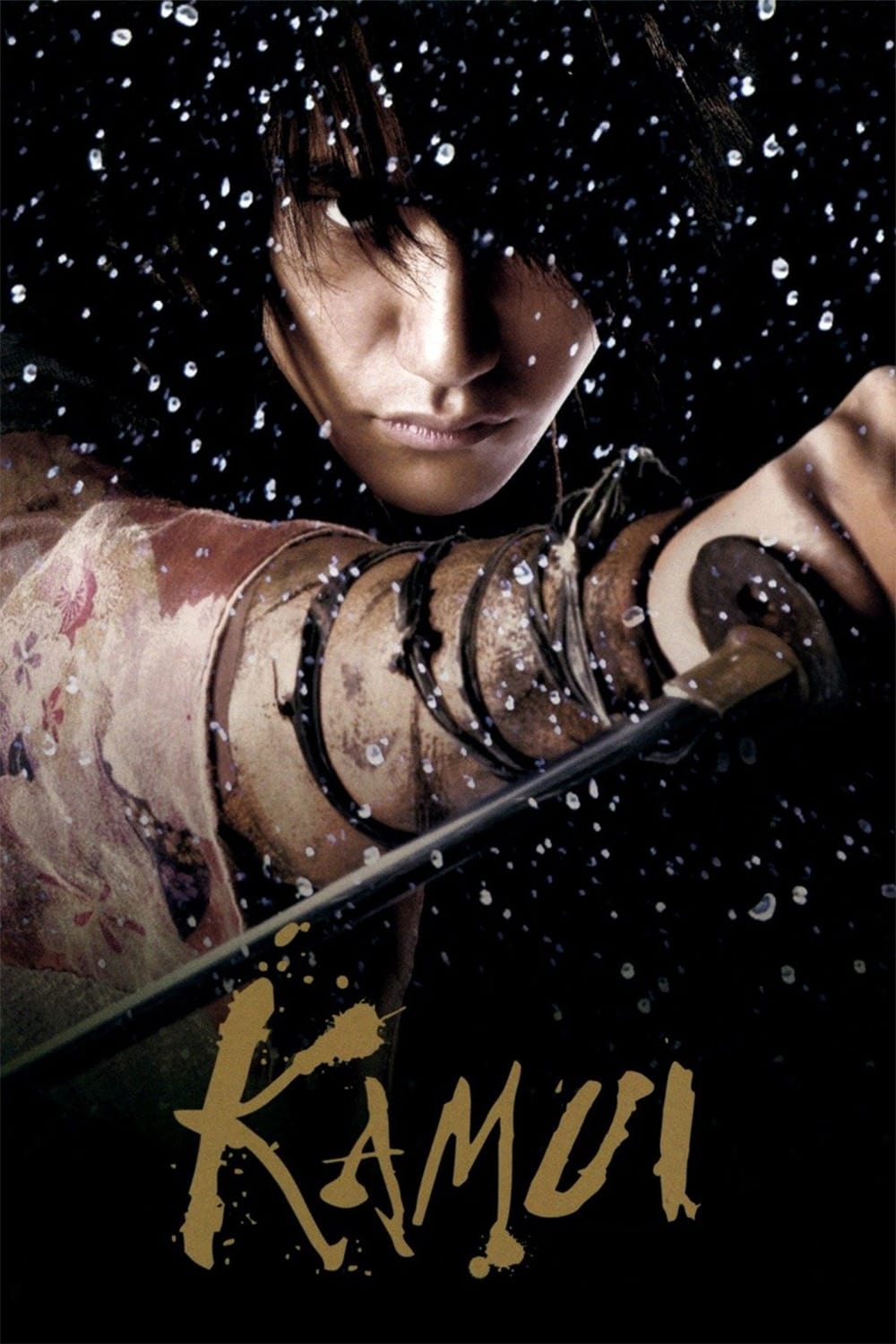
A rebellious ninja in 17th century Japan takes refuge with a fisherman and his family.
A group of travelers is stranded in a small country inn when the river floods during heavy rains. As the bad weather continues, tensions rise amongst the trapped travelers.
A cursed dancer and a blind musician — both ostracized by society — become business partners and inseparable friends as their larger-than-life concerts propel them to stardom in 14th century Japan.
Older, wiser but still a wandering loner, the blind, peace-loving masseur Ichi seeks a peaceful life in a rural village. When he's caught in the middle of a power struggle between two rival Yakuza clans, his reputation as a deadly defender of the innocent is put to the ultimate test in a series of sword-slashing showdowns.
Kenshin has settled into his new life with Kaoru and his other friends when he is approached with a request from the Meiji government. Makoto Shishio, a former assassin like Kenshin, was betrayed, set on fire and left for dead. He survived, and is now in Kyoto, plotting with his gathered warriors to overthrow the new government. Against Kaoru's wishes, Kenshin reluctantly agrees to go to Kyoto and help keep his country from falling back into civil war.
In 1879, Kenshin and his allies face their strongest enemy yet: his former brother-in-law Enishi Yukishiro and his minions, who've vowed their revenge.
Ryunosuke, a gifted swordsman plying his trade during the turbulent final days of Shogunate rule, has no moral code and kills without remorse. It’s a way of life that leads to madness.
Struggling to elevate himself from his low caste in 17th century Japan, Miyamoto trains to become a mighty samurai warrior.
Blind traveler Zatoichi is a master swordsman and a masseur with a fondness for gambling on dice games. When he arrives in a village torn apart by warring gangs, he sets out to protect the townspeople.
Kakunoshin, renowned for his skills with a sword and in the game of go, embodies the samurai code. Falsely accused of a theft, he is forced to become a lowly ronin. Years later, when a case of missing gold pulls him into a new web of intrigue, Kakunoshin uncovers the truth behind his downfall. With the real culprit exposed, the go board flips, and a hellstorm of righteous vengeance follows.
In 16th century Japan, peasants Genjuro and Tobei sell their earthenware pots to a group of soldiers in a nearby village, in defiance of a local sage's warning against seeking to profit from warfare. Genjuro's pursuit of both riches and the mysterious Lady Wakasa, as well as Tobei's desire to become a samurai, run the risk of destroying both themselves and their wives, Miyagi and Ohama.
The adventures of a blind, gambling masseur and master swordsman. Zatoichi targets a yakuza-controlled village, because war with a neighbouring town's smaller gang is brewing.
The true story of 20-year-old Colleen Stan, a hitchhiking woman abducted by a young couple and held captive for seven years, during which time she's tortured and forced to live as a slave to her captors.
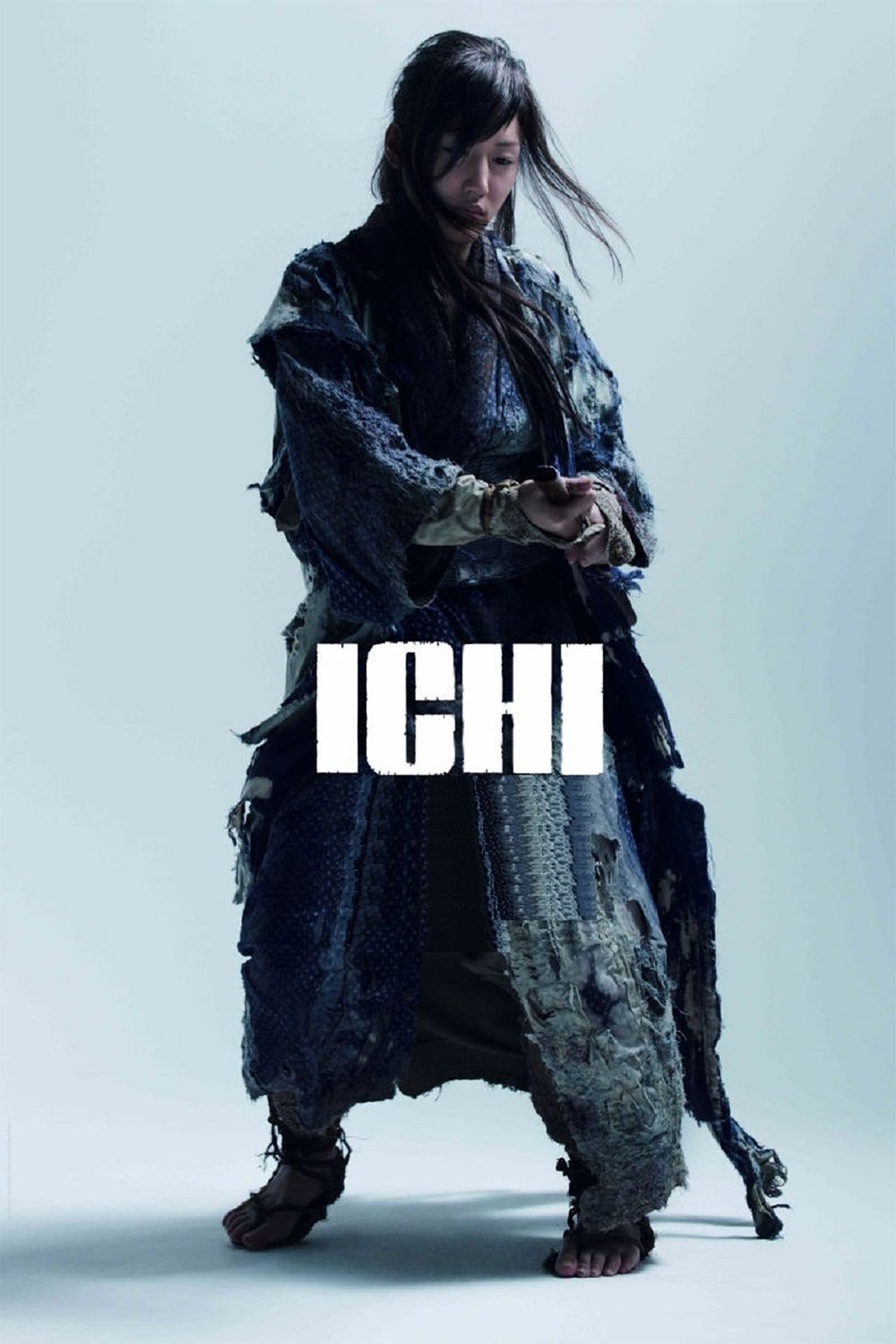
Ichi is a blind entertainer that travels the countryside with her traditional Japanese guitar and walking stick. She’s in search for the kind man that brought her up as a child, but because of her beauty she encounters problems every step of the way. Fortunately for Ichi, she is also a gifted swordswoman and carries a lethal blade within her walking stick.
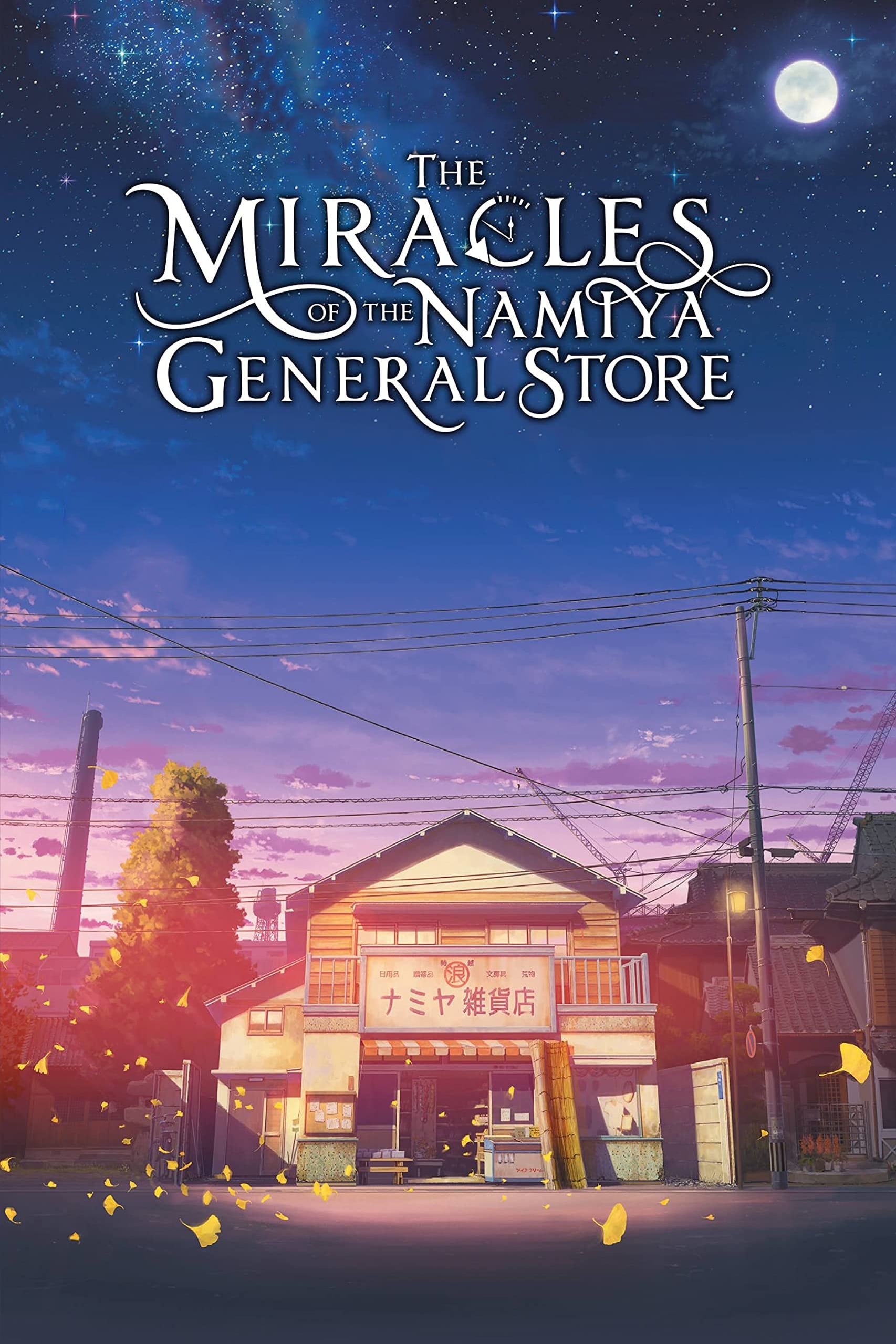
In 2012, Atsuya and his 2 childhood friends do something bad and run into an old general store. They decide to stay there until the morning. Late into the night, Atsuya sees a letter in the mailbox. The letter is addressed to the Namiya General Store and the letter was written by someone to consult about worries. Incredibly, the letter was written 32 years ago. The mailbox is somehow connected to the year 1980. Atsuya and his friends decide to write a reply and place their letter in the mailbox.
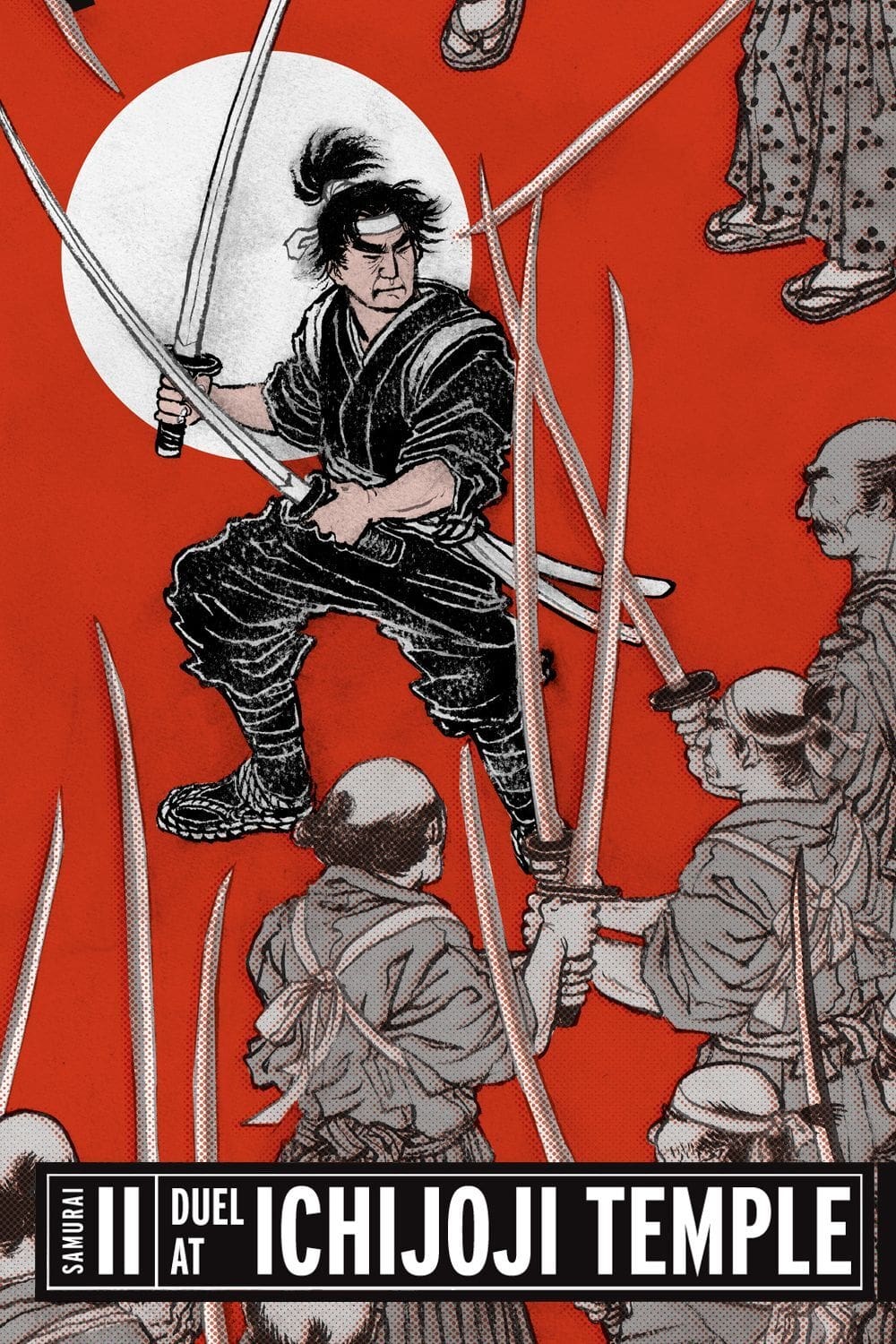
After years on the road establishing his reputation as Japan's greatest fencer, Takezo returns to Kyoto. Otsu waits for him, yet he has come not for her but to challenge the leader of the region's finest school of fencing. To prove his valor and skill, he walks deliberately into ambushes set up by the school's followers.
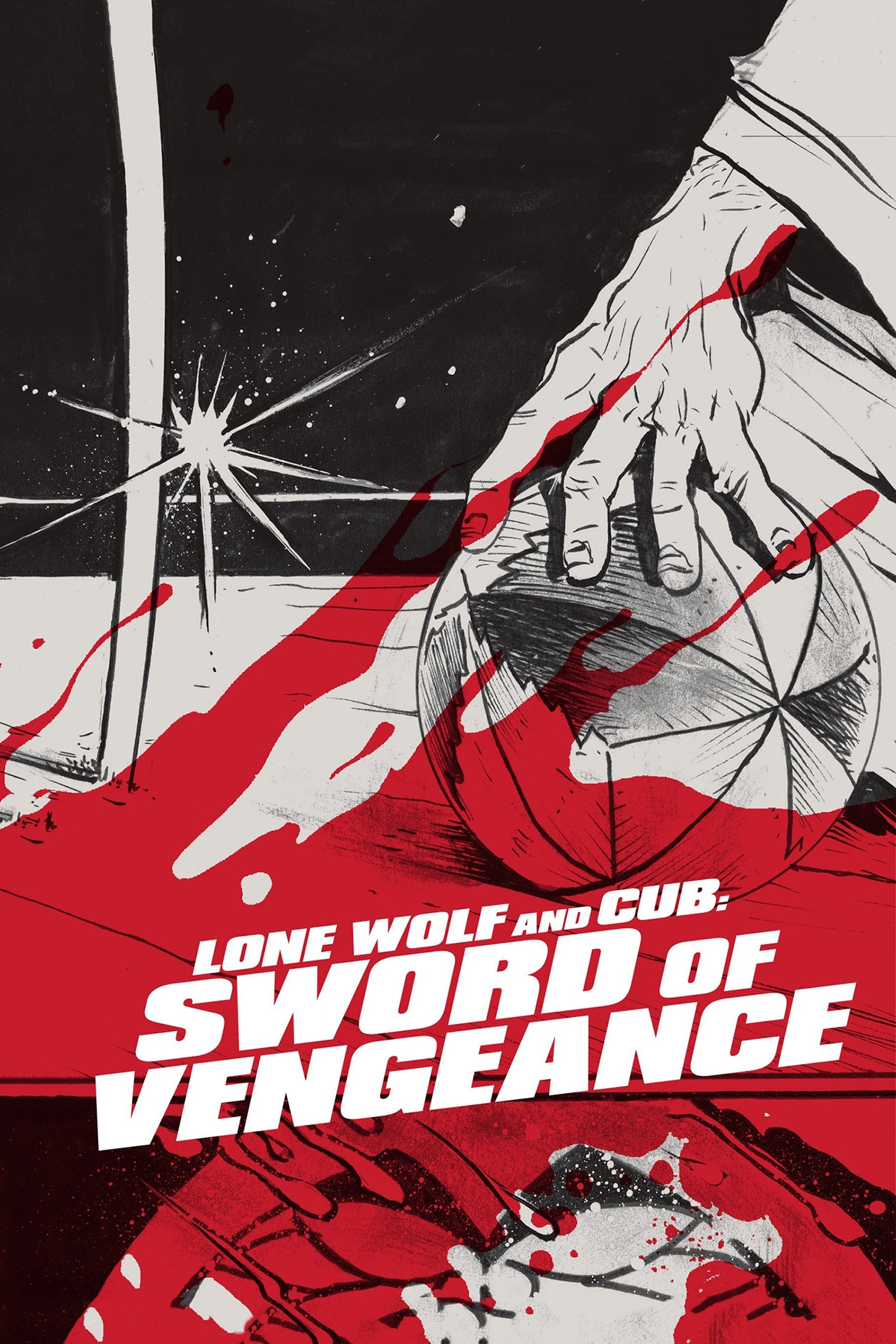
Official Shogunate executioner Ogami Itto has been framed for disloyalty to the Shogunate by the Yagyu clan, against whom he now is waging a one-man war, along with his infant son, Daigoro.
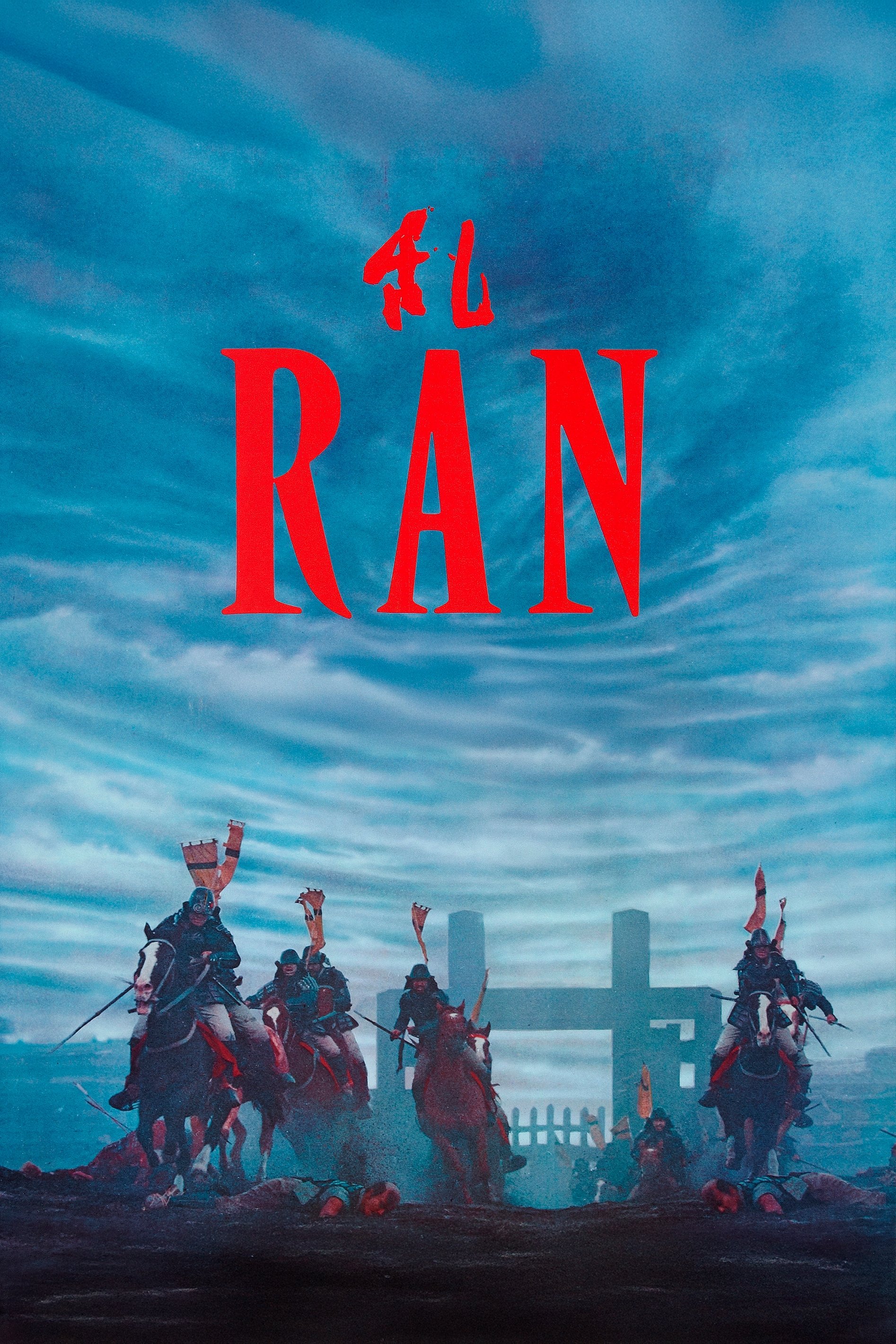
Shakespeare's King Lear is reimagined as a singular historical epic set in sixteenth-century Japan where an aging warlord divides his kingdom between his three sons.