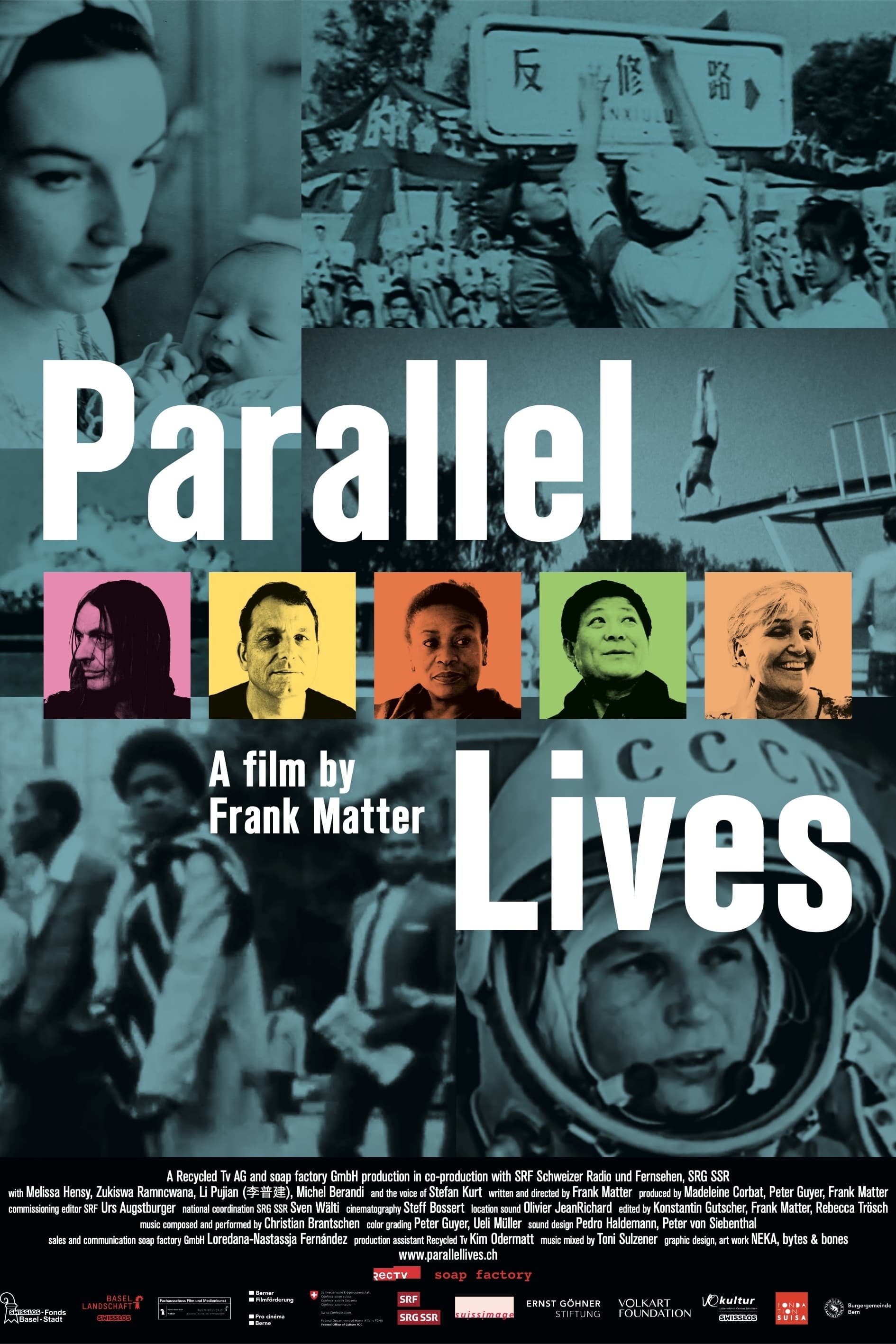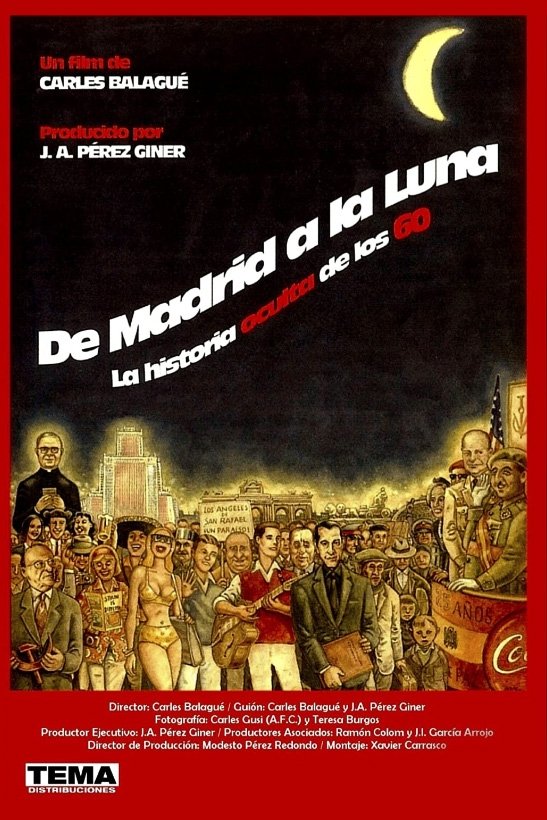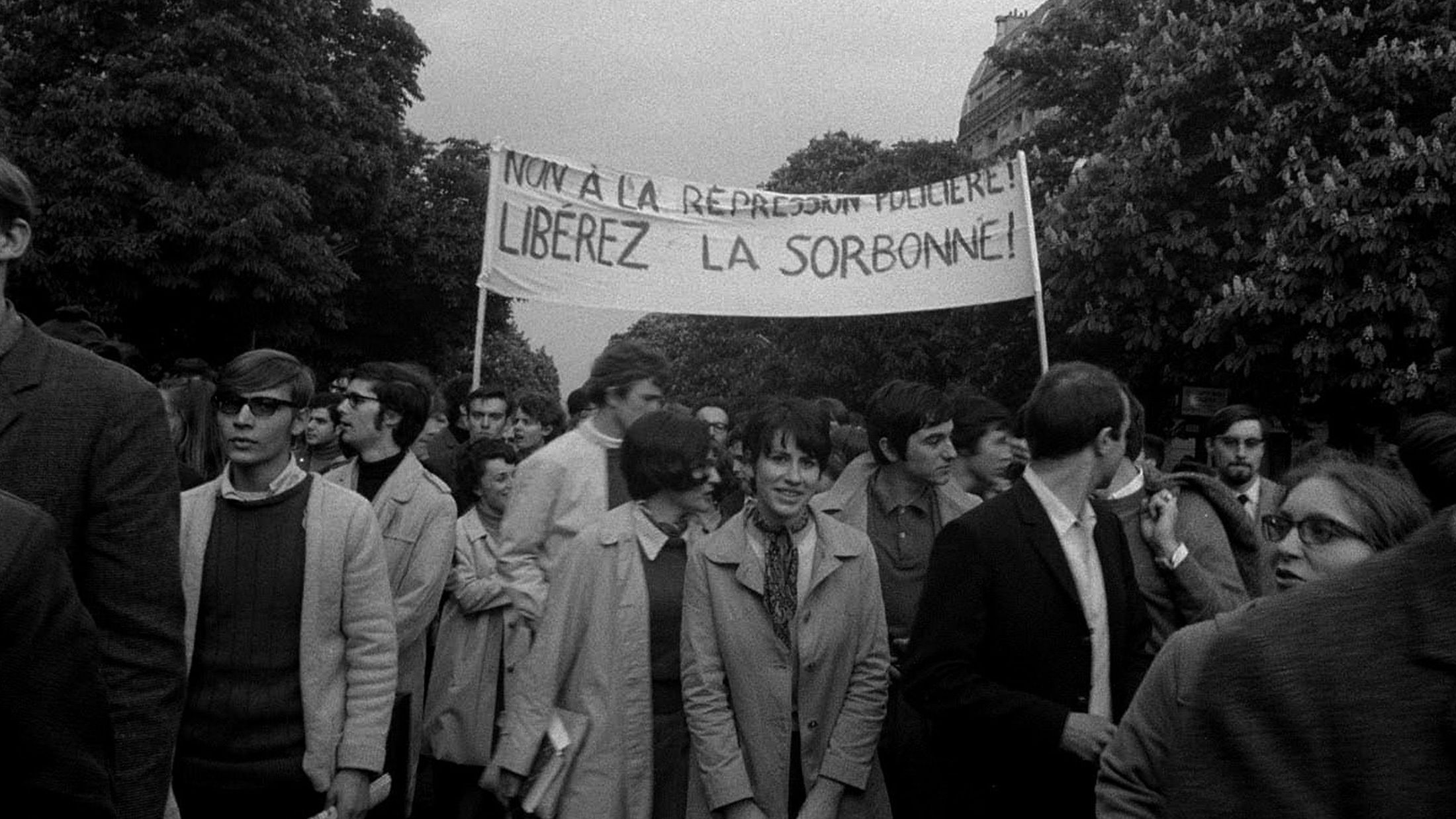
A personal essay which analyses and compares images of the political upheavals of the 1960s. From the military coup in Brazil to China's Cultural Revolution, from the student uprisings in Paris to the end of the Prague Spring.
Social & External
Narrador
Sylvie Vartan has had an extraordinary life: a Bulgarian child forced into exile, who became the icon of a youth in the midst of revolution in France. After a career spanning 64 years, with nearly 50 albums recorded and 40 million records sold, she has decided to bow out. During her farewell tour, the singer chose to open up to Augustin Trapenard.
A documentary that brings together interviews with 20 activists who address the issue of intersectional feminism and patriarchy in Portugal.
A low-intensity war is being fought on the streets of Europe and the aim is on fascism. This critically acclaimed documentary takes us behind the masks of the militants called antifascists. In 2013 a group of armed nazis attacks a peaceful demonstration in Stockholm where several people are injured. In Greece the neo-nazi party Golden Dawn becomes the third largest in the election and in Malmö the activist Showan Shattak and his friends are attacked by a group of nazis with knives and he ends up in a coma. In this portrait of the antifascists in Greece and Sweden we get to meet key figures that explain their view on their radical politics but also to question the level their own violence and militancy.
The bleached palette and home-movie aesthetics of Super 8 footage provide the image track for this testimonial about an illegal abortion in Mexico City in the 1960s, delivered in voiceover by the filmmaker’s mother. In its account of this intimate and disorienting memory, Lesser Choices summons a time of profound uncertainty—a moment from an era without rights—and offers a warning to the present.
A documentary analyzing the social, political and cultural climate of Hollywood in the mid-1960s.
Pier Paolo Pasolini sets out to interview Italians about sex, apparently their least favorite thing to talk about in public: he asks children if they know where babies come from; asks old and young women if they support gender equality; asks both sexes if a woman's virginity still matters, what do they think of homosexuality, if divorce should be legal, or if they support the recent abolition of brothels. He interviews blue-collar workers, intellectuals, college students, rural farmers, the bourgeoisie, and every other kind of people, painting a vivid portrait of a rapidly-industrializing Italy, hanging between modernity and tradition — toward both of which Pasolini shows equal distrust.
From the behavior, discourse, and appearance of individual actors, Vachek composes, in the form of a mosaic, a broad and many-layered film-argument about Czechoslovak democracy in the period of its rebirth, all administered with the director’s inimitable point of view.
Throughout Hong Kong’s history, Hongkongers have fought for freedom and democracy but have yet to succeed. In 2019, a controversial extradition bill was introduced that would allow Hongkongers to be tried in mainland China. This decision spurred massive protests, riots, and resistance against heavy-handed Chinese rule over the City-State. Award-winning director Kiwi Chow documents the events to tell the story of the movement, with both a macro view of its historical context and footage and interviews from protestors on the front lines.
How in 1959, during the heat of the Cold War, the government of the United States decided to create a secret military base located in the far north of Greenland: Camp Century, almost a real town with roads and houses, a nuclear plant to provide power and silos to house missiles aimed at the Soviet Union.
This documentary, made over a period of eight years, tells the remarkable story of an extremely influential rock'n'roll band. Starting from their mid-60's garage band roots (sounding amazingly like the Sonics), the Motor City 5 deveoped into an icon for a brand of loud, crushing music reflecting their industrial roots. Even if you don't care for their music (and you're bound to like even a few of their songs), their story is fascinating. It combines 60's protest, youthful braggadocio, and a style of music that would help carry one to the likes of Iggy and the Stooges (not to mention certain aspects of punk rock). This film is clearly a labor of love, combining extraordinarily rare live shows, still shots, a nearly-continuous backdrop of MC5 tunes, penetrating interviews with the remaining members and their spouses, and even FBI surveillance shots. It's the ultimate testimonial to a band that only gains in stature as time goes on.
In 1829 the naturalist Alexander von Humboldt attempted a russian-siberian expedition. Humboldt travelled to obtain a clear view of nature, people and life in this immense country. 2019 naturalists and humanists attempted a transdisciplinary expedition on the trails of Humboldt. To capture the events various cameras were taken along. A non-chronological narration.

When the revolution in Nicaragua won its victory nearly 40 years ago, the world began to dream. A young generation was taking the reins in a country of grand utopias. From West Germany alone, 15,000 “brigadists” travelled to help rebuild the war-torn country: liberals, greens, unionists, social democrats, leftists and church representatives harvested coffee and cotton, built schools, kindergartens and hospital wards. No movement has mobilised so many people. What became of the hopes and dreams of the revolutionaries and their supporters?
Renowned documentary filmmaker D.A. Pennebaker captures Otis Redding in his ascendancy, singing at the historic Monterey International Pop Festival in June 1967. Comedian Tom Smothers introduces Redding to a crowd that is leaving -- until Redding grabs them with his charged rendition of "Shake." Redding's performance also includes "Respect" (which he wrote), "I've Been Loving You Too Long," "Satisfaction," and "Try a Little Tenderness." Tragically, Redding died in a plane crash six months later. An innovative filmmaker who started in the 1950s making experimental films, Pennebaker garnered an Oscar nomination for Best Documentary Feature in 1993 for The War Room, his behind-the-scenes look at Bill Clinton's 1992 campaign. His other subjects have included Norman Mailer, Bob Dylan, and David Bowie.
Everyone knows the story of Paul Revere and his famous midnight ride to warn colonial forces of the British approach. But history books don't tell of the man who sent Revere on his mission: Joseph Warren, America's least remembered founding father. Uncover the forgotten history of Warren and stories of other unsung heroes in our fight for independence in The American Revolution.
The career of French comic author René Goscinny was a living blend of cultures and an expression of the great importance this artist attached to the production and dissemination of sophisticated popular culture. Goscinny left behind an extremely extensive body of work: "Asterix", "Lucky Luke", "Isnogud", "Little Nick" and many more.
Jazz and decolonization are intertwined in a powerful narrative that recounts one of the tensest episodes of the Cold War.
The chronicle of the mind-blowing journey that was Hollywood during the seventies; the true and gripping story of the last golden age of American cinema, an exalted celebration of creativity and experimentation; but also of sex, drugs and rock 'n' roll: a turbulent and dark tale of ambition, envy, betrayal, hatred and self-destruction.
Jan 6th, a violent attack against the US occurred at the Capitol. Five people died and 140+ injured. Before the dust had settled and with strict city-wide curfews still enforced in D.C, a visionary artist took to the streets.
Documentary film with play scenes about the rise and fall of the short-lived Bavarian Soviet Republic in 1919 from the perspective of various well-known poets and writers who experienced the events as contemporary witnesses.
Lyrical and powerfully personal essay film that reflects on the deaths of her husband Lou Reed, her mother, her beloved dog, and such diverse subjects as family memories, surveillance, and Buddhist teachings.
A road trip across five countries to explore the social and political movements as well as the mainstream media's misperception of South America while interviewing seven of its elected presidents.
The most comprehensive retrospective of the '80s action film genre ever made.
A detailing of the rise to prominence and global sporting superstardom of six supremely talented young Manchester United football players (David Beckham, Nicky Butt, Ryan Giggs, Paul Scholes, Phil and Gary Neville). The film covers the period 1992-1999, culminating in Manchester United's European Cup triumph.
Through deeply personal interviews with her siblings and an examination of the photographs, letters, and belongings left behind, Mariska assembles a new portrait of her mother Jayne Mansfield, an extraordinary and complex woman.
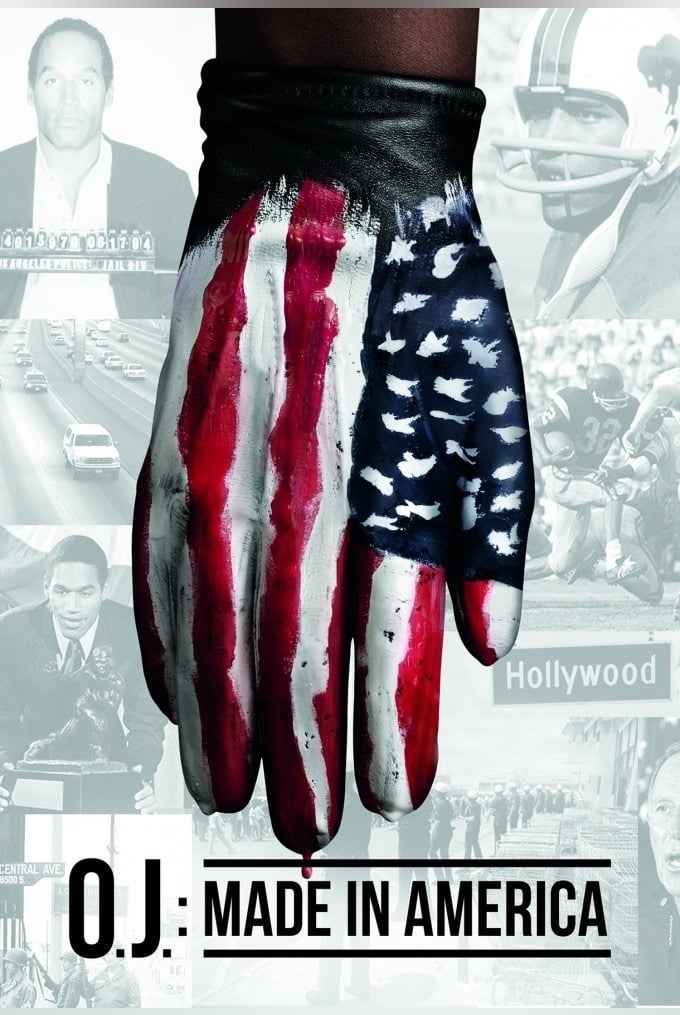
A chronicle of the rise and fall of O.J. Simpson, whose high-profile murder trial exposed the extent of American racial tensions, revealing a fractured and divided nation.
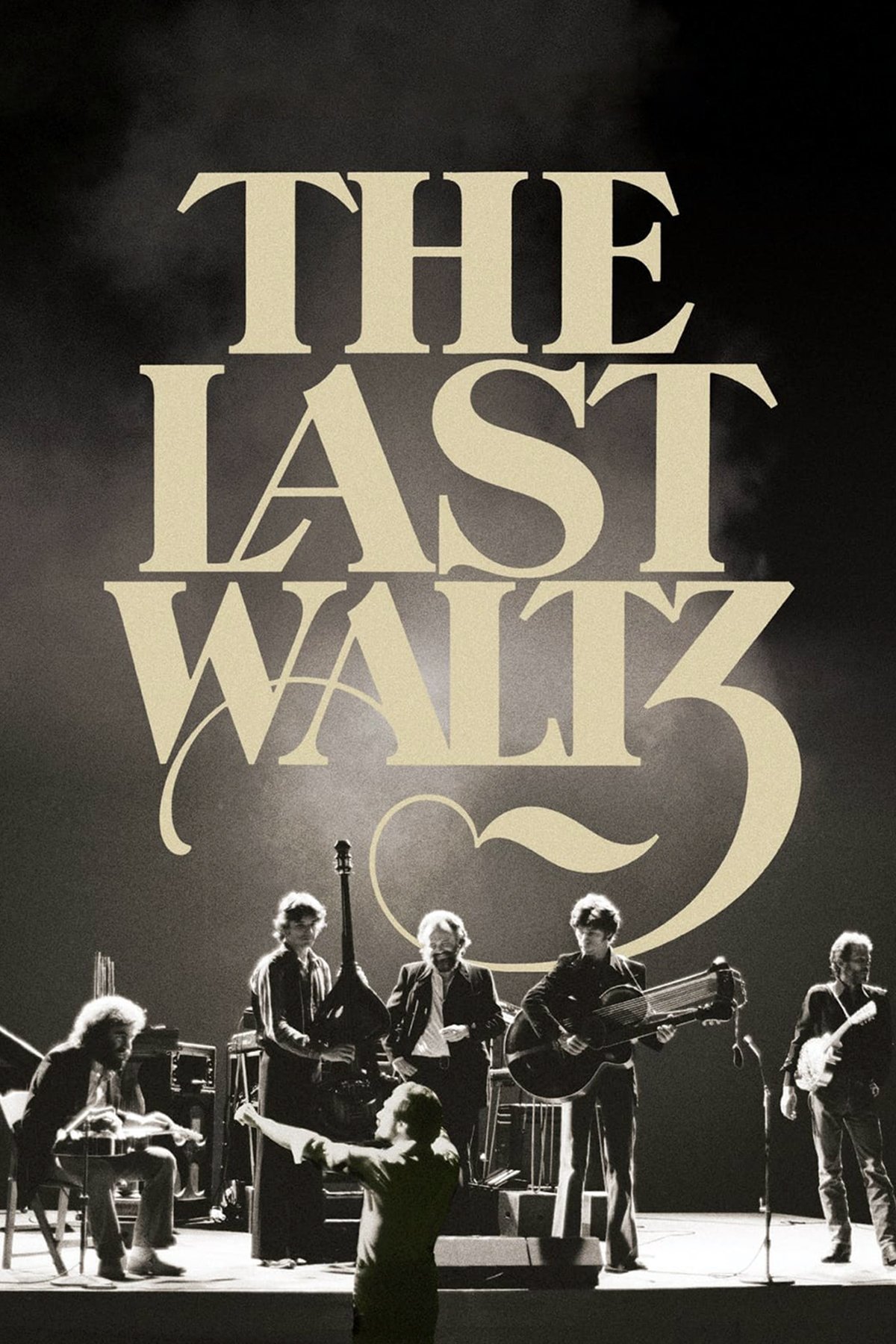
Martin Scorsese's documentary intertwines footage from The Band's incredible farewell tour with probing backstage interviews and featured performances by Eric Clapton, Bob Dylan, Joni Mitchell, Van Morrison, and other rock legends.
A documentary about the legendary series of nationally televised debates in 1968 between two great public intellectuals, the liberal Gore Vidal and the conservative William F. Buckley Jr. Intended as commentary on the issues of their day, these vitriolic and explosive encounters came to define the modern era of public discourse in the media, marking the big bang moment of our contemporary media landscape when spectacle trumped content and argument replaced substance. Best of Enemies delves into the entangled biographies of these two great thinkers, and luxuriates in the language and the theater of their debates, begging the question, "What has television done to the way we discuss politics in our democracy today?"
This revealing documentary honors the legendary Sidney Poitier—iconic actor, filmmaker, and civil rights activist. Featuring interviews with Denzel Washington, Spike Lee, Halle Berry, and more.
This revealing portrait of Cuba follows the lives of Fidel Castro and three Cuban families affected by his policies over the last four decades.
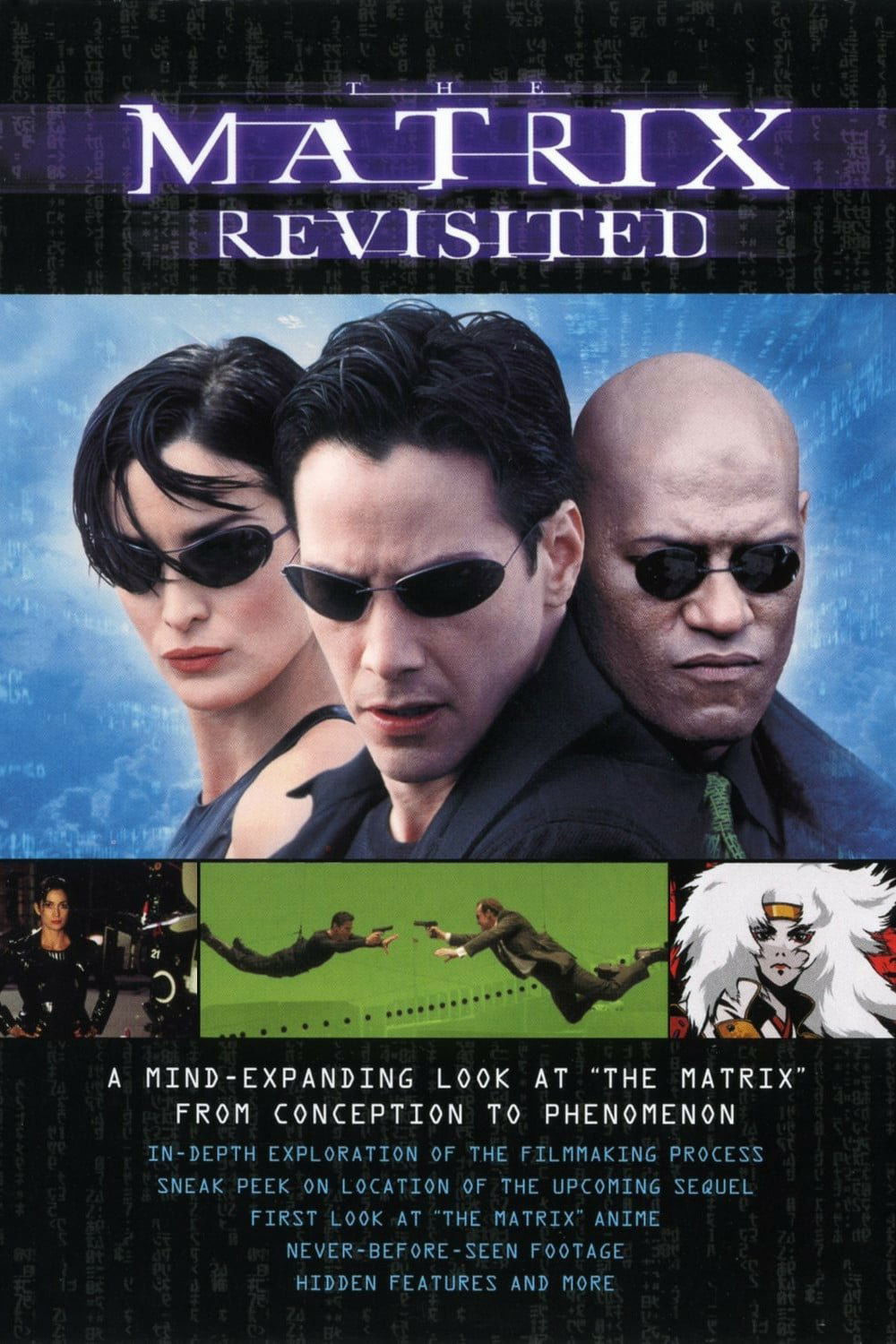
The film goes behind the scenes of the 1999 sci-fi movie The Matrix.
Performance artist Marina Abramovic prepares for a major retrospective of her work at the Museum of Modern Art in New York.
Documentary filmmaker Amy Berg investigates the life of 30-year pedophile Father Oliver O'Grady and exposes the corruption inside the Catholic Church that allowed him to abuse countless children. Victims' stories and a disturbing interview with O'Grady offer a view into the troubled mind of the spiritual leader who moved from parish to parish gaining trust ... all the while betraying so many.
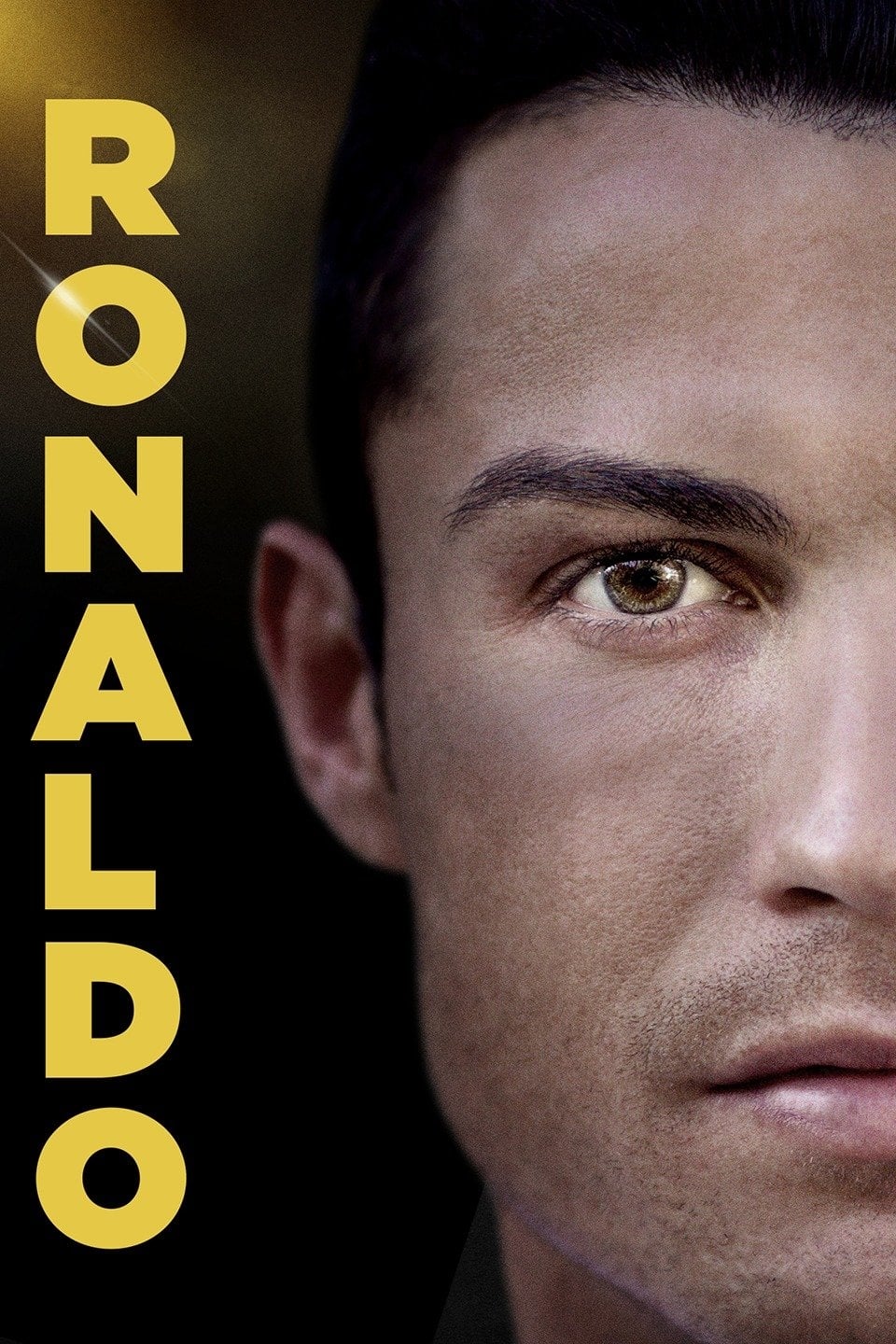
The definitive portrait of one of sport's most inspirational, influential figures - whose legacy lives on far beyond the football field.
An in-depth investigation into the private world of the American writer J. D. Salinger (1919-2010), who lived most of his life behind the impenetrable wall of a self-imposed seclusion: how his dramatic experiences during World War II influenced his life and work, his relationships with very young women, his obsessive writing methods, his many literary secrets.
Those who knew iconic funnyman John Candy best share his story, in their own words, through never-before-seen archival footage, imagery, and interviews.
A documentary on the life of John Lennon, with a focus on the time in his life when he transformed from a musician into an antiwar activist.
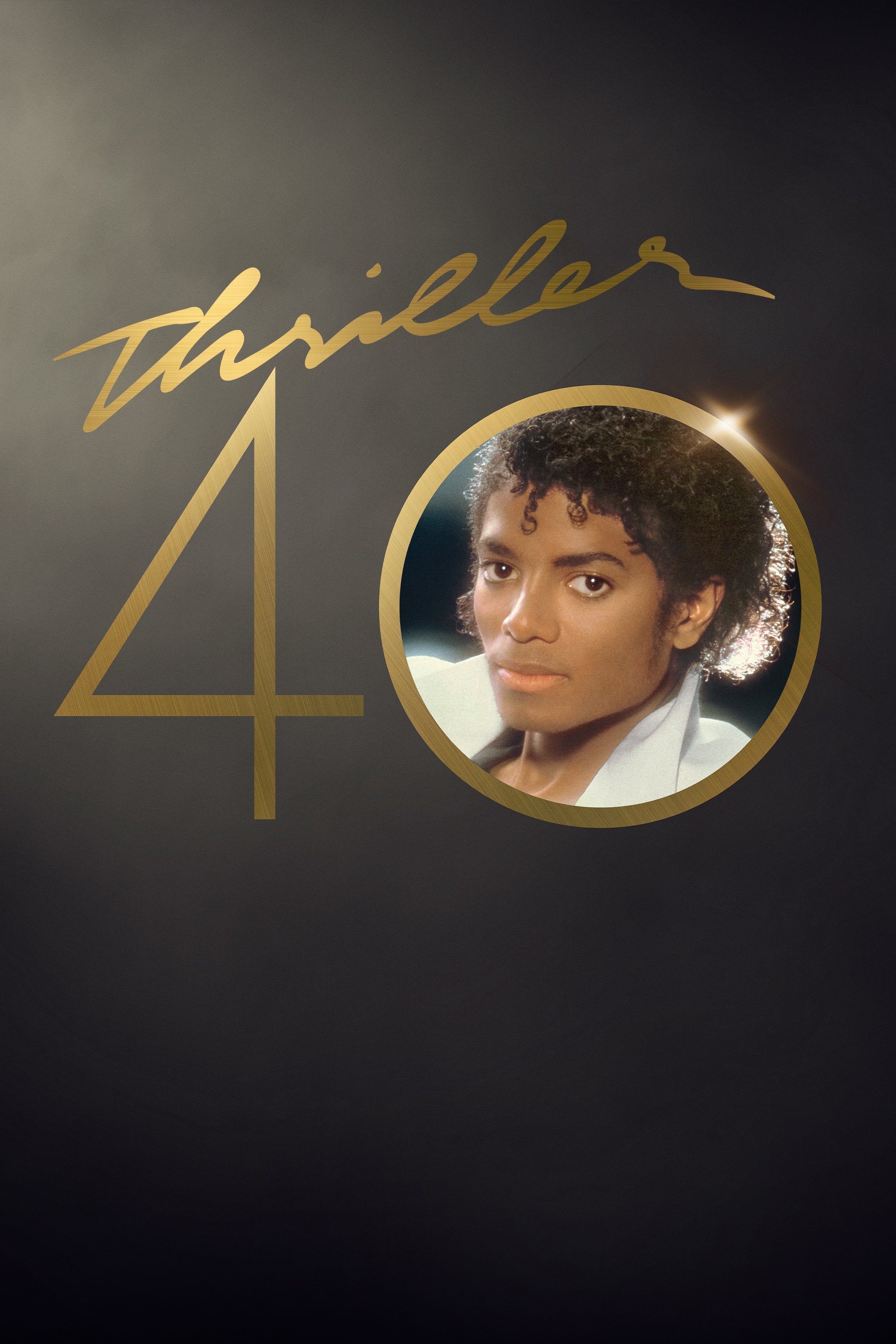
Forty years after the release of Michael Jackson’s ‘Thriller,’ the best-selling album of all-time, director Nelson George takes fans back in time to the making of a pop masterpiece, featuring never-before-seen footage and candid interviews.
The film follows adventurer Jeff Johnson as he retraces the epic 1968 journey of his heroes Yvon Chouinard and Doug Tompkins to Patagonia.
More than 65 million people around the world have been forced from their homes to escape famine, climate change and war, the greatest displacement since World War II. Filmmaker Ai Weiwei examines the staggering scale of the refugee crisis and its profoundly personal human impact. Over the course of one year in 23 countries, Weiwei follows a chain of urgent human stories that stretch across the globe, including Afghanistan, France, Greece, Germany and Iraq.