Documentary short about the government census of unemployed but employable workers. Preserved by the Academy Film Archive, Academy War Film Collection, in 2009.
Social & External
Nelson sets minimal, repetitive imagery against a looping recording of his daughter Oona, which goes gradually from sweet to curious to mysterious to cacophonous as the loops overlap each other. Since its premiere alongside The Great Blondino and other shorts in April 1967, the film has rarely been seen. It stands out as a more textural piece from Nelson, which, rather than retreating into pure abstraction or bland trippiness, subtly transmits an undercurrent of its ominous source material. —Mark Toscano. Preserved by the Academy Film Archive in 2010.
Coming in the wake of a whole movement of wild, ecstatic, psychedelic films loaded with unchecked energy and abandon, Throbs demonstrates a remarkable subtlety and restraint, as Fred explores variations in loops and cycles, weaving unlikely combinations of found and original footage to envelop us in a free associative dream world. —Mark Toscano. Preserved by the Academy Film Archive in 2008.
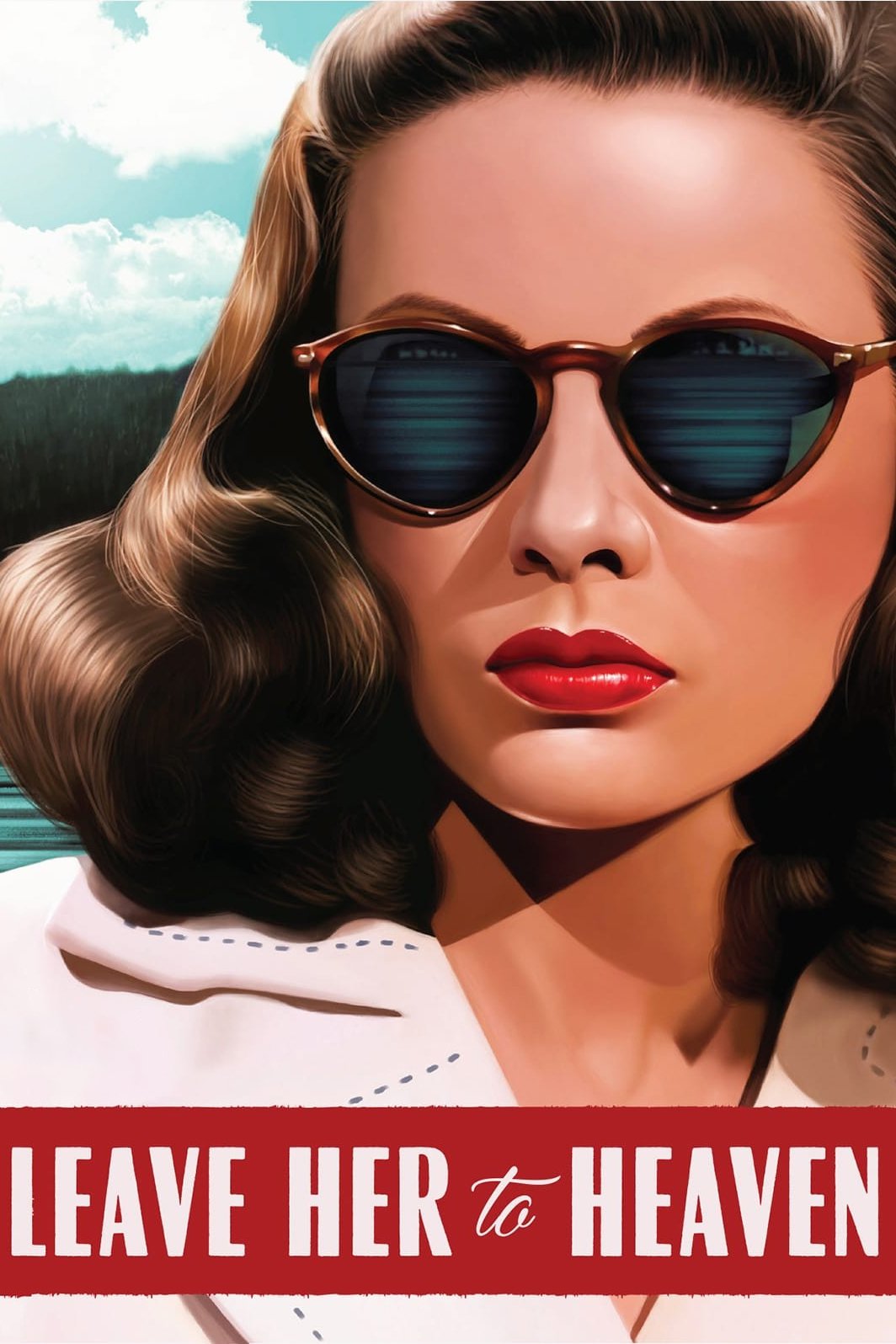
A socialite marries a prominent novelist, which spurs a violent, obsessive, and dangerous jealousy in her.
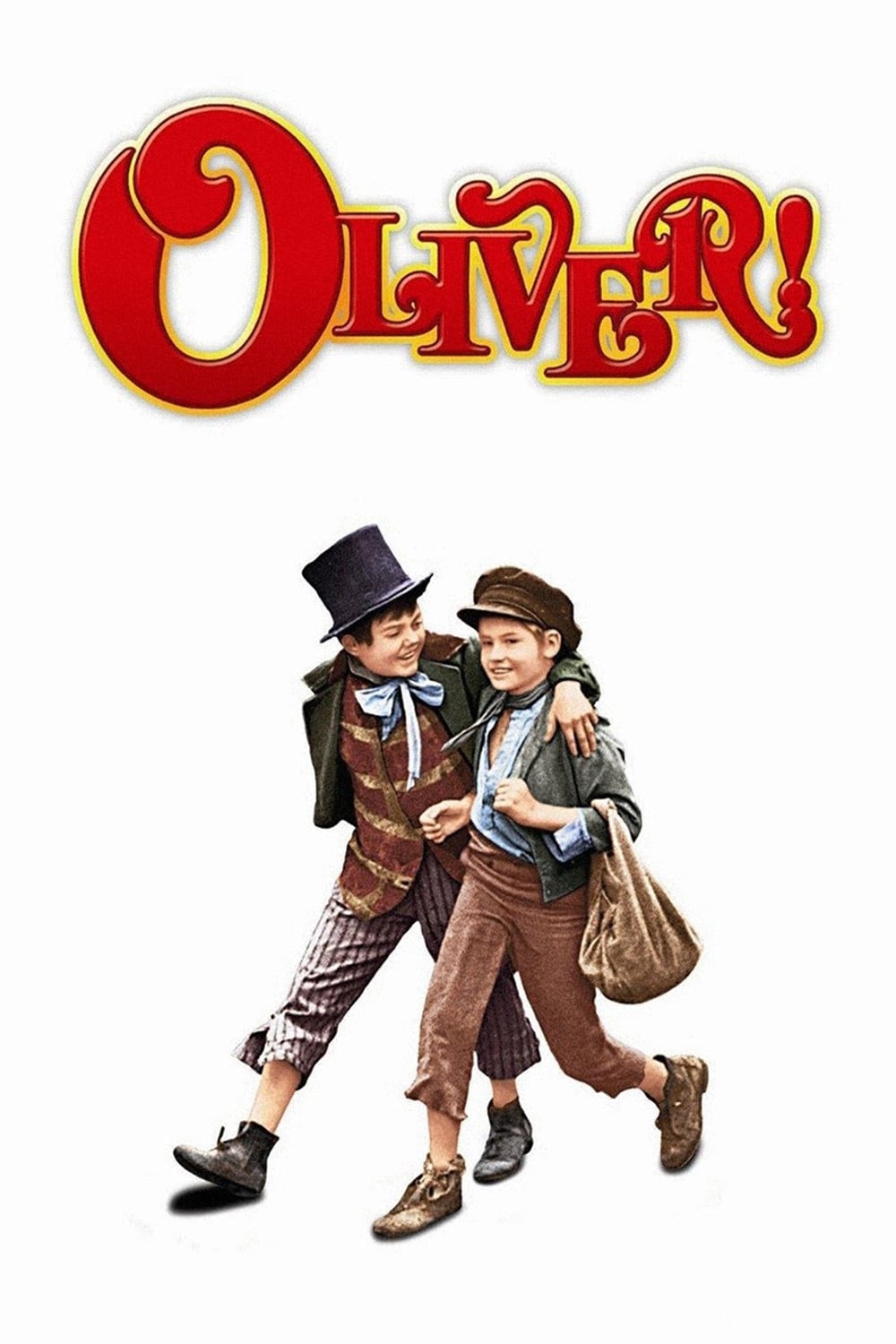
Musical adaptation of Charles Dickens' Oliver Twist, a classic tale of an orphan who runs away from the workhouse and joins up with a group of boys headed by the Artful Dodger and trained to be pickpockets by master thief Fagin.
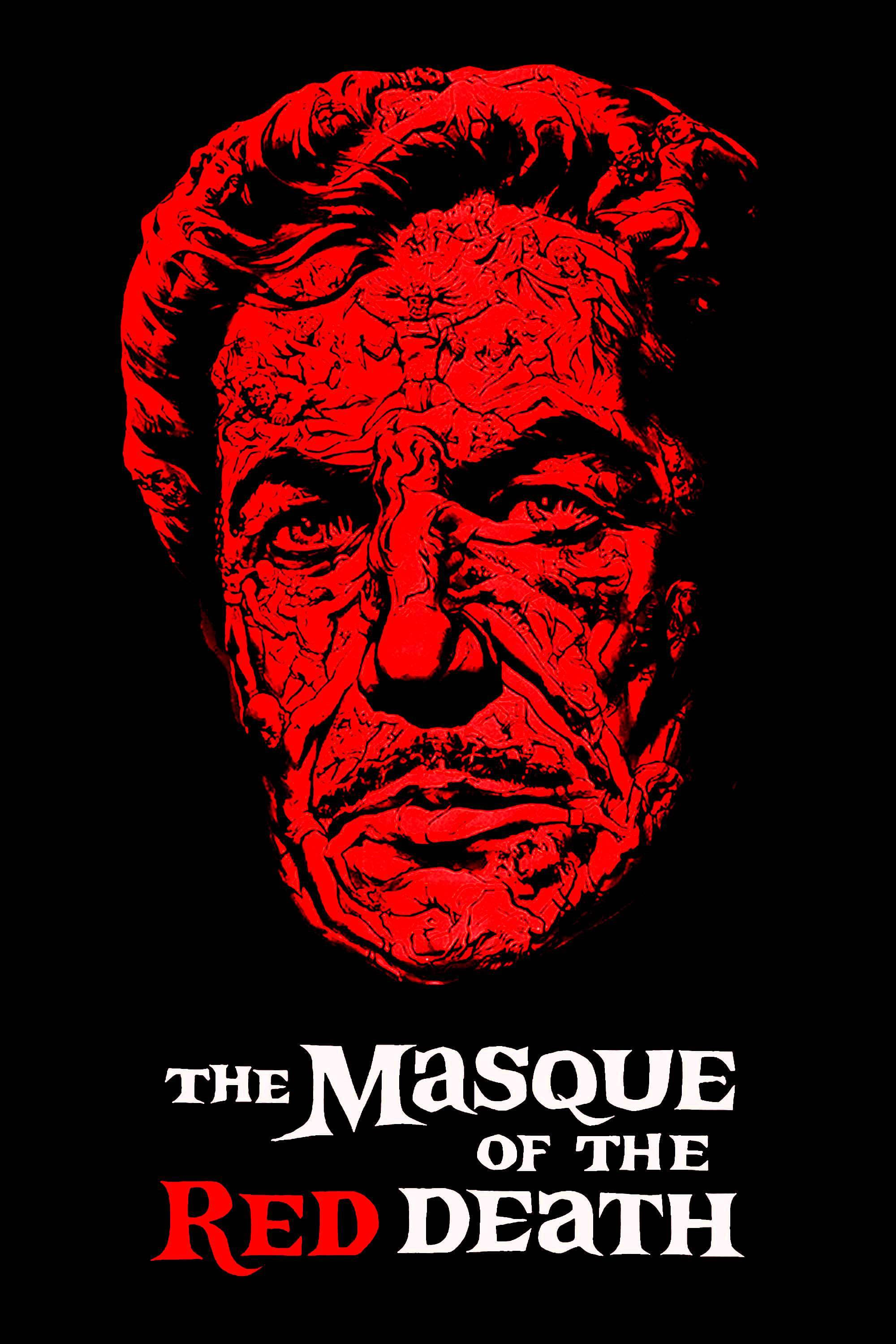
A European prince terrorizes the local peasantry while using his castle as a refuge against the "Red Death" plague that stalks the land.
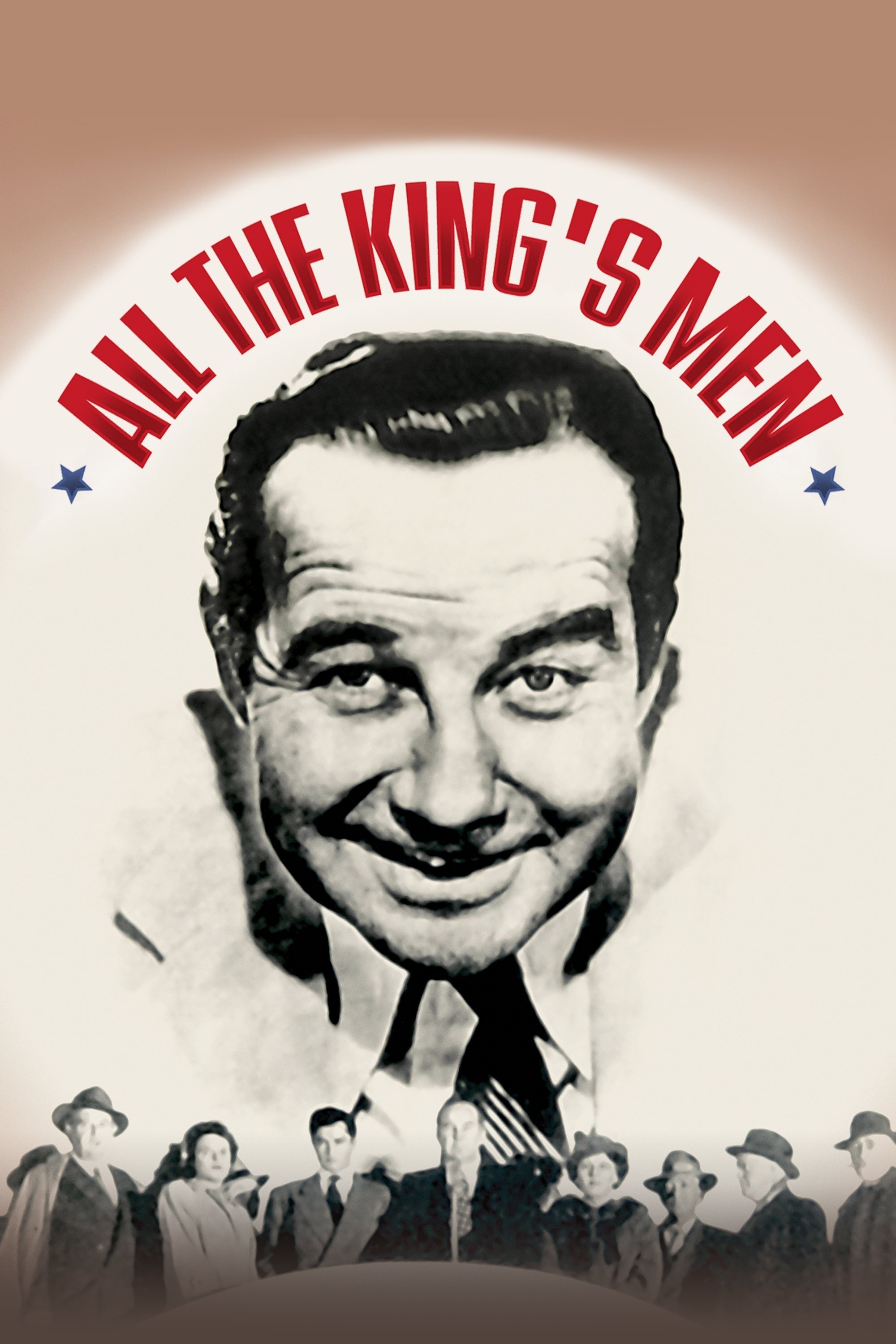
A man of humble beginnings and honest intentions rises to power by nefarious means. Along for the wild ride are an earnest reporter, a heretofore classy society girl, and a too-clever-for-her-own-good political flack.
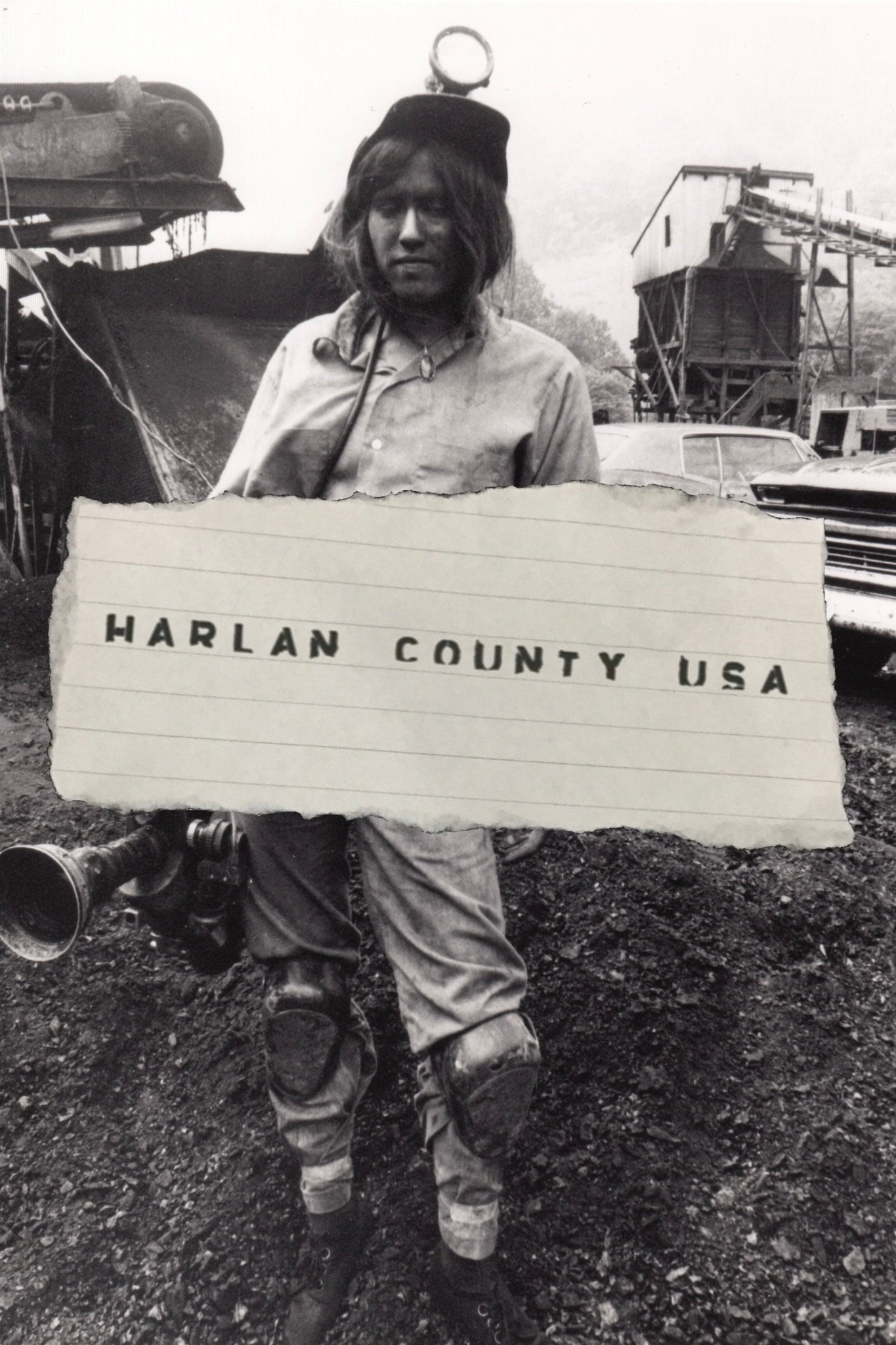
This film documents the coal miners' strike against the Brookside Mine of the Eastover Mining Company in Harlan County, Kentucky in June, 1973. Eastover's refusal to sign a contract (when the miners joined with the United Mine Workers of America) led to the strike, which lasted more than a year and included violent battles between gun-toting company thugs/scabs and the picketing miners and their supportive women-folk. Director Barbara Kopple puts the strike into perspective by giving us some background on the historical plight of the miners and some history of the UMWA. Preserved by the Academy Film Archive in partnership with New York Women in Film & Television in 2004.
An intoxicated man trespasses into an art gallery after hours.
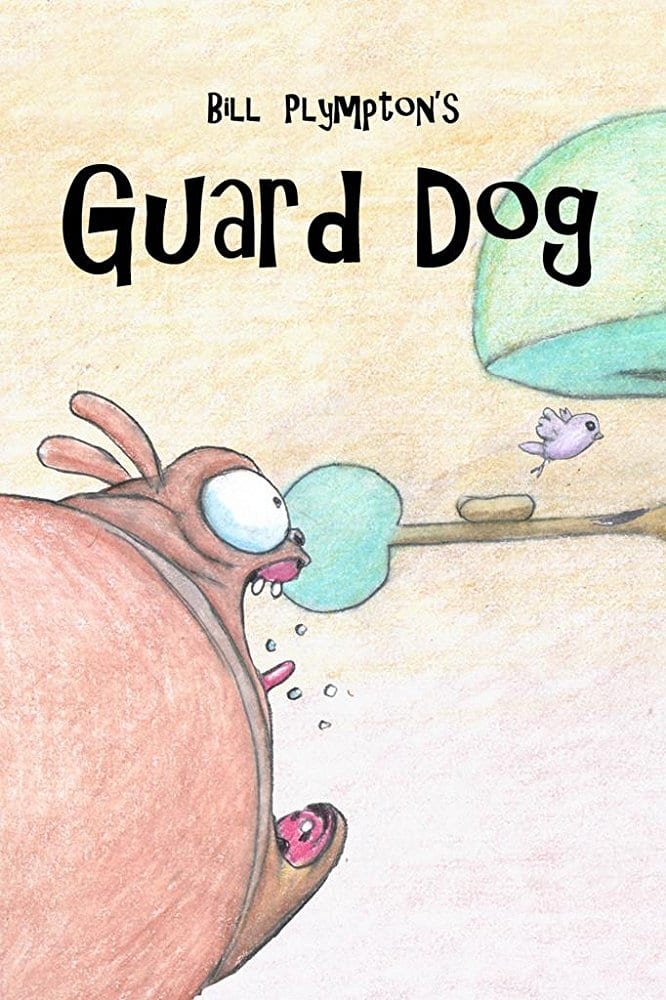
Why do dogs bark at such innocent creatures as pigeons and squirrels... what are they afraid of? This film answers that eternal question.
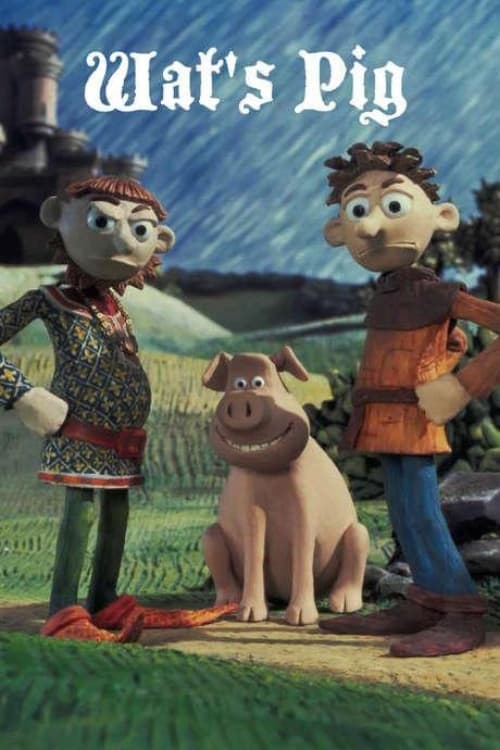
In a Medieval castle, a marauder tries to kidnap the twin infant sons of the lord. He makes off with only one, whom he drops about a mile away. A pig rescues this baby, so one brother grows up high on the hog, the other down with the swine; one is lazy, his lost brother is industrious. Years later, when a neighboring prince declares war, the brother in the castle is too soft to fight. Through happenstance, the twins are united just before the final battle. Will the upper-class brother let his humble sibling lead the troops to certain defeat and death? Preserved by the Academy Film Archive.
Resentful after an ugly divorce from her unfaithful husband, Judith McGuire moves to Los Angeles. Adrift and detached, she spends her days and nights wandering through her new city, cynically remarking on the hypocrisy, vanity and brutality of the modern world and humanity's alienation from themselves and each other.
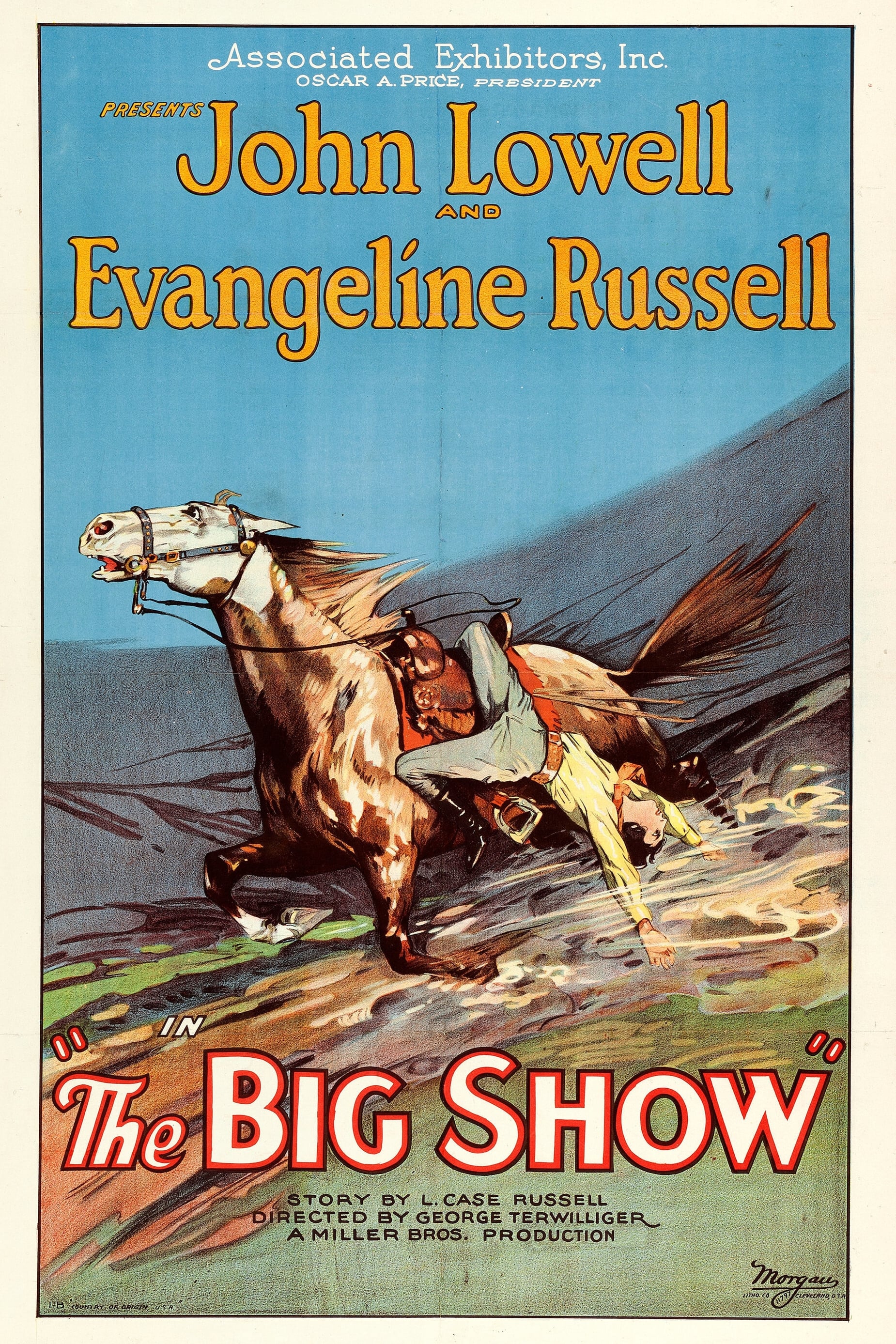
The Big Show, the only feature-length motion picture produced by the Miller Brothers, is a behind-the-scenes melodrama set within their show. The story: Bill, a war veteran who has been defrauded by his brother, rescues Ruth, the elephant girl, and joins the company. Secretly engaged to Bill’s “bad brother” Norman—allegedly an oil millionaire—Ruth rebuffs her rescuer’s affection. Her elephant, however, knows a villain when he smells one and eventually gives Norman his just deserts. Preserved by the Academy Film Archive in partnership with the National Film Preservation Foundation New Zealand Project in 2012.
Her First Kiss, where the glamorous Ethel Teare trades her fancy gowns for the rough attire of Minnie Spuds, the gawky farm girl who Chester tries to swindle. Whether dangling from a ladder, teetering over a cliff in a horse-and-buggy, or wielding a mop, Minnie may be from the sticks but never misses a beat. Preserved by the Academy Film Archive, New Zealand Project, in partnership with Twentieth Century Fox Film Corporation in 2013.
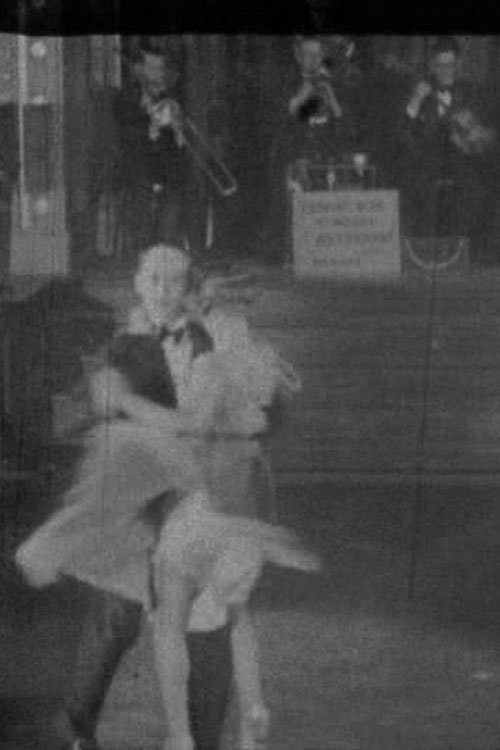
With an irresistible humour, Rimmer speculates in The Dance on the nature of the film loop. We see a (1920s) couple whilring around a dance floor at a dizzying pace... Uncanny in its ability to evoke complexity of responses from a simplicity of means. Preserved by the Academy Film Archive in 2015.
"Whereas SQUARE INCH FIELD was composed largely in the camera, Rimmer's next film, MIGRATION, made full use of rear-projection rephotography, stop-framing, and slow motion. The migration of the title is interpreted as the flight of a ghost bird through aeons of space/time, through the micro-macro universe, through a myriad of complex realities. A seagull is seen flying gracefully in slow motion against a grainy green sky; suddenly the frame stops, warps and burns, as though caught in the gate of the projector. Now begins an alternation of fast and slow sequences in which the bird flies through time-lapse clouds and fog and, in a stroboscopic crescendo, hurtles into the sun's corona. Successive movements of the film develop rhythmic, organic counterpoints in which cosmic transformations send jelly fish into the sky and ocean waves into the sun." - Gene Youngblood. Preserved by the Academy Film Archive in 2014.
Blue Movie was made for the international Dome Show where it was projected down onto the muslin surface of David Rimmer's geodesic dome. The audience lay on the floor looking up at it, the inside of each eye finishing the globe. Preserved by the Academy Film Archive in 2013.
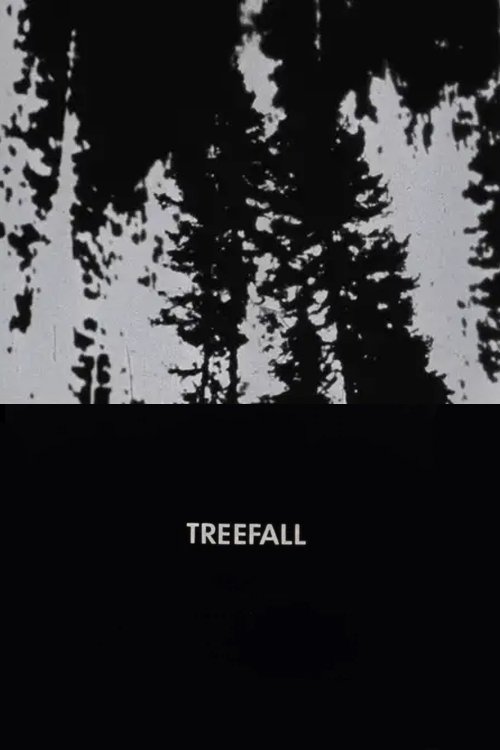
"Treefall" was originally made for a dance performance at the Vancouver Art Gallery, April, 1970. Structured in the form of two loops of high-contrast images of trees falling, reprinted and overlapped. Preserved by the Academy Film Archive in 2014.
In Flesh Flows we see a balance of Beckett’s keen drawing ability, in the probing erotic forms, and his technical acuity, which transforms the carnal images into a compelling, transcendent experience. Preserved by the Academy Film Archive in partnership with iotaCenter and National Film Preservation Foundation in 2007.
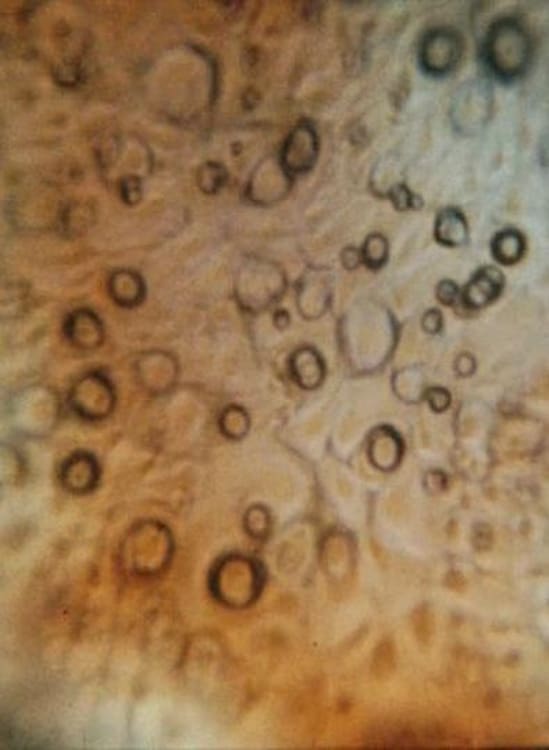
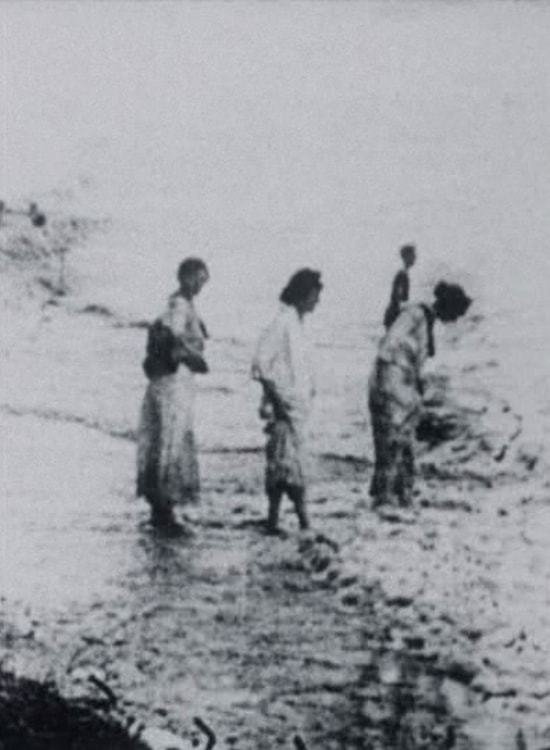
The basic image derives from a shot of women in (Edwardian era) dresses standing along the edge of the ocean. Within this eight-second loop, [Rimmer] cuts shorter ones. For example, the activity of a central group of three women is cut so that the figures repeat certain motions over and over and over again... Rimmer also chose to use the forms of surface imperfections, the scratches and dirt patterns, as bases for his loops... Although working in a disciplined style of re-structuring cinematic forms, his highly orchestrated creations have inspired great admiration both from cineastes and the more general public. Preserved by the Academy Film Archive in 2014.
A singular cinematic figure, San Francisco’s Mike Henderson became one of the first independent African-American artists to make inroads into experimental filmmaking in the 1960s. Henderson’s work throughout the 1970s and 1980s, from which this program of 16mm films is culled, thrums with a sociopolitical, humorous sensibility that lends his small-scale, often musically kissed portraits (which he later dubbed “blues cinema”) a personal, artisanal quality. - Film Society of Lincoln Center. Preserved by the Academy Film Archive.
Tells the history and importance of The National Film Registry, a roll call of American cinema treasures that reflects the diversity of film, and indeed the American experience itself.
A purely observational non-fiction film that takes viewers into the ethically murky world of end-of-life decision making in a public hospital.
Those who knew iconic funnyman John Candy best share his story, in their own words, through never-before-seen archival footage, imagery, and interviews.
Daniel Craig candidly reflects on his 15 year adventure as James Bond. Including never-before-seen archival footage from Casino Royale to the upcoming 25th film No Time To Die, Craig shares his personal memories in conversation with 007 producers, Michael G Wilson and Barbara Broccoli.
Two minions working in a bomb lab get competitive.
A look behind the lens of Christopher Nolan's space epic.
SEDUCED AND ABANDONED combines acting legend Alec Baldwin with director James Toback as they lead us on a troublesome and often hilarious journey of raising financing for their next feature film. Moving from director to financier to star actor, the two players provide us with a unique look behind the curtain at the world's biggest and most glamourous film festival, shining a light on the bitter-sweet relationship filmmakers have with Cannes and the film business. Featuring insights from directors Martin Scorsese, 'Bernando Bertolucci' and Roman Polanski; actors Ryan Gosling and Jessica Chastain and a host of film distribution luminaries.
Amber Heard and Nicole Kidman discuss their characters Mera and Atlanna.
Through deeply personal interviews with her siblings and an examination of the photographs, letters, and belongings left behind, Mariska assembles a new portrait of her mother Jayne Mansfield, an extraordinary and complex woman.
A documentary about the closure of General Motors' plant at Flint, Michigan, which resulted in the loss of 30,000 jobs. Details the attempts of filmmaker Michael Moore to get an interview with GM CEO Roger Smith.
What lengths will a robot undergo to do his job? BURN·E is a dedicated hard working robot who finds himself locked out of his ship. BURN·E quickly learns that completing a simple task can often be a very difficult endeavor.
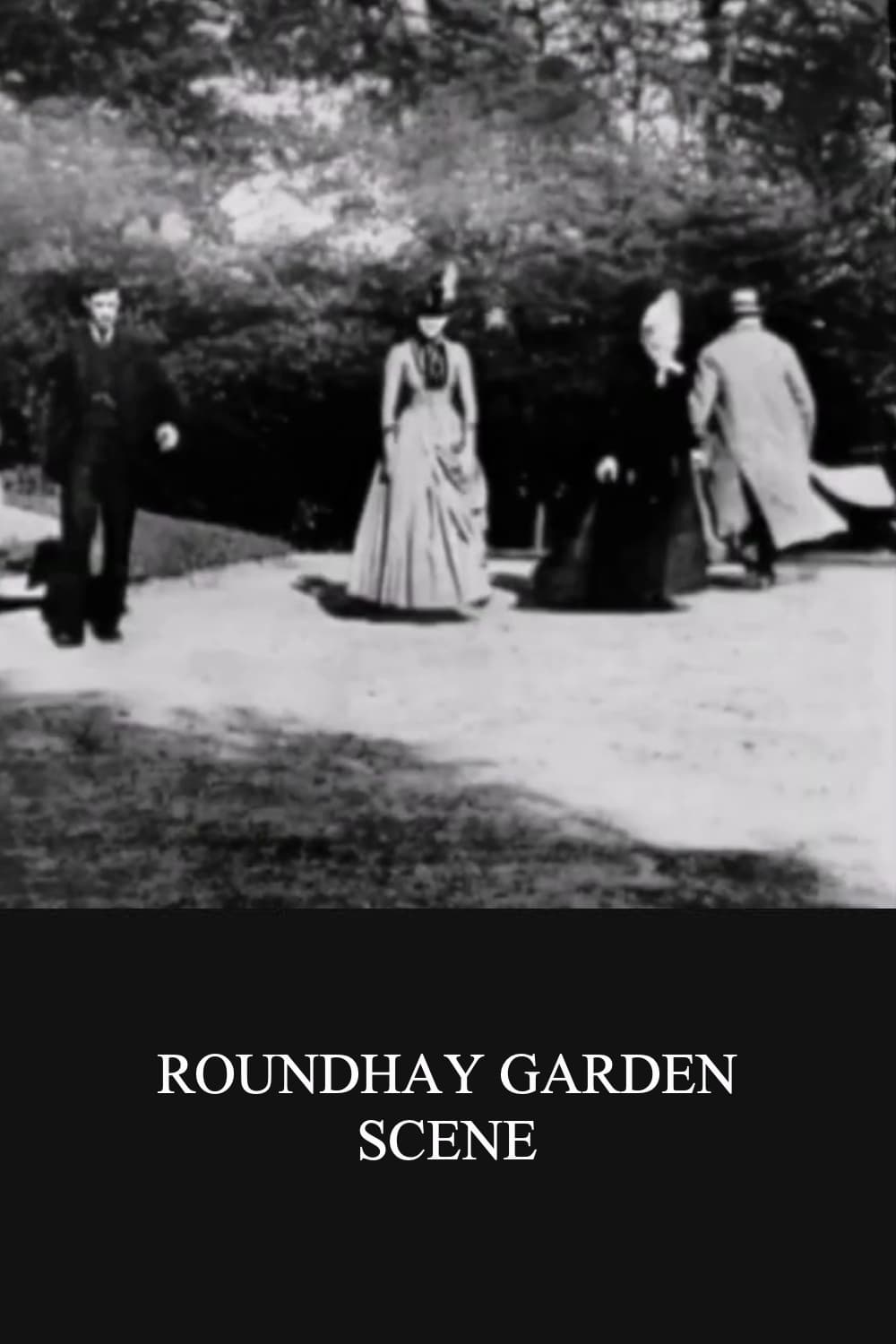
The earliest surviving motion-picture film, and believed to be one of the very first moving images ever created, was shot by Louis Aimé Augustin Le Prince using the LPCCP Type-1 MkII single-lens camera. It was taken on paper-based photographic film in the garden of Oakwood Grange, the Whitley family house in Roundhay, Leeds, West Riding of Yorkshire (UK), on 14 October 1888. The film shows Adolphe Le Prince (Le Prince’s son), Mrs. Sarah Whitley (Le Prince’s mother-in-law), Joseph Whitley, and Miss Harriet Hartley walking around in circles, laughing to themselves, and staying within the area framed by the camera. Roundhay Garden Scene is often associated with a recording speed of around 12 frames per second and runs for about 2 to 3 seconds.
After a visit to a pub, Charlie and Ben cause a ruckus at a posh restaurant. Charlie later finds himself in a compromising position at a hotel with the head waiter's wife.
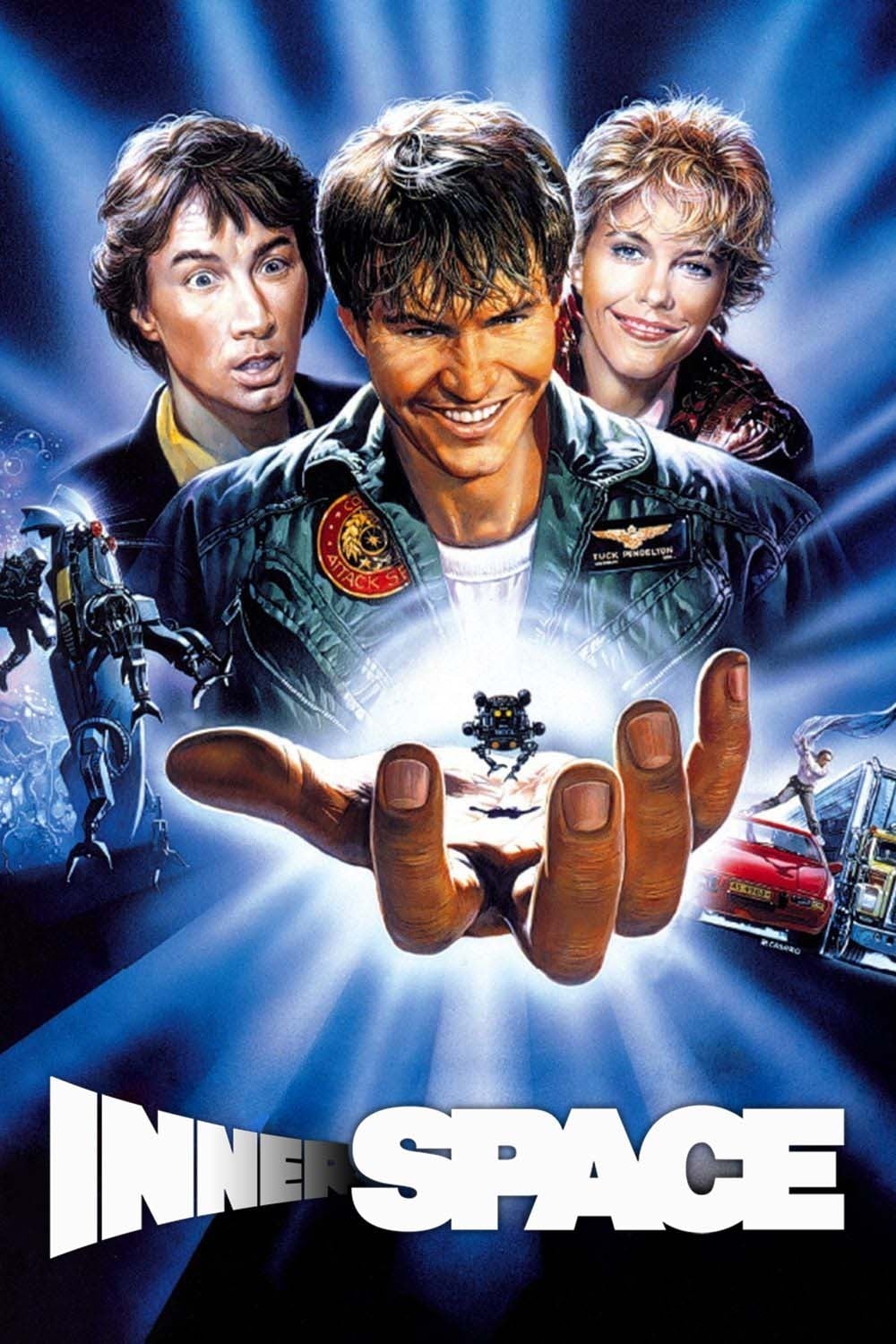
Test pilot Tuck Pendleton volunteers to test a special vessel for a miniaturization experiment. Accidentally injected into a neurotic hypochondriac, Jack Putter, Tuck must convince Jack to find his ex-girlfriend, Lydia Maxwell, to help him extract Tuck and his ship and re-enlarge them before his oxygen runs out.
A documentary about the life and films of director John Ford.
Mater the tow truck travels from country to country as he retells his infamous but unbelievable stories.
A love letter from a young mother to her daughter, the film tells the story of Waad al-Kateab’s life through five years of the uprising in Aleppo, Syria as she falls in love, gets married and gives birth to Sama, all while cataclysmic conflict rises around her. Her camera captures incredible stories of loss, laughter and survival as Waad wrestles with an impossible choice– whether or not to flee the city to protect her daughter’s life, when leaving means abandoning the struggle for freedom for which she has already sacrificed so much.
Long-lost footage from Elvis Presley's legendary Las Vegas residency in the 1970s woven together with rare 16mm footage from Elvis on Tour, and 8mm from the Graceland archive, plus recordings of Elvis telling "his side of the story" rediscovered during Baz Luhrmann's research for his 2022 film, Elvis.
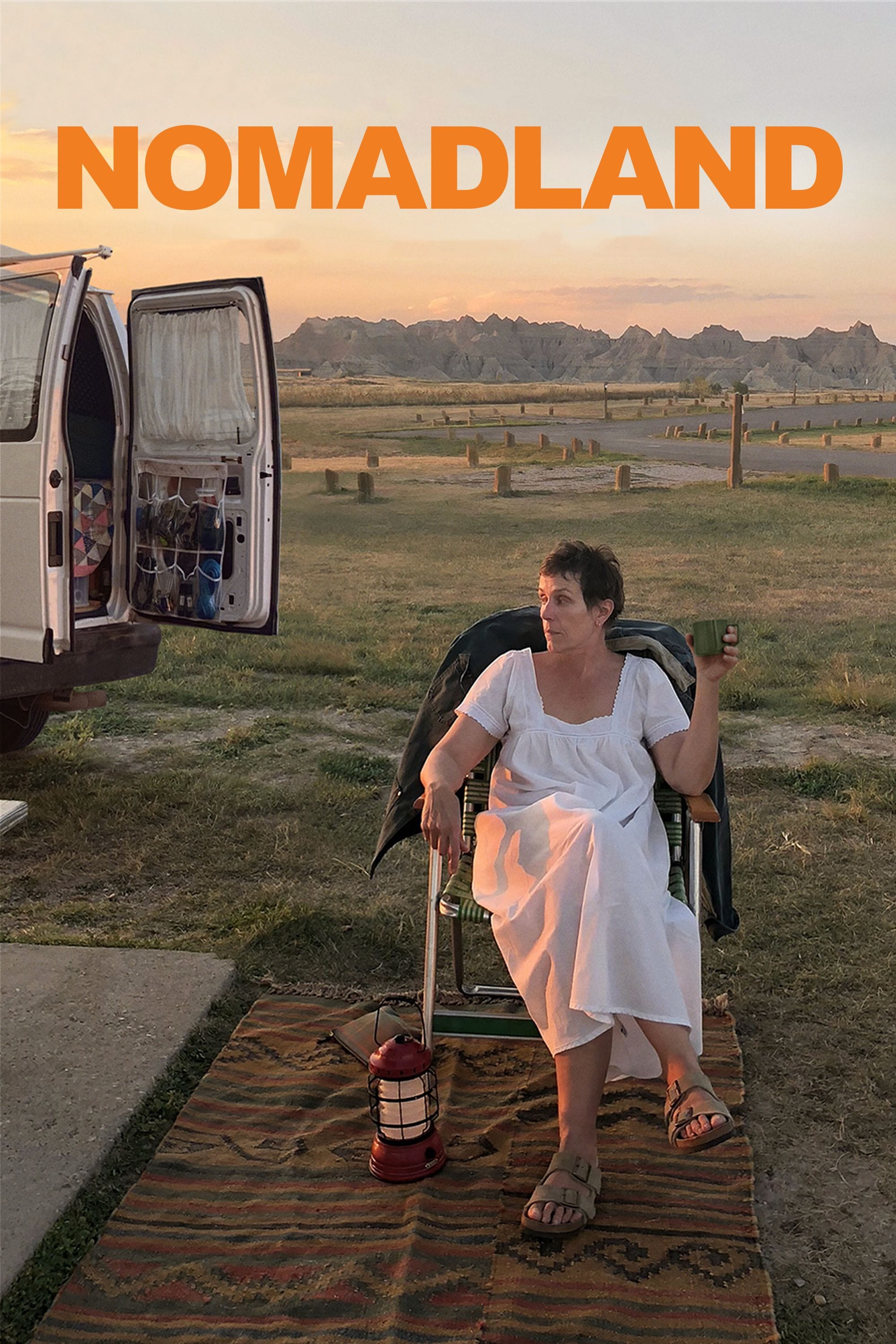
A woman in her sixties embarks on a journey through the western United States after losing everything in the Great Recession, living as a van-dwelling modern-day nomad.
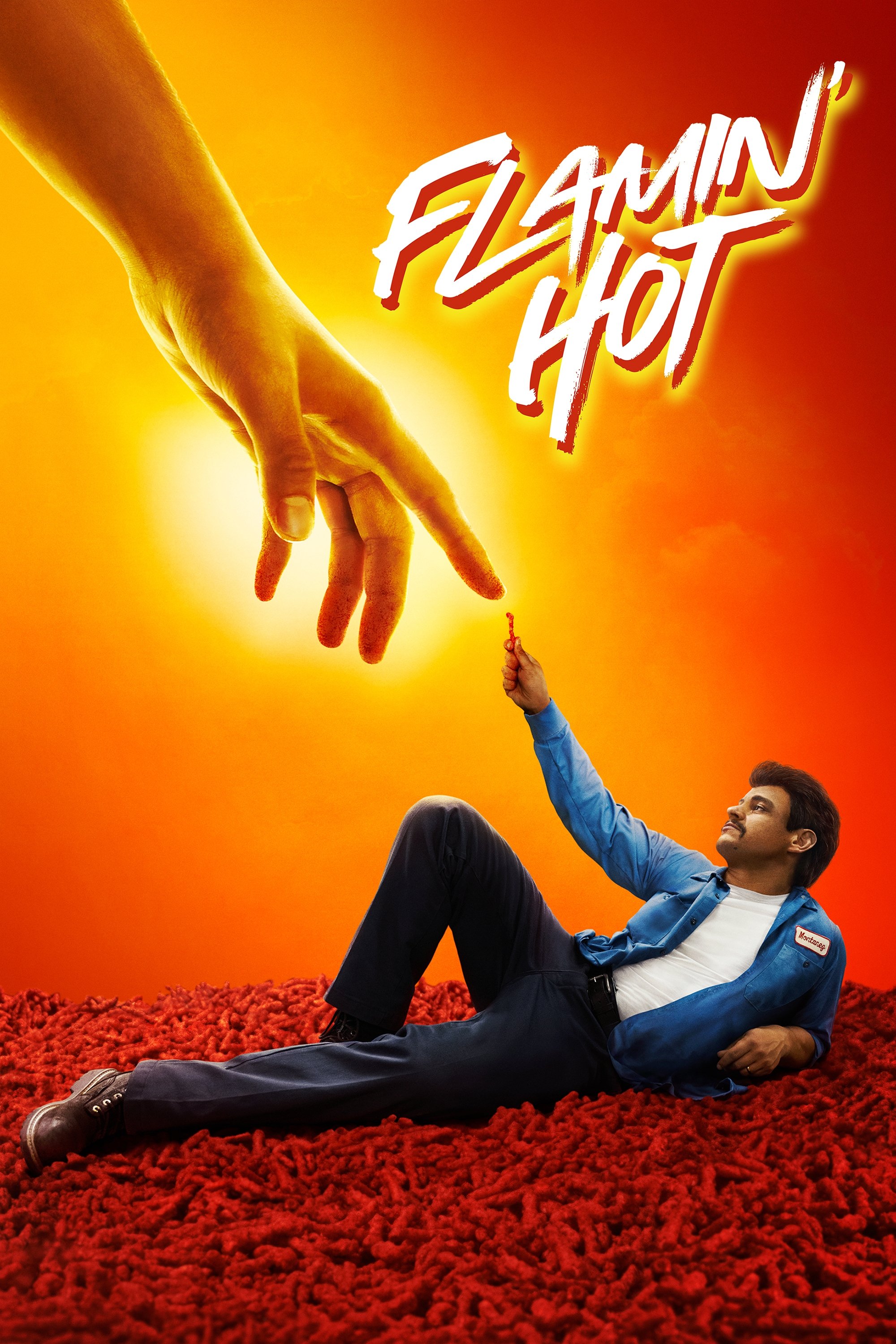
The inspiring true story of Richard Montañez, the Frito Lay janitor who channeled his Mexican American heritage and upbringing to turn the iconic Flamin' Hot Cheetos into a snack that disrupted the food industry and became a global pop culture phenomenon.