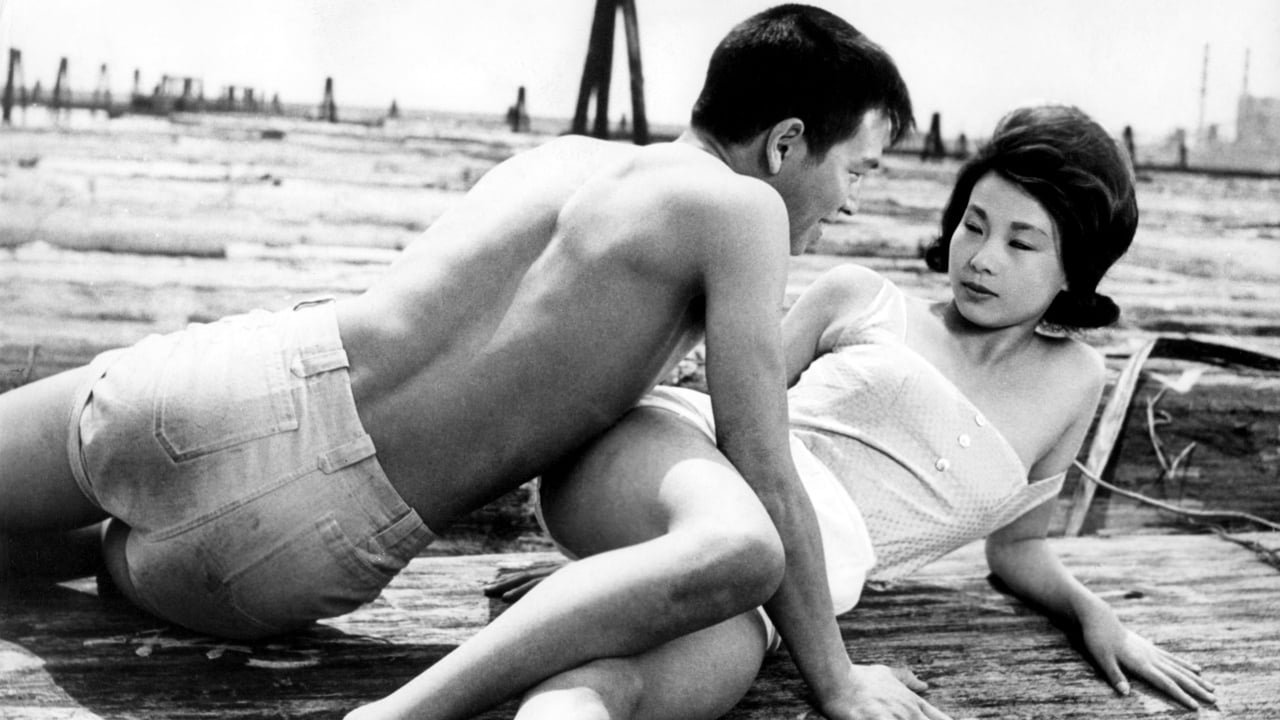
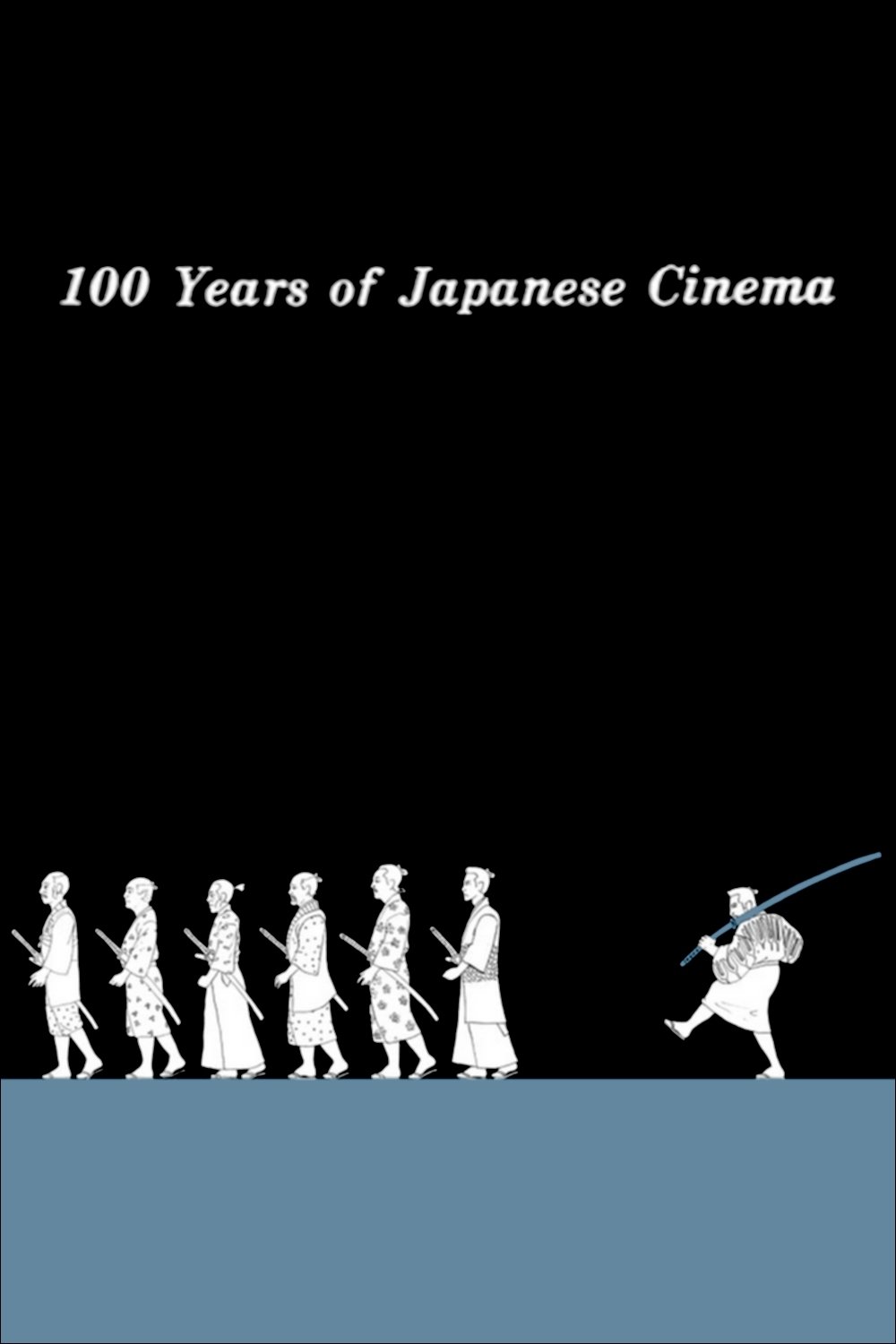
The story of the first century of Japanese cinema from the point of view of the controversial Japanese filmmaker Nagisa Ōshima.
Social & External
The people behind it
Nagisa Ōshima
Self - Narrator (voice)
Documentary about the history of Philippine cinema.
During the women's demonstration on March 8, 1972, Mariasilvia SPOLATO was there with a placard: Liberazione omosessuale. A month later, Simone de Beauvoir came to Rome to give an interview, and this placard illustrated her article. Mariasilvia could no longer teach, ended up homeless and spent her life on the trains.
A French documentary on how Covid-19 affected Hollywood and the cinema industry in the United States.
A breathtaking investigation into blockbusters, a film genre that enjoys worldwide success yet keeps its secret weapon well hidden backstage in Hollywood. The blockbuster appeals to a very wide audience, from 7 to 77 years and from Paris to Beijing. These films, which have boosted the film industry, started out with "Jaws" and "Star Wars" and are still prospering with Avatar or Alice in Wonderland. To succeed, the films must meet a few precise criteria, one of them being their cost - at 100 million dollars minimum. But in Hollywood, the films' ingredients are a well-kept secret; perhaps for fear of discovering that the studios' house rules are not as rosy as in certain fruitful happy endings? The pressure and the stakes are colossal. This fascinating documentary reviews the numerous professions affiliated with the blockbuster, via interviews with producers of the major studios (Walt Disney Studio, 20th Century Fox...)...
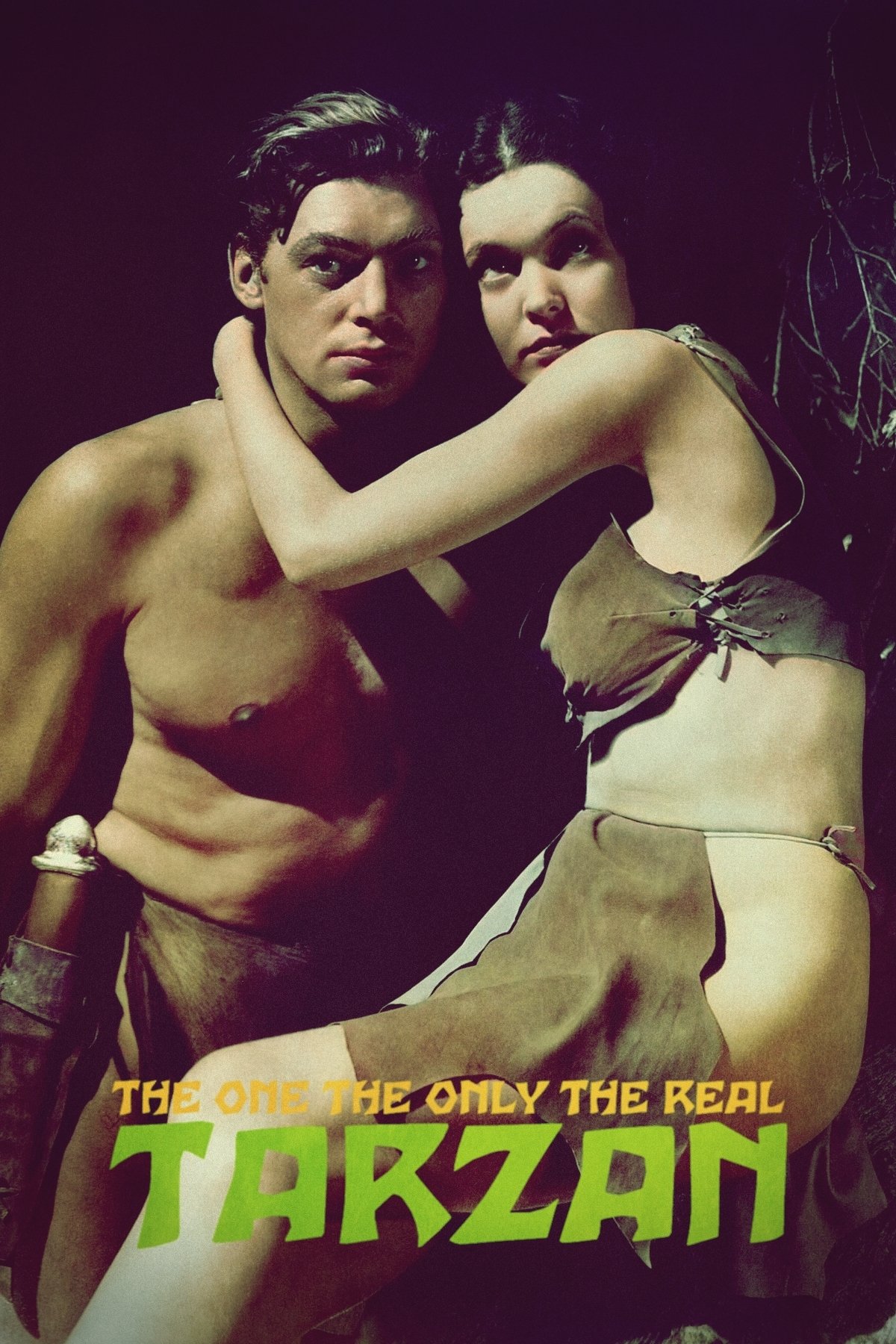
The glorious and tragic story of American athlete and actor Johnny Weissmuller (1904-84), Olympic swimmer, water polo player and the only true Tarzan, an archetypal character and myth of cinema, that of the original Hollywood blockbusters (1932-48).
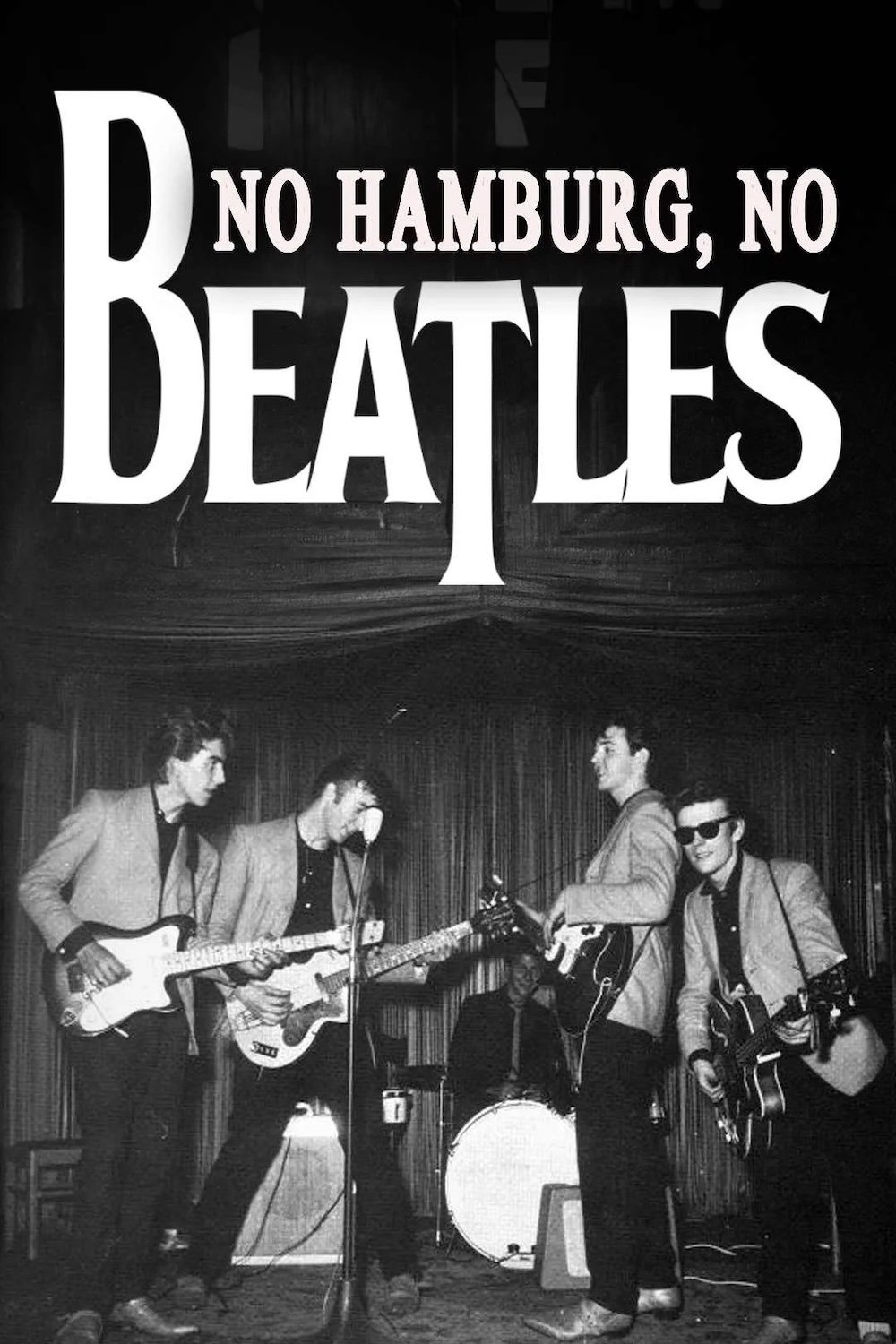
“We were born in Liverpool but grew up in Hamburg”, John Lennon once said. This feature documentary seeks to find the truth in those words. The long and winding road that the Beatles took to worldwide fame passed through Hamburg, Germany in the early 1960s. Only a couple of years before they became household names, the former Quarrymen were cutting their musical teeth on nightclub stages in the city. Hamburg had become the vice capital of Europe after World War Two, its neon-lit streets home to sailors, sex workers, drug dealers, gangs and low life. Meanwhile, the English band was still developing, still young and virtually unknown. By the time of their last German visit in 1966, the Beatles were an international phenomenon. 'No Hamburg, No Beatles' explains how learning their trade in this fascinating city helped propel them to global stardom.
The story of the making and subsequent success of The Day of the Beast, the Spanish cult film directed by Álex de la Iglesia and released in 1995.
Follows the story of "Grizzly Man" Timothy Treadwell and what the thirteen summers in a National Park in Alaska were like in his attempt to protect the grizzly bears. The film is full of unique images and a look into the spirit of a man who sacrificed himself for nature.
As recently as the 1990s, many viewed her as a threat to the monarchy. Today, Camilla is one of the main pillars of support for the king and the royal family. As First Lady, she has no constitutional role, but she plays a fundamental one. The documentary tells the story of a strong woman and a great love.
Using the unfinished film, ANGELITA Y MIGUEL ÁNGEL, by Andrés Caicedo and Carlos Mayolo, as a structuring device, friends of prolific film critic and writer Andrés Caicedo, an unforgettable figure of the group of Cali in the 1970s who left an incredible amount of texts, reflect upon his life, his work, and his suicide at the age of 25, testify to his influence in the cultural life of Colombia, and remember his strong and touching personality.
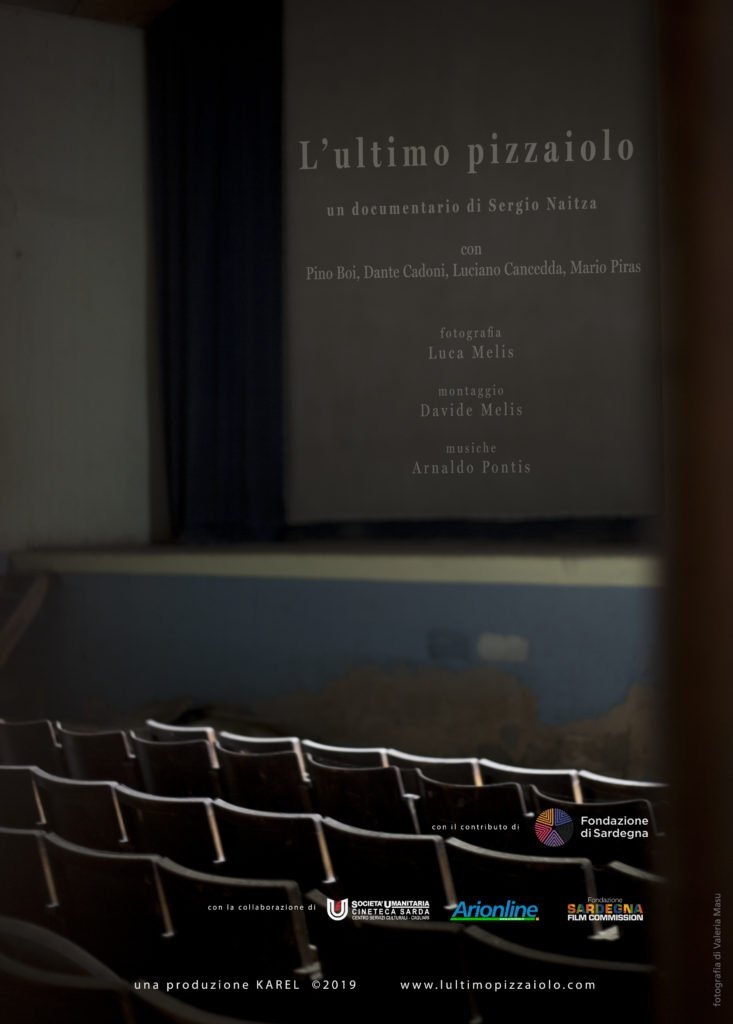
A journey through abandoned cinemas of Sardinia interspersed with memories of three senior projectionists, a profession now suppressed by technology.
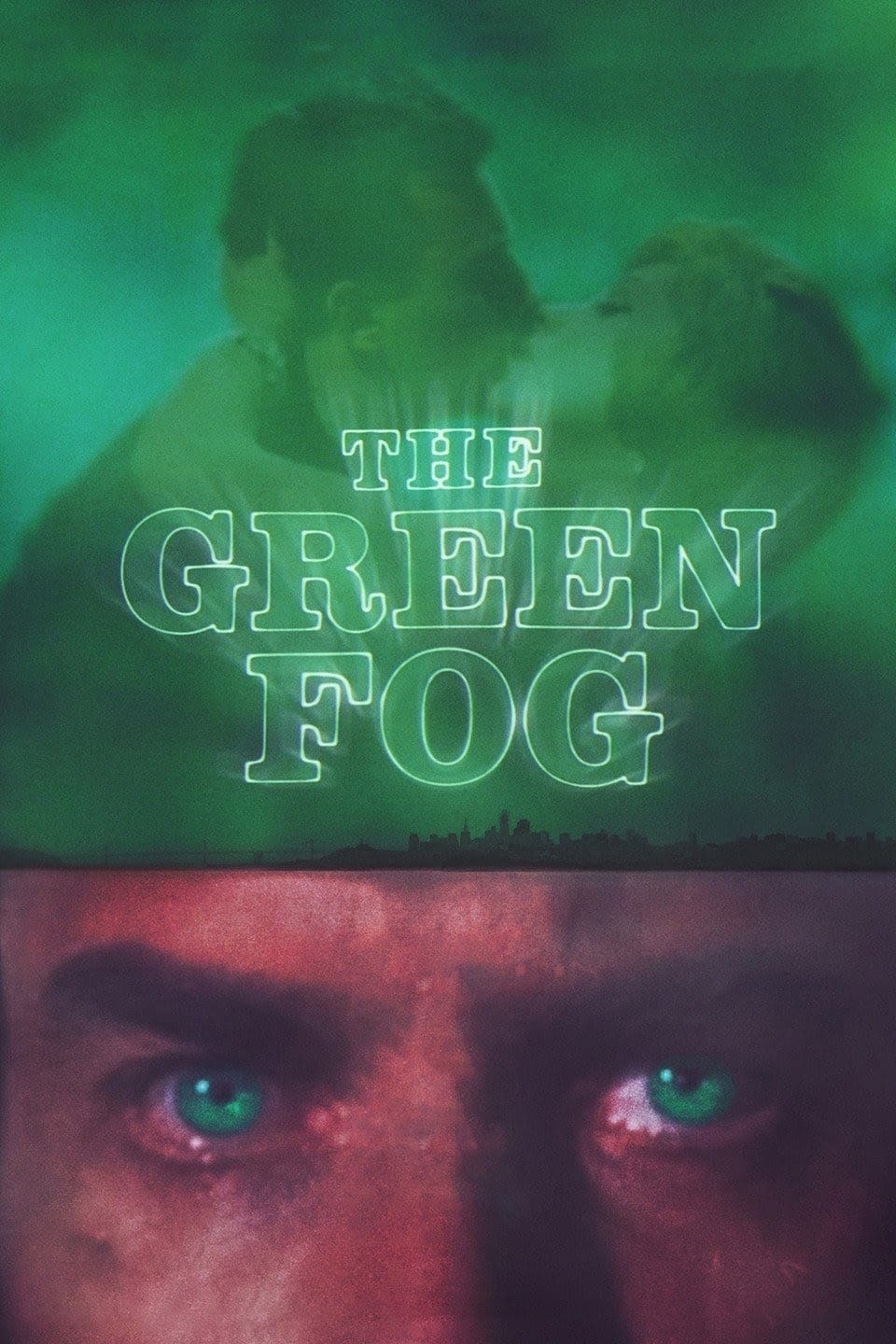
A tribute to a fascinating film shot by Alfred Hitchcock in 1958, starring James Stewart and Kim Novak, and to the city of San Francisco, California, where the magic was created; but also a challenge: how to pay homage to a masterpiece without using its footage; how to do it simply by gathering images from various sources, all of them haunted by the curse of a mysterious green fog that seems to cause irrepressible vertigo…
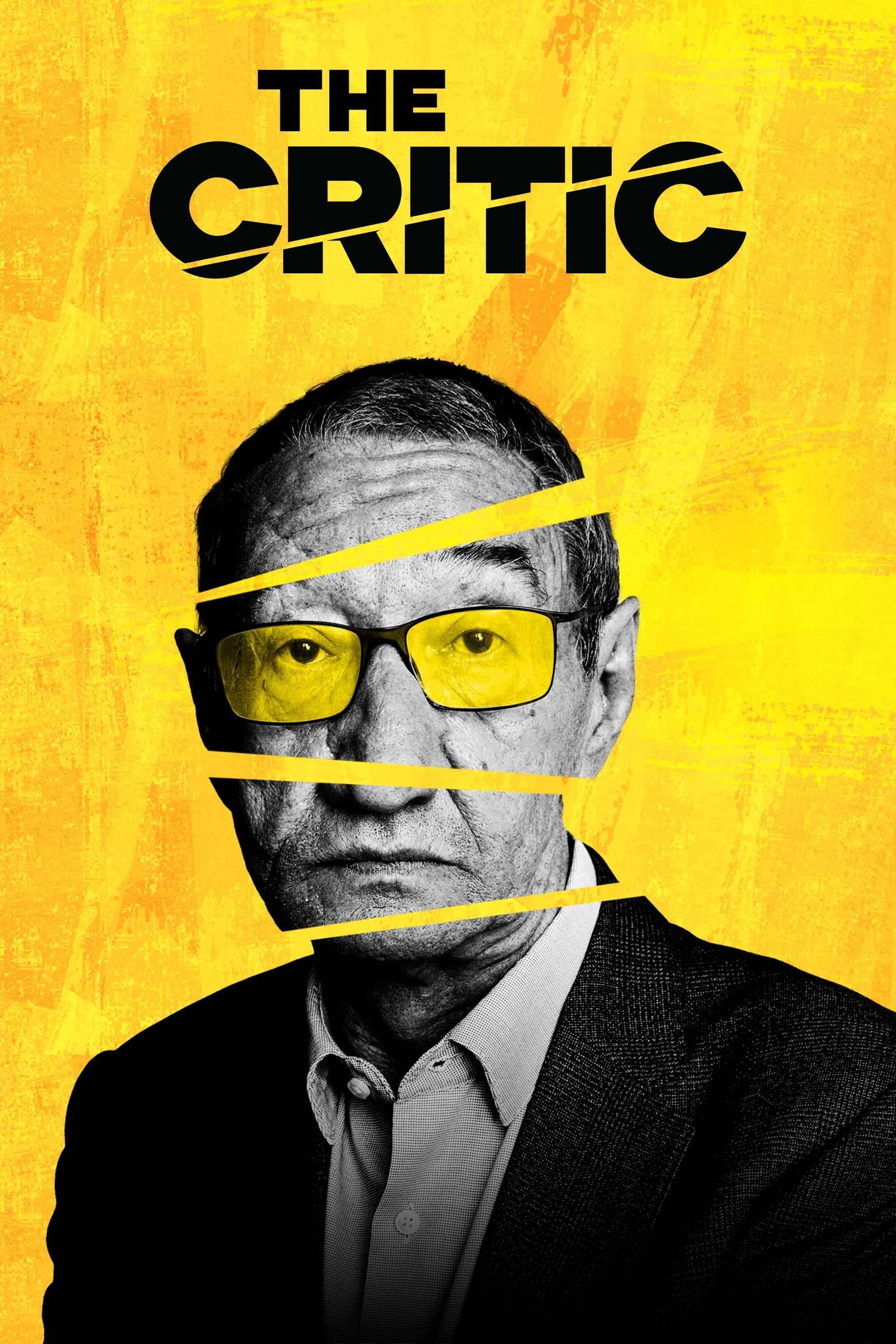
A portrait of film critic Carlos Boyero, one of the most followed and feared figures in Spanish cinema, surrounded by controversy and both love and hate.
A documentary showcasing the traditional Filipino way of eating, through a foreign, outdated lens.
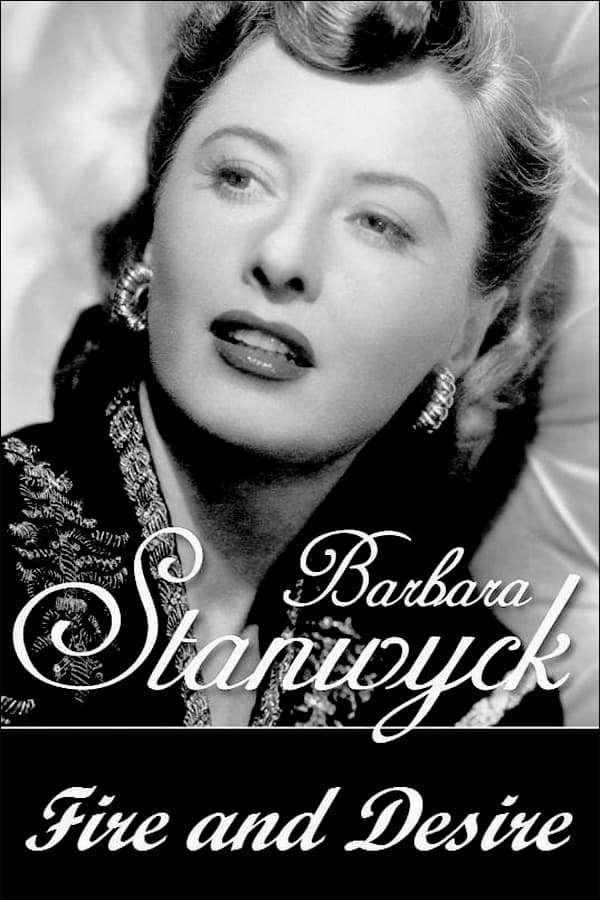
Actress Sally Field looks at the dramatic life and successful career of the superb actress Barbara Stanwyck (1907-90), a Hollywood legend.
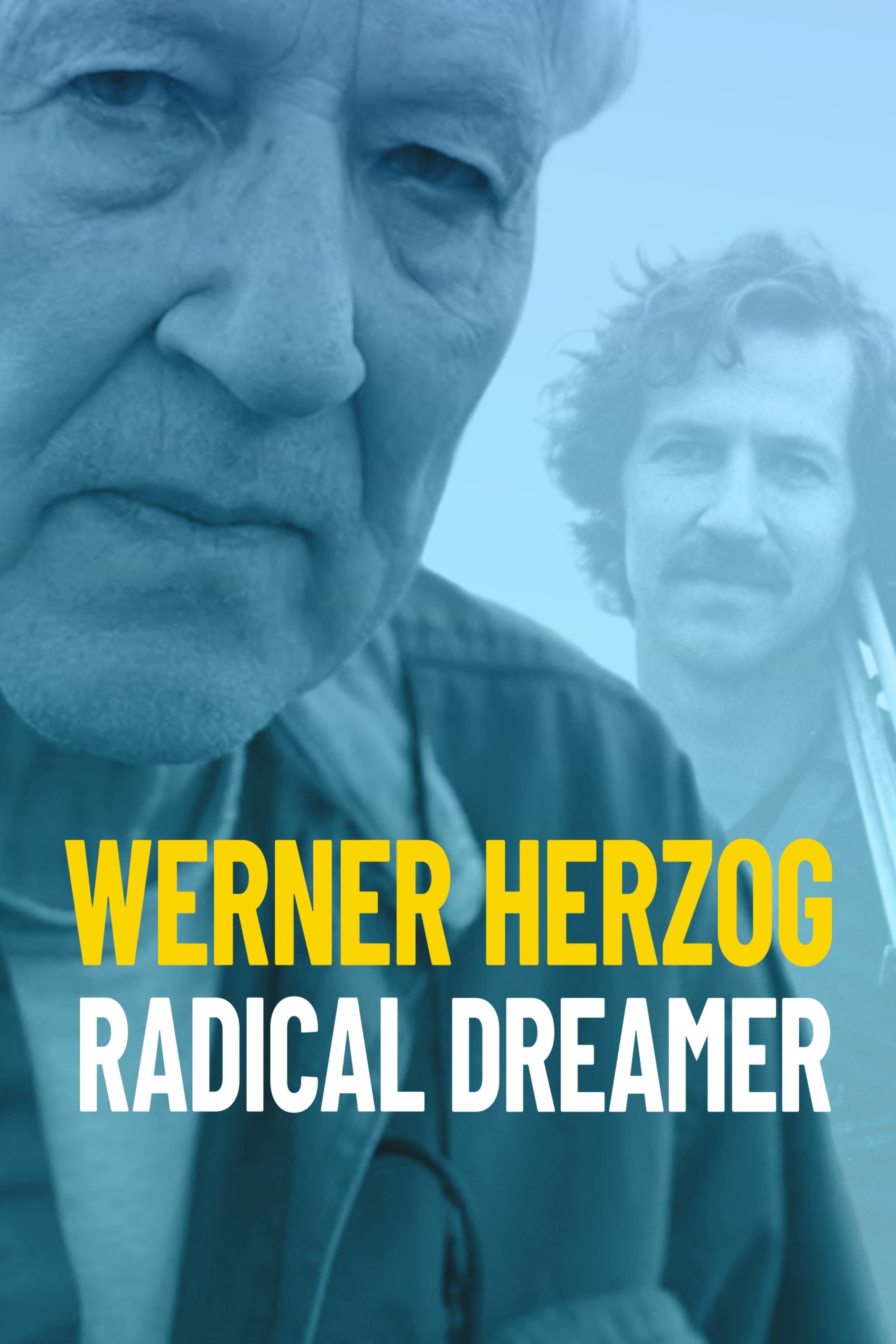
With exclusive behind-the-scenes access into Herzog’s everyday life, rare archive material and in-depth interviews with celebrated collaborators – including Christian Bale, Nicole Kidman, and Robert Pattinson, we are given an exciting glimpse into the work and personal life of the iconic artist.
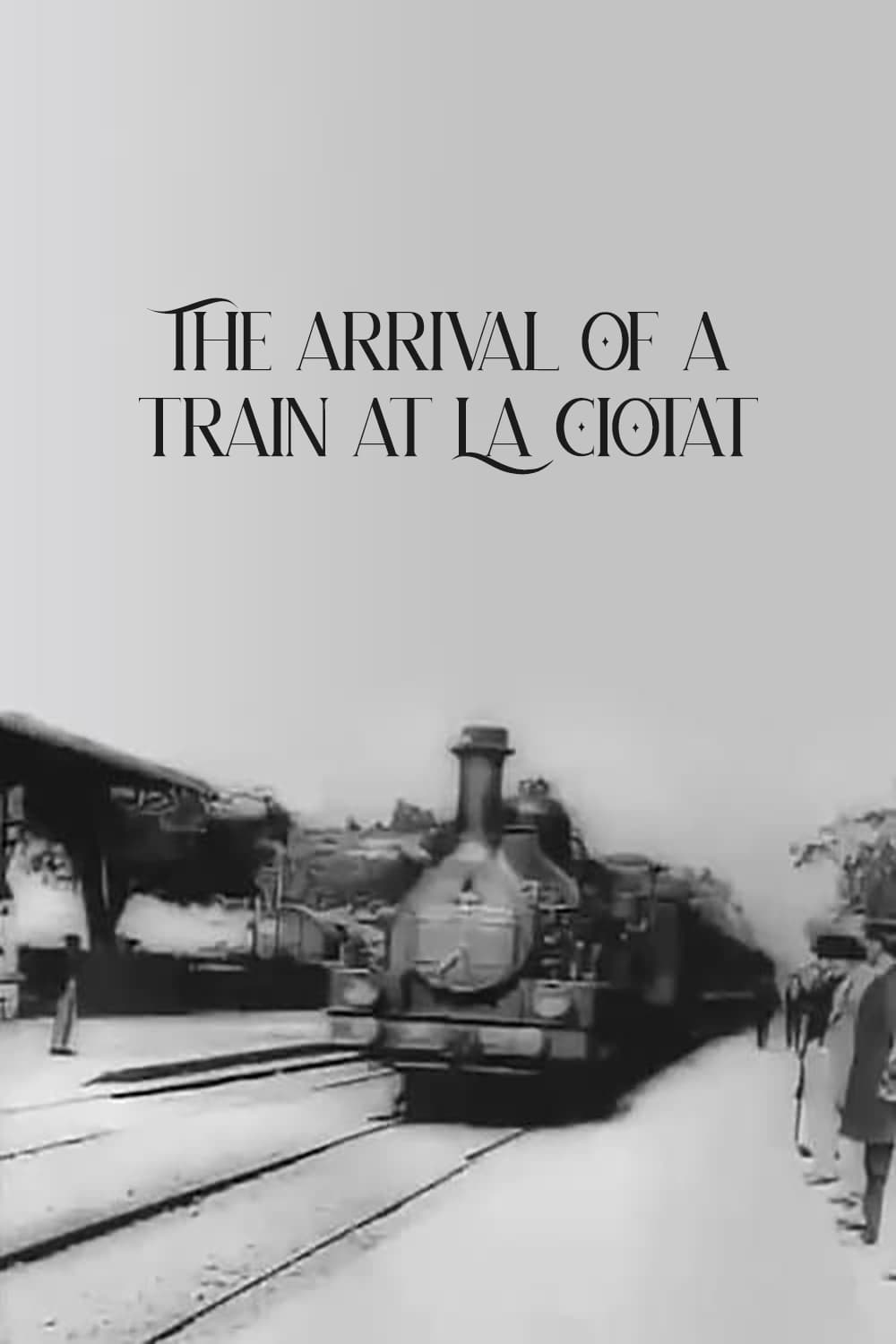
A group of people are standing along the platform of a railway station in La Ciotat, waiting for a train. One is seen coming, at some distance, and eventually stops at the platform. Doors of the railway-cars open and attendants help passengers off and on. Popular legend has it that, when this film was shown, the first-night audience fled the café in terror, fearing being run over by the "approaching" train. This legend has since been identified as promotional embellishment, though there is evidence to suggest that people were astounded at the capabilities of the Lumières' cinématographe.
The horror film [REC], directed by Jaume Balagueró and Paco Plaza, and released in 2007, was an unprecedented triumph for Spanish fantasy cinema. Fifteen years later, those responsible for the creation and worldwide success of this cinematic milestone decode its keys and resurrect the myth.
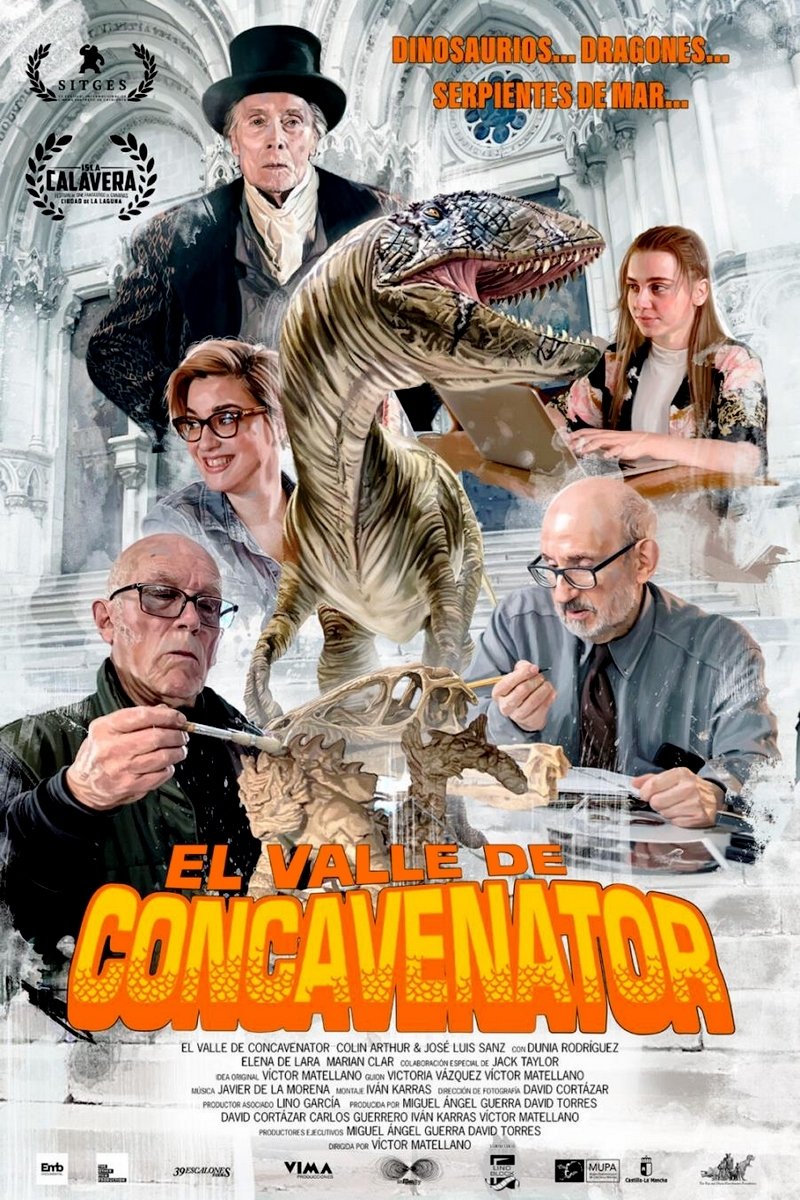
Three researchers work on a paleontological project focusing on two dinosaurs: one fictional, the one created by special effects genius Ray Harryhausen for the film The Valley of Gwangi (1969); the other real, the Concavenator corcovatus, whose remains were discovered in 2003 at the Las Hoyas site, in the province of Cuenca (Spain), very close to where the filming took place.
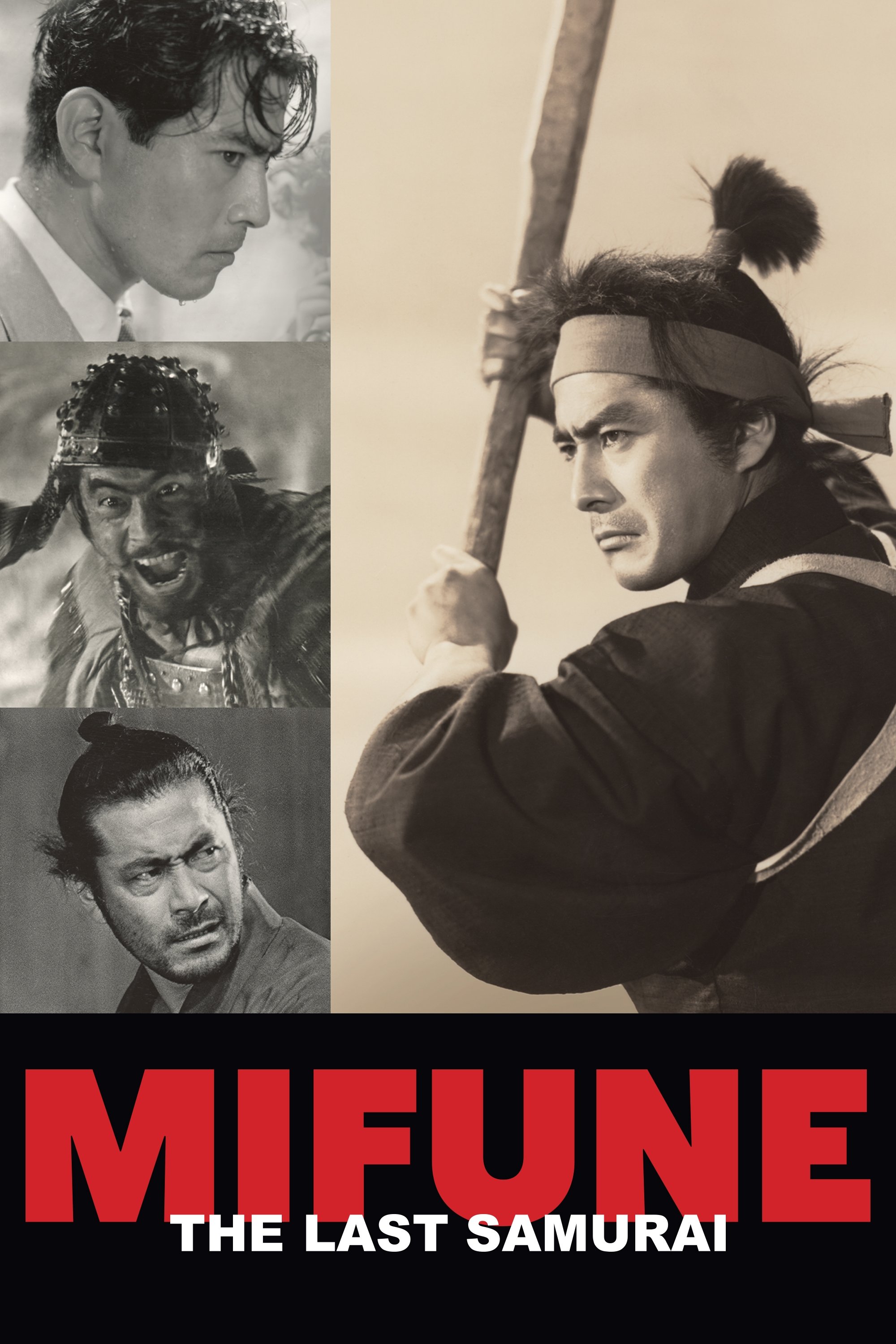
An account of the life and work of legendary Japanese actor Toshirō Mifune (1920-97), the most prominent actor of the Golden Age of Japanese cinema.
The history of cinematic sound, told by legendary sound designers and visionary filmmakers.
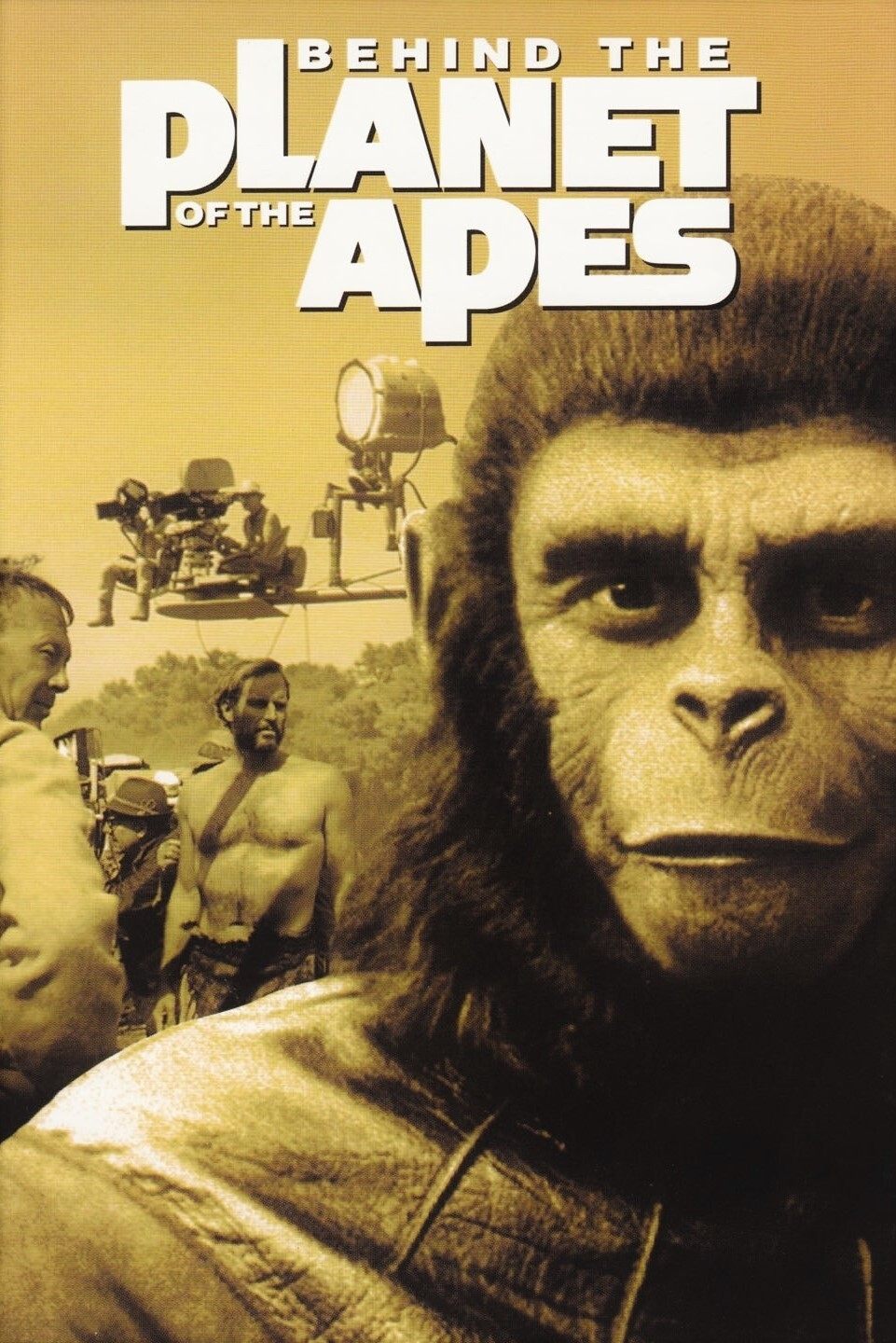
Roddy McDowall takes you, film by film, from production meetings to make-up sessions, then right onto the movie set to see the actual filming of the science fiction masterpiece. The most comprehensive history of Planet of the Apes ever created, this fascinating 127-minute documentary explores one of the most imaginative and influential series in movie history.
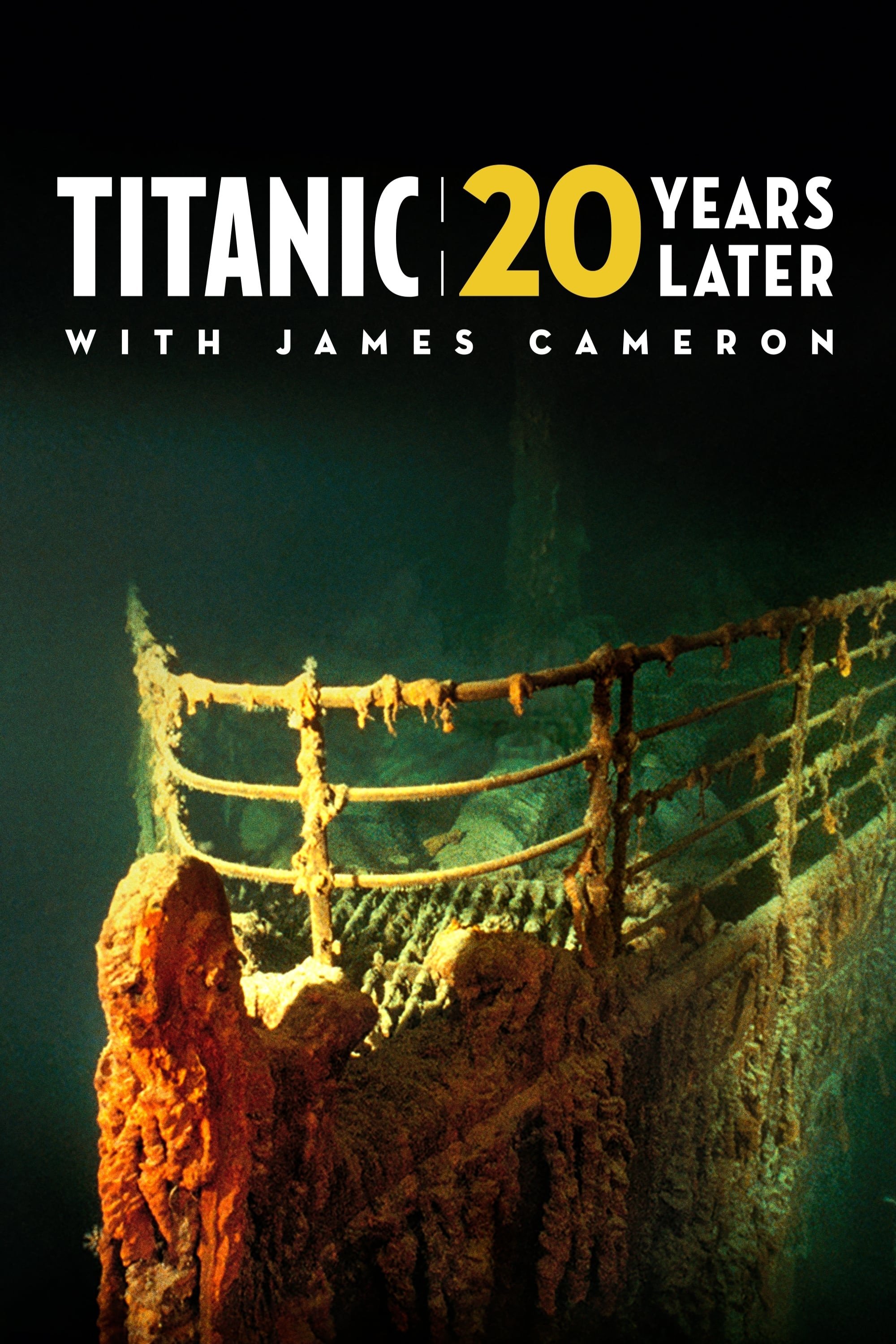
For the 20th anniversary of "Titanic," James Cameron reopens the file on the disaster.
Documentary about the art of film editing. Clips are shown from many groundbreaking films with innovative editing styles.
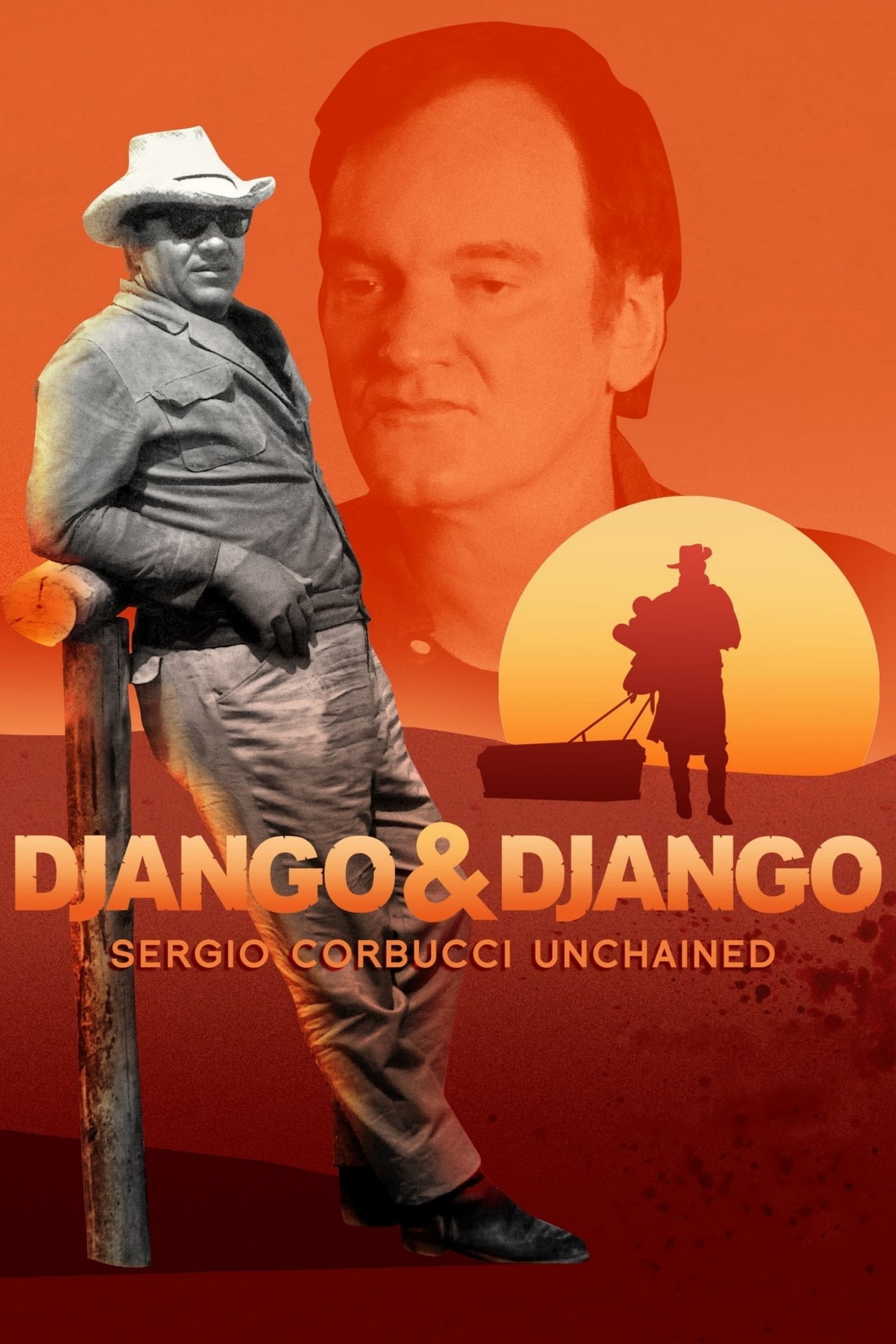
A tribute to Italian filmmaker Sergio Corbucci (1926-90), presented by American filmmaker Quentin Tarantino.
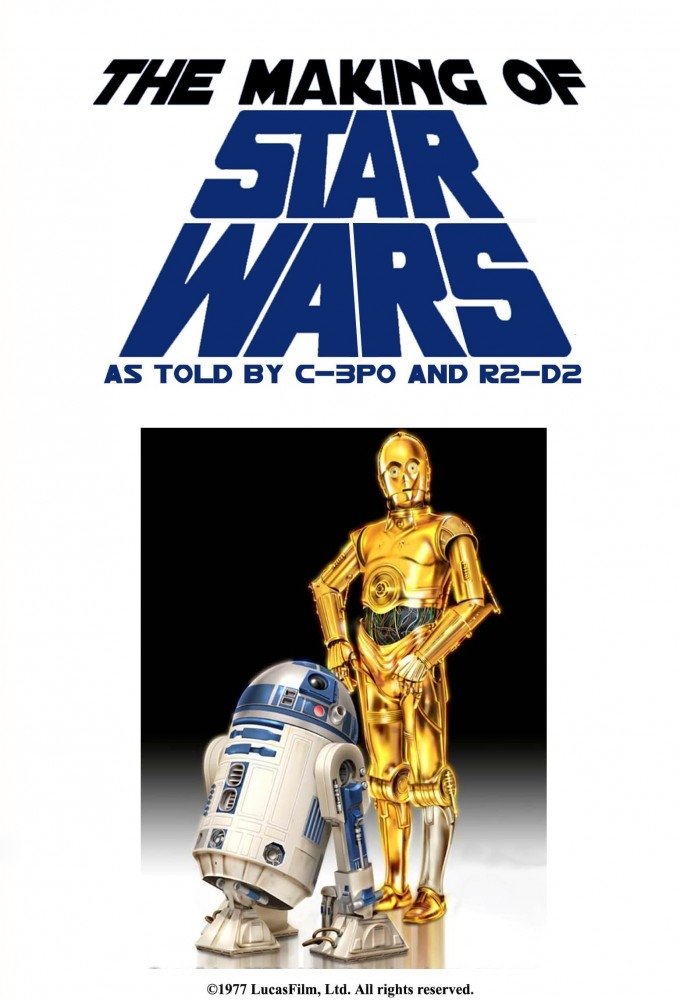
Learn the incredible behind-the-scenes story of how the original Star Wars movie was brought to the big screen in this fascinating documentary hosted by C-3PO and R2-D2 which includes interviews with George Lucas and appearances by Mark Hamill, Harrison Ford and Carrie Fisher.
An unprecedented and intimate look at the life, work and enduring legacy of British actress Audrey Hepburn (1929-1993).
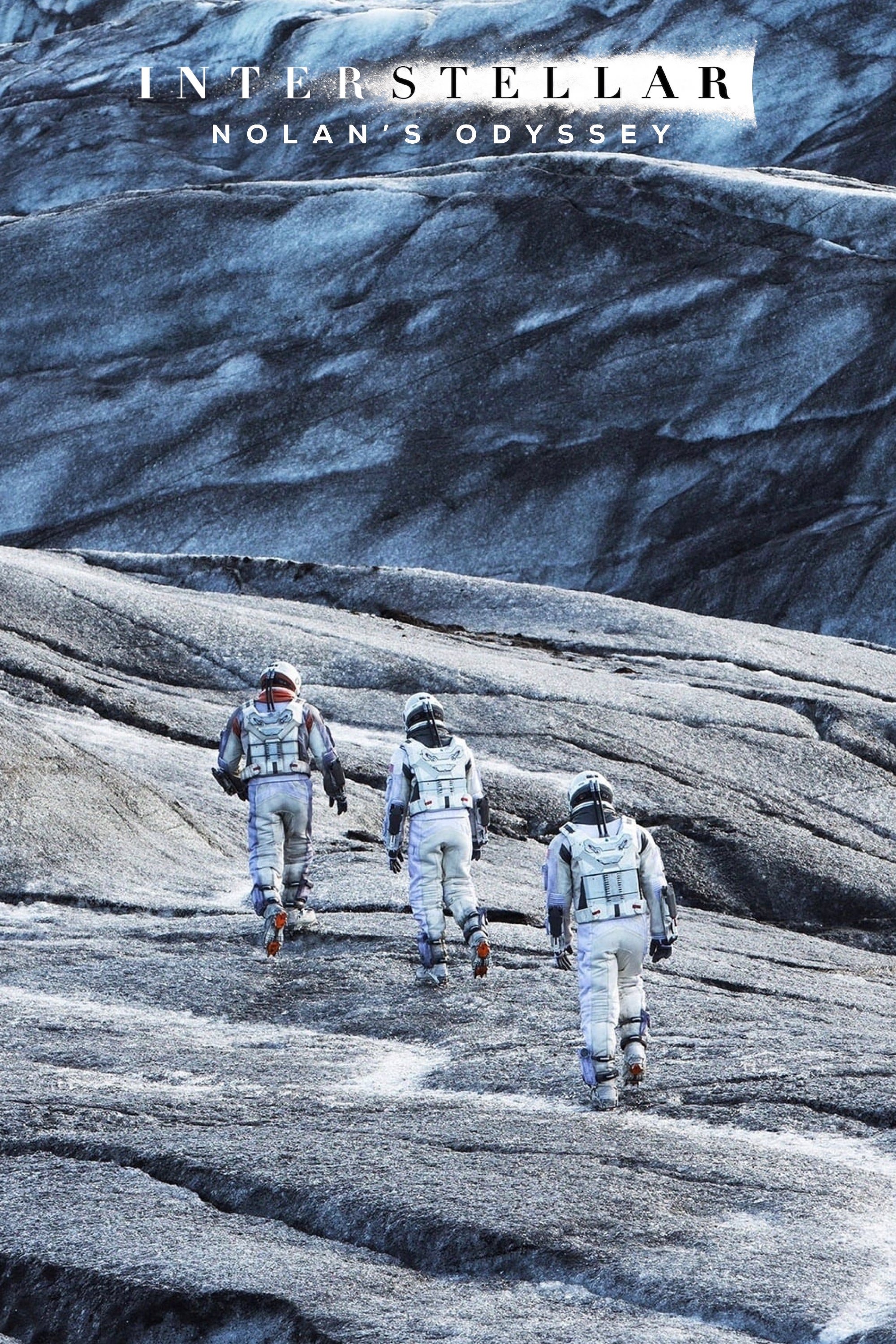
A look behind the lens of Christopher Nolan's space epic.
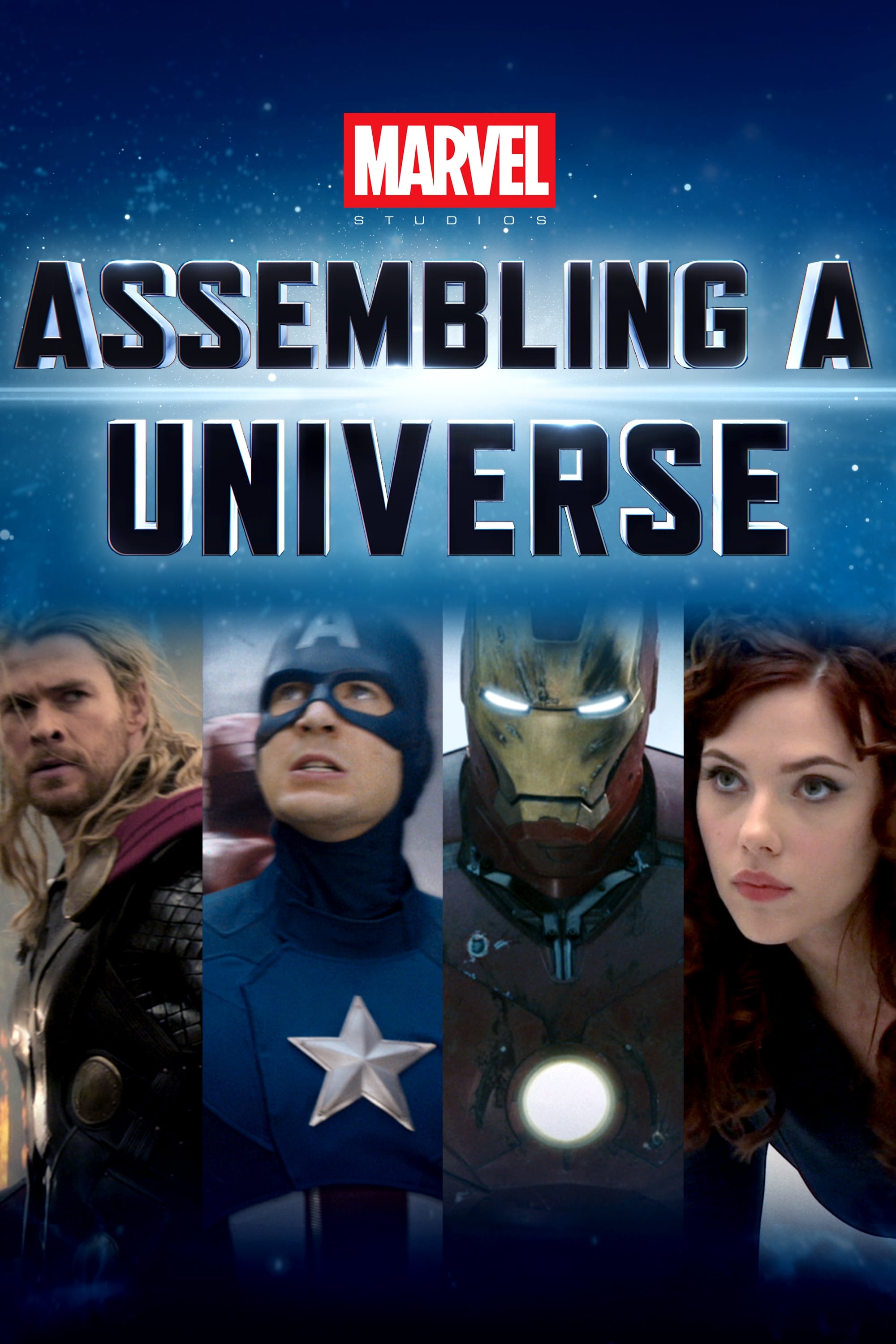
A look at the story behind Marvel Studios and the Marvel Cinematic Universe, featuring interviews and behind-the-scenes footage from all of the Marvel films, the Marvel One-Shots and "Marvel's Agents of S.H.I.E.L.D."!
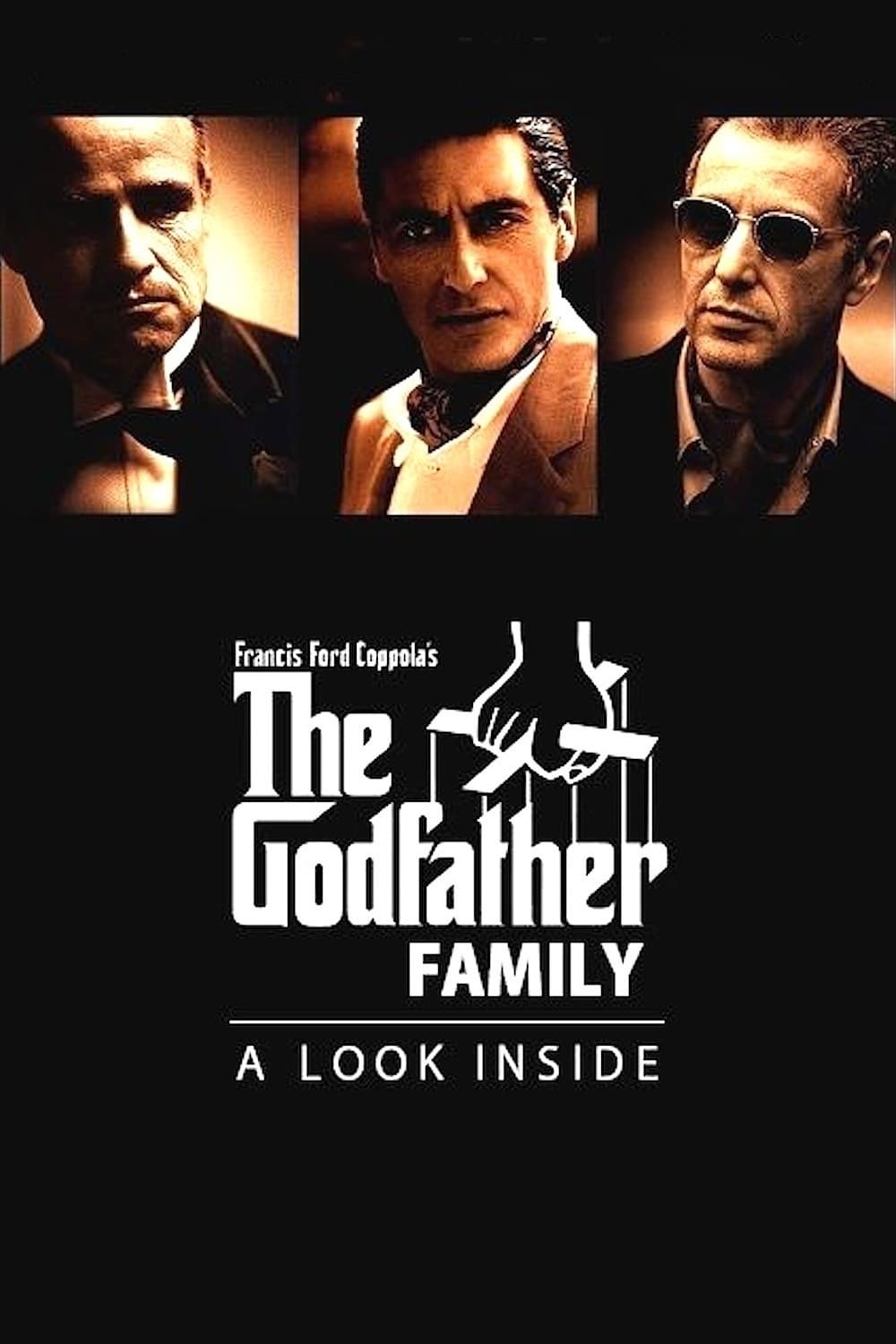
A documentary on the making of the three Godfather films, with interviews and recollections from the film makers and cast. This feature also includes the original screen tests of some of the actors for "The Godfather" film, and some candid moments on the set of "The Godfather: Part III."
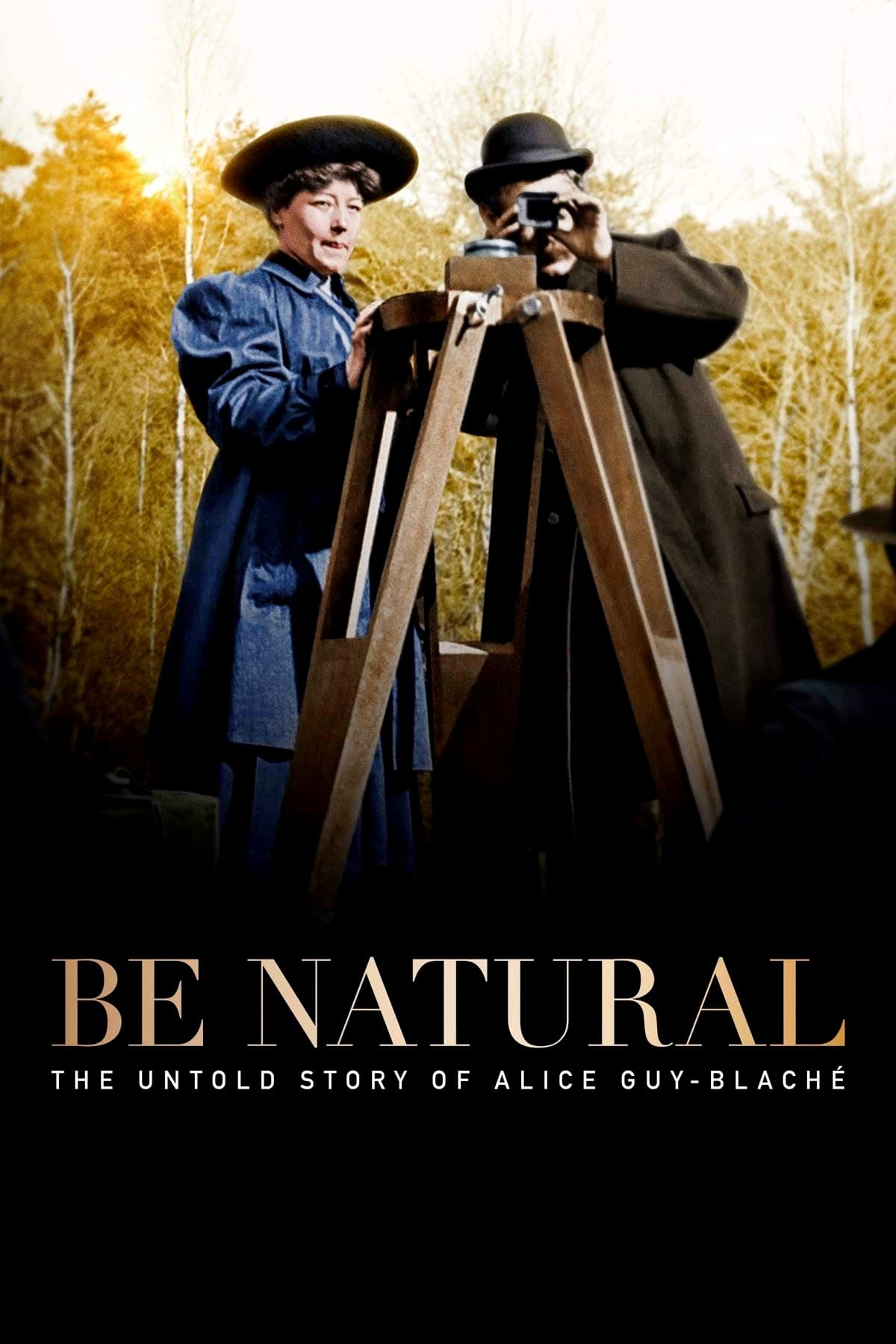
The epic life story of Alice Guy-Blaché (1873–1968), a French screenwriter, director and producer, true pioneer of cinema, the first person who made a narrative fiction film; author of hundreds of movies, but banished from history books. Ignored and forgotten. At last remembered.
Journey into the extraordinary world of "The Witcher" — from casting the roles to Jaskier's catchy song — in this behind-the-scenes look at the series.
In 1972, a seemingly typical shoestring budget pornographic film was made in a Florida hotel: "Deep Throat," starring Linda Lovelace. This film would surpass the wildest expectation of everyone involved to become one of the most successful independent films of all time. It caught the public imagination which met the spirit of the times, even as the self-appointed guardians of public morality struggled to suppress it, and created, for a brief moment, a possible future where sexuality in film had a bold artistic potential. This film covers the story of the making of this controversial film, its stunning success, its hysterical opposition along with its dark side of mob influence and allegations of the on set mistreatment of the film's star.
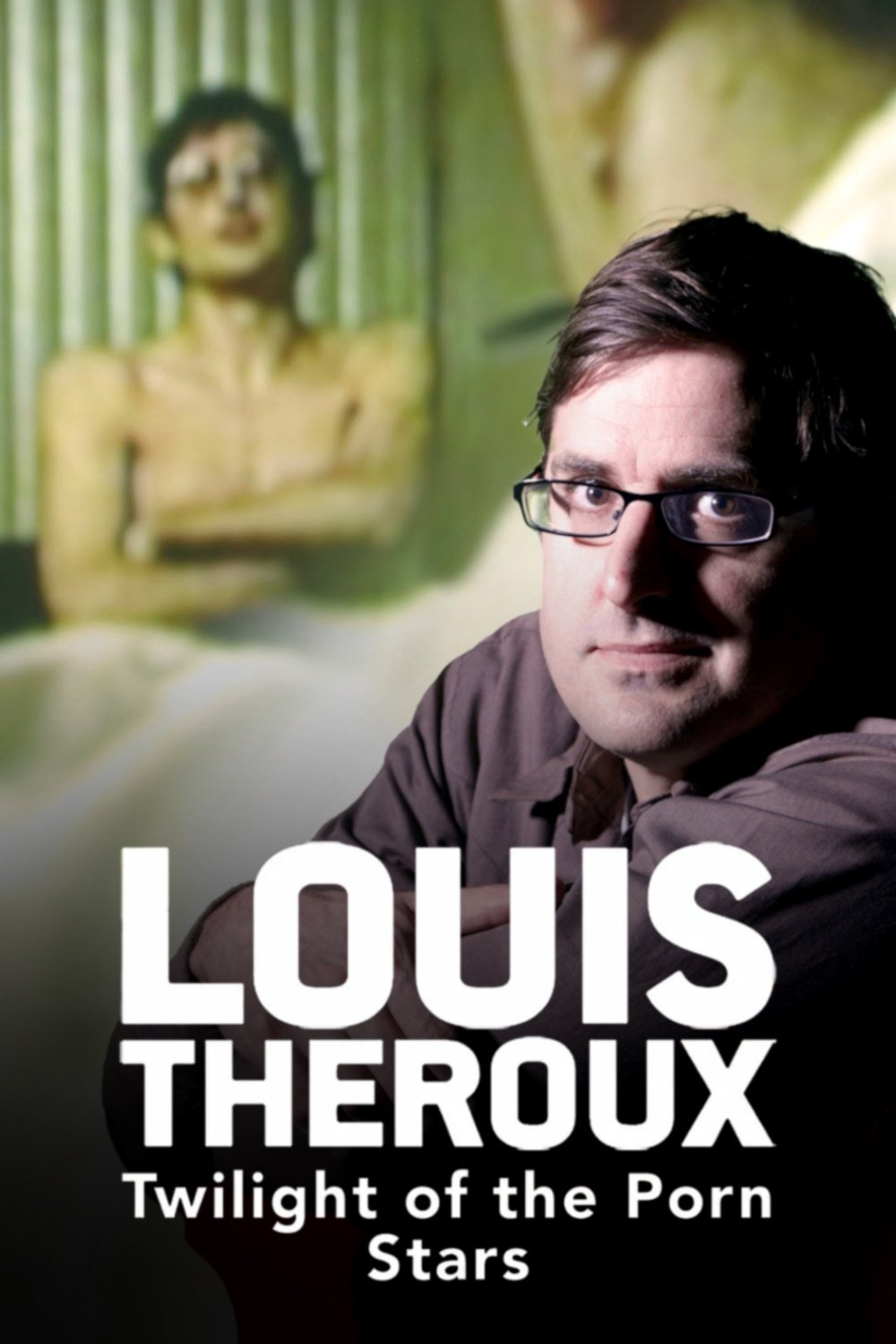
In 1997, Louis Theroux made a documentary about the world of male porn performers in Los Angeles. 15 years later, he returns to find a business struggling with the deluge of free porn on the internet. Louis revisits some of the original programme's contributors as well as meeting the latest crop of porn performers dreaming of porn stardom.
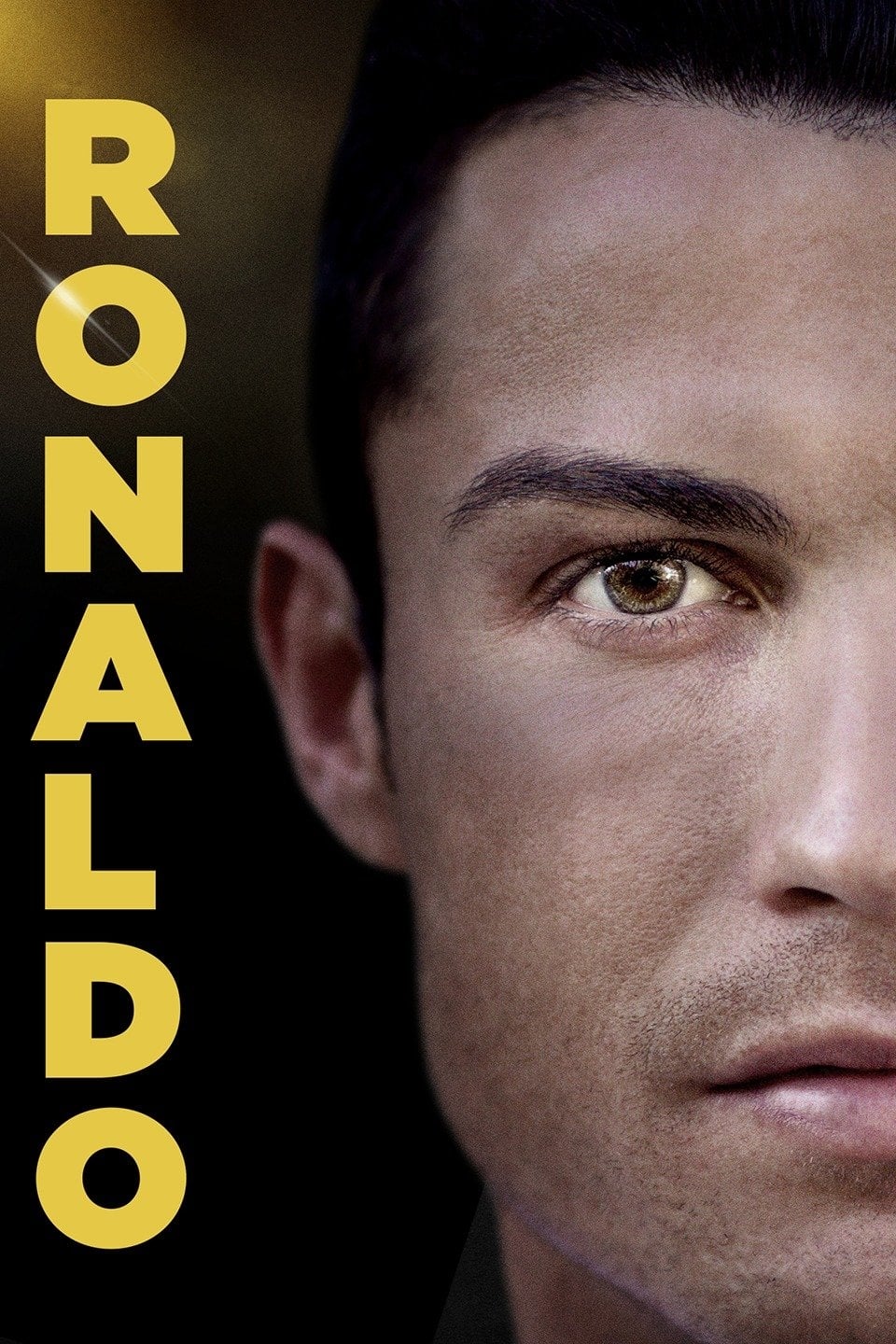
Filmed over 14 months with unprecedented access into the inner circle of the man and the sport, this is the first official and fully authorised film of one of the most celebrated figures in football. For the first time ever, the world gets vividly candid and un-paralleled, behind-closed-doors access to the footballer, father, family-man and friend in this moving & fascinating documentary. Through in-depth conversations, state of the art football footage and never before seen archival footage, the film gives an astonishing insight into the sporting and personal life of triple Ballon D'Or winner Cristiano Ronaldo at the peak of his career. From the makers of ‘Senna’ and ‘Amy’, Ronaldo takes audiences on an intimate and revealing journey of what it’s like to live as an iconic athlete in the eye of the storm.
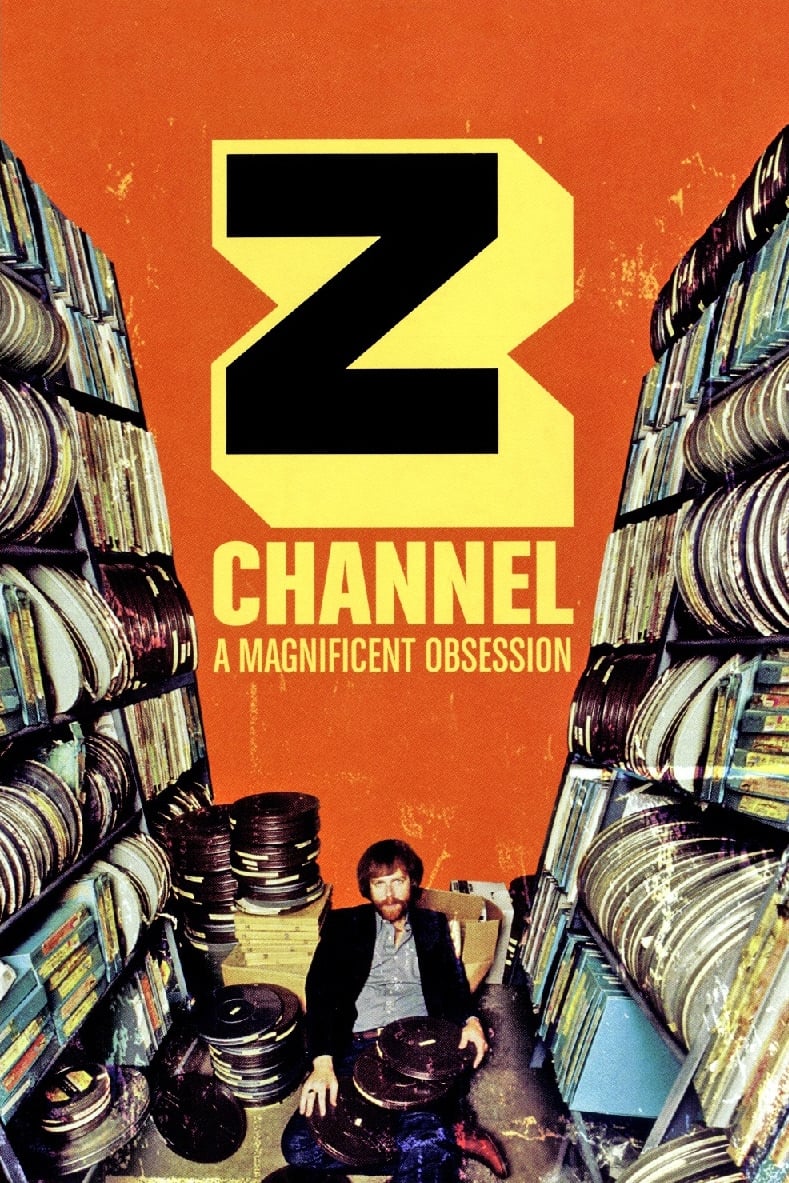
A documentary on the Z Channel, one of the first pay cable stations in the US, and its programming chief, Jerry Harvey. Debuting in 1974, the LA-based channel's eclectic slate of movies became a prime example of the untapped power of cable television.
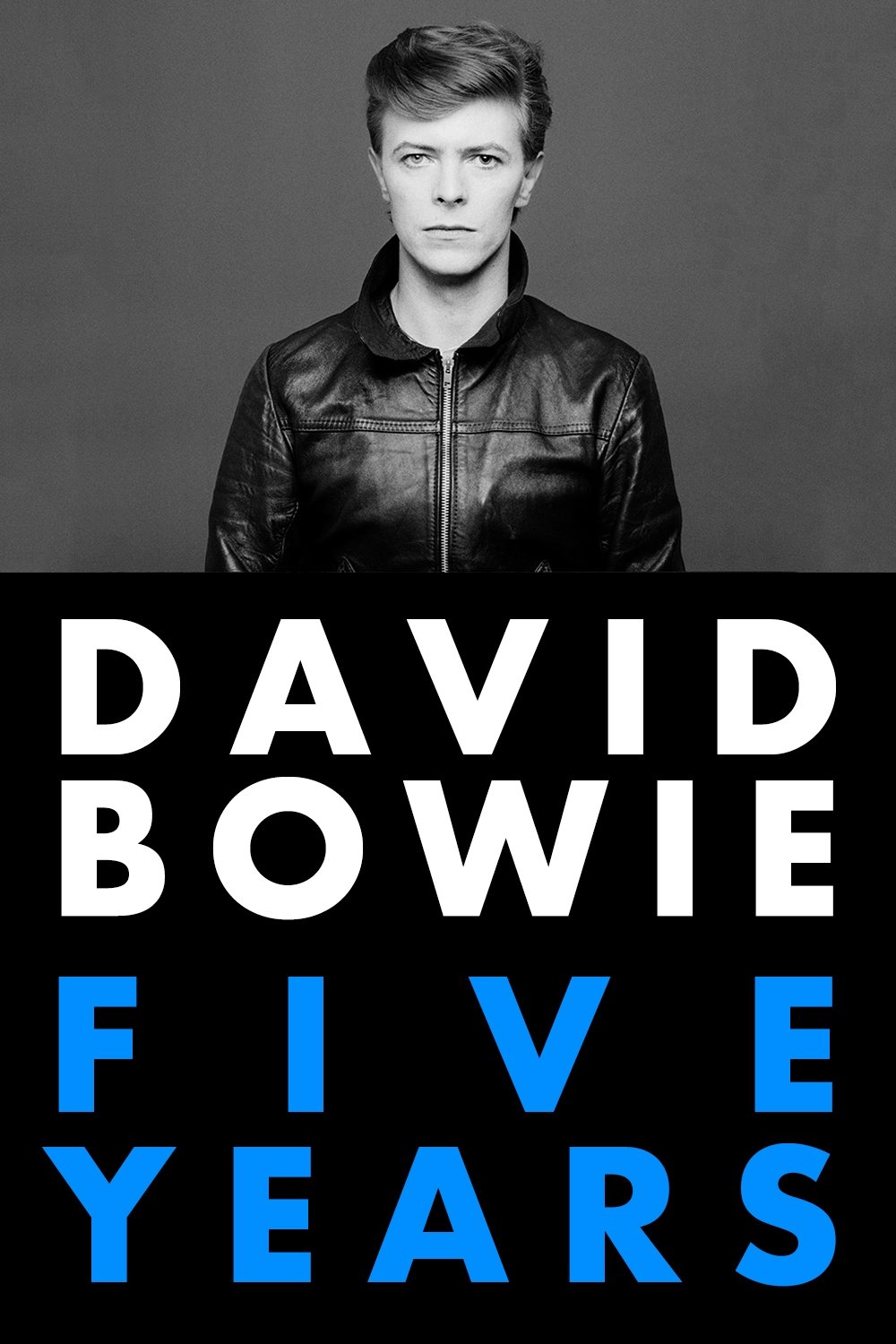
Featuring a wealth of previously unseen archive, this film looks at how Bowie continually evolved: from Ziggy Stardust to the Soul Star of Young Americans, to the ‘Thin White Duke’. It explores his regeneration in Berlin with the critically acclaimed album Heroes, his triumph with Scary Monsters and his global success with Let’s Dance. With interviews with all his closest collaborators, David Bowie - Five Years presents a unique account of why Bowie has become an ‘icon of our times’.
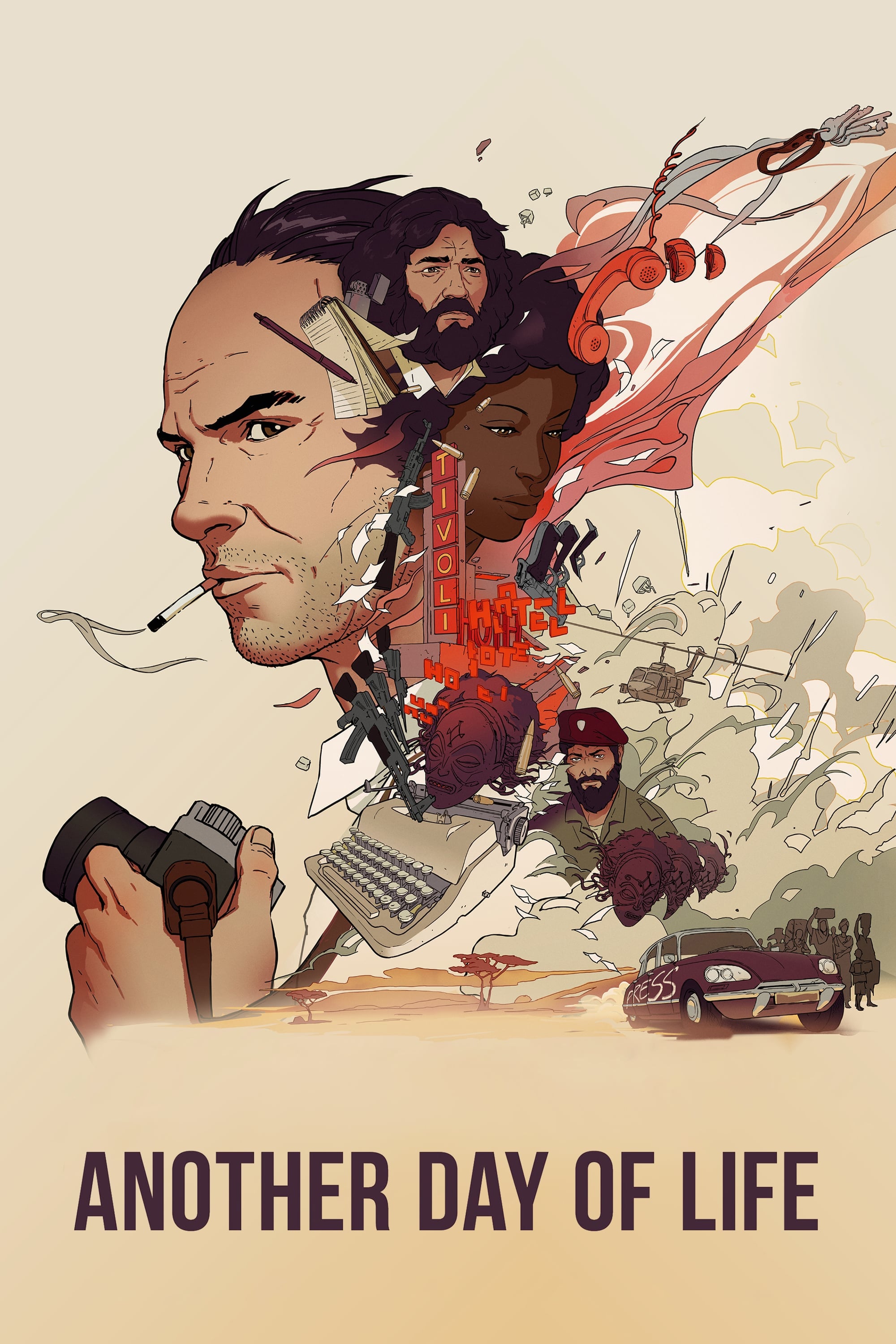
In 1975, Ryszard Kapuściński, a veteran Polish journalist, embarked on a seemingly suicidal road trip into the heart of the Angola's civil war. There, he witnessed once again the dirty reality of war and discovered a sense of helplessness previously unknown to him. Angola changed him forever: it was a reporter who left Poland, but it was a writer who returned…
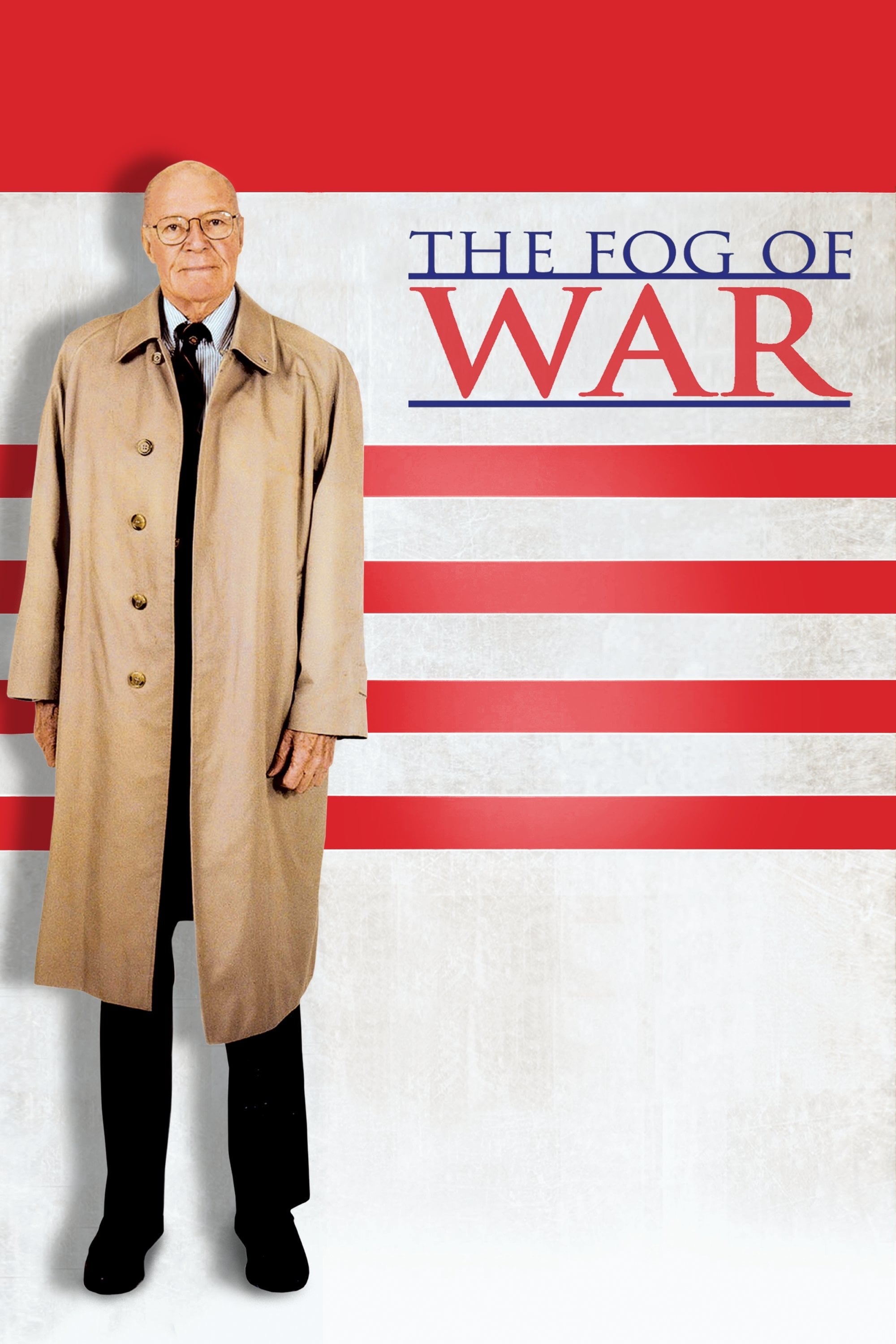
Using archival footage, cabinet conversation recordings, and an interview of the 85-year-old Robert McNamara, The Fog of War depicts his life, from working as a WWII whiz-kid military officer, to being the Ford Motor Company's president, to managing the Vietnam War as defense secretary for presidents Kennedy and Johnson.





![[REC]: Horror Without Pause](https://image.tmdb.org/t/p/original/jme3yUGa0pVvYXOBTQxldfvny0n.jpg)