A heartwarming story about nine kids who had run away from their homes.
Social & External
The people behind it
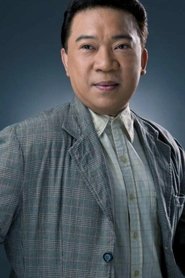
Roderick Paulate
Bong
Zernan Manahan
Tonggol
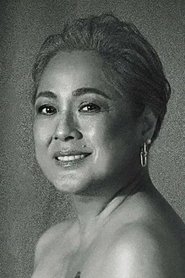
Gina Alajar
Tina
Lorna Tolentino
Nena
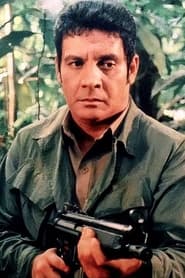
Salvador Jose
Sonny
Beth Manlongat
Tisay
Cherit Casipe
Bubot
Bernard Calaguas
Tong
Reynaldo Non
Mata
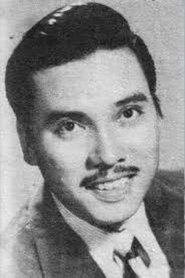
Lito Anzures
A young woman takes a job as a personal maid for a rich young man. The pair do not get along, but soon due to their classmates' games of love, their relationship grows more complicated than before.
Amidst a strong typhoon in 1978, during the martial law era in the Philippines, college friends and protesters, Luis and Angelica, find shelter in an abandoned house after a rally dispersal. With police forces lingering outside, the raging storm, and a single candle lighting their small refuge, they find an old, dusty chessboard.
Erika and Cecil are twins who were separated by poverty right after they were born. Each of them is caught up in her own existence, not knowing that somewhere not so far lived a twin. But one day, fate intervened and found a clever way to bring them together.
Two women who are unrelated and have never met but very much alike found their lives intertwined when people close to them mistook them for one another. Angela Pelayo was an innocent girl from the province trying to find a better life with a good job in the city while Anita Cornejo was a prostitute and girlfriend of a cold-hearted pimp. Both their lives are in danger but only one will be saved.
Quizz West is conscripted into the United States Army in late 1940. Prior to being shipped out first to San Francisco, then the Philippines, Quizz and his hometown girlfriend Janet discuss their future plans.
A newly trained ninja warrior journeys to the Philippines, where he must defend his former war comrade's property against a determined adversary.
Out of our glorious historical past comes this story of a Chinese General who unselfishly gave everything to help the Philippine Revolution.
After she gets into a film-production accident that leaves her crippled, successful actress Jane Ciego slowly transitions into madness after experiencing horrors and torture in her own home.
A story about a Filipino religious leader.
A deaf child who dreams of attending school faces a series of rejections from his mother because of an unprecedented past.
The story delves into what is supposed to be a victorious day for Boy whose first born — Jemjem, graduated from elementary with honors. Throughout the story, bits and pieces of fighting against oppression of losing his main livelihood as a vendor, of fighting for his winnings in a bet to game fowls, fighting for his honor as a family man, and eventually fighting for his own life against fate will be revealed.
Two small-time felons with disparate personas cross paths: One's a principled tough gay; the other is a scheming, street-smart teenager. Together, they get caught up in a string of petty exploits while managing to forge a stronger bond. Can they survive the ordeal?
Discriminated by employers for being a gay misfit, odd Kaye struggles to make ends meet selling her bewildering home-grown beauty soap when her half-transexual best friend Bonn appears with her son for help.
Set in an indigenous community in the hinterlands in Mindanao, a family goes up to the mountains to grieve and bury its youngest member who died from sickness.
Fe returns home to the Philippines after several years of working overseas, her job a victim of global economic shifts. Fe is initially greeted with affection by her husband Dante, but he has a long history of domestic violence fueled by rage and long-term impotence, and Fe quickly discovers her time away has not changed him. Dante works in a factory making baskets, and Fe soon joins him there; she becomes the lover of Arturo, the man who manages the basket company, but while Arturo treats her well, he's still under the thumb of his father who owns the factory. Meanwhile, an unknown admirer sends her parcels of strange black fruit on a regular basis. Torn between two men who cannot give her what she needs and wants, Fe's frustration leads to take desperate steps to establish her independence.
Ian Montes is a picture of success. Despite being a son of a shipping tycoon, Ian refused to just ride in his father's empire. He built his own real estate company and earned his first million at a very young age. He never looked back since then. Driven by his ambition to become better, if not as good as his father, Ian managed to make it on his own. But behind all the glory is a man yearning for love and recognition.
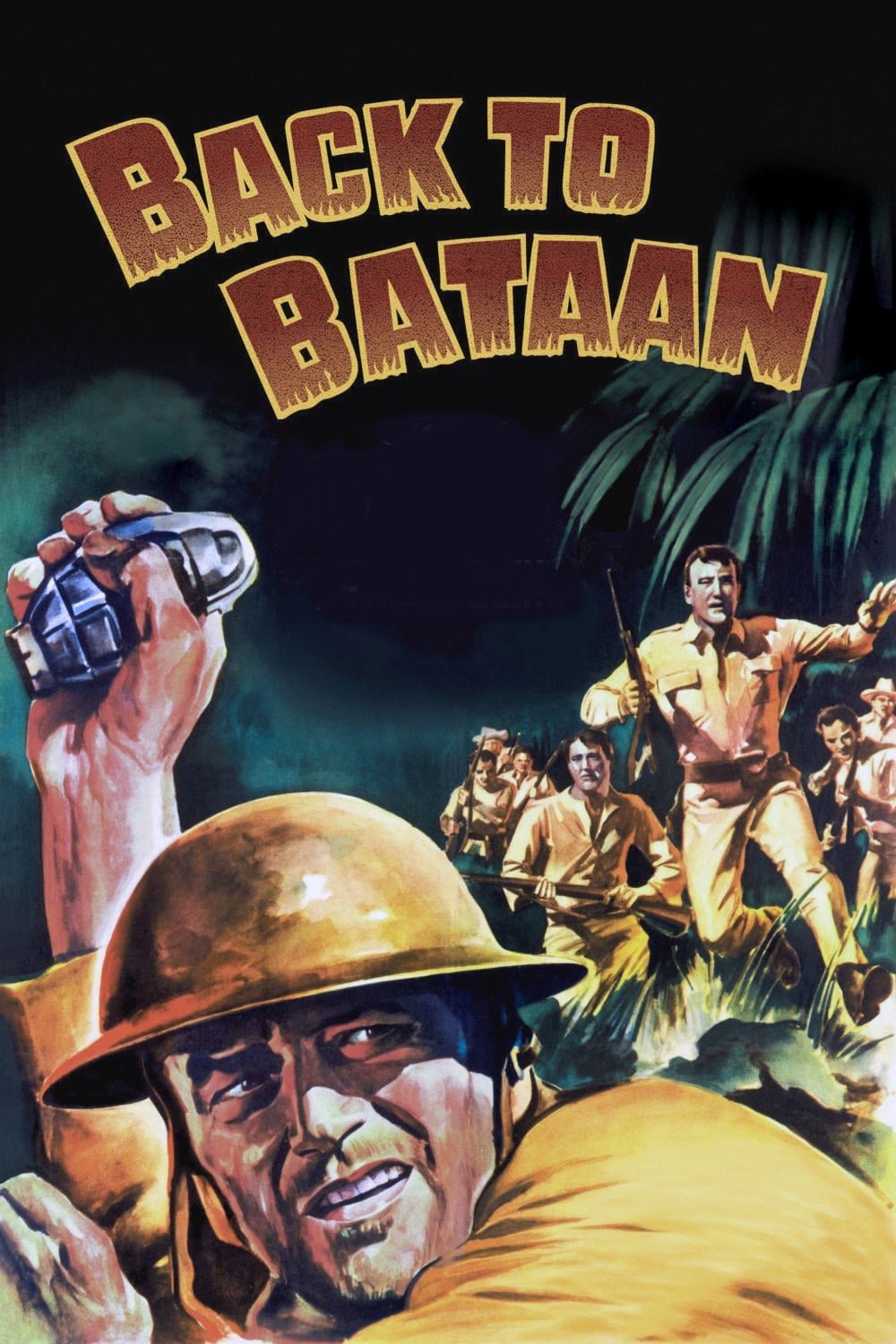
A U.S. Army colonel leads local fighters in a guerrilla campaign against the Japanese in the Philippines.
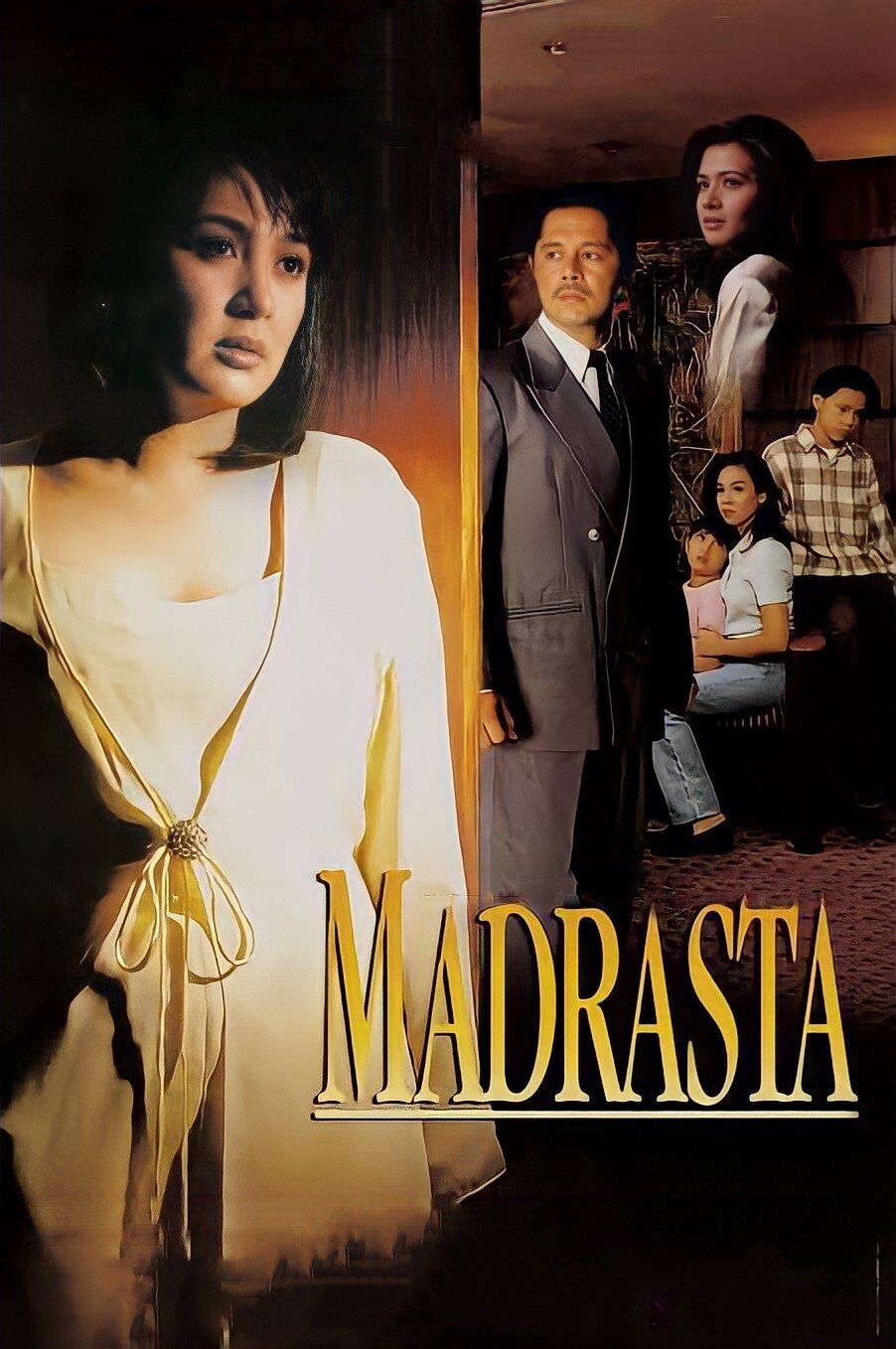
The loving and nurturing Mariel marries Edward after his first wife abandons him and their three children. Mariel strives to win the acceptance and affection of her new stepchildren, even as she tries to define her role in the family.
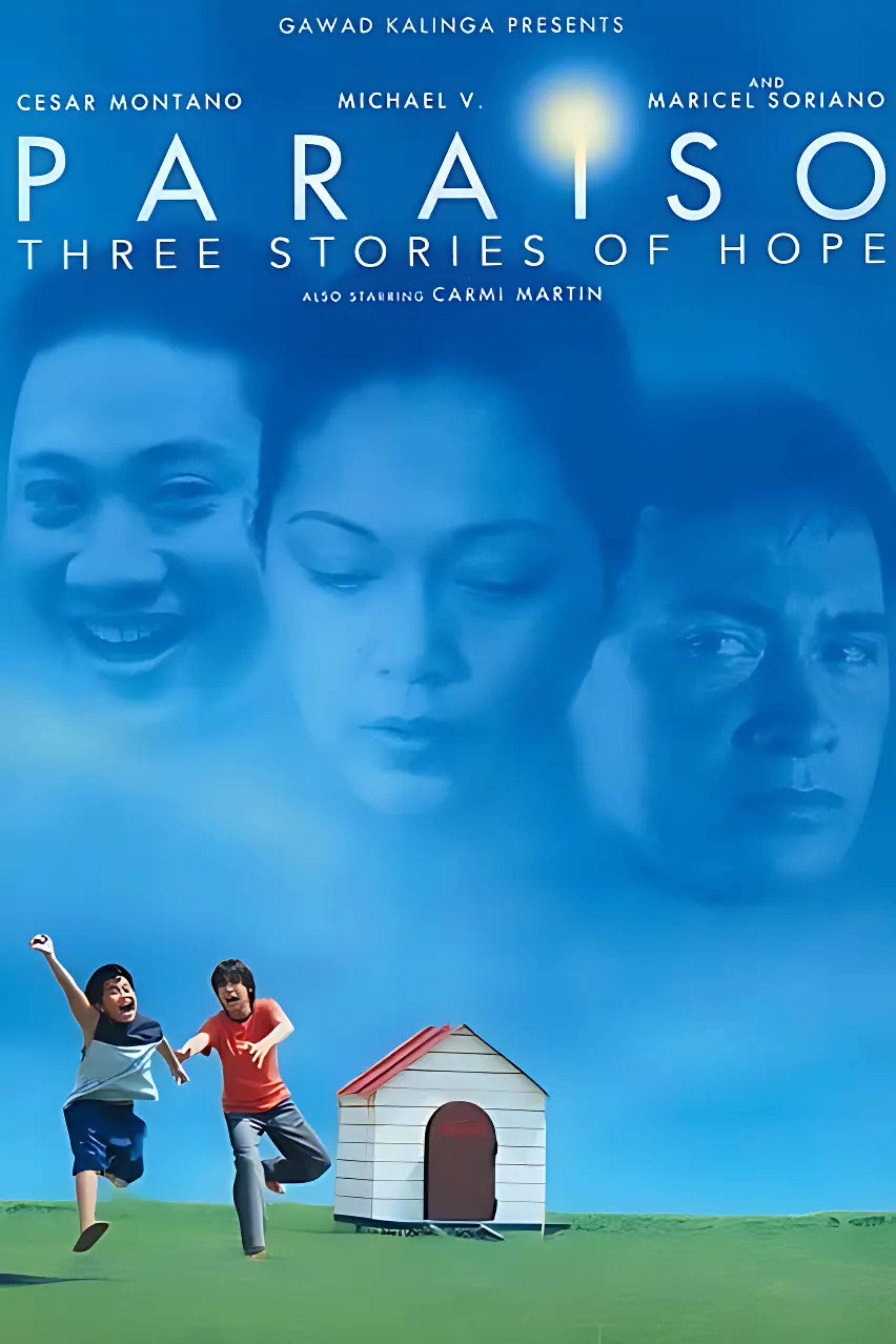
Three uplifting stories of faith, compassion and courage provide the framework for this inspirational film. First, Jocelyn, a victim of the mudslides in Leyte, finds strength in the face of tragedy; next, a family's adoption of a neglected young boy brings healing; and in the final chapter, widower Rudy Abad decides to build a village in the Philippines in memory of his wife, who died in the Sept. 11 attacks.
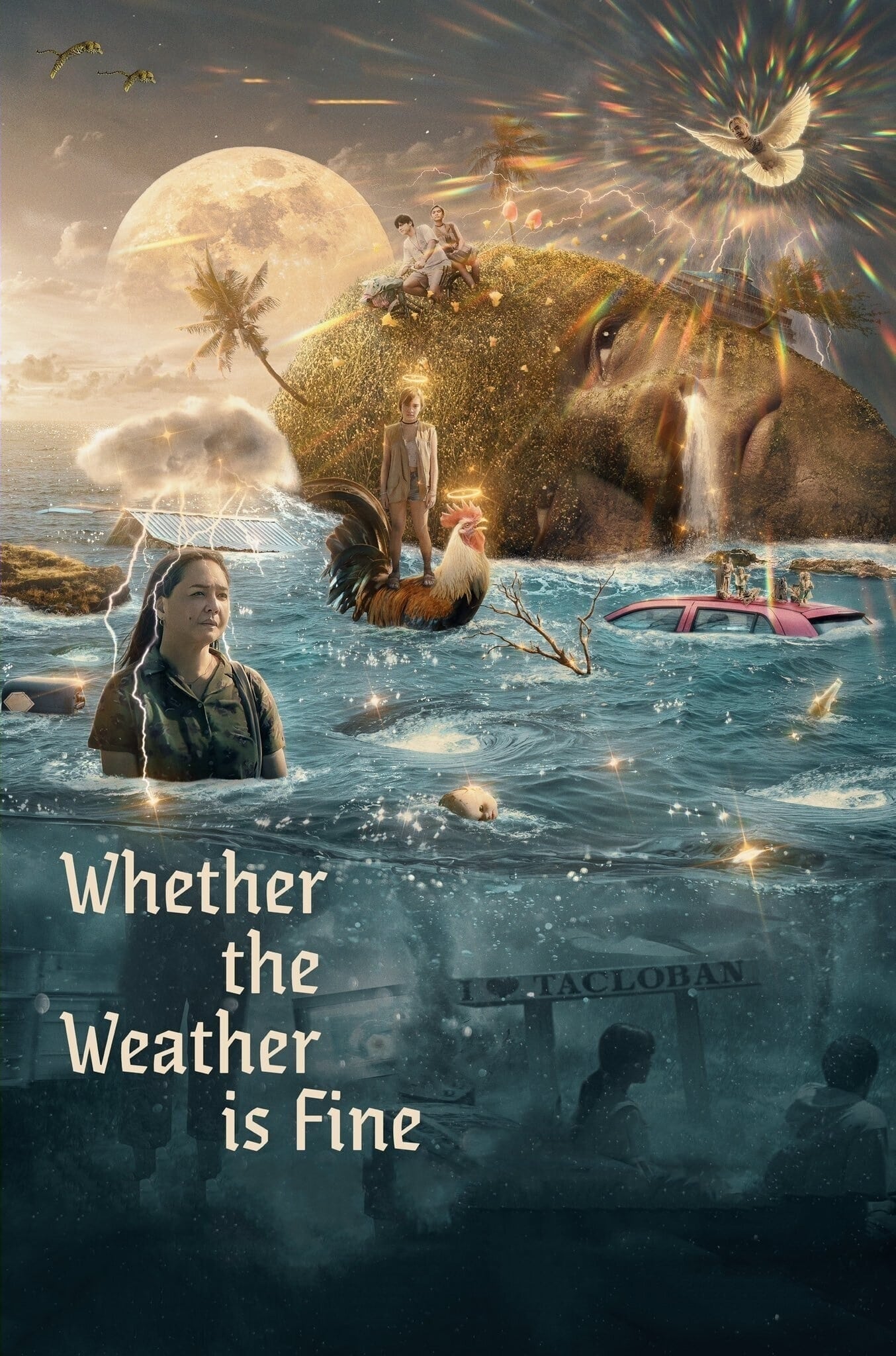
Against the backdrop of the Typhoon Yolanda, a mother and her son struggle for survival and deal with absurdity of fate, sustained by the hope that they carry, and what is lost and gained.
Jo, the mother of seven children, divorces her second husband in order to marry Jake, a successful but promiscuous screenwriter. Though they are physically and emotionally compatible, they are slowly torn apart.
Jamie Fitzpatrick and Nona Alberts are two women from opposites sides of the social and economic track, but they have one thing in common: a mission to fix their community's broken school and ensure a bright future for their children. The two women refuse to let any obstacles stand in their way as they battle a bureaucracy that's hopelessly mired in traditional thinking, and they seek to re-energize a faculty that has lost its passion for teaching.
A young man with a bright future suffers a near-fatal accident and recreates his new life with the help of an unlikely animal friend.
The true story of 20-year-old Colleen Stan, a hitchhiking woman abducted by a young couple and held captive for seven years, during which time she's tortured and forced to live as a slave to her captors.
94-year-old Eleanor Morgenstein tries to rebuild her life after the death of her best friend. As a result, she moves back to New York City after living in Florida for decades.
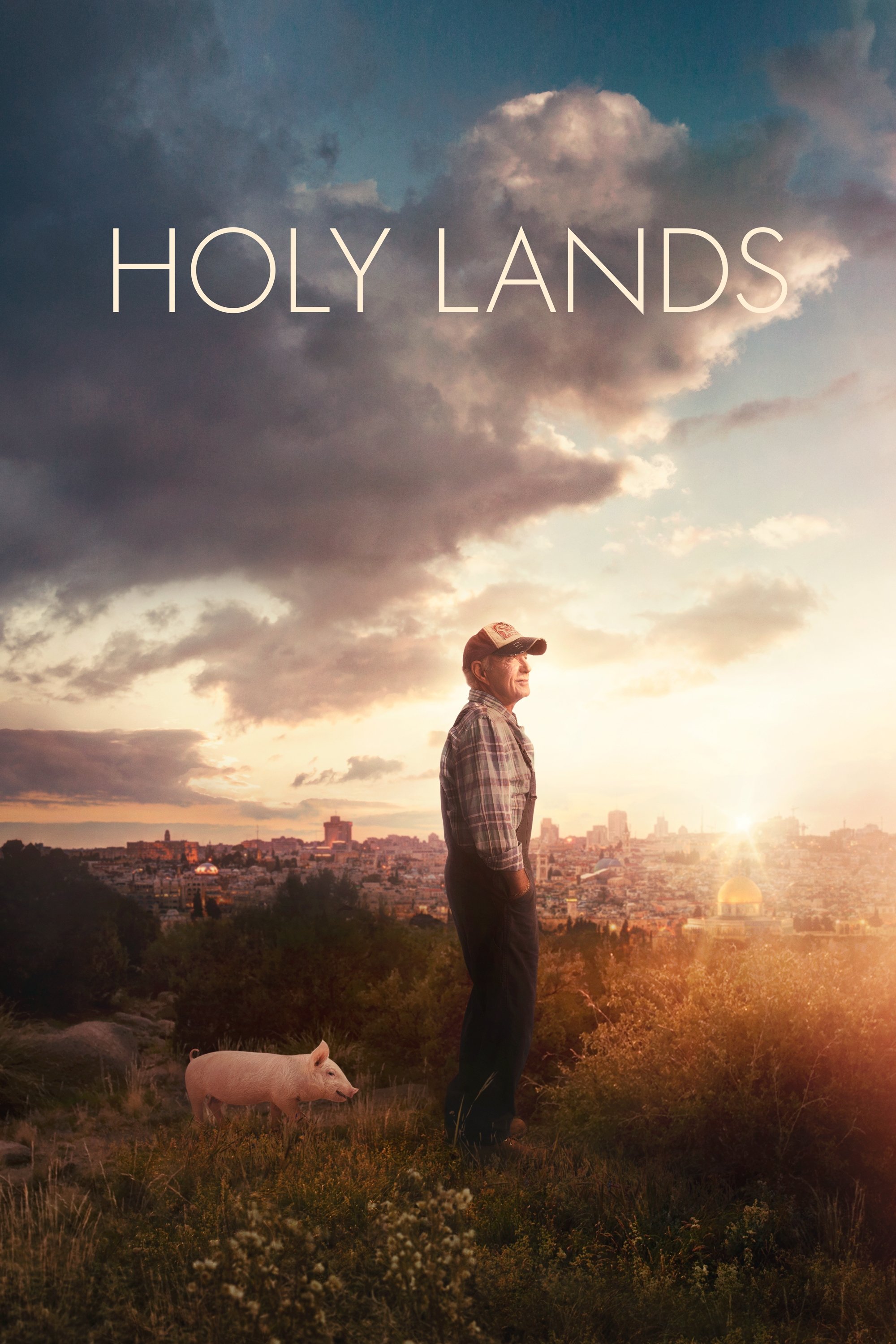
When lapsed Jew and former cardiologist Harry suddenly decides to spend his retirement as a pig farmer in Nazareth, Israel, the move deeply shocks his family and his new neighbours. Back in New York, Harry’s ex-wife Monica is trying to manage the lives of their adult children, Annabelle and David, as well as her own.
Middle-aged widow Beatrice Hunsdorfer and her daughters Ruth and Matilda are struggling to survive in a society they barely understand. Beatrice dreams of opening an elegant tea room but does not have the wherewithal to achieve her lofty goal. Epileptic Ruth is a rebellious adolescent, while shy but highly intelligent and idealistic Matilda seeks solace in her pets and school projects, including one designed to show how small amounts of radium affect marigolds.
A disturbed and institutionalized 16-year-old girl struggles between fantasy and reality.
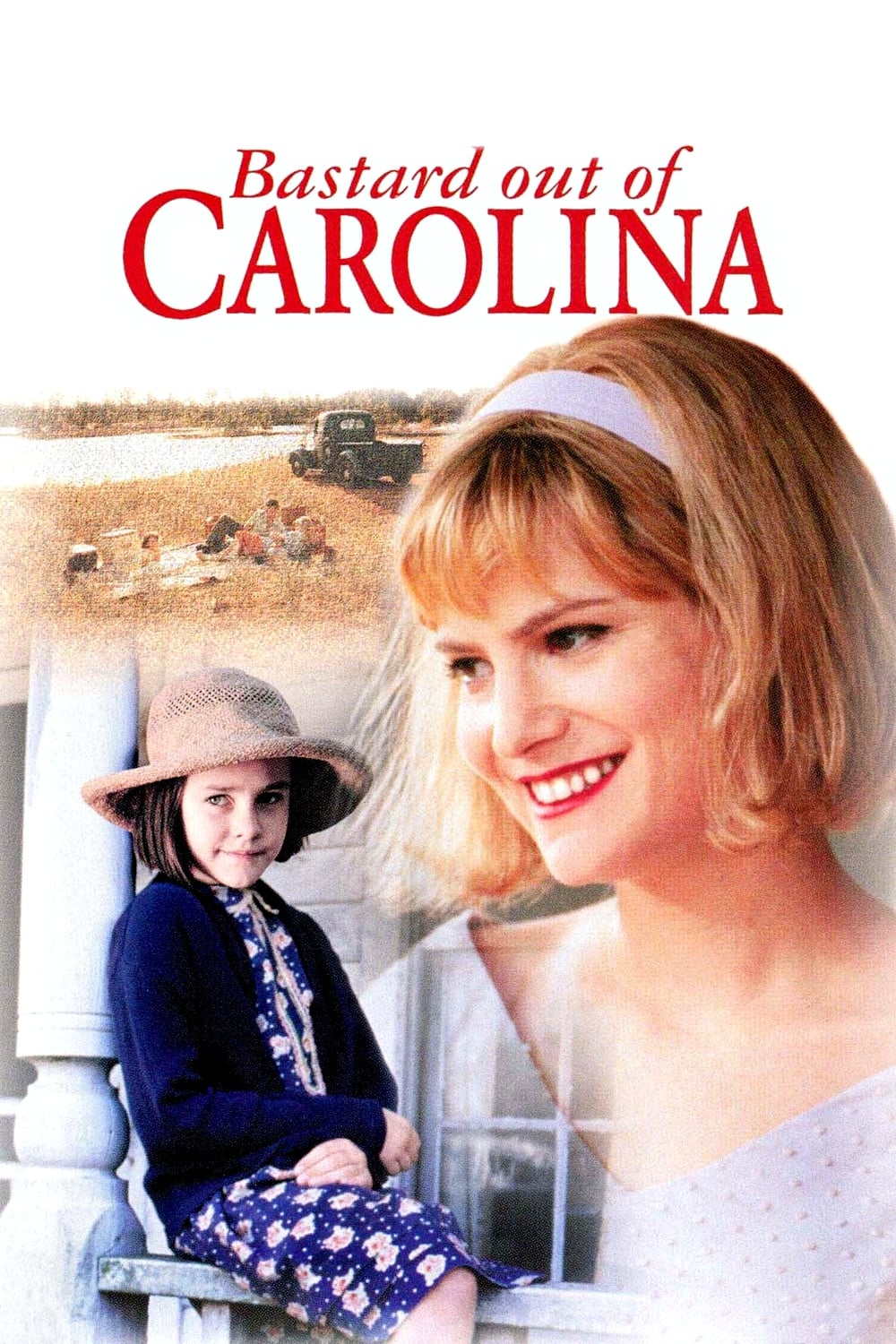
A poor, struggling South Carolinian mother and daughter face painful choices with their resolve and pride. Bone, the eldest daughter, and Anney her tired mother, grow both closer and farther apart: Anney sees Glen as her last chance.
Tess enlists her biological father – a lovable slacker from the wrong side of the tracks – and the charming juvenile delinquent next door to help her come to grips with the death of her little sister.
Two kids, Dylan and Kylie, run away from home on Christmas Day and spend a night of magic and terror on the streets of inner-city Dublin.
When Tragedy Strikes three Families, their Destiny forces them on a coverging path and mercy as the challenges of their fate could also resurrect their beliefs
After the lewd and frenetic Dance of the Seven Veils, and with the solemn pledge from the very lips of Herod himself that she could have whatever her heart desires up to half his kingdom, wanton and proud young Salomé comes before her king with an unreasonable demand. Beguiled by John the Baptist, and then scorned for the sake of his god, lascivious Salomé—encouraged by her mother, the vindictive, Herodias—commands that John be executed and his head delivered on a silver platter.
Years after her son's suicide, a woman longs to confront both the past and a friend of his who took his business idea.
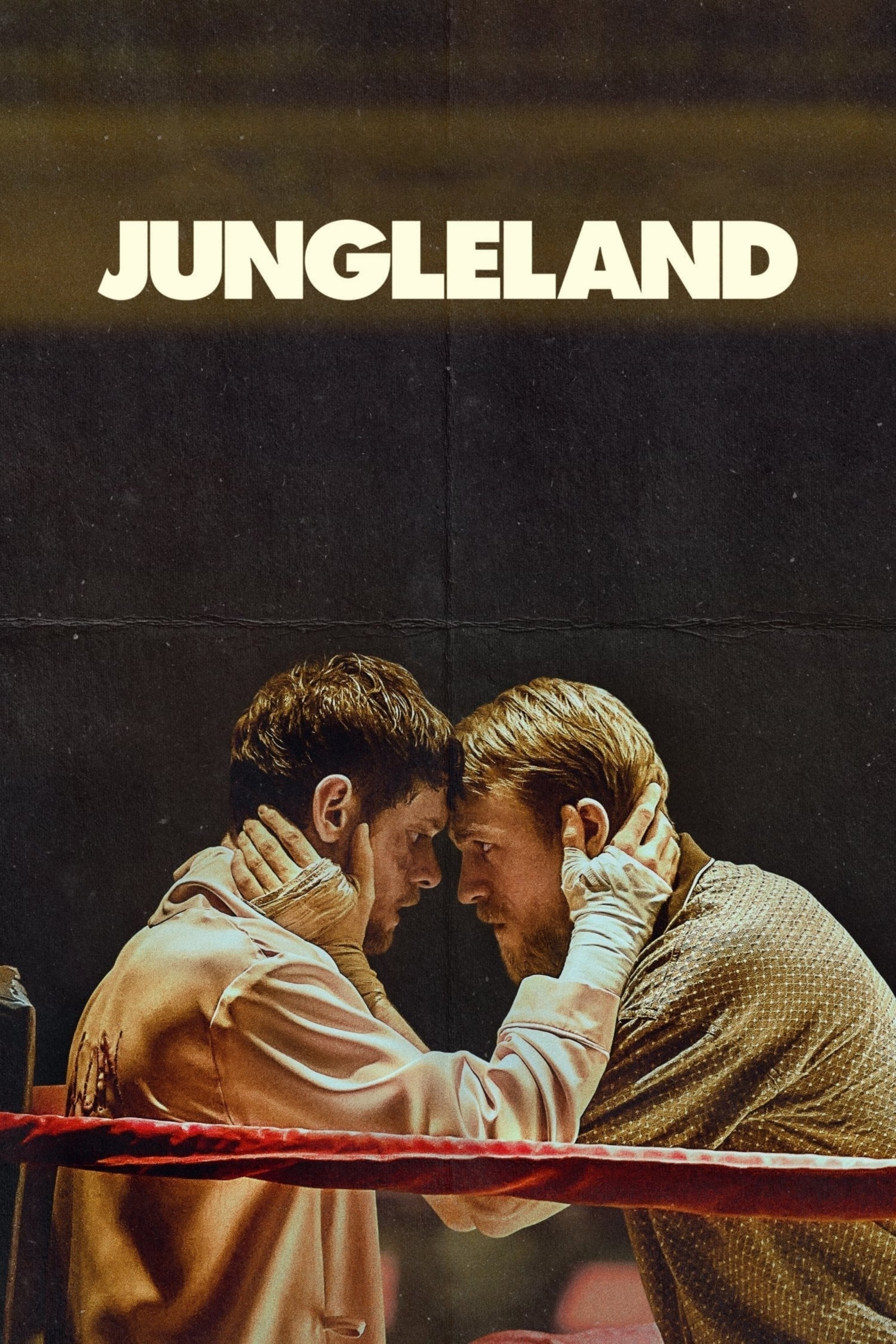
Stanley manages his boxer brother Lion but when a devastating loss in the ring leaves the pair in debt, an opportunity to recoup the cash leads to a series of misadventures that threaten to break the bond between them.
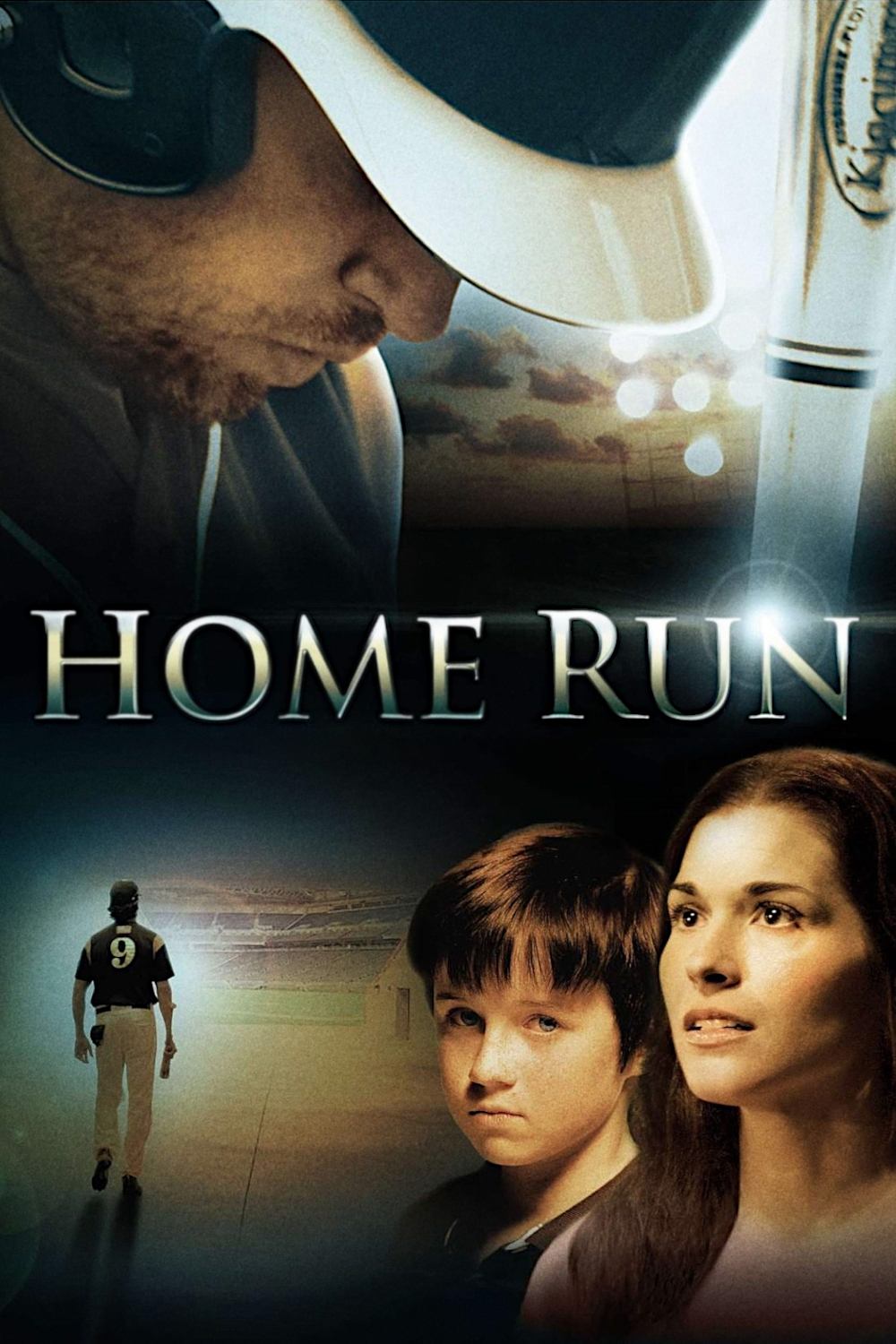
A pro ball player with a substance abuse problem is forced into rehab in his hometown, finding new hope when he gets honest about his checkered past, and takes on coaching duties for a misfit Little League team
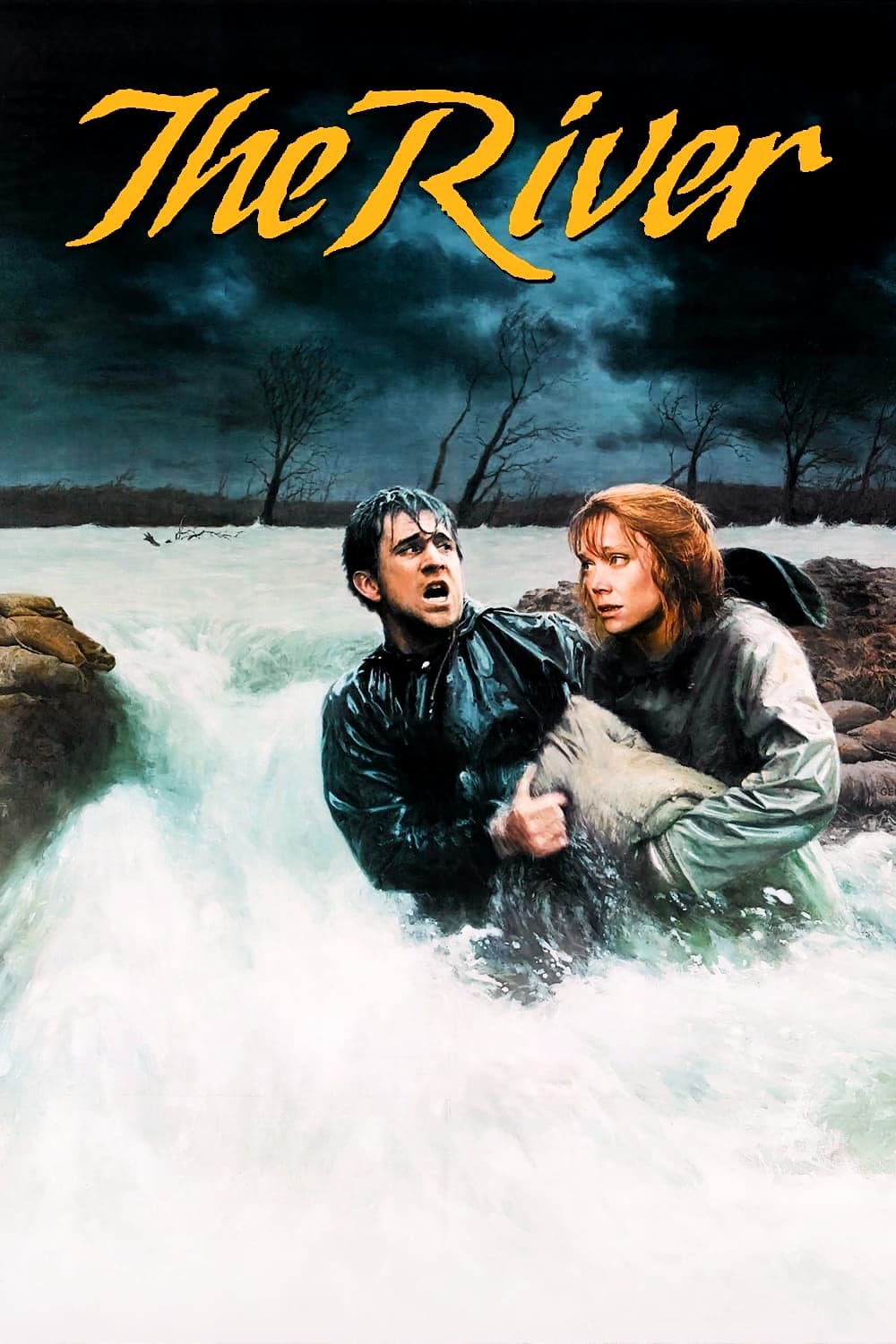
Tom and Mae Garvey are a Tennessee farming couple battling violent floods to save their land. In addition to natural disasters, the Garveys fight to stop a selfish land developer and a local corporation from foreclosing on their farm. While Mae stays at home to care for their children and tend to the crops, Tom finds work as a scab at a steel mill to preserve his family's property.
A street smart runner develops an intense rivalry with an equally ambitious wealthy young athlete.
The story of Vera Atkins, a crafty spy recruiter, and two of the first women she selects for Churchill's "secret army": Virginia Hall, a daring American undaunted by a disability and Noor Inayat Khan, a pacifist. These civilian women form an unlikely sisterhood while entangled in dangerous missions to turn the tide of the war.
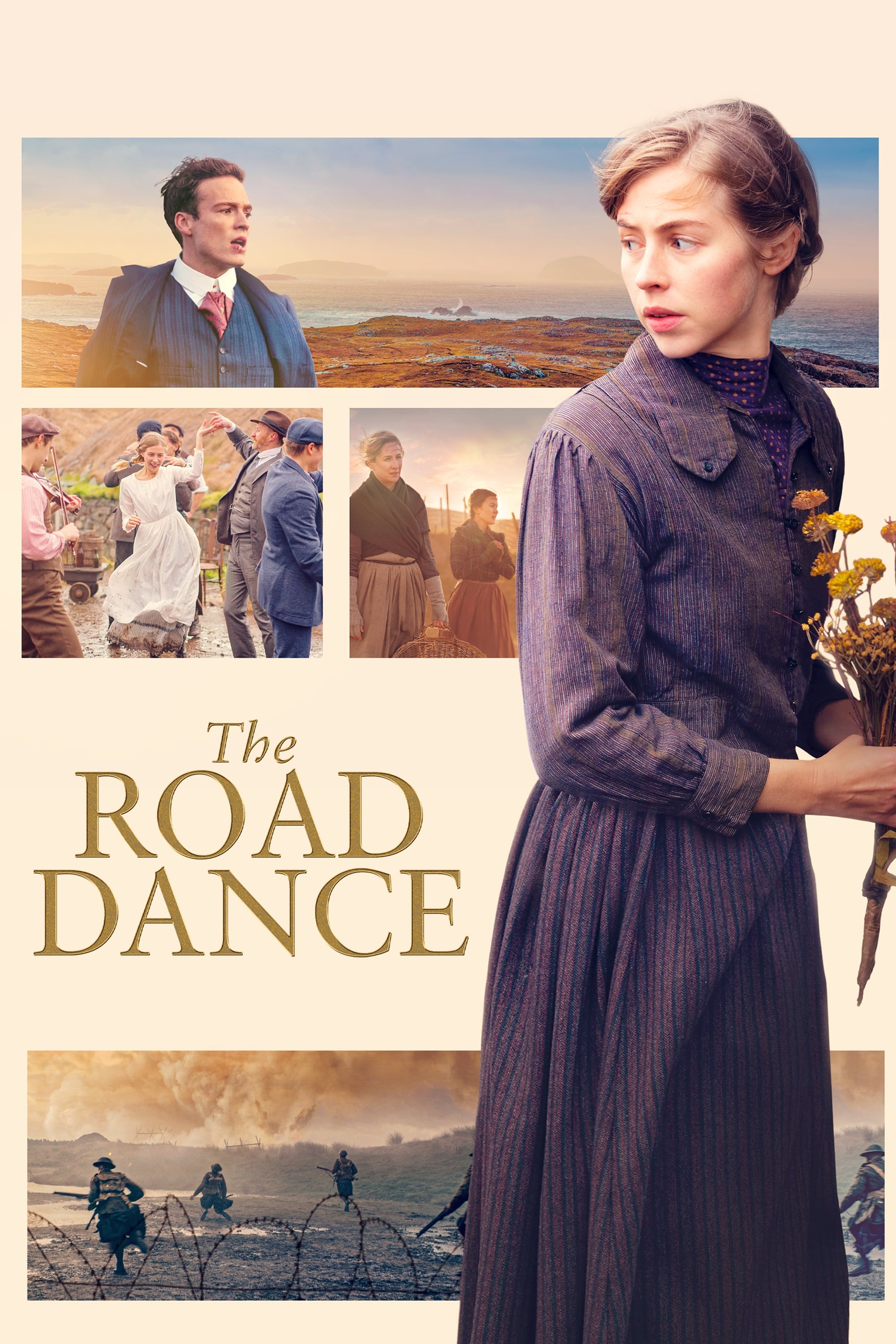
A young girl lives in the Outer Hebrides in a small village in the years just before WWI. Isolated and hard by the shore, her life takes a dramatic change when a terrible tragedy befalls her.