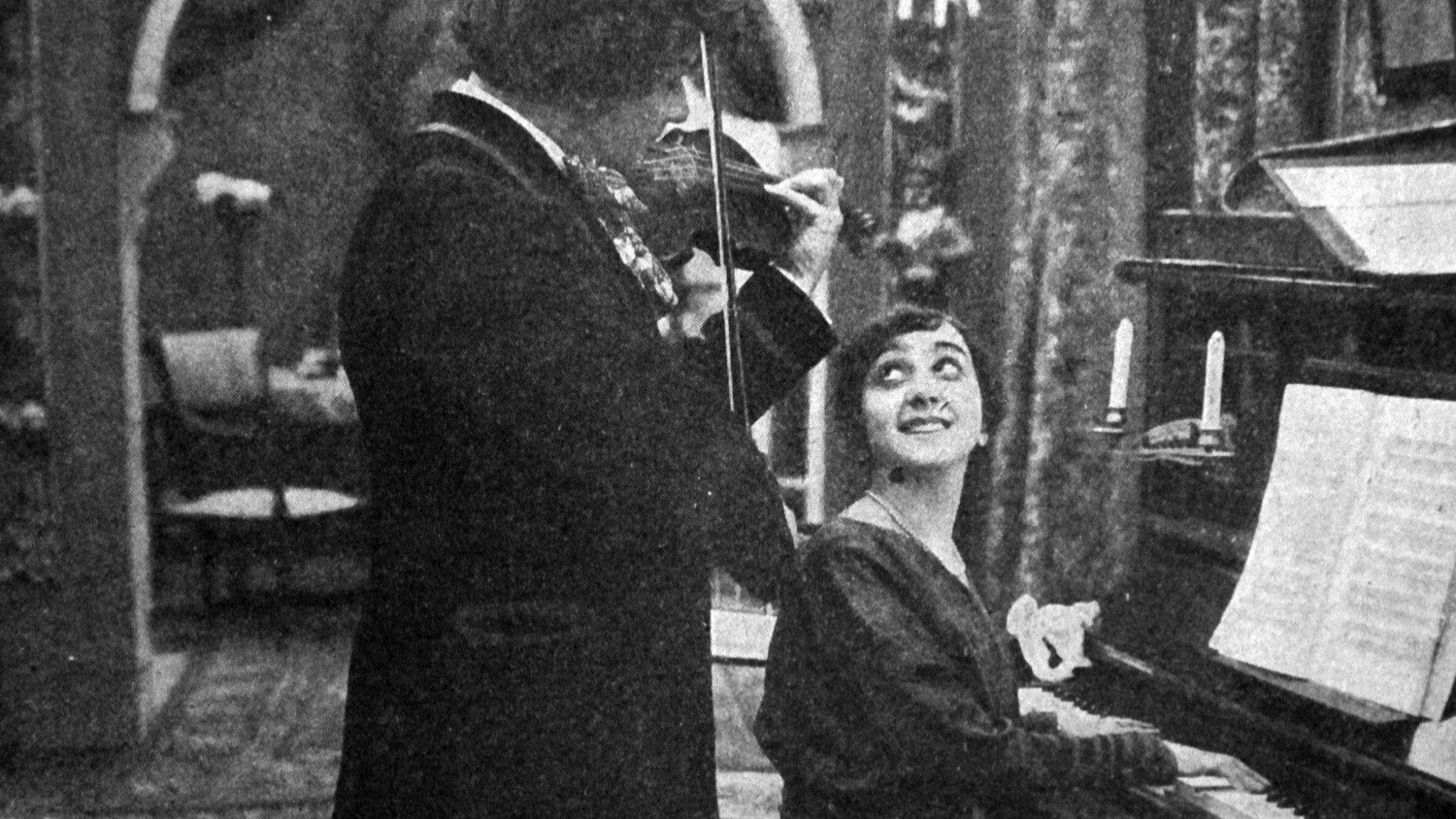
Silent film from 1915 which draws on the story of Carmen
Social & External
The people behind it
Vladimir Elski
State councillor von Brück
Marfa Kassatskaya
Matilda Ivanovna, von Brück's mother
Vera Karalli
Lola, the dancer
Mariya Khalatova
Lola's mother
Vitali Bryanskiy
Surdinskiy, the violinist
L. Zhukov
Lola's partner
Lidiya Tridenskaya
Matilda Ivanovna's guest
A dramatized account of a great Russian naval mutiny and a resultant public demonstration, showing support, which brought on a police massacre.
This pioneering documentary film depicts the lives of the indigenous Inuit people of Canada's northern Quebec region. Although the production contains some fictional elements, it vividly shows how its resourceful subjects survive in such a harsh climate, revealing how they construct their igloo homes and find food by hunting and fishing. The film also captures the beautiful, if unforgiving, frozen landscape of the Great White North, far removed from conventional civilization.
Two families, abolitionist Northerners the Stonemans and Southern landowners the Camerons, intertwine. When Confederate colonel Ben Cameron is captured in battle, nurse Elsie Stoneman petitions for his pardon. In Reconstruction-era South Carolina, Cameron founds the Ku Klux Klan, battling Elsie's congressman father and his African-American protégé, Silas Lynch.
A married farmer falls under the spell of a slatternly woman from the city, who tries to convince him to drown his wife.
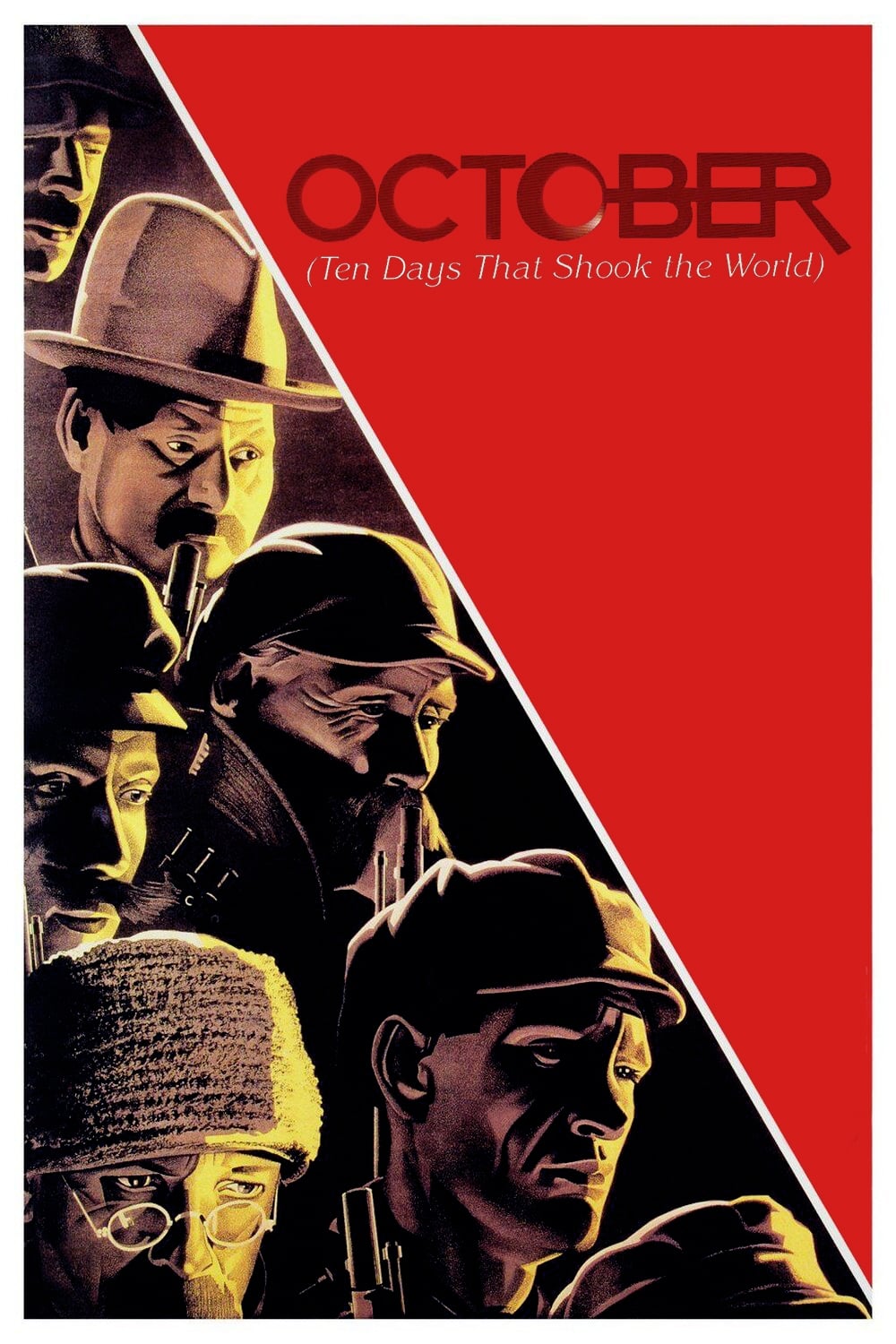
Sergei M. Eisenstein's docu-drama about the 1917 October Revolution in Russia. Made ten years after the events and edited in Eisenstein's 'Soviet Montage' style, it re-enacts in celebratory terms several key scenes from the revolution.
Tranquility is a silent short film centering feelings of emptiness and the search for fulfillment.
Young Cabiria is kidnapped by pirates and sold as a slave in Carthage. Just as she's to be sacrificed to Moloch, Cabiria is rescued by Fulvius Axilla, a good-hearted Roman spy, and his powerful slave, Maciste. The trio are broken up as Cabiria is entrusted to a woman of noble birth. With Cabiria's fate unknown, Maciste punished for his heroism, and Fulvius sent away to fight for Rome, is there any hope of our heroes reuniting?
Karin, a young girl, gets an hour free from school. She spends it across the street from the school, in the apartment of an older photographer.
A British silent crime film directed by J. O. C. Orton
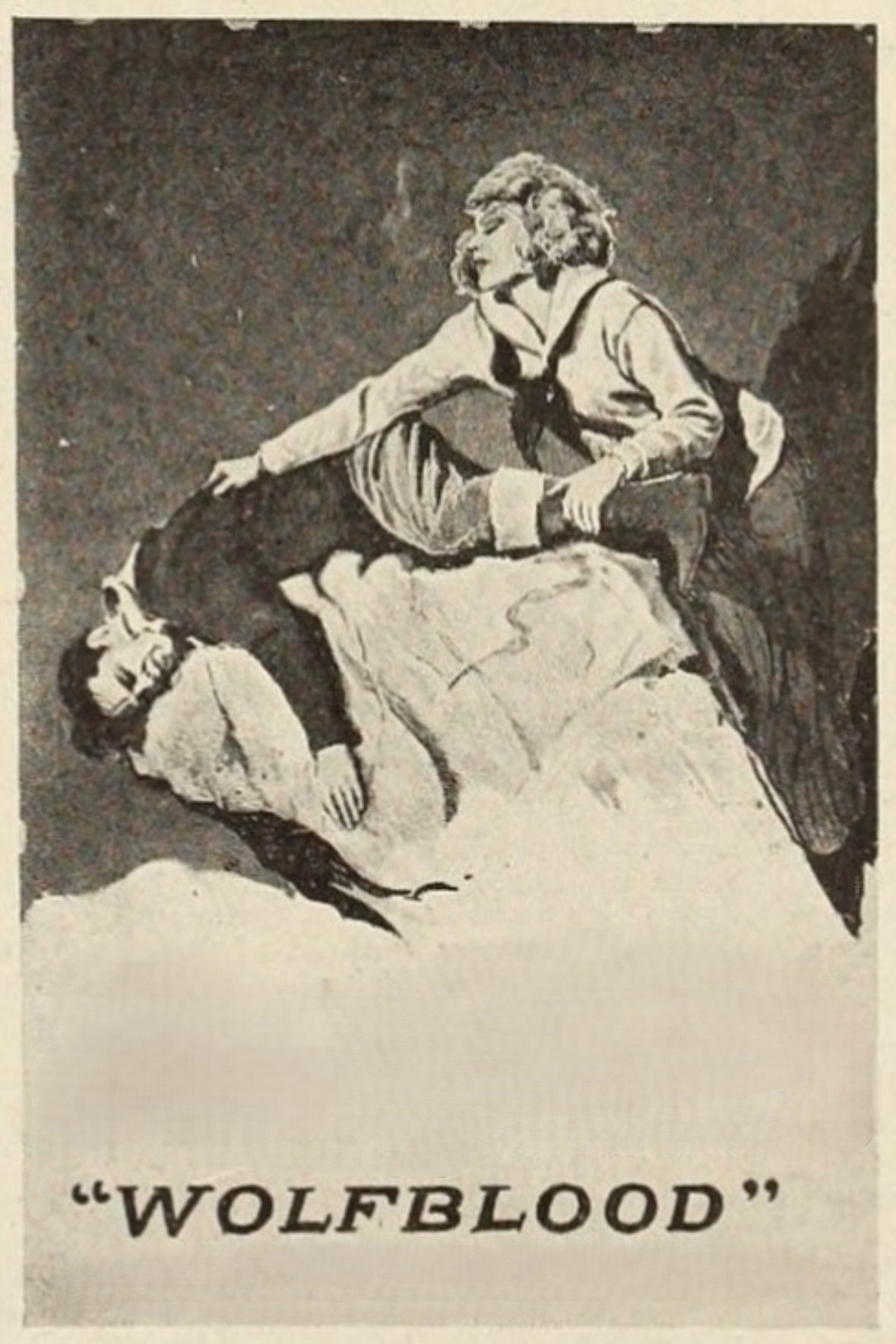
Dick Bannister is the new field boss of the Ford Logging Company, a Canadian logging-crew during a time when conflicts with the powerful Consolidated Lumber Company, a bitter rival company, have turned bloody, like a private war. His boss, Miss Edith Ford, comes to inspect the lumberjack camp, bringing her doctor fiancé with her. Dick is attacked by his rivals and left for dead. His loss of blood is so great that he needs a transfusion, but no human will volunteer, so the surgeon uses a wolf as a source of the blood. Afterwards, Dick begins having dreams where he runs with a pack of phantom wolves, and the rival loggers get killed by wolves. Soon, these facts have spread through the camp. (via YouTube)
German silent film
An exiled Prince living in Paris, begins a dalliance with an opera singer before returning to his wife.
A British romantic drama film directed by J. Steven Edwards
In Belgium during the first World War , the Uhlans order the burgomaster to be shot by his son-in-law.
The first Finnish full-length feature film and the first film adaptation of Minna Canth’s play of the same name. Orphaned Sylvi is married to her older guardian Aksel Vahli, but is in love with her childhood friend Viktor Hoving. A difficult situation drives Sylv to desperate deeds. A approximately 27-minute version of the film’s surviving scenes, with the most explanatory text, has been reconstructed.
Elephants disrupt the lives of a family deep in the jungles of Northern Siam, and an entire village.
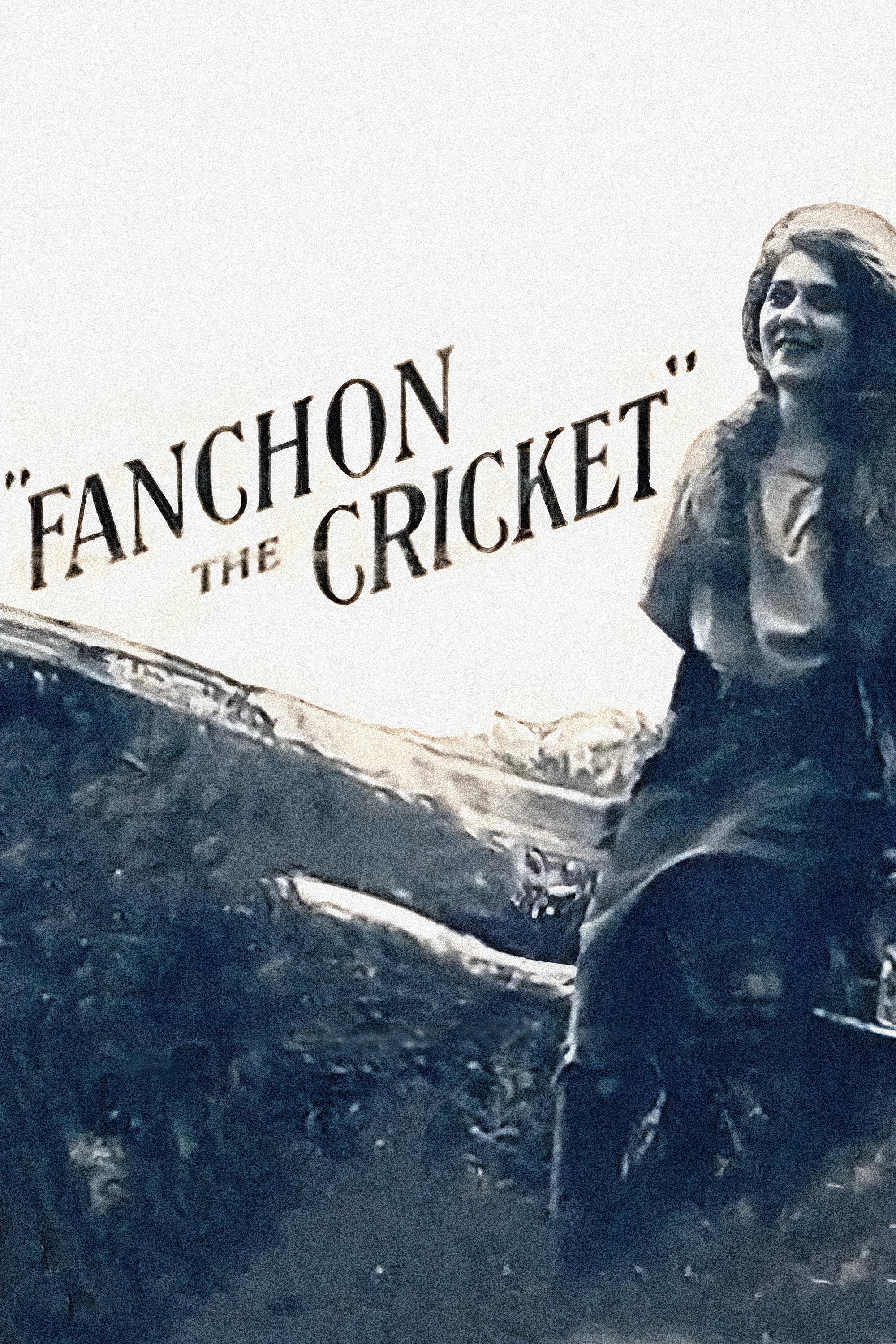
A young wild girl, Fanchon, lives in a forest with her eccentric grandmother who is suspected by the villagers of being a witch. The unkempt Fanchon suffers from her grandmother's sorceress reputation. One day the girl rescues a boy from drowning and they fall in love, but Fanchon won't agree to marry him unless his father asks her. A year later the boy has fallen very ill and it is only the presence of the enchanting Fanchon that helps to restore his health.
The wife of a prominent San Francisco doctor, feeling neglected by her husband, finds herself attracted to a young newspaper reporter. ...
Ethel Warren returns from studying in Europe to make her debut in New York with the opera company in which Jean Paurel, world-famous baritone, is the star. Carlo Sonino, also a member of the company, falls in love with Ethel and warns her against becoming infatuated with the amorous singer.
A young man living far from his beloved one wastes his existence absorbed in modern distractions until he loses contact with her.
The story of a young boy in the Midwest is told simultaneously with a tale about a young girl in New York from fifty years ago as they both seek the same mysterious connection.
The legendary Roberto Duran and his equally legendary trainer Ray Arcel change each other's lives.
A dark personal secret drives a young woman to use every man she encounters.
An acclaimed stage performer, Dorothy still struggled with the challenge of her color, in a time that wouldn't let some stars in by the front door. Yet against the odds she beat out many more famous rivals for the role of "Carmen Jones", becoming the first black woman ever nominated for a Best Actress Academy Award. Marriages and affairs would break her heart, but her heart was strong. Seductive and easily seduced, she was born to be a star - with all the glory and all the pain of being loved, abused, cheated, glorified, undermined and undefeated. Here was a woman who wouldn't wait in the wings. Halle Berry stars as Dorothy Dandrige.
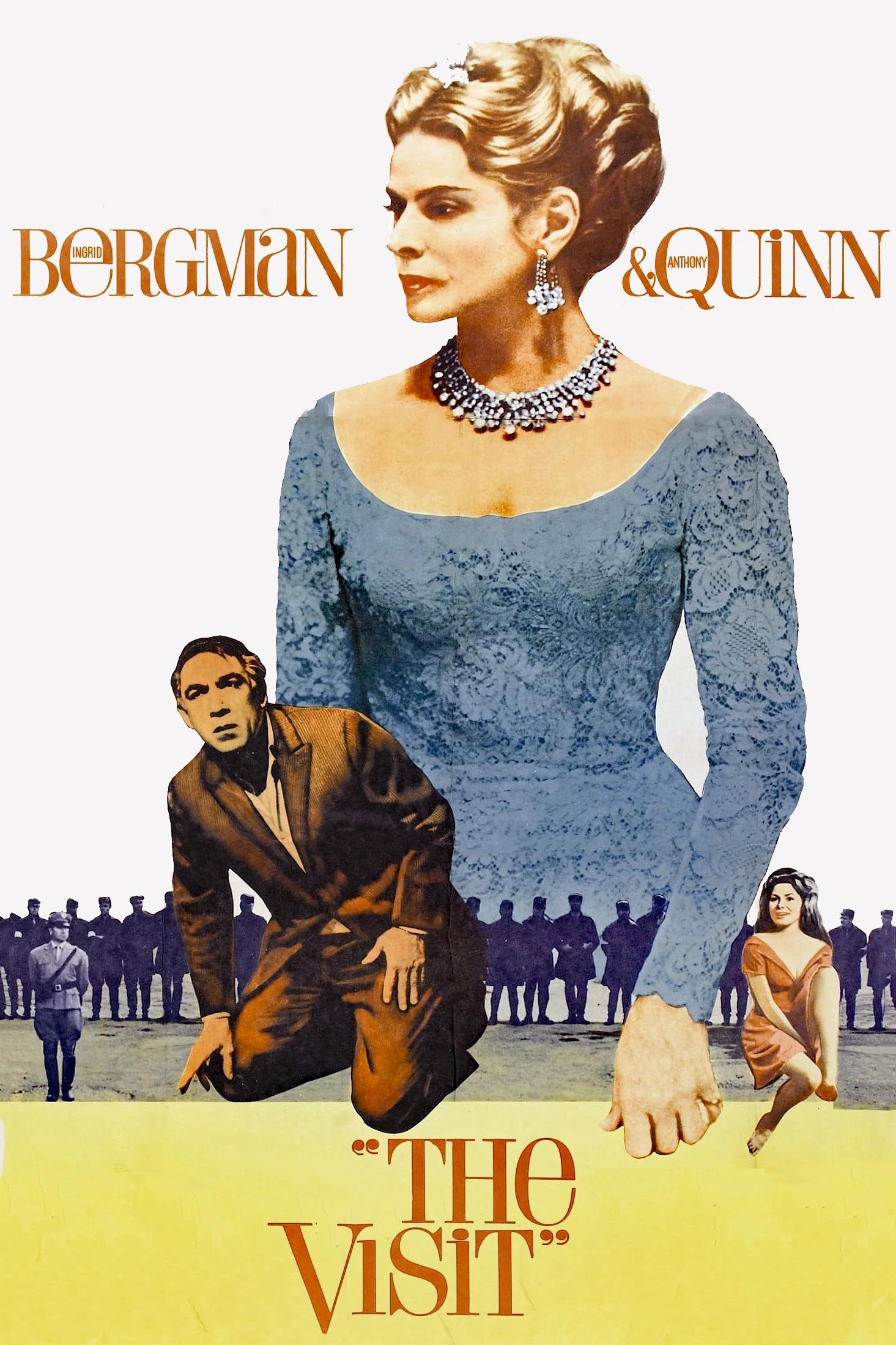
Carla Zachanassian had a child by Serge Miller as a teenager. When Serge refused to marry her, she was driven out of town. By her own wit and cunning, she has returned as a multi-millionaire for a visit. The town lays out the red carpet expecting big things from Carla, only to learn that her sole purpose is to see Serge Miller killed...
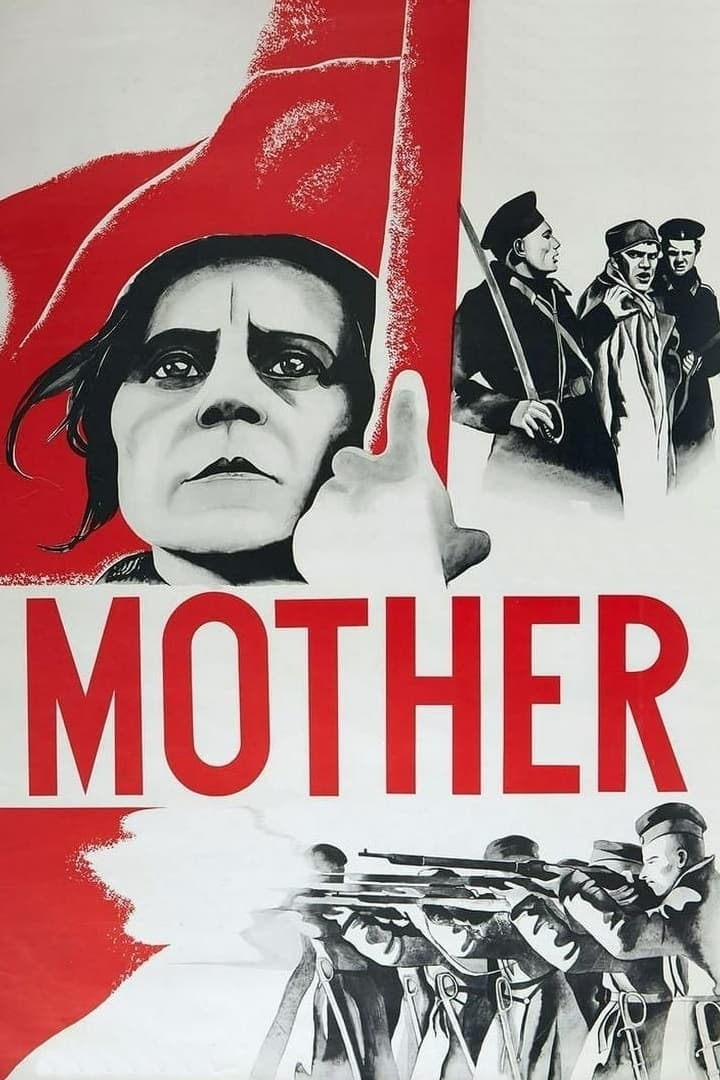
A Soviet woman is caught between her husband and son, who find themselves on opposing sides of the Russian Revolution.
A man reflects on the lost love of his youth and his long-ago journey from Taiwan to America as he begins to reconnect with his estranged daughter.
Based on the true story of a black girl who was born to two white Afrikaner parents in South Africa during the apartheid era.
Thomas Montgomery, a married father of two young daughters, gets seduced by the world of online gambling and chat rooms where a virtual romance and sexual obsession ultimately leads to the murder of an innocent man.
A pro ball player with a substance abuse problem is forced into rehab in his hometown, finding new hope when he gets honest about his checkered past, and takes on coaching duties for a misfit Little League team
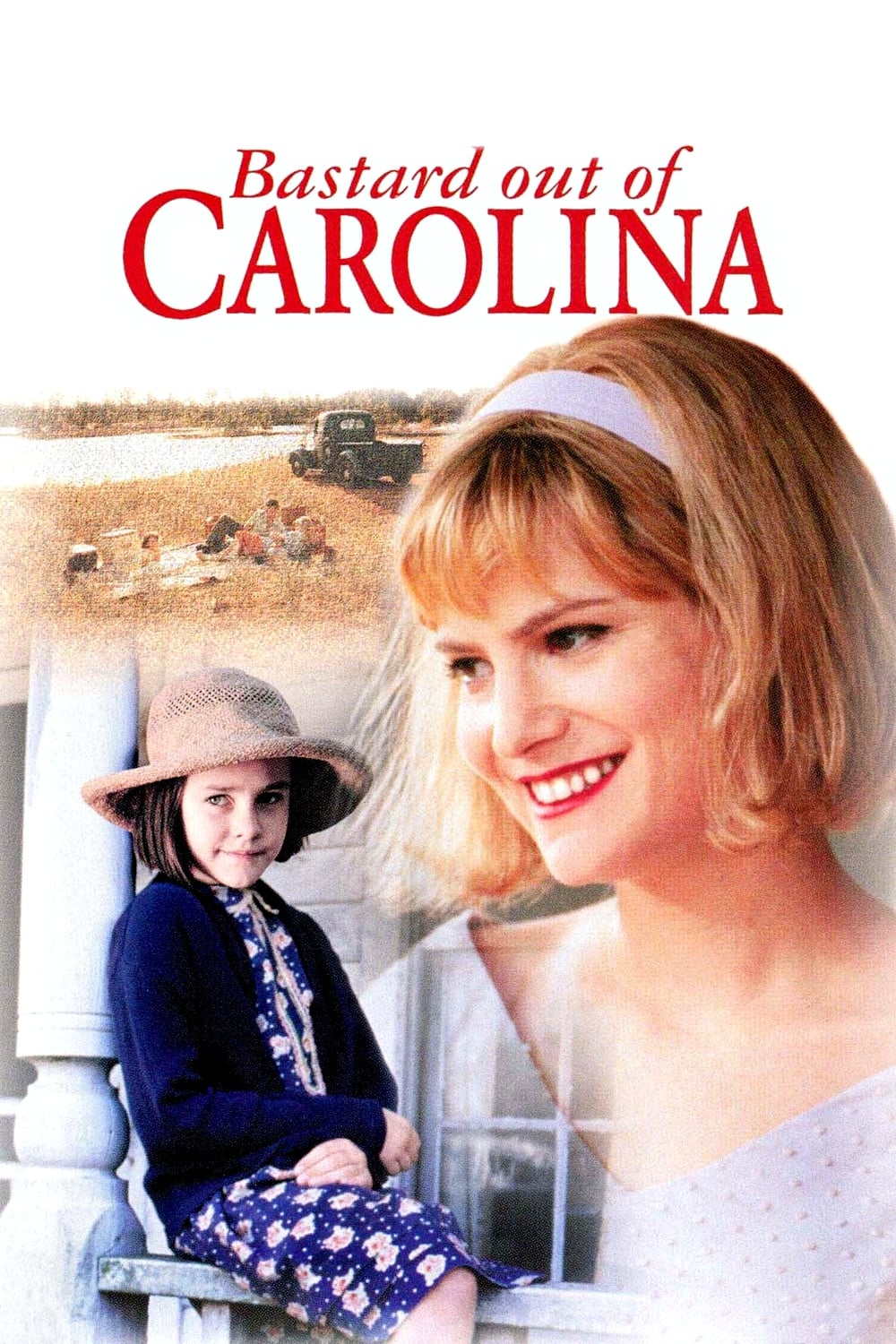
A poor, struggling South Carolinian mother and daughter face painful choices with their resolve and pride. Bone, the eldest daughter, and Anney her tired mother, grow both closer and farther apart: Anney sees Glen as her last chance.
Conman Robert Freegard poses as an undercover MI5 agent and kidnaps countless victims amidst a high-stakes manhunt, until the woman who fell for him brings him to justice.
Years after her son's suicide, a woman longs to confront both the past and a friend of his who took his business idea.
A troubled young woman becomes obsessed with her mysterious new neighbor, who bears a striking resemblance to the girl's dead mother.
After the lewd and frenetic Dance of the Seven Veils, and with the solemn pledge from the very lips of Herod himself that she could have whatever her heart desires up to half his kingdom, wanton and proud young Salomé comes before her king with an unreasonable demand. Beguiled by John the Baptist, and then scorned for the sake of his god, lascivious Salomé—encouraged by her mother, the vindictive, Herodias—commands that John be executed and his head delivered on a silver platter.
The true story of 20-year-old Colleen Stan, a hitchhiking woman abducted by a young couple and held captive for seven years, during which time she's tortured and forced to live as a slave to her captors.
In order to be reinstated to the bar and recover custody of her daughter, a hotshot lawyer, now in recovery and on probation, must take on the appeal of a woman wrongfully convicted of murder.
An aimless young man who is scalping tickets, gambling and drinking, agrees to coach a Little League team from the Cabrini Green housing project in Chicago as a condition of getting a loan from a friend.
94-year-old Eleanor Morgenstein tries to rebuild her life after the death of her best friend. As a result, she moves back to New York City after living in Florida for decades.
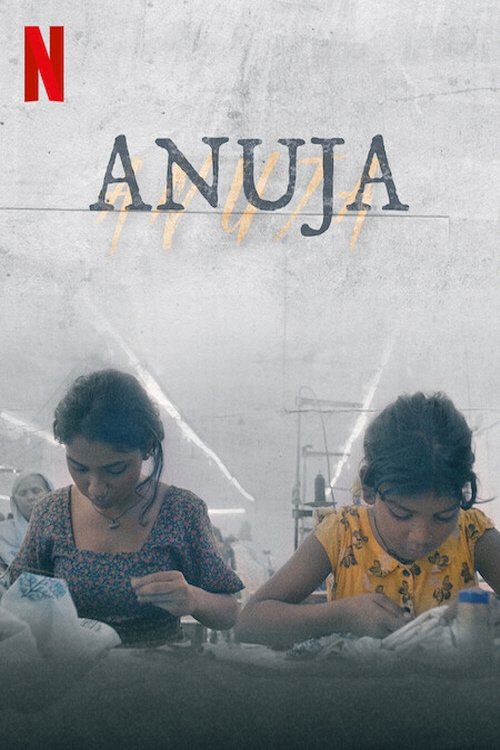
When a brilliant nine-year-old working in a sweatshop gets a chance to attend school, she must make a difficult choice for her and her sister's future.