A unusual love story about two teenagers in berlin.
Social & External
The people behind it
Marlon Kittel
Paule
Oona-Devi Liebich
Julia Behringer
Karina Fallenstein
Hanne
Martin Semmelrogge
Walter
Joachim Tomaschewsky
Dr. Manstein
Anna-Katharina Muck
Kundin
Rainer Reiners
Verkäufer
Kurt Naumann
Sous Chef
A movie about some people one the love parade 2000.
1978. In a desperate act of love, a plane is hijacked in East Germany and forced to land in the American Sector of West Berlin, triggering a Cold War crisis and forcing 60 hapless passengers to decide in minutes whether to give up everything and stay in the West...
While searching for a condo in Berlin for his father, Nick meets Philipp, a young talented photographer and a gorgeous actress named Lilli. There is instant chemistry and both are easily seduced by Nick's charms. Lilli and Philipp begin to explore their relationship with the sexy visitor, succumbing to their passionate affections for him which intensifies their volatile emotional and physical bonds. But what Philipp and Lilli don't realize is that they are being lured into Nick's manipulative..and deadly, love game.
Gisela involuntarily ends up studying in the cosmopolitan city of Chemnitz. There she meets her friends Jana, Fred and Meryam, with whom she spends her nights out, fights with Nazis, eventually founds the band Superbusen and, through music, hopes to find answers to all the problems life throws at her.
Graduation just happened, and now it's time for adventures in Berlin with the childhood friends Sophie and Alice. But Sophie hesitates, and after an altercation, the impulsive Alice goes by herself - and mysteriously disappears. Sophie goes after her in desperation to find out what happened to Alice, which is the beginning of a painful journey from teenager to a young adult. It also is a journey into her friend's darker side, which she has hid from the rest for so long.
Berlin 36 is a 2009 German film telling the fate of Jewish athlete Gretel Bergmann in the 1936 Summer Olympics. She was replaced by the Nazi regime by an athlete later discovered to be a man. The film is based on a true story and was released in Germany on September 10, 2009. Reporters at Der Spiegel challenged the historical basis for many of the events in the film, pointing to arrest records and medical examinations indicating German authorities did not learn Dora Ratjen was male until 1938.
Shell-shocked Barbara must face up to the loss of a dear companion after a tragic accident. Her best friend Klara and husband Torsten devise a plan to thaw Barbara's heart, after she reminisces about the incident, the funeral, and happier times. Will she agree to the suggestions of her nearest and dearest? Can grief turn into hope?
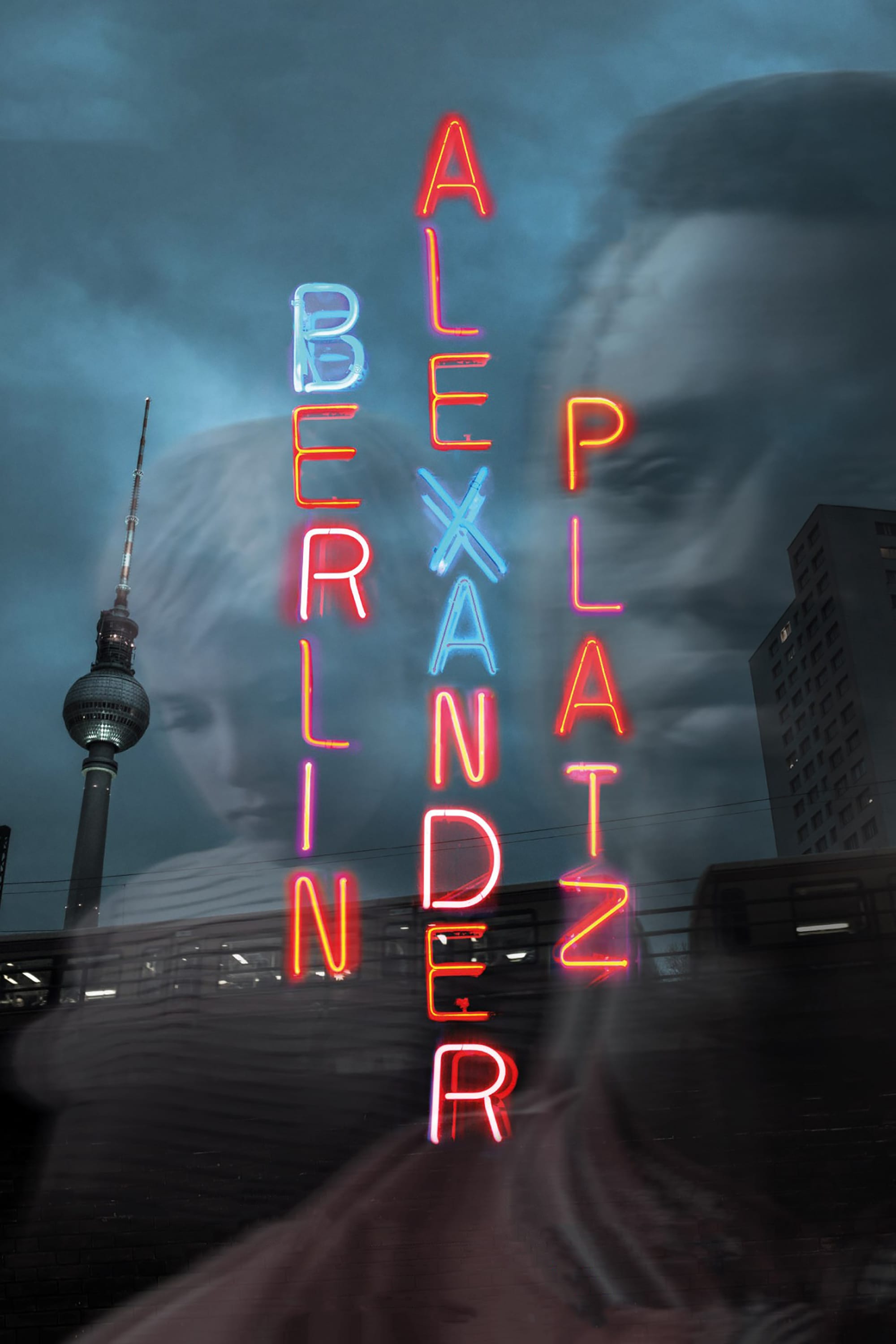
A deep dive into Berlin’s club scene, following a musician over one night in a legendary techno club, which turns into a rave odyssey.
One night, 18 year old Lena is bitten by Louise, leader of a female vampire trio that are as deadly as they are beautiful. Her newfound vampiric lifestyle is a blessing and a curse at the same time. At first, she enjoys the limitless freedom, the luxury, the parties. But soon the murderous blood lust of her comrades in arms proves too much for her, and she falls dangerously in love with Tom, a young undercover cop.
Starring Betty Amann in her most famous leading role, Joe May's Asphalt is a luxuriously produced German Expressionist classic where tragic liaisons and fatal encounters are shaped alongside the constant roar of Berlin traffic.
Now the subjects of a despotic chief, far from having any favor to expect from him, as both themselves and all they have are his property, or at least are considered by him as such, are obliged to receive as a favor what he relinquishes to them of their own property. He does them justice when he strips them. He treats them with mercy when he suffers them to live. In a beautiful house, during a beautiful day, next to a library with no books, a table is set for the last supper of its inhabitants.
Polish socialist and Marxist Rosa Luxemburg works tirelessly in the service of revolution in early 20th century Poland and Germany. While Luxemburg campaigns for her beliefs, she is repeatedly imprisoned as she forms the Spartacist League offering a new vision for Germany.
An African-American GI retires from the US Army in West Berlin to live with his white girlfriend, who already has a baby with another black man. After an argument with her family, she deserts him as well. Despite finding a job and a new place to live, he keeps running into racism, which also manifests itself in sexual intimidation.
A young zombie named Otto appears on a remote highway. He has no idea where he came from or where he is going. After hitching a ride to Berlin and nesting in an abandoned amusement park, he begins to explore the city. Soon he is discovered by underground filmmaker Medea Yarn, who begins to make a documentary about him with the support of her girlfriend, Hella Bent, and her brother Adolf, who operates the camera. Meanwhile, Medea is still trying to finish Up with Dead People, the epic political-porno-zombie movie that she has been working on for years. She convinces its star, Fritz Fritze, to allow the vulnerable Otto to stay in his guest bedroom. When Otto discovers that he has a wallet that contains information about his past, before he was dead, he begins to remember details about his ex-boyfriend, Rudolf. He arranges to meet him at the schoolyard where they met, with devastating results.
In the heat of a shimmering Berlin summer, Nora spends her days as a third wheel to her older sister Jule and her best friend Aylin. When Romy comes onto the scene, a friendship blossoms. Nora instantly falls for her, opening up a whole new world and unexpected summer of love.
Right out of jail, Dima tries to make a new beginning in Berlin, Germany. But his past holds him back. His criminal associates continue to rely on Dima and his father wants to take his family back to their native Russia. Only the relationship with art student Nadja gives Dima hope. If only there wasn't his criminal past.
The Berlin Air Lift from the point of view of two Air Force NCOs who navigate romance in a bombed out post WW2 Germany.
A huge, run-down apartment in Berlin Mitte. Two women and a man, rehearsals for a movie about love and sex, that will never be shot. Acting and reality mingle into a dangerous mélange.
Film version of the musical by the same name: Sunnie, a girl from the province, comes to Berlin to meet rock star Johnnie who had given her his address after a concert. On the subway to Kreuzberg, Sunnie becomes acquainted with a couple of strange people, among them "asphalt cowboy" Bambi. Bambi tells Sunnie that Johnnie’s address in Kreuzberg does not exist. Together, Sunnie and Bambi try to find the rock star in bustling metropolitan Berlin.
In occupied Berlin, an army captain is torn between an ex-Nazi café singer and the US congresswoman investigating her.
Berlin in June of 1940. While Nazi propaganda celebrates the regime’s victory over France, a kitchen-cum-living room in Prenzlauer Berg is filled with grief. Anna and Otto Quangel’s son has been killed at the front. This working class couple had long believed in the ‘Führer’ and followed him willingly, but now they realise that his promises are nothing but lies and deceit. They begin writing postcards as a form of resistance and in a bid to raise awareness: Stop the war machine! Kill Hitler! Putting their lives at risk, they distribute these cards in the entrances of tenement buildings and in stairwells. But the SS and the Gestapo are soon onto them, and even their neighbours pose a threat.
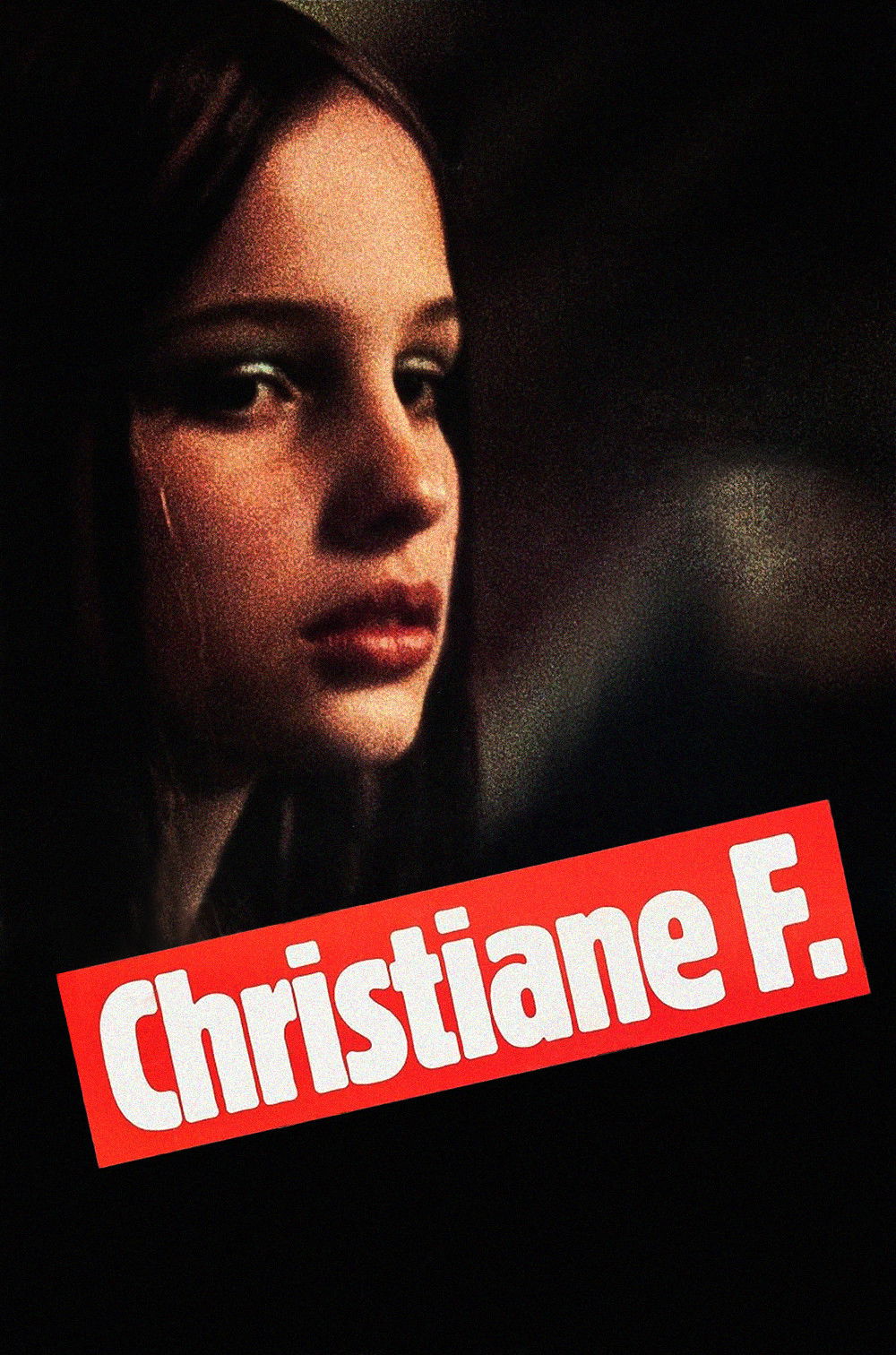
A teen girl in 1970s Berlin becomes addicted to heroin. Everything in her life slowly begins to distort and disappear as she befriends a small crew of junkies and falls in love with a drug-abusing male prostitute.
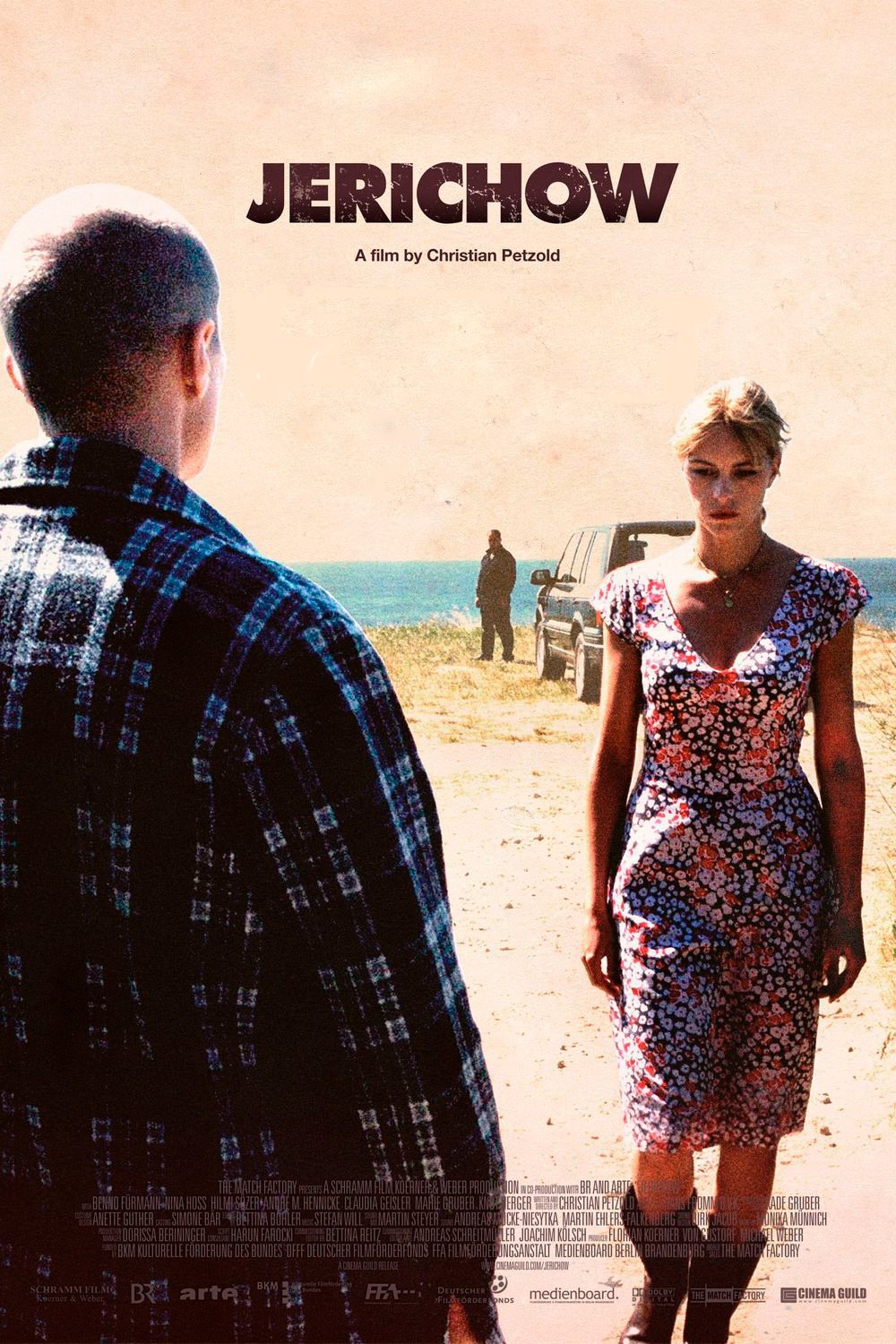
Set in a warm summer in 1990 in former East Germany, it follows a young woman who begins a relationship with a charismatic farmer who is twice her age.
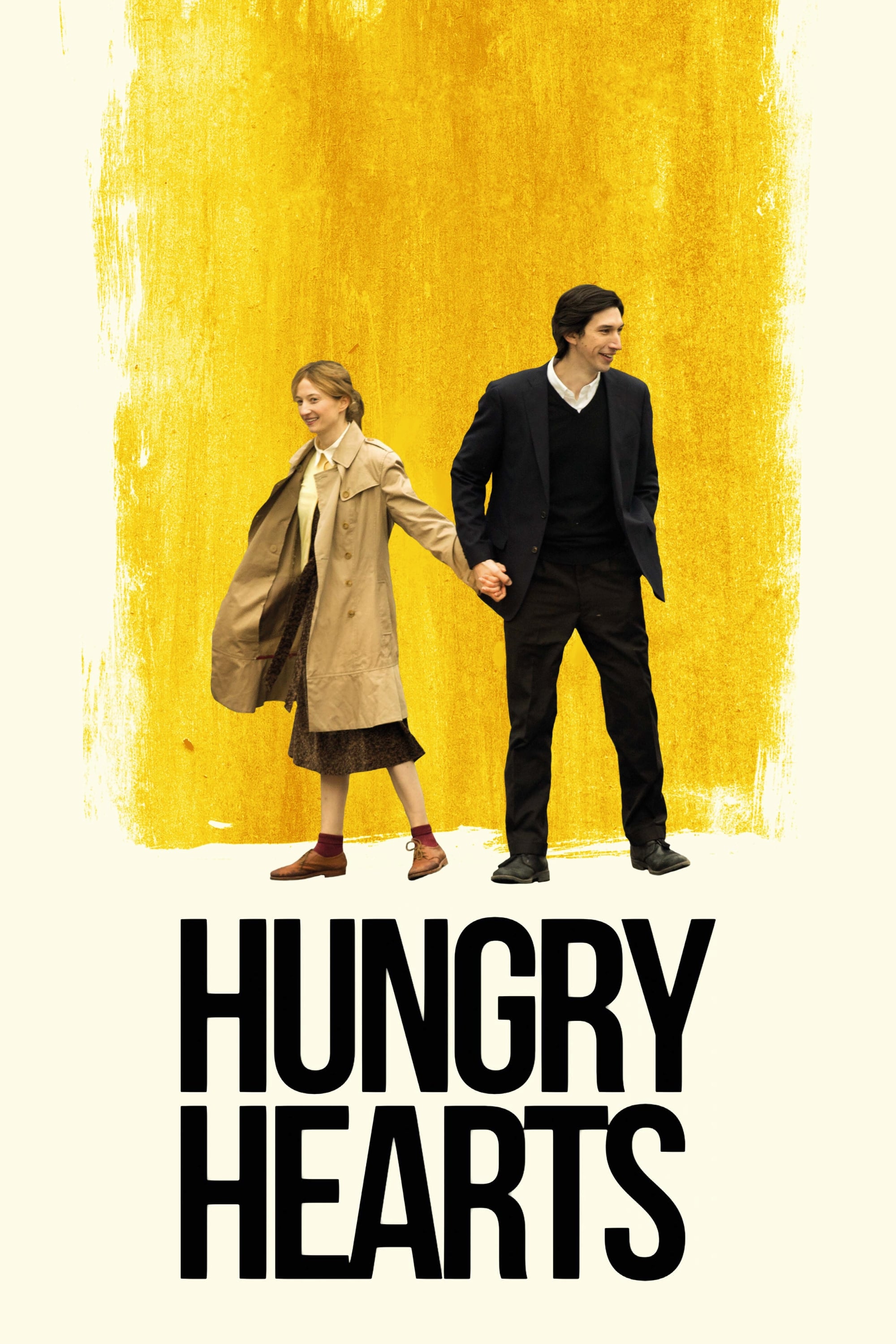
The relationship of a couple who meet by chance in New York City is put to the test when they encounter a life or death circumstance.
A posthumous look at the last days of Guenther's life as he, his best friend, and his sister let loose on a four-day binge of alcohol, drugs, and sex.
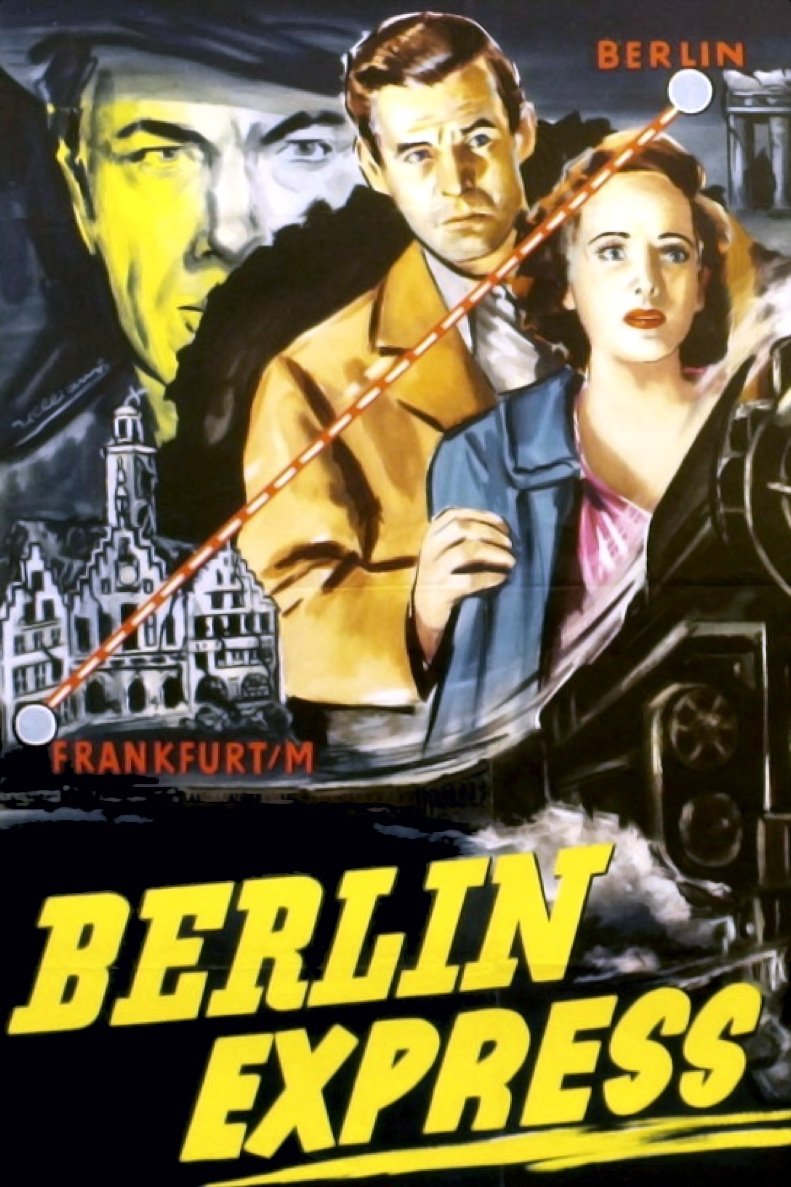
In post-war Europe, a diverse group of passengers aboard a U.S. Army train to bombed-out Frankfurt becomes involved in a Nazi assassination plot.
In 2015, thirty year old refugee Francis, the sole survivor of a boat that illegally crossed the Mediterranean, is drawn into Berlin's seedy underbelly.
Desperate to keep custody of his daughter, a mixed martial arts fighter abandons a big match and races across Berlin to attend her birthday party.
In a small Northern German town, a dishonourably discharged Afghanistan veteran is offered a job as a deliveryman by an alcoholic Turkish entrepreneur, through which the former meets the latter's gorgeous wife.
Two kids, Dylan and Kylie, run away from home on Christmas Day and spend a night of magic and terror on the streets of inner-city Dublin.
Nola grew up living in a van with her father, Clint—two nomads against the world. When tragedy strikes, Nola must confront the reality of life on the road alone, learning to own her grief, her past, and her new destination.
94-year-old Eleanor Morgenstein tries to rebuild her life after the death of her best friend. As a result, she moves back to New York City after living in Florida for decades.
After five failed attempts to go to the United States, 18-year-old Ramón decides to look for a friend’s aunt in Germany, but never finds her. With no papers or money, and without knowing the language, he barely survives living on the street until he meets Ruth, an old retired nurse who doesn’t speak Spanish. Beyond language barriers and prejudices, they discover that solidarity and humanity make life bearable.
A disturbed and institutionalized 16-year-old girl struggles between fantasy and reality.
In New York City, a young girl is caught in the middle of her parents' bitter custody battle.
It's 1989 in East Berlin: Suzie is kicked out of school shortly before she graduates from high school and has to defend herself as a worker in the cable factory. However, a randomly taken photo leads her to the fashion world of the GDR. The editor-in-chief Elsa Wilbrodt put her on the cover of Sibylle, the fashion magazine of the GDR. In the Berlin underground scene she made the acquaintance of the gay fashion designer Rudi and the photographer Coyote. Suzie must decide if she's brave enough to leave the old strands behind forever.
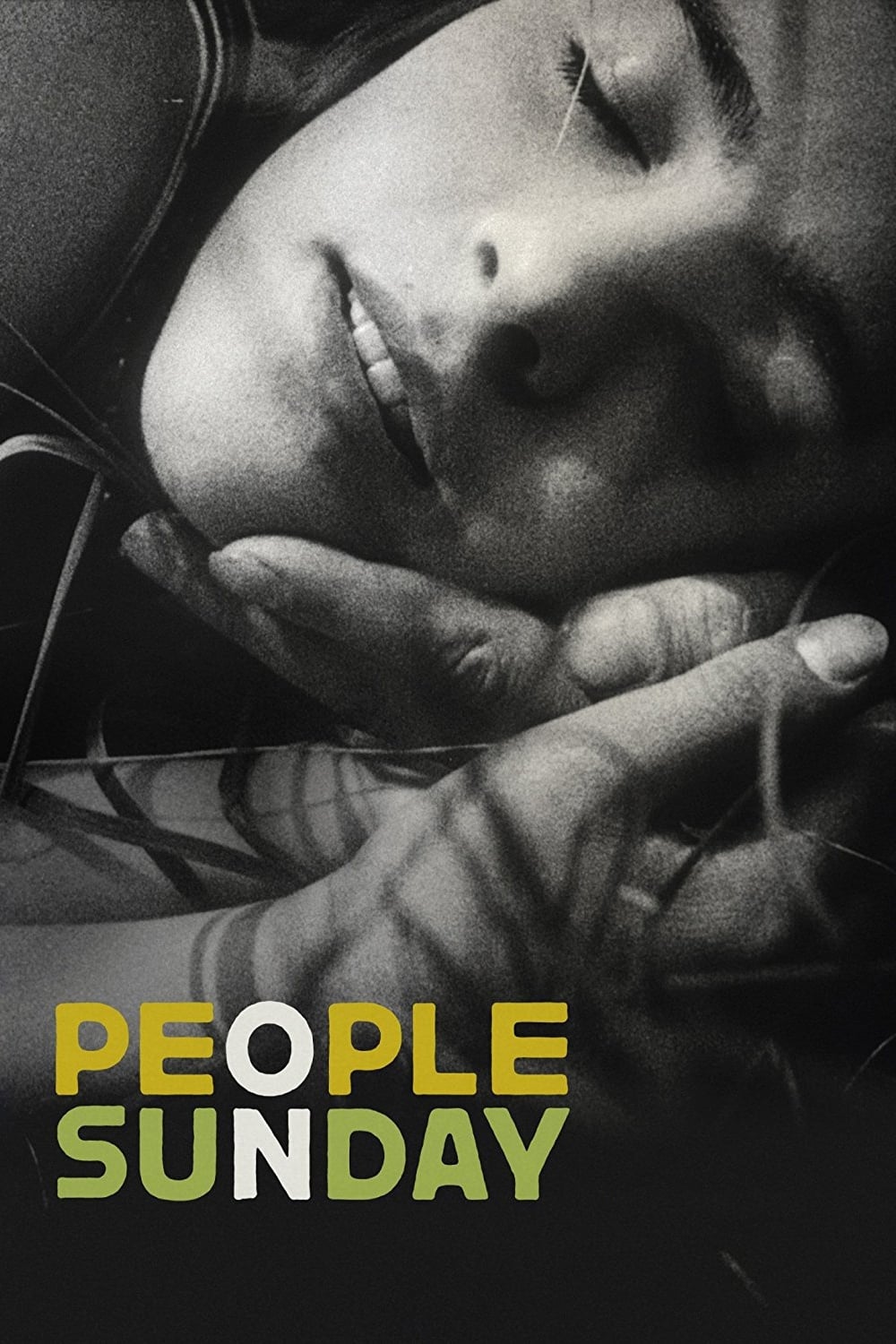
A semi-documentary experimental 1930 German silent film created by amateurs with a small budget. With authentic scenes of the metropolis city of Berlin, it's the first film from the later famous screenwriters/directors Billy Wilder and Fred Zinnemann.
In 1933 in Berlin. Anna is only nine years old when her life changes from the ground up. To escape the Nazis, her father Arthur Kemper, a well-known Jewish journalist, has to flee to Zurich. His family, Anna, her twelve-year-old brother Max and her mother Dorothea, follow him shortly thereafter. Anna has to leave everything behind, including her beloved pink rabbit, and to face a new life full of challenges and privations abroad.
A man reflects on the lost love of his youth and his long-ago journey from Taiwan to America as he begins to reconnect with his estranged daughter.
After Margaret, a divorcée living in Dublin, loses her teenage son, she develops an unorthodox relationship with Joe, a homeless youth. Their tentative trust is threatened by his involvement with a violent gang and the escalation of her ex-husband's grieving rage.