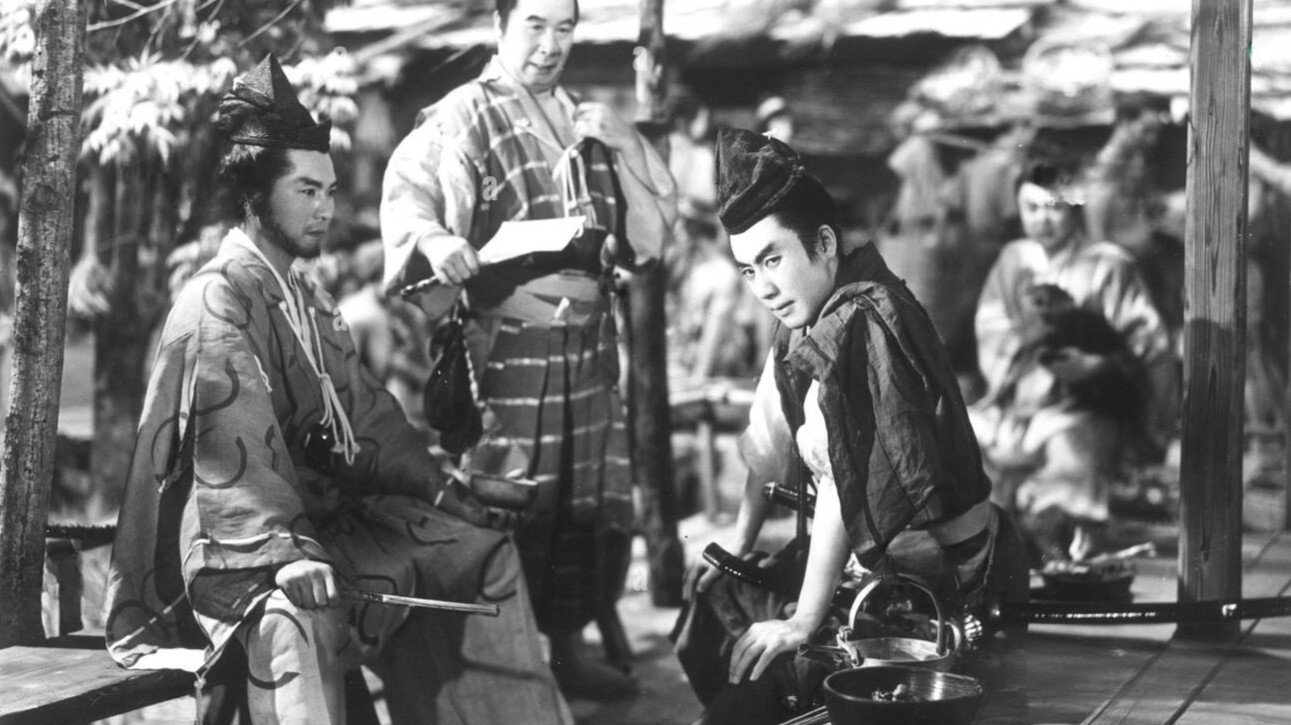
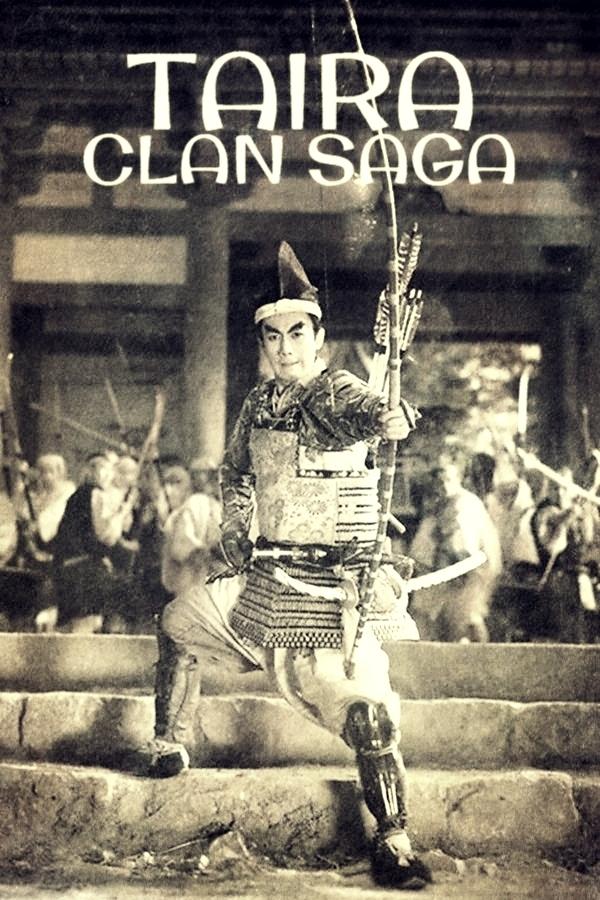
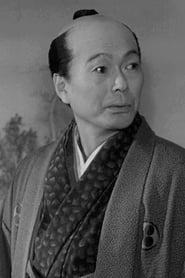
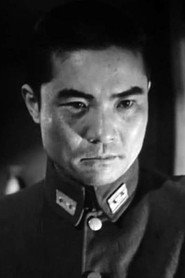
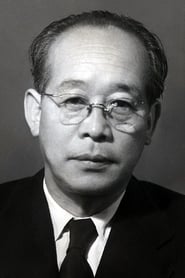
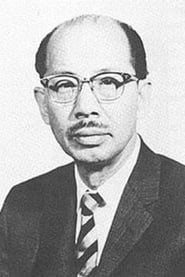
Japan, 1137. The Taira family, a samurai clan, becomes involved in the disputes between Emperor Toba and the monks of Mount Hiei.
Social & External
The people behind it
Raizō Ichikawa
Taira Kiyomori
Yoshiko Kuga
Tokiko
Naritoshi Hayashi
Taira Torodai
Michiyo Kogure
Yasuko
Ichijirō Oya
Taira no Tadamori
Tatsuya Ishiguro
Fujiwara no Tokinobu
Akitake Kōno
Heiroku
Tamao Nakamura
Shigeko
Shunji Natsume
Emperor Toba
Mitsusaburō Ramon
Ryokan
In 1920s Chicago, Italian immigrant and notorious thug, Antonio 'Tony' Camonte, aka Scarface, shoots his way to the top of the mobs while trying to protect his sister from the criminal life.
A car crash victim inexplicably finds himself aroused by car accidents and becomes involved with an underground subculture of like-minded souls.
During the 1972 elections, two reporters' investigation sheds light on the controversial Watergate scandal that compels President Nixon to resign from his post.
Apu and his family have moved away from the country to live in the bustling holy city of Benares. As he progresses from wide-eyed child to intellectually curious teenager, eventually studying in Kolkata, we witness his academic and moral education, as well as the growing complexity of his relationship with his mother.
Besieged by writer’s block and the crushing breakup with Tessa, Hardin travels to Portugal in search of a woman he wronged in the past – and to find himself. Hoping to win back Tessa, he realizes he needs to change his ways before he can make the ultimate commitment.
The life of a Russian physician and poet who, although married to another, falls in love with a political activist's wife and experiences hardship during World War I and then the October Revolution.
Fast Eddie Felson is a small-time pool hustler with a lot of talent but a self-destructive attitude. His bravado causes him to challenge the legendary Minnesota Fats to a high-stakes match.
Thomas Jerome Newton is an alien who has come to Earth in search of water to save his home planet. Aided by lawyer Oliver Farnsworth, Thomas uses his knowledge of advanced technology to create profitable inventions. While developing a method to transport water, Thomas meets Mary-Lou, a quiet hotel clerk, and begins to fall in love with her. Just as he is ready to leave Earth, Thomas is intercepted by the U.S. government, and his entire plan is threatened.
David Sumner, a mild-mannered academic from the United States, marries Amy, an Englishwoman. In order to escape a hectic stateside lifestyle, David and his wife relocate to the small town in rural Cornwall where Amy was raised. There, David is ostracized by the brutish men of the village, including Amy's old flame, Charlie. Eventually the taunts escalate.
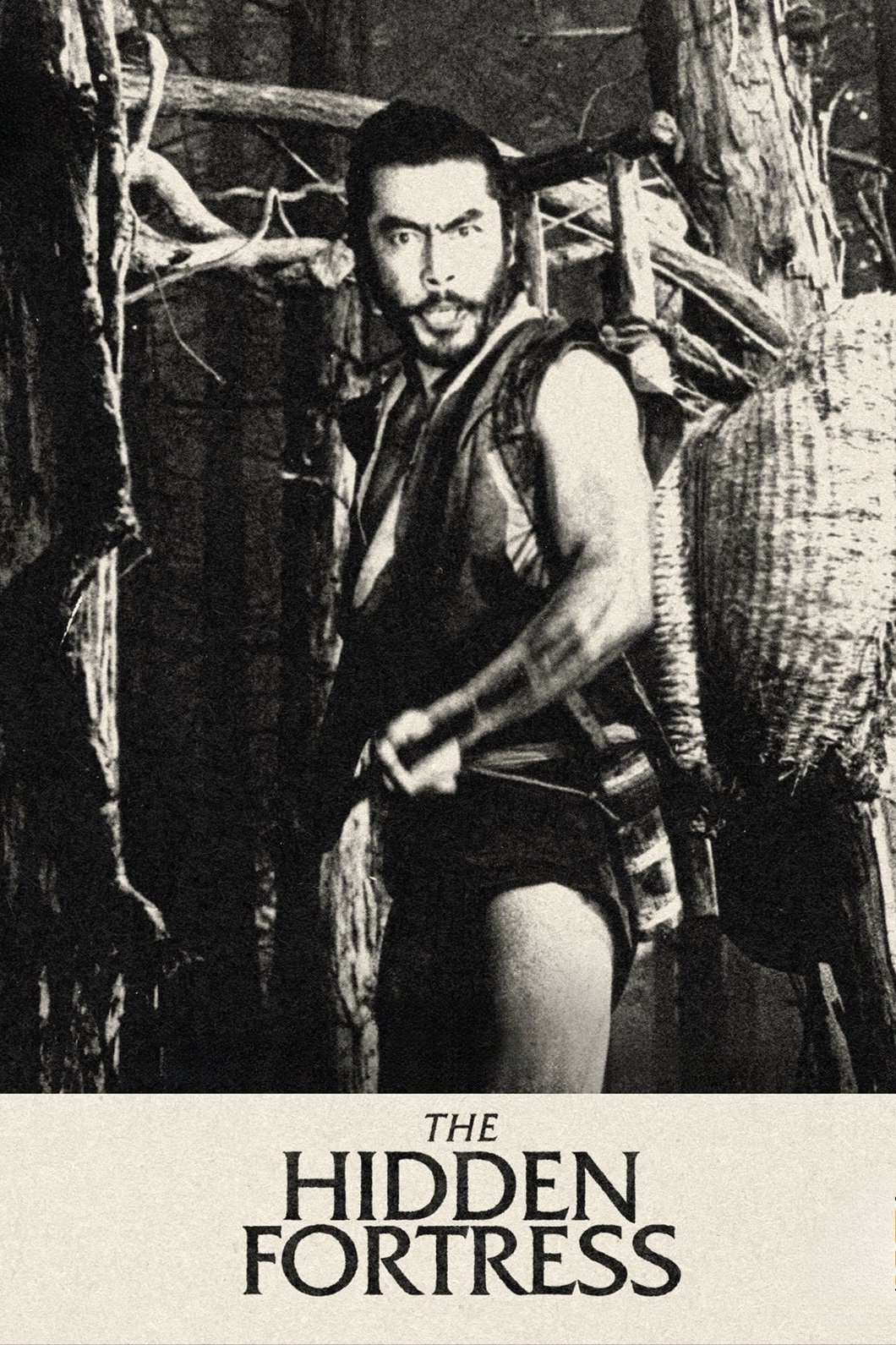
In feudal Japan, during a bloody war between clans, two cowardly and greedy peasants, soldiers of a defeated army, stumble upon a mysterious man who guides them to a fortress hidden in the mountains.
Tom Ripley is a calculating young man who believes it's better to be a fake somebody than a real nobody. Opportunity knocks in the form of a wealthy U.S. shipbuilder who hires Tom to travel to Italy to bring back his playboy son, Dickie. Ripley worms his way into the idyllic lives of Dickie and his girlfriend, plunging into a daring scheme of duplicity, lies and murder.
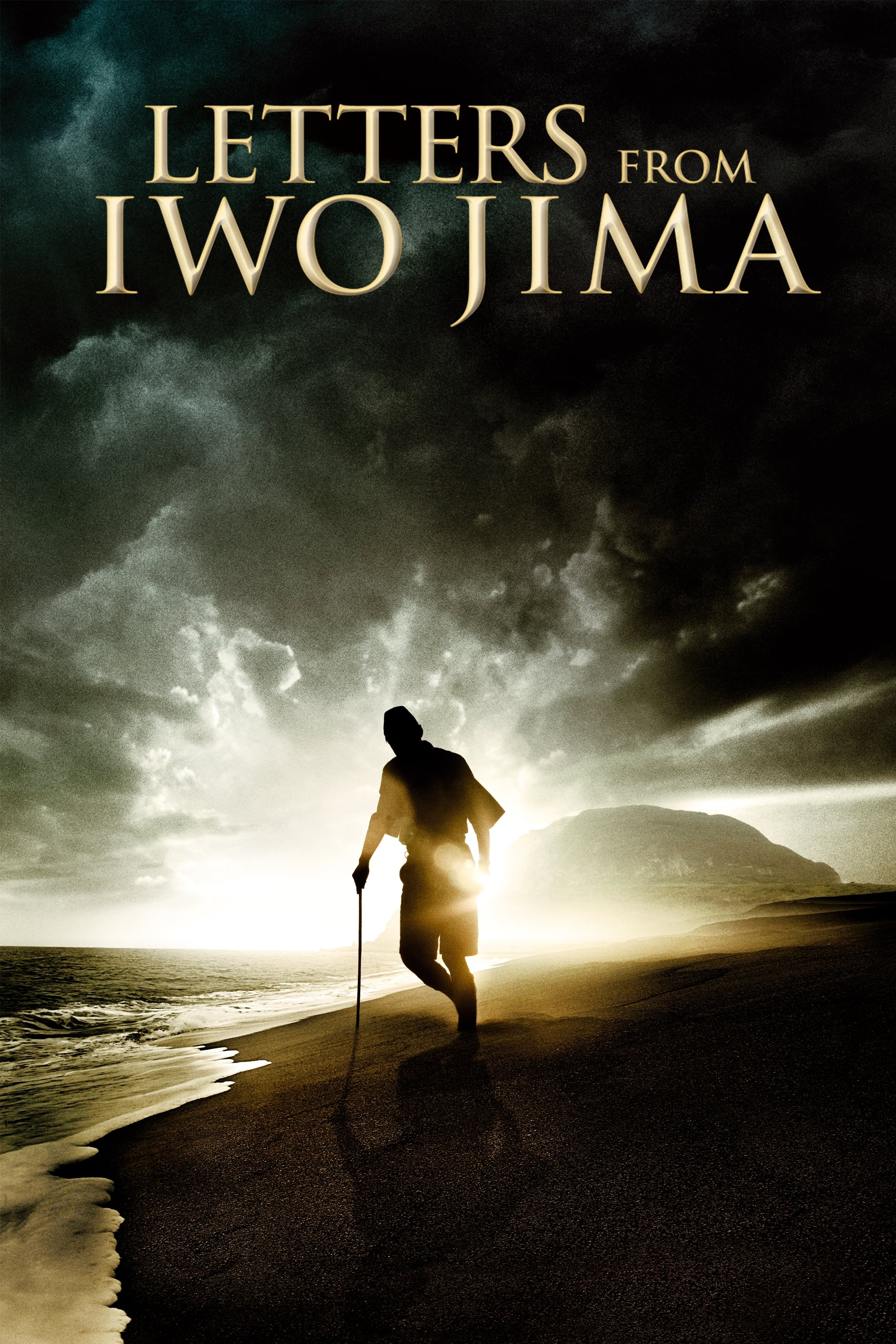
The story of the battle of Iwo Jima between the United States and Imperial Japan during World War II, as told from the perspective of the Japanese who fought it.
A wealthy New York investment banking executive hides his alternate psychopathic ego from his co-workers and friends as he escalates deeper into his illogical, gratuitous fantasies.
At a village railway station in occupied Czechoslovakia, a bumbling dispatcher’s apprentice longs to liberate himself from his virginity. Oblivious to the war and the resistance that surrounds him, this young man embarks on a journey of sexual awakening and self-discovery, encountering a universe of frustration, eroticism, and adventure within his sleepy backwater depot.
Slaking a thirst for dangerous games, Kathryn challenges her stepbrother, Sebastian, to deflower their headmaster's daughter before the summer ends. If he succeeds, the prize is the chance to bed Kathryn. But if he loses, Kathryn will claim his most prized possession.
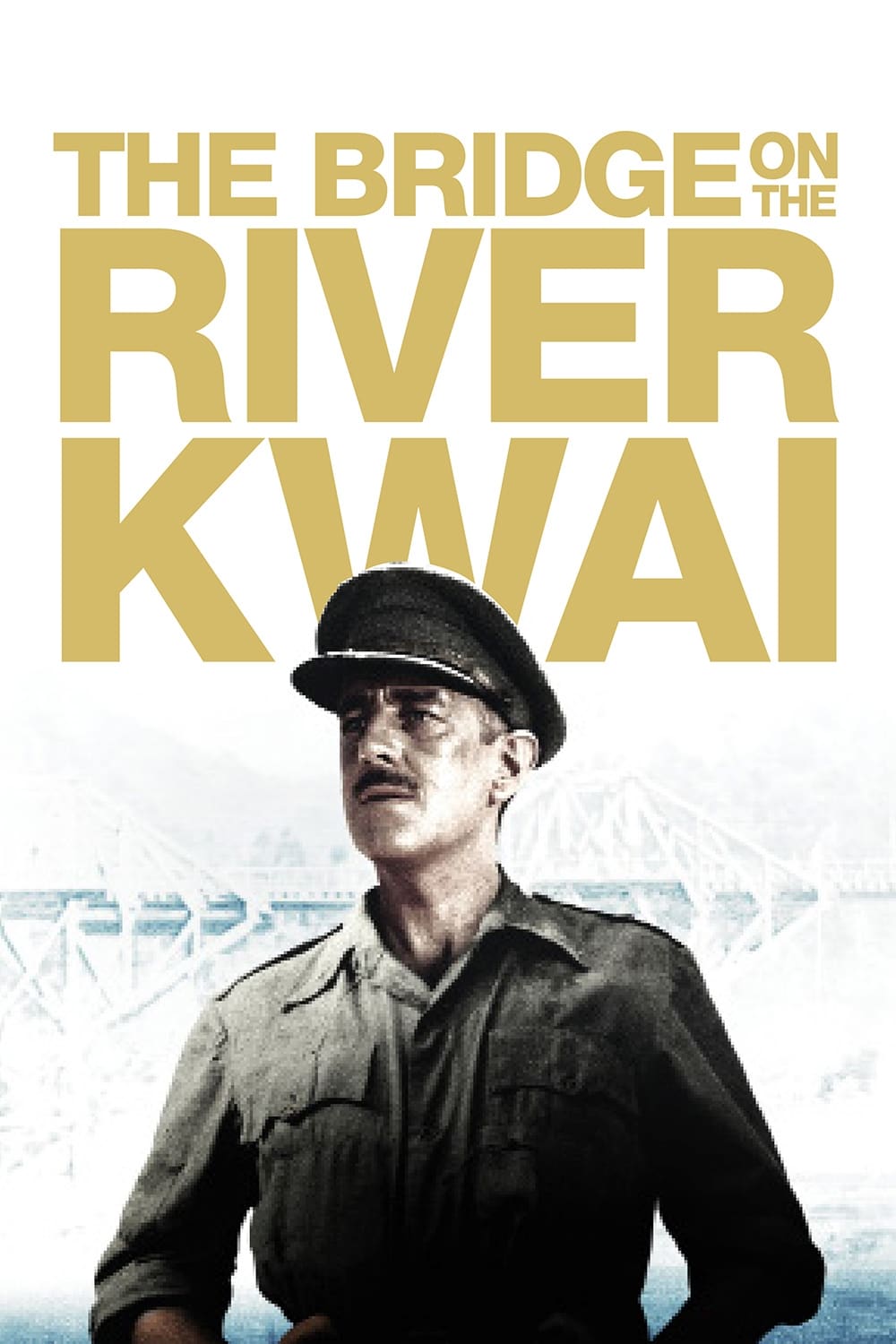
The classic story of English POWs in Burma forced to build a bridge to aid the war effort of their Japanese captors. British and American intelligence officers conspire to blow up the structure, but Col. Nicholson, the commander who supervised the bridge's construction, has acquired a sense of pride in his creation and tries to foil their plans.
Women enter and exit a science fiction author's life over the course of a few years after the author loses the woman he considers his one true love.
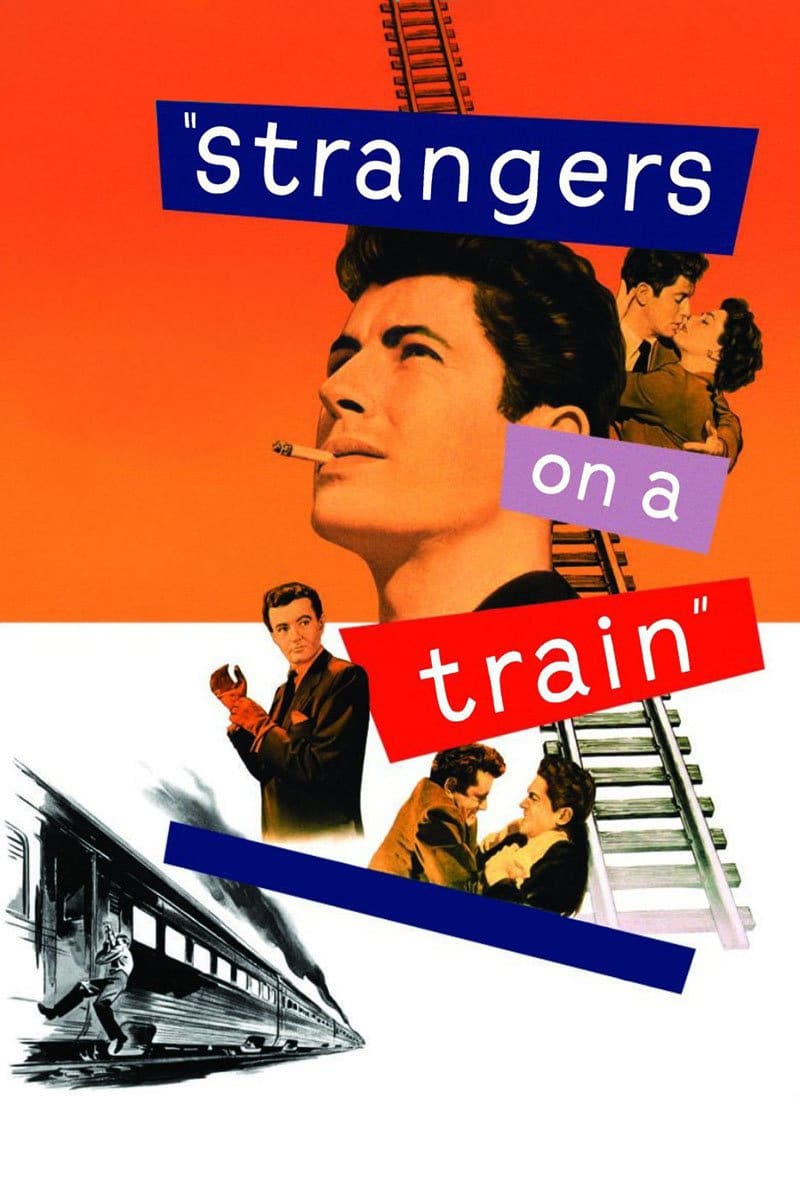
A charming psychopath tries to coerce a tennis star into his theory that two strangers can commit the perfect crime by exchanging murders—each killing the other’s most-hated person.
Humbert Humbert is a middle-aged British novelist who is both appalled by and attracted to the vulgarity of American culture. When he comes to stay at the boarding house run by Charlotte Haze, he soon becomes obsessed with Lolita, the woman's teenaged daughter.
A young couple, Rosemary and Guy, moves into an infamous New York apartment building, known by frightening legends and mysterious events, with the purpose of starting a family.
The mother of a feudal lord's only heir is kidnapped by the lord. Her husband and his samurai father must decide whether to accept the unjust decision, or risk death to rescue her.
In 16th century Japan, peasants Genjuro and Tobei sell their earthenware pots to a group of soldiers in a nearby village, in defiance of a local sage's warning against seeking to profit from warfare. Genjuro's pursuit of both riches and the mysterious Lady Wakasa, as well as Tobei's desire to become a samurai, run the risk of destroying both themselves and their wives, Miyagi and Ohama.
Returning to their lord's castle, samurai warriors Washizu and Miki are waylaid by a spirit who predicts their futures. When the first part of the spirit's prophecy comes true, Washizu's scheming wife, Asaji, presses him to speed up the rest of the spirit's prophecy by murdering his lord and usurping his place. Director Akira Kurosawa's resetting of William Shakespeare's "Macbeth" in feudal Japan is one of his most acclaimed films.
Shakespeare's King Lear is reimagined as a singular historical epic set in sixteenth-century Japan where an aging warlord divides his kingdom between his three sons.
A group of travelers is stranded in a small country inn when the river floods during heavy rains. As the bad weather continues, tensions rise amongst the trapped travelers.
Kanichiro Yoshimura is a samurai and family man who can no longer support his wife and children on the low pay he receives from his small-town clan. He is forced by his love for his family to leave for the city in search of higher pay to support them.
The background to and depiction of a watershed battle in Japanese history, at Sekigahara in 1600, when Tokugawa Ieyasu's Army of the East defeated the Army of the West of Ishida Mitsunari. The story includes the intrigues and shifting loyalties of the various retainers, family members, and samurai.
When the brutal Boshin War breaks out in Japan, a group of inmates on death row unite to defend a fortress against the Imperial army.
In 1868, after the Bakumatsu war ends, the ex-assassin Kenshin Himura traverses Japan with an inverted sword, to defend the needy without killing.
Benkei, a master fighter and killer, vows never to take another life after his conversion to Buddhism. His faith in pacifism, however, is shaken and ultimately broken by the attacks from a trio of fighters known only as the demons. Taking up his sword once more, he sets out to end their murderous terror.
A samurai answers a village's request for protection after he falls on hard times. The town needs protection from bandits, so the samurai gathers six others to help him teach the people how to defend themselves, and the villagers provide the soldiers with food.
When feudal lord Itakura Katsuakira decides to prepare his samurai troops for the onslaught of modernization by having them compete in a marathon, his independent-minded daughter Yuki secretly joins the race.
Manji, a highly skilled samurai, becomes cursed with immortality after a legendary battle. Haunted by the brutal murder of his sister, Manji knows that only fighting evil will regain his soul. He promises to help a young girl named Rin avenge her parents, who were killed by a group of master swordsmen led by ruthless warrior Anotsu. The mission will change Manji in ways he could never imagine.
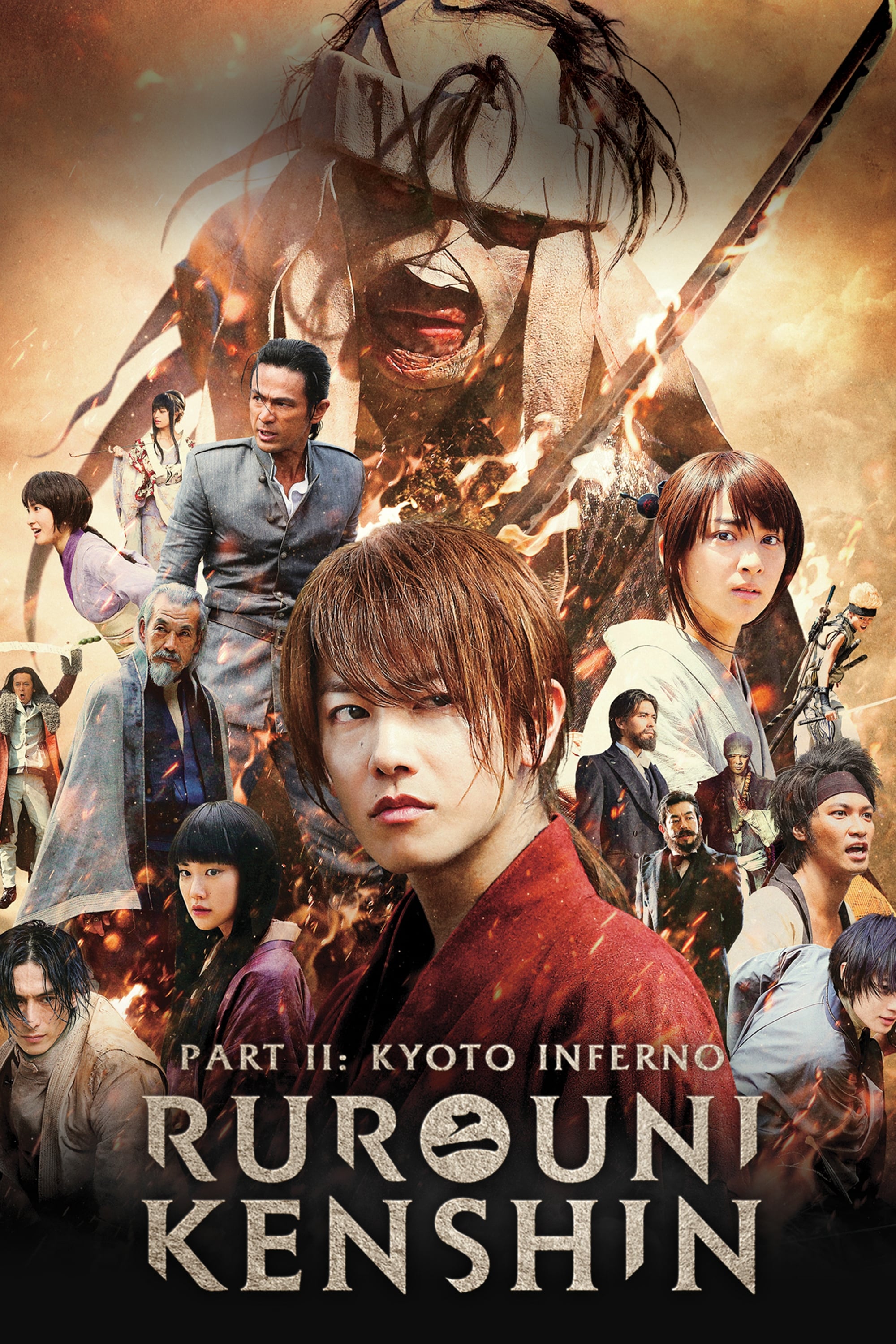
Kenshin has settled into his new life with Kaoru and his other friends when he is approached with a request from the Meiji government. Makoto Shishio, a former assassin like Kenshin, was betrayed, set on fire and left for dead. He survived, and is now in Kyoto, plotting with his gathered warriors to overthrow the new government. Against Kaoru's wishes, Kenshin reluctantly agrees to go to Kyoto and help keep his country from falling back into civil war.
Ryunosuke, a gifted swordsman plying his trade during the turbulent final days of Shogunate rule, has no moral code and kills without remorse. It’s a way of life that leads to madness.
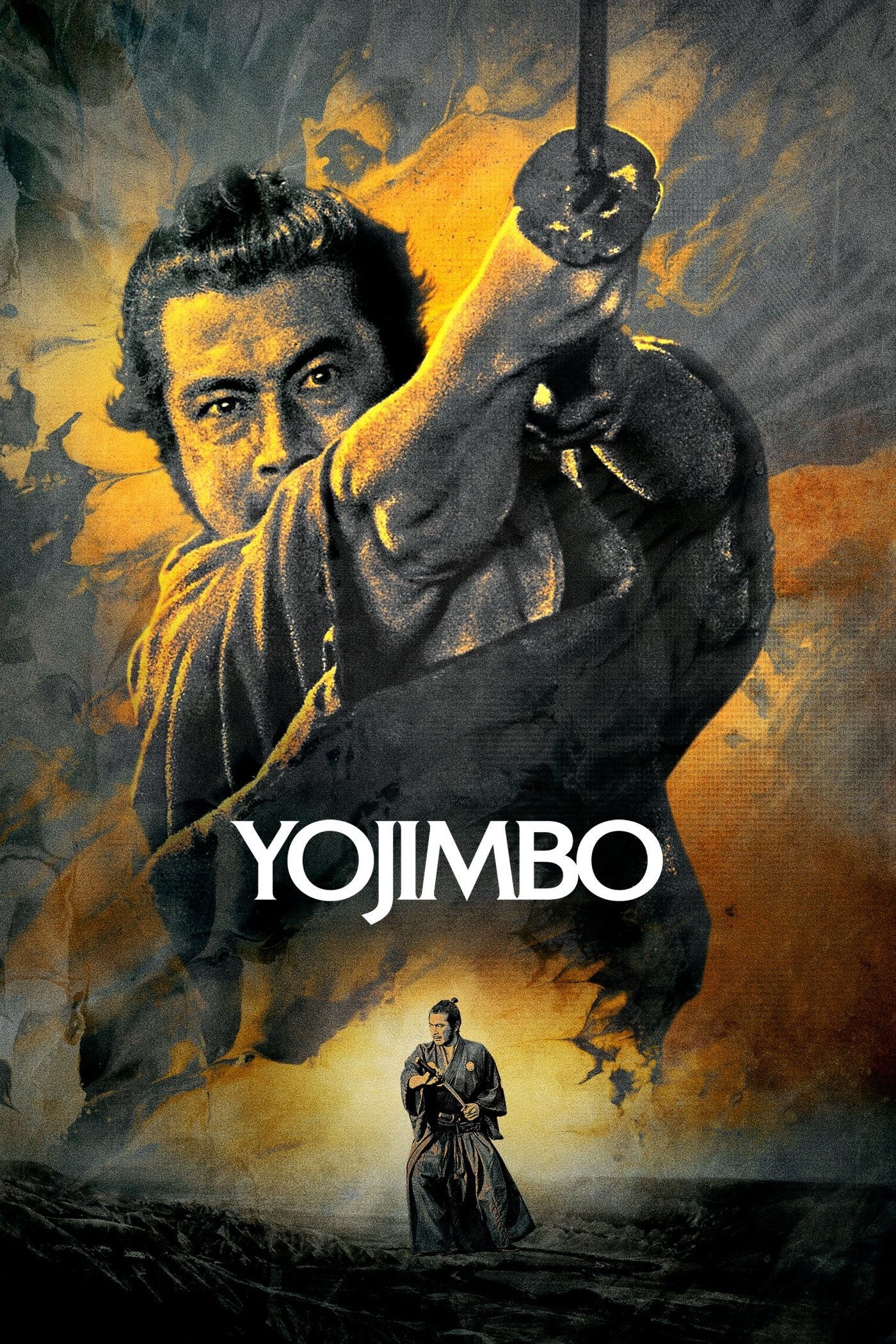
A nameless ronin, or samurai with no master, enters a small village in feudal Japan where two rival businessmen are struggling for control of the local gambling trade. Taking the name Sanjuro Kuwabatake, the ronin convinces both silk merchant Tazaemon and sake merchant Tokuemon to hire him as a personal bodyguard, then artfully sets in motion a full-scale gang war between the two ambitious and unscrupulous men.
A cursed dancer and a blind musician — both ostracized by society — become business partners and inseparable friends as their larger-than-life concerts propel them to stardom in 14th century Japan.
Down-on-his-luck veteran Tsugumo Hanshirō enters the courtyard of the prosperous House of Iyi. Unemployed, and with no family, he hopes to find a place to commit seppuku—and a worthy second to deliver the coup de grâce in his suicide ritual. The senior counselor for the Iyi clan questions the ronin’s resolve and integrity, suspecting Hanshirō of seeking charity rather than an honorable end. What follows is a pair of interlocking stories which lay bare the difference between honor and respect, and promises to examine the legendary foundations of the Samurai code.
At an isolated frontier outpost, a colonial magistrate suffers a crisis of conscience when an army colonel arrives looking to interrogate the locals about an impending uprising, using cruel tactics that horrify the magistrate.