Chilean experimental film.
Social & External
The people behind it
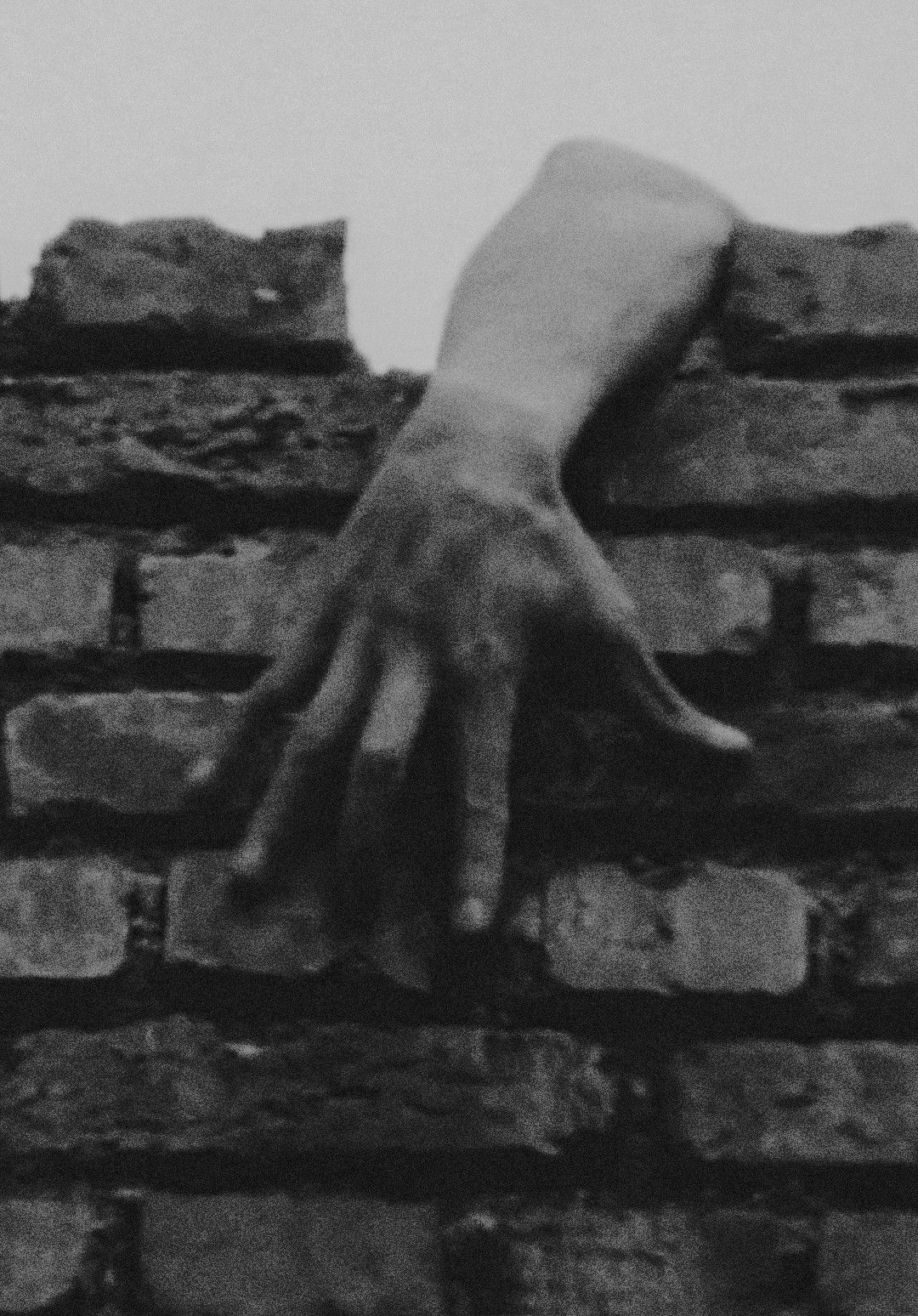
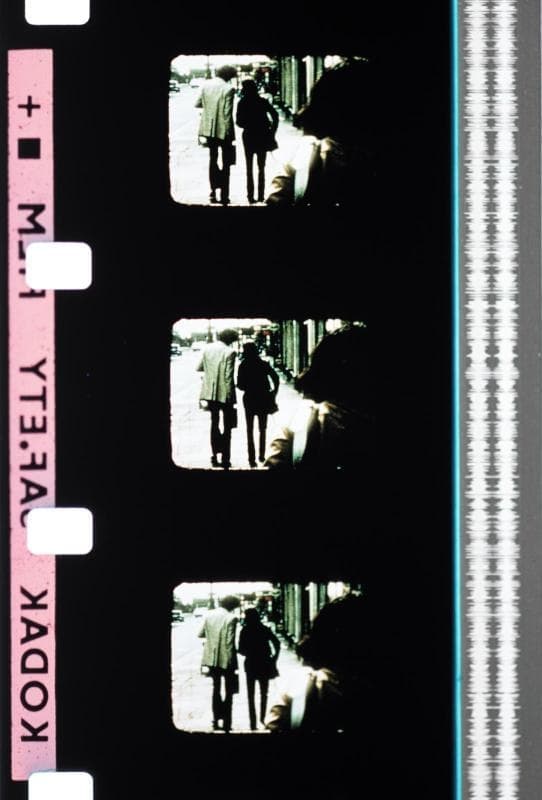
One of Han Ok-hee’s renowned pieces called The Hole uses the flicker, oblique angles, the cross-cutting of reality and fantasy to express inner entrapment and the desire for liberation. Han Ok-hee’s The Hole, The Rope and Untitled not only experimented with cinematic forms of expression, but also played an important role in the protest against forms of expression in experimental films and the artistic protest against the social suppression and censorship in 1970s Korea. (Art Cinema OFFoff)
In the fall of 1986, Richard Fung made his first visit to his father's birthplace, a village in southern Guangdong, China. This experimental documentary examines the way children of immigrants relate to the land of their parents, and focuses on the ongoing subjective construction of history and memory. The Way to My Father's Village juxtaposes the son's search for his own historical roots, and his father's avoidance of his cultural heritage.
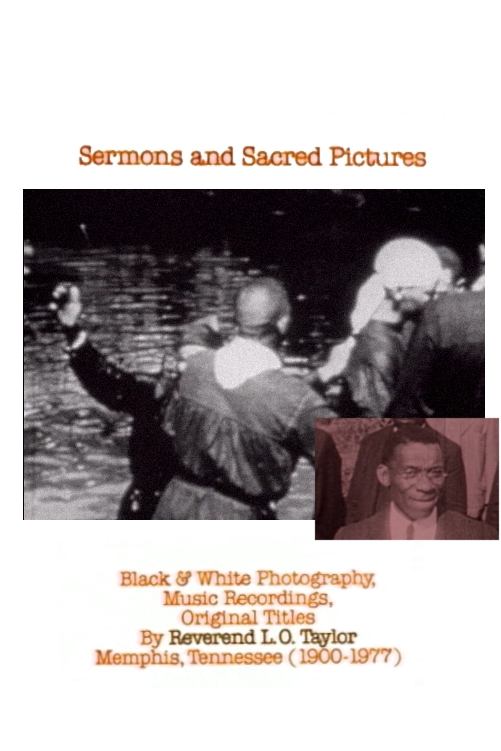
"An experimental documentary on Reverend L.O. Taylor, a black Baptist minister from Memphis, Tennessee who was also an inspired filmmaker with an overwhelming interest in preserving the social and cultural fabric of his own community in the 1930′s and 40s. I combine his films and music recordings with my own images of Memphis neighborhoods and religious gatherings" -Sachs
My Mother's Place is an experimental documentary focusing on the artist's mother, a third-generation Chinese-Trinidadian who at 80 still has vivid memories of a history lost or quickly disappearing. She conveys these with a storytelling style and a frankness that is distinctly West Indian. A tape about memory, oral history, and autobiography, My Mother's Place interweaves interviews, personal narrative, home movies, and verité footage of the Caribbean to explore the formation of race, class, and gender under colonialism.
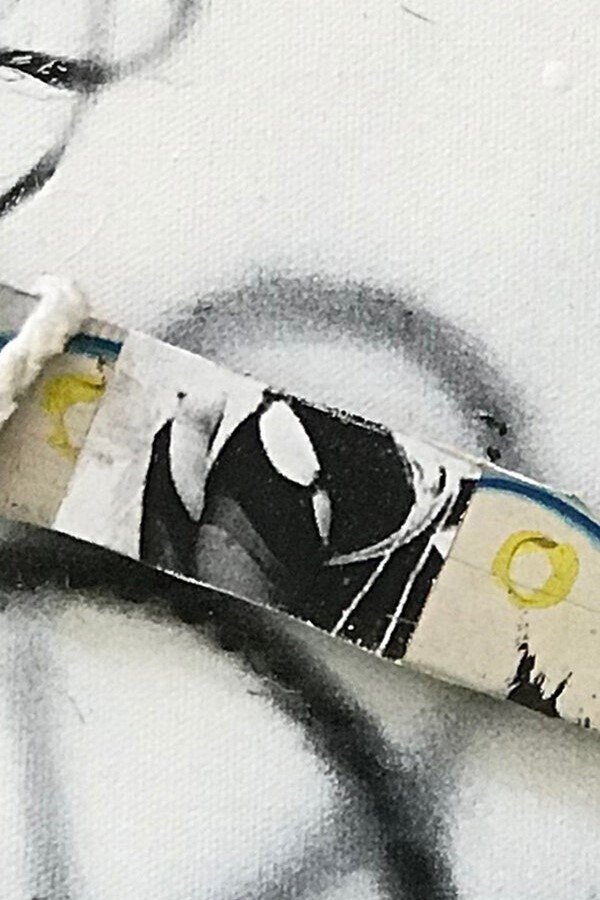
shows visual and metaphorical representation using rope as a motif through various rope images and meanings.
It shows Korea’s traditional colors and culture through the use of superimposing. It is an experimental film, which not only tries to show Korean traditional culture through the use of color, but also tries to show the modern history of Korea.
The Displaced View traces a personal search for identity and pride, within the unique and suppressed history of the Japanese in Canada. Through an examination of the emotional and cultural links between the women of one family, the processes of the construction of memory and the re-construction of history, are revealed. Utilizing an innovative combination of experimental, dramatic and documentary forms, the film emerges as a deeply moving and compassionate love letter. Just as the official history of the Japanese Canadians has been thrown into question, so does the film’s fictionalized narrative, question documentary as truth.
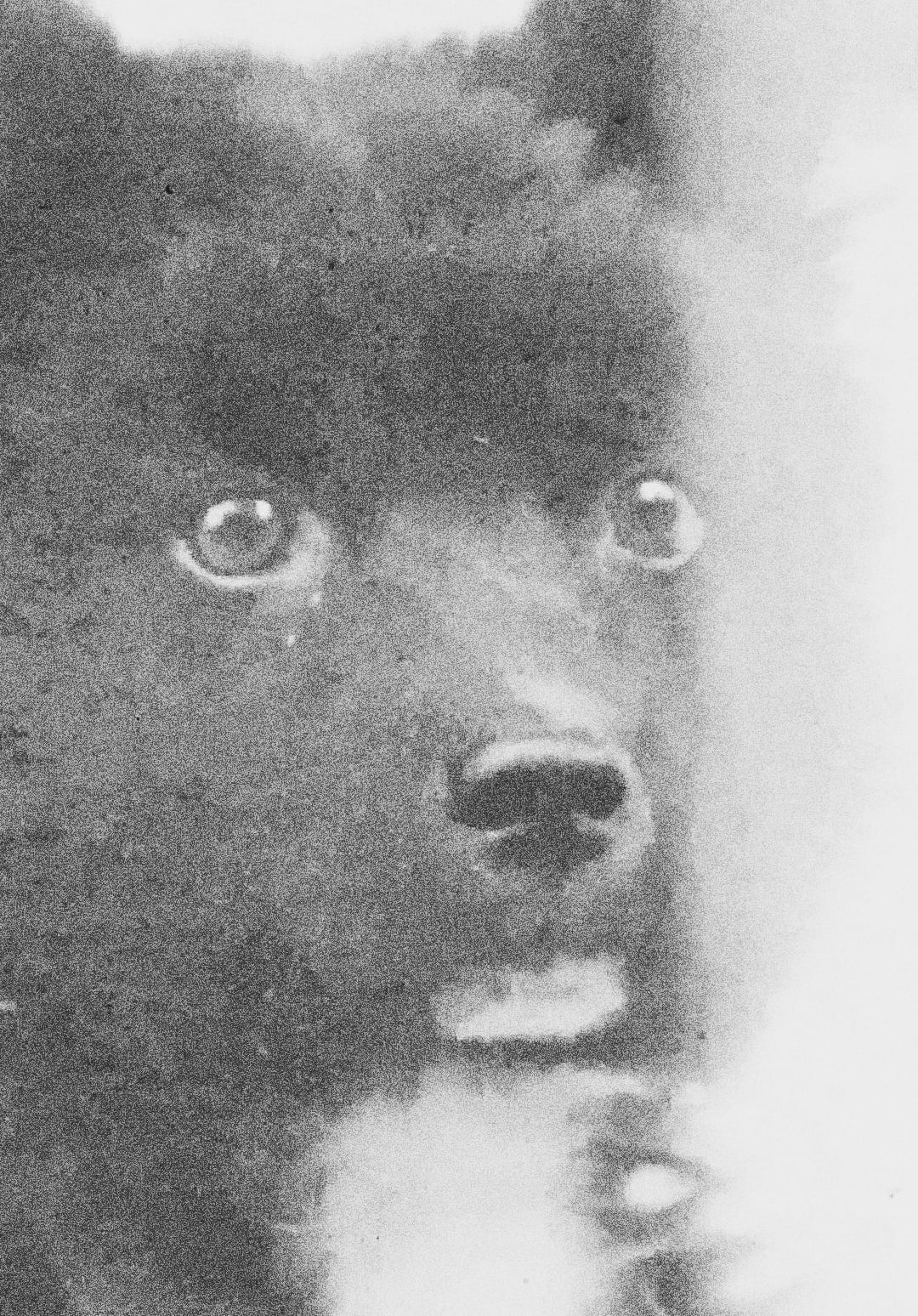
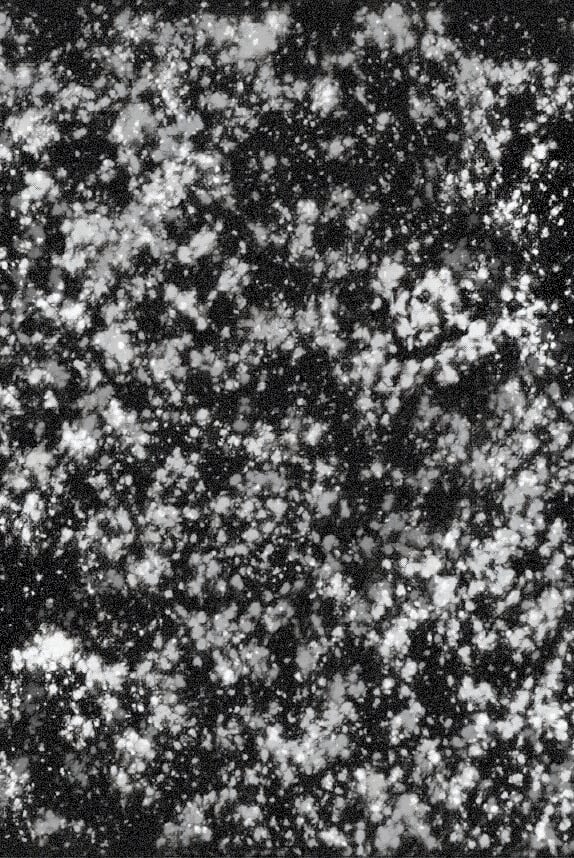
Rainer Kohlberger applied various algorithms to extract the noise from a vast number of action films and used this to reduce the dramaturgy of the narrative to its essence. keep that dream burning oscillates between maximum abstraction and pure blur. Within the blurriness, objects form and disappear. The surface allows the space to be conceived.
This cine-portrait of New York City uses digital effects to turn the countless riders of the subway system into living, breathing paintings.
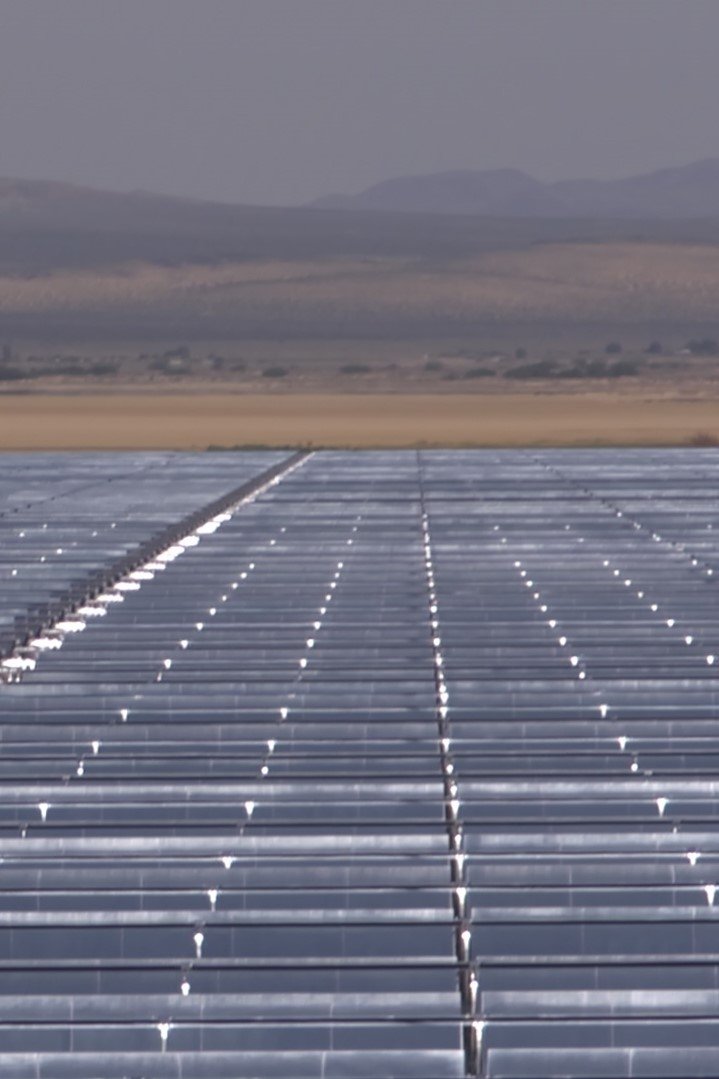
In the Mojave Desert, fields of solar panels follow the sun’s daily journey in perfect synchronicity.
100% comprised of found footage, this is a meditation on the filmmaker's relationship with herself, others, and how she is perceived by both parties. Showing the filmmaker at various stages of her life, this short seeks to visualize the embarrassing ordeal of being known when you're at your most vulnerable.
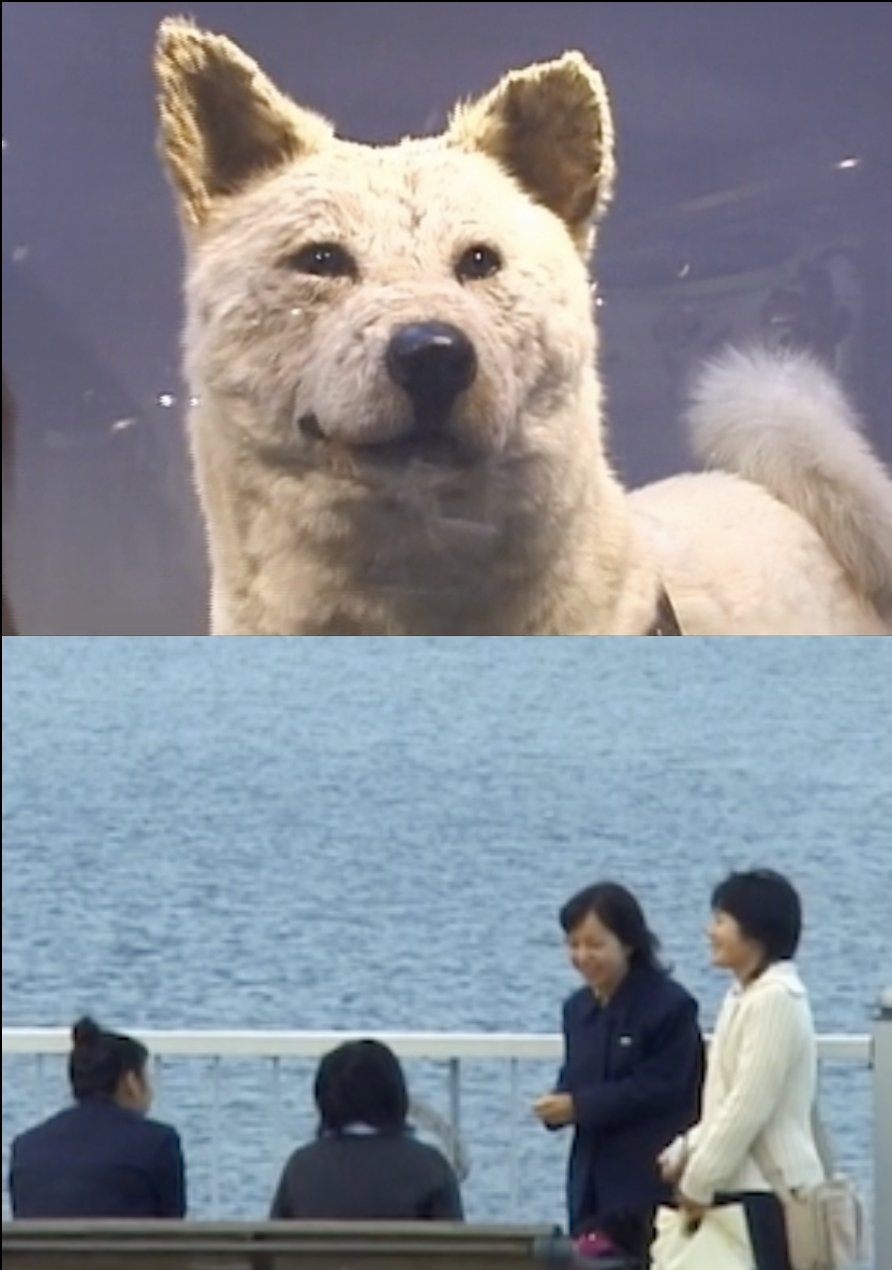
Ostensibly searching for an emotional connection with her aging father, the woman contemplates her own inherited culture and familial touchstones. Her North American pop culture sensibility fuses with a distorted Japanese perspective to create a surreal interpretation of a “Japan of the imagination.” This fictional landscape is peppered with invented Japanese myths, ruminations on memory loss, the temporal space of digital photography and the ghosts of inherited imagination.
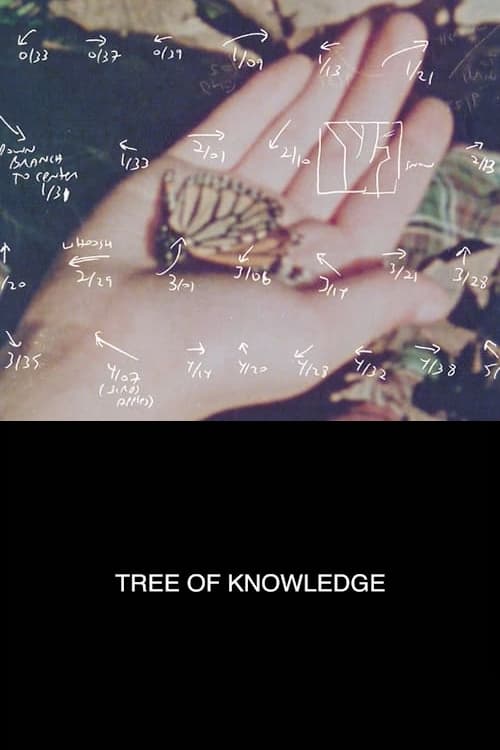
It started with filming the tree. Something was released in that manner of filming seemingly farthest removed from the procedure of the early films. I first thought a simple ordering of this rich material might be enough, something related to BARN RUSHES [...] But the film only came into its form-life with the idea of linking this deep-rooted and far-outreaching tree material with that film on paranoia that had fascinated me for many years. –L. G.
"With characteristic wit and rigor, experimental filmmaker Larry Gottheim here applies his impressionistic editing style to footage collected during his travels in the Dominican Republic. Gottheim’s formal emphasis on repetition and fissures between sound and image resonates here as a mode of sociological reflection (with the fragmentary montage mirroring elements of ritual while also destabilizing the ethnographic gaze). A largely overlooked antecedent to the contemporary blending of avant-garde and ethnographic filmmaking, MACHETTE GILLETTE… MAMA still poses a potent challenge to documentary convention." - Max Goldberg
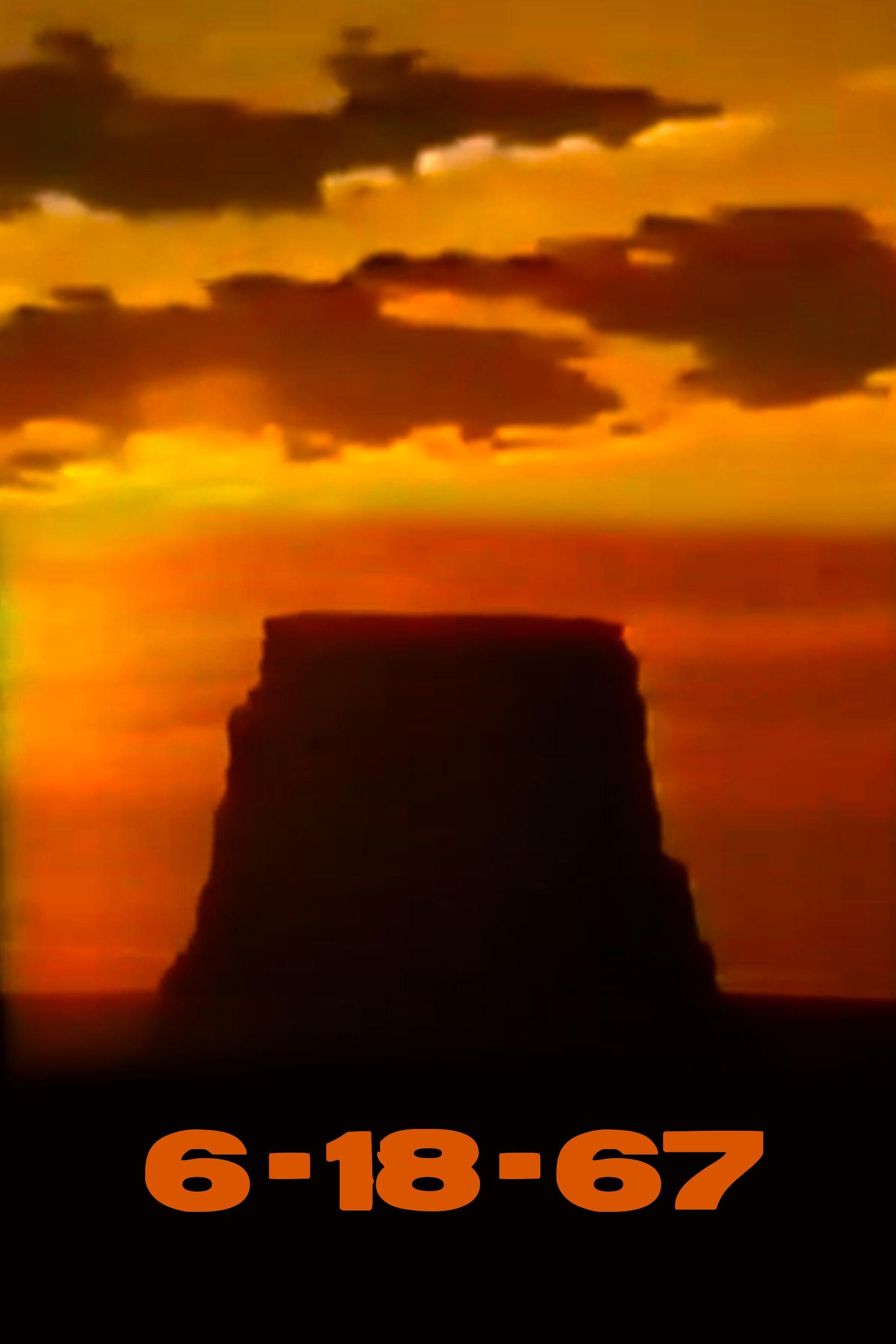
Filmed during the production of the Columbia Pictures western "Mackenna’s Gold," this short work presents a non-narrative visual study of the Arizona desert. Rather than documenting the film set itself, "6-18-67" assembles landscape images, time-lapse photography, and ambient sound into an abstract record of place and duration.
A watchman at an apartment complex in Assam, India, spends an ordinary evening. A surreal, expressionistic landscape unfolds.
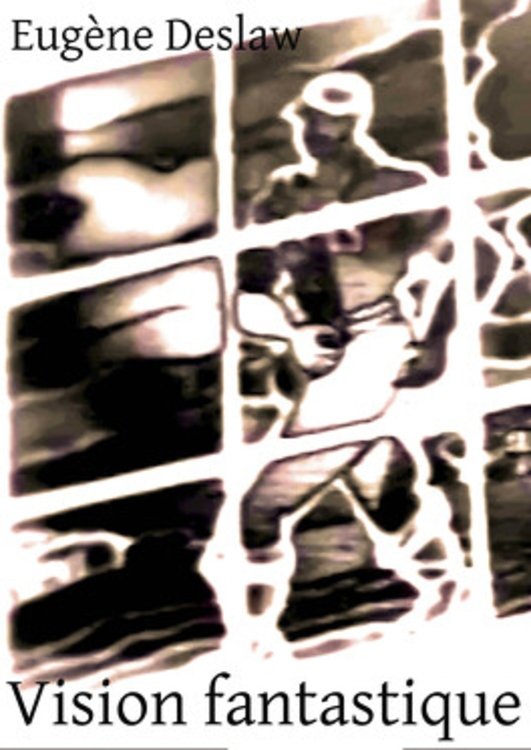
Footage filmed in Spain, subjected a new visual effects process. Deslaw devoted himself to the discovery of a new machine that enabled film to be developed while using a new method called solarisation.
Two screens of film about - and sometimes shot by - Claes Oldenburg, detailing his inspiration, his methods and his relationship with his partner Hannah Wilke.
Anne Bean, John McKeon, Stuart Brisley, Rita Donagh, Jamie Reid and Jimmy Boyle are interviewed about their artistic practice and the legacy of Surrealism on their work.
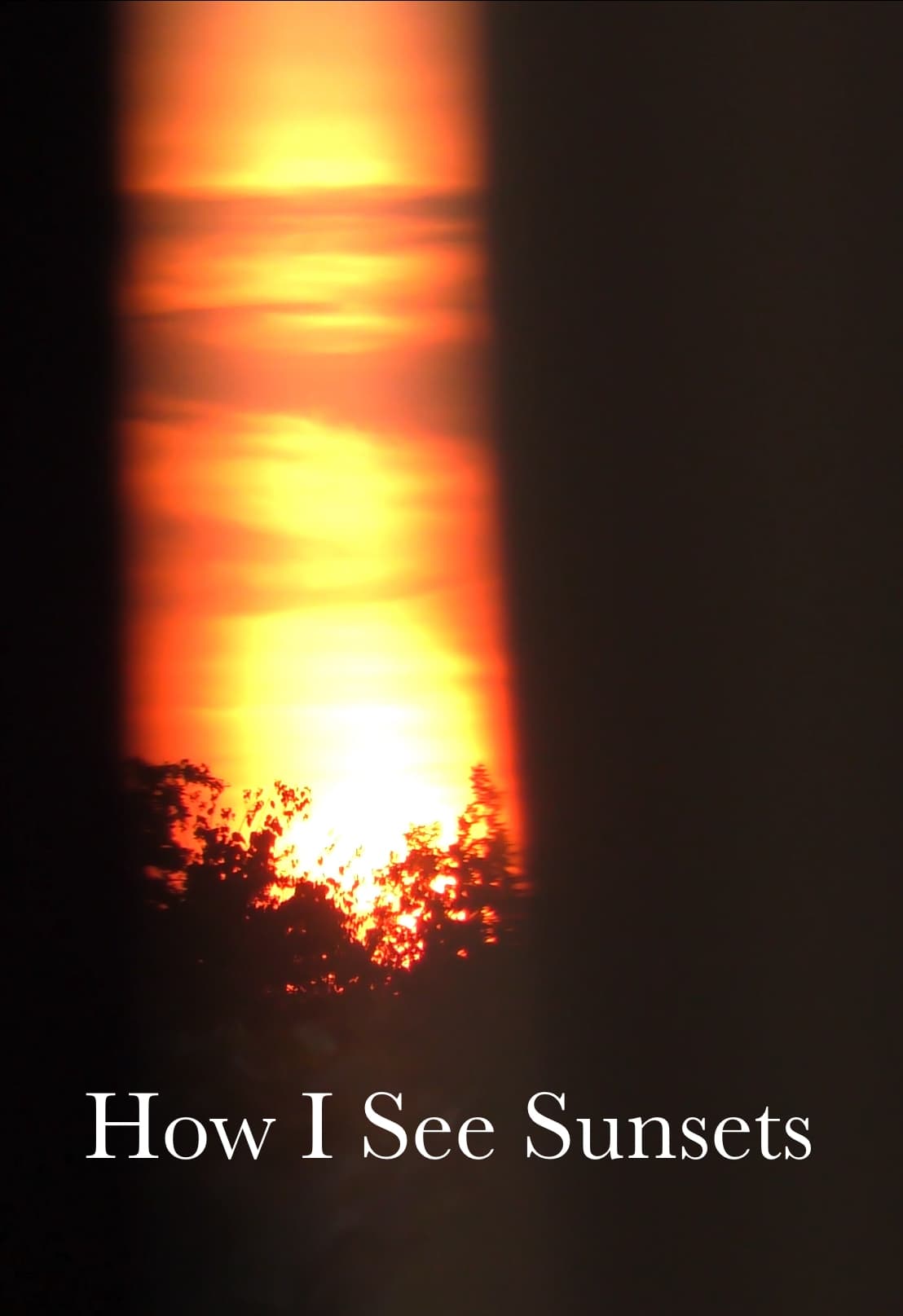
A poetic, semi-autobiographical short film of the sun setting over a village, shot from behind the curtains of a small, dimly lit room.
Alexander McQueen's rags-to-riches story is a modern-day fairy tale, laced with the gothic. Mirroring the savage beauty, boldness and vivacity of his design, this documentary is an intimate revelation of McQueen's own world, both tortured and inspired, which celebrates a radical and mesmerizing genius of profound influence.
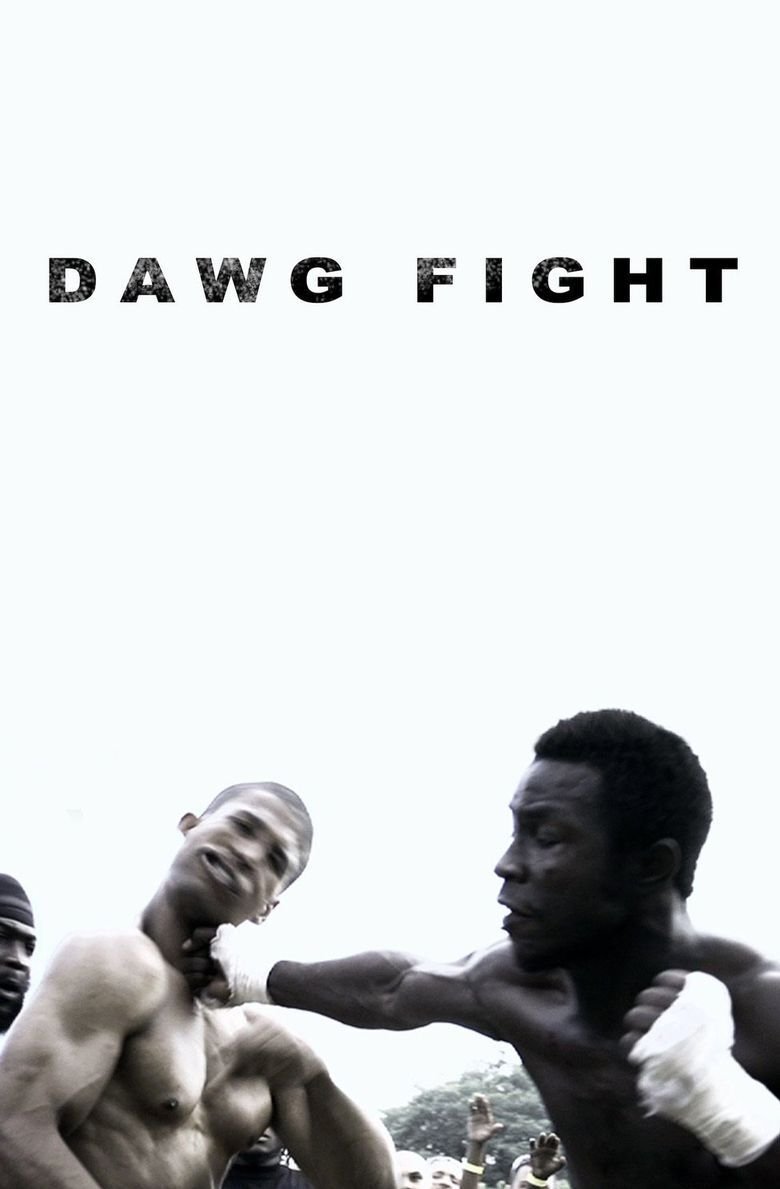
In a crime-plagued neighborhood near Miami, brutal, bare-knuckled backyard fights give young men a chance to earn money -- and self-respect.
A night of drunken chaos rocks a quiet Dutch town in this shocking documentary about a teen's birthday invite that accidentally went viral on Facebook.
The film follows adventurer Jeff Johnson as he retraces the epic 1968 journey of his heroes Yvon Chouinard and Doug Tompkins to Patagonia.
A documentary about the life and films of director John Ford.
A purely observational non-fiction film that takes viewers into the ethically murky world of end-of-life decision making in a public hospital.
Through deeply personal interviews with her siblings and an examination of the photographs, letters, and belongings left behind, Mariska assembles a new portrait of her mother Jayne Mansfield, an extraordinary and complex woman.
SEDUCED AND ABANDONED combines acting legend Alec Baldwin with director James Toback as they lead us on a troublesome and often hilarious journey of raising financing for their next feature film. Moving from director to financier to star actor, the two players provide us with a unique look behind the curtain at the world's biggest and most glamourous film festival, shining a light on the bitter-sweet relationship filmmakers have with Cannes and the film business. Featuring insights from directors Martin Scorsese, 'Bernando Bertolucci' and Roman Polanski; actors Ryan Gosling and Jessica Chastain and a host of film distribution luminaries.
A visual montage portrait of our contemporary world dominated by globalized technology and violence.
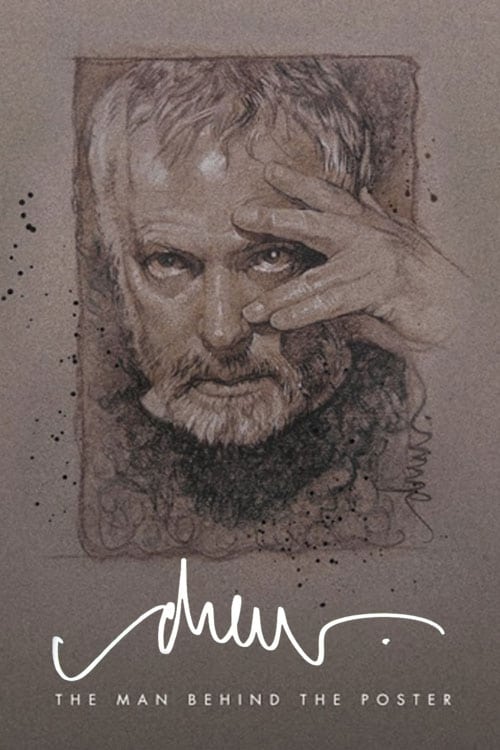
A documentary on legendary movie-poster artist Drew Struzan.
In the Realms of the Unreal is a documentary about the reclusive Chicago-based artist Henry Darger. Henry Darger was so reclusive that when he died his neighbors were surprised to find a 15,145-page manuscript along with hundreds of paintings depicting The Story of the Vivian Girls, in What is Known as the Realms of the Unreal, of the Glodeco-Angelinnian War Storm, Cased by the Child Slave Rebellion.
Amber Heard and Nicole Kidman discuss their characters Mera and Atlanna.
Daniel Craig candidly reflects on his 15 year adventure as James Bond. Including never-before-seen archival footage from Casino Royale to the upcoming 25th film No Time To Die, Craig shares his personal memories in conversation with 007 producers, Michael G Wilson and Barbara Broccoli.
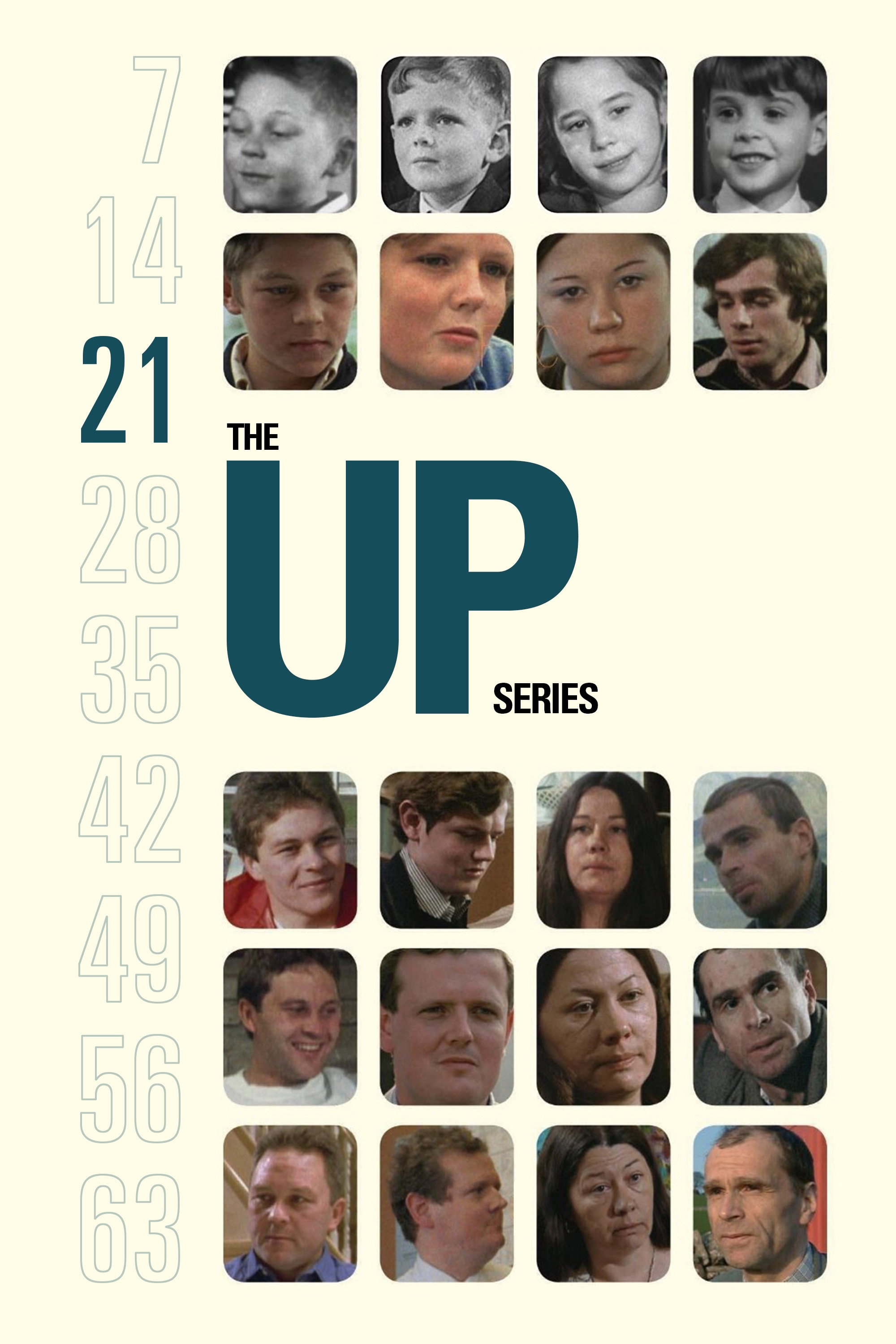
After another 7 year wait, director Michael Apted revisits the same group of British-born children from Seven Up! and 7 Plus Seven. The subjects are interviewed as to the changes that have occurred in their lives during the last seven years.
A look at the origins, history and conspiracies behind the "Majestic 12", a clandestine group of military and corporate figureheads charged with reverse-engineering extraterrestrial technology.
Over 35 years after Bob Lazar's revelations, this documentary exposes secrets of a facility the government still denies. Featuring Lazar's testimony, recreations, and new evidence, it reopens a case that continues to spark global curiosity
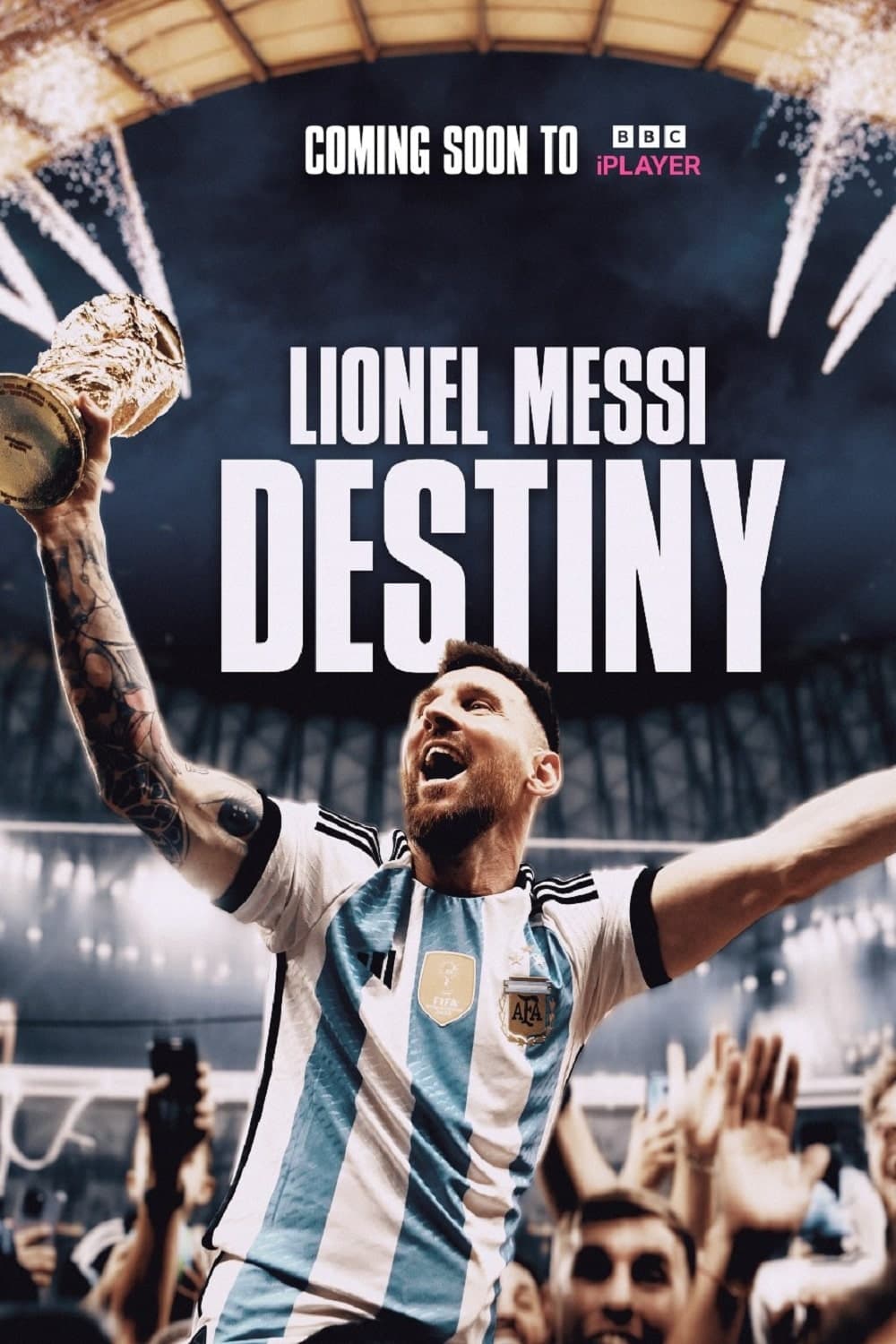
Behind-the-scenes documentary about how Lionel Messi succeeded in lifting the World Cup – the only trophy to have eluded him in an incredible career.
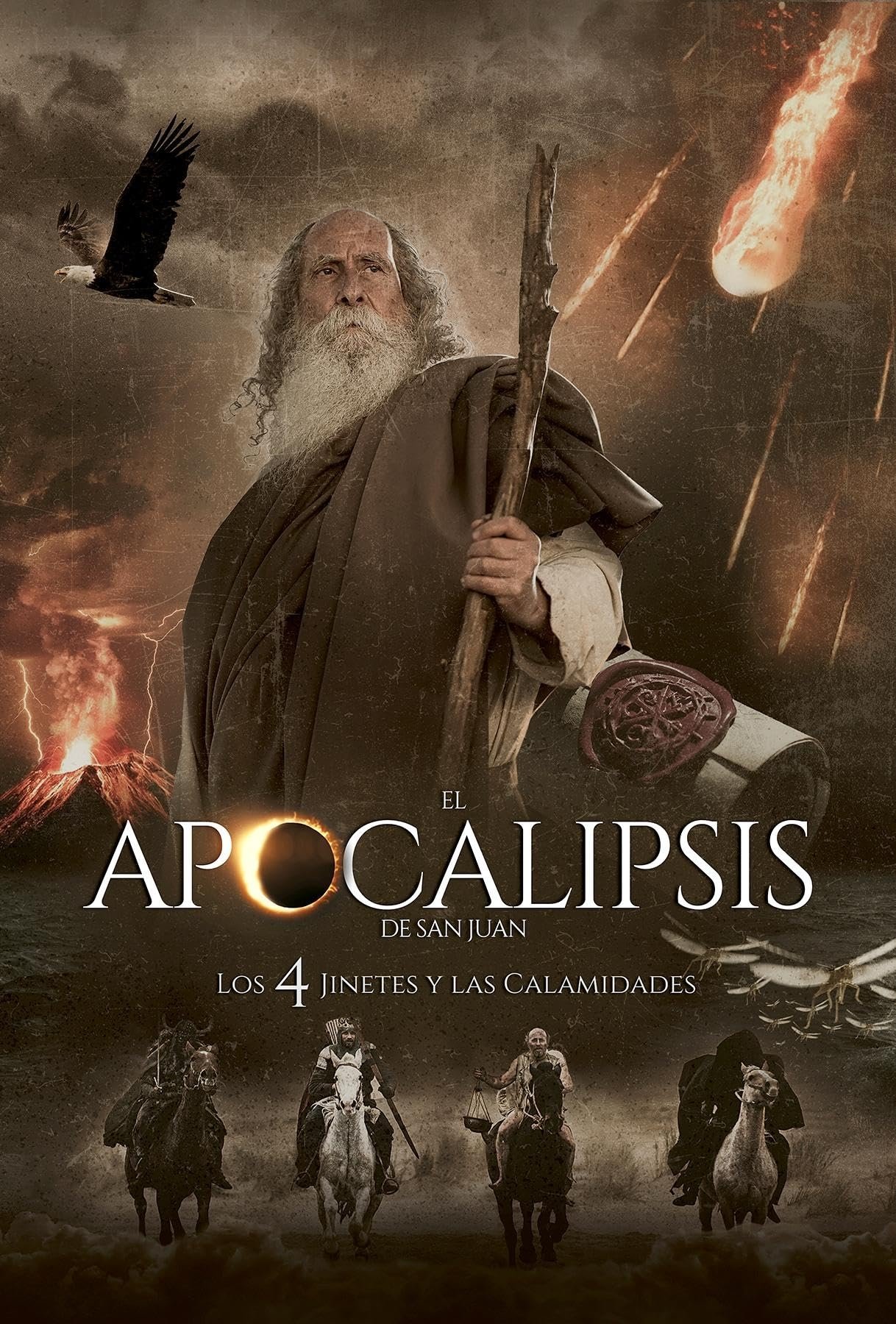
Embark on an epic journey through time and faith with 'The Apocalypse of Saint John.' Join the Apostle John in a stunning visual narrative that unravels the visions of the End Times. Experience each vision like never before, with striking visual effects and epic scenes that immerse you in the apocalyptic narrative.
A documentary examining the decade of the 1970s as a turning point in American cinema. Some of today's best filmmakers interview the influential directors of that time.
The Captains is a feature-length documentary film written and directed by William Shatner. The film follows Shatner as he interviews the other actors who have portrayed starship captains in the Star Trek franchise.