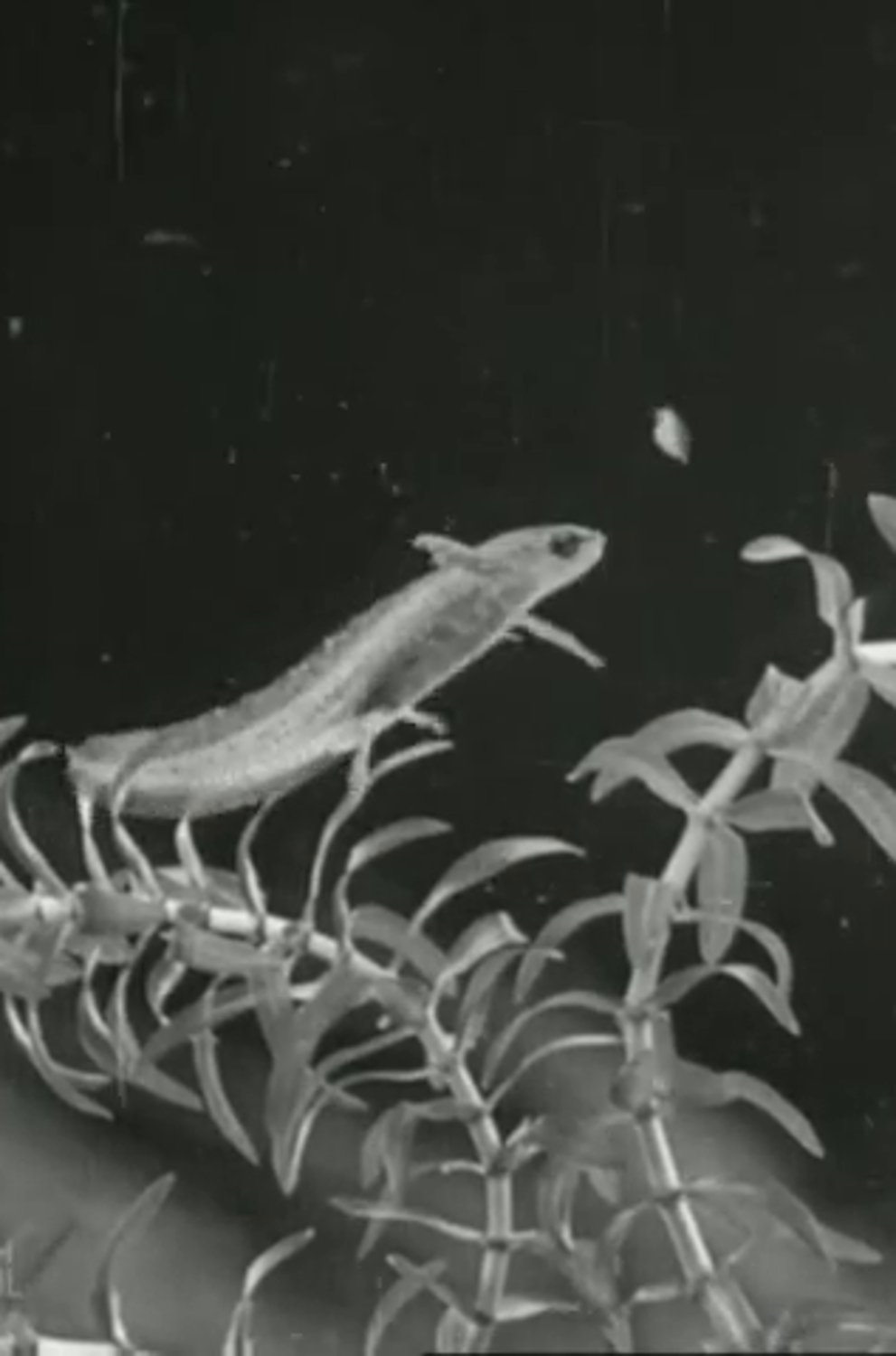
Underwater and microscopic photography by F. Percy Smith tell the story of a newt's life.
Social & External
The people behind it
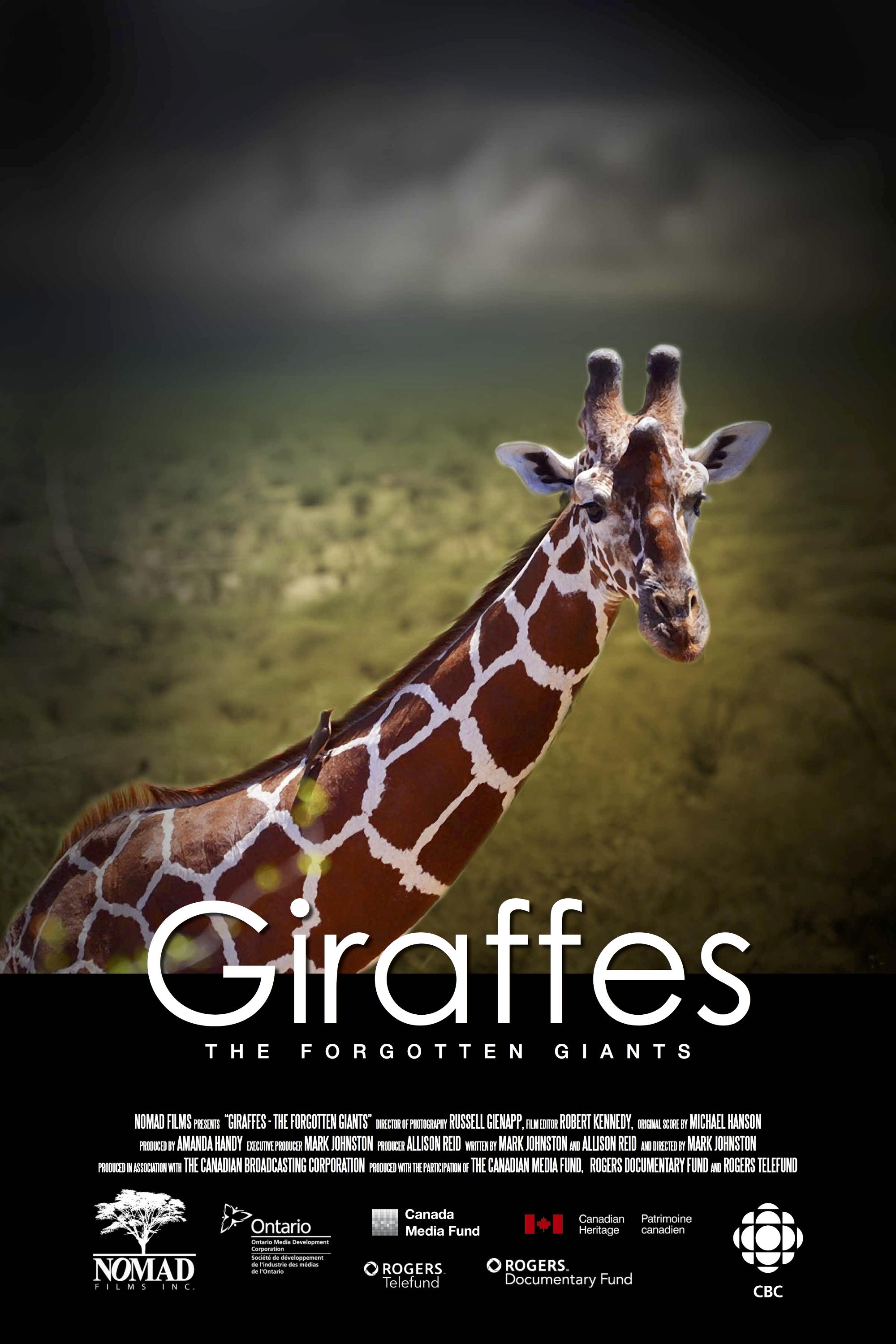
"Giraffes: The Forgotten Giants" delves into the reasons behind the "silent" extinction of giraffes worldwide, and introduces us to the scientists who are gathering new information that may stave off their decline.
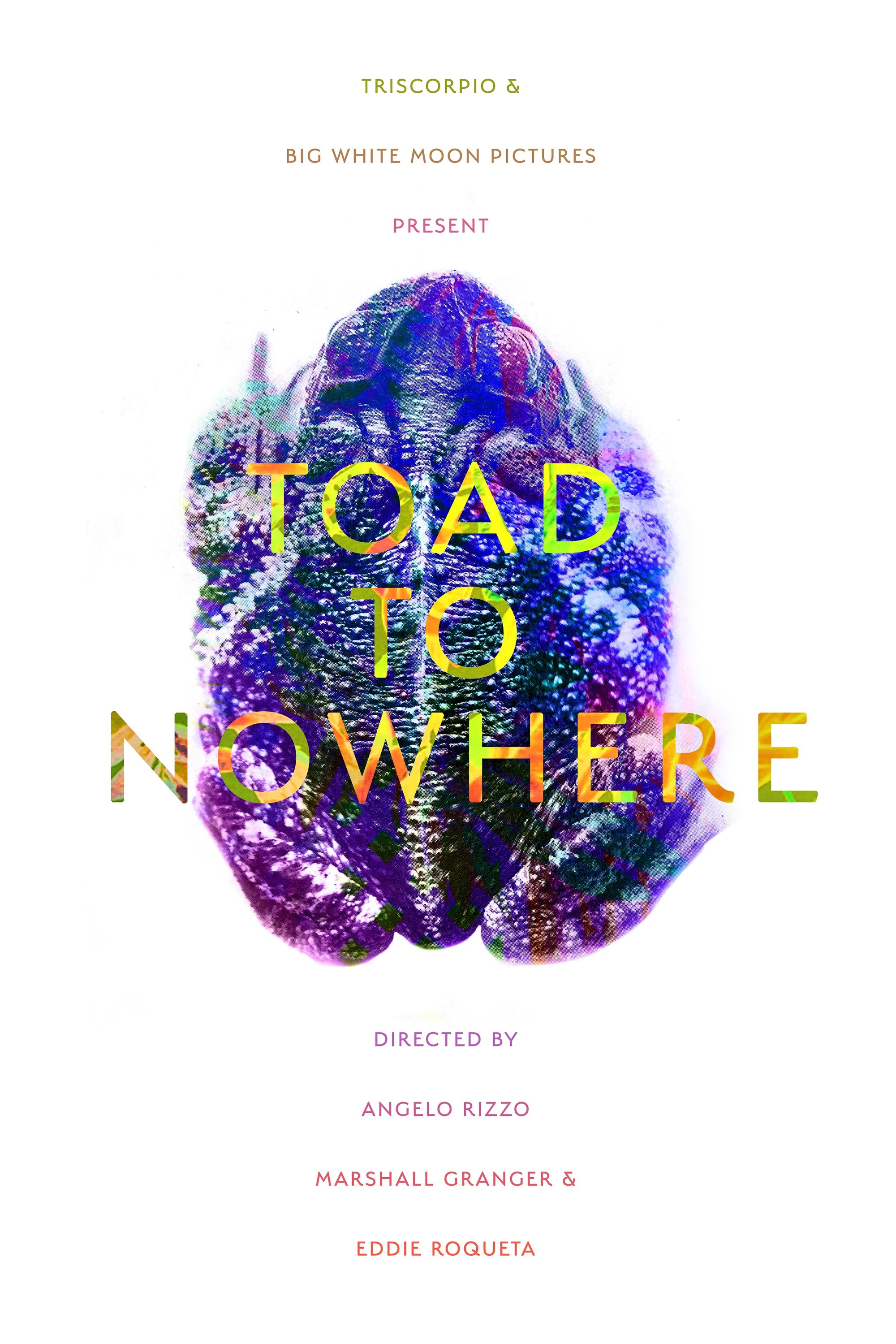
Two filmmakers journey to Arizona's Sonoran Desert to find bufo alvarus, a psychedelic toad. TOAD TO NOWHERE is a documentary about healing, hallucinogens, and looking within to explore the unknown.
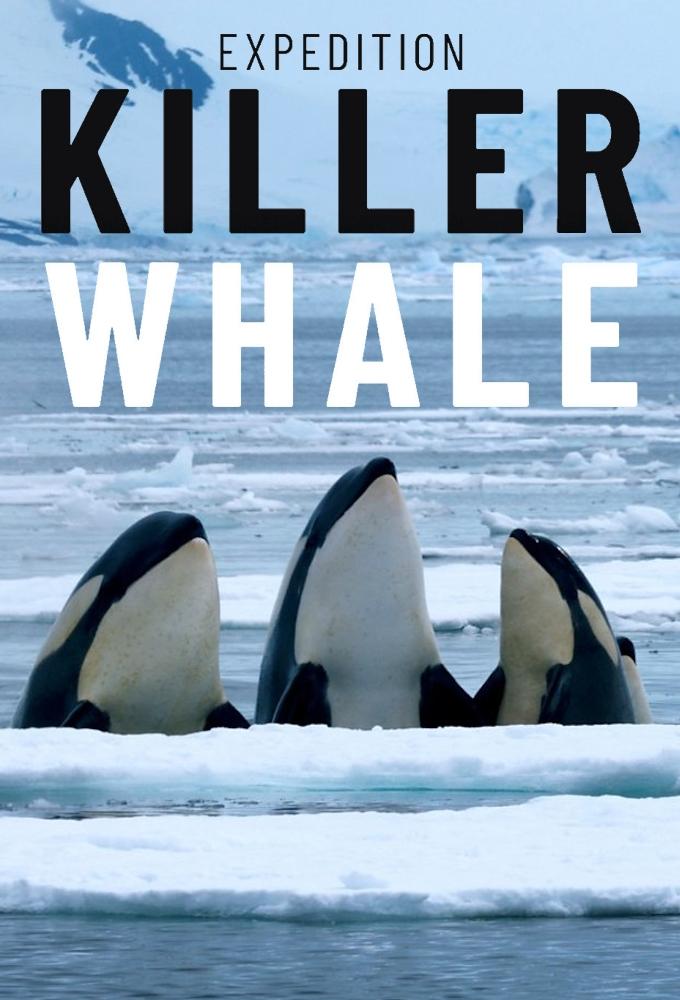
In a remote corner of Antarctica, a group of killer whales capture their prey in the most extraordinary fashion. Swimming together, they create waves so powerful and accurate, they can wash a seal right off a piece of floating ice—some of the most sophisticated behavior in the animal kingdom. The hunting technique of pack-ice killer whales has intrigued scientists for decades, and there is still so much unknown about the species. Each scientist on the expedition hopes to discover new truths about these whales.
Vladan Vasev aka VaXz, is a lover of basketball and all kinds of team sports from Bosilegrad, who completely single-handedly restored faith in the hardcore music scene in Serbia. When the performers on stage noticed his jumps and the way of dancing specific to hardcore music and inquired about the most loyal member of their audience, they learned an incredible story. In order to attend the concert, VaXz travels from Bosilegrad to Belgrade sometimes up to ten hours, and then returns, sometimes immediately after listening to the gig. In this film, we meet Vladan and what it is that inspires him about hardcore, but through his portrait we also get to know life in a small town like Bosilegrad, as well as the history of hardcore music in Serbia and how bands came together to honor their most loyal fan.
In the middle of the Indian Ocean, more than 1.500 km from the nearest continent, lies an untouched, mysterious archipelago – the Chagos Islands. This group of 60 islands is one of the last pristine wildernesses on Earth. The Chagos Archipelago is one of the world’s largest marine national parks, and is strictly protected. A scientific expedition has been granted access to this politically disputed territory for the first time. In times of climate change, as global reef communities face a growing crisis, the researchers seek to show how coral reefs fare in places with minimal human interference. During a journey into the unknown, we follow in the footsteps of internationally renowned scientists, who aim to unlock the secrets of a lost world and gain astonishing insights into one of the last true wildernesses on Earth.
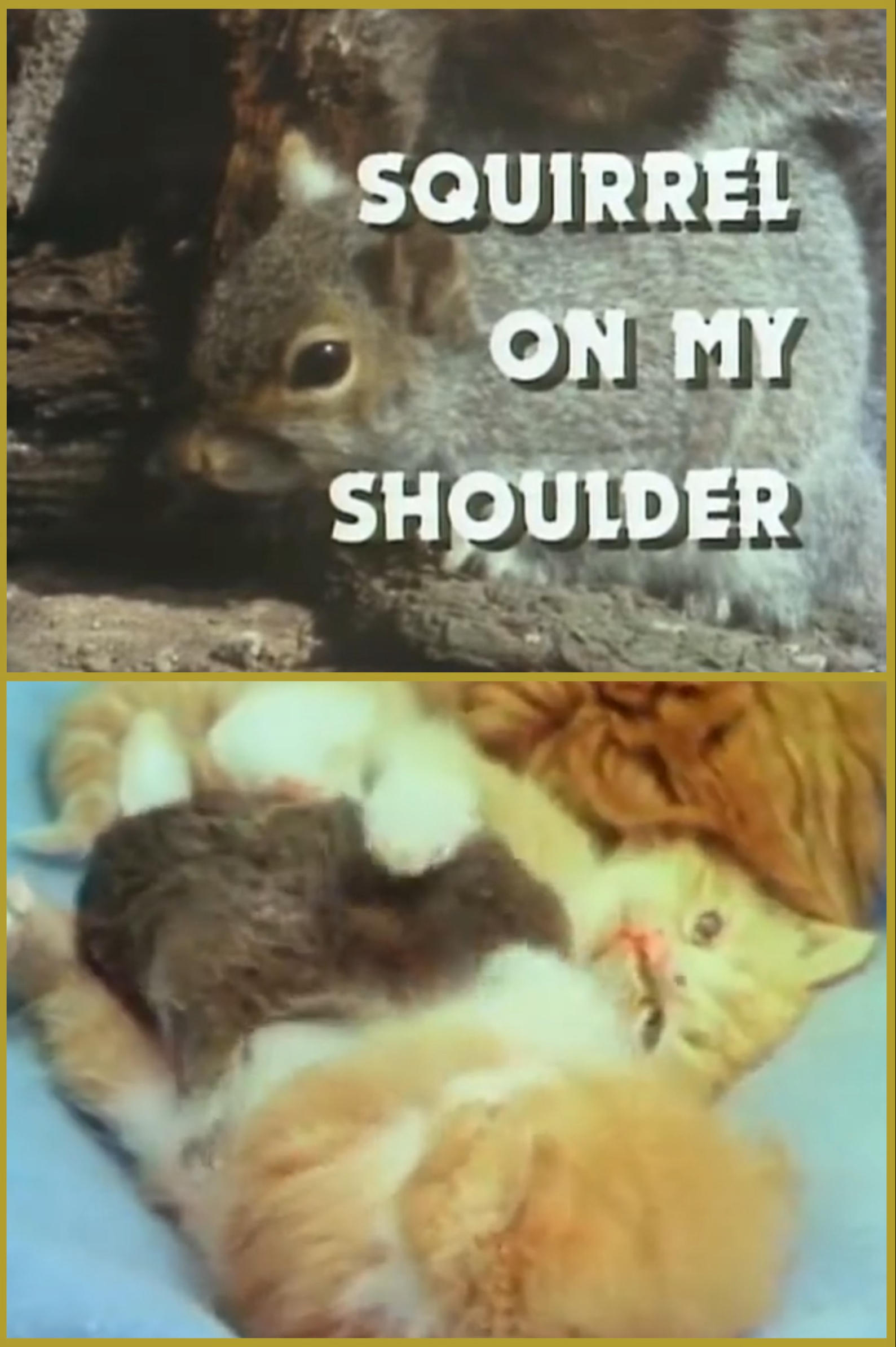
The story of an abandoned baby grey squirrel found by chance in the Oxfordshire countryside.
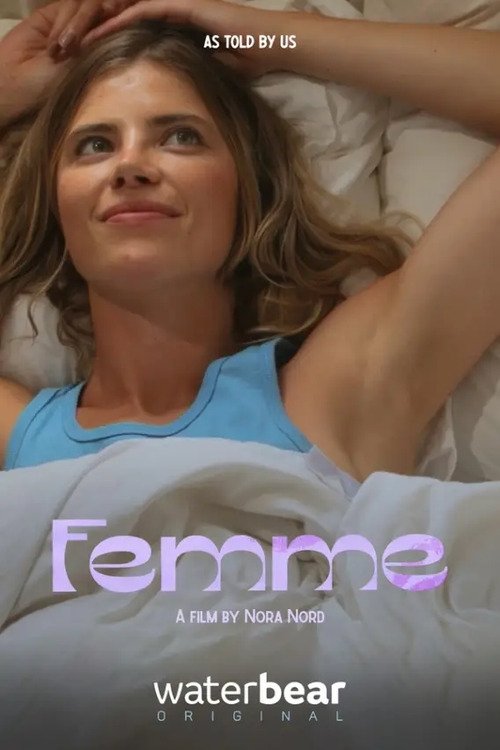
Thea’s life is changed when she receives an unexpected call from her childhood ‘friend’, May. Memories of the past with May shake Thea out of the mundane and into the queer London landscape; although it doesn’t immediately welcome her with open arms. Except in the form of Mimi, a liberated and fellow queer femme, who shows Thea the unconditional love and friendship that queer community is built off. Inspired by a true story, this heartfelt short film celebrates the magic of queer femme friendship and love.
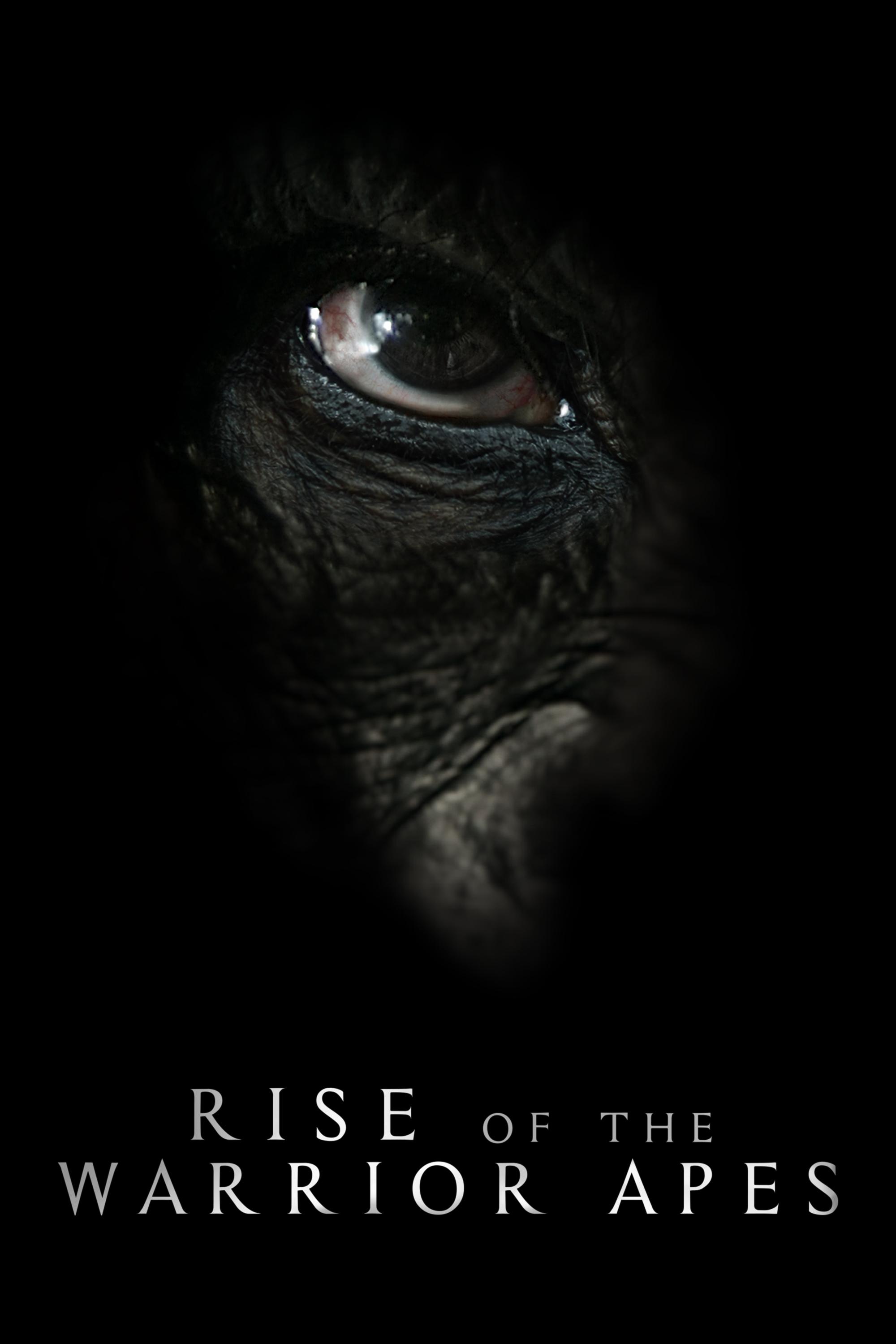
Filmed over 23 years, Rise of the Warrior Apes tells the epic story of an extraordinary troop of chimpanzees in Ngogo, Uganda – featuring four mighty warriors who rule through moral ambiguity, questionable politics, strategic alliances and destroyed trust.
Author Helen Macdonald follows Britain’s greatest river over four seasons, encountering salmon, beavers and the microscopic creatures helping to answer science's biggest questions.
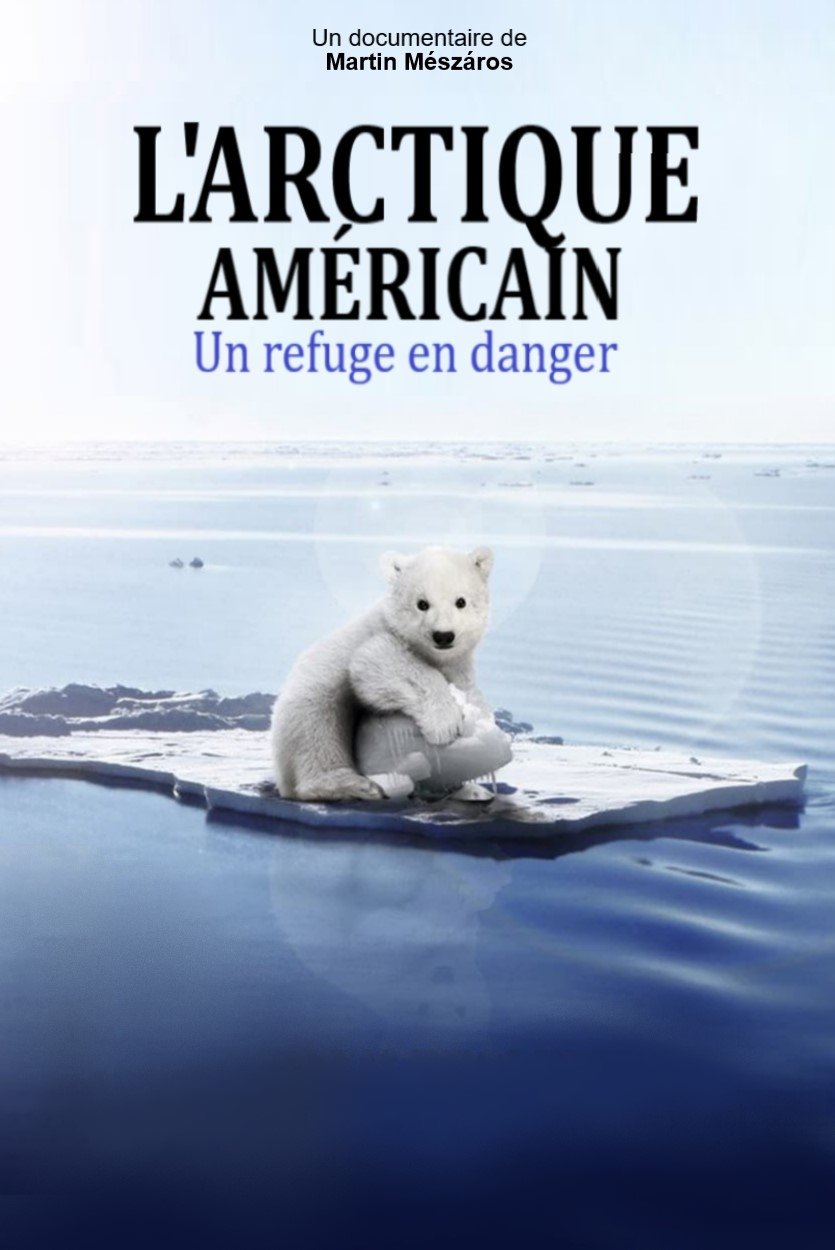
This film shows the splendor, enormous scope and indescribable beauty of this untouched land far to the north of Alaska, one of the last havens for caribou herds and polar bears. Shot over a period of four years, this film offers a unique insight in the lives of the most charismatic arctic animals.
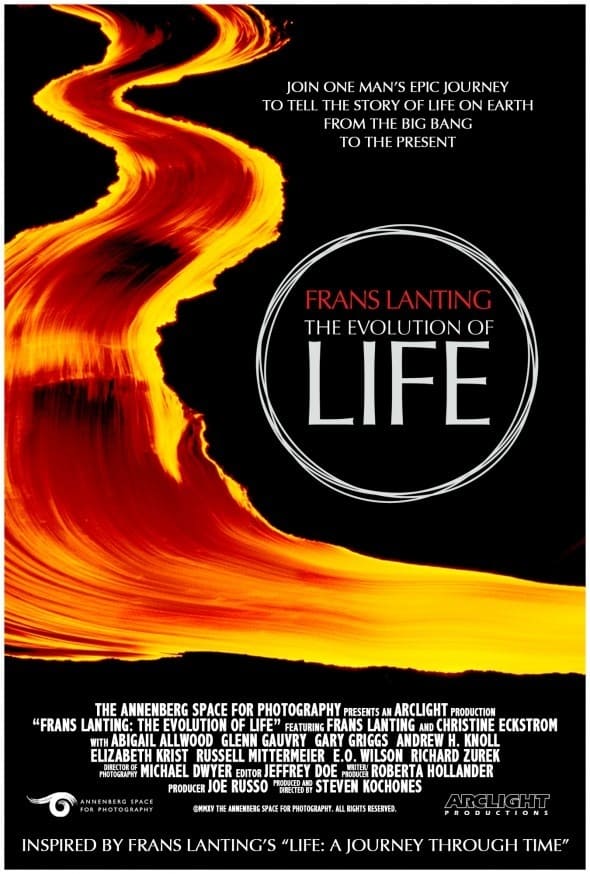
A dazzling journey through time via the remarkable images of National Geographic photographer Frans Lanting and his epic "LIFE" project, which presents a stunning interpretation of life on Earth, from the Big Bang through the present.
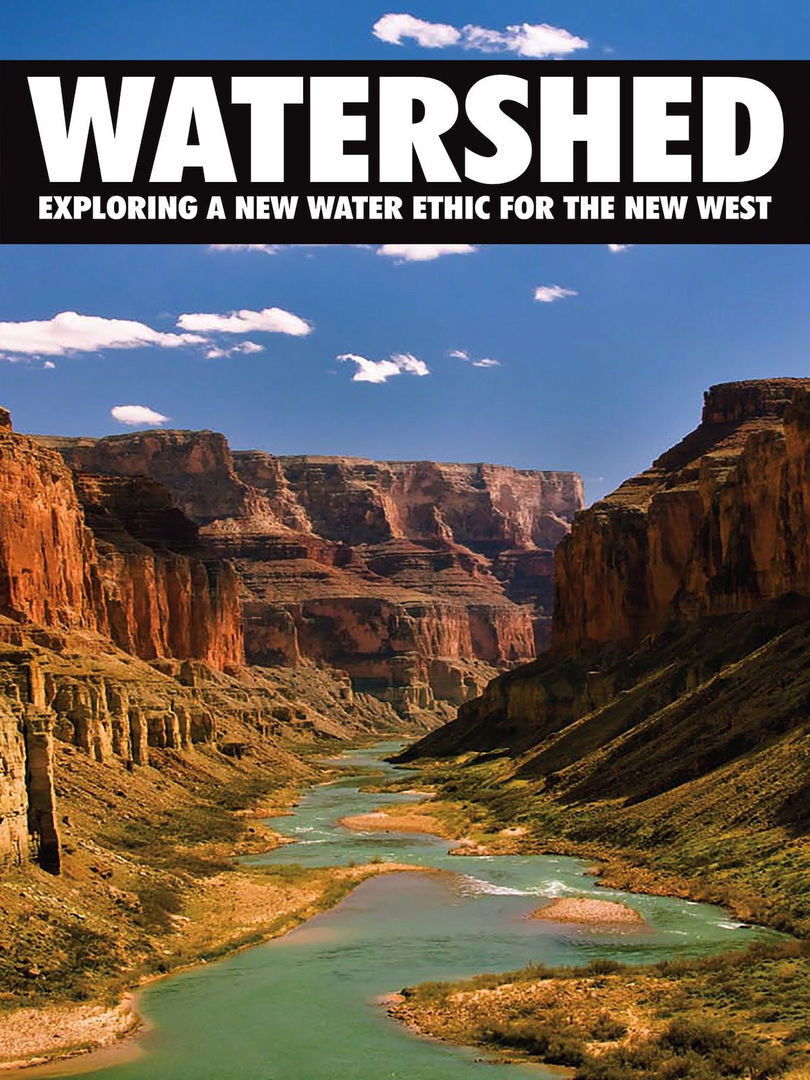
As the most dammed, dibbed, and diverted river in the world struggles to support thirty million people and the peace-keeping agreement known as the Colorado River Pact reaches its limits, WATERSHED introduces hope. Can we meet the needs of a growing population in the face of rising temperatures and lower rainfall in an already arid land? Can we find harmony amongst the competing interests of cities, agriculture, industry, recreation, wildlife, and indigenous communities with rights to the water? Sweeping through seven U.S. and two Mexican states, the Colorado River is a lifeline to expanding populations and booming urban centers that demand water for drinking, sanitation and energy generation. And with 70% of the rivers’ water supporting agriculture, the river already runs dry before it reaches its natural end at the Gulf of California. Unless action is taken, the river will continue its retreat – a potentially catastrophic scenario for the millions who depend on it.
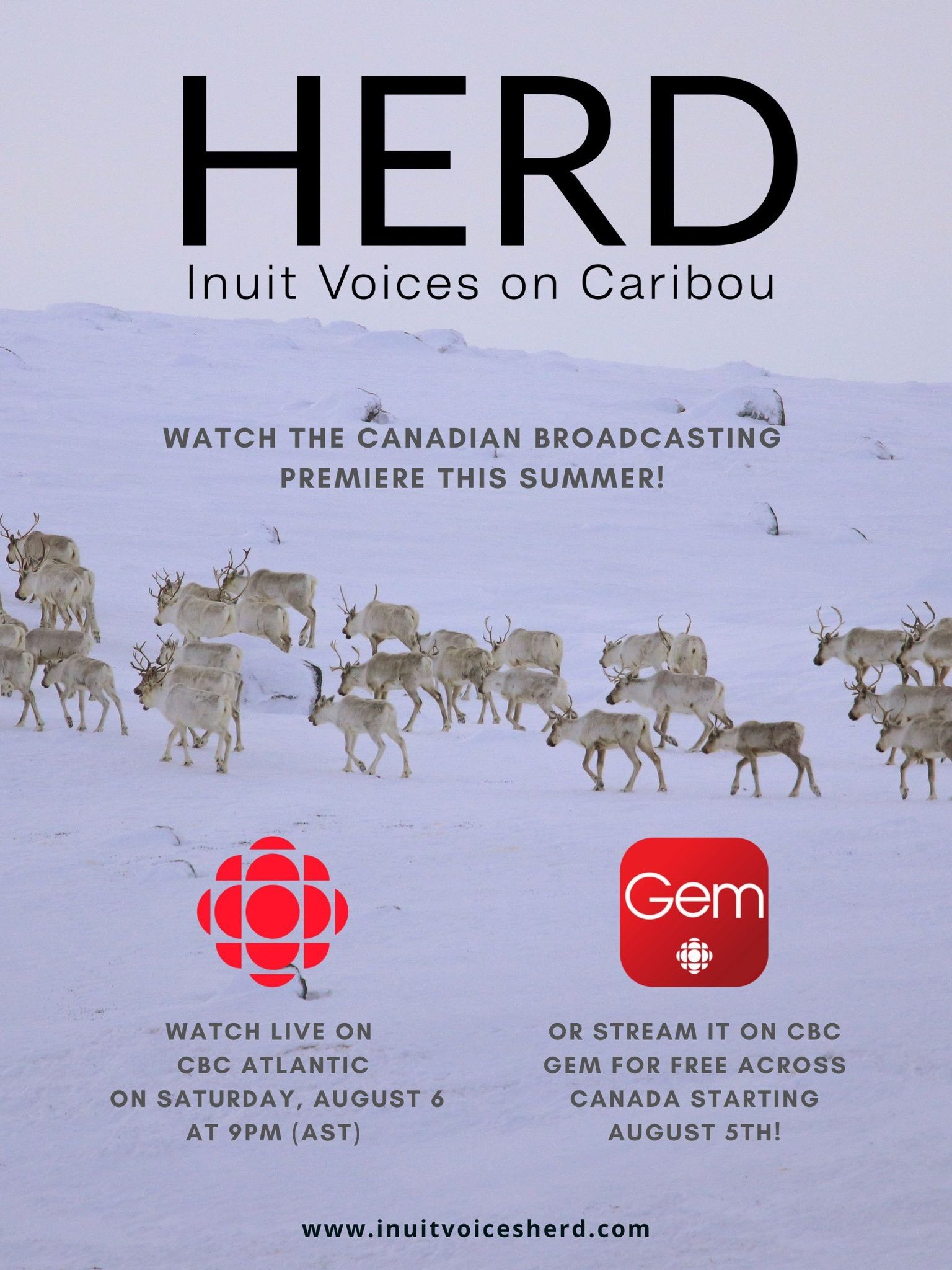
Through Inuit voices, HERD: Inuit Voices on Caribou tells the story of the social, emotional, and cultural disruptions from ecological change by putting an essential human face to the caribou declines - including a 99% decline of the once-massive George River Caribou Herd. The film was developed over four years of collaboration between filmmakers and 11 Inuit communities across Labrador. It cinematically explores an array of lived experiences, from youth to Elders and hunters to cooks, to ensure that the stories of those living on the frontlines of this ecological crisis are HERD. It is a portrait of the deep connections that exist between humans and non-humans, a glimpse of heartbreaking loss felt by entire communities, and a lasting testament of cultural resilience in the context of ecological uncertainty.
An in-depth documentary on the behind-the-scenes of the 1990 Canuck cult classic The Final Sacrifice.
A movie that portrays a reflection about sense of being self, to love and to be loved.
Through a series of extraordinarily honest and intimate conversations, filmmaker Aurora Brachman examines the intergenerational fallout of experiences her mother endured as a child. Together, they forge a path forward that offers them a new beginning.
Weaving together dozens of professional and amateur archival sources, along with dramatic interviews with the people behind the cameras, Witness: Joplin Tornado reconstructs the deadliest tornado in modern times, through the eyes of those who lived through it. A group of strangers huddle together in a convenience store cooler, shrieking in terror as the tornado tears apart everything around them. A husband-and-wife stormchasing team find themselves caught in the teeth of the storm, then pressed into service when it finally passes. A young mother sobs as she surveys her daughter’s destroyed bedroom. Yet all the while they film, using their cameras to record both the harrowing experience of the storm itself and the shock of what confronted them after — homes destroyed, neighborhoods flattened, a city devastated. Witness: Joplin Tornado tells the story of that day and its aftermath entirely through the videos and voices of the survivors.
Nice looking Travelogue takes us to the Northeast corner of Wyoming as we visit Yellowstone National Park.
A visual montage portrait of our contemporary world dominated by globalized technology and violence.
An exploration of technologically developing nations and the effect the transition to Western-style modernization has had on them.
A baby pufferfish travels through a wondrous microworld full of fantastical creatures as he searches for a home on the Great Barrier Reef.
A documentary about the making of David Fincher's 2008 film THE CURIOUS CASE OF BENJAMIN BUTTON. Virtually every element in the evolution of the Fincher's film is documented here, from the project's attachment to numerous other directors during the 1990s, to its shoot in 2006 and 2007 in New Orleans, to its complex, CGI-intensive postproduction process.
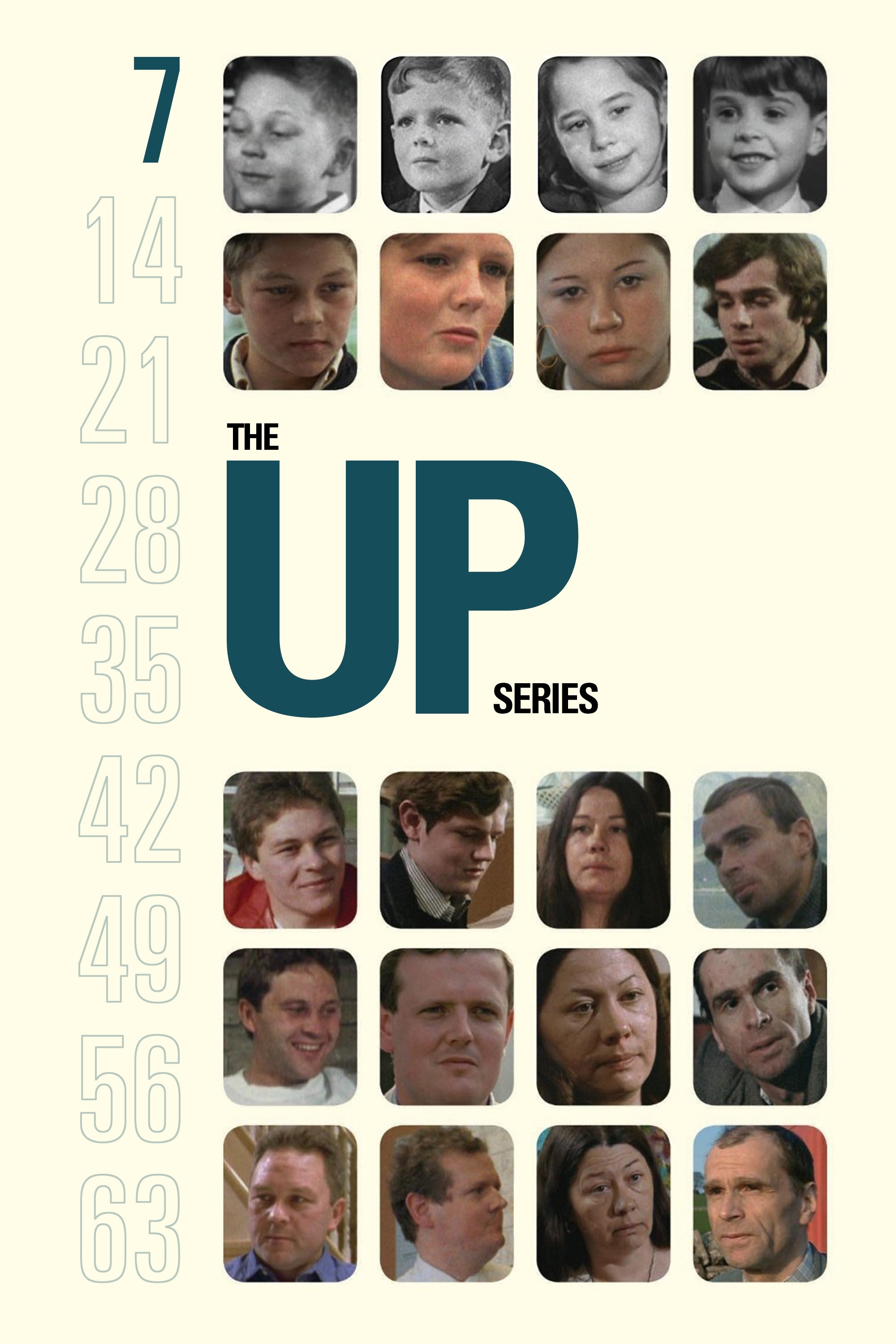
A group of British children aged 7 from widely ranging backgrounds are interviewed about a range of subjects. The filmmakers plan to re-interview them at 7 year intervals to track how their lives and attitudes change as they age.
Through deeply personal interviews with her siblings and an examination of the photographs, letters, and belongings left behind, Mariska assembles a new portrait of her mother Jayne Mansfield, an extraordinary and complex woman.
In an intimate and joyful story of love in the face of loss, celebrated poets Andrea Gibson and Megan Falley find strength—and unexpected hilarity—in what might be their final year together.
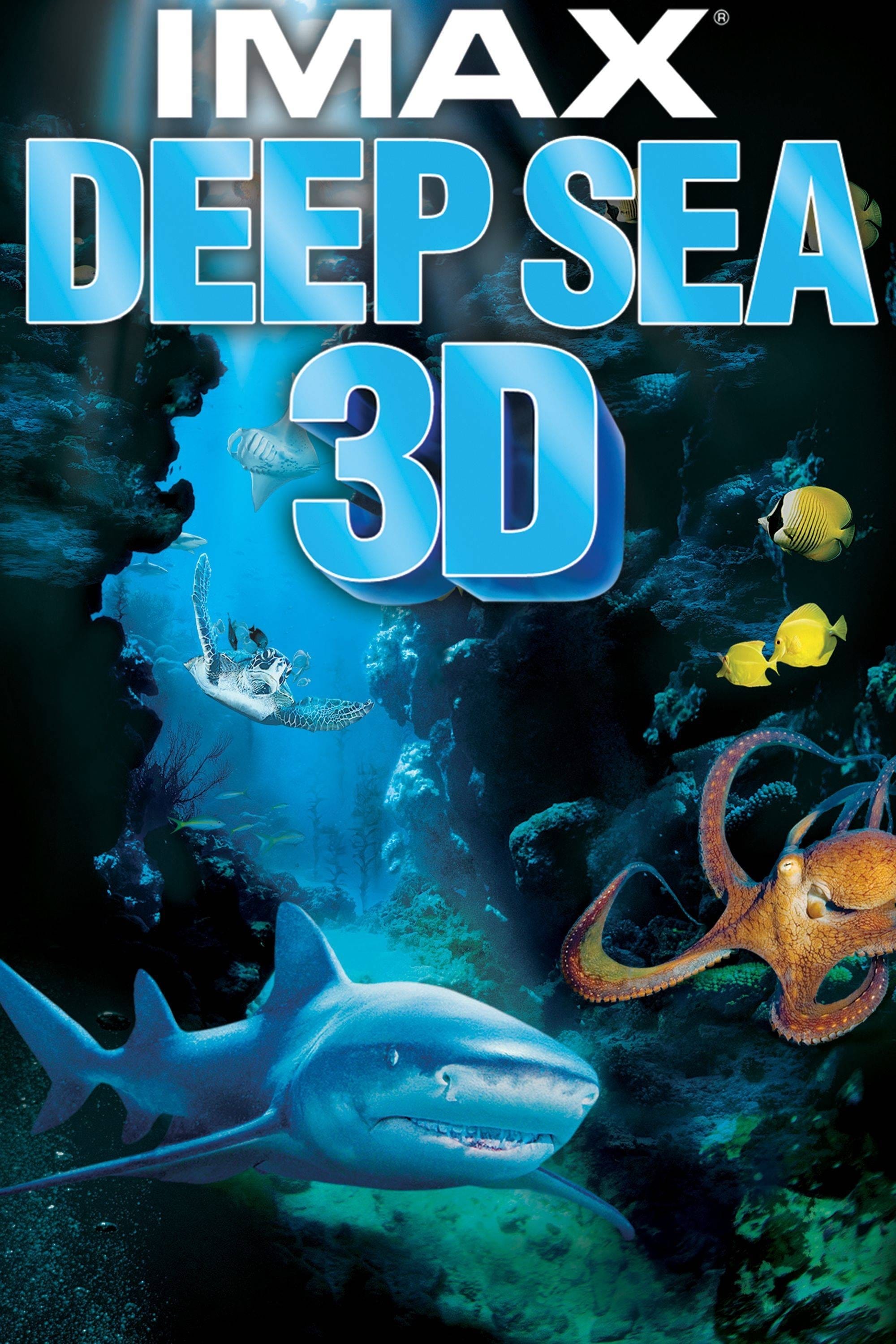
Sea life in a whole new way. Deep Sea 3D, an underwater adventure from the filmmakers behind the successful IMAX® 3D film Into the Deep, transports audiences deep below the ocean surface. Through the magic of IMAX®; and IMAX 3D, moviegoers will swim with some of the planets most unique, dangerous and colorful creatures, and understand this inspiring underworld.
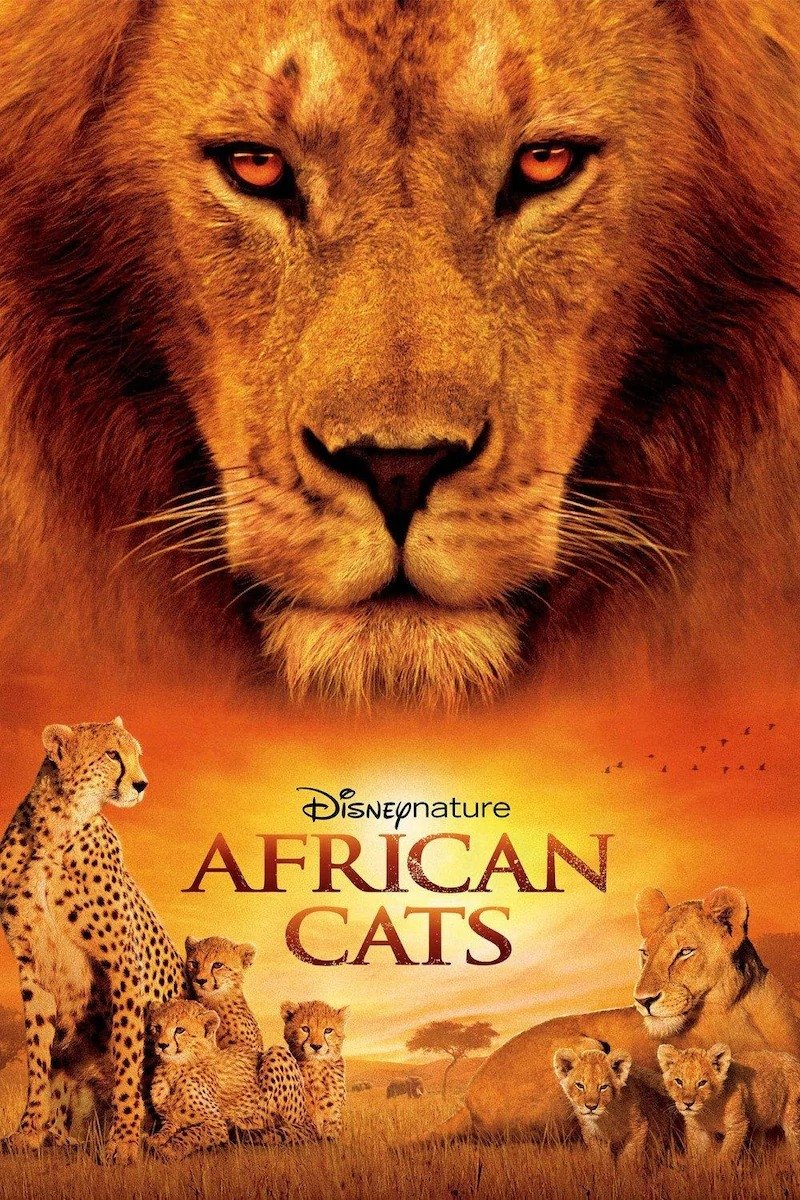
African Cats captures the real-life love, humor and determination of the majestic kings of the savanna. The story features Mara, an endearing lion cub who strives to grow up with her mother’s strength, spirit and wisdom; Sita, a fearless cheetah and single mother of five mischievous newborns; and Fang, a proud leader of the pride who must defend his family from a once banished lion.
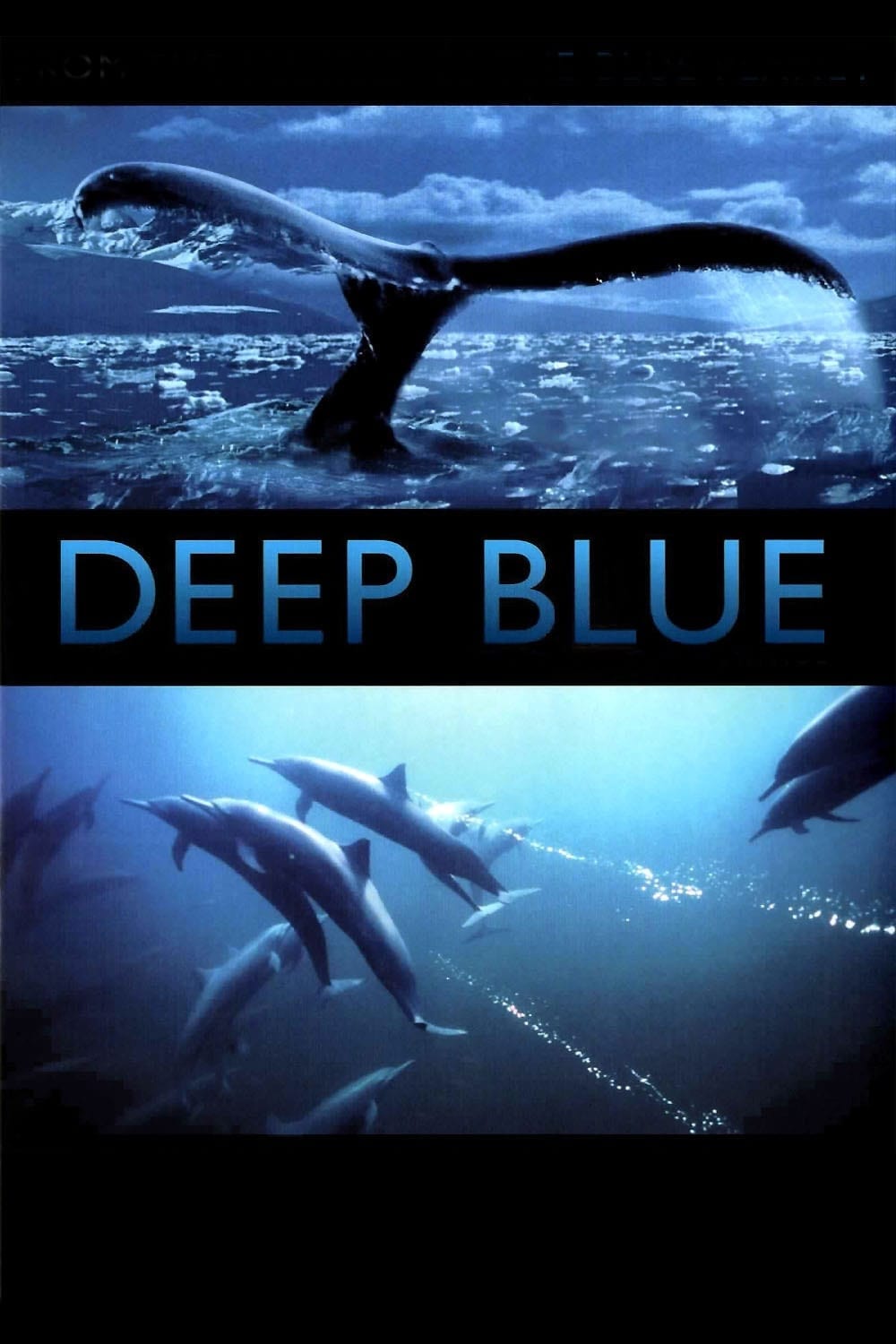
Deep Blue is a major documentary feature film shot by the BBC Natural History Unit. An epic cinematic rollercoaster ride for all ages, Deep Blue uses amazing footage to tell us the story of our oceans and the life they support.
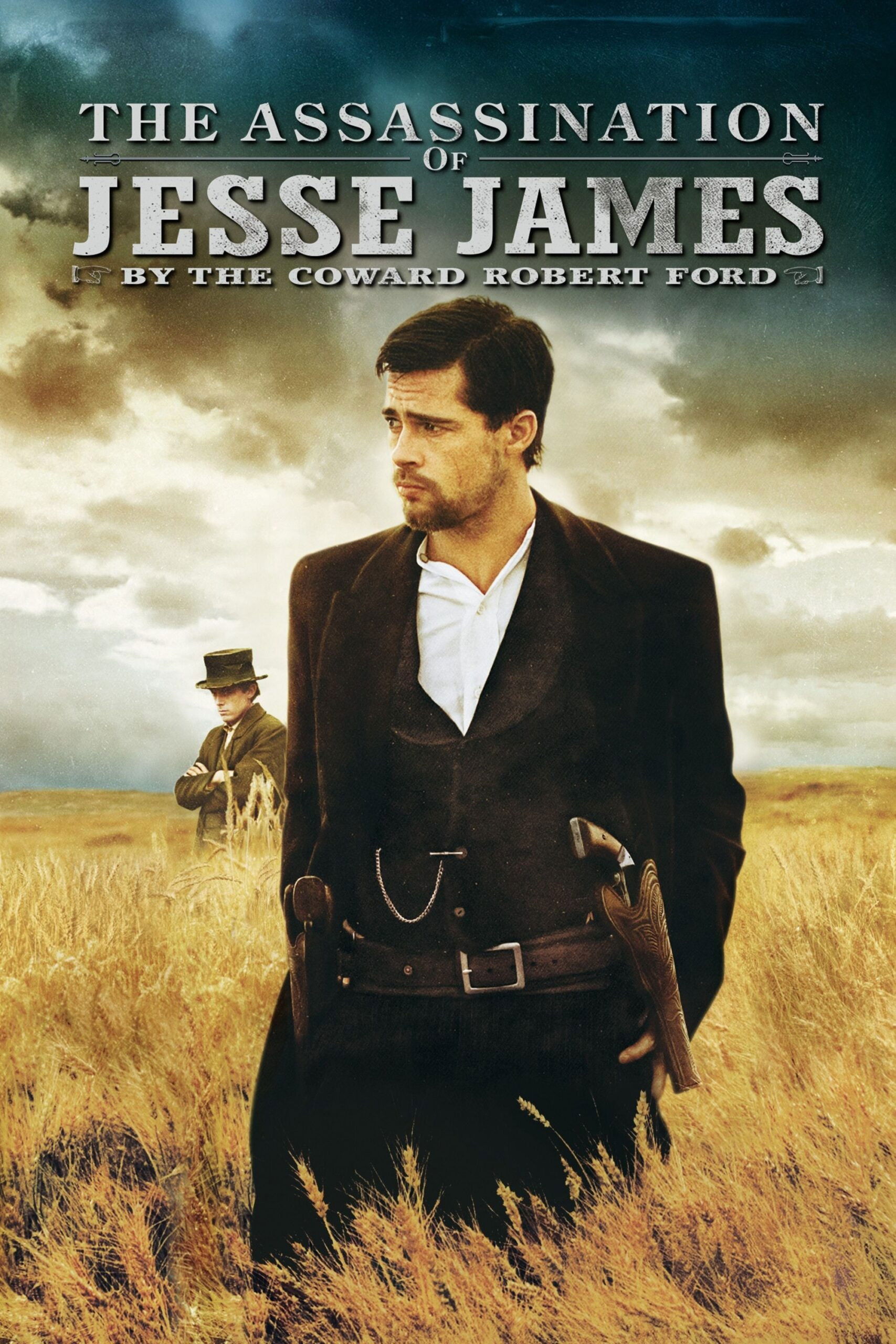
Explores the true story of the notorious Jesse James, how the myth developed during his lifetime, and how the legends have persisted over 100 years after his death at the hands of his former friend, Robert Ford.
Daniel Craig candidly reflects on his 15 year adventure as James Bond. Including never-before-seen archival footage from Casino Royale to the upcoming 25th film No Time To Die, Craig shares his personal memories in conversation with 007 producers, Michael G Wilson and Barbara Broccoli.
After years in the limelight, Selena Gomez achieves unimaginable stardom. But just as she reaches a new peak, an unexpected turn pulls her into darkness. This uniquely raw and intimate documentary spans her six-year journey into a new light.
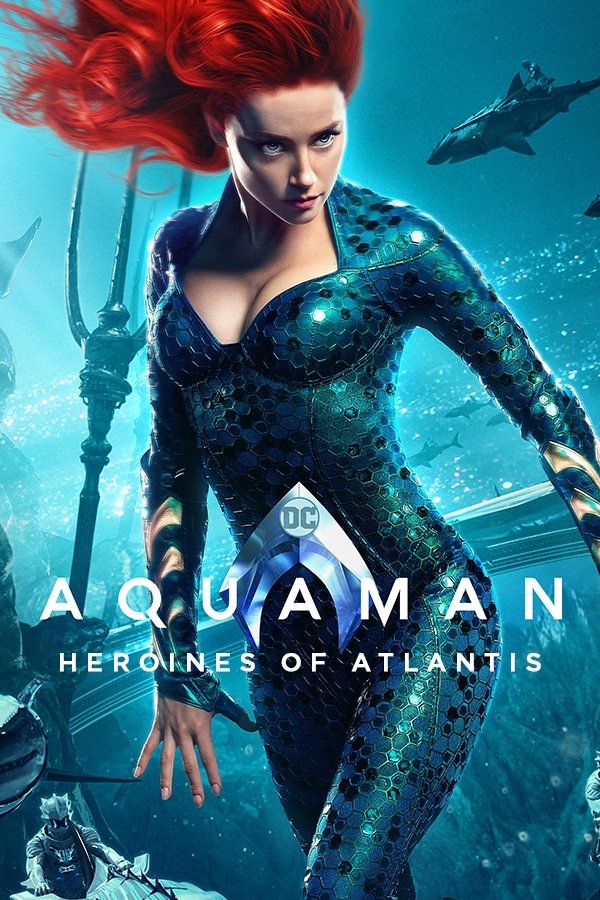
Amber Heard and Nicole Kidman discuss their characters Mera and Atlanna.
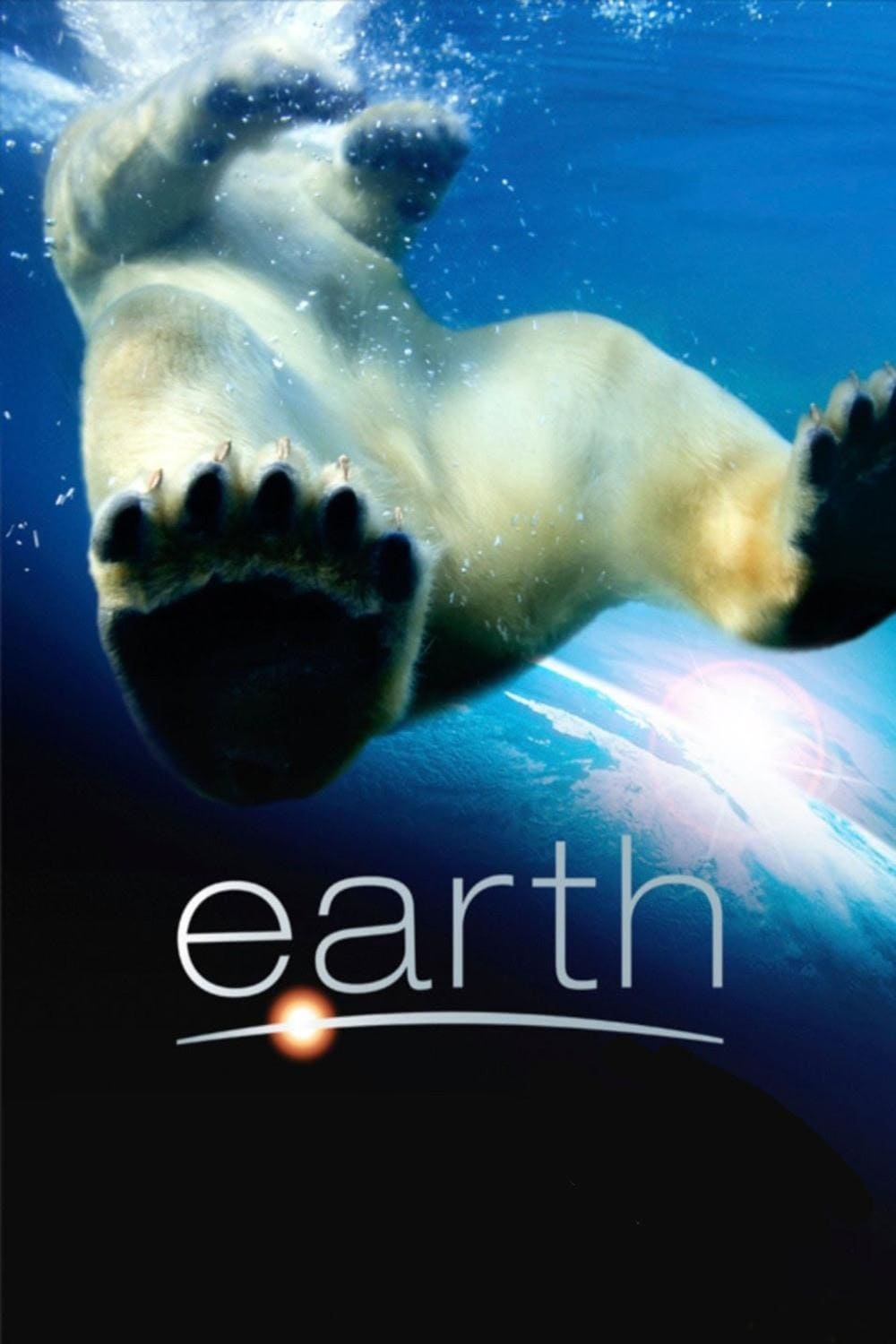
An epic story of adventure, starring some of the most magnificent and courageous creatures alive, awaits you in EARTH. Disneynature brings you a remarkable story of three animal families on a journey across our planet – polar bears, elephants and humpback whales.
A detailing of the rise to prominence and global sporting superstardom of six supremely talented young Manchester United football players (David Beckham, Nicky Butt, Ryan Giggs, Paul Scholes, Phil and Gary Neville). The film covers the period 1992-1999, culminating in Manchester United's European Cup triumph.
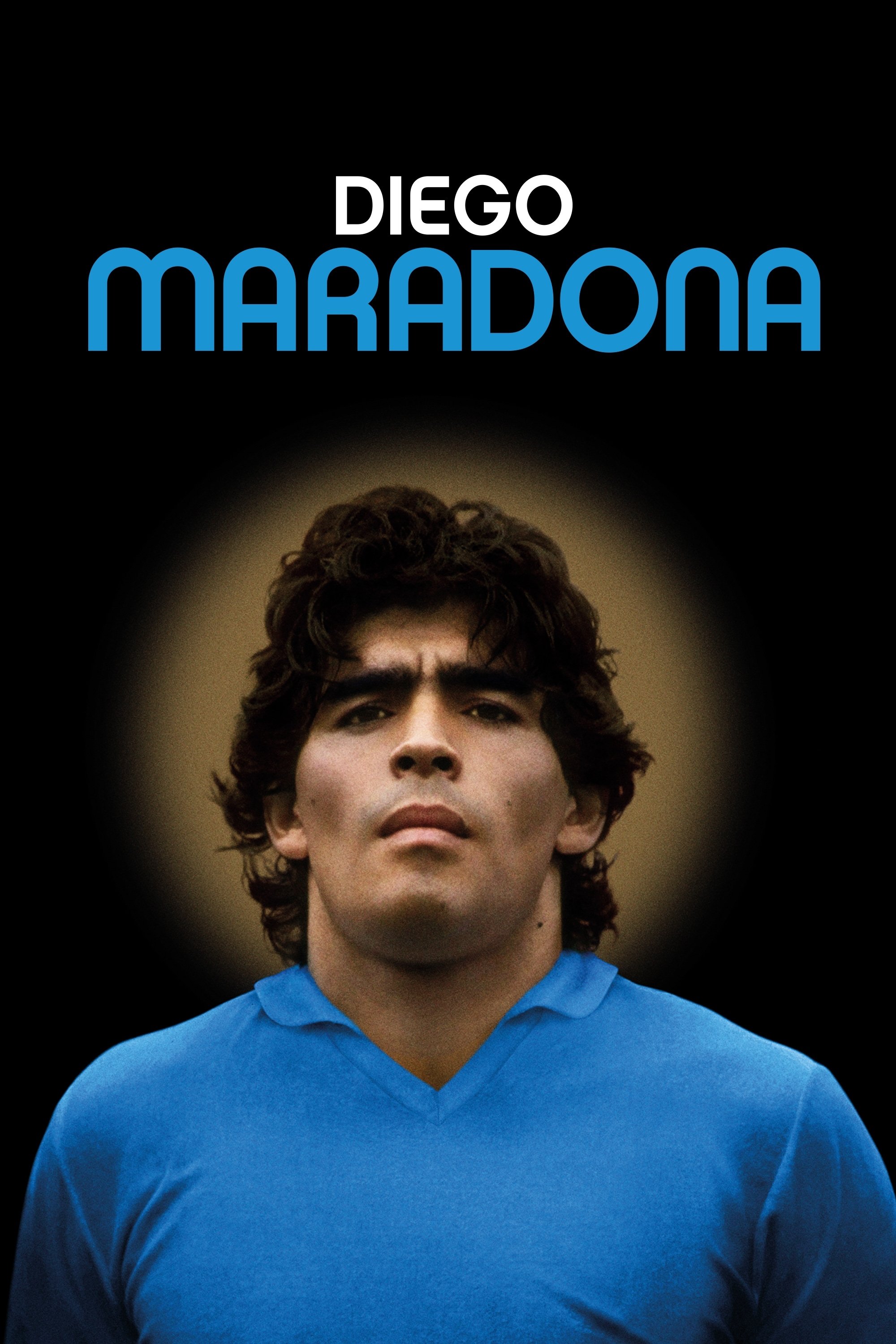
Constructed from over 500 hours of never-before-seen footage, this documentary centers on the personal life and career of the controversial football player Diego Maradona who played for SSC Napoli and Argentina in the 1980s.
Lupita Nyong'o narrates a documentary about Peanuts and its creator, Charles M. Schulz. Famous fans—including Drew Barrymore, Kevin Smith, and Al Roker—share its influence on them, and a new animated story finds Charlie Brown on a quest.
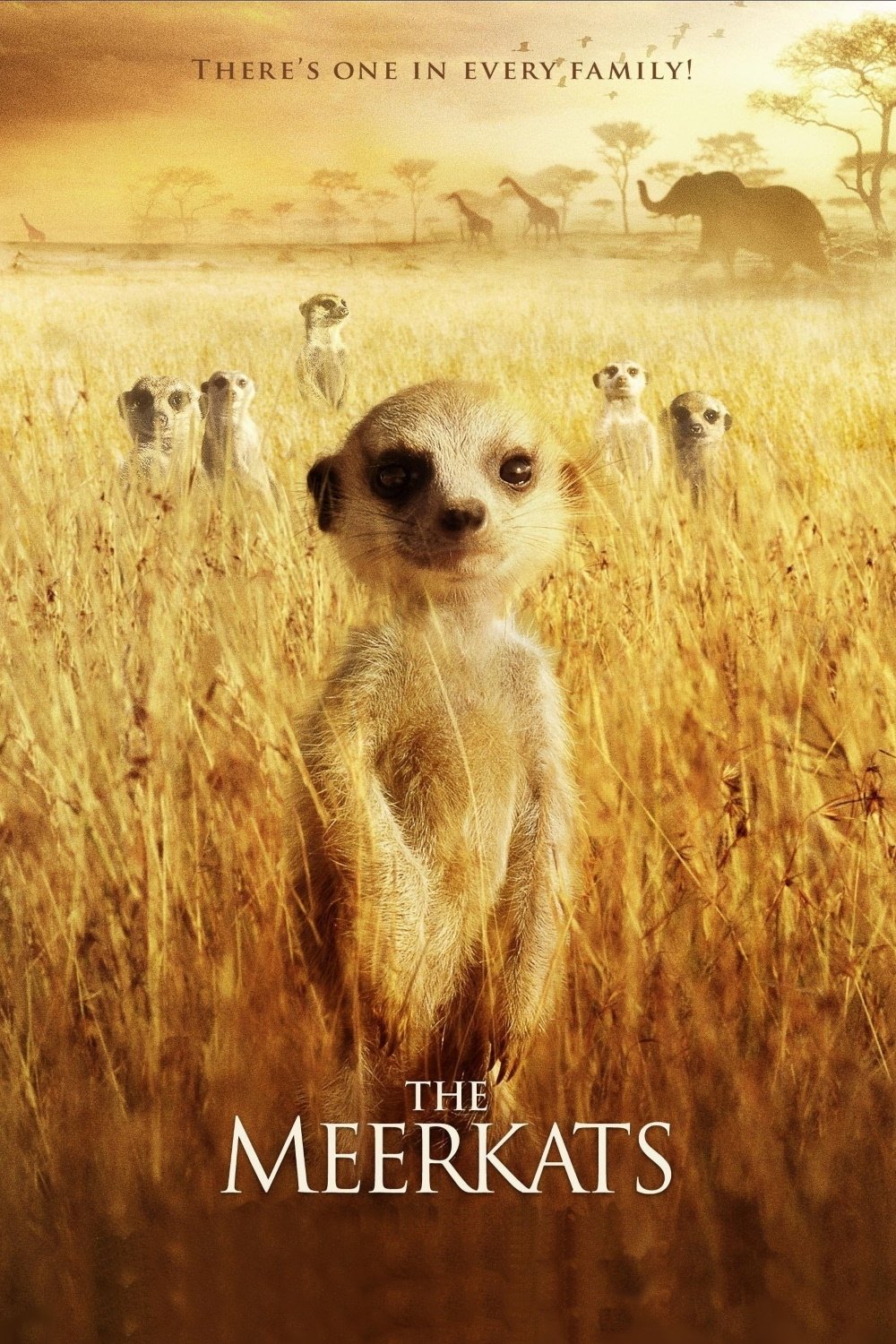
A coming of age story following a young meerkat pup, Kolo, growing up in the Kalahari desert; and an inspiring look at how one family's connection to each other and their surroundings is a model of resilience and fortitude for us all. Shot using ground-breaking techniques, this dramatised documentary is a one-of-a-kind presentation from The Weinstein Company and the BBC, featuring narration by Paul Newman.
Unravel the case of Utah therapist Jodi Hildebrandt, whose child abuse arrest with parenting YouTuber Ruby Franke exposed a twisted tale of manipulation.