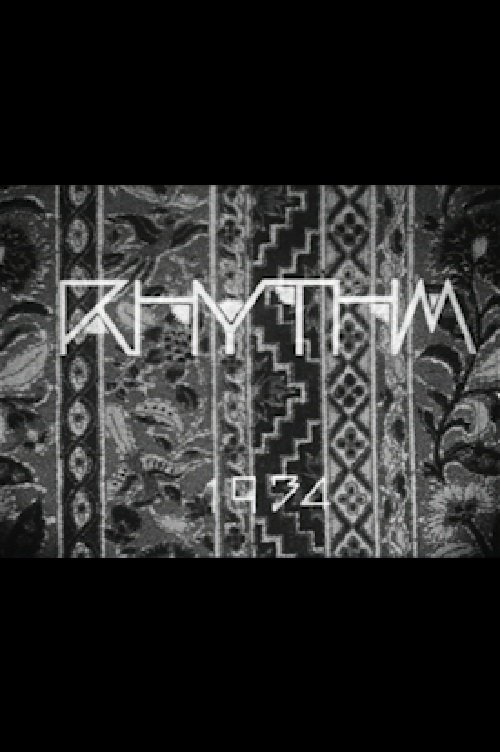
A comfortable rhythm composed of light and shadow. Director Ogino-style absolute movie which freely manipulates geometric figures.
Social & External
The people behind it
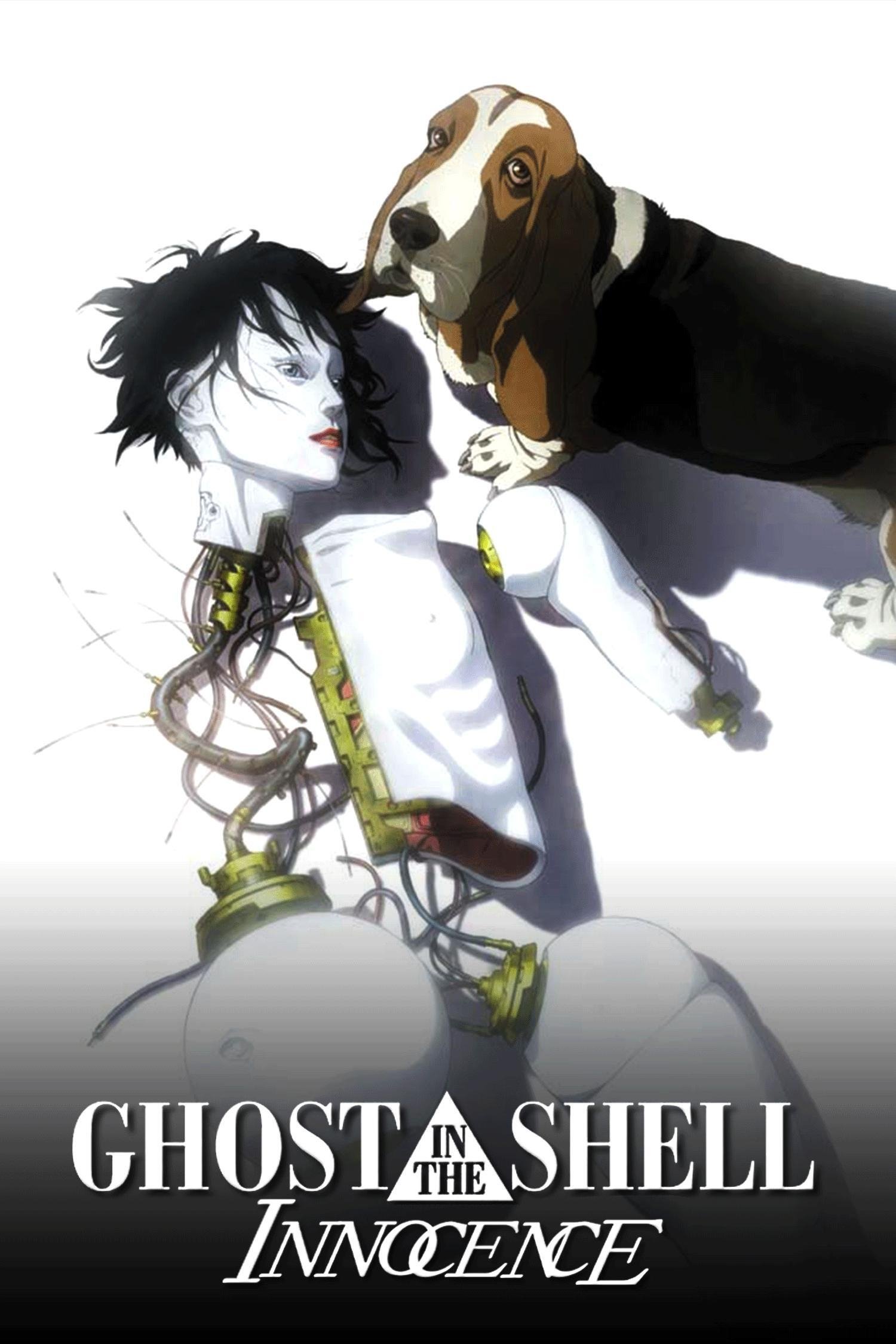
Cyborg detective Batou is assigned to investigate a series of murders committed by gynoids—doll-like cyborgs, which all malfunctioned, killed, then self-destructed afterwards. The brains of the gynoids initialize in order to protect their manufacturer's software, but in one gynoid, which Batou himself neutralized, one file remains: a voice speaking the phrase "Help me."
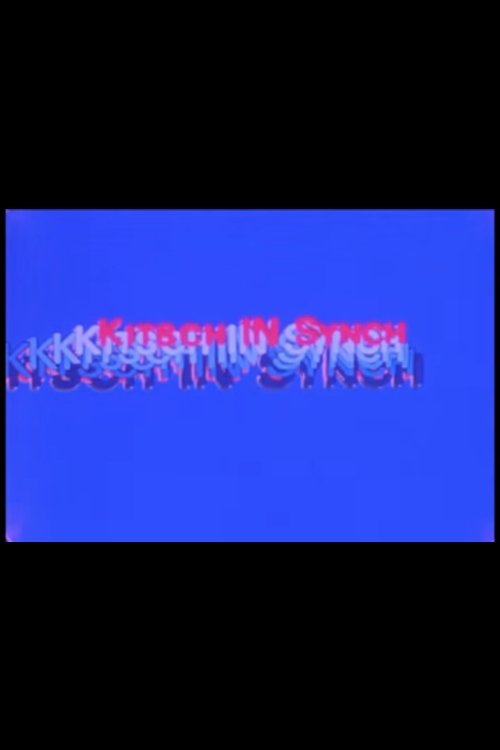
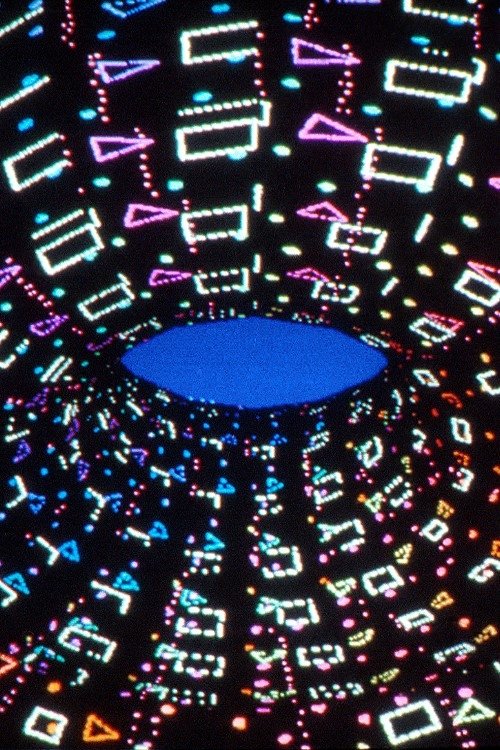
The animation, music, and optical printing of Kitsch in Synch was produced by Beckett and the students in two classes he was teaching at CalArts. Although a group project, it is clear that Beckett was the director. The playful, catchy soundtrack is used to create a cycle of building tension and release. The brightly colored shapes create approximate symmetrical formations and become more densely layered, with glimpses of iconographic objects and even live footage near the end. Preserved by the Academy Film Archive, in partnership with the iotaCenter, in 2007.
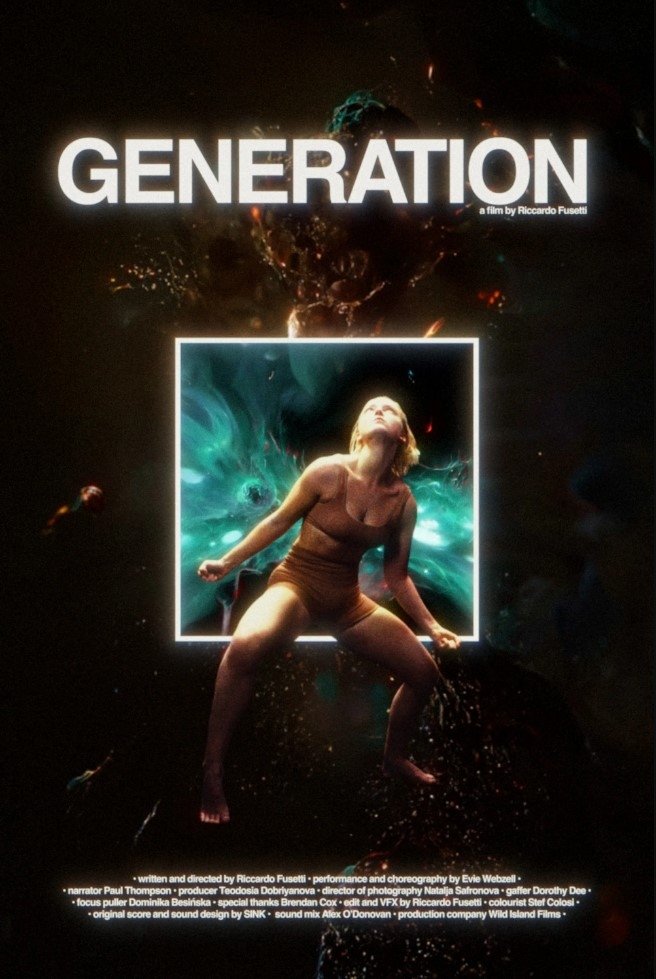
Fragments of a collective post-human dream construct a world that straddles hyper-technological, ecological, and mythological dimensions.
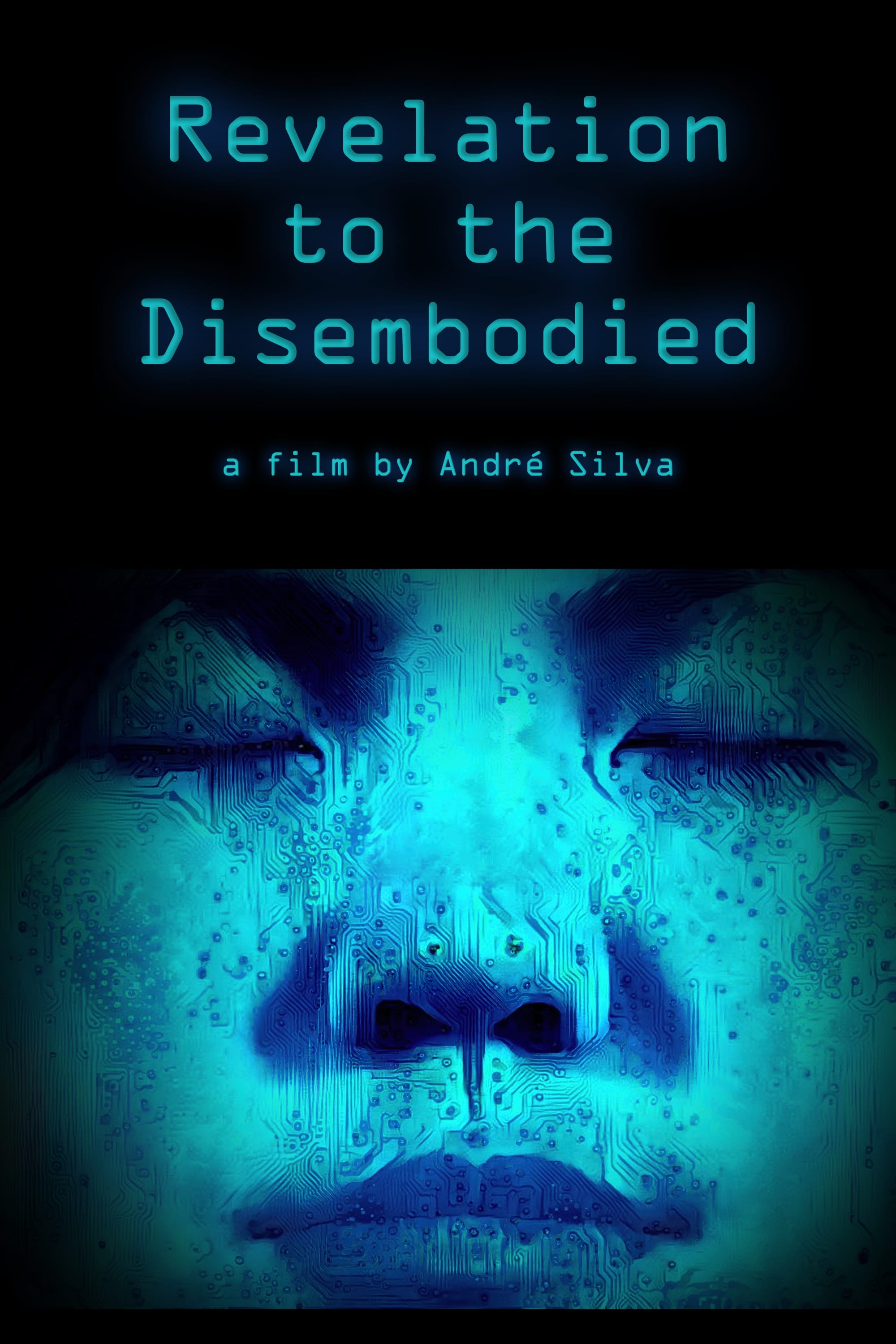
A brief journey through the human experience as seen by the eyes of an Artificial Intelligence.
Abstract video art by John Sanborn and Dean Winkler. Dedicated to Ed Emshwiller.
A 16mm archive from 1964 intervened as an emotional diary during the first three months of the COVID-19 pandemic is the basis of this film, reinterpreted in the montage of the sound design, in which the images are reinterpreted, emphasizing the soundscape of the protests from 2020 to 2023 in the streets of Cajamarca, Cusco and Lima, three regions of Peru, questioning the constant political and social crisis.
Whereabouts is a riso-printed animated short that follows a woman’s journey through New York City, unfolding through small, intimate moments. From sunrise to sunset, Whereabouts becomes an observation on presence, connection, and the quiet magic of simply moving through the world.
For the multimedia exhibition Tangenten I (Tangents I), Dammbeck and co-organizer, sculptor and painter Frieder Heinze had planned to collaborate on a film that would combine non-camera animation with 35mm footage of a train ride between the two Dresden districts of Radebeul and Pieschen. When the exhibition was banned in 1978, Heinze turned to other projects, but Dammbeck continued working on the film by himself. Metamorphoses I—the first experimental film ever to be shown publicly in East Germany—marks the filmic beginning of Dammbeck’s long-term art project the Herakles-Konzept (Hercules Concept).
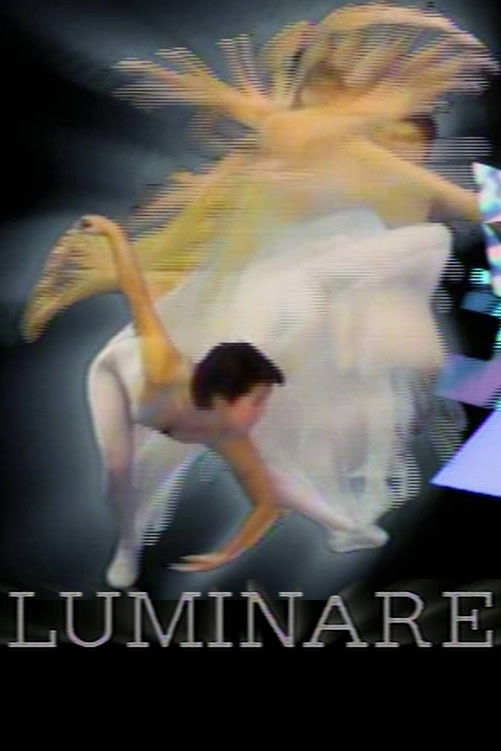
Video art by Vibeke Sorensen made at Calarts in 1989
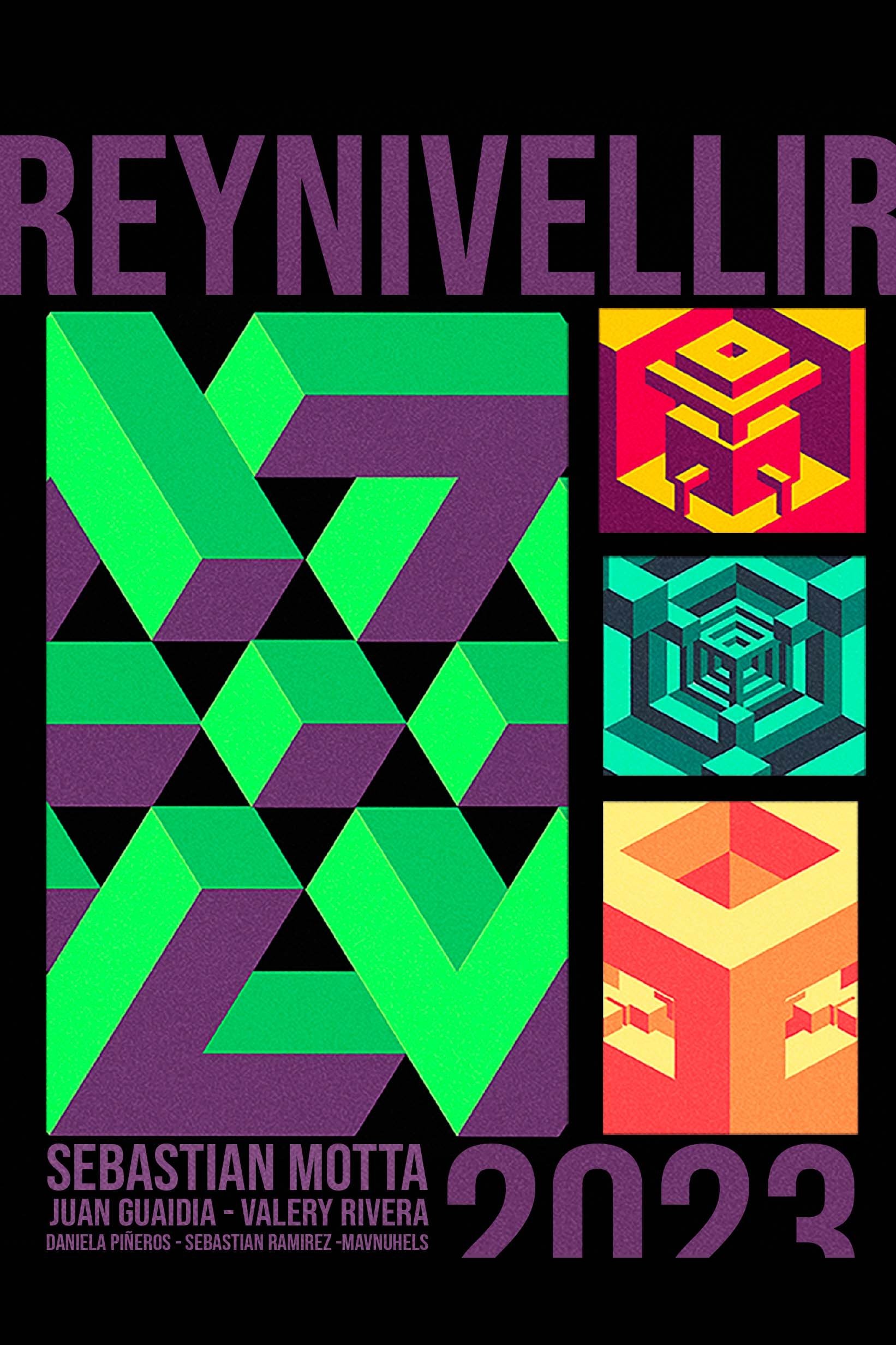
Reynivellir is a representation of the transit that is generated when approaching the art work, described with visual games that can well be evoked by the same brain when witnessing the impossible figures of Jose María Yturralde. Reynivellir is also a beach in a country that is a musical sonnet, and this is so because the mental image does not always connect the articulated parts of a sensation, it is systematic, but aleatory, and it is from these notions of the field of observation, that it approaches and moves away from understanding, linking and unlinking forms, movements, sounds, sensations and knowledge.
A short experimental film that thematizes dreams and nightmares in a surrealistic way. The basis of the movie is found in the poetry created by the two directors, so the film partly seems like stringed lyrical motifs, open to arbitrary interpretation, giving the impression of poetic images arranged in sequences. Combined techniques were used, so in addition to recording with a camera, pixilation, object animation, collage and liquid animation are featured.
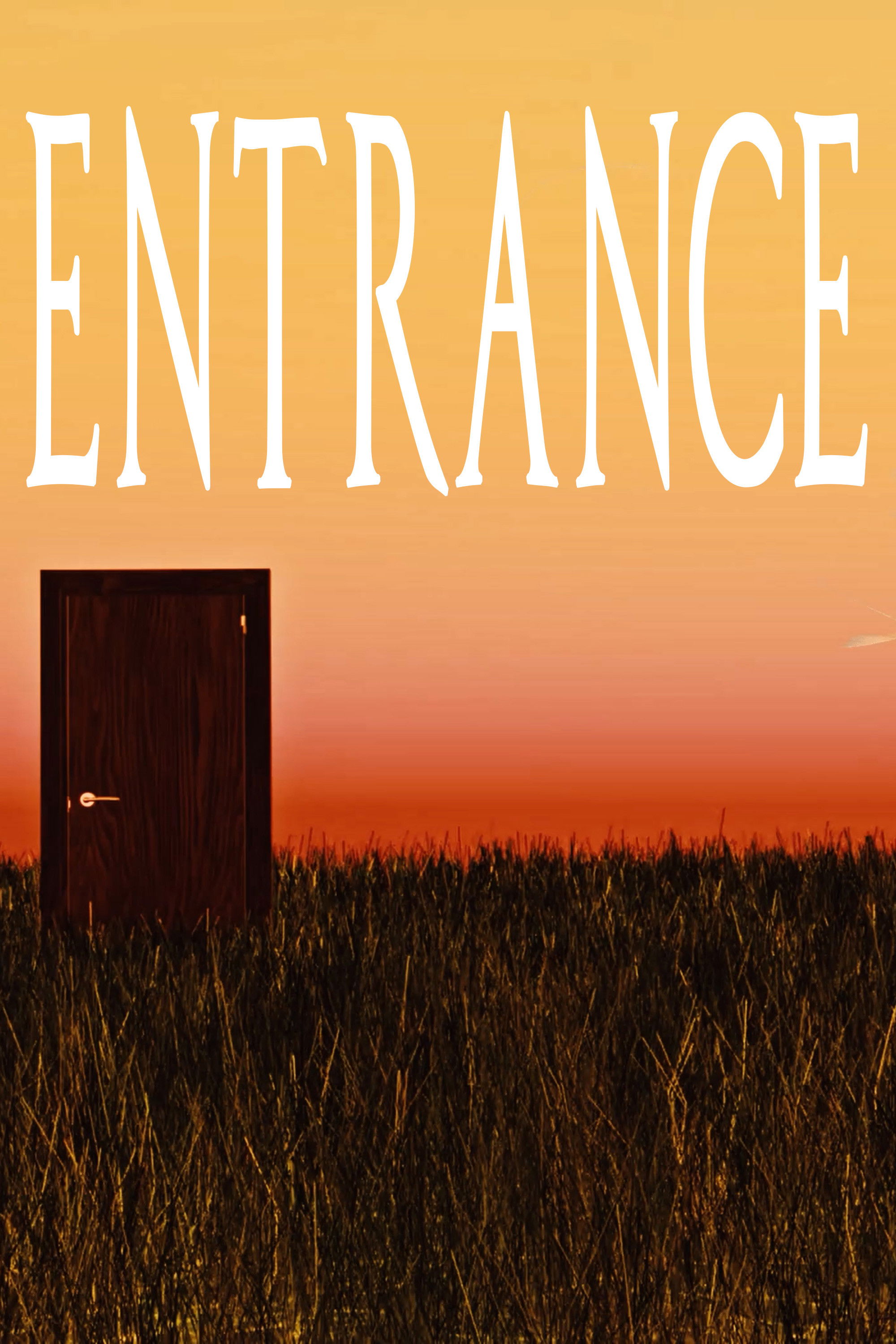
A door that's leads to something more.
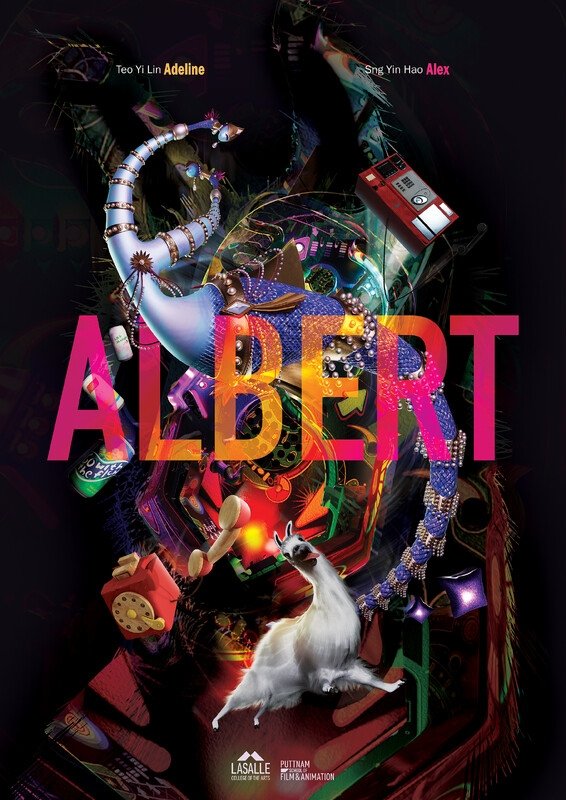
Capturing life through the lens of a dream, Albert explores the evocation of the subconscious mind through the vivid visualism and dynamism of images.
Taking inspiration from 20th-century avant-garde experiments in graphical sound generation, the entire image in O/S functions as an optical soundtrack. Abstract motion becomes sound.
The first feature-length animated film by Japanese stop-motion animator Shunsaku Hayashi, inspired by his experiences after the Great East Japan Earthquake of March 11, 2011.
Usagi-san was washed away by some large waves. He cheats a crocodiles to get home. When he does, he was so dirty that his friends abandoned him because he was unrecognizable.
Haru is a Japanese word that means spring (season). A lighthearted anime about spring time. It was originally set to an elementary school song. The film features several vignettes.
Two girls were watching a street performer. The girls sang out loud and the performer brought them up front so that they could sing for the audience. (Source: MyAnimeList.net)
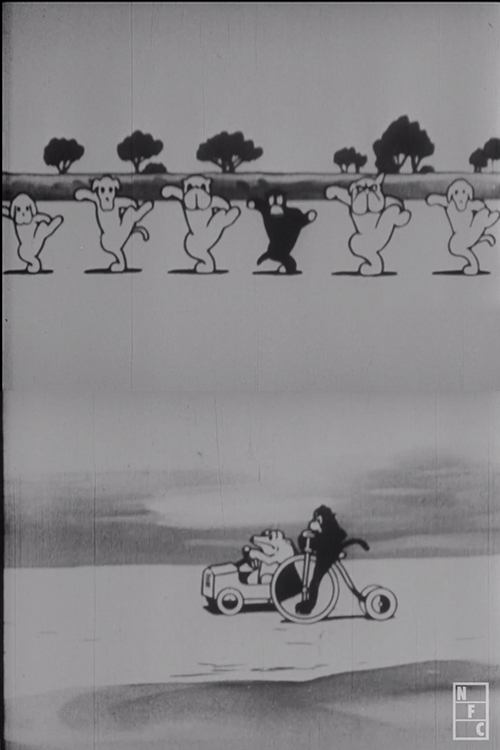
A family of mice dance to entertain a cat that disrupted their festivities after returning home early. (Source: MyAnimeList.net)
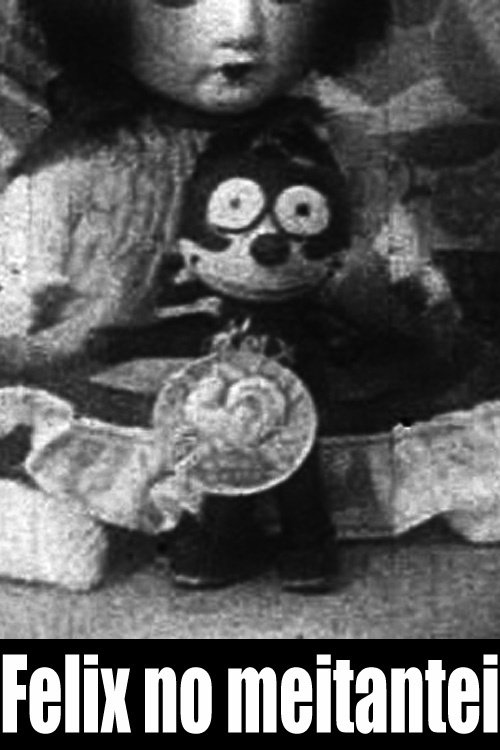
Looking for Hanako's stolen shoes, black cat detective Felix starts to move.
A silent figure known as The Assassin travels through a nightmare underworld of tortured souls, ruined cities and wretched monstrosities forged from the primordial horrors of the unconscious mind of Phil Tippett, the world's preeminent stop-motion animator.
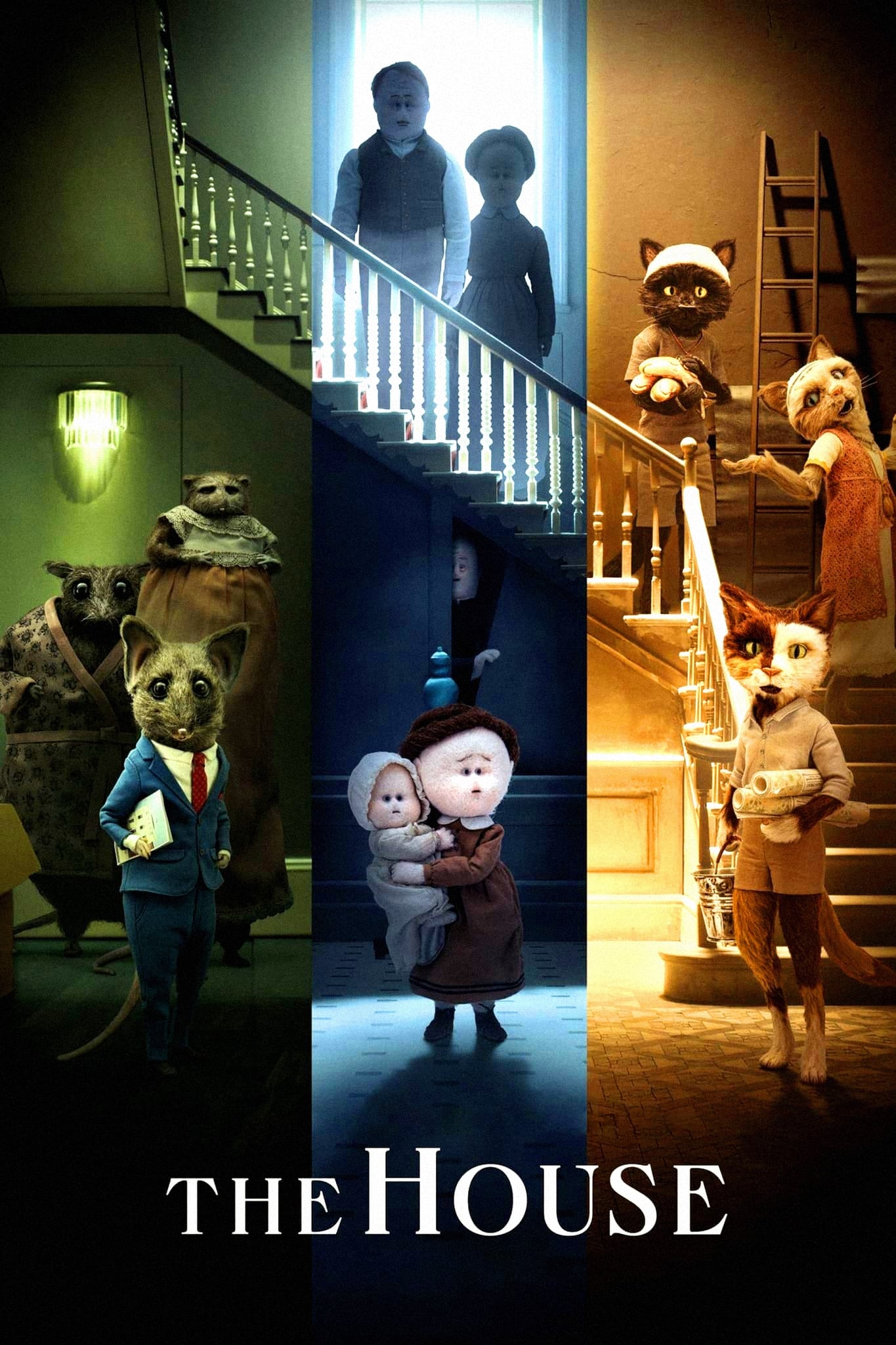
Across different eras, a poor family, an anxious developer and a fed-up landlady become tied to the same mysterious house in this animated dark comedy.
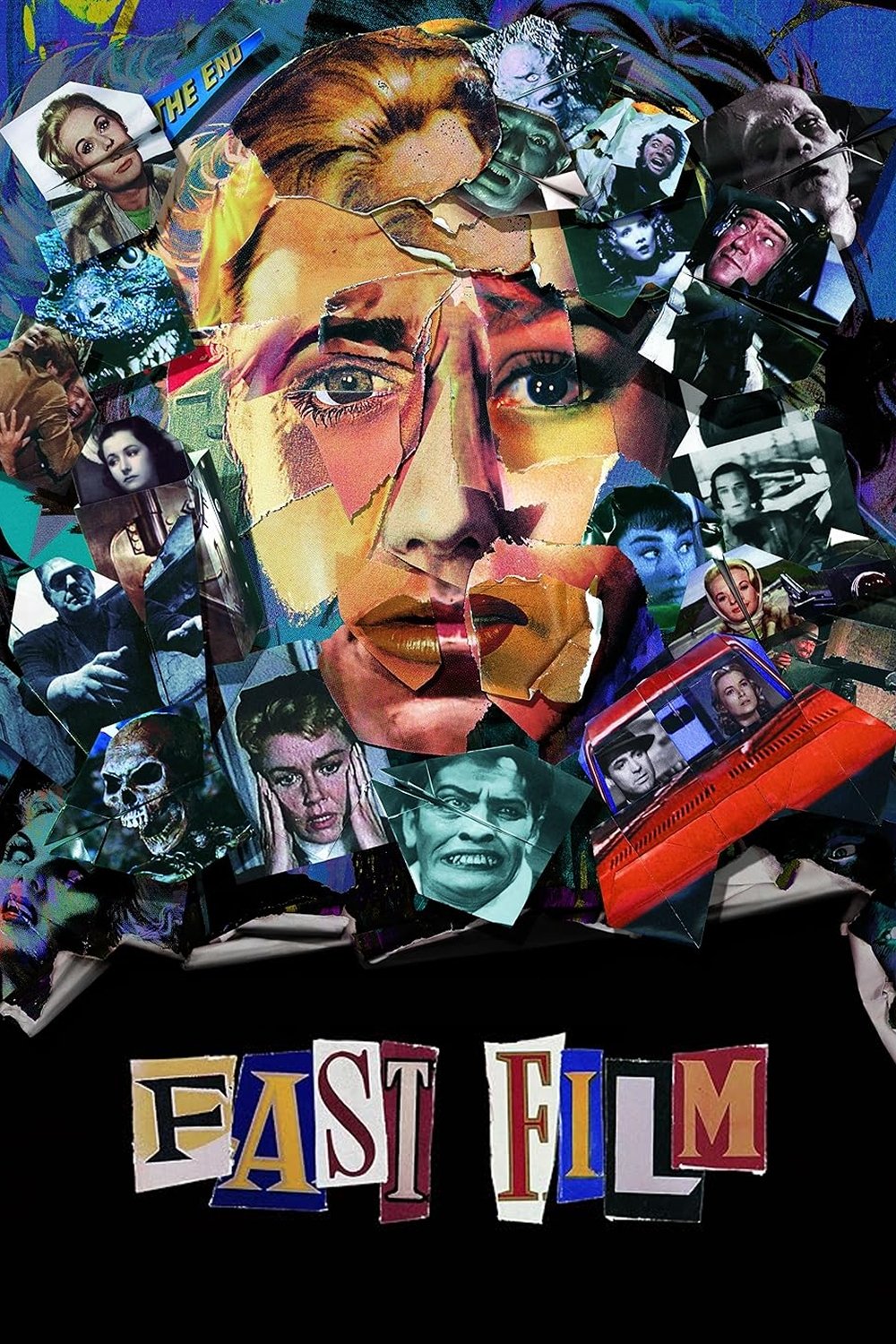
Bits of found film and different types of animation illustrate a classic chase scene scenario: A woman is abducted and a man comes to her rescue, but during their escape they find themselves in the enemy's secret headquarters.
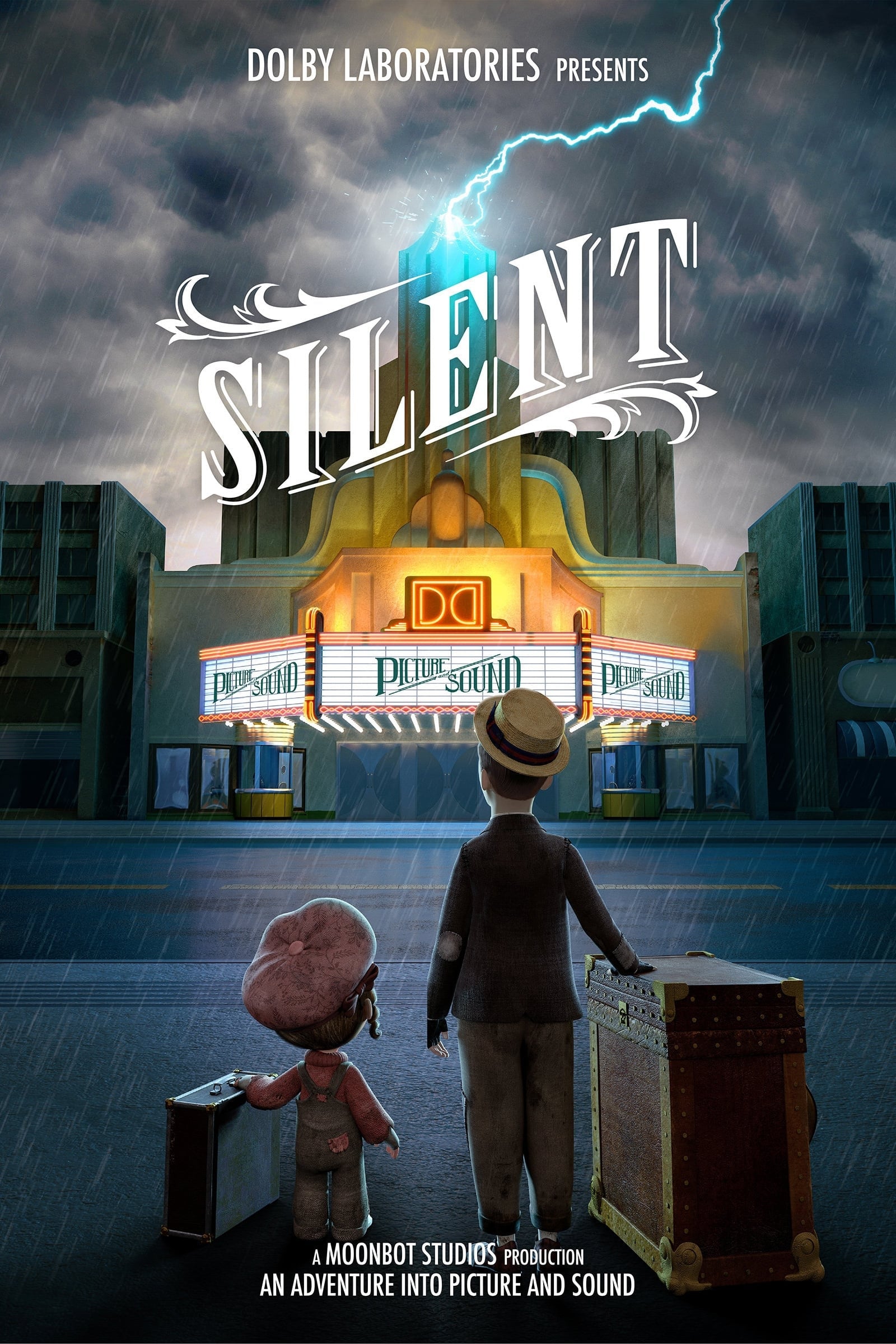
A duo of street performers learns how sound and picture work together to create amazing cinema experiences.
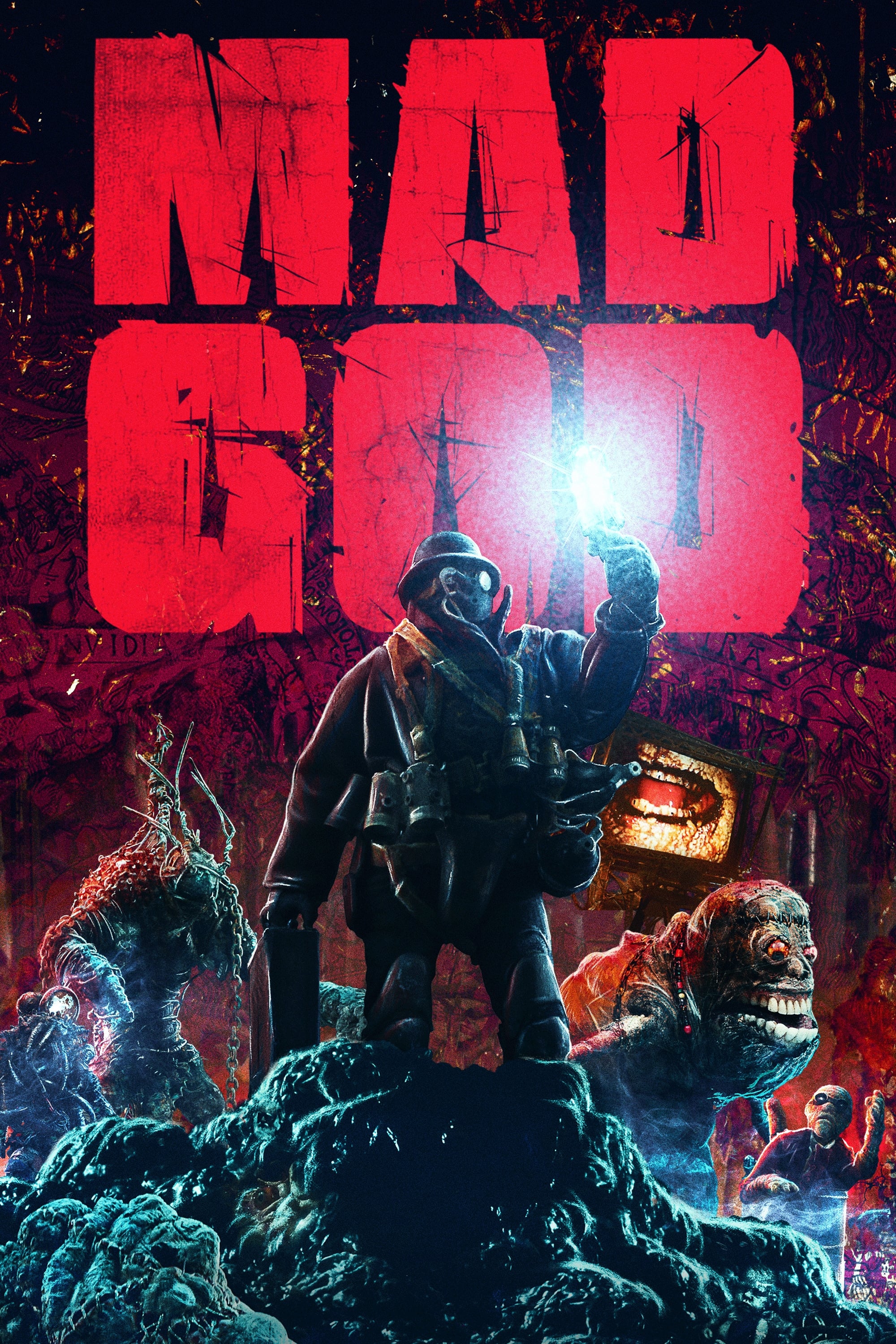
A white dropout struggles to become a cartoonist and filmmaker, drawing inspiration from the harsh, gritty world around him. Still sharing his rundown apartment with his middle-aged parents, an oafish slob of an Italian father and a ditzy nutcase of a Jewish mother, he's ridiculed and looked down upon by his friends, hypocrites who run with violent gangs and the Italian Mafia, and a shallow Black girl who makes her living downtown with the pimps and pushers. The cartoonist gets a chance to pitch a film idea to a movie mogul, but the story proves too outrageous: a far-future Earth, depleted by war and pollution, where a mutant antihero challenges and kills God.
Mater finds a small UFO called Mator and they have a night out. Later, when Mator is captured by military forces, Mater sneaks up and saves him with the help of Lightning McQueen and the UFO's mother.
I made this film especially for you. I needed to check in with you. I needed to tell you how I feel.
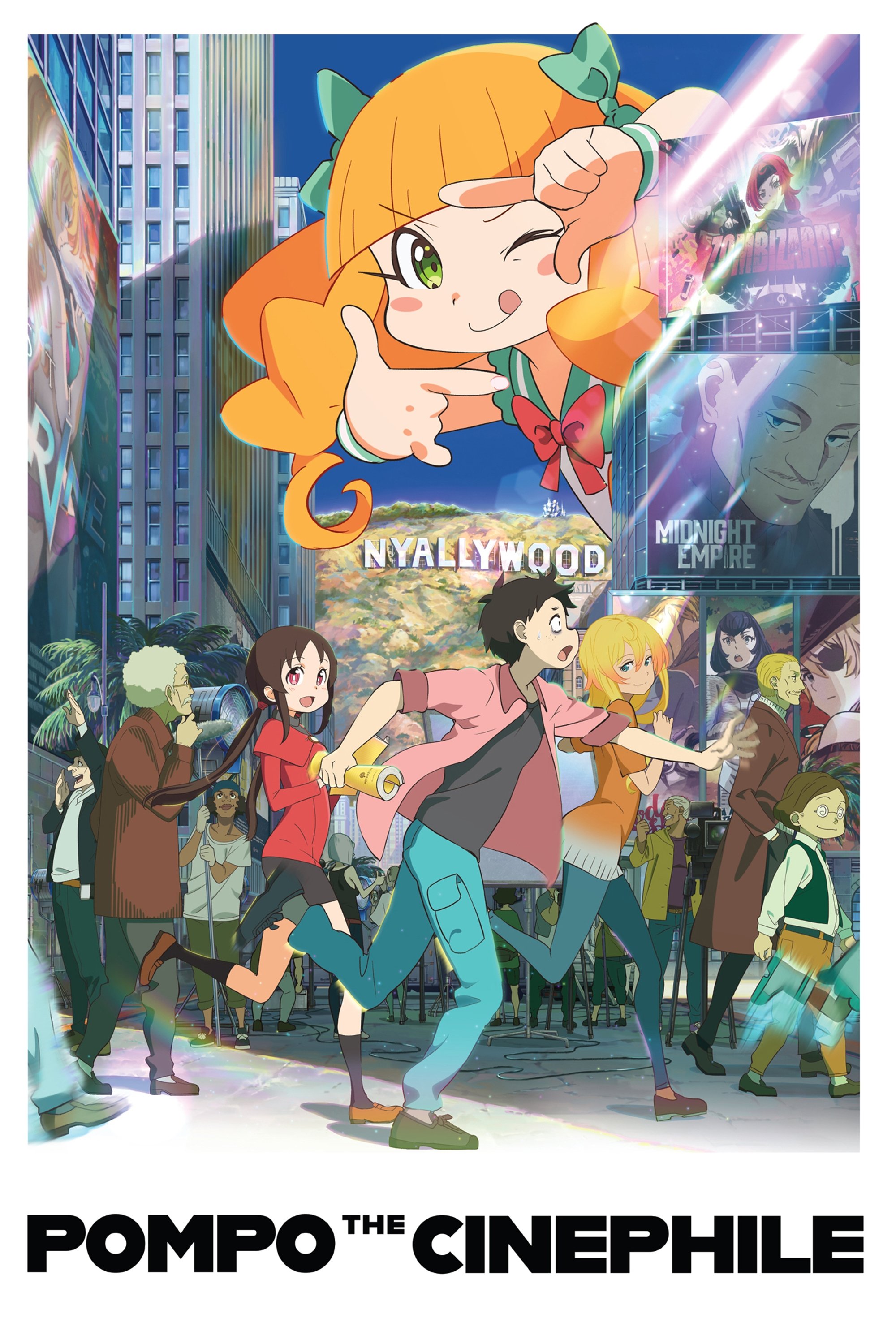
Operating out of the movie capital "Nyallywood," Pompo has been shooting one B-grade entertainment flick after another that anyone would enjoy. One day, Pompo's "movie buff" assistant Gene spots a new script written by Pompo and is moved by its exquisite story. In a fit of passion, he proclaims, "I want to see this as a finished work in theaters as soon as possible!" However, Pompo tells him, "So you shoot this film." Thus, Gene takes on his first directing gig. Meanwhile, Natalie, an ordinary girl who just arrived in town with movie actress dreams, has been discovered by Pompo...
SEELE orders an all-out attack on NERV, aiming to destroy the Evas before Gendo can advance his own plans for the Human Instrumentality Project. Shinji is pushed to the limits of his sanity as he is forced to decide the fate of humanity.
Short film to a song of love lost and rediscovered, a woman sees and undergoes surreal transformations. Her lover's face melts off, she dons a dress from the shadow of a bell and becomes a dandelion, ants crawl out of a hand and become Frenchmen riding bicycles. Not to mention the turtles with faces on their backs that collide to form a ballerina, or the bizarre baseball game.
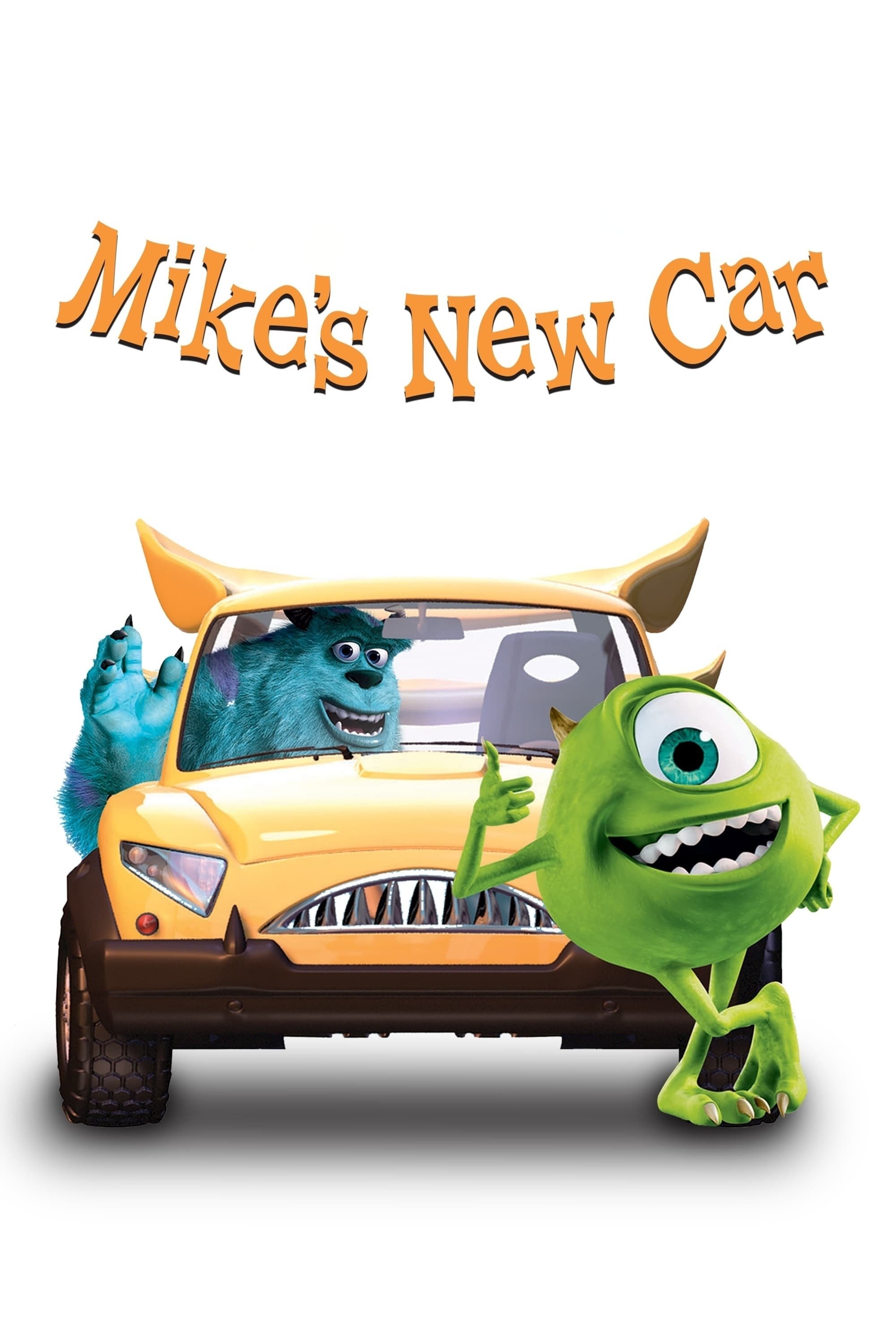
Mike discovers that being the top-ranking laugh collector at Monsters, Inc. has its benefits – in particular, earning enough money to buy a six-wheel-drive car that's loaded with gadgets. That new-car smell doesn't last long enough, however, as Sulley jump-starts an ill-fated road test that teaches Mike the true meaning of buyer's remorse.
The seven short films making up GENIUS PARTY couldn’t be more diverse, linked only by a high standard of quality and inspiration. Atsuko Fukushima’s intro piece is a fantastic abstraction to soak up with the eyes. Masaaki Yuasa, of MIND GAME and CAT SOUP fame, brings his distinctive and deceptively simple graphic style and dream-state logic to the table with “Happy Machine,” his spin on a child’s earliest year. Shinji Kimura’s spookier “Deathtic 4,” meanwhile, seems to tap into the creepier corners of a child’s imagination and open up a toybox full of dark delights. Hideki Futamura’s “Limit Cycle” conjures up a vision of virtual reality, while Yuji Fukuyama’s "Doorbell" and "Baby Blue" by Shinichiro Watanabe use understated realism for very surreal purposes. And Shoji Kawamori, with “Shanghai Dragon,” takes the tropes and conventions of traditional anime out for very fun joyride.
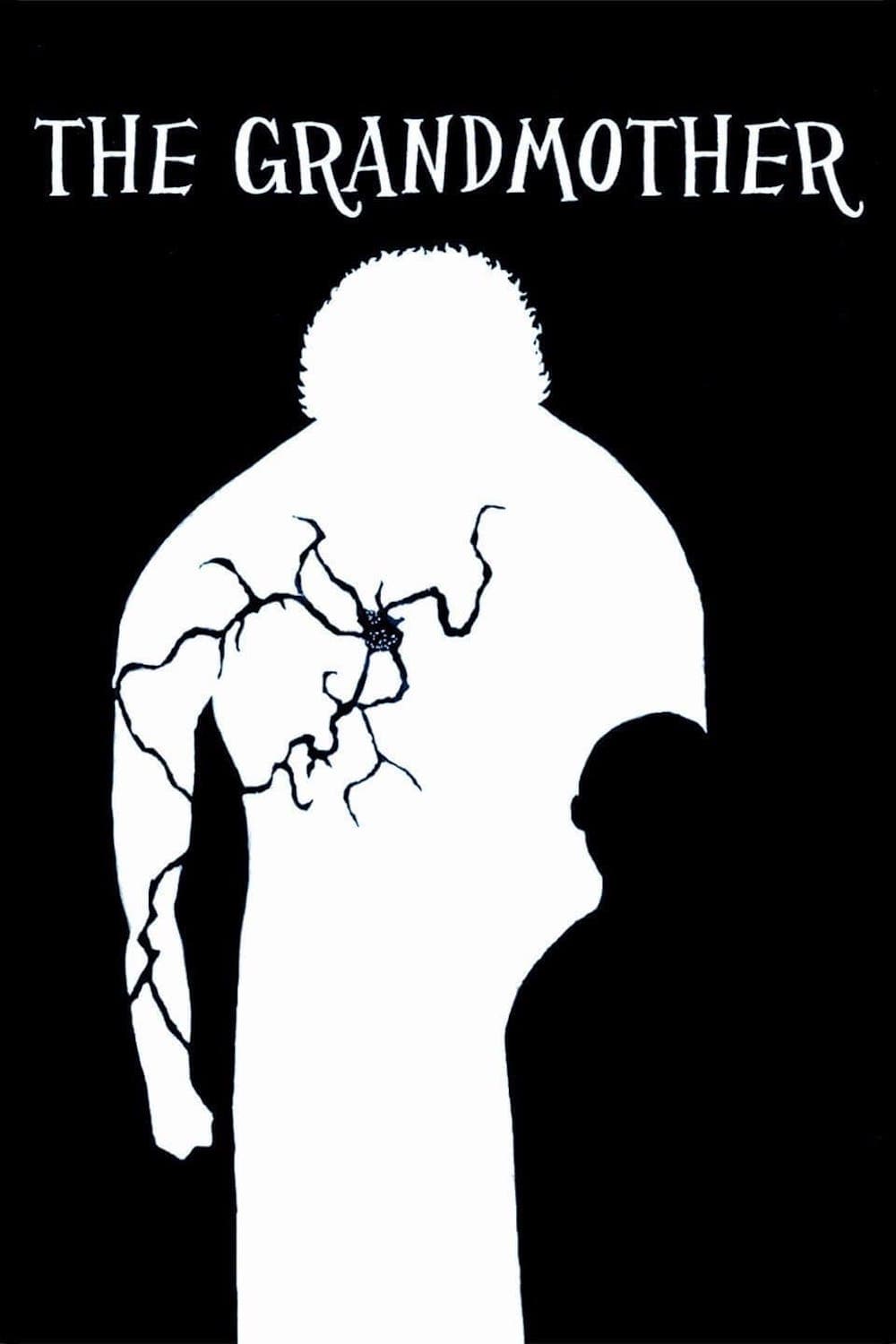
To escape neglect and abuse from his parents, a young boy plants some strange seeds and they grow into a grandmother.
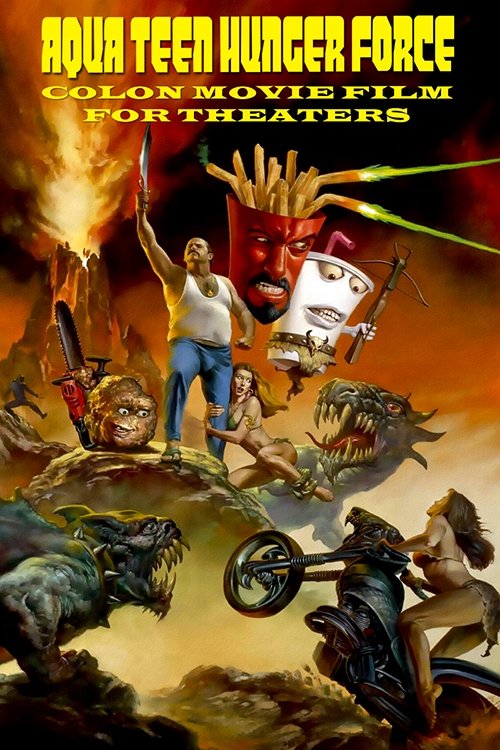
An action epic that explores the origins of the Aqua Teen Hunger Force (better known as Master Shake, Frylock, and Meatwad,) who somehow become pitted in a battle over an immortal piece of exercise equipment.
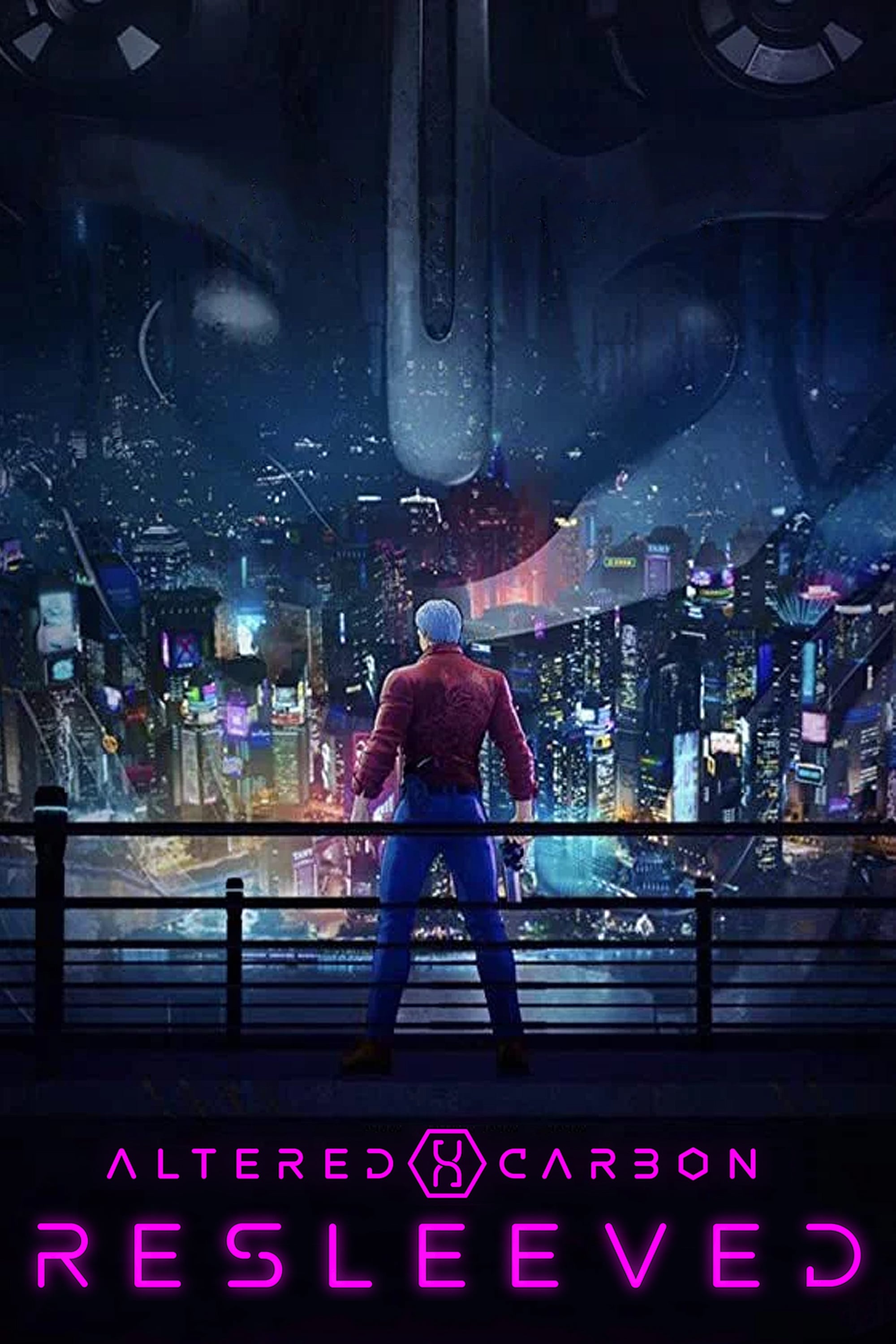
On the planet Latimer, Takeshi Kovacs must protect a tattooist while investigating the death of a yakuza boss alongside a no-nonsense CTAC.
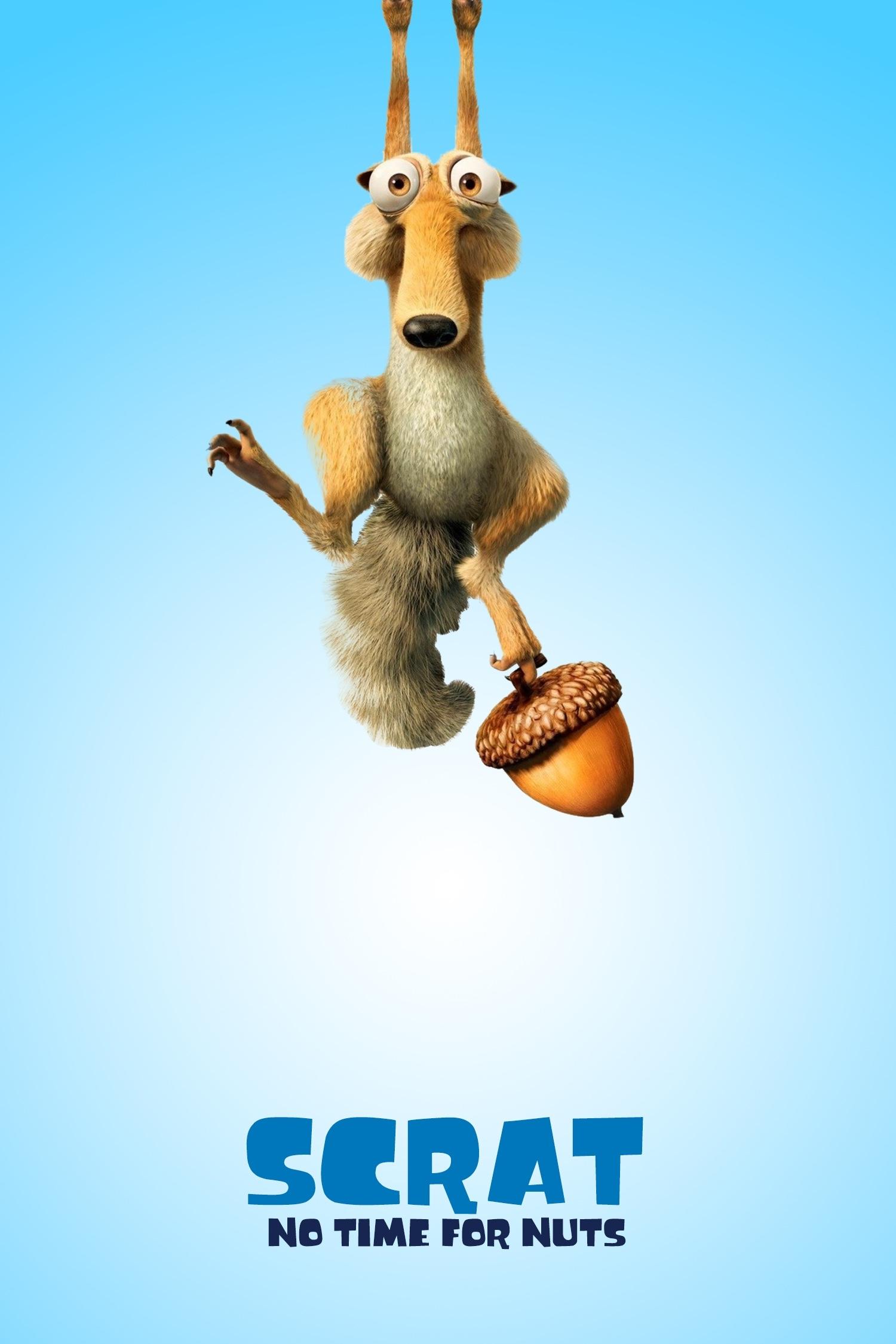
Scrat comes across a time machine and is transported to various times all in pursuit of his beloved acorn.
This short film continues the adventures of the title character as he tries to retrieve his elusive acorn.
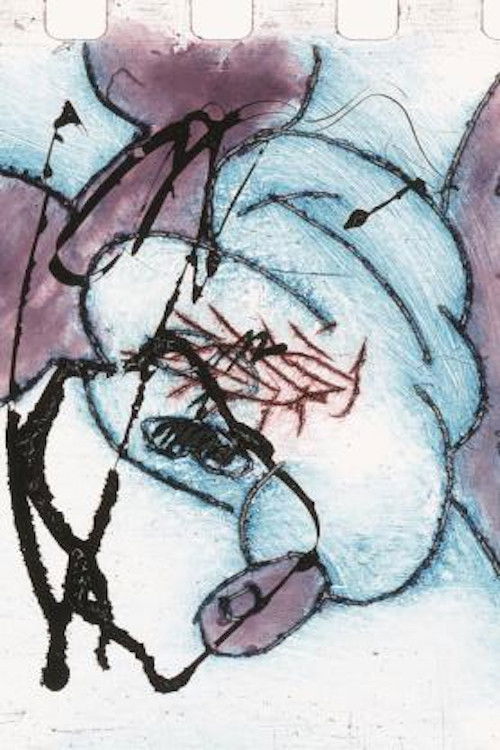
This direct-to-draw animated film on 35 mm film features the imagery of 10 European directors in a collective project. Each produced 1 minute of animation on film, drawing directly onto it in his or her own style.
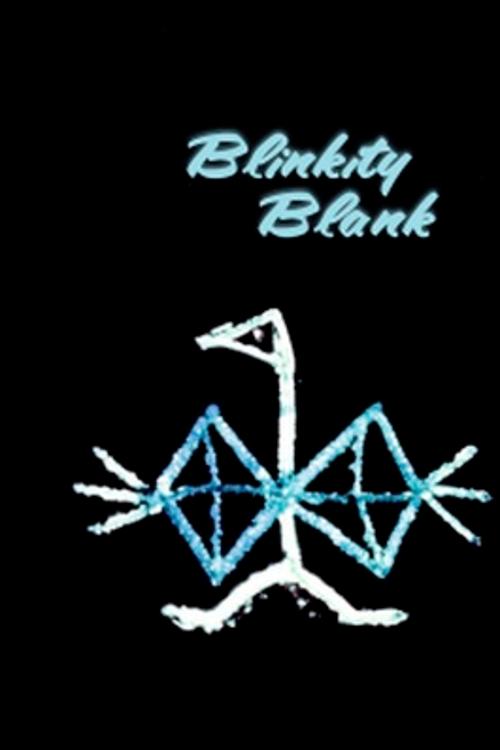
A playful exercise in intermittent animation and spasmodic imagery. Playing with the laws relating to persistence of vision and after-image on the retina of the eye, McLaren engraves pictures on blank film creating vivid, percussive effects.
Chip and Dale are starving in their tree home when they notice a plentiful supply of acorns on an island in a lake. To get to the island, they borrow a miniature model ship of Donald's to sail on. The irate Donald, however, doesn't appreciate them stealing his ship and makes several attempts to get it back and thwart their scheme to get to their acorn paradise. Chip and Dale are, of course, always one step ahead of Donald.