Eliza Dushku takes on her homeland of Albania.
Social & External
The people behind it
Eliza Dushku
Nate Dushku
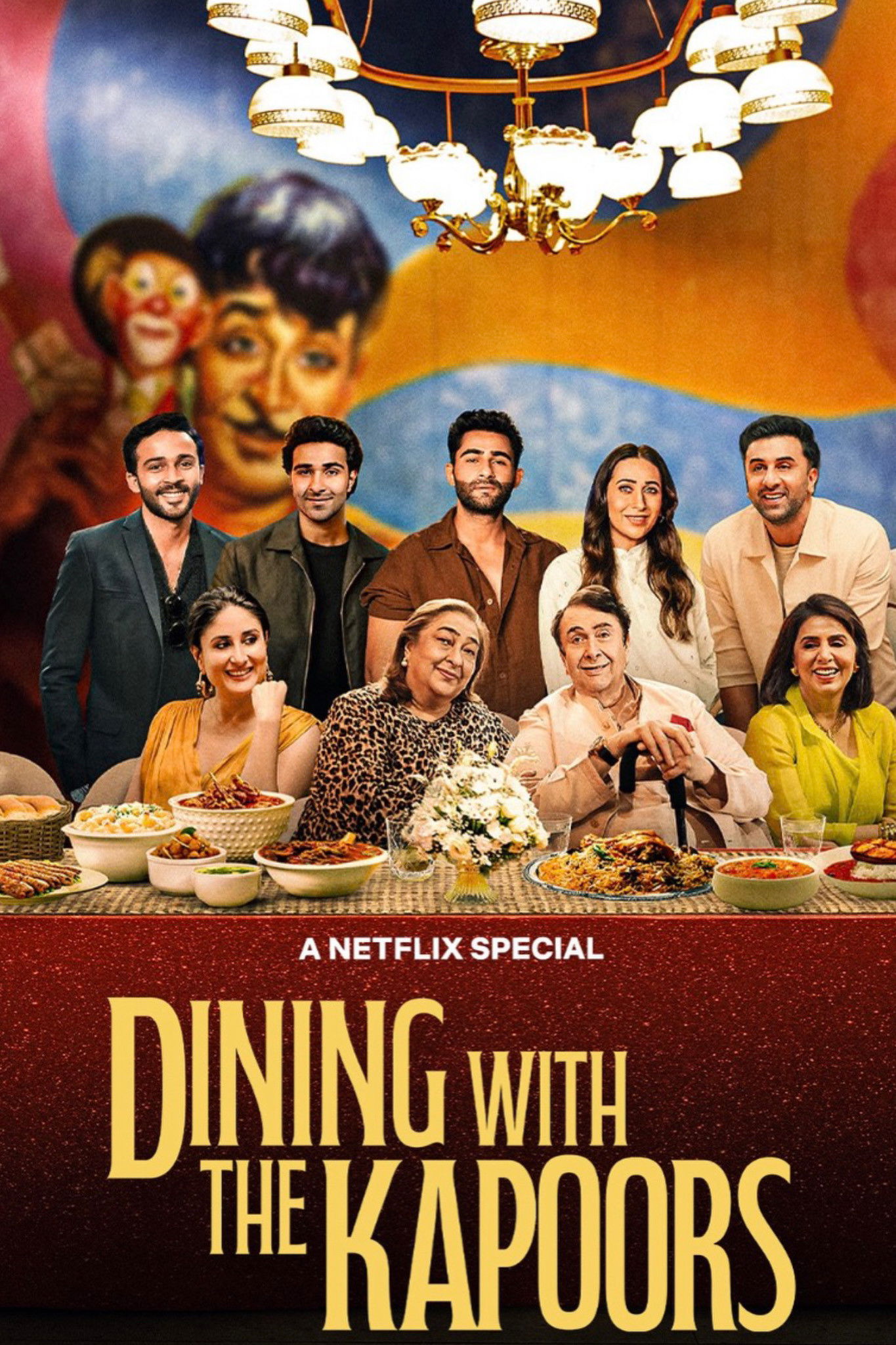
This special offers a rare glimpse into the Kapoors, Hindi cinema's first family, over an afternoon of conversation, nostalgia and homemade delicacies.
The story of Nisar Ahmed Khan, told through his children and the people he served, a spiritual guide whose followers still visit his tomb on his birth and death anniversaries. And alongside how his family spends a few days at the village keeping his traditions alive.
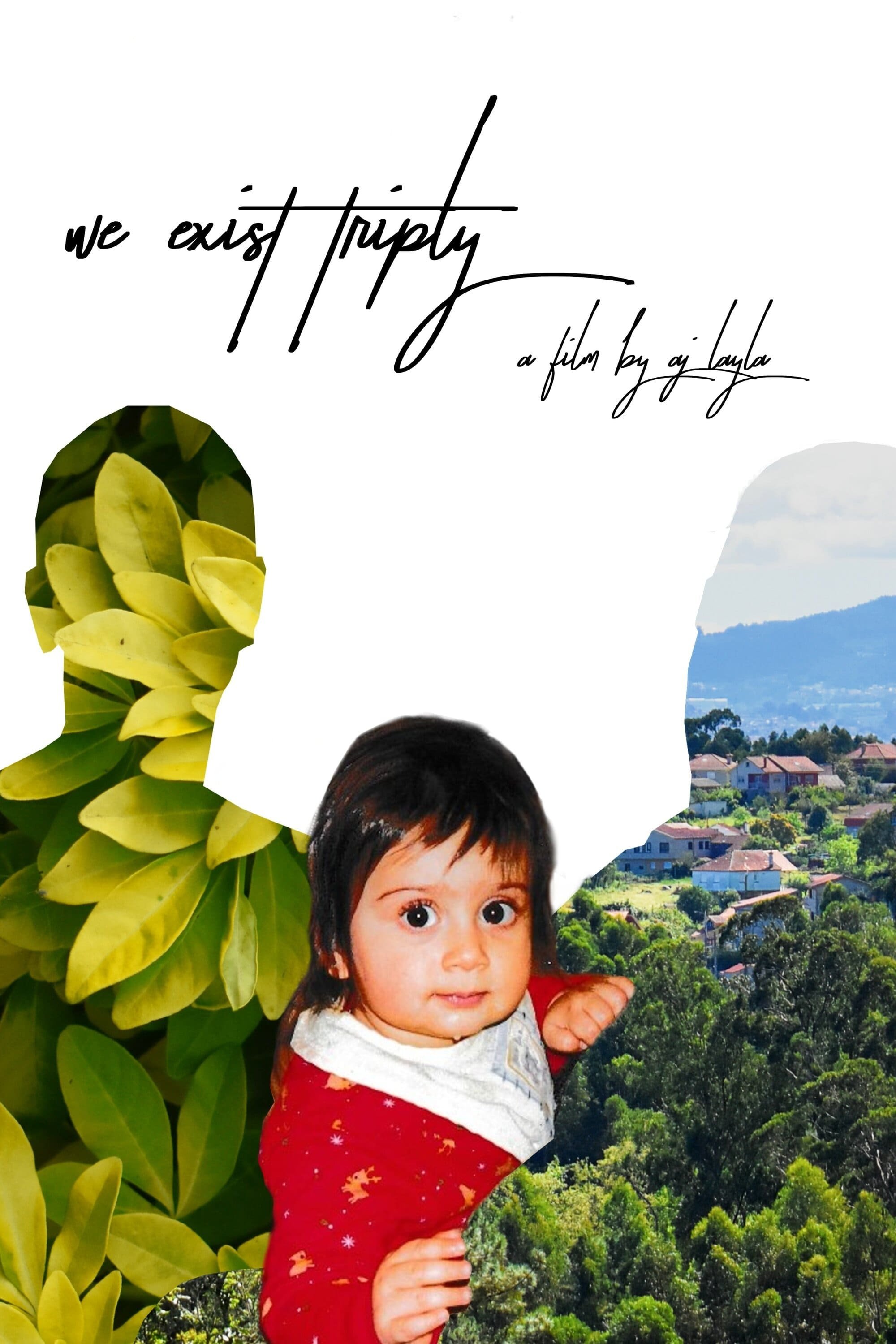
A sock puppet explores a family history told from the perspective of a mother and father.
21 years after the collapse of the Communist regime, Albania experiences democracy with it's many contradictions. An exclusive insider perspective given by three young protagonists.
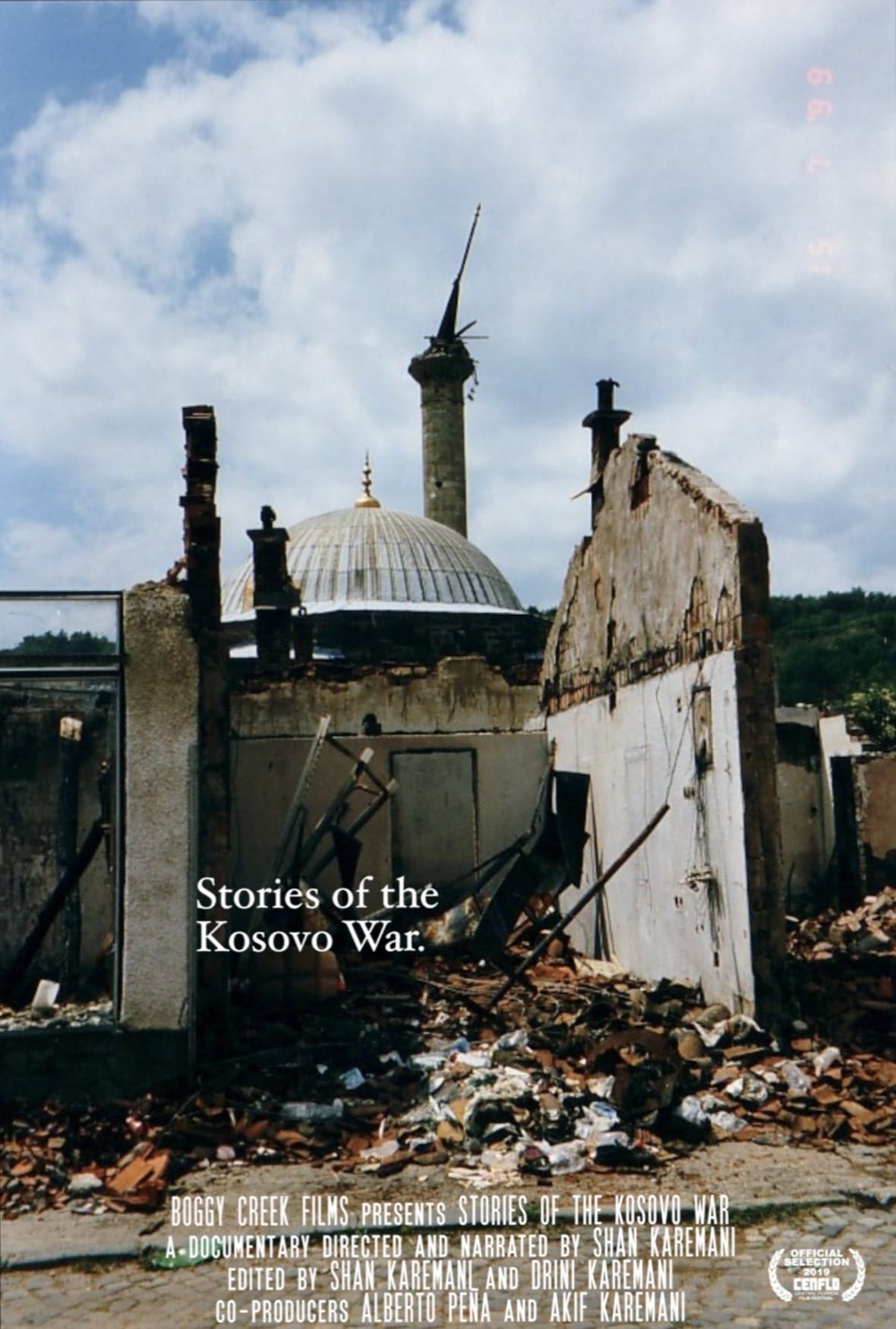
A documentary unraveling the untold stories and brutal experiences of the Kosovo War in the late 1990s.
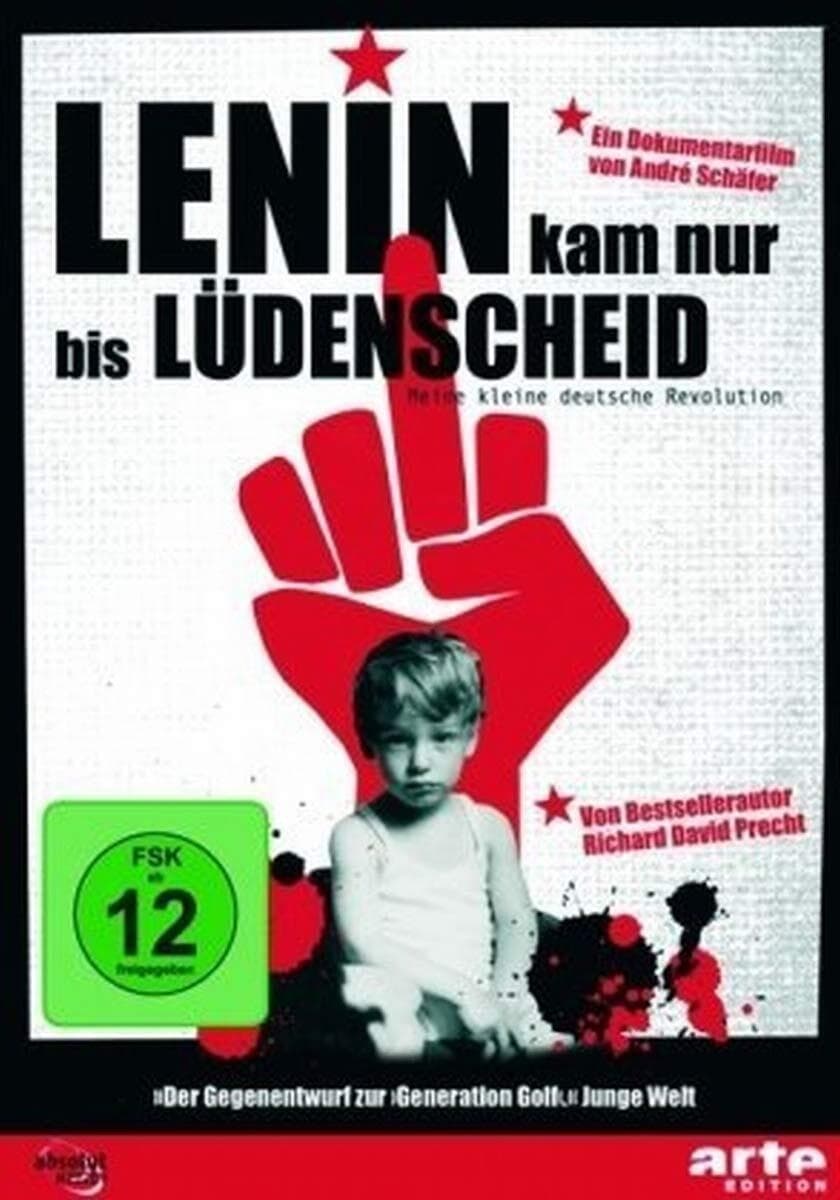
The free, almost naive view from the perspective of a child puts the "68ers" in a new, illuminating light in the anniversary year 2008. The film is a provocative reckoning with the ideological upbringing that seemed so progressive and yet was suffocated by the children's desire to finally grow up. With an ironic eye and a feuilletonistic style, author Richard David Precht and Cologne documentary film director André Schäfer trace a childhood in the West German provinces - and place the major events of those years in completely different, smaller and very private contexts.
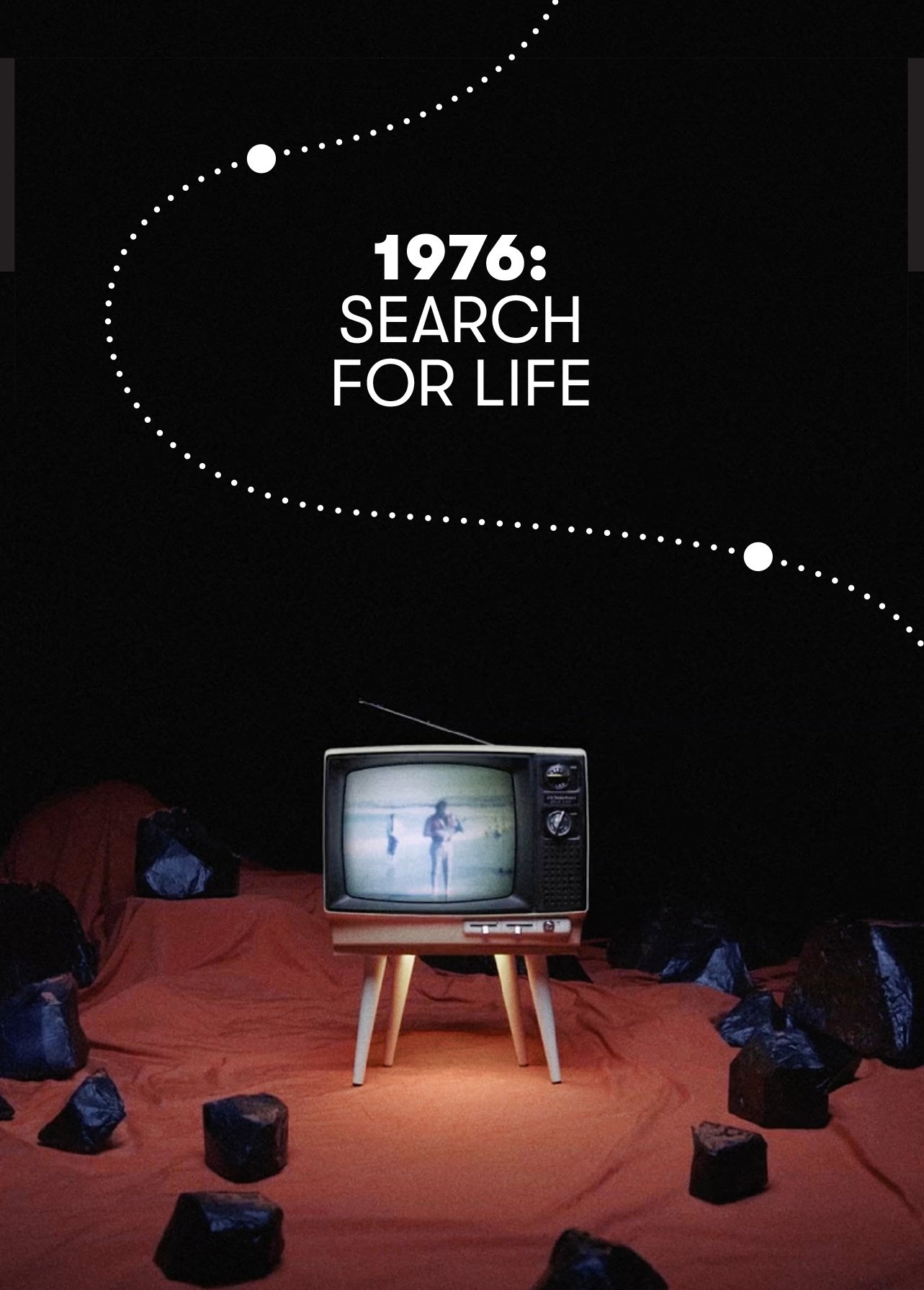
A new father takes his wife and daughter on a journey to his mother’s birthplace in Scotland. It is 1976 – the year in which NASA’s Viking 1 and 2 space probes land on the surface of Mars. They send images of an only vaguely explored area from a great distance, enabling a first look into the history of an alien planet. Like the NASA scientists, the small family are hoping that their journey will give them insights into the past, an understanding of the present situation and perhaps even the chance to anticipate the future.
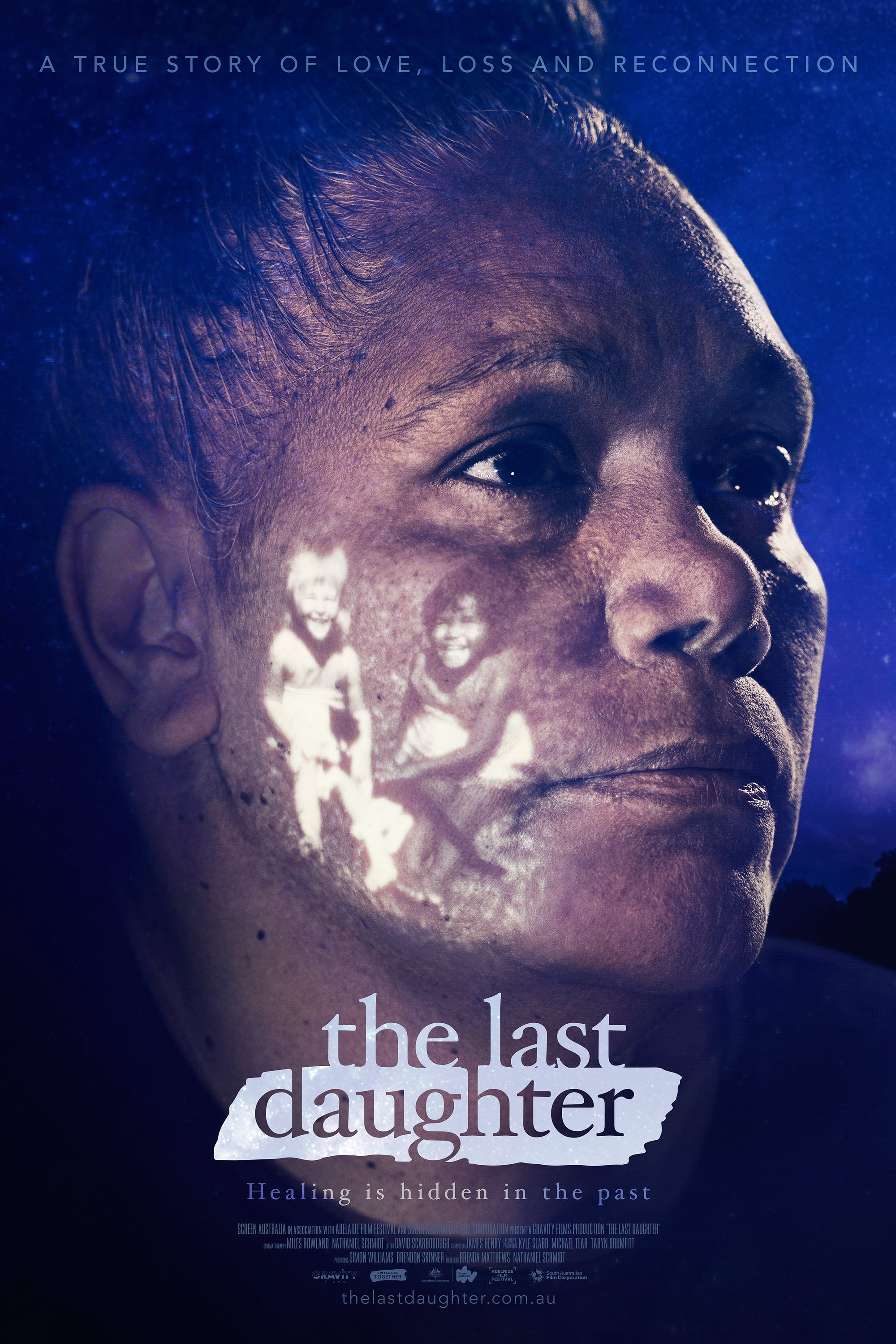
Brenda’s first memories were of growing up in a loving white foster family, before she was suddenly taken away and returned to her Aboriginal family. Decades later, she feels disconnected from both halves of her life, so she goes searching for the foster family with whom she had lost contact. Along the way she uncovers long-buried secrets, government lies, and the possibility of deeper connections to family and culture.
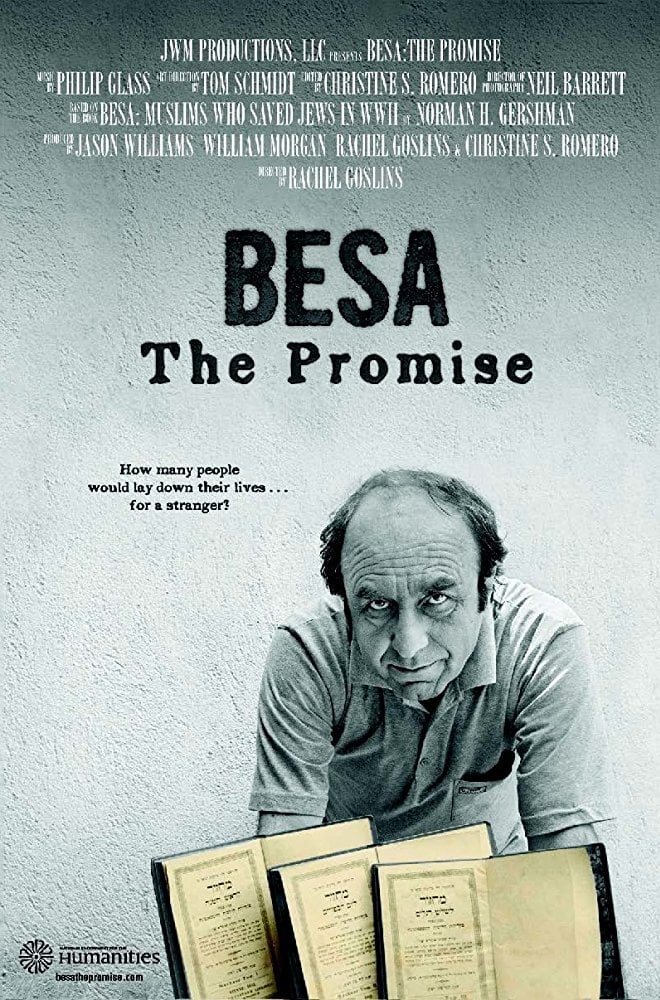
A documentary exploring how Albanians, including many Muslims, helped and sheltered Jewish refugees during WWII at their own risk, and trying to help the son of an Albanian baker that housed a Jewish family for a year return some Hebrew books that the family had to leave behind.
A documentary that investigates the complexity of a nation, Albania, through the narration of the convoluted history of its monuments. What happens to the statues when they are destroyed, what are they replaced with and where do their marble shreds end up? What happens to their expensive bronze? And again: what do the sculptors who made these statues think of these destructions, what is their opinion. And today? Which statues are being destroyed in Albania today?
In an empty house, we see the memories of a home, from those who once lived and filled it with joy and love.
The story of Christina Lau and her relationship with her parents as she recounts the happy and traumatic memories of her childhood and adolescence. She shares the ways in which the tragic demise of her father and mother have affected her and shaped who she is today. Her story is powerful, tragic, and demonstrates the importance of strong family ties when overcoming hardship. The documentary is directed by her eldest daughter, Robyn Mae, and includes stunning animations created by her youngest daughter, Tammy-Ann.
At the edge of the Yangtze River, not far from the Three Gorges Dam, young men and women take up employment on a cruise ship, where they confront rising waters and a radically changing China.
Children get ready to start the first grade. They start learning the first letters.
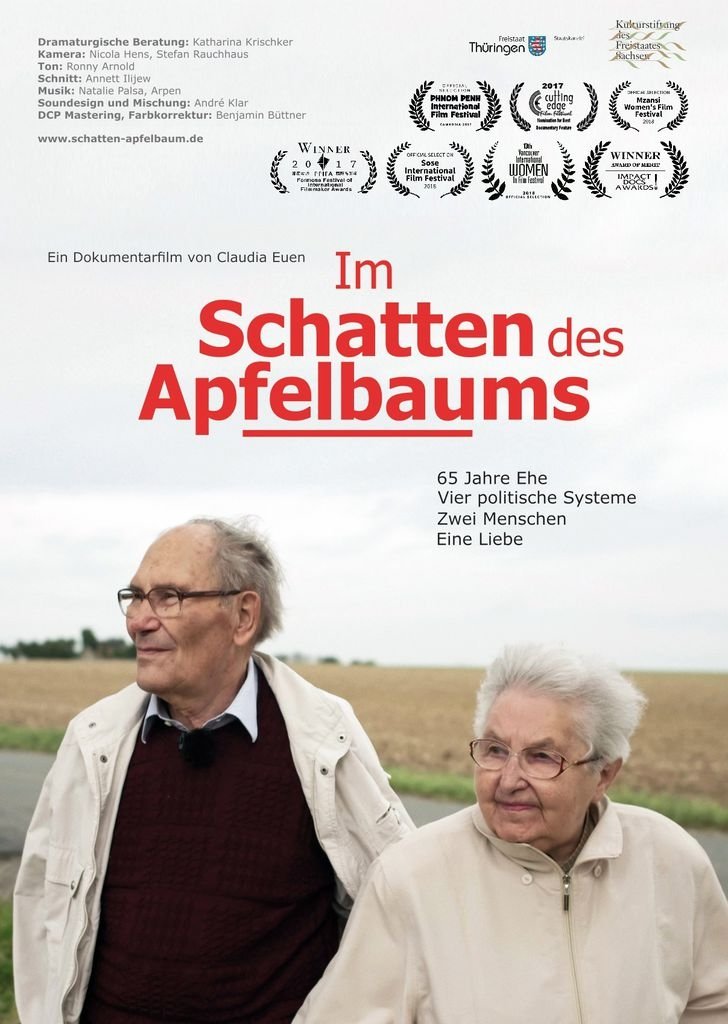
65 years of marriage, four systems, two people, one love: Ilse and Wolfgang Gutsche have gotten along well with each other their entire lives. And they would do it all again.
Emma reviews old tapes on VHS, which show faded family memories of those distant 80s, when she was still a child. While recalling the trips to the coast and the children's laughter, she tries to recompose pieces of a story that he never fully understood, joining the pieces of a forgotten puzzle to discover that things were not what they seemed.
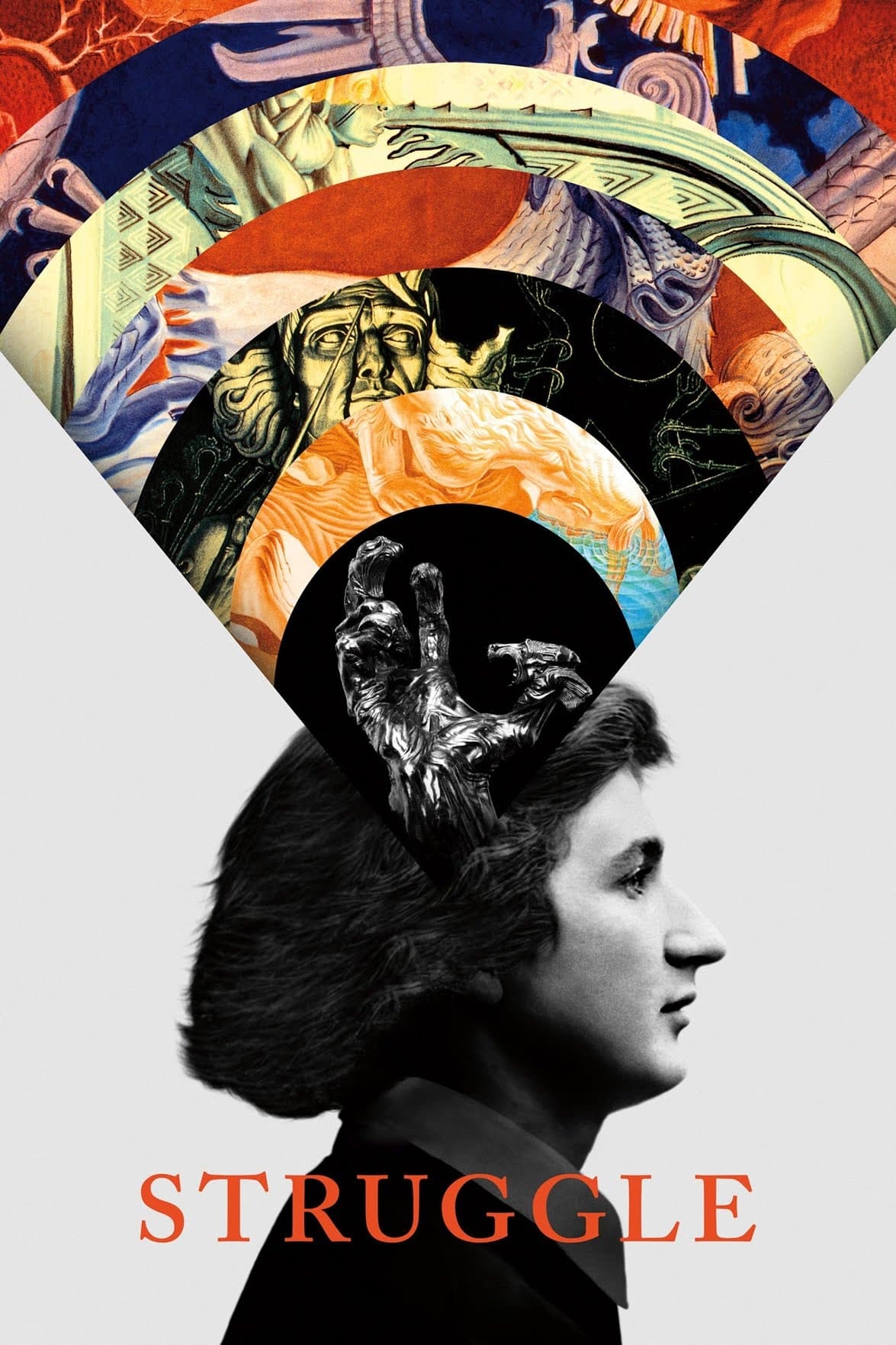
Documentary about Congres VI of the Women's Union.
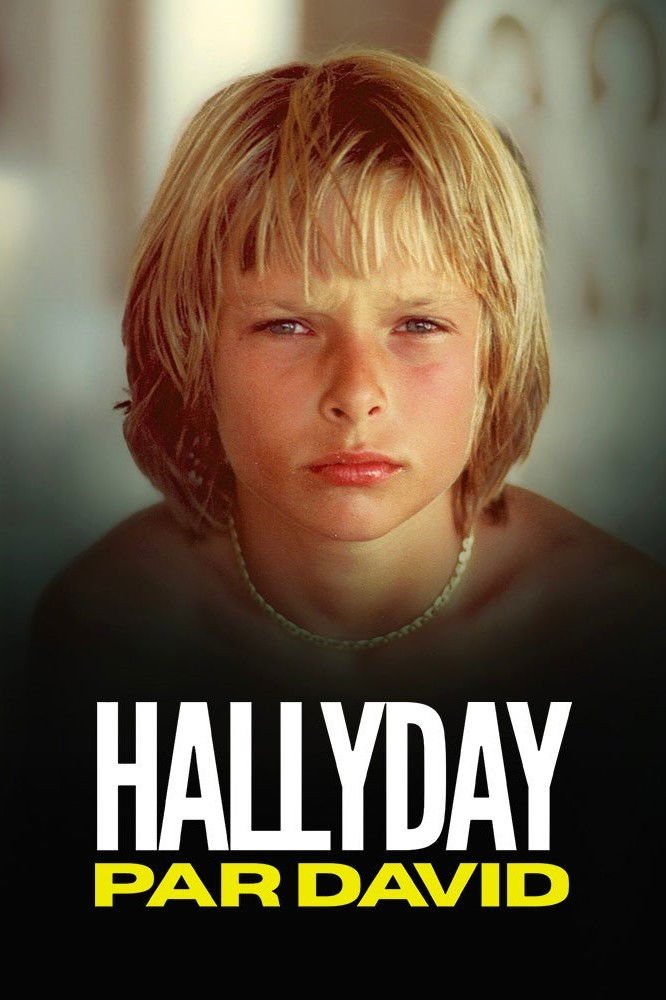
For over a year, from Paris to Los Angeles, David Hallyday agreed to open the doors to his private life and his clan. The artist opens up like never before about his life as a man, son, husband, brother, and father. Drawing on personal archives and rare insights from his inner circle, this is a unique account of a life and a family of which David Hallyday is now the pillar.
Ranjit, a farmer in India, takes on the fight of his life when he demands justice for his 13-year-old daughter, the victim of a brutal gang rape. His decision to support his daughter is virtually unheard of, and his journey unprecedented.
In an intimate and joyful story of love in the face of loss, celebrated poets Andrea Gibson and Megan Falley find strength—and unexpected hilarity—in what might be their final year together.
Through deeply personal interviews with her siblings and an examination of the photographs, letters, and belongings left behind, Mariska assembles a new portrait of her mother Jayne Mansfield, an extraordinary and complex woman.
The life of Mr. Spock, as well as that of Leonard Nimoy, the actor who played him for almost fifty years, written and directed by his son: Adam.
A string of threatening emails escalates into a revenge plot involving a newly married US marshal and his ex-girlfriend.
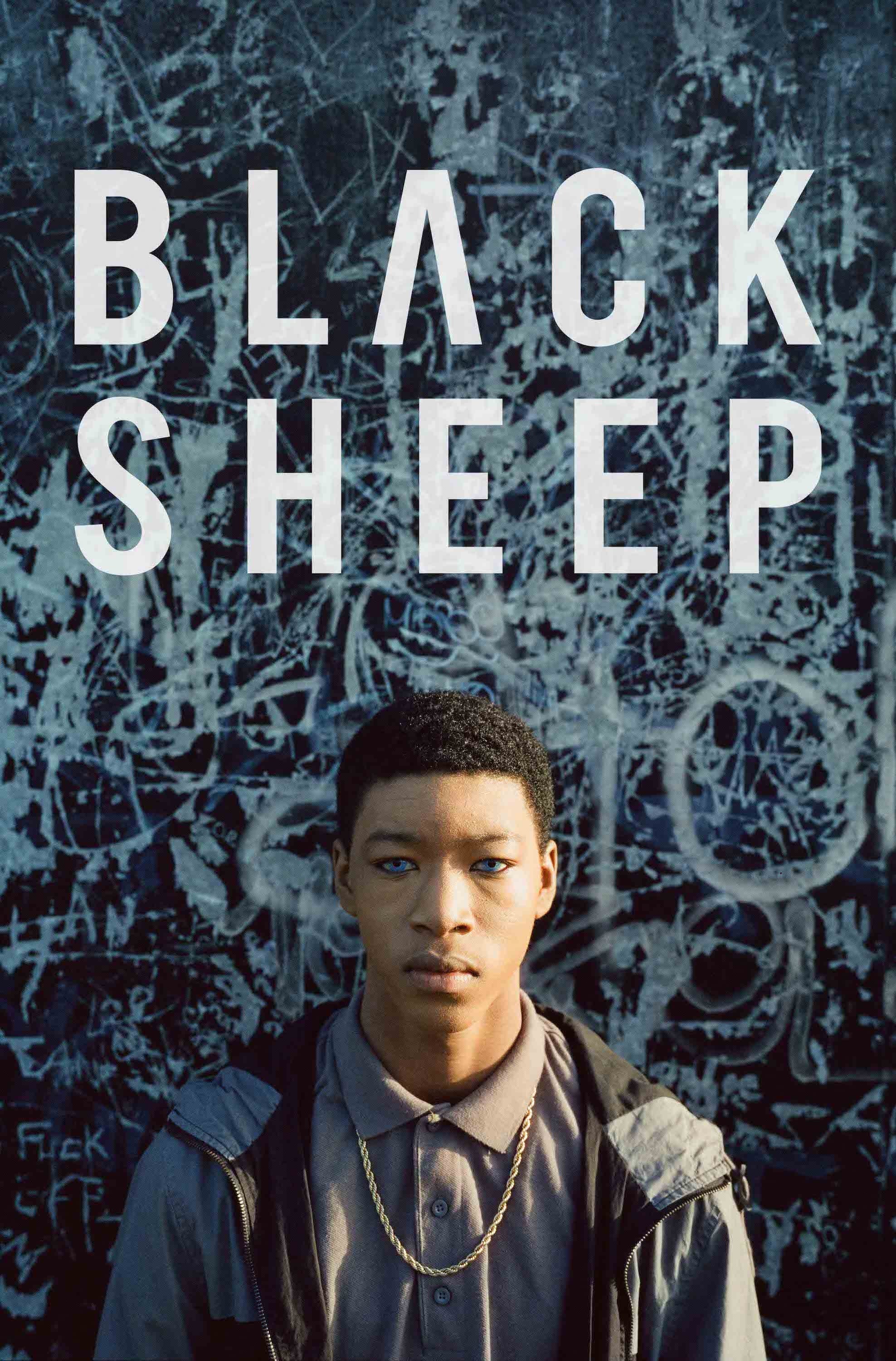
After the high-profile killing of Damilola Taylor, Cornelius' family move out of London. But when they discover their new town is run by racists, Cornelius takes a drastic step to survive.
A documentary about the life and films of director John Ford.
From the heights of her modeling fame to her tragic death, this documentary reveals Anna Nicole Smith through the eyes of the people closest to her.
The life and career of an actor, artist, and icon. His own journey through his own camera.
Daniel Craig candidly reflects on his 15 year adventure as James Bond. Including never-before-seen archival footage from Casino Royale to the upcoming 25th film No Time To Die, Craig shares his personal memories in conversation with 007 producers, Michael G Wilson and Barbara Broccoli.
A compilation of over 30 years of private home movie footage shot by Lithuanian-American avant-garde director Jonas Mekas, assembled by Mekas "purely by chance", without concern for chronological order.
The film follows adventurer Jeff Johnson as he retraces the epic 1968 journey of his heroes Yvon Chouinard and Doug Tompkins to Patagonia.
Artists in LA discover the work of forgotten Polish sculptor Stanislav Szukalski, a mad genius whose true story unfolds chapter by astounding chapter.
The life and career of one of comedy's most inimitable modern voices, Mr. Gilbert Gottfried.
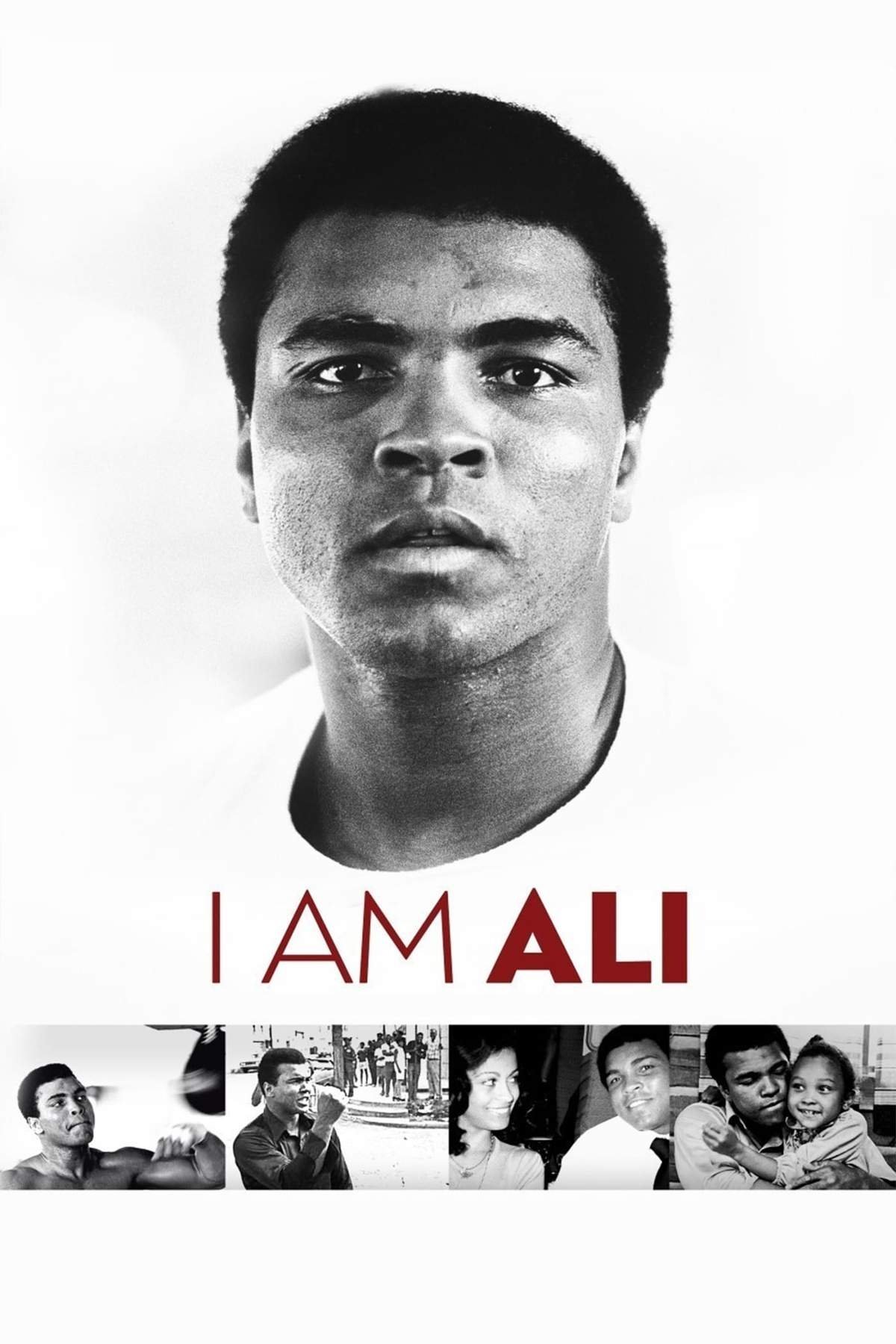
Unprecedented access to Muhammad Ali's personal archive of "audio journals" as well as interviews and testimonials from his inner circle of family and friends are used to tell the legend's life story.
In 2019, Nepalese mountain climber Nirmal “Nims” Purja set out to do the unthinkable by climbing the world’s fourteen highest summits in less than seven months. (The previous record was eight years). He called the effort “Project Possible 14/7” and saw it as a way to inspire others to strive for greater heights in any pursuit. The film follows his team as they seek to defy naysayers and push the limits of human endurance.
A detailing of the rise to prominence and global sporting superstardom of six supremely talented young Manchester United football players (David Beckham, Nicky Butt, Ryan Giggs, Paul Scholes, Phil and Gary Neville). The film covers the period 1992-1999, culminating in Manchester United's European Cup triumph.
This revealing documentary honors the legendary Sidney Poitier—iconic actor, filmmaker, and civil rights activist. Featuring interviews with Denzel Washington, Spike Lee, Halle Berry, and more.
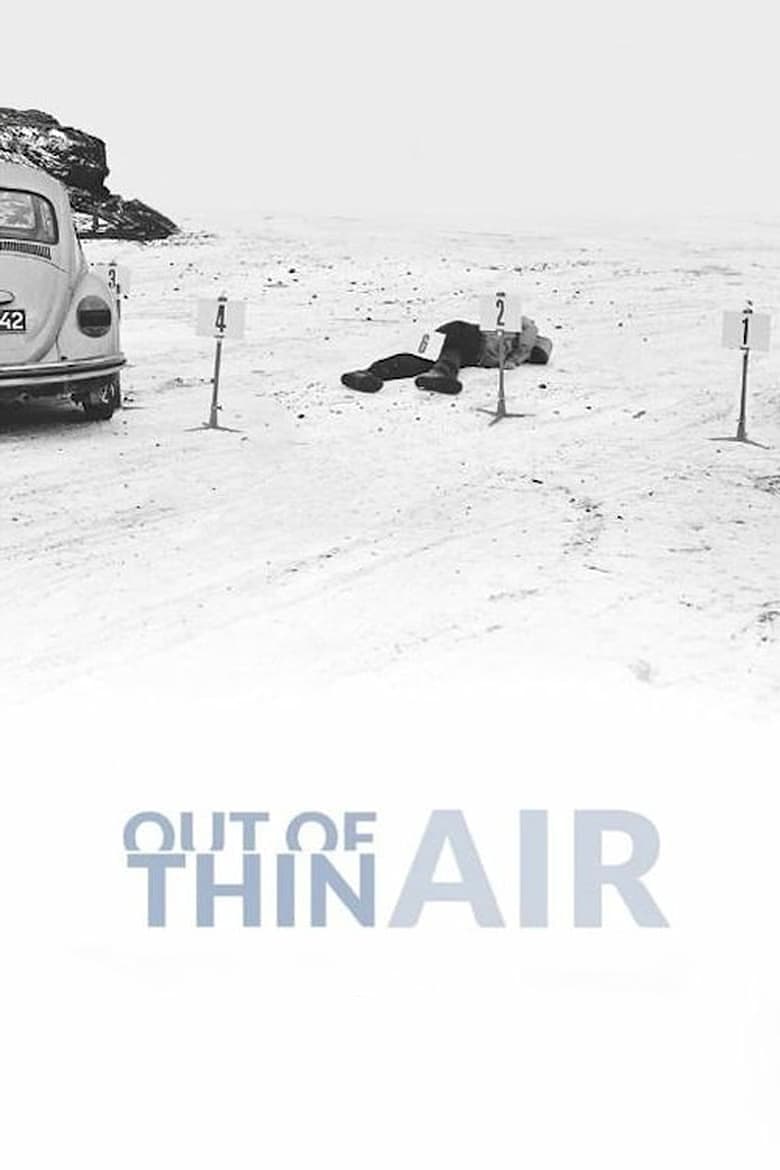
Set within the stark Icelandic landscape, OUT OF THIN AIR examines the 1976 police investigation into the disappearance of two men in the early 1970s.
An inside look at one of the most anticipated movie sequels ever with James Cameron and cast.