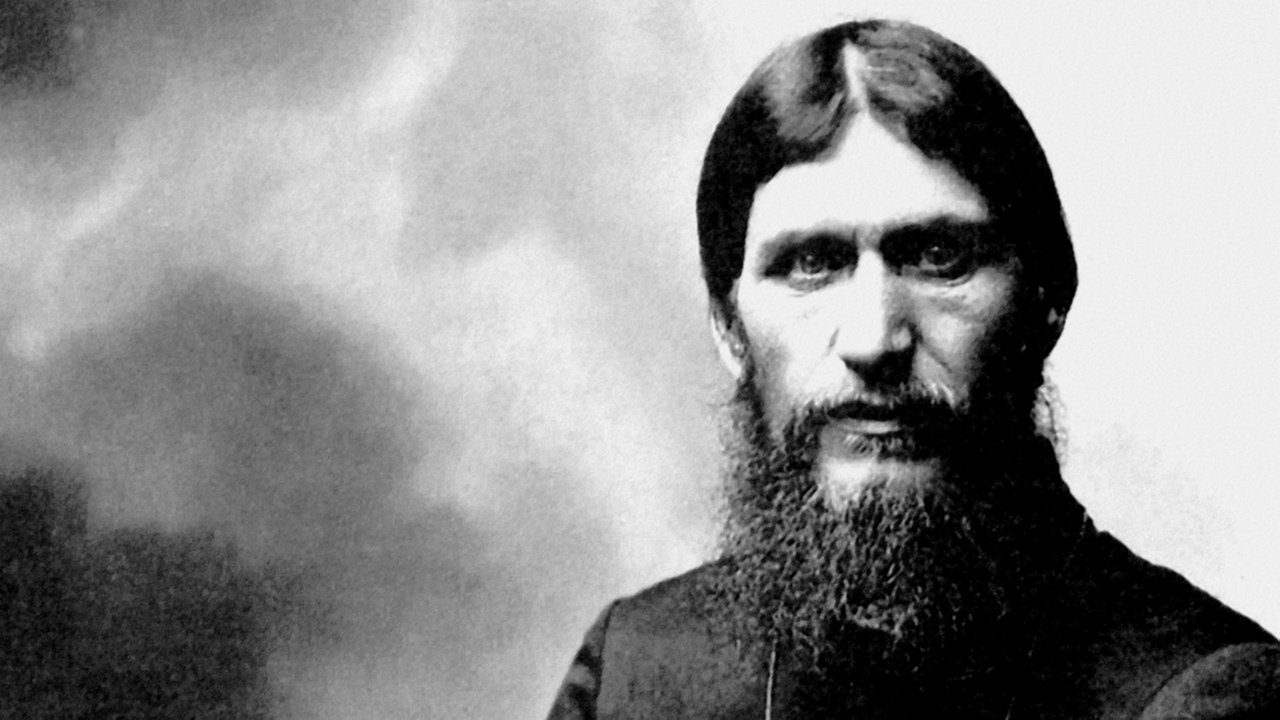
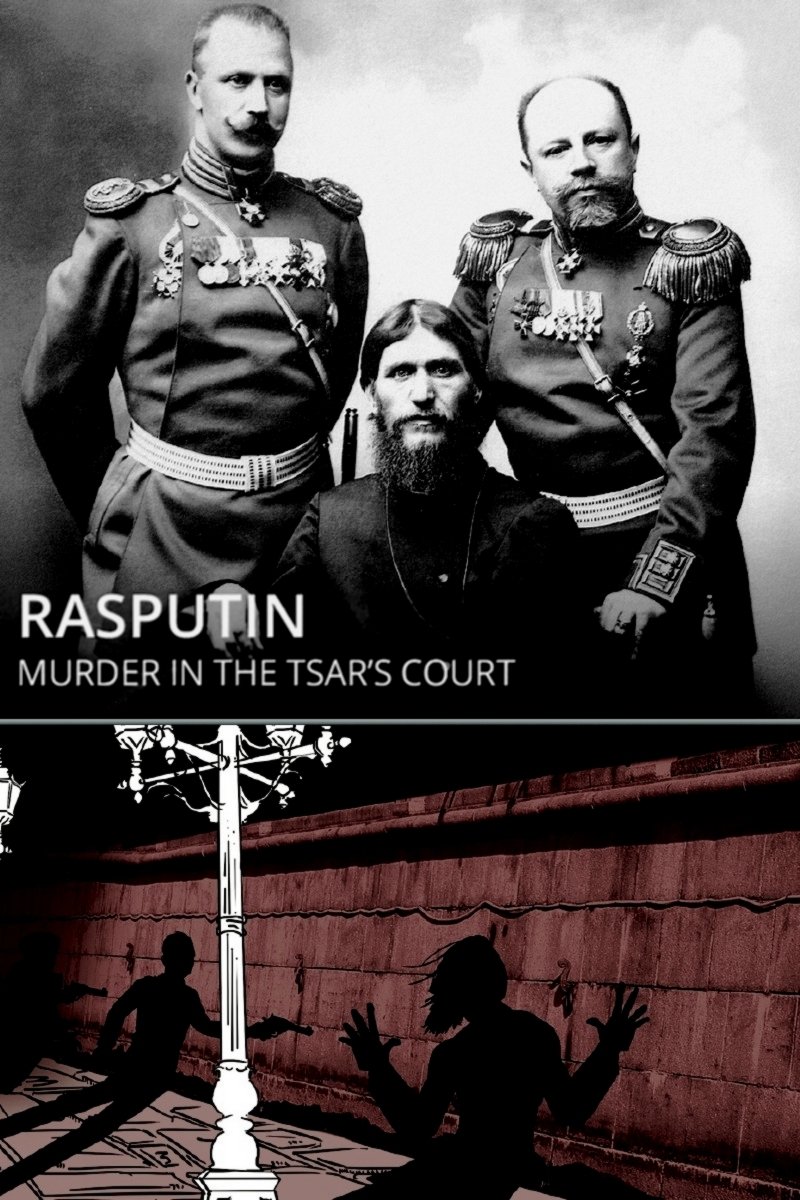
St. Petersburg, Russia, December 30th, 1916. Grigori Rasputin is assassinated. The story of the humble peasant who became the most influential adviser to czarina Alexandra Feodorovna, wife of the last czar, Nicholas II Romanov.

Social & External
The people behind it
Mechthild Großmann
Herself - Narrator (voice)
Laurence Huot-Solovieff
Herself - Descendant
Boris Kolonitsky
Himself - Historian
Sergei Mironenko
Olga Utotschkina
Herself - Historian
Marie Turquois-Bowman
Herself - Writer
Florian Langer
Himself - Physician
Alexei Larionov
Himself - Art Historian
Yulia Pashkovskaya
Herself - Hotel Manager
Natalia Saizeva
After 20 years of wandering taiga weather stations searching for a suitable place for having a life, Nataliya and Yuri Usovy settled on Olkhon island, on a remote weather station. They thought to find happiness here.
Thirty years after the Chernobyl disaster, which occurred on the night of April 26, 1986, its causes and consequences are examined. In addition, a report on efforts to strengthen the structures covering the core of the nuclear plant in order to better protect the population and the environment is offered.
On September 1st, 1939, Nazi Germany invades Poland, unleashing World War II. On September 17th, the Soviet Red Army crosses the border. The Polish army, unable to fight on two fronts, is defeated. Thousands of Polish men, both military and government officials, are captured by the invaders. Their fate will only be known several years later.
A dramatized account of a great Russian naval mutiny and a resultant public demonstration, showing support, which brought on a police massacre.
Vladimir Ilyich Ulyanov, better known as Lenin, is remembered as the instigator of the October Revolution of 1917 and, therefore, as one of the men who changed the shape of the world at that time and forever, but perhaps the actual events happened in a way different from that narrated in the history books…
Gdańsk, Poland, September 1980. Lech Wałęsa and other Lenin shipyard workers found Solidarność (Solidarity), the first independent trade union behind the Iron Curtain. The long and hard battle to bring down communist dictatorship has begun.
Captured by the Red Army during World War II, Hungarian soldier András Toma was admitted to a Soviet psychiatric hospital. After disappearing from prisoner-of-war records, he was presumed dead in Hungary. Because his name was incorrectly recorded in medical documents and he spoke only Hungarian—mistaken by staff for incoherent speech—Toma spent decades misunderstood and isolated in the institution. Fifty-three years later, a visiting Slovak doctor recognised his language, triggering an investigation by Hungarian authorities. Toma was repatriated in 2000, believed to be the last prisoner of war from World War II to return home.
Nigel, a famished peasant in 18th century England, takes revenge on the aristocrat that deprived him of his livelihood.
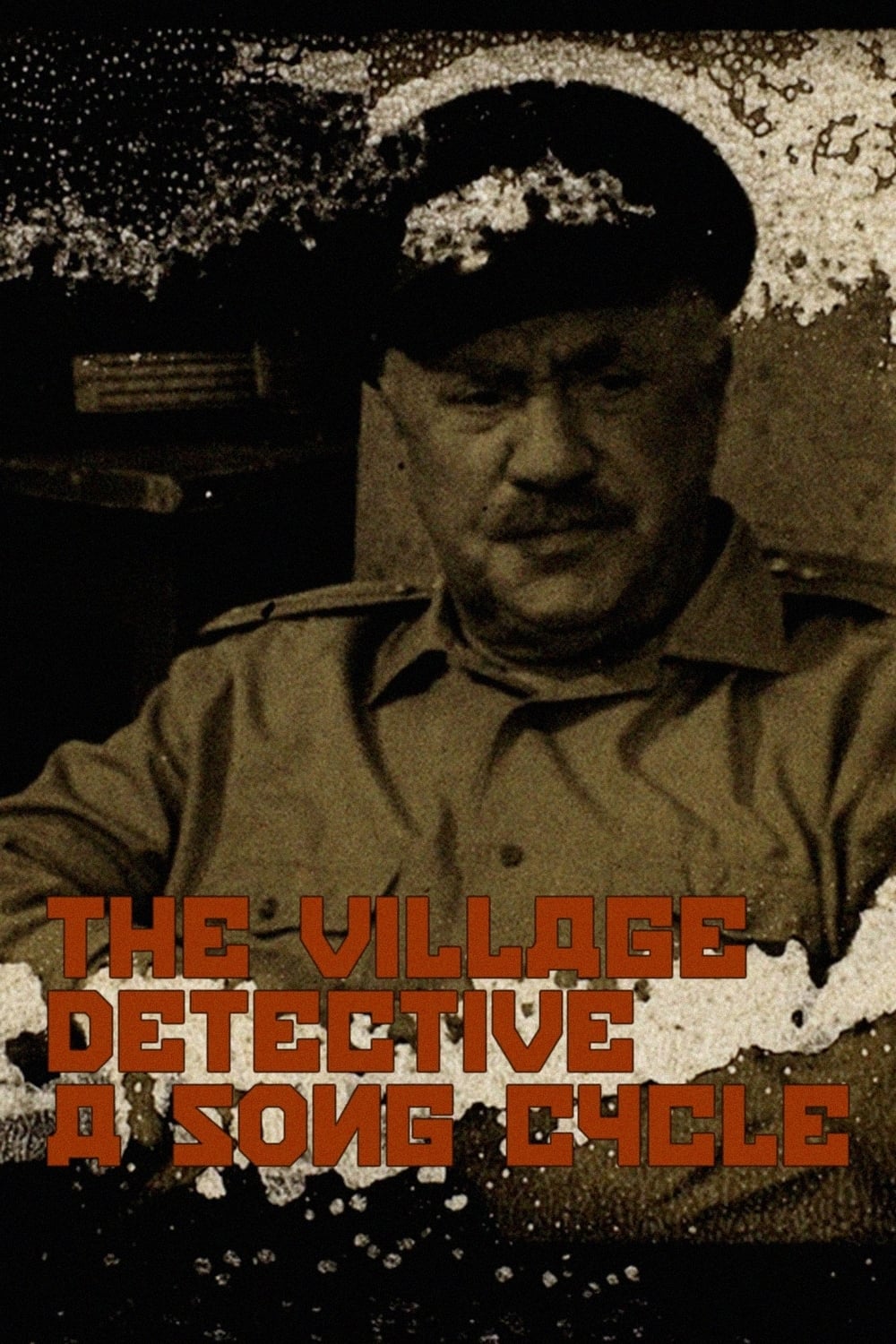
Atlantic Ocean, off the coast of Iceland, July 9, 2016. The surprising discovery of a canister —containing four reels of The Village Detective (Деревенский детектив), a 1969 Soviet film—, caught in the nets of an Icelandic trawler, is the first step in a fascinating journey through the artistic life of film and stage actor Mikhail Ivanovich Zharov (1899-1981), icon and star of an entire era of Russian cinema.
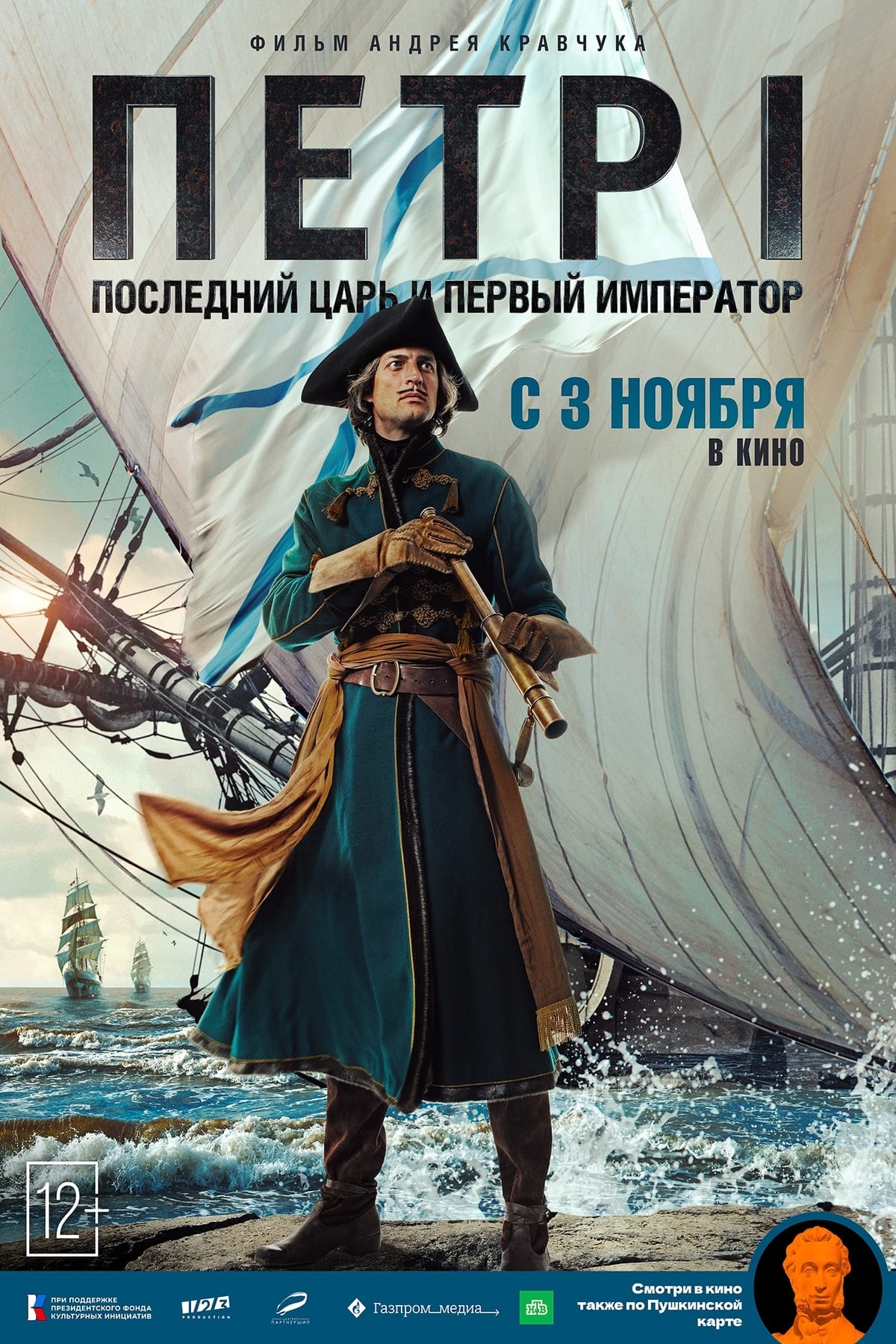
The figure of Emperor Peter the Great, as well as the era of his formation and reign, still excites the minds of people all over the world. The creators answer the questions of how to take the throne when you are the fourteenth child in the family; how to win access to the sea when there is no professional army and navy in the country; how to bring a country that no one considered before into world leaders in a few decades, and many others.
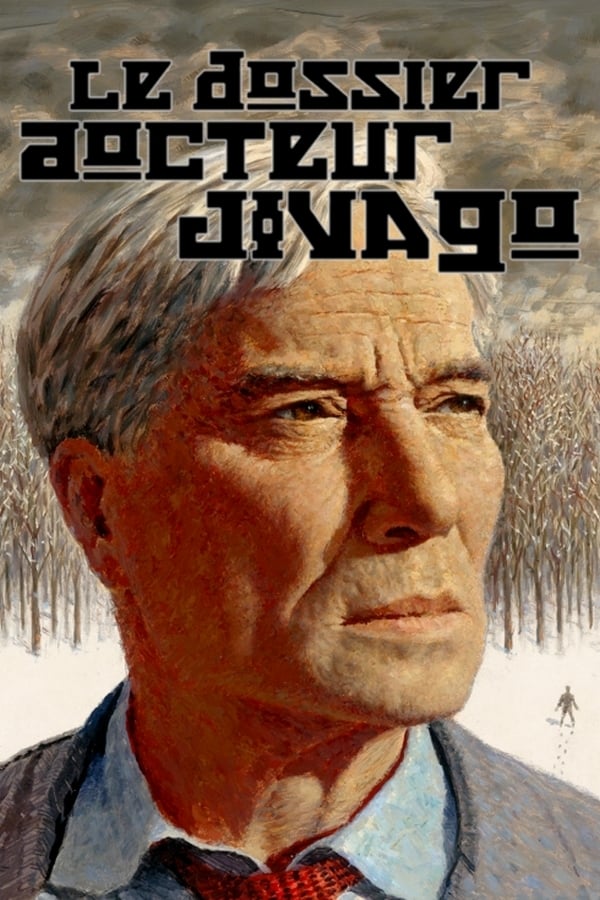
As Russian writer Boris Pasternak (1890-1960) thinks it is impossible that his novel Doctor Zhivago is published in the Soviet Union, because it supposedly shows a critical view of the October Revolution, he decides to smuggle several copies of the manuscript out of the country. It is first published in 1957 in Italia and the author receives the Nobel Prize in Literature in 1958, which has consequences.
The Conference on Security and Cooperation in Europe (CSCE) was the starting point for the slow but sure collapse of communist authoritarian rule in Eastern Europe. The Helsinki Effect offers new perspectives on the events of the Cold War. The film tells the story of the CSCE process, which had a major impact on the end of the Cold War, and sheds light on secret top-level discussions behind closed doors, through voice simulations using artificial intelligence.
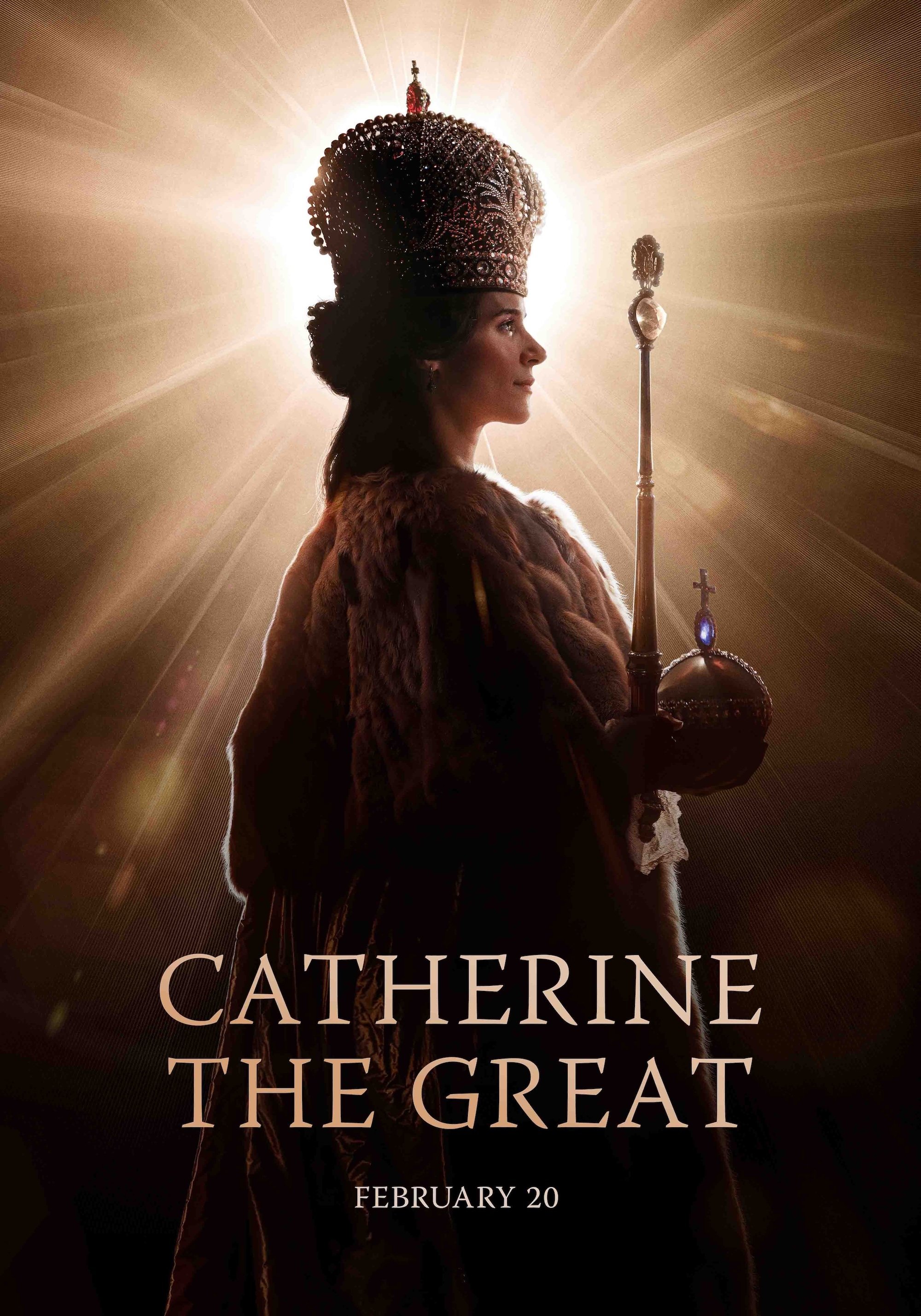
The era of palace coups in Russia ended with the coronation of a prominent historical figure: Catherine the Great. She could have settled for the role of Emperor’s wife, but her persistence and determination eventually proved that her rightful place was on the throne. She was still a child when she learned that she was to marry Peter III and produce an heir. Catherine, however, wanted to rule Russia herself. She saw the potential of the Russian Empire, and she wanted to implement the ideas of the Enlightenment. Will Russia experience a renaissance of culture and sciences under Catherine? Will her ideas eventually play to her detriment?
This story began in the seventies. Then the American ornithologist George Archibald turned to Soviet scientists led by Vladimir Flint with a proposal to cooperate in the protection of the white Siberian crane. This species was little studied and was considered endangered. Since then, we know much more about white cranes. Now on Earth there are two disparate populations of Siberian Cranes. One is East Siberian. These birds nest in the north of Yakutia and migrate to China. There are more than three thousand of them, and in the near future they are not threatened with extinction. A few thousand kilometers away, another population of Siberian Cranes lives. They nest in the lower reaches of the Ob, and fly to India or Iran for the winter. There are only twenty of them left. This film is about how people are trying to save this West Siberian branch of white cranes.
Harry Palmer heads a private investigation business based in Moscow. His associates are Nikolai "Nick" Petrov, ex-CIA agent Craig, and ex-KGB Colonel Gradsky. They take on the job of finding 1000 grams of weapons-grade plutonium stolen from the Russian government, though they do not know the identity of their client.
The little-known story of Ukrainian children torn from their homes in the crush between the Nazi and Soviet fronts in World War II. Spending their childhood as refugees in Europe, these inspiring individuals later immigrated to the United States, creating new homes and communities through their grit, faith and deep belief in the importance of preserving culture.
Tsar Nicholas II, the inept last monarch of Russia, insensitive to the needs of his people, is overthrown and exiled to Siberia with his family.
The plot follows the events surrounding Vladimir from childhood and into adulthood. In the beginning of the film, being under the influence of the high priest Krivzha, the Prince is a young, impulsive and cruel pagan. Fighting for supreme power, Vladimir wins a battle that kills his brother. Regretting what he has done, Vladimir does not suspect a conspiracy between the priest and the Pechenegs. Vladimir is concerned about gathering the Slavic tribes into one united state. Solving this major task, he faces obstacles, which Vladimir overcomes in the end, defeating Krivzha and winning the battle against Kurya, a Pecheneg chief.
A short film by Barry Lowe and Dino Mahoney, starring Pauline Burton as Anna. The film is an introduction to the great Soviet era modernist poet, Anna Akhmatova; shot in winter in Saint Petersburg (Leningrad), it contains rare interviews with people who knew her, academics, and dramatized readings of some of her poems.
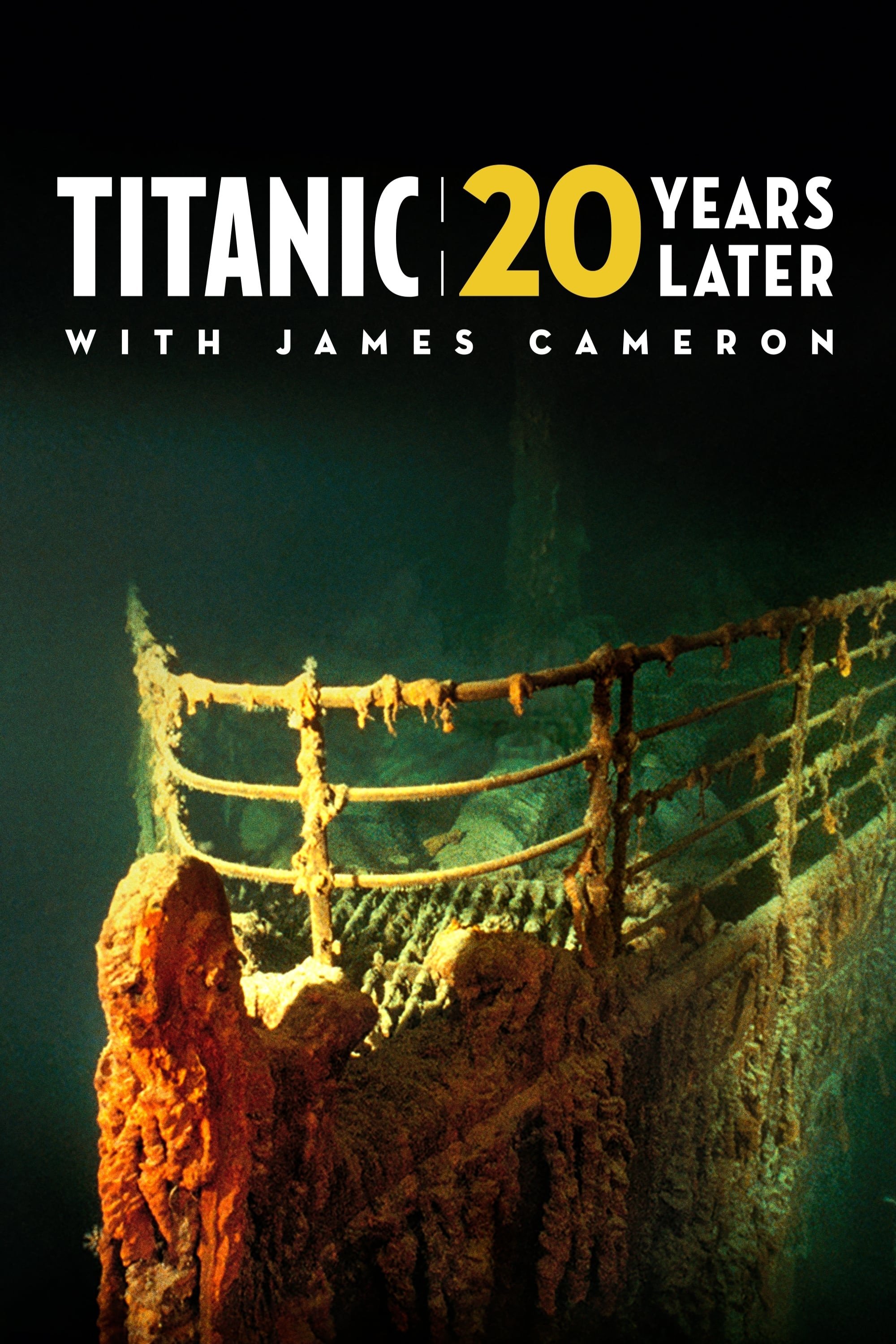
For the 20th anniversary of "Titanic," James Cameron reopens the file on the disaster.
“The Soviet Story” is a story of an Allied power, which helped the Nazis to fight Jews and which slaughtered its own people on an industrial scale. Assisted by the West, this power triumphed on May 9th, 1945. Its crimes were made taboo, and the complete story of Europe’s most murderous regime has never been told. Until now...
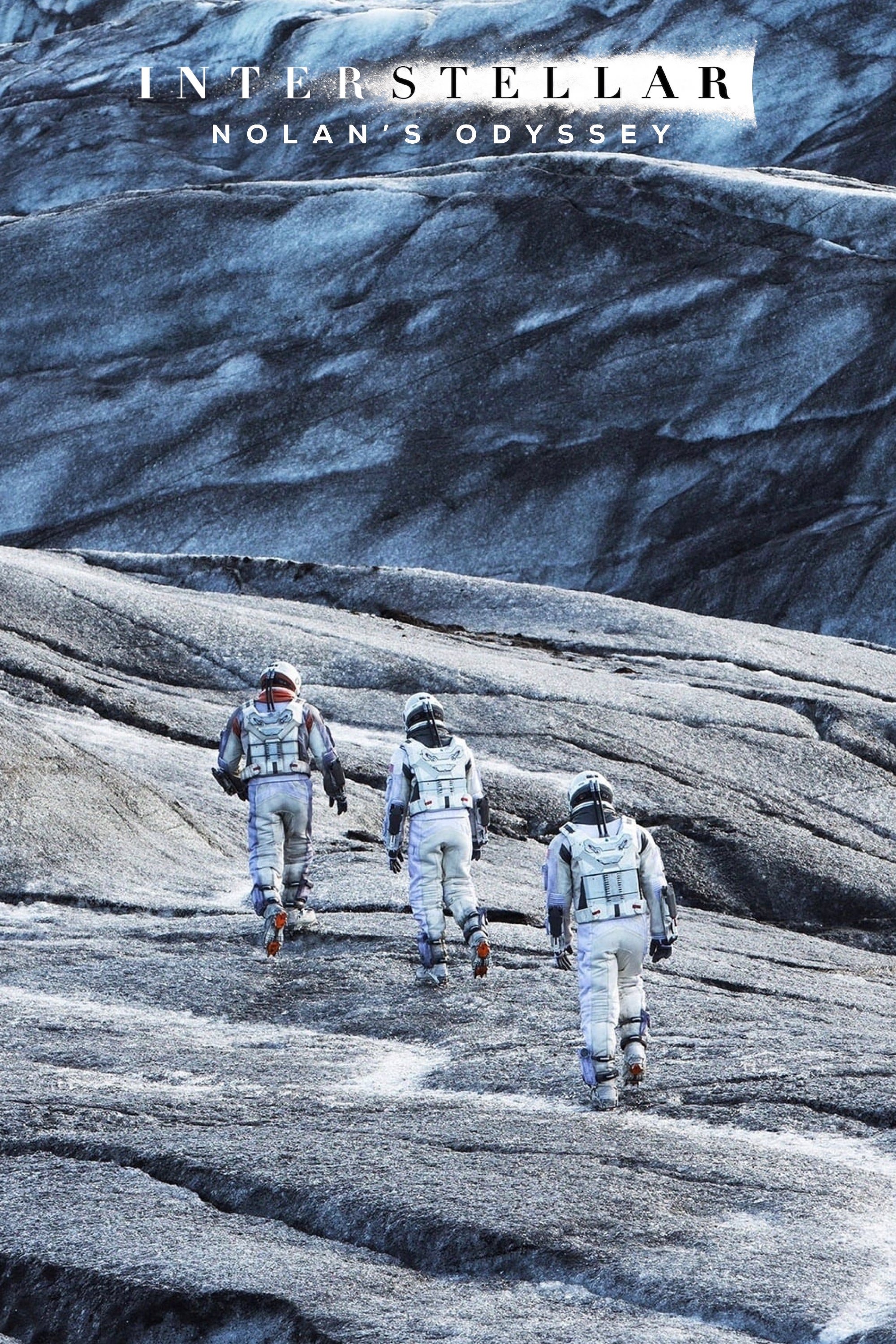
A look behind the lens of Christopher Nolan's space epic.
The history of cinematic sound, told by legendary sound designers and visionary filmmakers.
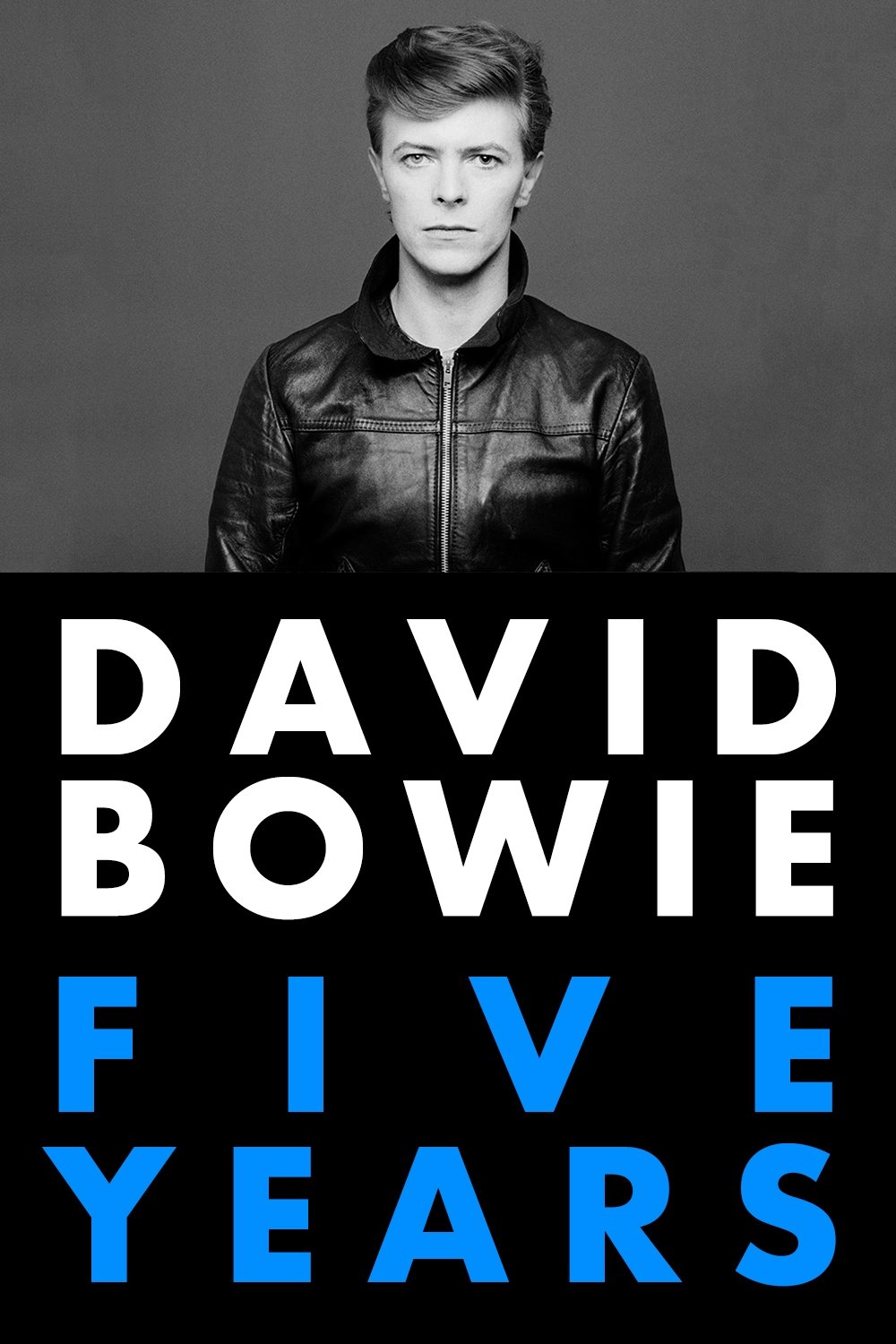
Featuring a wealth of previously unseen archive, this film looks at how Bowie continually evolved: from Ziggy Stardust to the Soul Star of Young Americans, to the ‘Thin White Duke’. It explores his regeneration in Berlin with the critically acclaimed album Heroes, his triumph with Scary Monsters and his global success with Let’s Dance. With interviews with all his closest collaborators, David Bowie - Five Years presents a unique account of why Bowie has become an ‘icon of our times’.
Journey into the extraordinary world of "The Witcher" — from casting the roles to Jaskier's catchy song — in this behind-the-scenes look at the series.
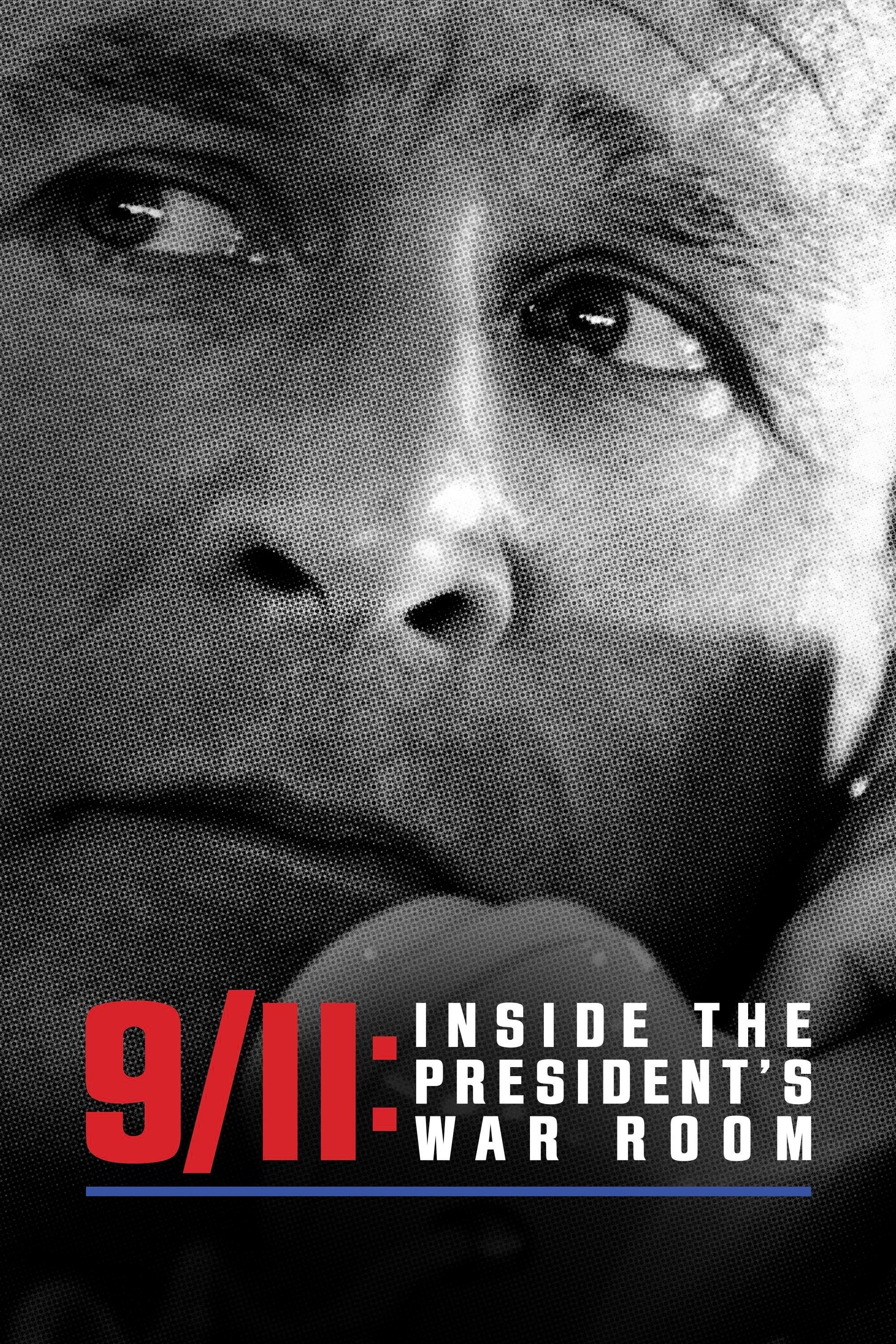
Experience the events of September 11, 2001 through the eyes of President Bush and his closest advisors as they personally detail the crucial hours and key decisions from that historic day.
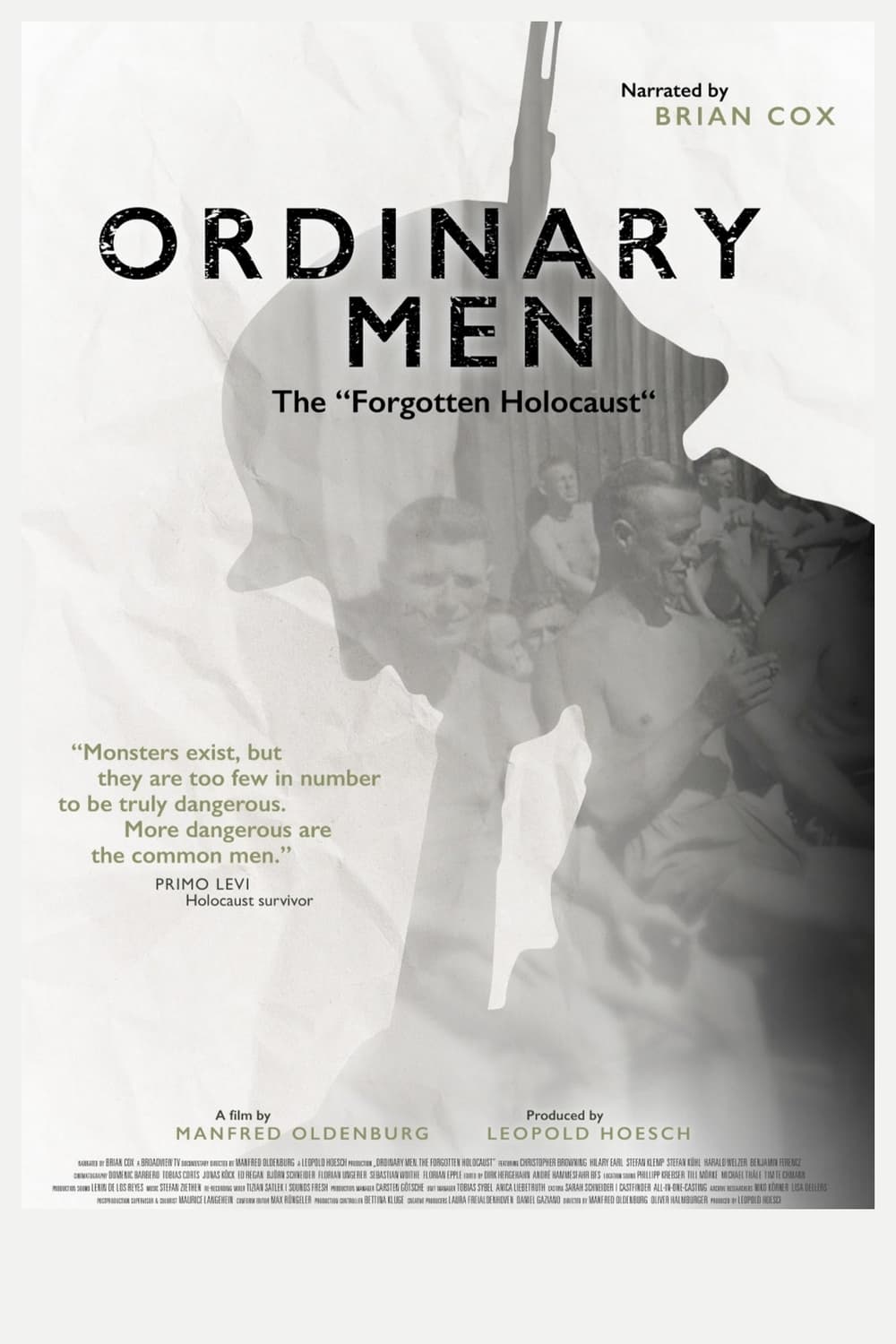
Six million Jews died during World War II, both in the extermination camps and murdered by the mobile commandos of the Einsatzgruppen and police battalions, whose members shot men, women and children, day after day, obediently, as if it were a normal job, a fact that is hardly known today. Who were these men and how could they commit such crimes?
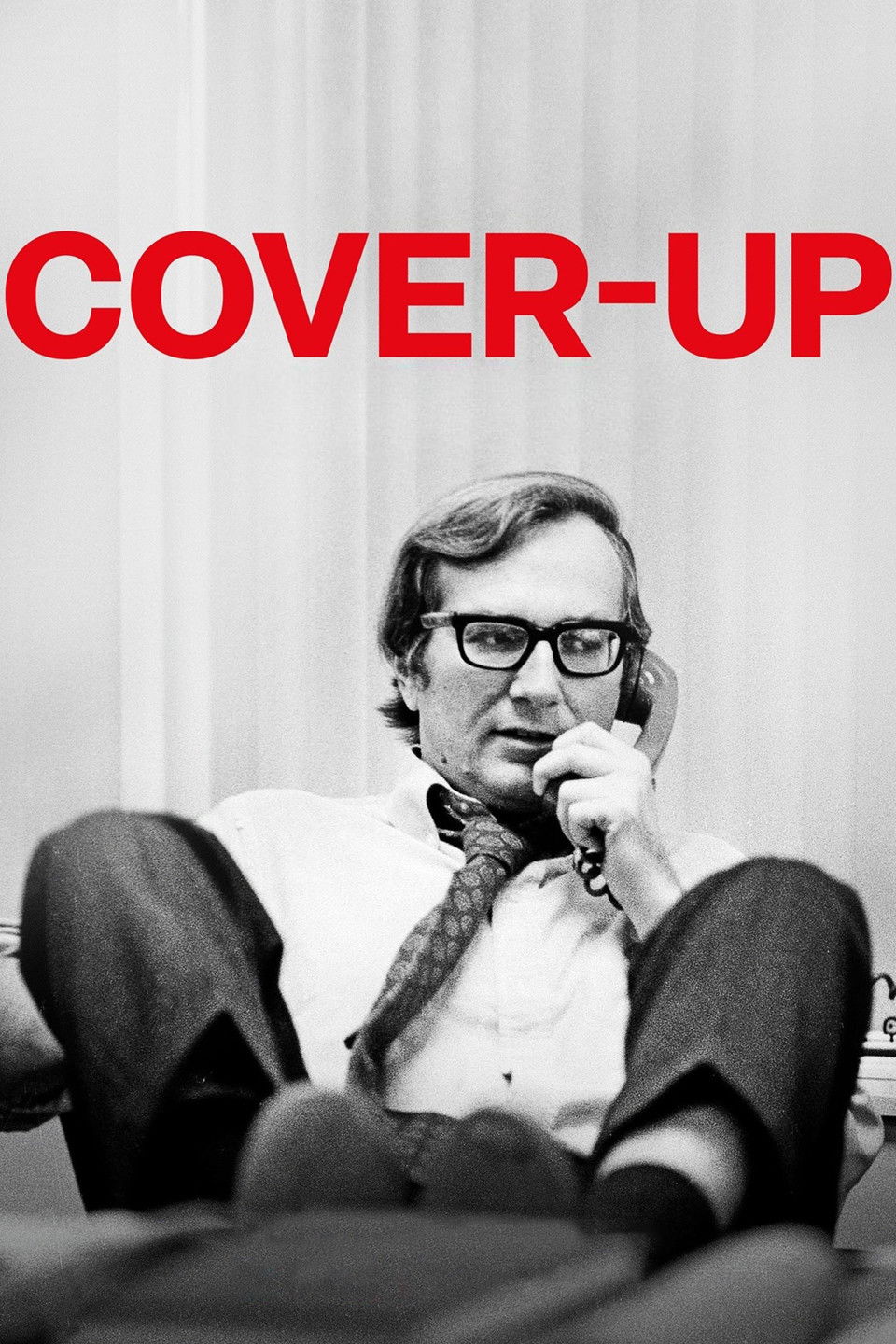
He's devoted his career to uncovering stories the powerful want buried. From My Lai to Abu Ghraib, dig into the life's work of journalist Seymour Hersh.
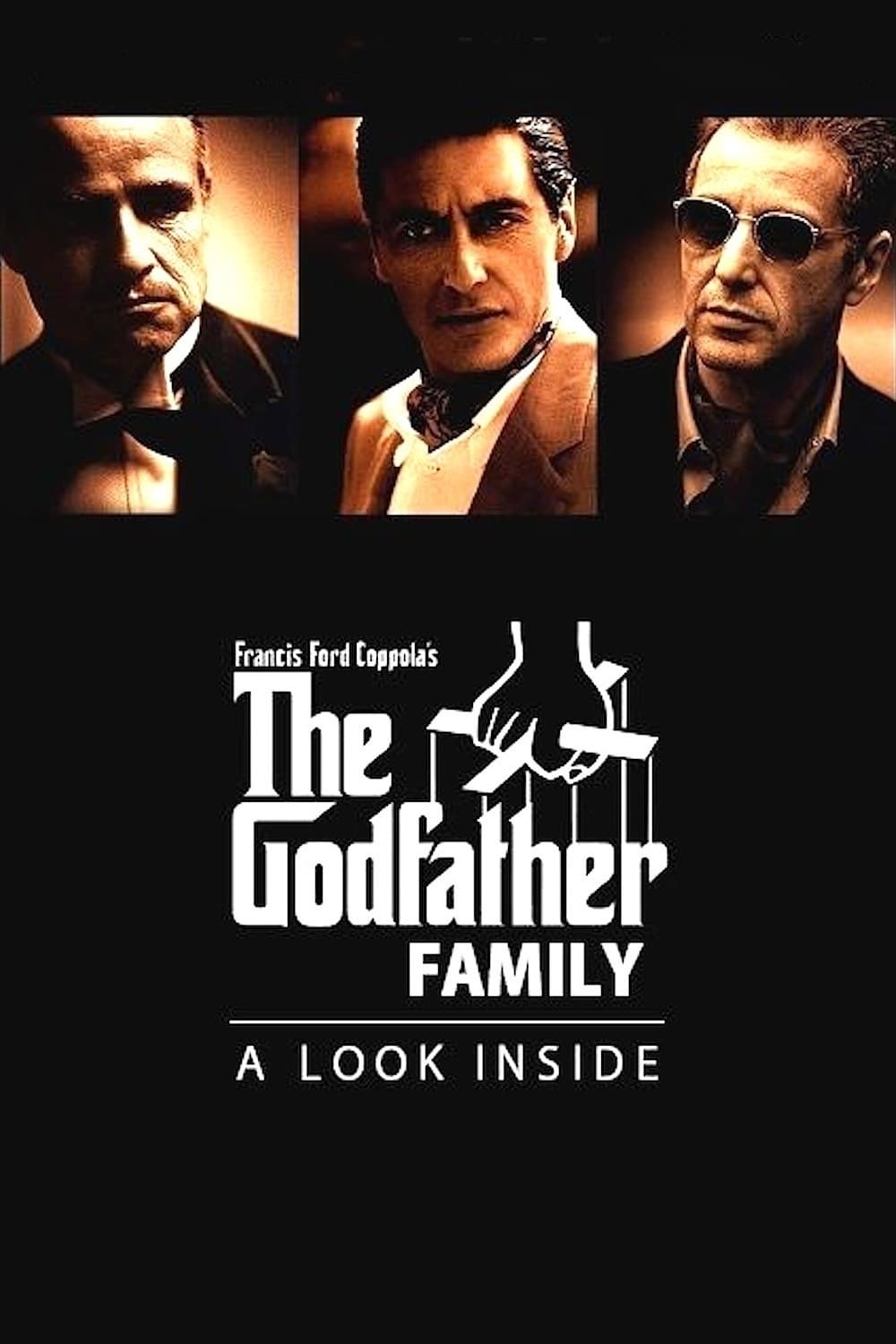
A documentary on the making of the three Godfather films, with interviews and recollections from the film makers and cast. This feature also includes the original screen tests of some of the actors for "The Godfather" film, and some candid moments on the set of "The Godfather: Part III."
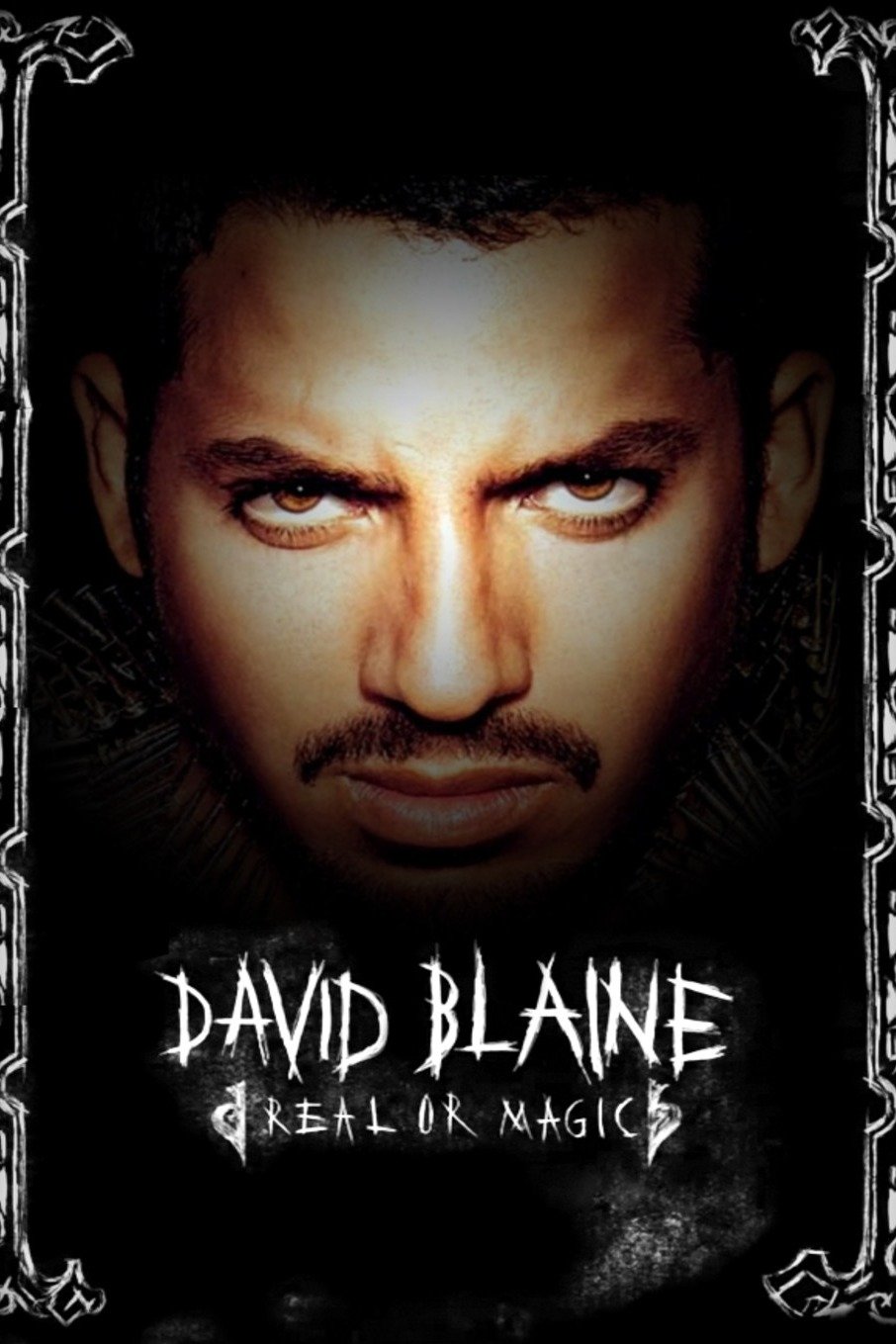
David Blaine's signature brand of street magic mystifies the most recognisable celebrities in the world, such as Jamie Foxx, Bryan Cranston, Aaron Paul, Ricky Gervais, Katy Perry, Woody Allen, and Robert DeNiro, to name a few. He goes to the homes of Kanye West and Harrison Ford, Will Smith and Olivia Wilde. He pays a visit to Stephen Hawking at his office in Cambridge University. Blaine also travels the world, astonishing people from all walks of life with never-before seen, inconceivable magic.
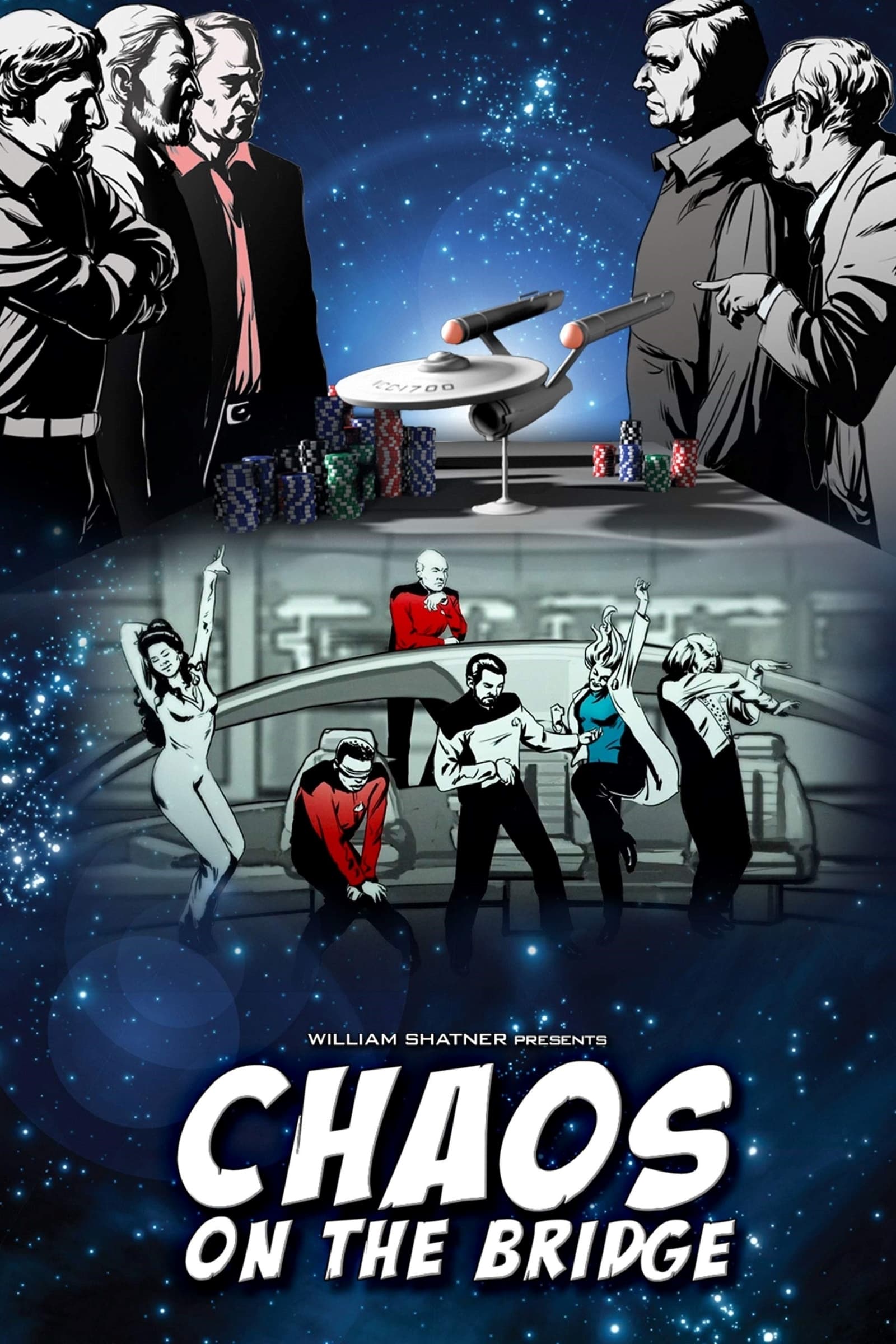
Canadian acting legend William Shatner takes viewers inside the creation of Star Trek: The Next Generation, the bold attempt in 1986 to recreate the success of the original television series, in which Shatner played Captain James T. Kirk.
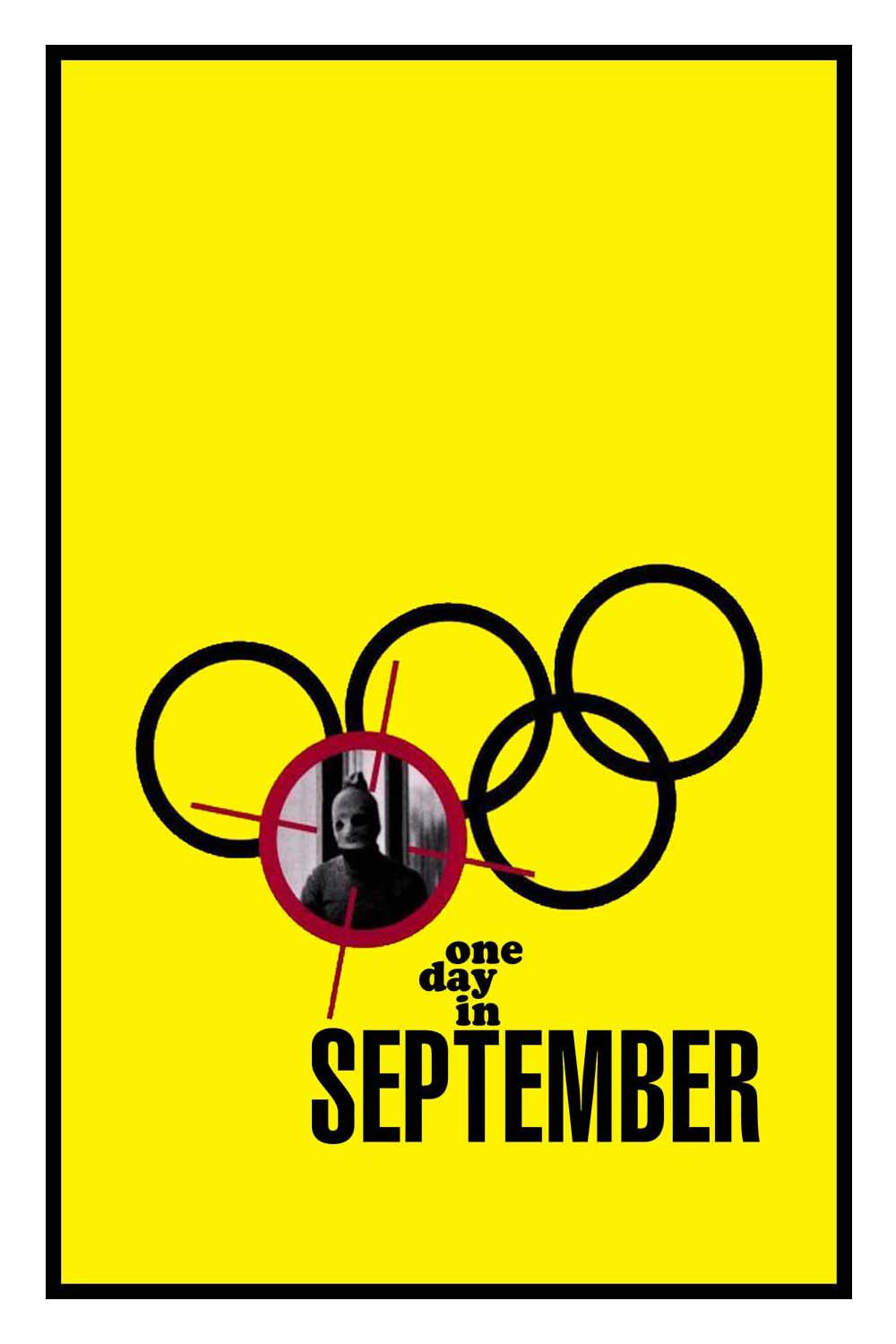
The full story of the 1972 Munich Olympics Massacre and the Israeli revenge operation 'Wrath of God.' The 1972 Munich Olympics were interrupted by Palestinian terrorists taking Israeli athletes hostage. Besides footage taken at the time, we see interviews with the surviving terrorist, Jamal Al Gashey, and various officials detailing exactly how the police, lacking an anti-terrorist squad and turning down help from the Israelis, botched the operation.
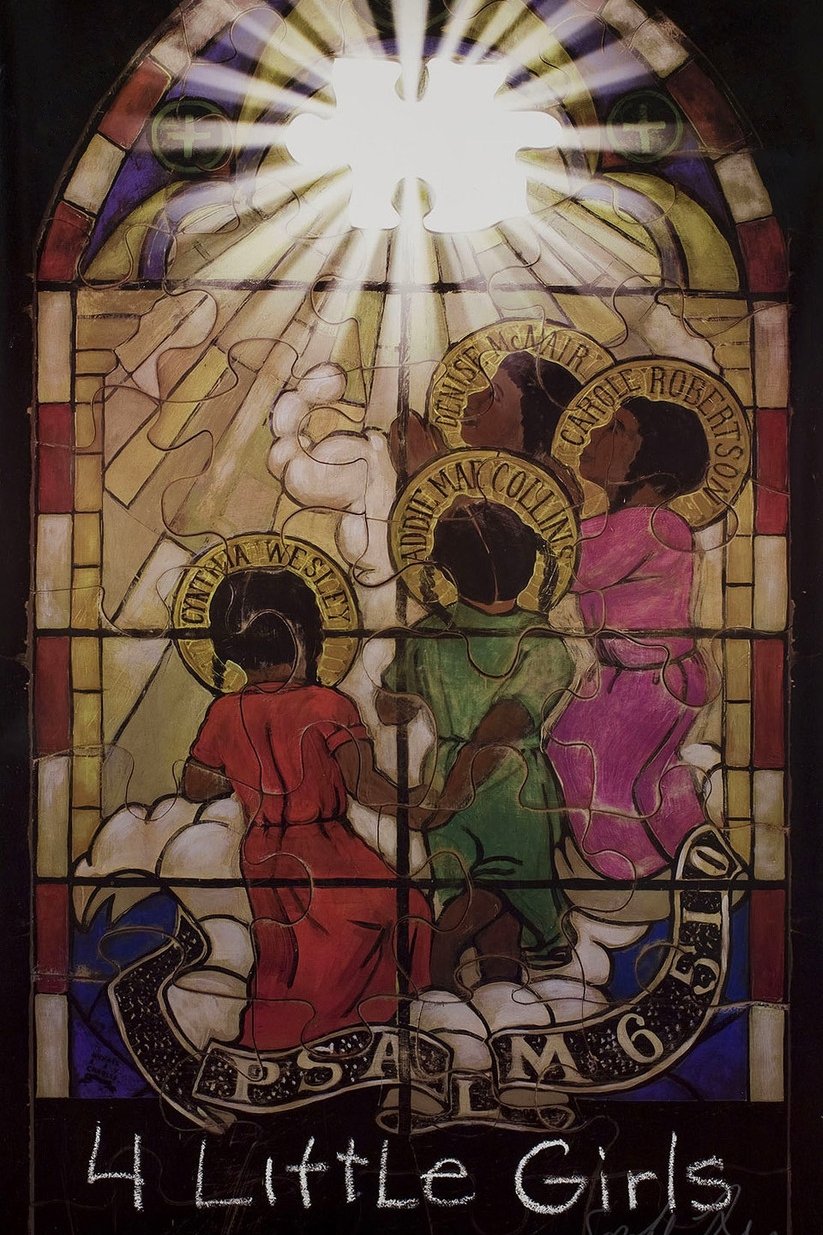
On September 15, 1963, a bomb destroyed a black church in Birmingham, Alabama, killing four young girls who were there for Sunday school. It was a crime that shocked the nation--and a defining moment in the history of the civil-rights movement. Spike Lee re-examines the full story of the bombing, including a revealing interview with former Alabama Governor George Wallace.
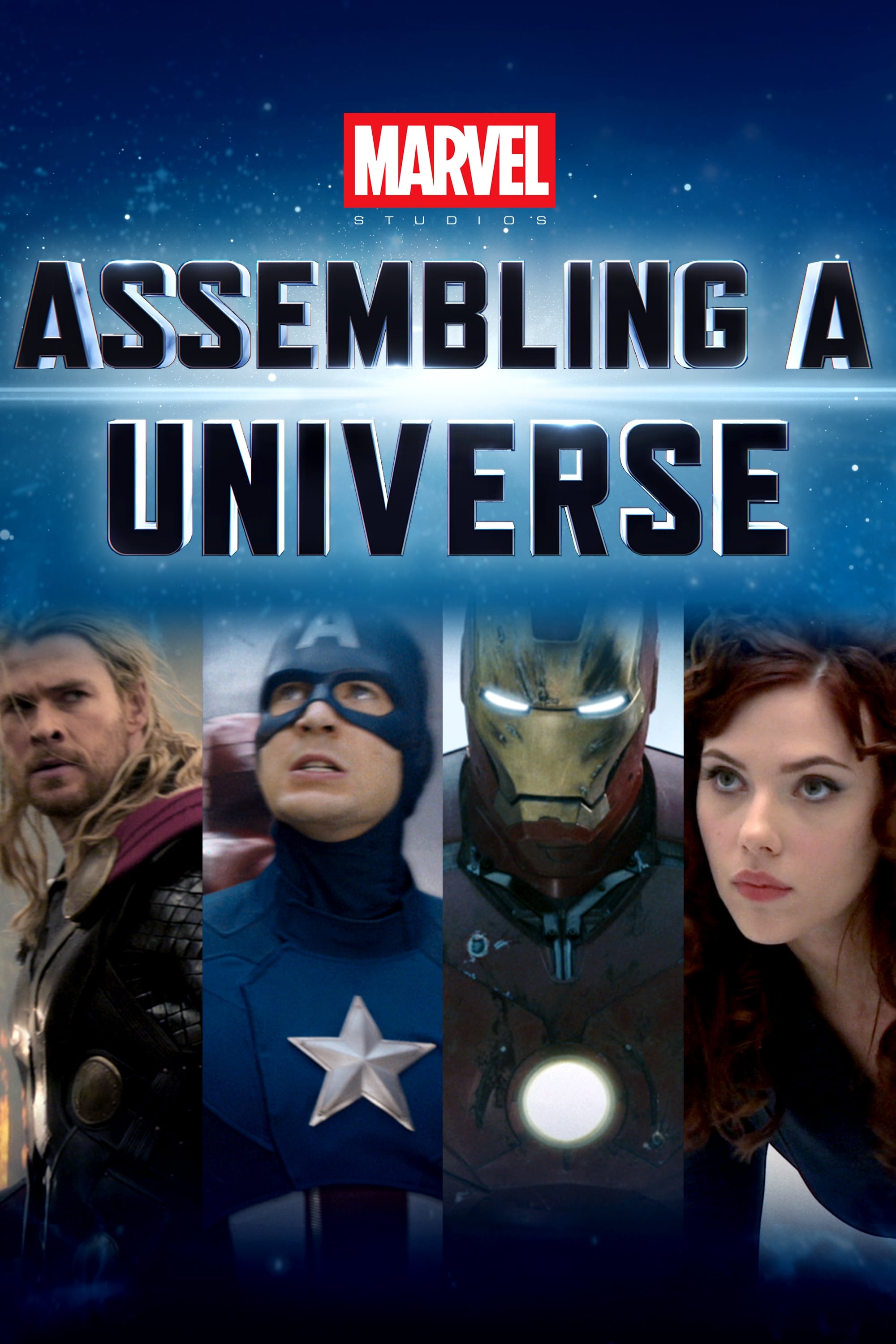
A look at the story behind Marvel Studios and the Marvel Cinematic Universe, featuring interviews and behind-the-scenes footage from all of the Marvel films, the Marvel One-Shots and "Marvel's Agents of S.H.I.E.L.D."!
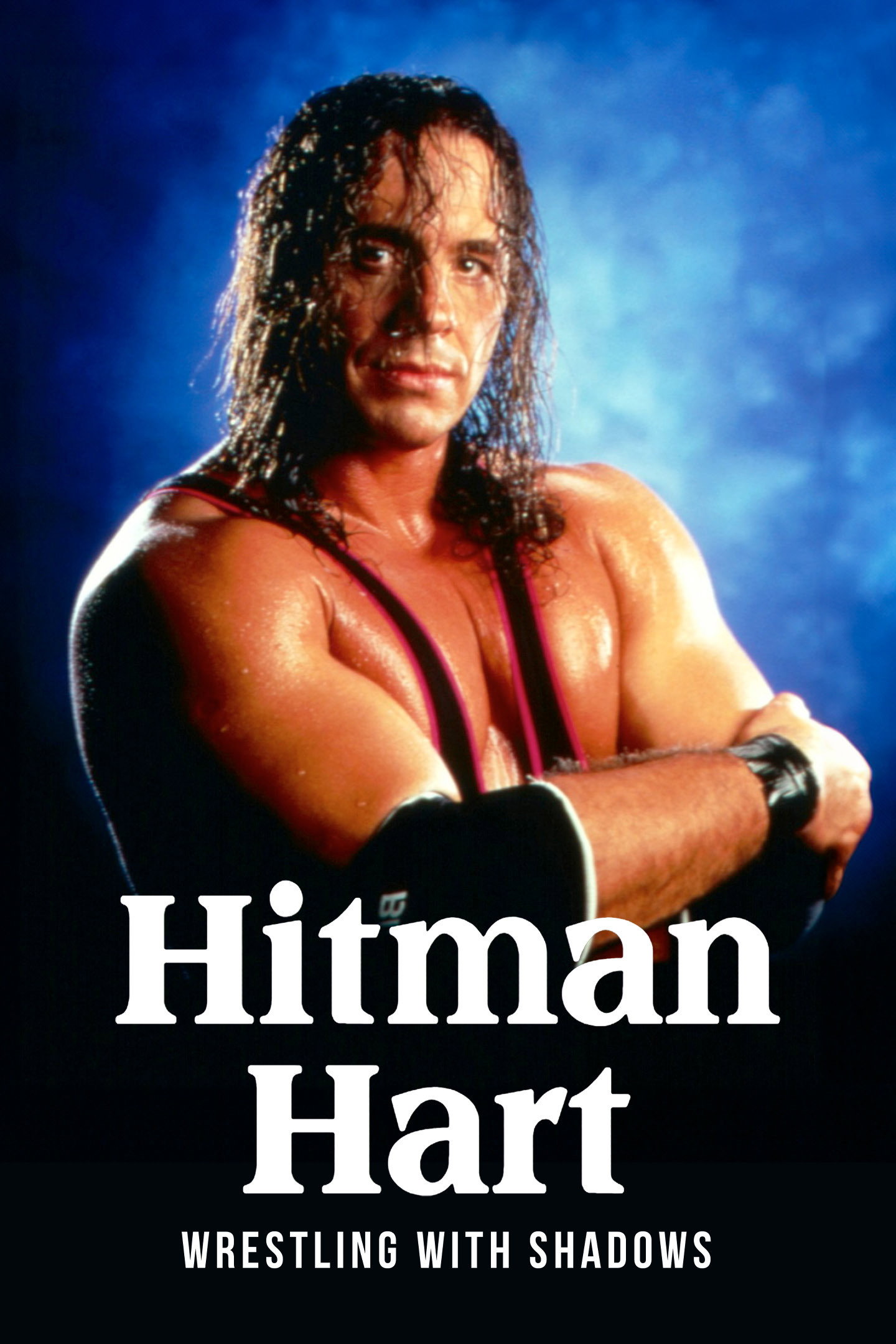
This documentary follows superstar Bret Hart during his last year in the WWF. The film documents the tensions that resulted in The Montreal Screwjob, one of the most controversial events in the history of professional wrestling, in which Vince McMahon, Shawn Micheals, and others, legitimately conspired behind the scenes to go against the script and remove Bret Hart as champion.
A documentary examining possible historical and modern conspiracies surrounding Christianity, the 9/11 terrorist attacks, and the Federal Reserve bank.
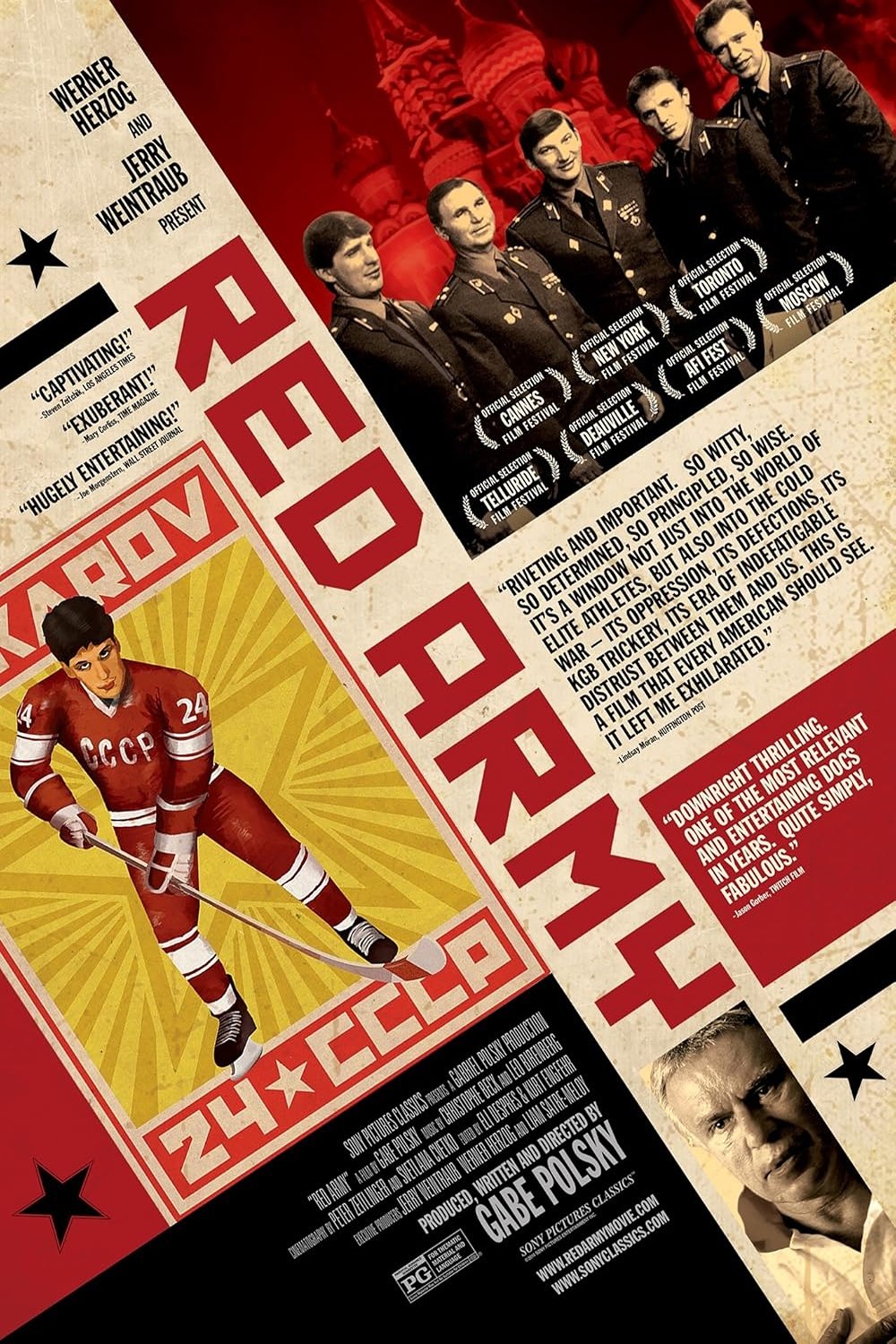
A documentary highlighting the Soviet Union's legendary and enigmatic hockey training culture and world-dominating team through the eyes of the team's Captain Slava Fetisov, following his shift from hockey star and celebrated national hero to political enemy.
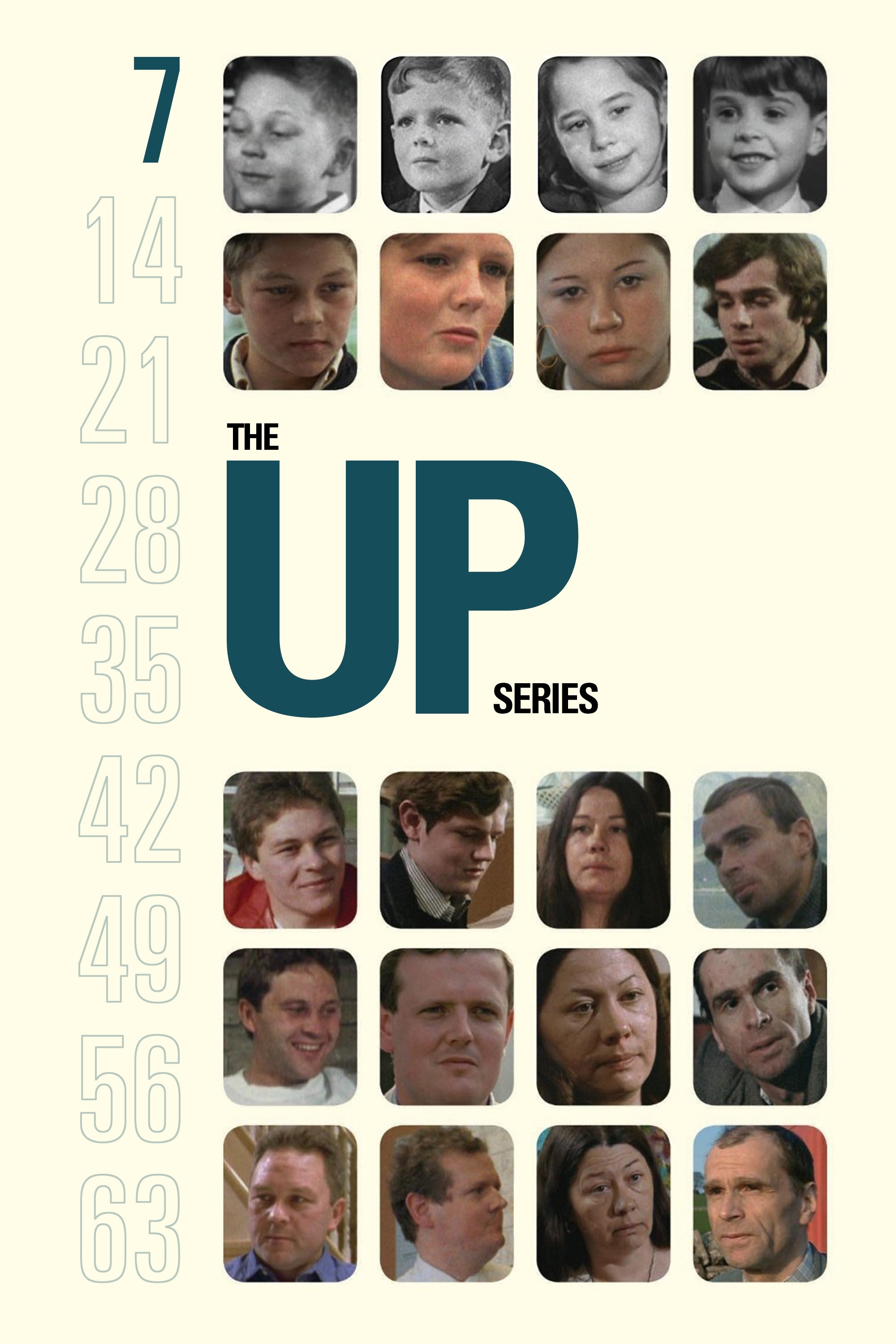
A group of British children aged 7 from widely ranging backgrounds are interviewed about a range of subjects. The filmmakers plan to re-interview them at 7 year intervals to track how their lives and attitudes change as they age.
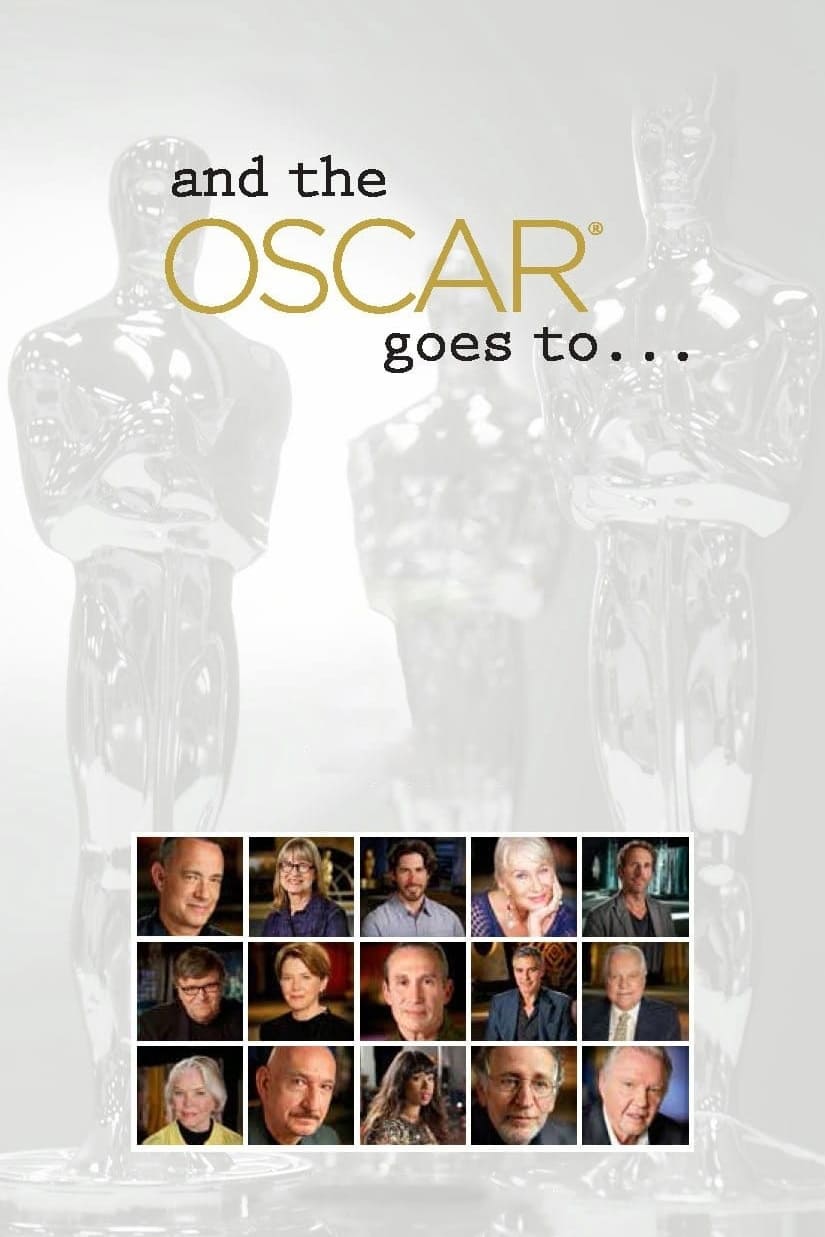
The story of the gold-plated statuette that became the film industry's most coveted prize, AND THE OSCAR GOES TO... traces the history of the Academy itself, which began in 1927 when Louis B. Mayer, then head of MGM, led other prominent members of the industry in forming this professional honorary organization. Two years later the Academy began bestowing awards, which were nicknamed "Oscar," and quickly came to represent the pinnacle of cinematic achievement.