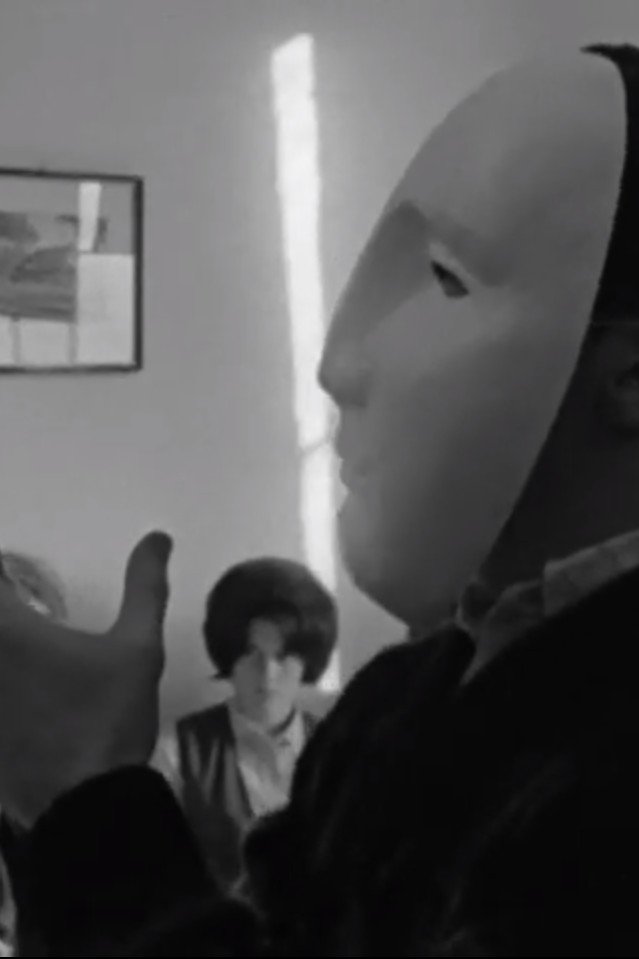
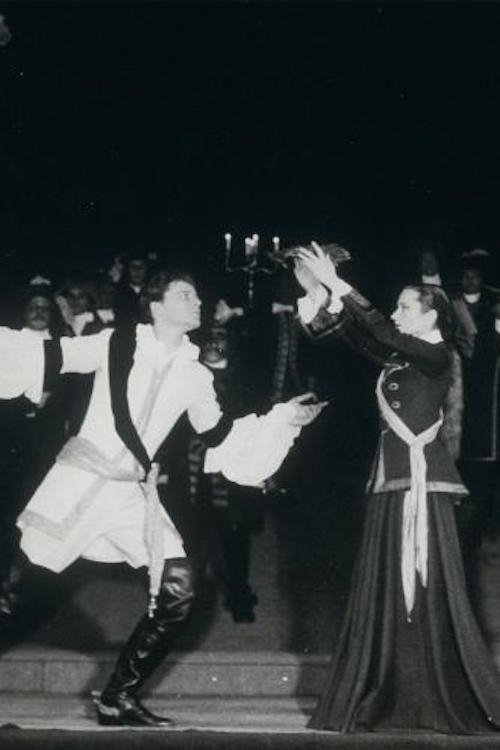
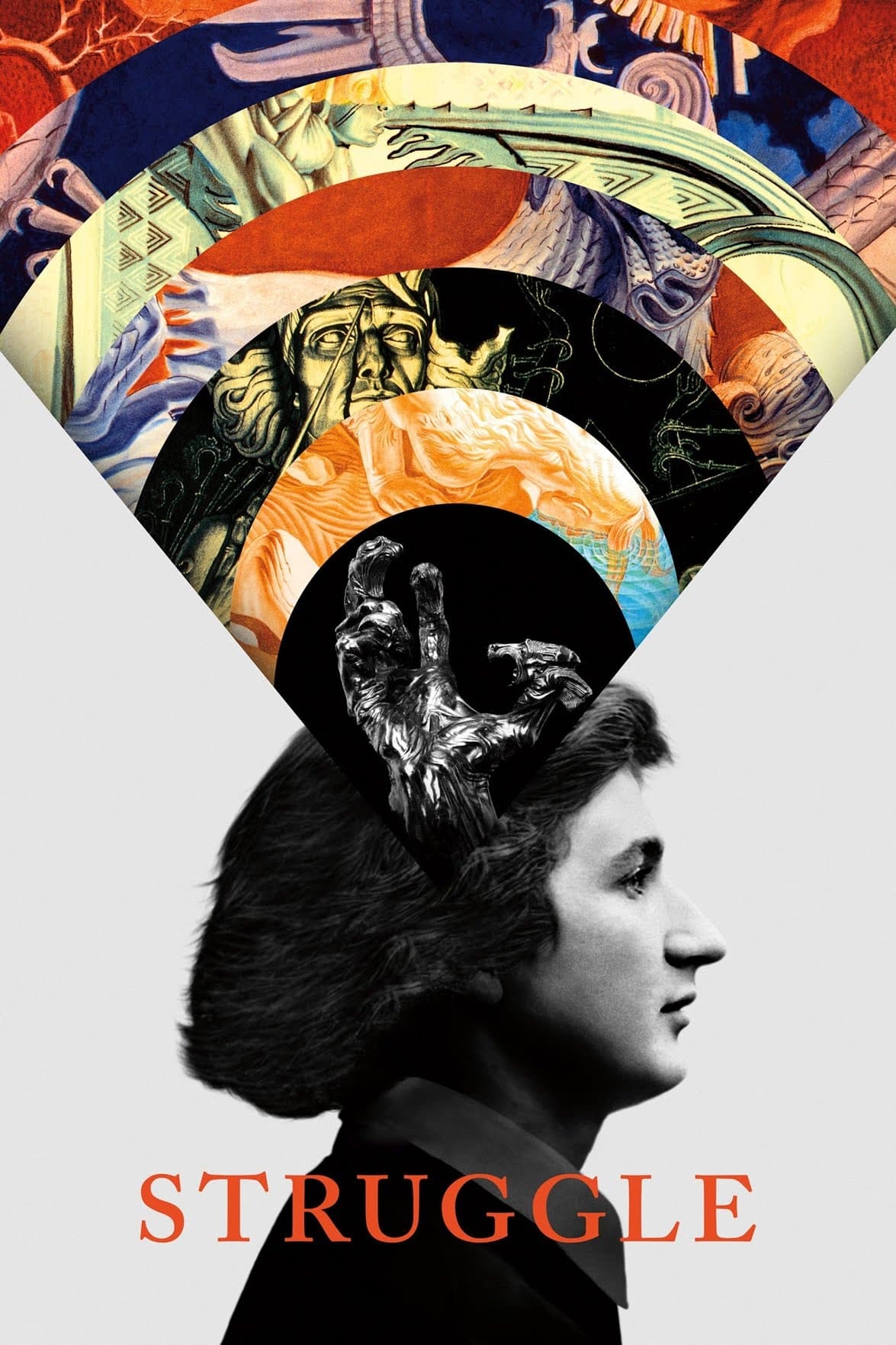
Documentary about the play Miss Julie and dramatist August Strindberg
Social & External
The people behind it
Maria Bonnevie
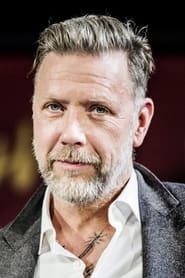
Mikael Persbrandt
Bibi Andersson
Thommy Berggren
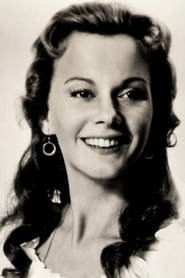
Anita Björk
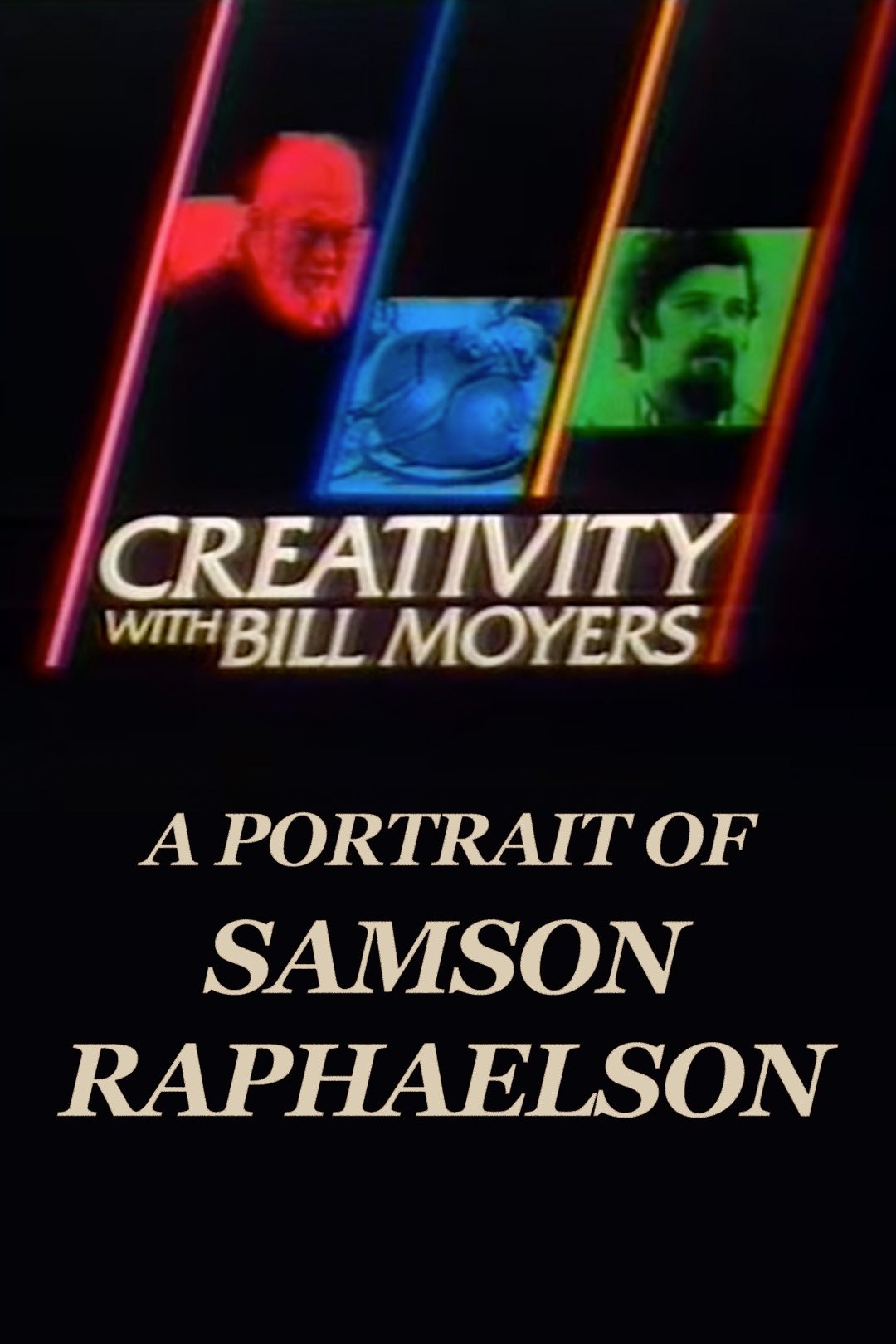
An interview with playwright and screenwriter Samson Raphaelson. First aired on PBS's "Creativity with Bill Moyers".
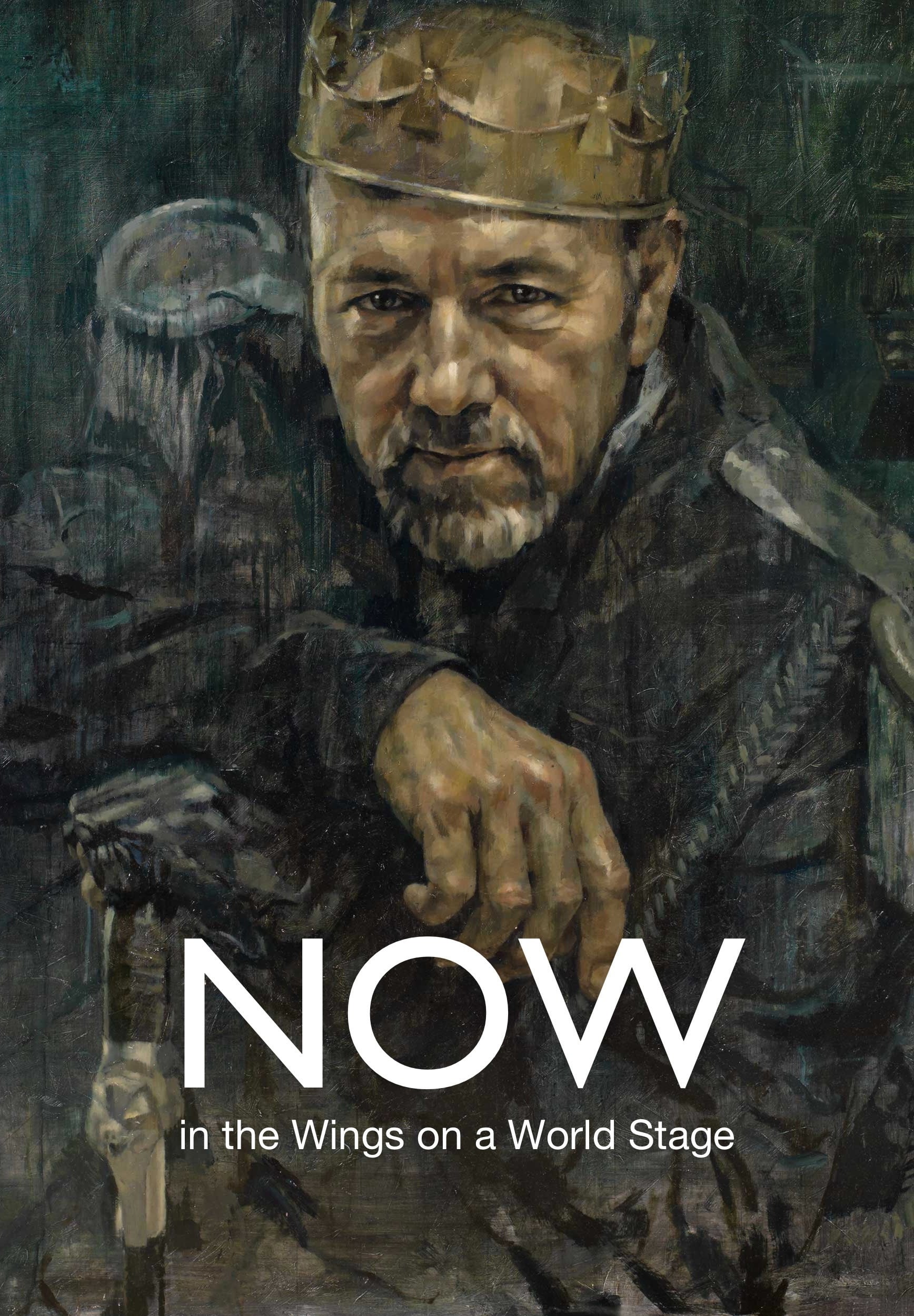
Kevin Spacey, Sam Mendes and the Bridge Project Company go on the road in NOW: in the Wings on a World Stage. In over 200 performances, and across 3 continents, Kevin and the troupe reveal some of the most intimate moments behind the scenes of their staging of Shakespeare's classic tragedy, "Richard III." Their story and experiences weave around, and reflect on, excerpts from the play from their various locations, from Epidaurus to Doha, and provides a great opportunity for those who have never experienced Spacey on stage to witness his immerse and captivating interpretation of Richard III. NOW chronicles the first collaboration between Spacey and Mendes since both won Academy Awards® for their work on American Beauty.
The T.N.P., the Théâtre National Populaire, an important experimental theater directed by Jean Vilar. Franju combines sequences from theatrical performances with documentary images, creating links and confrontations between theater and the real world.
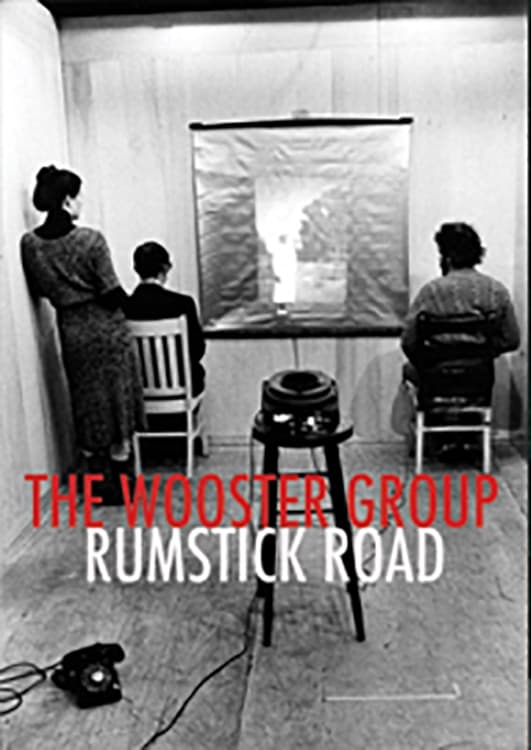
A video reconstruction of the 1977 Wooster Group production Rumstick Road, an experimental theater performance created by Spalding Gray and Elizabeth LeCompte after the suicide of Gray's mother. Archival recordings are combined with photographs, slides, and other materials to recreate the original production.
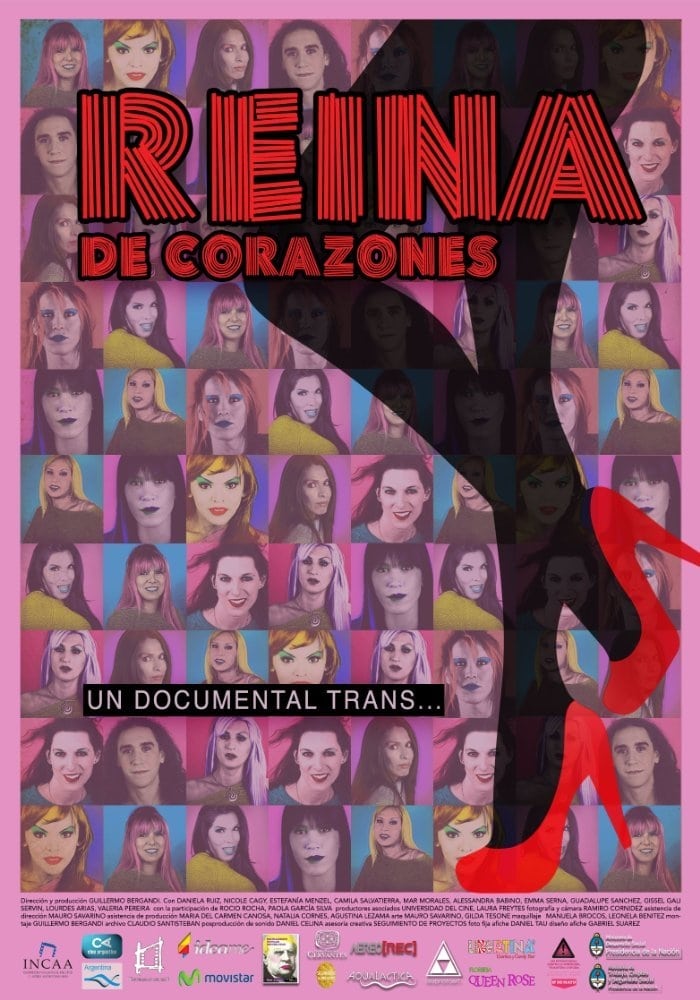
The story of ten trans girls who form a co-op theatre to be able to stop working as prostitutes. The protagonists tell us their dreams, show their daily struggles and share their experiences and realities to be accepted and belong to society as well.
Fifty years ago, aspiring thespians Terry and Carole Ann Gill arrived in Australia from England seeking fame and fortune. But they never quite made the big time. Instead they stumbled into the curious world of children's pantomimes. Over the decades, they have built a successful business and touched the lives of generations of children; but their own dreams have slowly faded. Now aged in their 70s, with their beloved theatre under threat from a greedy property developer, Terry and Carole Ann's careers appear to be coming to an untimely close. As they battle to remain open, they are forced to reflect on the choices they have made in their lives.
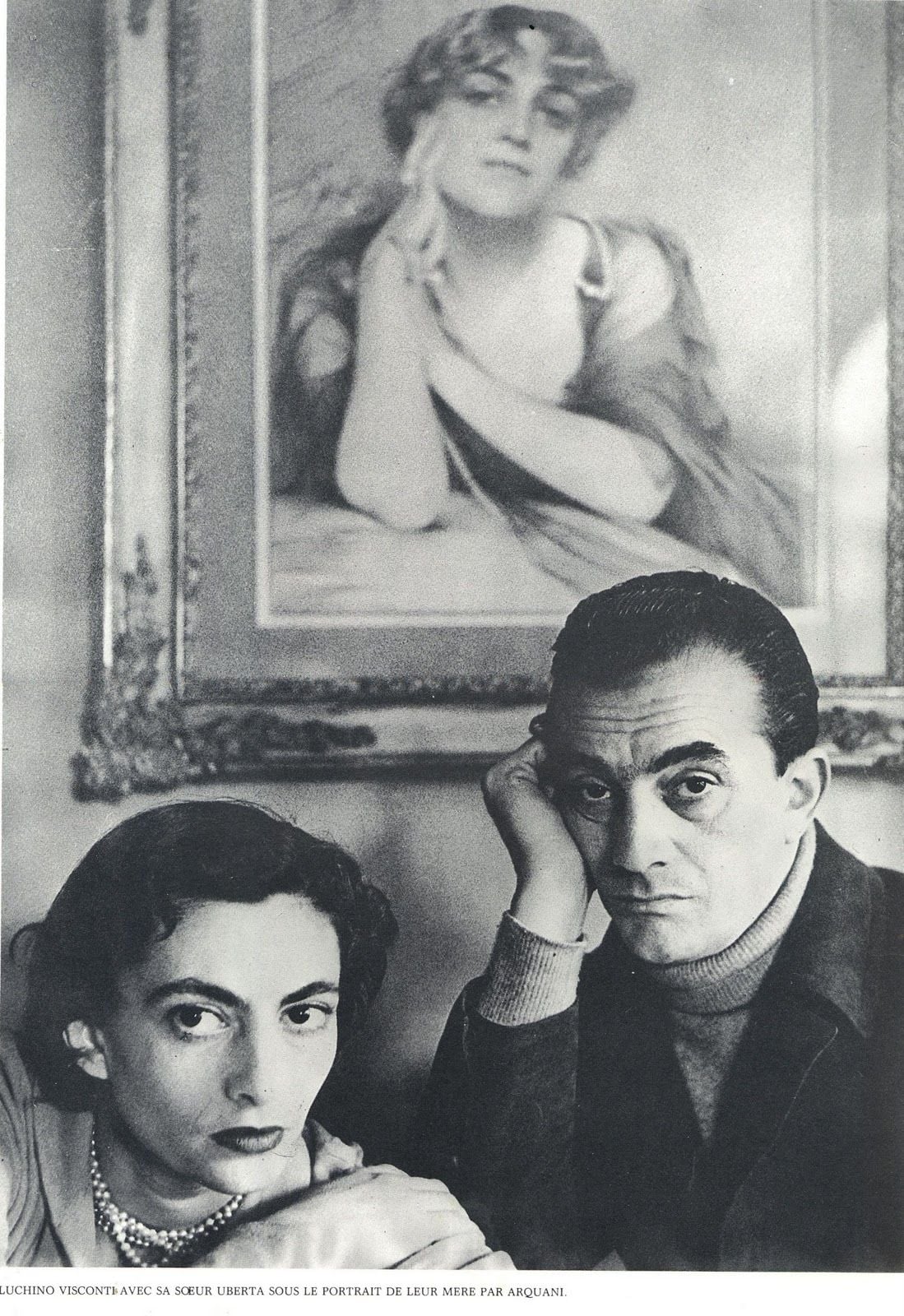
BBC television program exploring Visconti’s mastery of cinema, theater, and opera direction.
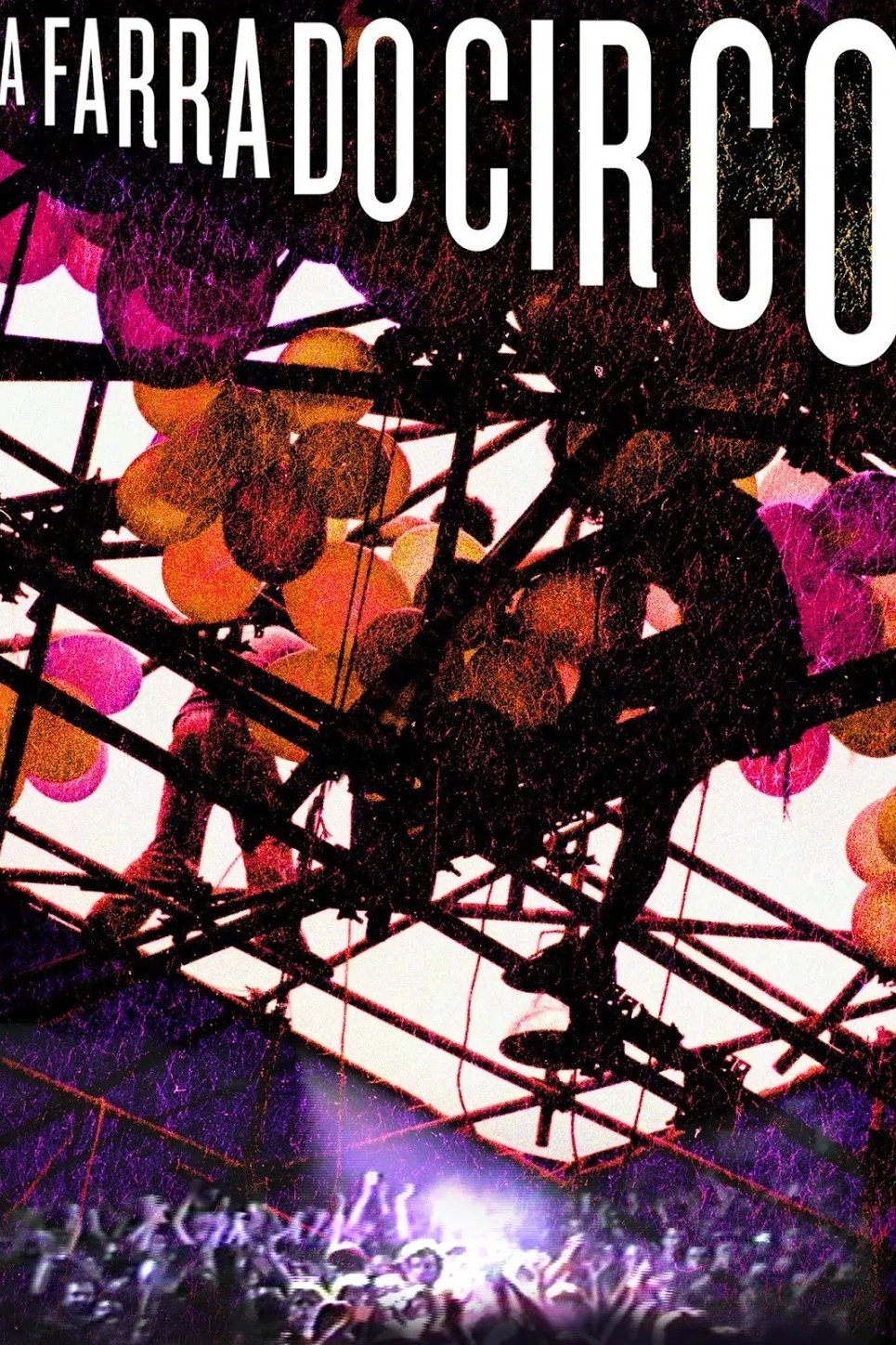
This documentary highlights the evolution of Brazil's Circo Voador venue from homespun artists' performance space to national cultural institution.
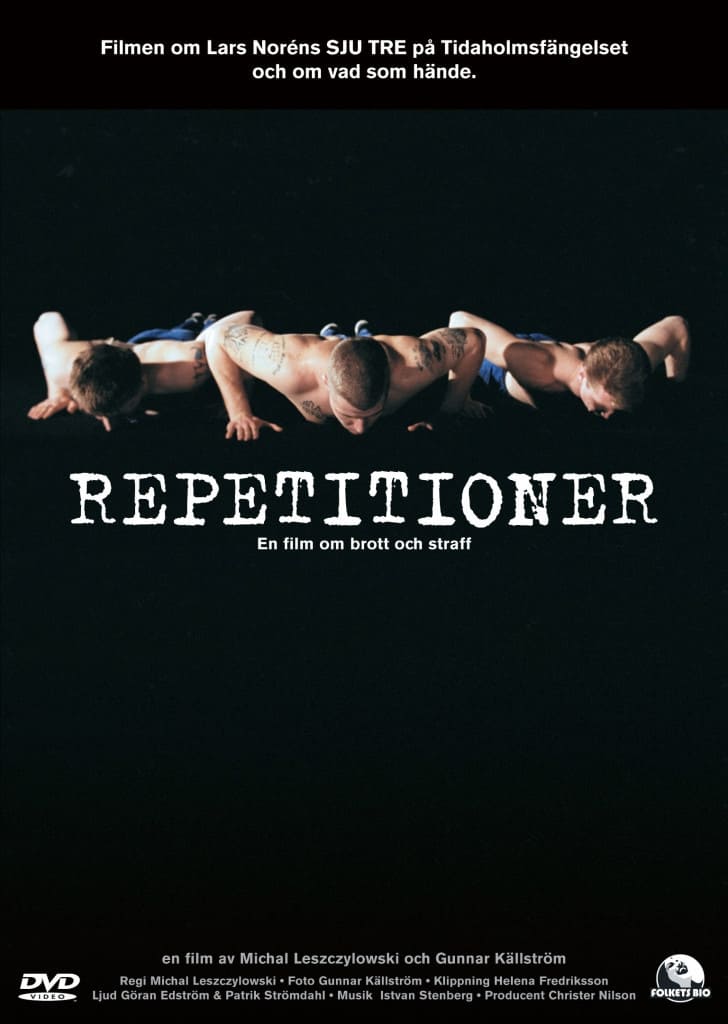
The theatre 7:3 project was conducted at the Tidaholm prison 1998-1999. What started as an artistic experiment, ended up in police killings at Malexander. The process in the prison were filmed during 6 months.
Follows the young people of Selma, Alabama's RATCo (Random Acts of Theatre Company) as they journey to New York City to share their story of hope, resilience, and overcoming.
The work of actors on a stage makes a dreamlike parallelism between artistic immagination and the concreteness of everyday life. Tribute to Prague's Divadlo na zàbradlì, theater that has been a point of reference for Theater of the Absurd in Czechoslovakia in Sixties
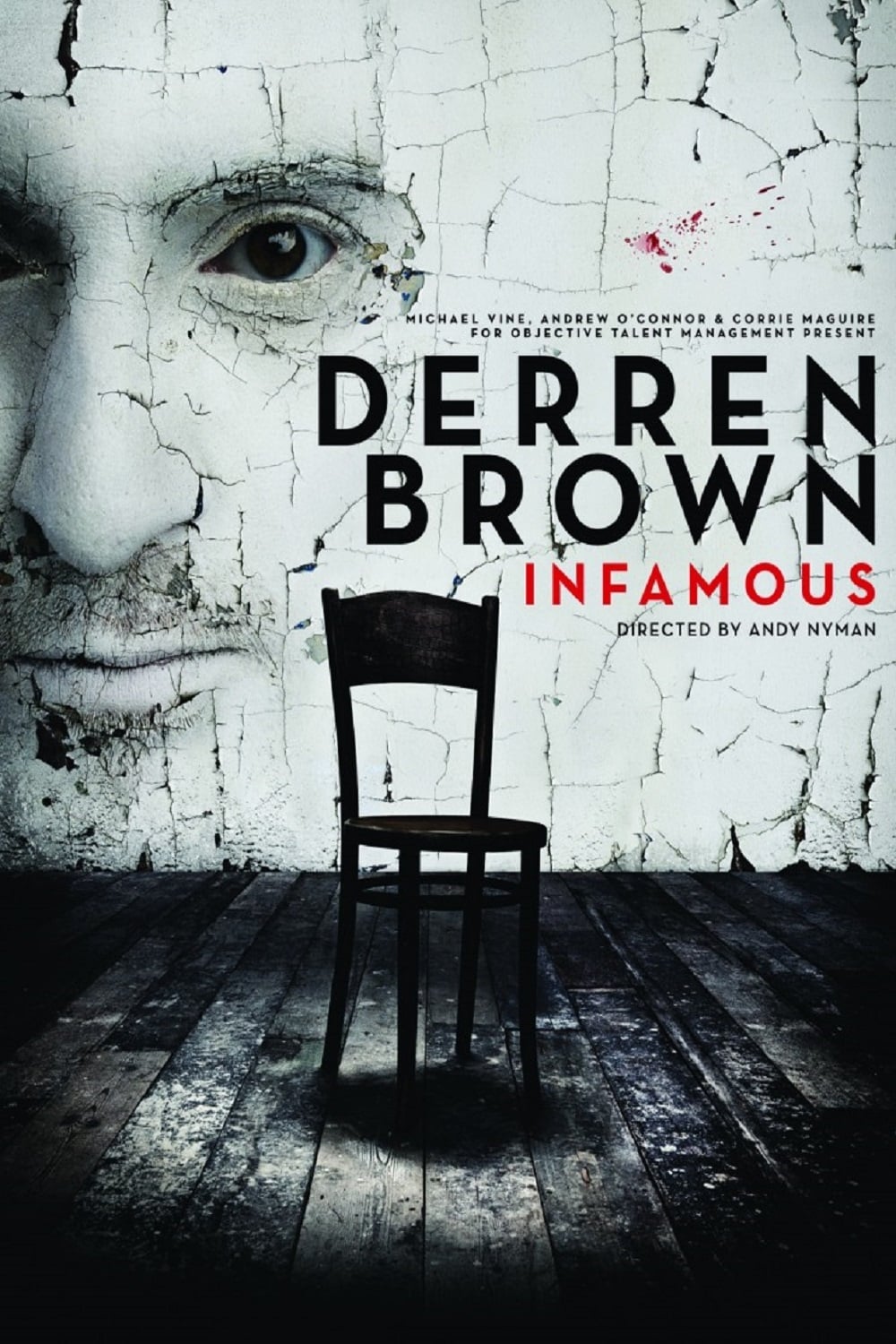
Multi award-winning psychological illusionist Derren Brown returns in the recording of his acclaimed live show ‘Infamous’. Featuring Derren at his baffling best with the excitement of a live theatre audience, Infamous includes amazing, provocative, jaw dropping demonstrations of his incredible skills of magic, suggestion, showmanship and misdirection in a must-watch roller coaster of emotions.
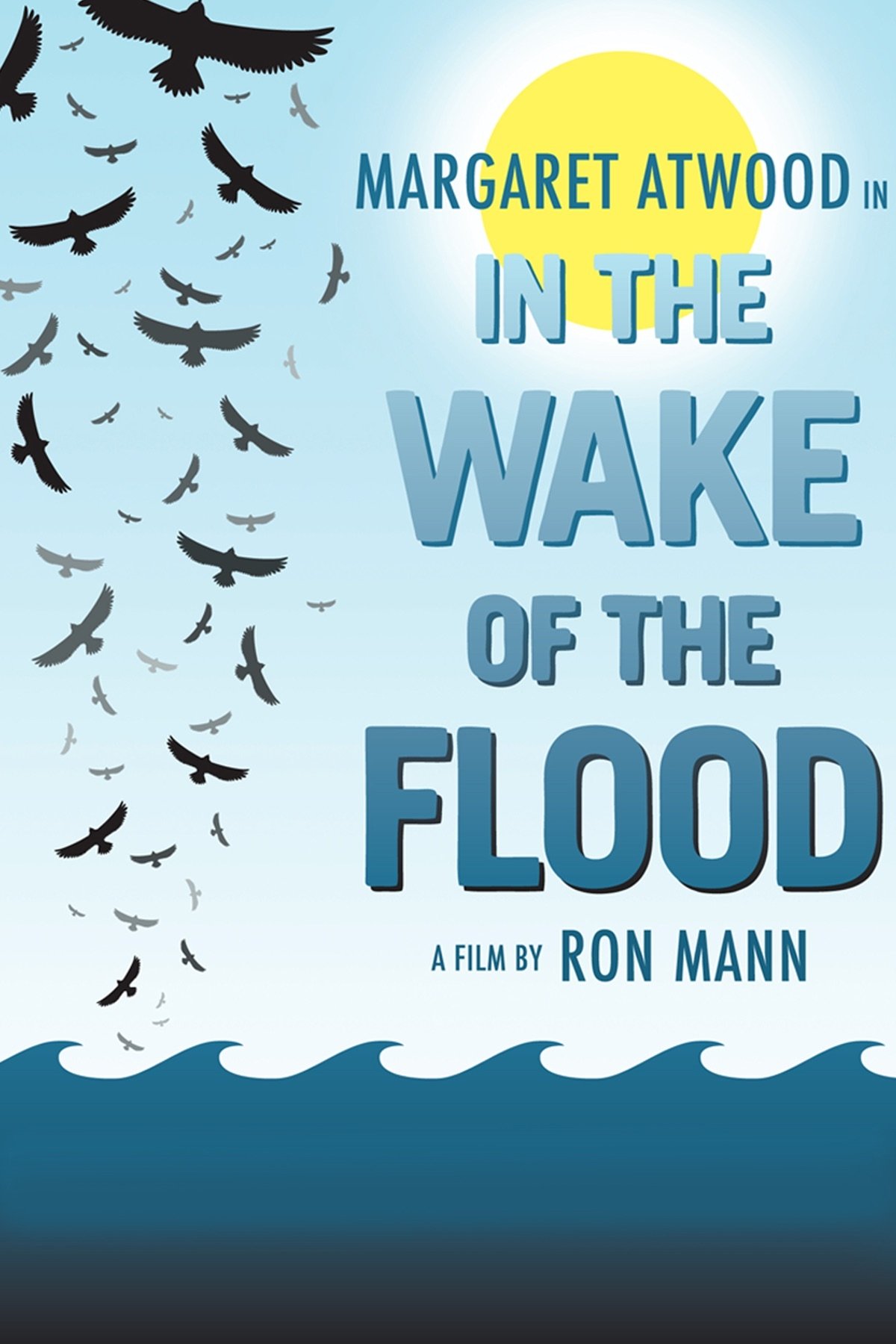
On the eve of her 70th birthday, Canadian writer Margaret Atwood set out on an international tour criss-crossing the British Isles and North America to celebrate the publication of her new dystopian novel, The Year of the Flood. Rather than mount a traditional tour to promote a book's publication, Atwood conceived and executed something far more ambitious and revelatory--a theatrical version of her novel. Along the way she reinvented what a book tour could (and maybe should) be. But Atwood wasn't selling books as much as advocating an idea: how humanity must respond to the consequences of an environmentally compromised planet before her work of speculative fiction transforms into prophesy.
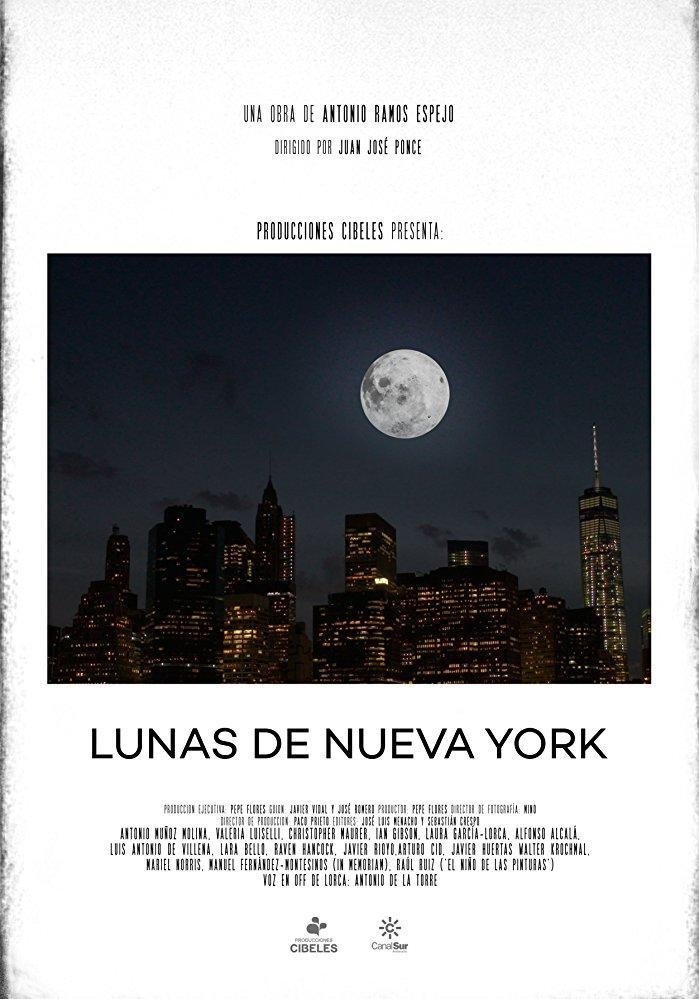
First film of Juan José Ponce’s trilogy about Federico García Lorca. Lunas de Nueva York looks back on Federico’s trip to New York in 1929, an essential journey for his life and career.
Award-winning Irish actor Gabriel Byrne explores the life, works and passions of George Bernard Shaw, a giant of world literature, and - like Byrne - an emigrant Irishman with the outsider's ability to observe, needle and puncture.
Follows Peter Sellars around the globe to reveal his inner life as an artistic visionary. Filming over two years, Mark Kidel travels a rocky artistic road with one of the world's most controversial theatre directors, Peter Sellars. Focusing on his curatorial duties for the New Crowned Hope Festival in 2006, Kidel reveals the method behind Sellars's 'madness' through in-depth interviews and glimpses into the rehearsal room.
Al Pacino's deeply-felt rumination on Shakespeare's significance and relevance to the modern world through interviews and an in-depth analysis of "Richard III."
An inside look at one of the most anticipated movie sequels ever with James Cameron and cast.
In an intimate and joyful story of love in the face of loss, celebrated poets Andrea Gibson and Megan Falley find strength—and unexpected hilarity—in what might be their final year together.
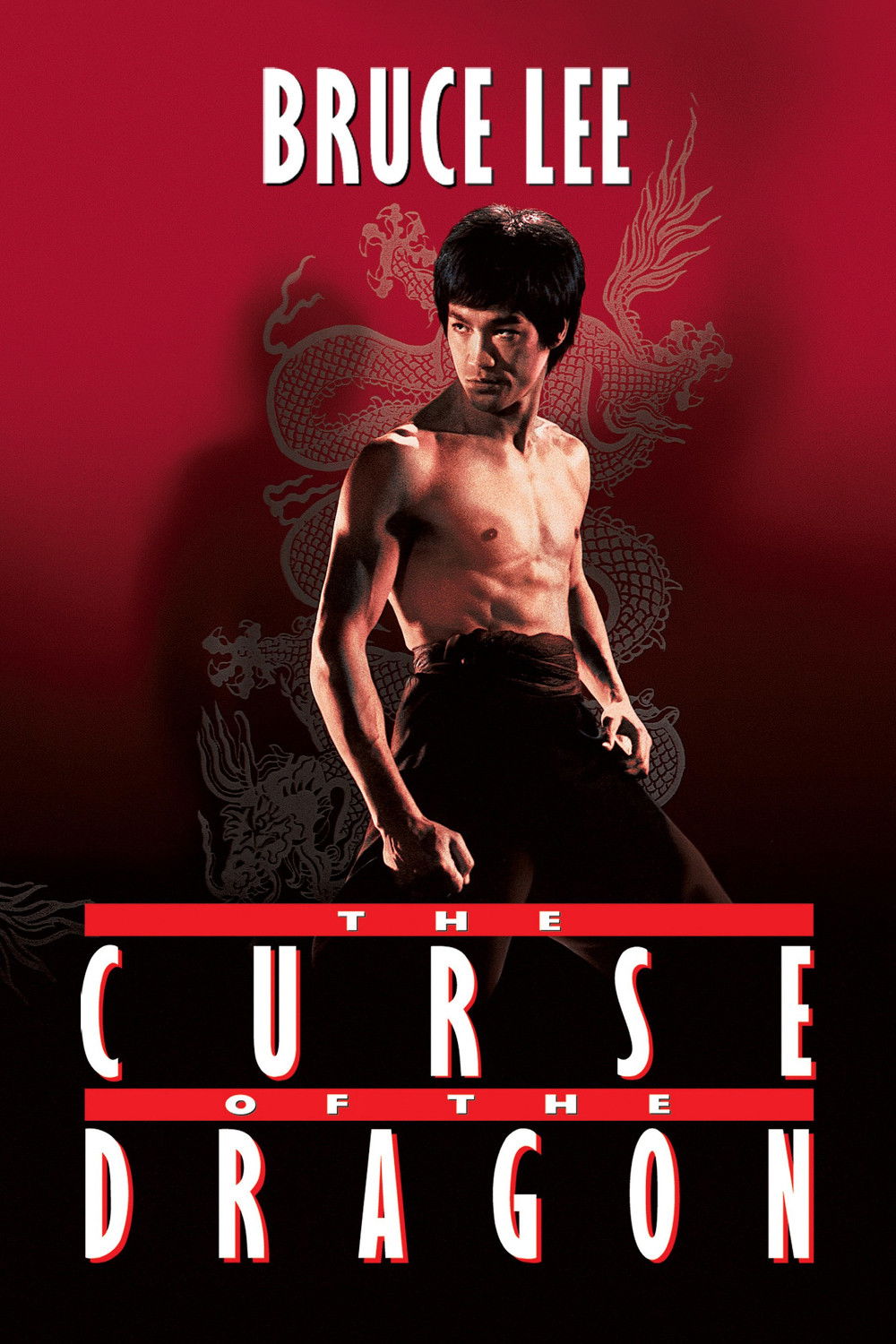
A 1993 documentary film about Bruce Lee. The film includes interviews from some of his fellow students and opponents who worked alongside him in his movies.
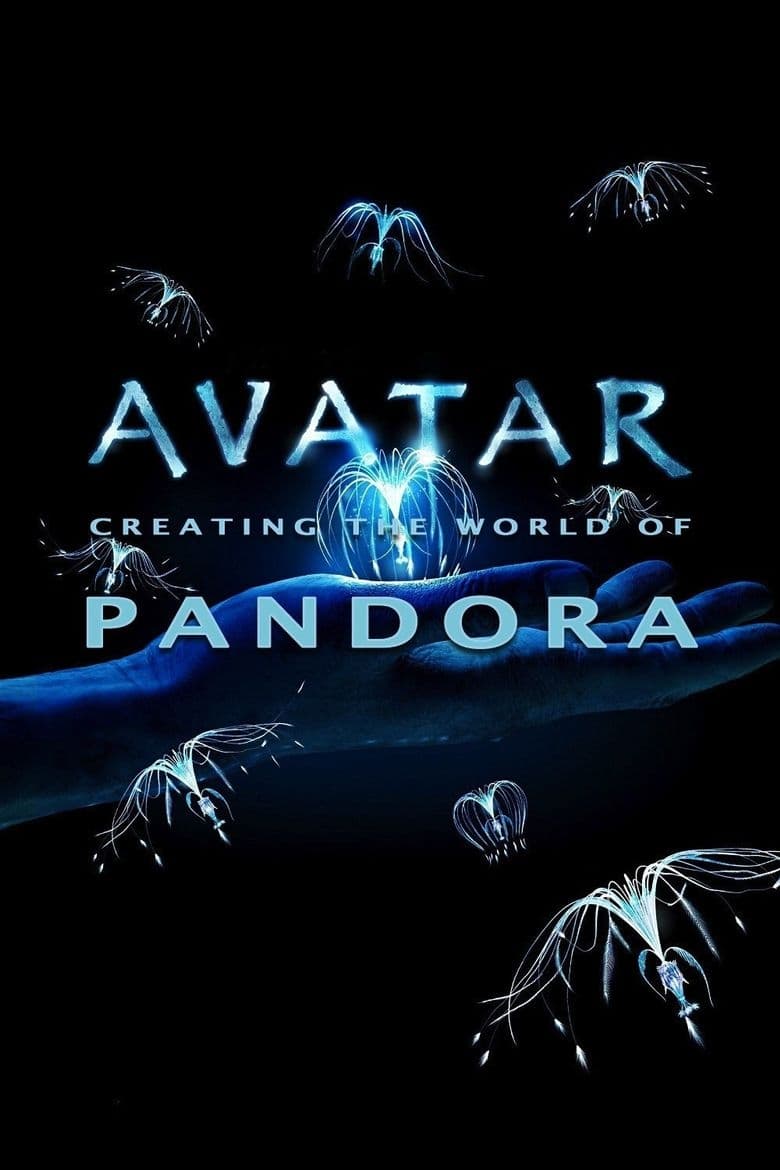
The Making-of James Cameron's Avatar. It shows interesting parts of the work on the set.
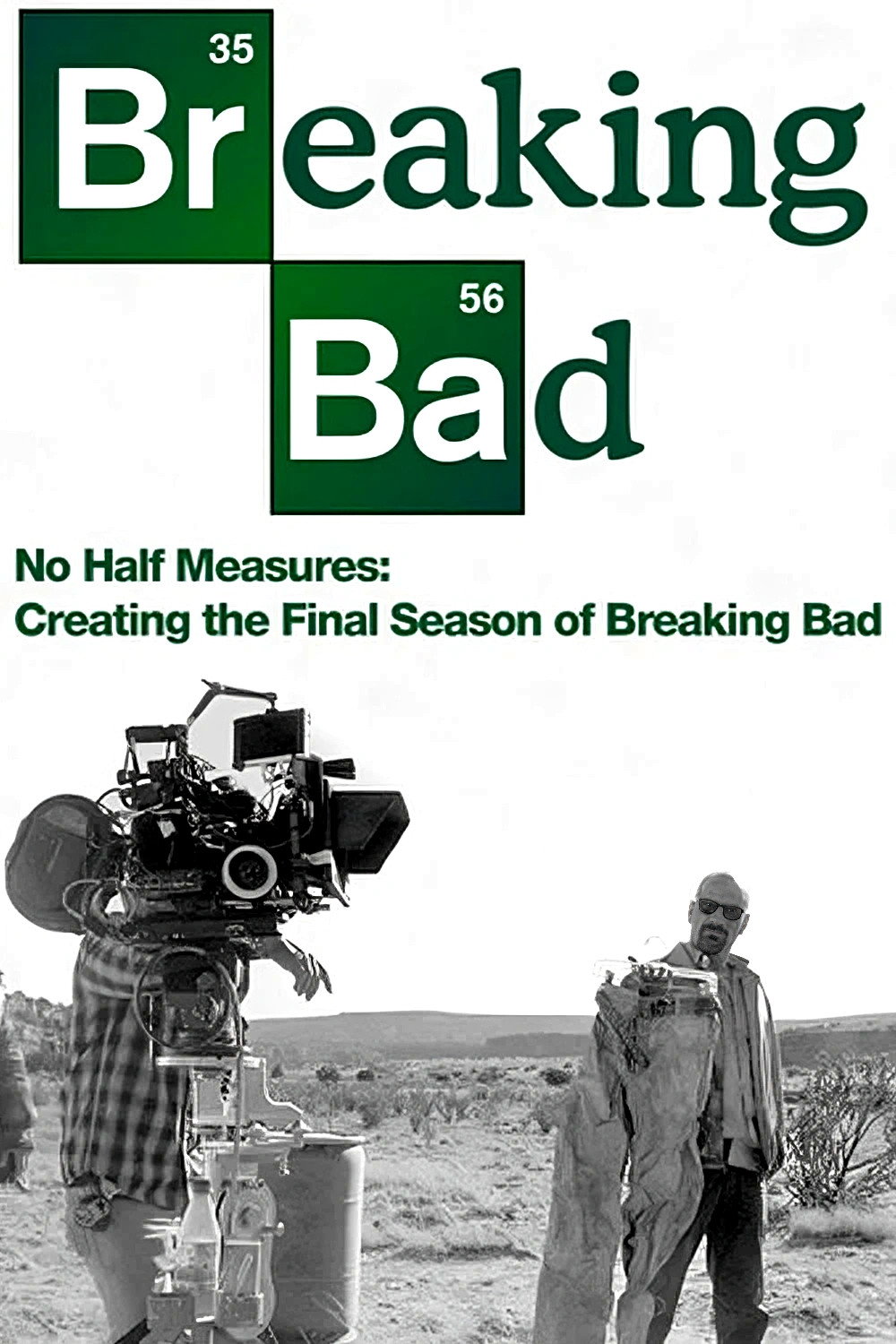
A documentary about the making of season five of the acclaimed AMC series Breaking Bad.
Brilliant, long in-the-works story of the life and art of the world's greatest comedian and the cinema's first genius, Charlie Chaplin. Produced, written and directed by renowned film critic Richard Schickel.
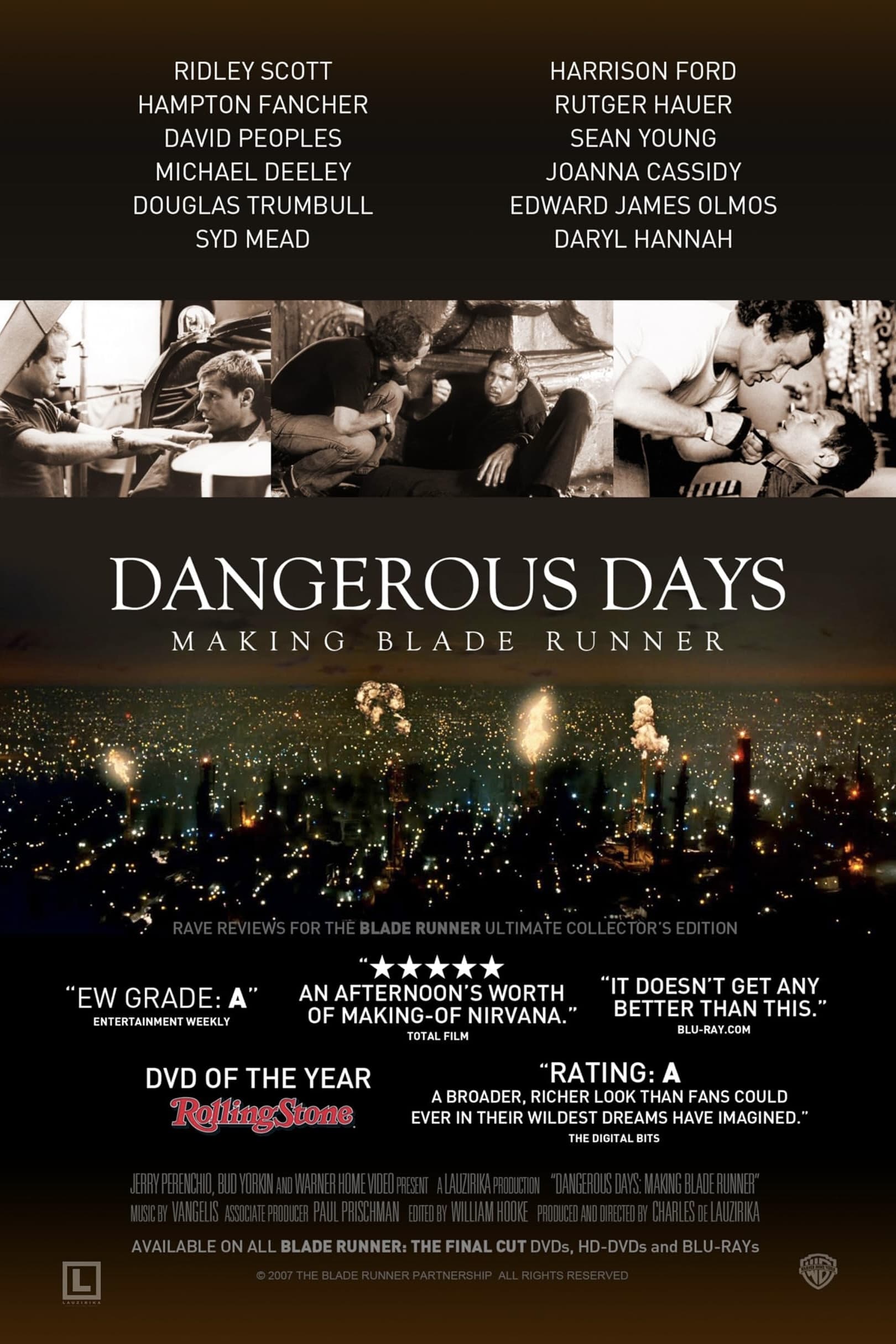
The definitive 3½-hour documentary about the troubled creation and enduring legacy of the science fiction classic 'Blade Runner', culled from 80 interviews and hours of never-before-seen outtakes and lost footage.
From the heights of her modeling fame to her tragic death, this documentary reveals Anna Nicole Smith through the eyes of the people closest to her.
SEDUCED AND ABANDONED combines acting legend Alec Baldwin with director James Toback as they lead us on a troublesome and often hilarious journey of raising financing for their next feature film. Moving from director to financier to star actor, the two players provide us with a unique look behind the curtain at the world's biggest and most glamourous film festival, shining a light on the bitter-sweet relationship filmmakers have with Cannes and the film business. Featuring insights from directors Martin Scorsese, 'Bernando Bertolucci' and Roman Polanski; actors Ryan Gosling and Jessica Chastain and a host of film distribution luminaries.
Artists in LA discover the work of forgotten Polish sculptor Stanislav Szukalski, a mad genius whose true story unfolds chapter by astounding chapter.
This revealing documentary honors the legendary Sidney Poitier—iconic actor, filmmaker, and civil rights activist. Featuring interviews with Denzel Washington, Spike Lee, Halle Berry, and more.
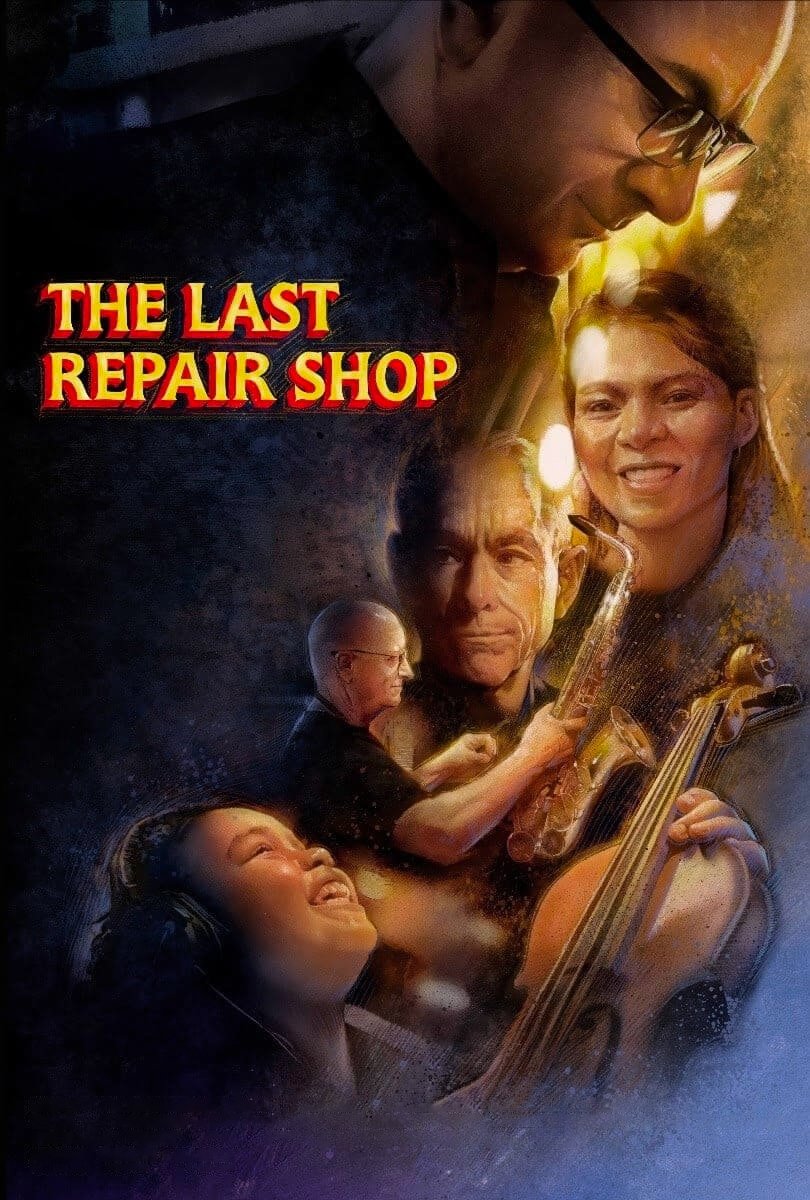
In a warehouse in the heart of Los Angeles, a dwindling handful of devoted craftspeople maintain more than 80,000 student musical instruments, the largest remaining workshop in America of its kind. Meet four unforgettable characters whose broken-and-repaired lives have been dedicated to bringing so much more than music to the schoolchildren of this city.
A compilation of over 30 years of private home movie footage shot by Lithuanian-American avant-garde director Jonas Mekas, assembled by Mekas "purely by chance", without concern for chronological order.
Alexander McQueen's rags-to-riches story is a modern-day fairy tale, laced with the gothic. Mirroring the savage beauty, boldness and vivacity of his design, this documentary is an intimate revelation of McQueen's own world, both tortured and inspired, which celebrates a radical and mesmerizing genius of profound influence.
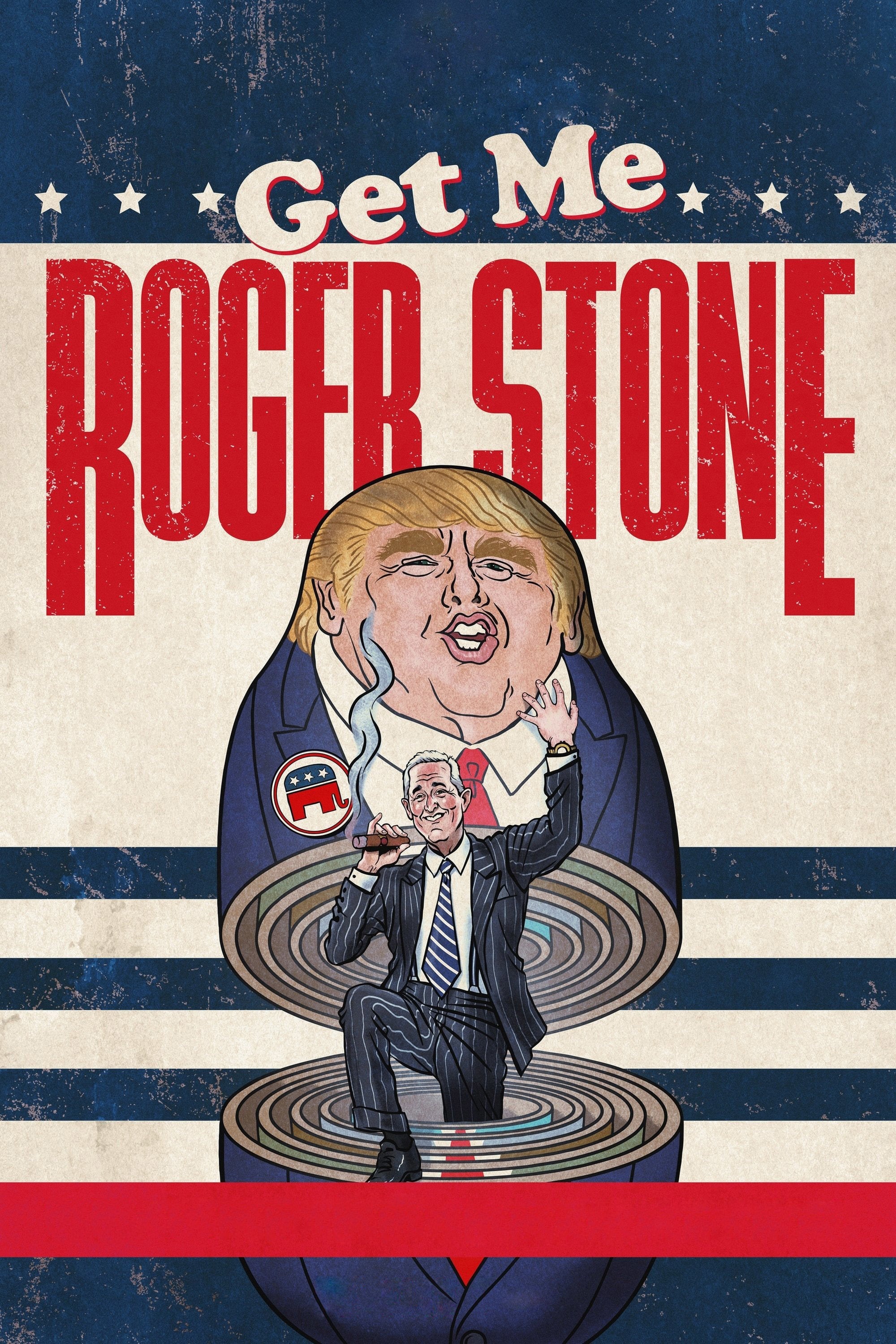
From his days of testifying at the Watergate hearings to advising recent presidential candidate Donald Trump, Roger Stone has long offended people on both sides of the political fence as a force in conservative America. Outspoken author, pundit, ahead of his time election strategist, this is his story.
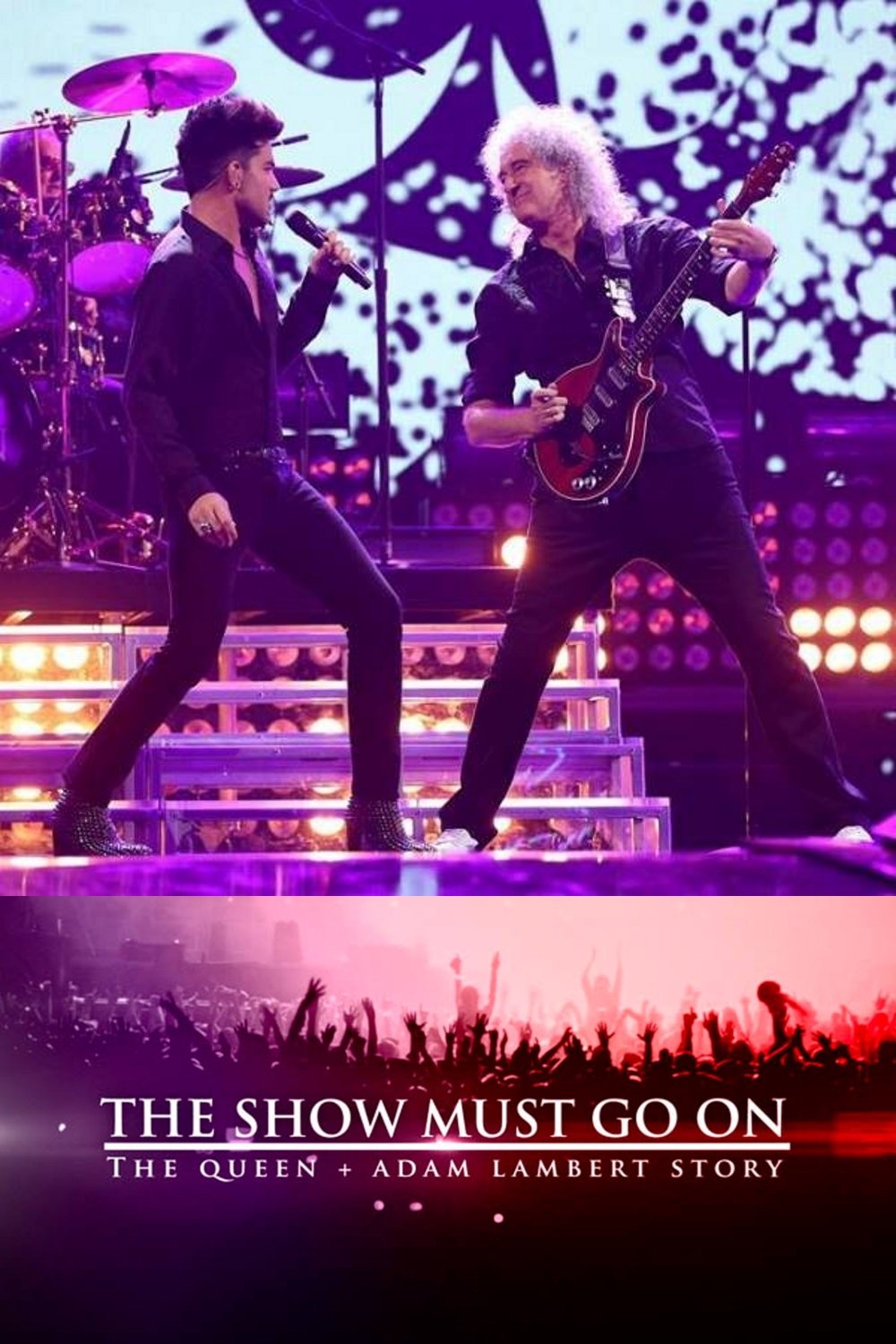
A documentary chronicling Queen and Lambert's incredible journey since they first shared the stage together on "American Idol" in 2009.
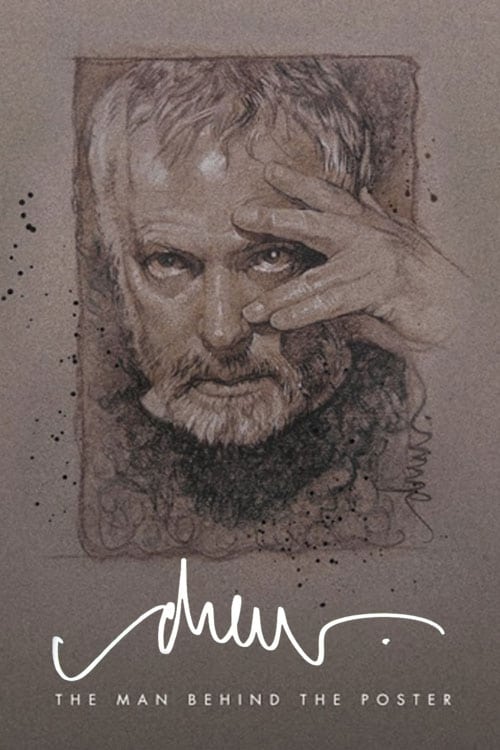
A documentary on legendary movie-poster artist Drew Struzan.
Ranjit, a farmer in India, takes on the fight of his life when he demands justice for his 13-year-old daughter, the victim of a brutal gang rape. His decision to support his daughter is virtually unheard of, and his journey unprecedented.
Musician and performance artist Laurie Anderson reflects on the deaths of her husband Lou Reed, her mother and her beloved dog.