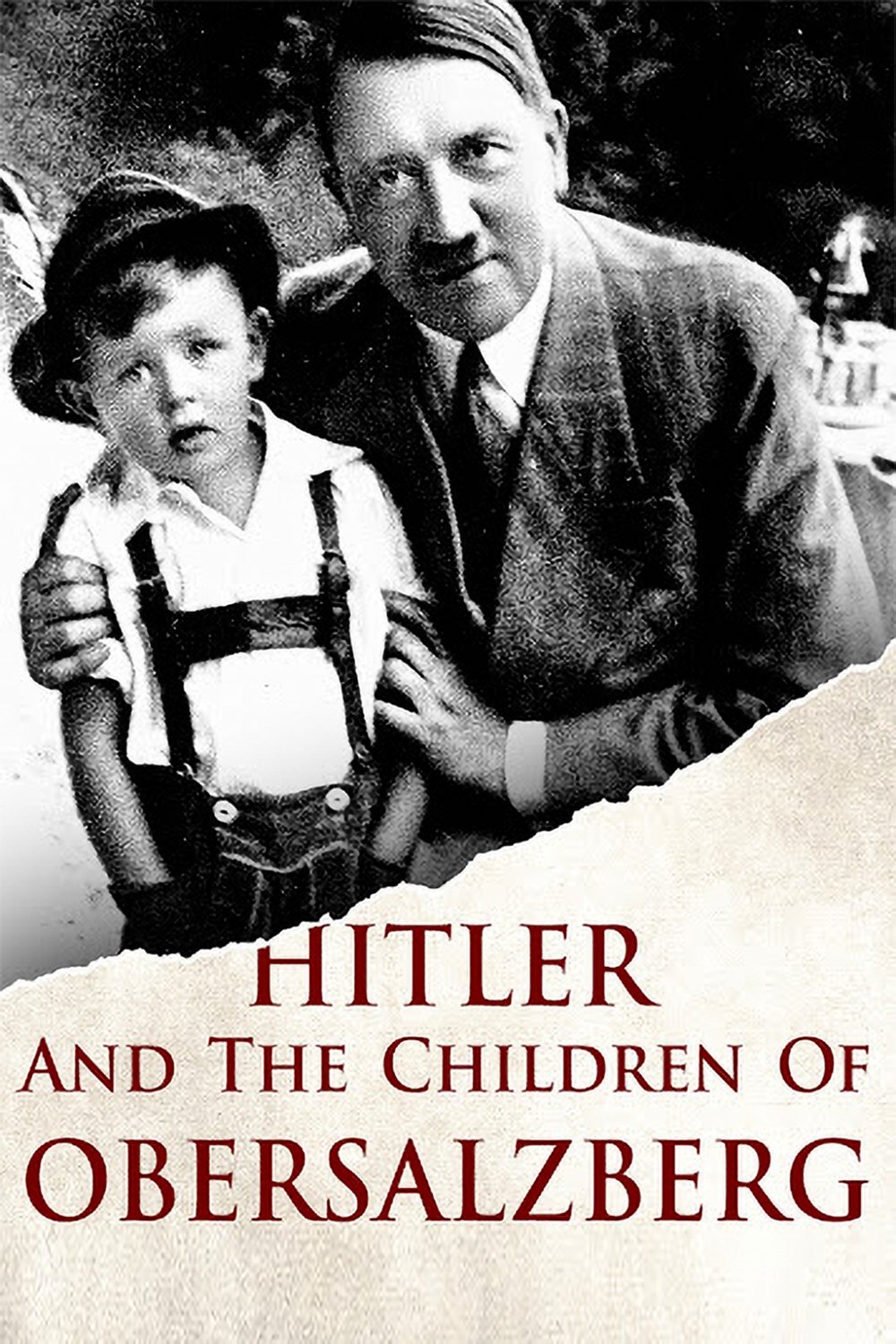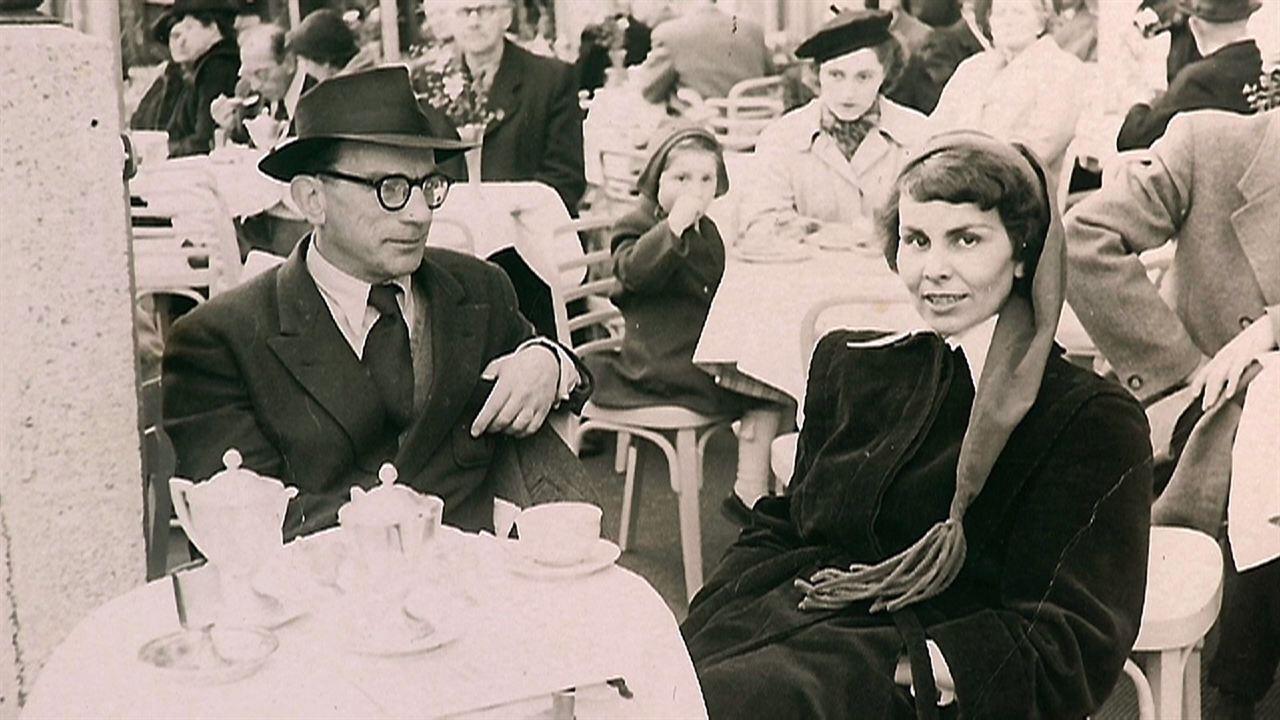
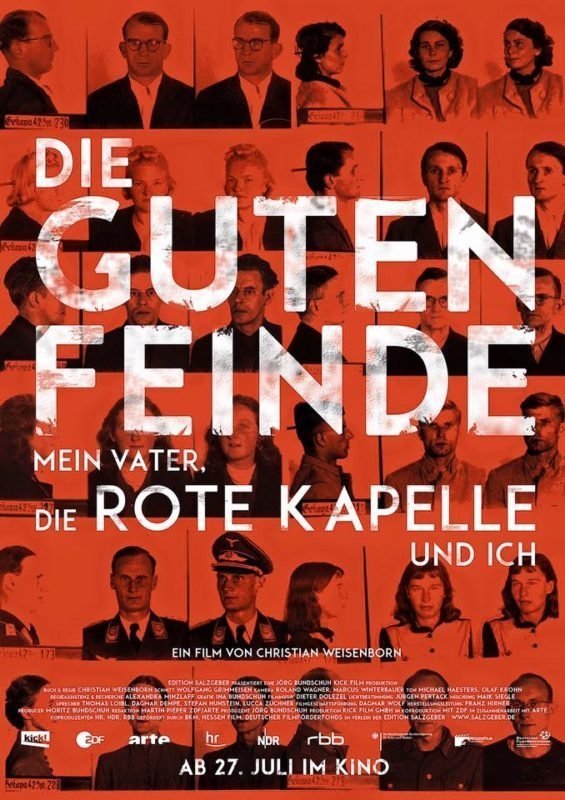
An intimate quest by a son to understand the identity of his father; a look back at the Berlin of the 30s and a special group of friends who loved life and, in the darkest hours of German history, ultimately chose good over evil.
Social & External
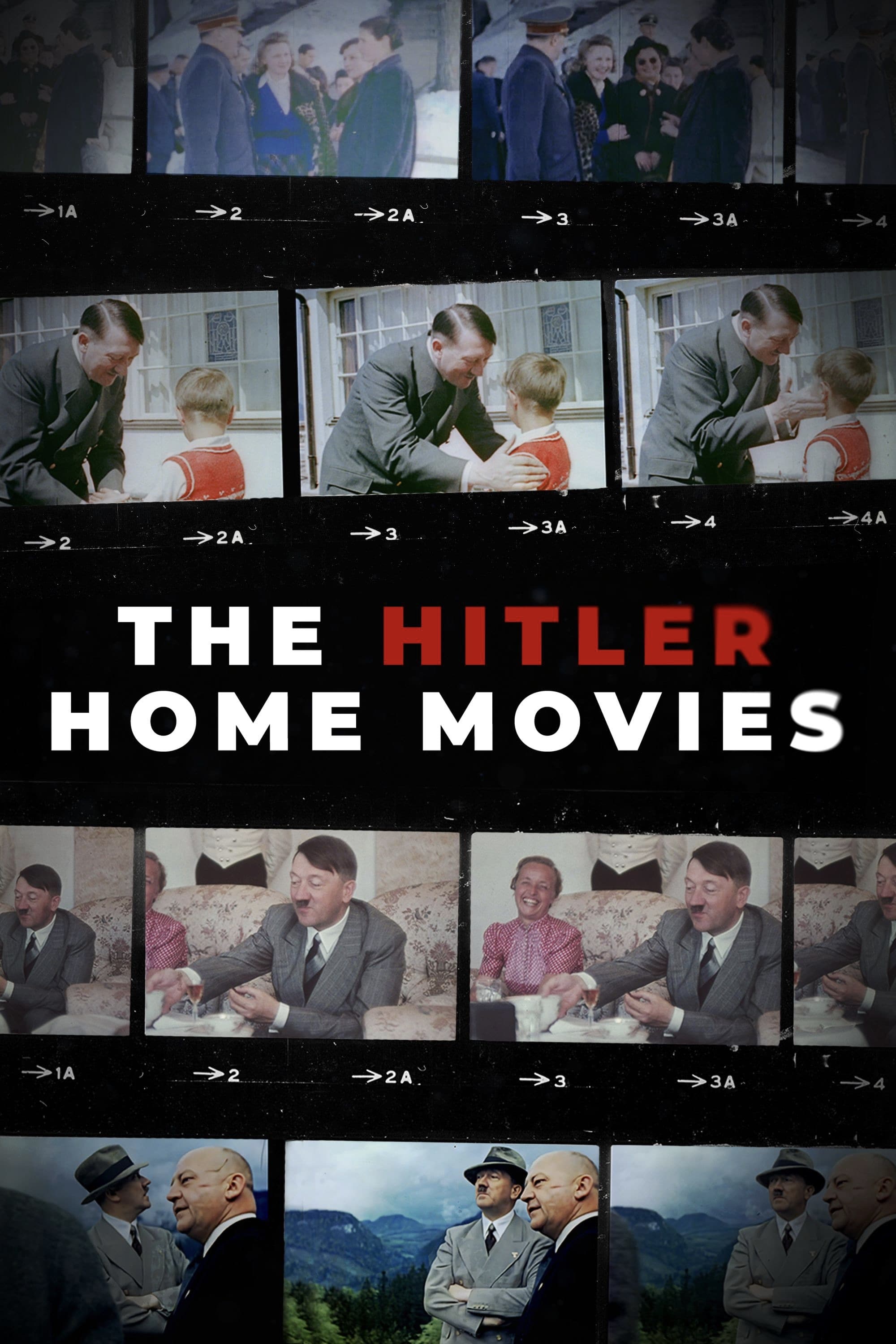
This documentary is showing Nazi Germany in color. The original and unique color images are portraying the war and German life of the time. You will see the Nazis at work but also in their private situations. All film images are original and fully restored color recordings.
Short film about Hitler's rise to power in 1933
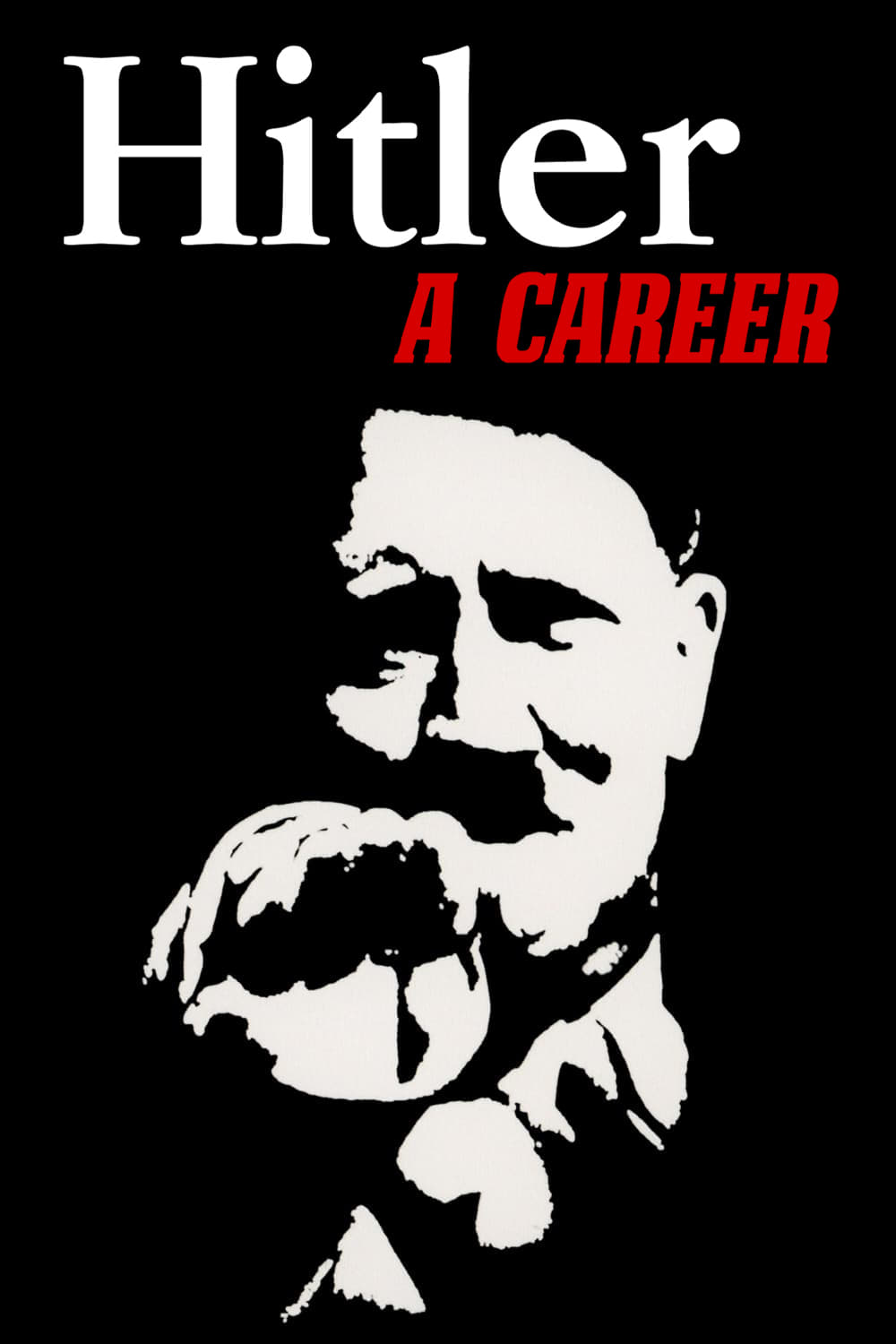
Hitler's biography told like never before. Besides brief historical localizations by a narrator, only contemporaries and Hitler himself speak: no interviews, no reenactment, no illustrative graphics and no technical gadgets. The testimonies from diaries, letters, speeches and autobiographies are assembled with new, often unpublished archive material. Hitler's life and work are thus reflected in a unique way in interaction with the image of the society in the years 1889 to 1945.
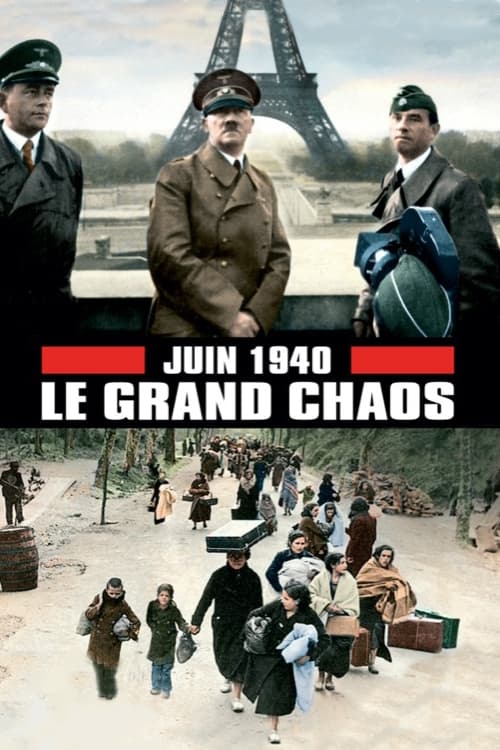
From May 10, 1940, France is living one of the worst tragedies of it history. In a few weeks, the country folds, and then collapsed in facing the attack of the Nazi Germany. On June 1940, each day is a tragedy. For the first time, thanks to historic revelations, and to numerous never seen before images and documents and reenacted situations of the time, this film recounts the incredible stories of those men and women trapped in the torment of this great chaos.
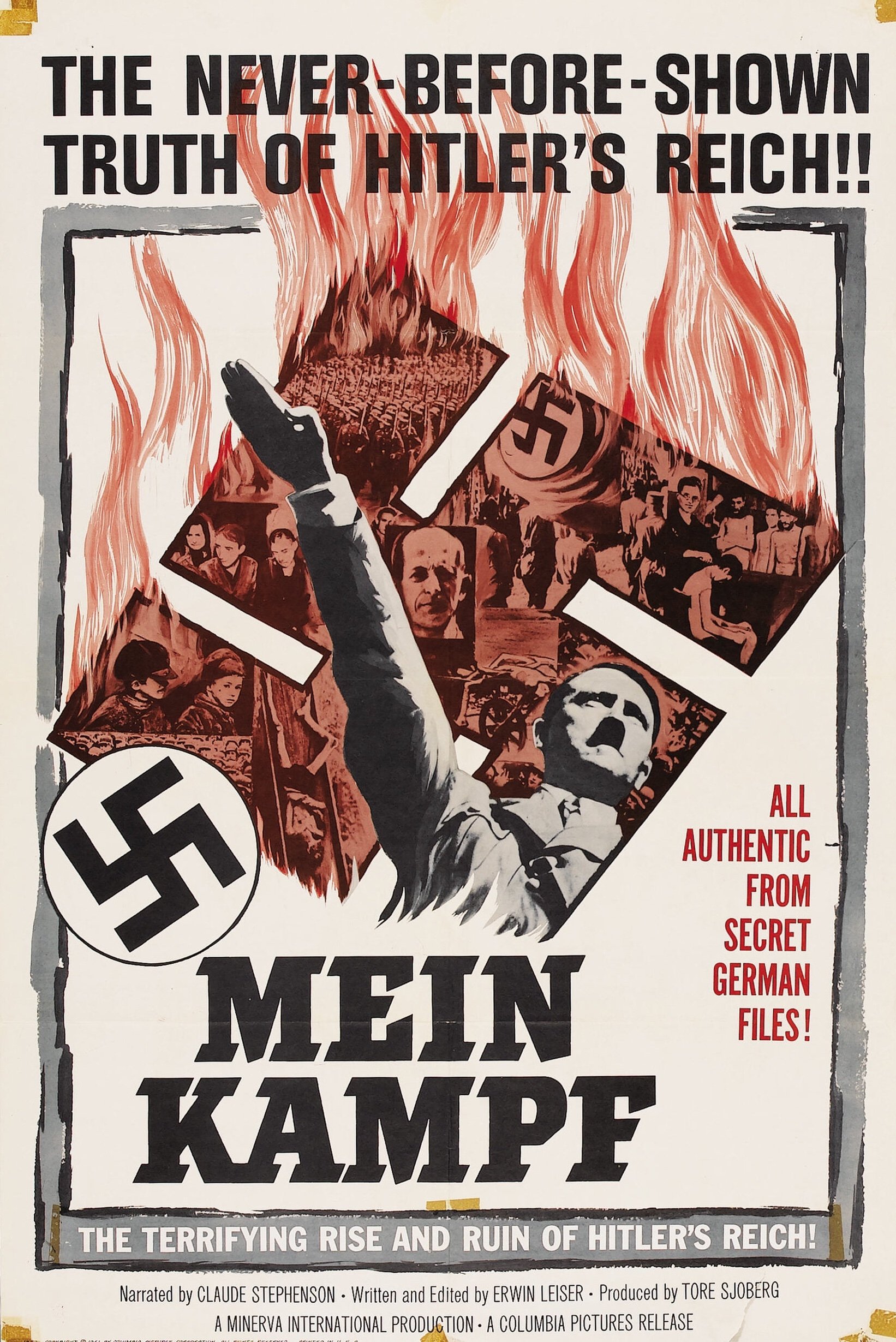
Using exclusively archival footage, Erwin Leiser traces the rise and collapse of the Third Reich, from Adolf Hitler’s early years to the devastation of Europe and his suicide in 1945. The film draws heavily on material produced and preserved by the Nazi propaganda apparatus to confront the mechanisms, imagery, and consequences of totalitarian power.
The life and career of the hailed Hollywood movie star and underappreciated genius inventor, Hedy Lamarr.
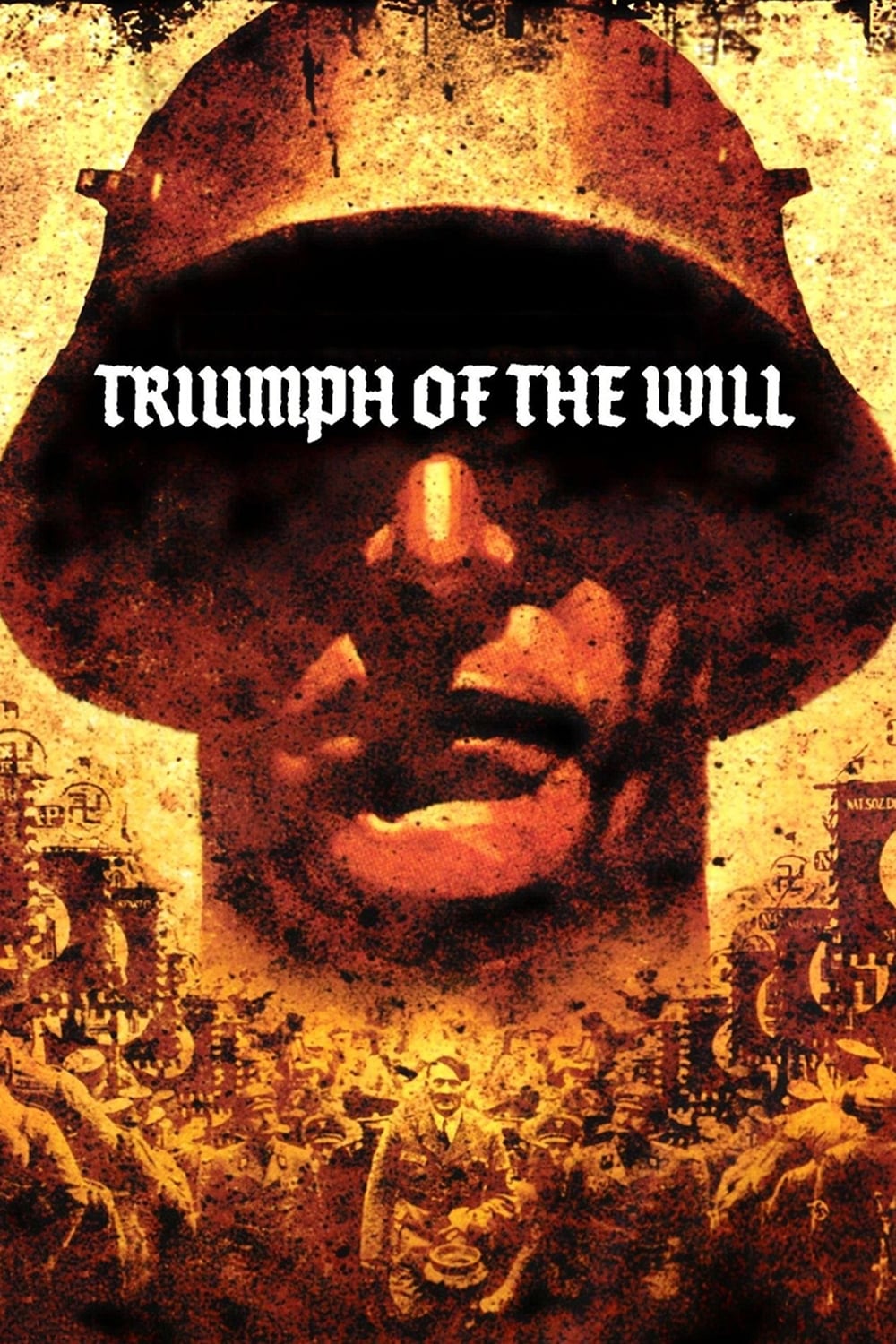
A showcase of German chancellor and Nazi Party leader Adolf Hitler at the 1934 Nuremberg Rally.
On the night of November 9-10, 1938, the Nazis initiated anti-Jewish violence throughout the German Reich. Hundreds of photographs and films rediscovered in archives provide insight into these pogroms. 30,000 Jews were deported to concentration camps. The November Pogroms mark a deeply disturbing event in German history that remains so to this day.
For all its talk of racial, spiritual, and physical purity, the self-anointed “Master Race” harbored a secret…theirs was an axis of drug addicts. This two-hour special explores the origin, impact, and lasting effects of the state-sponsored drug use that helped build—and eventually burned—the Third Reich. Incredible new sources of information, including a detailed journal maintained by Hitler’s personal physician, reveal the extent of not just his, but the entire Nazi Party’s reliance on drugs to power their war effort.
As early as 1920, the journalists of the "Münchener Post" recognized the danger posed by Adolf Hitler. Consistently and boldly they wrote about National Socialism. The brave journalists and their newspaper are almost forgotten today. A single book has been published about them - in Brazil.
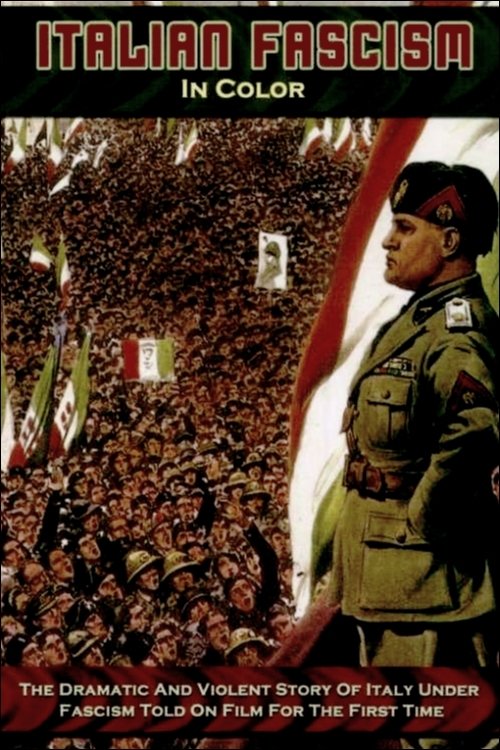
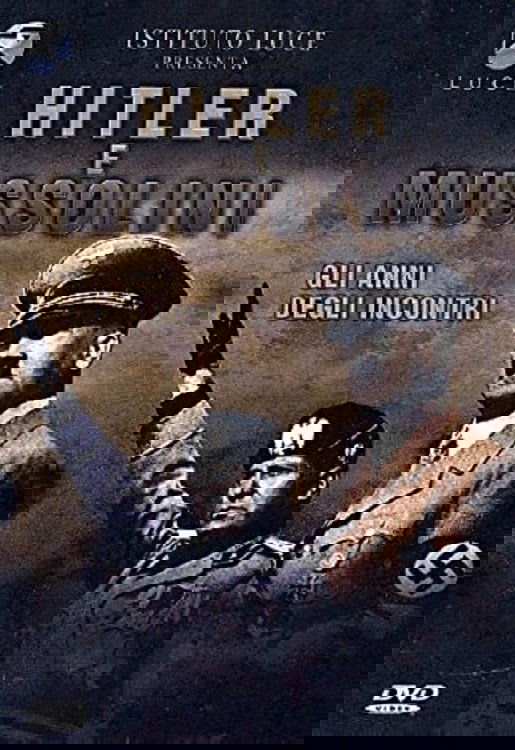
After the World War I, Mussolini's perspective on life is severely altered; once a willful socialist reformer, now obsessed with the idea of power, he founds the National Fascist Party in 1921 and assumes political power in 1922, becoming the Duce, dictator of Italy. His success encourages Hitler to take power in Germany in 1933, opening the dark road to World War II. (Originally released as a two-part miniseries. Includes colorized archival footage.)

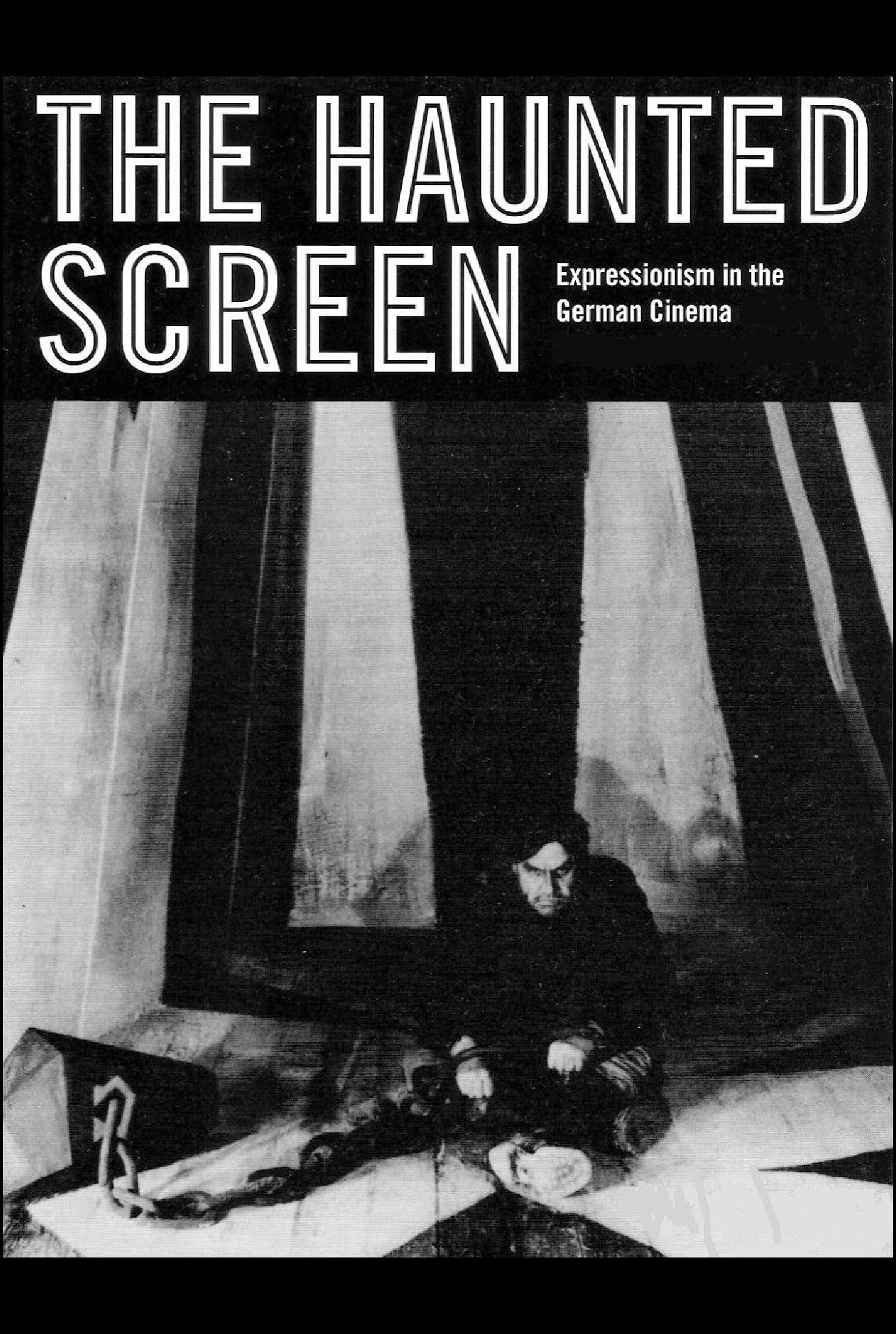
Film journalist and critic Rüdiger Suchsland examines German cinema from 1933, when the Nazis came into power, until 1945, when the Third Reich collapsed. (A sequel to From Caligari to Hitler, 2015.)
A documentary about the portrayal of Adolf Hitler in popular culture.
By combining actual footage with reenactments, this film offers both a documentary and fictional account of the life of Adolf Hitler, from his childhood in Vienna, through the rise of the Third Reich, to his final act of suicide in the waning days of WWII. The film also provides considerable, and often shocking, detail of the atrocities enacted by the Nazi regime under Hitler's command.
In 1946, President Peron started a secret nuclear project with the help of Nazis refugees which consisted in the use of a new method "Nuclear Fusion". Five years later, he would announce to the world his succeed. Even today, no country around the world has achieved it.
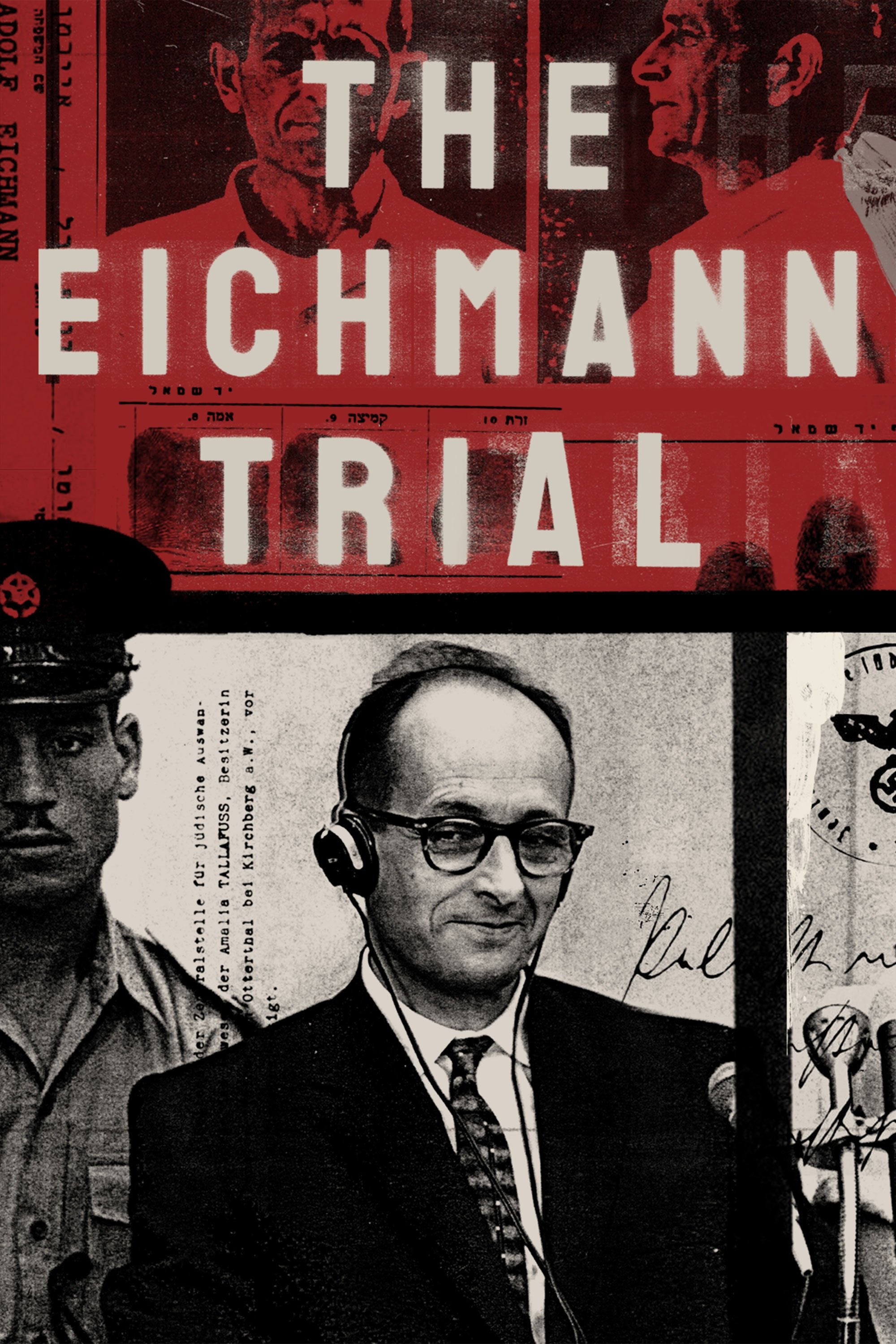
In 1961, history was on trial... in a trial that made history. Just 15 years after the end of WWII, the Holocaust had been largely forgotten. That changed with the capture of Adolf Eichmann, a former Nazi officer hiding in Argentina. Through rarely-seen archival footage, The Eichmann Trial documents one of the most shocking trials ever recorded, and the birth of Holocaust awareness and education.
The rise and fall of Nazi Germany in part through the use of classical allegory.
The mass murder of Jewish people by the Nazi regime is chronicled, with a warning that anti-Semitism is on the rise and the events of the Holocaust could happen again. The history of European Jewish culture and events before and during the Holocaust are seen in newsreels, photographs, and animated segments. The words of the victims of the era are read, and footage from the liberation os a concentration camp is shown.
A keen chronicle of the unlikely rise to power of Adolf Hitler (1889-1945) and a dissection of the Third Reich (1933-1945), but also an analysis of mass psychology and how the desperate crowd can be deceived and shepherded to the slaughterhouse.
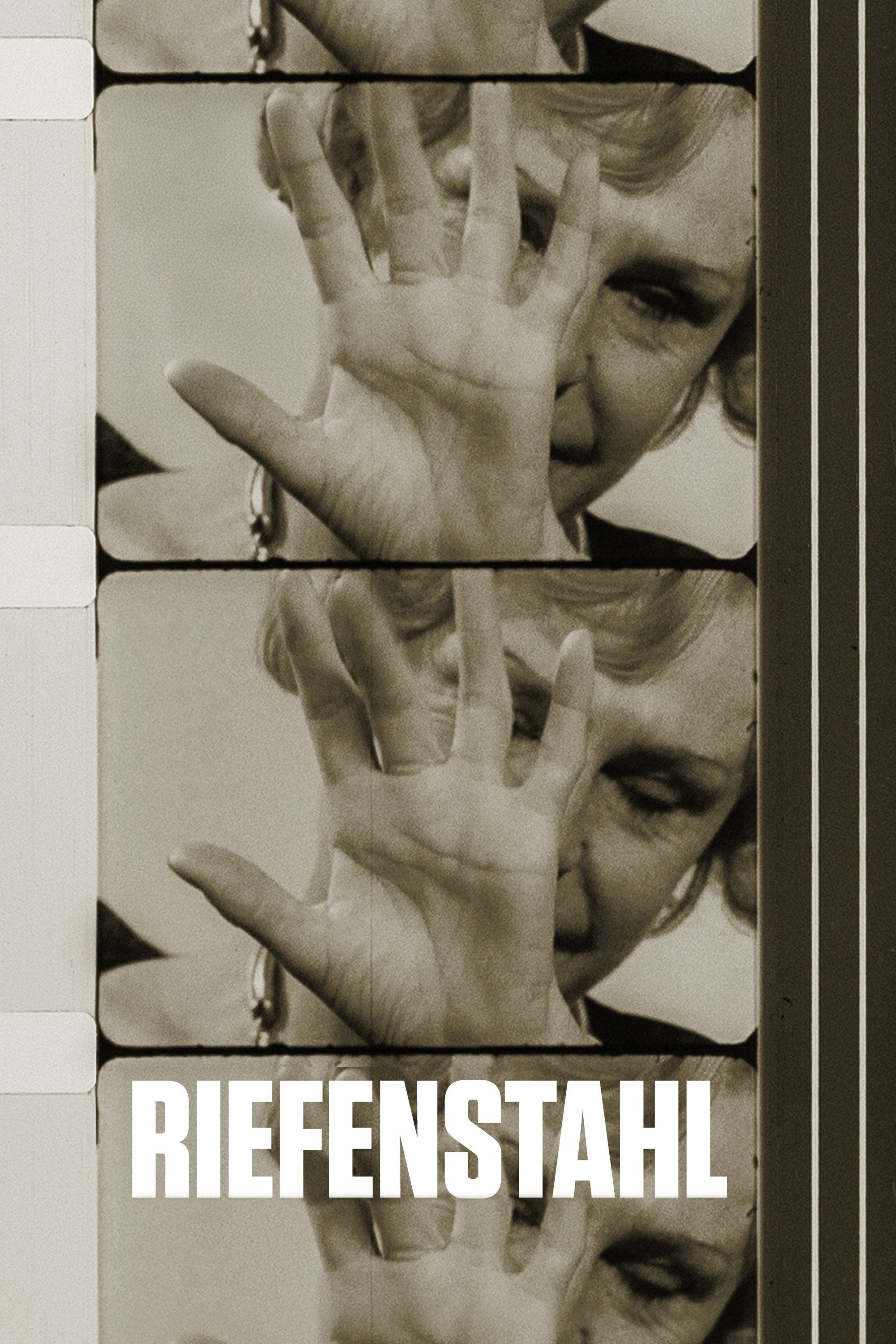
Explores Leni Riefenstahl's artistic legacy and her complex ties to the Nazi regime, juxtaposing her self-portrayal with evidence suggesting awareness of the regime's atrocities.
Alex Gibney explores the charged issue of pedophilia in the Catholic Church, following a trail from the first known protest against clerical sexual abuse in the United States and all way to the Vatican.
A documentary on the expletive's origin, why it offends some people so deeply, and what can be gained from its use.
Through deeply personal interviews with her siblings and an examination of the photographs, letters, and belongings left behind, Mariska assembles a new portrait of her mother Jayne Mansfield, an extraordinary and complex woman.
A detailing of the rise to prominence and global sporting superstardom of six supremely talented young Manchester United football players (David Beckham, Nicky Butt, Ryan Giggs, Paul Scholes, Phil and Gary Neville). The film covers the period 1992-1999, culminating in Manchester United's European Cup triumph.
Alexander McQueen's rags-to-riches story is a modern-day fairy tale, laced with the gothic. Mirroring the savage beauty, boldness and vivacity of his design, this documentary is an intimate revelation of McQueen's own world, both tortured and inspired, which celebrates a radical and mesmerizing genius of profound influence.
Lyrical and powerfully personal essay film that reflects on the deaths of her husband Lou Reed, her mother, her beloved dog, and such diverse subjects as family memories, surveillance, and Buddhist teachings.
A compilation of over 30 years of private home movie footage shot by Lithuanian-American avant-garde director Jonas Mekas, assembled by Mekas "purely by chance", without concern for chronological order.
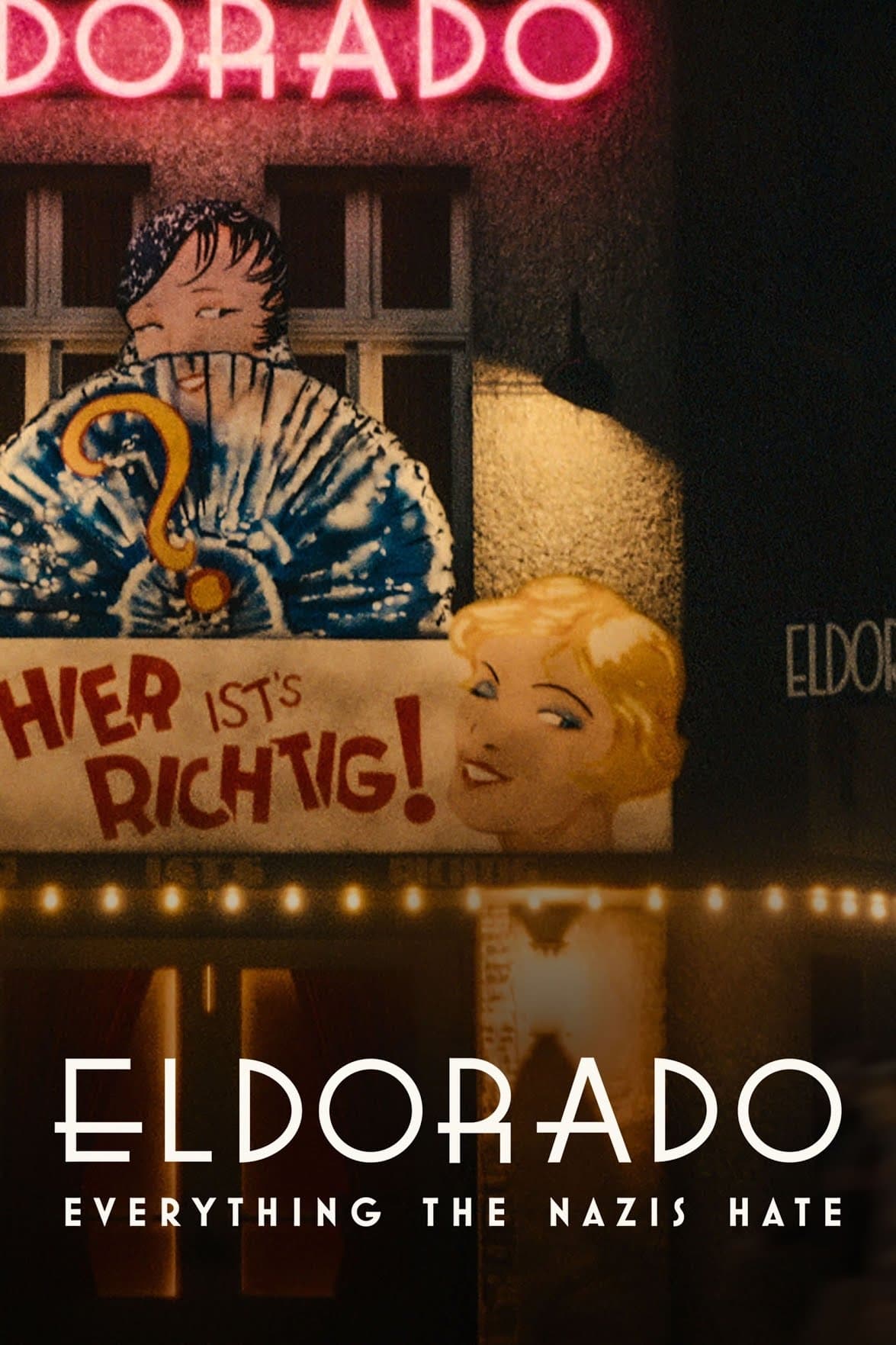
A glittery nightclub in 1920s Berlin becomes a haven for the queer community in this documentary exploring the freedoms lost amid Hitler’s rise to power.
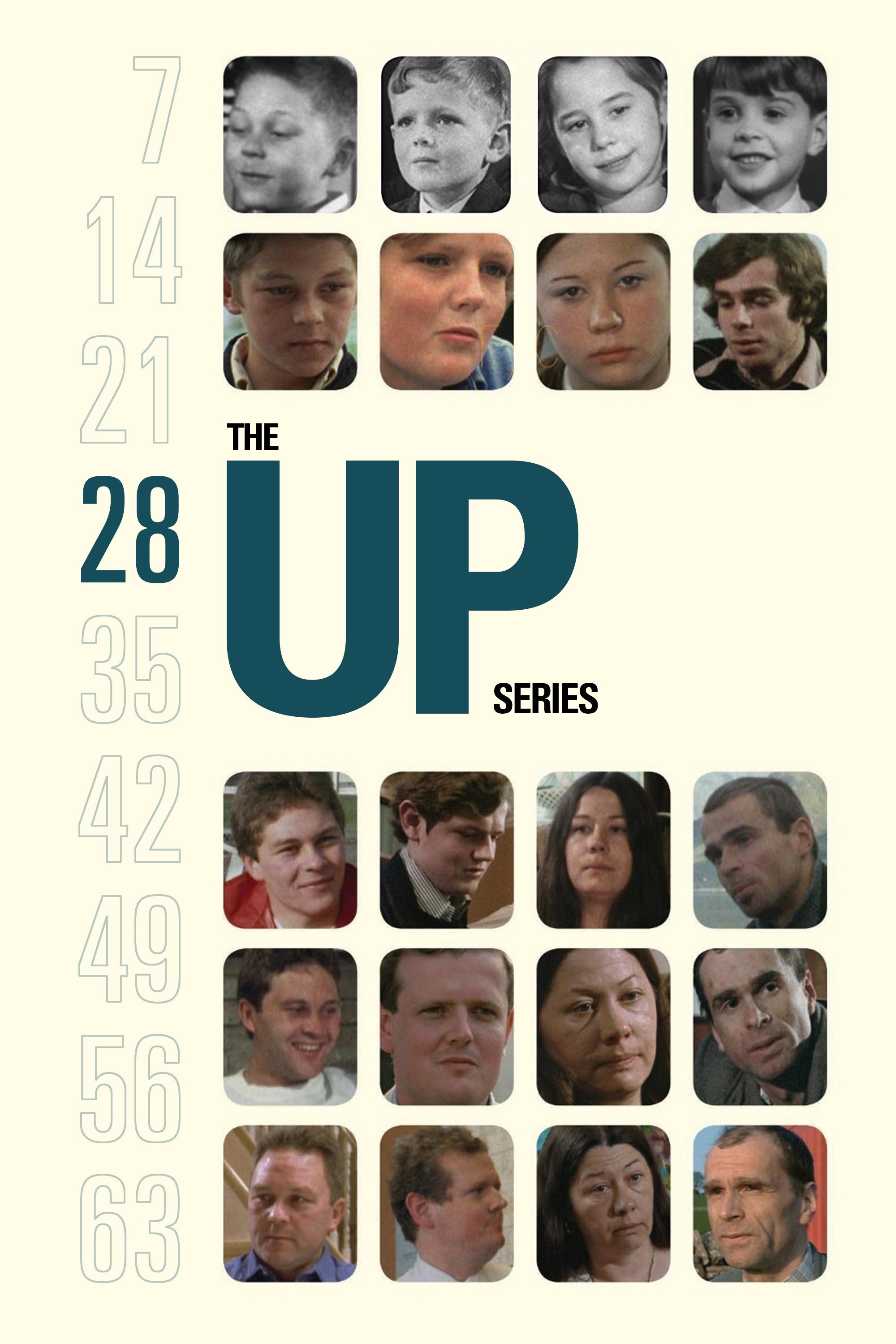
Just two years away from turning 30, participants in Michael Apted's documentary series are facing serious questions of identity and purpose, wondering whether they've found their place in the world.
Al Pacino's deeply-felt rumination on Shakespeare's significance and relevance to the modern world through interviews and an in-depth analysis of "Richard III."
JB Smoove and Martin Starr host a celebration of 20 years of "Spider-Man" movies, from the Sam Raimi trilogy to Marc Webb's movies and the trio from Jon Watts.
A day in the city of Berlin, which experienced an industrial boom in the 1920s, and still provides an insight into the living and working conditions at that time. Germany had just recovered a little from the worst consequences of the First World War, the great economic crisis was still a few years away and Hitler was not yet an issue at the time.
This documentary examines the 1999 London bombings that targeted Black, Bangladeshi and gay communities, and the race to find the far-right perpetrator. He terrorized a city, seeking to ignite a race war but justice was served by those who wouldn't let his hate win.
Documentary filmmaker Amy Berg investigates the life of 30-year pedophile Father Oliver O'Grady and exposes the corruption inside the Catholic Church that allowed him to abuse countless children. Victims' stories and a disturbing interview with O'Grady offer a view into the troubled mind of the spiritual leader who moved from parish to parish gaining trust ... all the while betraying so many.
From the heights of her modeling fame to her tragic death, this documentary reveals Anna Nicole Smith through the eyes of the people closest to her.
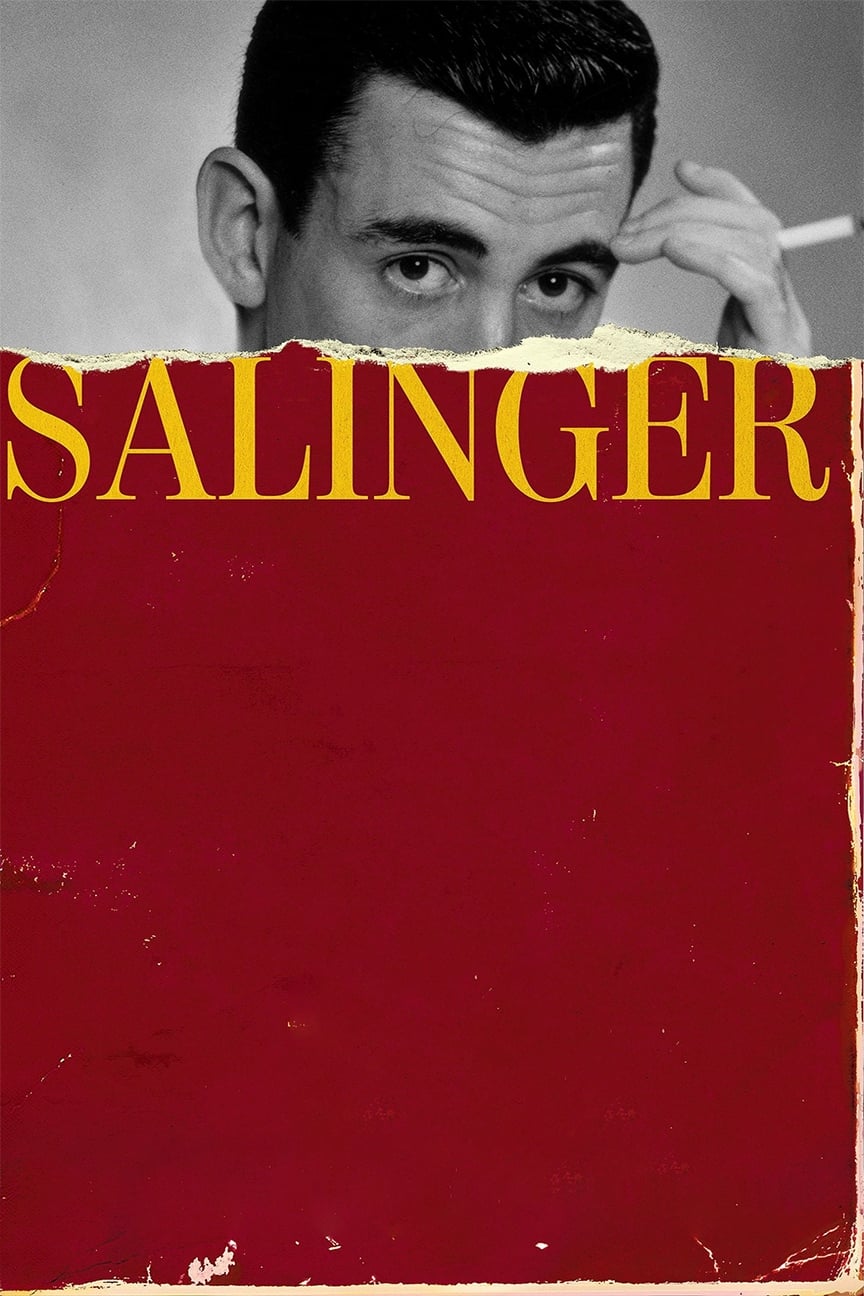
An in-depth investigation into the private world of the American writer J. D. Salinger (1919-2010), who lived most of his life behind the impenetrable wall of a self-imposed seclusion: how his dramatic experiences during World War II influenced his life and work, his relationships with very young women, his obsessive writing methods, his many literary secrets.
When Allied forces liberated the Nazi concentration camps in 1944-45, their terrible discoveries were recorded by army and newsreel cameramen, revealing for the first time the full horror of what had happened. Making use of British, Soviet and American footage, the Ministry of Information’s Sidney Bernstein (later founder of Granada Television) aimed to create a documentary that would provide lasting, undeniable evidence of the Nazis’ unspeakable crimes. He commissioned a wealth of British talent, including editor Stewart McAllister, writer and future cabinet minister Richard Crossman – and, as treatment advisor, his friend Alfred Hitchcock. Yet, despite initial support from the British and US Governments, the film was shelved, and only now, 70 years on, has it been restored and completed by Imperial War Museums under its original title "German Concentration Camps Factual Survey".