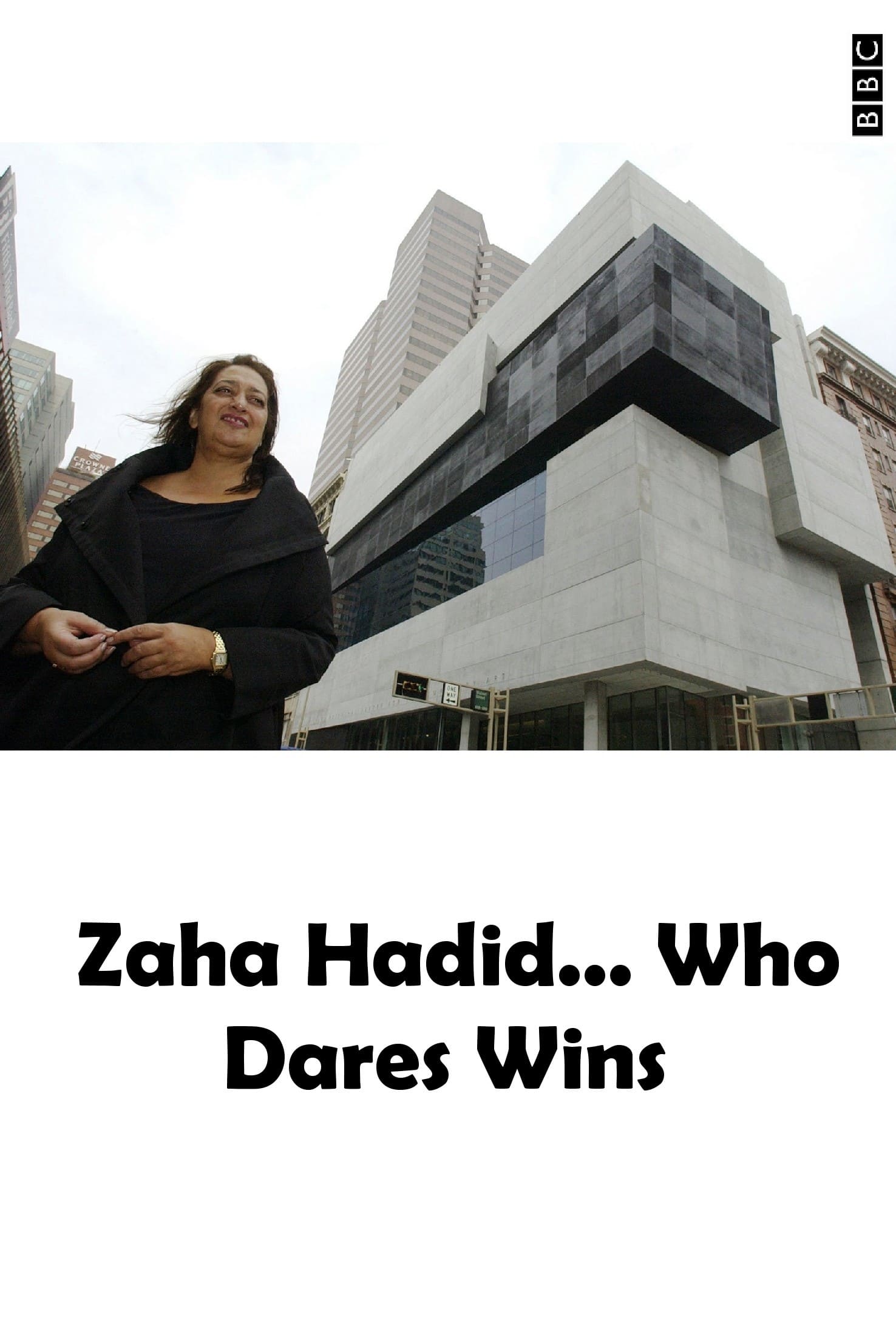
Alan Yentob profiles the most successful female architect there has ever been, the late Zaha Hadid, who designed buildings around the globe from Austria to Azerbaijan.
Social & External
Self
Self - Presenter
In 1961 Lithuanian American artist and impresario George Maciunas established the avant-garde art movement Fluxus. George details the rise of Fluxus following a sensationalized tour of “concerts” in Europe in 1962, and continuing in New York for most of the 1960s and ’70s. During this time Maciunas was converting the dying industrial buildings of Soho into a network of artists’ lofts, creating one of the first official real estate co-ops of artist-owned buildings. Maciunas’s life and legacy—as recounted by artists of his generation, including Yoko Ono and Jonas Mekas—ignited debates that remain pivotal to artists working today.
An exciting and unsettling cinematic journey through the life, work and torments of Caravaggio.
Author David Macaulay hosts CATHEDRAL, based on his award-winning book. Using a combination of spectacular location sequences and cinema-quality animation, the program surveys France's most famous churches. Travel back to 1214 to explore the design of Notre Dame de Beaulieu, a representative Gothic cathedral. The program tells period tales revealing fascinating stories of life and death, faith and despair, prosperity, and intrigue.
After the untimely death of his 35-year old brother, an artist explores the questions that surfaced from grief by painting 365 paintings and to spur conversation in culture.
A body lurchs through the university.
Bouncing between Europe and the United States as often as she would between lovers, Peggy Guggenheim’s life was as swirling as the design of her uncle’s museum, and reads more like fiction than any reality imaginable. Peggy Guggenheim – Art Addict offers a rare look into Guggenheim’s world: blending the abstract, the colorful, the surreal and the salacious, to portray a life that was as complex and unpredictable as the artwork Peggy revered and the artists she pushed forward.
Architecture critic Patrick Nuttgens narrates a documentary on the 20th century architect Edwin Lutyns, exploring the plans and buildings of the man who designed Liverpool Metropolitan Cathederal and the city of New Delhi.
Manet is one of the main candidates for the title of the most important artist there has been. As the reluctant father of Impressionism, and the painter of Dejeuner sur l'herbe, he can probably be accused of inventing modern art. But his story is fascinating on many other levels. As a piece of compelling biography, Manet's is the unlikely tale of the stubborn son of the most highly placed judge in France who decides to become an artist and embarrass his father. The resulting family tensions are the stuff of legend. Then there was Manet's dramatic private life, including exotic romantic affairs and a particularly horrible death. Always cited as the father of the Impressionists, Manet stubbornly refused to show with them, and was careful to maintain an aesthetic distance from Monet, Renoir and the others. While they worshipped him, he looked down on them.
A cultural-historical portrait of the renowned and enigmatic architect Sigurd Lewerentz, who rarely allowed himself to be captured on film.
A Singer, Musician & Filmmaker embark on a Cross Country Journey to explore what it takes to Find your Creative Voice. Through conversations, theory & musical moments, they uncover the steps & struggles every artist faces. This isn’t just a film—it’s a blueprint to find your voice.
An illuminating examination of Sofonisba Anguissola's iconic masterpiece as a window into the artist's full oeuvre while painting a detailed picture of Sofonisba's journey and the world she lived in to become one of the most accomplished female artists of her time. At a time when women were typically regarded as objects or madonnas to be represented in art, Sofonisba Anguissola (1532/5-1625) was something very different indeed: a highly respected painter and teacher who interacted with the likes of Michelangelo and Anthony van Dyck, and whose remarkable portraits were enthusiastically sought by many of the most powerful figures of the age. The Chess Game by Sofonisba is a remarkable group portrait of three of her sisters and a maid. It is widely considered to be one of her most compelling and innovative artworks: a painting whose many subtle levels of meaning offer a fascinating window on Sofonisba, her family, and contemporary 16th-century values.
A film about non-territorial office space, multi-mobile knowledge workers, Blackberries and Miles&More. A road movie discovering the working world of tomorrow. This documentary will take you on a journey through the post-industrial knowledge and services workshops, our supposed future working place. In this new world work will be handled more liberally. Time clocks cease to exist. Attention is not compulsory any more. The resource “human“ comes into focus. The film closely follows the high-tech work force – people who are highly mobile and passionate to make their work their purpose in life. Further episodes resume this topic and lead into the world of modern office architecture and into the world of Human Resource Management.
A documentary with and about the legendary Italian Architect Carlo Scarpa.
How do artists view their own work? How does actor Esko Salminen immerse himself in his roles, how does the writer/director Saara Turunen create a whole new world for the stage, and why does musician PK Keränen pick up his guitar time and time again? Is creativity a conscious or subconscious process, a pleasure or a compulsion? Veikko Aaltonen’s documentary takes us straight into the heart of creativity with artists from different fields and generations. Celebrating the various forms of passion and creative work, the film presents a compelling case for the significance of art.
The “Bowlingtreff” is a bowling alley situated right in the centre of Leipzig opened in July 1987. At that time the quality of life in Leipzig and the whole GDR got worse. Houses collapsed because of poor conditions, public life and amusement was on a very low level. The “Bowlingtreff” was not merely an urban entertainment centre but a revolution in those days. Built with the help of hundreds of volunteers without permission of the state authorities in Berlin the building expresses a free and international architecture known as postmodernism. It is an architecture that was never seen before in Leipzig. Marble and parquet on the floor, a glass roof and beautiful pink pillars. The atmosphere was western as time witnesses remember it.
A film record of an exhibition of the late work of Paul Cezanne, organized by The Museum of Modern Art and the Reunion des Musees Nationaux in Paris. The camera moves across details of paintings, as well as details of Cezanne’s studio, providing an intimage, close-up view of the artist’s work. The narration is provided by Cezanne’s own words, taken directly from records of correspondence. 22nd Annual San Francisco International Film Festival Participation- Communication Competition, 1978.
10 Buildings that Changed America presents 10 trend-setting works of architecture that have shaped and inspired our American landscape. These aren’t just historic structures by famous architects. These buildings have dramatically influenced our built environment in many ways – and in one case, for over two centuries.
A documentary about the design of cities, which looks at the issues and strategies behind urban design and features some of the world's foremost architects, planners, policymakers, builders, and thinkers.
Al Pacino's deeply-felt rumination on Shakespeare's significance and relevance to the modern world through interviews and an in-depth analysis of "Richard III."
A visual montage portrait of our contemporary world dominated by globalized technology and violence.
An unprecedented and intimate look at the life, work and enduring legacy of British actress Audrey Hepburn (1929-1993).
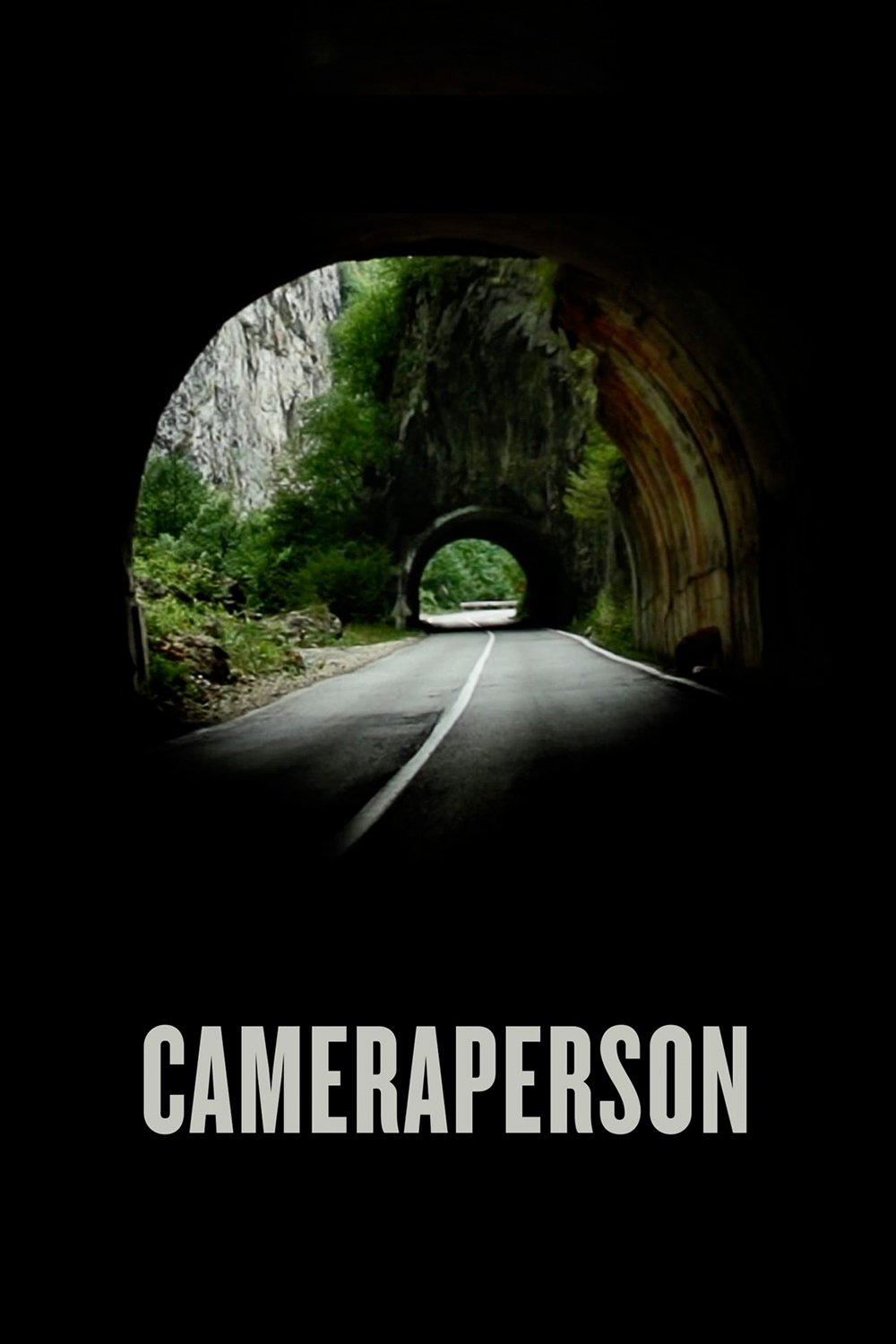
As a visually radical memoir, CAMERAPERSON draws on the remarkable footage that filmmaker Kirsten Johnson has shot and reframes it in ways that illuminate moments and situations that have personally affected her. What emerges is an elegant meditation on the relationship between truth and the camera frame, as Johnson transforms scenes that have been presented on Festival screens as one kind of truth into another kind of story—one about personal journey, craft, and direct human connection.
The life and career of an actor, artist, and icon. His own journey through his own camera.
A feature-length documentary about our complex relationship with manufactured objects and, by extension, the people who design them.
Filmmakers discuss the legacy of Alfred Hitchcock and the book “Hitchcock/Truffaut” (“Le cinéma selon Hitchcock”), written by François Truffaut and published in 1966.
Using the book 'Fragments', which collects Marilyn Monroe's poems, notes and letters, and with participation from the Arthur Miller and Truman Capote estates who have contributed more material, each of the actresses will embody the legend at various stages in her life.
The life of Mr. Spock, as well as that of Leonard Nimoy, the actor who played him for almost fifty years, written and directed by his son: Adam.
A documentary focused on plastic pollution in the world's oceans.
The Captains is a feature-length documentary film written and directed by William Shatner. The film follows Shatner as he interviews the other actors who have portrayed starship captains in the Star Trek franchise.
Martin Scorsese's documentary intertwines footage from The Band's incredible farewell tour with probing backstage interviews and featured performances by Eric Clapton, Bob Dylan, Joni Mitchell, Van Morrison, and other rock legends.
Sheds light on an alternative approach to farming called “regenerative agriculture” that could balance our climate, replenish our vast water supplies, and feed the world.
Live Aid was held on 13 July 1985, simultaneously in Wembley Stadium in London, England, and the John F. Kennedy Stadium in Philadelphia, United States. It was one of the largest scale satellite link-ups and television broadcasts of all time: watched live by an estimated global audience of 1.9 billion, across 150 nations. "It's twelve noon in London, seven AM in Philadelphia, and around the world it's time for Live Aid...!"
A look at the origins, history and conspiracies behind the "Majestic 12", a clandestine group of military and corporate figureheads charged with reverse-engineering extraterrestrial technology.
Through deeply personal interviews with her siblings and an examination of the photographs, letters, and belongings left behind, Mariska assembles a new portrait of her mother Jayne Mansfield, an extraordinary and complex woman.
An IMAX 3D camera chronicles the effort of 7 astronauts aboard the Space Shuttle Atlantis to repair the Hubble Space Telescope.
Daft Punk Unchained is the first film about the pop culture phenomenon that is Daft Punk, the duo with 12 million albums sold worldwide and seven Grammy Awards. Throughout their career Thomas Bangalter and Guy-Manuel de Homem-Christo have always resisted compromise and the established codes of show business. They have remained determined to maintain control of every link in the chain of their creative process. In the era of globalisation and social networks, they rarely speak in public and neither do they show their faces on TV. This documentary explores this unprecedented cultural revolution revealing a duo of artists on a permanent quest for creativity, independence and freedom.
The incomparable Bruce Springsteen performs his critically acclaimed latest album and muses on life, rock, and the American dream, in this intimate and personal concert film co-directed by Thom Zimny and Springsteen himself.