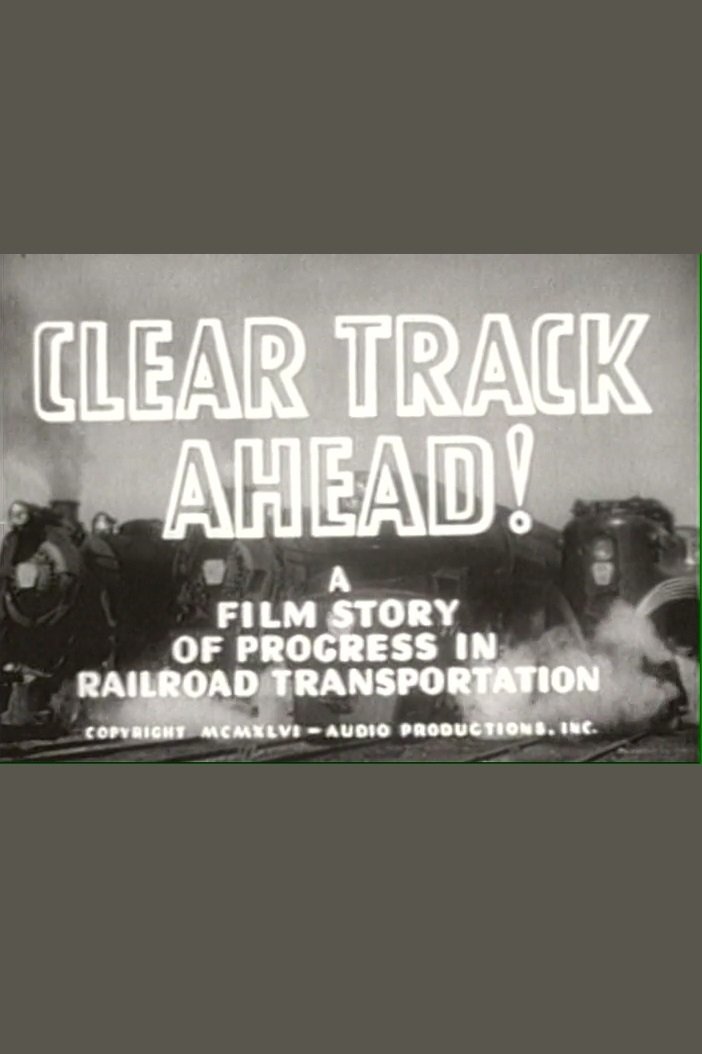
A story of progress in railroad transportation
Social & External
The people behind it
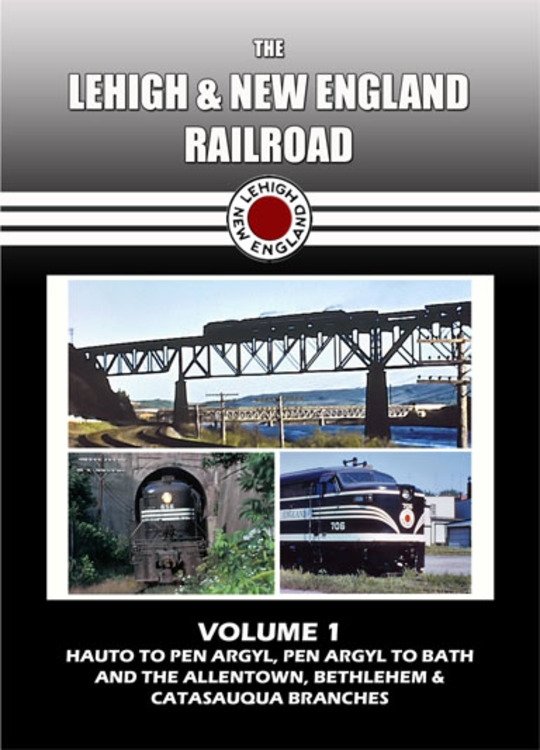
Hauto to Pen Argyl, Pen Argyl to Bath and the Allentown, Bethlehem & Catasaqua branches.
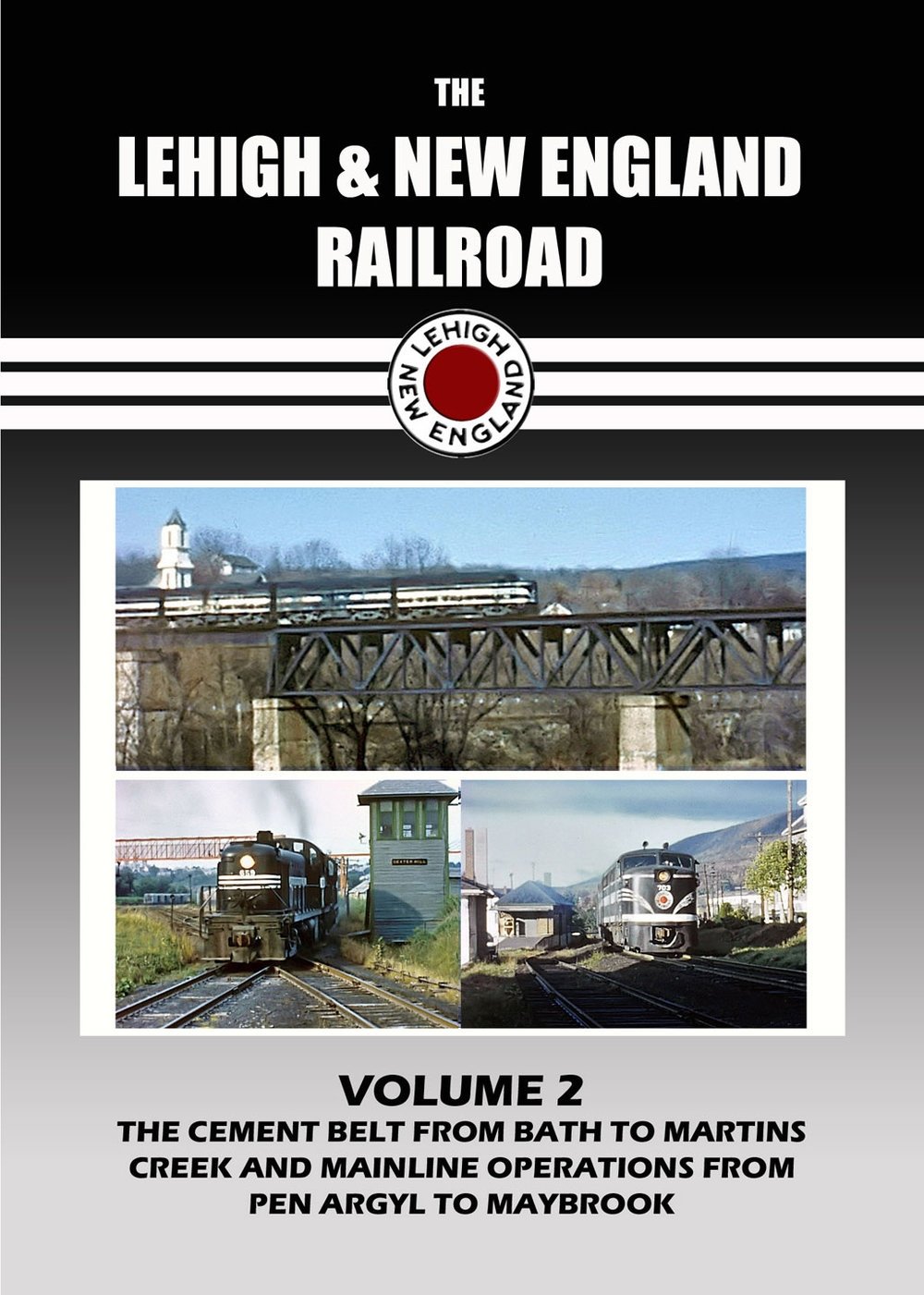
The cement belt from Bath to Martins Creek and main line operations from Pen Argyl to Maybrook.
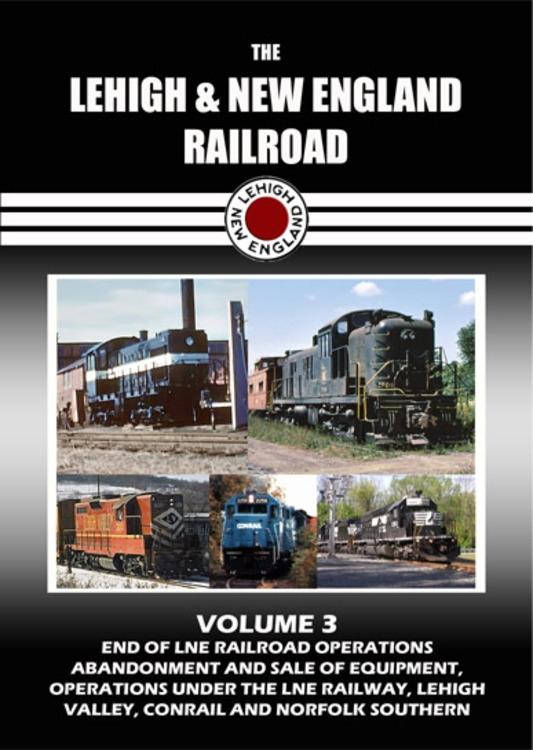
End of line railroad operations. Abandonment and sale of equipment, operations under the LNE Railway, Lehigh Valley, Conrail and Norfolk Southern.
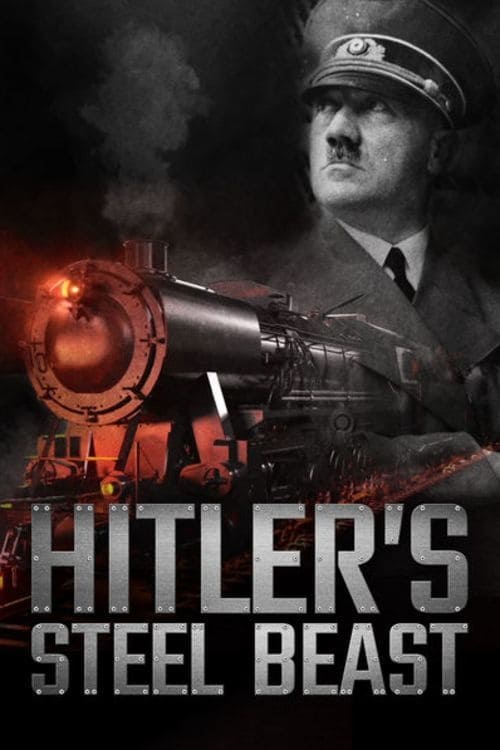
Trace the history of Hitler's armored private train, a 15-car mobile headquarters boasting state-of-the-art communications and anti-aircraft cannons.
First Thursday of each month, the members of Stockholm's model railroad club meet and run their beloved trains on a schedule. The trains pass towns such as Bångfors and Farsarvet. Sometimes, a delay occurs, which then spreads throughout the network.
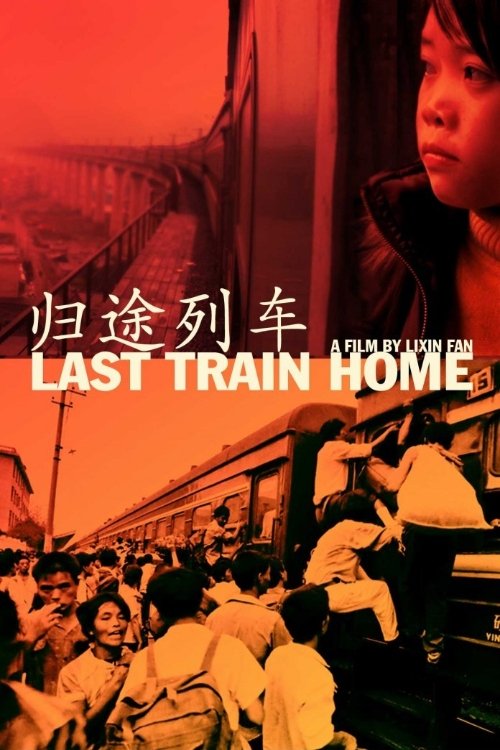
A family embarks on an annual tormenting journey along with 130 million other peasant workers to reunite with their distant family, and to revive their love and dignity as China soars as the world's next super power.
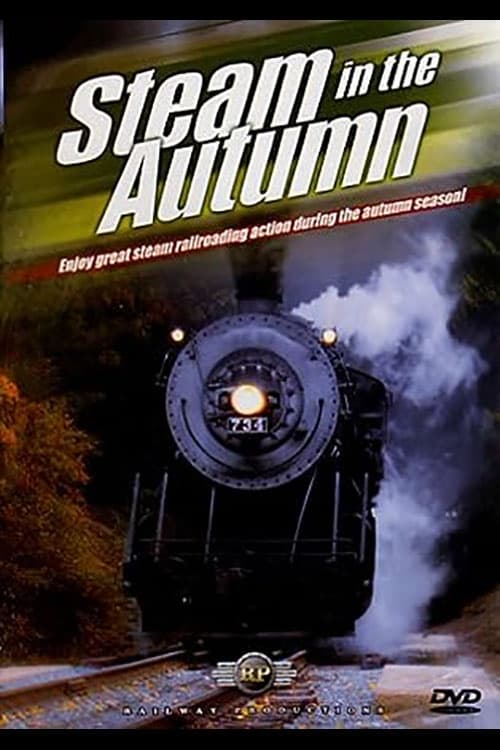
The autumn season is a great time to see steam locomotives in action. There are usually several steam photo charters scattered around the country where participants can get great shots of steam with pretty leaves, or great Indian Summer lighting. In "Steam in the Autumn" you’ll be treated to 7 different locomotives putting on a great steam show during the autumn season. If you like steam action, then this program is for you! Locomotives include: Canadian National 4-6-0 #89 Cliffside Railroad 2-8-0 #40 East Broad Top 2-8-2 #14 Grand Trunk 4-8-4 # 6325 Norfolk & Western 4-8-0 #475 Ohio Central 4-6-2 #1293 Western Maryland Scenic 2-8-0 #734 This is two hours of great steam railroading that you won’t want to miss. Order yours today!
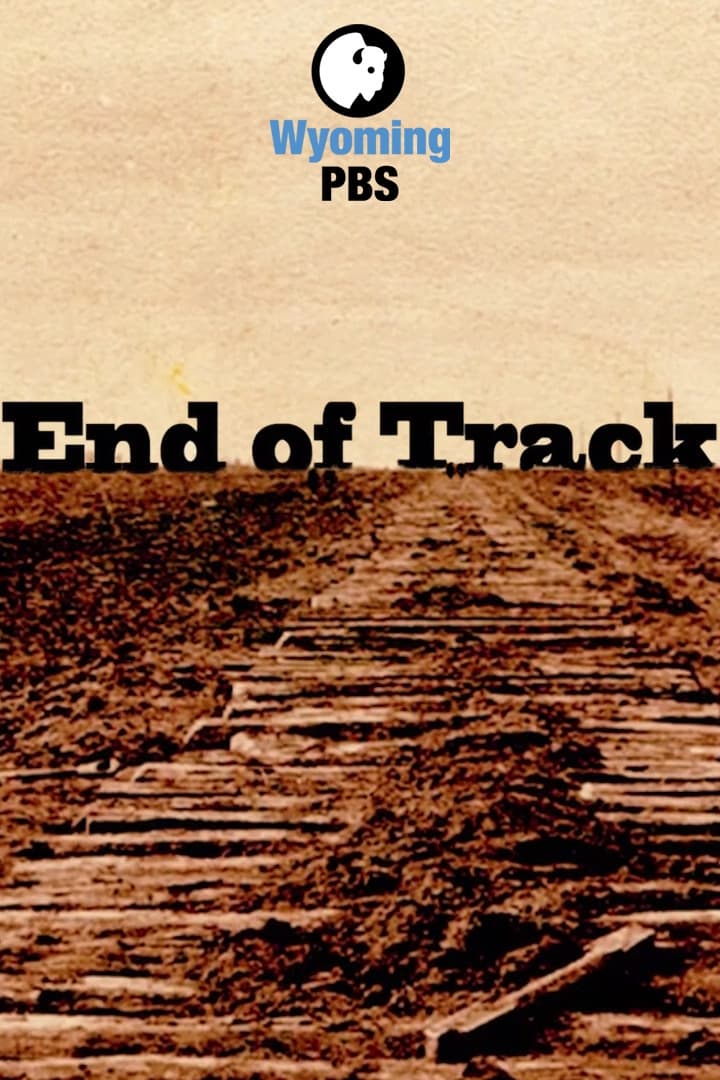
End of Track is the story of the Transcontinental Railroad’s construction march across southern Wyoming and the growing pains of a state in its infancy. It’s a story of incredible engineering achievements and boisterous “Hell on Wheels” towns. A story of greed and corruption, murder and mayhem; of a clash of cultures and Native American retaliation. But it’s also a story of hope and ambition, determination and unimagined success.
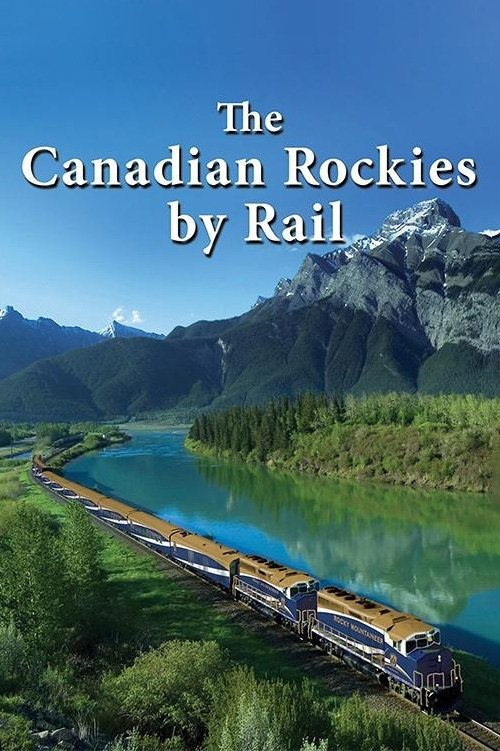
The Canadian Rockies by Rail takes viewers on a journey through the Pacific Northwest and the Canadian Rockies. The trip on board the Rocky Mountaineer train passes through some of North-America’s most stunning wilderness scenery. The trip includes stops in Vancouver, Kamloops, Banff and Jasper as well as a drive along the Icefields Parkway, often described as one of the most scenic drives in the world.
Mechanistic portrait of the iron industry, with molten metal shaped into "pig-irons" before being reheated and pressed into steel rails.
A film about winter railroading in the Canadian Rockies and the men who keep the lines clear. The stretch between Revelstoke and Field, British Columbia, is a snow-choked threat to communications. The film shows the work of section hands, maintenance men, train crews and telegraph operators.
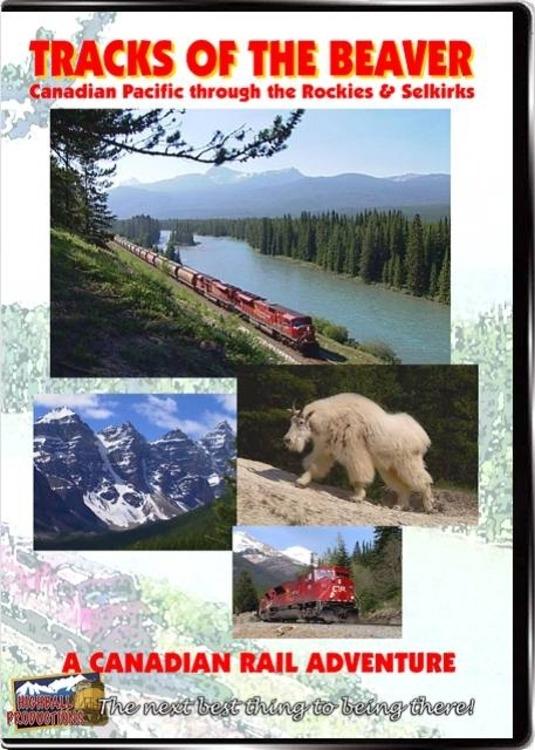
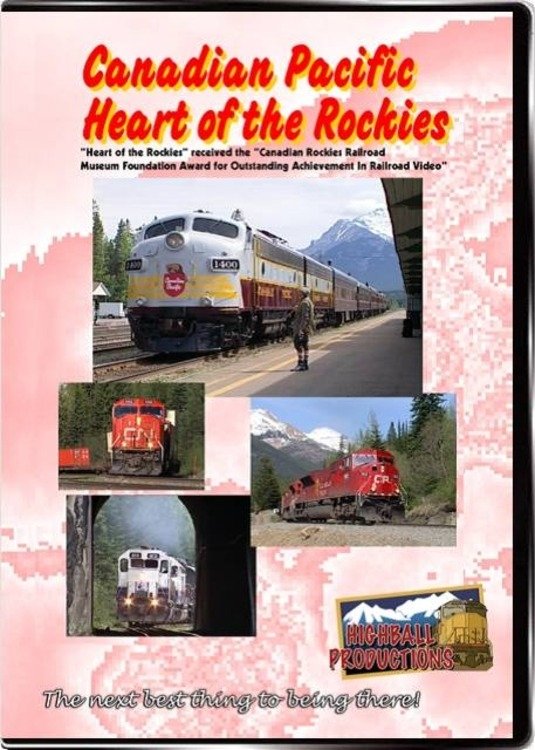
Award-winning videographer Peter Crook takes you on a trip along Canadian Pacific's main line between Exshaw, Alberta, and Revelstoke, British Columbia.
You'll be surrounded by stunning, snow-covered mountains on this trip from Field, British Columbia, to Exshaw, Alberta. Plus, take in the beauty of Morant's Curve.
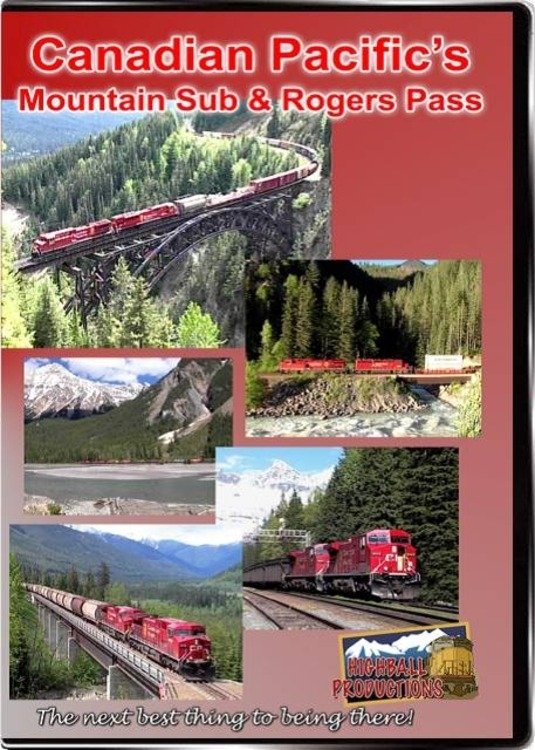
Hold on for Canada's steepest territory along the Mountain Sub line and get ready for gorgeous scenery as you ride over Rogers Pass.
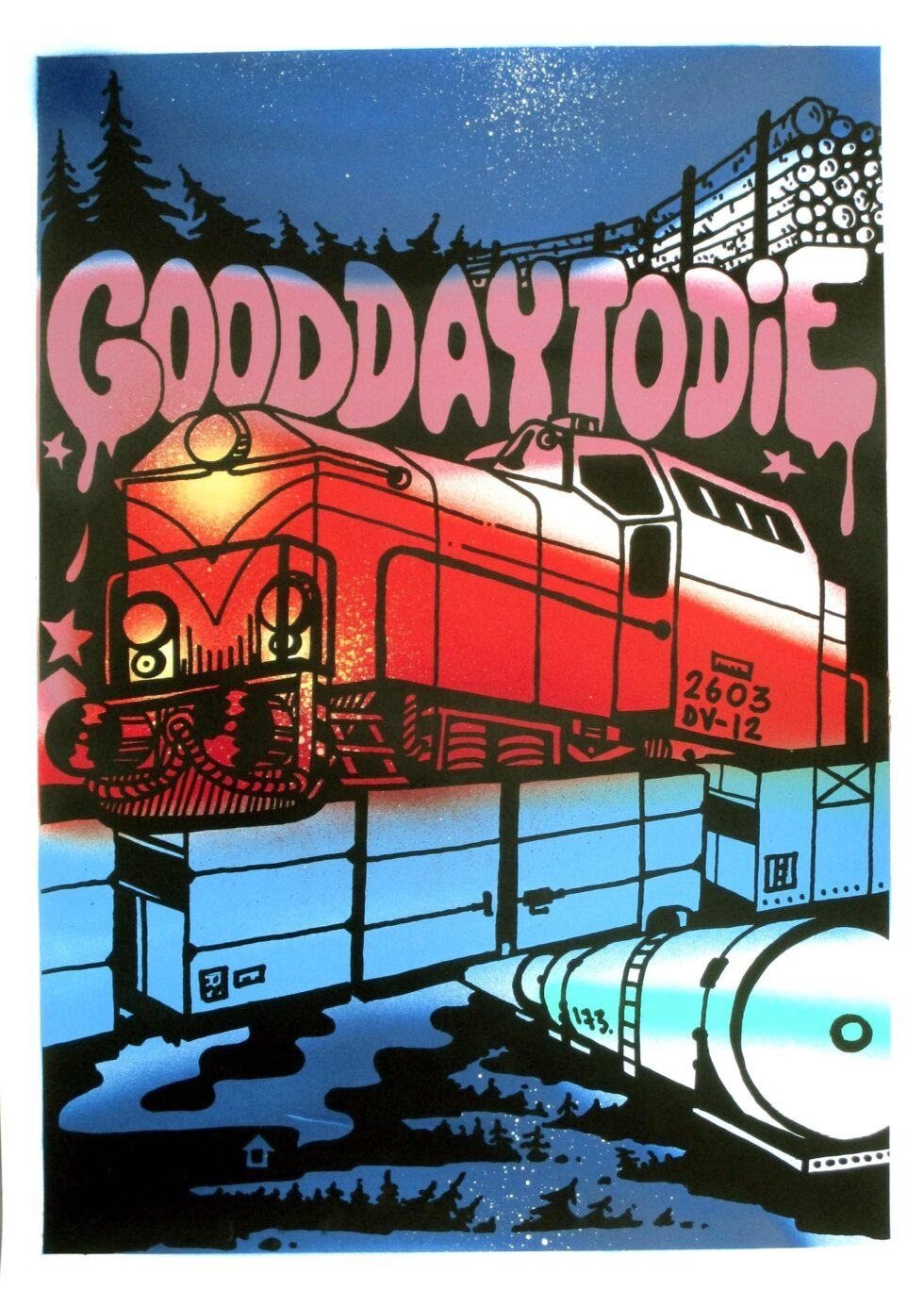
Several films have been made about the lives of train hobos, but Aleksi Pohjavirta's A Good Day to Die is probably the first Finnish documentary on the subject. The film follows Billy, who travels in a pump on freight trains. In the way of life, the feeling of freedom and letting yourself be carried away by chance are attractive and they make the train bomb strive for a windy ride again and again.
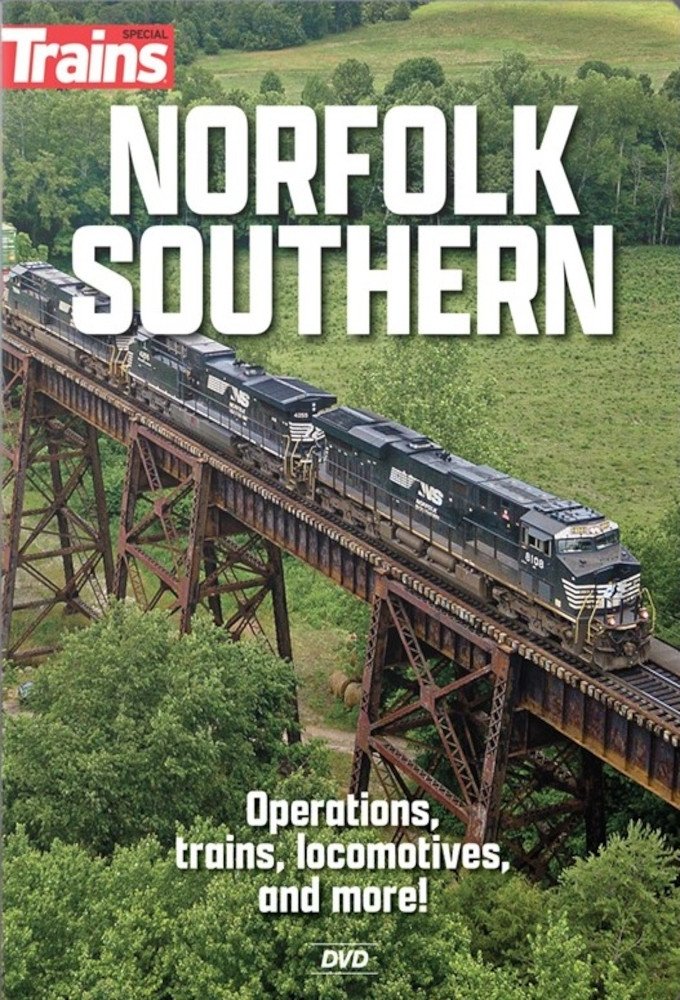
Norfolk Southern, one of the nation’s major freight railroads, has been a long-time favorite among fans and those in the railroad industry. Join them for a look at Norfolk Southern today as they celebrate the 40th anniversary of this iconic railroad. This video includes exclusive interviews with top executives, behind-the-scenes access at the main shop in Altoona, Pa., a look at sacred places on the Norfolk Southern, and so much more!
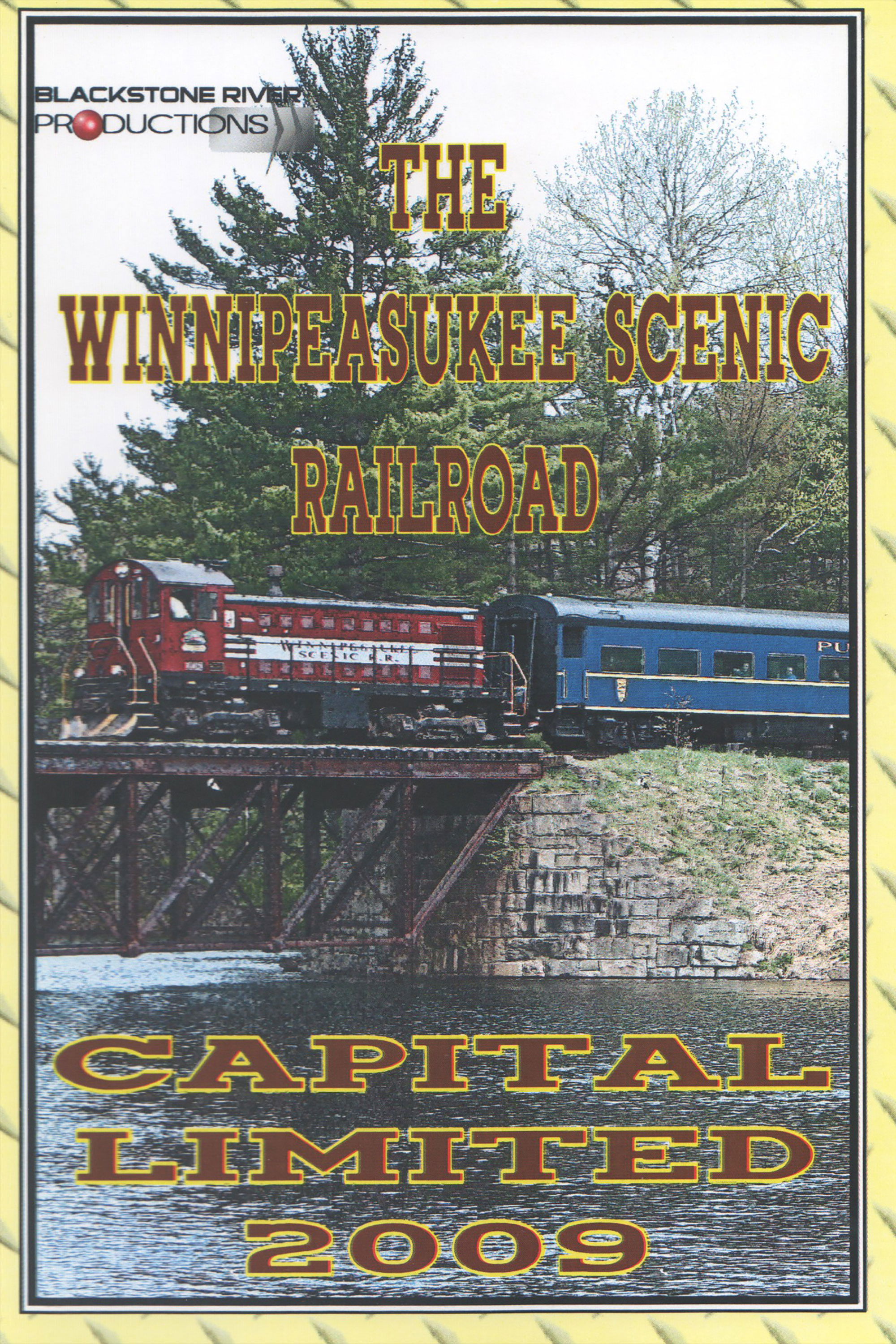
On May 2nd, 2009 The Mass Bay Railroad Enthusiasts ran a special rare mileage excursion over the southern end of the Winnipesaukee Scenic Railroad. The trip ran from Meredith, New Hampshire south to the state capital, Concord New Hampshire! This trip travels along the Lakes Region of Central New Hampshire, through many of the popular towns of Laconia, Tilton, and Northfield on its way to Concord! The rails were once part of the Boston & Maine network that ran to the White Mountains. The trip included two different railroads: The Winnipesaukee Scenic and the New England Southern Railroad. Winnipesaukee Scenic operated to Northfield where New England Southern took over and ran on freight-only trackage to Concord! We captured the excursion from Meredith to Concord and return!
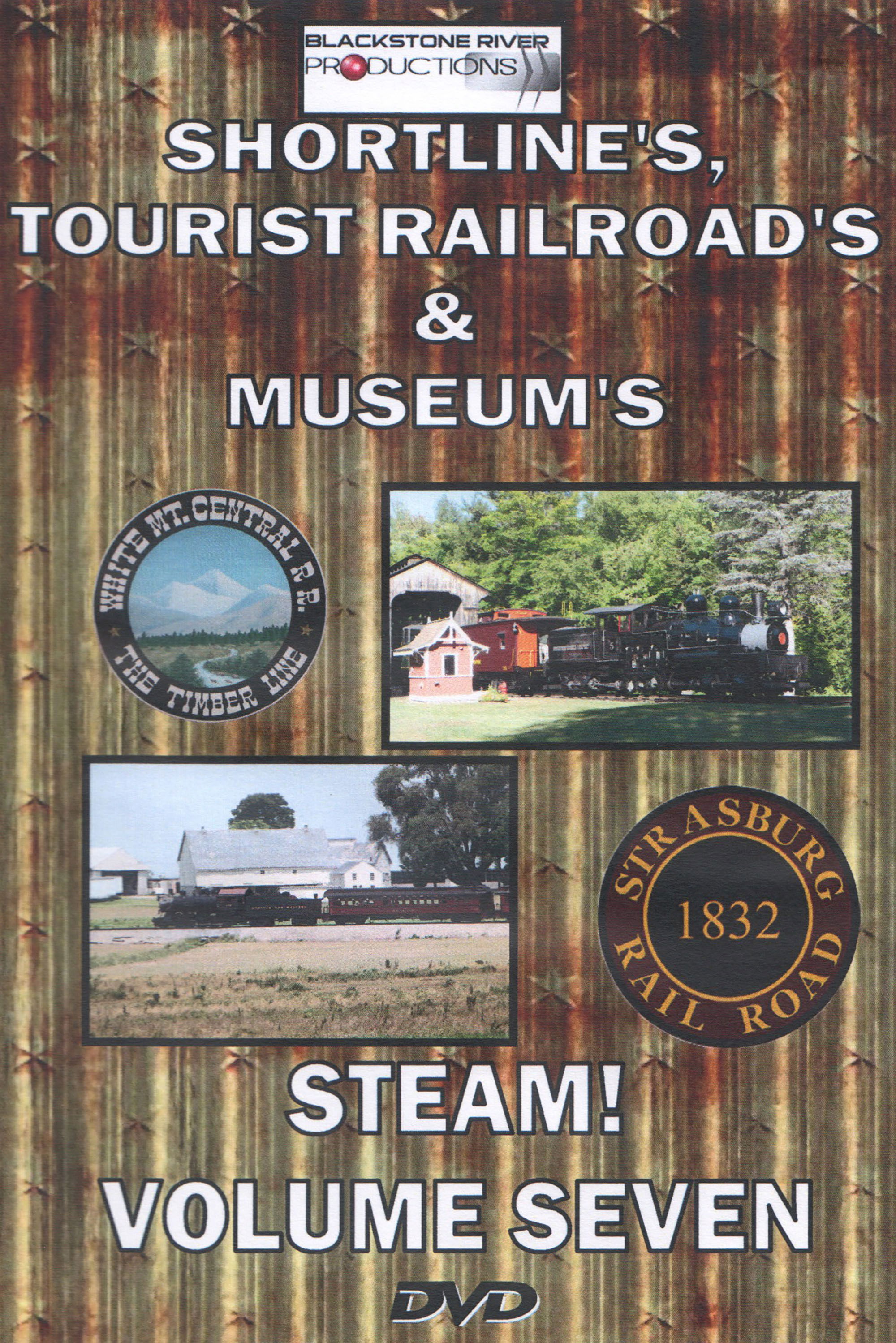
In this production, we take a ride on the Strasburg Railroad and check out the White Mountain Central Railroad's Railfan Days. We start off at Strasburg Railroad and a trip behind #475 for a trip from East Strasburg to Leaman Place in Paradise. We use our 180º camera and attach it on the rear of the car behind the #475 for the 4 1/2 mile trip to Paradise. Next, we travel to the White Mountain region of New Hampshire and the White Mountain Central Railroad at Clark's Trading Post. We check out Railfan Days in September to catch all the operating steam locomotives along with non-operable locos as well! We also capture the lone diesel locomotive in action. We capture all the action from both sides of the classic covered bridge and along the line!
Through deeply personal interviews with her siblings and an examination of the photographs, letters, and belongings left behind, Mariska assembles a new portrait of her mother Jayne Mansfield, an extraordinary and complex woman.
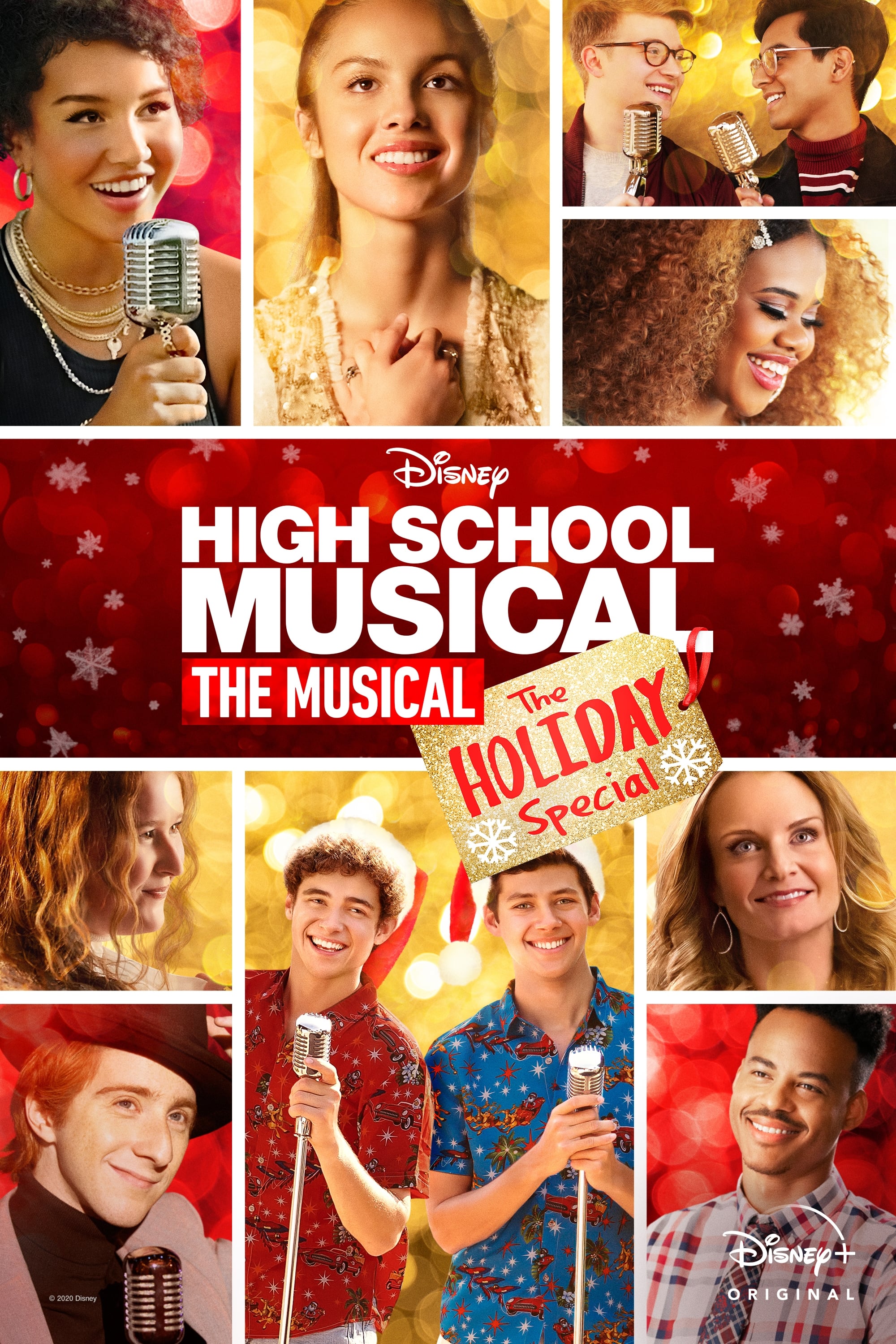
The cast of “High School Musical: The Musical: The Series” delivers an abundance of feel-good holiday cheer as they perform their favorite Christmas, Hanukkah and New Year’s songs and share their fondest holiday memories.
The life and career of an actor, artist, and icon. His own journey through his own camera.
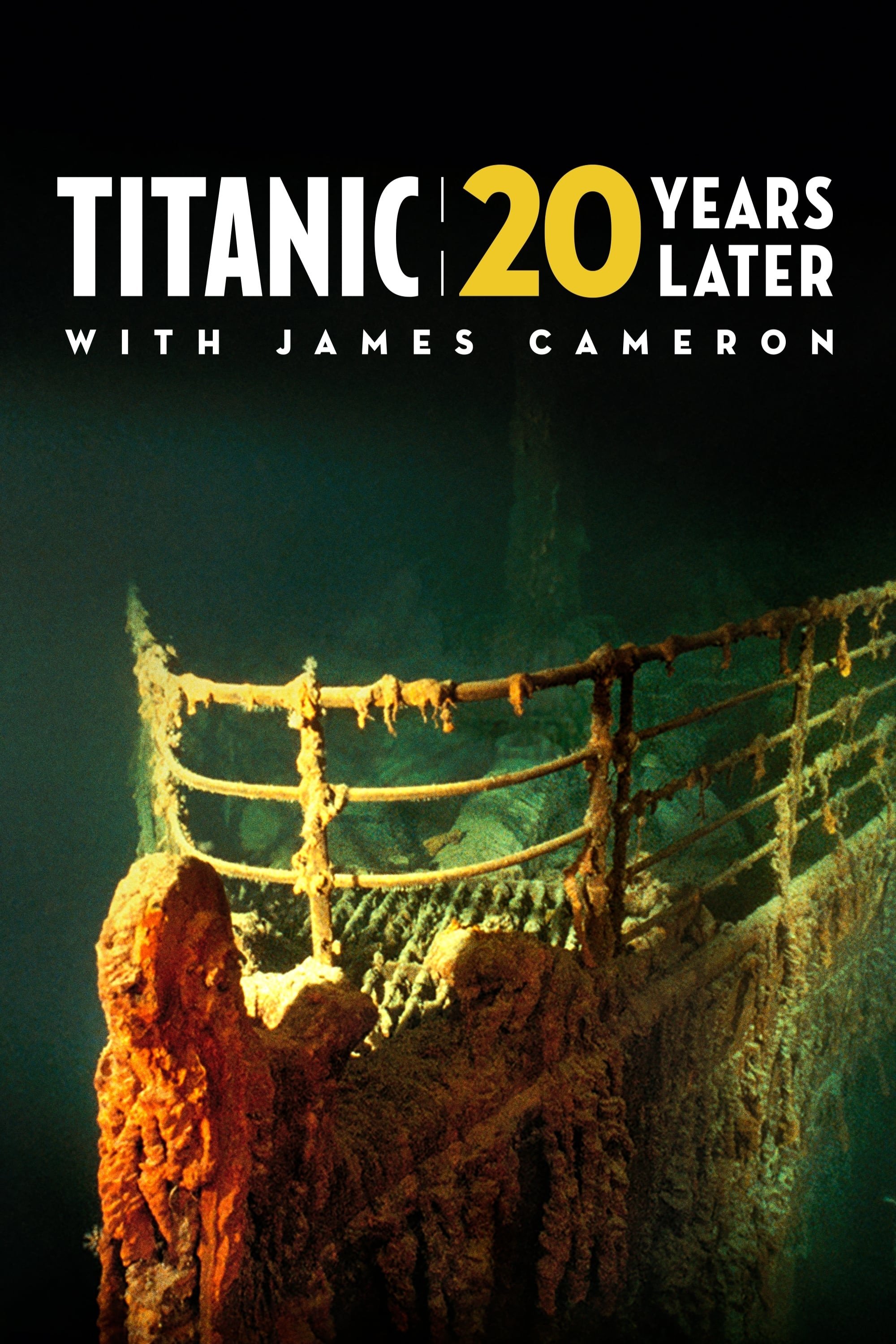
For the 20th anniversary of "Titanic," James Cameron reopens the file on the disaster.
Oliver Stone charts the history of the United States from the Second World War to the present.
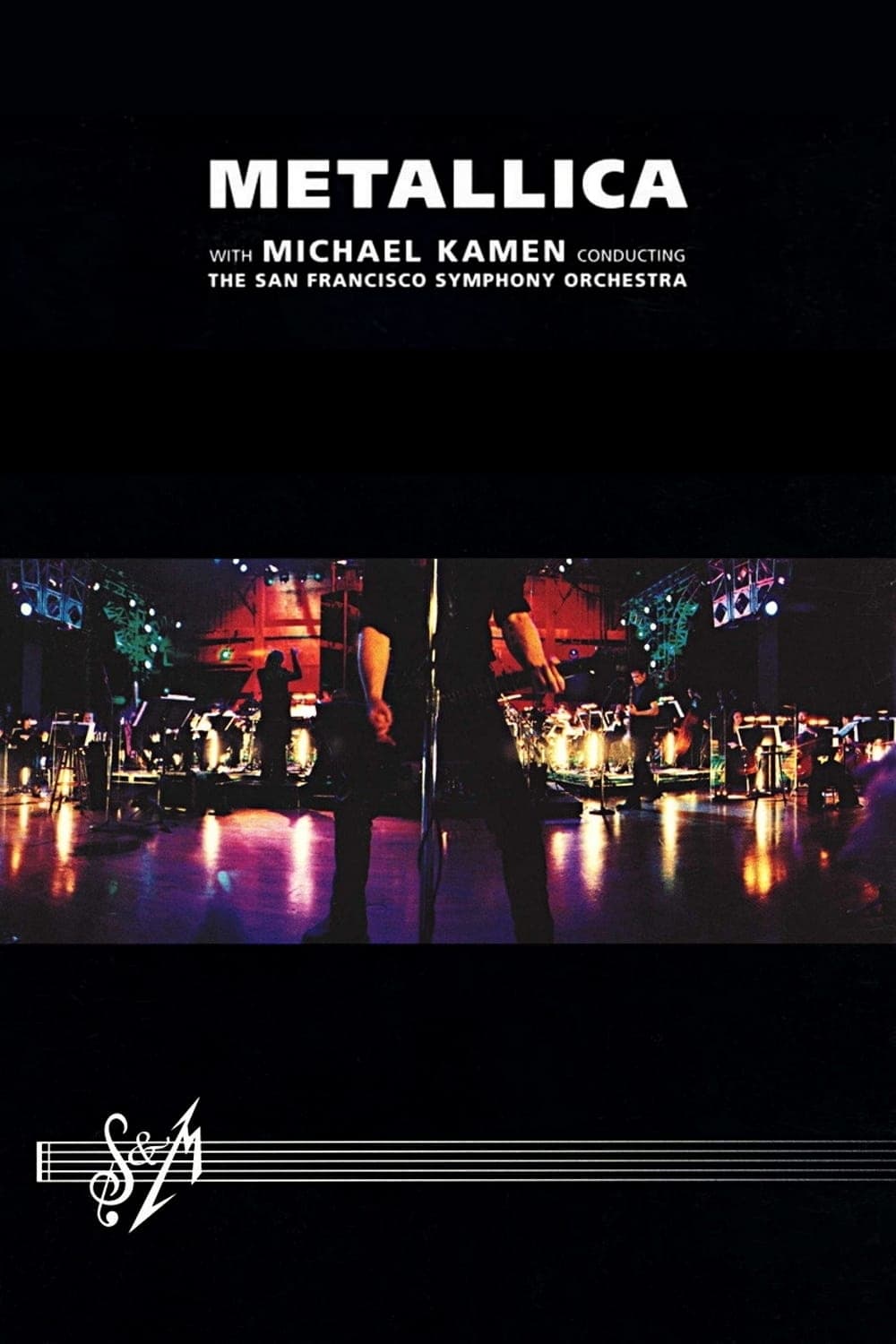
Michael Kamen conducts the San Francisco Symphony Orchestra in support of metal rockers Metallica in this 1999 concert performance.
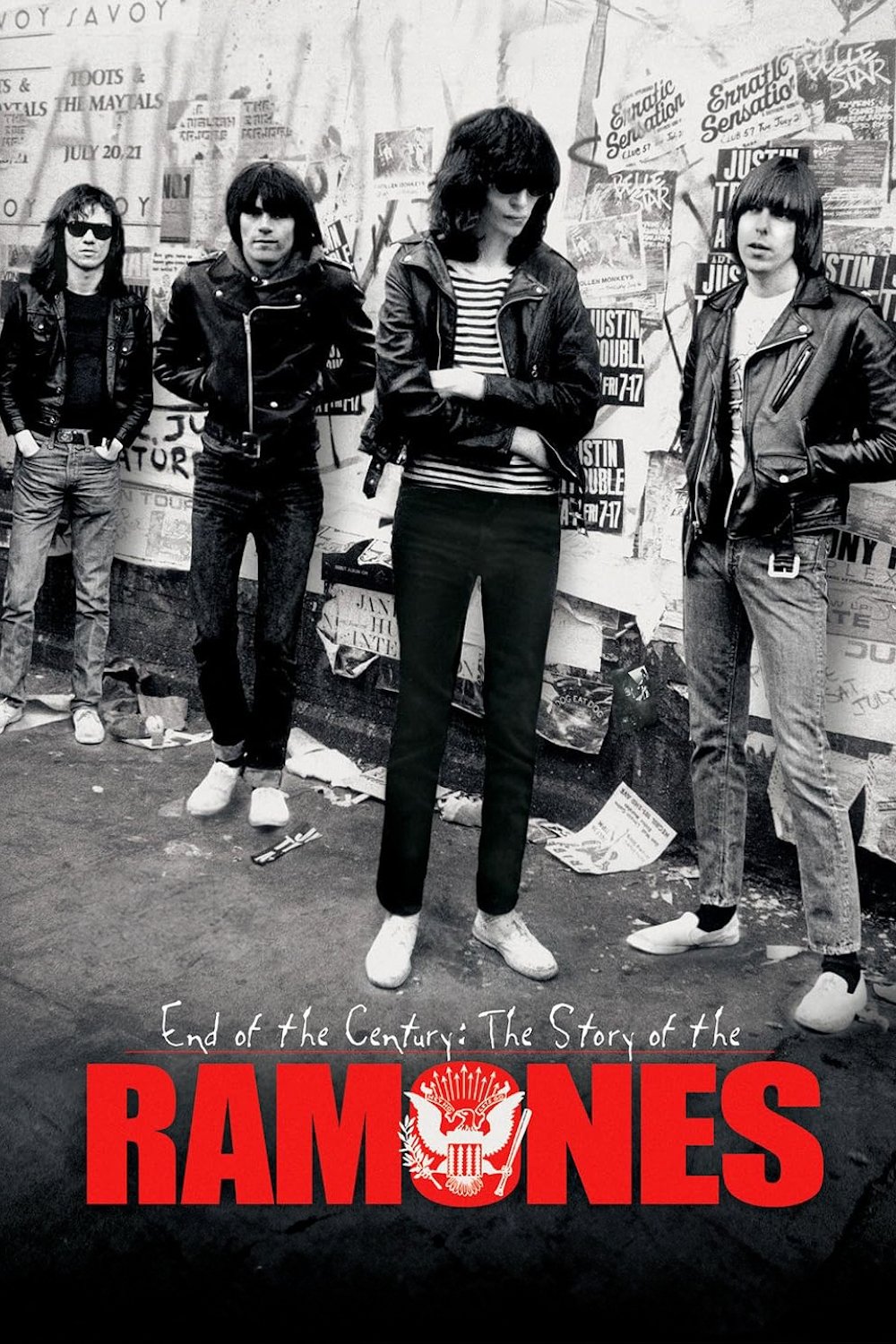
A years-in-the-making documentary on the legendary punk band the Ramones. Through a mixture of archival footage, archival and new interviews with all members of the band's various lineups, and new interviews with a number of their contemporaries, the film traces the peaks and valleys the band experienced over the course of its 20-plus year career before disbanding in 1995.
Captured during Billie Eilish's sold-out world tour, a concert experience from one of the most celebrated and successful artists of her generation, presented in immersive 3D.
Daniel Craig candidly reflects on his 15 year adventure as James Bond. Including never-before-seen archival footage from Casino Royale to the upcoming 25th film No Time To Die, Craig shares his personal memories in conversation with 007 producers, Michael G Wilson and Barbara Broccoli.
An unprecedented and intimate look at the life, work and enduring legacy of British actress Audrey Hepburn (1929-1993).
A documentary detailing the epic Rogues' Gallery of DC Comics from The Joker and Lex Luthor, Sinestro, Darkseid and more, this documentary will explore the Super Villains of DC Comics.
The life of Mr. Spock, as well as that of Leonard Nimoy, the actor who played him for almost fifty years, written and directed by his son: Adam.
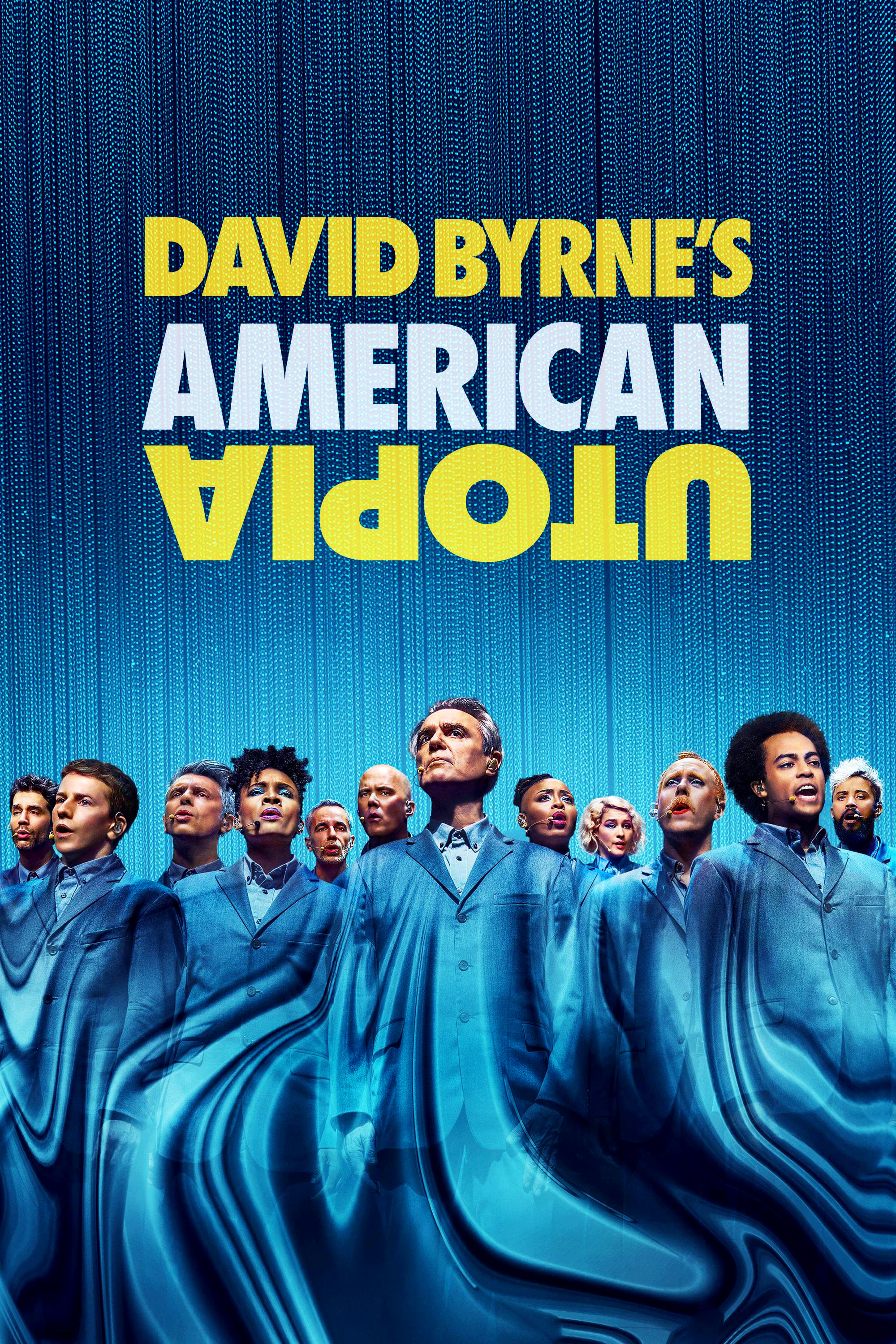
A filmed version of David Byrne's Broadway show, a unifying musical celebration that inspires audiences to connect to each other and to the global community.
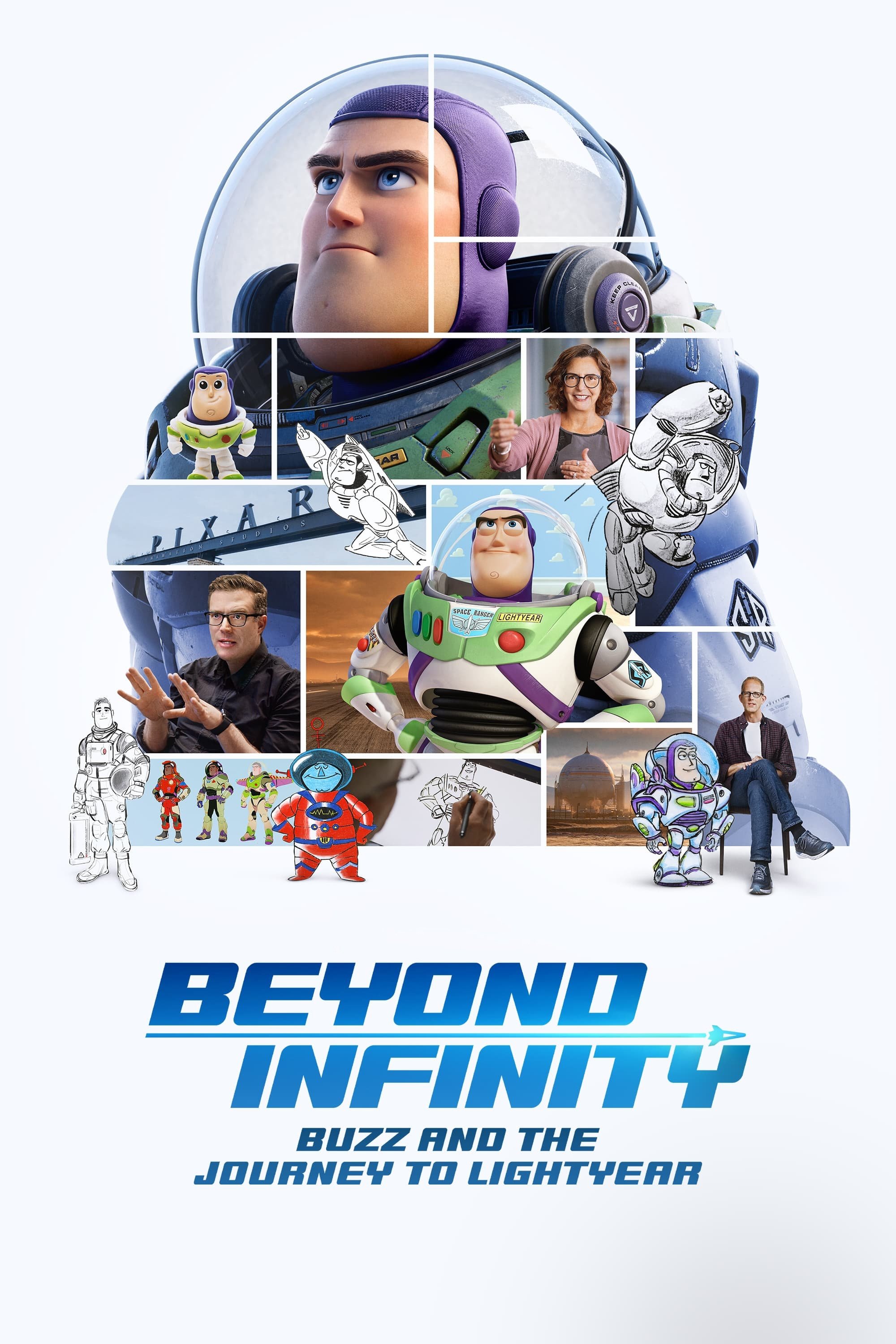
Explore the evolution of Buzz Lightyear from toy to human in the making of Pixar’s Lightyear. Dive into the origin and cultural impact of everyone’s favorite Space Ranger, the art of designing a new “human Buzz,” and the challenges faced by the Lightyear crew along the way.
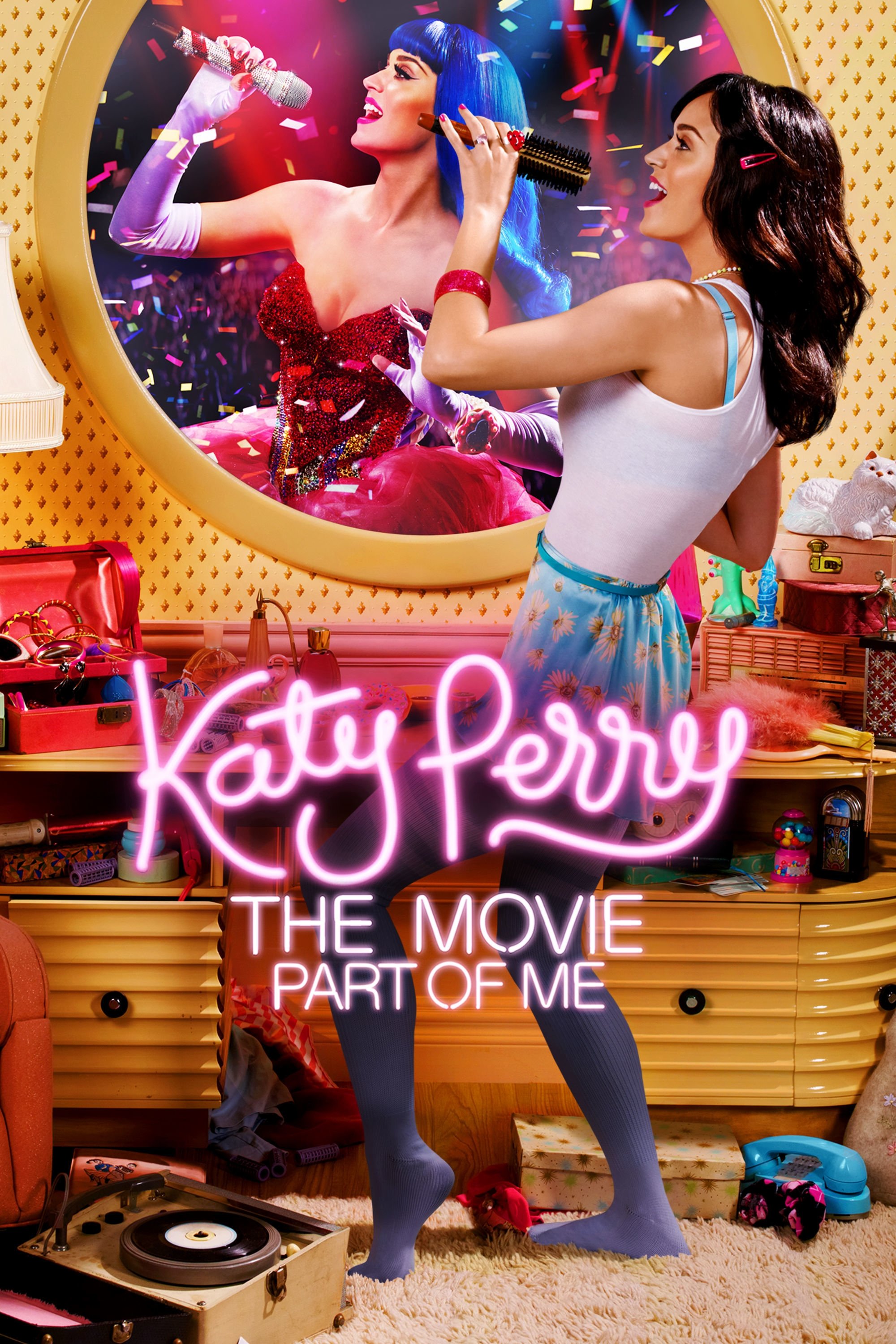
Giving fans unprecedented access to the real life of the music sensation, Katy Perry: Part of Me exposes the hard work, dedication and phenomenal talent of a girl who remained true to herself and her vision in order to achieve her dreams. Featuring rare behind-the-scenes interviews, personal moments between Katy and her friends, and all-access footage of rehearsals, choreography, Katy’s signature style and more, Katy Perry: Part of Me reveals the singer’s unwavering belief that if you can be yourself, then you can be anything.
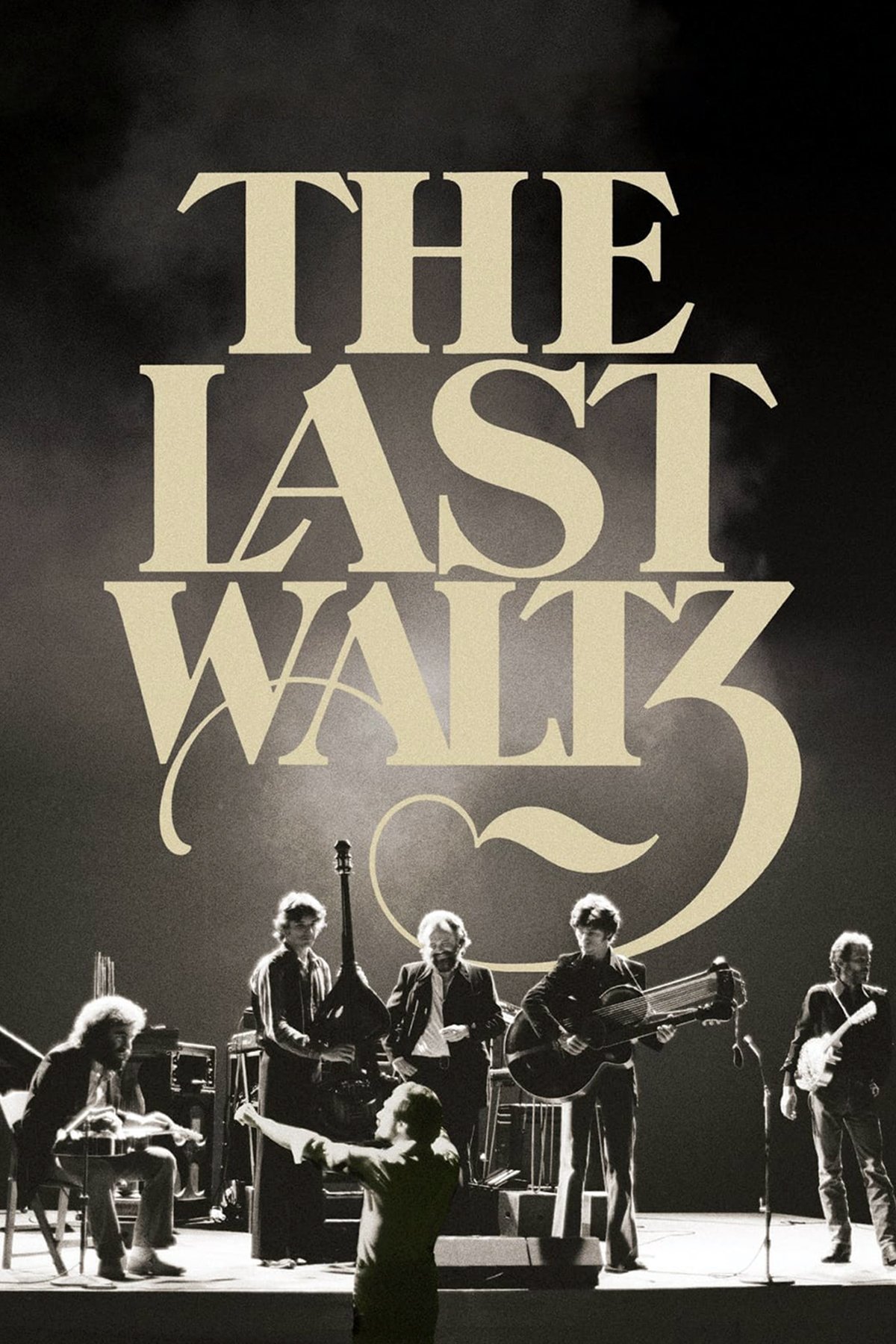
Martin Scorsese's documentary intertwines footage from The Band's incredible farewell tour with probing backstage interviews and featured performances by Eric Clapton, Bob Dylan, Joni Mitchell, Van Morrison, and other rock legends.
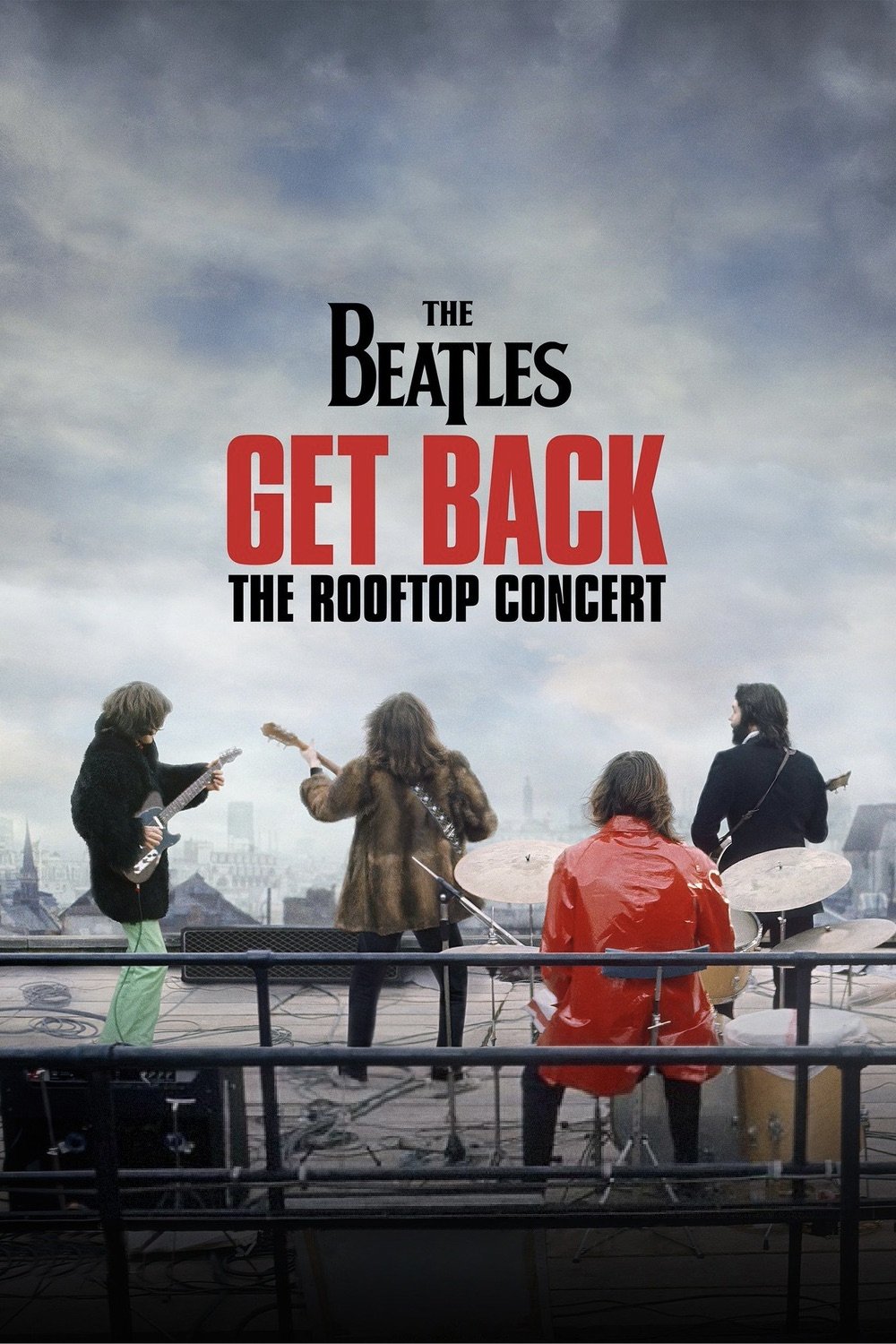
On the 30th of January, 1969, the Beatles performed an unannounced concert from the rooftop of their Apple Corps headquarters at Savile Row, within central London's office and fashion district. Experience the final and unforgettable iconic performance of The Beatles in a special 60-minute presentation, digitally remastered into the image and sound quality of IMAX DMR technology.
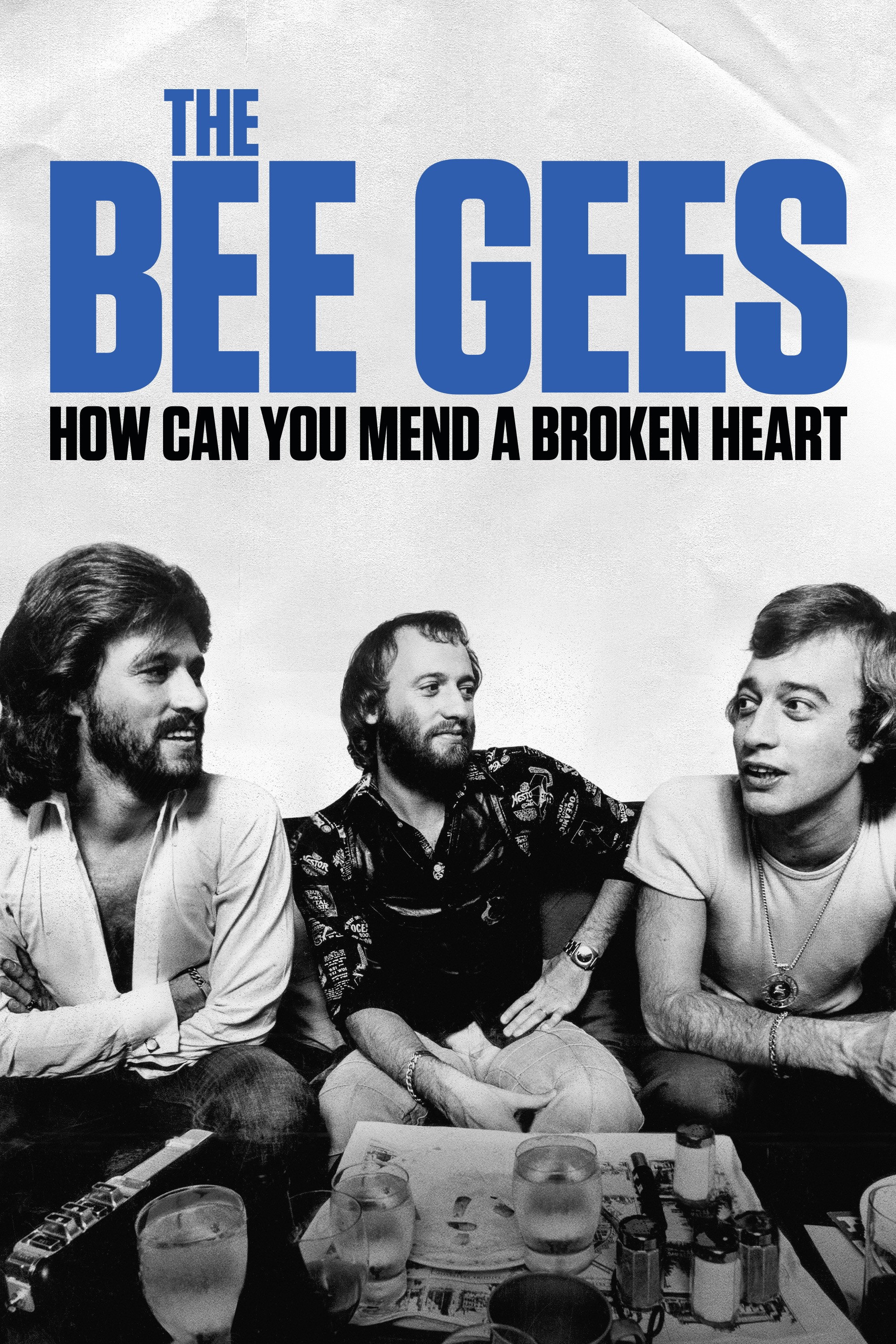
The story of the triumphs and hurdles of brothers Barry, Maurice, and Robin Gibb, otherwise known as the Bee Gees. The iconic trio, who found early fame in the 1960s, went on to write over 1,000 songs and have 20 No. 1 hits throughout their career, transcending more than five decades of changing tastes and styles.
The history of cinematic sound, told by legendary sound designers and visionary filmmakers.
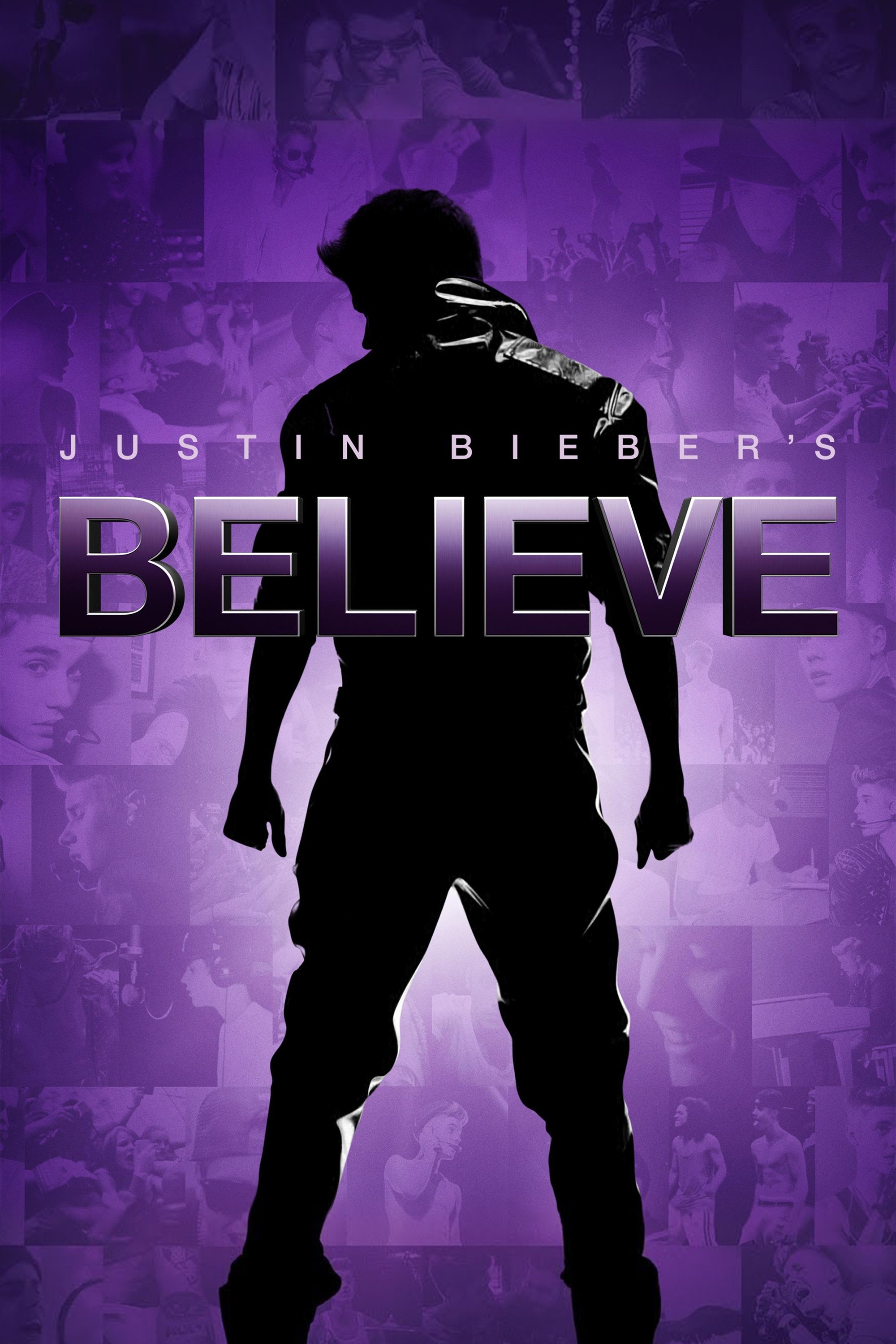
A backstage and on-stage look at Justin Bieber during his rise to super stardom.