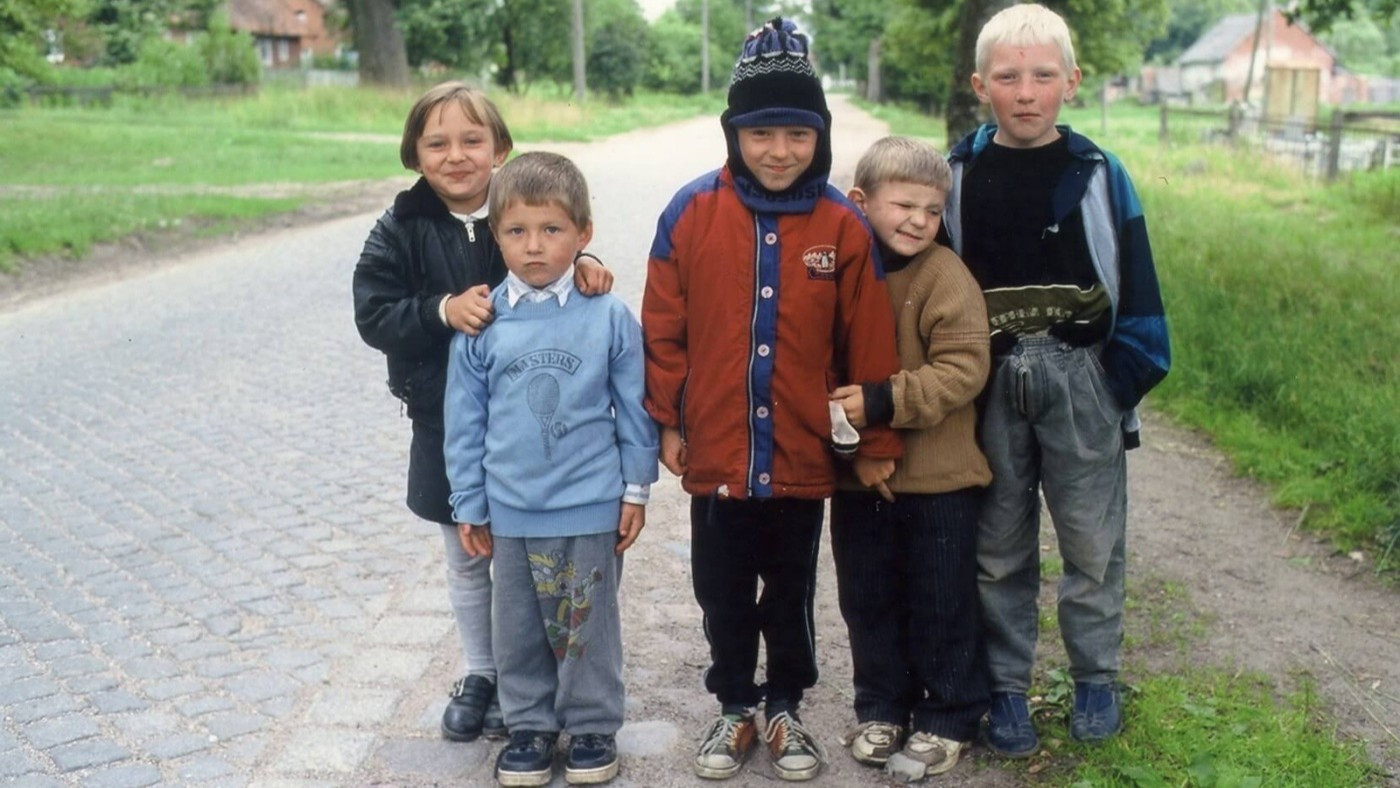
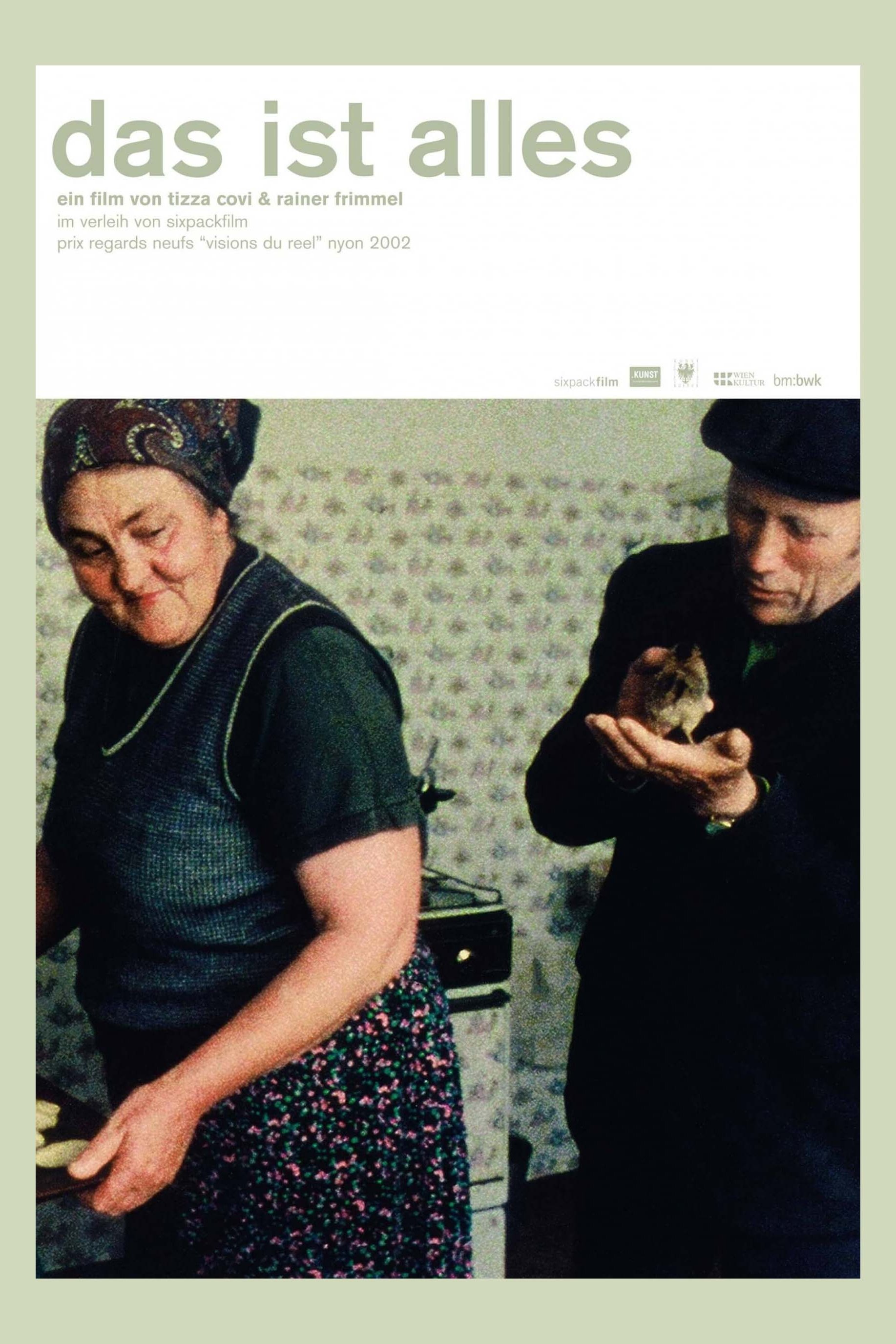
Portrait of a Russian village near Kaliningrad and its multiethnic inhabitants.
Social & External
The people behind it
Lina Dies
Herself
Viktor Dies
Himself
Nadja Letschunkis
Alexej Letschunkis
Tigran Gülüyman
Syran Gülüyman
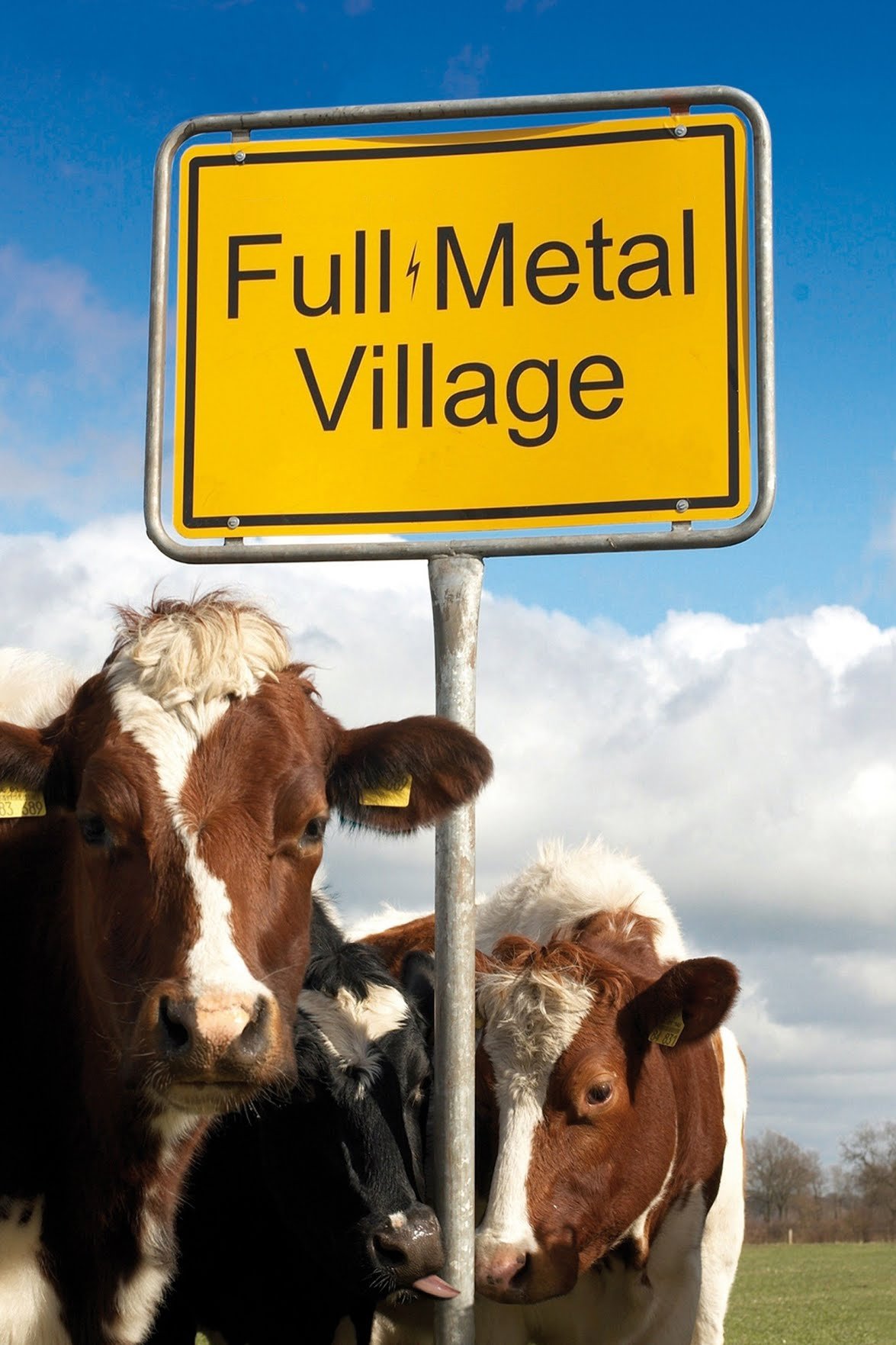
The film describes the microcosmos of the small village Wacken and shows the clash of the cultures, before and during the biggest heavy metal festival in Europe.
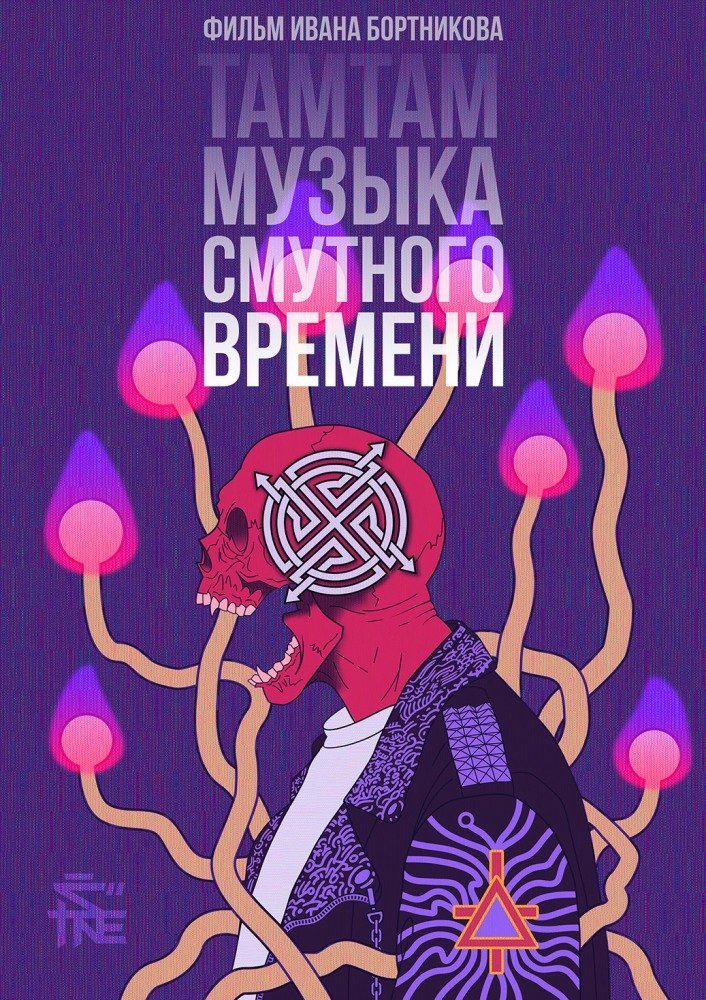
Documentary film about the first St. Petersburg music club TaMtAm. It existed since 1991 upon 1996 and was held by Vsevolod Gakkel, ex-cellist of "Аквариум". The concept was modelled on cult NY club CBGB-OMFUG. Despite its controversial history this is the place where a new generation of Russian punk music was discovered.
A 20-minute documentary film about the Kyrgyz people living by the Narym River.
Tells the story of the tragic events in Ukraine in 1932-33, the genocidal Great Famine or the Holodomor, and one Welshman's attempts to tell the world what was happening.
A German Documentary about the “village of friendship” that was created by American Veteran George Mizo to help the Vietnamese kids suffering from the Vietnam War.
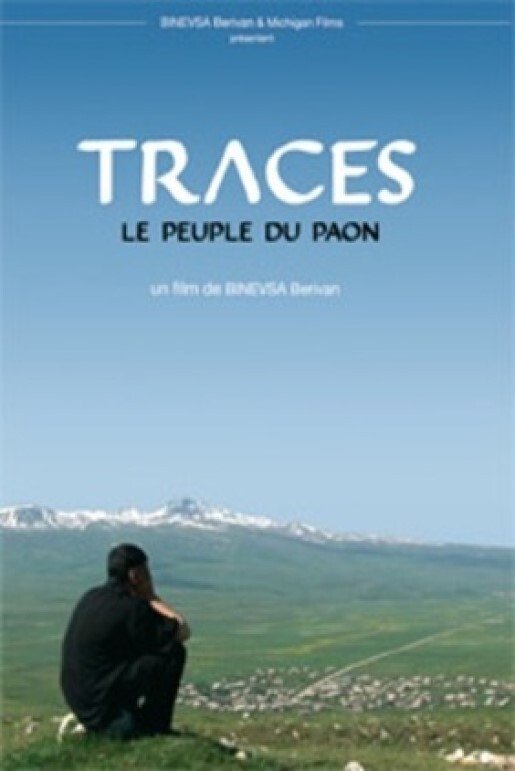
Filmmaker Binevsa Bêrîvan travels to Armenia to capture the daily life, customs, and history of the country's Yazidi Kurdish community.
The story of Nisar Ahmed Khan, told through his children and the people he served, a spiritual guide whose followers still visit his tomb on his birth and death anniversaries. And alongside how his family spends a few days at the village keeping his traditions alive.
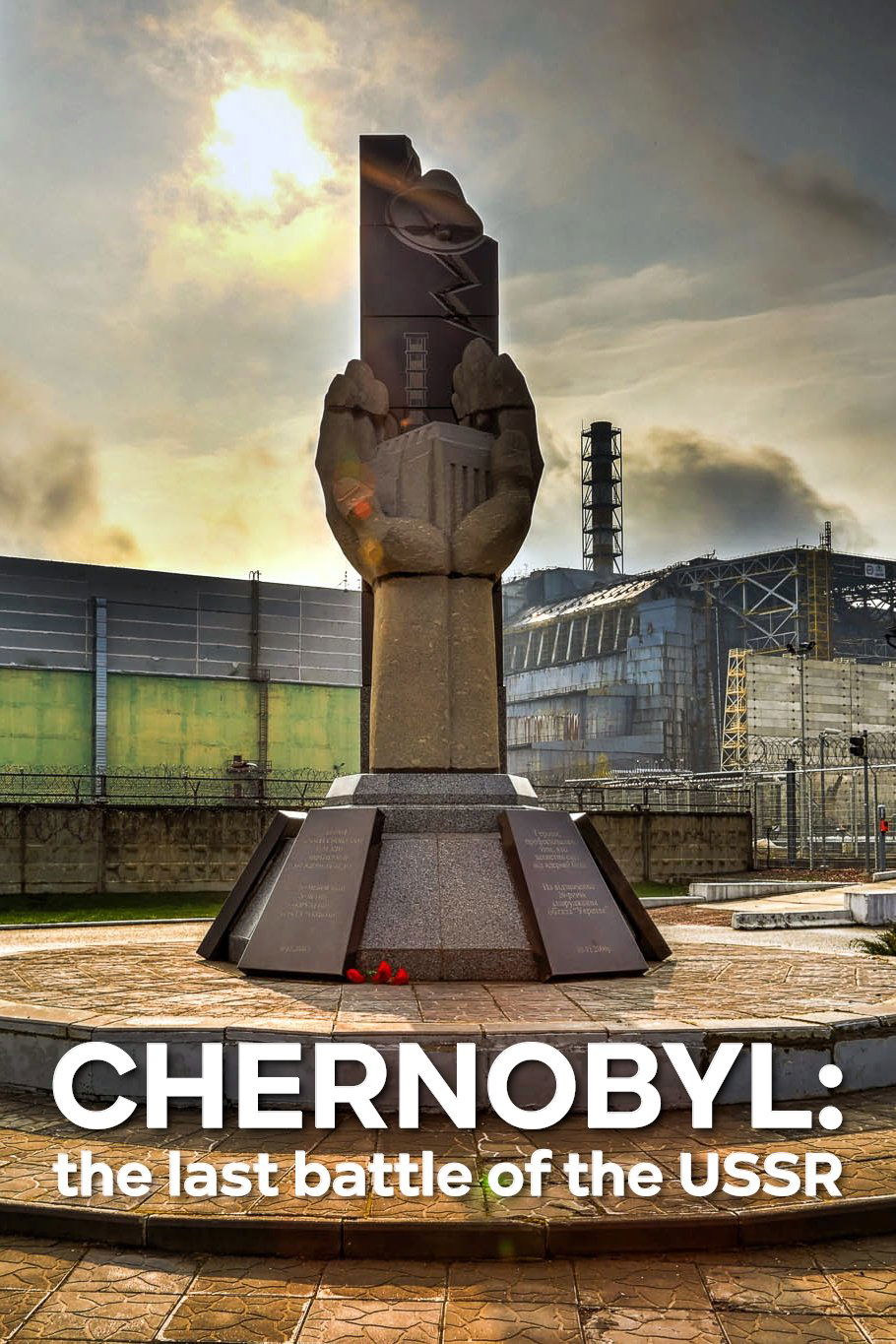
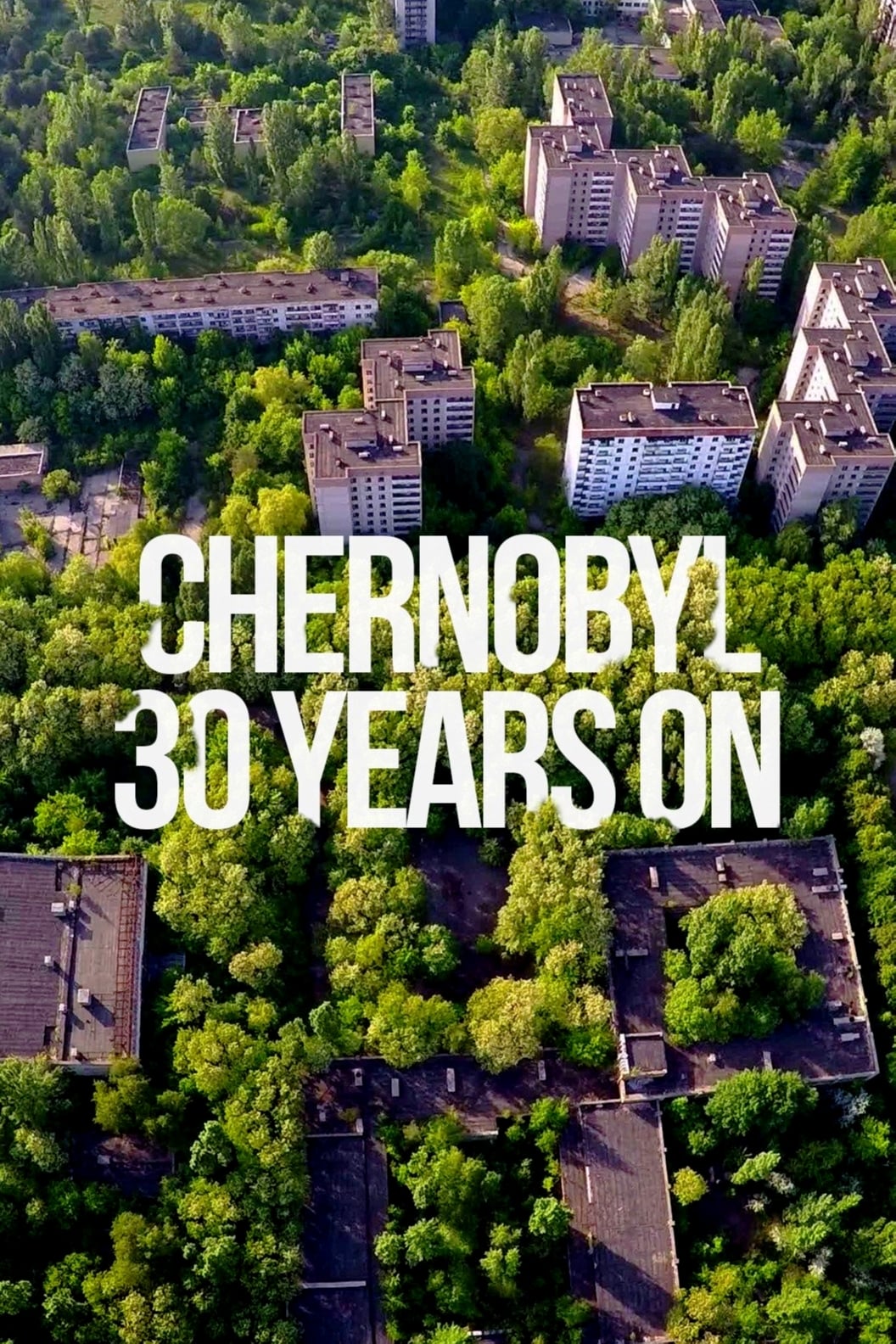
Three decades after the nuclear explosion, almost everything has been said about this ecological and sanitary disaster that made Pripiat a part of History. How did the greatest industrial disaster change the course of History, disrupt global geopolitics and, directly or indirectly, redistribute the balances and power relations of the twentieth century? The world will never be the same again. By retracing the incredible battle waged by the Soviet Union against radiation, this film proposes to retrace and enlighten an extraordinary story, while exploring the historical stakes in the medium and long-term…
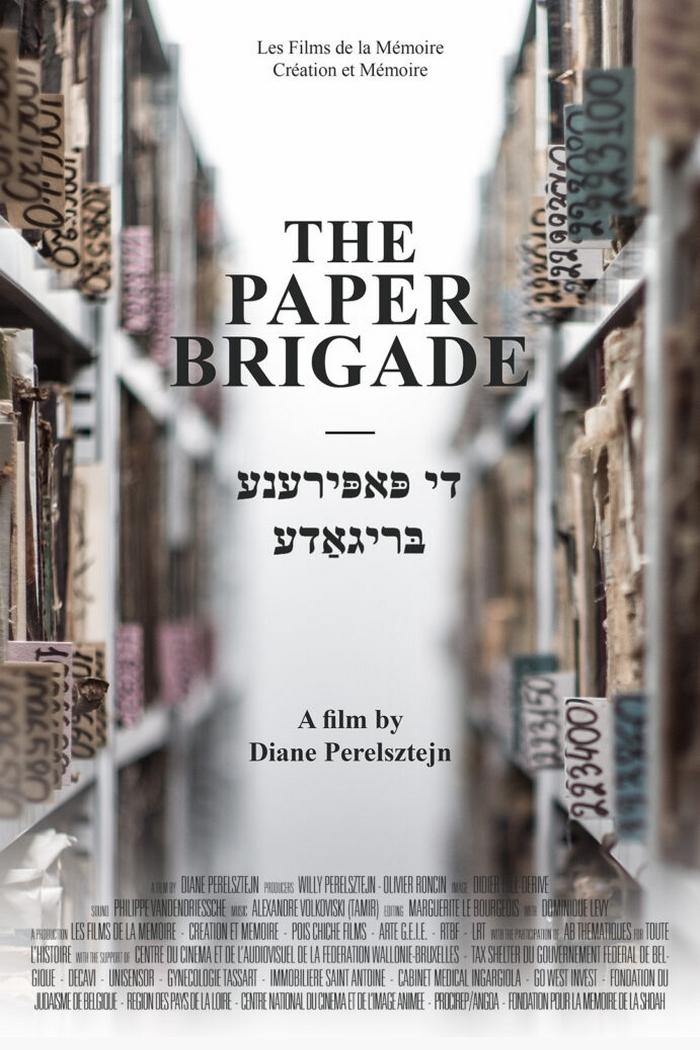
Lithuania, 1941, during World War II. Hundreds of thousands of texts on Jewish culture, stolen by the Germans, are gathered in Vilnius to be classified, either to be stored or to be destroyed. A group of Jewish scholars and writers, commissioned by the invaders to carry out the sorting operations, but reluctant to collaborate and determined to save their legacy, hide many books in the ghetto where they are confined. This is the epic story of the Paper Brigade.
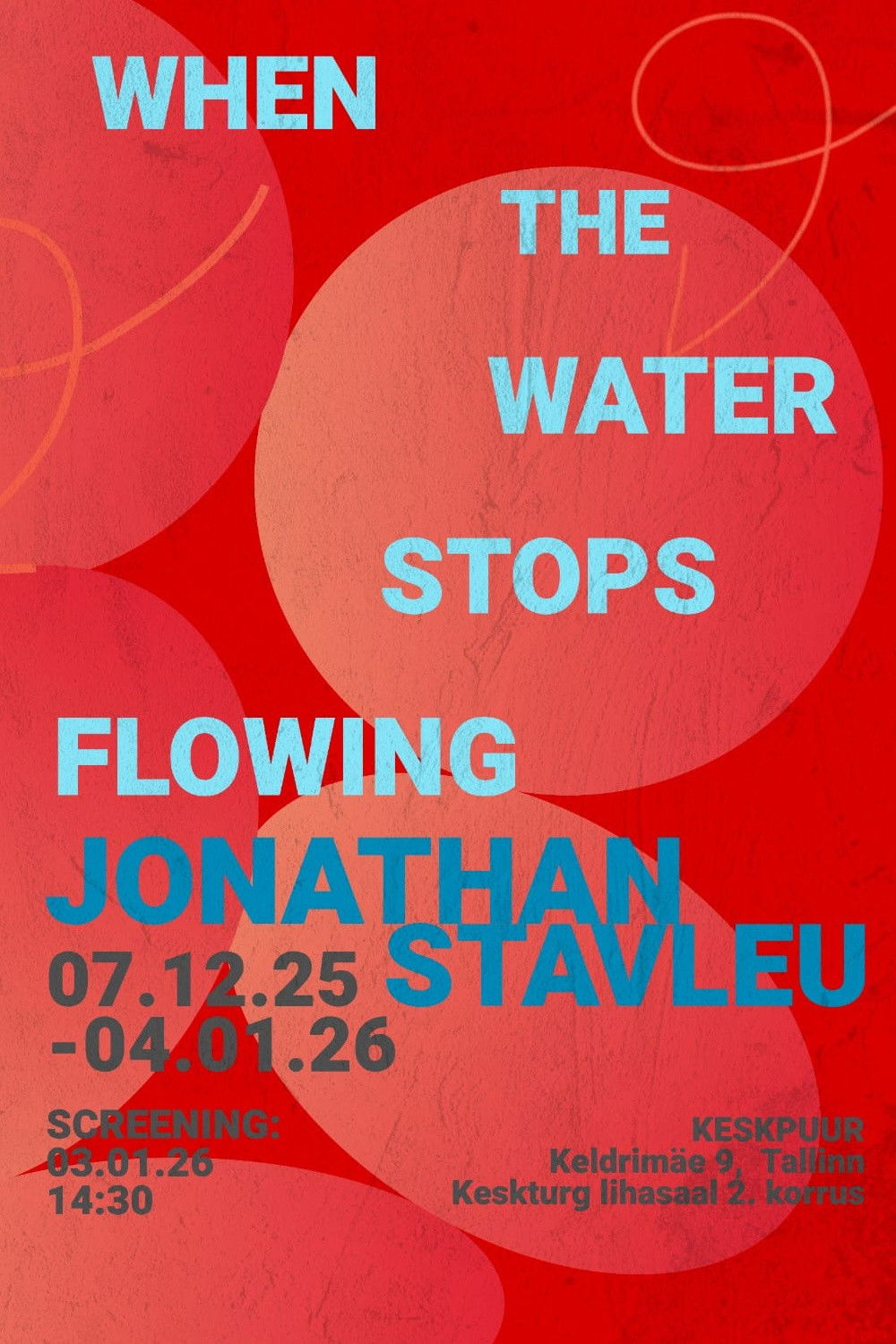
Jonathan Stavleu explores, in a stream-of-consciousness video essay, the relationship people have with water and what happens when access to it is taken away. For this work, he examines anecdotal histories he has heard from Estonians, as well as stories from his own family history in the Netherlands, weaving them together into a journal-like narrative.
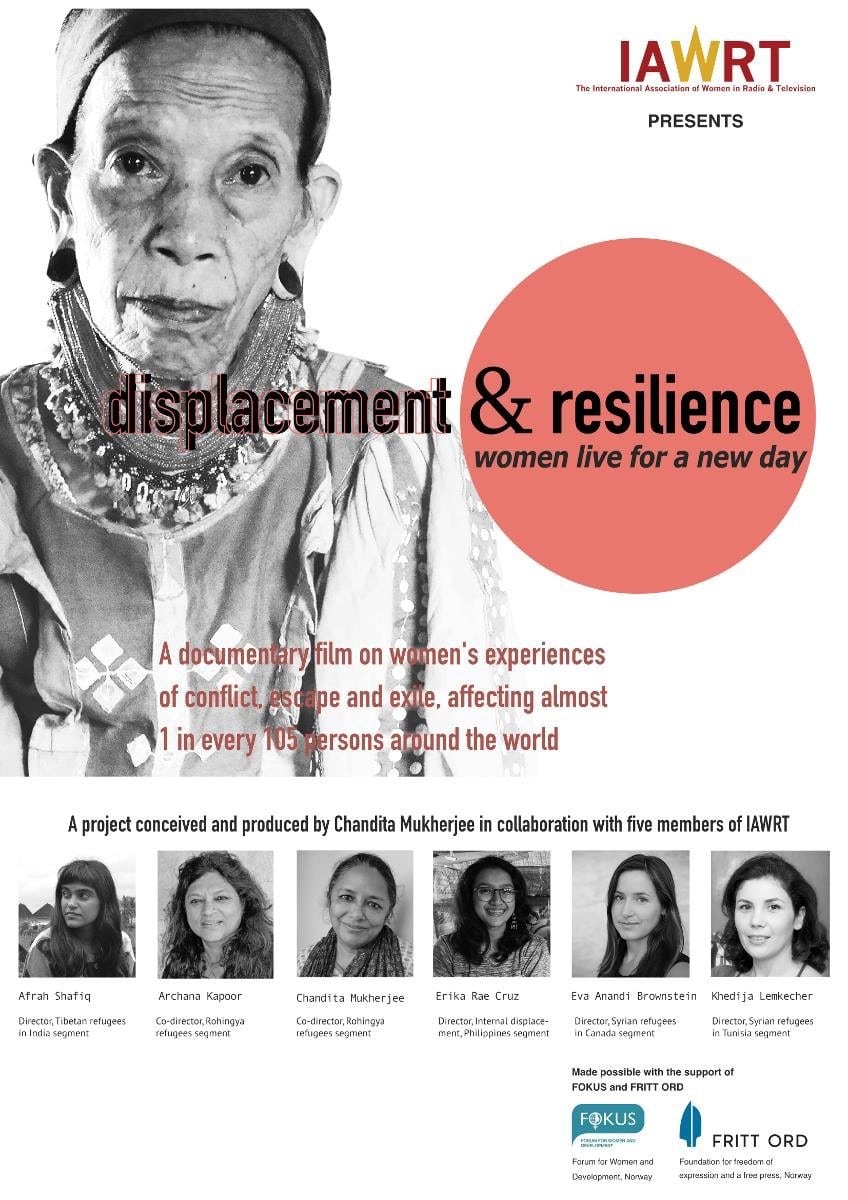
The documentary is a five country-based sequences featuring stories about conflict, migration and the experience of exile; Tibetan women refugees in Dharamshala, India, Syrian refugee family in Tunisia, evicted indigenous women in the Phlippines; Rohingya women in Haryana and Delhi, and Syrian women refugees in Canada.
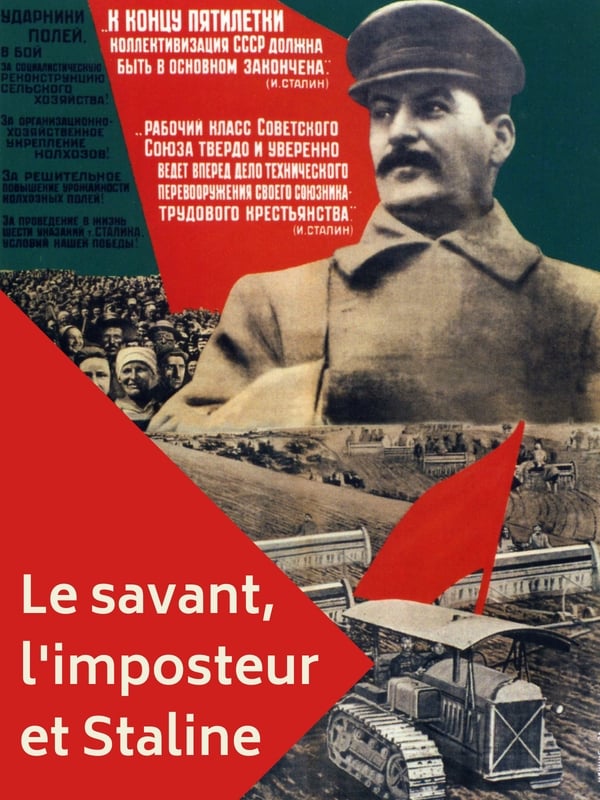
The documentary tells two very different human fates in the 1920s Soviet Union. Nikolai Vavilov was a botanical genius, Trofim Lyssenko was an agronomist who made great promises and fake inventions. Each of them tried to solve the country's nutritional problem, but only one succeeded.
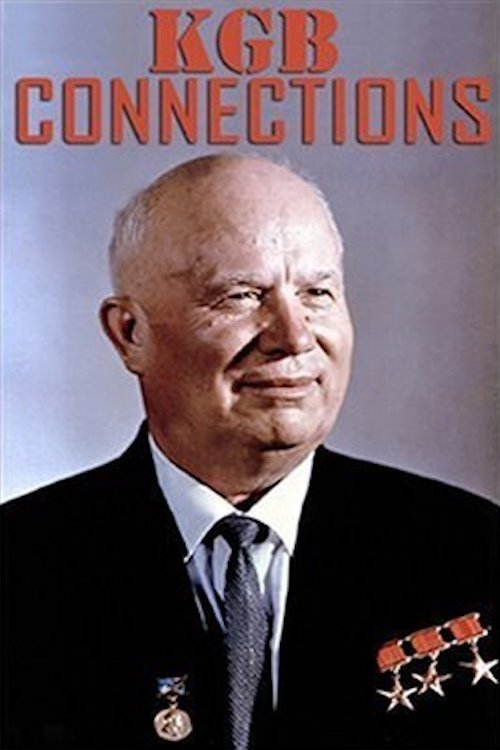
This 1982 film explains the KGB infiltration of America. Who they are, what they are doing, and how well they have infiltrated North America.
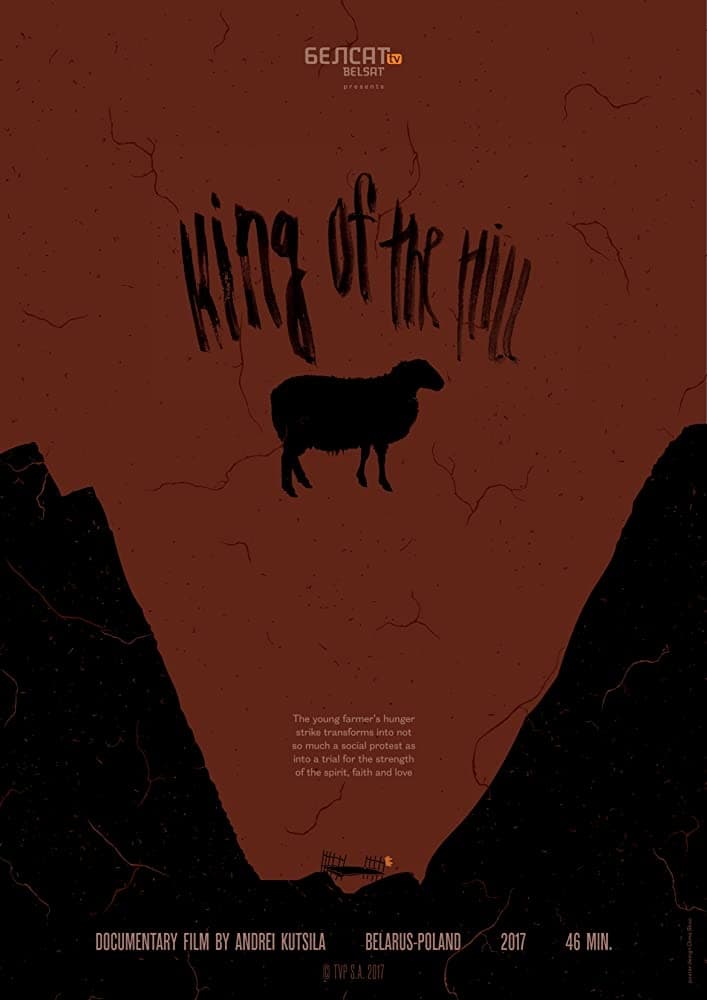
Belarusian vlogger and young farmer Semyon, who is a deeply religious man, always loving to philosophize in relation to democracy, admire his mother and share this with the whole world. For five years now, he has been living in a village with two little sons and raise sheep. It would seem that a harmonious existence in the wilderness can not hinder anything...
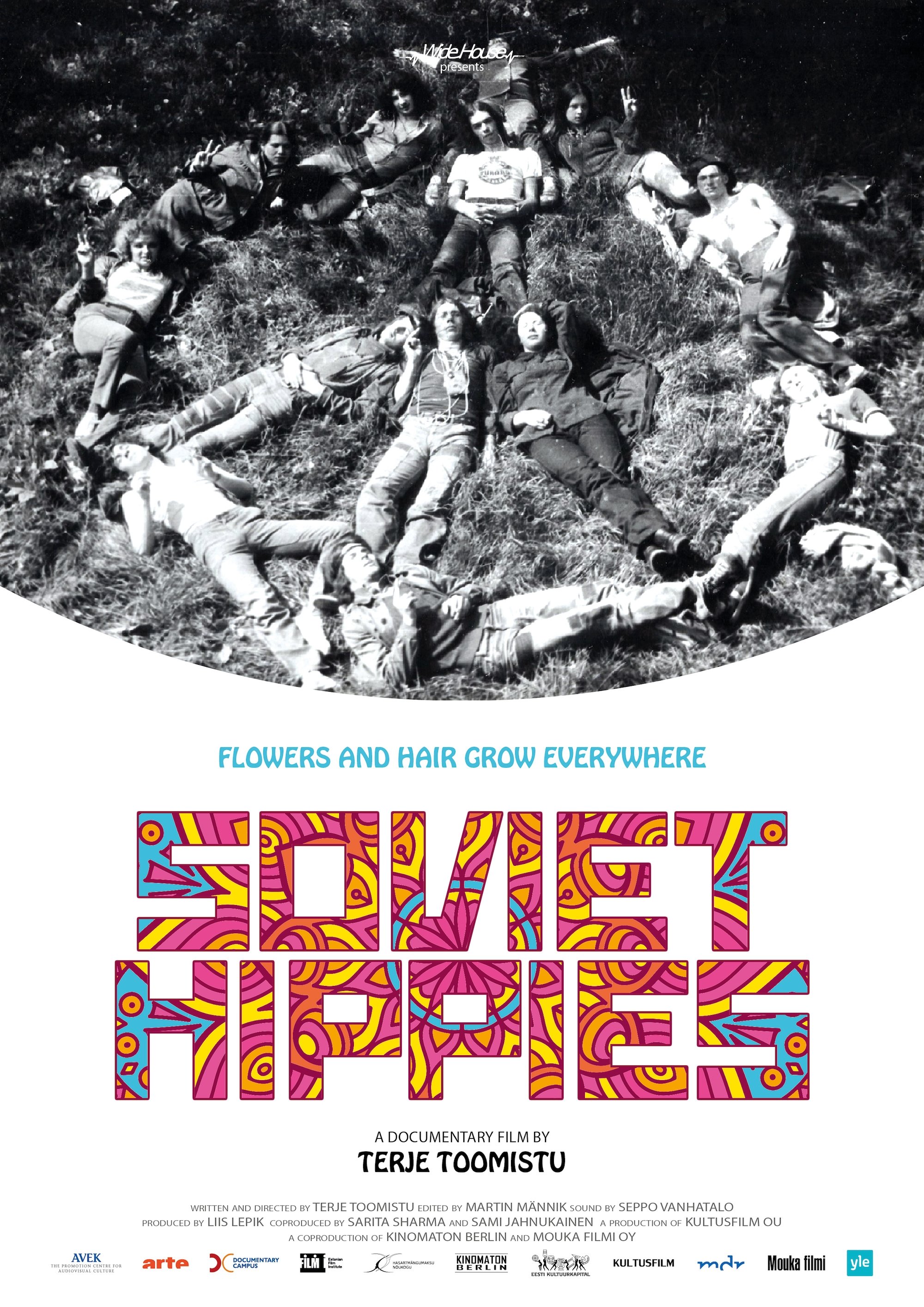
The hippie movement that captivated hundreds of thousands of young people in the West had a profound impact on the other side of the Iron Curtain. Within the Soviet system, a colorful crowd of artists, musicians, freaks, vagabonds and other long-haired drop-outs created their own system, which connected those who believed in peace, love, and freedom for their bodies and souls. More than 40 years later, a group of eccentric hippies from Estonia take a road trip to Moscow where the hippies still gather annually on the 1st of June for celebration that is related to the tragic event in 1971, when thousands of Soviet hippies were arrested by the KGB. The journey through time and dimensions goes deep into the psychedelic underground world in which these people strived for freedom.
Thirty years after the Chernobyl disaster, which occurred on the night of April 26, 1986, its causes and consequences are examined. In addition, a report on efforts to strengthen the structures covering the core of the nuclear plant in order to better protect the population and the environment is offered.
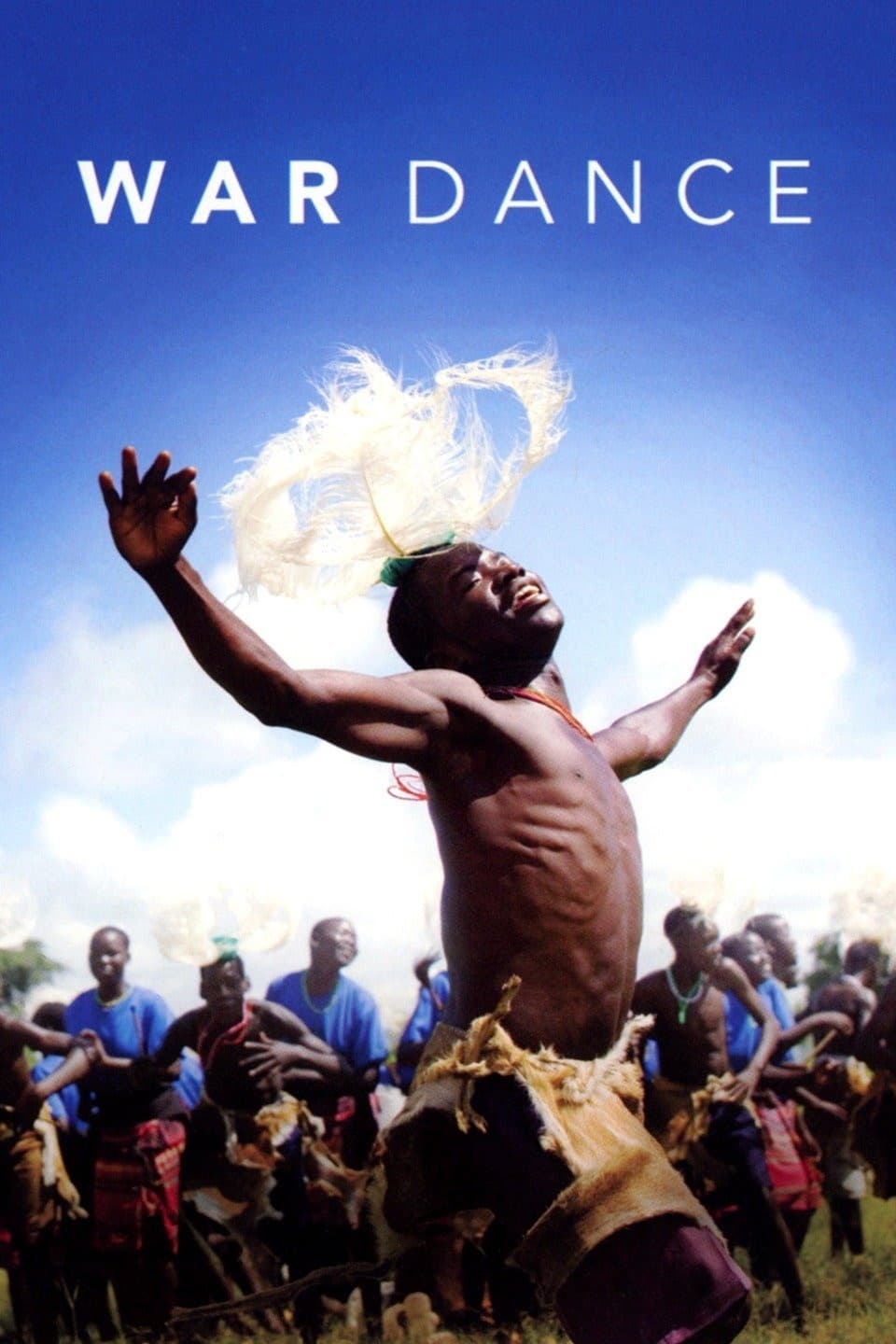
Three children living in a displacement camp in northern Uganda compete in their country's national music and dance festival.
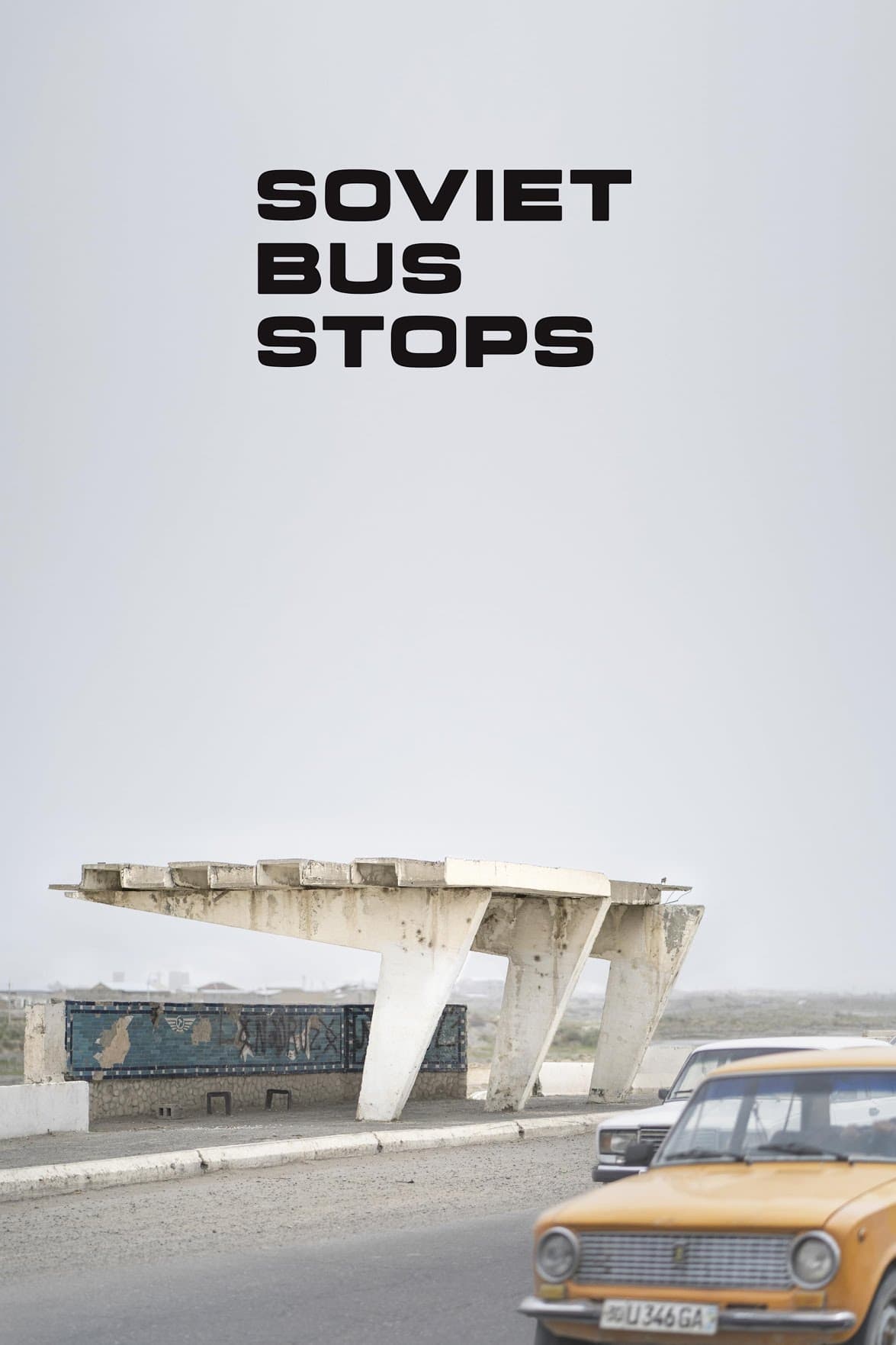
“There’s a bus stop I want to photograph.” This may sound like a parody of an esoteric festival film, but Canadian Christopher Herwig’s photography project is entirely in earnest, and likely you will be won over by his passion for this unusual subject within the first five minutes. Soviet architecture of the 1960s and 70s was by and large utilitarian, regimented, and mass-produced. Yet the bus stops Herwig discovers on his journeys criss-crossing the vast former Soviet Bloc are something else entirely: whimsical, eccentric, flamboyantly artistic, audacious, colourful. They speak of individualism and locality, concepts anathema to the Communist doctrine. Herwig wants to know how this came to pass and tracks down some of the original unsung designers, but above all he wants to capture these exceptional roadside way stations on film before they disappear.
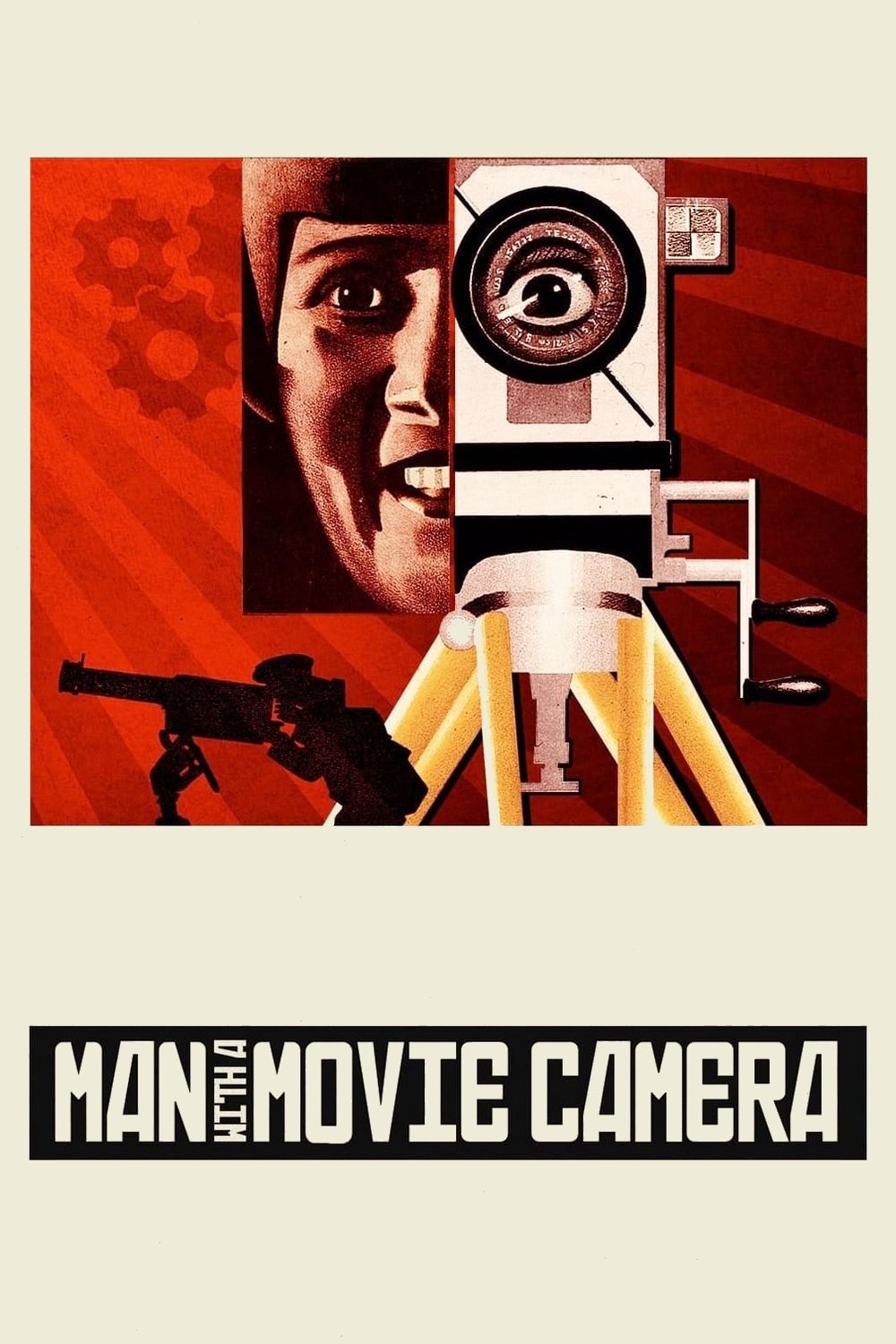
A cameraman wanders around with a camera slung over his shoulder, documenting urban life with dazzling inventiveness.
Compilation short film about the Communist Revolution and Soviet Union.
In an intimate and joyful story of love in the face of loss, celebrated poets Andrea Gibson and Megan Falley find strength—and unexpected hilarity—in what might be their final year together.
A documentary on the expletive's origin, why it offends some people so deeply, and what can be gained from its use.
Through deeply personal interviews with her siblings and an examination of the photographs, letters, and belongings left behind, Mariska assembles a new portrait of her mother Jayne Mansfield, an extraordinary and complex woman.
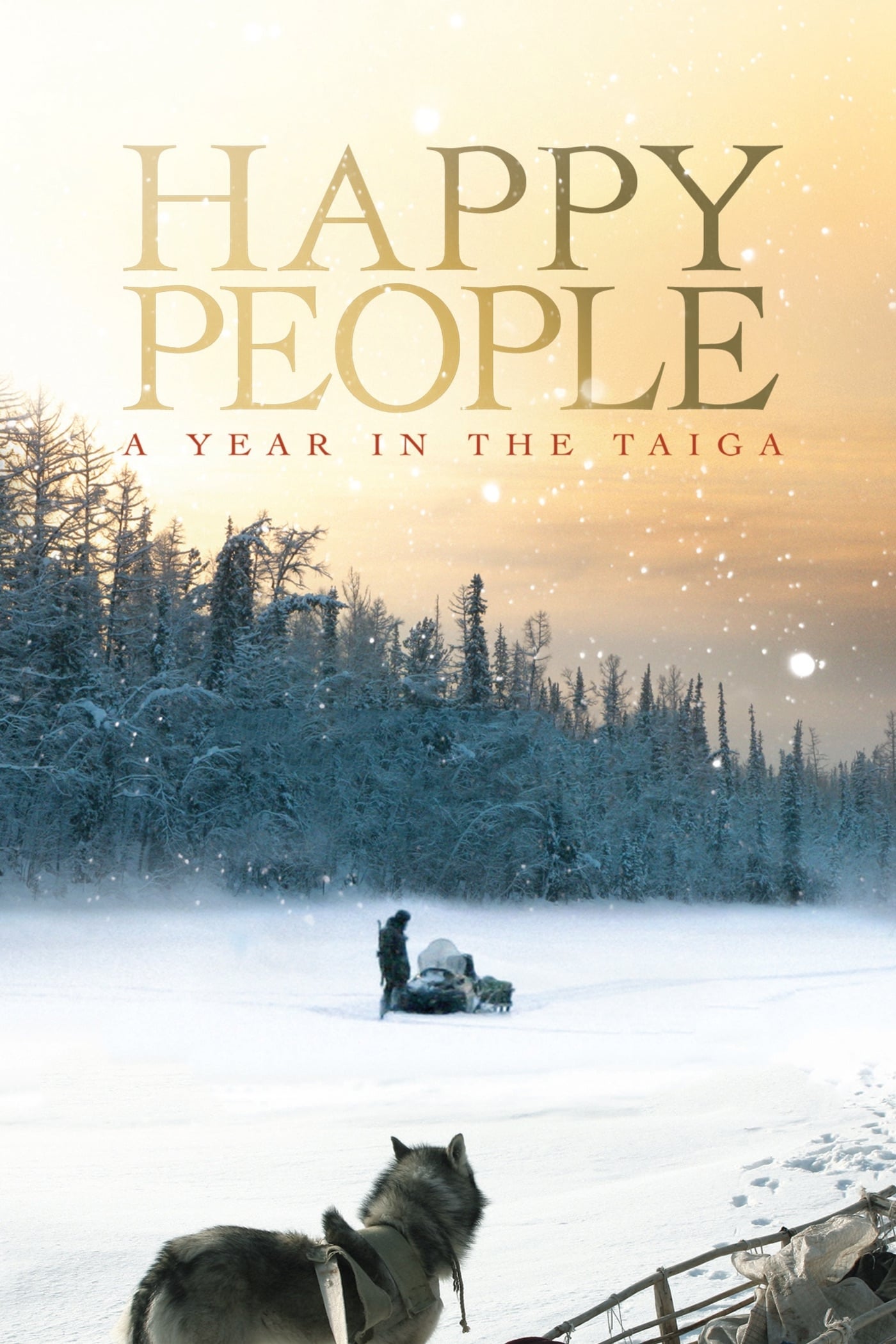
In the center of the story is the life of the indigenous people of the village Bakhtia at the river Yenisei in the Siberian Taiga. The camera follows the protagonists in the village over a period of a year. The natives, whose daily routines have barely changed over the last centuries, keep living their lives according to their own cultural traditions.
Ranjit, a farmer in India, takes on the fight of his life when he demands justice for his 13-year-old daughter, the victim of a brutal gang rape. His decision to support his daughter is virtually unheard of, and his journey unprecedented.
Director Michael Apted revisits the same group of British-born adults after a 7 year wait. The subjects are interviewed as to the changes that have occurred in their lives during the last seven years.
A detailing of the rise to prominence and global sporting superstardom of six supremely talented young Manchester United football players (David Beckham, Nicky Butt, Ryan Giggs, Paul Scholes, Phil and Gary Neville). The film covers the period 1992-1999, culminating in Manchester United's European Cup triumph.
A visual montage portrait of our contemporary world dominated by globalized technology and violence.
A documentary about the life and films of director John Ford.
Musician and performance artist Laurie Anderson reflects on the deaths of her husband Lou Reed, her mother and her beloved dog.
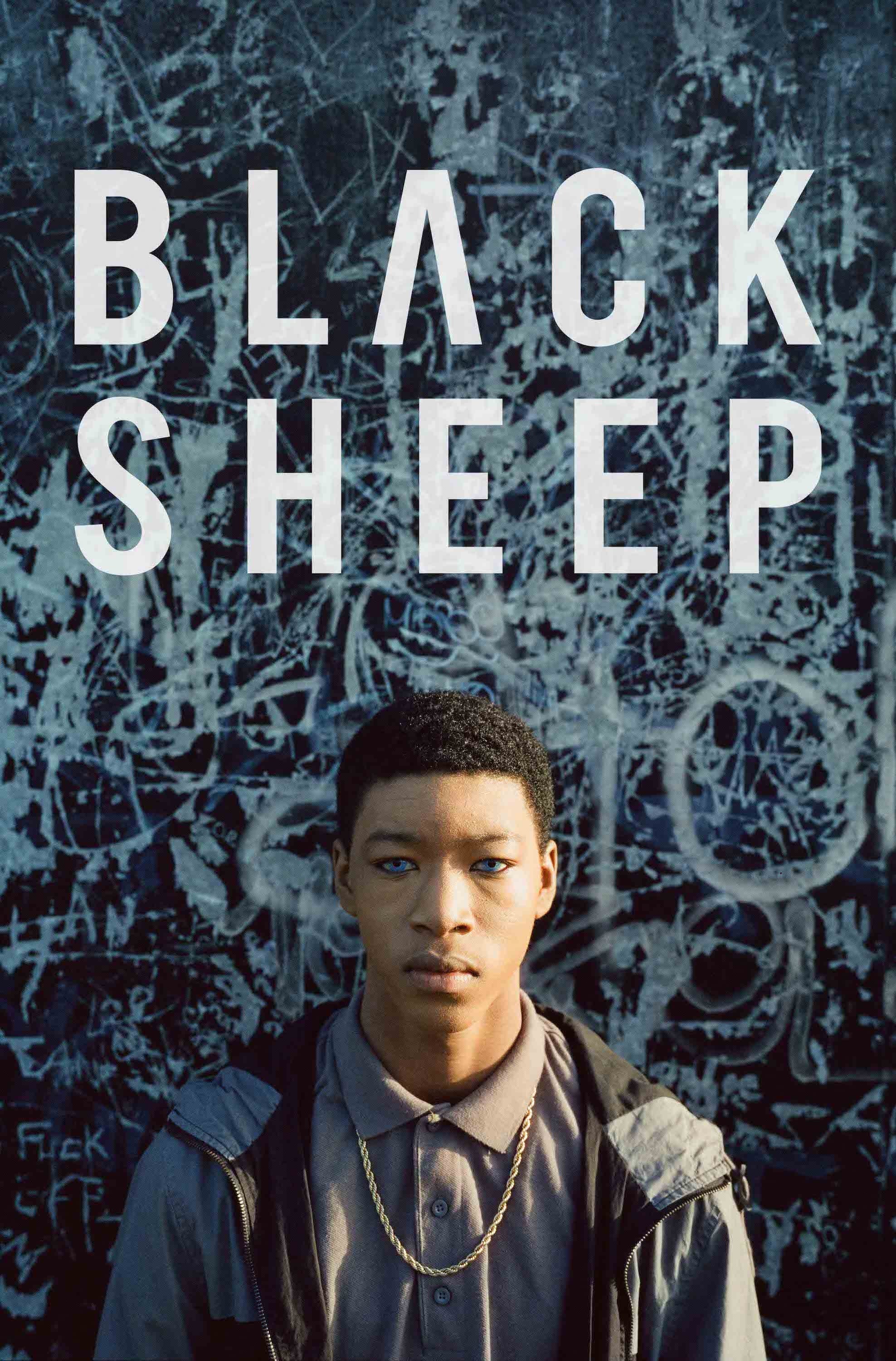
After the high-profile killing of Damilola Taylor, Cornelius' family move out of London. But when they discover their new town is run by racists, Cornelius takes a drastic step to survive.
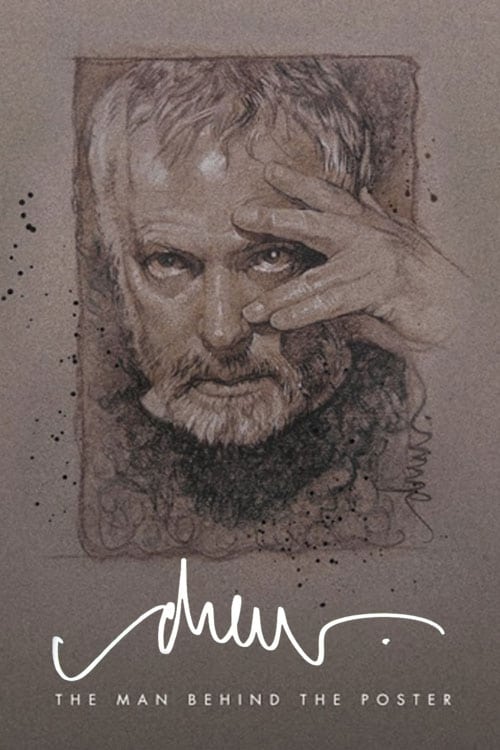
A documentary on legendary movie-poster artist Drew Struzan.
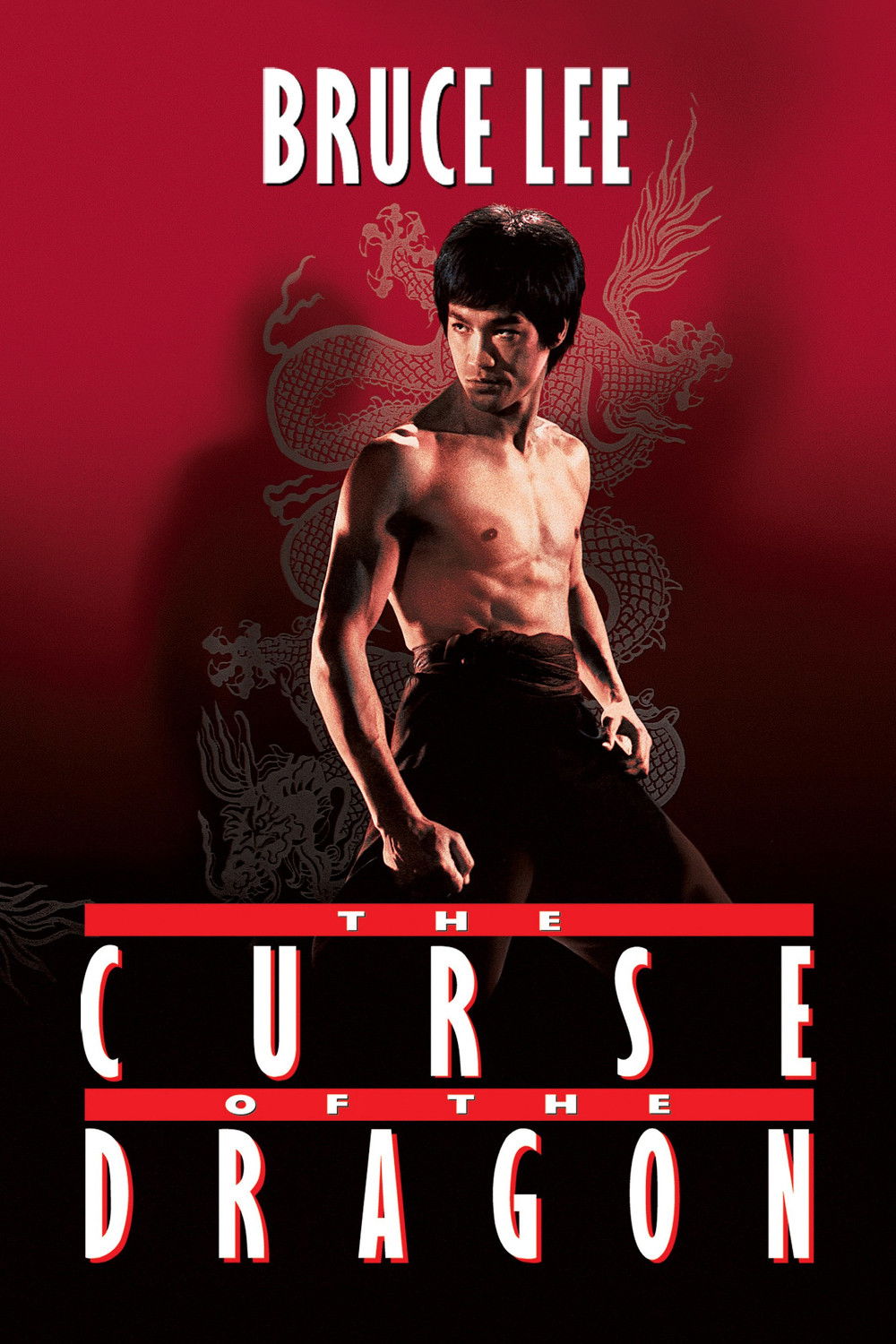
A 1993 documentary film about Bruce Lee. The film includes interviews from some of his fellow students and opponents who worked alongside him in his movies.
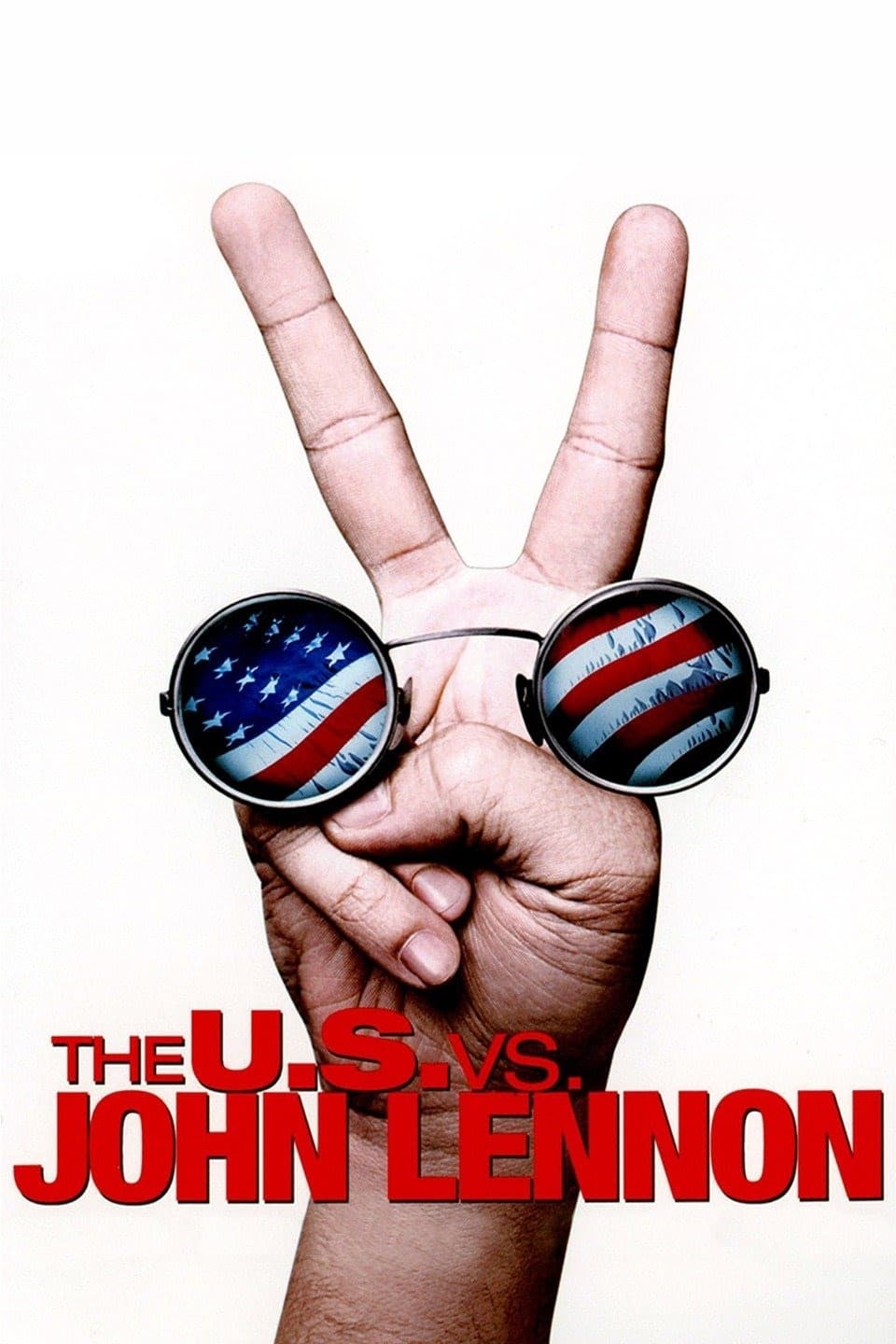
A documentary on the life of John Lennon, with a focus on the time in his life when he transformed from a musician into an antiwar activist.
Alexander McQueen's rags-to-riches story is a modern-day fairy tale, laced with the gothic. Mirroring the savage beauty, boldness and vivacity of his design, this documentary is an intimate revelation of McQueen's own world, both tortured and inspired, which celebrates a radical and mesmerizing genius of profound influence.
Over 35 years after Bob Lazar's revelations, this documentary exposes secrets of a facility the government still denies. Featuring Lazar's testimony, recreations, and new evidence, it reopens a case that continues to spark global curiosity
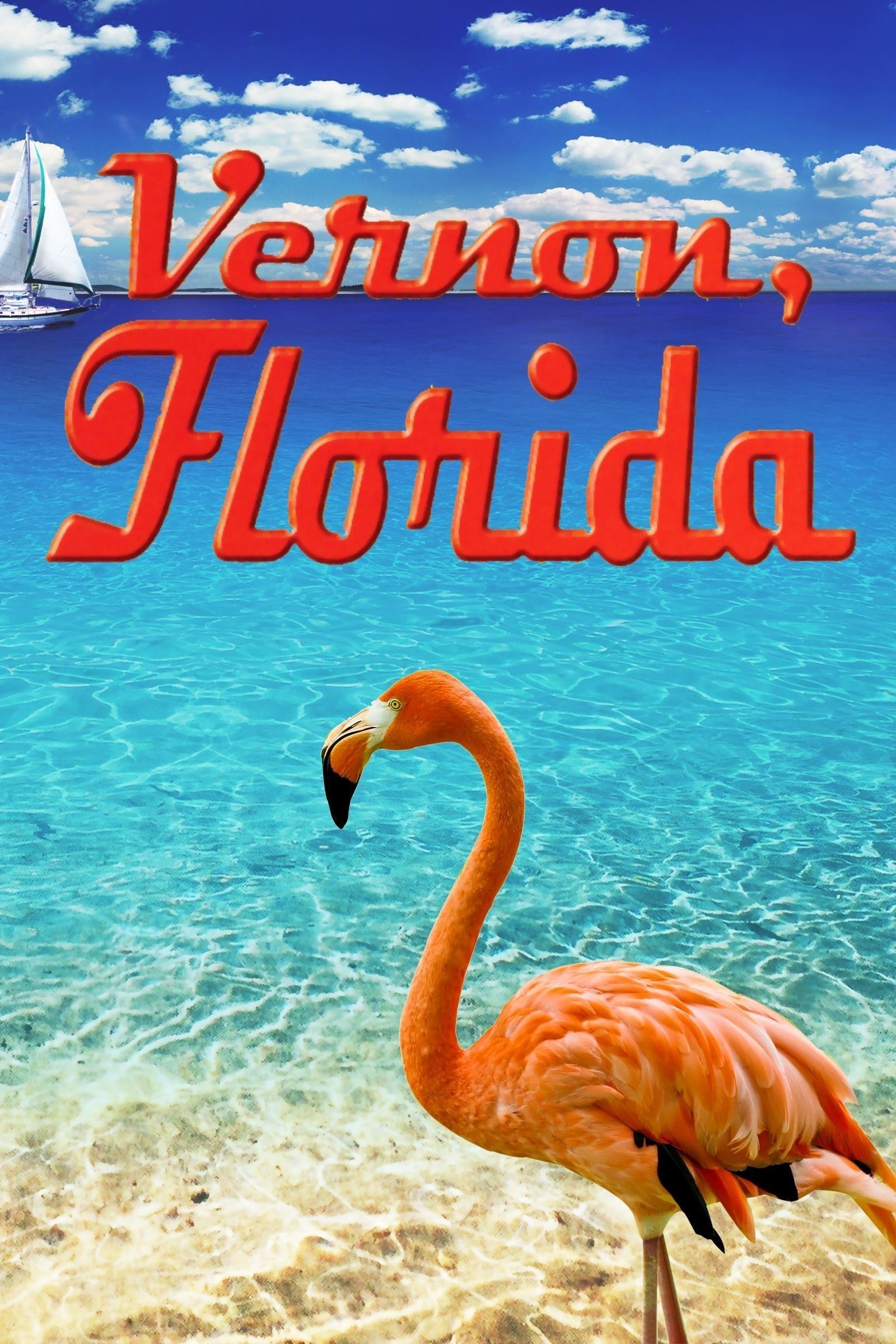
Early Errol Morris documentary intersplices random chatter he captured on film of the genuinely eccentric residents of Vernon, Florida. A few examples? The preacher giving a sermon on the definition of the word "Therefore," and the obsessive turkey hunter who speaks reverentially of the "gobblers" he likes to track down and kill.
A string of threatening emails escalates into a revenge plot involving a newly married US marshal and his ex-girlfriend.
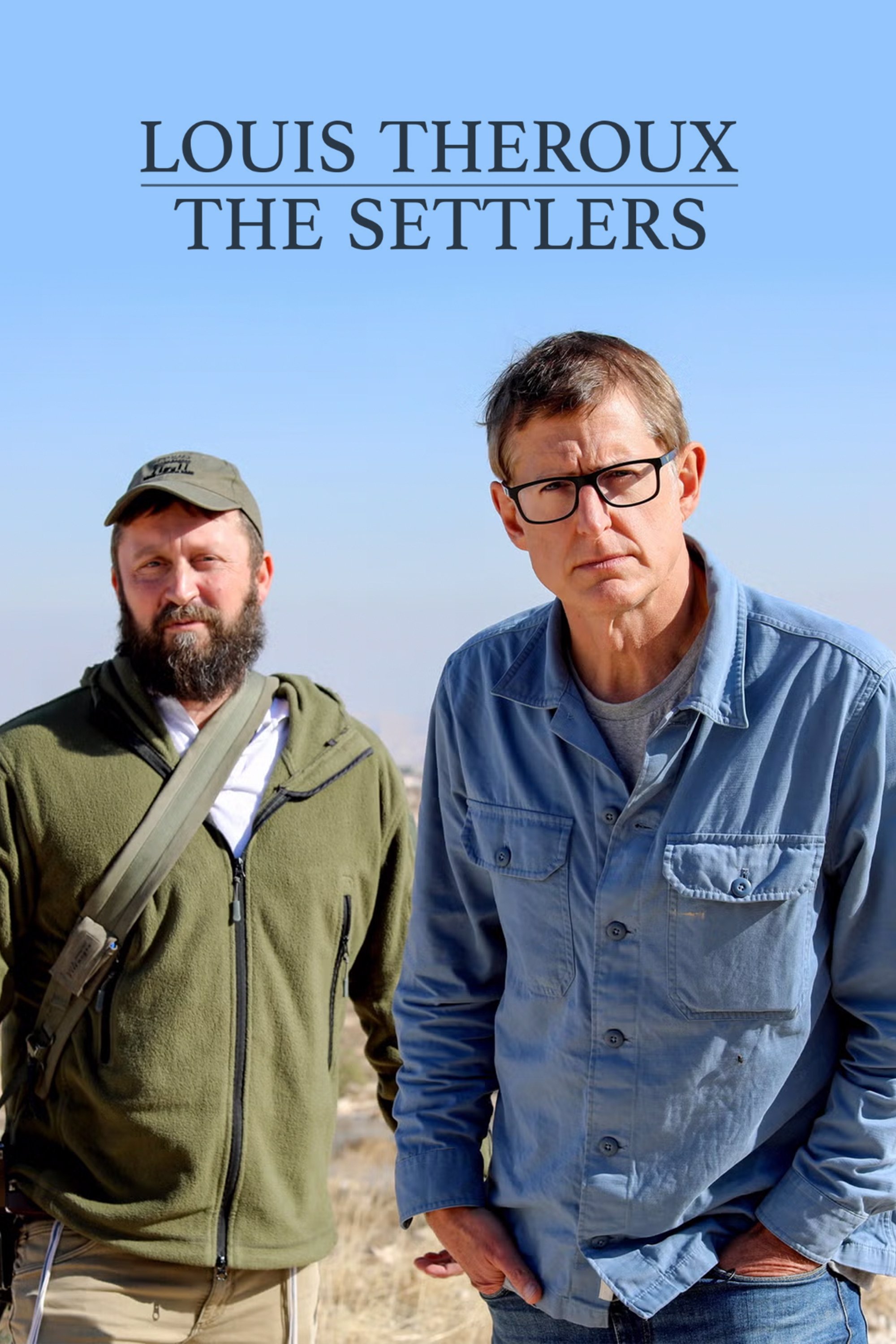
Fourteen years after his first visit, Louis Theroux meets some of the growing community of religious-nationalist Israelis who have settled in the occupied West Bank.