Social & External
The people behind it
Umm Kulthum
Self (archives footage)
Philippe Dormoy
Narrator
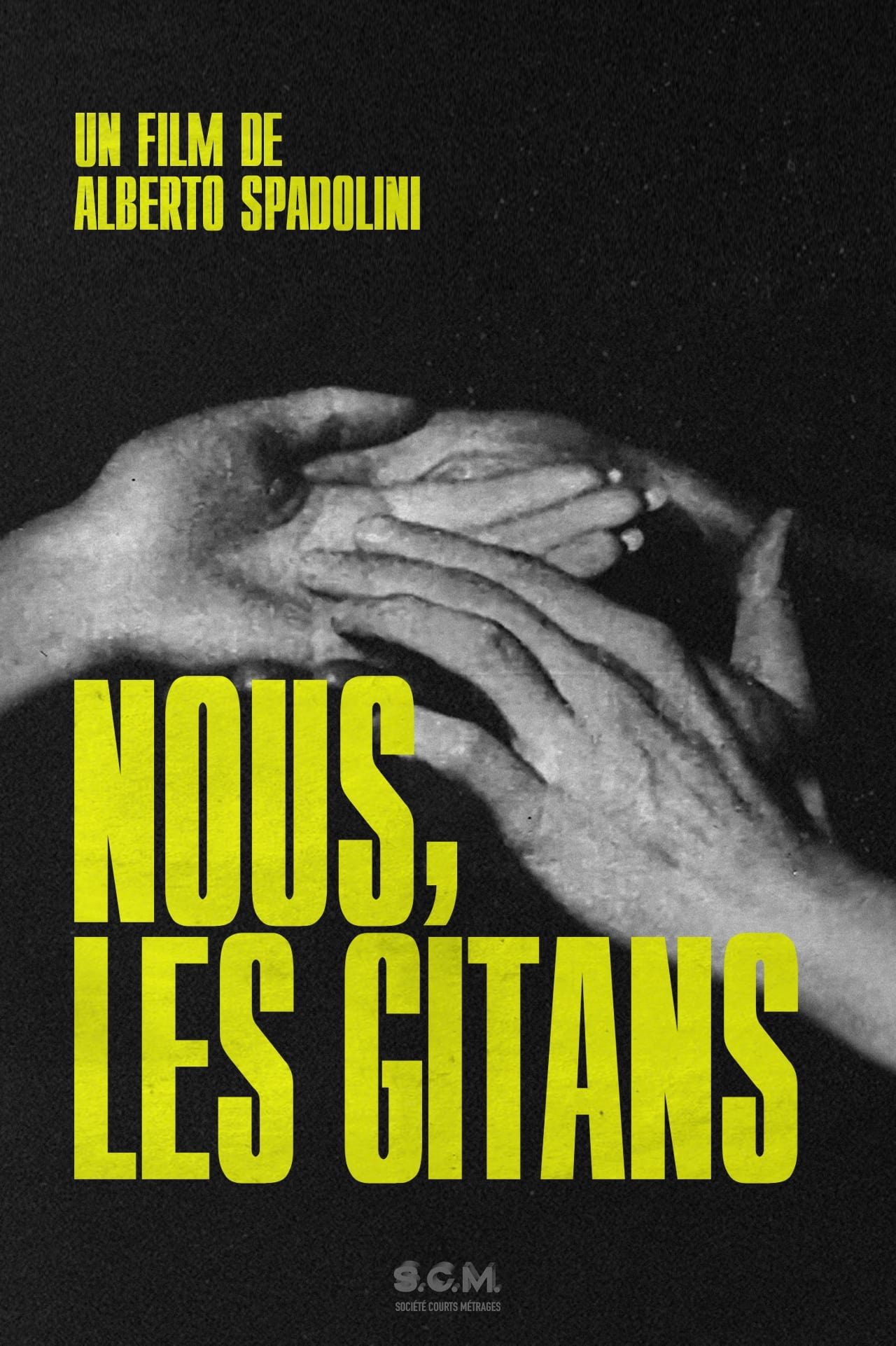
Alberto Spadolini, filmmaker and choreographer, dances to traditional Andalusian music. He pays tribute to the gypsy culture.
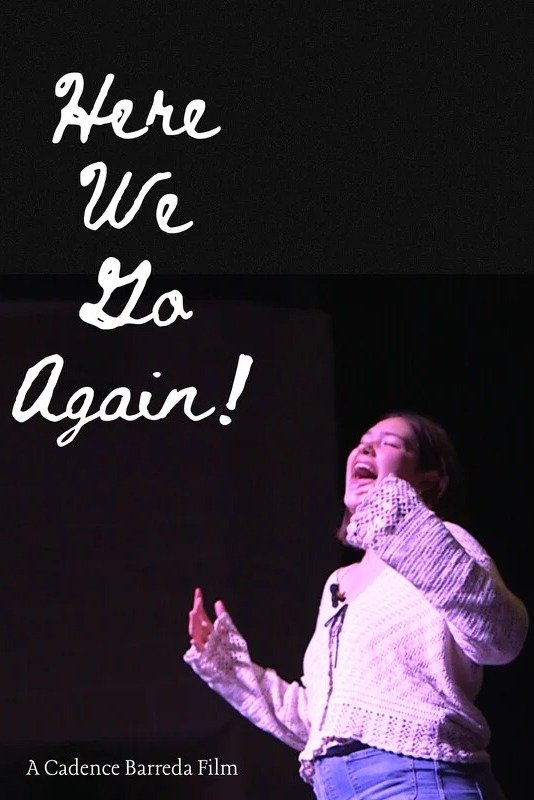
Students auditioning for their high school's production of Mamma Mia! go head to head to secure a spot in their coveted spring musical.
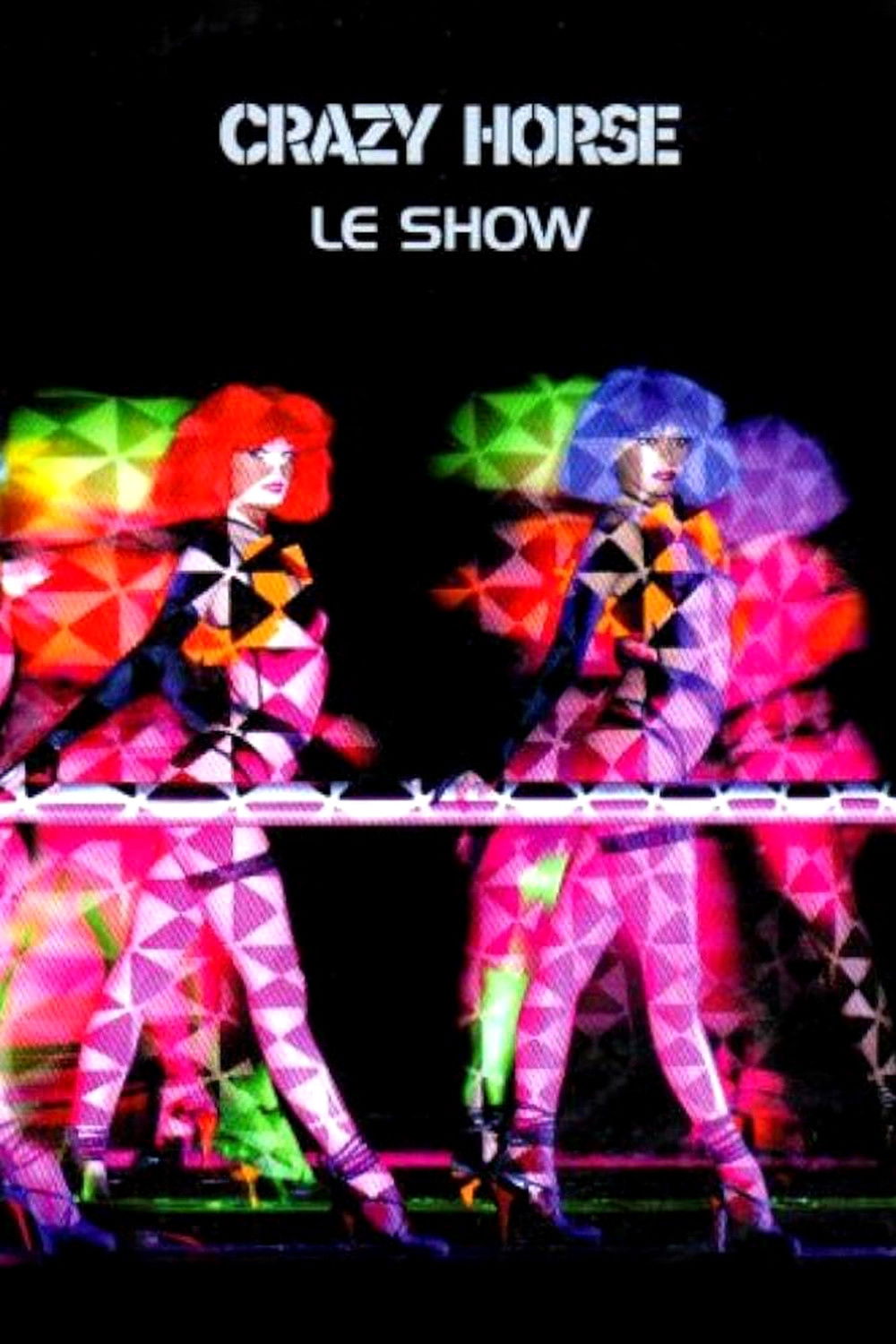
The Crazy Horse has staged unique shows on Paris' avenue George V every evening since 1951. Enjoy some of the most spectacular numbers seen at Crazy Horse in an exceptional film shot in High Definition video, including previously unreleased sequences of the dancers and their lives backstage!
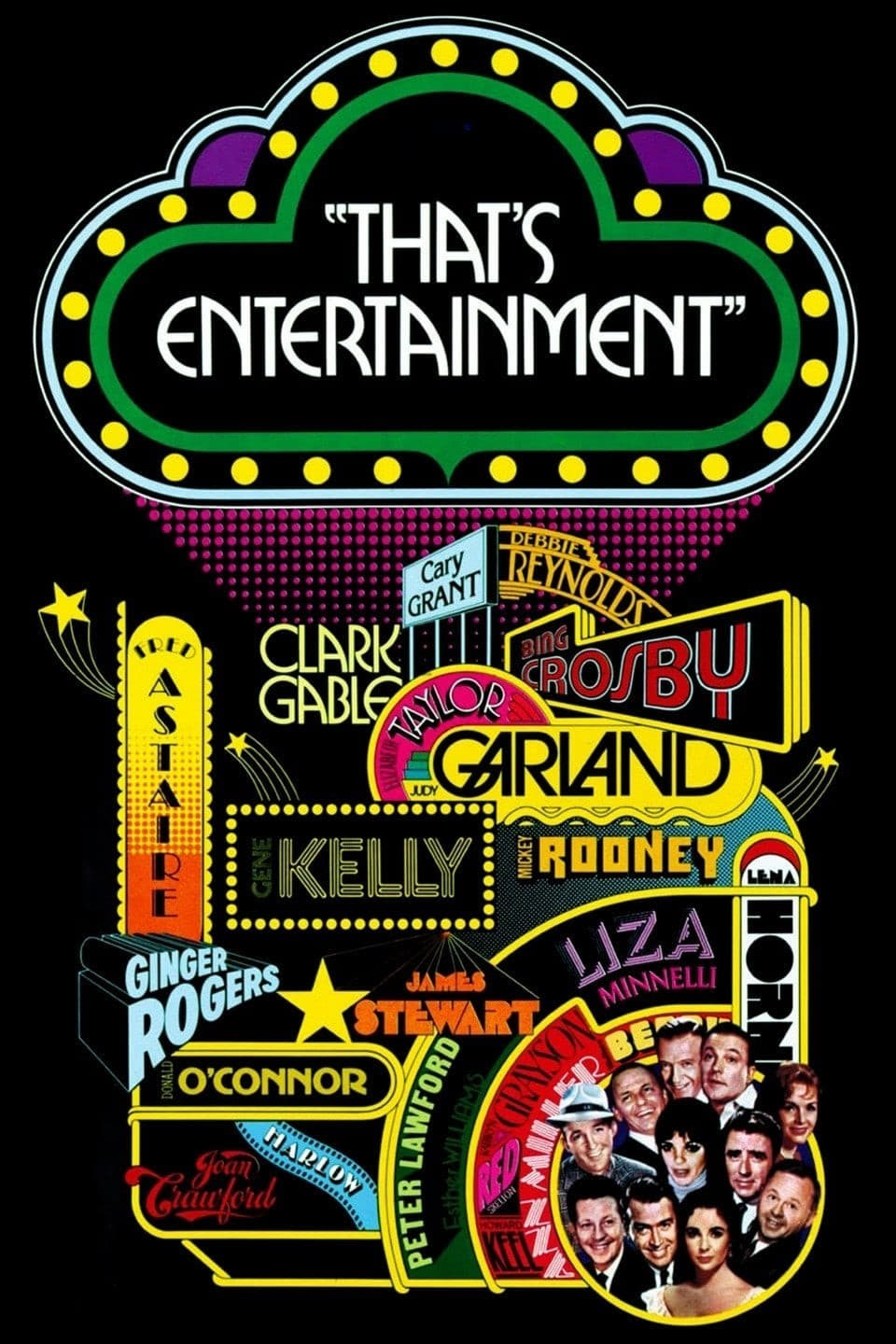
Various MGM stars from yesterday present their favorite musical moments from the studio's 50 year history.
A documentary filmed behind the scenes of the Bon Jovi's Lost Highway tour in 2008.
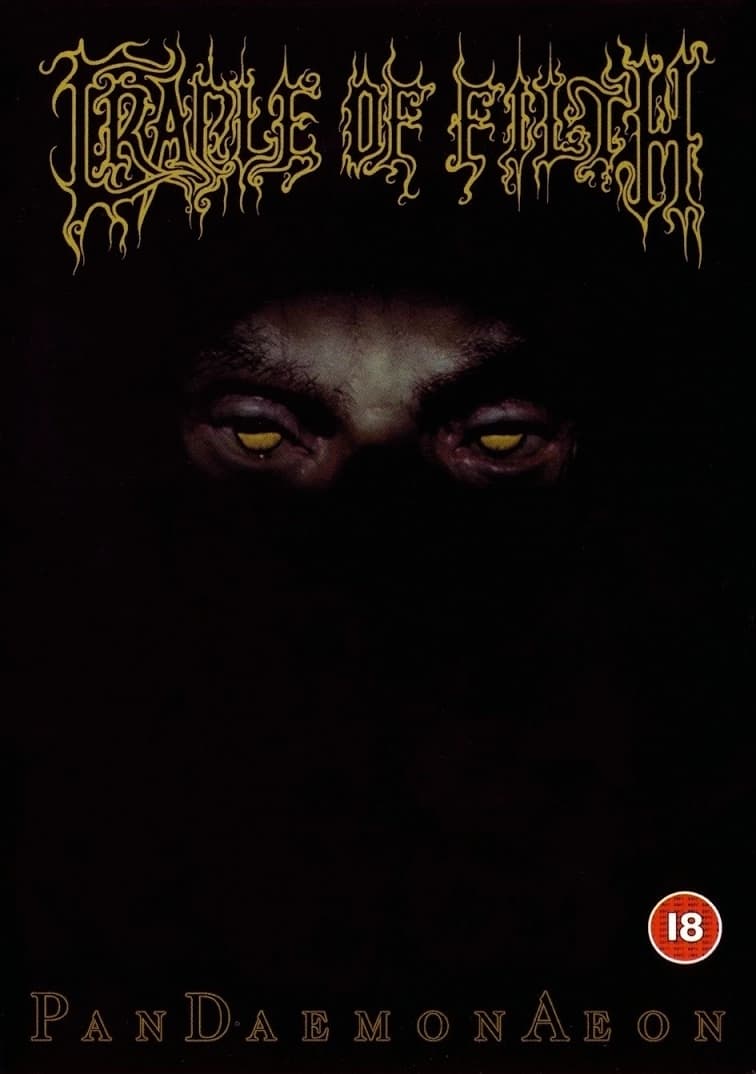
Undisputed masters of black metal Cradle of Filth bring their extreme vision to the screen on this home-video release. Cradle of Filth: PanDaemonAeon features the group's first music video, for the song "From the Cradle to Enslave" presented in its original uncut version as well as a documentary on the making of the clip and the chaos that is Cradle of Filth's existence.
The band Fugazi is documented over a period of more than ten years (1987-1998) through performance footage and interviews with the band and their fans. Director Jem Cohen's relationship with band member Ian MacKaye extends back to the 1970s when the two met in high school in Washington, D.C.. The film takes its title from the Fugazi song of the same name, from their 1993 album, In on the Kill Taker. Editing of the film was done by both Cohen and the members of the band over the course of five years. It was shot from 1987 through 1998 on super 8, 16mm and video and is composed mainly of footage of concerts, interviews with the band members, practices, tours and time spent in the studio recording their 1995 album, Red Medicine. The film also includes portraits of fans as well as interviews with them at various Fugazi shows around the United States throughout the years.
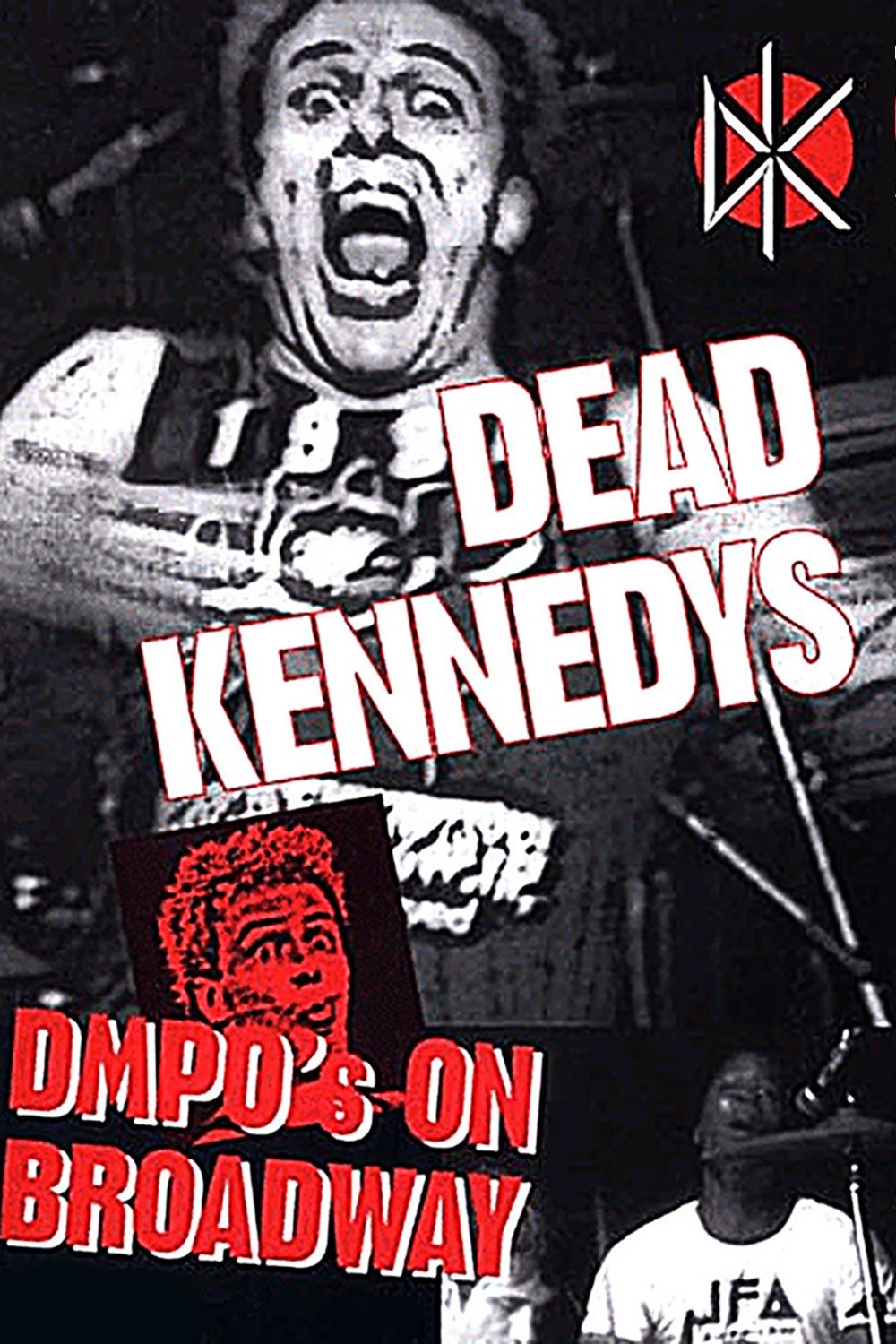
This 58 minute DVD video is one of the Dead Kennedy's last ever live concerts, captured on film just months before their breakup in 1984. This 14-song performance at San Francisco's On Broadway catches Jello and company at the height of their punk powers.
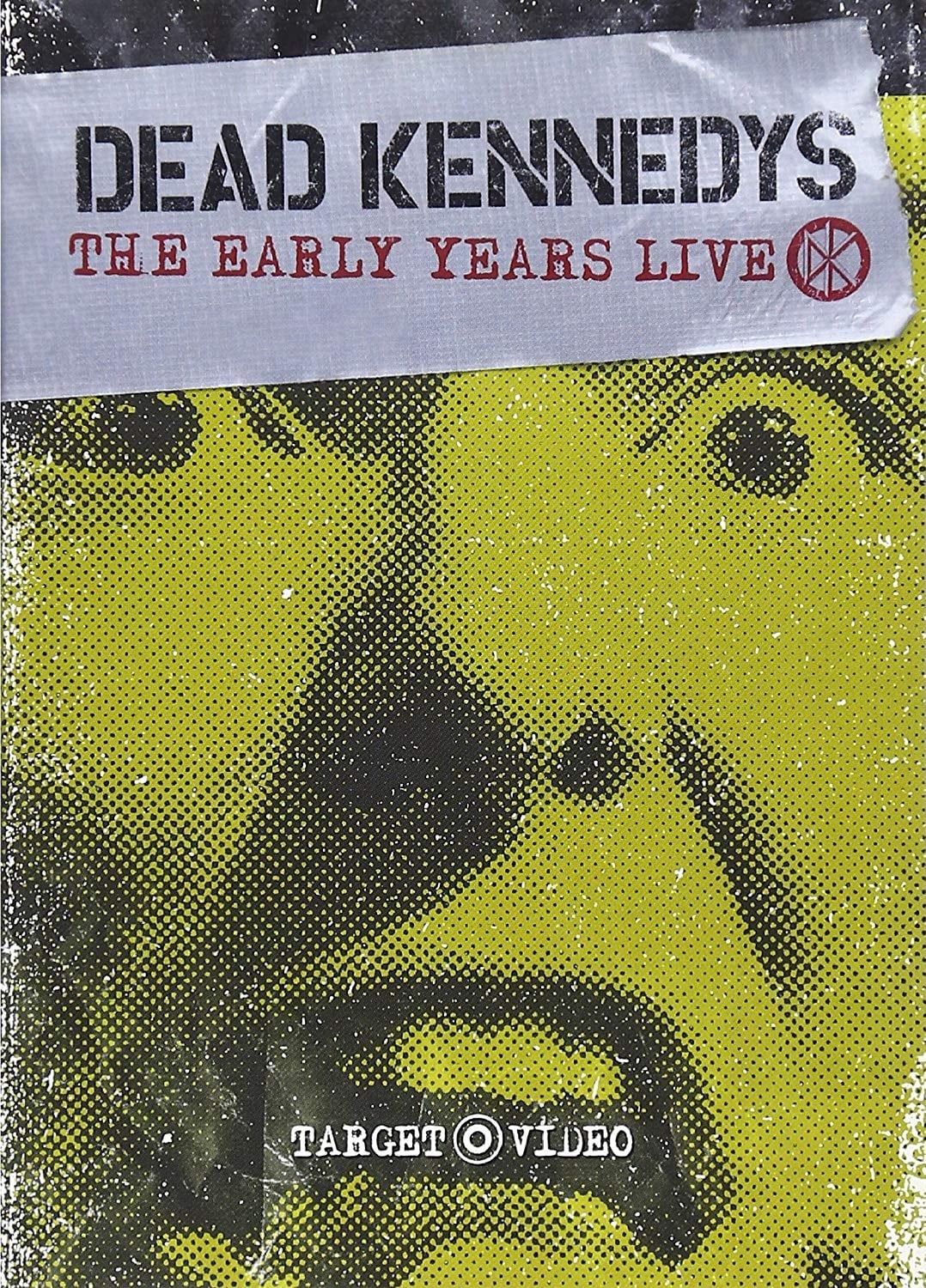
An overview of the early years--late 1970s, early 1980s--of San Francisco punk band Dead Kennedys, with clips from some of their live concerts and footage of landmark San Francisco locations of the punk music scene. Jello Biafra and The Dead Kennedys show why they're the kings of satire in 9 live early performances.
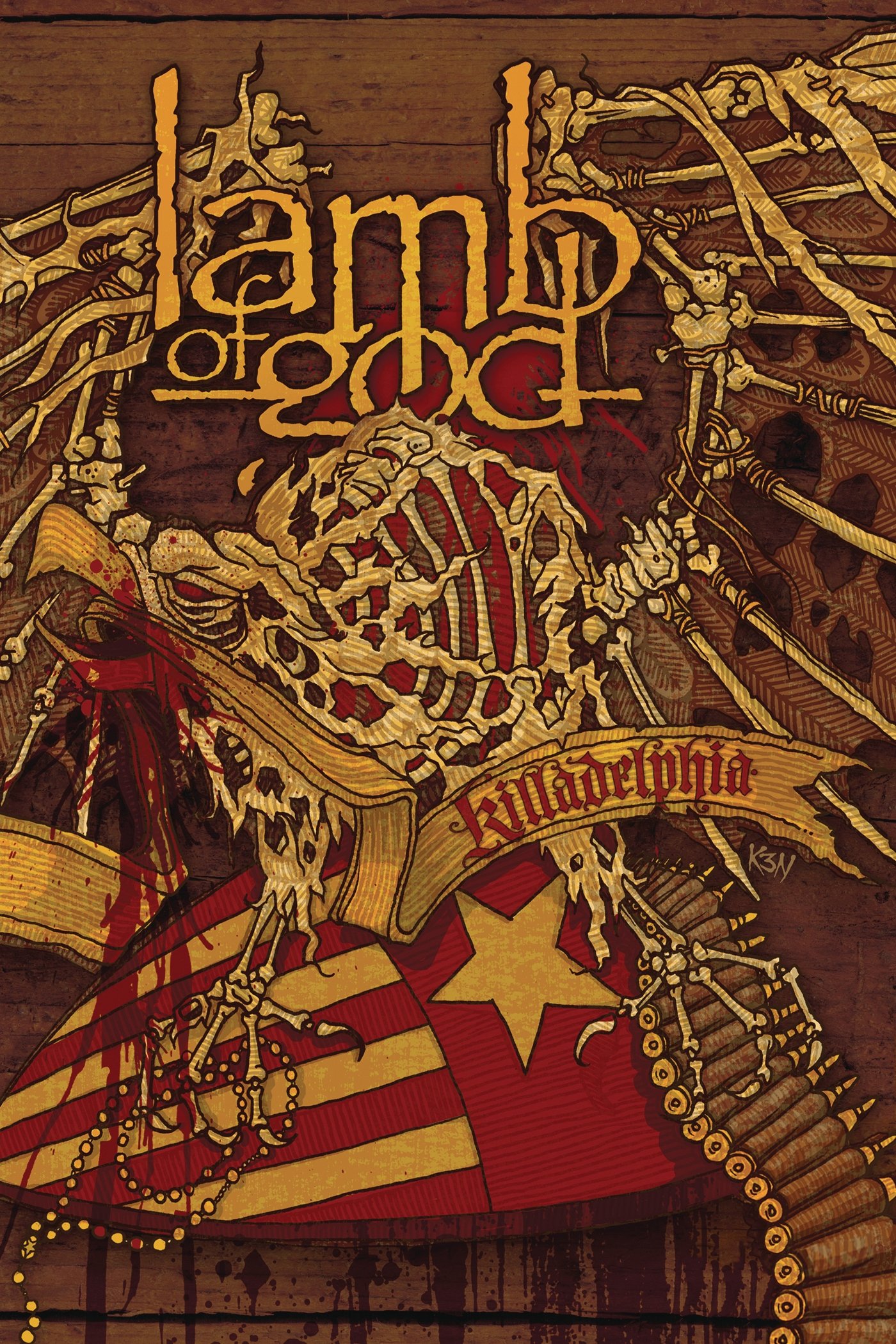
Part concert footage, part fly-on-the-wall video documentary of the ups and downs of a road tour, Lamb of God: Killadelphia deals with rental truck breakdowns, show delays, radio interviews, in-store appearances, late arrivals of equipment. The members of Lamb of God and their handful of assistants keep their cool with fluent wit, easygoing camaraderie, and unabashed romanticism.
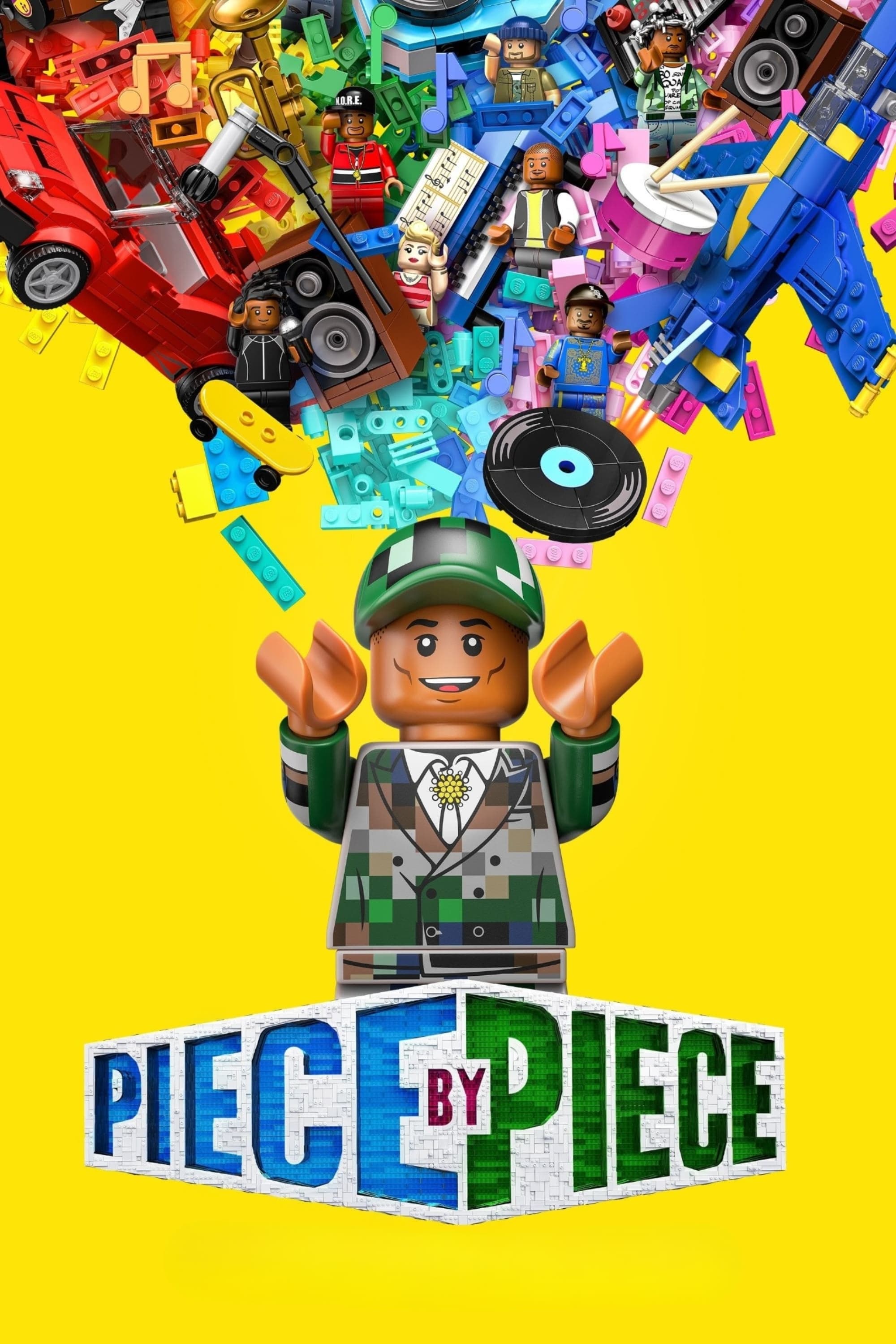
A unique cinematic experience that invites audiences on a vibrant journey through the life of cultural icon Pharrell Williams. Told through the lens of LEGO® animation, turn up the volume on your imagination and witness the evolution of one of music's most innovative minds.
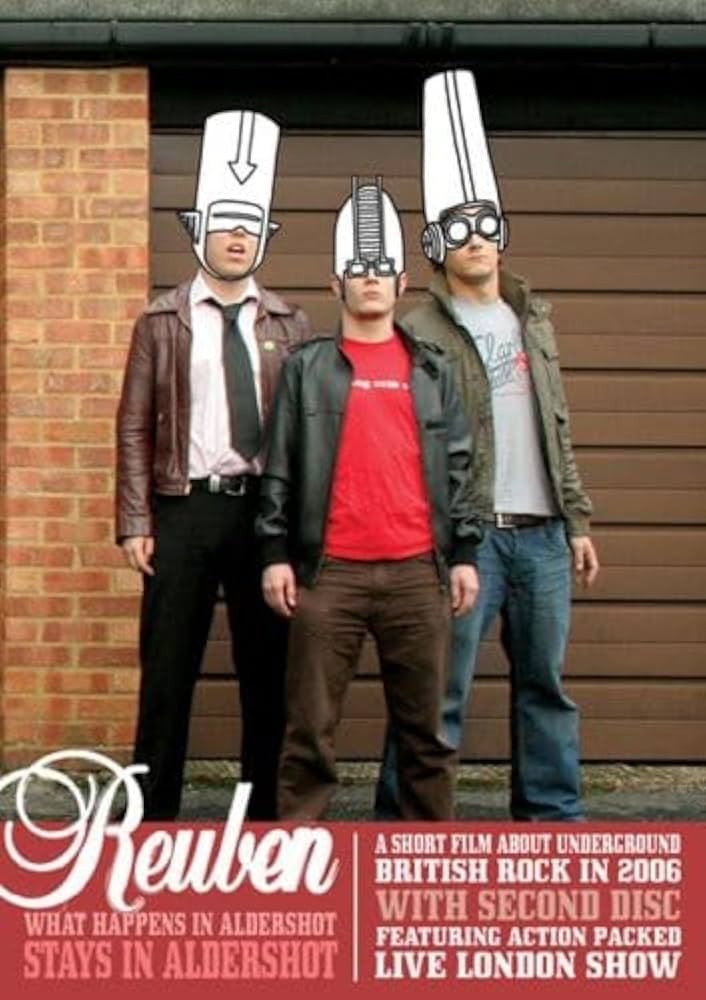
An hour-long documentary that follows Brit rockers Reuben on tour and in the studio. This collection features their sold out Mean Fiddler gig in its entirety, plus video diaries of the band creating their third studio album. Tracklisting: (Disc 1) WHAT HAPPENS IN ALDERSHOT STAYS IN ALDERSHOT, 'Michael Jackson', 'Bad Dancing', 'Rod Stewart', 'She Loves Her', 'Jim Sings The Blues', 'Studio Diaries';
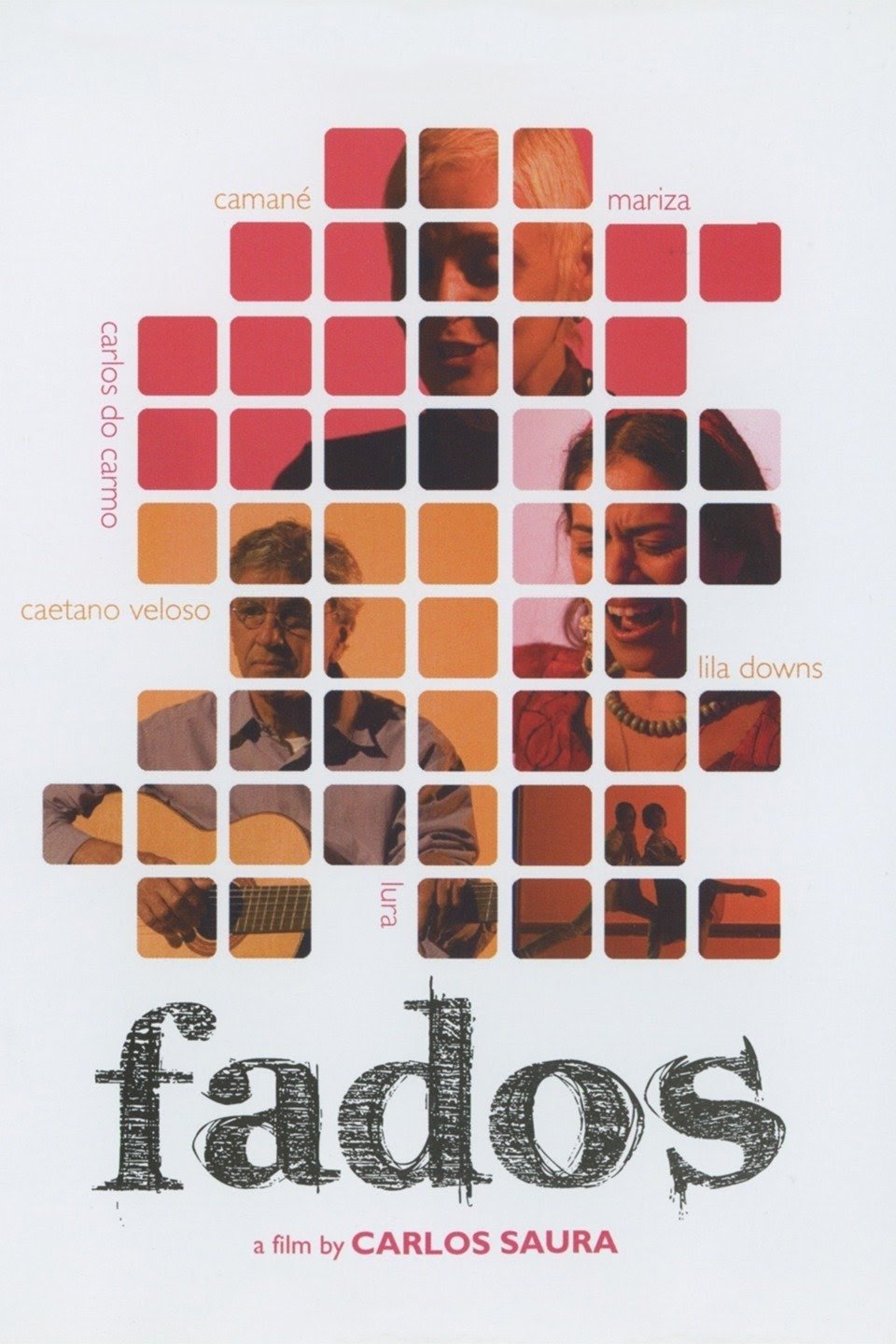
A series of musical performances showcasing the diverse facets of fado, a musical genre from Lisbon.
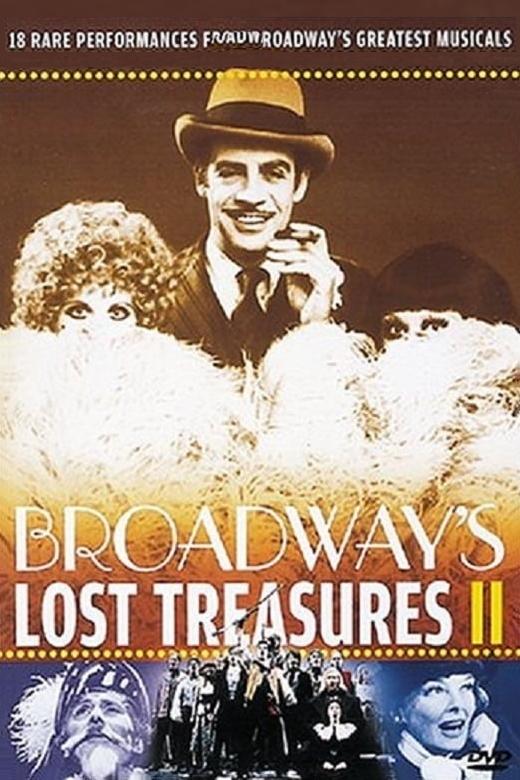
The annual Tony Award broadcast provides the only filmed record of Broadway's best for audiences to experience as if they were front-row-center on opening night. This second compilation of great musical moments from the Tonys features another dazzling array of stars and performances. Hosts Lauren Bacall, Bebe Neuwirth, Brian Stokes Mitchell and Jerry Orbach introduce these one-of-a-kind performances and share their personal Broadway and Tony memories.
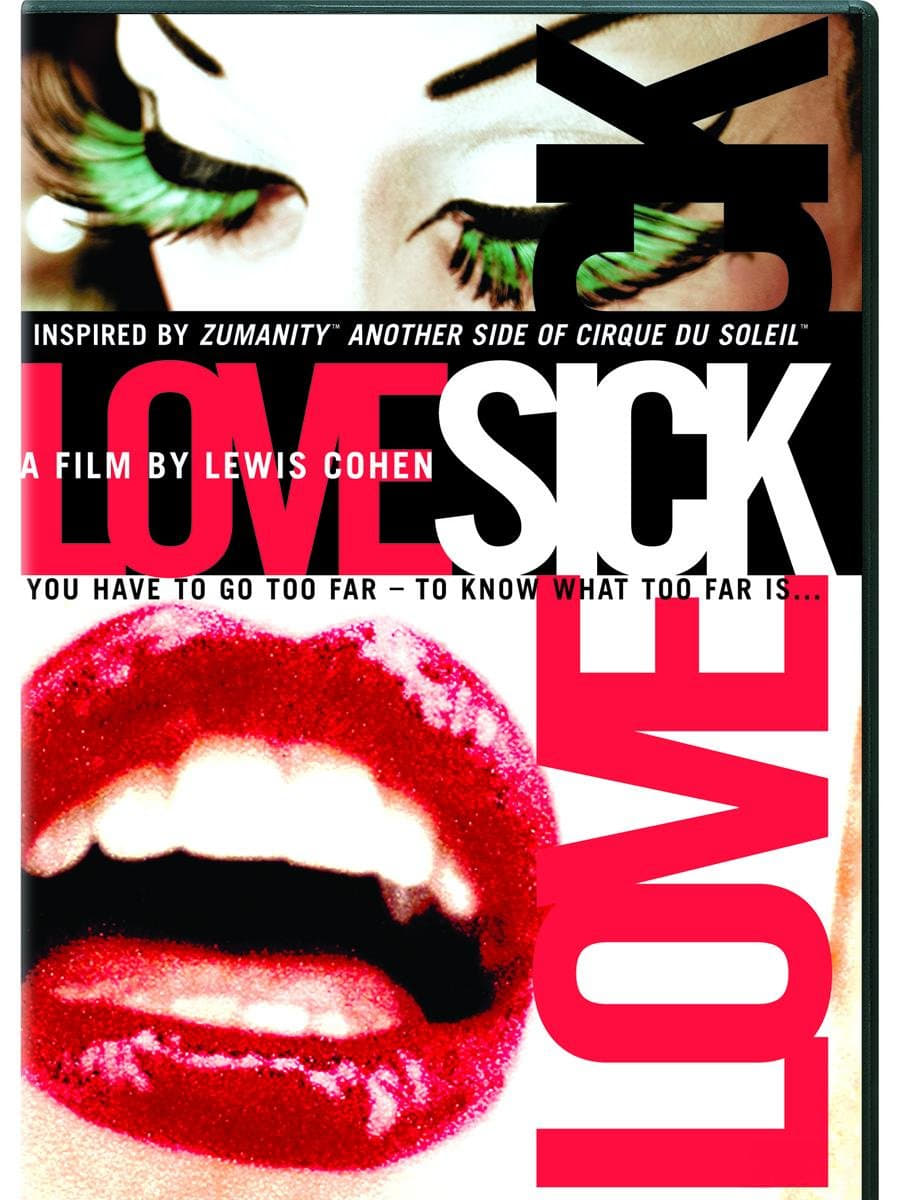
This fascinating reality program exposes the ups and downs of a group of Cirque du Soleil performers as they put together "Zumanity," a new, highly erotic show in Las Vegas. Filmed over two years, Lovesick follows the diverse group of artists -- coy Cuban stripper Alex, feisty New York drag queen Joey, stylish British dancer Laetitia and debutante princess Jonel -- along with Creation Director Andrew and Spymonkey, the outrageous clown quartet.
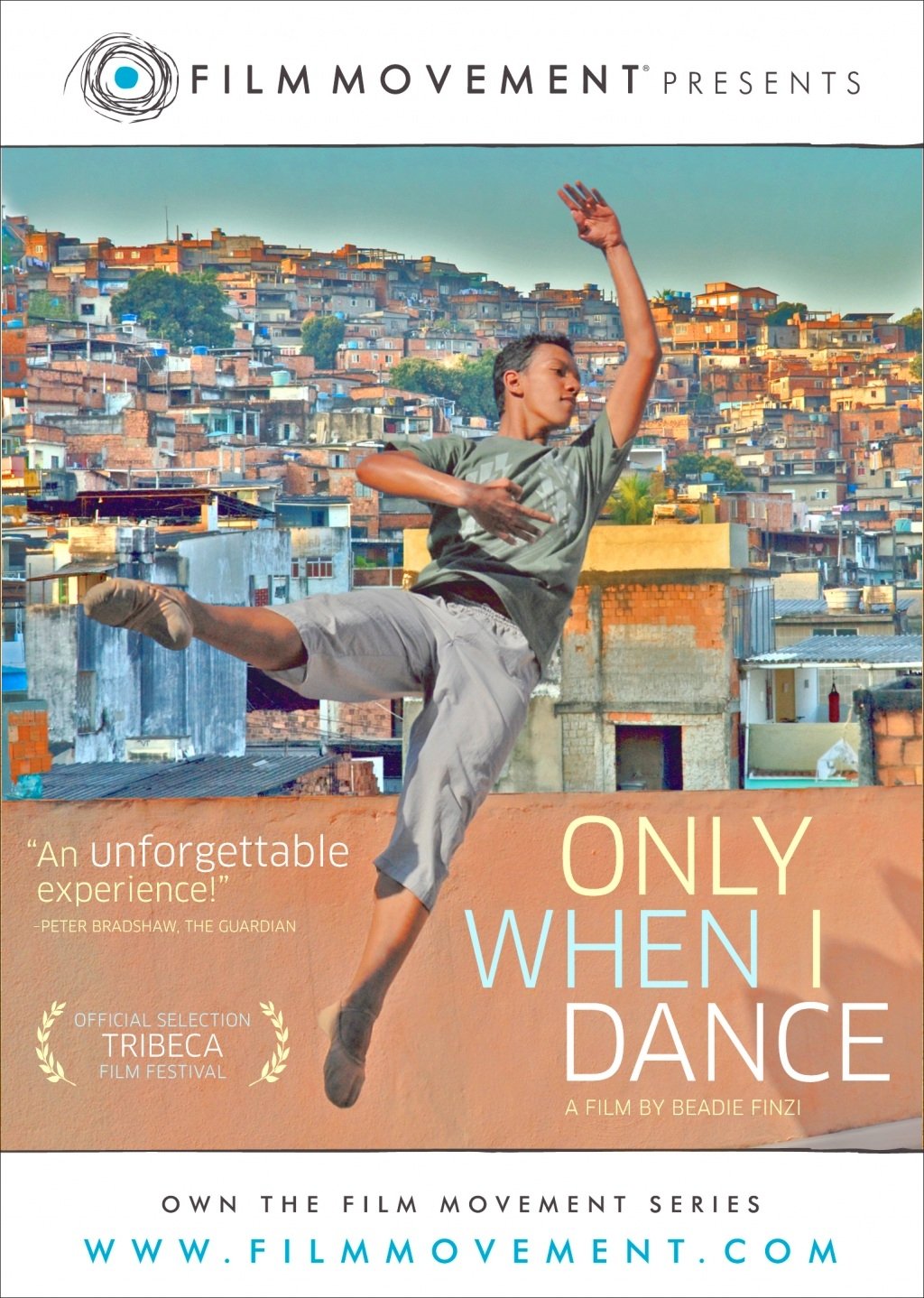
Defying the idea that ballet is an art form steeped in the history of the wealthy white elite, this documentary captures the dreams of two black children from the Favela in Brazil, who, despite constant prejudice and doubt, are both determined to beat the odds and follow their dreams to use dancing as an escape rarely found in their tough day to day lives.
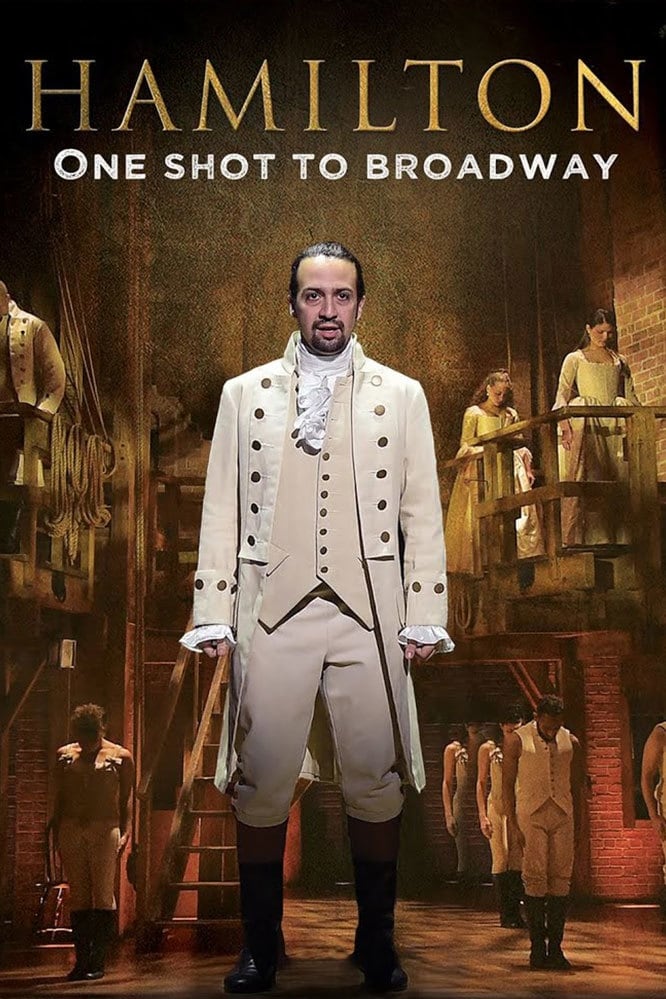
It’s the hit musical that changed Broadway forever and brought the genius of Lin Manuel Miranda to the attention of legions of fans across the world. A story of how a group of mavericks made an unlikely marriage of hip-hop and history to create the biggest show in America…and are getting ready to conquer the world. Featuring interviews with Miranda, as well as the cast and crew of Hamilton.
This made-for-television documentary tells the story of the creation of the world's most successful musical, Andrew Lloyd Webber’s The Phantom of the Opera.
A string of threatening emails escalates into a revenge plot involving a newly married US marshal and his ex-girlfriend.
In an intimate and joyful story of love in the face of loss, celebrated poets Andrea Gibson and Megan Falley find strength—and unexpected hilarity—in what might be their final year together.
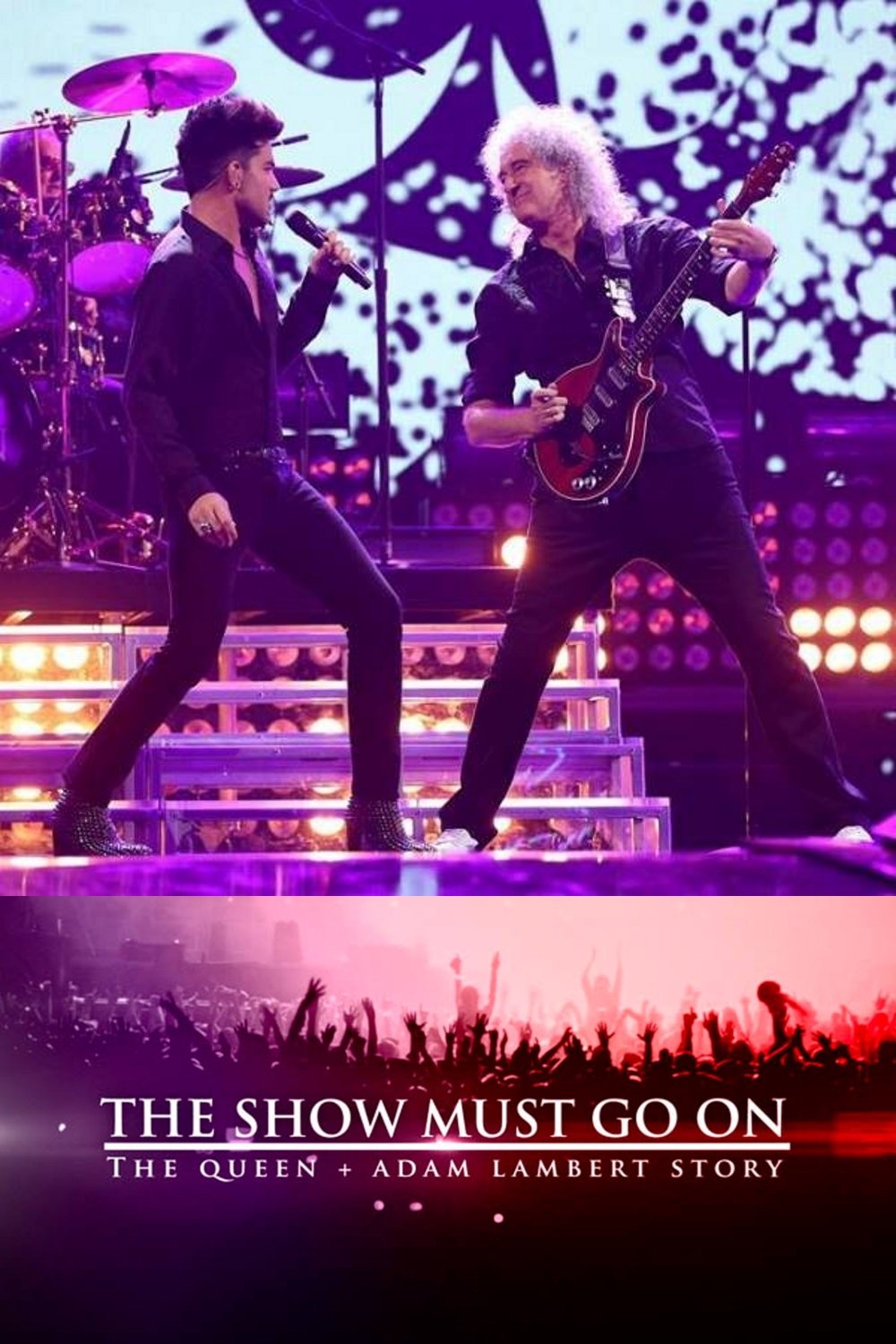
A documentary chronicling Queen and Lambert's incredible journey since they first shared the stage together on "American Idol" in 2009.
An inside look at one of the most anticipated movie sequels ever with James Cameron and cast.
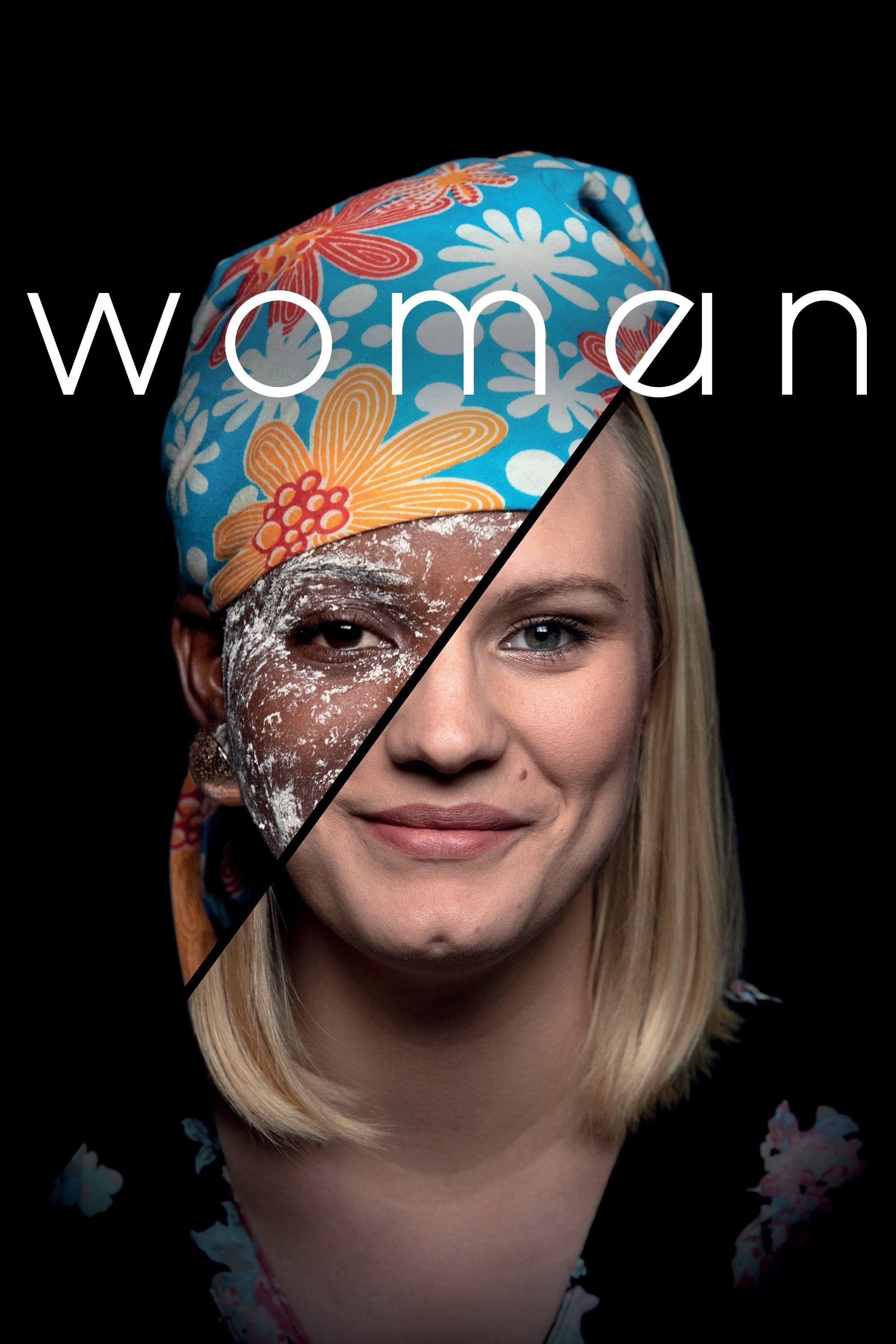
The film is based on interviews with 2,000 women from 50 countries, and covers the status of women all over the world. The topics covered include forced marriages, sexual assault, female genital mutilation, acid attacks, motherhood, sexuality, menstruation, education and the professional success of women.
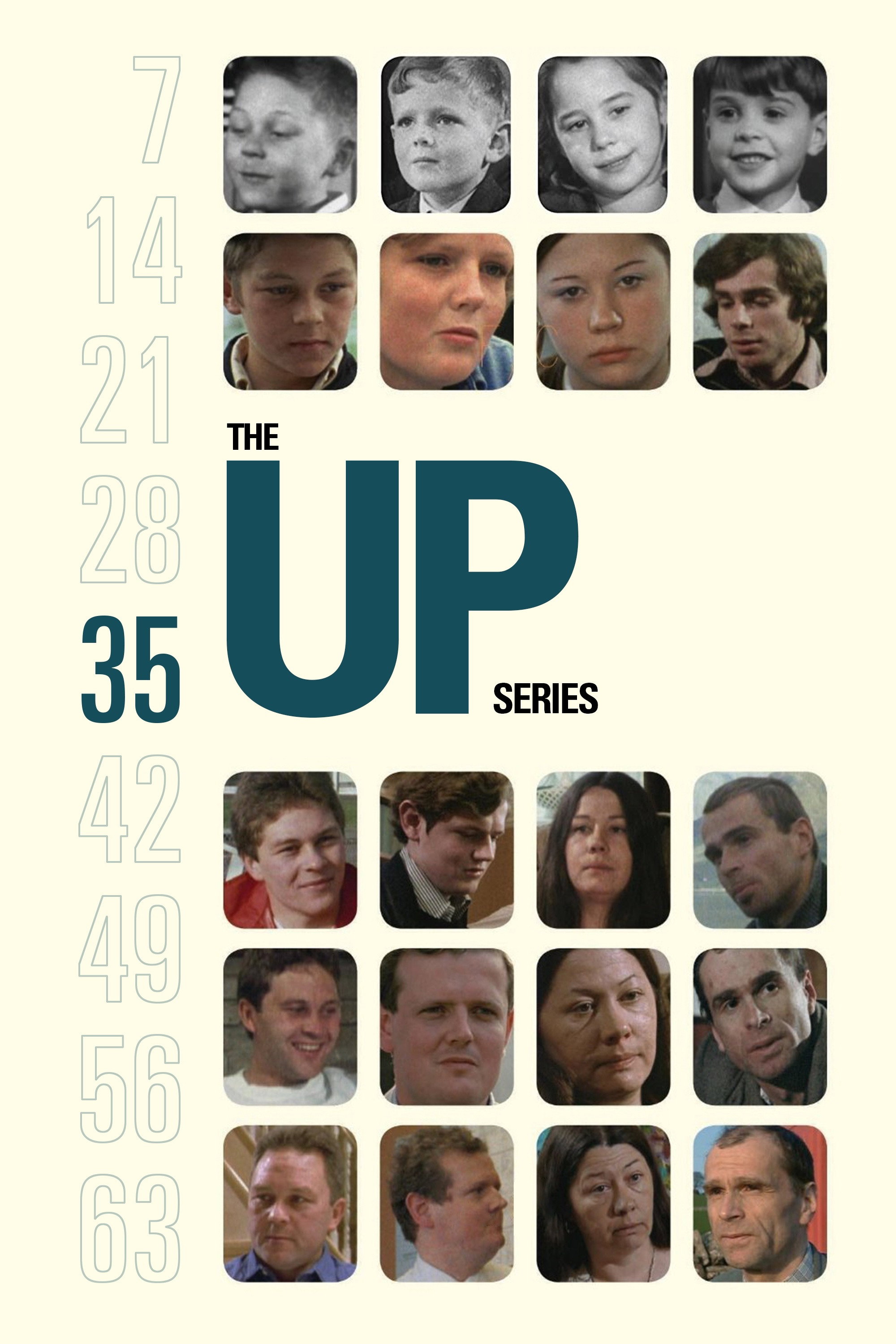
Director Michael Apted revisits the same group of British-born adults after a 7 year wait. The subjects are interviewed as to the changes that have occurred in their lives during the last seven years.
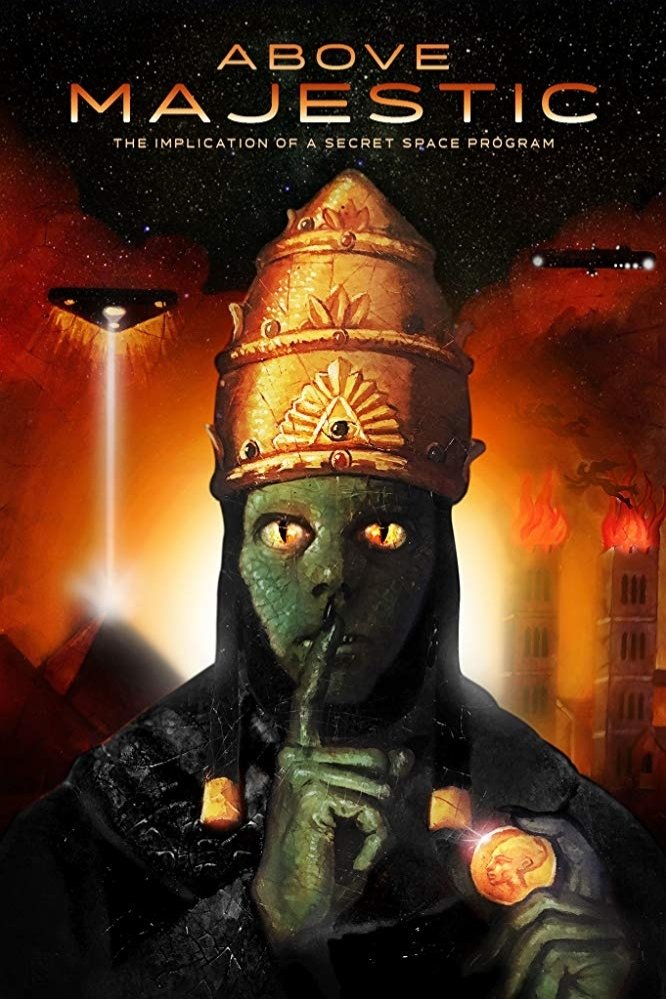
A look at the origins, history and conspiracies behind the "Majestic 12", a clandestine group of military and corporate figureheads charged with reverse-engineering extraterrestrial technology.
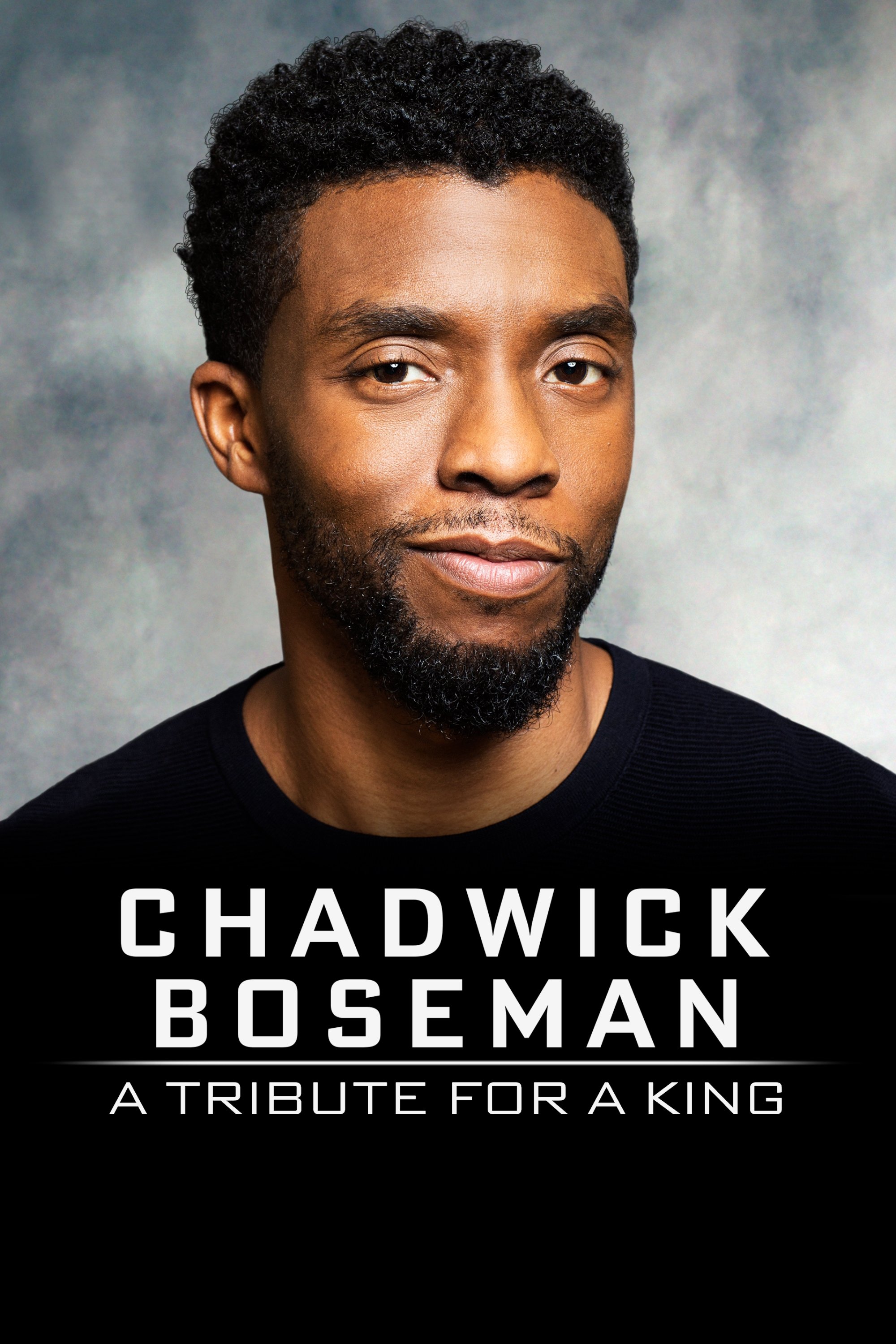
A tribute to Chadwick Boseman, celebrating his life and legacy.
Brilliant, long in-the-works story of the life and art of the world's greatest comedian and the cinema's first genius, Charlie Chaplin. Produced, written and directed by renowned film critic Richard Schickel.
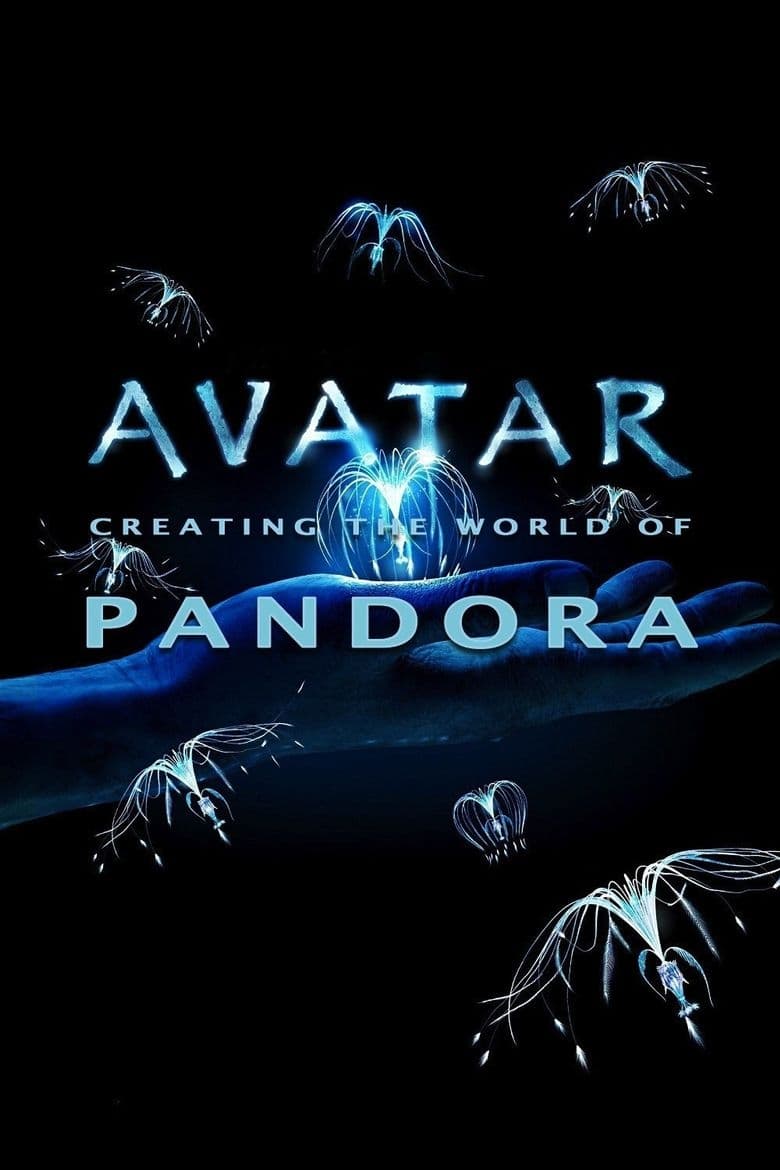
The Making-of James Cameron's Avatar. It shows interesting parts of the work on the set.
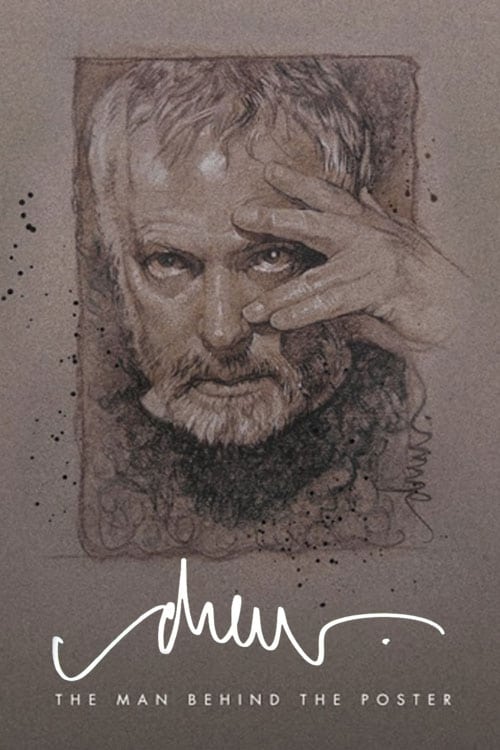
A documentary on legendary movie-poster artist Drew Struzan.
A documentary about how a dominant cultural and demographic institution both sustains their traditional activities and adapts to the digital revolution.
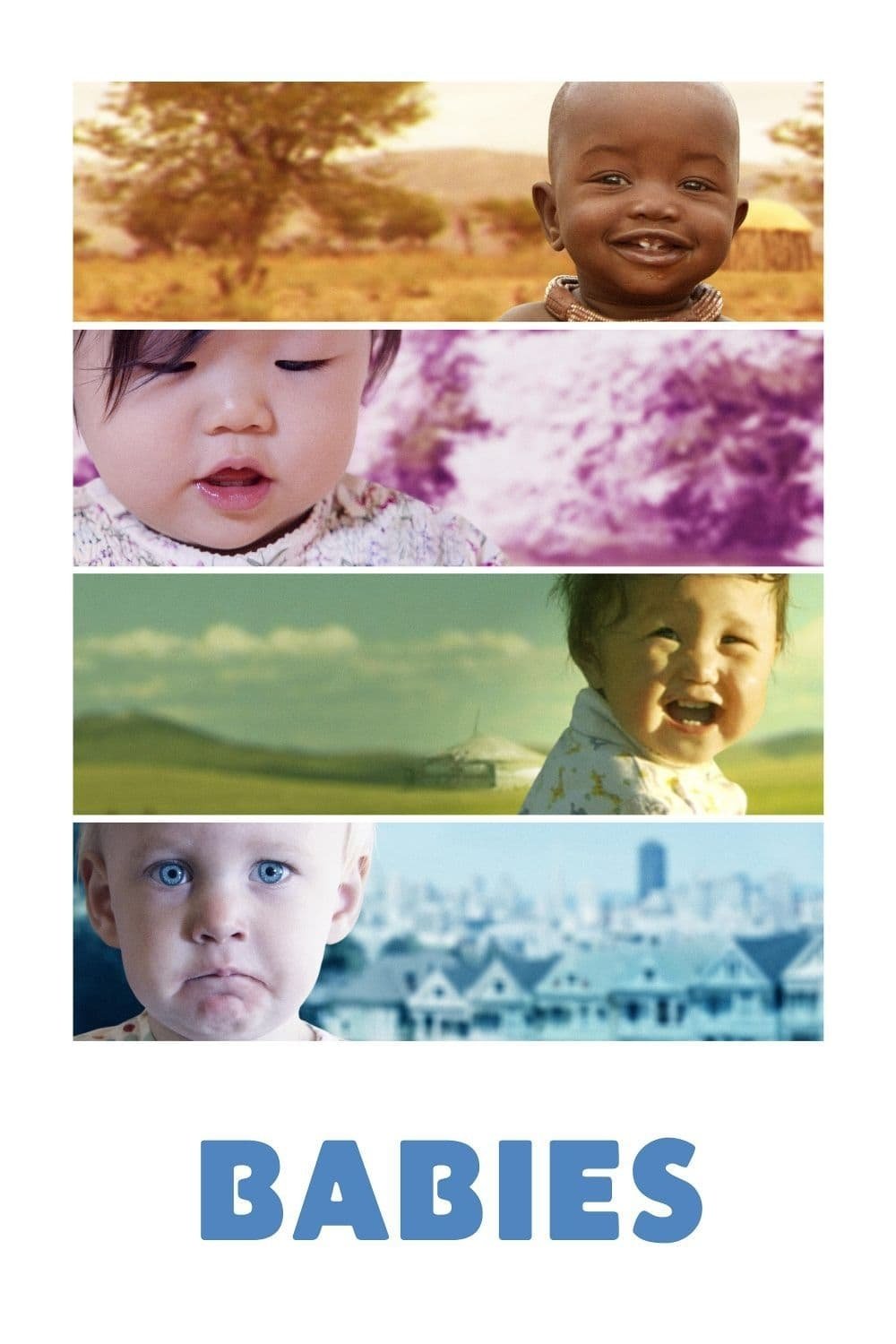
A non-narrated documentary following the lovesome lives of four infants from birth to their first birthday. The babies featured are two from rural areas: Ponijao from Opuwo, Namibia, and Bayar from Bayanchandmani, Mongolia, as well as two from urban areas: Mari from Tokyo, Japan, and Hattie from San Francisco, USA.
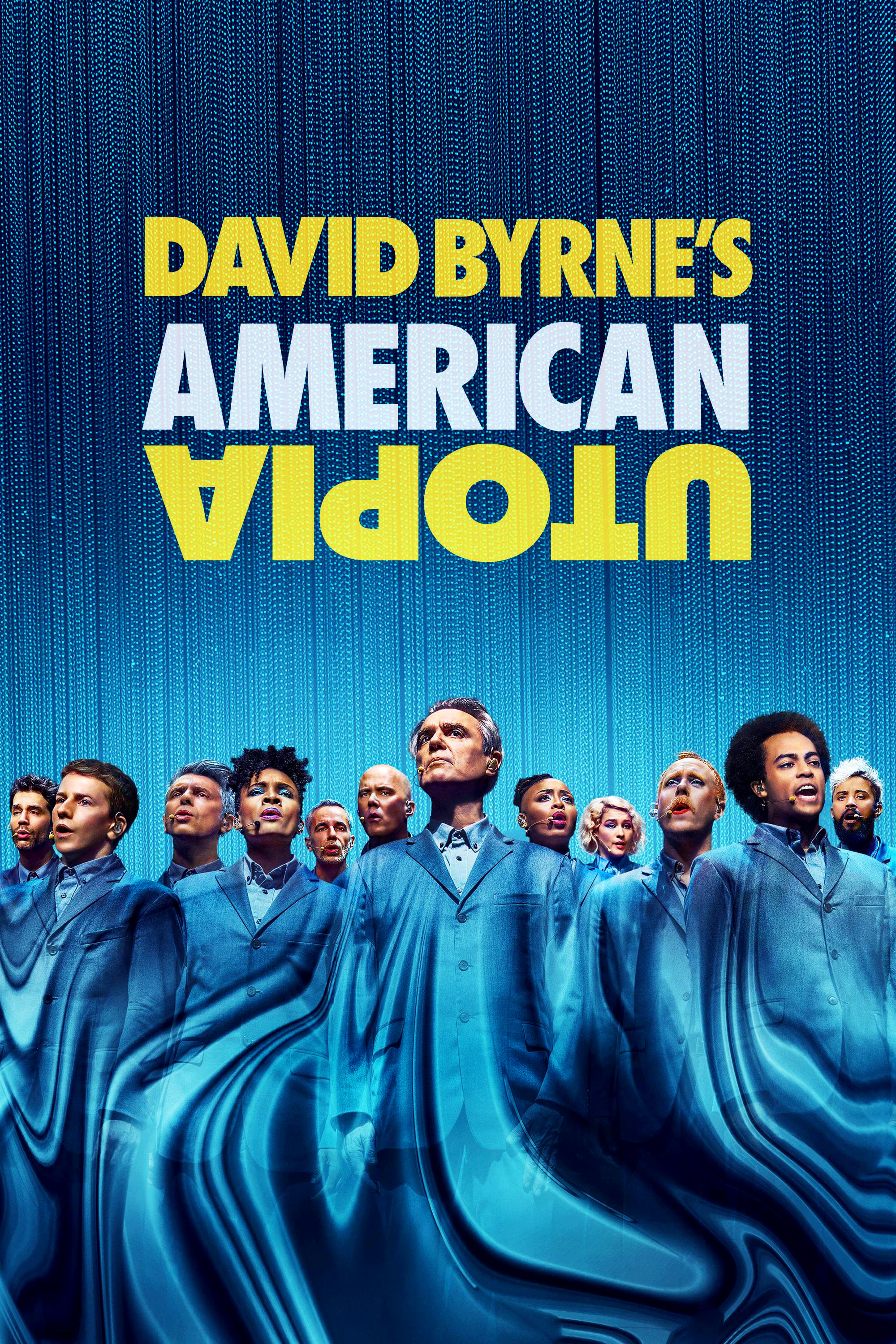
A filmed version of David Byrne's Broadway show, a unifying musical celebration that inspires audiences to connect to each other and to the global community.
The life and career of one of comedy's most inimitable modern voices, Mr. Gilbert Gottfried.
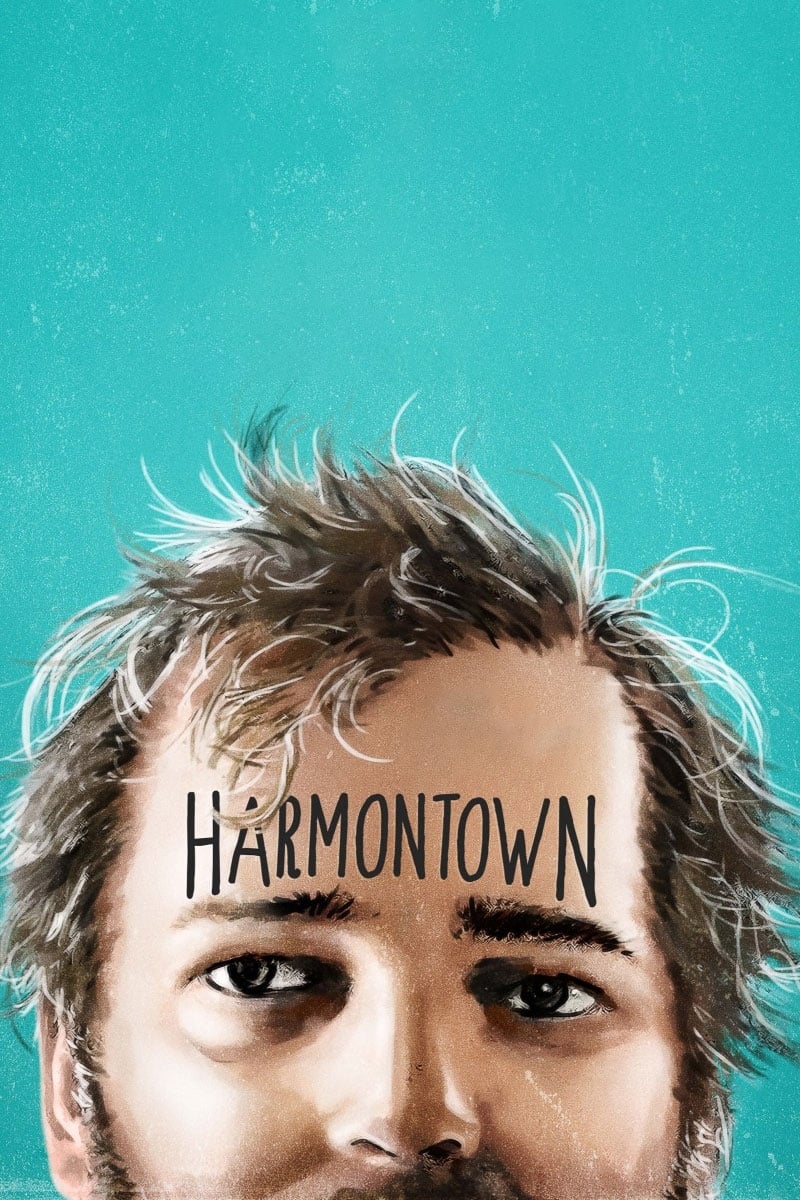
A comedic, brutally honest documentary following self-destructive TV writer Dan Harmon as he takes his live podcast on a national tour.
A documentary about the life and films of director John Ford.
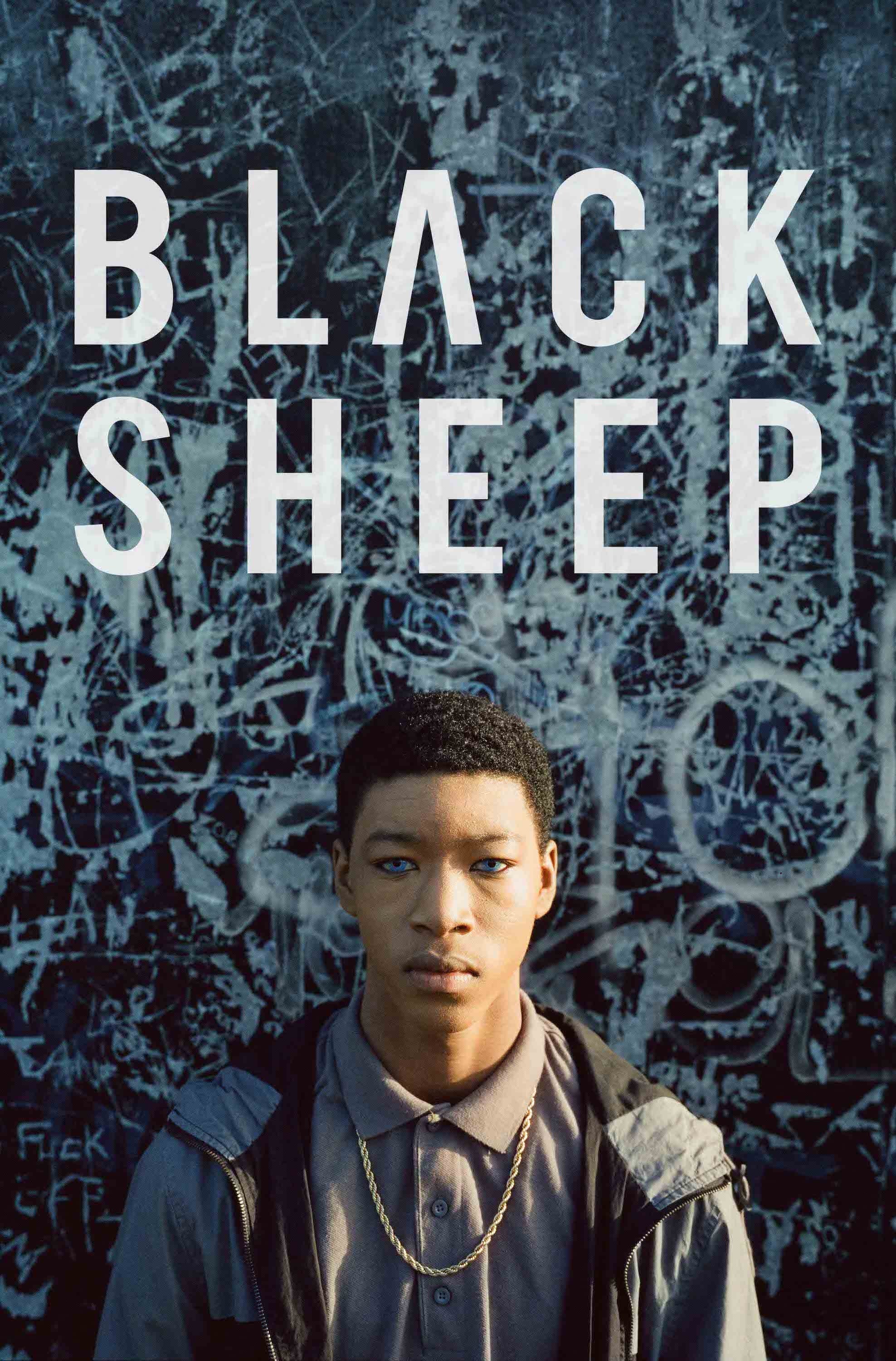
After the high-profile killing of Damilola Taylor, Cornelius' family move out of London. But when they discover their new town is run by racists, Cornelius takes a drastic step to survive.
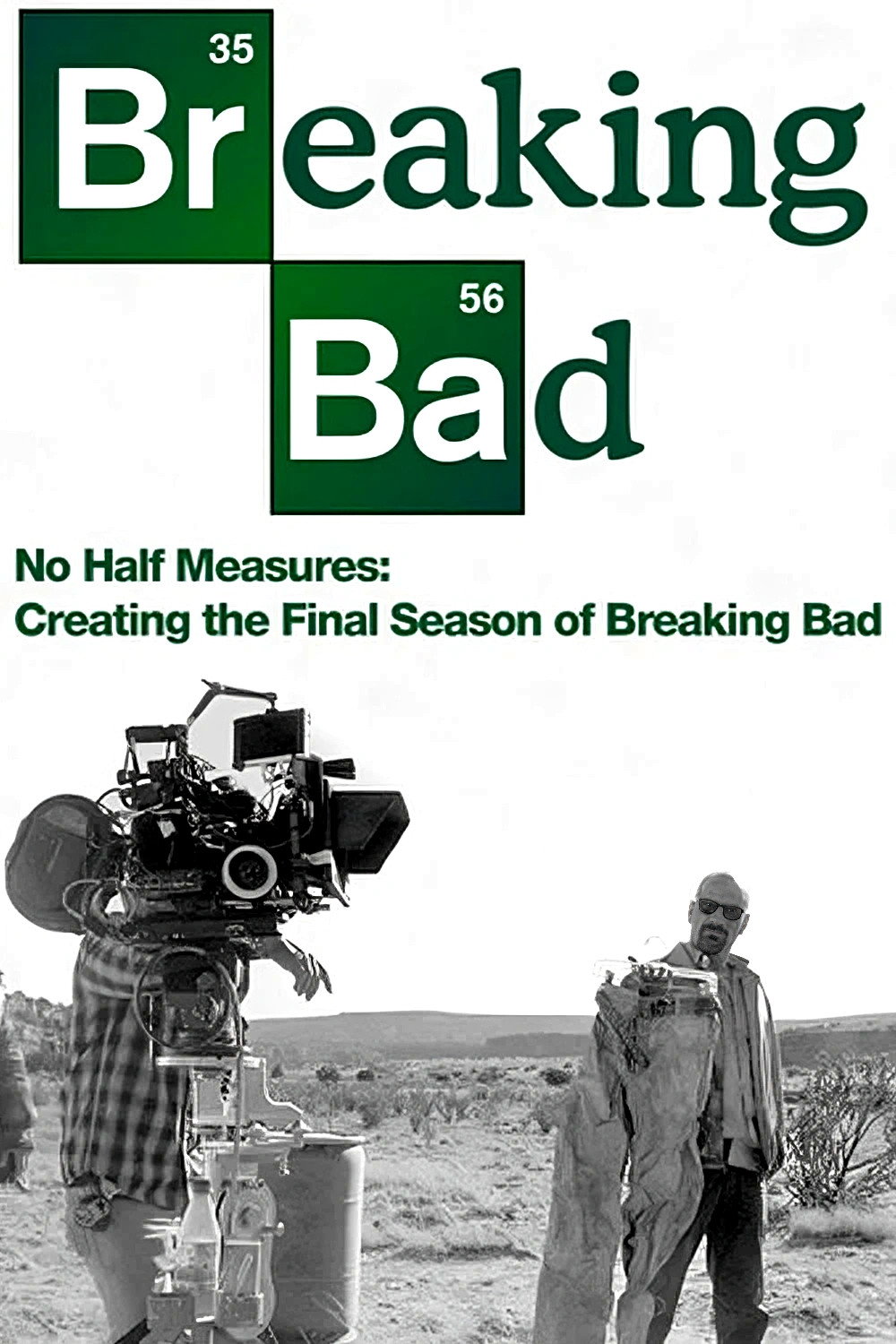
A documentary about the making of season five of the acclaimed AMC series Breaking Bad.
A detailing of the rise to prominence and global sporting superstardom of six supremely talented young Manchester United football players (David Beckham, Nicky Butt, Ryan Giggs, Paul Scholes, Phil and Gary Neville). The film covers the period 1992-1999, culminating in Manchester United's European Cup triumph.