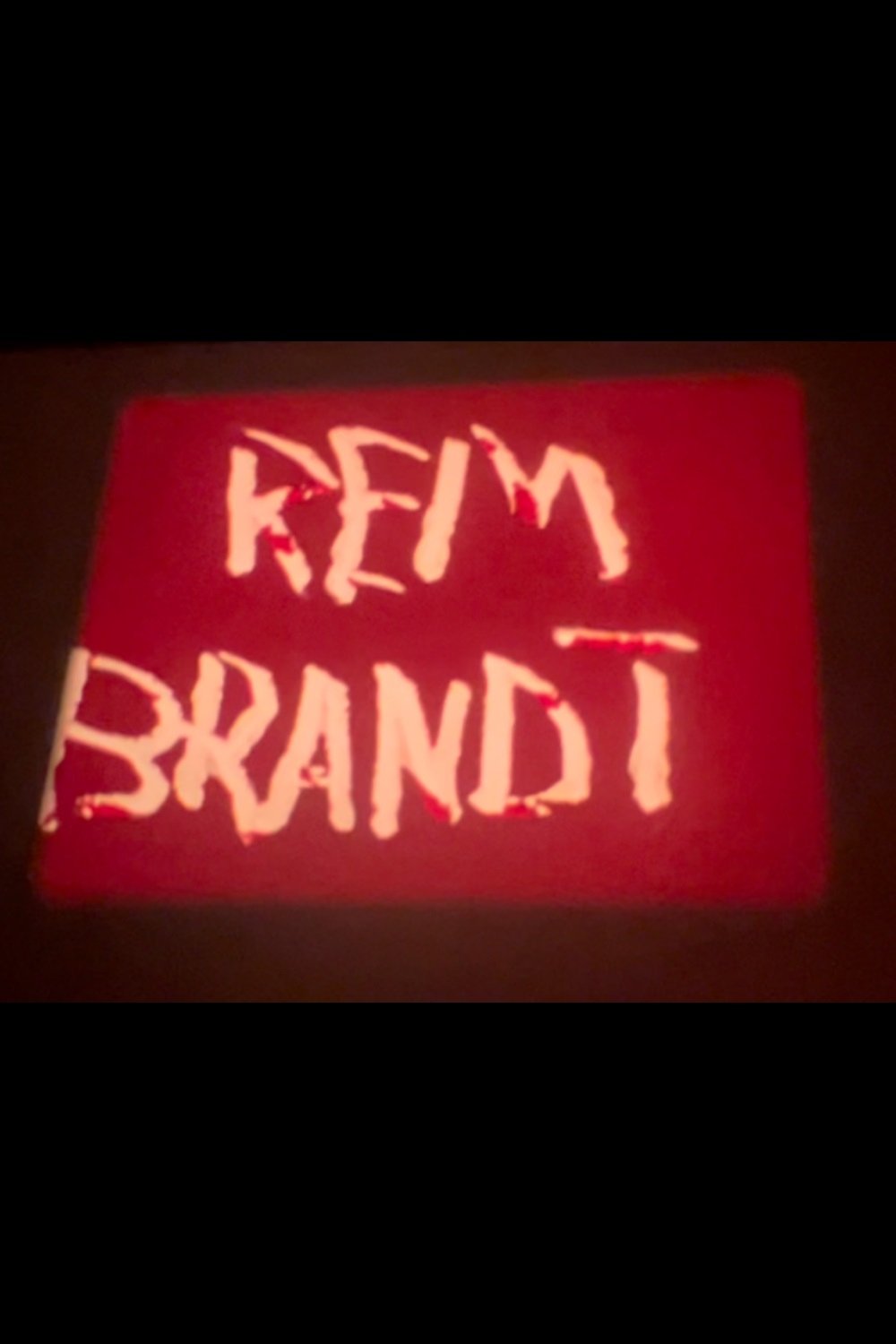
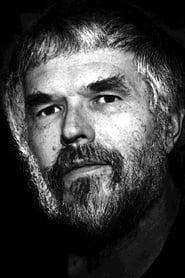
The following films were all made in 1976. I do not wish to describe them. —SB "Two portrait sketches and two nondescript."
Social & External
The people behind it
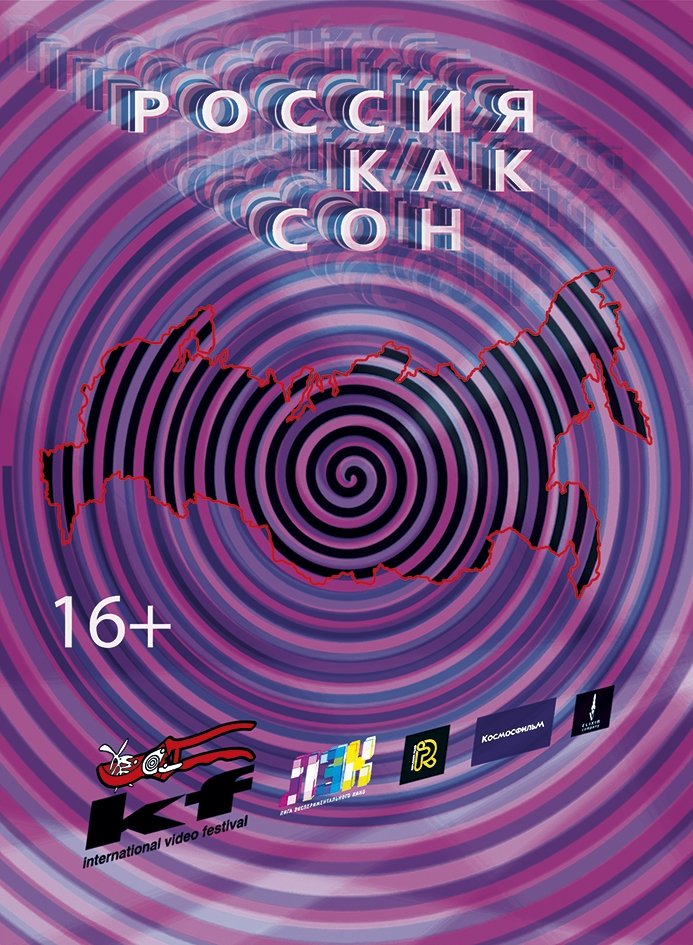
In the small town of Kansk, the Krasnoyarsk Territory many years in a row there is an international festival of short experimental films, which has a strong reputation throughout the world. "Russia as a dream" is an international project, shot by a team of authors and united directors, artists, poets. Each of the guests of the 14th International Kan Video Festival held in 2015 was invited to participate in the creation of a general film, the theme of which was the relationship of man and landscape, civilization and nature, reality and sleep.
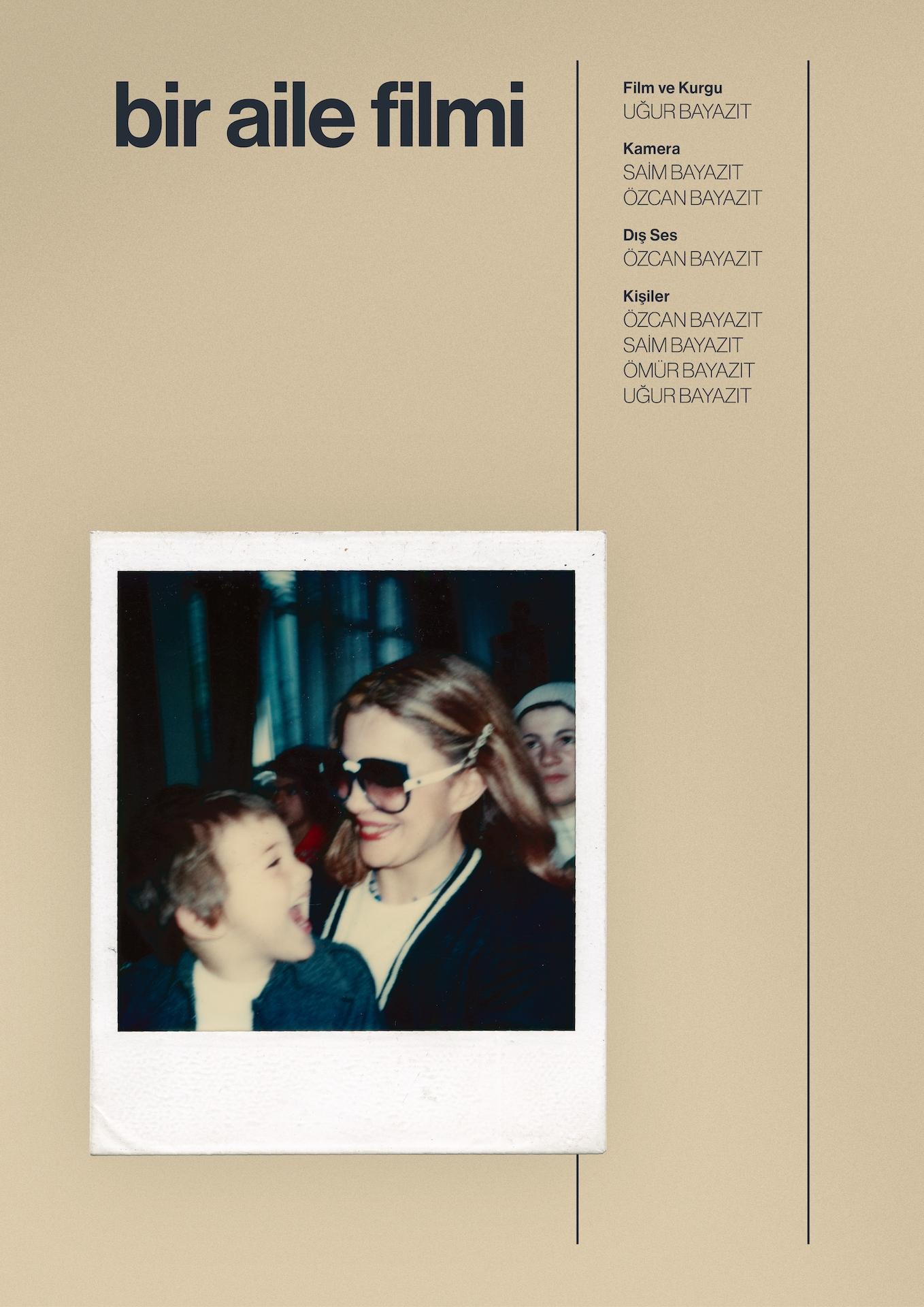
Based on home movies shot on Super 8mm film, A Family Film places the mother at its center as the narrator while tracing the memories of a family living in Istanbul in the 70s.
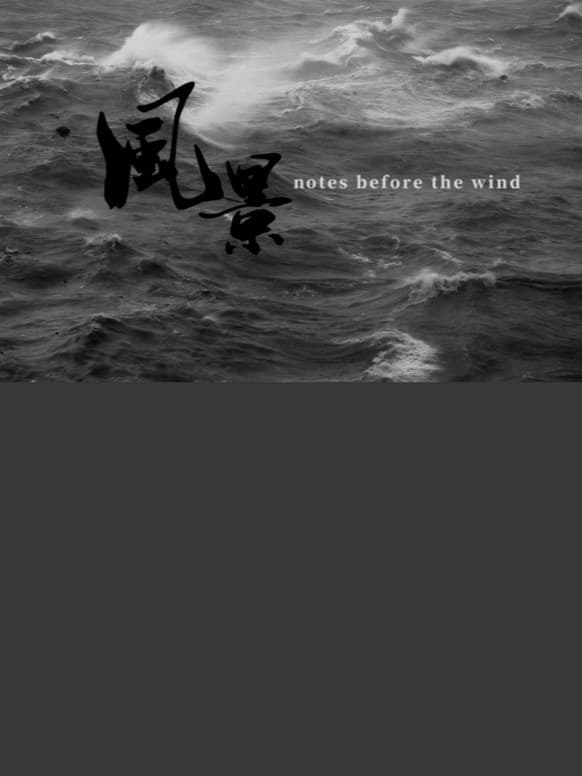
A loose collection of scenes in Hong Kong shot over a five-year period, this film begins with the Umbrella Movement in 2014 and ends right before the summer of 2019, when large-scale social unrest and violent resistance erupted. The everyday scenes capture the ambience and the landscape of change in the city, standing as a quiet prelude to the ensuing conflicts.
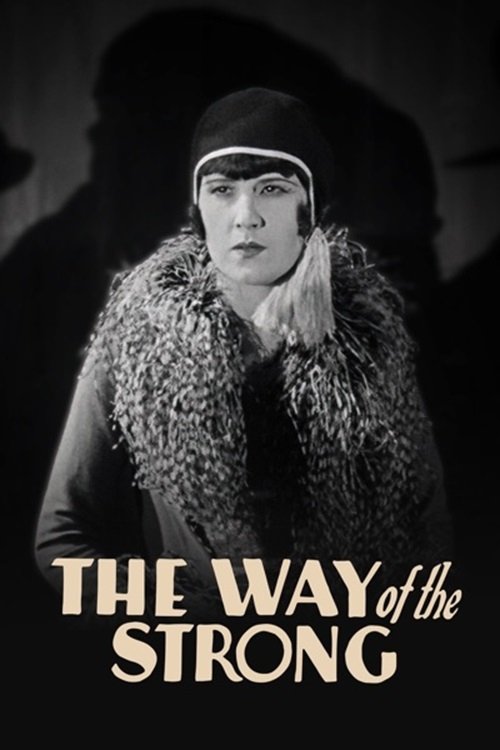
A gangster falls for a blind violinist, only for his mobster rivals to kidnap her.
Shelter is a multi-layered experimental film that cleverly weaves archival social commentary and recent political activism in a playful analysis of our culture’s misplaced priorities. The film blends a variety of appropriated material — including a homeless demonstration during the gala premiere of an Atom Egoyan film at the Toronto Film Festival — with archival footage of circuses, westerns, and Pierre Burton discussing the pros and cons of building a bomb shelter. Shelter also celebrates the inherent qualities of the film medium, qualities that have quickly become marginalized through the current obsession with digital technology.
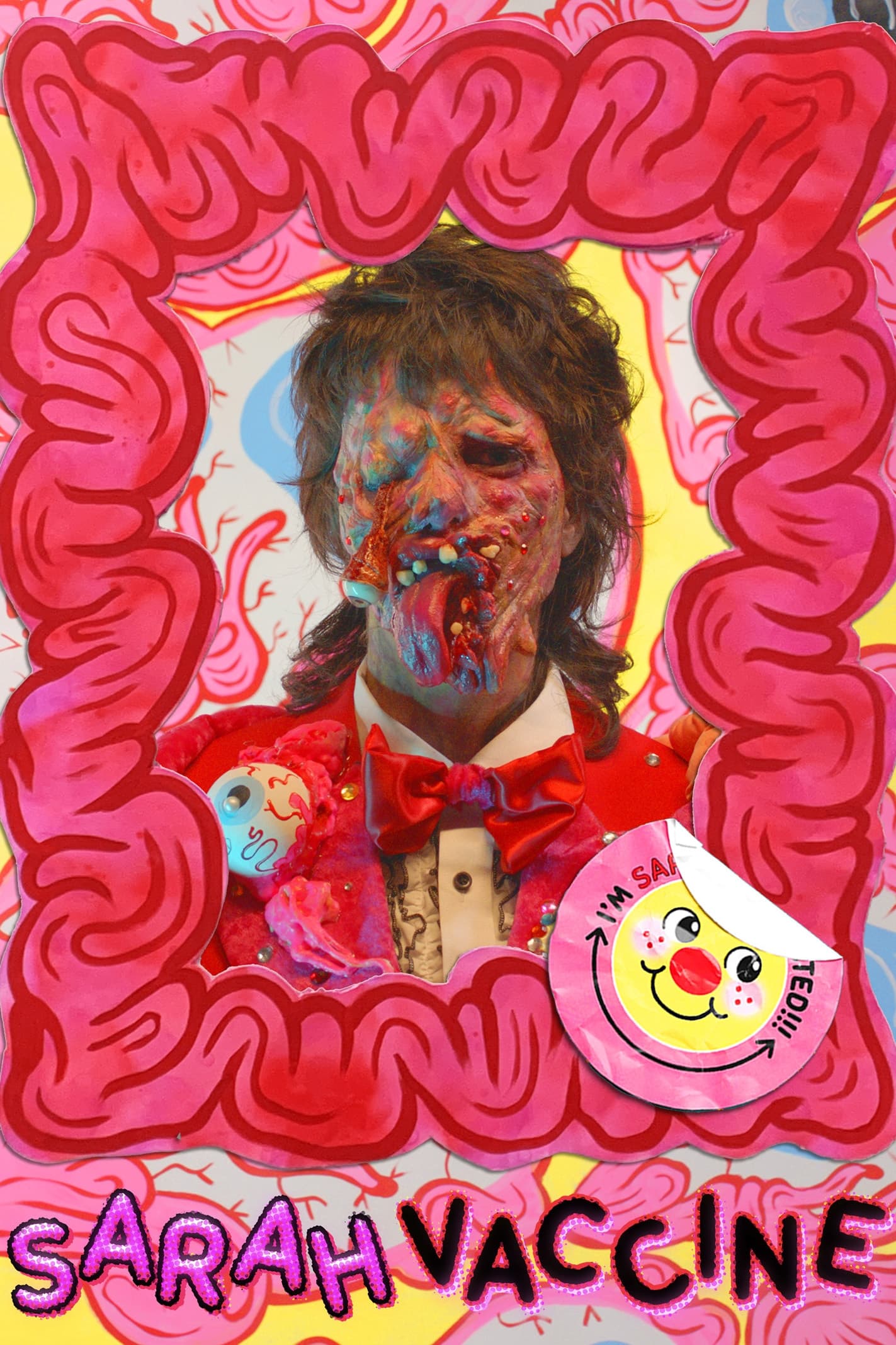
The Sarah Vaccine is a technicolor COVID nightmare from the deranged mind of Sarah Squirm. Your government has failed you...but SARAH never will! CW: excessive gore, poop, vomit, blood
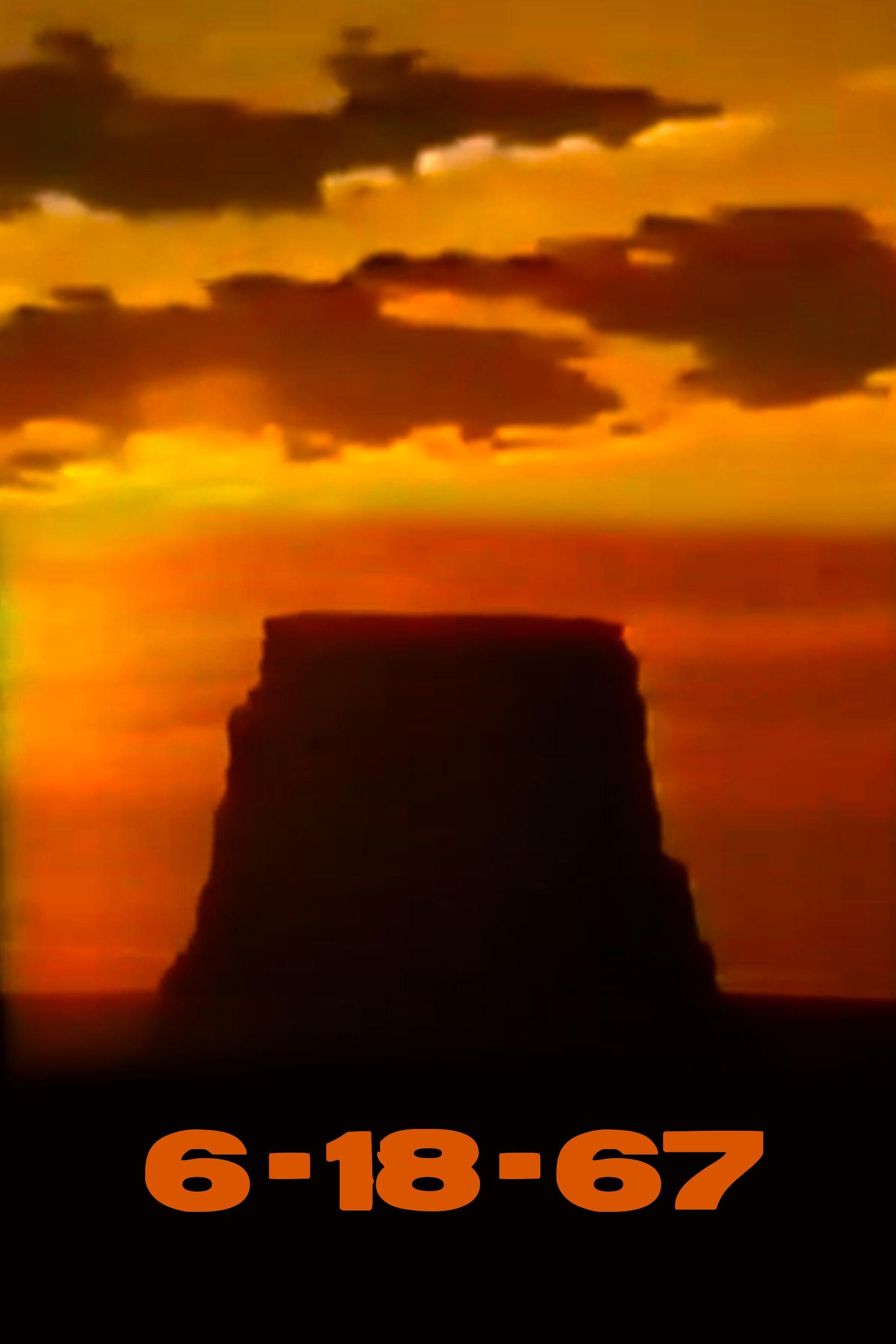
Filmed during the production of the Columbia Pictures western "Mackenna’s Gold," this short work presents a non-narrative visual study of the Arizona desert. Rather than documenting the film set itself, "6-18-67" assembles landscape images, time-lapse photography, and ambient sound into an abstract record of place and duration.
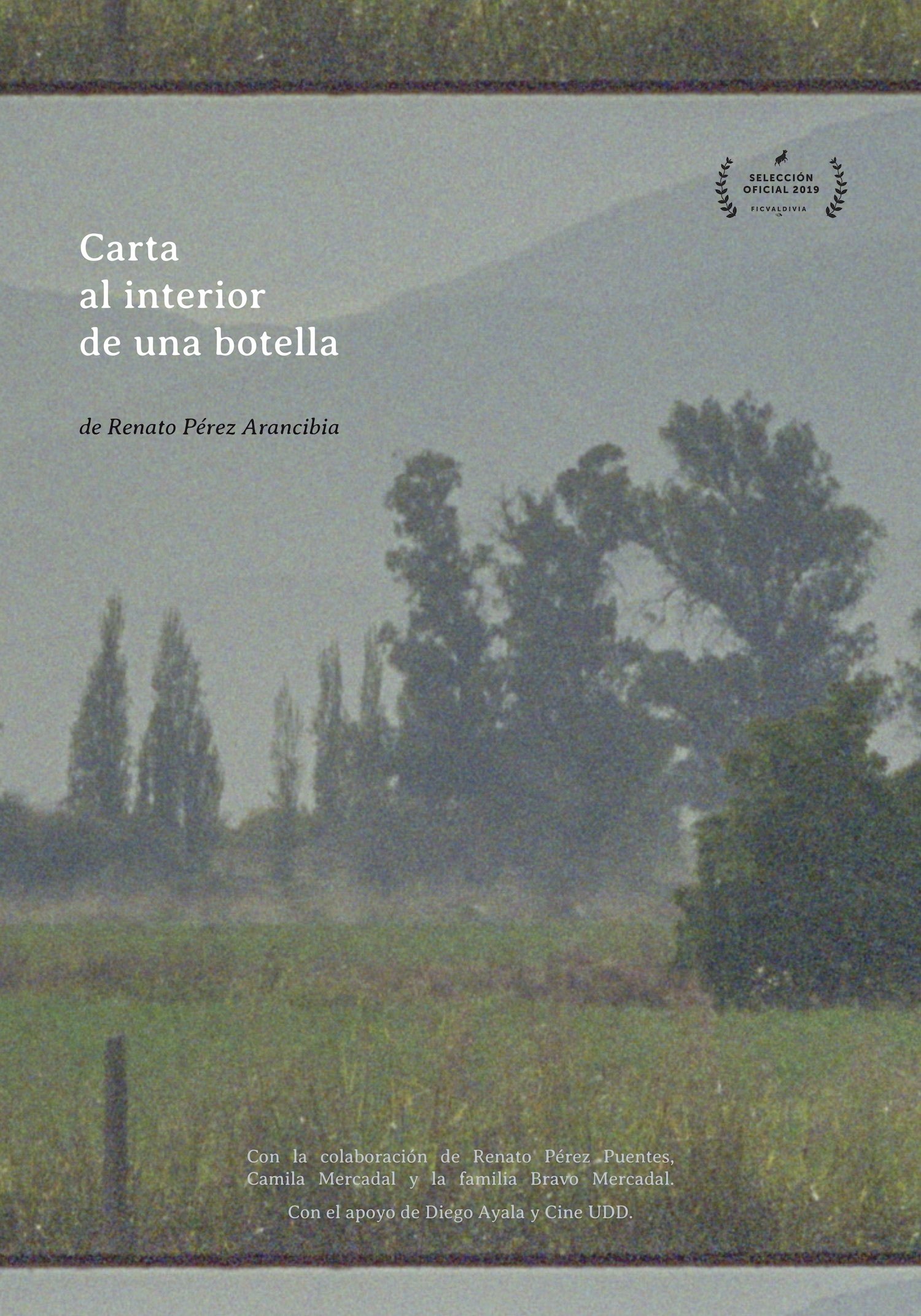
The meeting point between two comunication media: A letter written in 1929 -hidden inside the adobe walls of an old country house - and the shooting of the coutryside along the highway that connects two Chilean cities un 2018.
Mr Plastimime is a funny and moving story about a man who faithfully practices a dying art, a man whose timing is a bit off, a man whose skills aren’t recognized, a man who is unlucky in love; But this is a man who keeps moving forward, faithfully believing he will one day be finally ‘seen’. That day has come…but he never expected it to be like this.
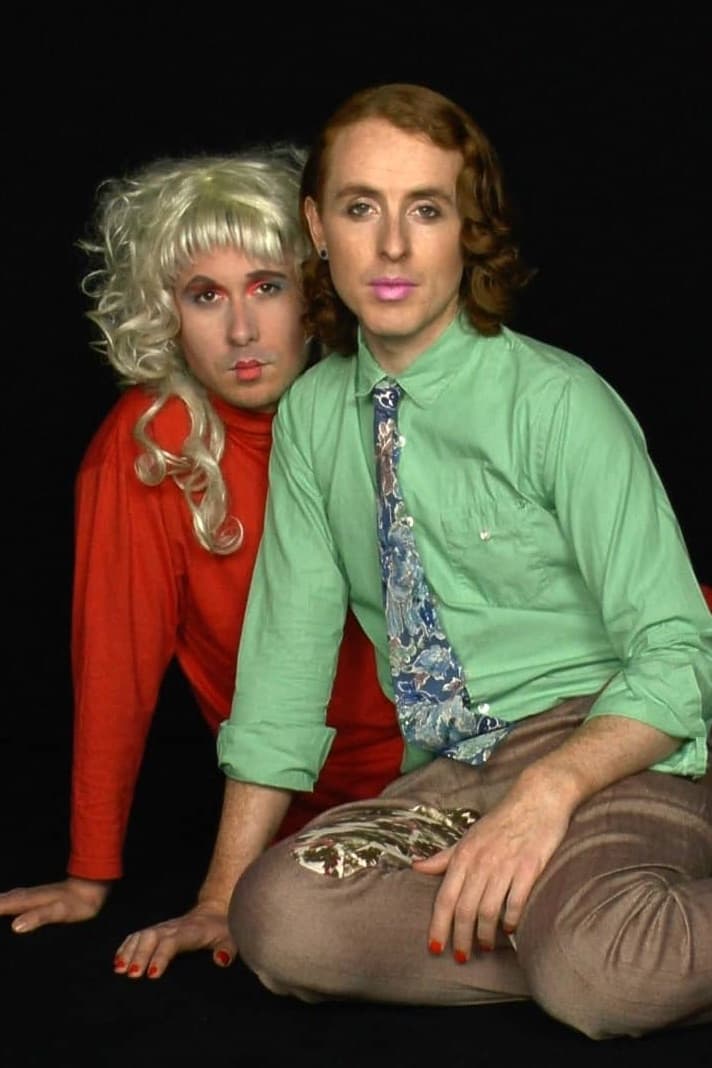
YOU ARE BORING! discusses the troublesome nature of “looking” and “being looked at” in larger contexts including labour within the new economy, performer/spectator relations, participatory culture, contemporary art display and queer representational politics.
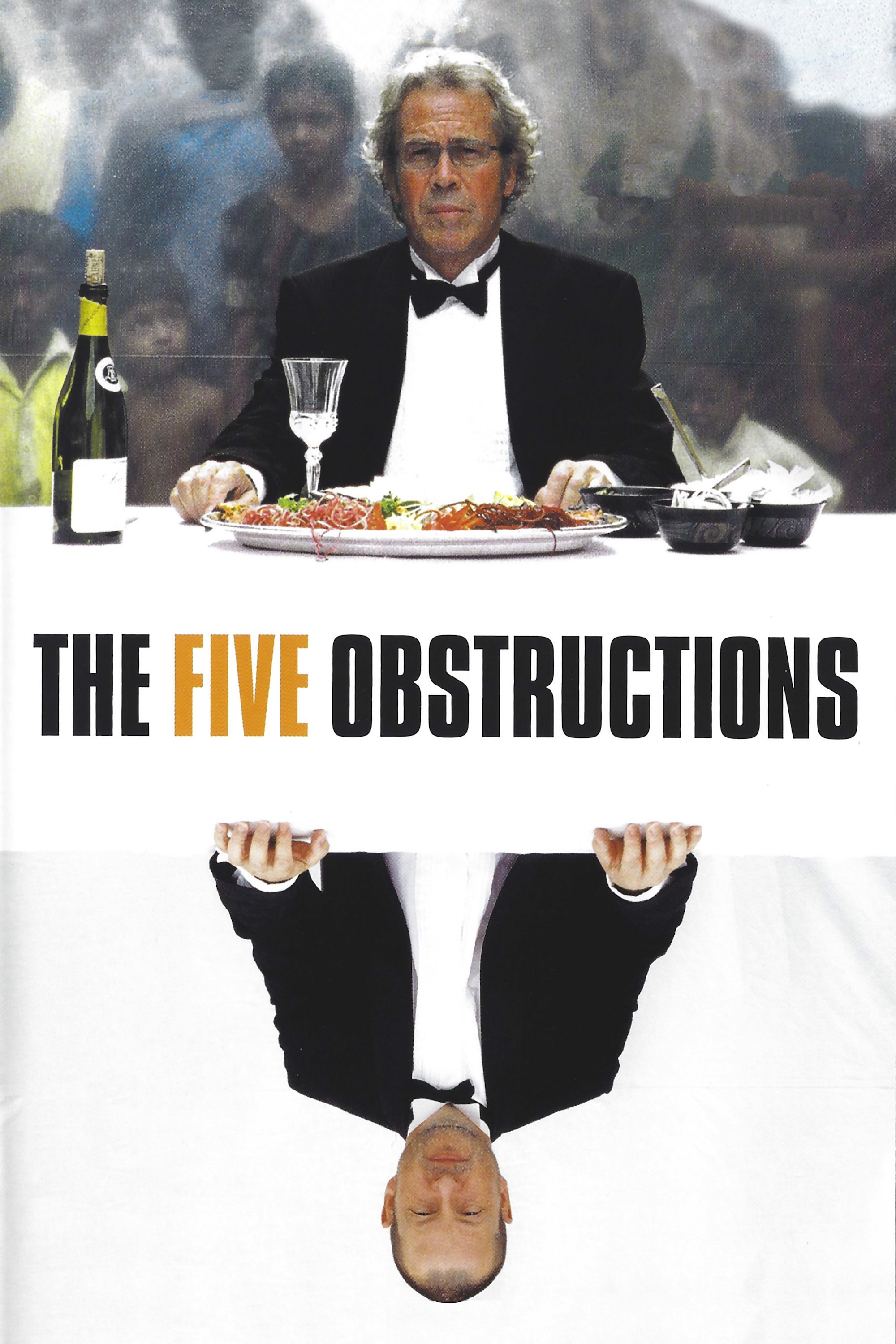
In 1967, experimental filmmaker Jorgen Leth created a striking short film, The Perfect Human, starring a man and women sitting in a box while a narrator poses questions about their relationship and humanity. Years later, Danish director Lars von Trier made a deal with Leth to remake his film five times, each under a different set of circumstances and with von Trier's strictly prescribed rules. As Leth completes each challenge, von Trier creates increasingly further elaborate stipulations.
The television images of the collapse of the World Trade Center were preceded by manifold stagings of the building, either as a highly symbolic icon, a speculative destruction fantasy or merely as a spectacular backdrop. In Misty Picture, city symphony, disaster movie and media trauma therapy become one.
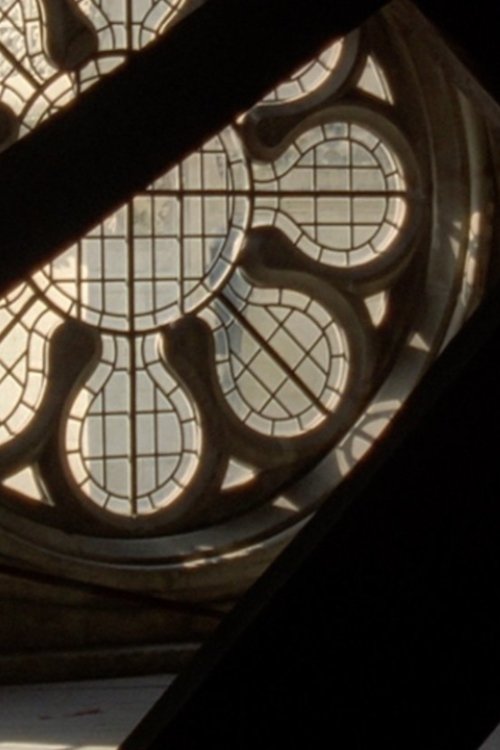
The film takes its name from the place where it was filmed, the triforium of London’s Westminster Abbey, a gallery hidden from view for 700 years, that runs sixteen metres high above the floor of the nave. Accompanied by Laurence’s Crane’s music, the film holds the stillness and quietude of the triforium, the accumulation of centuries of ascending prayer.
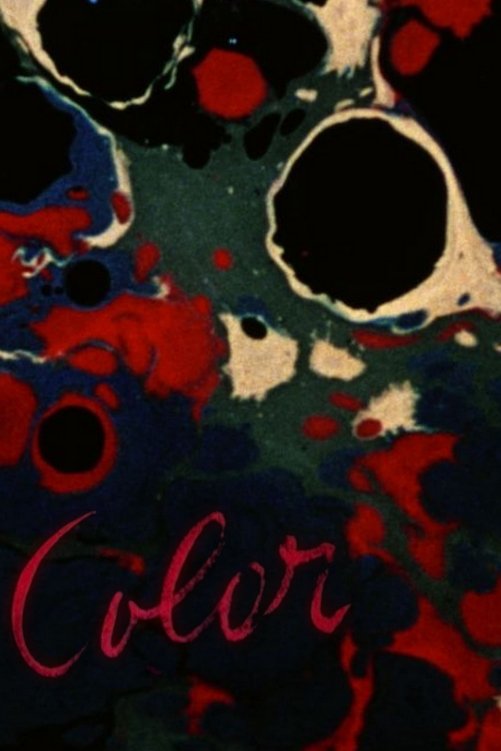
Perhaps the first experimental color film made in Uruguay, Color was the work of a pioneering woman filmmaker, still a teenager at the time of the film's completion. Millán had a number of vérité shorts under her belt by this point, but none in such gorgeous color.
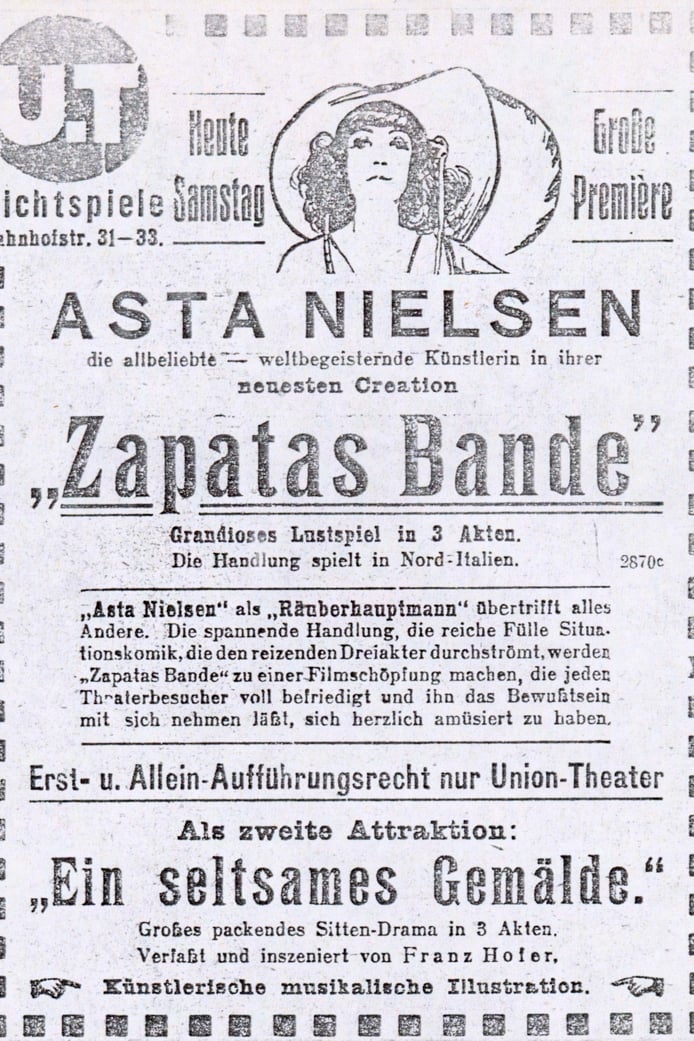
A film crew is shooting a movie about guns and robbers, when real robbers turn up. Having to go home in robbers costume, they are mistakingly accused of a robbery. One of the earliest films portraying bisexual characters.
An audio collage of snippets of narration culled from true crime TV shows, juxtaposed against serene Super-8 nature footage.
The film depicts the marriage between the mad Charles VI of France and his wife Queen Isabeau.
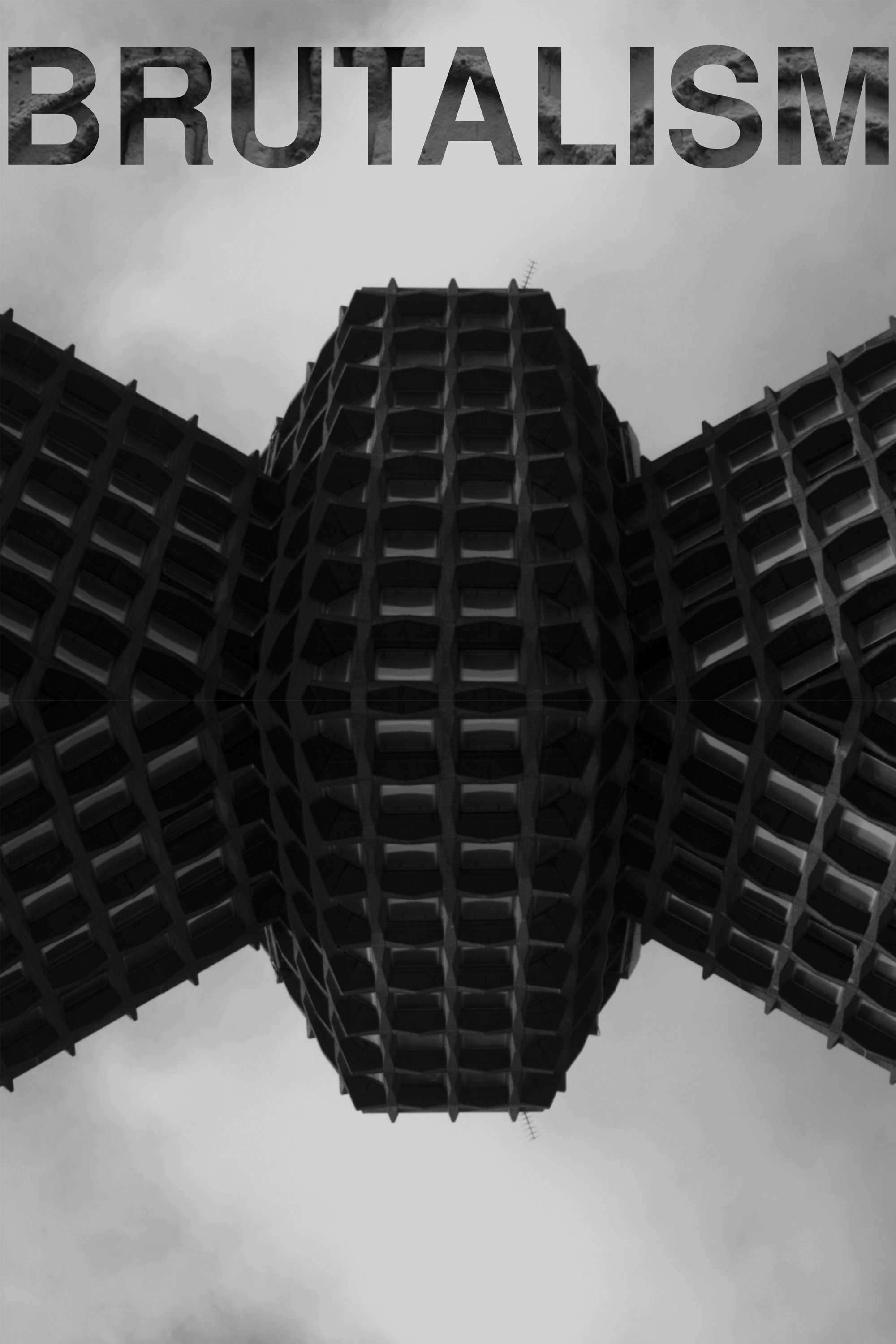
Beneath towering Brutalist architecture, a man is driven to do what must be done.
Sierra Madre as a woman threatened by corruption, with a child symbolizing the small and vulnerable people affected by the damage done to the mountain.
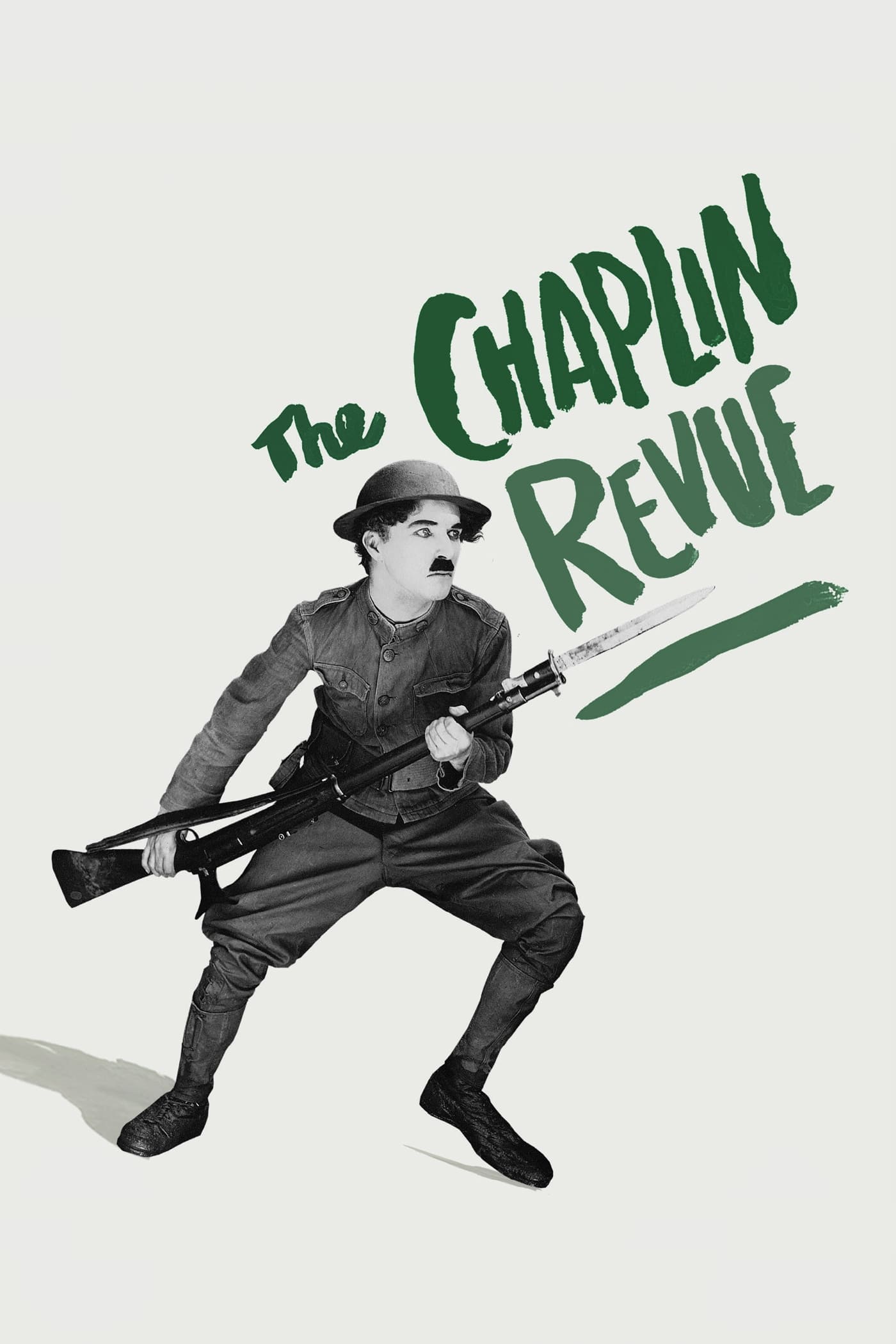
Three Chaplin silent comedies "A Dog's Life", "Shoulder Arms", and "The Pilgrim" are strung together to form a single feature length film. Chaplin provides new music, narration, and a small amount of new connecting material. "Shoulder Arms" is now described as taking place in a time before "the atom bomb".
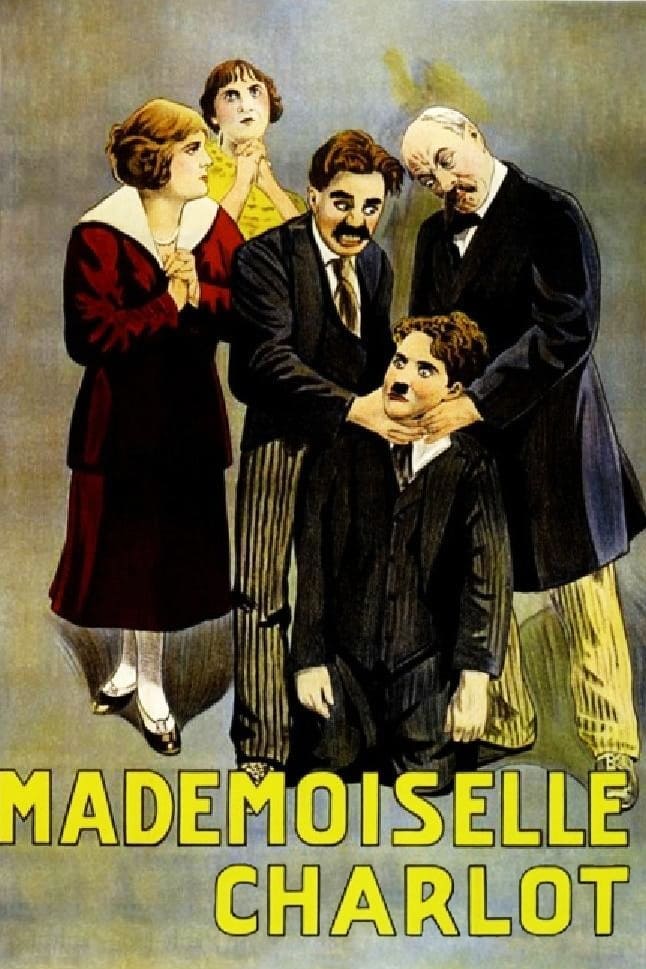
Mother, father and daughter go to the park. The women doze off on a bench while the father plays a hide-and-seek game with a girl, blindfolded. Charlie leads him into a lake. Both dozing ladies on the bench fall for Charlie and invite him for dinner. The father returns home with a friend. Charlie rushes upstairs and dresses like a woman, shaving his mustache. Both men fall for Charlie.
Told through performances, TV interviews, home movies, family photographs, private letters and unpublished memoirs, the film reveals the essence of an extraordinary woman who rose from humble beginnings in New York City to become a glamorous international superstar and one of the greatest artists of all time.
After a visit to a pub, Charlie and Ben cause a ruckus at a posh restaurant. Charlie later finds himself in a compromising position at a hotel with the head waiter's wife.
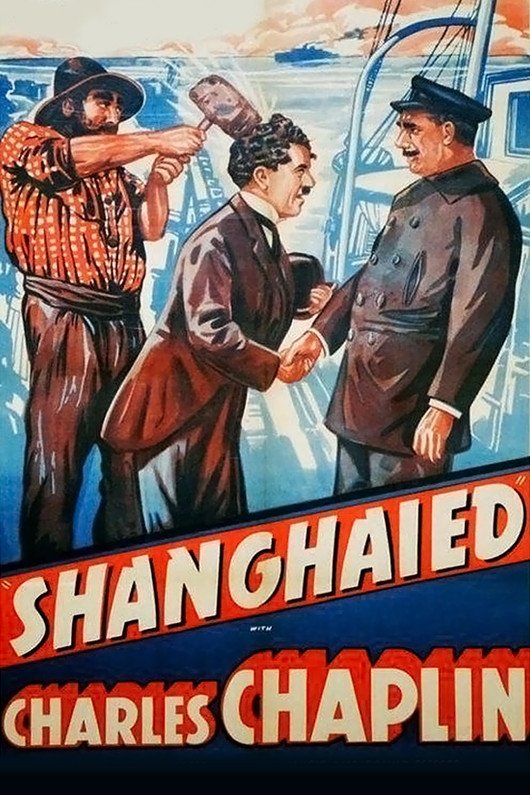
A shipowner intends to scuttle his ship on its last voyage to get the insurance money. Charlie, a tramp in love with the owner's daughter, is grabbed by the captain and promises to help him shanghai some seamen. The daughter stows away to follow Charlie. Charlie assists in the galley and attempts to serve food during a gale.
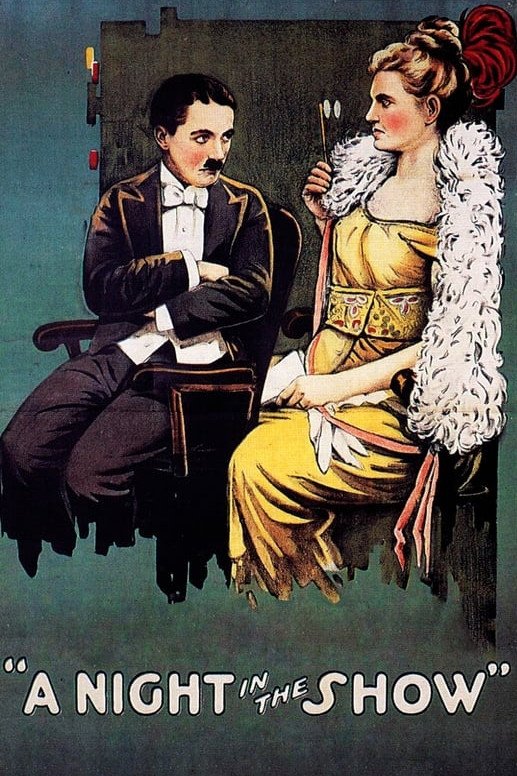
Two disruptive theater patrons, the wealthy drunk Mr. Pest (played by Charlie Chaplin) and the rowdy working-class Mr. Rowdy (also played by Chaplin), attend a live vaudeville theater production. Their constant antics, seat-hopping, and physical altercations quickly overshadow the acts on stage and plunge the entire theater into absolutely hilarious chaos.
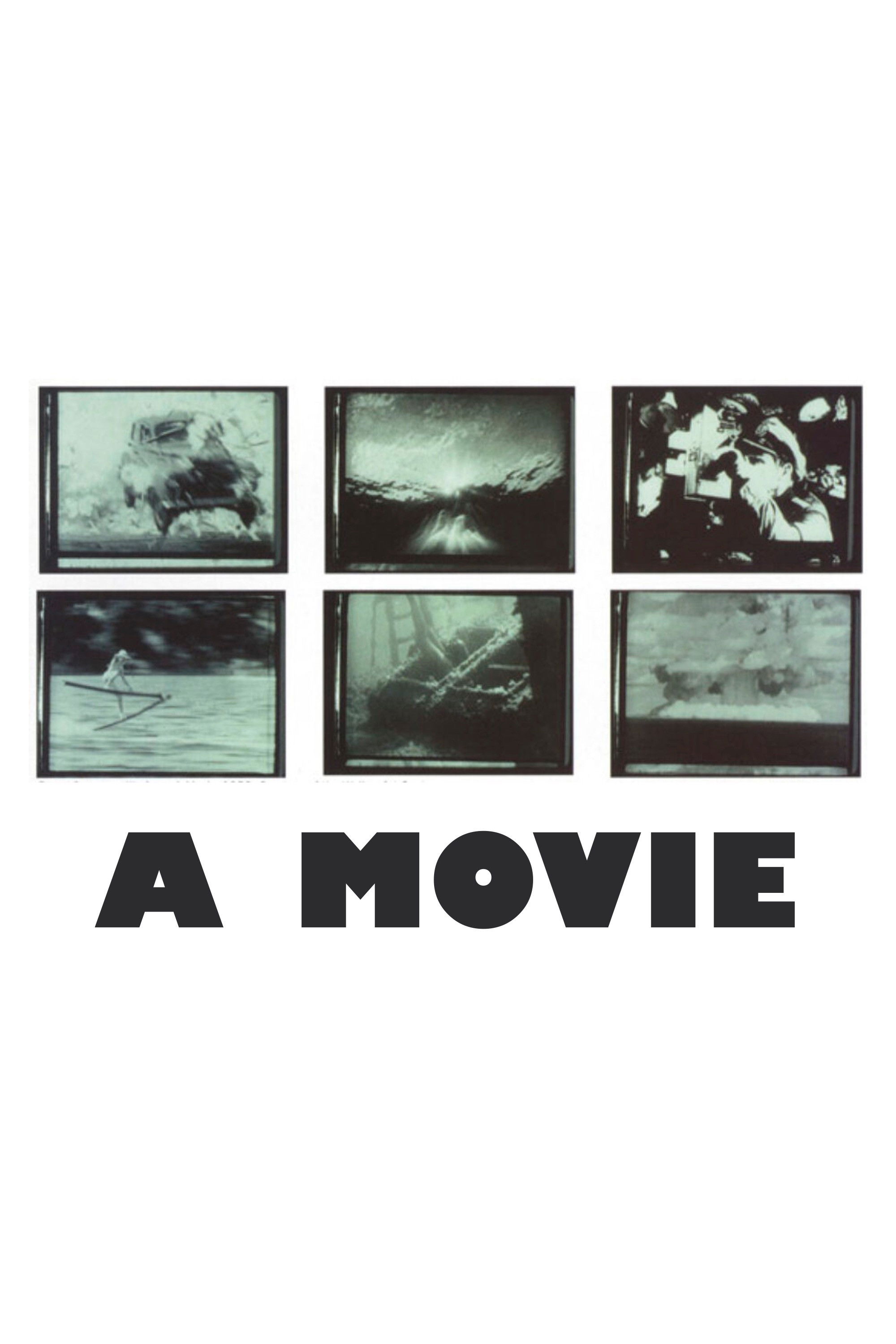
Bruce Conner's landmark experimental film consisting entirely of found footage edited to a new score.
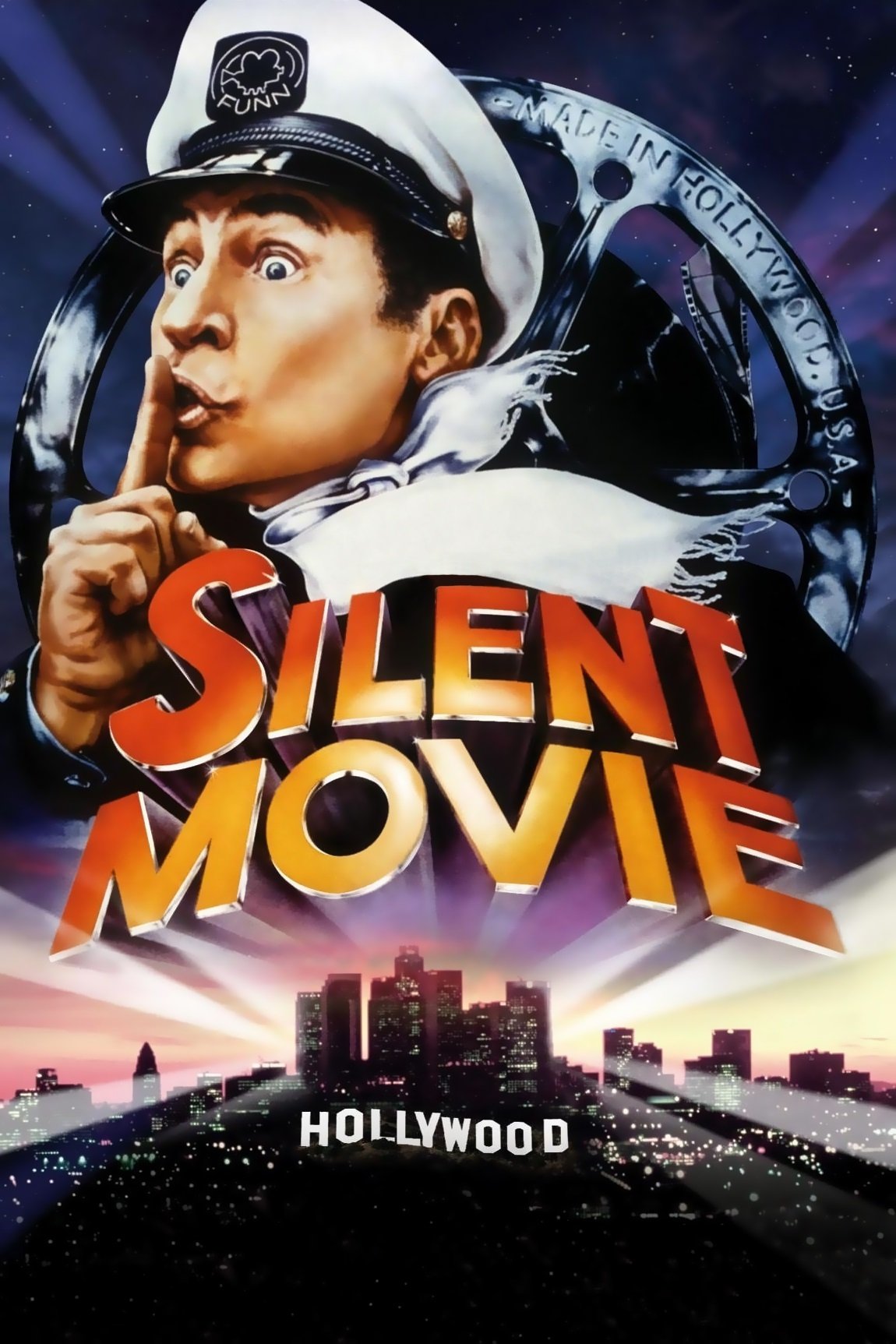
Aspiring filmmakers Mel Funn, Marty Eggs and Dom Bell go to a financially troubled studio with an idea for a silent movie. In an effort to make the movie more marketable, they attempt to recruit a number of big name stars to appear, while the studio's creditors attempt to thwart them.
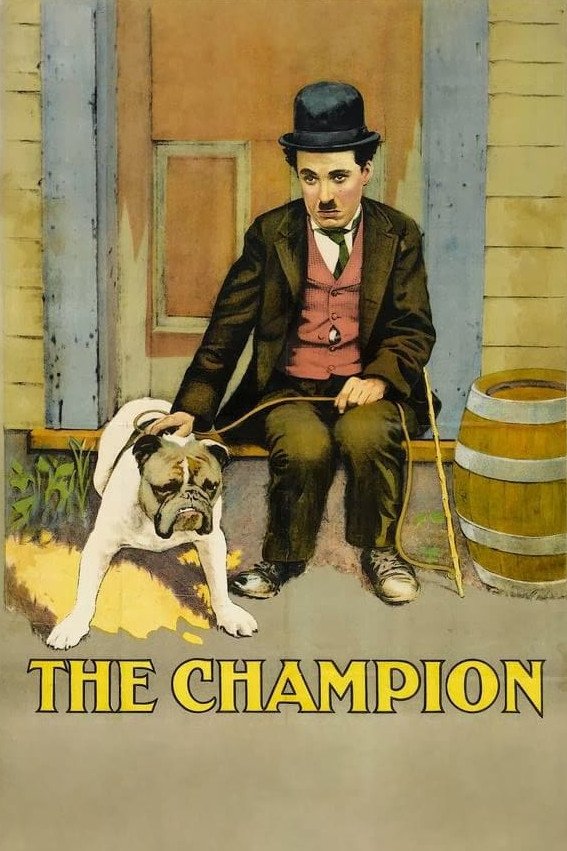
Walking along with his bulldog, Charlie finds a "good luck" horseshoe just as he passes a training camp advertising for a boxing partner "who can take a beating." After watching others lose, Charlie puts the horseshoe in his glove and wins. The trainer prepares Charlie to fight the world champion. A gambler wants Charlie to throw the fight. He and the trainer's daughter fall in love.
Director Michael Apted revisits the same group of British-born adults after a 7 year wait. The subjects are interviewed as to the changes that have occurred in their lives during the last seven years.
In the aftermath of her tumultuous relationship with a charismatic and manipulative older man, Julie begins to untangle her fraught love for him in making her graduation film, sorting fact from his elaborately constructed fiction.
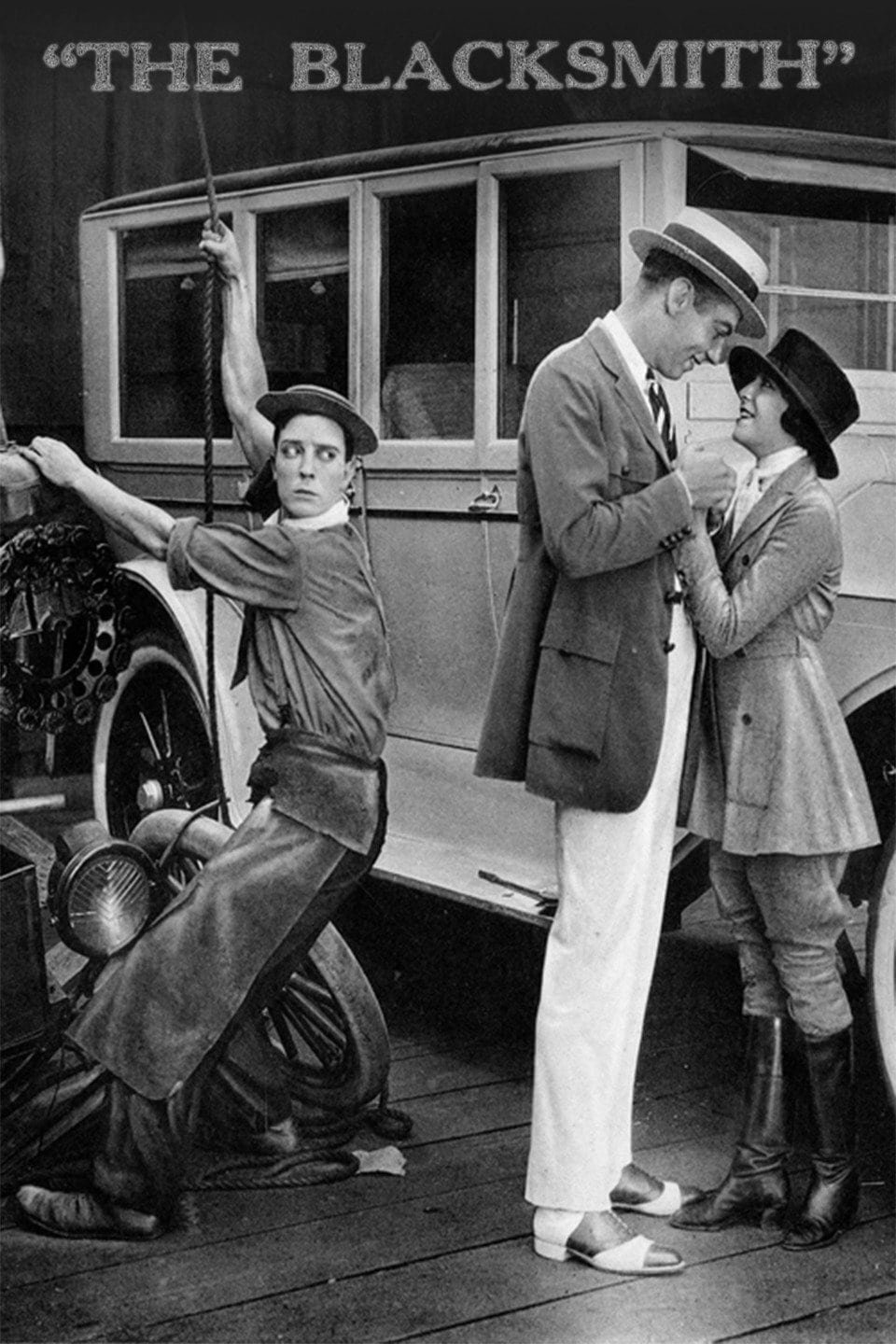
Buster clowns around in a blacksmith's shop until he and the smithy get in a fight which sends the smithy to jail. Buster helps several customers with horses, then destroys a Rolls Royce while fixing the car parked next to it.
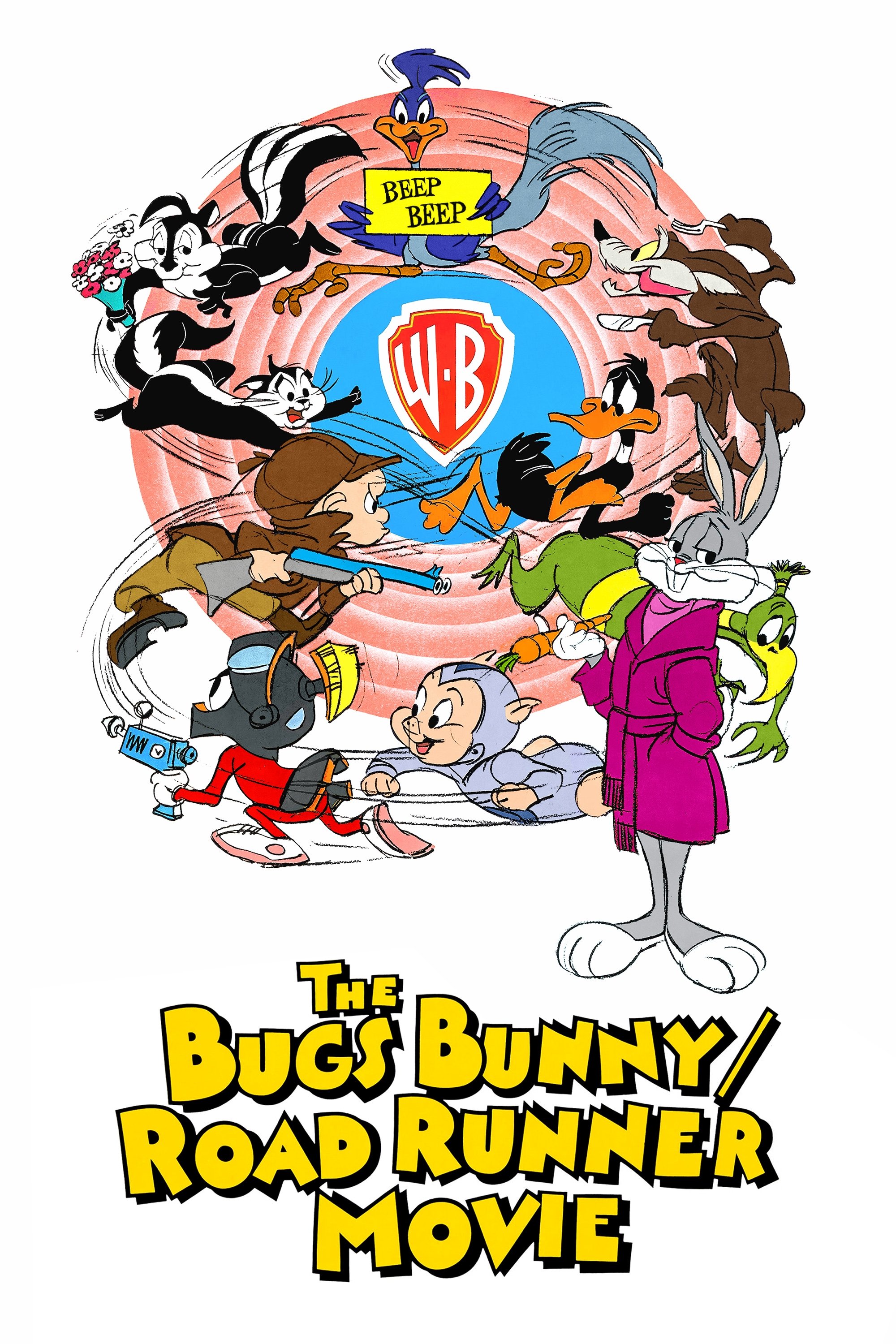
A collection of Warner Brothers short cartoon features, "starring" the likes of Daffy Duck, Porky Pig and Wile E. Coyote. These animations are interspersed by Bugs Bunny reminiscing on past events and providing links between the individual animations which are otherwise unconnected. This 1979 feature-length compilation includes several of his best cartoons. Among the 11 shorts shown in their entirety are the classics "Robin Hood Daffy," "What's Opera, Doc?," "Bully for Bugs," and "Duck Amuck". The Bugs Bunny Road Runner Movie provides a showcase not only for Jones's razor-sharp timing, but for the work of his exceptional crew, which included designer Maurice Noble, writer Mike Maltese, composers Carl Stalling and Milt Franklyn, and voice actor Mel Blanc.
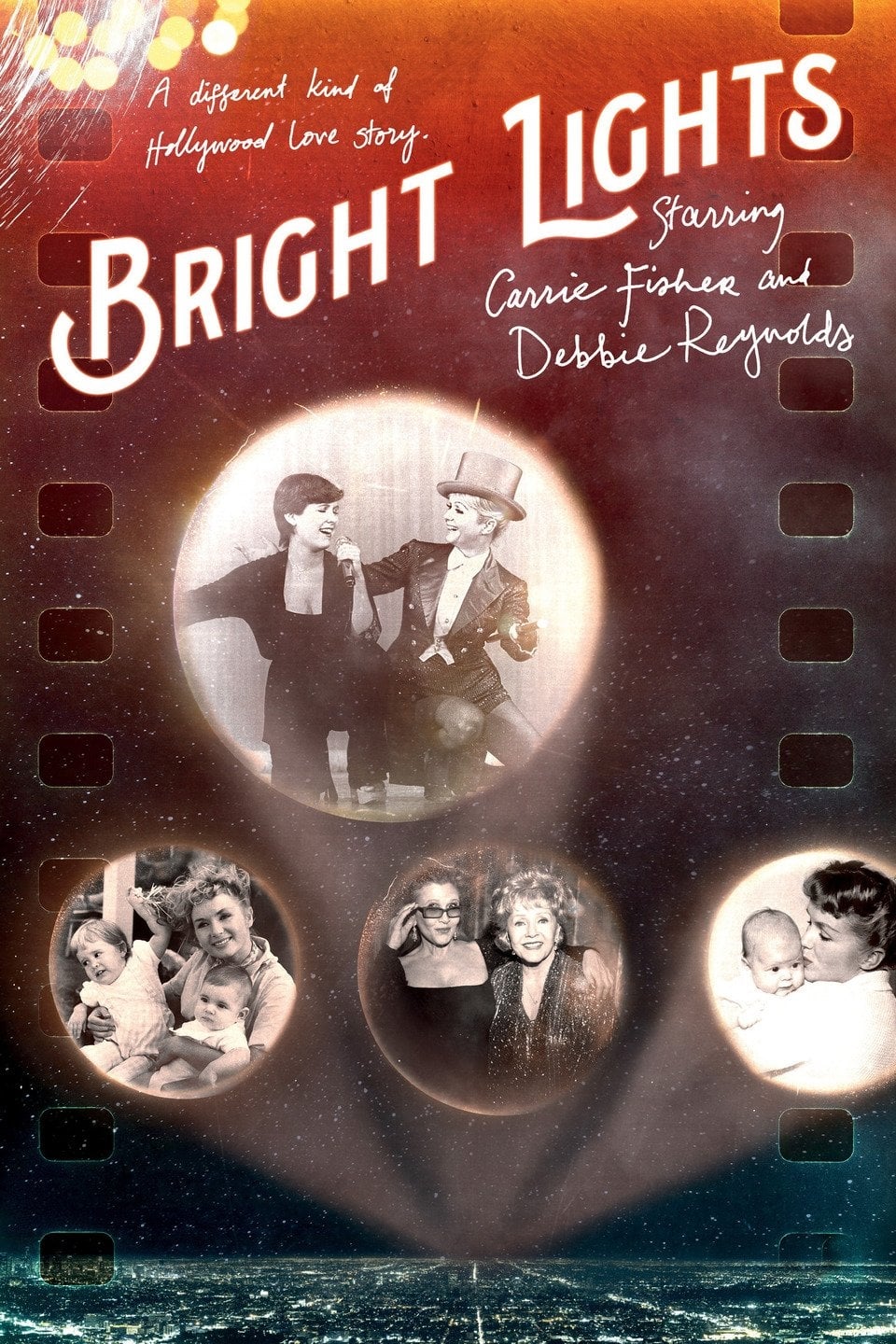
An intimate portrait of Hollywood royalty featuring Debbie Reynolds, Todd Fisher, and Carrie Fisher.
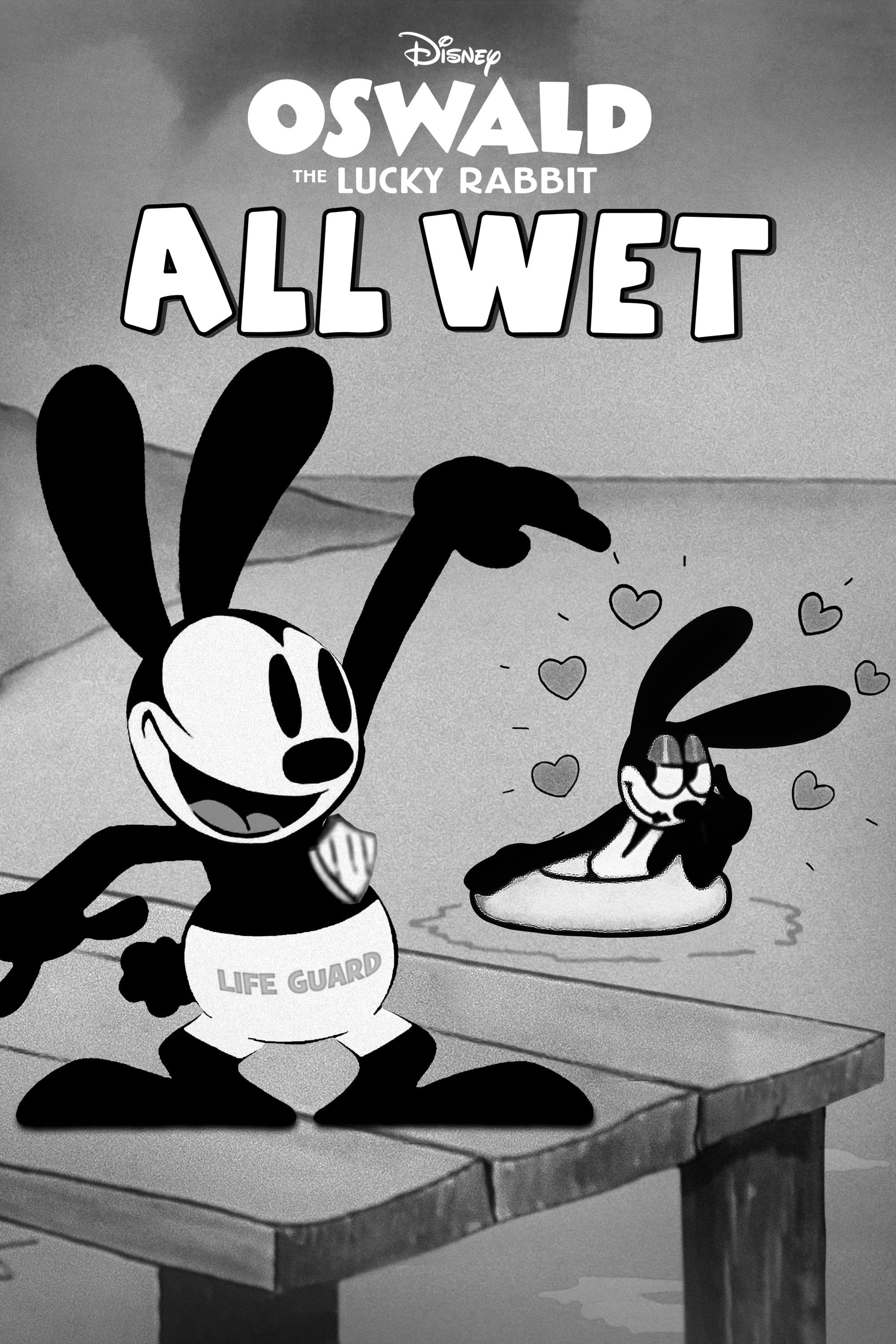
Oswald takes a job as a lifeguard to keep an eye on Miss Rabbit, who in turn stages a boating accident hoping Oswald will come to save her.
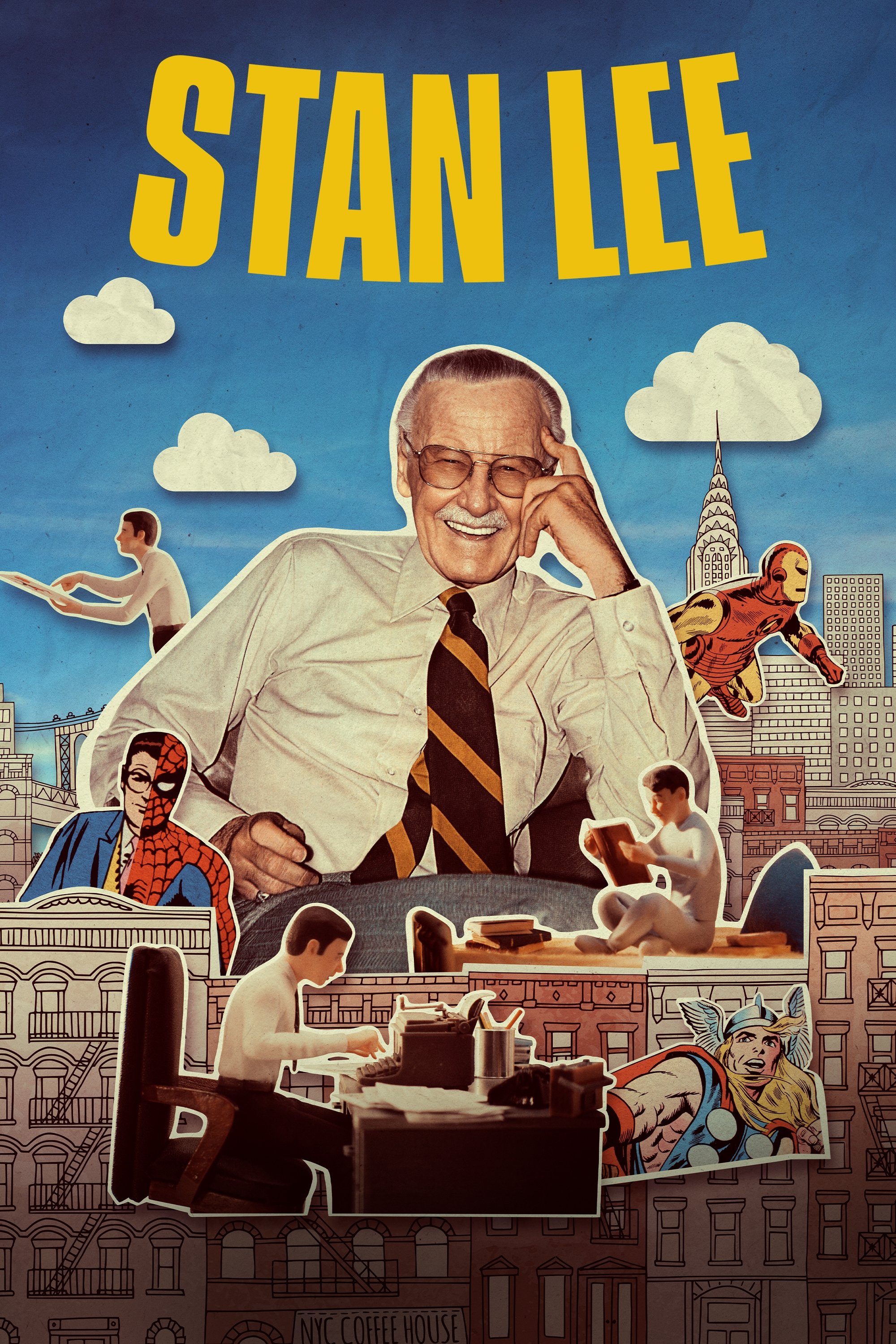
Celebrate the legacy of Stan Lee as the co-creator of such legendary characters as Fantastic Four, Iron Man, the X-Men, The Avengers, and hundreds more.
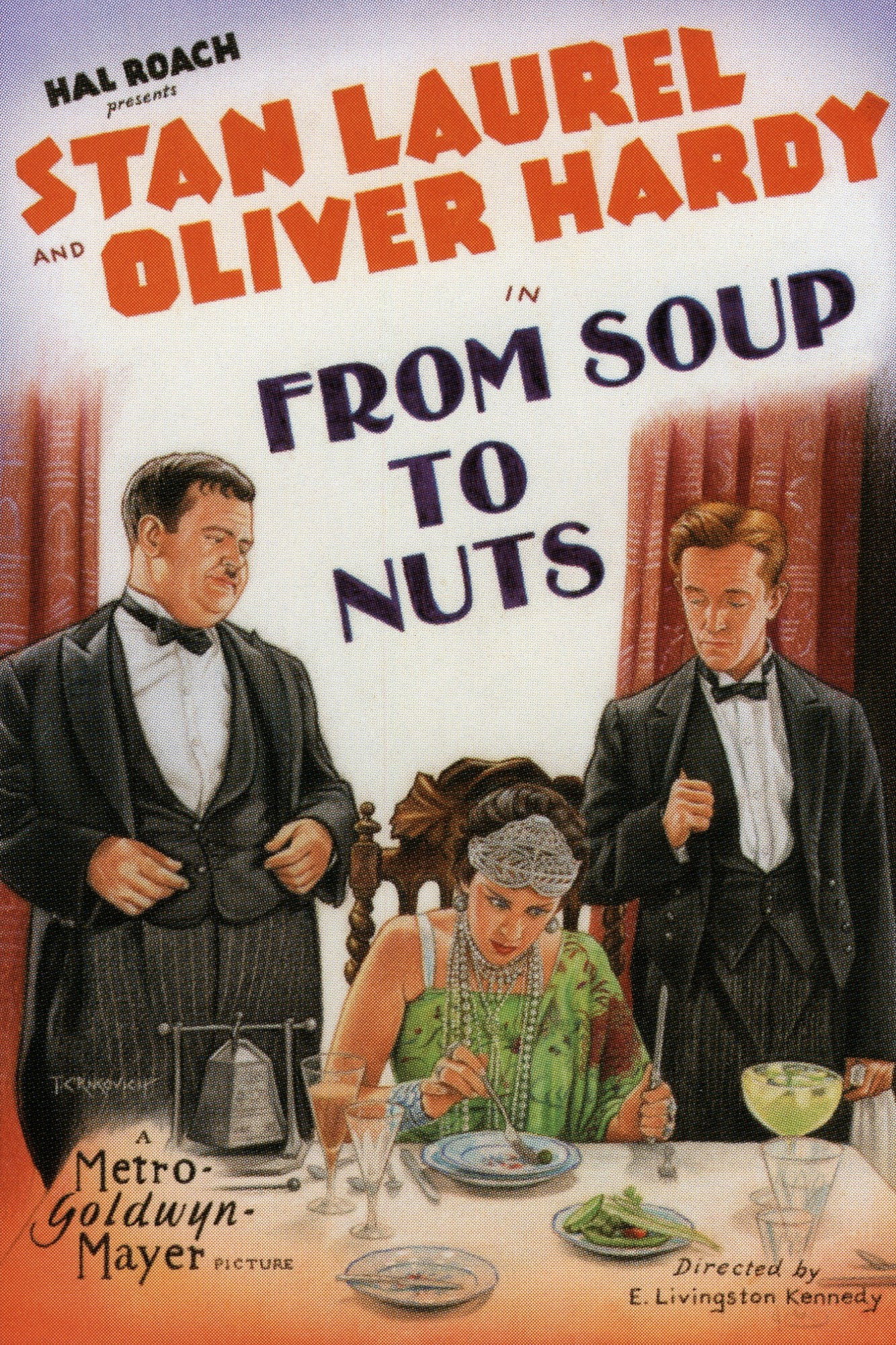
Inexperienced waiters (Laurel & Hardy) are hired for a swank dinner party.
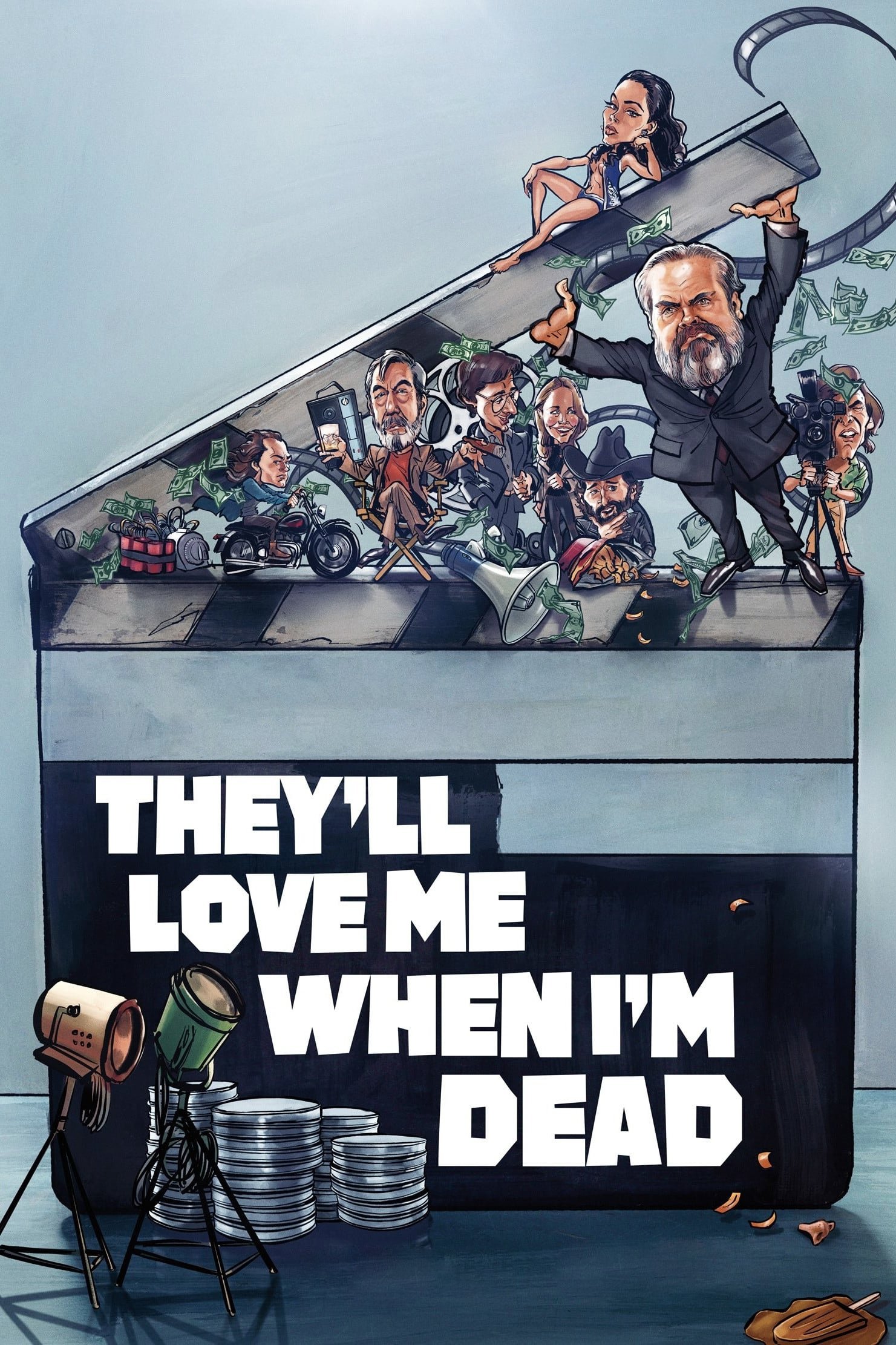
As his life comes to its end, famous Hollywood director Orson Welles puts it all on the line at the chance for renewed success with the film The Other Side of the Wind.
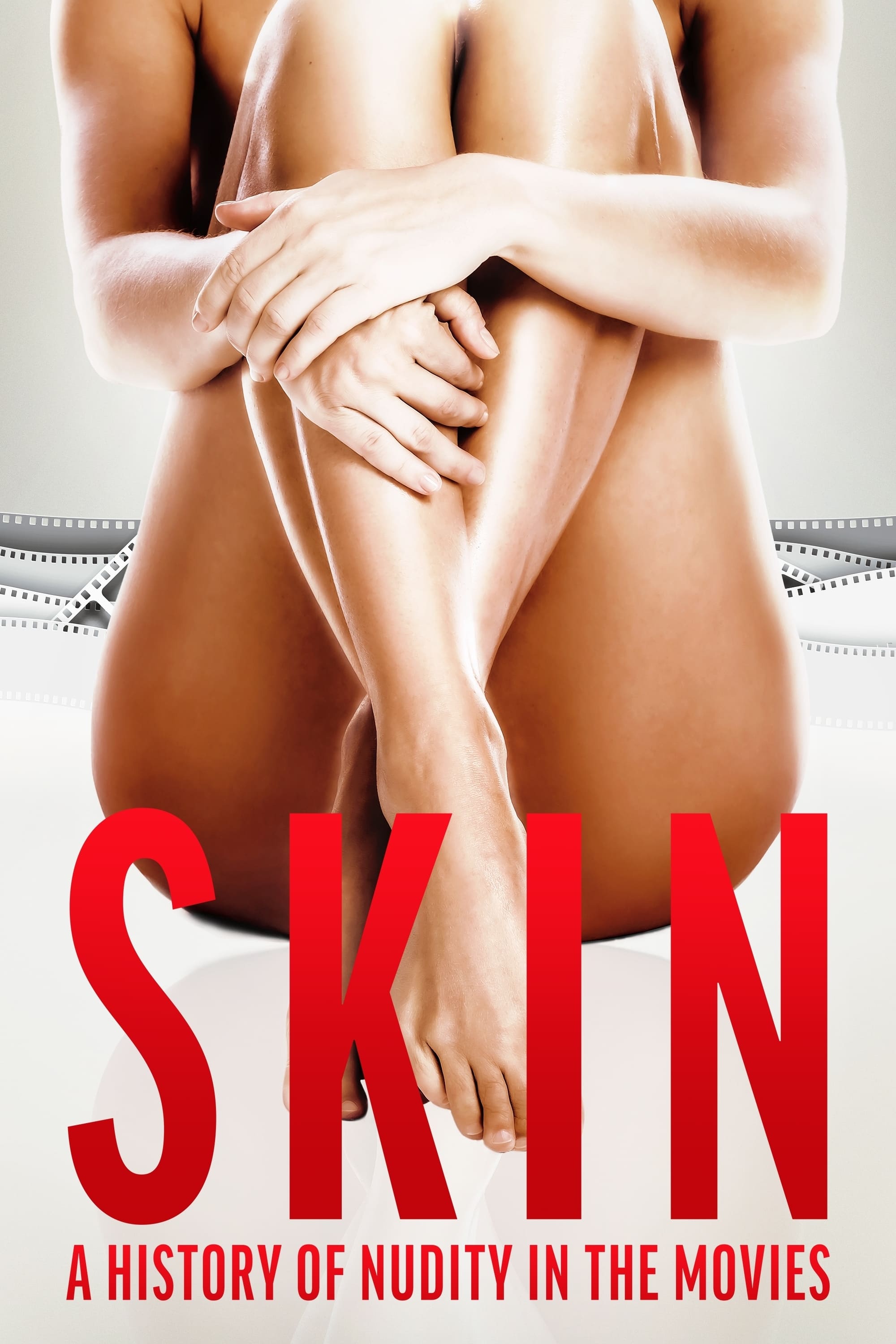
The definitive documentary on the history of nudity in feature films from the early silent days to the present, studying the changes in morality that led to the use of nudity in films while emphasizing the political, sociological and artistic changes that shaped that history. Skin will also study the gender inequality in presenting nude images in motion pictures and will follow the revolution that has created nude gender equality in feature films today.
Daniel Craig candidly reflects on his 15 year adventure as James Bond. Including never-before-seen archival footage from Casino Royale to the upcoming 25th film No Time To Die, Craig shares his personal memories in conversation with 007 producers, Michael G Wilson and Barbara Broccoli.