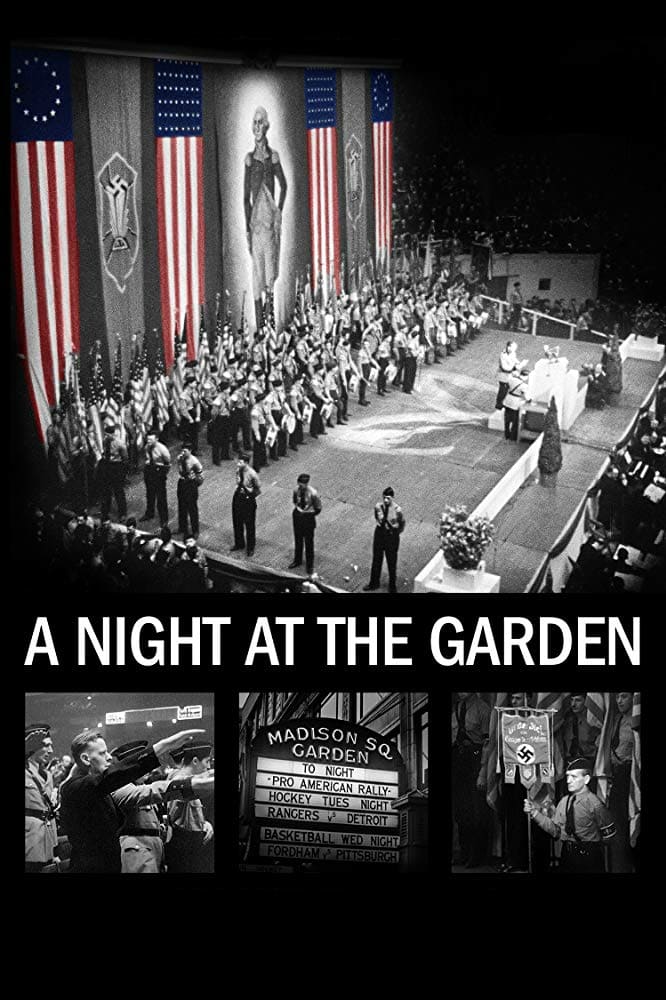
Archival footage of an American Nazi rally that attracted 20,000 people at Madison Square Garden in 1939, shortly before the beginning of World War II.
Social & External
The people behind it
The Goodyear blimp has been an aerial ambassador for the Goodyear tire and rubber company for over 90 years. Join the Spirit of America, one of the last GZ-20 airships of the world. Follow the crew who care for her as she makes the final flights into the history books of aviation and marks the end of Goodyears history of designing and manufacturing their own airships.
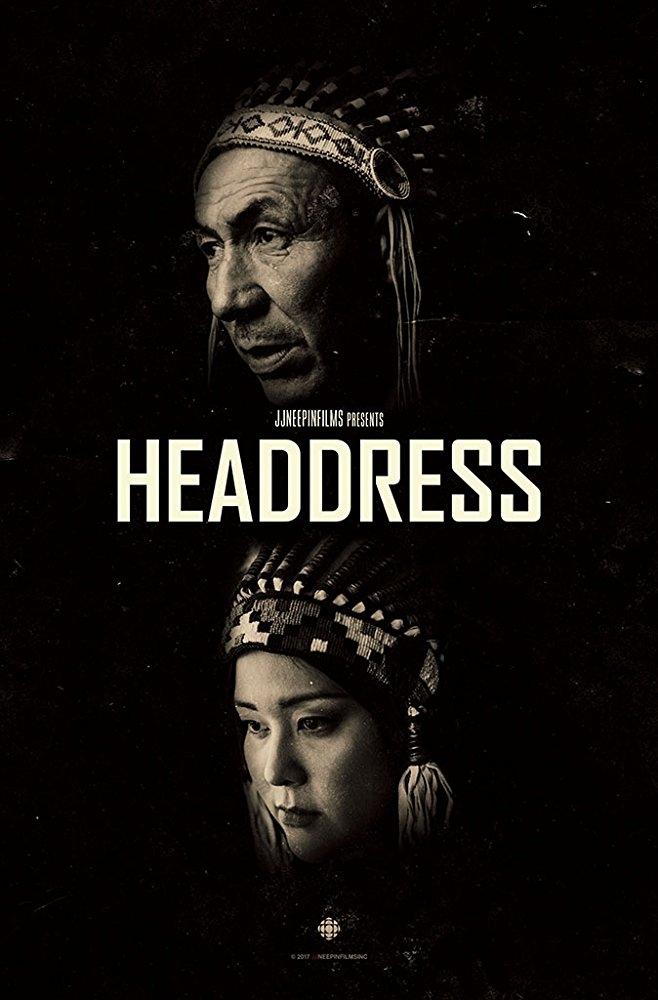
For First Nations communities, the headdress bears significant meaning. It's a powerful symbol of hard-earned leadership and responsibility. As filmmaker JJ Neepin prepares to wear her grandfather's headdress for a photo shoot she reflects on lessons learned and the thoughtless ways in which the tradition has been misappropriated.
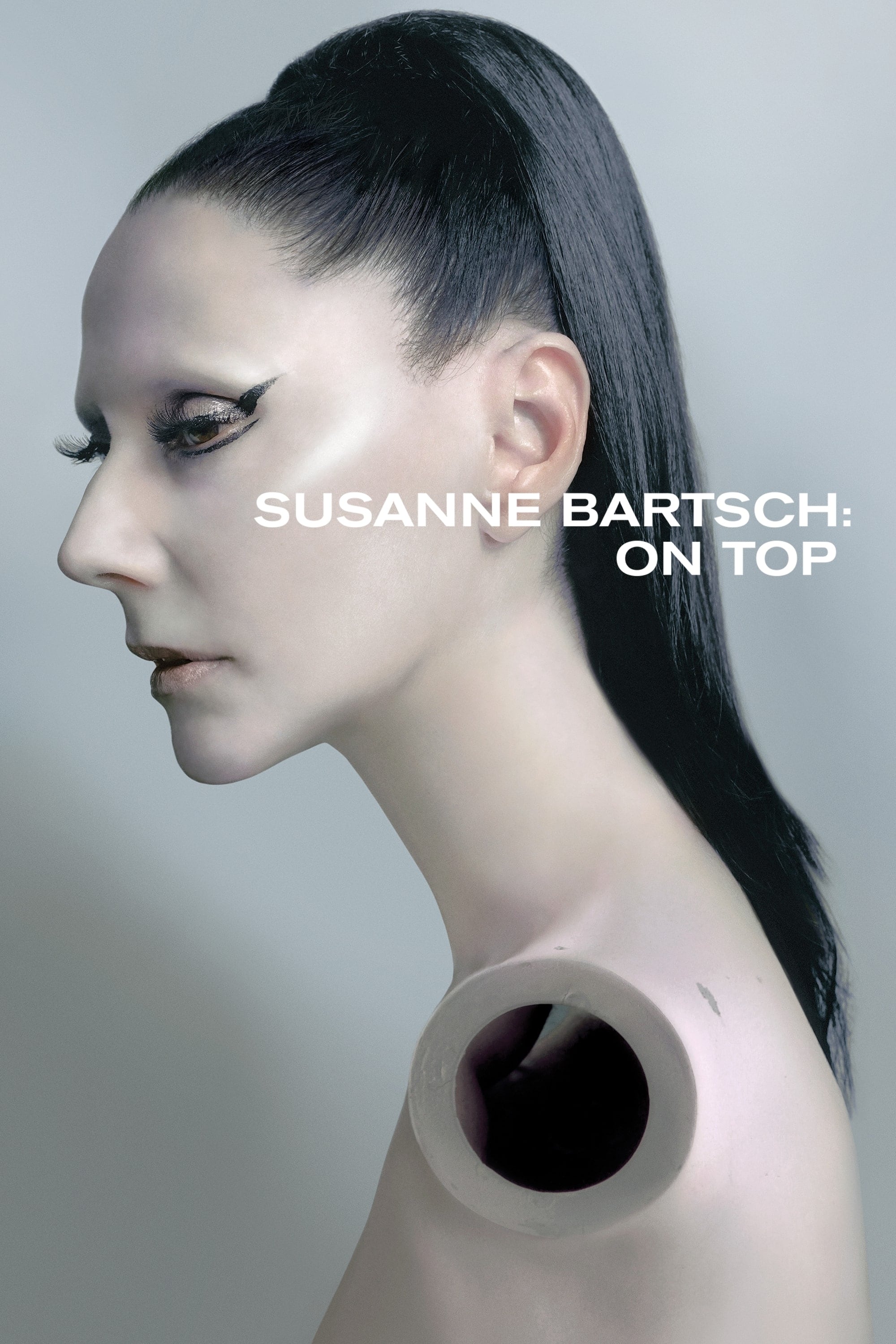
Dubbed New York's "Queen of the Night," proto–club kid Susanne Bartsch has been throwing unforgettable parties for over 30 years and is still going strong.
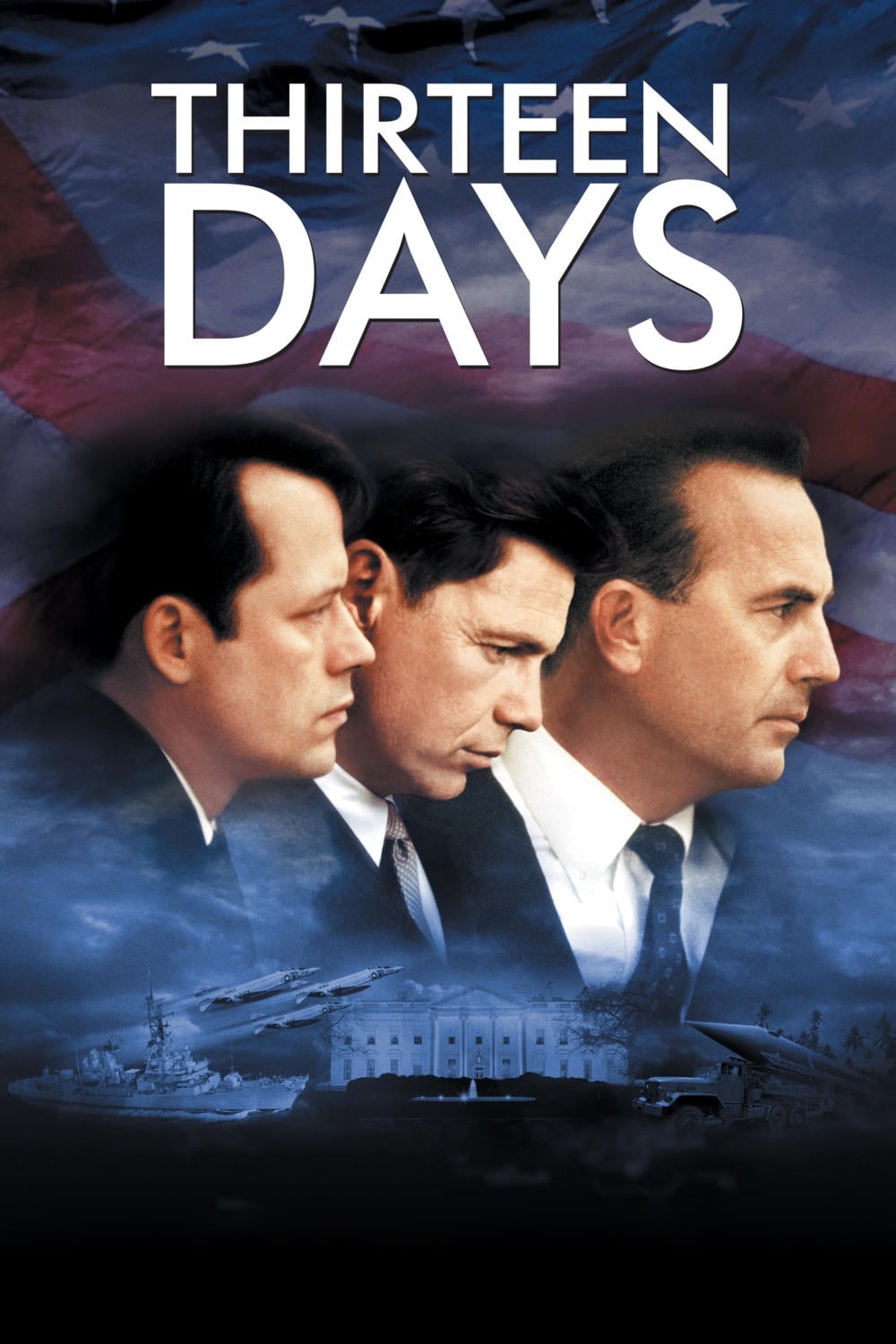
The story of the Cuban Missile Crisis in 1962—the nuclear standoff with the USSR sparked by the discovery by the Americans of missile bases established on the Soviet-allied island of Cuba.
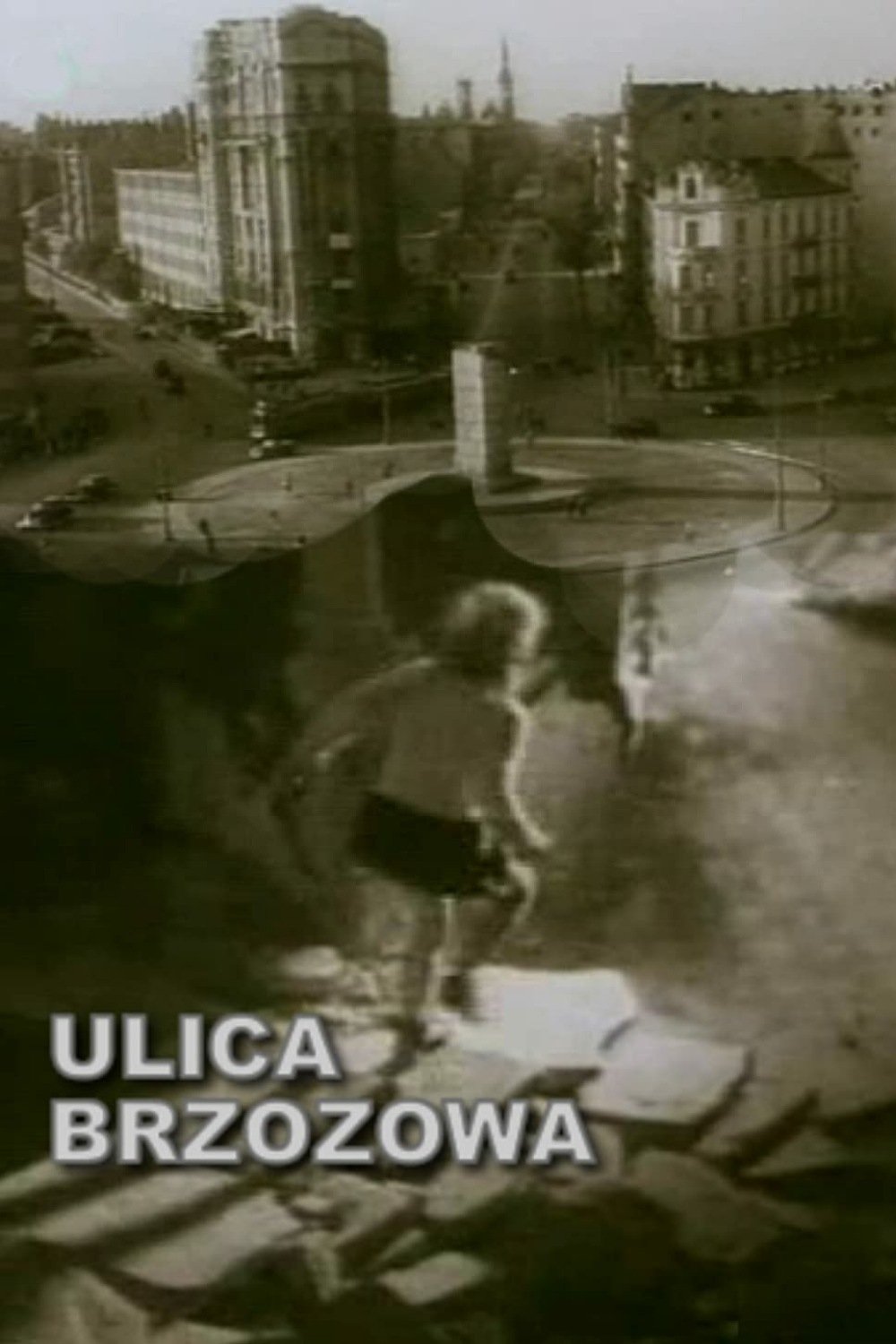
Battered Warsaw is getting back to life after the WW2 destruction. The ruins of the Old Town become homes once again.
Short documentary on Poland's first steam locomotive.
A miniature parable about a young boy who misunderstands the function of a bird feeder.
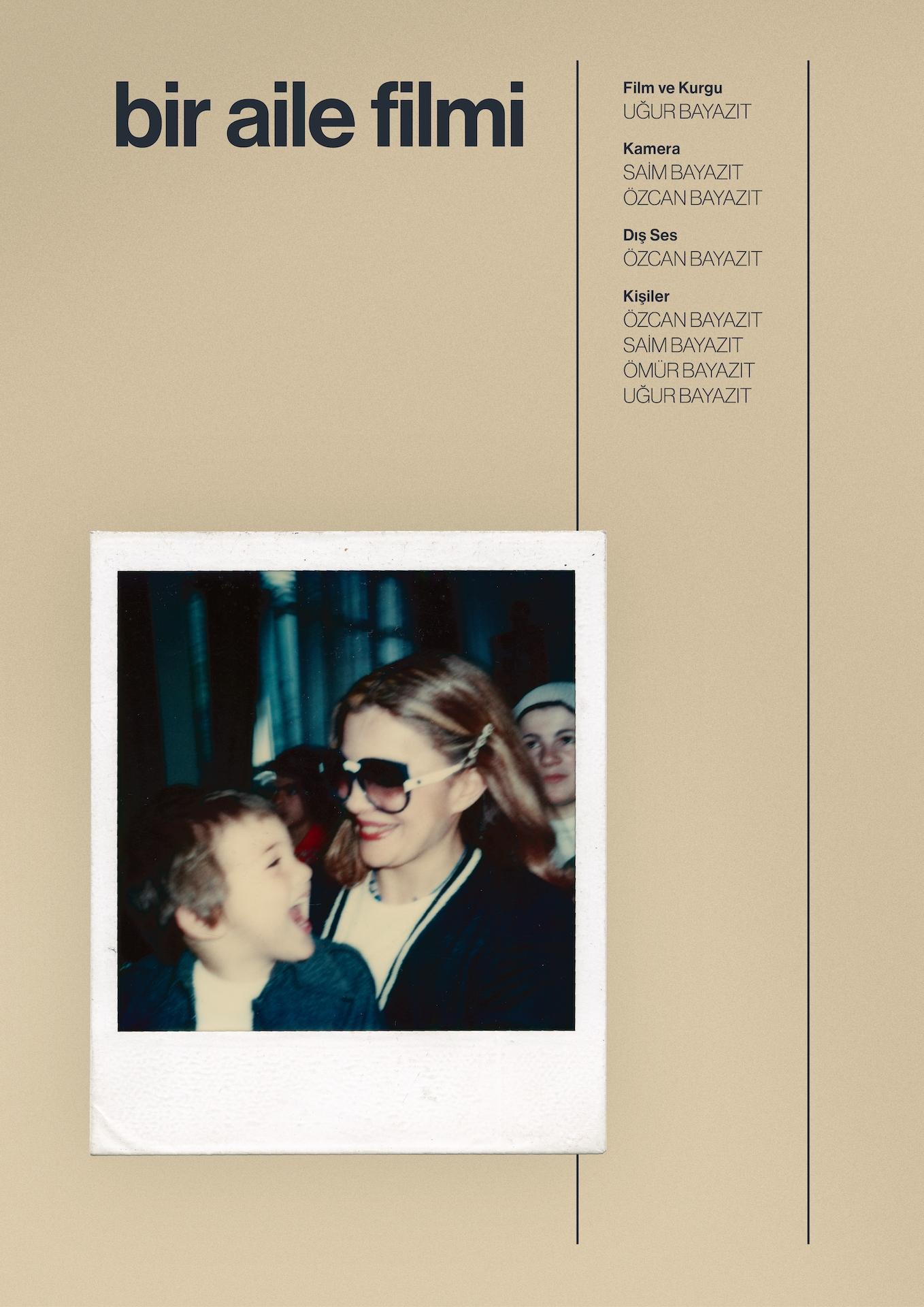
Based on home movies shot on Super 8mm film, A Family Film places the mother at its center as the narrator while tracing the memories of a family living in Istanbul in the 70s.
This short documentary features children aged 5 to 12 talking about their experiences with bullying and discrimination because they or their families do not fit into traditional gender and family roles. This film explores the contemporary diversity of families from kids' points of view, while featuring short animated sequences about the history of derogatory slang.
A strange and mischievous documentary on an archeological site in the Qaytarieh hills in Tehran. This short narrates the story of the dead people who wished never to be found.
Seekers of Oblivion explores the exciting life and adventures of Isabelle Eberhardt. Born in Geneva, Switzerland in 1877, Isabelle left Europe for North Africa at a young age. While there, she consorted with tramps, prostitutes, soldiers, murderers and thieves, at times masquerading as a man in orde.
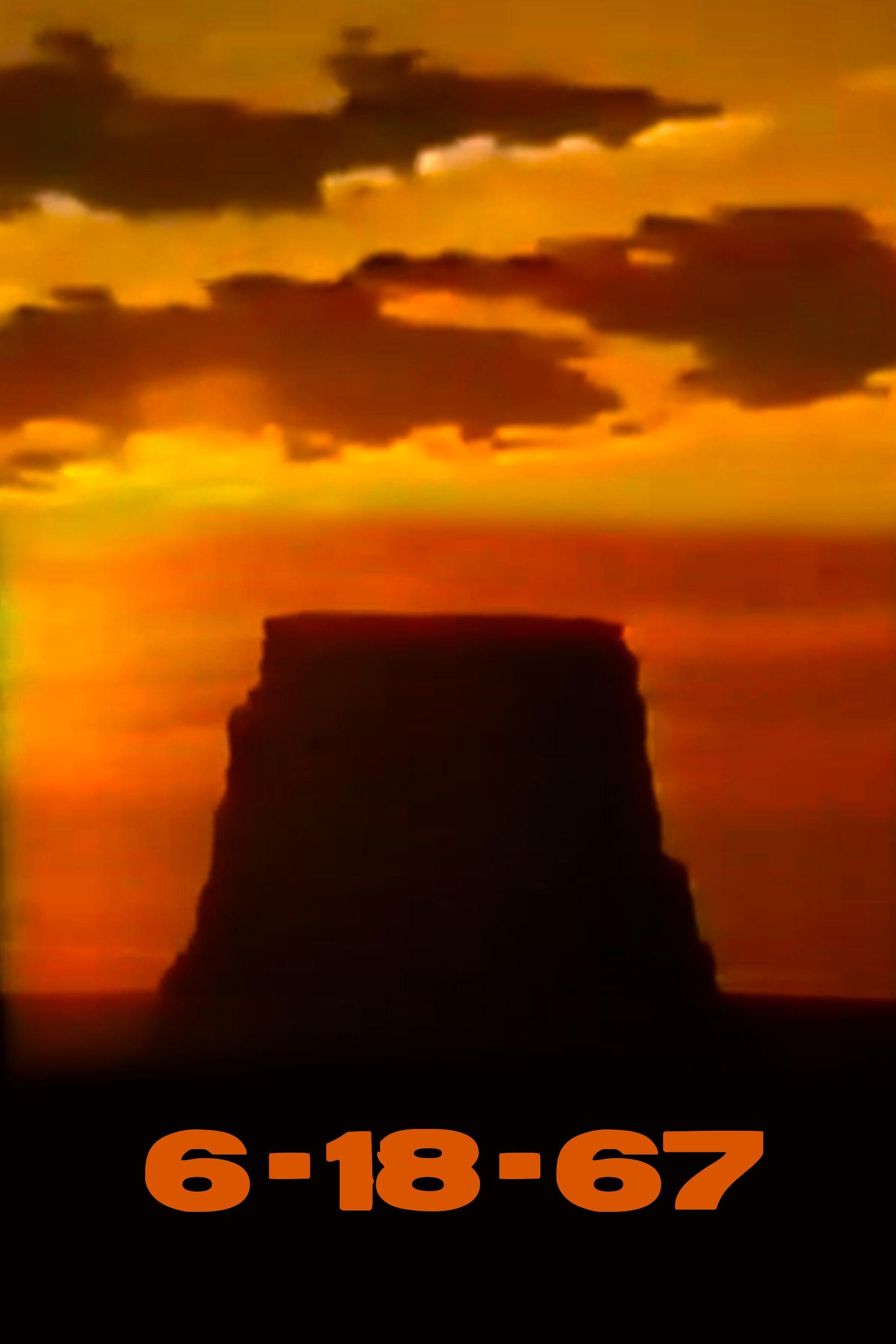
Filmed during the production of the Columbia Pictures western "Mackenna’s Gold," this short work presents a non-narrative visual study of the Arizona desert. Rather than documenting the film set itself, "6-18-67" assembles landscape images, time-lapse photography, and ambient sound into an abstract record of place and duration.
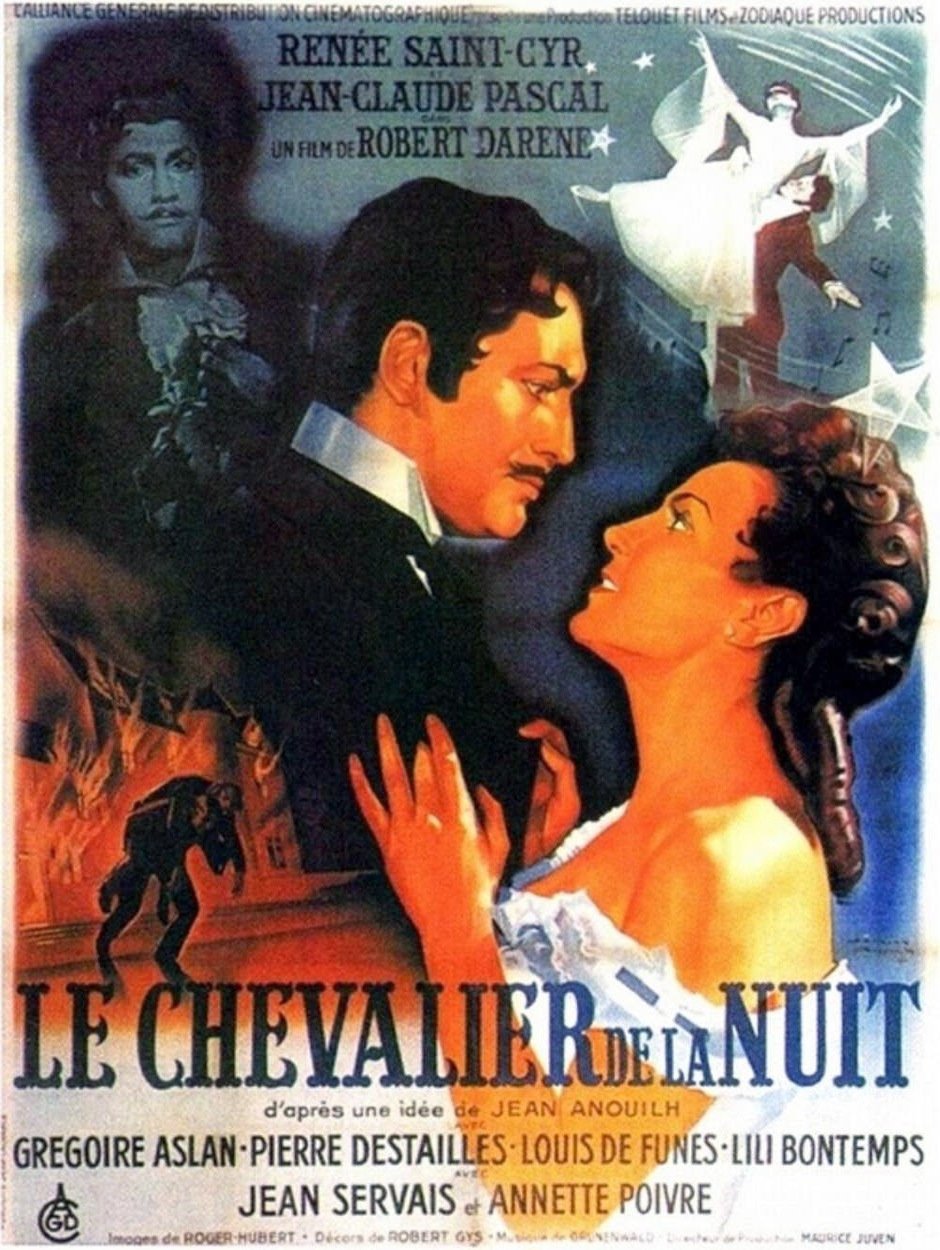
Paris, 1884. Bella Fontanges, a renowned ballerina, is married to Georges de Segar. But after just a few years together, the couple slowly sinks into weariness. Bella has forgotten what happiness used to taste like. Then a mysterious squire appears. Aware of the couple's faltering situation, he makes Bella and Georges a most astonishing proposal: he claims to be able to separate Good from Evil in Georges. Reluctant at first, the couple eventually agrees to play along. But it's not long before they realize that in Georges, it's Evil that has prevailed.
We meet big Jack Taylor, who hasn’t left his little flat in Bradford, West Yorkshire for 25 years. Jack’s become something of a celebrity, with German camera crews flocking to visit him. But the last time Jack got weighed was many years ago, and then he clocked in at 48 stone. So how much does he weigh now? We’re introduced to Barry, a young man of 41 stone. Barry makes nightclub appearances and talks about the fame that fatness brings. But now he’s determined to lose weight and consults his doctor to discuss medication and diet. Meanwhile, Jack talks about the tragic deaths in his past and his decision to stop inside the house for a quarter of a century. Eventually Barry and Jack meet to discuss the impact of the media on their lives. Determined to confirm Jack as Britain’s fattest man, the director eventually coaxes Jack onto a vast set of scales. So who is the fattest man in Britain? The tale of the scales causes surprise and quivering outrage…
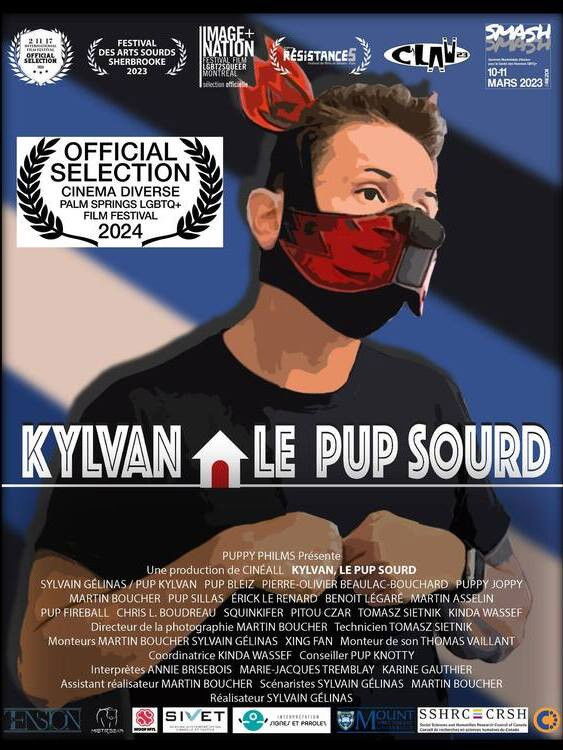
Kelvan describes his daily life as a deaf person in Montreal, with one small detail: he's part of the puppy community. Puppy-Play is a kind of role-playing game in which you adopt the personality and mentality of an animal, and is present in the LGBTQueer+ community.
19 year old Irena Gut is promoted to housekeeper in the home of a highly respected Nazi officer in Poland when she finds out that the Jewish ghetto is about to be liquidated. Determined to help twelve Jewish workers, she decides to shelter them in the safest place she can think of – the basement of the German Major's house. Over the next eight months, Irena uses her wit, humour and immense courage to hide her friends as long as possible.
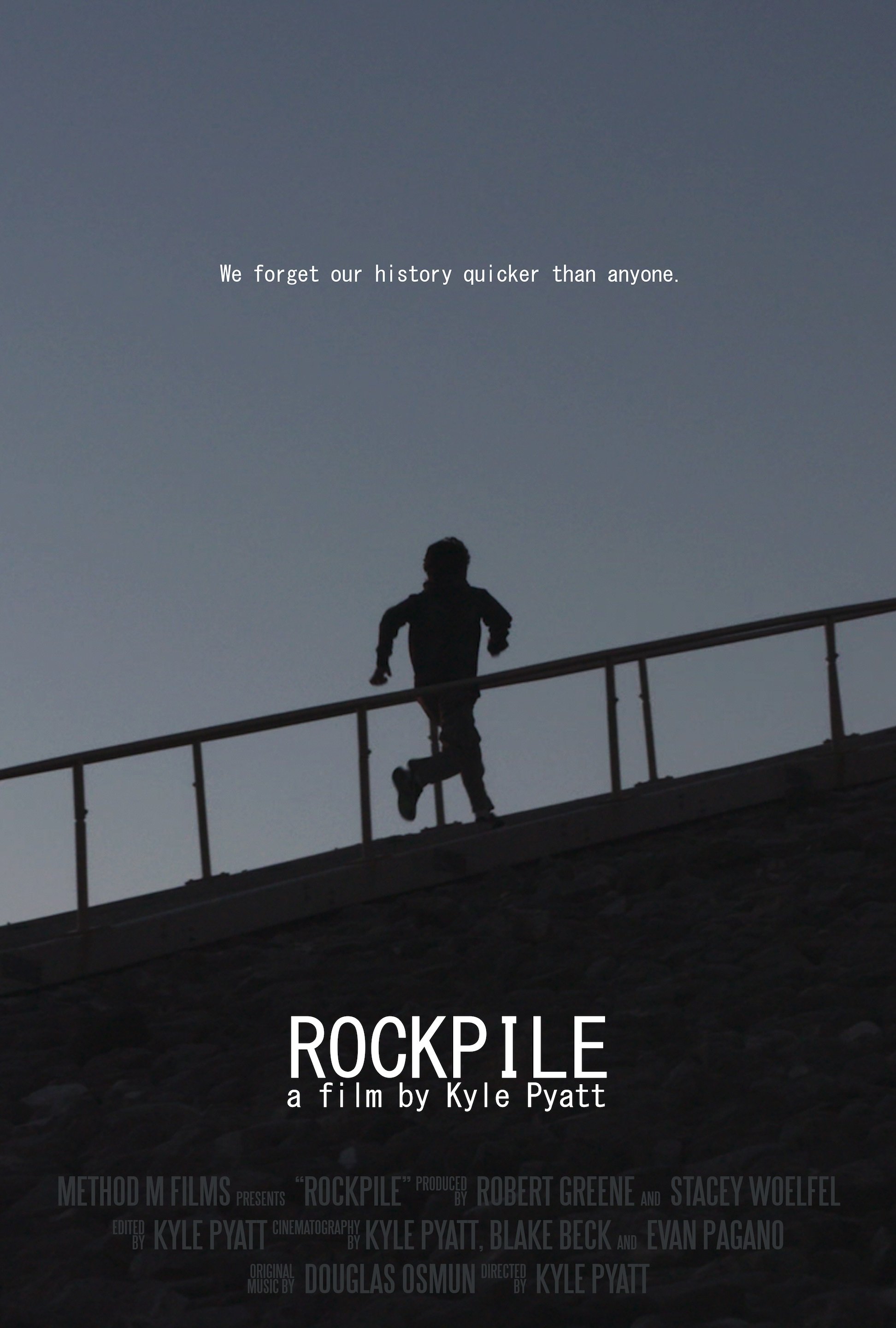
A retired teacher investigates the shadowy history of his rural Missouri community, including the origins of a looming structure known as the Rockpile.
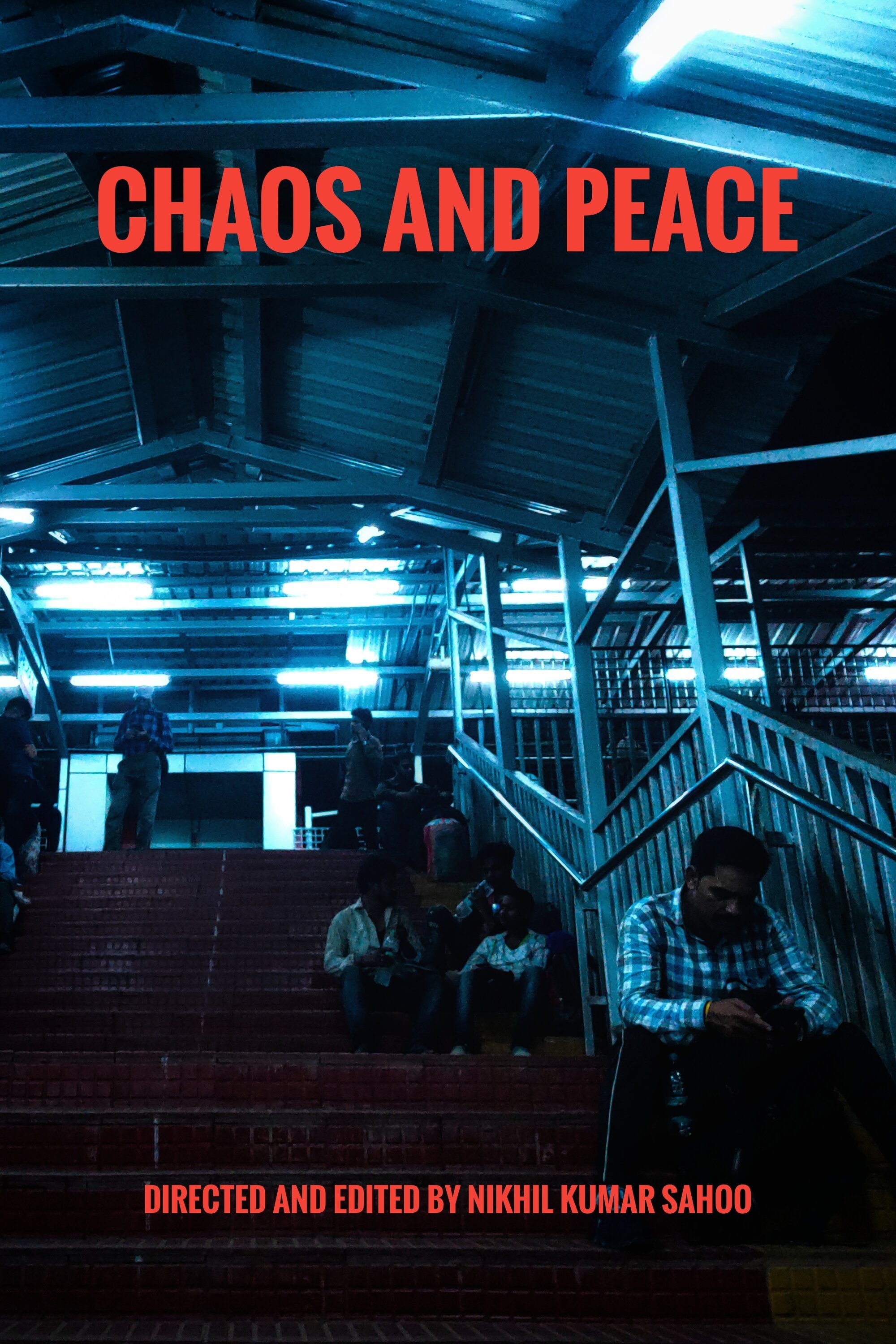
A contrast between village, peaceful life, and city, hectic life, told through images.
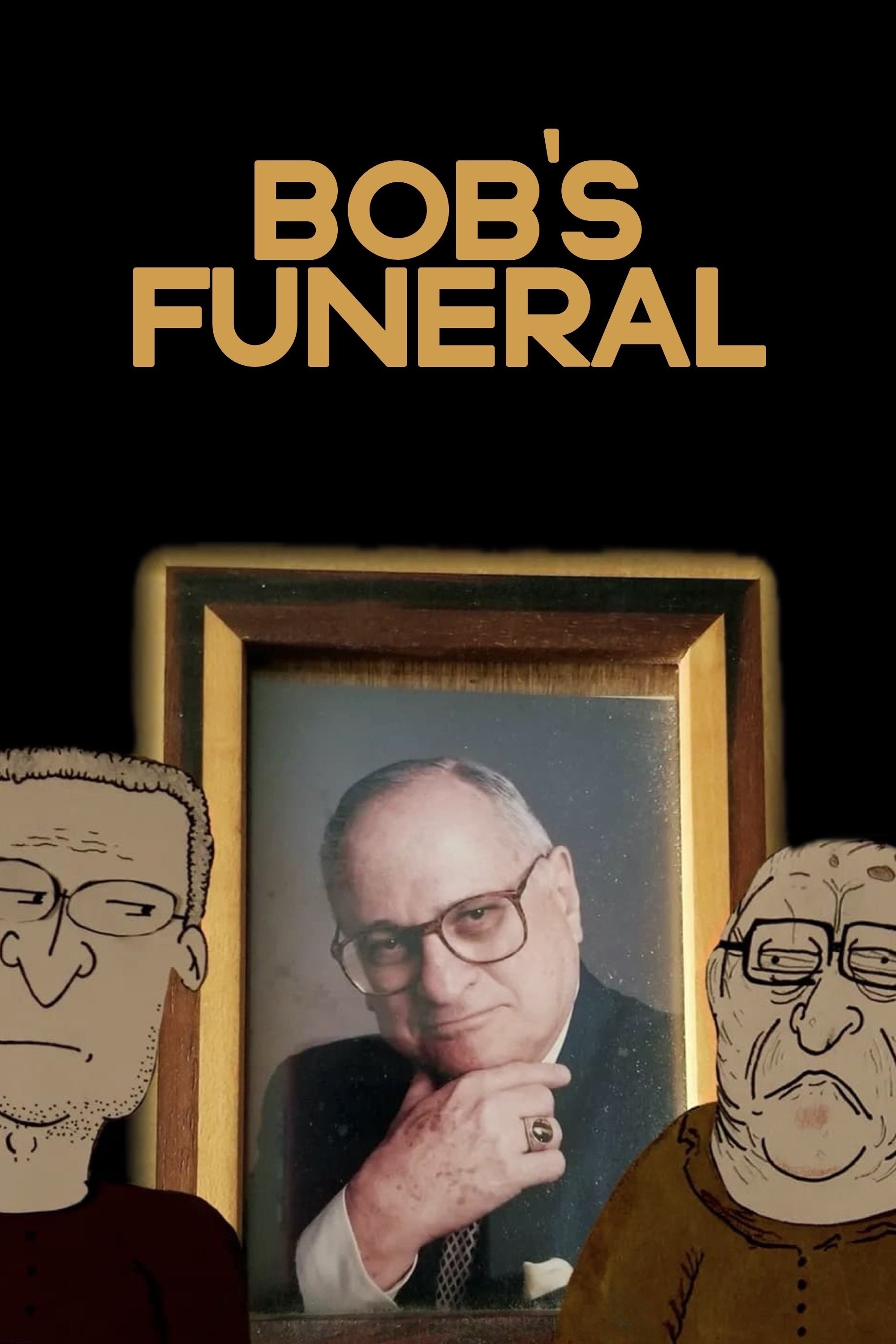
Searching for the root of generational trauma, the director takes a camera into his estranged grandfather’s funeral.
An intimate portrait of Brooklyn-based electronic rock band LCD Soundsystem's then-final live show on April 2, 2011, capturing both the exuberant, three-hour farewell concert at New York City's Madison Square Garden and frontman James Murphy's introspective 48 hours surrounding it.
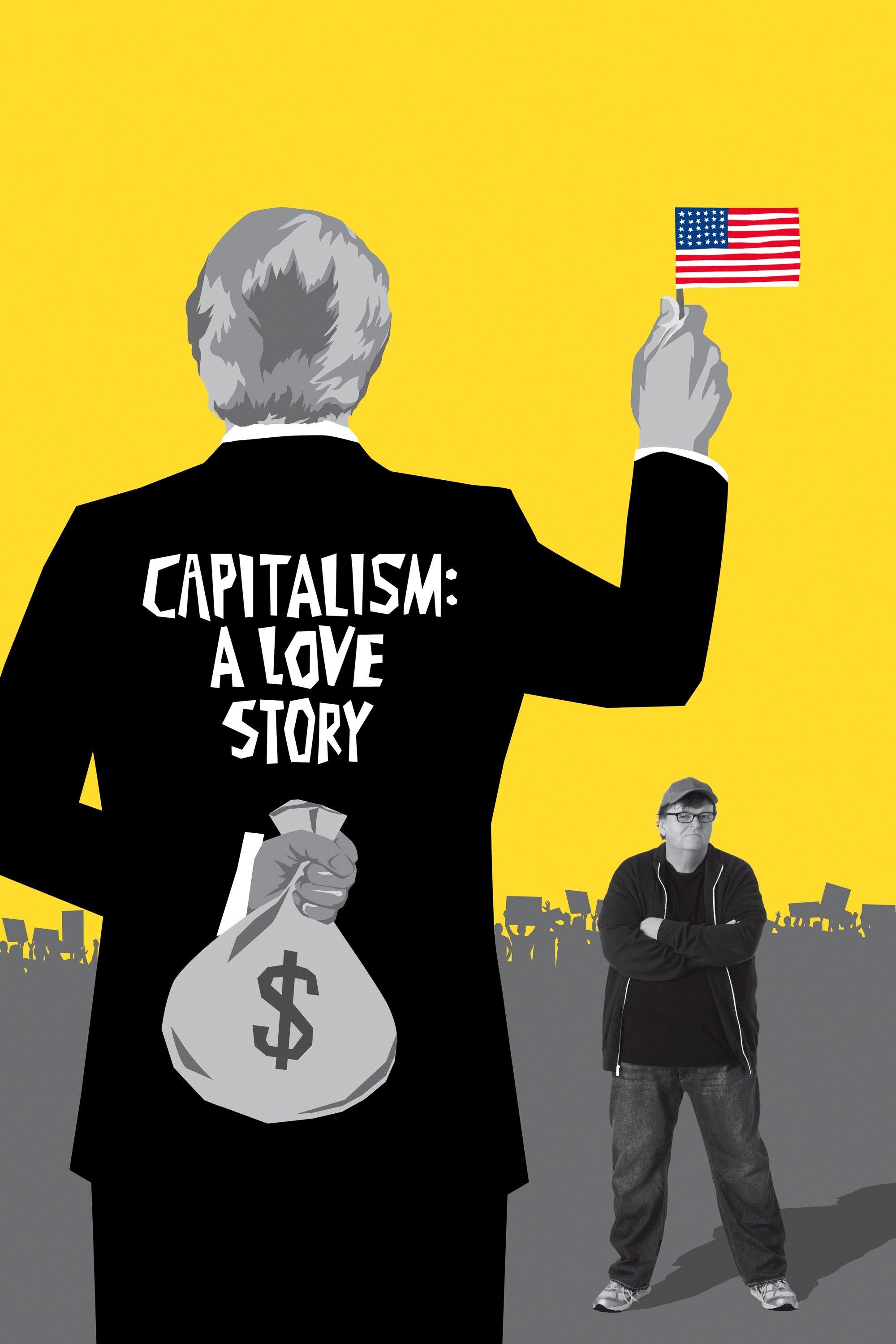
Michael Moore comes home to the issue he's been examining throughout his career: the disastrous impact of corporate dominance on the everyday lives of Americans (and by default, the rest of the world).
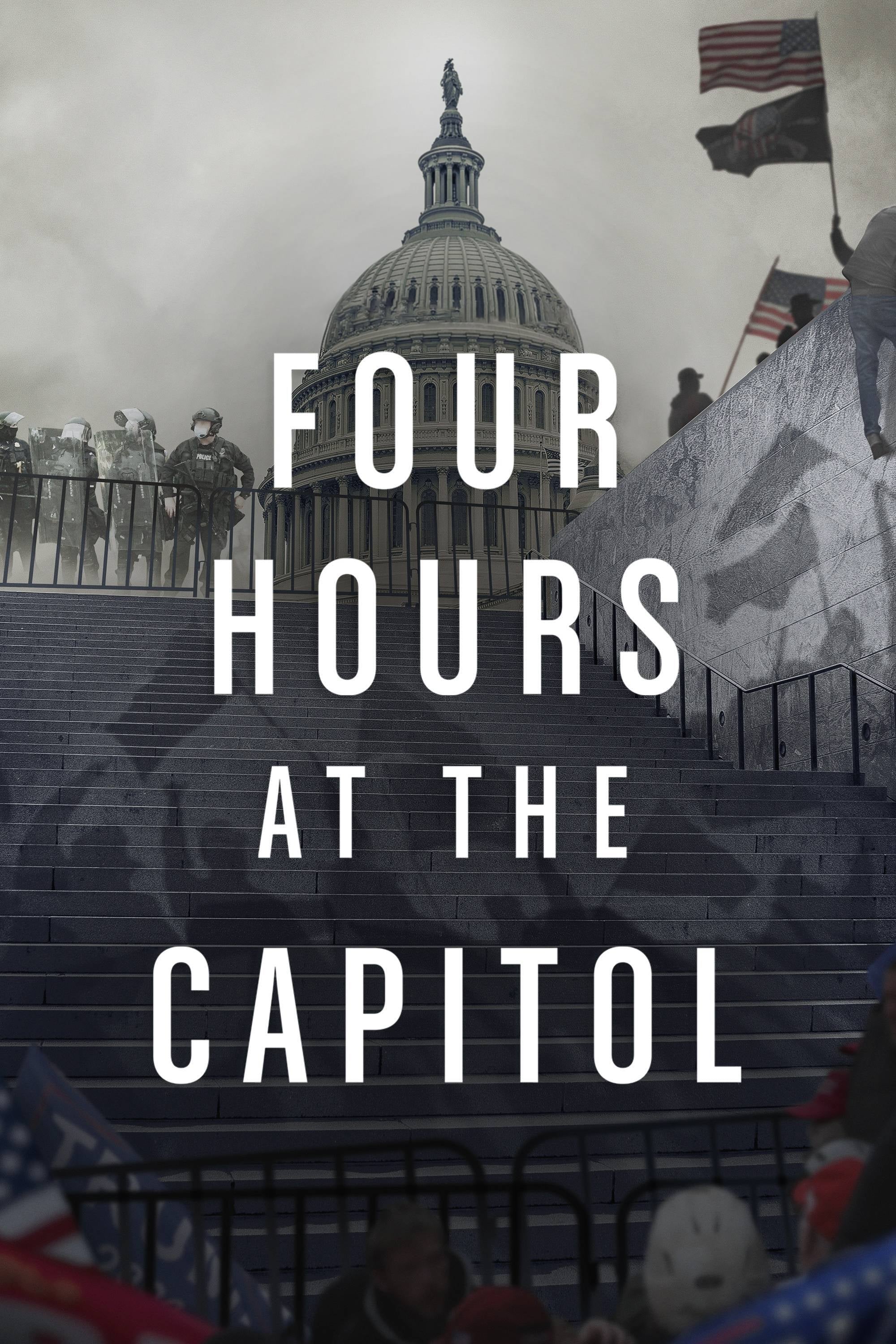
The documentary is an immersive chronicle of the insurrection at the U.S. Capitol on January 6, 2021, when thousands of American citizens from across the country gathered in Washington D.C. to protest the results of the 2020 presidential election, many with the intent of disrupting the certification of Joe Biden's presidency.
Alexander McQueen's rags-to-riches story is a modern-day fairy tale, laced with the gothic. Mirroring the savage beauty, boldness and vivacity of his design, this documentary is an intimate revelation of McQueen's own world, both tortured and inspired, which celebrates a radical and mesmerizing genius of profound influence.
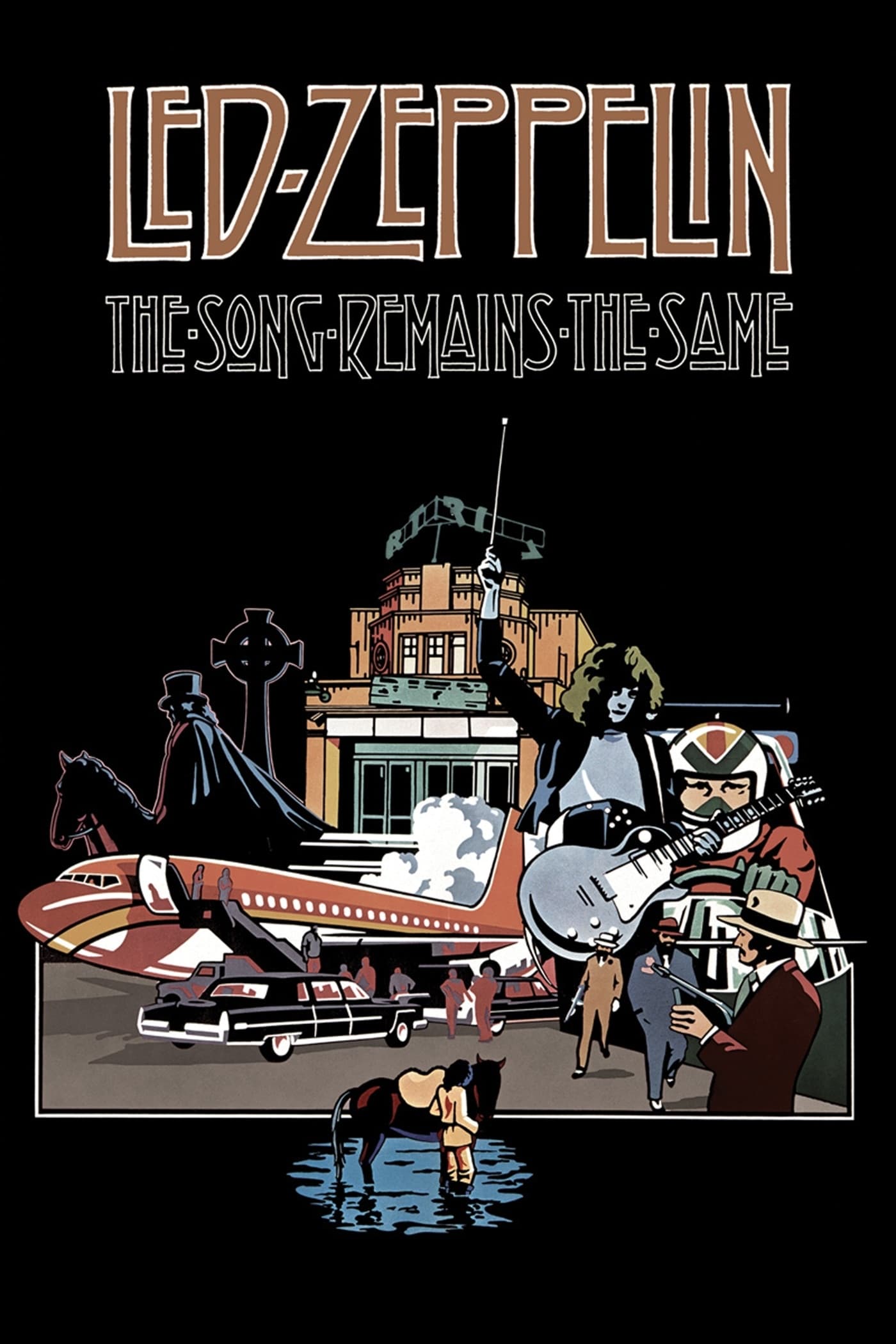
The best of Led Zeppelin's legendary 1973 appearances at Madison Square Garden. Interspersed throughout the concert footage are behind-the-scenes moments with the band. The Song Remains the Same is Led Zeppelin at Madison Square Garden in NYC concert footage colorfully enhanced by sequences which are supposed to reflect each band member's individual fantasies and hallucinations. Includes blistering live renditions of "Black Dog," "Dazed and Confused," "Stairway to Heaven," "Whole Lotta Love," "The Song Remains the Same," and "Rain Song" among others.
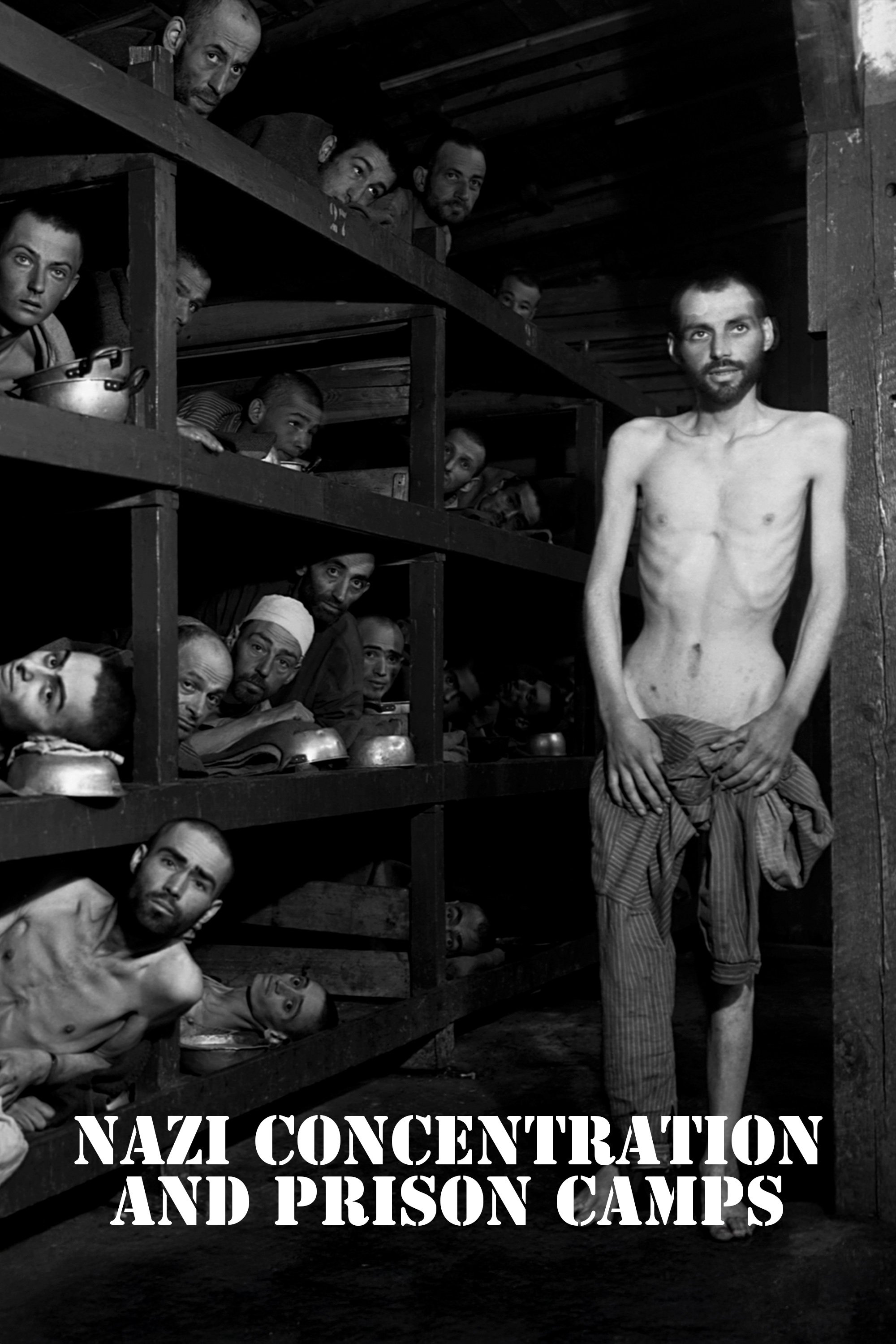
Produced and presented as evidence at the Nuremberg war crimes trial of Hermann Göring and twenty other Nazi leaders, this film consists primarily of dead and surviving prisoners and of facilities used to kill and torture during the World War II.
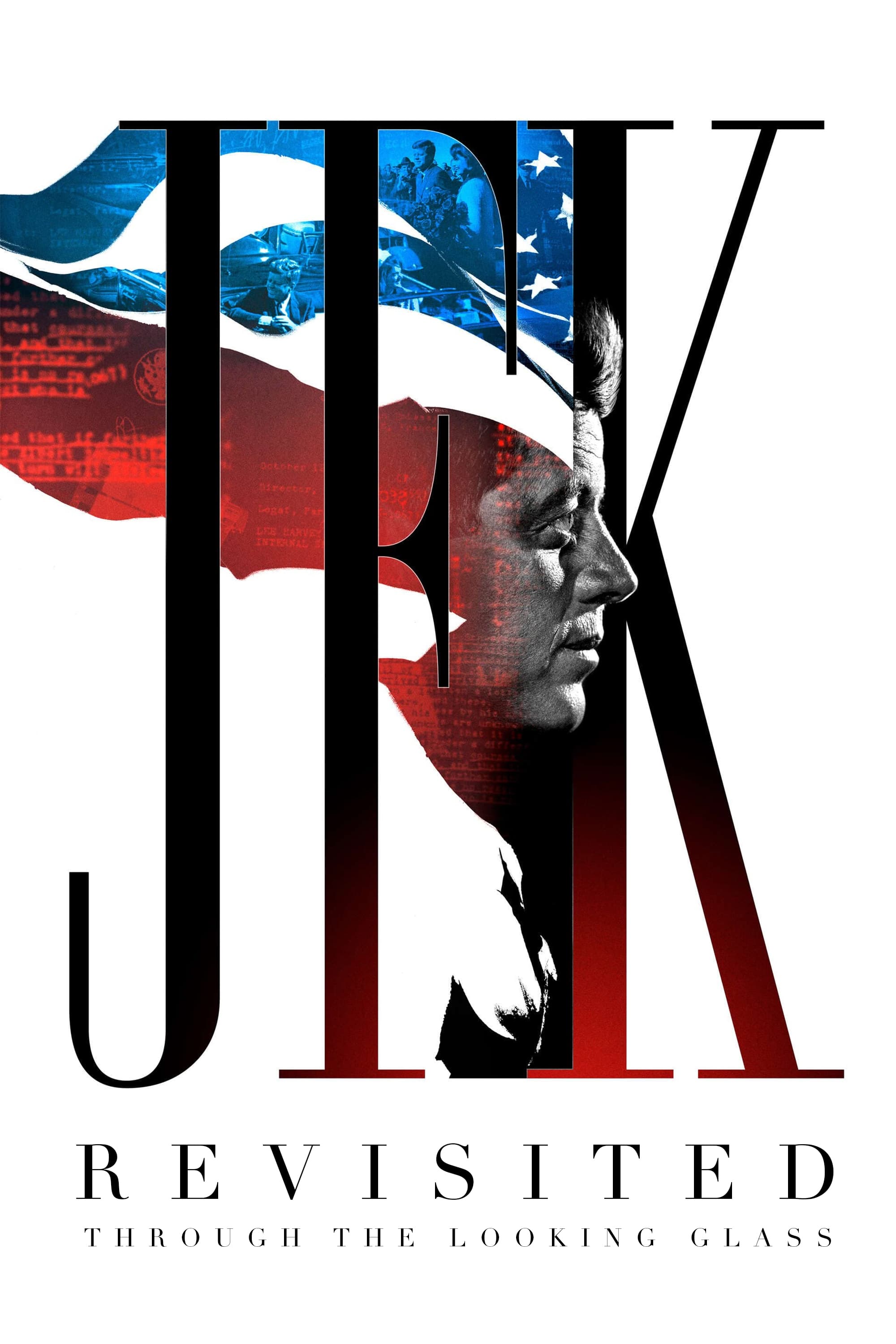
Thirty years after the release of his film JFK (1991), filmmaker Oliver Stone reviews recently declassified evidence related to the assassination of President John F. Kennedy, which took place in Dallas on November 22, 1963.
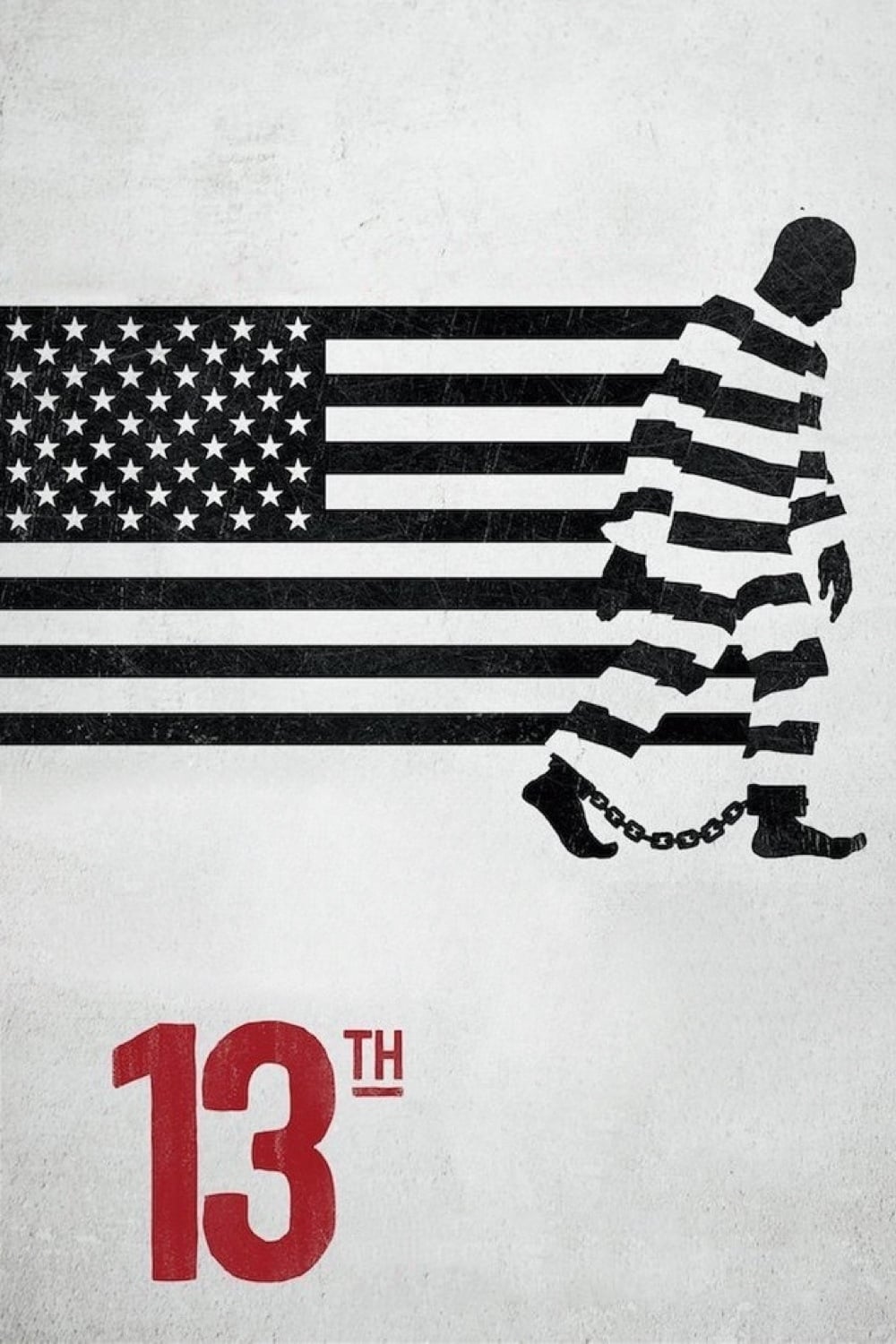
An in-depth look at the prison system in the United States and how it reveals the nation's history of racial inequality.
Experience the events of September 11, 2001 through the eyes of President Bush and his closest advisors as they personally detail the crucial hours and key decisions from that historic day.
A documentary examining possible historical and modern conspiracies surrounding Christianity, the 9/11 terrorist attacks, and the Federal Reserve bank.
Time Is Illmatic is a feature length documentary film that delves deep into the making of Nas' 1994 debut album, Illmatic, and the social conditions that influenced its creation.
A documentary on the expletive's origin, why it offends some people so deeply, and what can be gained from its use.
Unravel the case of Utah therapist Jodi Hildebrandt, whose child abuse arrest with parenting YouTuber Ruby Franke exposed a twisted tale of manipulation.
When Allied forces liberated the Nazi concentration camps in 1944-45, their terrible discoveries were recorded by army and newsreel cameramen, revealing for the first time the full horror of what had happened. Making use of British, Soviet and American footage, the Ministry of Information’s Sidney Bernstein (later founder of Granada Television) aimed to create a documentary that would provide lasting, undeniable evidence of the Nazis’ unspeakable crimes. He commissioned a wealth of British talent, including editor Stewart McAllister, writer and future cabinet minister Richard Crossman – and, as treatment advisor, his friend Alfred Hitchcock. Yet, despite initial support from the British and US Governments, the film was shelved, and only now, 70 years on, has it been restored and completed by Imperial War Museums under its original title "German Concentration Camps Factual Survey".
A tribute to Italian filmmaker Sergio Corbucci (1926-90), presented by American filmmaker Quentin Tarantino.
A documentary about the legendary series of nationally televised debates in 1968 between two great public intellectuals, the liberal Gore Vidal and the conservative William F. Buckley Jr. Intended as commentary on the issues of their day, these vitriolic and explosive encounters came to define the modern era of public discourse in the media, marking the big bang moment of our contemporary media landscape when spectacle trumped content and argument replaced substance. Best of Enemies delves into the entangled biographies of these two great thinkers, and luxuriates in the language and the theater of their debates, begging the question, "What has television done to the way we discuss politics in our democracy today?"
A feature-length documentary about the film Galaxy Quest and its legacy, celebrating its milestone 20th anniversary.
A story of two coalitions – ACT UP and TAG (Treatment Action Group) – whose activism and innovation turned AIDS from a death sentence into a manageable condition. Despite having no scientific training, these self-made activists infiltrated the pharmaceutical industry and helped identify promising new drugs, moving them from experimental trials to patients in record time.
He's devoted his career to uncovering stories the powerful want buried. From My Lai to Abu Ghraib, dig into the life's work of journalist Seymour Hersh.
A visual montage portrait of our contemporary world dominated by globalized technology and violence.