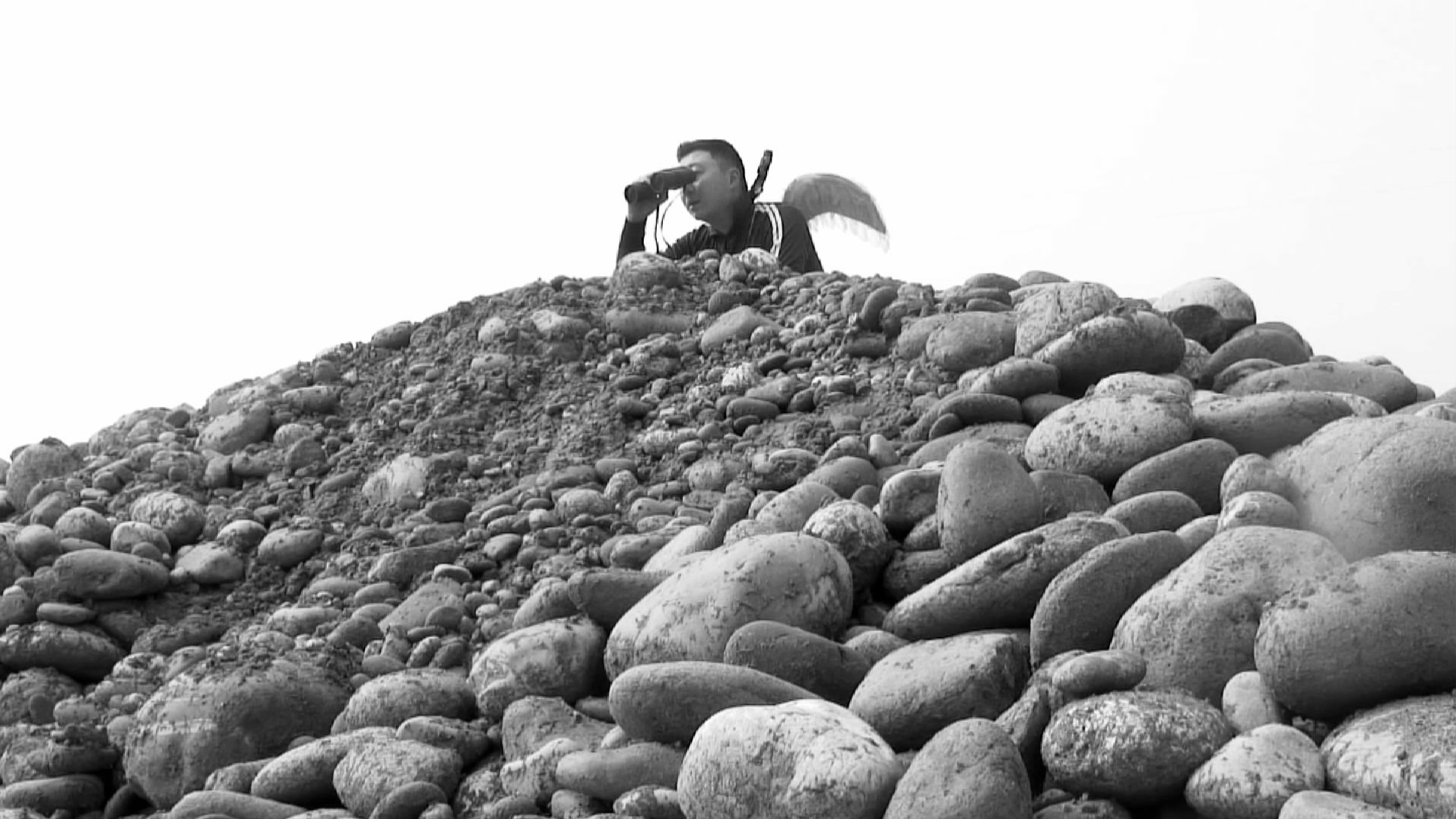
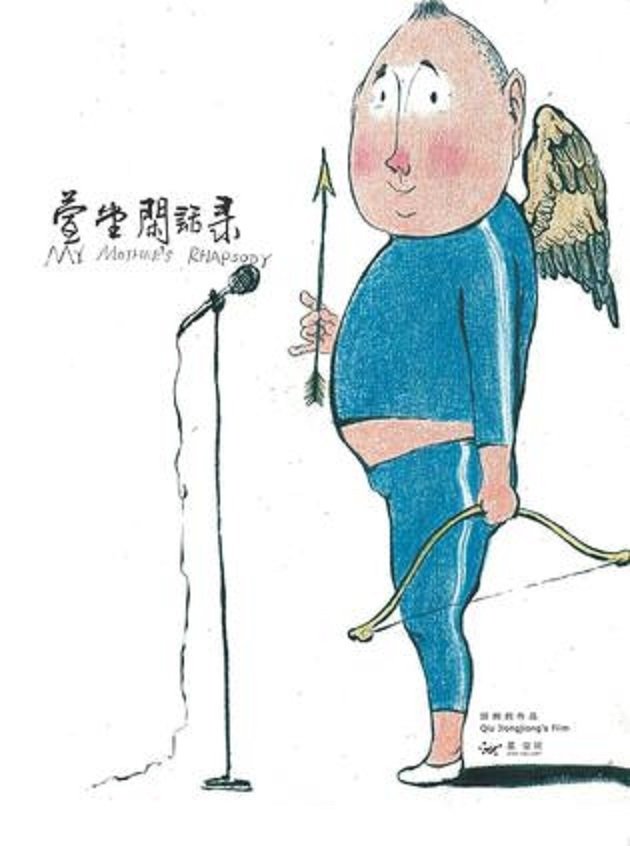
The mother is in her eightieth, the son is in his sixtieth, they talking about their past.
Social & External
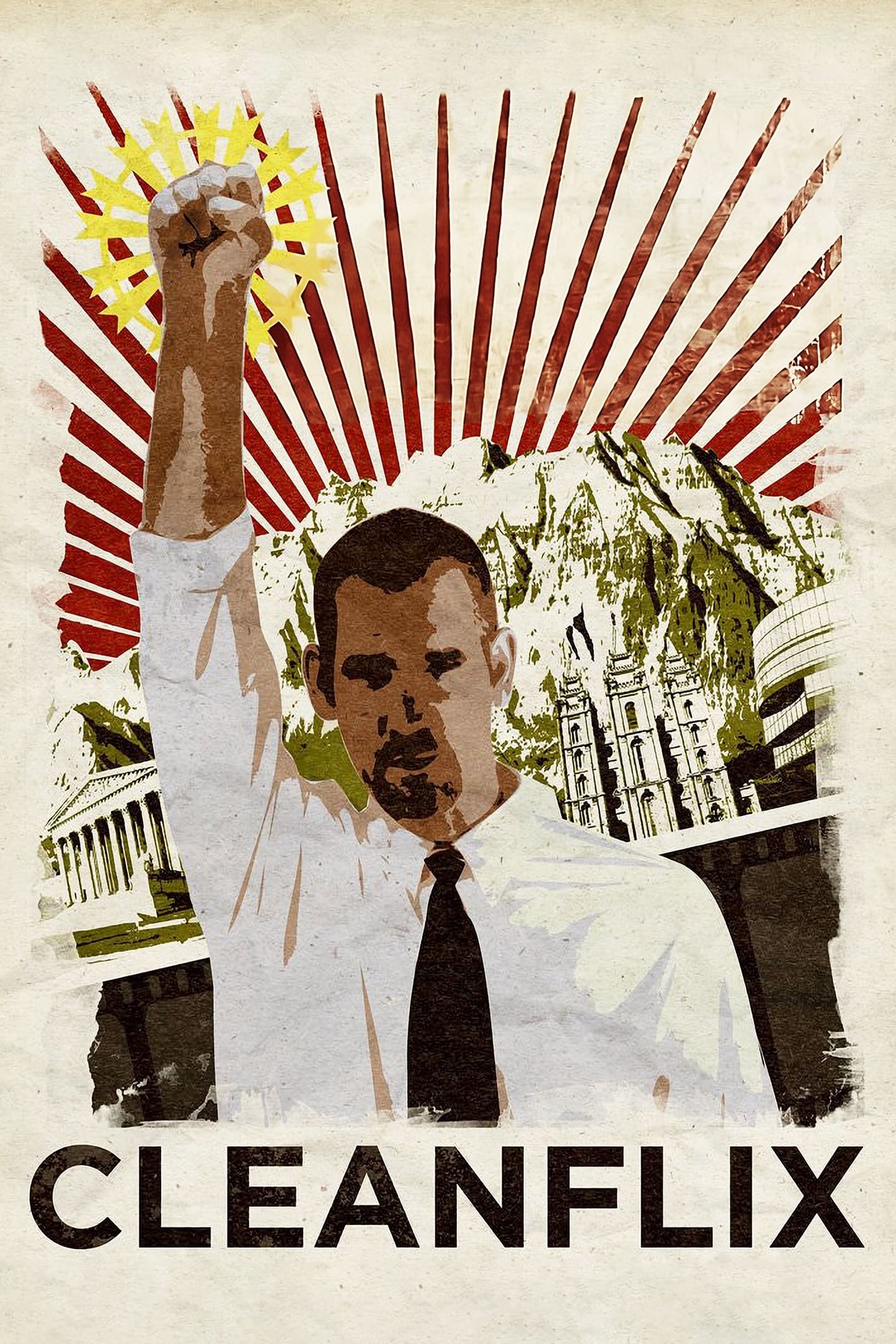
When a small Utah-based edited movie company is caught sanitizing Hollywood's copyrighted material, the film industry strikes back with a devastating blow.
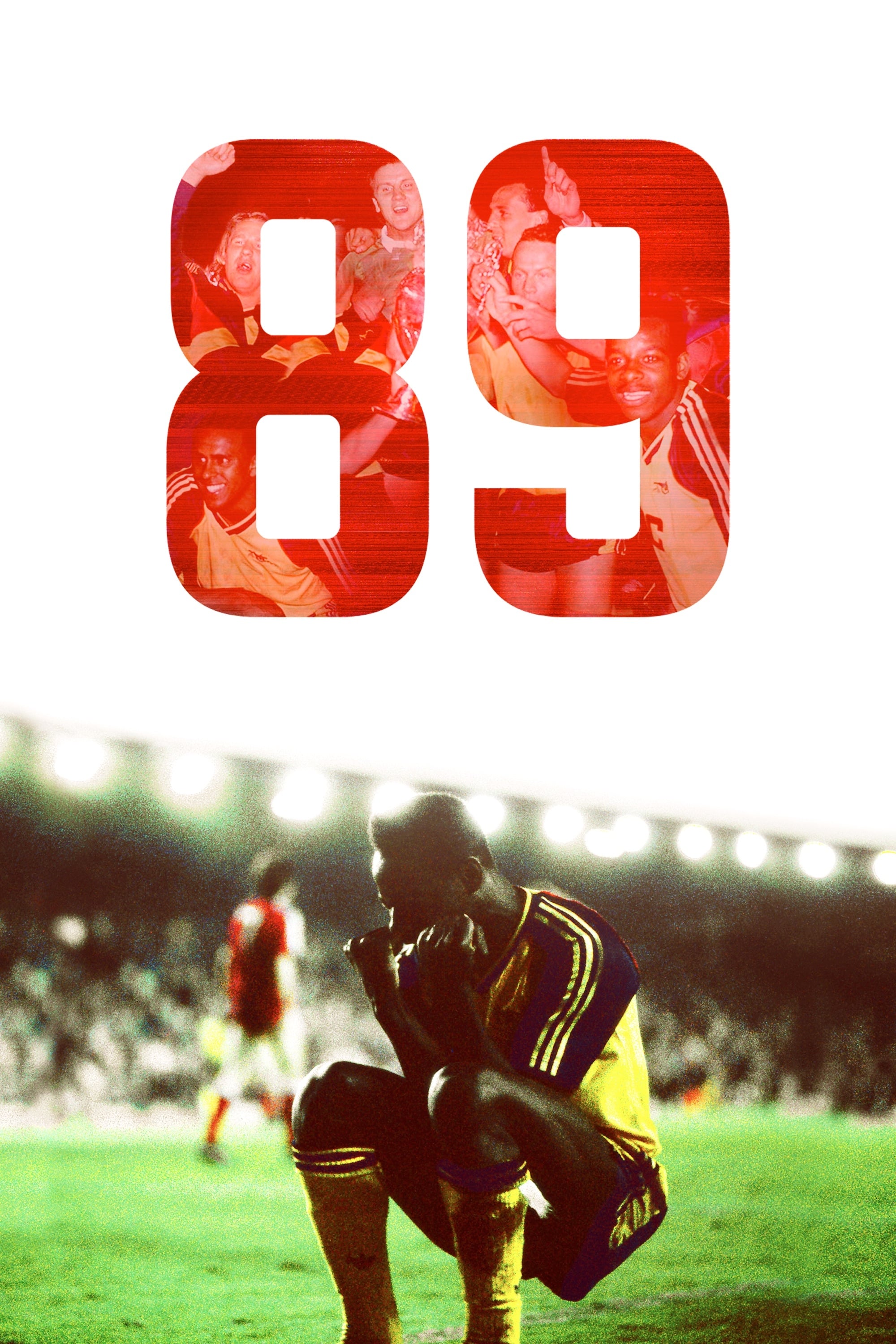
89 tells the incredible story of one of football’s greatest triumphs: when against all odds Arsenal snatched the Championship title from Liverpool at Anfield in the last minute of the last game of the 1988/89 season. It’s a universal tale of a band of brothers who, led by a charismatic and deeply respected manager, came together to defy the odds and create history.
A documentary about rich history of rock scene in Rijeka, Croatia.
A look at the professional, political and personal life of legendary movie producer Jerry Weintraub featuring interviews with friends, family and colleagues.
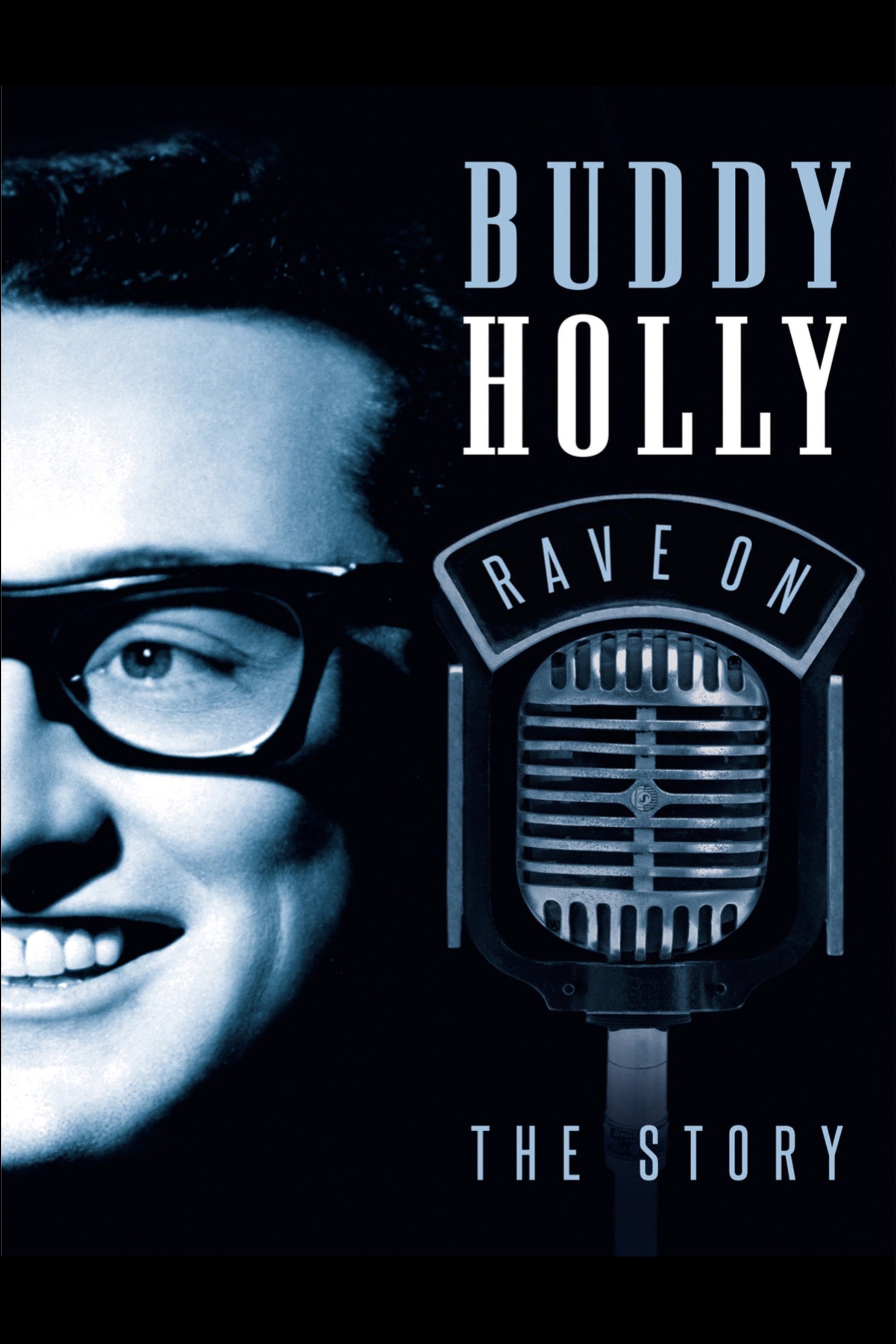
Documentary following the life of rock 'n' roll legend Buddy Holly.
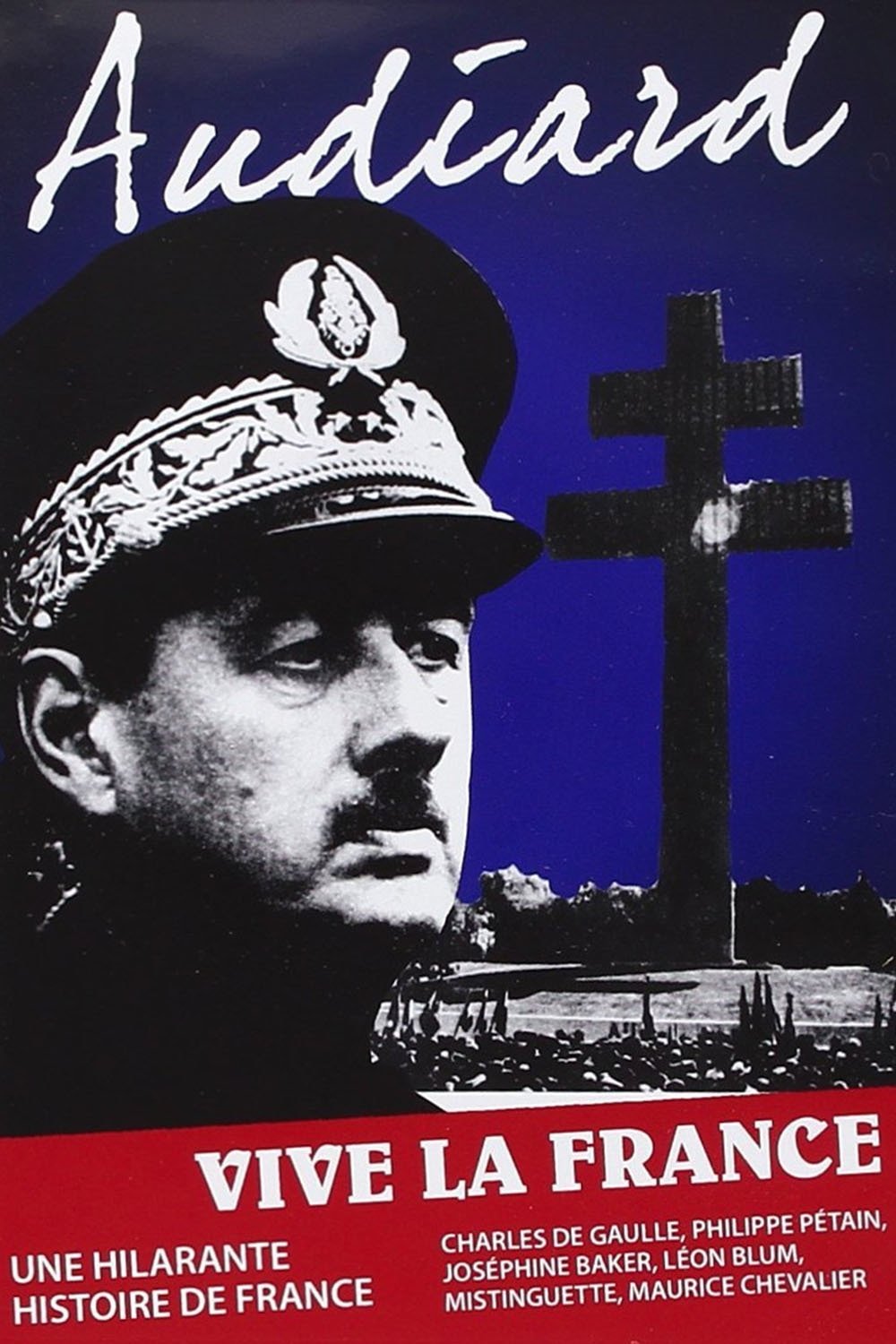
Feature-film director Michel Audiard tackles what he believes to be the mistakenly heroic status given to Charles De Gaulle. In this documentary film, he uses humor, among other things, to demythologize him.
A detailed behind-the-scenes documentary on the making of Superman Returns.
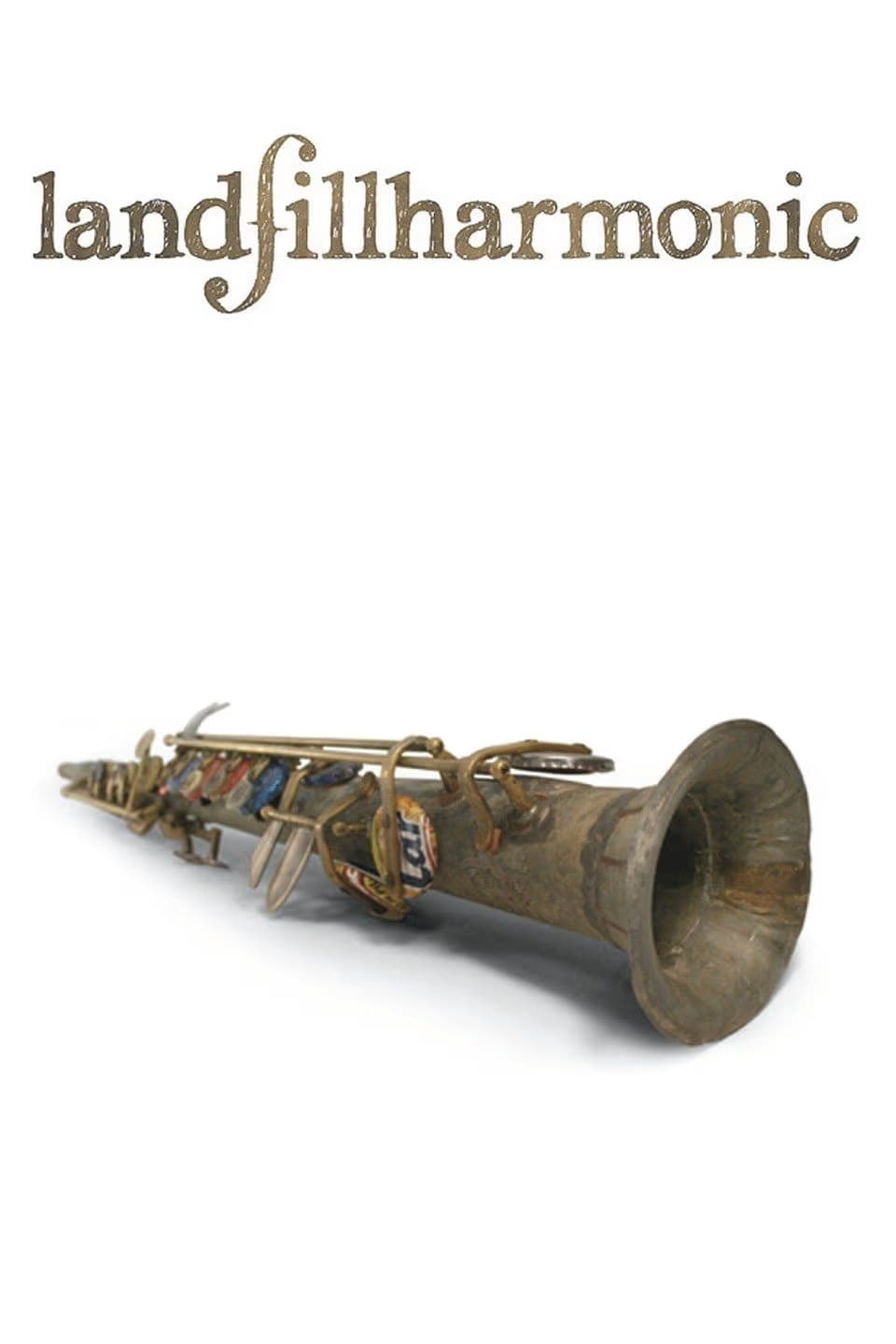
"Landfill Harmonic" follows the Recycled Orchestra of Cateura, a Paraguayan musical group that plays instruments made entirely out of garbage. When their story goes viral, the orchestra is catapulted into the global spotlight. Under the guidance of idealistic music director Favio Chavez, the orchestra must navigate a strange new world of arenas and sold-out concerts. However, when a natural disaster strikes their country, Favio must find a way to keep the orchestra intact and provide a source of hope for their town. The film is a testament to the transformative power of music and the resilience of the human spirit.
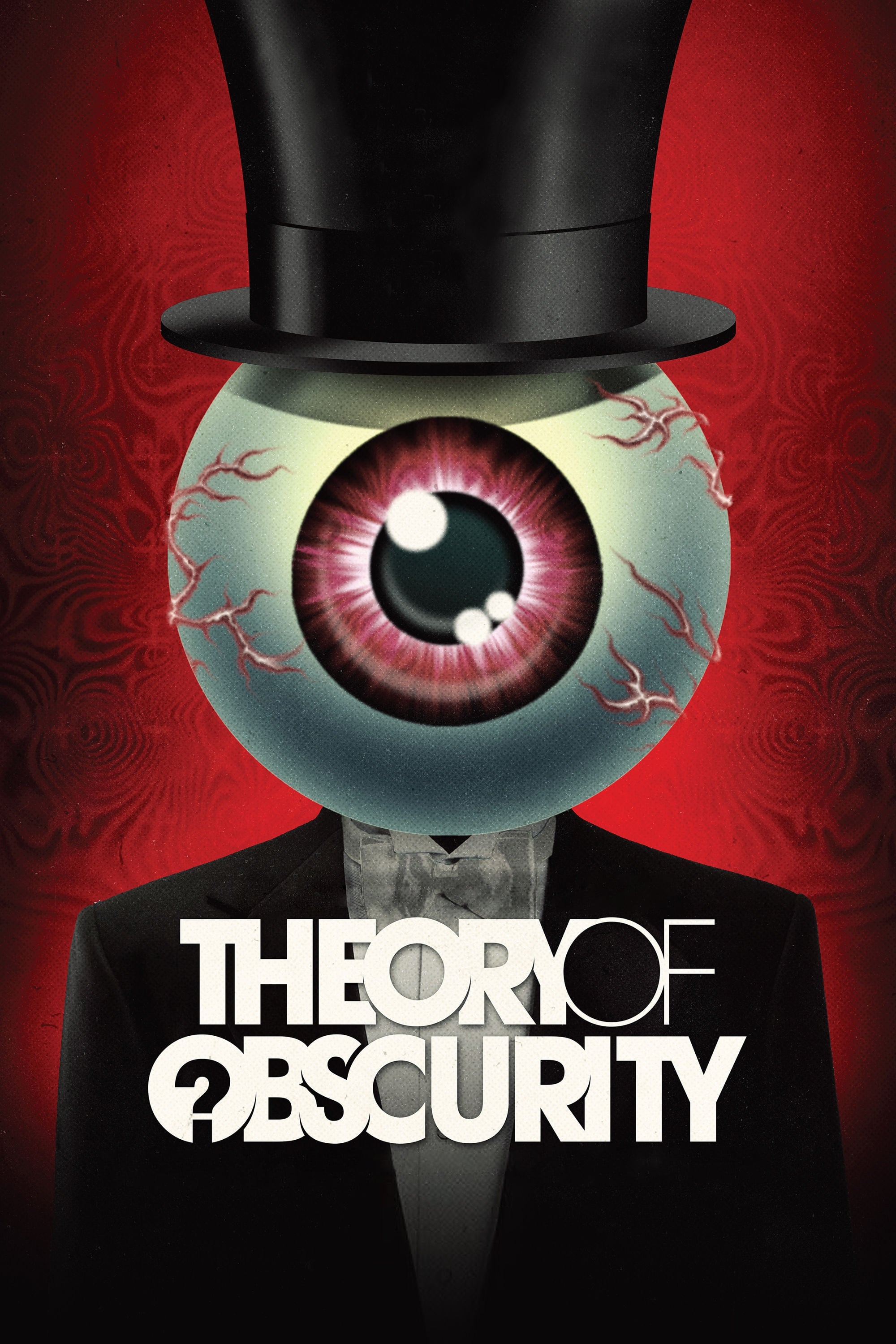
Theory of Obscurity tells the story of the renegade sound and video collective known as The Residents…a story that spans 40 years and is clouded in mystery. Many details surrounding the group are secret, including the identities of its members. They always perform wearing masks and costumes, which is part of their magic. At its heart, this story is about perseverance and chasing your dream. The Residents never caved to convention. They never compromised. They’ve followed their muse for decades and thousands of fans have hung on for the ride. Along the way they’ve also inspired many people to be weird, take chances and find their own voice.
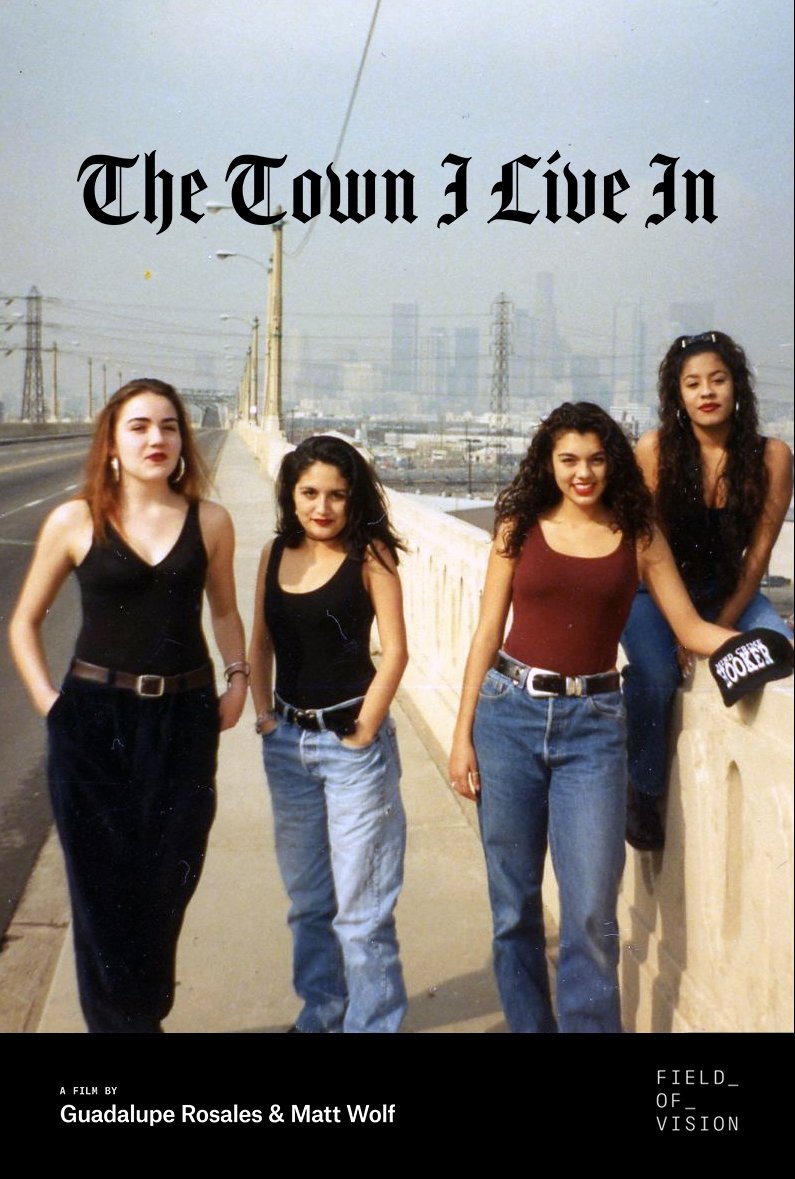
In L.A.’s Boyle Heights neighborhood, local activists and members of the art community clash over the fate of a beloved neighborhood.
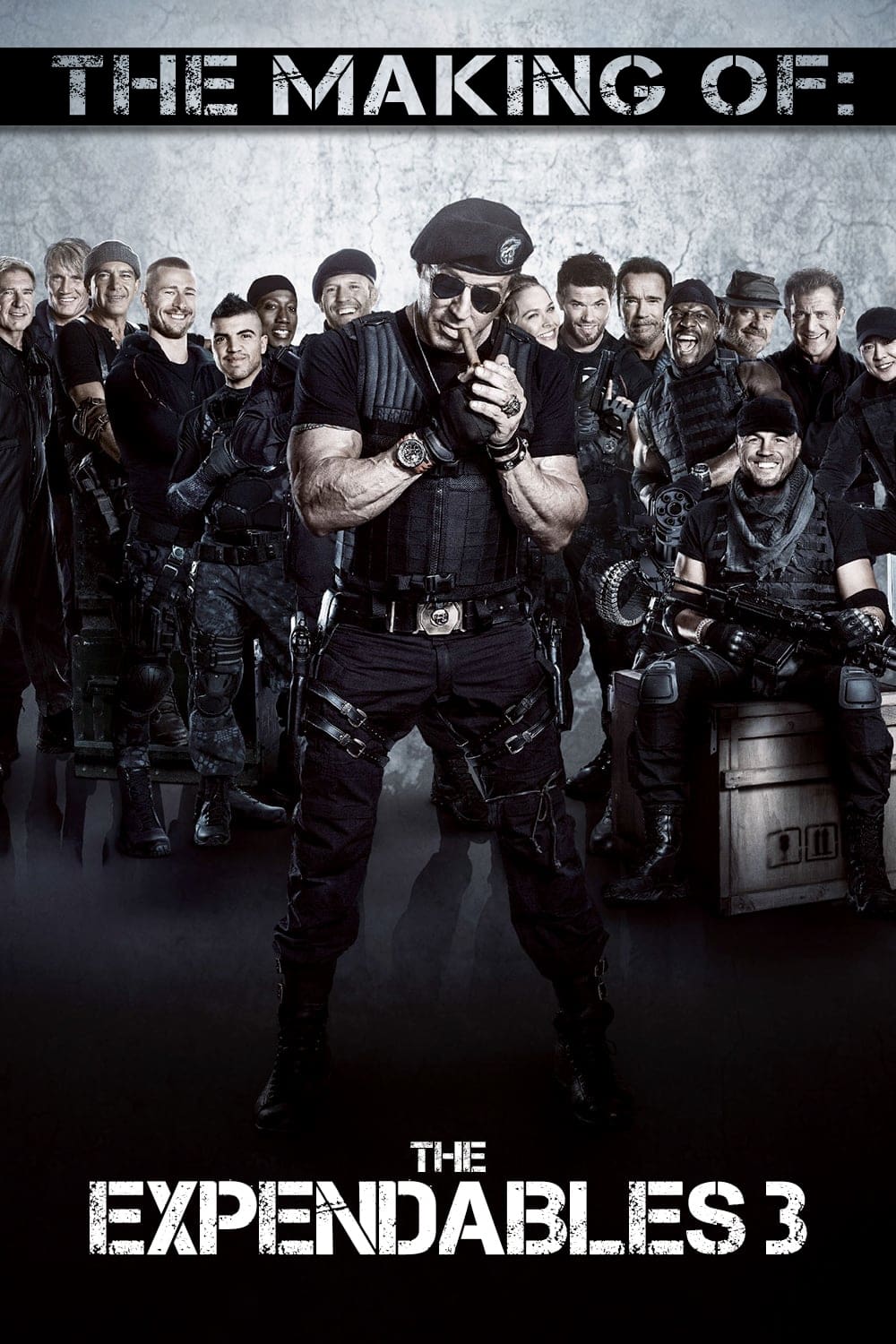
A behind-the-scenes look at the making of the third installment of the Expendables franchise.
'Ringers: Lord of the Fans' is a feature-length documentary that explores how "The Lord of the Rings" has influenced Western popular culture over the past 50 years.
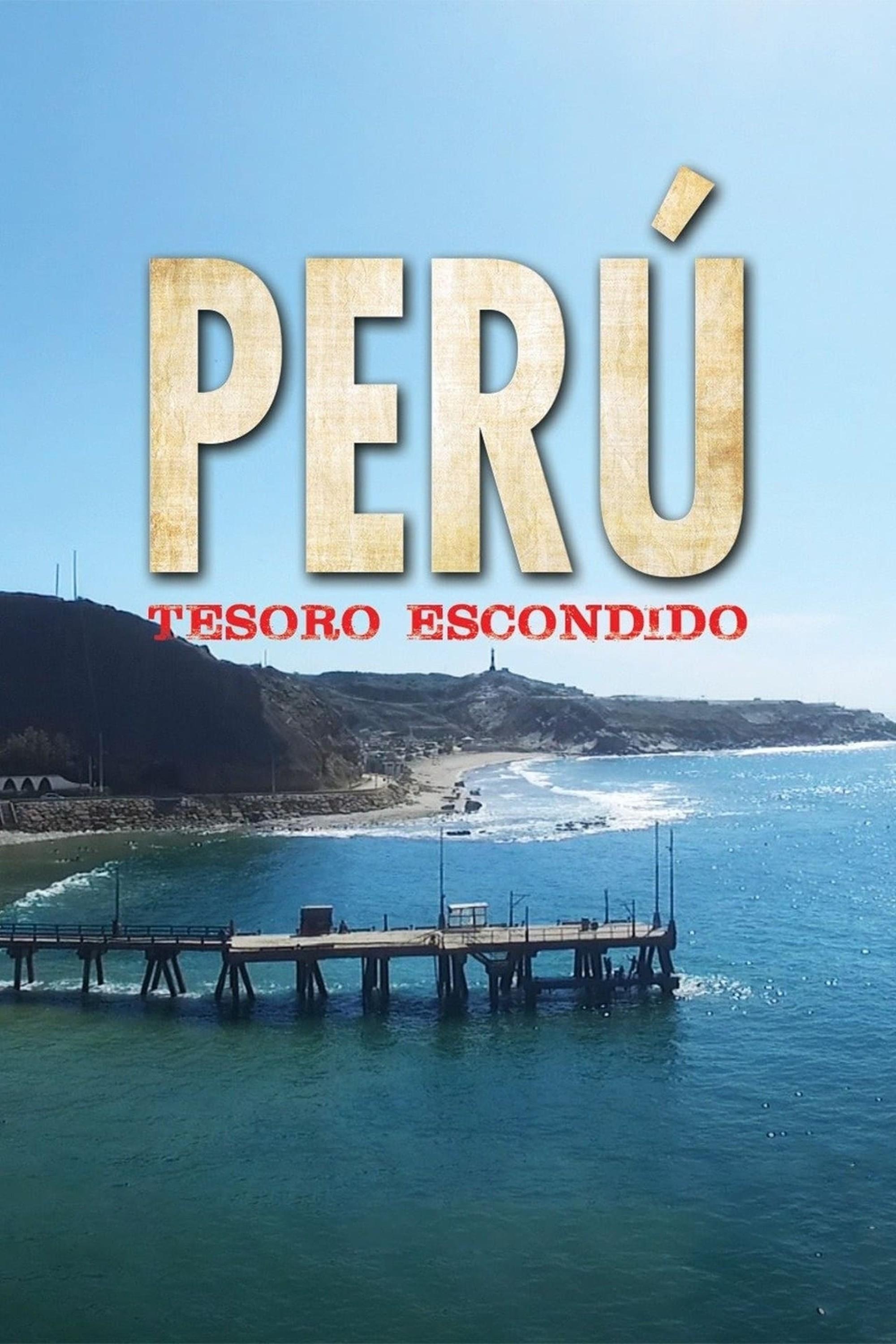
Peru is a country steeped in cultural traditions that stretch back more than 1,000 years. But it's also a land of surprising natural riches.
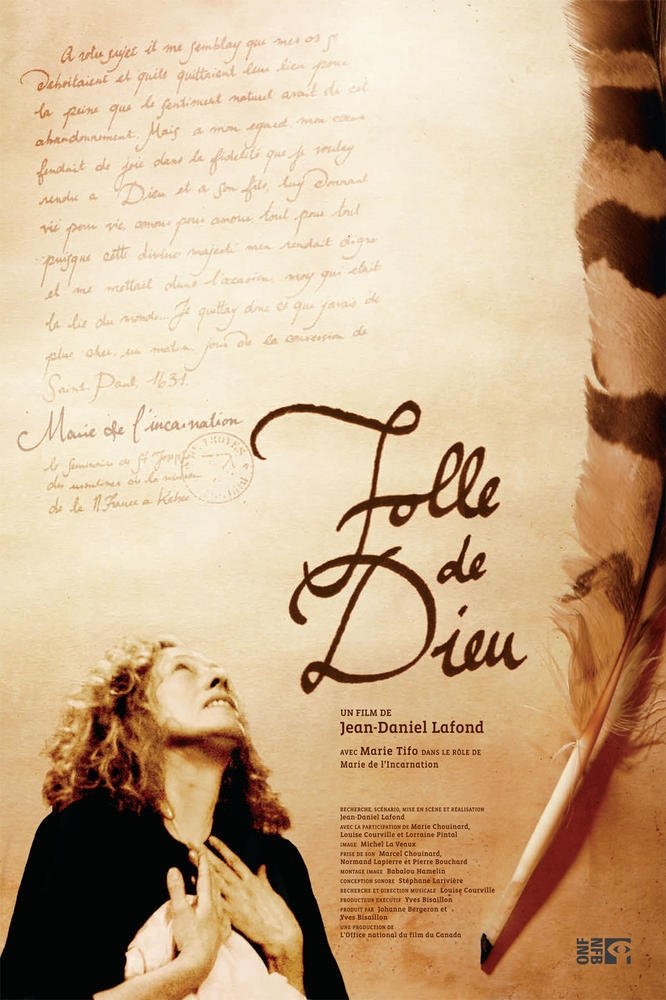
This feature-length film tells the story of the passion between Marie de l’Incarnation, a mid-seventeenth-century nun and God, her "divine spouse." Fusing documentary and acting by Marie Tifo, whom we follow as she rehearses for this demanding role, the film paints an astonishing portrait of this mystic who abandoned her son and left France to build a convent in Canada, where she became the first female writer in New France.
Obesity rates in the United States have reached epidemic proportions in recent years. Killer at Large shows how little is being done and more importantly, what can be done to reverse it. Killer at Large also explores the human element of the problem with portions of the film that follow a 12-year old girl who has a controversial liposuction procedure to fix her weight gain and a number of others suffering from obesity, including filmmaker Neil Labute.
The eagerly anticipated wait is over, after 5 years since the release of her last album, Adele is back! Fans have applauded her return, by breaking the record for most viewed video in a single day, reaching an astounding 28.7M views in the first 24 hours. The British singer has knocked Taylor Swift off the record, previously holding most viewed video in a single day for her Bad Blood video which reached 20 million views. “Hello” has now been viewed nearly 89 million times on Vevo alone since the day of its release, and has already topped the iTunes charts in 85 countries. The success of this debut single has blown everyone away and the rest of her album will most likely follow suit. Through her own words, video and live performance this documentary takes an incredible look at the life and times of this truly amazing young artist.
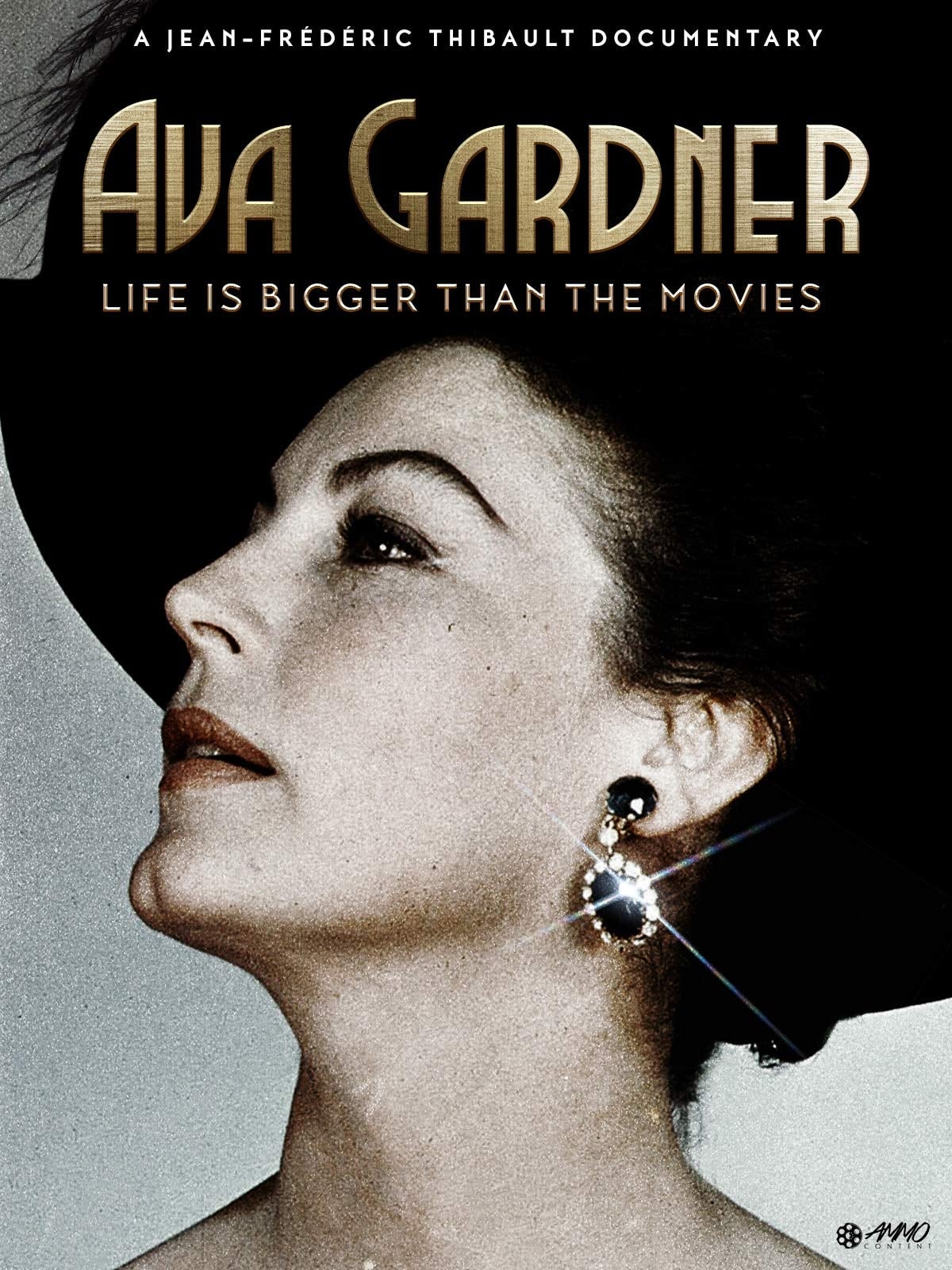
A barefoot contessa, a screwed-up princess, an exquisite drunk, a bawdy aristocrat, a nightmare for puritanical America and the moguls of Metro-Goldwyn-Mayer, Ava Gardner never stopped loving those she loved. She turned women green and made men sweat. And rejected with all her force the bulwark of normality.
Documentary that describes and analyzes the characteristics, themes and central concerns of Roman Polanski's cinema.
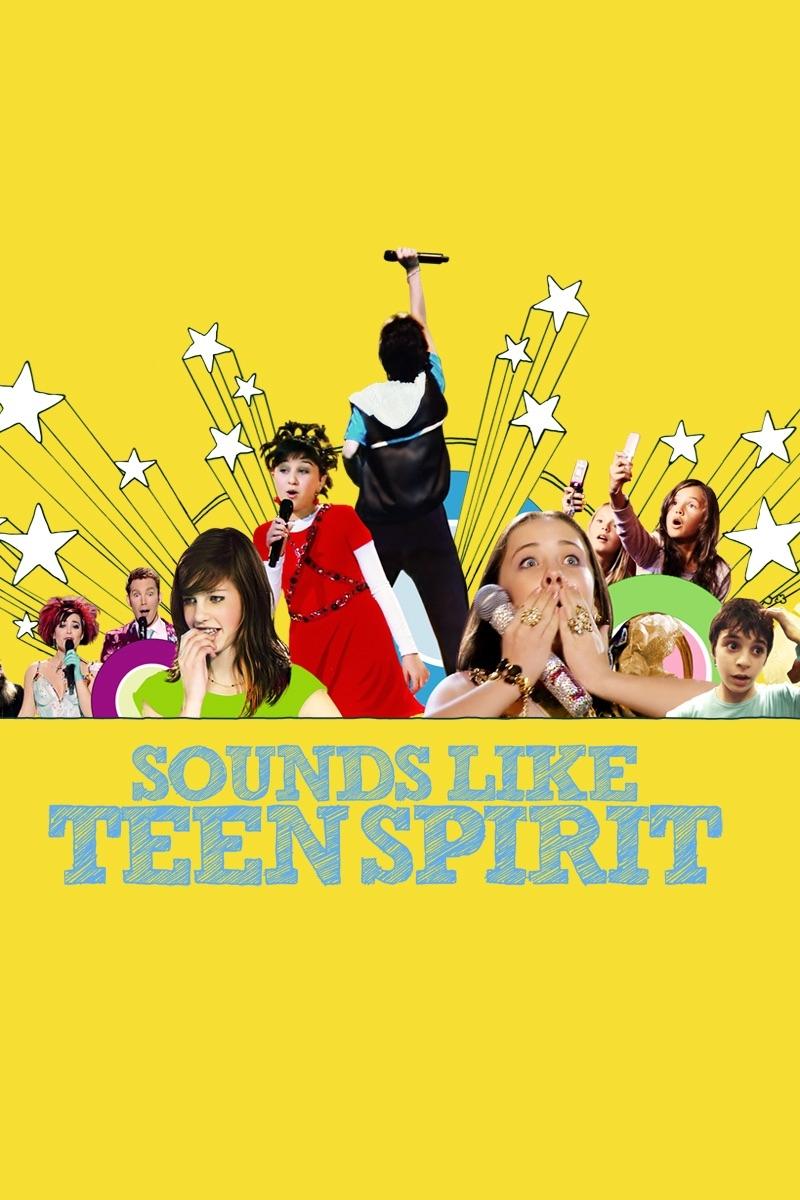
A 2008 documentary and debut feature film of Bafta-Award nominated director Jamie Jay Johnson. It follows the lives of the participants of the Junior Eurovision Song Contest 2007, specifically the entrants from Belgium, Bulgaria, Cyprus and Georgia. The film sees them proceed from the national finals that saw them crowned the representatives of their country through to the international song festival itself held in Rotterdam, the Netherlands where they each compete against 16 other acts.
Through deeply personal interviews with her siblings and an examination of the photographs, letters, and belongings left behind, Mariska assembles a new portrait of her mother Jayne Mansfield, an extraordinary and complex woman.
A detailing of the rise to prominence and global sporting superstardom of six supremely talented young Manchester United football players (David Beckham, Nicky Butt, Ryan Giggs, Paul Scholes, Phil and Gary Neville). The film covers the period 1992-1999, culminating in Manchester United's European Cup triumph.
This revealing documentary honors the legendary Sidney Poitier—iconic actor, filmmaker, and civil rights activist. Featuring interviews with Denzel Washington, Spike Lee, Halle Berry, and more.
A documentary on the expletive's origin, why it offends some people so deeply, and what can be gained from its use.
A documentary about how a dominant cultural and demographic institution both sustains their traditional activities and adapts to the digital revolution.
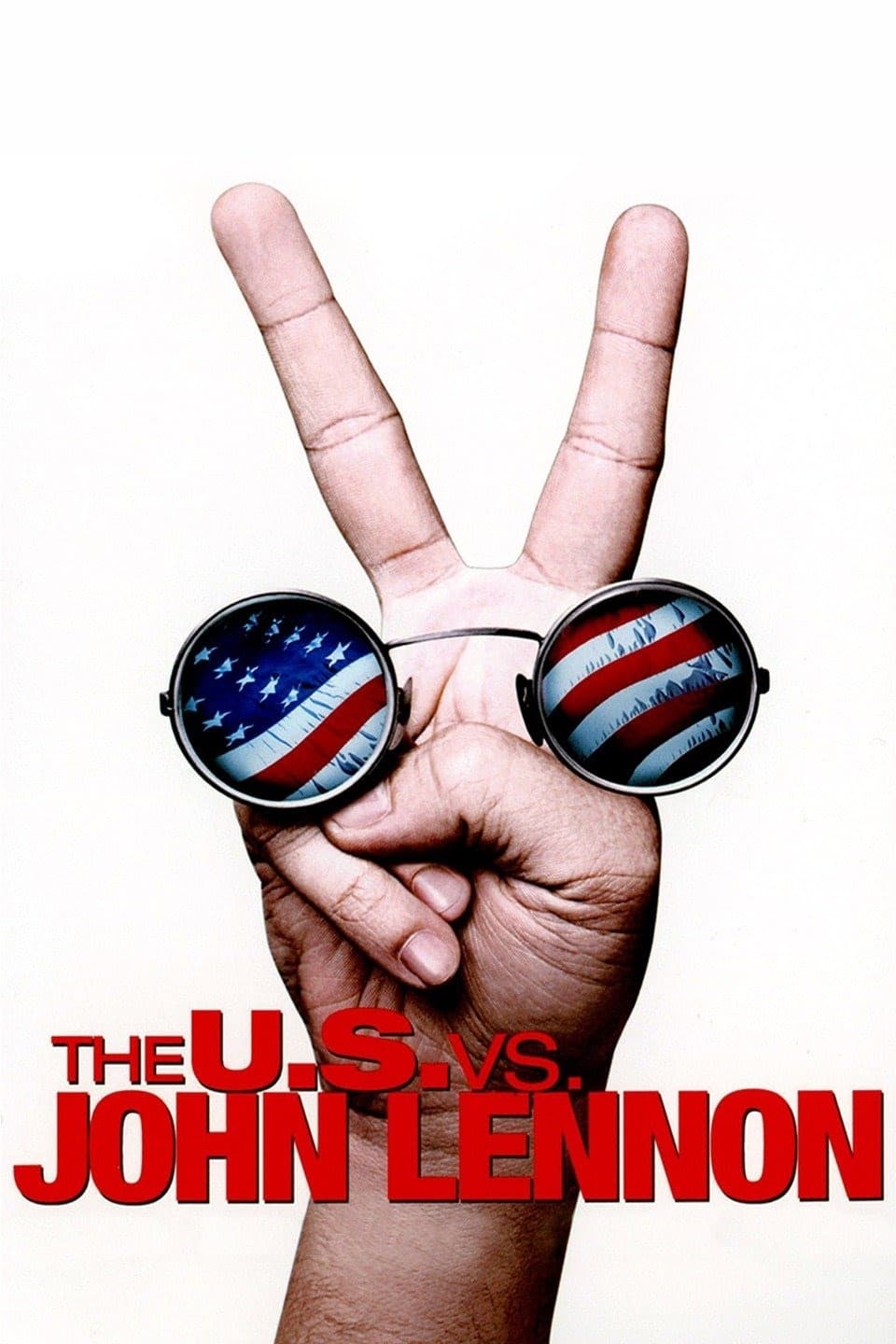
A documentary on the life of John Lennon, with a focus on the time in his life when he transformed from a musician into an antiwar activist.
A documentary examining the decade of the 1970s as a turning point in American cinema. Some of today's best filmmakers interview the influential directors of that time.
The life and career of one of comedy's most inimitable modern voices, Mr. Gilbert Gottfried.
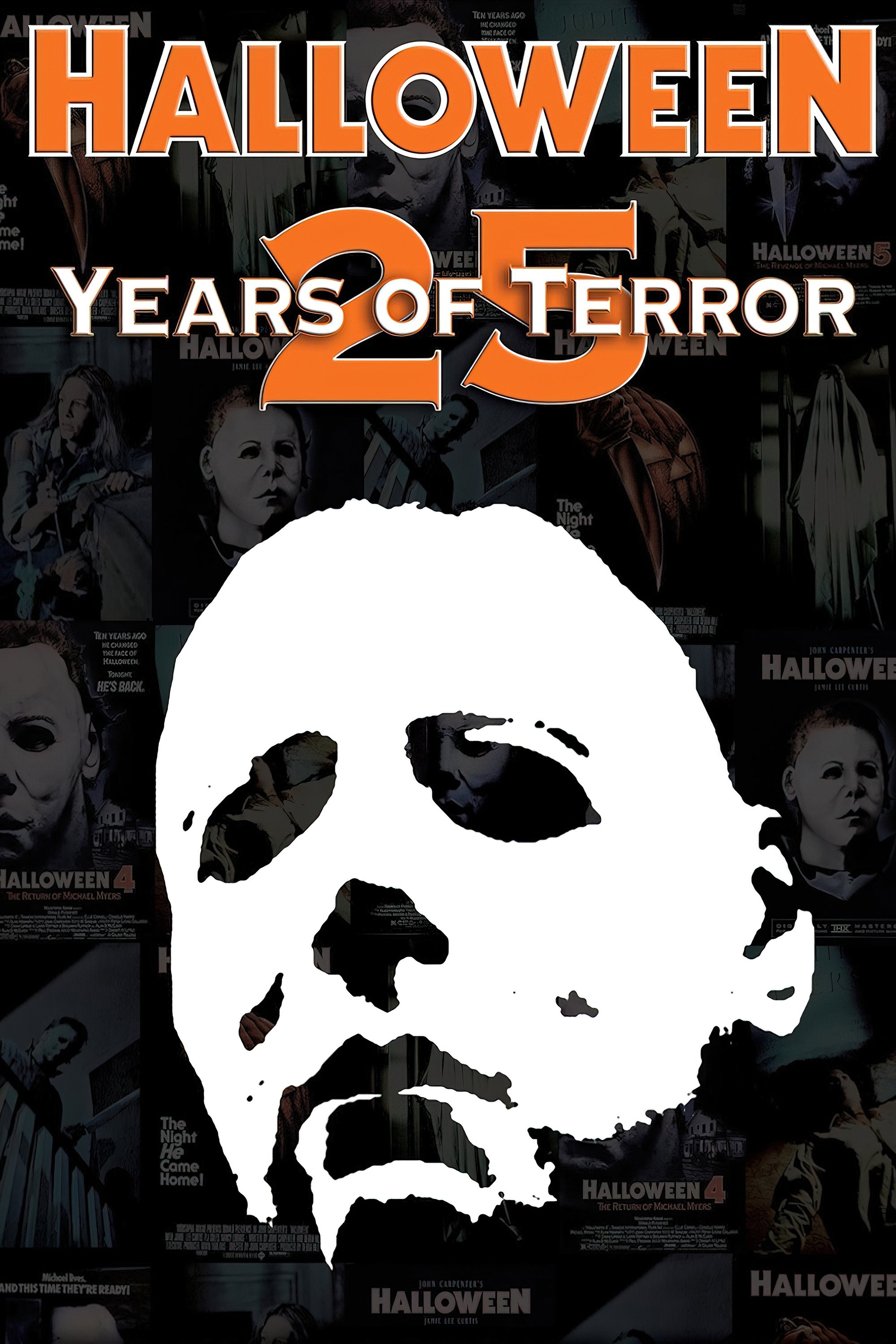
Follow the evolution of the 'Halloween' movies over the past twenty-five years. It examines why the films are so popular and revisits many of the original locations used in the films - seeing the effects on the local community. For the first time, cast, crew, critics and fans join together in the ultimate 'Halloween' retrospective.
A visual montage portrait of our contemporary world dominated by globalized technology and violence.
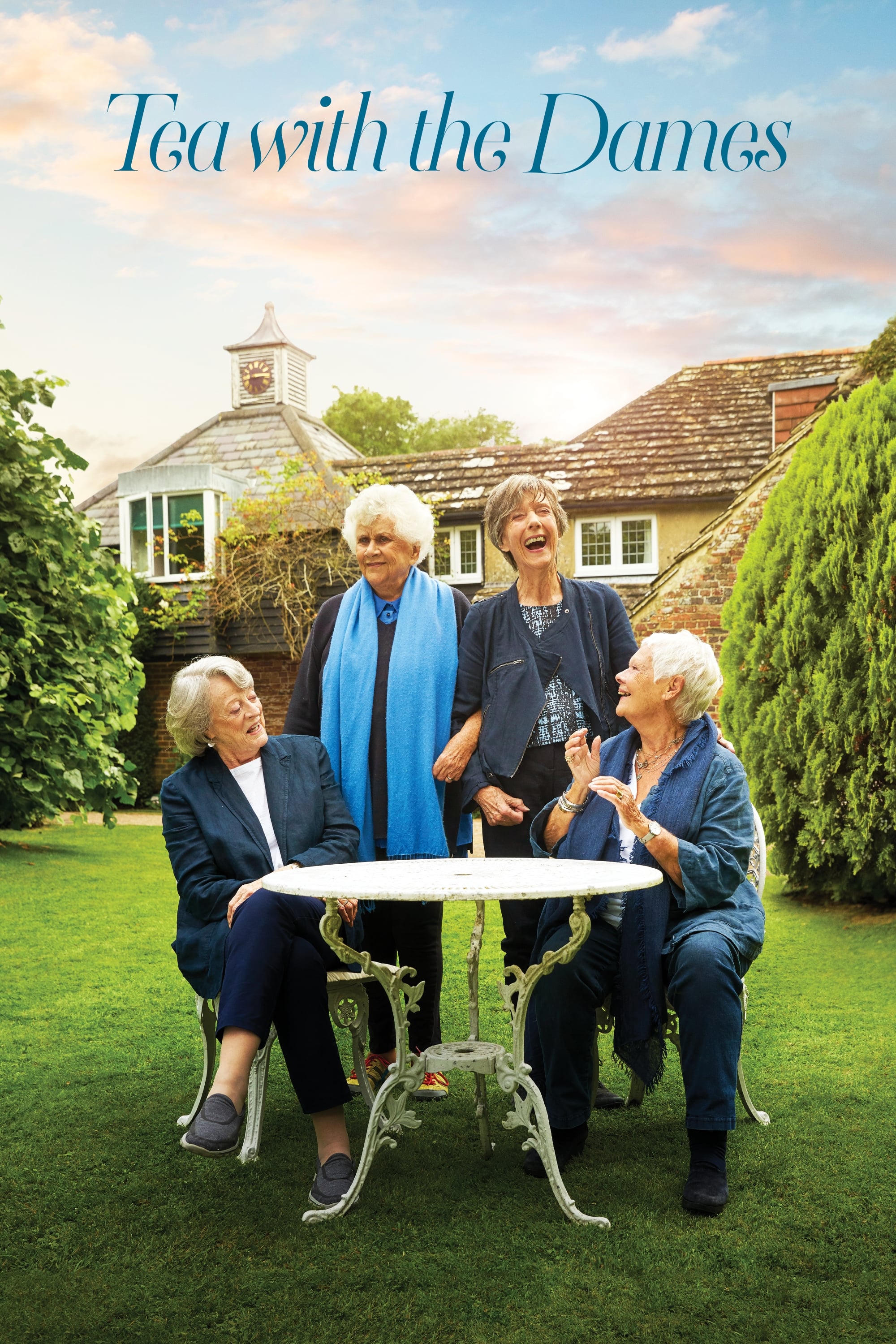
BBC Arena's documentary on the Dames of British Theatre and film featuring Maggie Smith, Eileen Atkins, Judi Dench and Joan Plowright on screen together for the first time as they reminisce over a long summer weekend in a house Joan once shared with Sir Laurence Olivier.
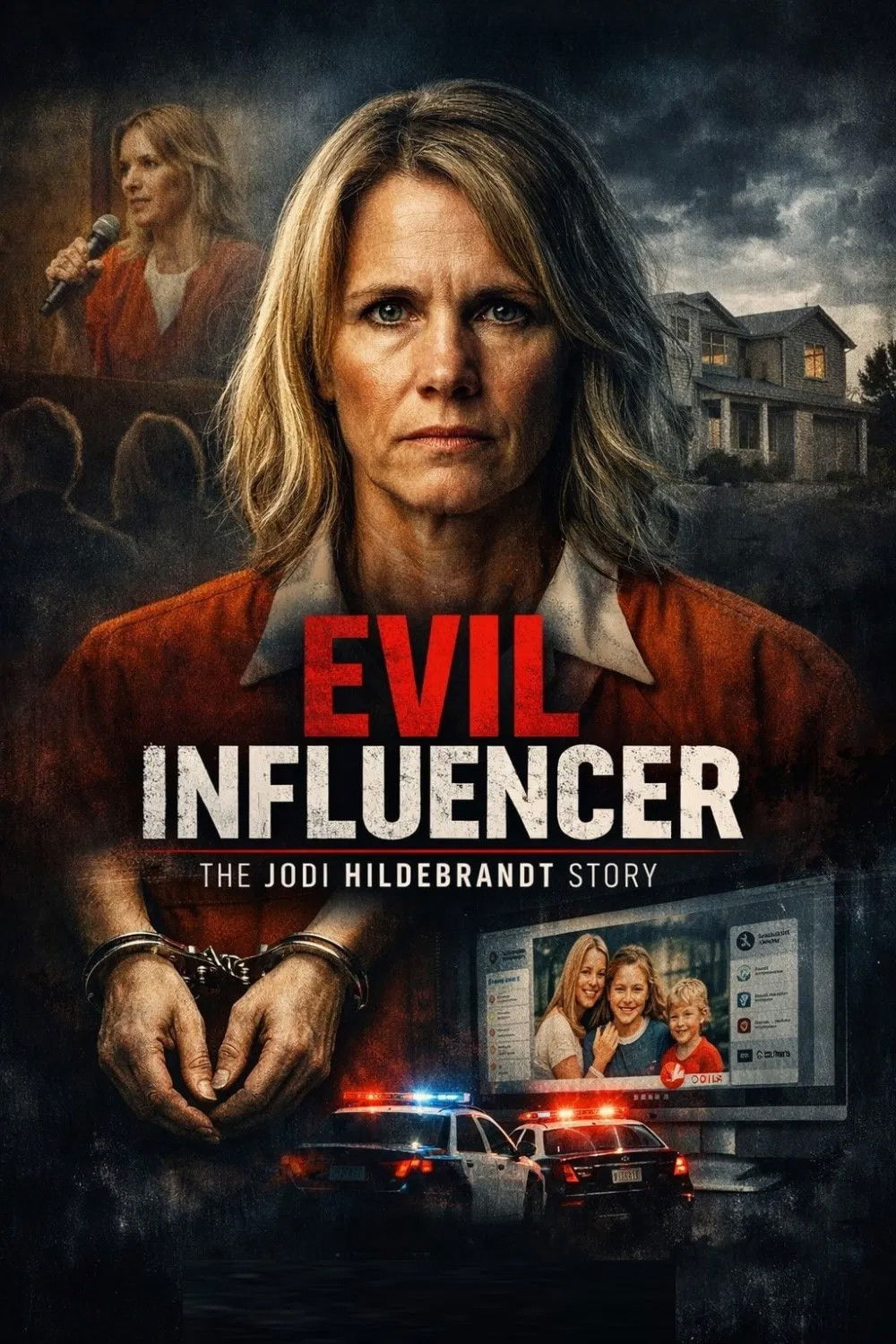
Unravel the case of Utah therapist Jodi Hildebrandt, whose child abuse arrest with parenting YouTuber Ruby Franke exposed a twisted tale of manipulation.
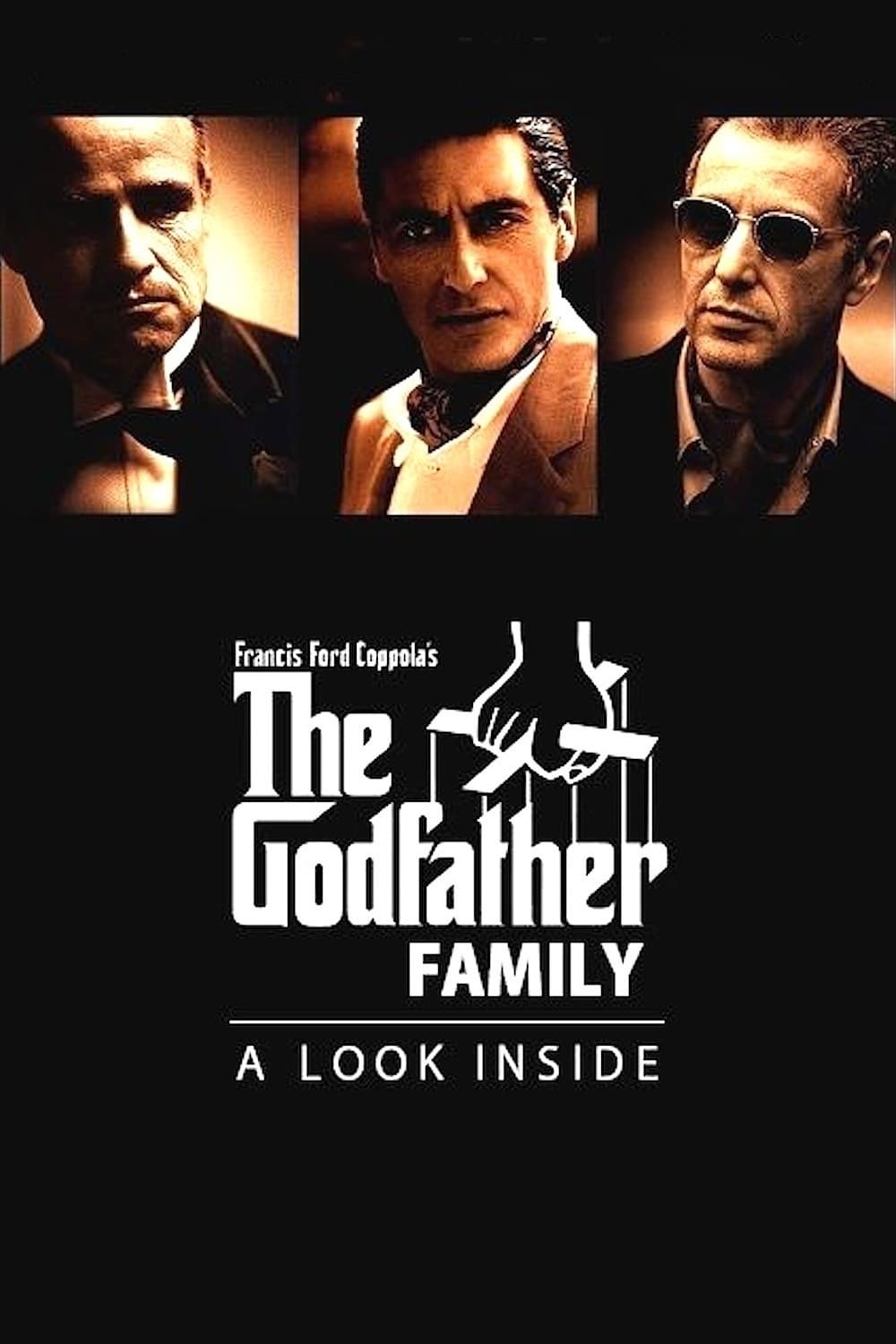
A documentary on the making of the three Godfather films, with interviews and recollections from the film makers and cast. This feature also includes the original screen tests of some of the actors for "The Godfather" film, and some candid moments on the set of "The Godfather: Part III."
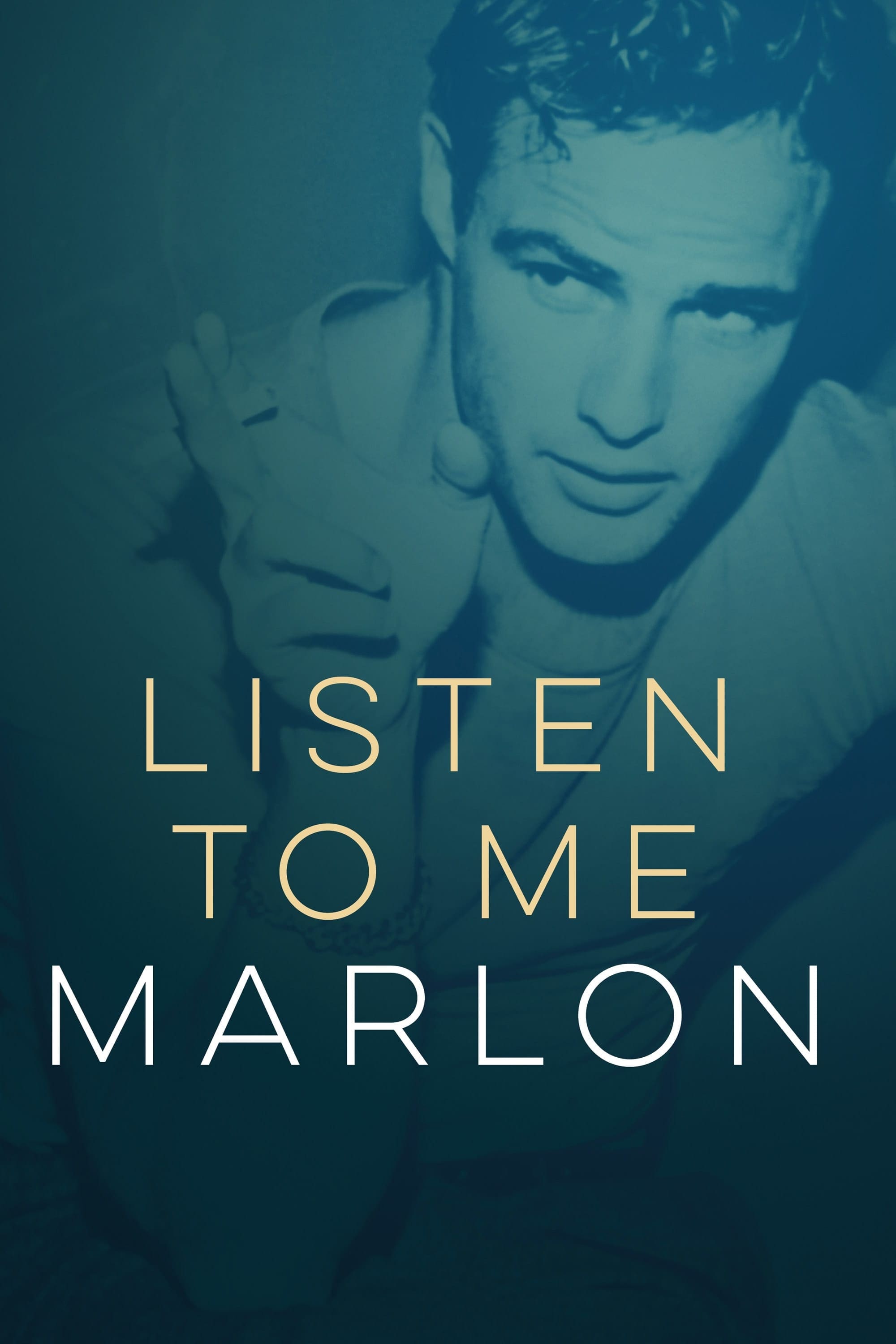
With exclusive access to his extraordinary unseen and unheard personal archive including hundreds of hours of audio recorded over the course of his life, this is the definitive Marlon Brando cinema documentary. Charting his exceptional career as an actor and his extraordinary life away from the stage and screen with Brando himself as your guide, the film will fully explore the complexities of the man by telling the story uniquely from Marlon's perspective, entirely in his own voice. No talking heads, no interviewees, just Brando on Brando and life.
A documentary about the making of David Fincher's 2008 film THE CURIOUS CASE OF BENJAMIN BUTTON. Virtually every element in the evolution of the Fincher's film is documented here, from the project's attachment to numerous other directors during the 1990s, to its shoot in 2006 and 2007 in New Orleans, to its complex, CGI-intensive postproduction process.
From the heights of her modeling fame to her tragic death, this documentary reveals Anna Nicole Smith through the eyes of the people closest to her.
A documentary that explores the downloading revolution; the kids that created it, the bands and the businesses that were affected by it, and its impact on the world at large.
Lyrical and powerfully personal essay film that reflects on the deaths of her husband Lou Reed, her mother, her beloved dog, and such diverse subjects as family memories, surveillance, and Buddhist teachings.
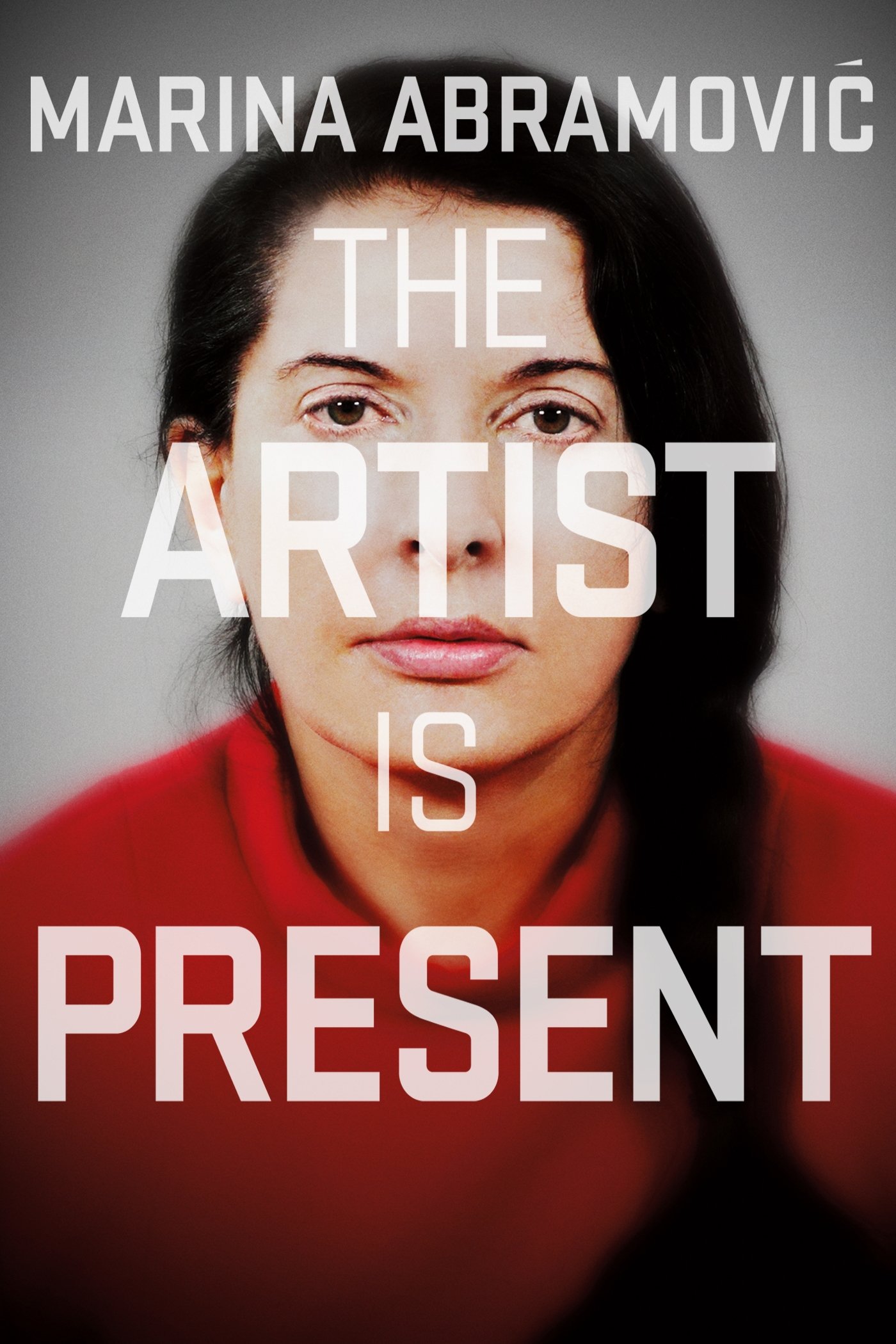
Performance artist Marina Abramovic prepares for a major retrospective of her work at the Museum of Modern Art in New York.
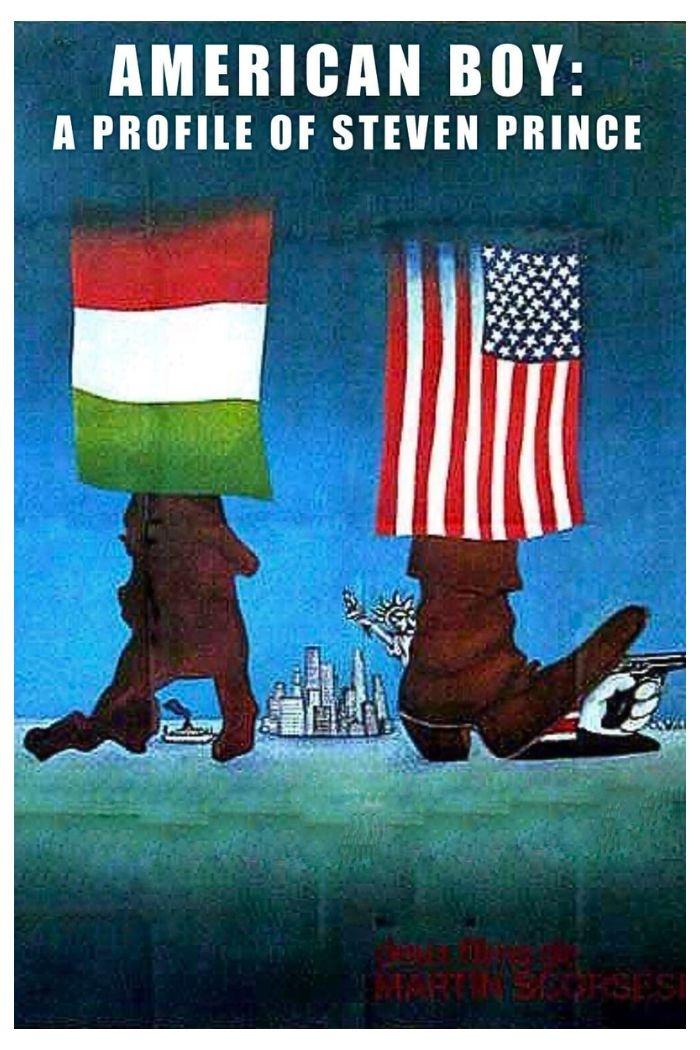
Martin Scorsese spends an evening with larger-than-life raconteur Steven Prince—a former drug addict, road manager for Neil Diamond, and actor—as he recounts stories from his colorful life.