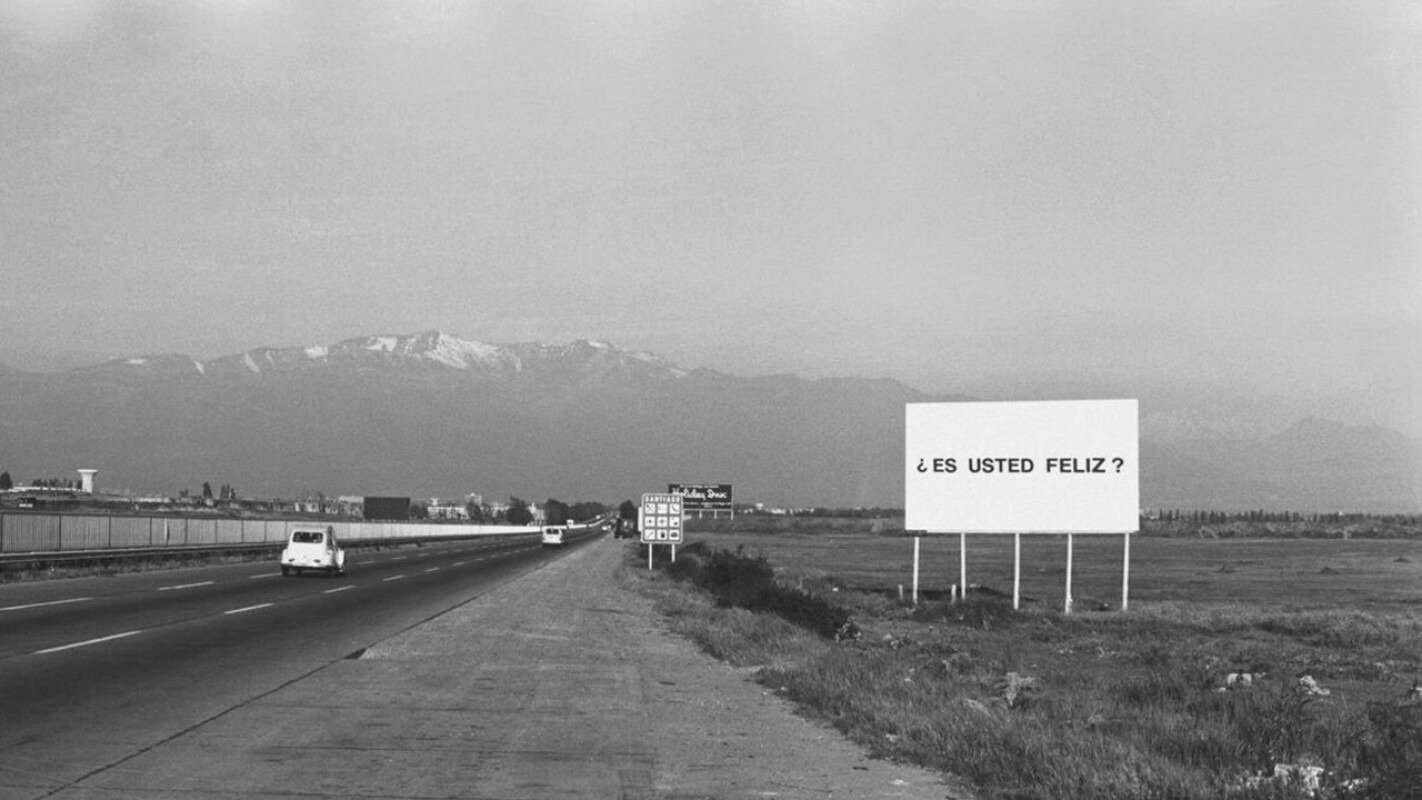
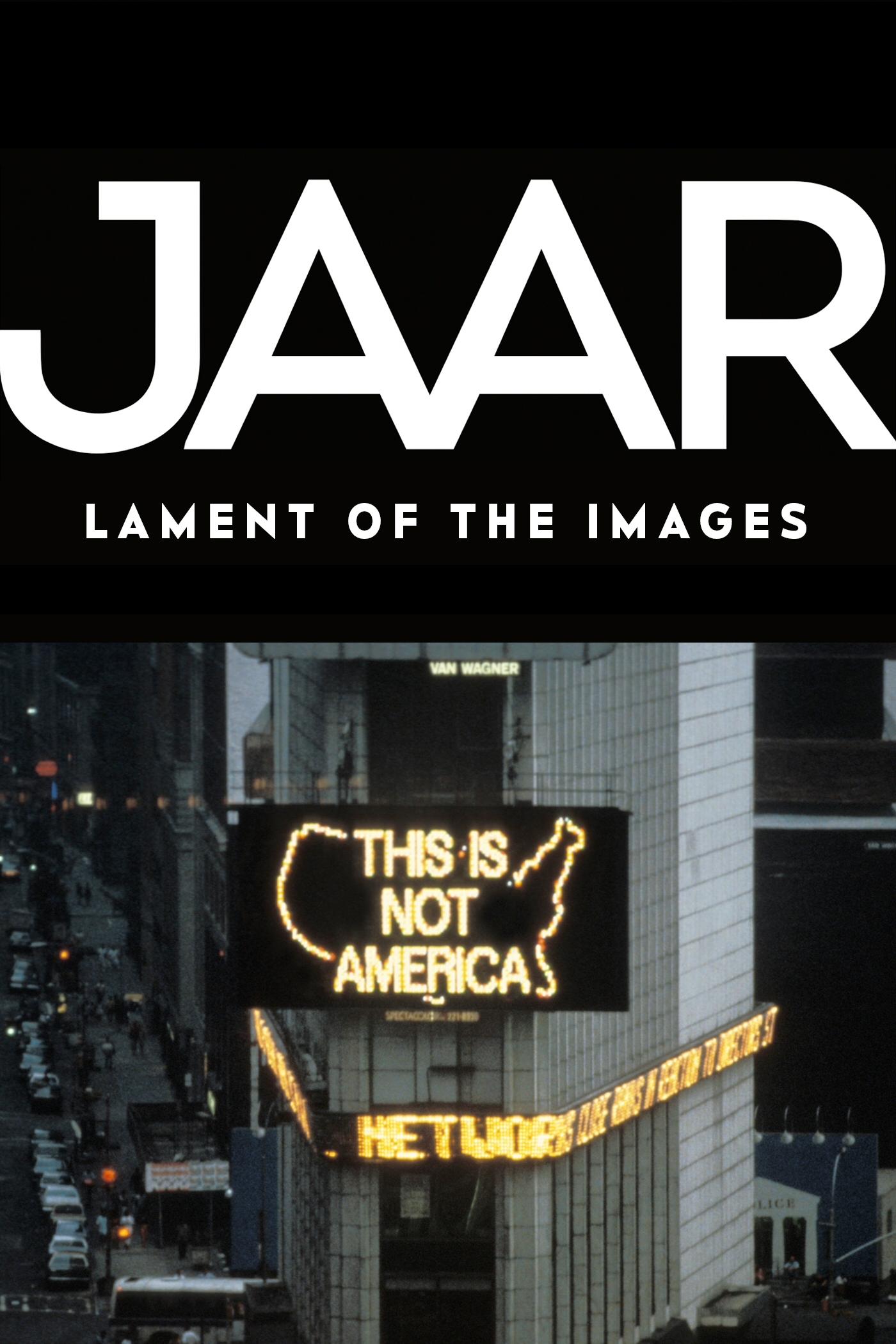
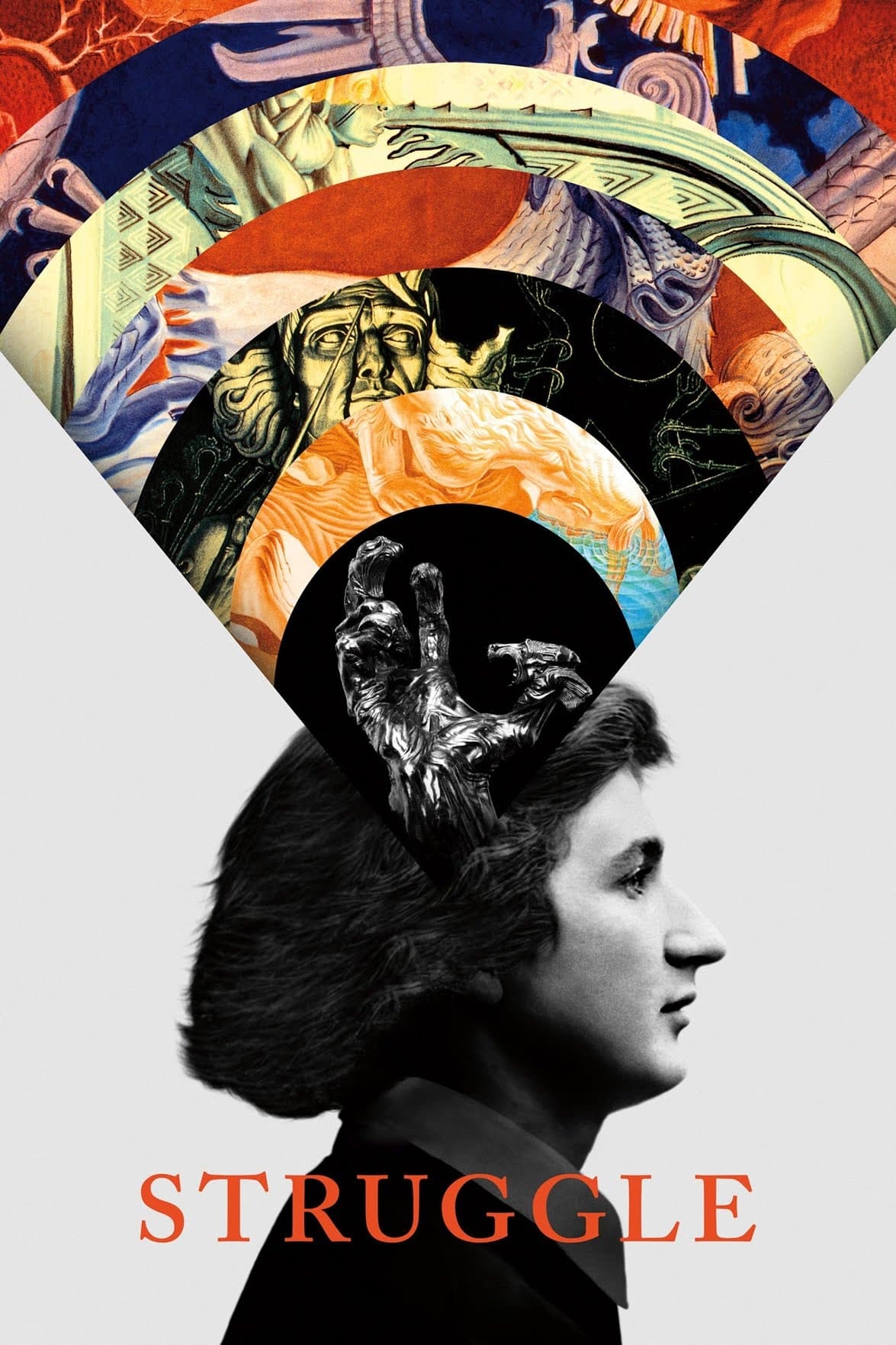
Follows Chilean artist Alfredo Jaar as he finds his artistic voice and develops the socially critical perspective of his work.
Social & External
The people behind it
Alfredo Jaar
Himself
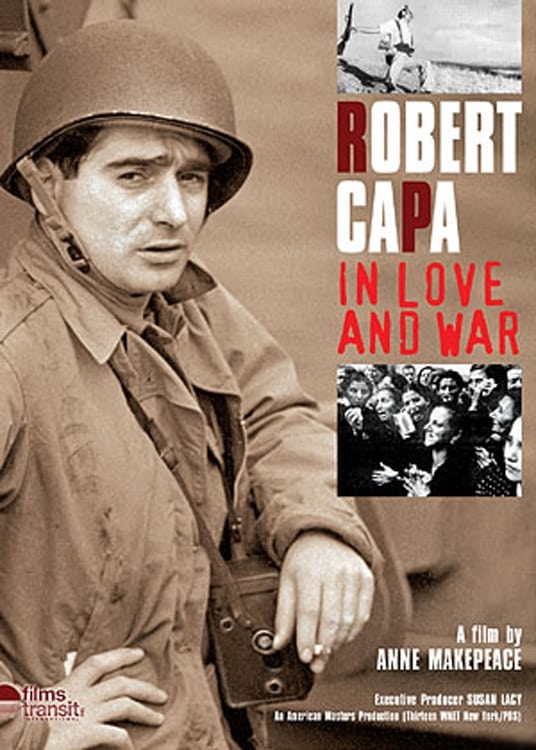
Profile of iconic war photographer Robert Capa, whose career spanned five epic conflicts across three continents before his untimely death at the age of 40. The film traces Endre Freidman's transformation from a young Jewish boy in Budapest to his becoming Robert Capa, the most famous war photographer in the world. (Storyville)
For the first time, the true story of the mastermind behind World War II's Great Escape is told by his niece, Lindy Wilson. Squadron Leader Roger Bushell was a young London barrister, an auxiliary pilot and a champion skier when he was shot down and captured early in the war. He escaped three times and, in spite of the Gestapo's threat to shoot him if he ever escaped again, Bushell accepted the role of 'Big X' on his return to the top-security PoW camp, Stalag Luft 111. After 18 months of preparation, one of the greatest escapes of the war took place. Their aim to distract the enemy succeeded, as it was estimated that five million Germans were deployed to recapture the 76 escapees. However, Hitler's rage was uncontainable and he personally ordered a terrible reckoning. (Storyville)
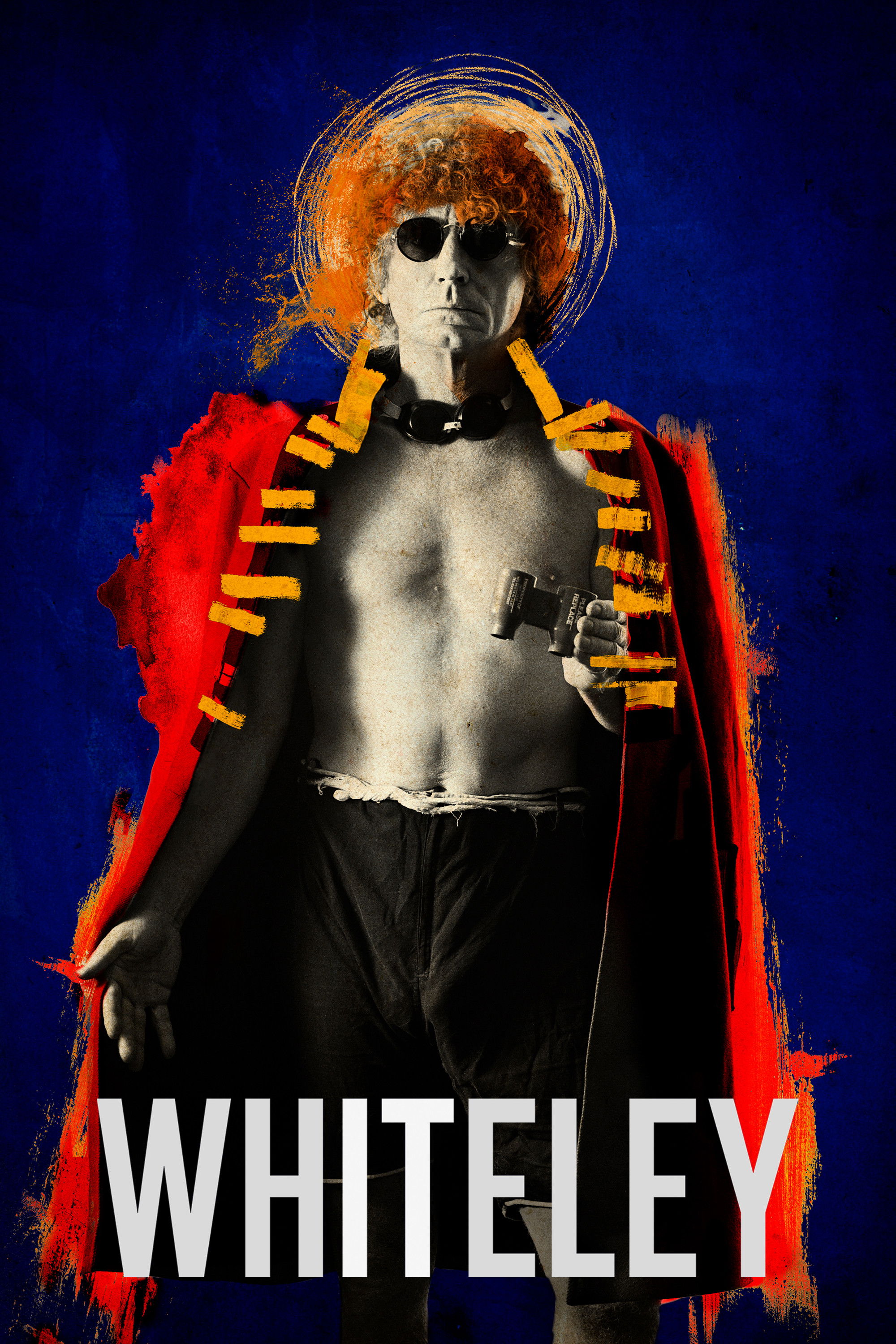
A visual journey into the life and legacy of one of Australia's most celebrated artists, Brett Whiteley.
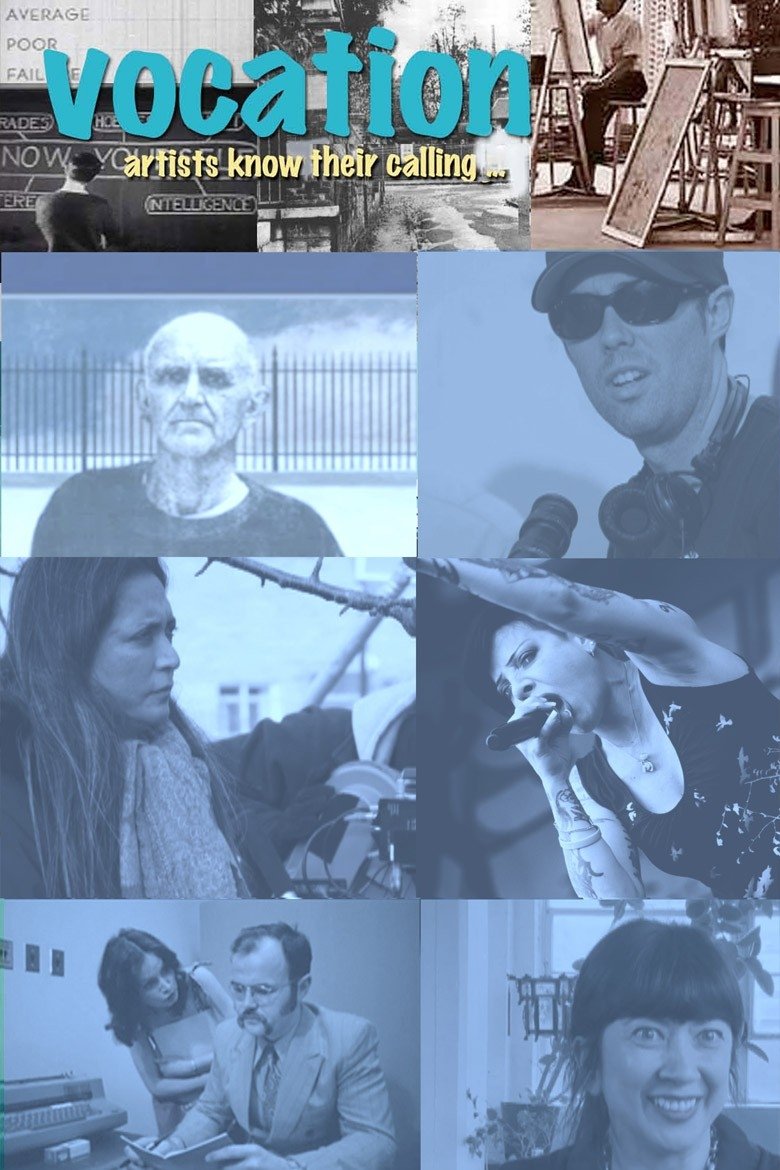
Vocation is a documentary on artists who knew from a very early age they wanted to be an artist. A decision that for them was instinctual and some may even say it is 'a calling' based on faith and perhaps even fate alone. Artists Andy Jones, Deepa Mehta, Marie Brassard, Christopher Pratt, Brad Peyton and Bif Naked are committed to creating work in theatre, literature, music, film and performance based on an innate desire to succeed while working in the precarious profession of art.
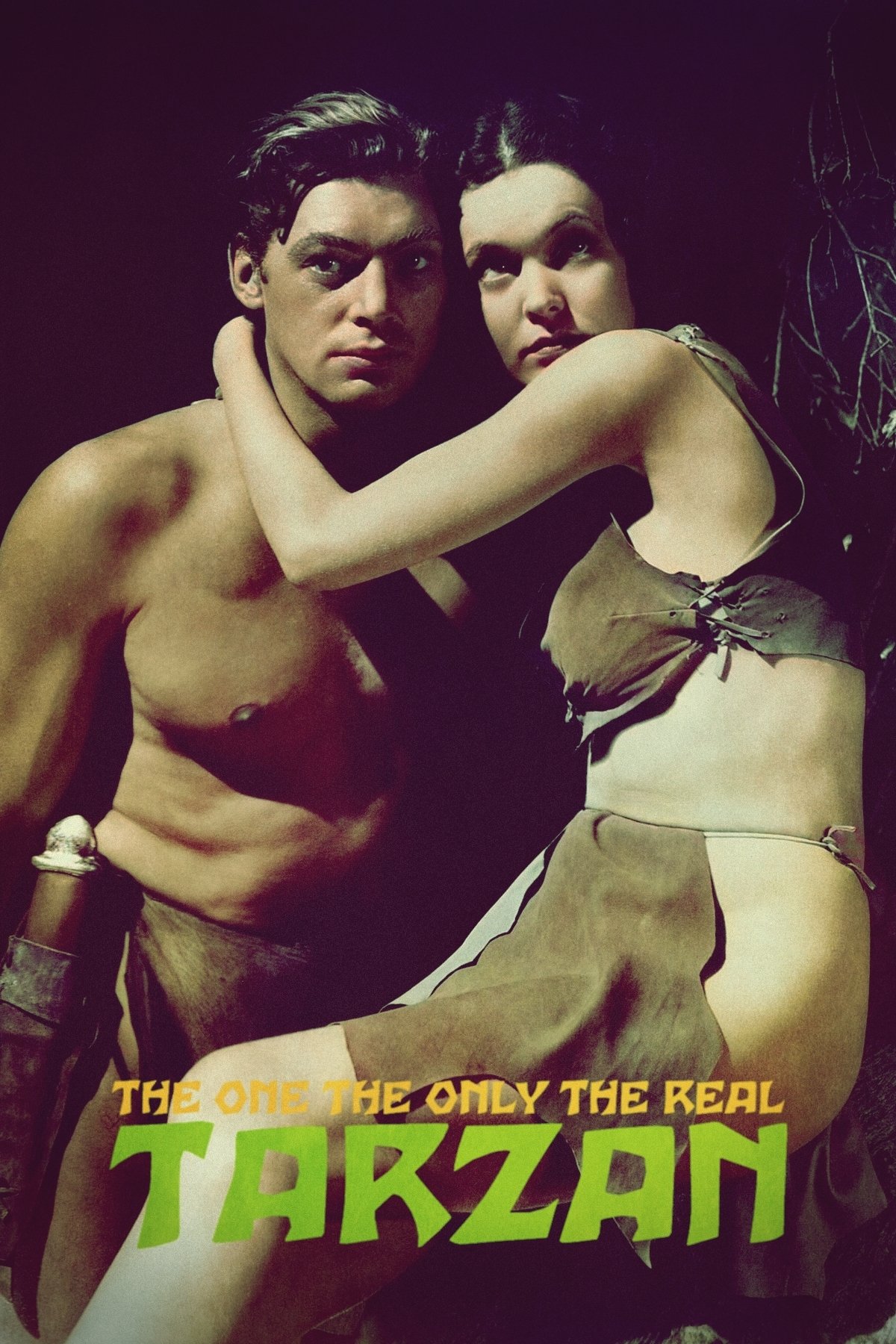
The glorious and tragic story of American athlete and actor Johnny Weissmuller (1904-84), Olympic swimmer, water polo player and the only true Tarzan, an archetypal character and myth of cinema, that of the original Hollywood blockbusters (1932-48).
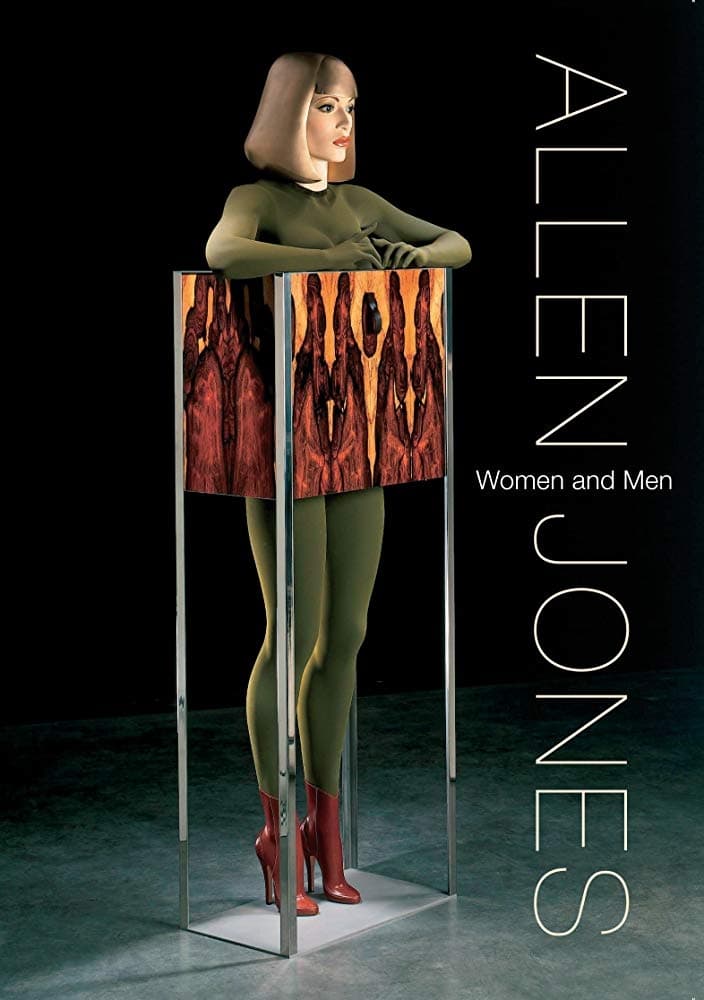
An exploration of the work of controversial pop artist Allen Jones, whose erotic sculptures have angered feminists, challenged his contemporaries, and delighted collectors and gallery goers worldwide. WOMEN AND MEN attempts to demystify the artist through discussion with prima ballerina Darcey Bussell, wife Deirdre Morrow, fellow artist Gary Hume, and Jones himself.
This shows physicist Stephen Hawking's life as he deals with the ALS that renders him immobile and unable to speak without the use of a computer. Hawking's friends, family, classmates, and peers are interviewed not only about his theories but the man himself.
A documentary following JR's artwork giving a global voice to everyday people.
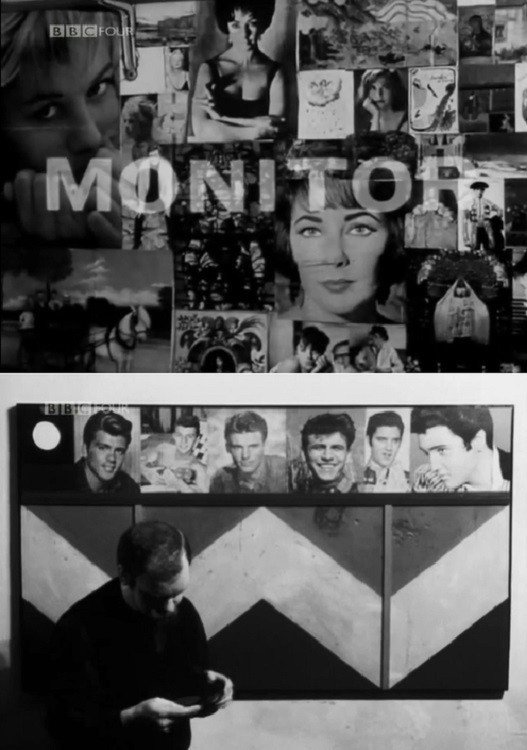
Pop Goes the Easel was Ken Russell’s first full-length documentary for the BBC’s arts series Monitor. It focused on 4 British Pop Artists - Peter Blake, Peter Philips, Pauline Boty and Derek Boshier.
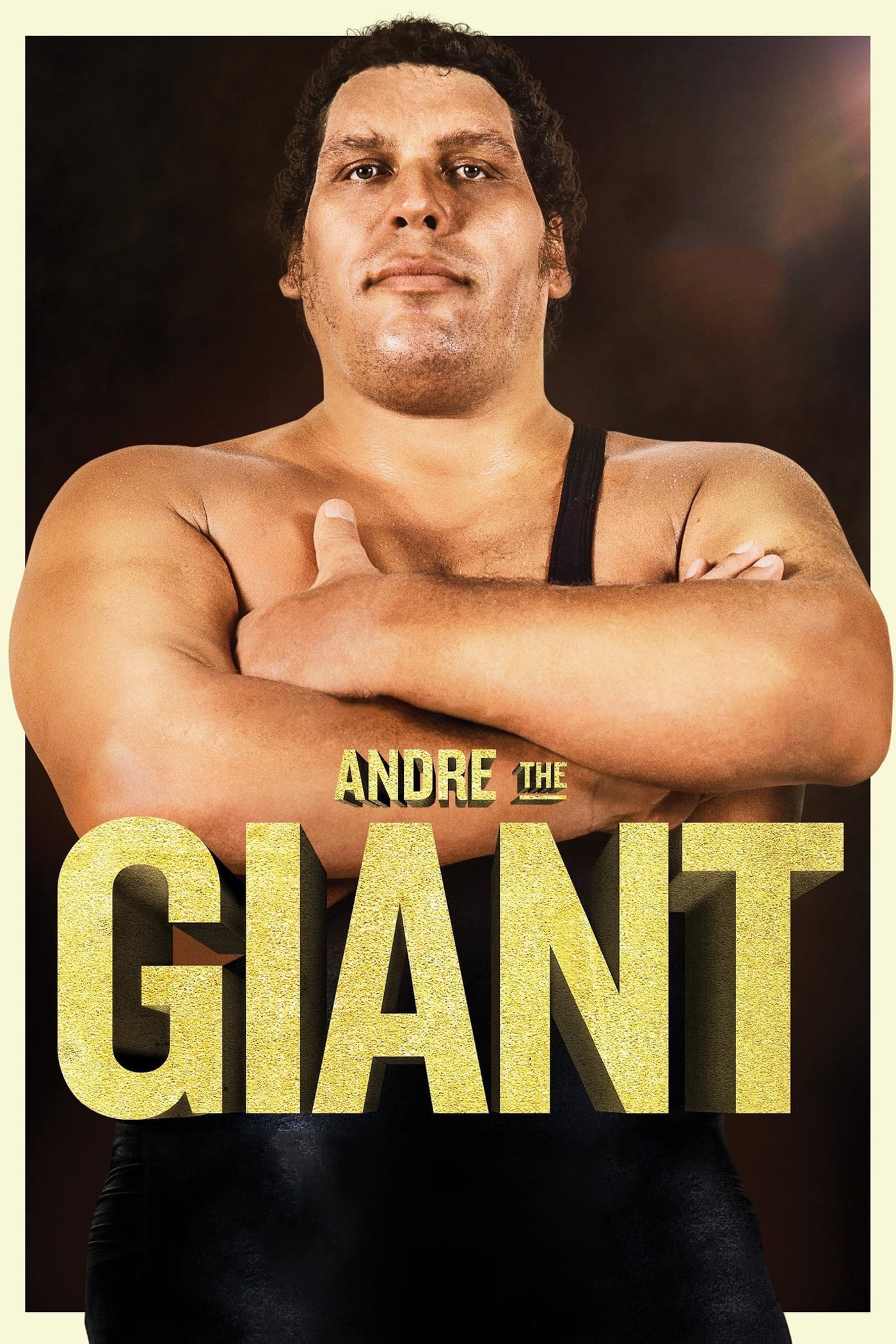
An ambitious and wide-ranging documentary exploring Andre’s upbringing in France, his celebrated career in WWE, and his forays in the entertainment world.
An account of the successful life and work of Spanish singer and actor Camilo Sesto (1946-2019), the portentous, almost miraculous, voice of Spanish pop music for decades, through his own point of view, told during his last interview and in many others, and through the words of those creators whose own work has been strongly influenced both by his art and his magnetic personality.
It's early morning, minus 40 degrees and coal black outside when the phone rings at the substitute teacher Paul in northwest Canada. On a bicycle he makes his way to the workplace.
Oliver Sacks: His Own Life explores the life and work of the legendary neurologist and storyteller, as he shares intimate details of his battles with drug addiction, homophobia, and a medical establishment that accepted his work only decades after the fact. Sacks was a fearless explorer of unknown mental worlds who helped redefine our understanding of the brain and mind, the diversity of human experience, and our shared humanity.
May 5, 1821. Napoleon Bonaparte, deposed emperor exiled on the island of St. Helena, is about to take his last breath. The son of a Corsican family, he has been close to death on many occasions since, as a young captain in the revolutionary army, he seized Toulon from the royalists in 1793.
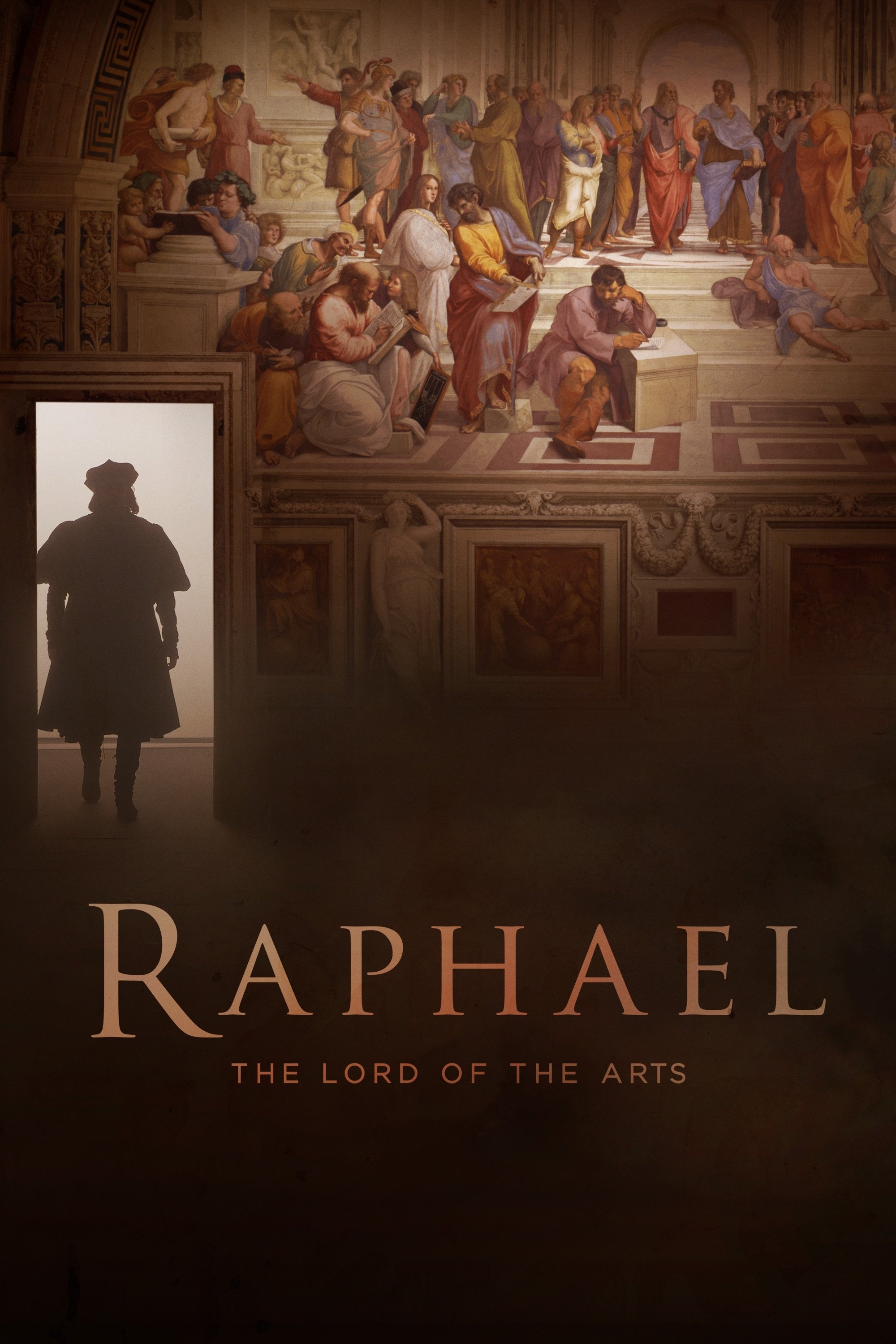
Raphael: The Lord of the Arts is a documentary about the 15th century Italian Renaissance painter Raphael Sanzio.
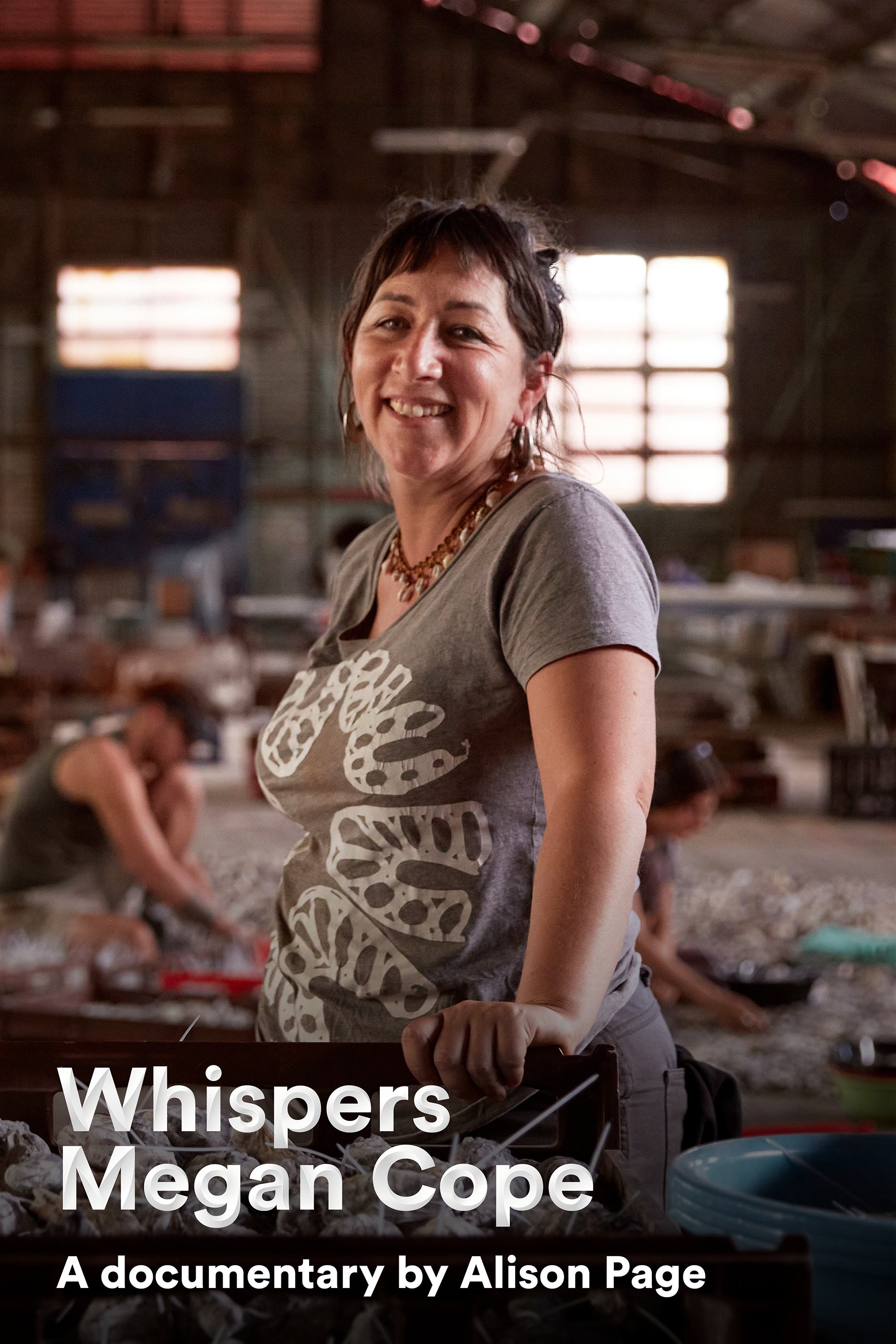
A documentary short which follows follow Quandamooka artist Megan Cope in the creation of her work 'Whispers' and the lead up to the opening of the exhibition at Sydney Opera House in 2023.
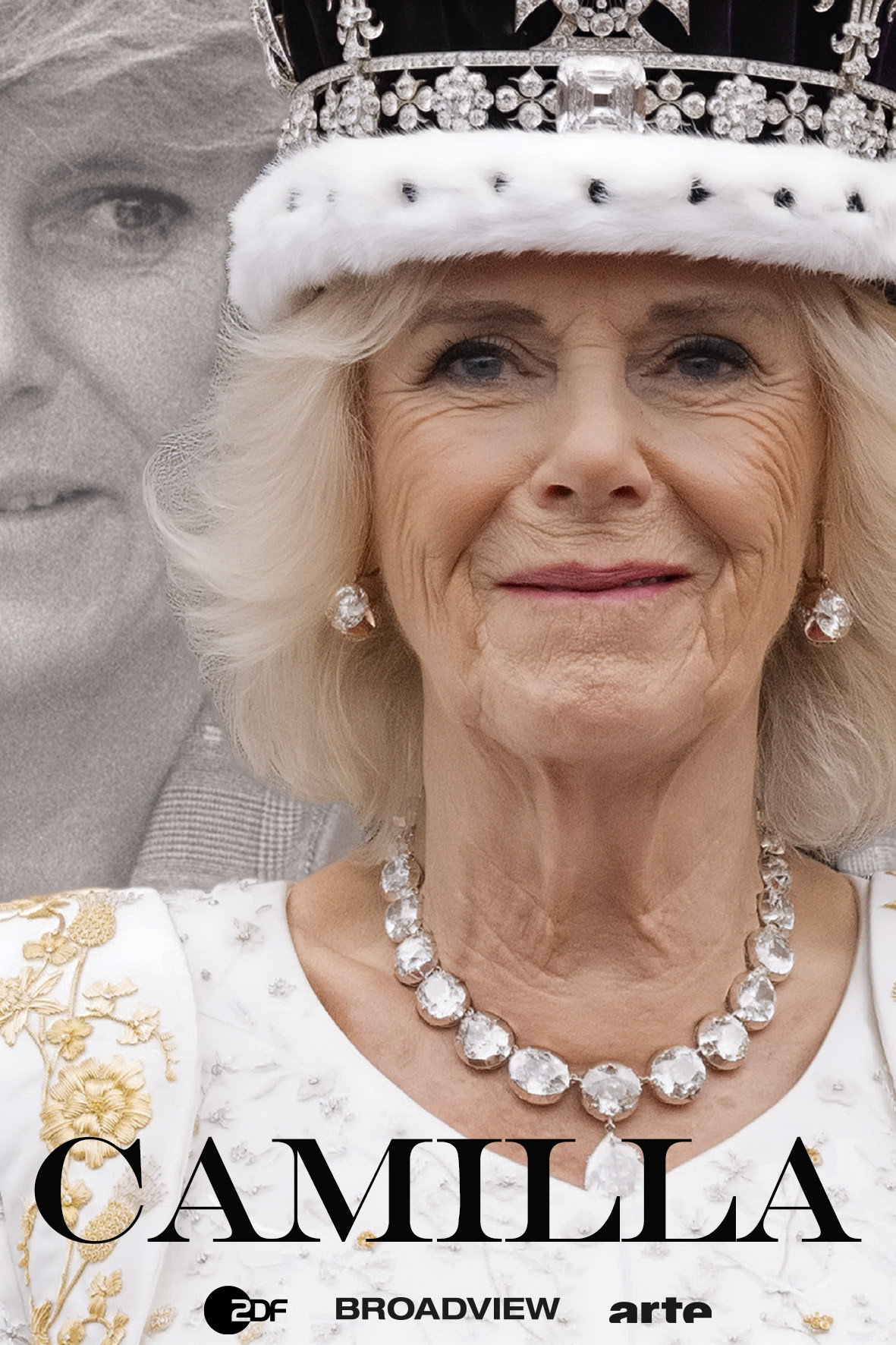
As recently as the 1990s, many viewed her as a threat to the monarchy. Today, Camilla is one of the main pillars of support for the king and the royal family. As First Lady, she has no constitutional role, but she plays a fundamental one. The documentary tells the story of a strong woman and a great love.
The life and career of an actor, artist, and icon. His own journey through his own camera.
In an intimate and joyful story of love in the face of loss, celebrated poets Andrea Gibson and Megan Falley find strength—and unexpected hilarity—in what might be their final year together.
Artists in LA discover the work of forgotten Polish sculptor Stanislav Szukalski, a mad genius whose true story unfolds chapter by astounding chapter.
A visual montage portrait of our contemporary world dominated by globalized technology and violence.
Through deeply personal interviews with her siblings and an examination of the photographs, letters, and belongings left behind, Mariska assembles a new portrait of her mother Jayne Mansfield, an extraordinary and complex woman.
The life and career of one of comedy's most inimitable modern voices, Mr. Gilbert Gottfried.
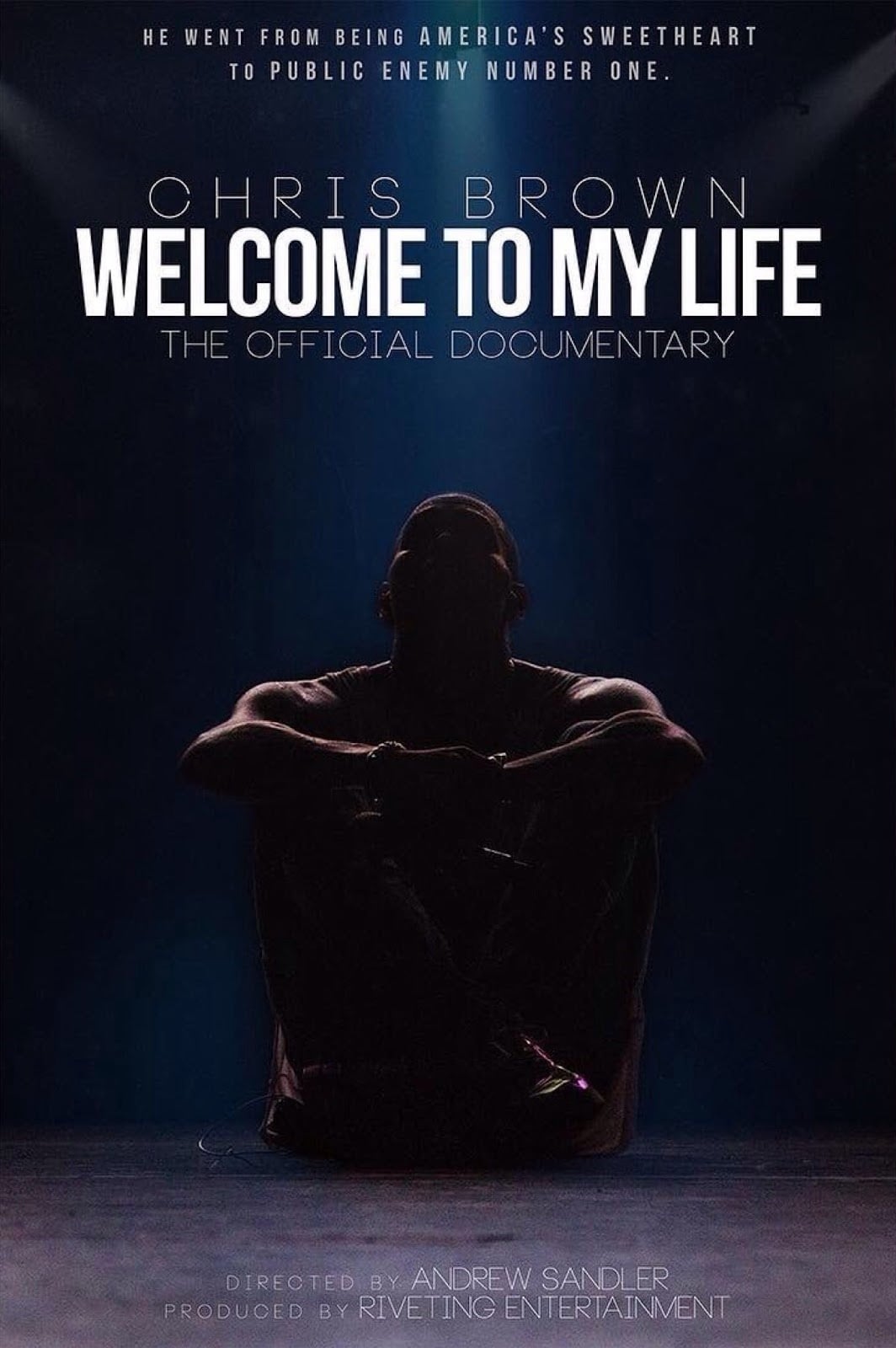
This compelling Documentary moves beyond the spotlight and past the attention-grabbing headlines to give pop superstar Chris Brown a chance to tell his own story. New interviews with the international phenomenon reveal long-awaited answers about his passion for making music, his tumultuous and much publicized relationships, and the pitfalls of coming of age in the public eye. Also included is new concert footage, behind-the-scenes access, and special interviews from Usher, Jennifer Lopez, DJ Khaled, Mike Tyson, Jamie Foxx and others.
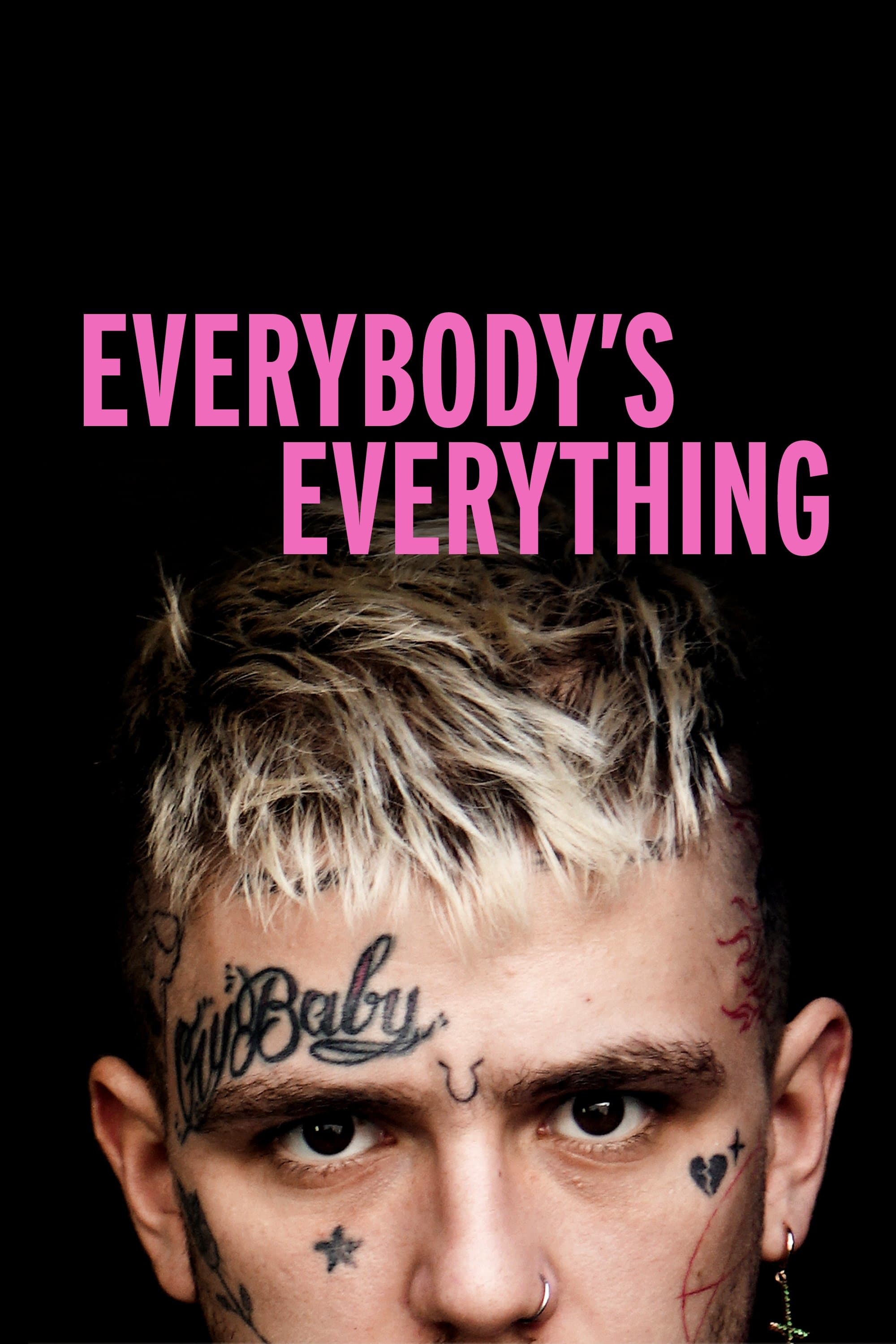
The story of artist Lil Peep from his birth in Long Island and meteoric rise as a genre blending pop star & style icon, to his death due to an accidental opioid overdose in Arizona at just 21 years of age.
A compilation of over 30 years of private home movie footage shot by Lithuanian-American avant-garde director Jonas Mekas, assembled by Mekas "purely by chance", without concern for chronological order.
Musician and performance artist Laurie Anderson reflects on the deaths of her husband Lou Reed, her mother and her beloved dog.
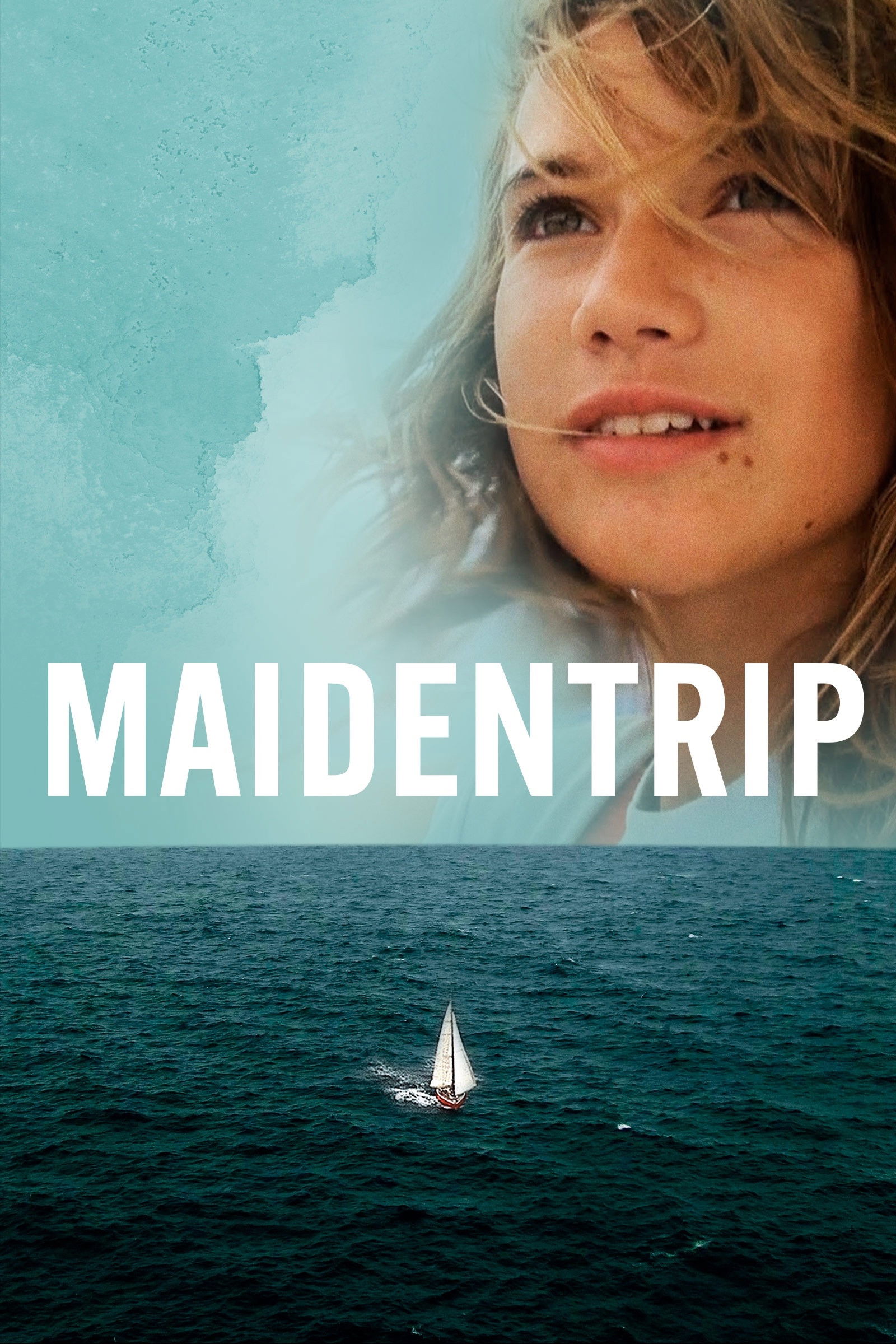
14-year-old Laura Dekker sets out on a two-year voyage in pursuit of her dream to become the youngest person ever to sail around the world alone.
Al Pacino's deeply-felt rumination on Shakespeare's significance and relevance to the modern world through interviews and an in-depth analysis of "Richard III."
Daniel Craig candidly reflects on his 15 year adventure as James Bond. Including never-before-seen archival footage from Casino Royale to the upcoming 25th film No Time To Die, Craig shares his personal memories in conversation with 007 producers, Michael G Wilson and Barbara Broccoli.
Brilliant, long in-the-works story of the life and art of the world's greatest comedian and the cinema's first genius, Charlie Chaplin. Produced, written and directed by renowned film critic Richard Schickel.
The life of Mr. Spock, as well as that of Leonard Nimoy, the actor who played him for almost fifty years, written and directed by his son: Adam.
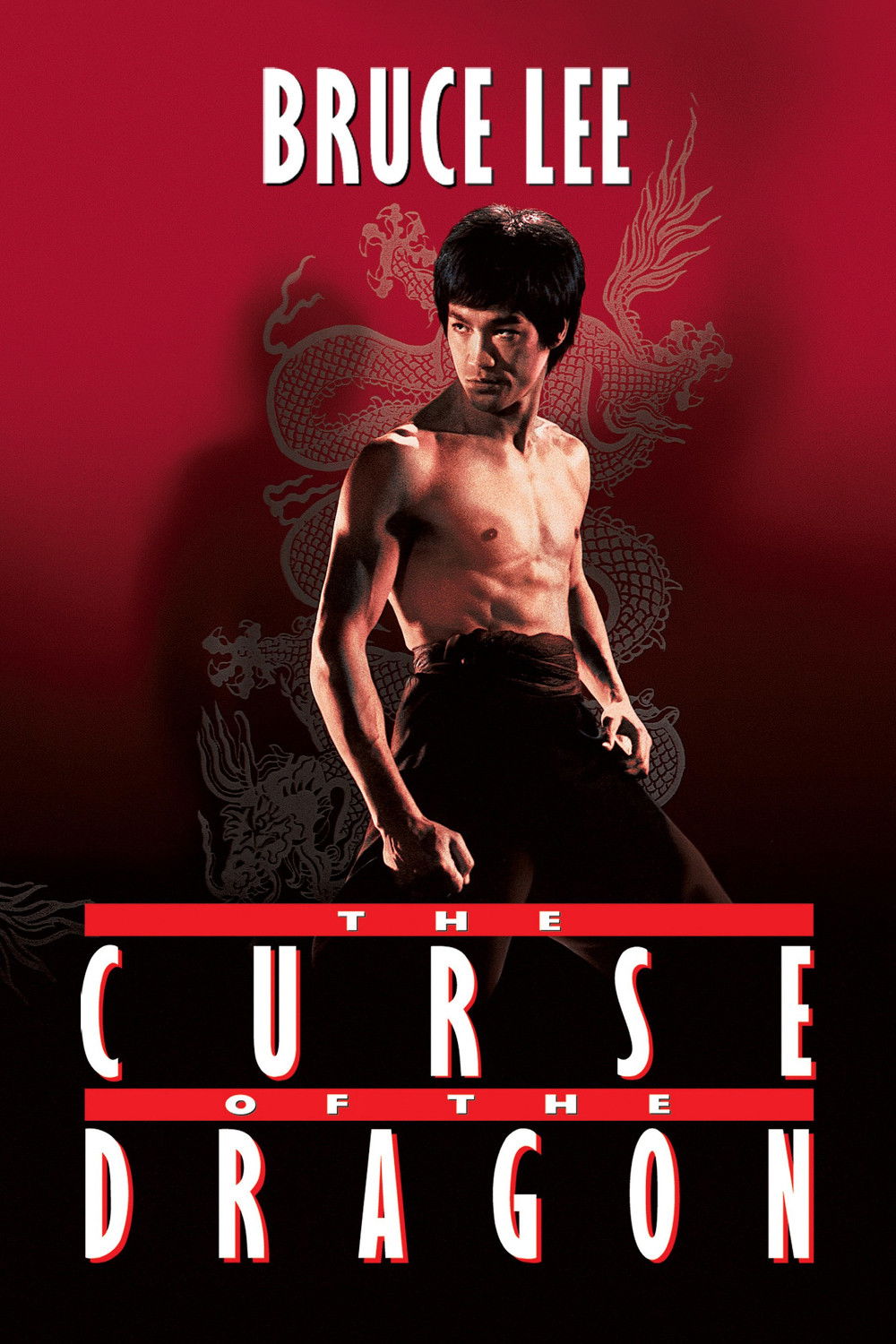
A 1993 documentary film about Bruce Lee. The film includes interviews from some of his fellow students and opponents who worked alongside him in his movies.
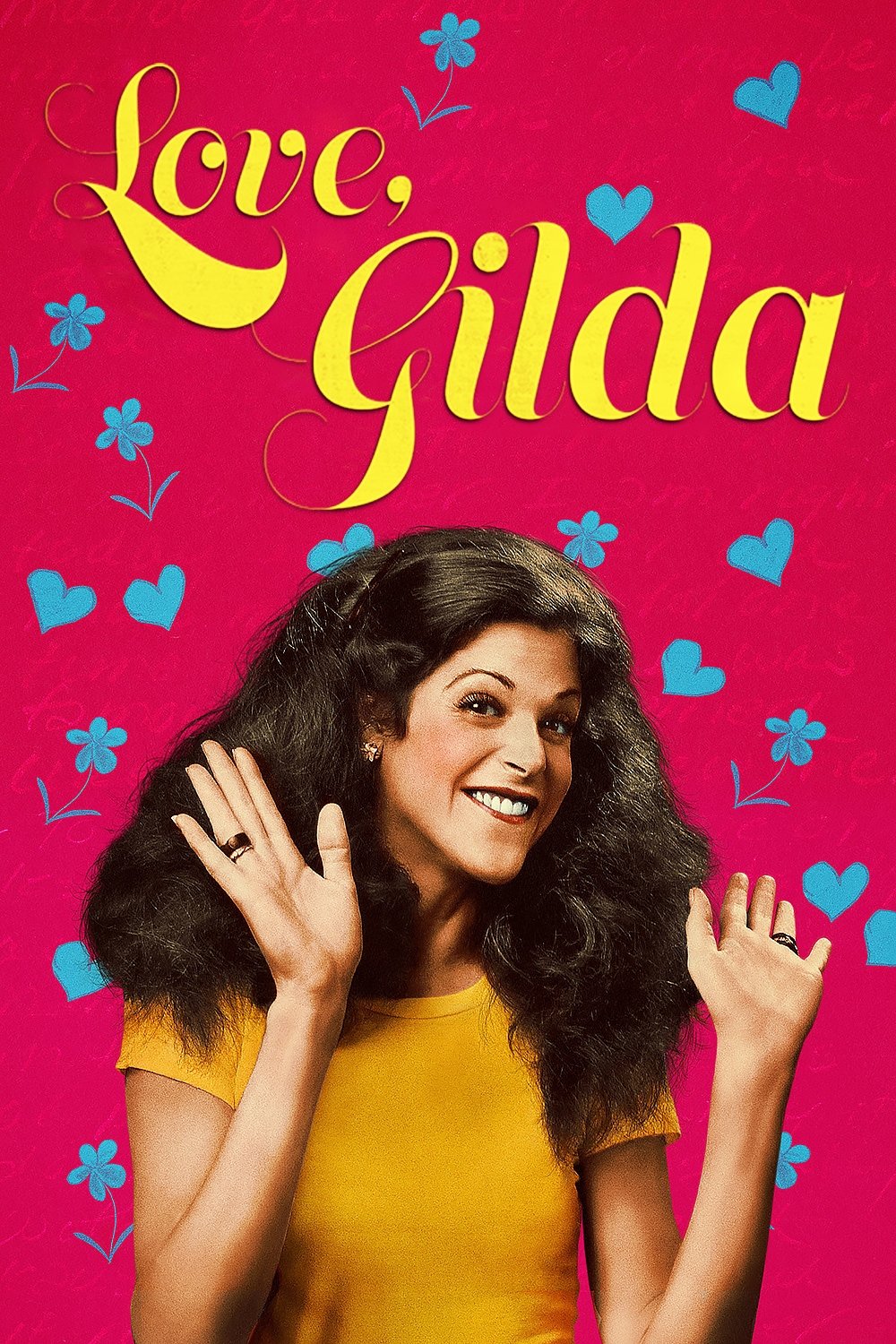
Diaries, audiotapes, videotapes and testimonials from friends and colleagues offer insight into the life and career of Gilda Radner -- the beloved comic and actress who became an icon on Saturday Night Live.
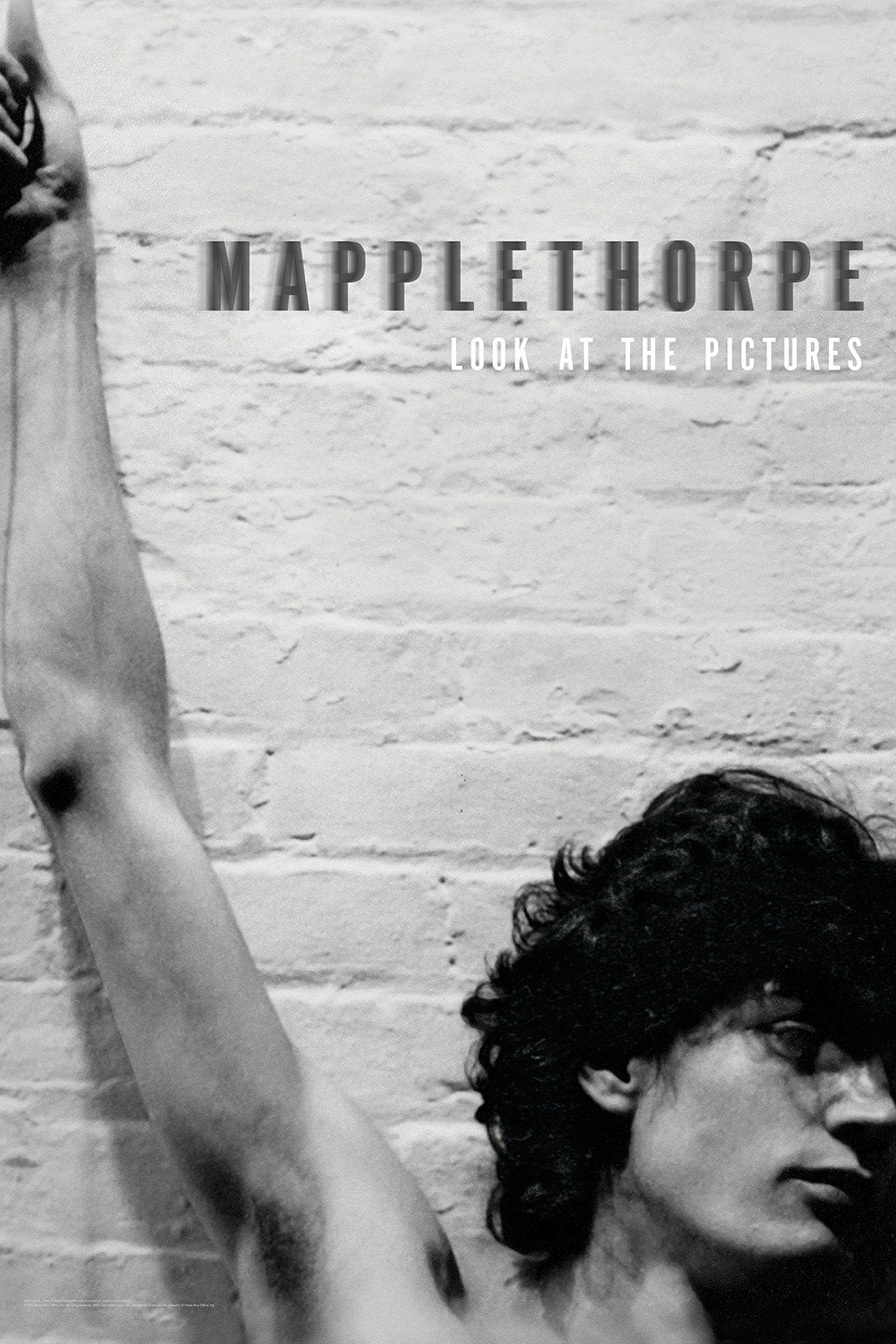
Nude men in rubber suits, close-ups of erections, objects shoved in the most intimate of places—these are photographs taken by Robert Mapplethorpe, known by many as the most controversial photographer of the twentieth century. Openly gay, Mapplethorpe took images of male sex, nudity, and fetish to extremes that resulted in his work still being labelled by some as pornography masquerading as art. But less talked about are the more serene, yet striking portraits of flowers, sculptures, and perfectly framed human forms that are equally pioneering and powerful.
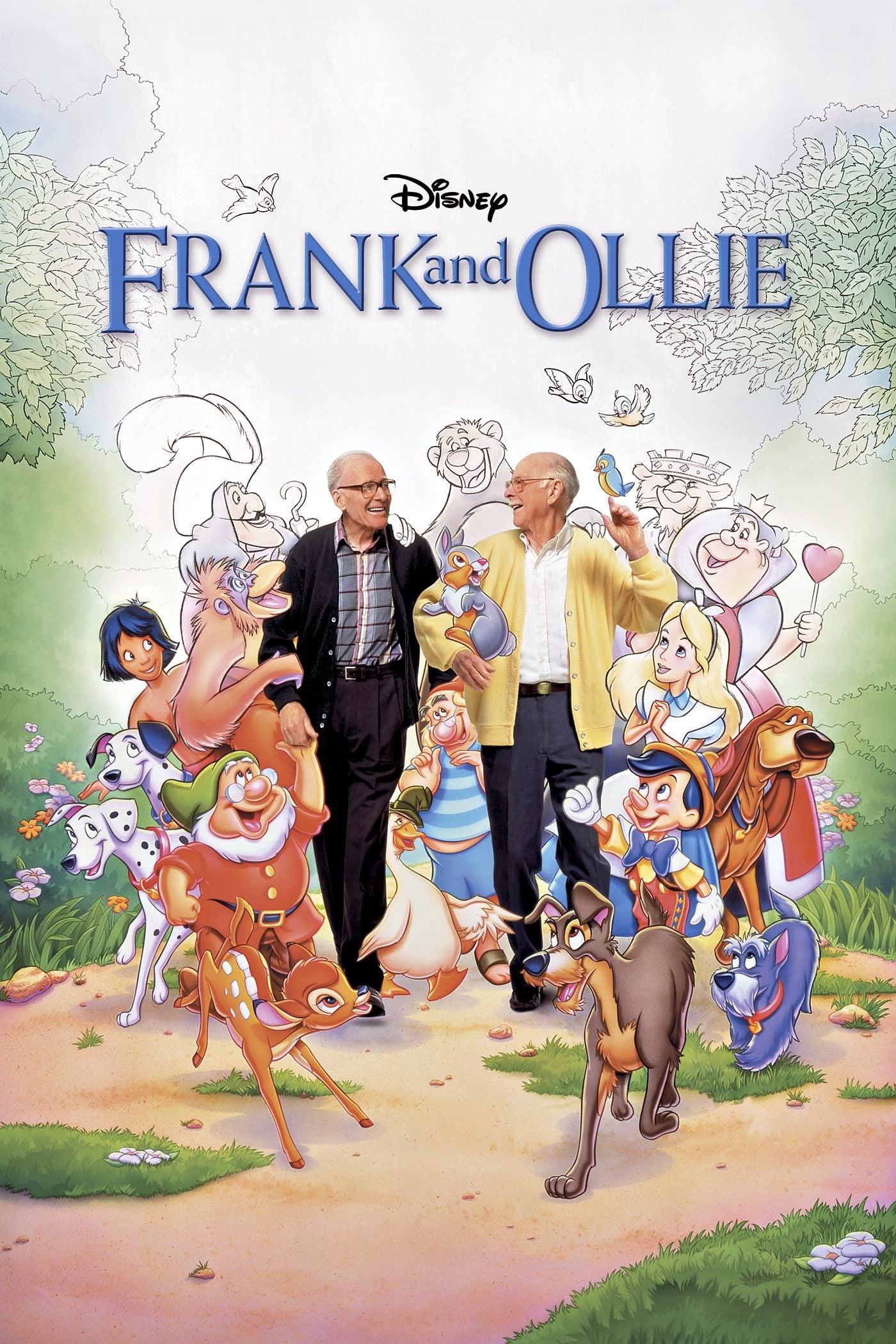
Before computer graphics, special effects wizardry, and out-of-this world technology, the magic of animation flowed from the pencils of two of the greatest animators The Walt Disney Company ever produced -- Frank Thomas and Ollie Johnston. Frank and Ollie, the talent behind BAMBI, PINOCCHIO, LADY AND THE TRAMP, THE JUNGLE BOOK, and others, set the standard for such modern-day hits as THE LION KING. It was their creative genius that helped make Disney synonymous with brilliant animation, magnificent music, and emotional storytelling. Take a journey with these extraordinary artists as they share secrets, insights, and the inspiration behind some of the greatest animated movies the world has ever known!
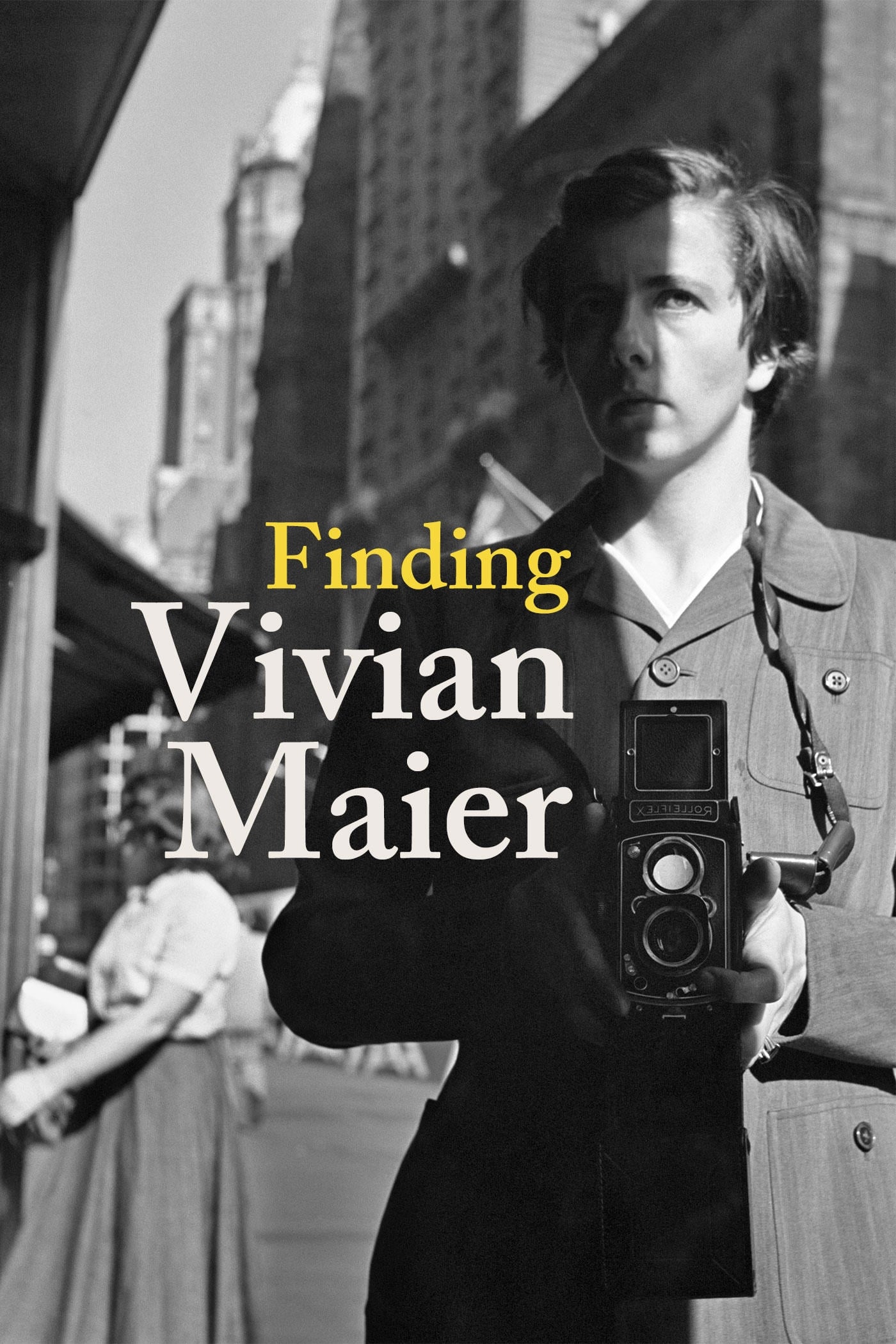
Vivian Maier's photos were seemingly destined for obscurity, lost among the clutter of the countless objects she'd collected throughout her life. Instead these images have shaken the world of street photography and irrevocably changed the life of the man who brought them to the public eye. This film brings to life the interesting turns and travails of the improbable saga of John Maloof's discovery of Vivian Maier, unravelling this mysterious tale through her documentary films, photographs, odd collections and personal accounts from the people that knew her. What started as a blog to show her work quickly became a viral sensation in the photography world. Photos destined for the trash heap now line gallery exhibitions, a forthcoming book and this documentary film.