Social & External
The people behind it
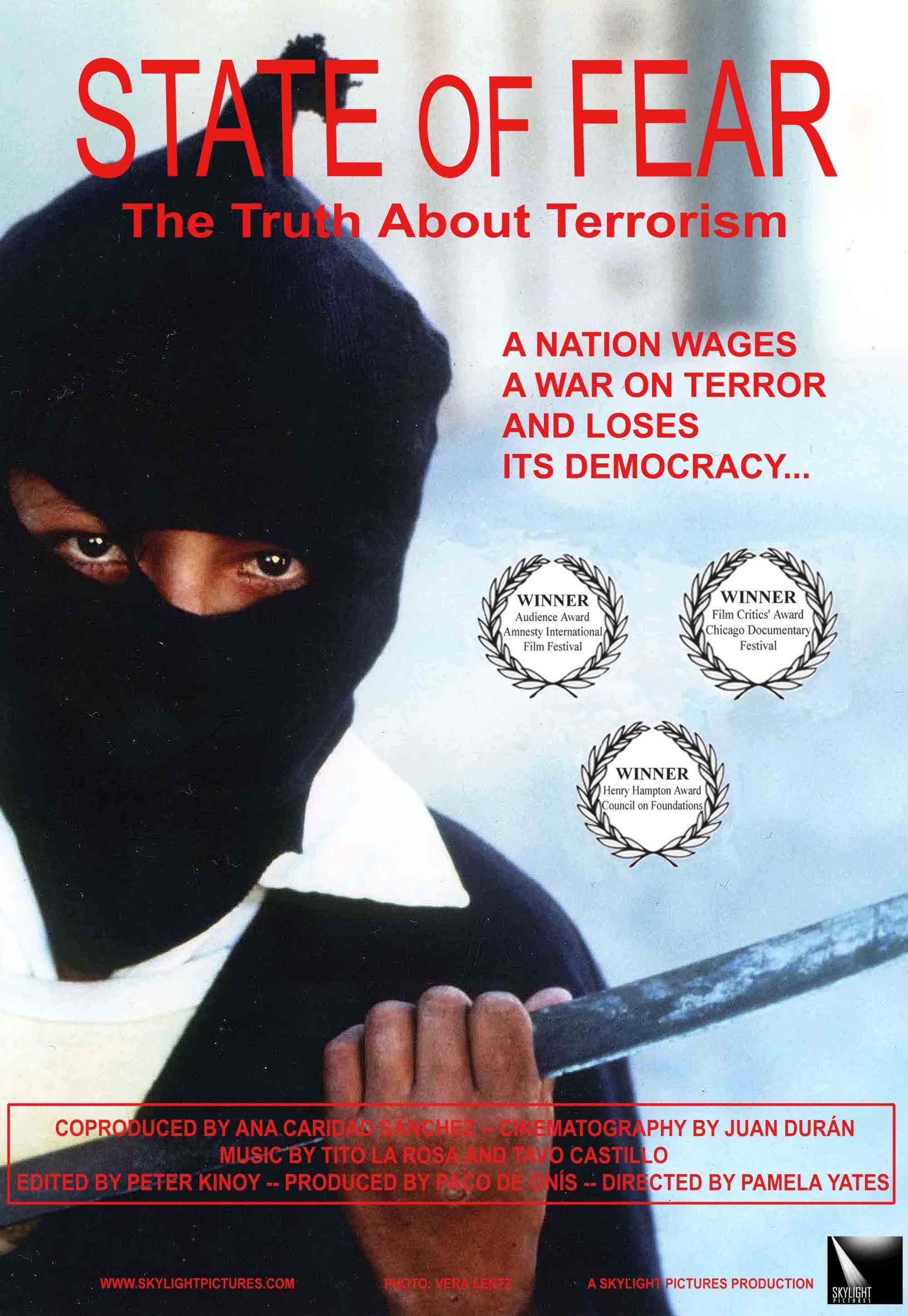
STATE OF FEAR takes place in Peru, yet serves as a cautionary tale for a world engaged in a "global war on terror." It dramatizes the human and societal costs a democracy faces when it embarks on a "war" against terror, a "war" potentially without end, all too easily exploited by unscrupulous leaders seeking personal political gain.
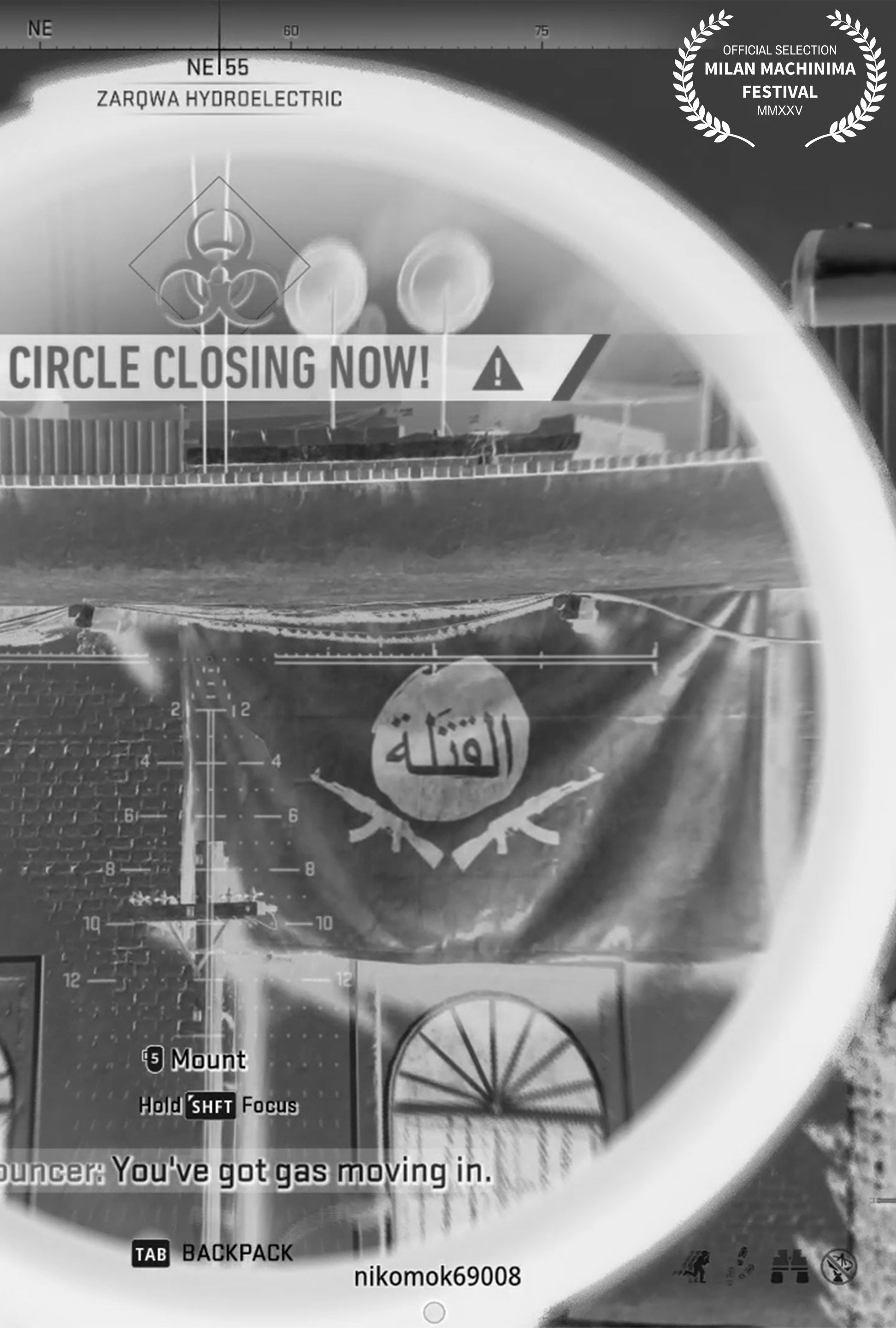
In times of conflict, a companion can be the final thread linking one to human connection. In Call of Duty: Warzone, communication is fractured, making it even harder to truly know those you play with. Dialogue is just a series of terse exchanges of orders and instructions; everything revolves around the game, everything is subsumed by war. Forming a meaningful connection with an anonymous player seems nearly impossible. In The Zone, the protagonists confront this challenge, pushing beyond the fleeting interactions dictated by random matchmaking. They seek to reclaim their humanity, engaging with pressing themes — religion, terrorism, and representation — subtly embedded in the game’s mechanics and geography.
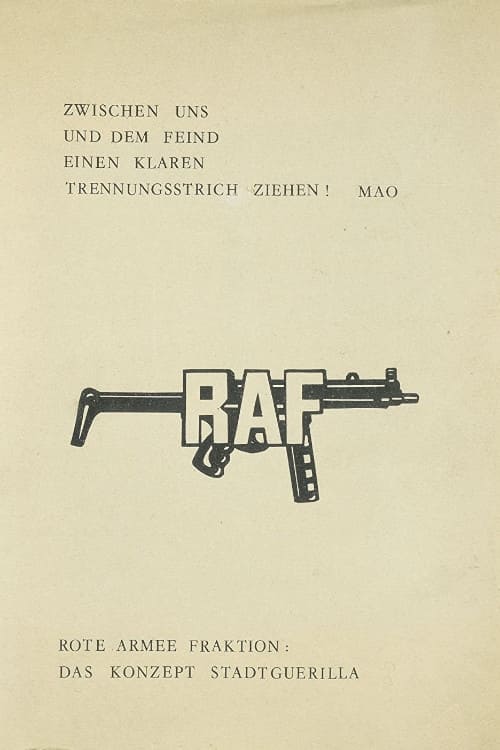
From the inner workings of the RAF. Former RAF-member Peter-Jürgen Boock reveal the many secrets and myths about the Baader-Meinhof gang a.k.a. RAF - Rote Armee Fraktion.
In Italy and Germany, numerous people die in bomb attacks in the 1960s to 1980s. Clues prove certain connections, the traces lead to a secret structure called "Gladio".
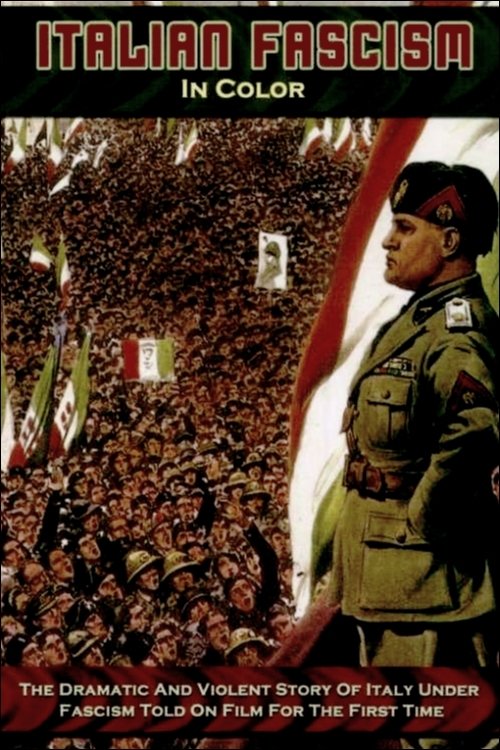
After the World War I, Mussolini's perspective on life is severely altered; once a willful socialist reformer, now obsessed with the idea of power, he founds the National Fascist Party in 1921 and assumes political power in 1922, becoming the Duce, dictator of Italy. His success encourages Hitler to take power in Germany in 1933, opening the dark road to World War II. (Originally released as a two-part miniseries. Includes colorized archival footage.)
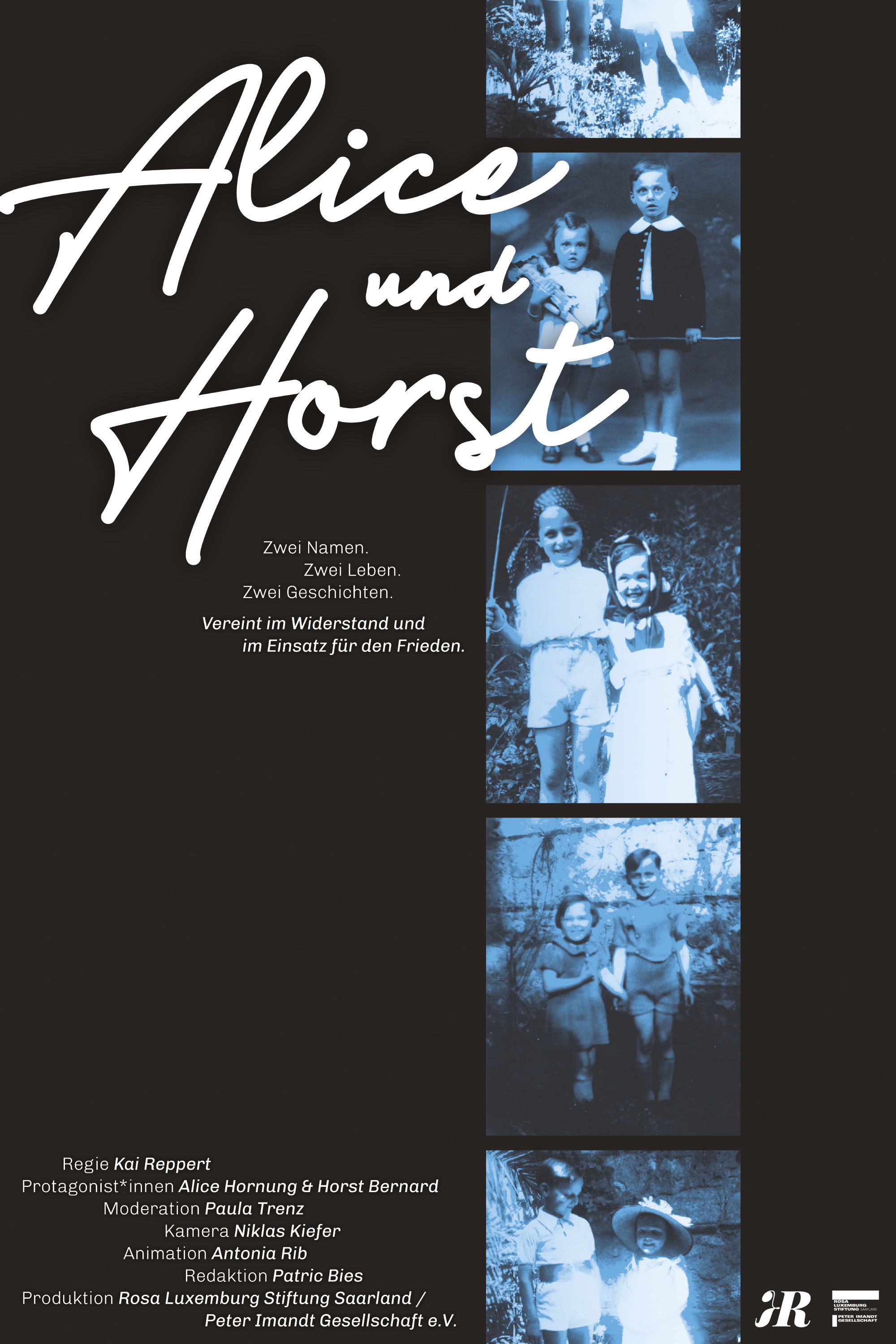
Alice and Horst paints a moving portrait of two siblings from Saarbrücken whose lives were shaped by their family’s antifascist resistance. As children, Alice Hornung and Horst Bernard were forced to flee from the Nazis into exile in France, where, despite constant danger, they also experienced great solidarity. After their return they continued their parents’ political commitment: against fascism, for peace and disarmament. The film combines personal memories with rare archival footage and portrays two individuals who, well into old age, remain unwavering in their commitment to justice and remembrance.
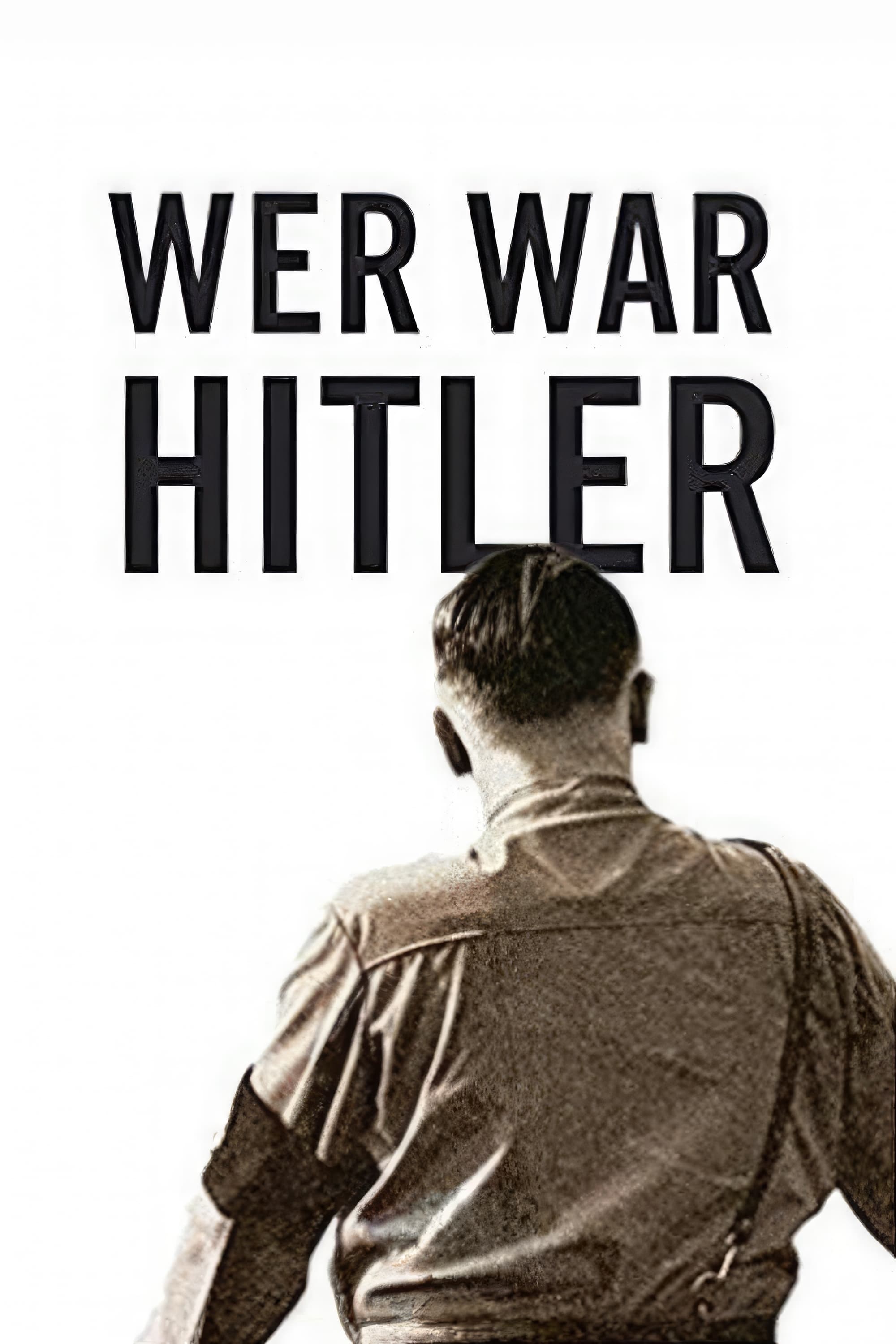
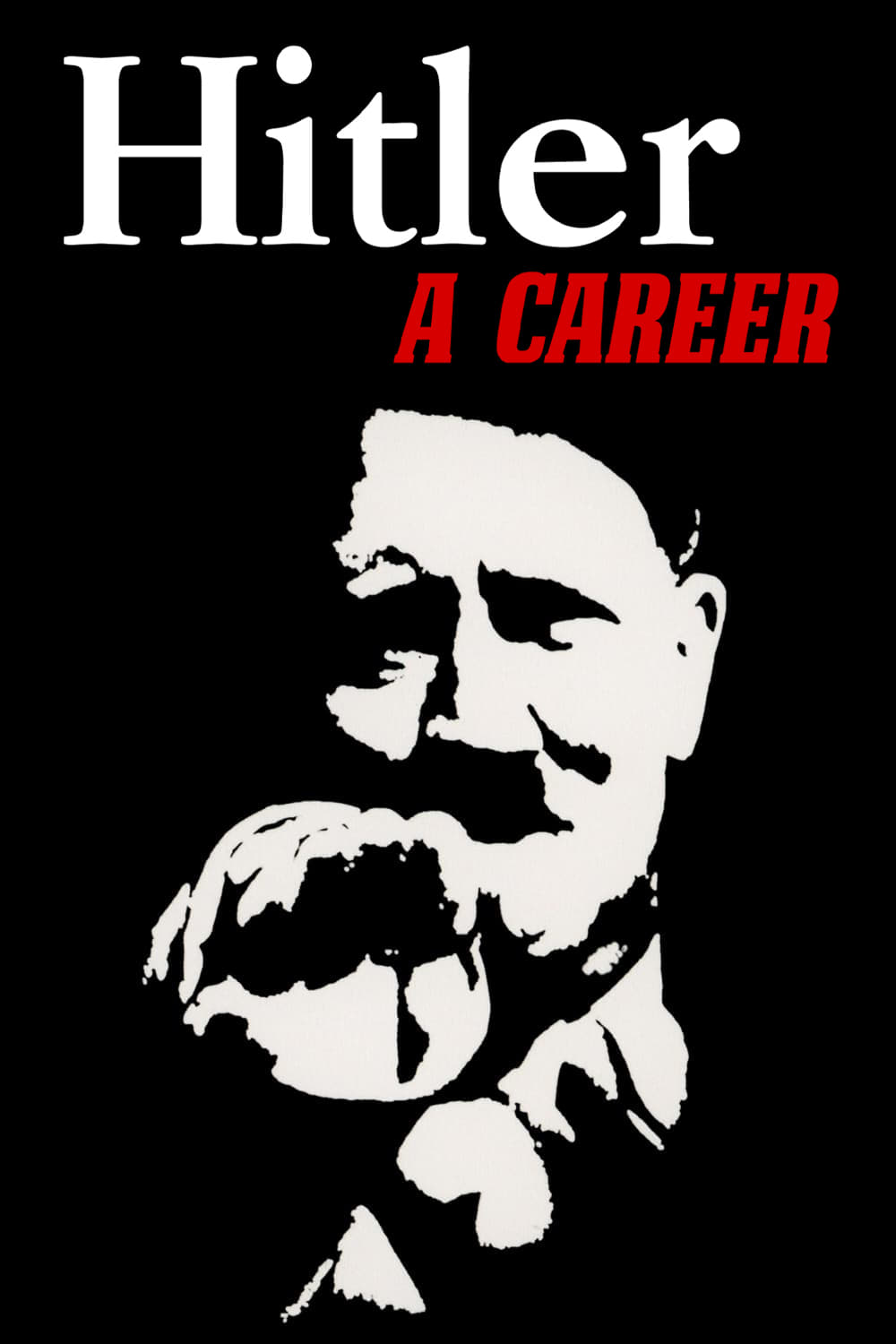
Hitler's biography told like never before. Besides brief historical localizations by a narrator, only contemporaries and Hitler himself speak: no interviews, no reenactment, no illustrative graphics and no technical gadgets. The testimonies from diaries, letters, speeches and autobiographies are assembled with new, often unpublished archive material. Hitler's life and work are thus reflected in a unique way in interaction with the image of the society in the years 1889 to 1945.
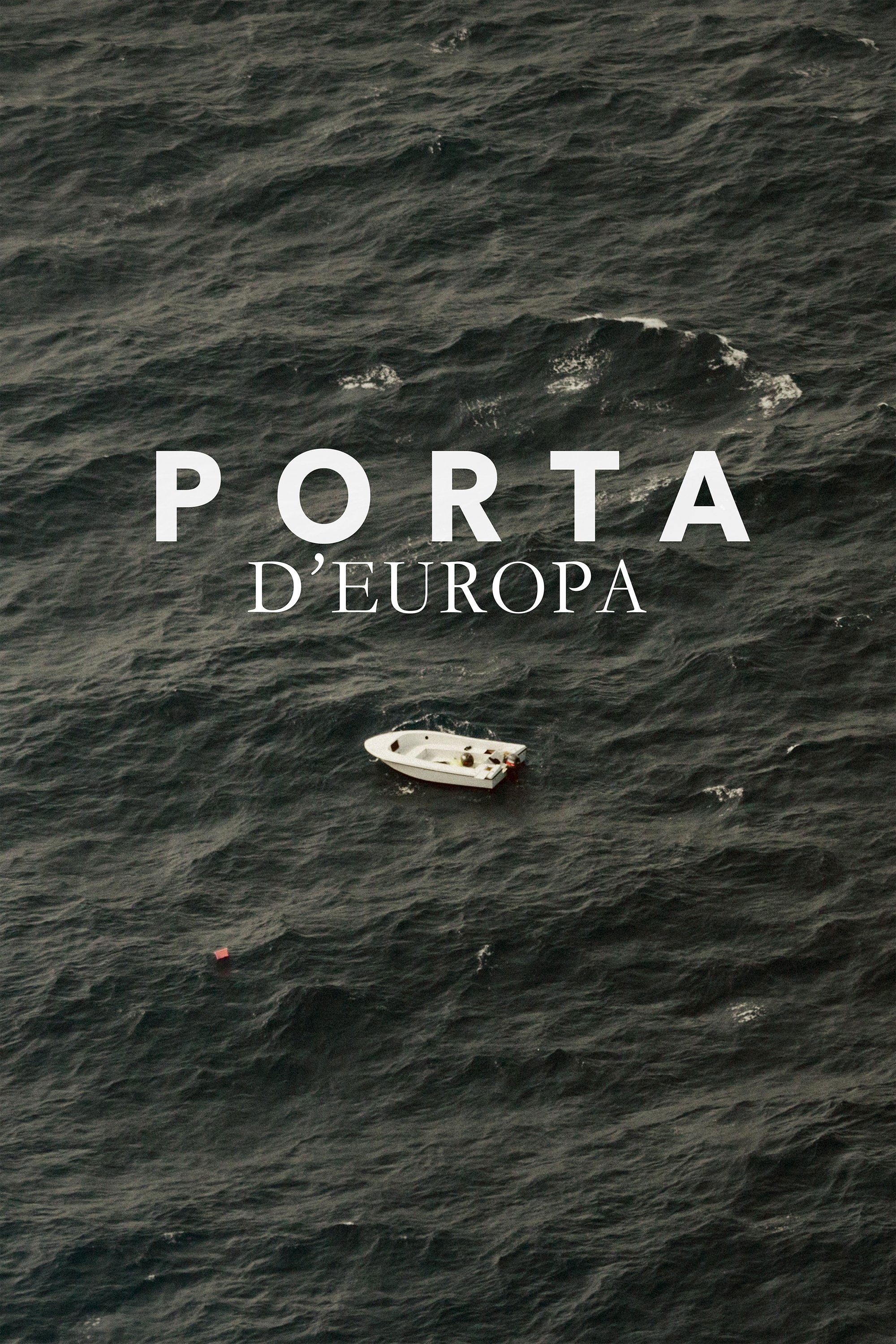
A migrant boat has been stranded in the Mediterranean Sea for 30 hours. As authorities ignore calls for help, the Sea-Watch Crew, an NGO, launches an urgent search.
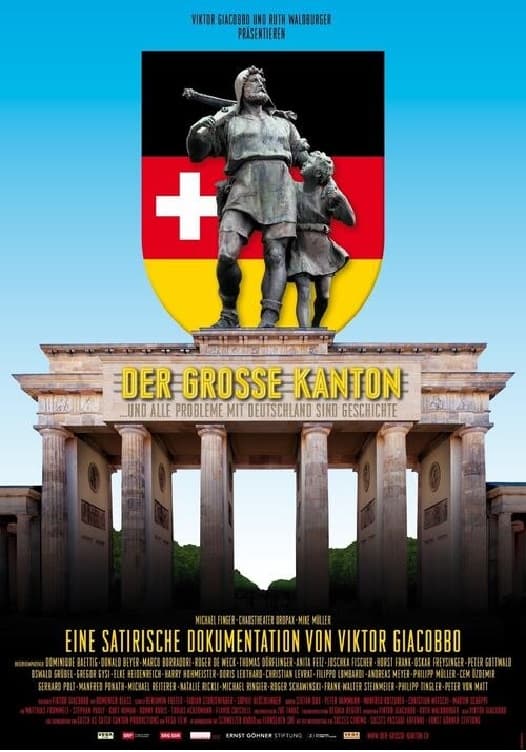
Is the solution to Switzerland's future to integrate Germany into the confederation? After all, like Michael Ringier, CEO of the Ringier media group, says, blithely ignoring all minorities, we're very close in culture and language. Oskar Freysinger takes out his guitar and sings his answer. Politicians from French-speaking Switzerland and Ticino think expanding will help the country survive. The former German foreign minister thinks the two countries' traditions are too different. The banker Oswald Grübel is worried about Germany's debts, although he'd be prepared to take over its assets. With serious interviews interspersed with gags (boat people on Lake Constance, the last Habsburger as a peasant), Giaccobbo gathers off-the-cuff reactions which reveal a lot about the different mentalities. The movie laughs at preconceived notions, redefines neutrality and reflects on what designates a nation. Switzerland, which loves to teach the world a lesson, will soon helvetize the planet, oder?
In this sequel to "My brother the Islamist," we continue to follow Robb Leech as the tries to understand his stepbrother's journey and transformation from middle-class boy to convicted terrorist.
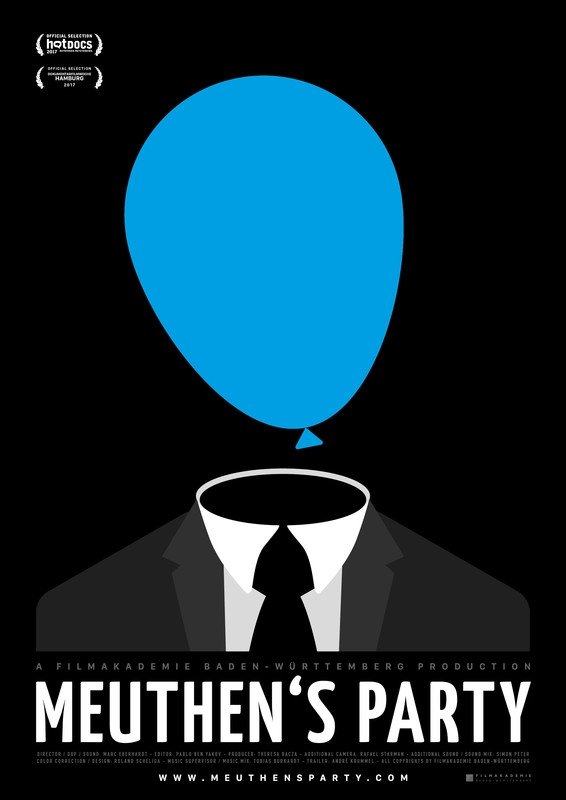
MEUTHEN'S PARTY unmasks the rise of the provincial politician Dr. Jörg Meuthen who doesn't shy away from spreading racist sentiments with a smile on his face.
Wolves divide and fascinate us. 150 years after they were driven to extinction in Central Europe, they are returning slowly but inexorably. Are they dangerous to humans? Is it possible to coexist? Using Switzerland as a point of departure, where wolves have returned in the very recent past, this documentary sheds light on the wolf situation in Austria, eastern Germany, Poland, Bulgaria, and even Minnesota, where freely roaming packs of wolves are more common sight.
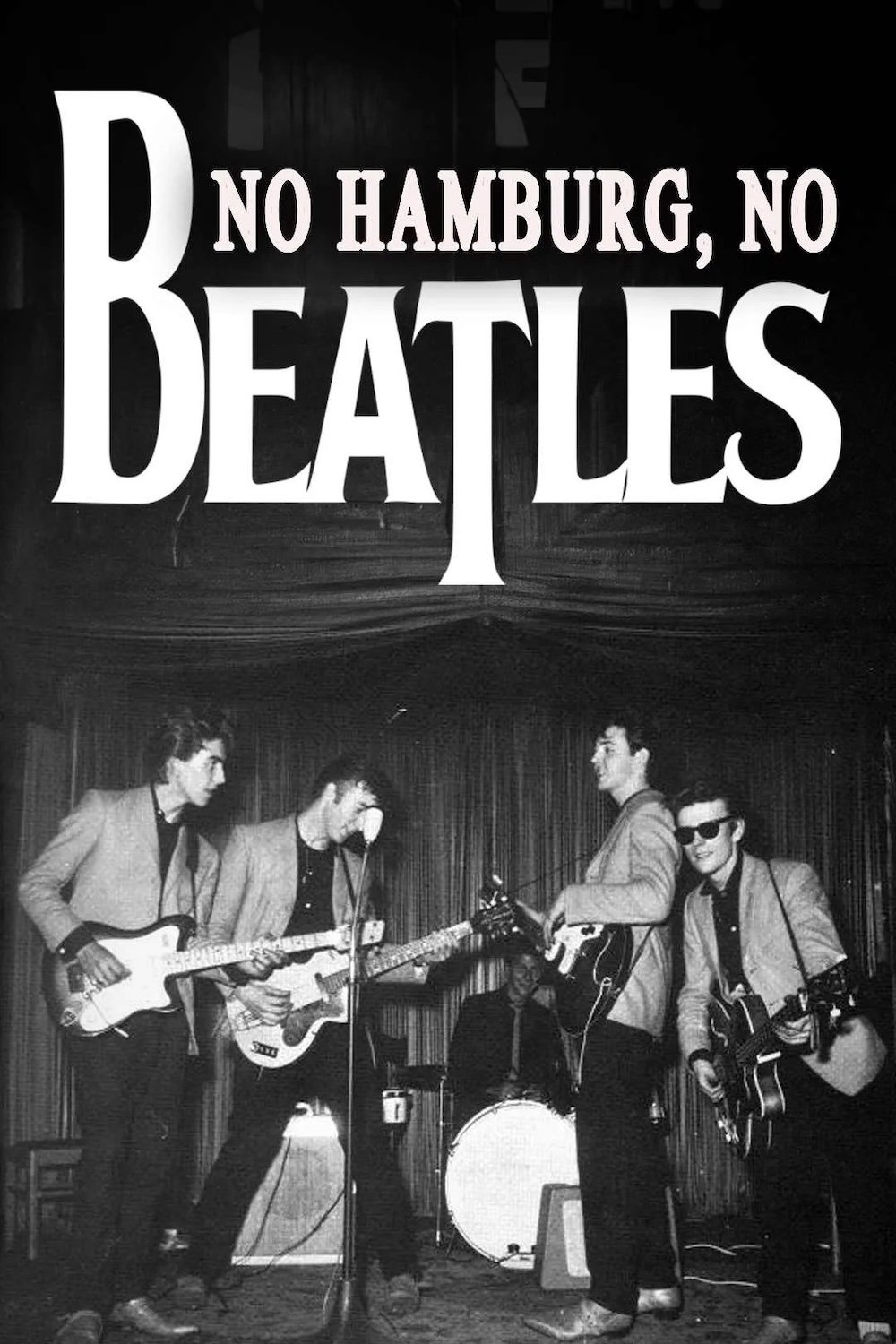
“We were born in Liverpool but grew up in Hamburg”, John Lennon once said. This feature documentary seeks to find the truth in those words. The long and winding road that the Beatles took to worldwide fame passed through Hamburg, Germany in the early 1960s. Only a couple of years before they became household names, the former Quarrymen were cutting their musical teeth on nightclub stages in the city. Hamburg had become the vice capital of Europe after World War Two, its neon-lit streets home to sailors, sex workers, drug dealers, gangs and low life. Meanwhile, the English band was still developing, still young and virtually unknown. By the time of their last German visit in 1966, the Beatles were an international phenomenon. 'No Hamburg, No Beatles' explains how learning their trade in this fascinating city helped propel them to global stardom.
An account of the life and work of controversial German orchestra conductor Herbert von Karajan (1908-89), celebrated as one of the greatest musicians of the twentieth century.
In honour of the 15th Anniversary of 9/11, National Geographic Channel is looking back at the very best reporting we have done since this world-changing tragedy first happened using extended excerpts from past specials that relate directly to events leading up to and following the attacks on New York City and Washington DC.
On November 13, 2015, the attacks in Paris and Saint-Denis, carried out by three Islamist commandos and claimed by ISIS, were the deadliest in France since the end of World War II. In the months that followed, the November 13 Program was launched by the CNRS and Inserm to study the construction of individual and collective memory around an event that profoundly marked French society. Today, the testimonies of 27 volunteers—among some 1,000 people—who participated in the study form a mosaic of experiences that shows how trauma extends beyond the immediate circle to permeate the national collective memory.
Located in former West Berlin, Tempelhof Airport reflects the dramatic history of the 20th century. Once a Nazi showpiece, it later became a symbol of freedom during the Berlin Airlift and the Cold War. In 1978, East German citizen Constanze Glien unexpectedly arrived here after her flight was hijacked, changing the course of her life.
Through deeply personal interviews with her siblings and an examination of the photographs, letters, and belongings left behind, Mariska assembles a new portrait of her mother Jayne Mansfield, an extraordinary and complex woman.
A string of threatening emails escalates into a revenge plot involving a newly married US marshal and his ex-girlfriend.
A documentary examining possible historical and modern conspiracies surrounding Christianity, the 9/11 terrorist attacks, and the Federal Reserve bank.
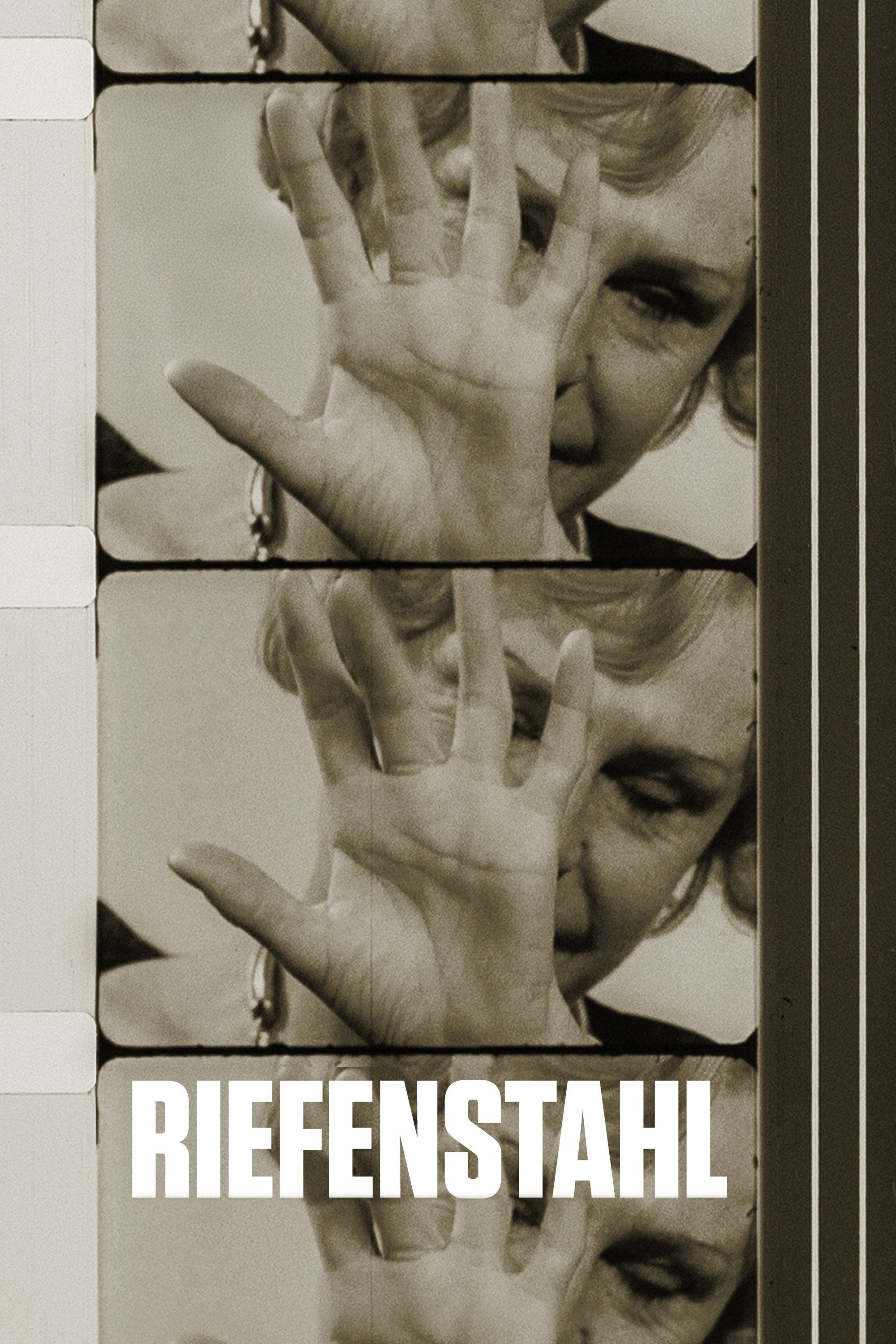
Explores Leni Riefenstahl's artistic legacy and her complex ties to the Nazi regime, juxtaposing her self-portrayal with evidence suggesting awareness of the regime's atrocities.
A look at the origins, history and conspiracies behind the "Majestic 12", a clandestine group of military and corporate figureheads charged with reverse-engineering extraterrestrial technology.
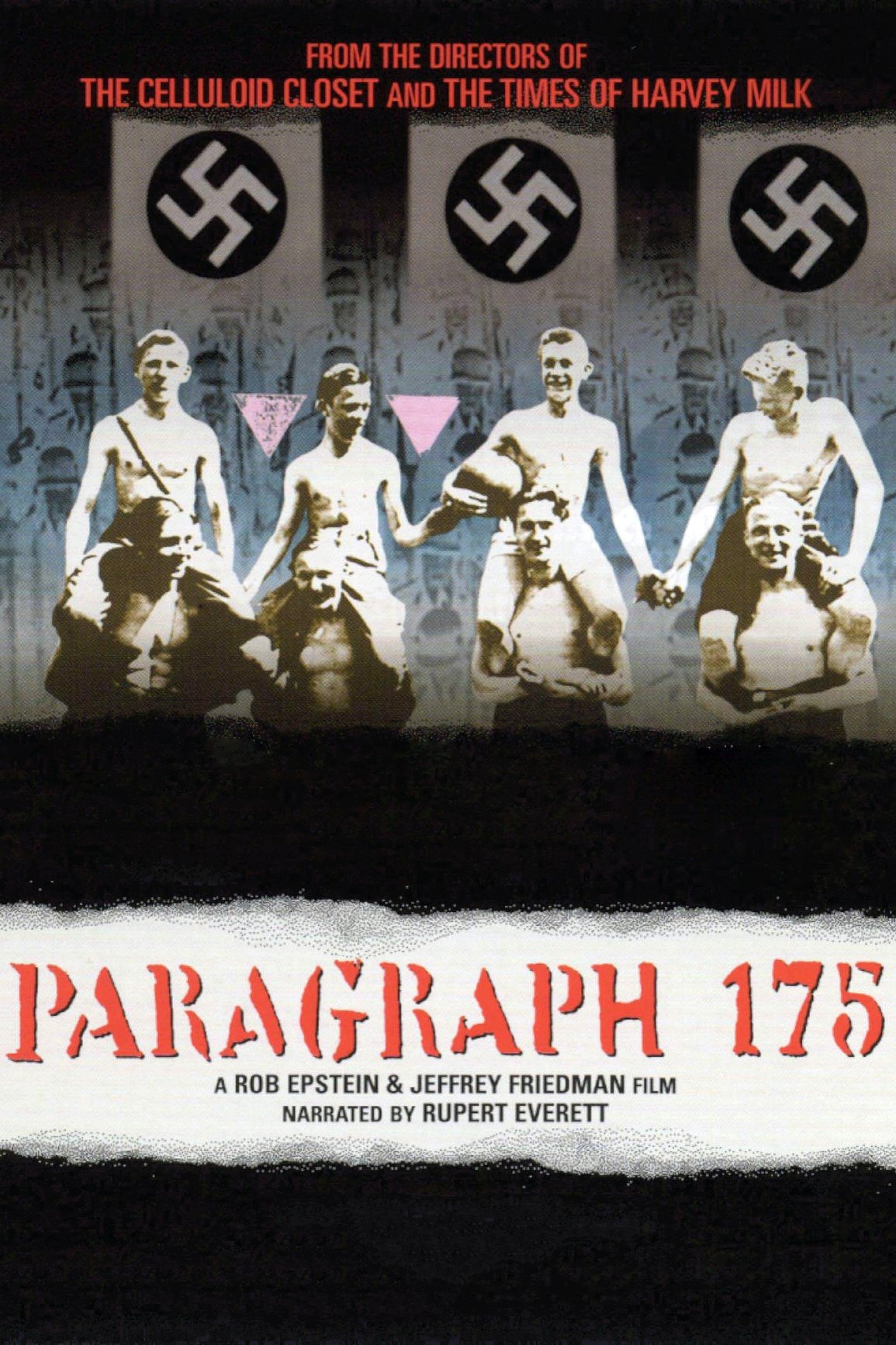
During the Nazi regime, there was widespread persecution of homosexual men, which started in 1871 with the Paragraph 175 of the German Penal Code. Thousands were murdered in concentration camps. This powerful and disturbing documentary, narrated by Rupert Everett, presents for the first time the largely untold testimonies of some of those who survived.
A documentary about the life and films of director John Ford.
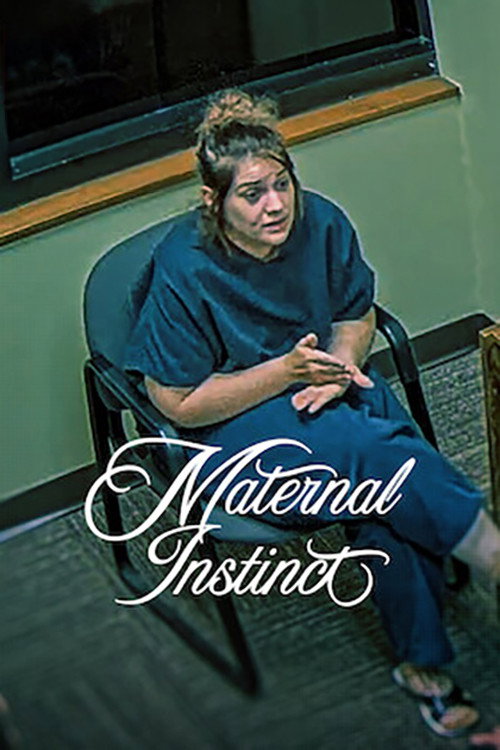
Police pull over a woman who claims she just gave birth. But the baby — and the blood — aren't hers. Twisted lies unravel in this true-crime documentary.
Alexander McQueen's rags-to-riches story is a modern-day fairy tale, laced with the gothic. Mirroring the savage beauty, boldness and vivacity of his design, this documentary is an intimate revelation of McQueen's own world, both tortured and inspired, which celebrates a radical and mesmerizing genius of profound influence.
Unravel the case of Utah therapist Jodi Hildebrandt, whose child abuse arrest with parenting YouTuber Ruby Franke exposed a twisted tale of manipulation.
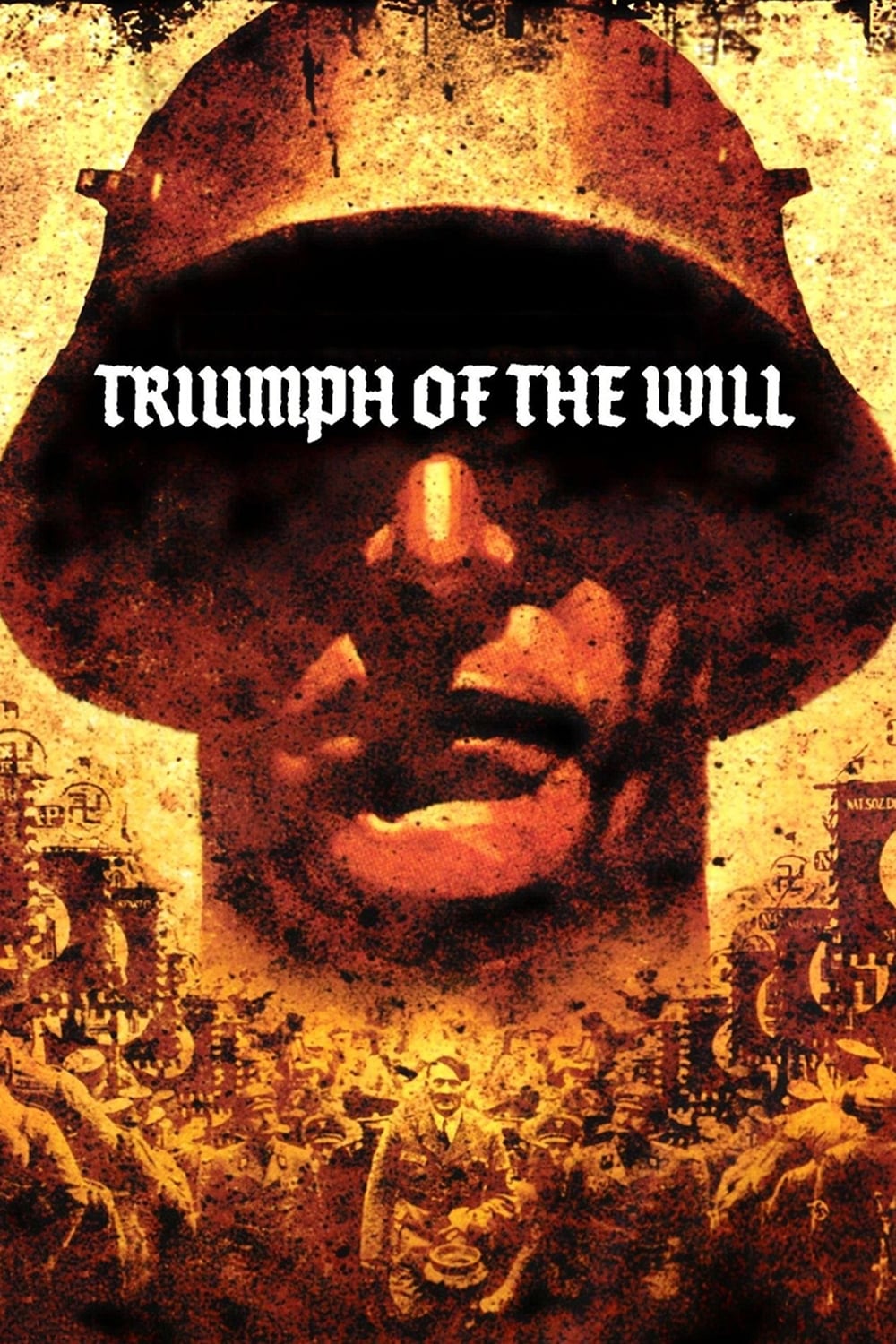
A showcase of German chancellor and Nazi Party leader Adolf Hitler at the 1934 Nuremberg Rally.
A keen chronicle of the unlikely rise to power of Adolf Hitler (1889-1945) and a dissection of the Third Reich (1933-1945), but also an analysis of mass psychology and how the desperate crowd can be deceived and shepherded to the slaughterhouse.
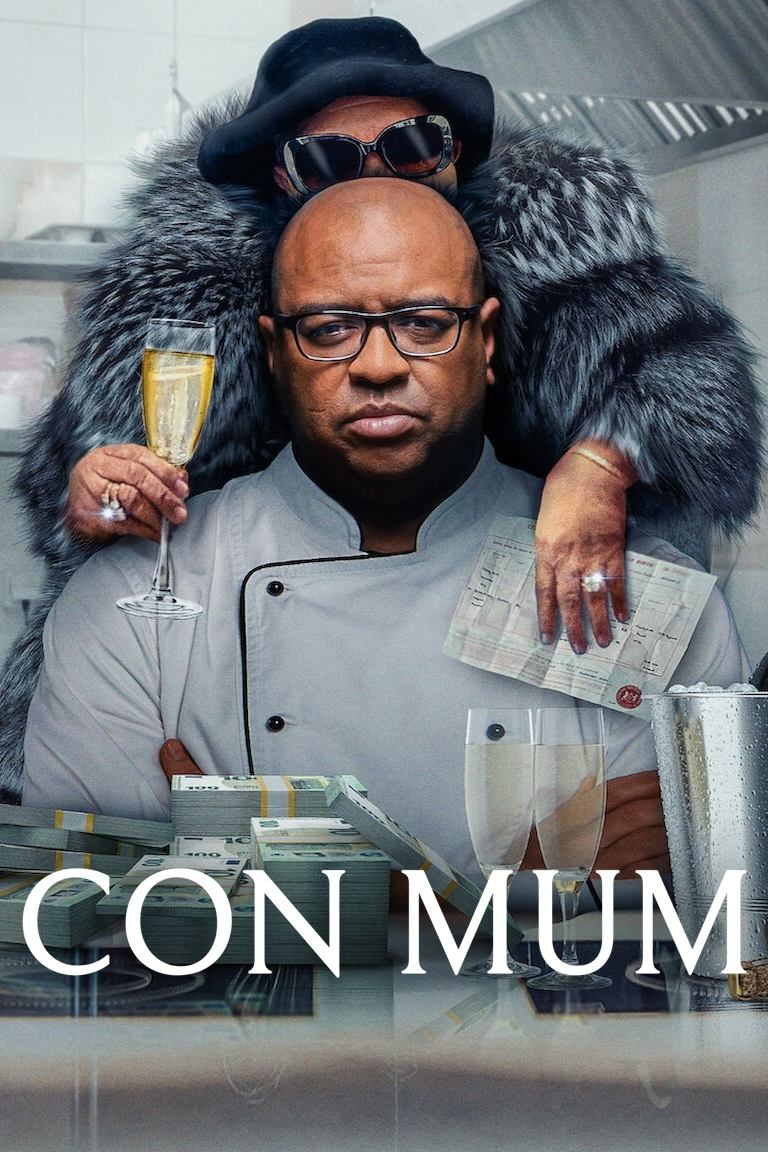
A chef's life is upended when a jet-setting, champagne-sipping, hotel-hopping woman claims to be his long-lost mother. This documentary reveals the untold story.
A visual montage portrait of our contemporary world dominated by globalized technology and violence.
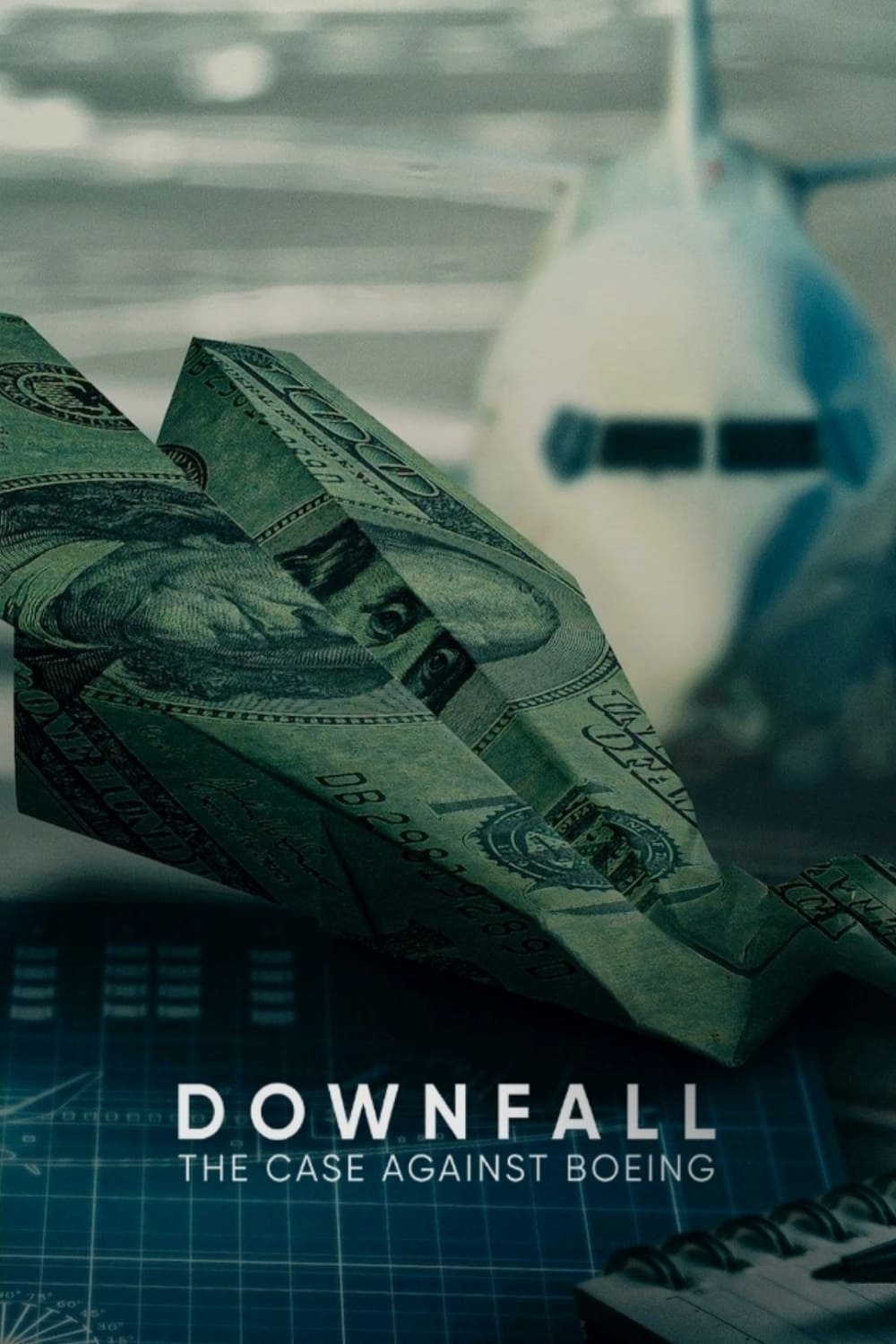
Investigators reveal how Boeing’s alleged priority of profit over safety could have contributed to two catastrophic crashes within months of each other.
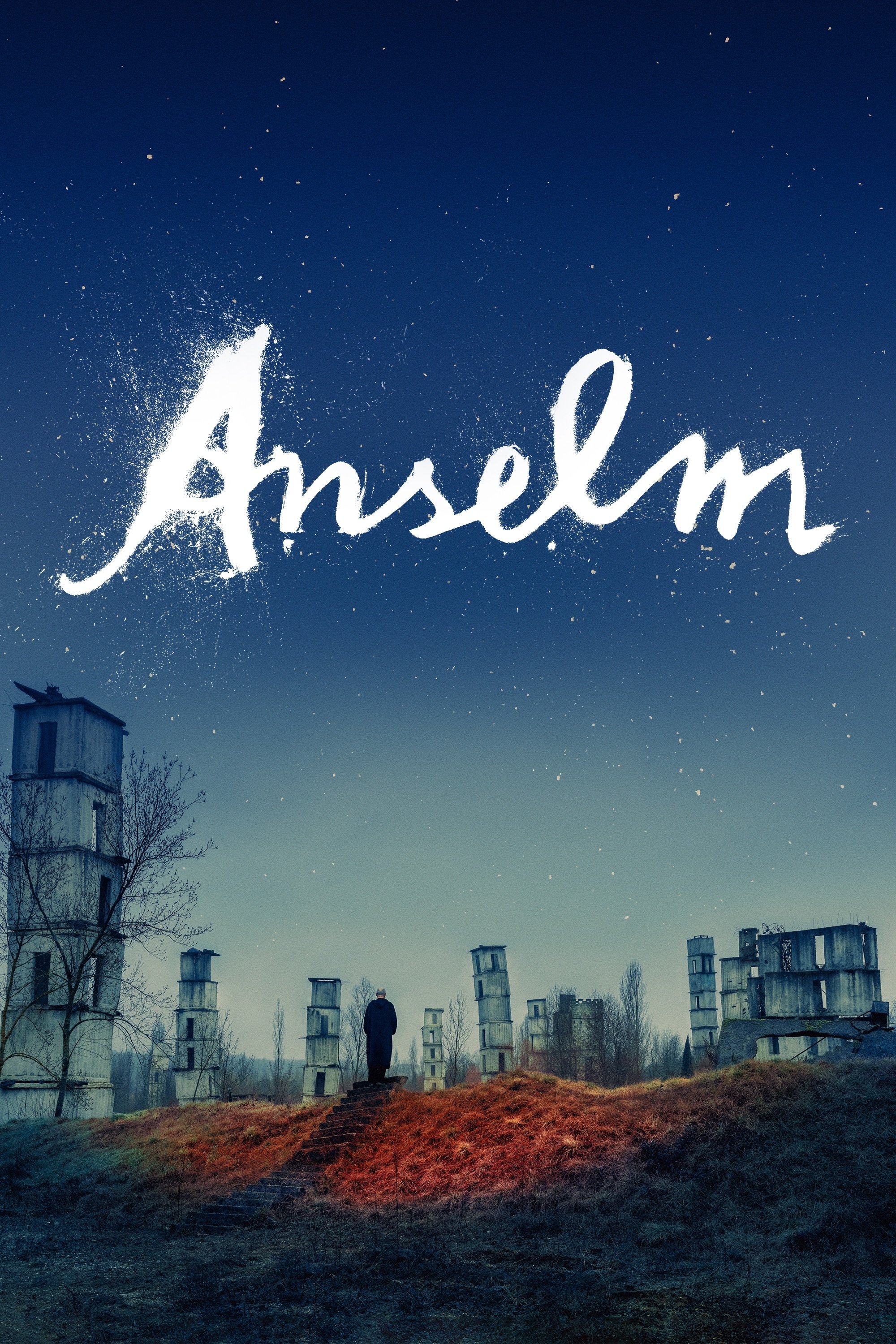
This unique cinematic experience dives deep into an artist’s work and reveals his life path, inspiration, and creative process. It explores his fascination with myth and history. Past and present are interwoven to diffuse the line between film and painting, allowing the audience to be completely immersed in the remarkable world of one of the greatest contemporary artists, Anselm Kiefer. Wim Wenders shot this unique portrait over the course of two years in stunning 3D.
Vulgar, taunting texts blow up the phones of a teen and her boyfriend. Who's sending them — and why? This twisty documentary reveals the shocking answer.
A feature length documentary about the all-women team at the helm of Pixar's original feature, Turning Red. With unprecedented behind-the-scenes access to Director Domee Shi and her core leadership crew, this story shines a light on the powerful professional and personal journeys that brought this incredibly comical, utterly relatable, and deeply heartfelt story to the screen.
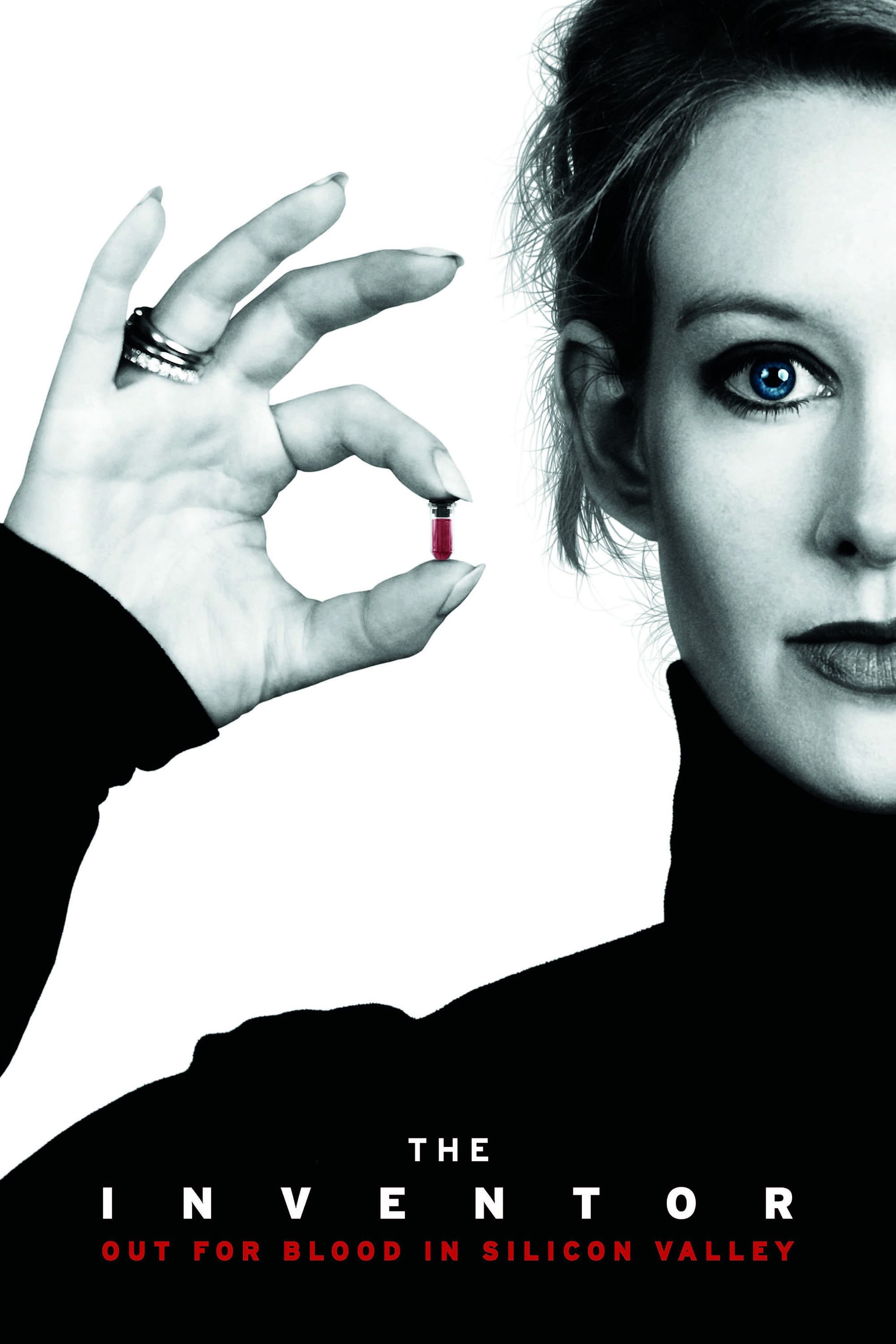
With a magical new invention that promised to revolutionize blood testing, Elizabeth Holmes became the world’s youngest self-made billionaire, heralded as the next Steve Jobs. Then, overnight, her 10-billion-dollar company dissolved. The rise and fall of Theranos is a window into the psychology of fraud.
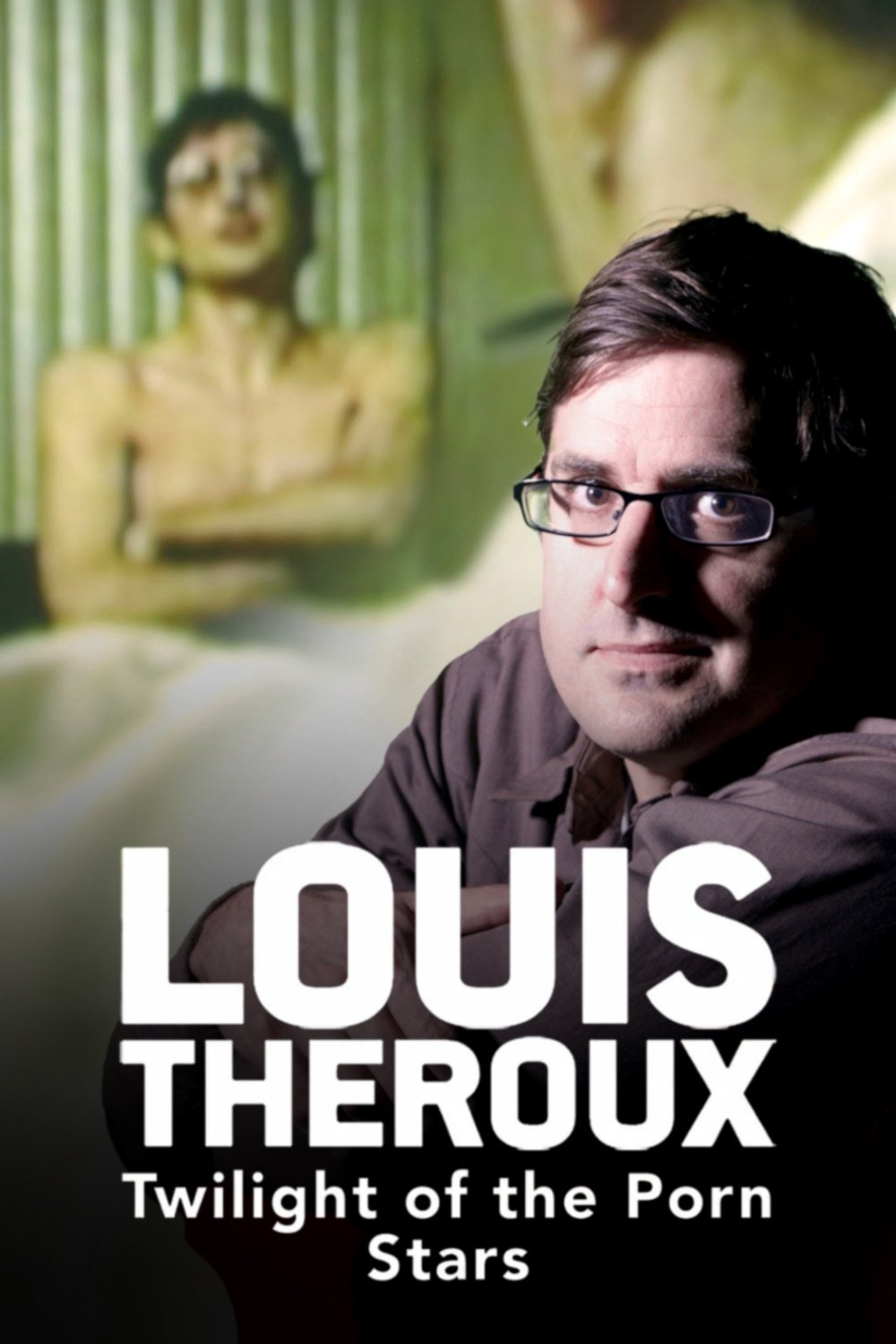
In 1997, Louis Theroux made a documentary about the world of male porn performers in Los Angeles. 15 years later, he returns to find a business struggling with the deluge of free porn on the internet. Louis revisits some of the original programme's contributors as well as meeting the latest crop of porn performers dreaming of porn stardom.