Social & External
The people behind it
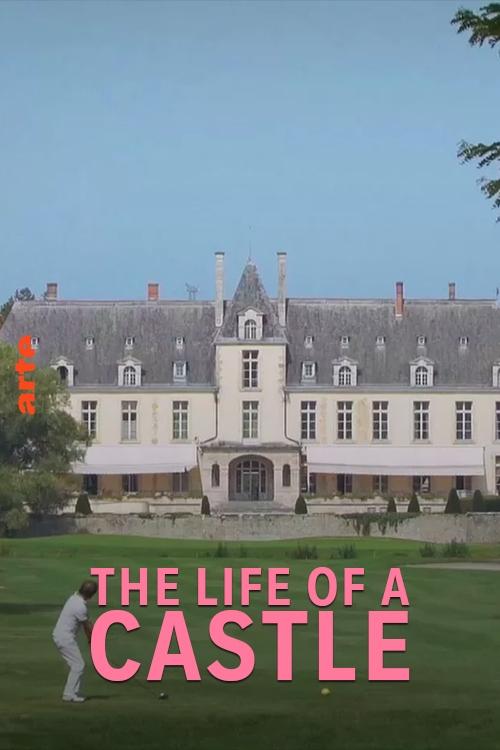
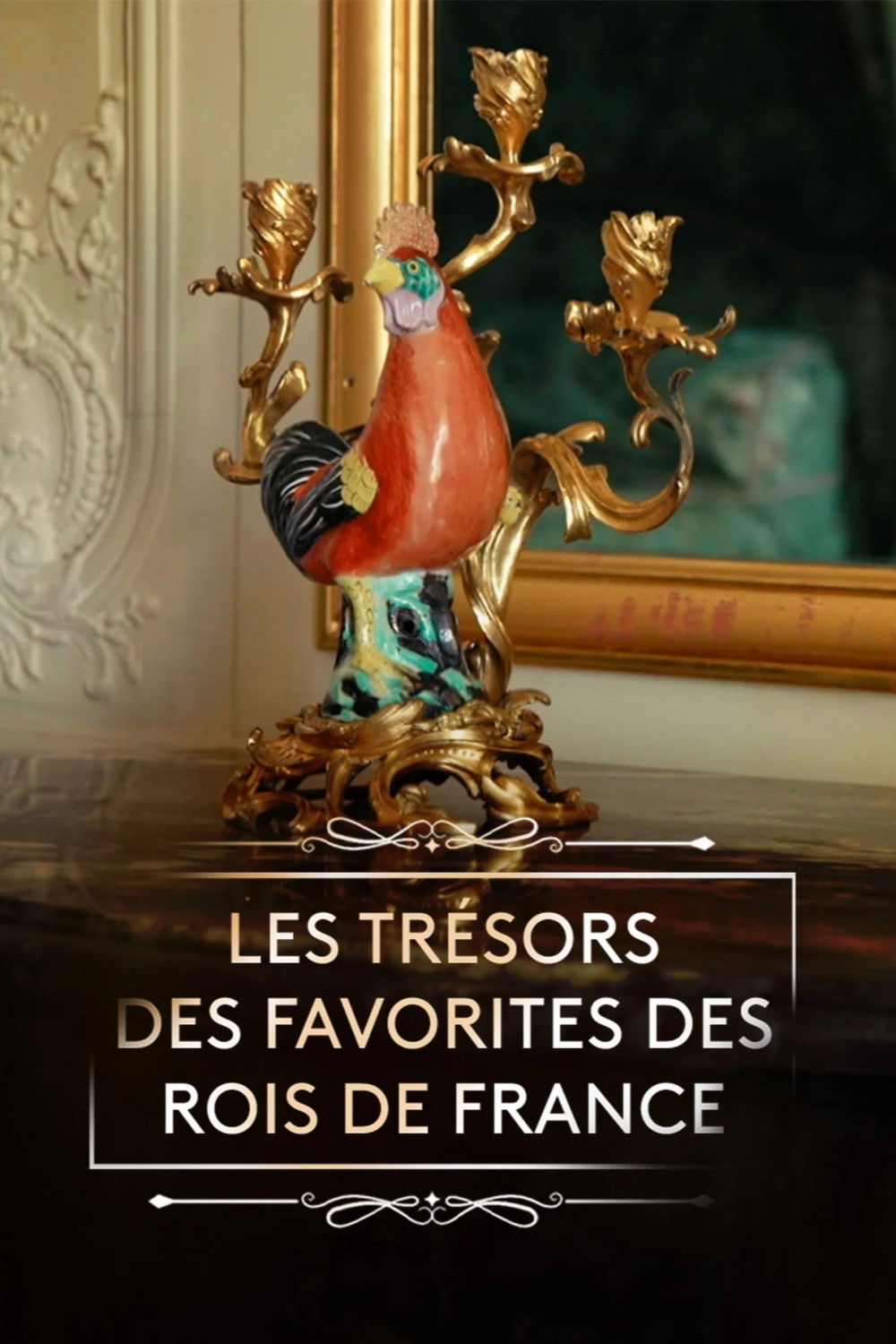
A documentary showing the proceedings around a French castle, turned luxury hotel, over a year.
Catchy mix of farce and documentary. Portrait of a Berlin theatre company made up entirely of the homeless, alcoholics and junks. They call themselves ‘rats’ and take the film over to have a party.
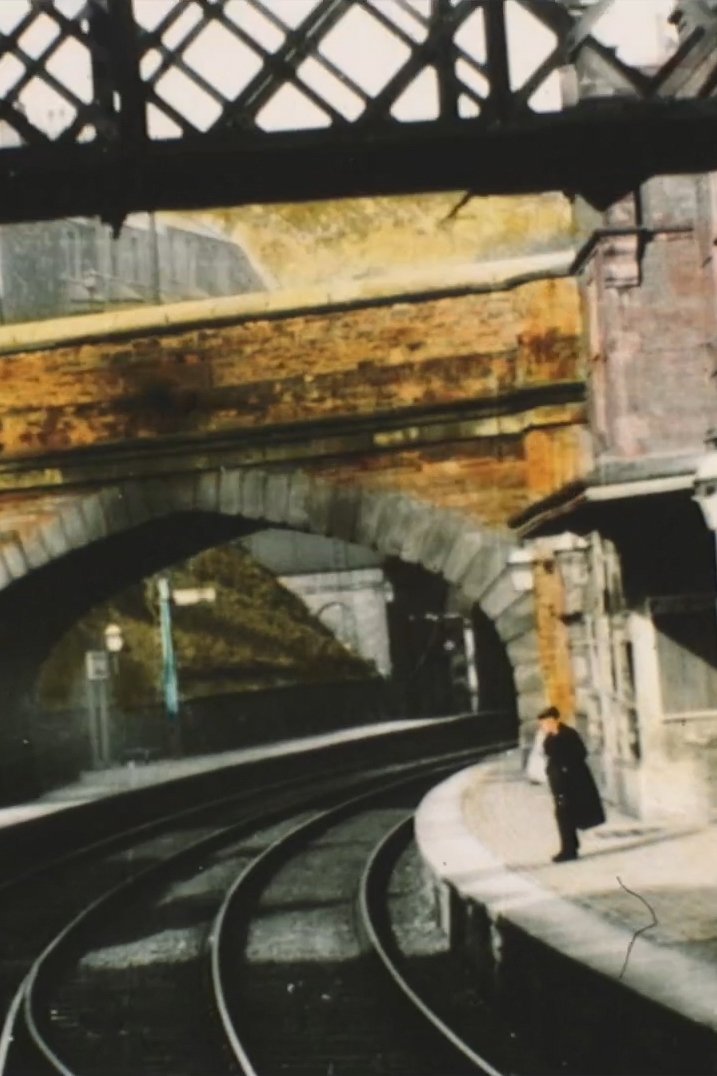
A hand-colored ride along the Bangor-Conwy-Colwyn Bay railroad filmed from an express train from the London and North Western Railway; Stations, vistas and a tunnel under the Conwy Castle (misspelled in the title) in North Wales.
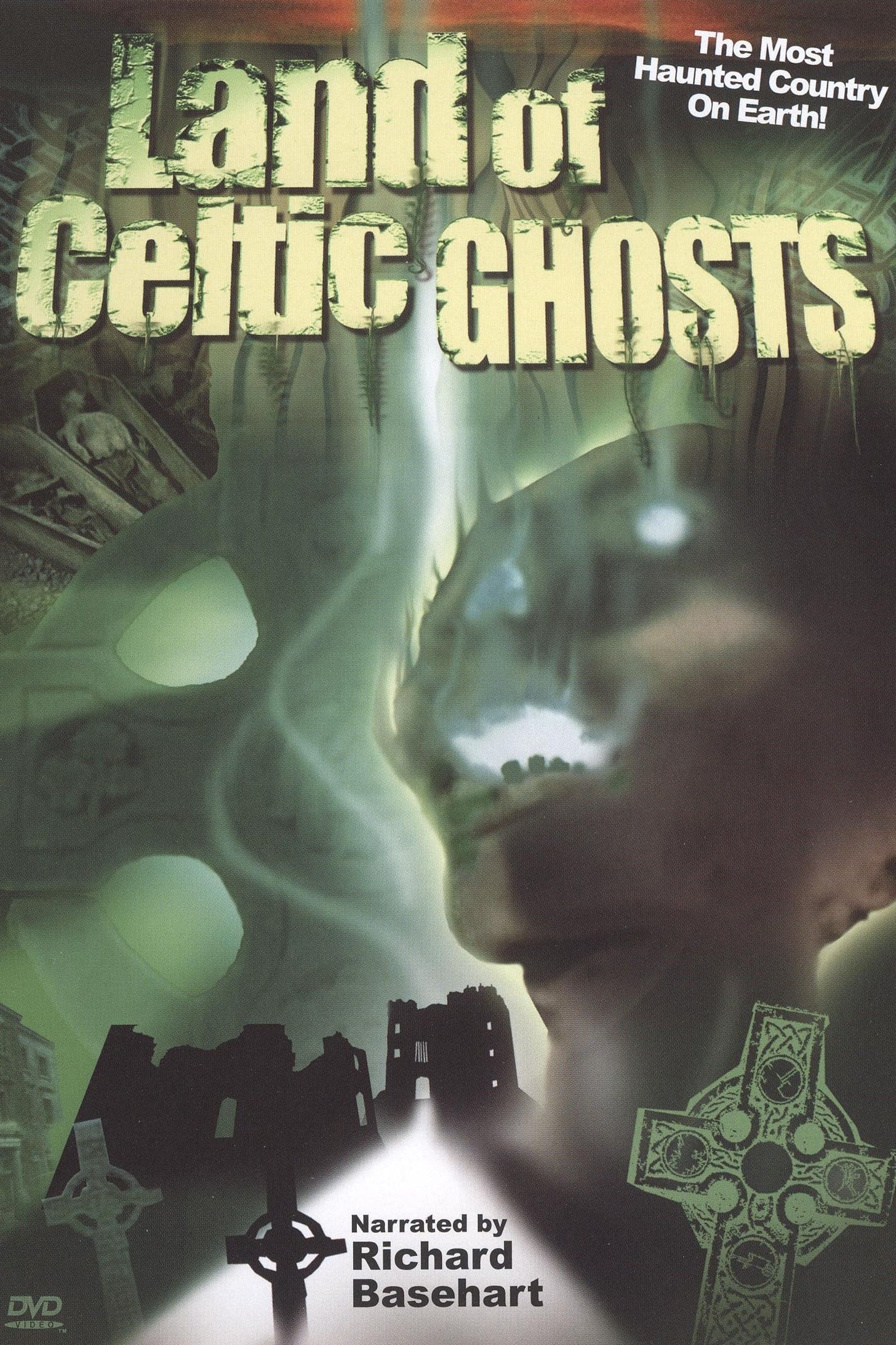
A collection of Irish legends and sightings, featuring eerie ruins of castles. A moody film, very well narrated by Richard Basehart. Rich in folklore and timeless legends, Ireland possesses a history of supernatural phenomena and in fact, may be the most haunted country in the world. This documentary traces the ghostly paths of the spirits that have roamed the Emerald Isle since the beginning of man. Filmed entirely on locations in Ireland, including the city of Dublin and at many other ghostly places such as Killakee House, St. Michan’s Church, St. Patrick’s Cathedral, Carrickmines, Howth Castle, Malahide Castle, Aillwee Cave (Ballyvaughan), Cliffs of Moher, Kilfenora Cathedral, Glenfesk, Muckross Abbey, Kildemock Church, Castlegregory and many more.
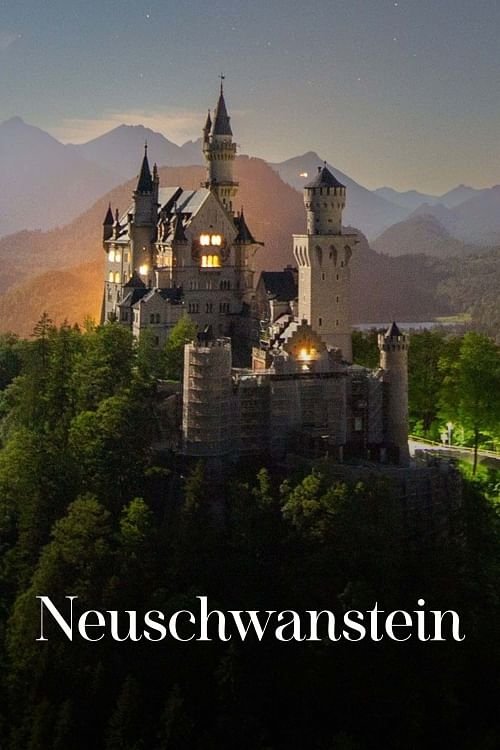
Part architectural genius, part kitsch fairytale, Neuschwanstein Castle is closely linked to the tragic fate of Ludwig II of Bavaria (1845-1886). The "Mad King" poured his heart and soul into this unique construction which looks back nostalgically to the Middle Ages. A focus on the history of a building filled with dreams and legends which has become an icon of Germany around the world.
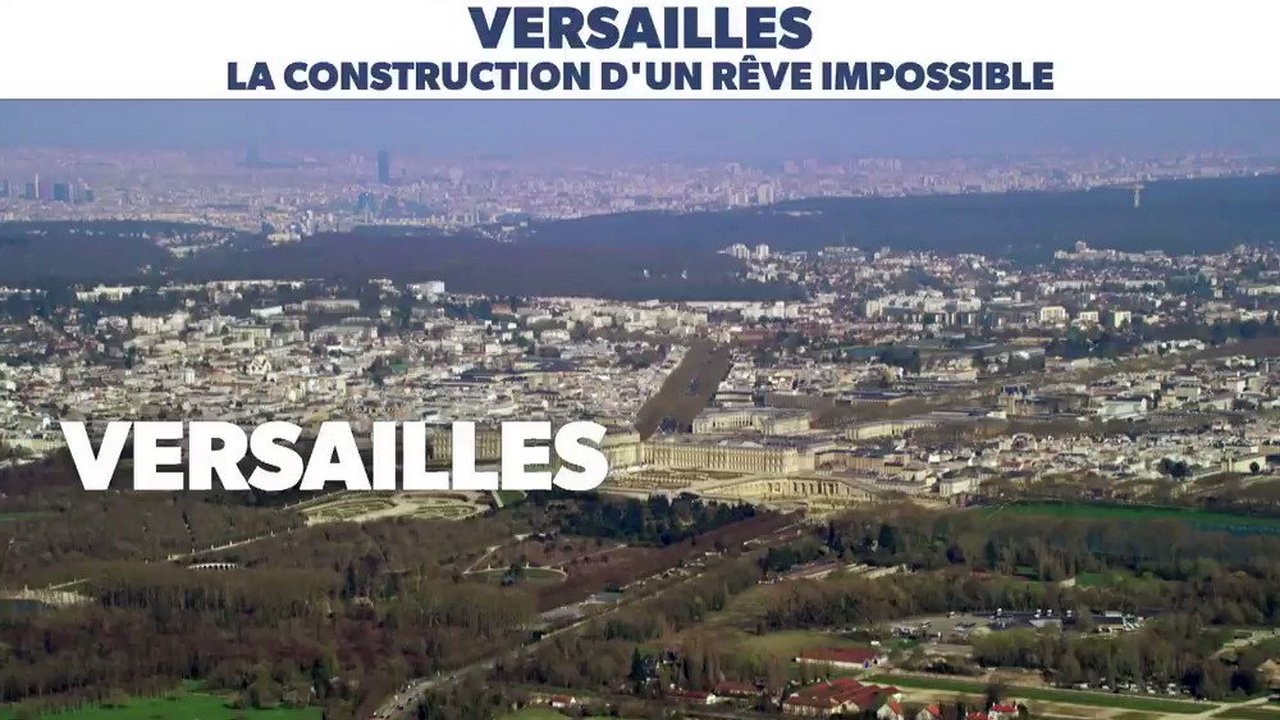
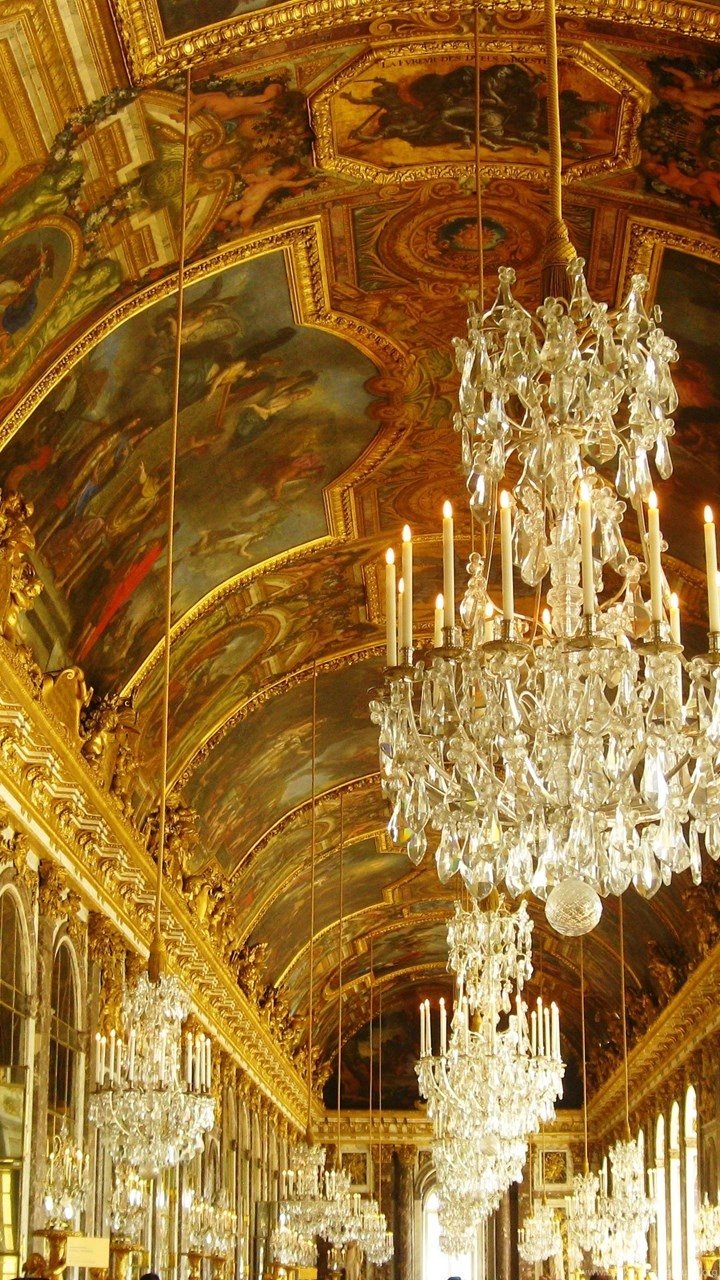
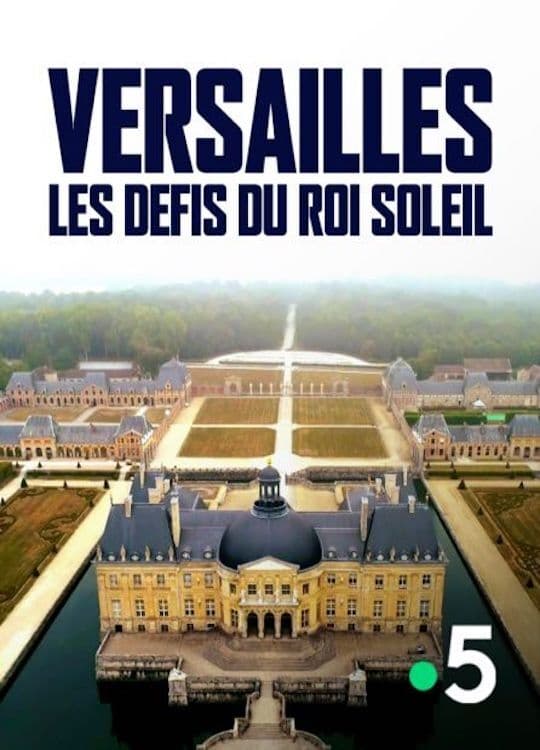
Documentary production focused on the construction, architecture, and engineering feats of the Palace of Versailles under the reign of Louis XIV, known as the 'Sun King'.
Take a scenic trip through 1920s North Wales to the sea.
Explore the 'Krivoklat Castle, Czechia', one of the oldest and most important castles of the Czech kings and princes, with origins dating back to the 12th century. This royal residence was built as a seat of the ruling Premyslid dynasty
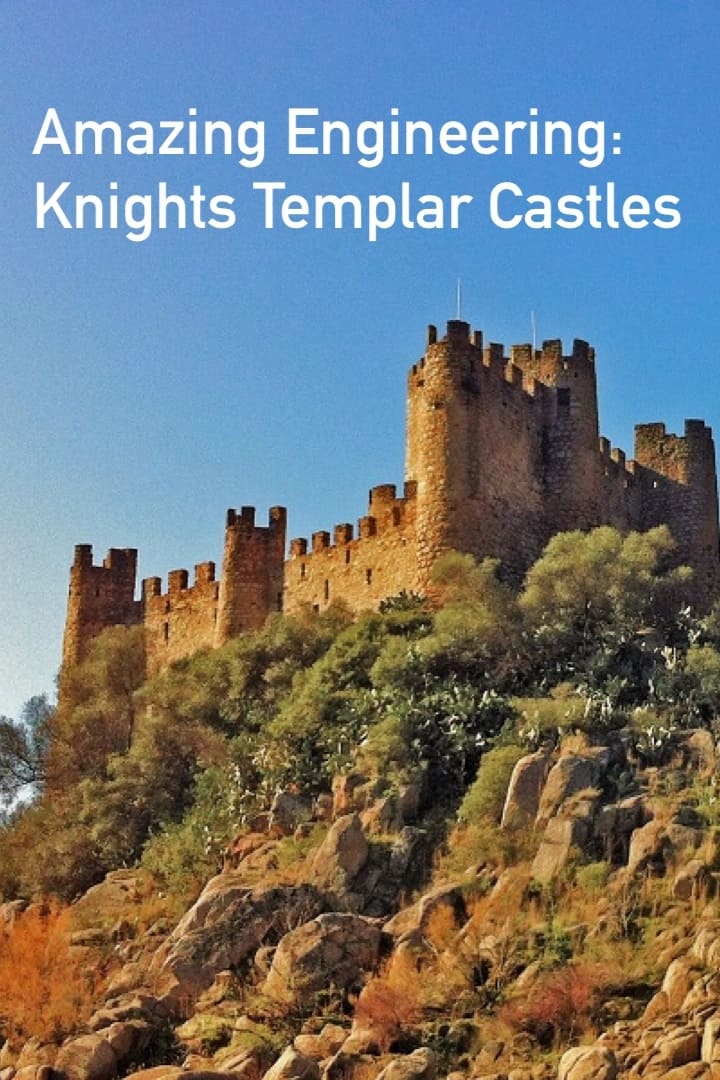
Looks at the engineering of the Knights Templar, the religious order that marked the rise of the Middle Ages, and their amazing buildings in the west of Europe.
Whistlestop tour of Dartmouth in Devon, taking in the 17th century Butterwalk arcade and medieval castle.
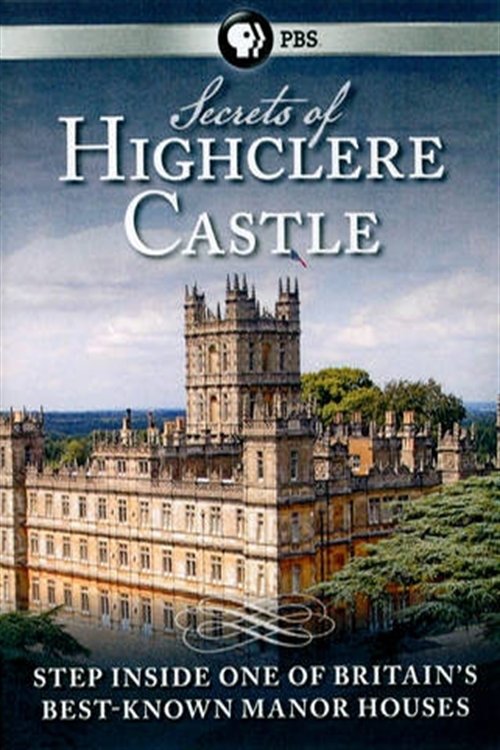
Known as the setting of "Downton Abbey," Highclere Castle truly was the home of aristocrats and an army of servants, with a rich past to share.
Documentary telling the story of Balmoral, the royal family's most private residence. For over 150 years this Scottish castle has been home to royal traditions of picnics, stag hunting and kilts. From prime ministers to Princess Diana, life at this tartan-bound holiday home has not appealed to everyone. But there is another story of Balmoral, of how the royal family has played a role in shaping modern Scotland and how Scotland has shaped the royal family. Queen Victoria's adoption of Highland symbols, from tartan to bagpipes, helped create a new image for Scotland. Her values, too, helped strengthen the union between Scotland and England. Ever since, Balmoral has been a place that reflects the very essence of the royal family.
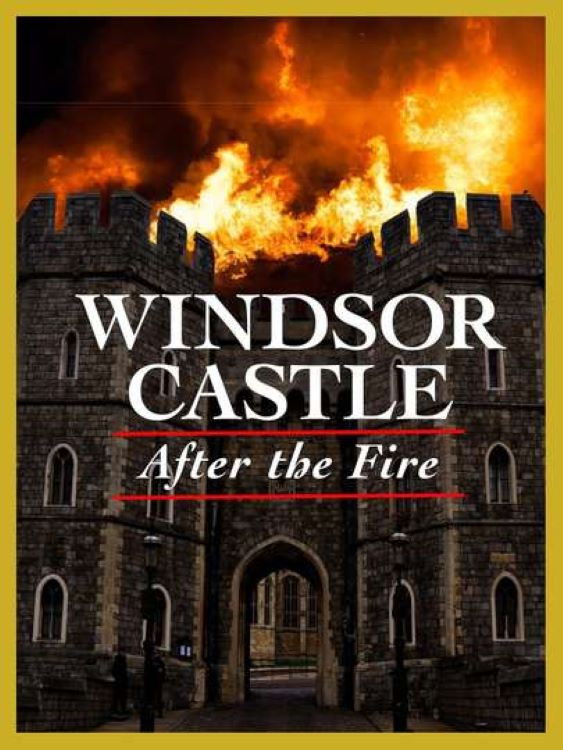
Windsor Castle is a wonderful living example of the power and tradition of the Royal Family. For nearly 1,000 years it has stood as a symbol of the monarchy's strength, it is the largest working castle in the world and is still a cared for home of the Royal Family. But on one fateful day all that was threatened. On the morning of November 20th, 1992, fire broke out in the castle.It was a threat that nearly destroyed a building that centuries of warfare and change had not even dented. The blaze raced through state apartments, the Royal Chapel, St George's Hall, bedrooms and corridors, wiping out almost everything in its path. This is the story of that fire, as told by those who witnessed it and by those for whom Windsor Castle is a home. But it is also the amazing story of the astonishing effort that was made to restore the castle to its former glory and prove that there was life for Windsor Castle after the fire.
Spain, 1961. Life in the small village of Torrelobatón, in the province of Valladolid, was turned upside down when the cinematic magic circus of a future Hollywood blockbuster, produced by Samuel Bronston, the rogue mogul of his own film empire, came to town: its inhabitants became participants and witnesses of the shooting of “El Cid,” a film directed by Anthony Mann, starring mythical actors Charlton Heston and Sophia Loren. Those days, legends came alive.
Short documentary film about Spanish castles, with a fiction part performed by two uncredited actors.
The castle of Krogen, built c. 1420, is inside the later castle of Kronborg. Reconstruction of Kronborg gave a chance to study early castles. Models of both are shown.
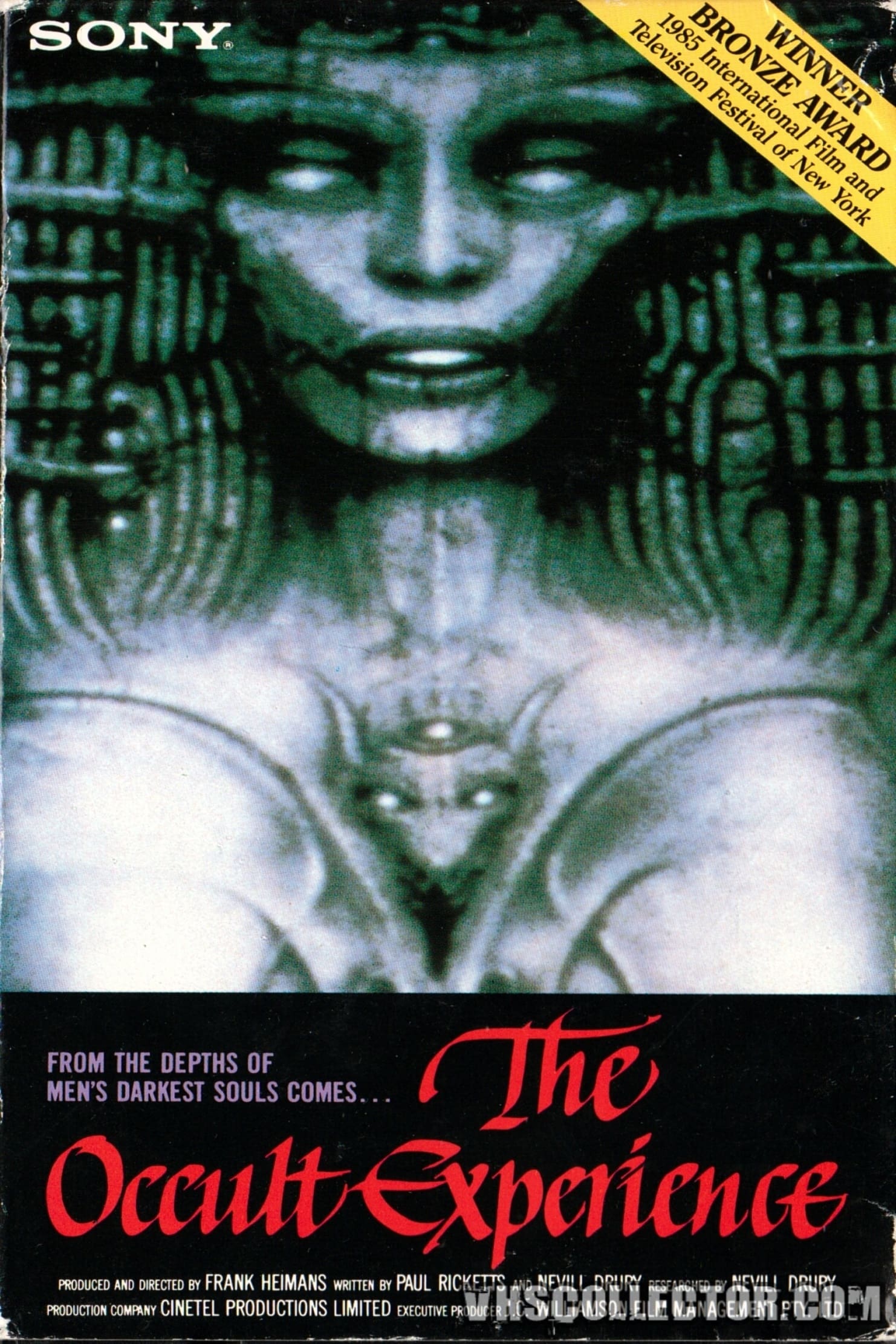
An examination of occultism as practiced in different parts of the world.
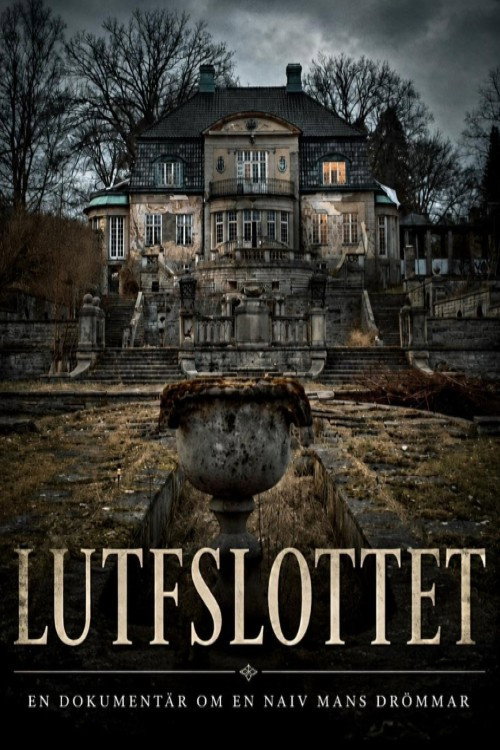
On a small island a stone's throw from Stockholm's inner city, Mia and Leif live in a Versailles-like, but deserted castle. Since the early 1900s, several men have had great ideas about the castle that has never been realized, but instead the women next to them have glued together the cracks. Nevertheless, Mia and Leif haven't given up the hope: one day, the castle will glitter again.
An inside look at one of the most anticipated movie sequels ever with James Cameron and cast.
Through deeply personal interviews with her siblings and an examination of the photographs, letters, and belongings left behind, Mariska assembles a new portrait of her mother Jayne Mansfield, an extraordinary and complex woman.
In an intimate and joyful story of love in the face of loss, celebrated poets Andrea Gibson and Megan Falley find strength—and unexpected hilarity—in what might be their final year together.
The Making-of James Cameron's Avatar. It shows interesting parts of the work on the set.
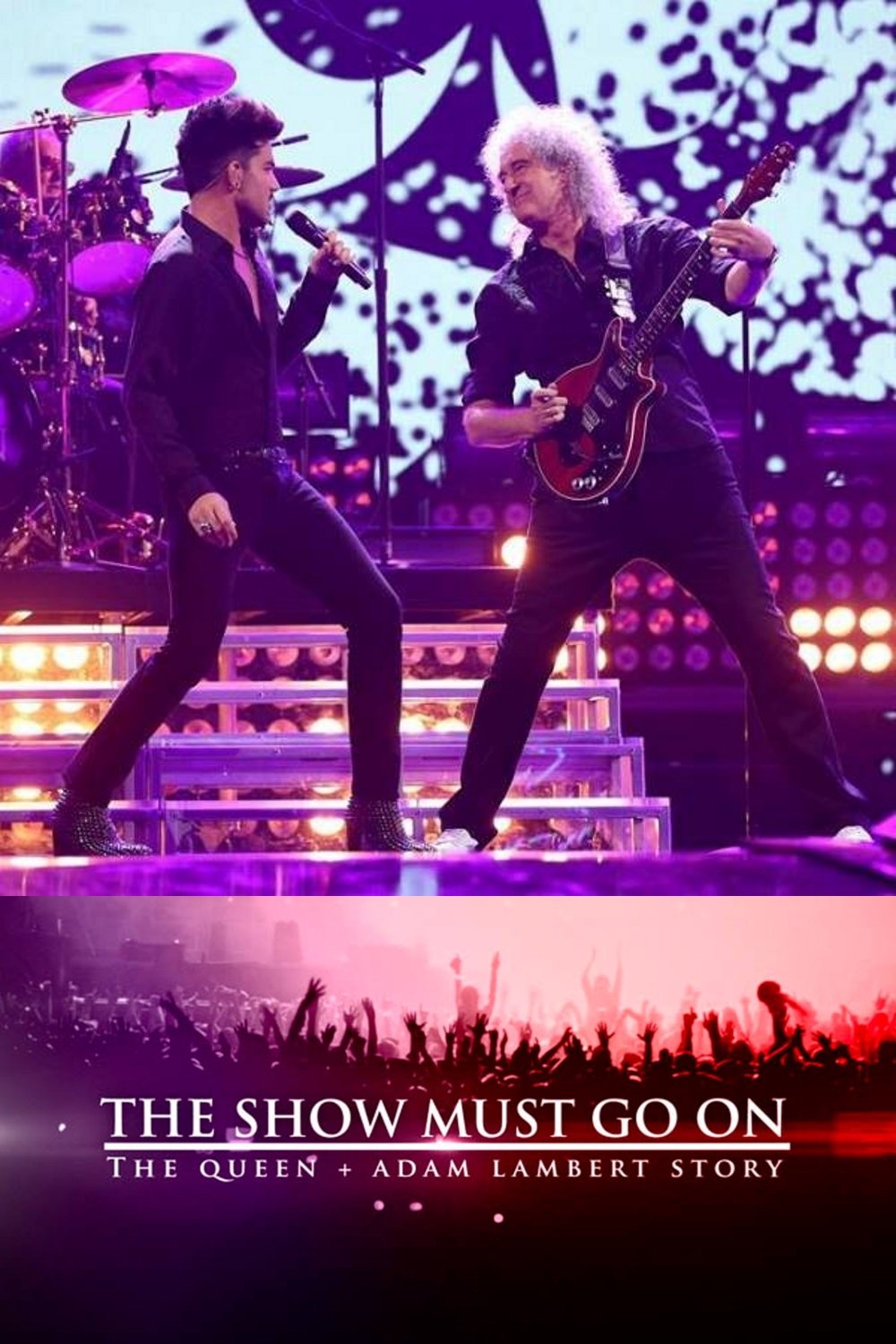
A documentary chronicling Queen and Lambert's incredible journey since they first shared the stage together on "American Idol" in 2009.
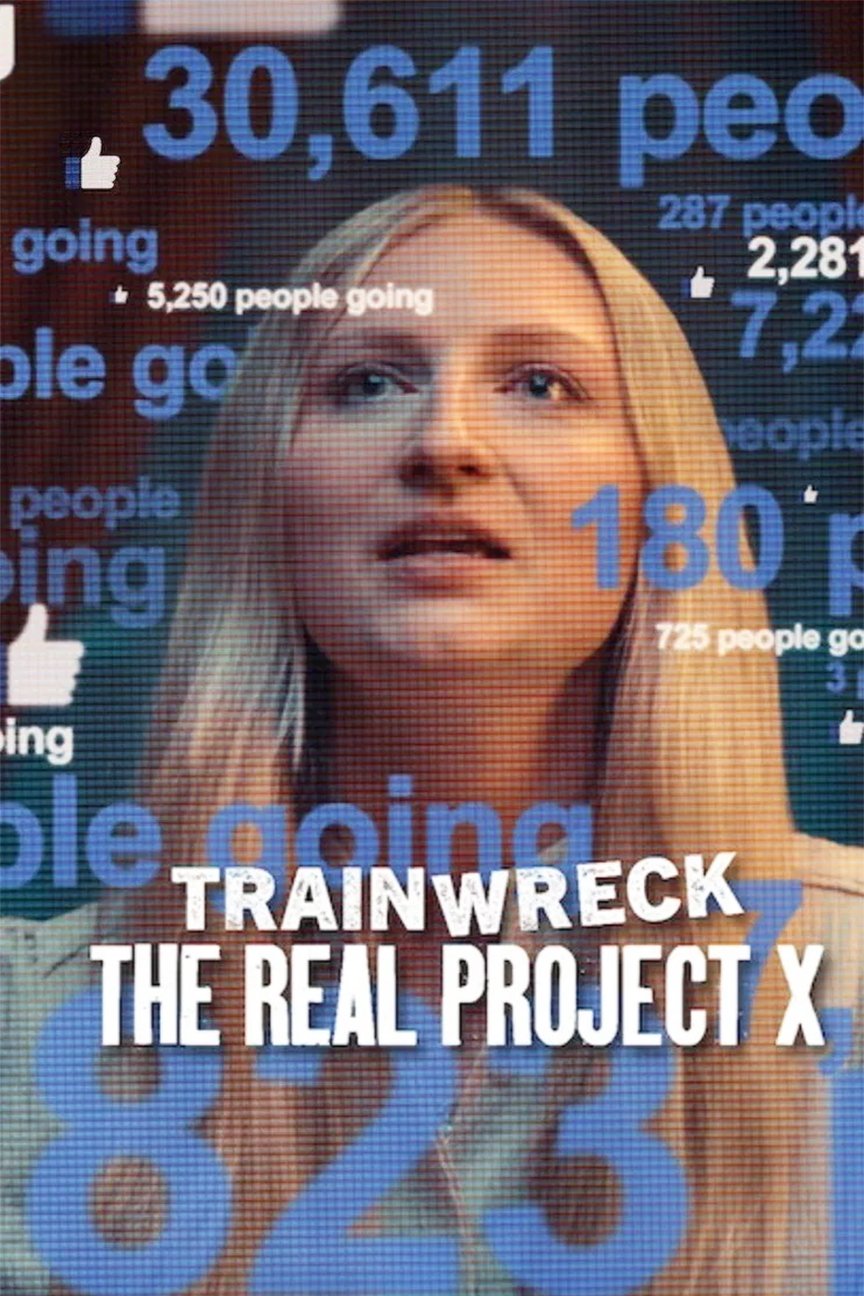
A night of drunken chaos rocks a quiet Dutch town in this shocking documentary about a teen's birthday invite that accidentally went viral on Facebook.
A candid look at rehearsal footage in support of a focus on pre-viz.
Al Pacino's deeply-felt rumination on Shakespeare's significance and relevance to the modern world through interviews and an in-depth analysis of "Richard III."
Ranjit, a farmer in India, takes on the fight of his life when he demands justice for his 13-year-old daughter, the victim of a brutal gang rape. His decision to support his daughter is virtually unheard of, and his journey unprecedented.
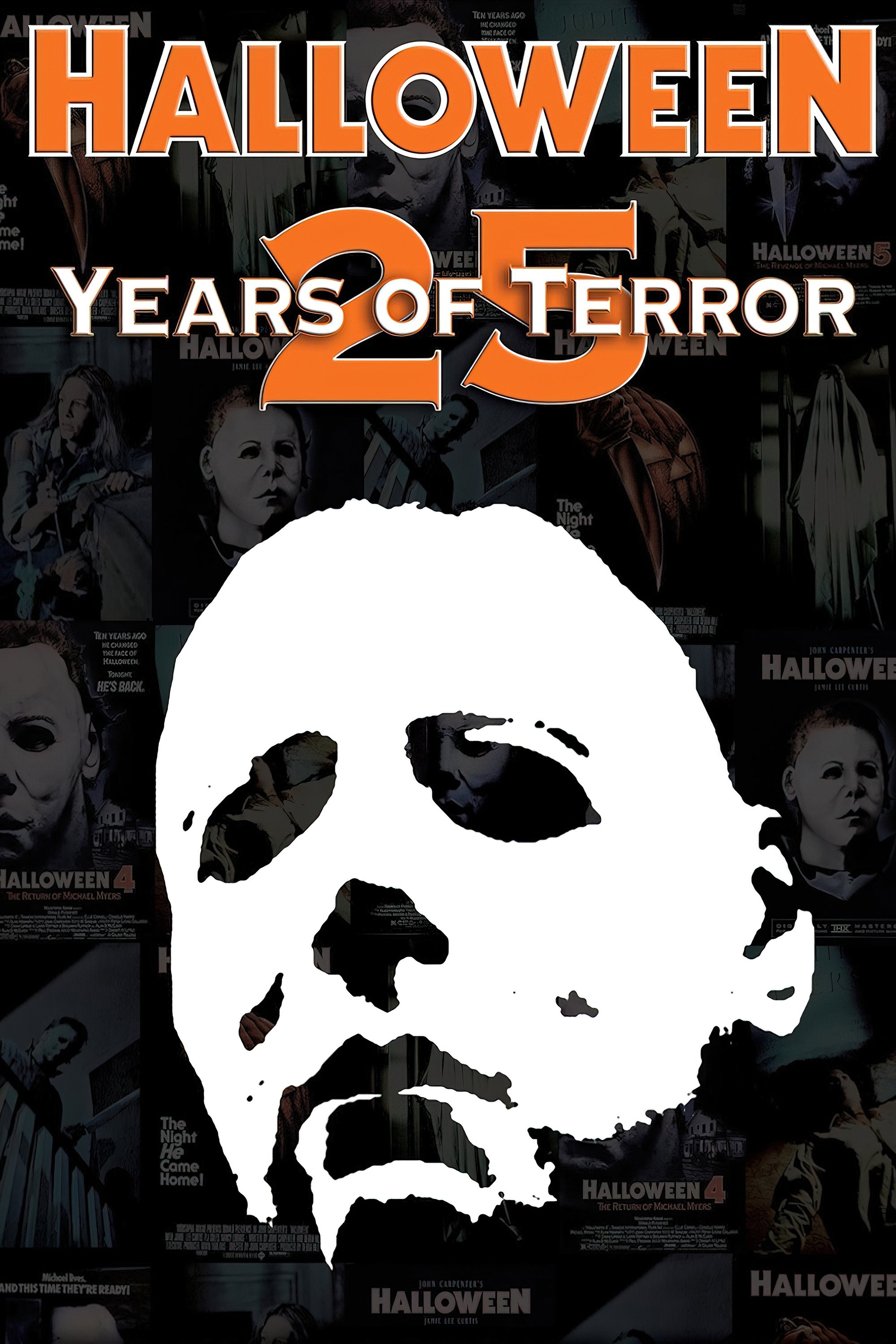
Follow the evolution of the 'Halloween' movies over the past twenty-five years. It examines why the films are so popular and revisits many of the original locations used in the films - seeing the effects on the local community. For the first time, cast, crew, critics and fans join together in the ultimate 'Halloween' retrospective.
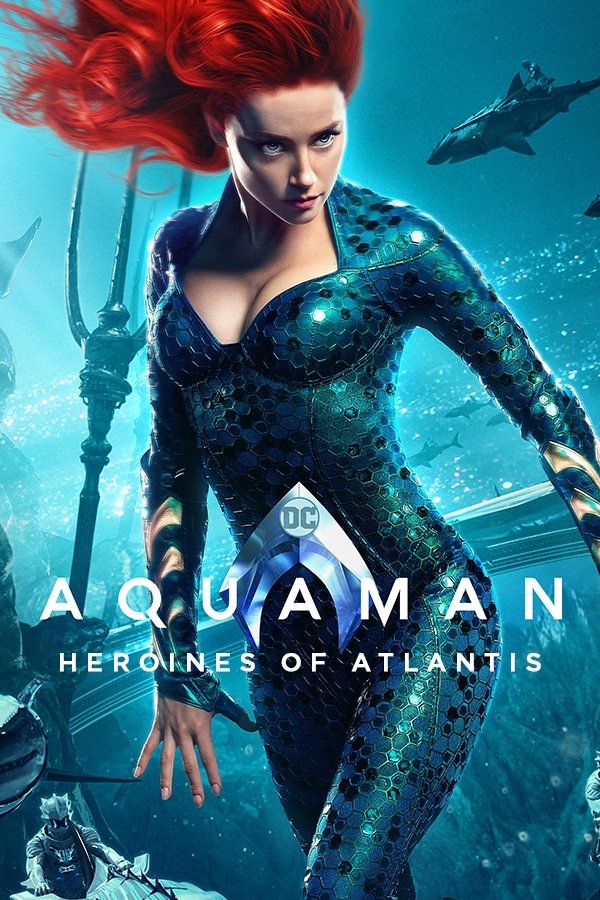
Amber Heard and Nicole Kidman discuss their characters Mera and Atlanna.
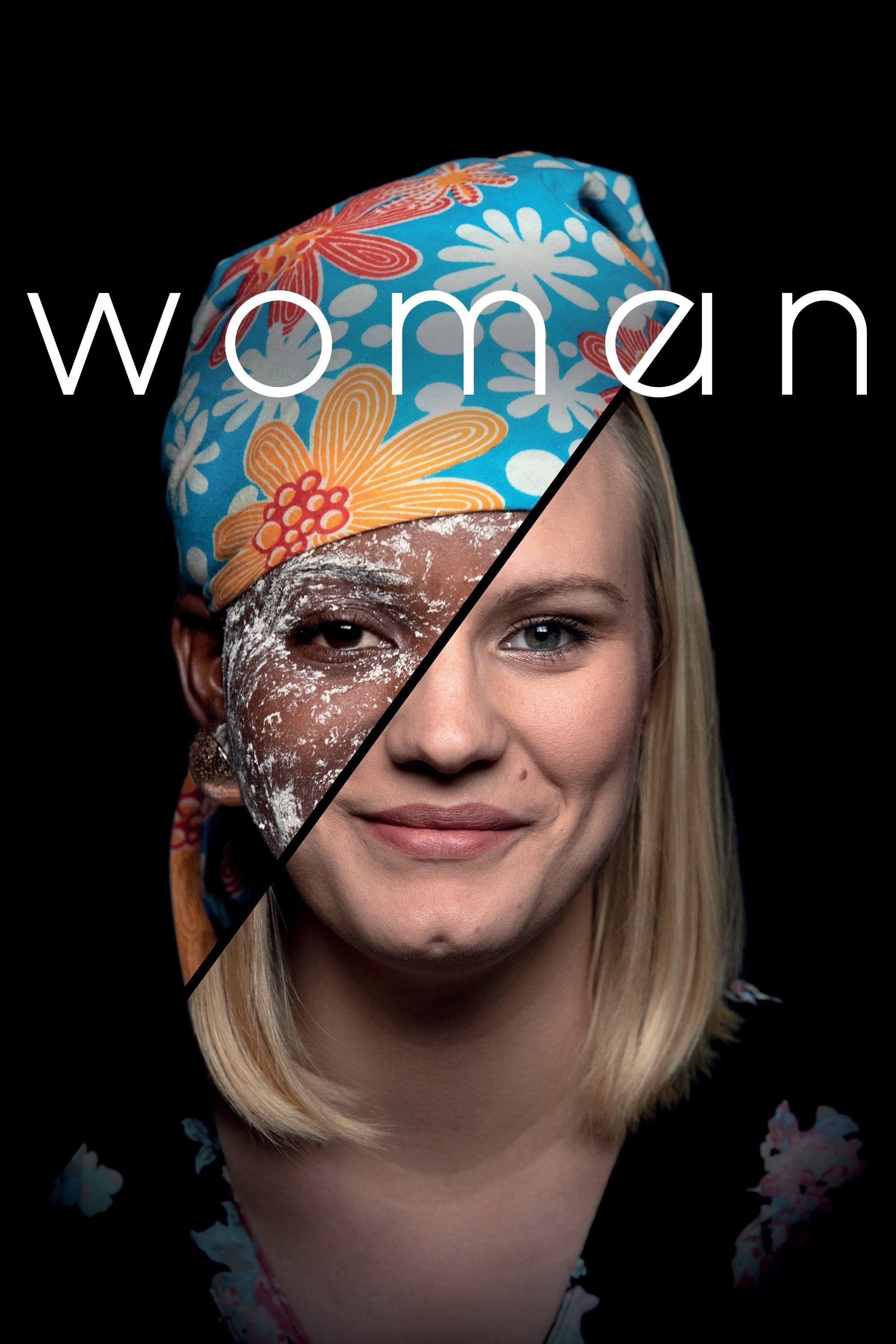
The film is based on interviews with 2,000 women from 50 countries, and covers the status of women all over the world. The topics covered include forced marriages, sexual assault, female genital mutilation, acid attacks, motherhood, sexuality, menstruation, education and the professional success of women.
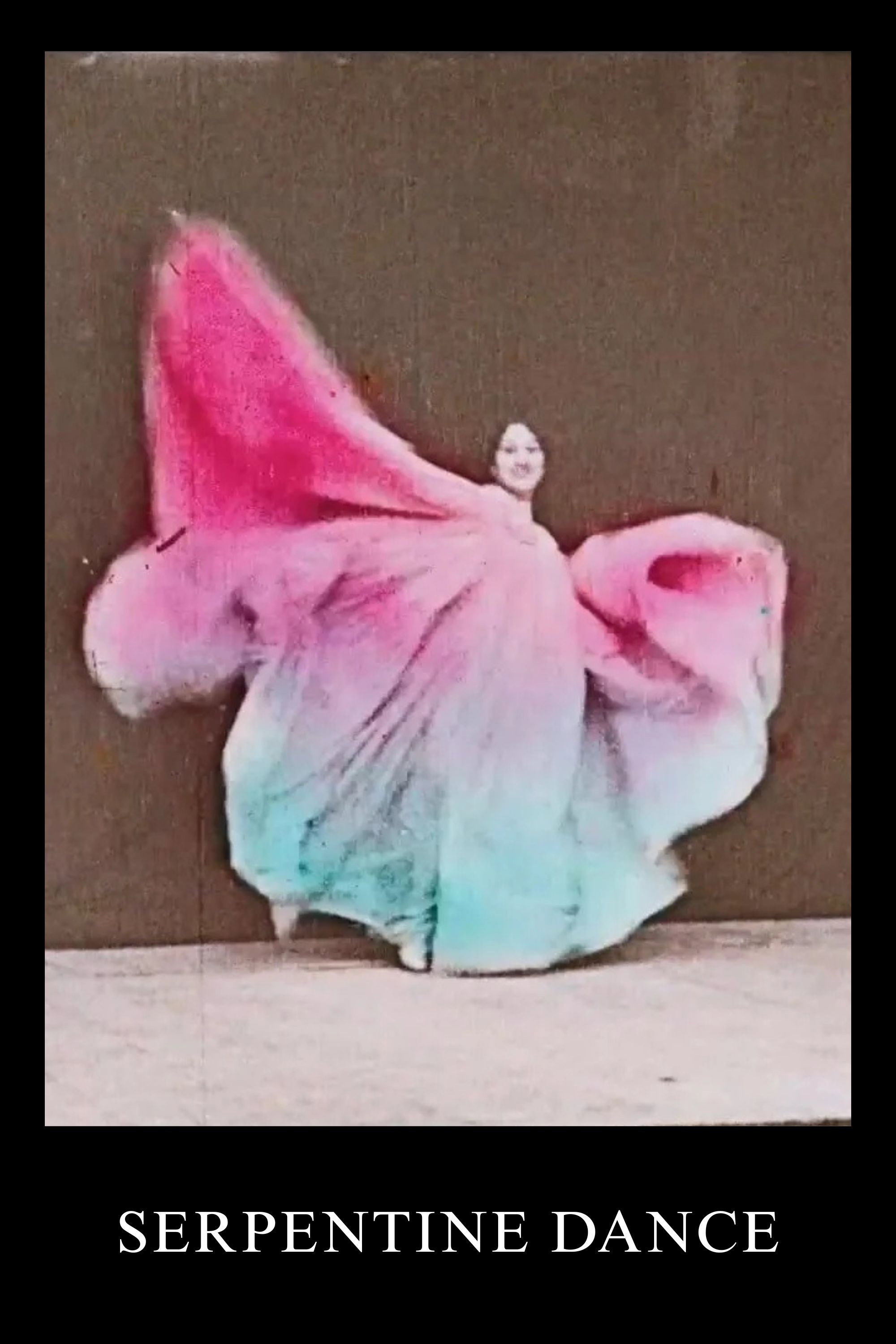
Angelic and demonic serpentine dance from dawn of cinema. Hand-colored frame by frame. Lumière no. 765 or 765.1 (colorized, different dancer?).
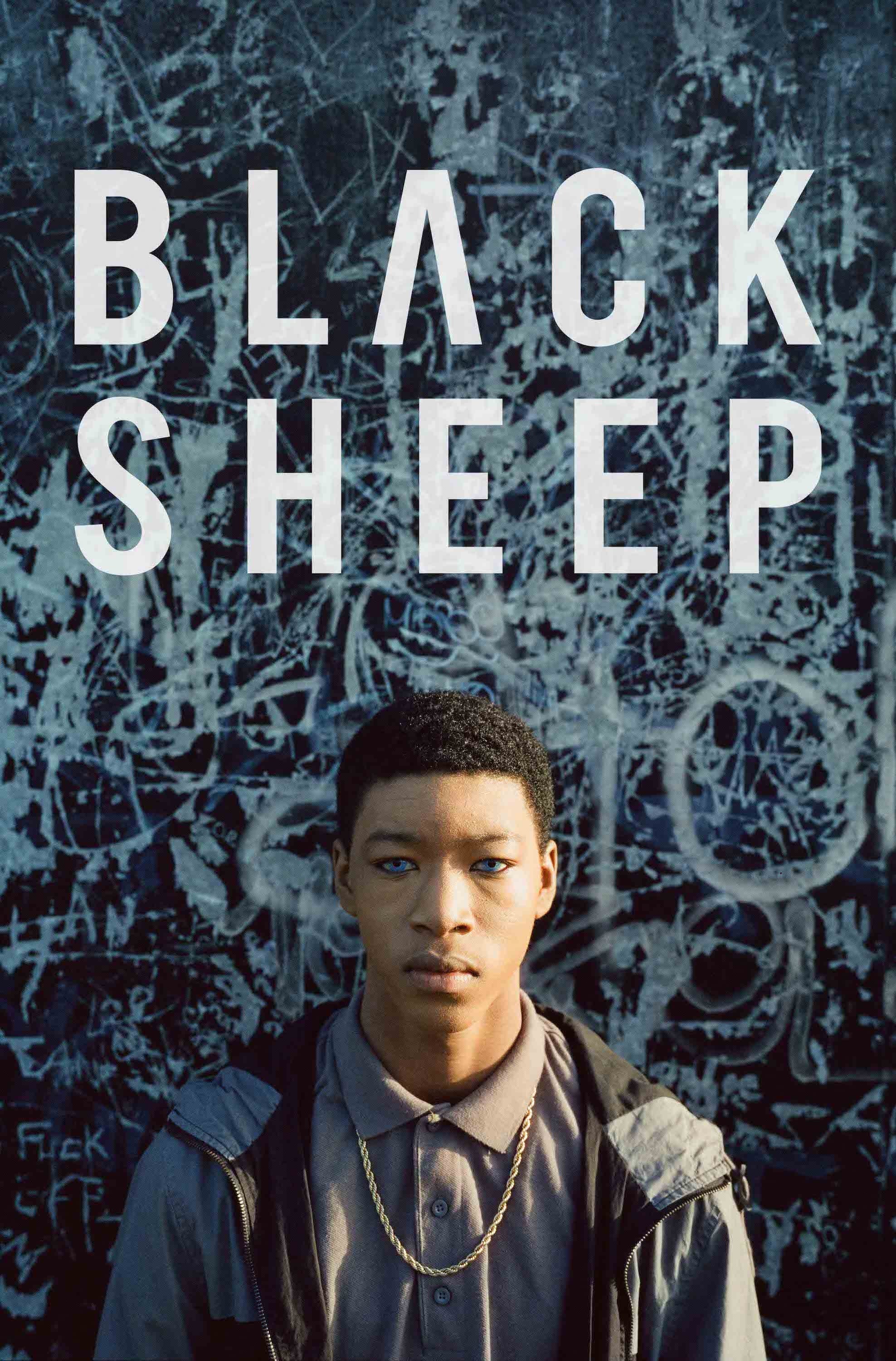
After the high-profile killing of Damilola Taylor, Cornelius' family move out of London. But when they discover their new town is run by racists, Cornelius takes a drastic step to survive.
A primetime special with performances from the superstar including Adele’s first new material in six years plus her chart-topping hits. The special will also feature an exclusive interview with Adele by Oprah Winfrey from her rose garden, in Adele’s first televised wide-ranging conversation.
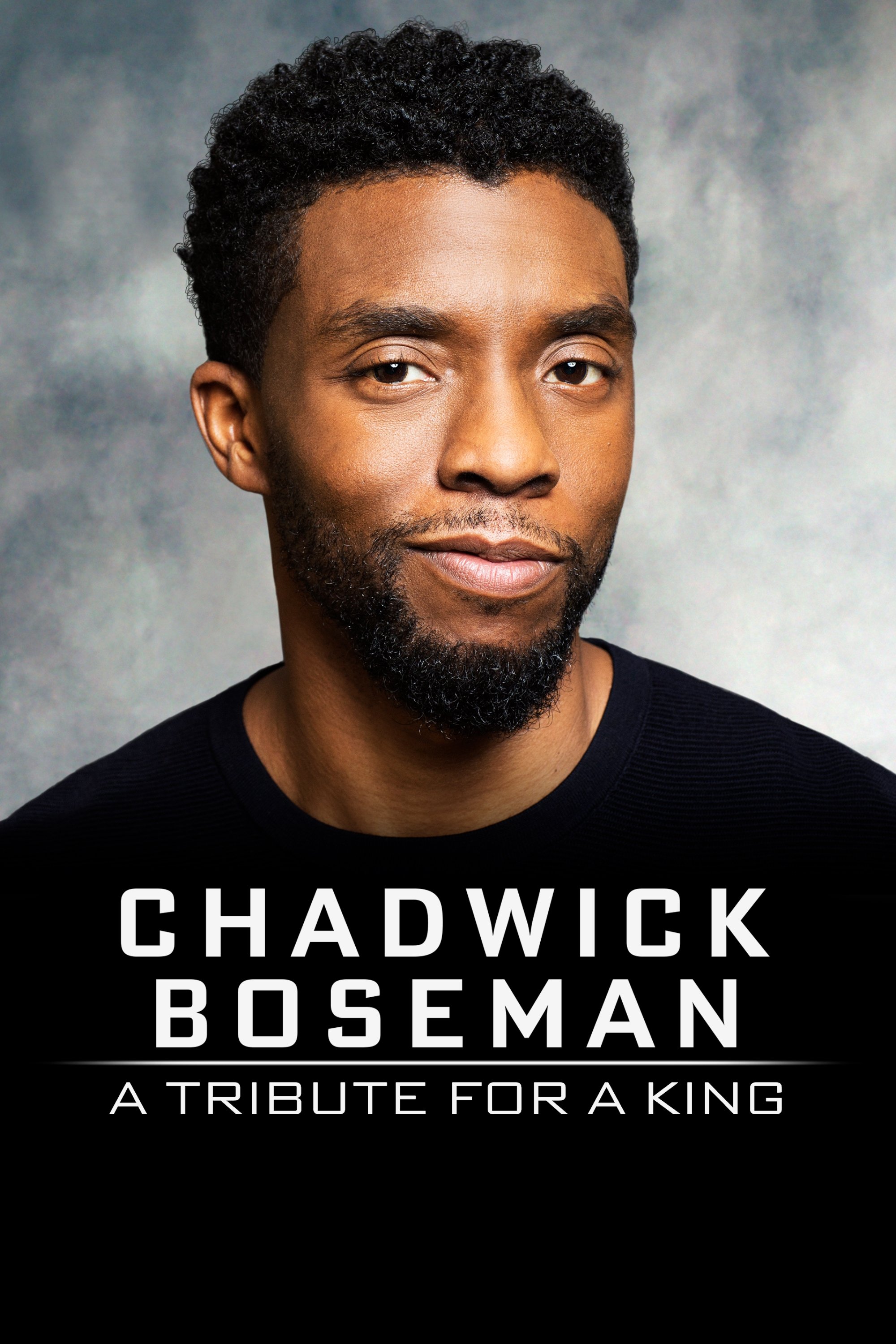
A tribute to Chadwick Boseman, celebrating his life and legacy.
A look at the origins, history and conspiracies behind the "Majestic 12", a clandestine group of military and corporate figureheads charged with reverse-engineering extraterrestrial technology.
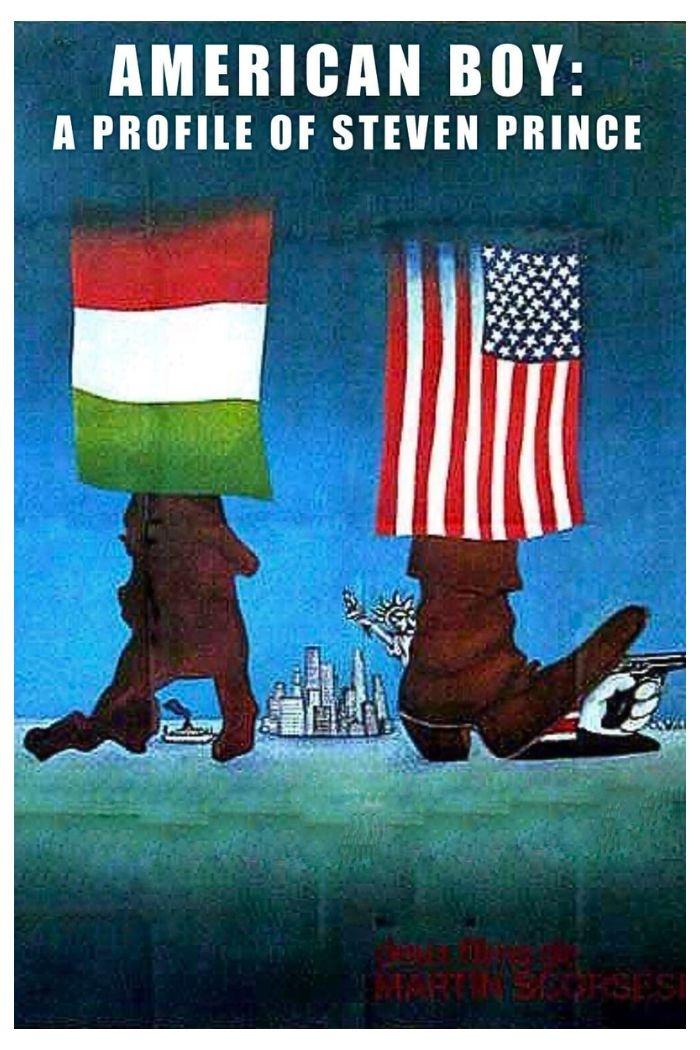
Martin Scorsese spends an evening with larger-than-life raconteur Steven Prince—a former drug addict, road manager for Neil Diamond, and actor—as he recounts stories from his colorful life.
A string of threatening emails escalates into a revenge plot involving a newly married US marshal and his ex-girlfriend.
A visual montage portrait of our contemporary world dominated by globalized technology and violence.