Demonstrations, confrontations, parties and divisions marked one of the most important university campaigns of the decade: the 1968 student elections.
Social & External

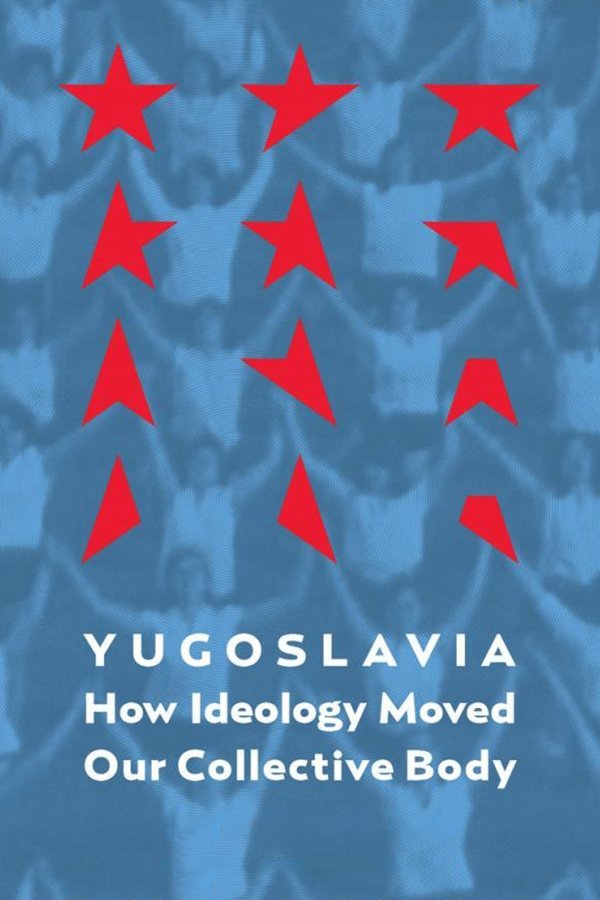
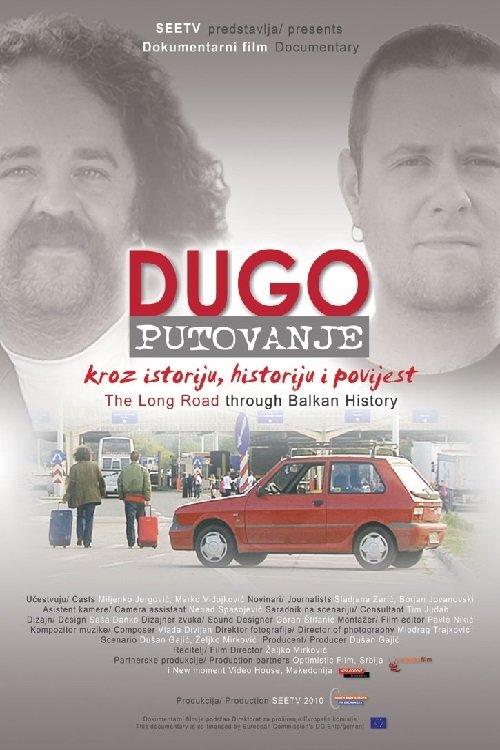
Bosnian Croat writer Miljenko Jergović and Serbian writer Marko Vidojković replace one another by the steering wheel of Yugo, a symbol of their common past while driving on the Brotherhood and Unity Highway that stretched across five of six republics of Yugoslavia.
A documentary that explores the myth behind the truth. Different people around the globe reinterpret the legend of Che Guevara at will: from the rebel living in Hong Kong fighting Chinese domination, to the German neonazi preaching revolution and the Castro-hating Cuban. Their testimonies prove that the Argentinian revolutionary's historical impact reverberates still. But like with all legends, each sees what he will, in often contradictory perspectives.
The impact of Marx on the 20th century has been all-pervasive and world-wide. This program looks at the man, at the roots of his philosophy, at the causes and explanations of his philosophical development, and at its most direct outcome: the failed Soviet Union.
Short news featurette produced by Pathe-RKO after the Russians launched the first orbiting satellite, Sputnik. It is a patriotic 'call to arms' from the threat posed by this and the need for Americans to spend more on education in general and a college education in particular. A visit to the University of Buffalo highlights its science programs and the need for more graduates from all technical disciplines if America is to rise to the challenge. It bemoans the fact the PhDs earn less than a mechanic and the need to re-order priorities.
For almost a decade, Mohammed bin Salman, known as MBS, the crown prince and de facto leader of Saudi Arabia, has been shaking up all the pillars of this extraordinary kingdom. The cradle of Islam and the world's leading exporter of crude oil, this Gulf giant has embarked on an unprecedented transformation to meet the existential challenge of the post-oil era. Dreaming of becoming the leader of a stable and prosperous Arab world, MBS is undertaking to transform the austere and rigorous Saudi Arabia into a futuristic utopia. But the rise of tourism, entertainment and the excesses of construction sites are still struggling to make us forget authoritarianism and the repression of opponents. As for the silencing of the religious police, it has not put an end to the oppression of women.
The journey of a young candidate running in the Pessamit community band council elections.
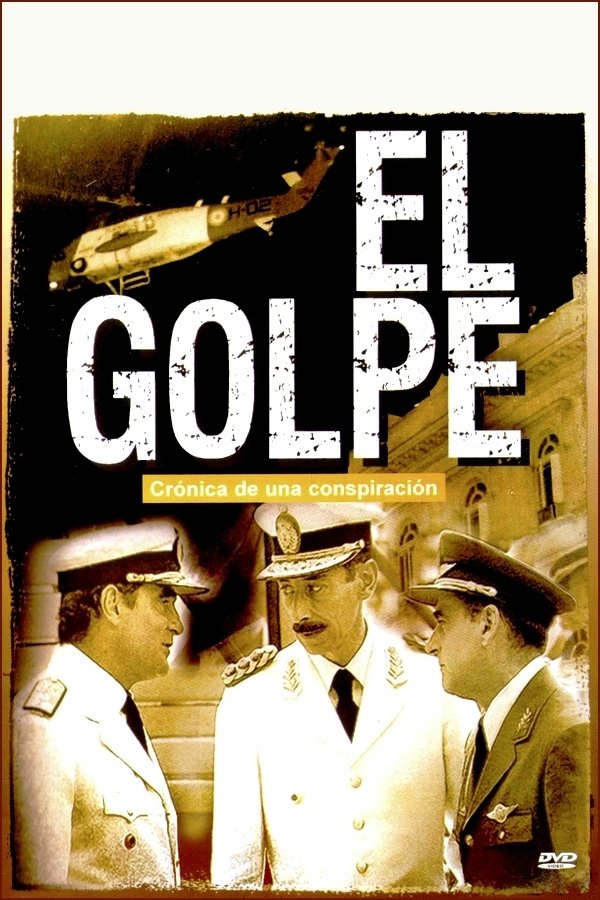
Argentina, 1973. The return of democracy marks the beginning of a new countdown to the next coup d'état: on March 24, 1976, the worst dictatorship in Argentine history is installed, the bitter fruit of a plot carefully hatched for months.
The Falklands War began on April 2, 1982, with the Argentine landing on the islands ordered by Leopoldo Fortunato Galtieri, and culminated with the cessation of hostilities between Argentina and the United Kingdom of Great Britain on June 14, 1982. Through dynamic editing and the use of archival materials, the documentary considers the war as part of our recent past, but also opens up multiple questions and reflections on contemporary society and the future projection of what such a conflict generates for us Argentines.
Four students from the President's Leadership Circle at Frostburg State University journey to a remote village in Uganda to discover a radically simple solution to an urgent global problem. What they find there changes their lives in unexpected ways. A Simpler Way is a documentary production from Frostburg State University and Interdependent Pictures that explores the need for simple, affordable solutions to global development issues and the role of personal experience in meaningful, transformative education.
It follows Chilean writer Antonio Skármeta as he celebrates the end of the autocrats. Cheerful farewell rituals accompany others facing political persecution on their way to fly home.

At the peak of Perestroika, in 1987, in the village of Gorki, where Lenin spent his last years, after a long construction, the last and most grandiose museum of the Leader was opened. Soon after the opening, the ideology changed, and the flow of pilgrims gradually dried up. Despite this, the museum still works and the management is looking for ways to attract visitors. Faithful to the Lenin keepers of the museum as they can resist the onset of commercialization. The film tells about the modern life of this amazing museum-reserve and its employees.
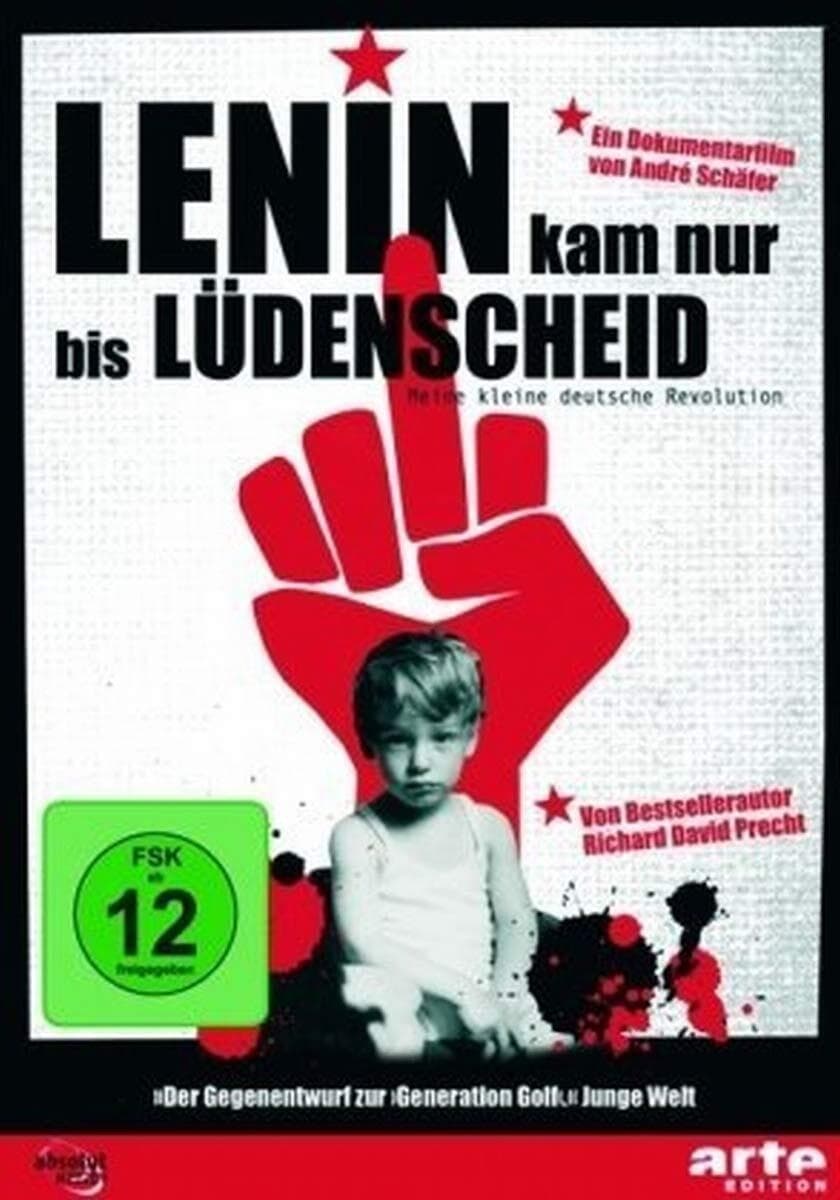
The free, almost naive view from the perspective of a child puts the "68ers" in a new, illuminating light in the anniversary year 2008. The film is a provocative reckoning with the ideological upbringing that seemed so progressive and yet was suffocated by the children's desire to finally grow up. With an ironic eye and a feuilletonistic style, author Richard David Precht and Cologne documentary film director André Schäfer trace a childhood in the West German provinces - and place the major events of those years in completely different, smaller and very private contexts.
An 8-year journey into divided America, The American Question examines the insidious roots of polarization and distrust through past the past and present, revealing how communities can restore trust in each other to unite our country.
Between 1931 and 1933, 4 million Ukrainians were to die of hunger. This famine was not preceded by any cataclysmic weather event, nor by a war. This was an ideological crime: decided by Stalin and approved by the Politburo, with the aim of punishing Ukrainian peasants who refused the collectivization of the countryside, cultivated a strong form of nationalism and showed resistance to communist ideology. Drawing on previously unpublished material, on many Soviet films and on a number of particular points of view, including that of Welsh journalist and whistleblower Gareth Jones, this film retraces the story of that famine.
The story of women's struggle against sexual discrimination and for inclusion in the democratic process in (West) Germany after WW II.
This short documentary follows the daily struggles of two janitors at a North American university. The film takes a critical look at the communication, or lack of communication, that happens between janitors and those that use the facilities they clean. Shot at Capilano University, in North Vancouver, BC, Canada.
The epic story of the Russian Civil War (1918-21): the White Terror, the counterrevolutionary uprisings, the guerrilla war, the Kolchak front, the Wrangel front and the Kronstadt rebellion. Chaos and violence, devastation and death.
A documentary about the controversial businessman Henning Boilesen Jr. and his involvement with the military regime as one of its most enthusiastic supporters, financing it and participating in the tortures of political prisoners. Those actions later culminated in his assassination in 1971 by members of militant groups opposed to the regime.
In late eighties, in Ceausescu's Romania, a black market VHS bootlegger and a courageous female translator brought the magic of Western films to the Romanian people and sowed the seeds of a revolution.
Amidst an onslaught of attacks from a sitting President and the deadly threat of a global pandemic, local election administrators work around the clock to secure the vote for their community. Rhode Island’s election teams take center stage in this unprecedented voting adventure.