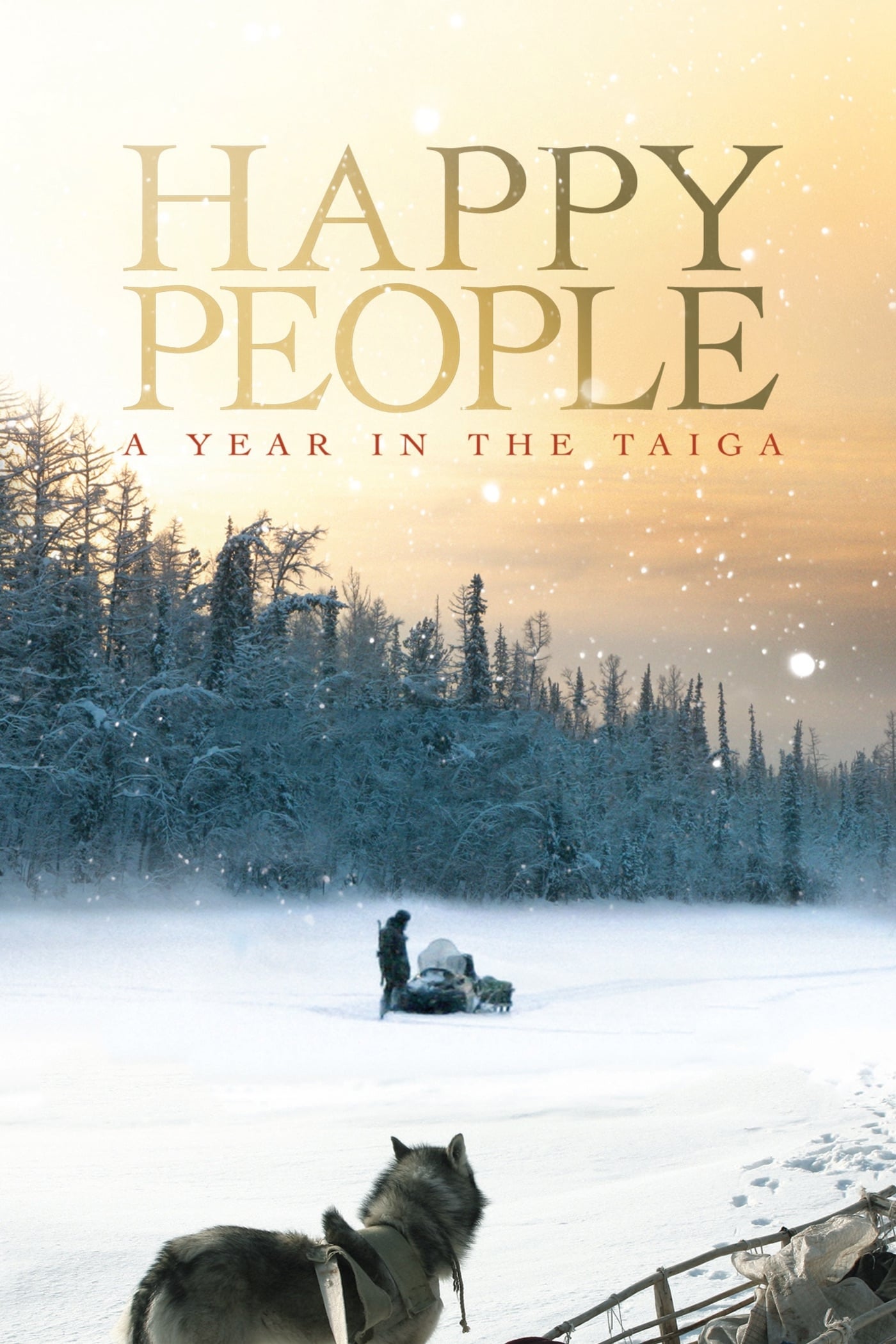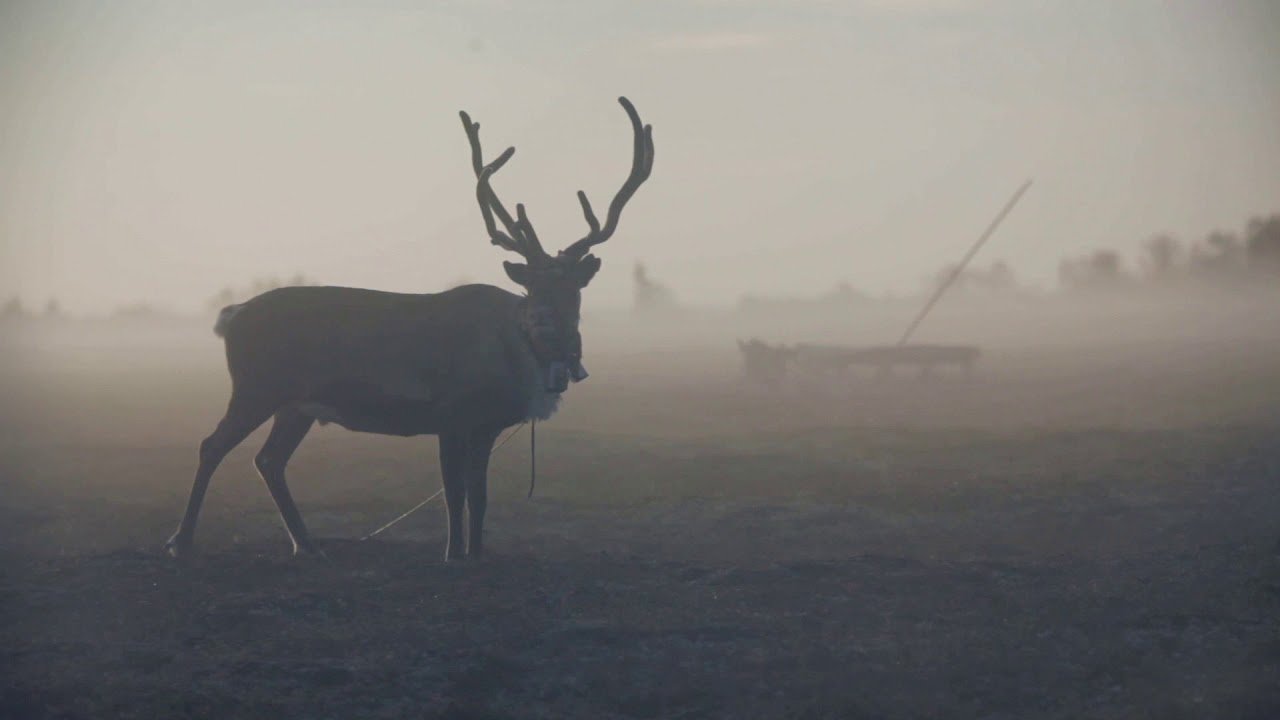
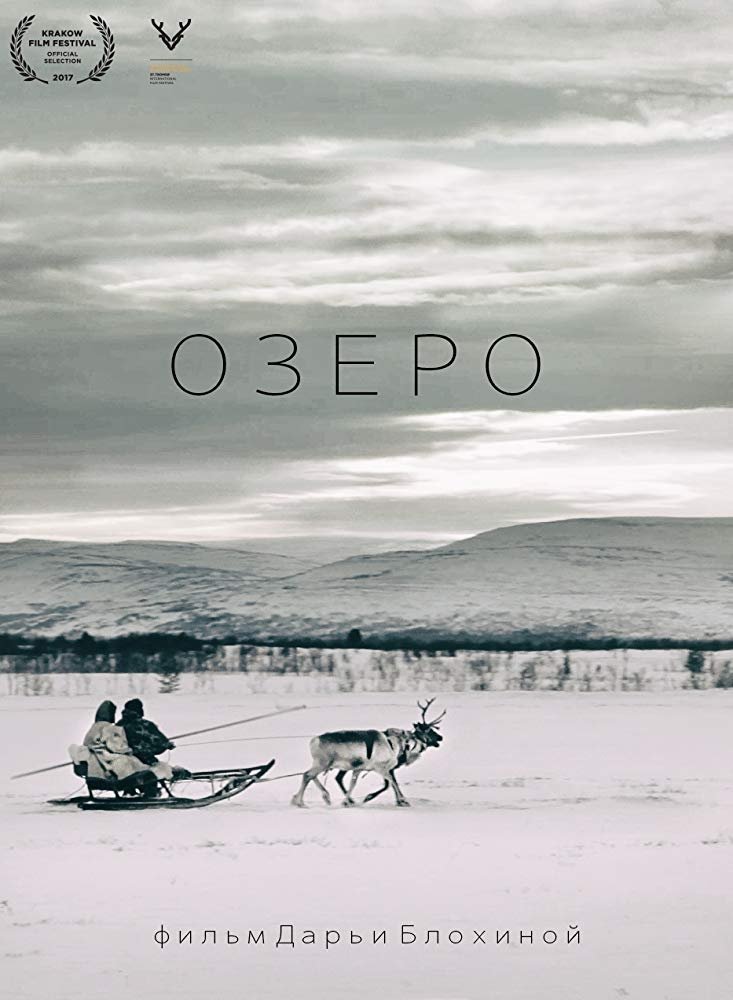
The Filippov family live in the north of Russia, far from civilisation. Despite the lack of modern conveniences, they live in harmony with nature, create art, support and understand each other like no other people in this world.
Social & External
The people behind it
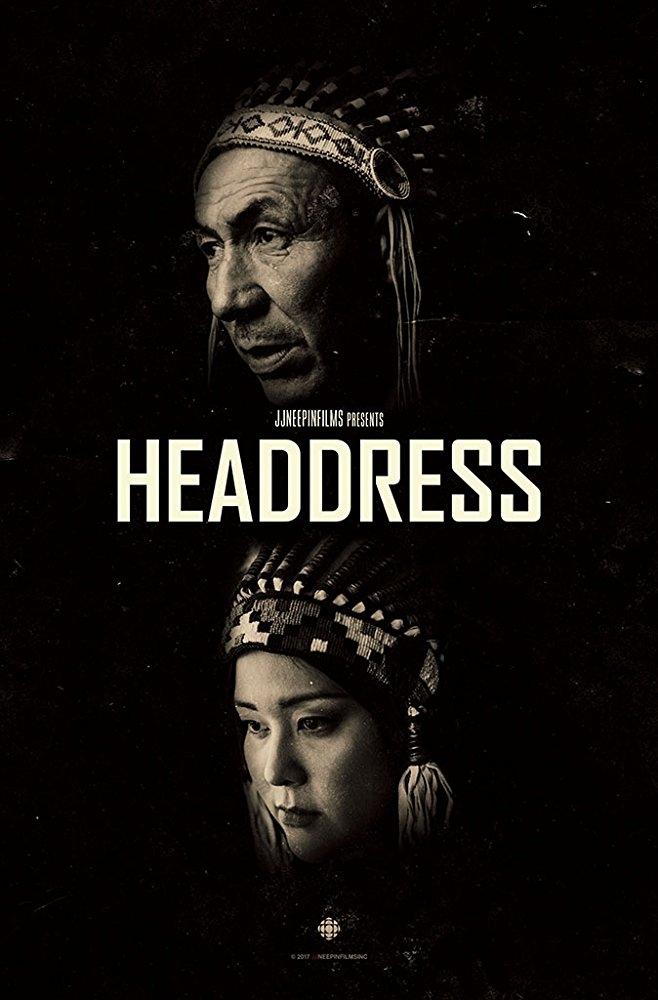
For First Nations communities, the headdress bears significant meaning. It's a powerful symbol of hard-earned leadership and responsibility. As filmmaker JJ Neepin prepares to wear her grandfather's headdress for a photo shoot she reflects on lessons learned and the thoughtless ways in which the tradition has been misappropriated.
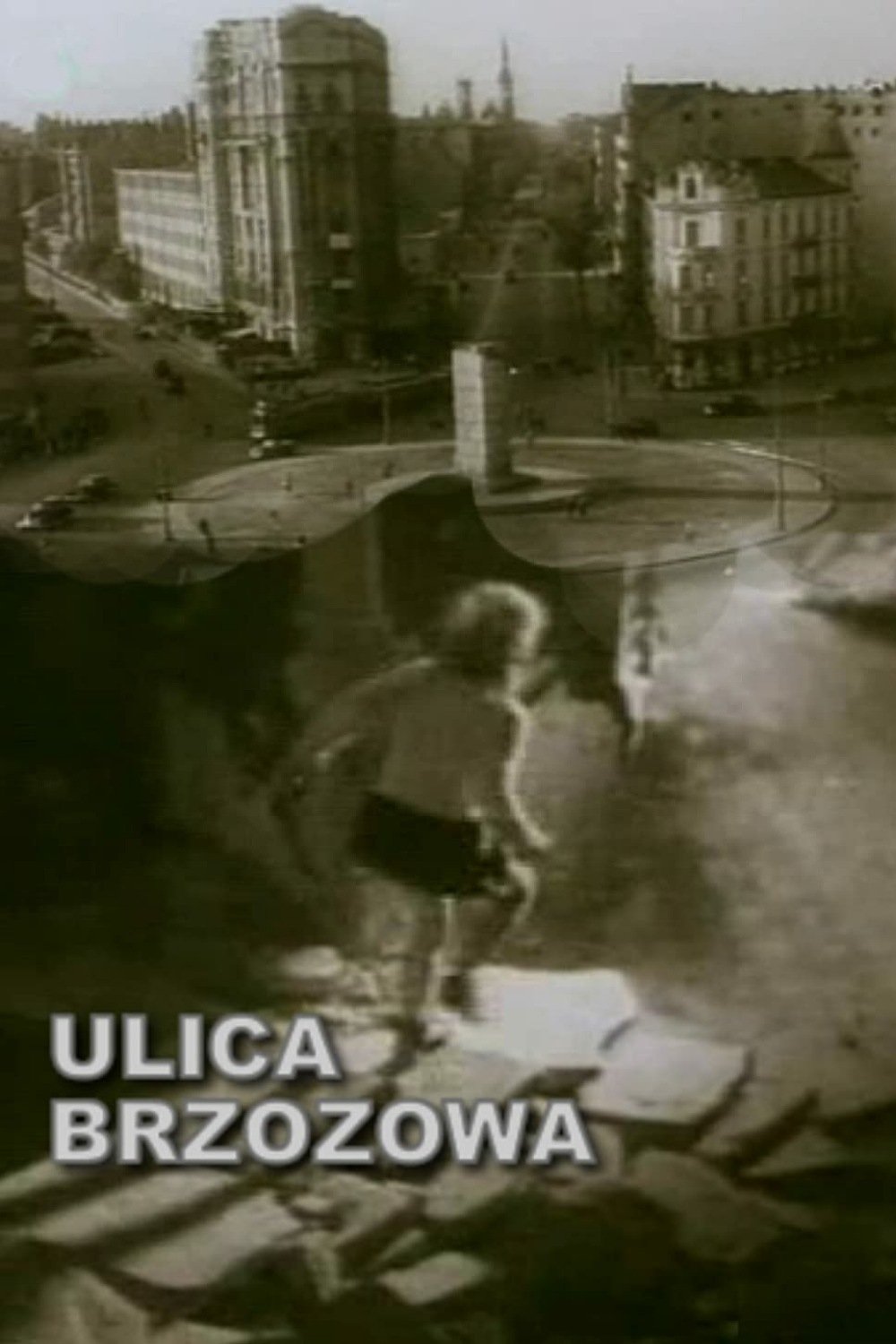
Battered Warsaw is getting back to life after the WW2 destruction. The ruins of the Old Town become homes once again.
Short documentary on Poland's first steam locomotive.
A miniature parable about a young boy who misunderstands the function of a bird feeder.
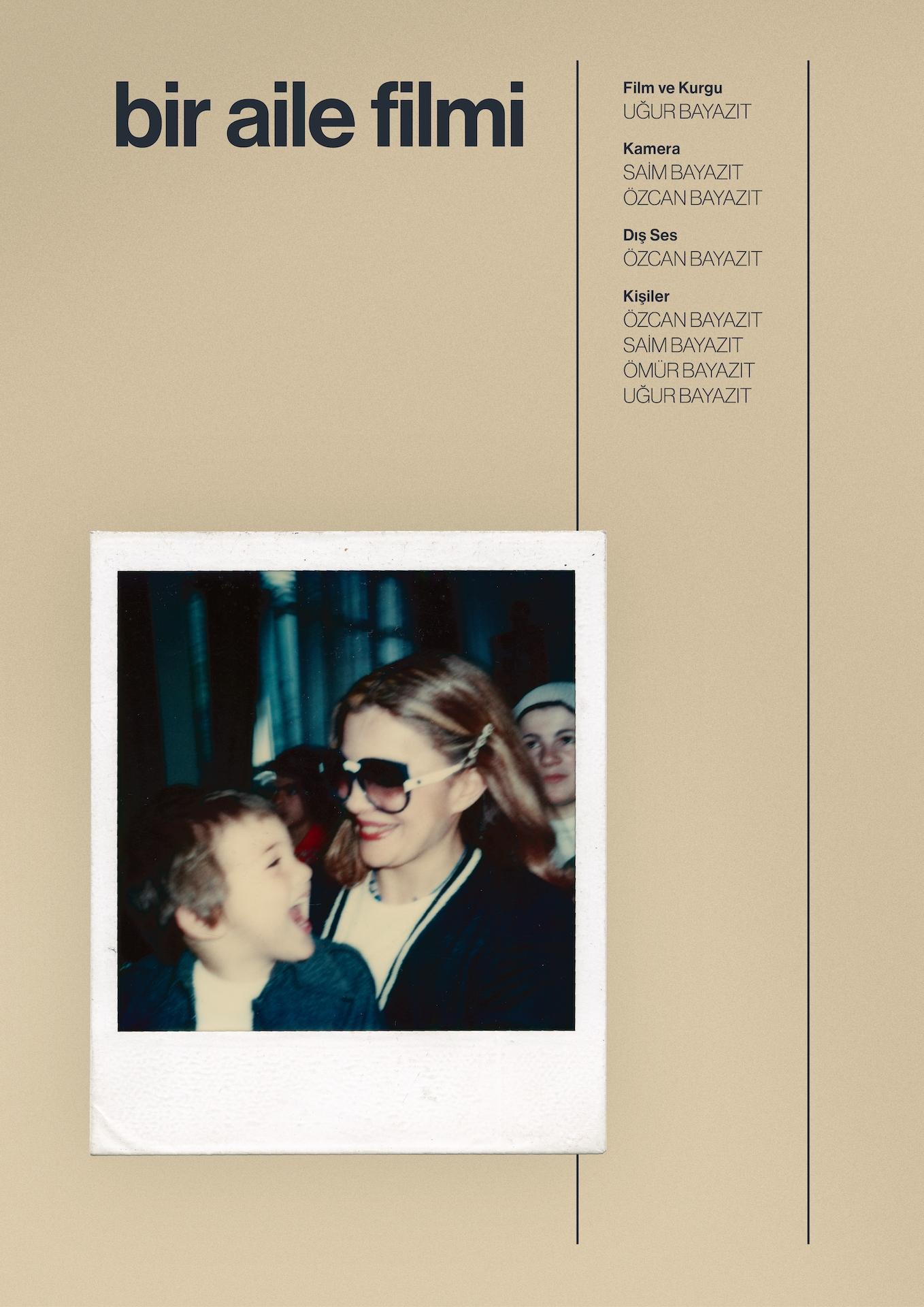
Based on home movies shot on Super 8mm film, A Family Film places the mother at its center as the narrator while tracing the memories of a family living in Istanbul in the 70s.
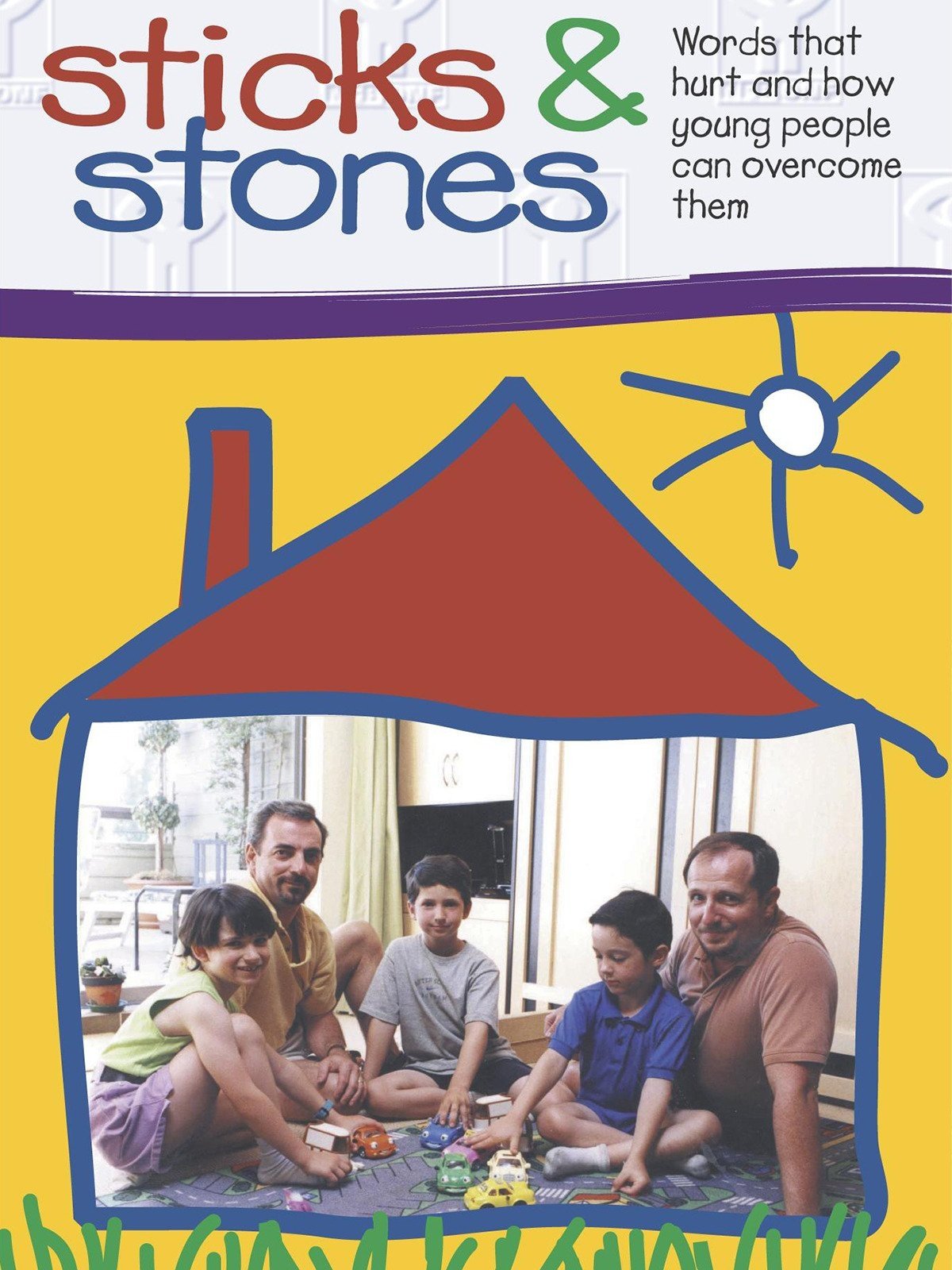
This short documentary features children aged 5 to 12 talking about their experiences with bullying and discrimination because they or their families do not fit into traditional gender and family roles. This film explores the contemporary diversity of families from kids' points of view, while featuring short animated sequences about the history of derogatory slang.
A strange and mischievous documentary on an archeological site in the Qaytarieh hills in Tehran. This short narrates the story of the dead people who wished never to be found.
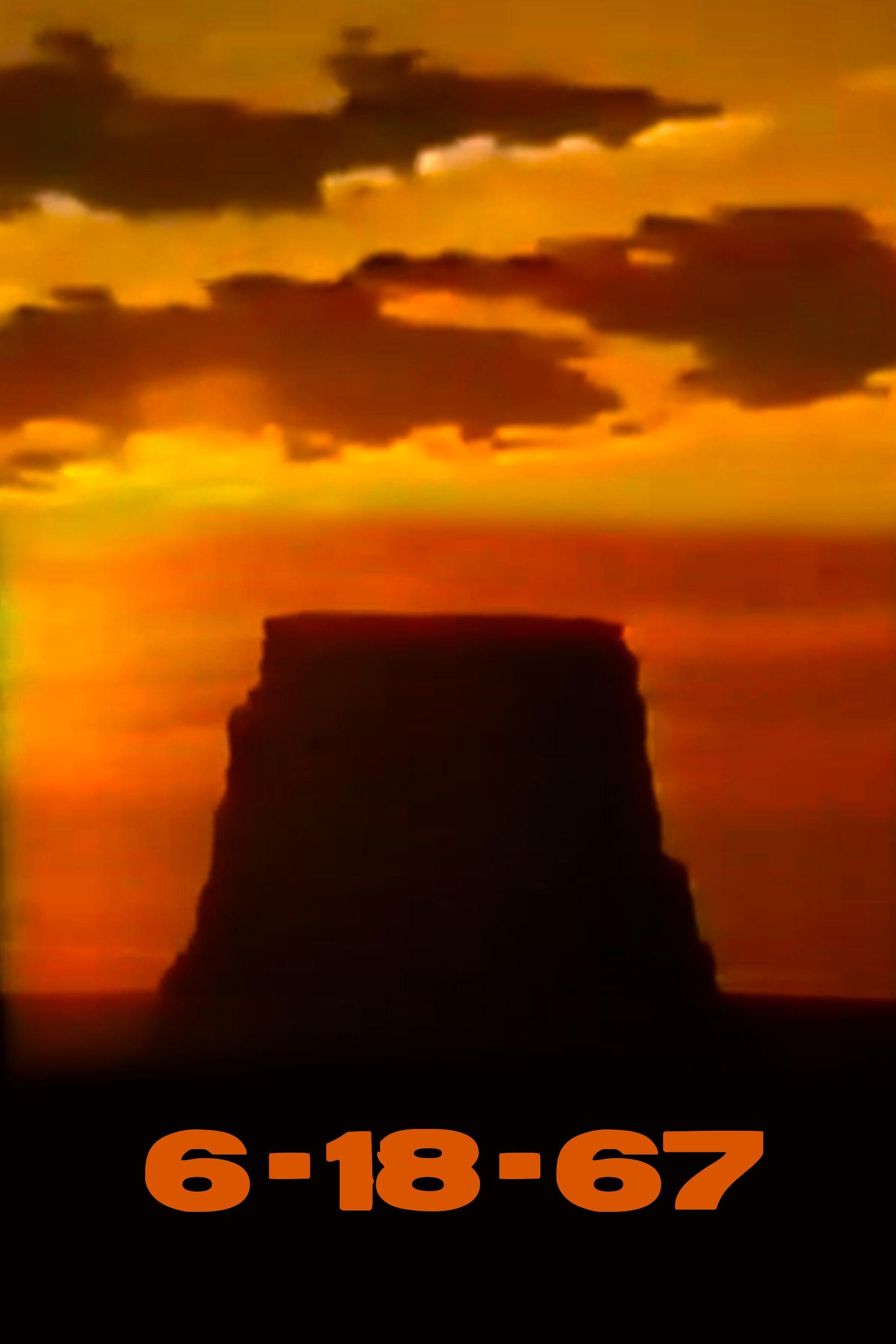
Filmed during the production of the Columbia Pictures western "Mackenna’s Gold," this short work presents a non-narrative visual study of the Arizona desert. Rather than documenting the film set itself, "6-18-67" assembles landscape images, time-lapse photography, and ambient sound into an abstract record of place and duration.
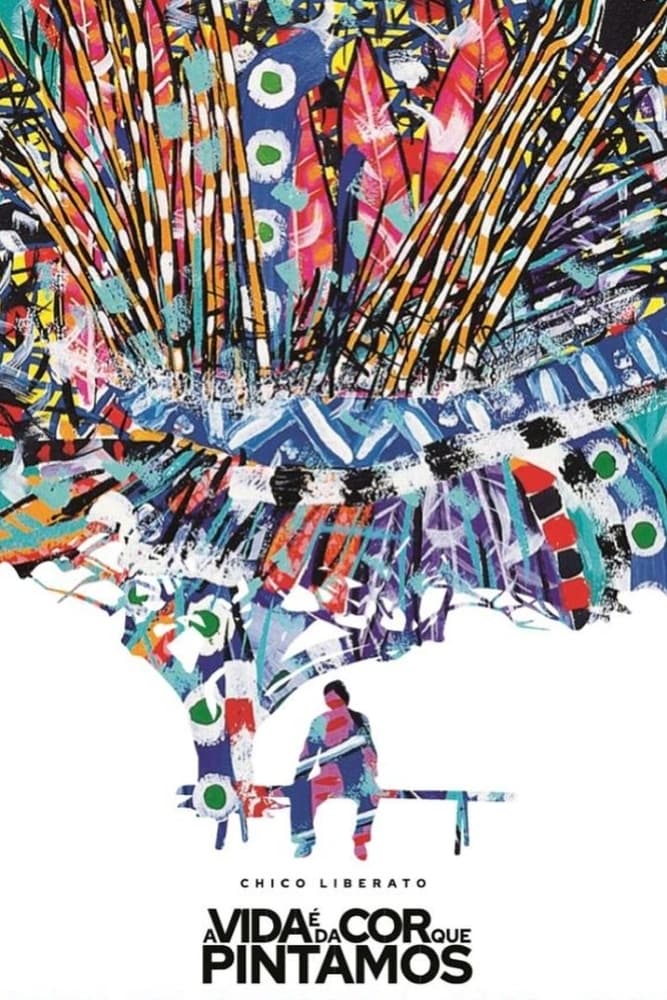
Perpetuating art was the main objective in the life of visual artist, filmmaker and cultural manager Chico Liberato, who died in January, 2023. A pioneer of animation cinema in Bahia, he left a legacy for the area, and even in his family.
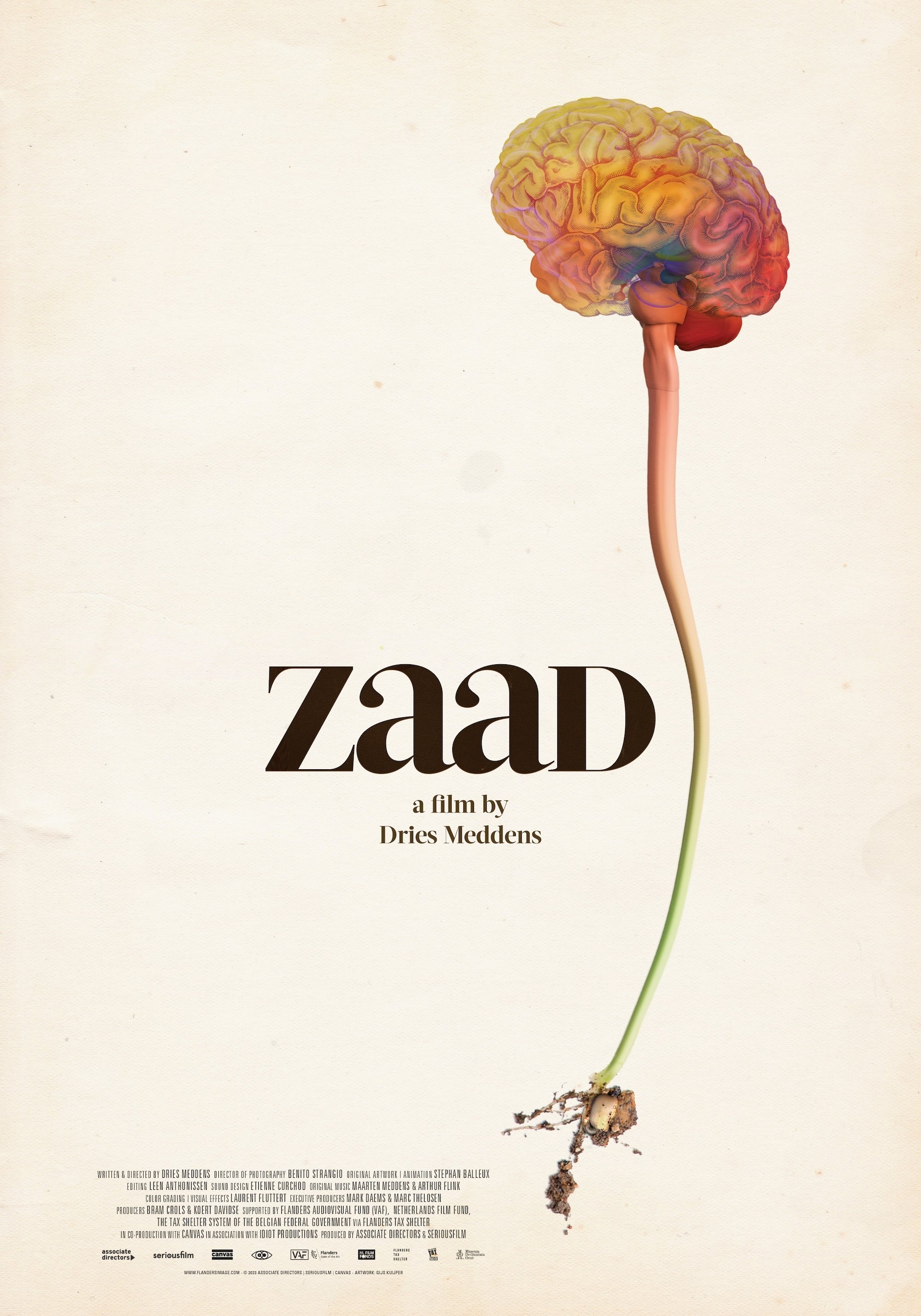
ZAAD tells the autobiographical story of Dries Meddens. After the death of his mother, the care for Dries' bipolar father falls on his plate. He discovers how crudely and ruthlessly society and psychiatry treat patients. His father eventually dies in solitary confinement. While emptying his parent’s home, Dries discovers an old letter from his grandfather. The man appears to have led a busy, productive life. He is the founder of an internationally renowned seed breeding company and still has time to paint, write diaries and conduct intensive correspondence. Dries finds similarities between his grandfather, his father and himself. Slowly the fear grows that his father's psychiatric illness might be hereditary. Strolling through the family’s film and photo archives, with dramatic and sometimes hilarious finds, Dries tries to find answers. He also consults a psychiatrist. Together the consultations and reviewing of his archival material help Dries look at bipolarity with new eyes.
We meet big Jack Taylor, who hasn’t left his little flat in Bradford, West Yorkshire for 25 years. Jack’s become something of a celebrity, with German camera crews flocking to visit him. But the last time Jack got weighed was many years ago, and then he clocked in at 48 stone. So how much does he weigh now? We’re introduced to Barry, a young man of 41 stone. Barry makes nightclub appearances and talks about the fame that fatness brings. But now he’s determined to lose weight and consults his doctor to discuss medication and diet. Meanwhile, Jack talks about the tragic deaths in his past and his decision to stop inside the house for a quarter of a century. Eventually Barry and Jack meet to discuss the impact of the media on their lives. Determined to confirm Jack as Britain’s fattest man, the director eventually coaxes Jack onto a vast set of scales. So who is the fattest man in Britain? The tale of the scales causes surprise and quivering outrage…
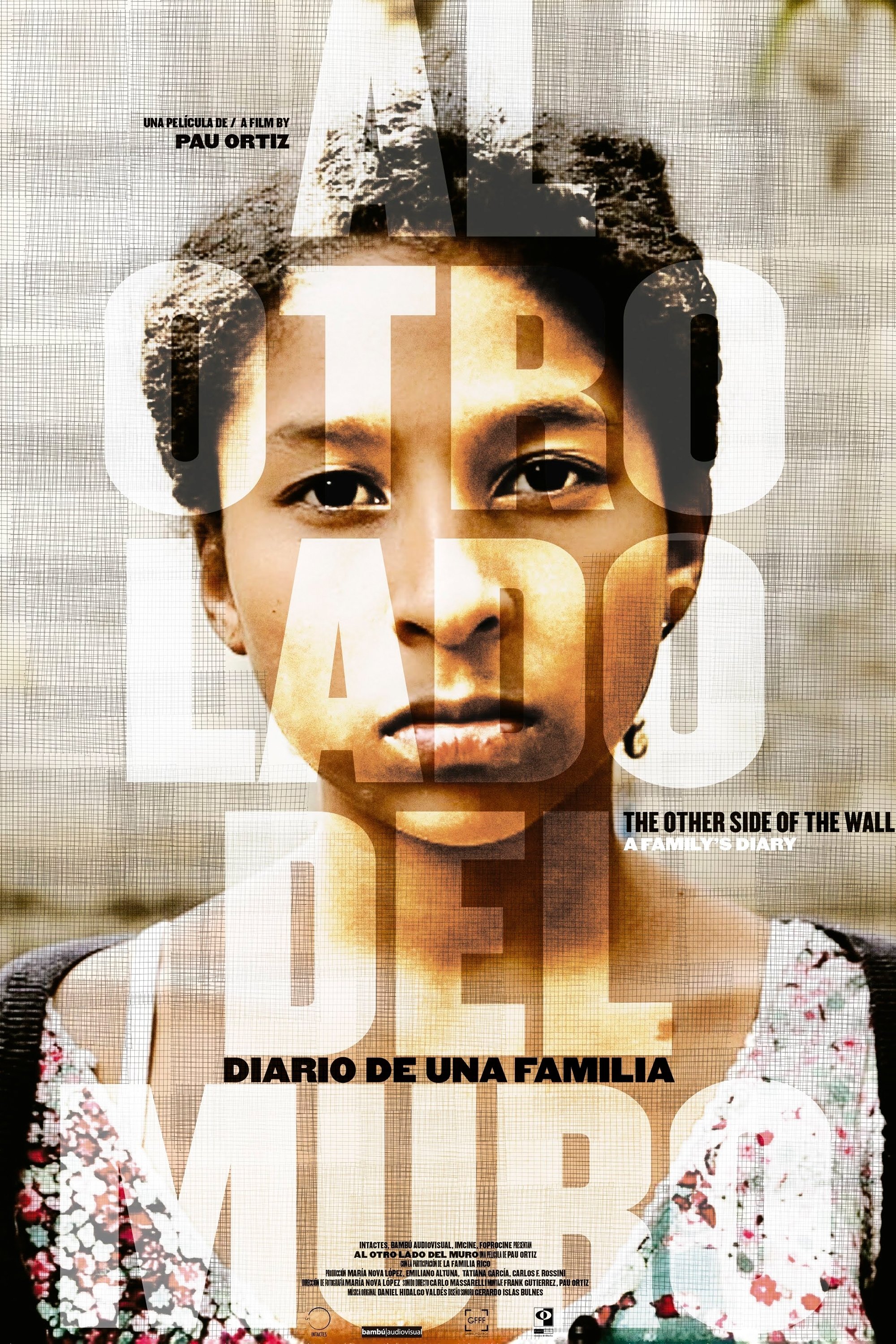
Honduran immigrants living in Mexico, teenage siblings Rocío and Ale must take over care of their two younger siblings after their mother is sentenced to prison on dubious grounds. Tensions grow between the pair as the decision must be made on whether to stay together in Mexico or split the family up to cross into the US to work.
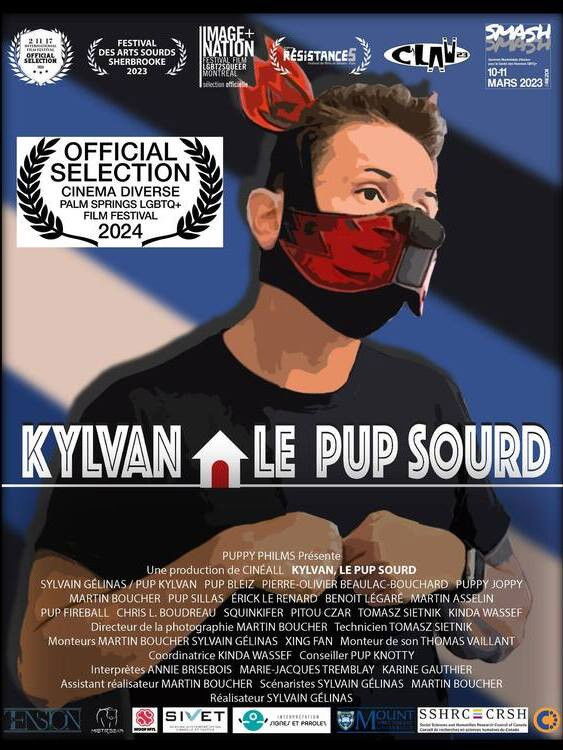
Kelvan describes his daily life as a deaf person in Montreal, with one small detail: he's part of the puppy community. Puppy-Play is a kind of role-playing game in which you adopt the personality and mentality of an animal, and is present in the LGBTQueer+ community.
Author Helen Macdonald follows Britain’s greatest river over four seasons, encountering salmon, beavers and the microscopic creatures helping to answer science's biggest questions.
A contrast between village, peaceful life, and city, hectic life, told through images.
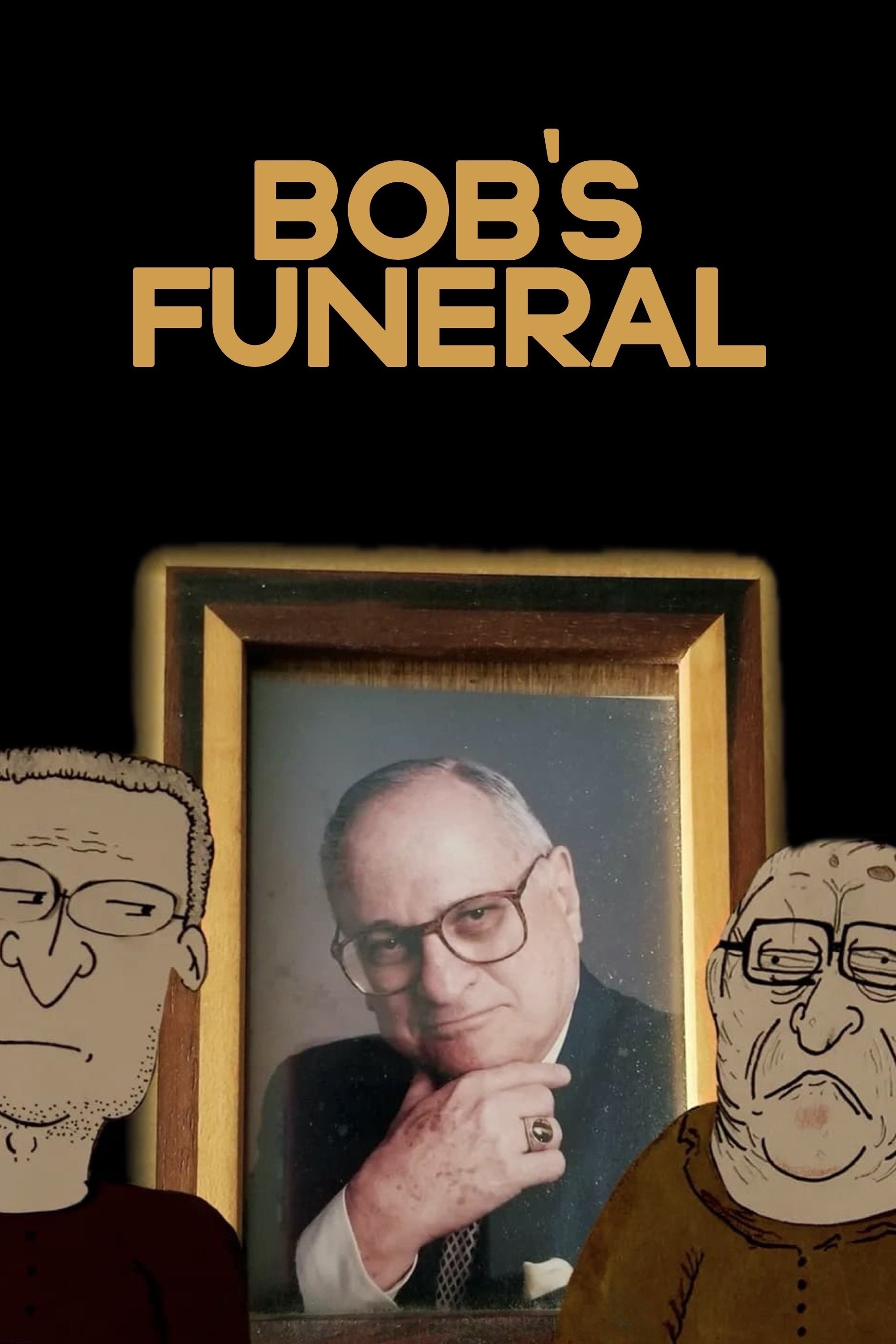
Searching for the root of generational trauma, the director takes a camera into his estranged grandfather’s funeral.
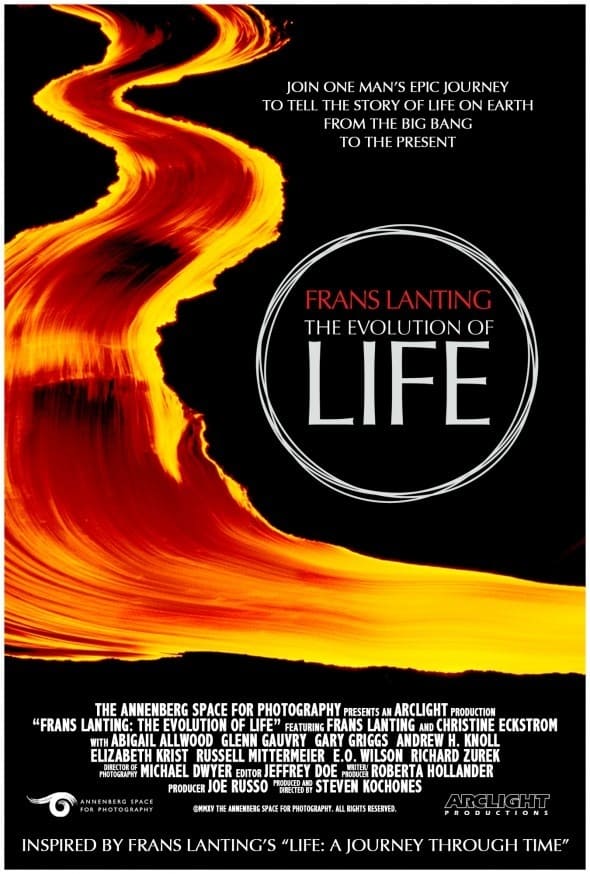
A dazzling journey through time via the remarkable images of National Geographic photographer Frans Lanting and his epic "LIFE" project, which presents a stunning interpretation of life on Earth, from the Big Bang through the present.
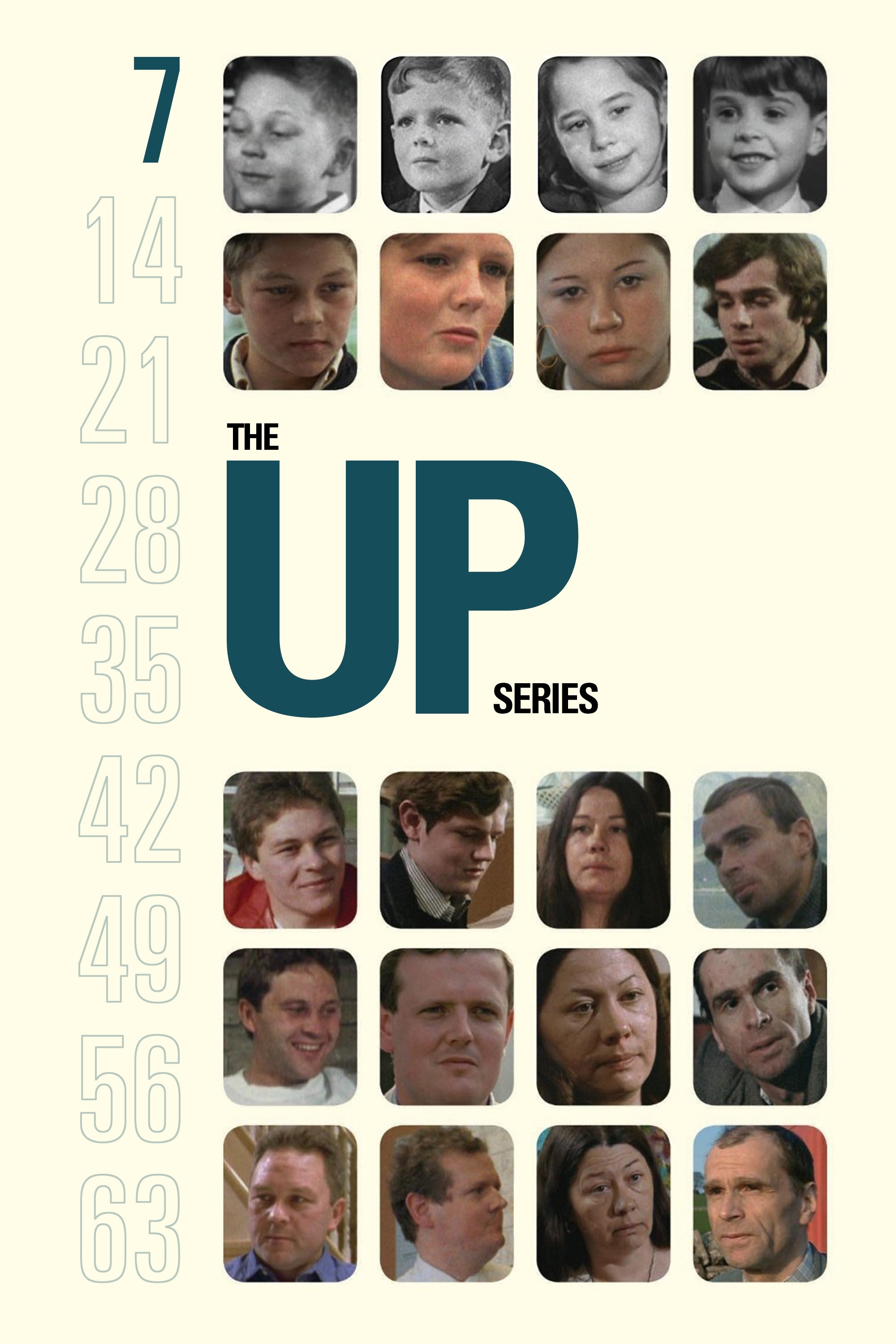
A group of British children aged 7 from widely ranging backgrounds are interviewed about a range of subjects. The filmmakers plan to re-interview them at 7 year intervals to track how their lives and attitudes change as they age.
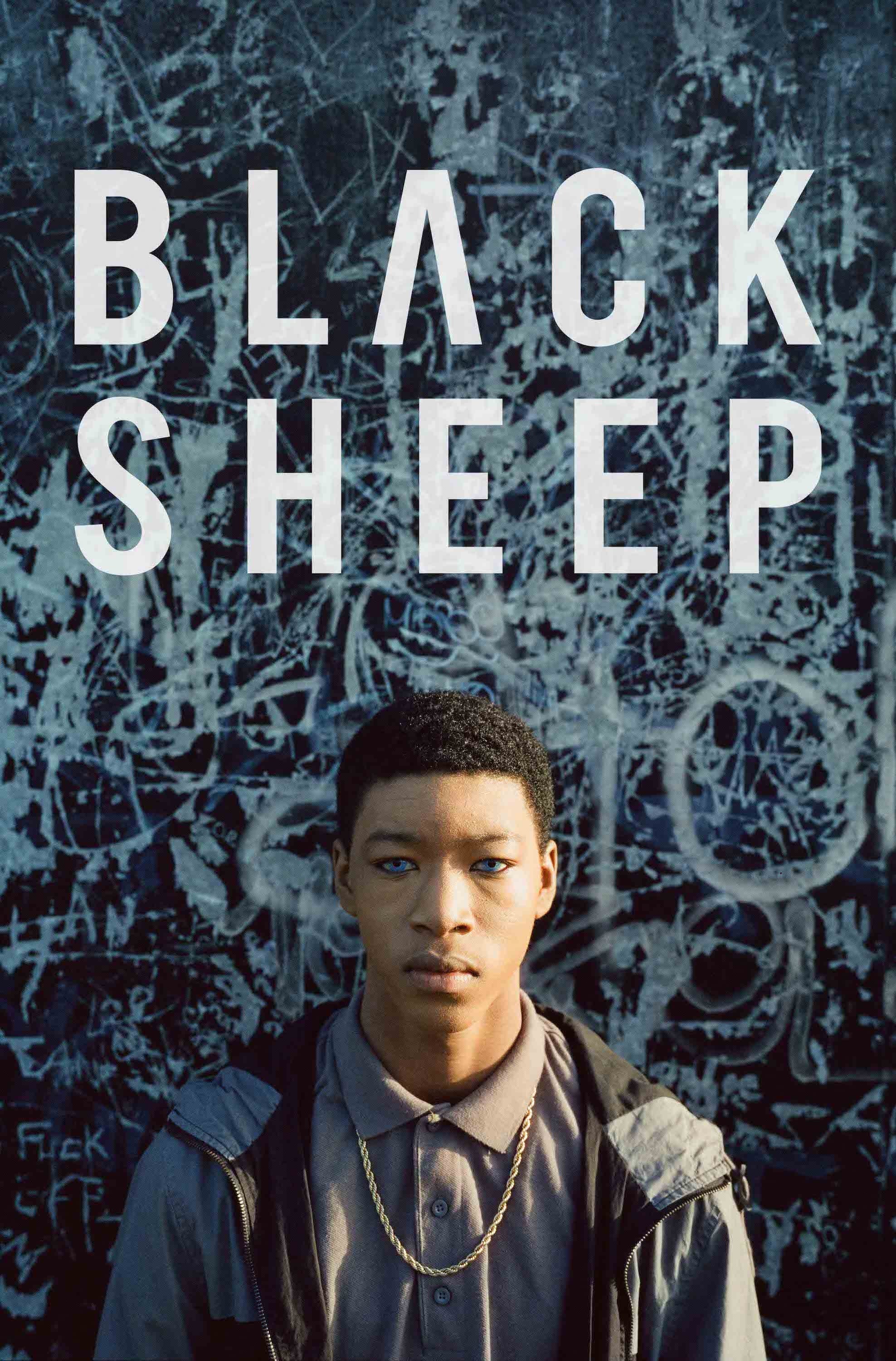
After the high-profile killing of Damilola Taylor, Cornelius' family move out of London. But when they discover their new town is run by racists, Cornelius takes a drastic step to survive.
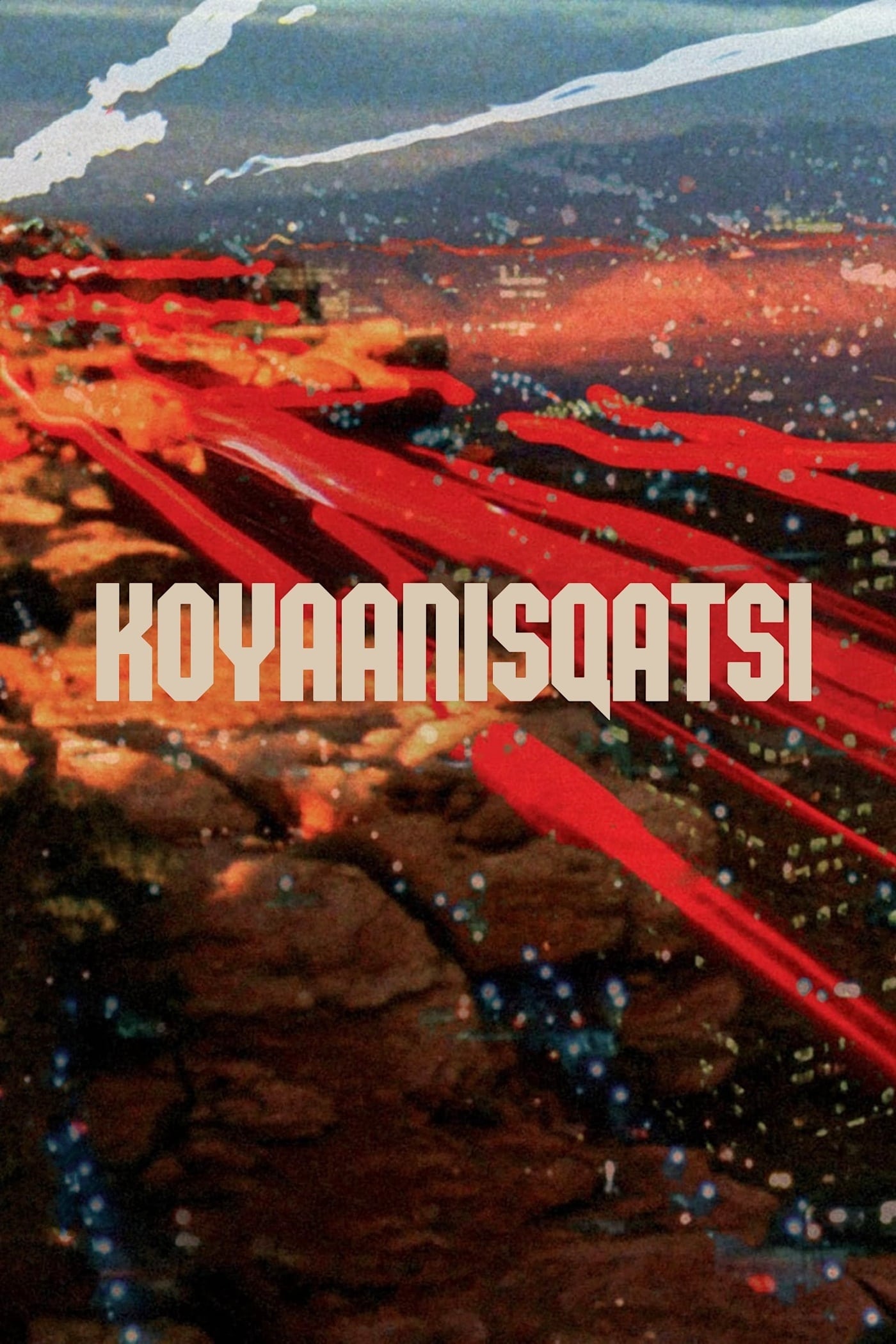
Takes us to locations all around the US and shows us the heavy toll that modern technology is having on humans and the earth. The visual tone poem contains neither dialogue nor a vocalized narration: its tone is set by the juxtaposition of images and the exceptional music by Philip Glass.
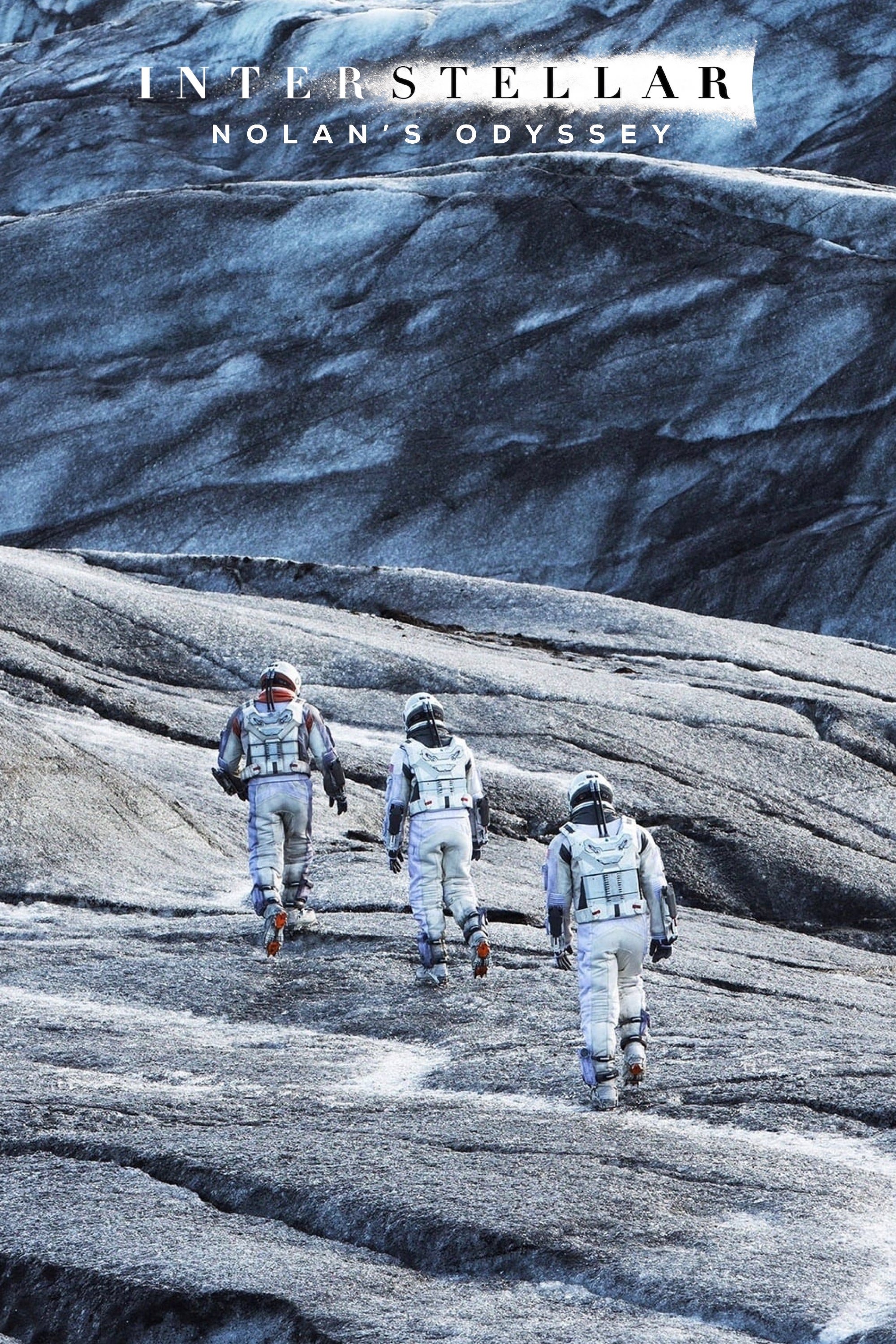
A look behind the lens of Christopher Nolan's space epic.
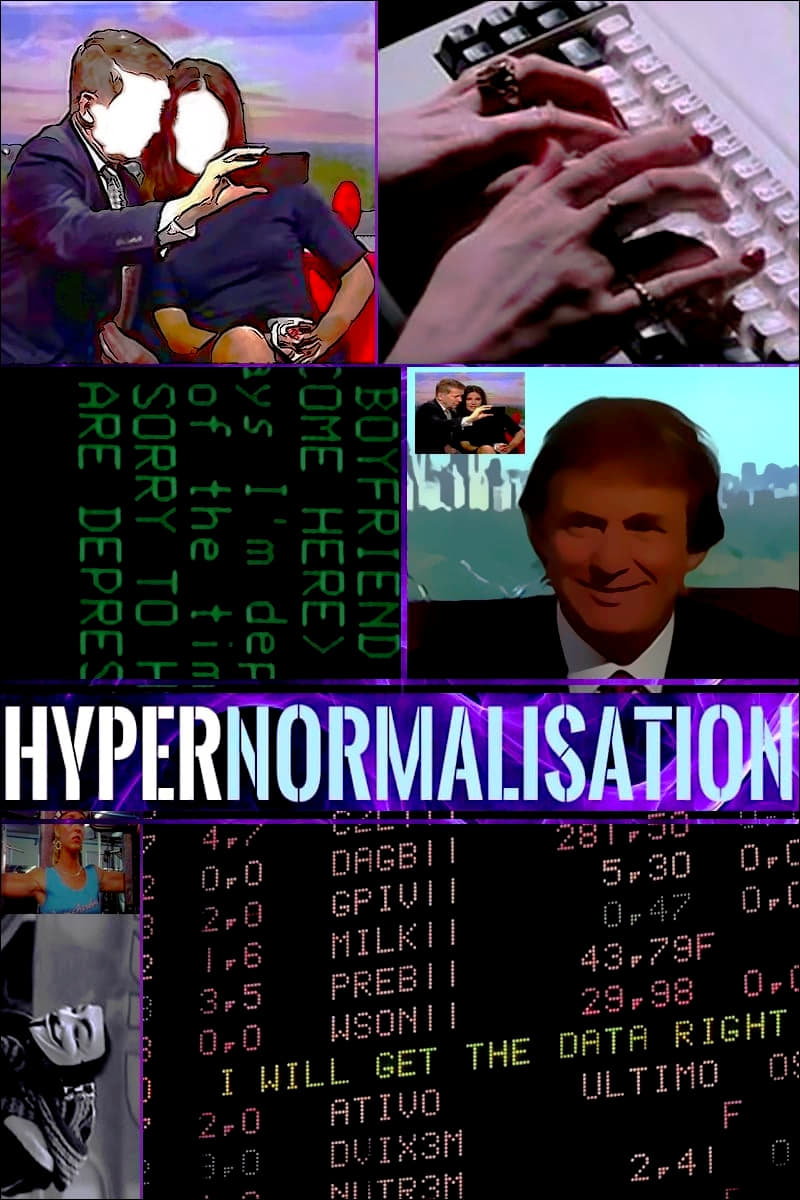
We live in a world where the powerful deceive us. We know they lie. They know we know they lie. They do not care. We say we care, but we do nothing, and nothing ever changes. It is normal. Welcome to the post-truth world. How we got to where we are now…

A visual montage portrait of our contemporary world dominated by globalized technology and violence.
In the center of the story is the life of the indigenous people of the village Bakhtia at the river Yenisei in the Siberian Taiga. The camera follows the protagonists in the village over a period of a year. The natives, whose daily routines have barely changed over the last centuries, keep living their lives according to their own cultural traditions.
A glimpse into the raw and simple power of nature through encounters with farm animals: the eponymous Gunda, a mother pig; two cows, and a one-legged chicken.
Musician and performance artist Laurie Anderson reflects on the deaths of her husband Lou Reed, her mother and her beloved dog.
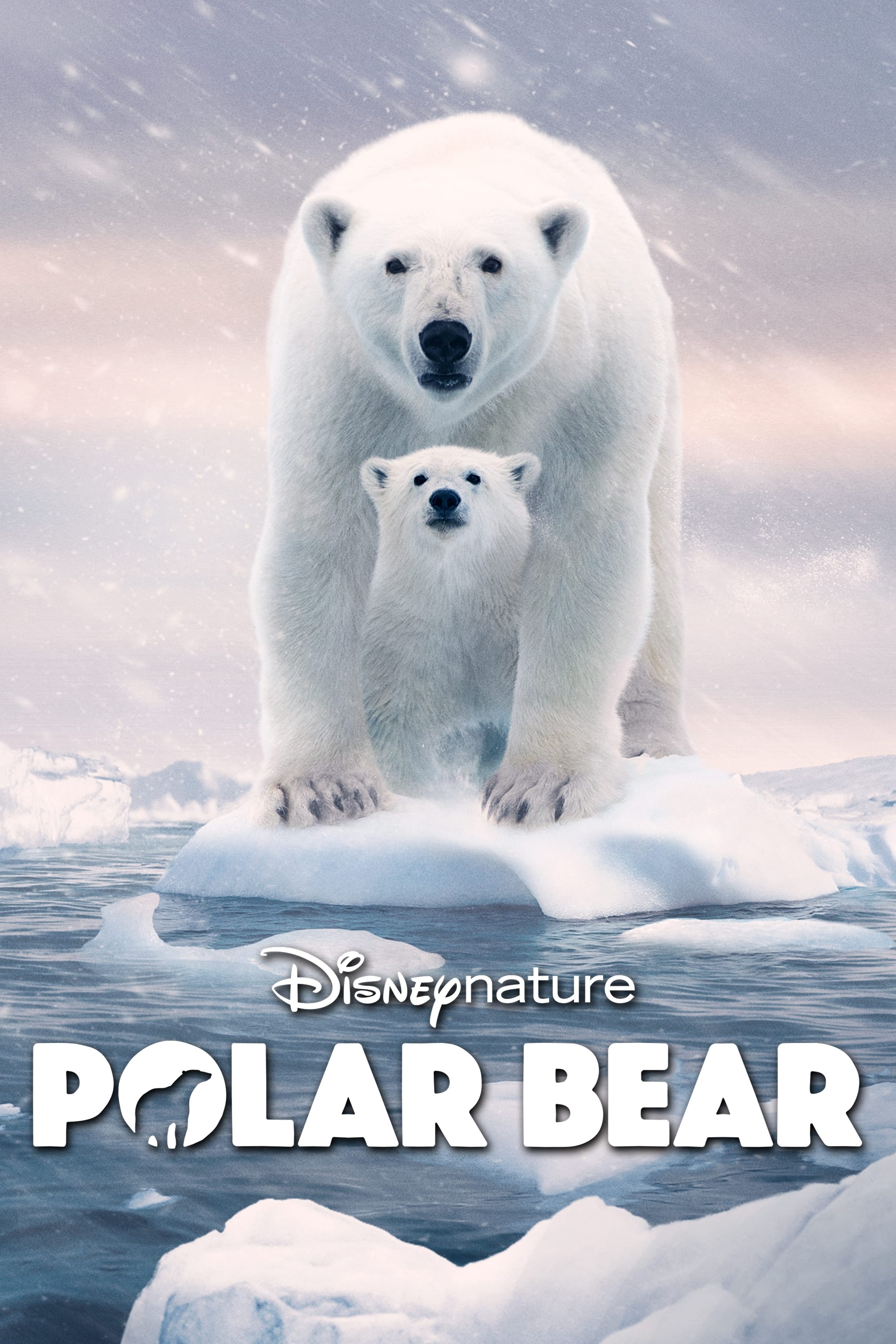
A new mother’s memories of her own youth prepare her to navigate motherhood in the increasingly challenging world that polar bears face today.
A close-up portrait of the daily lives of a pair of cows: told by way of some narrative-free, intimate POV photography, with plenty of close shot images, we follow the daily routine of these animals as they live what can only be described as mundane, boring lives - all with an ultimate purpose within the human food chain.
Through deeply personal interviews with her siblings and an examination of the photographs, letters, and belongings left behind, Mariska assembles a new portrait of her mother Jayne Mansfield, an extraordinary and complex woman.
A compilation of over 30 years of private home movie footage shot by Lithuanian-American avant-garde director Jonas Mekas, assembled by Mekas "purely by chance", without concern for chronological order.
An exploration of technologically developing nations and the effect the transition to Western-style modernization has had on them.
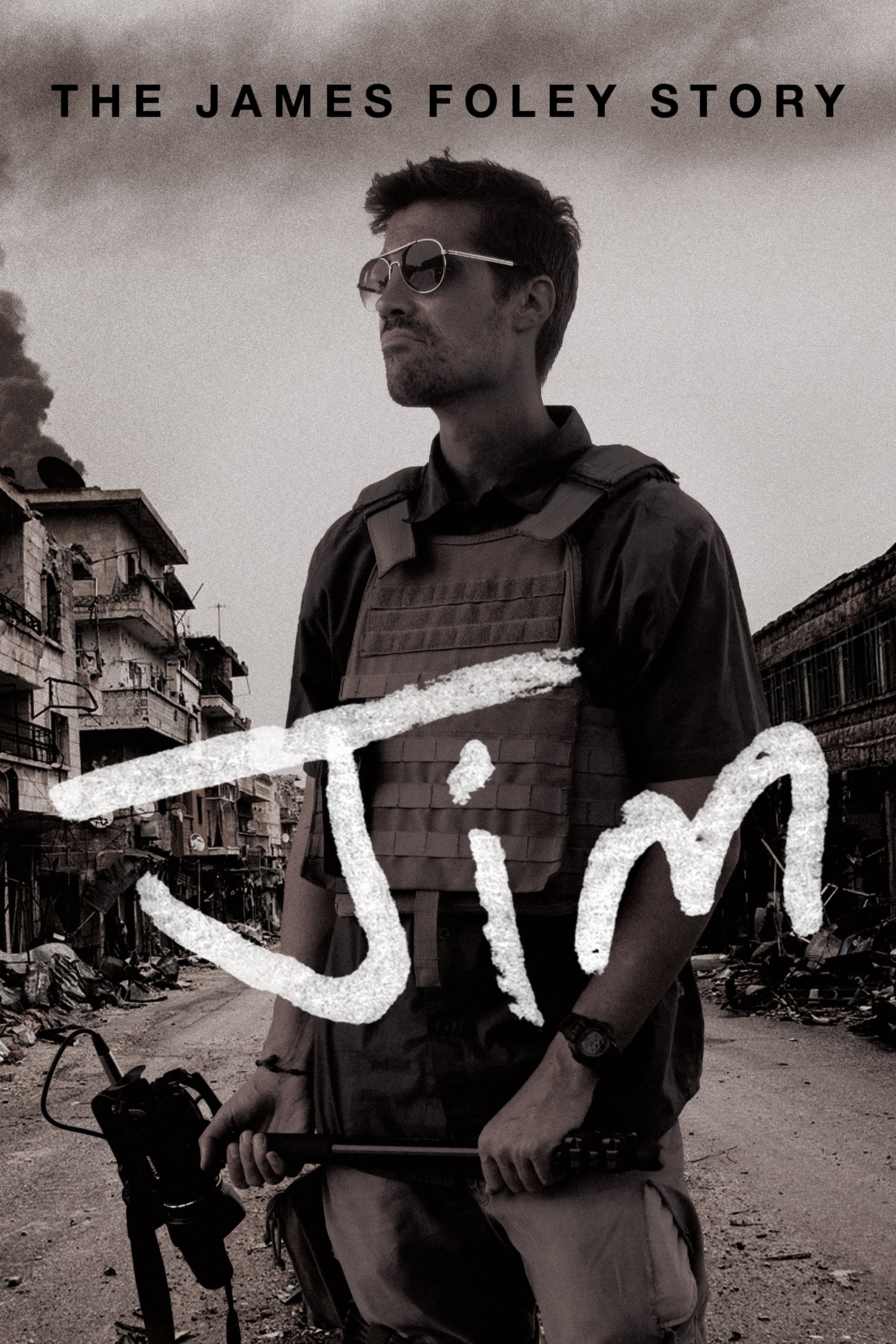
In August, 2014, a video of the public execution of American photojournalist James Foley rippled across the globe. Foley wore an orange jumpsuit as he knelt beside an ISIS militant dressed in black. That image challenged the world to deal with a new face of terror. And it tested one American family. Seen through the lens of filmmaker Brian Oakes, Foley’s close childhood friend, Jim takes us from small-town New England to the adrenaline-fueled front lines of Libya and Syria, where Foley pushed the limits of danger to report on the plight of civilians impacted by war.
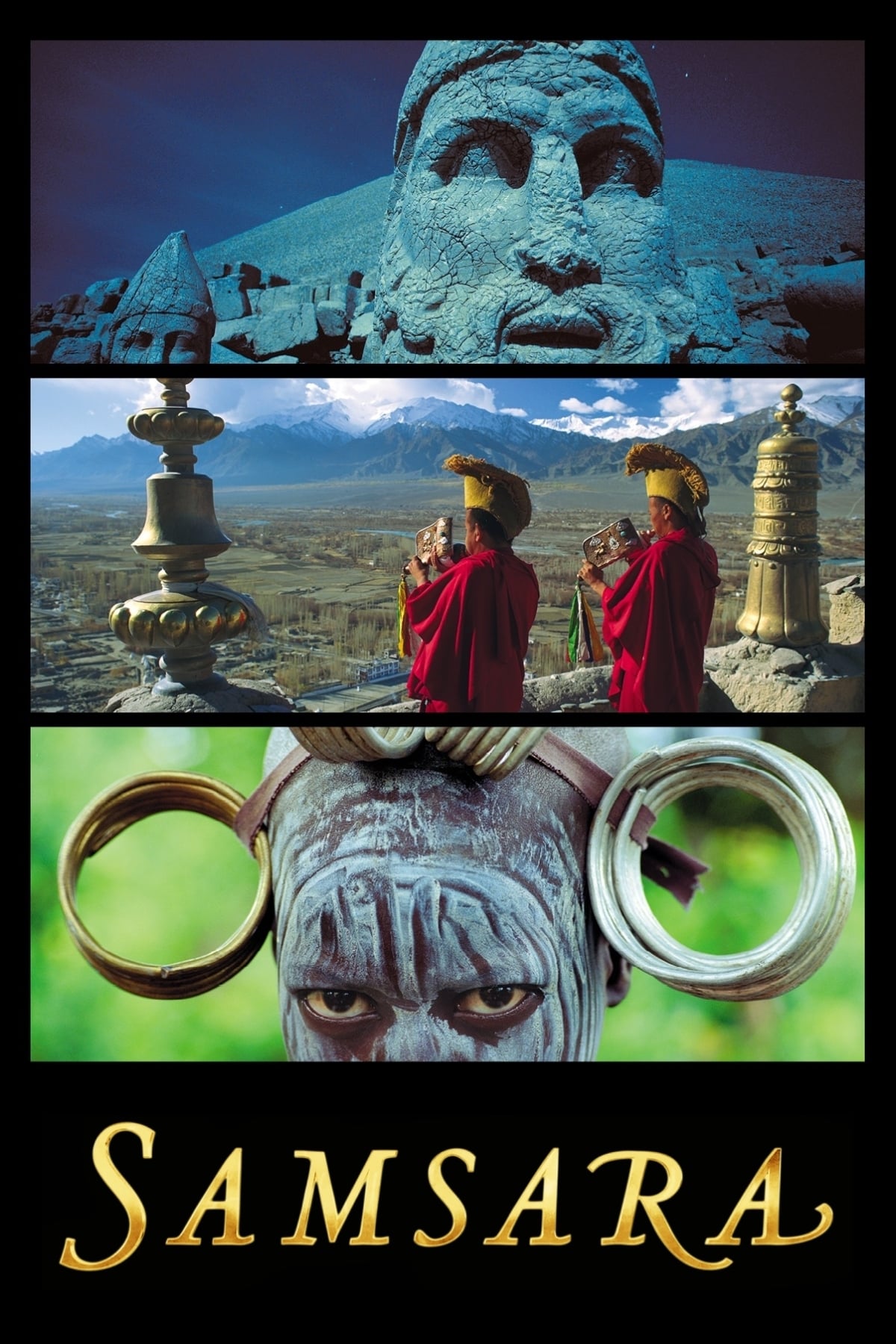
Filmed over nearly five years in twenty-five countries on five continents, and shot on seventy-millimetre film, Samsara transports us to the varied worlds of sacred grounds, disaster zones, industrial complexes, and natural wonders.
Ranjit, a farmer in India, takes on the fight of his life when he demands justice for his 13-year-old daughter, the victim of a brutal gang rape. His decision to support his daughter is virtually unheard of, and his journey unprecedented.
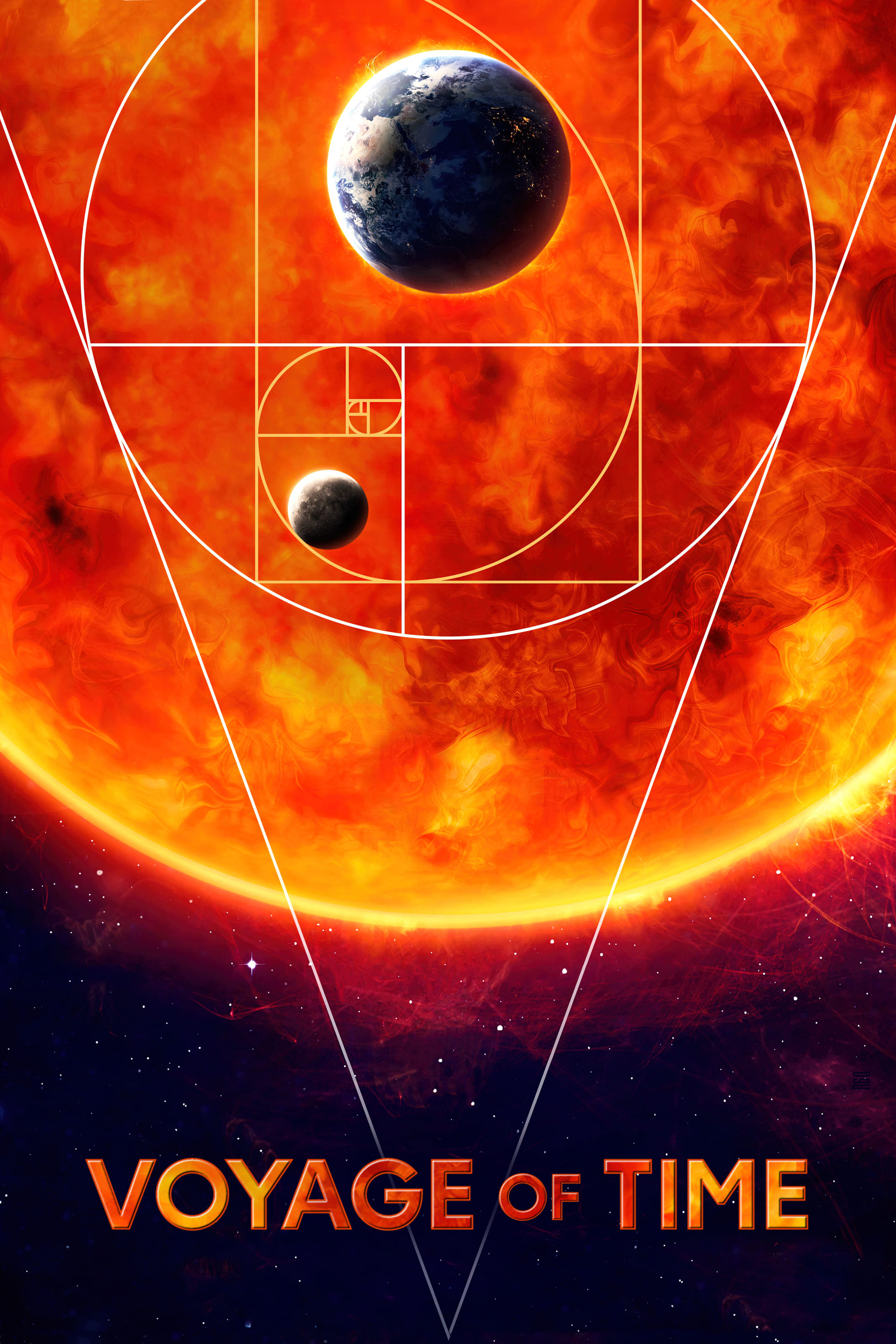
A celebration of the universe, displaying the whole of time, from its start to its final collapse. This film examines all that occurred to prepare the world that stands before us now: science and spirit, birth and death, the grand cosmos and the minute life systems of our planet.
A purely observational non-fiction film that takes viewers into the ethically murky world of end-of-life decision making in a public hospital.
A documentary directed by Winding Refn's wife, Liv Corfixen, and it follows the Danish-born filmmaker during the making of his 2013 film Only God Forgives.