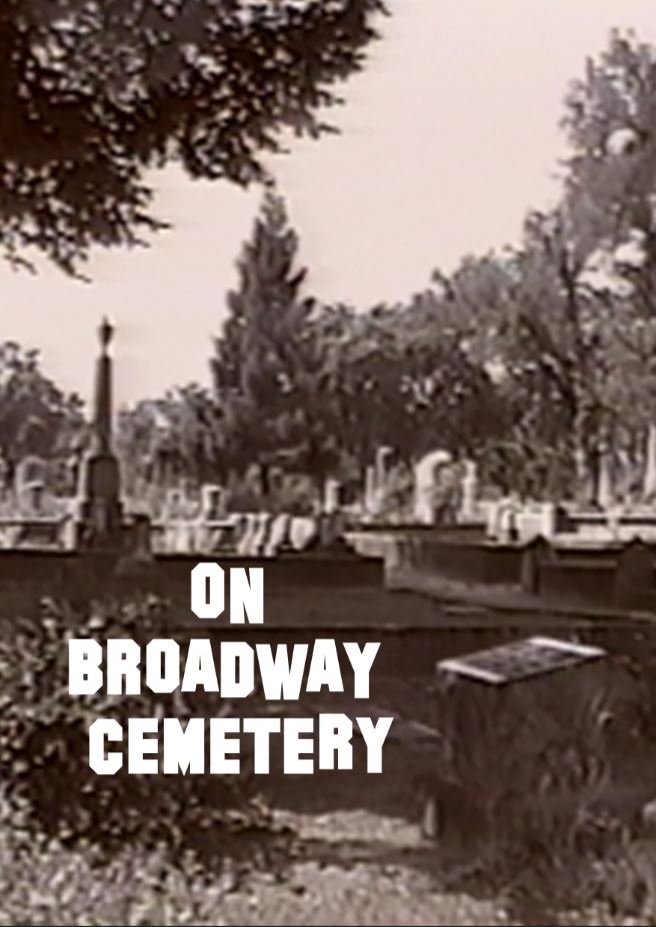
"GENTRIFY 101: Make it hip! (FUCK THAT)"
A meditative stroll through Sacramento landmarks, from the gentrified to the urban.
Social & External
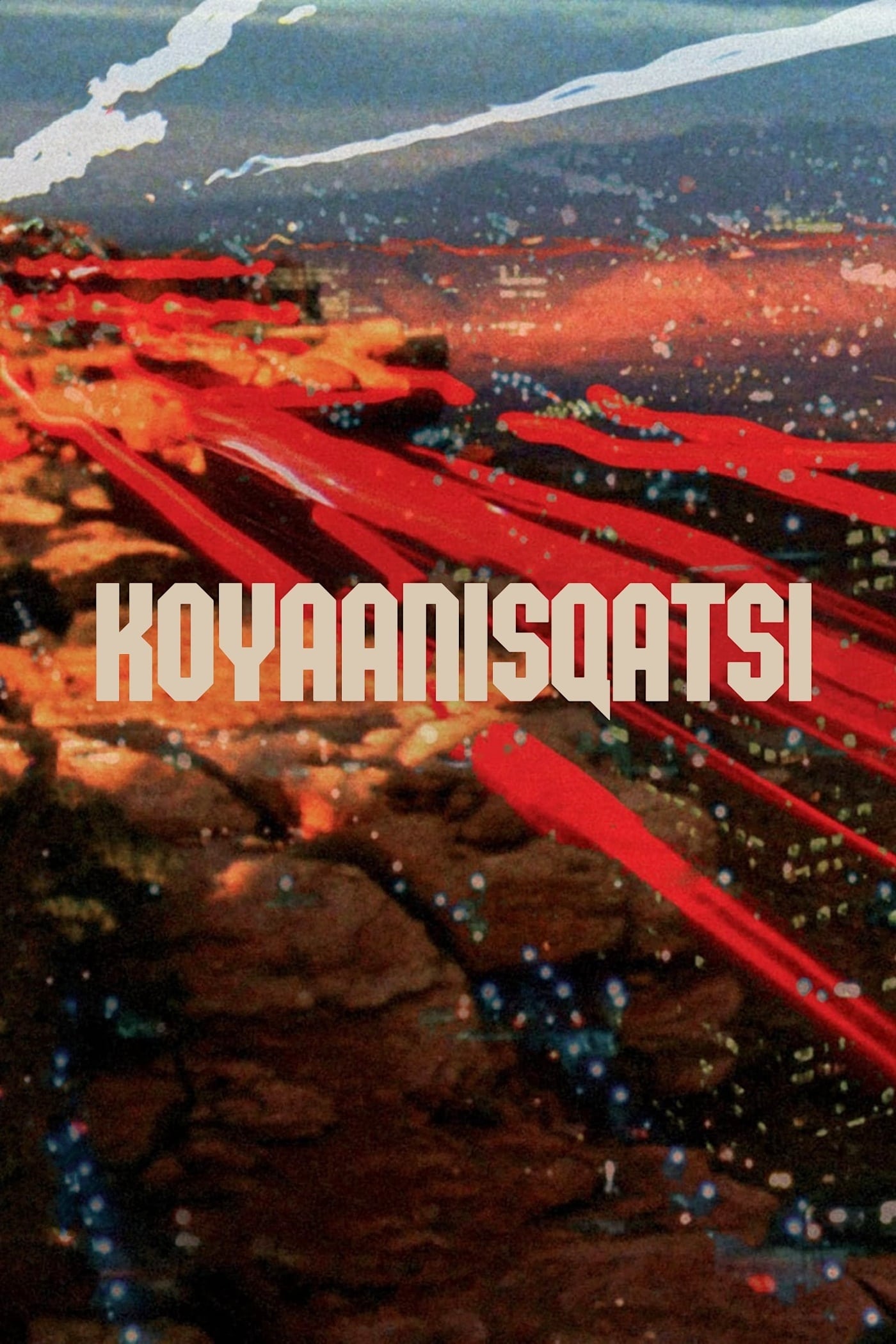
Takes us to locations all around the US and shows us the heavy toll that modern technology is having on humans and the earth. The visual tone poem contains neither dialogue nor a vocalized narration: its tone is set by the juxtaposition of images and the exceptional music by Philip Glass.
Early Mondo film featuring primitive rituals, animals being butchered, unusual birth defects, and a legit trepanation scene.
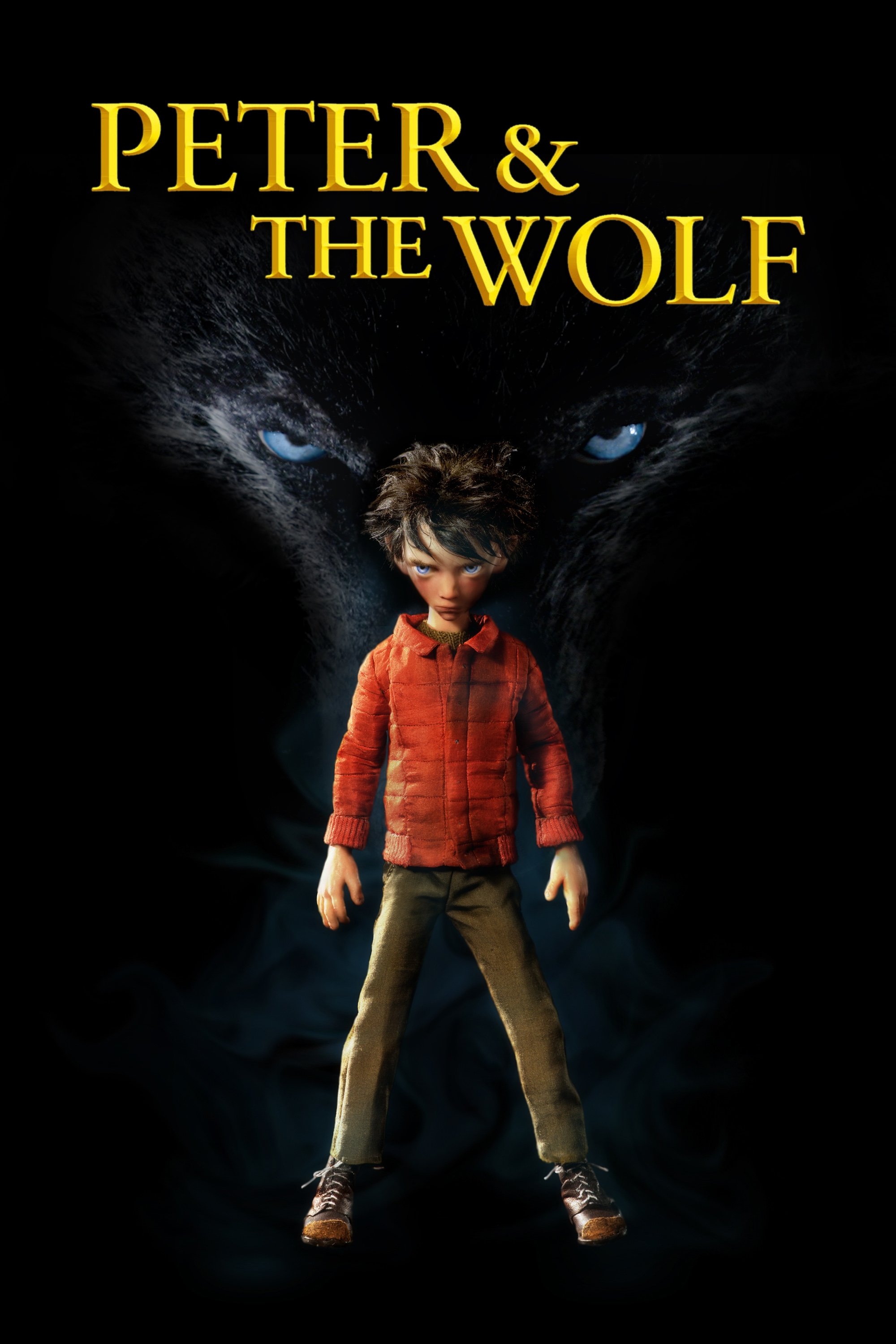
Peter is a slight lad, solitary, locked out of the woods by his protective grandfather, his only friend a duck. In town, he's bullied. When a wolf menaces the duck - as well as grandfather's fat cat and an ill-flying bird that Peter has befriended - Peter bravely tries to tree the wolf. Grandfather, the townspeople, and the hunters who have antagonized Peter figure in the dénouement.
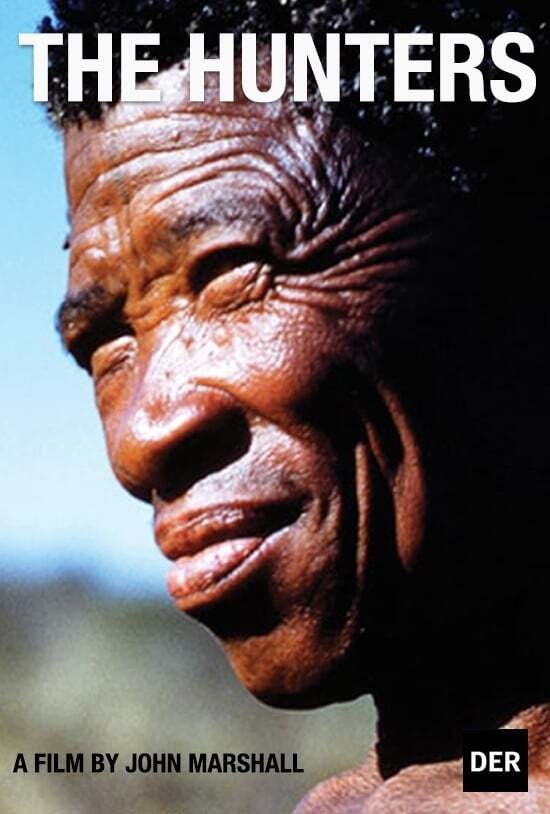
An ethnographic film that documents the efforts of four !Kung men (also known as Ju/'hoansi or Bushmen) to hunt a giraffe in the Kalahari Desert of Namibia. The footage was shot by John Marshall during a Smithsonian-Harvard Peabody sponsored expedition in 1952–53. In addition to the giraffe hunt, the film shows other aspects of !Kung life at that time, including family relationships, socializing and storytelling, and the hard work of gathering plant foods and hunting for small game.
"The show happened during Midsummer with the band playing in a white-walled room with two windows behind them looking over the valley.I had no lights on in the venue. As they played, the sun slowly set behind the venue so by the end of their set they were but shadows in the twilight. It was no ordinary show, it was something else in every possible meaning of the phrase."
Not to be confused with any of the sequels to Sylvester Stallone's classic Oscar-winning Rocky, this short film from Finnish filmmaker Aki Kaurismäki is actually meant as a parody of the late Cold War-era Rocky IV, which saw Stallone's character taking on a juiced-up Russian fighter played by Dolph Lundgren. In this 1986 send-up, Rock'y, played by Silu Seppala, goes head to head with Soviet Igor (Sakari Kuosmanen) and loses.
Short ethnographic documentary on the Tetela tribe in Congo based upon footage and commentary by director Luc de Heusch from 1953 reassembled by Damien Mottier (Université Paris Nanterre) and Grace Winter (CINEMATEK).
Short ethnographic documentary showing a leopard dance based upon footage shot by director Luc de Heusch in Congo in 1954 reassembled by Damien Mottier (Université Paris Nanterre) and Grace Winter (CINEMATEK).
Short ethnographic documentary showing some everyday life scenes based upon footage shot by director Luc de Heusch in Congo in 1954 reassembled by Damien Mottier (Université Paris Nanterre) and Grace Winter (CINEMATEK).
A teenage pianist delivers a chilling performance.
The first Easter Island documentary, filmed in 1935 when the Belgian naval ship Mercator came to collect Drs. Henri Lavacherry and Alfred Métraux, who had arrived six months before to carry out archaeological and ethnological work. The film, directed with melodramatic gusto and featuring a full orchestral score by Maurice Jaubert (who also did the narration), shows islanders, the monuments, and a public dance. A theme of decay and decadence characterizes the film, the motif portrayed gruesomely by extensive close-ups of the inhabitants of the leper colony there at the time. The film suited a romantic image of a mysterious lost civilization, the survivors eking out a pitiful existence on a barren rock. (Grant McCall)
A documentary on the history of the Institute and America, spanning from World War 2 to COVID-19. Features AI-enhanced archival footage of MIT from throughout the past century. View now at https://regressions.net.
Thursday shot from filmmaker Galen Johnson's high-rise apartment during COVID-19 “lockdown” in Winnipeg, captures people going about their daily routines in the city's eerily empty streets, yards and parking lots, on their balconies and on the riverbanks. The extreme distance and the diminutive scale of humans is paired with sound close-ups—a combination that embodies the strange, heightened intensity of feeling of the time, knowing an era-defining tragedy is happening yet being so physically removed.

With a dual motion a cruise ship and a fishing boat pass one another on the Nile and butlers in turbans set up a wooden gangway. Thanks to a rope and pulley system cows climb skywards then disappear into the hold of the sailing vessel. On the bank, black-haired women rock back and forth, bursting out laughing and showing the first signs of going into a state of trance. Never-before filmed gestures and faces of the people of the Nile succeed one another, uprooted to an unknown, magical world. The Banks of the Nile is one of the first experiments of film in colour that uses the Kinemacolor process.

A non-verbal visual journey to the polar regions of our planet portrayed through a triptych montage of photography and video. Landscapes at the World's Ends is a multi-dimensional canvas of imagery recorded above the Arctic Circle and below the Antarctic Convergence, viewed through the lens of whom is realistically an alien in this environment, the polar tourist. Filmed during several artist residencies on-board three expedition vessels, New Zealand nature photographer and filmmaker Richard Sidey documents light and time in an effort to share his experiences and the beauty that exists over the frozen seas. Set to an ambient score by Norwegian Arctic based musician, Boreal Taiga, this experimental documentary transports us to the islands of South Georgia, the Antarctic Peninsula, Greenland and Svalbard. Landscapes at the World's Ends is the first film in Sidey's Speechless trilogy, and is followed by Speechless: The Polar Realm (2015) and Elementa (2020).
A woman from the Ashanti tribe bathes her child in a shallow bowl.
Travellers, nomads and salesmen make their way along a dam next to the Nile.
As retailers, wholesalers, and negotiators, Asante women of Ghana dominate the huge Kumasi Central Market amid the laughter, argument, colour and music. The crew of this `Disappearing World' film have jumped into the fray, explored, and tried to explain the complexities of the market and its traders. As the film was to be about women traders, an all female film crew was selected and the rapport between the two groups of women is remarkable. The relationship was no doubt all the stronger because the anthropologist acting as advisor to the crew, Charlotte Boaitey, is herself an Asante. The people open up for the interviewers telling them about their lives as traders, about differences between men and women, in their perception of their society and also about marriage.
An ethnographic documentary which looks at the relationship between music and work in predominantly rural cultures. It depicts the lives of fisherman, shepherds and farmers and their relationship with music. The film also describes Basque ancestral instruments, with special emphasis on the origin and history of ‘bertsolarism’ (Basque verse singing) as a form of oral communication.
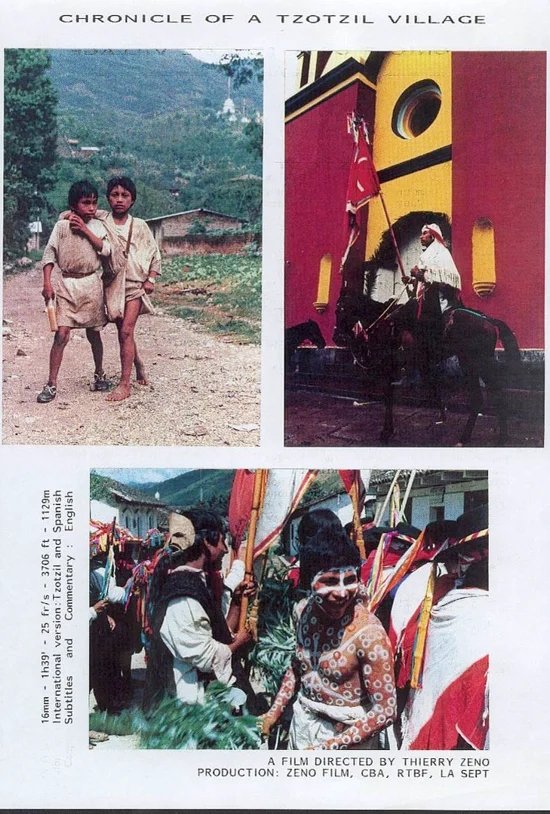
A documentary about the daily life of a native Tzotzil community in southern Mexico, shot over a period of eight years.