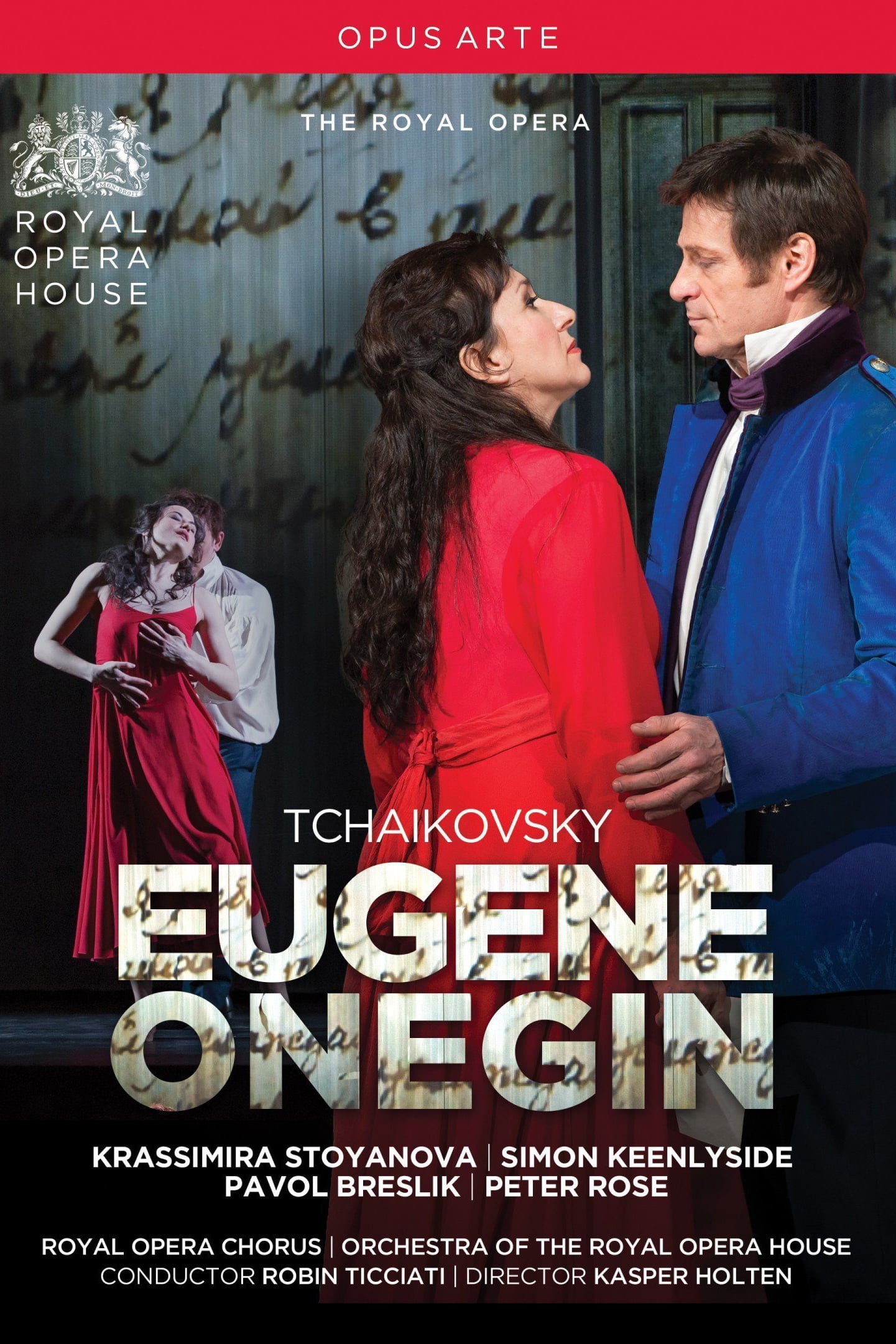
Tchaikovsky's much-loved opera Eugene Onegin, a story of love, rejection and tragedy based on Pushkin's verse drama of the same name.
Social & External
Eugene Onegin
Tatyana
Young Eugene Onegin
Young Tatyana
Lensky
Olga
Madame Larina
Filipyevna
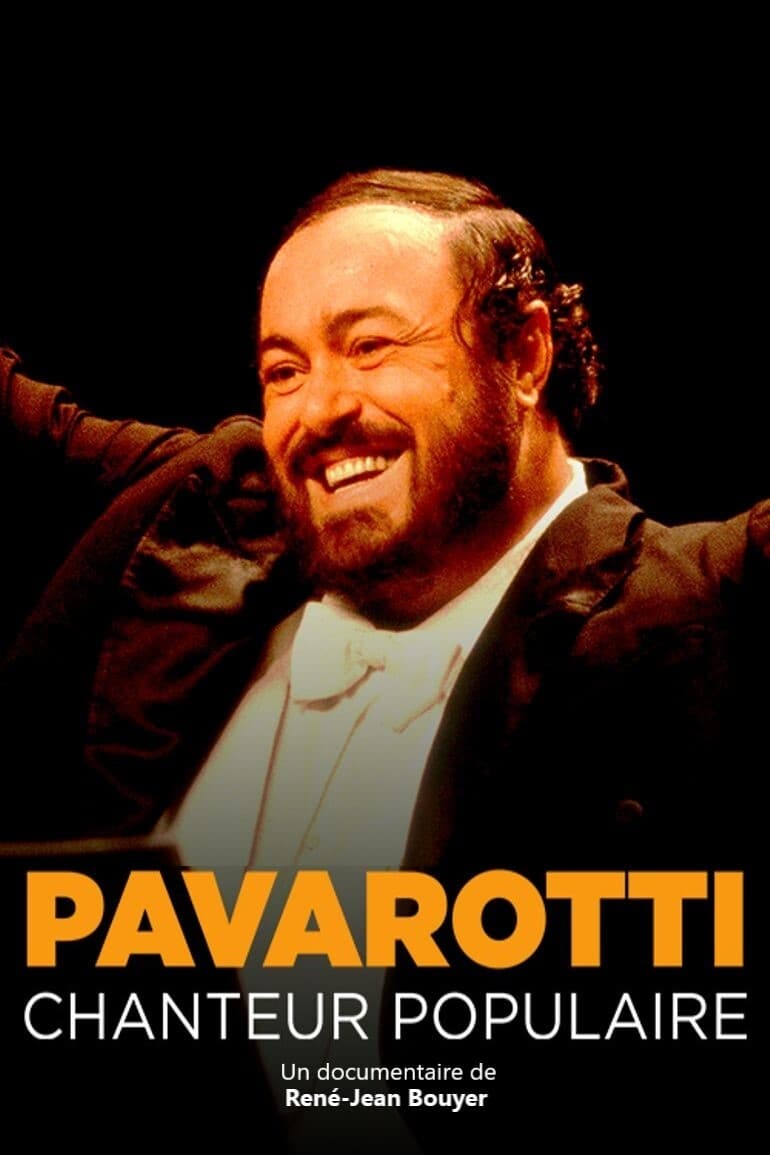
Although he is unanimously credited with having democratised opera, making it accessible to the greatest number, focus is rarely put on the strategy he devised and implemented in order to carry out his actions, nor what his actions reveal of the man and artist, and of the resulting metamorphosis from opera singer to pop artist. Through this angle, this film sets out to pay tribute to the man who summed up his credo, obsession and life’s work, in the following way: “They led the public to believe that classical music belonged to a restricted elite. I was the way to prove to the world that was wrong.
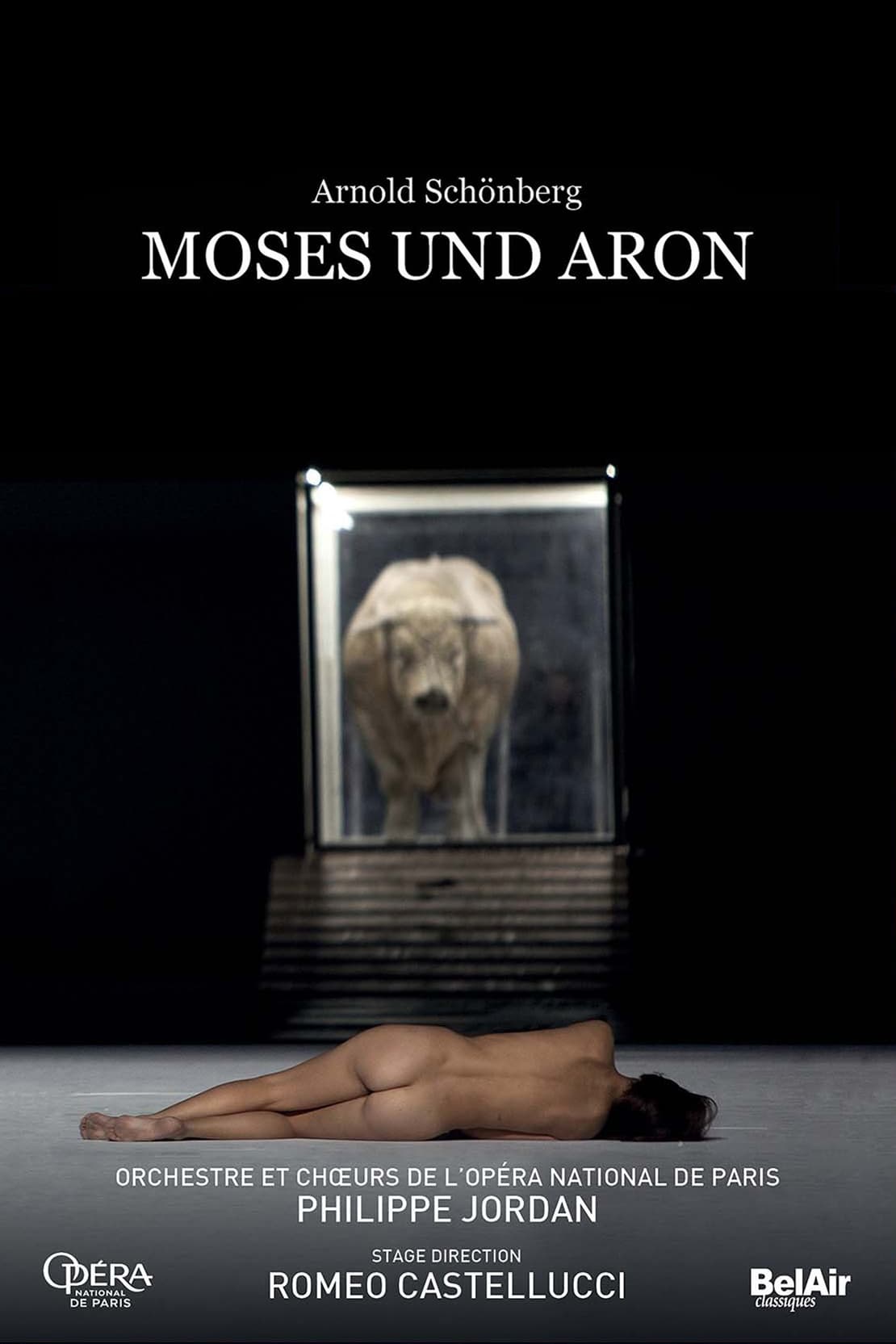
Moses und Aron is a three-act opera by Arnold Schoenberg with the third act unfinished. The 2015 Production was led by Romeo Castellucci in Paris. Moses und Aron was filmed for television by film director François-René Martin, in co-production with the Paris Opera, Bel air Media and Arte, with support from the CNC.
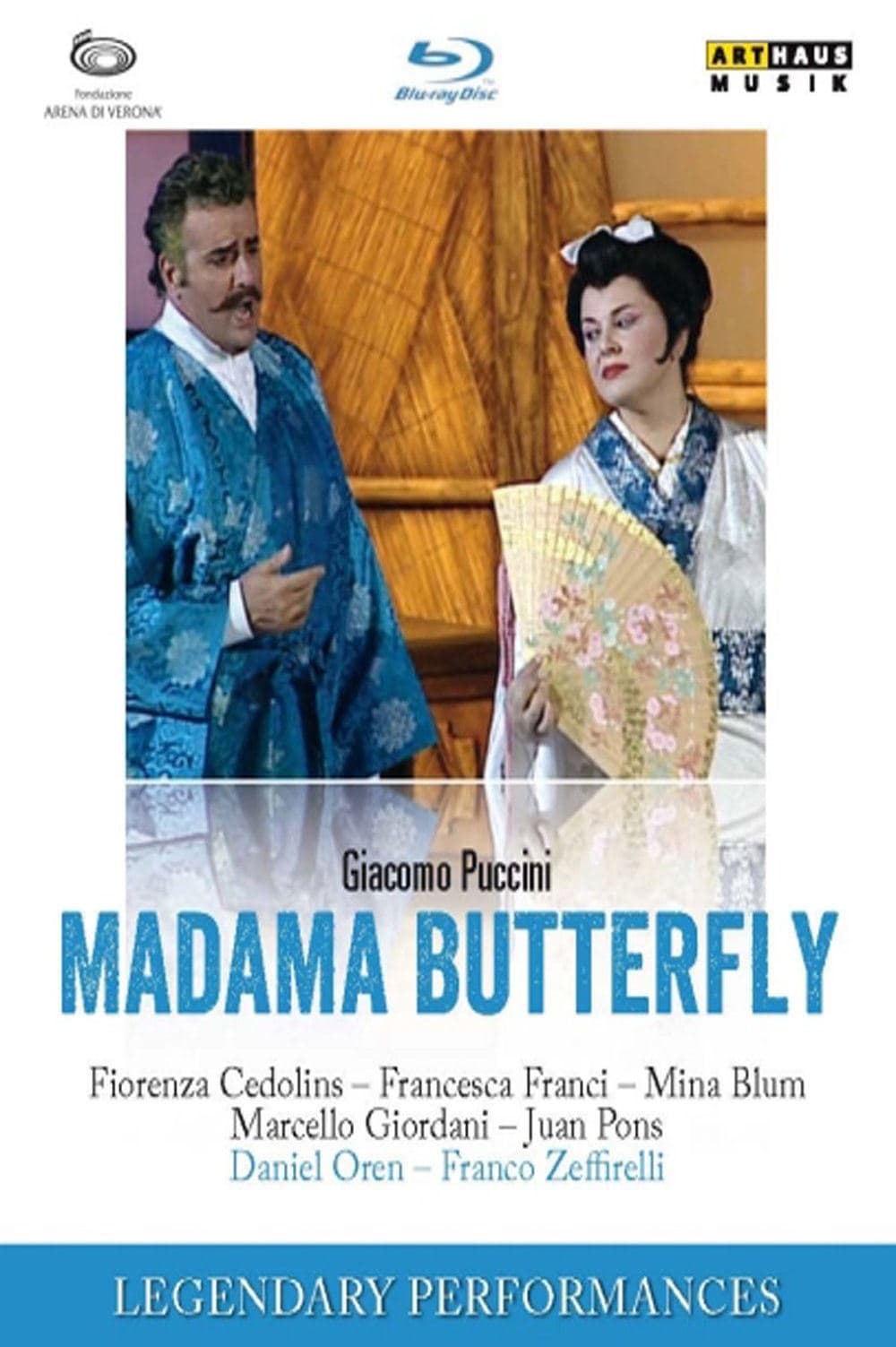
Japan, early twentieth century. U.S. Navy Lieutenant B.F. Pinkerton inspects the house he has leased from a marriage broker. The broker, Goro, has procured him three servants and a geisha wife, Cio-Cio-San, known as Madama Butterfly. He is enchanted with the fragile Cio-Cio-San. Cio-Cio-San is heard in the distance joyously singing of her wedding. In a quiet moment, Cio-Cio-San shows her bridegroom her few earthly treasures and tells him of her intention to embrace his Christian faith. The Imperial Commissioner performs the wedding ceremony, and the guests toast the couple. The celebration is interrupted by Cio-Cio-San's uncle, a Buddhist priest, who bursts in, cursing the girl for having renounced her ancestors' religion. Alone with Cio-Cio-San in the moonlit garden, her husband dries her tears, and she joins him in singing of their love.
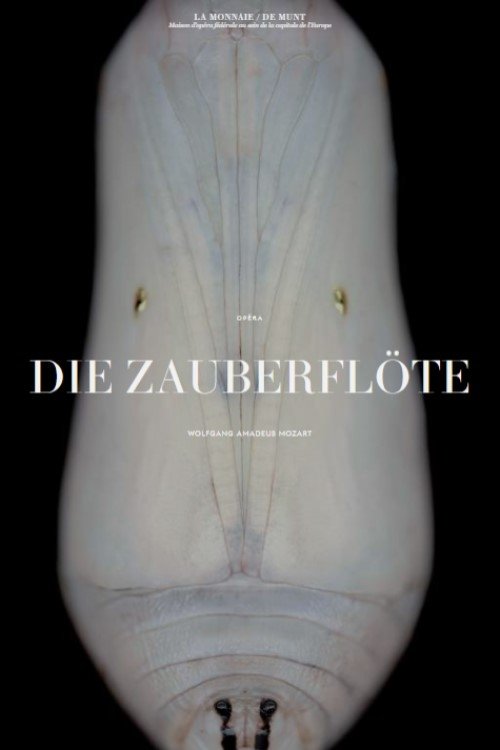
Die Zauberflöte is one of Mozart’s most famous works and one of the most beloved of the entire operatic repertoire. Generations of spectators have been fascinated by the melodies and adventures of Papageno, the Queen of the Night, Tamino, and Pamina, the ordeals faced by the young lovers, and the work’s inexhaustible allegorical depth. The director Romeo Castellucci has deliberately stepped back from the narrative dimension of the opera in order to explore its raw emotion and its philosophical heart. For his part, the conductor Antonello Manacorda brings Mozart’s immortal music to life with the help of an outstanding cast that includes Sabine Devieilhe, one of today’s finest interpreters of the Queen of the Night.
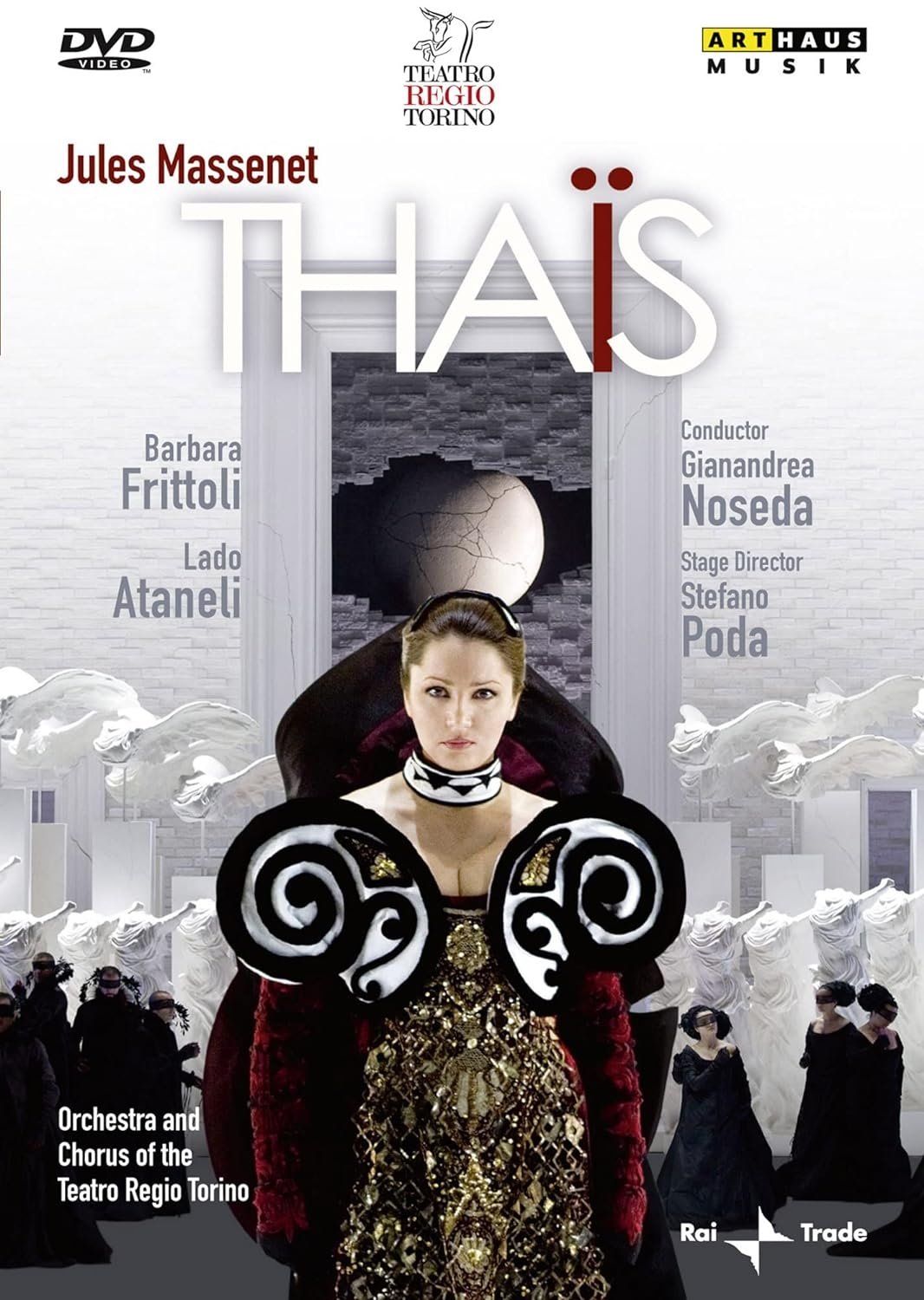
There's an uncompromising clarity to Blu-ray audio and video that really does bring the splendour of grand opera right into the living room. So it's all the more frustrating to get a compromised production as the final product. Jules Massenet's 1894 tragedy about a sex goddess humbled by an insistent Cenobite monk isn't produced very often, because of a demanding lead role and some difficult staging issues. But the music is gorgeous from beginning to end. When you have a great diva at centre stage, the three acts go by in a flash.
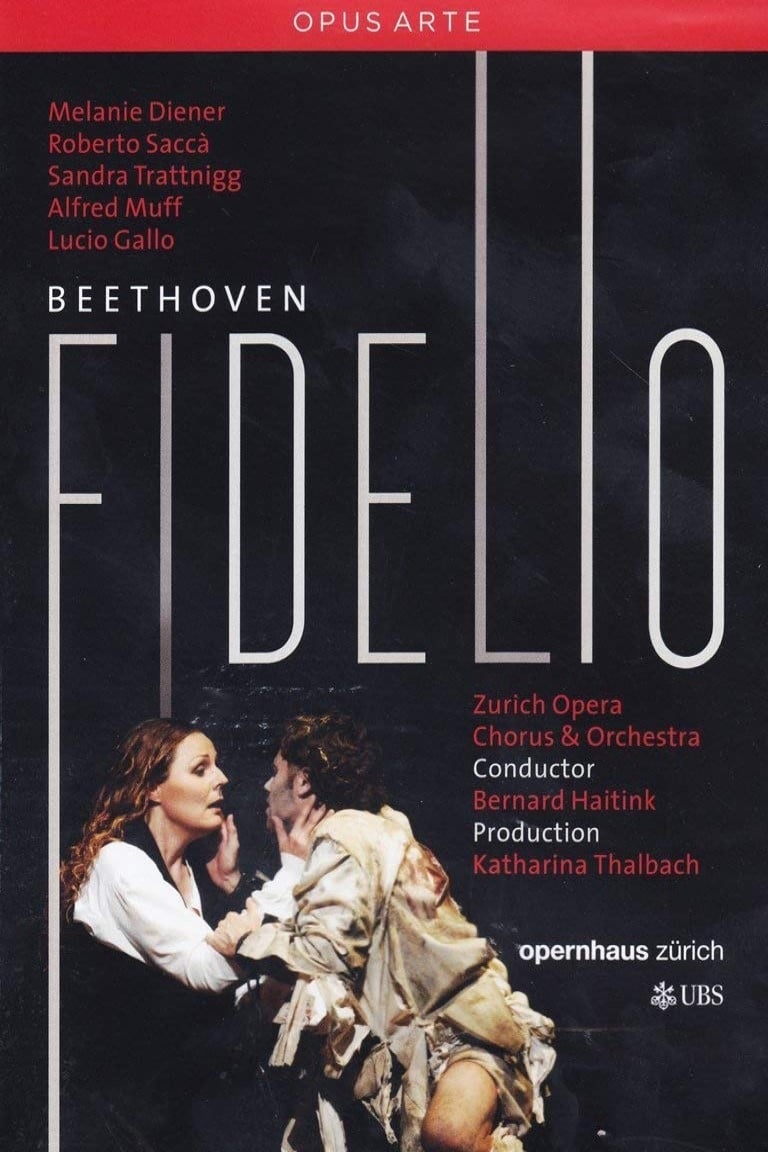
Translucence, transparency – warmth’ are the qualities identified by Bernard Haitink as necessary for an ideal sound performance of Beethoven's only opera, and all are present in this fantastic recording of Katharina Thalbach's 2008 production for Opernhaus Zurich. Haitink conducts the Zurich Opera Orchestra in a magnificent performance in which Leonore Overture No. 3 provides an interlude between the two scenes of the second act, following a tradition started by Gustav Mahler. German soprano Melanie Diener, in the role of Leonore, leads a brilliant cast including Alfred Muff as Rocco, Roberto Saccà as Florestan, Sandra Trattnigg as Marzelline and Christoph Strehl as Jaquino. This High Definition recording with true surround sound marks the start of the exciting collaboration between Opus Arte and Opernhaus Zurich.
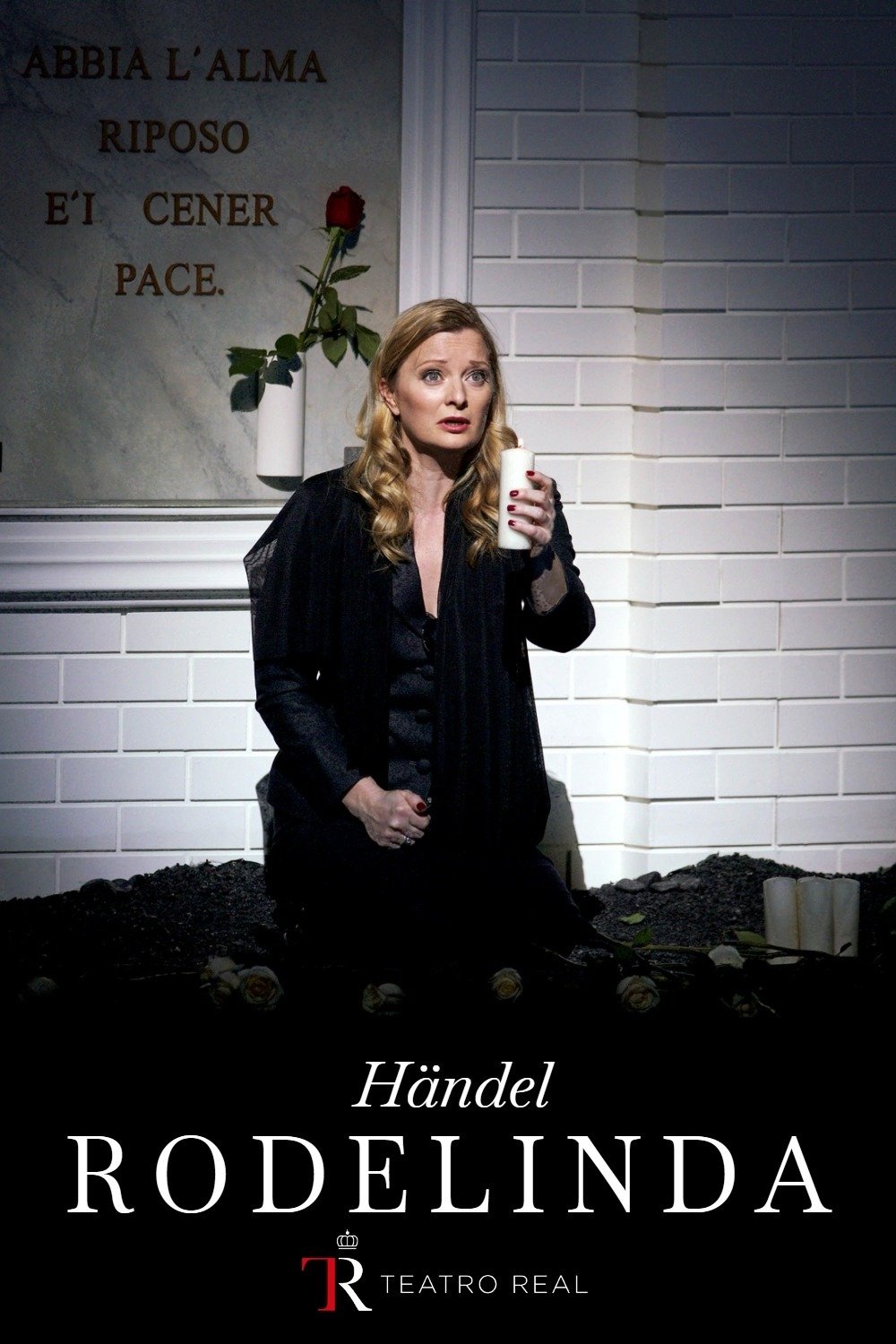
Claus Guth's exciting 2017 staging of Handel’s "Rodelinda" at Madrid’s Teatro Real, featuring Lucy Crowe and Bejun Mehta as Rodelinda and Bertarido, with conductor Ivor Bolton. After the successes of "Giulio Cesare" in 1723 and "Tamerlano" in 1724, Rodelinda completes the trilogy of Handel’s great opera seria masterpieces. The work was composed in 1725 using Nicola Francesco Haym’s libretto, a work inspired by Antonio Salvi’s earlier libretto which had been itself adapted from Pierre Corneille’s tragedy "Pertharite, roi des Lombards". Rodelinda thus brought one of the most glorious compositional periods in the Handel’s career to a close, about a decade after his arrival in the British capital. Mixing romantic storytelling and political intrigue, Handel produced one of his most beautiful scores, a true operatic tour de force.
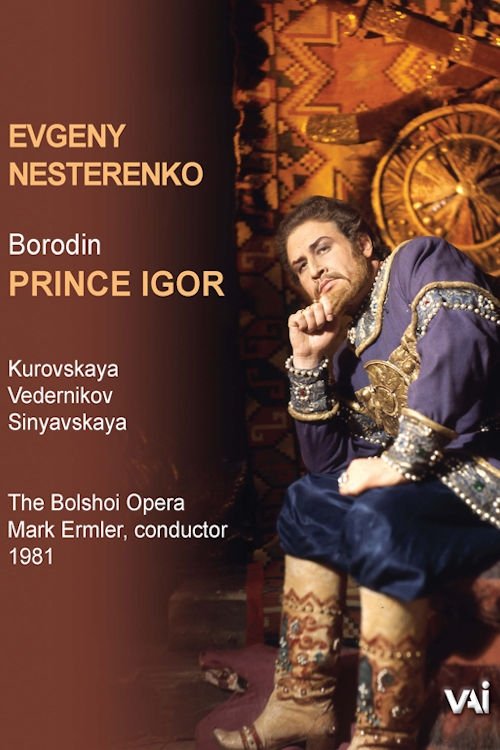
This 1981 Bolshoi production performed in the concert hall of The Kremlin is by far the best available, despite the more ‘historical’ picture and mono sound. The production itself is a very classic period production, with utterly authentic costumes and aptly dramatic sets. There are even horses on stage. The depiction of the Don Cossacks’ Khan Konchak and his tribe is colourful and historically informed in one. Needless to say, the scene of the Polovtsian Dances is spectacularly presented with great choregraphy and terrific dancing, in the league of the Spartacus of Bolshoi, no less.
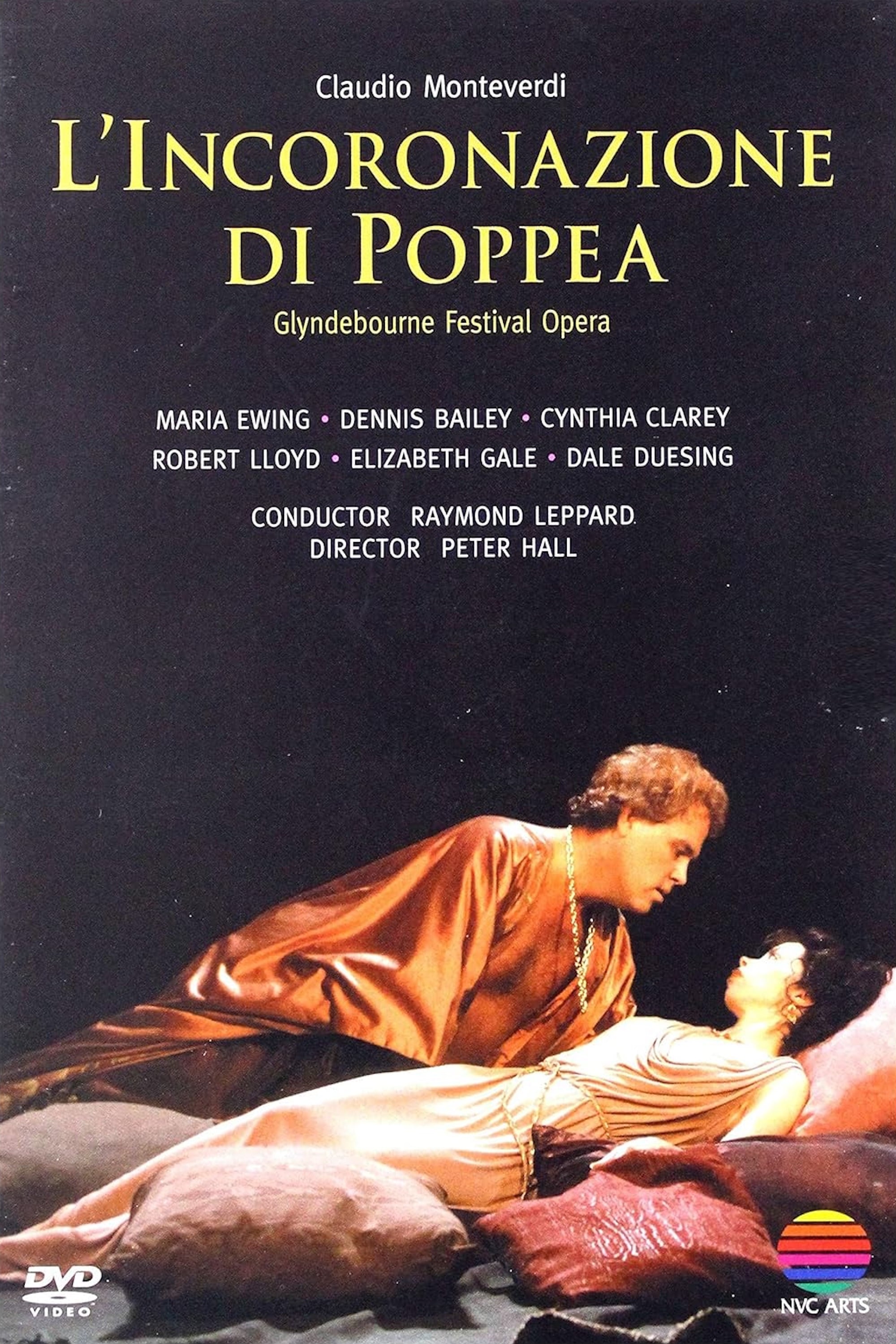
This is a finely tuned opera with music by the Italian composer, Claudio Monteverdi, libretto by G. E. Busenello, and the fine voices of contralto Maria Ewing, baritone Dennis Bailey, and several other sub-leads is not to be missed and will be fully enjoyed. No lead tenor here and none needed. No soprano here as a lead and none needed. One of the joys of my watching and listening outside the opera hall. The story line is strong and the tale well carried out.
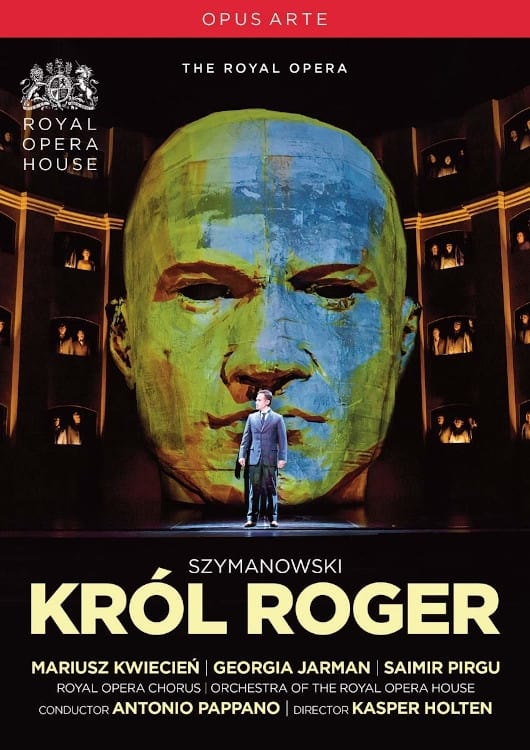
The story concerns the enlightenment of the Christian King Roger II by a young shepherd who represents pagan ideals. Kasper Holten’s production (The Royal Opera’s first) of Król Roger (King Roger) brought the opera back to the London stage after an absence of almost 40 years. Karol Szymanowski’s masterpiece powerfully presents the dilemmas of culture versus nature and man versus beast, and movingly depicts King Roger’s inner struggles as he moves from an impossible life of repressed desires to the other extreme, giving in to his own demons. Meanwhile, Roger’s people, seduced by the promises of the mysterious Shepherd, are drawn towards totalitarianism and repression. Antonio Pappano conducts Szymanowksi’s opulent and beautiful score, with a cast including Mariusz Kwiecień as Roger (one of the greatest interpreters of the role today), Saimir Pirgu as the Shepherd, and Georgia Jarman in her Royal Opera debut as Roger’s loving queen Roxana.
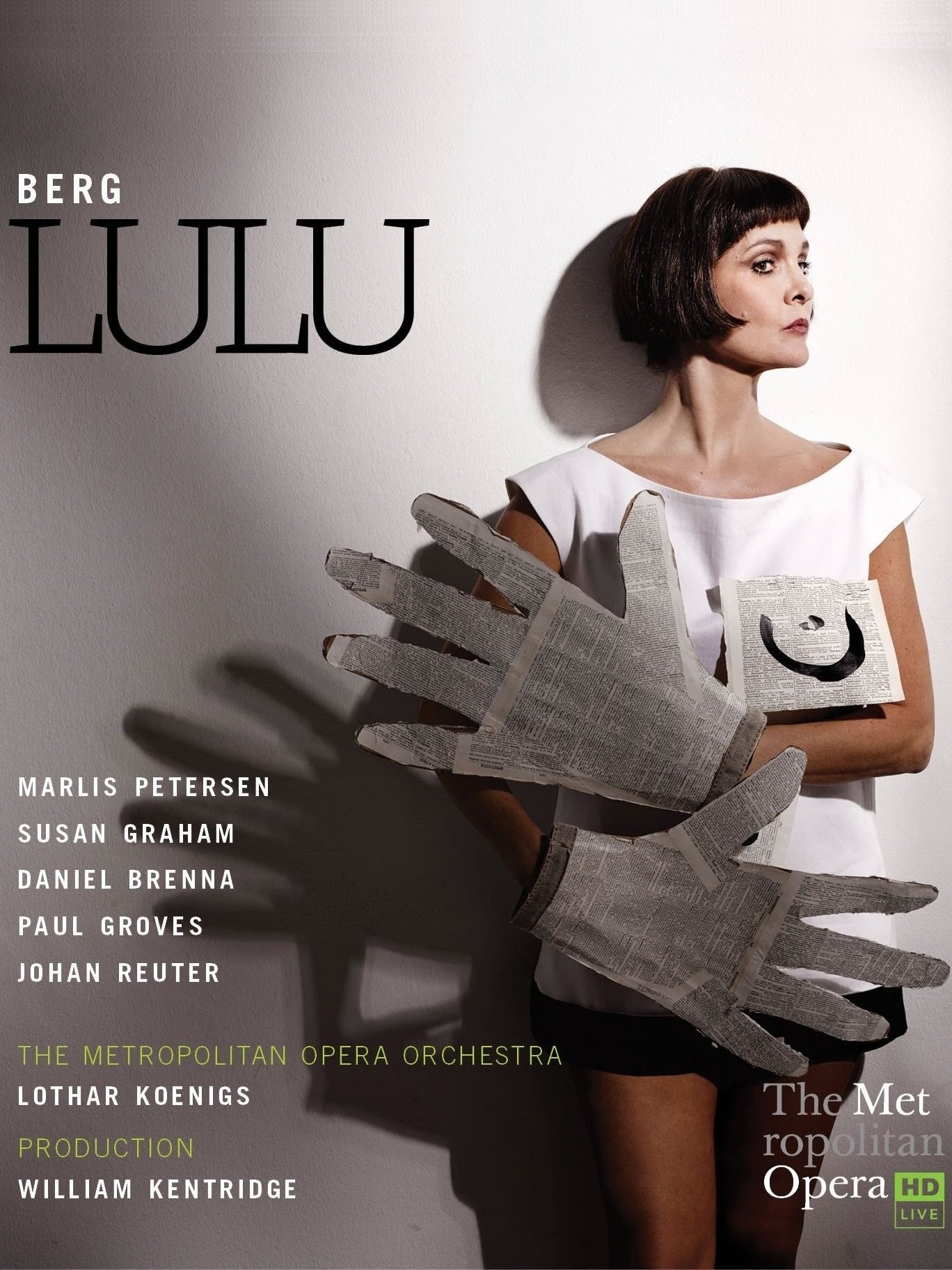
William Kentridge’s multi-layered production of Berg’s masterpiece stars charismatic soprano Marlis Petersen in the title role—the enigmatic and alluring woman who is equal parts femme fatale, innocent girl, and abused victim. The men around her, whose lives she forever alters, are Johan Reuter as newspaper publisher Dr. Schön; Daniel Brenna as his composer son, Alwa; Paul Groves as the Painter; and Franz Grundheber as Schigolch. Susan Graham sings Countess Geschwitz, and Lothar Koenigs conducts Berg’s landmark score.
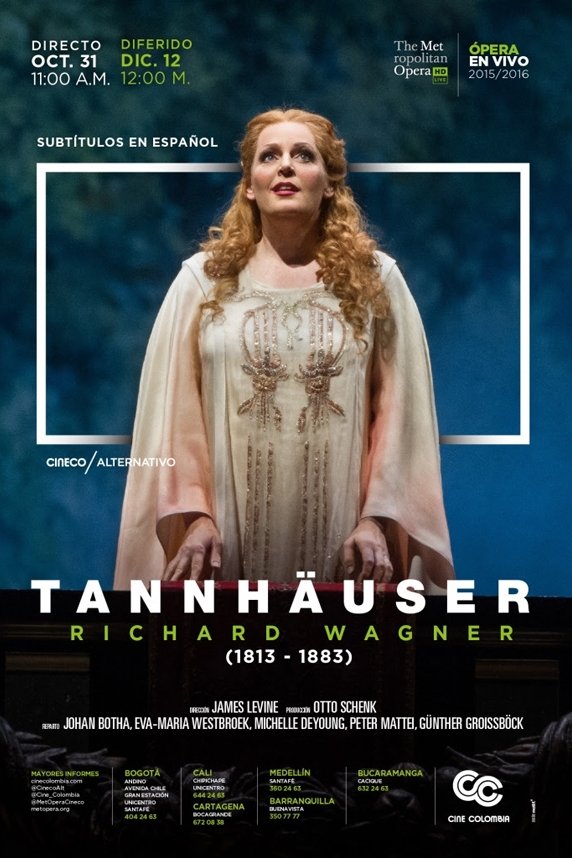
Met Music Director James Levine leads this Live in HD presentation of Wagner’s early Romantic opera, starring Johan Botha in the title role of the minnesinger torn between earthly passion and true love. Eva-Maria Westbroek is Elisabeth, whose unswerving devotion redeems Tannhäuser’s soul, and Peter Mattei sings Wolfram, his faithful friend. Michelle DeYoung as the love goddess Venus and Günther Groissböck as Landgraf Hermann complete the cast. Otto Schenk’s classic production was the first of his acclaimed Wagner stagings at the Met.
This deliciously dark take on the beloved Brothers Grimm fairy tale, appealing to audiences of all ages, was part of the Met’s popular English-language holiday series. Alice Coote and Christine Schäfer star as the famous siblings lost in the woods, who battle the ravenous Witch—a zany portrayal by tenor Philip Langridge—while the Met orchestra, under the baton of Vladimir Jurowski, glories in the rich, folk-inspired score.
Made during confinement, "In My Room" plunges us into the poignant story of a woman at the twilight of her life, through recordings of the director's deceased grandmother. Living rooms become stages where life is performed. Windows become portals to the lives of others.
The 1959 concert finds Callas just 1 year before the loss of her voice and although her voice is not what it was in 1952 you can still hear the Vocal Miracle. The repertoire interchanges between heavy dramatic soprano (Lady Macbeth, Elisabetta), to soprano coloratura (Rosina) and to soprano dramatico d'agilita (Imogene in Pirata, Gulia). The maturity of the interpretation regarding the legatti, the phrasing is astounding and Callas dominates each aria singing them in the only possible way. "Tu che invoco" appears as a cataract of dramatic phrases in a fine classical style of this classical period opera, then Lady Macbeth appears diabolical & dark although she avoids keeping her voice in the high C, her Rosina is sparkling and facile in the coloratura as if it is a natural way of speaking and Elisabetta is where time stops: the drama in this aria holds a metaphysical aura. Finally her entire Mad Scene from Pirata shows all her talent as an actress and bel canto singer.
In Verdi’s retelling of Shakespeare’s towering tragedy, Renée Fleming gives a captivating performance as the innocent Desdemona, a role long considered one of her calling cards. Johan Botha as the title hero delivers an imposing portrayal of a proud warrior brought down by jealousy, and Falk Struckmann is thrilling as the villainous Iago. James Morris sings Lodovico. Elijah Moshinsky’s production is conducted by Semyon Bychkov.
This performance of 2014 can be considered as a reference on account of the quality of the vocal material involved and because the daring staging of Austrian Martin Kušej is rich in meaning within the context of the global challenges of today. He proposes a reflection on war, on vengeance and also on the mark of guilt which ends with the joie de vivre and the expansion of passions. In the intimacy of Calatrava, his is a post-Bauhaus picture of a Fascist neatness which then contrasts with the chaos of battles, the abyss of misery and the sexual stampede after triumph or failure. In this context, religion, instead of being a consolation is both an escape and the tomb of humanity; the chapel wherein Leonora hides is made out of huge crosses and in one of them, just for a moment, Don Álvaro seems crucified by his fate.
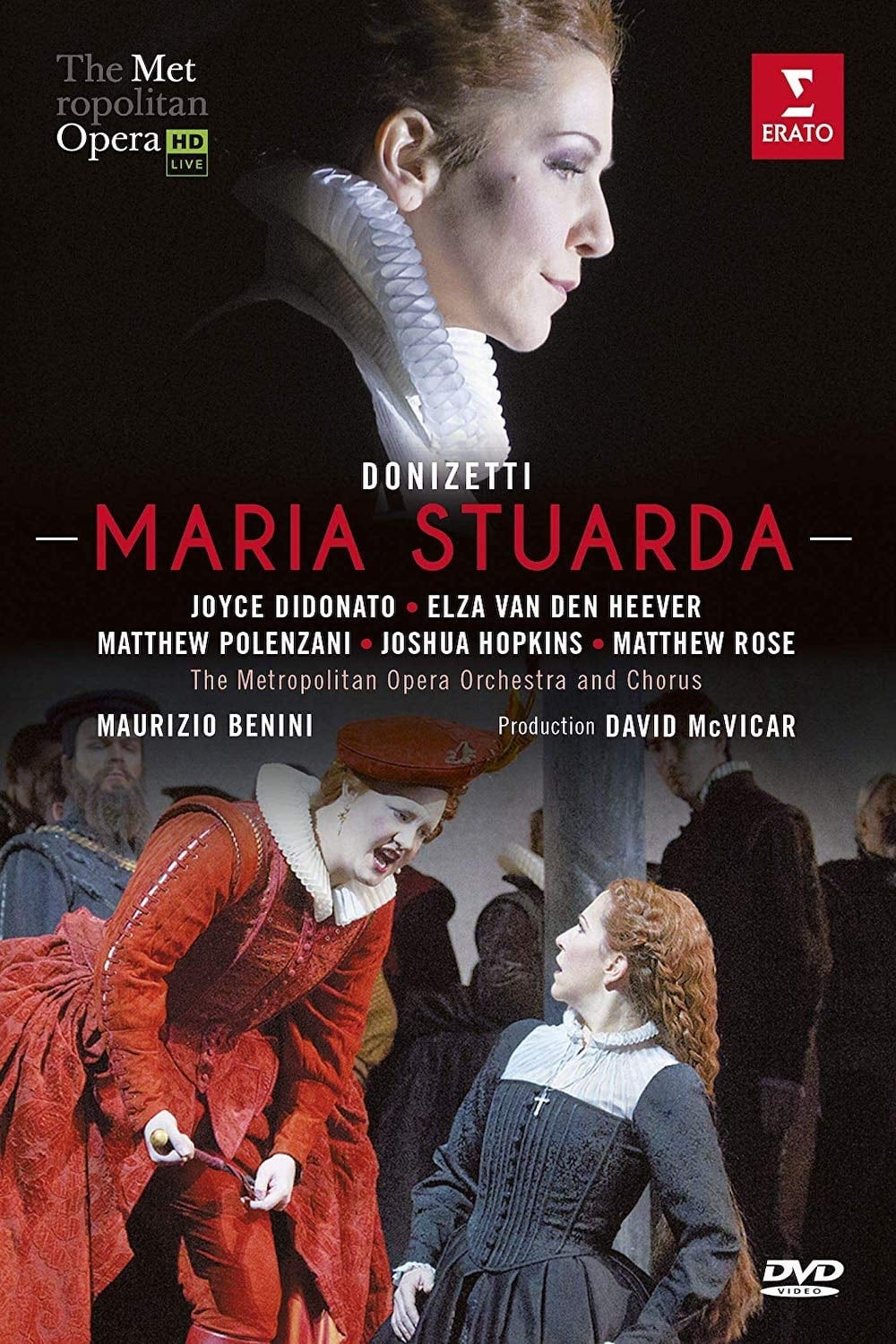
Joyce DiDonato gives a sensational performance as Mary, Queen of Scots, in Donizetti’s bel canto drama, opposite Elza van den Heever as Queen Elizabeth. This Live in HD presentation of David McVicar’s acclaimed 2012 production also stars Matthew Polenzani as Leicester, the man caught between the rival queens. Maurizio Benini conducts.
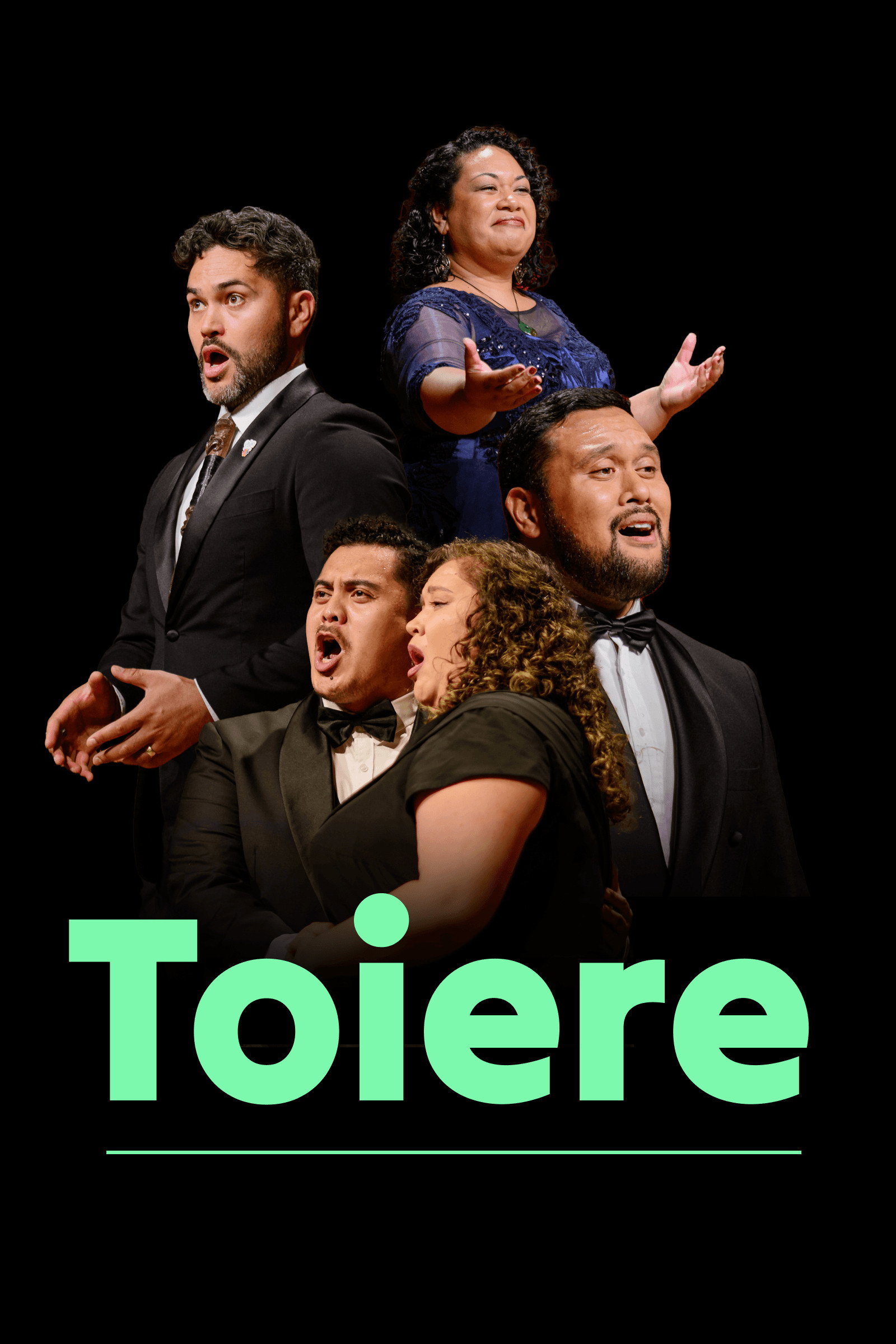
Toiere (meaning 'to sing') unites beloved operatic arias, duets, and ensembles in their original languages and te reo Māori, celebrating voice, language, and identity.
The story of a disabled beggar in Charleston,S.C. who falls in love with a prostitute, this is the first filmed version of Gershwin's opera which uses Gershwin's own orchestrations and practically all of the music, with only one major cut.
A drama set in the American South, where a precocious, troubled girl finds a safe haven in the music and movement of Elvis Presley.
A down-on-his-luck coach is hired to prepare a team of the best American dancers for an international tournament that attracts all the best crews from around the world, but the Americans haven't won in fifteen years.
A talented young singer and aspiring songwriter’s Christian faith and family ties are tested when she defies her worship-pastor father and pursues pop-music stardom in GRACE UNPLUGGED, a moving and inspiring new film that explores the true meaning of success.
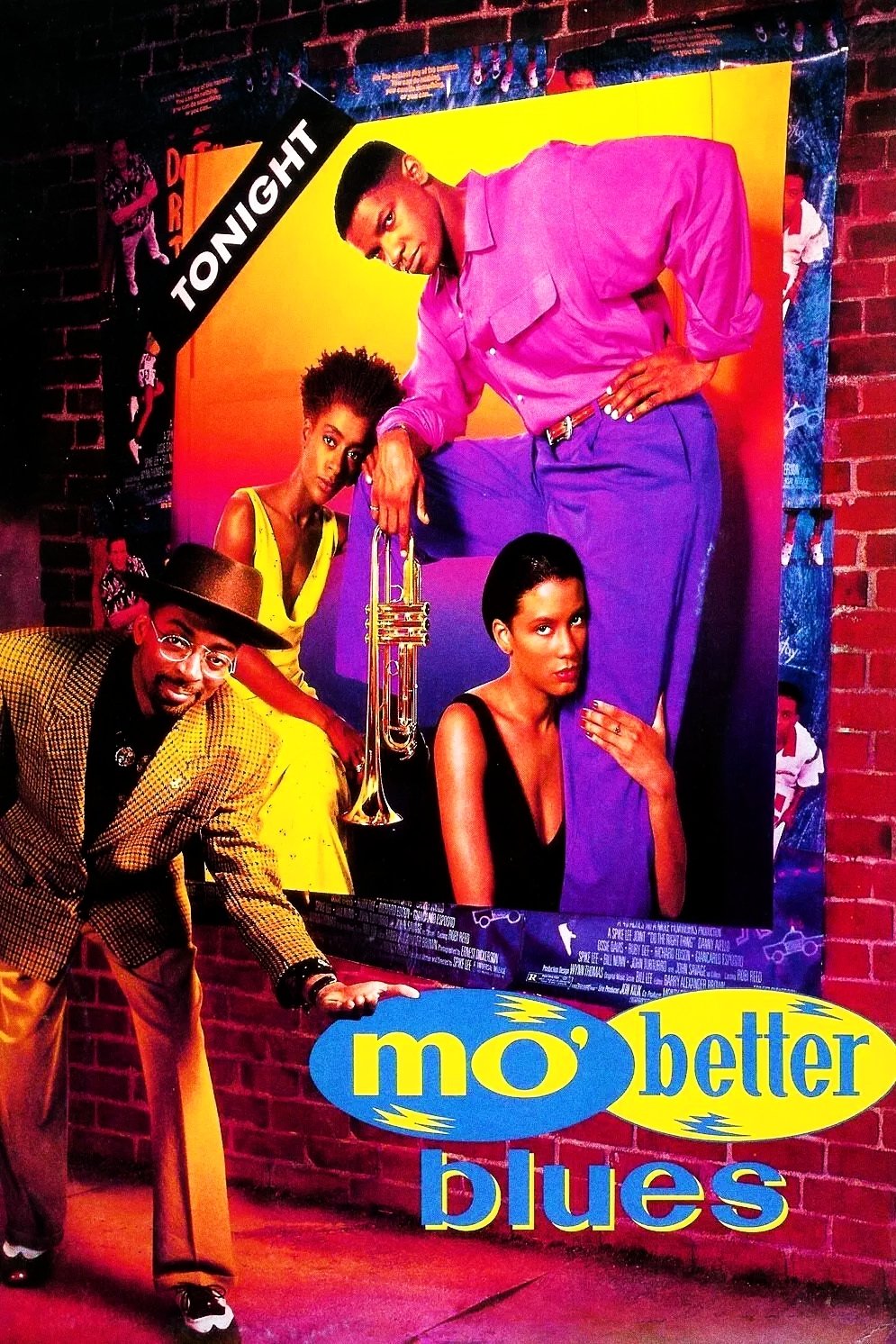
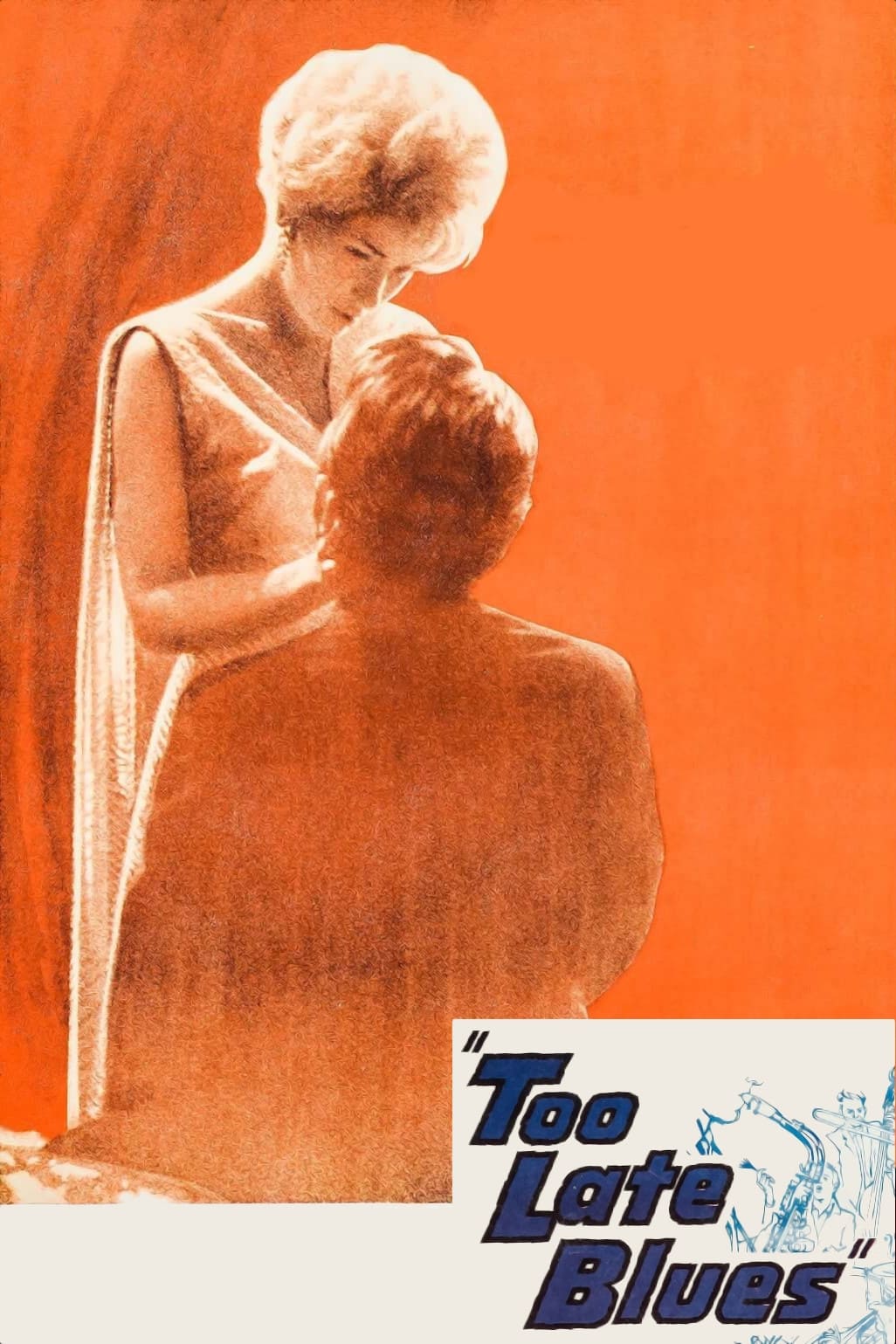
Talented but self-centered trumpeter Bleek Gilliam is obsessed with his music and indecisiveness about his girlfriends Indigo and Clarke. But when he is forced to come to the aid of his manager and childhood friend, Bleek finds his world more fragile than he ever imagined.
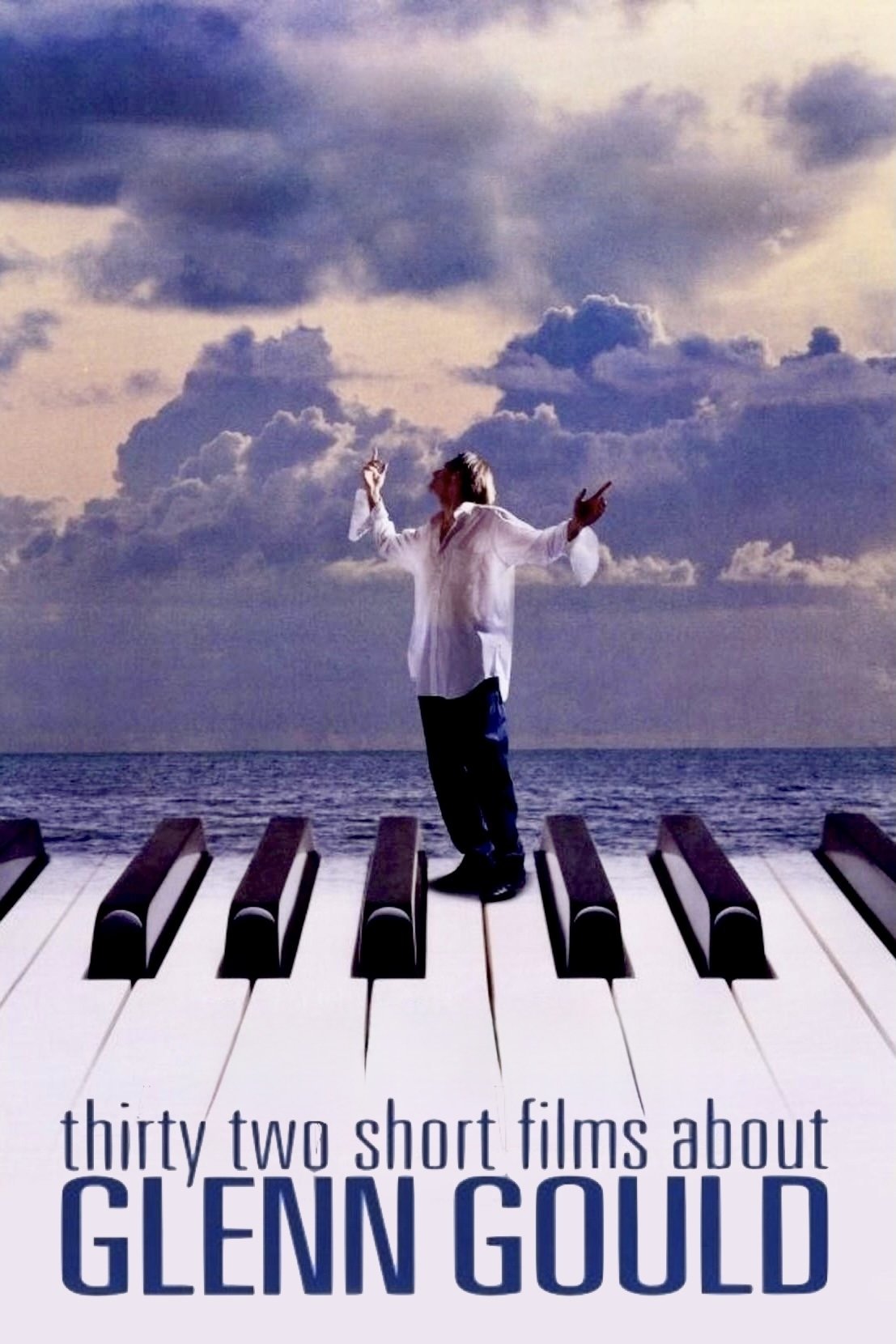
A collection of vignettes highlighting different aspects of the life, work, and character of the acclaimed Canadian classical pianist.
A musical biopic of the Four Seasons—the rise, the tough times and personal clashes, and the ultimate triumph of a group of friends whose music became symbolic of a generation. Far from a mere tribute concert, it gets to the heart of the relationships at the centre of the group, with a special focus on frontman Frankie Valli, the small kid with the big falsetto.
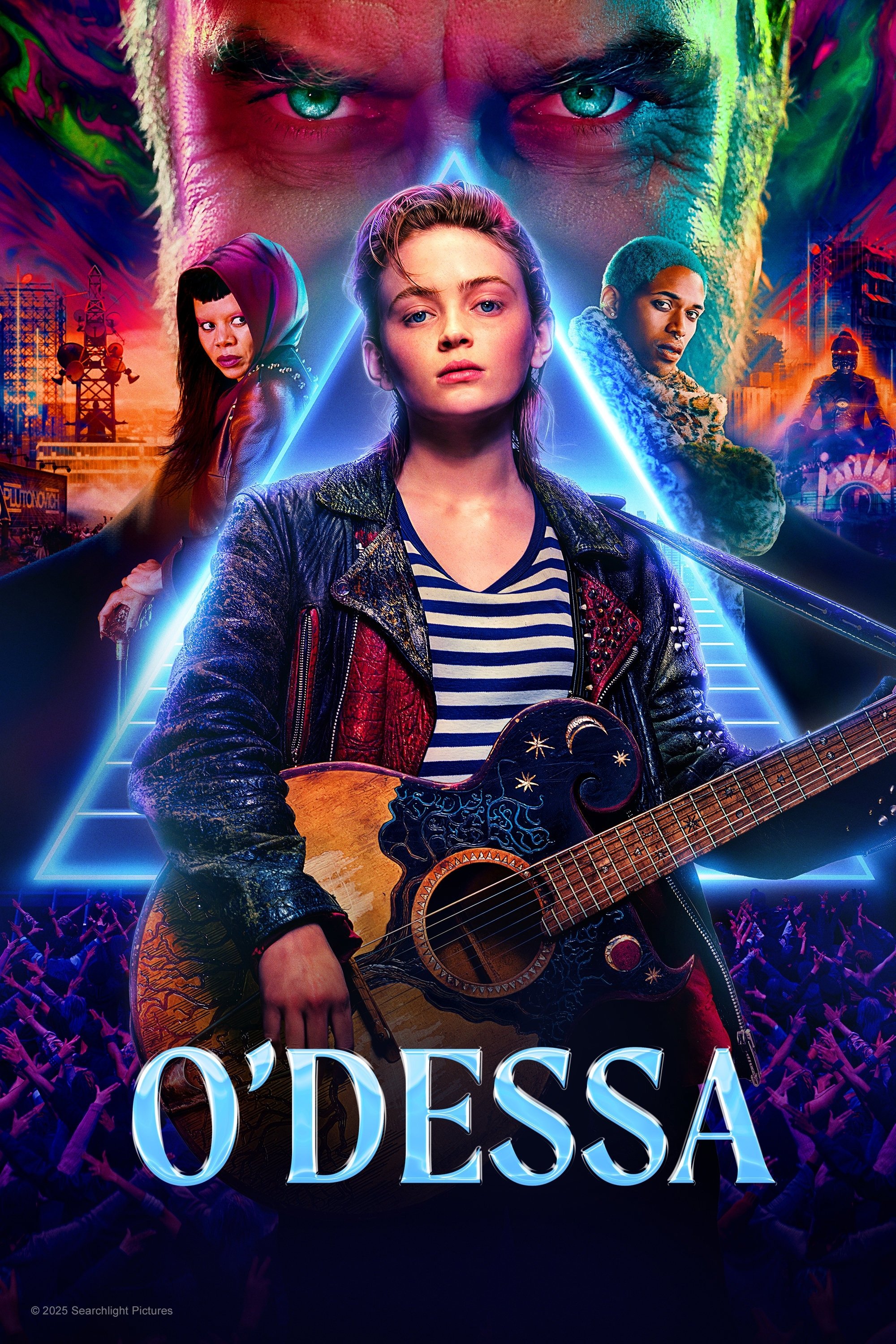
A farm girl is on an epic quest to recover a cherished family heirloom. Her journey leads her to a strange and dangerous city where she meets her one true love – but in order to save his soul, she must put the power of destiny and song to the ultimate test.
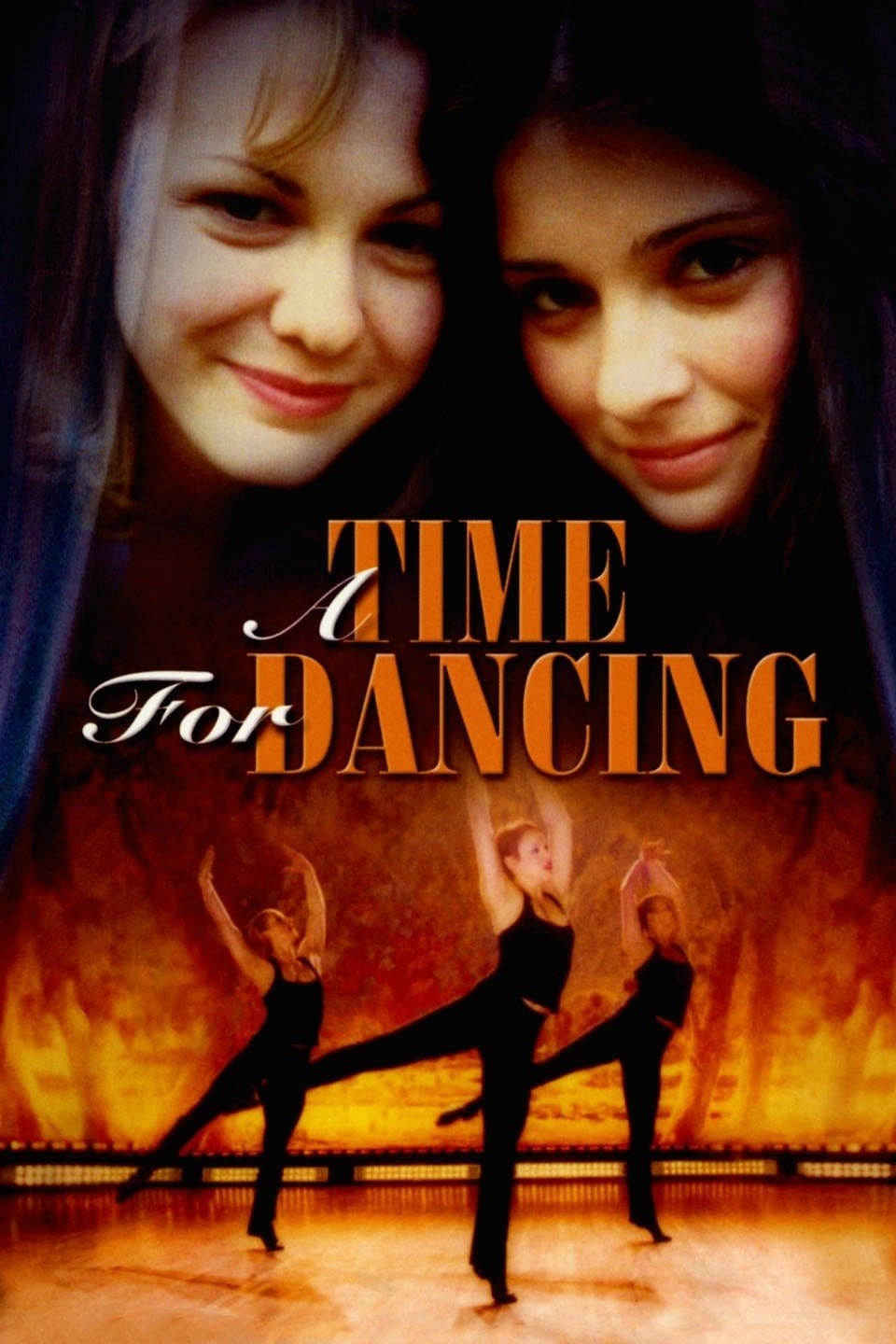
Their love of dance, and their friendship, is challenged for two high school girls when one is diagnosed with cancer.
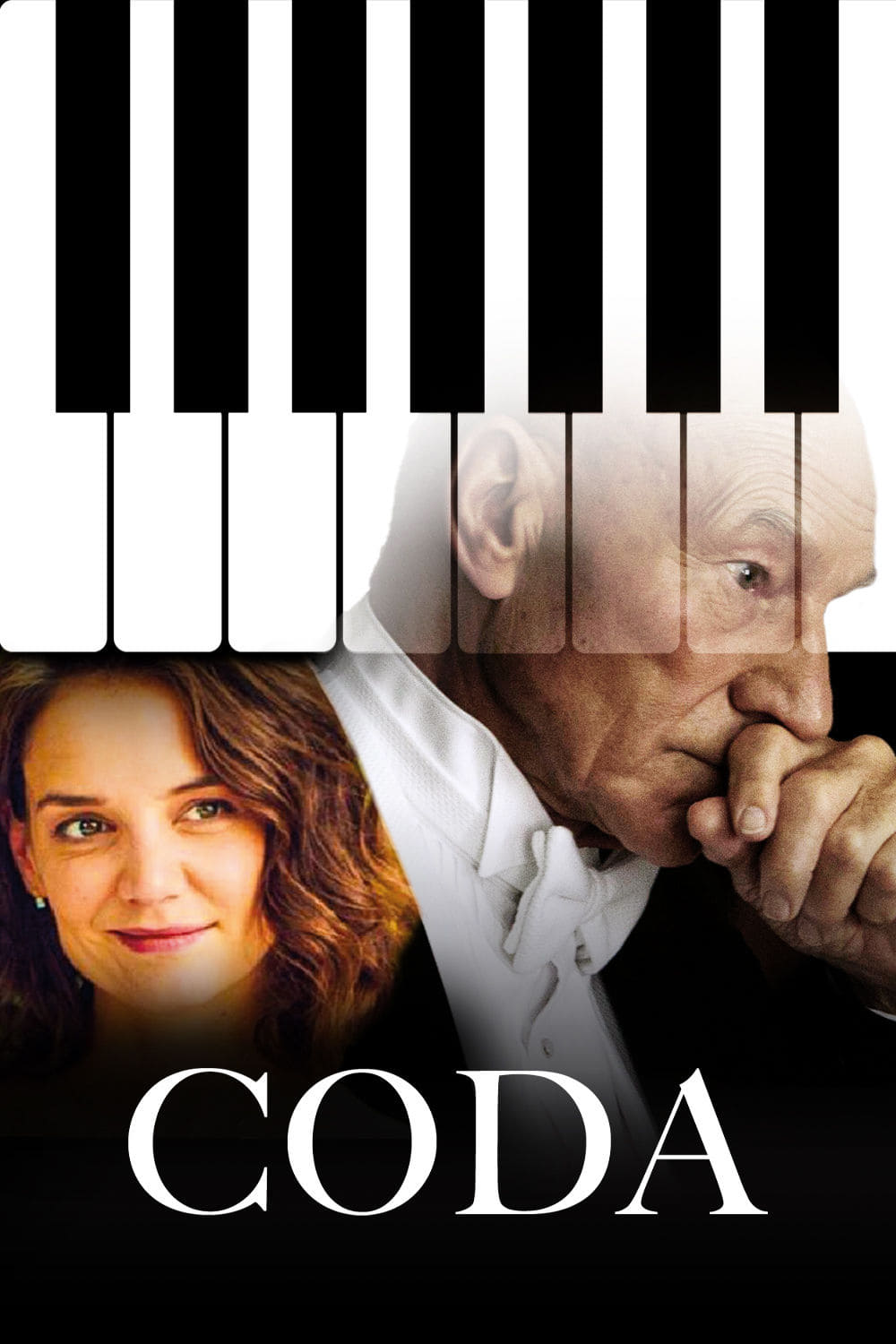
A famous pianist at the twilight of his career meets a free-spirited music critic who soon becomes his rock as his mental state deteriorates.
Ghost is an ideological musician and leader of a jazz band who would rather play his blues in the park to the birds than compromise himself. His peripatetic performances lead him to cross paths with a singer, while his masculinity is thrown into question following a violent brawl.
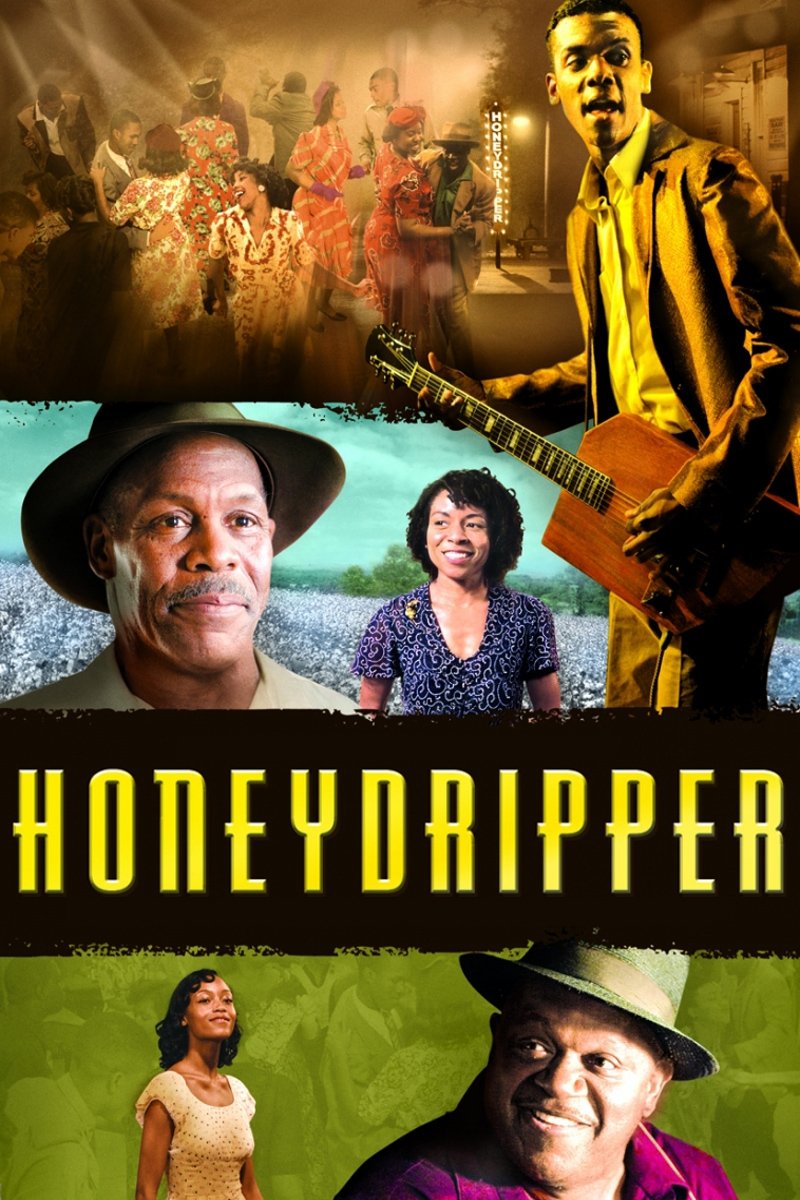
In 1950s Alabama, the owner of the Honeydripper juke joint finds his business dropping off and against his better judgment, hires a young electric guitarist in a last ditch effort to draw crowds during harvest time.
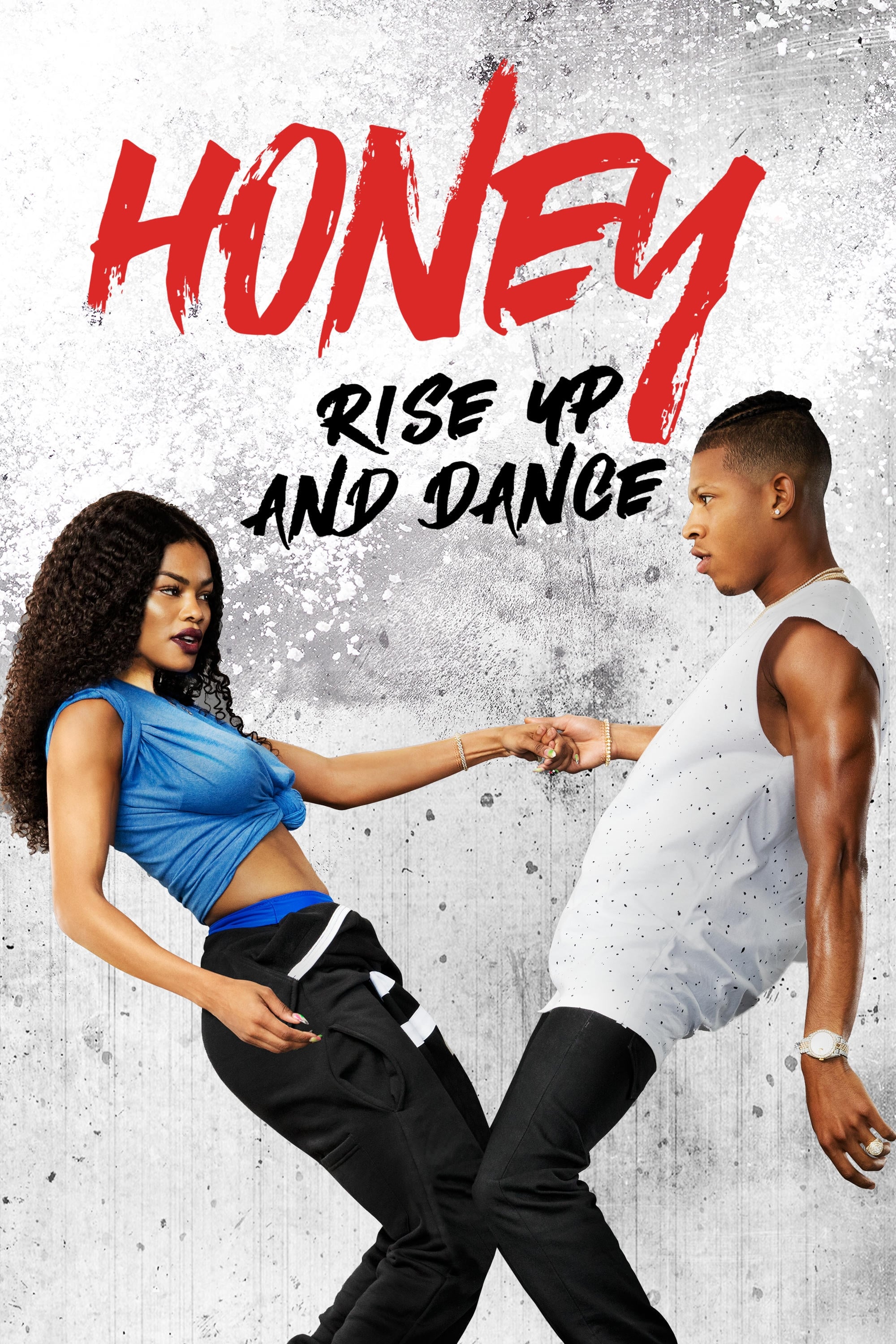
Street dancer Skyler comes out of the shadow of her trained dancer sister, Tosha, & joins a dance competition with the Honey dance studio; the prize is a college scholarship.
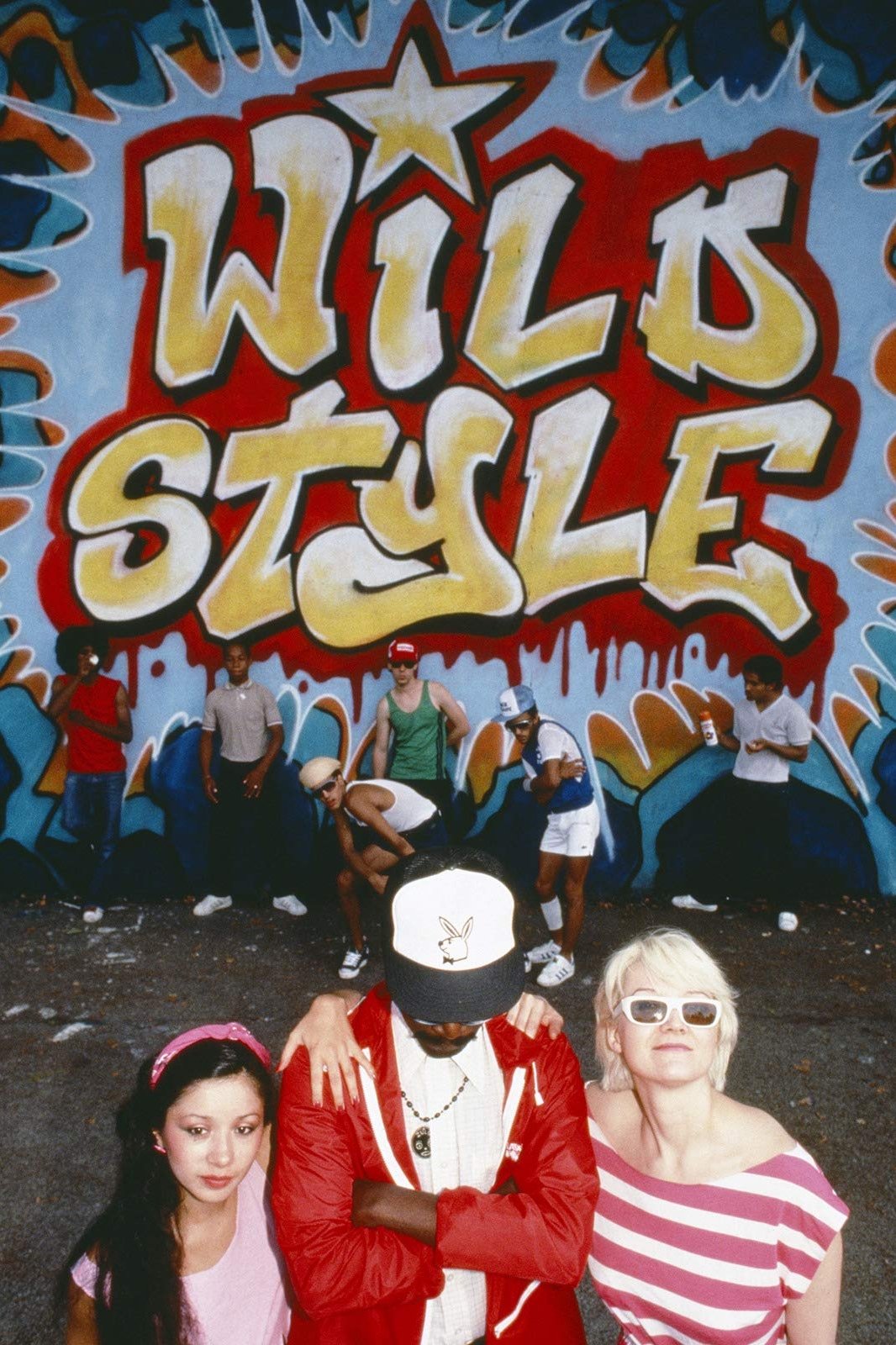
Legendary New York graffiti artist Lee Quinones plays the part of Zoro, the city's hottest and most elusive graffiti writer. The actual story of the movie concerns the tension between Zoro's passion for his art and his personal life, particularly his strained relationship with fellow artist Rose.
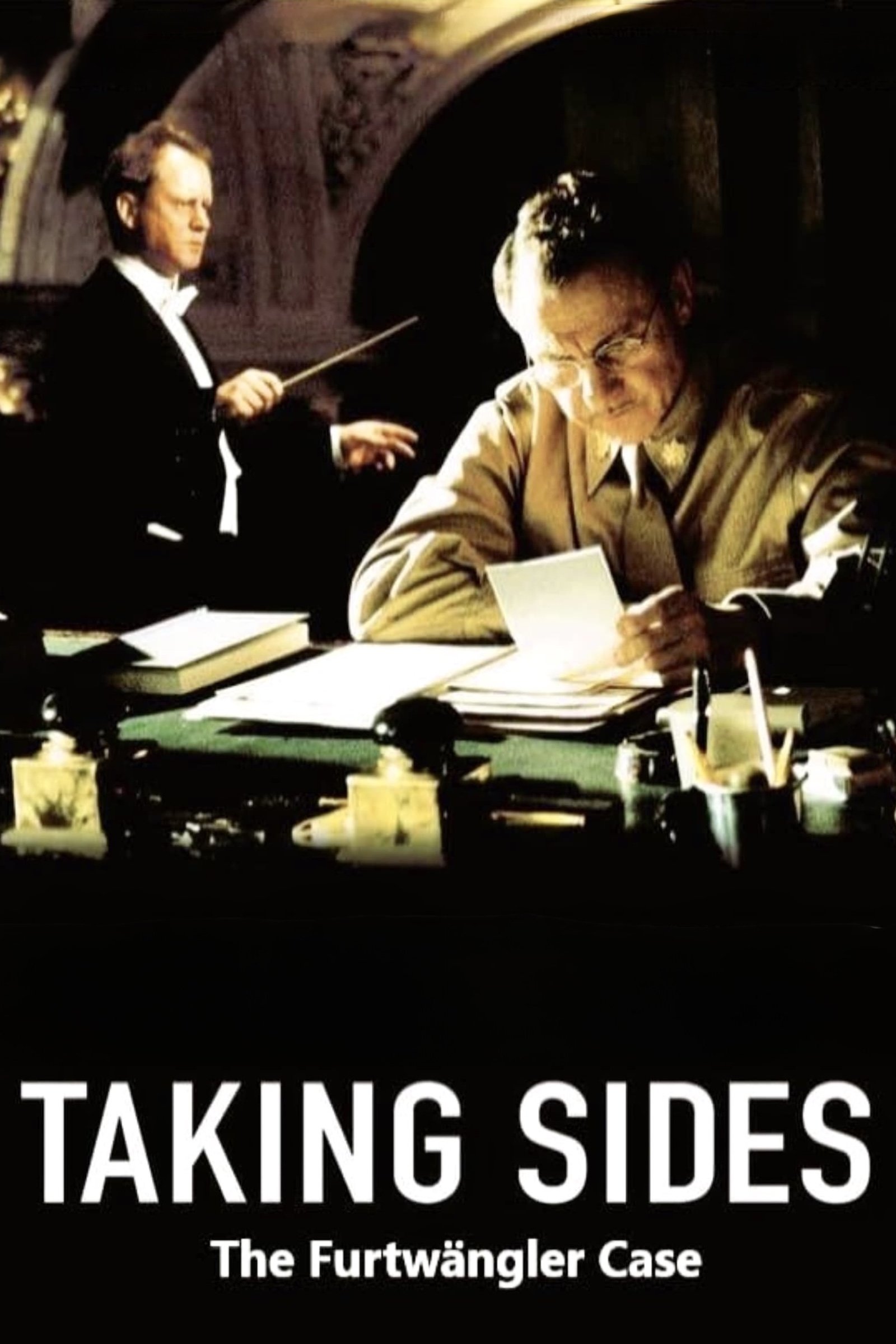
One of the most spectacular and renowned conductors of the 1930s, Wilhelm Furtwangler's reputation rivaled that of Toscanini's. After the war, he was investigated as part of the Allies' de-Nazification programme. In the bombed-out Berlin of the immediate post-war period, the Allies slowly bring law and order to bear on an occupied Germany. An American major is given the Furtwangler file, and is told to find everything he can and to prosecute the man ruthlessly. Tough and hard-nosed, Major Steve Arnold sets out to investigate a world of which he knows nothing.
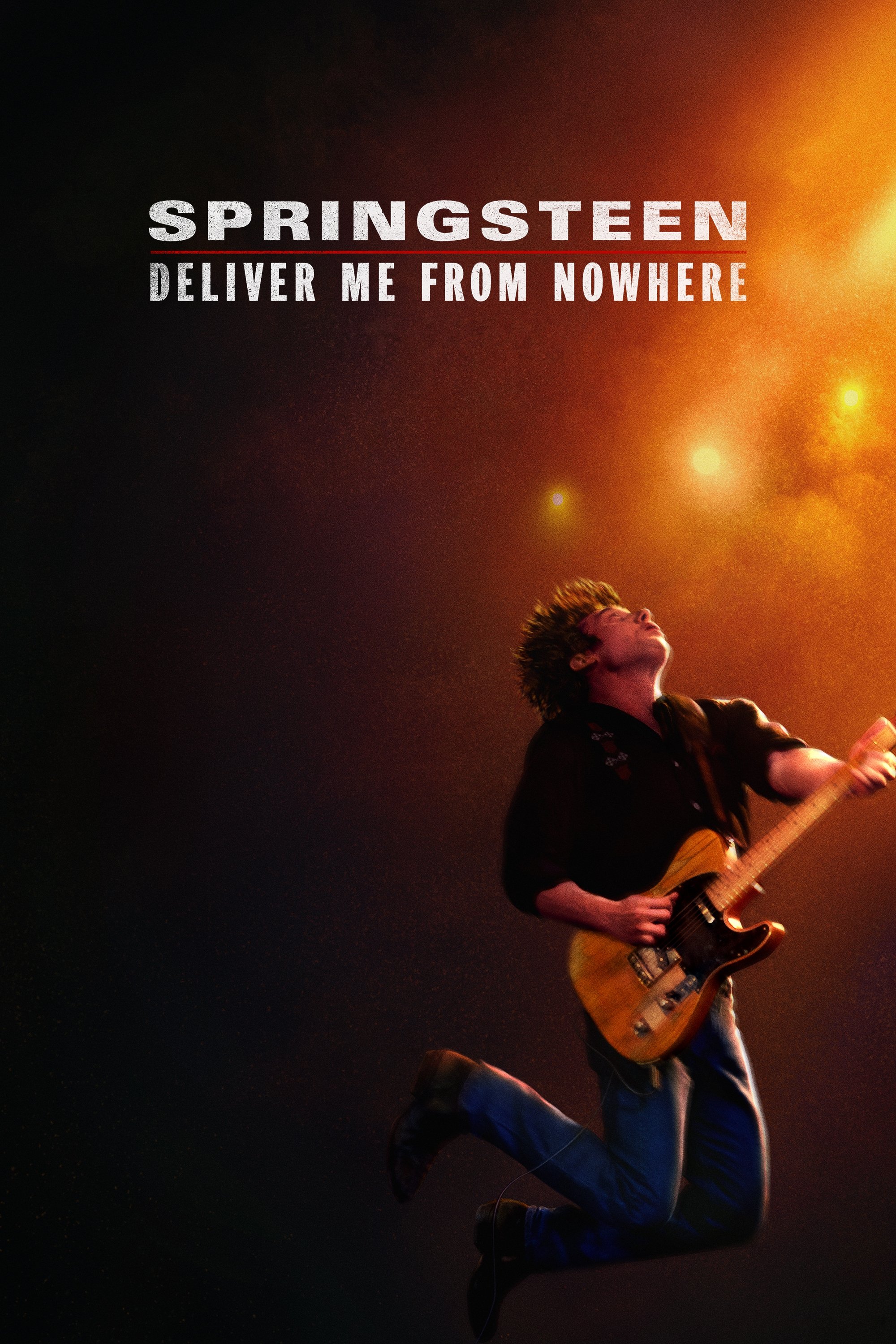
Bruce Springsteen, a young musician on the cusp of global superstardom, struggles to reconcile the pressures of success with the ghosts of his past.
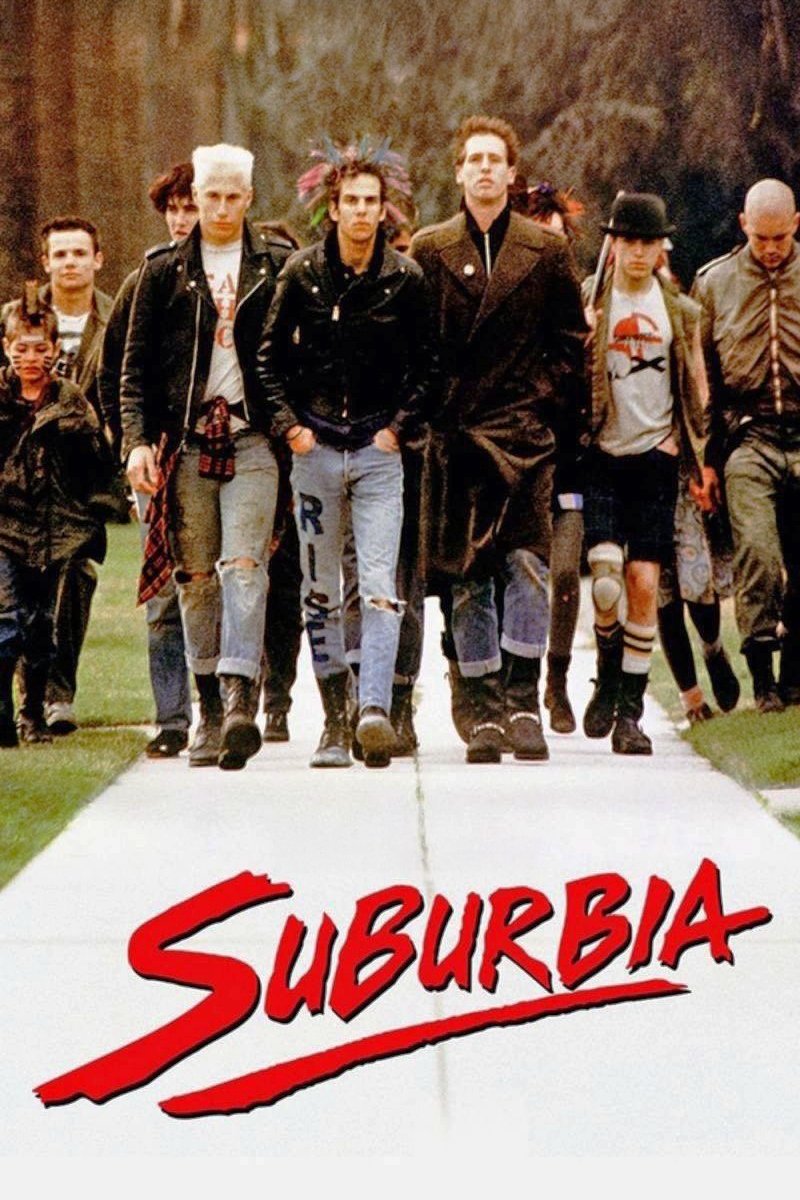
When household tensions and a sense of worthlessness overcome Evan, he finds escape when he clings with the orphans of a throw-away society. The runaways hold on to each other like a family until a tragedy tears them apart.
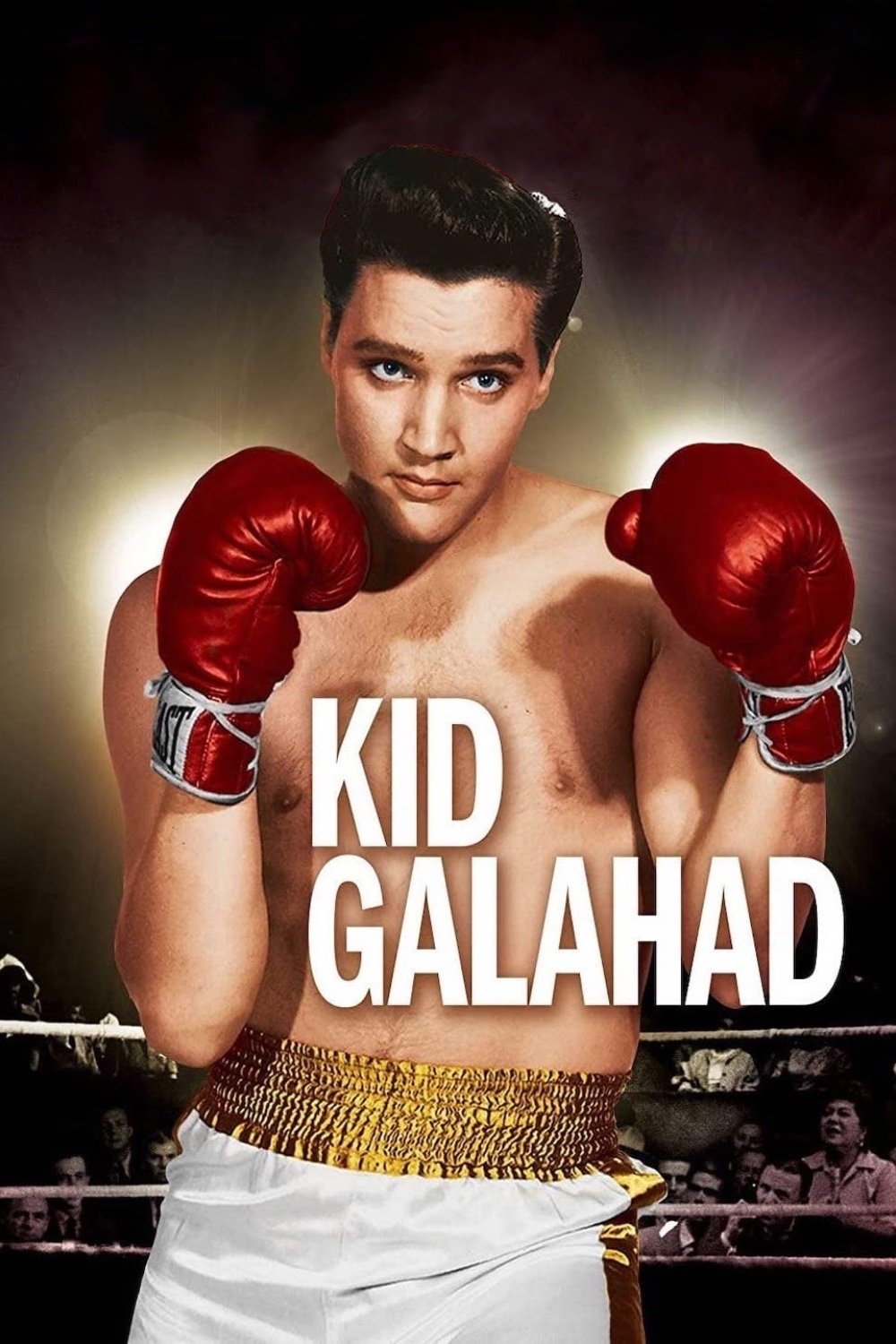
After completing his military service, Walter Gulick takes a job as a sparring partner at a gym, the owner of which sees potential in Walter as a professional fighter—and takes him under his wing.
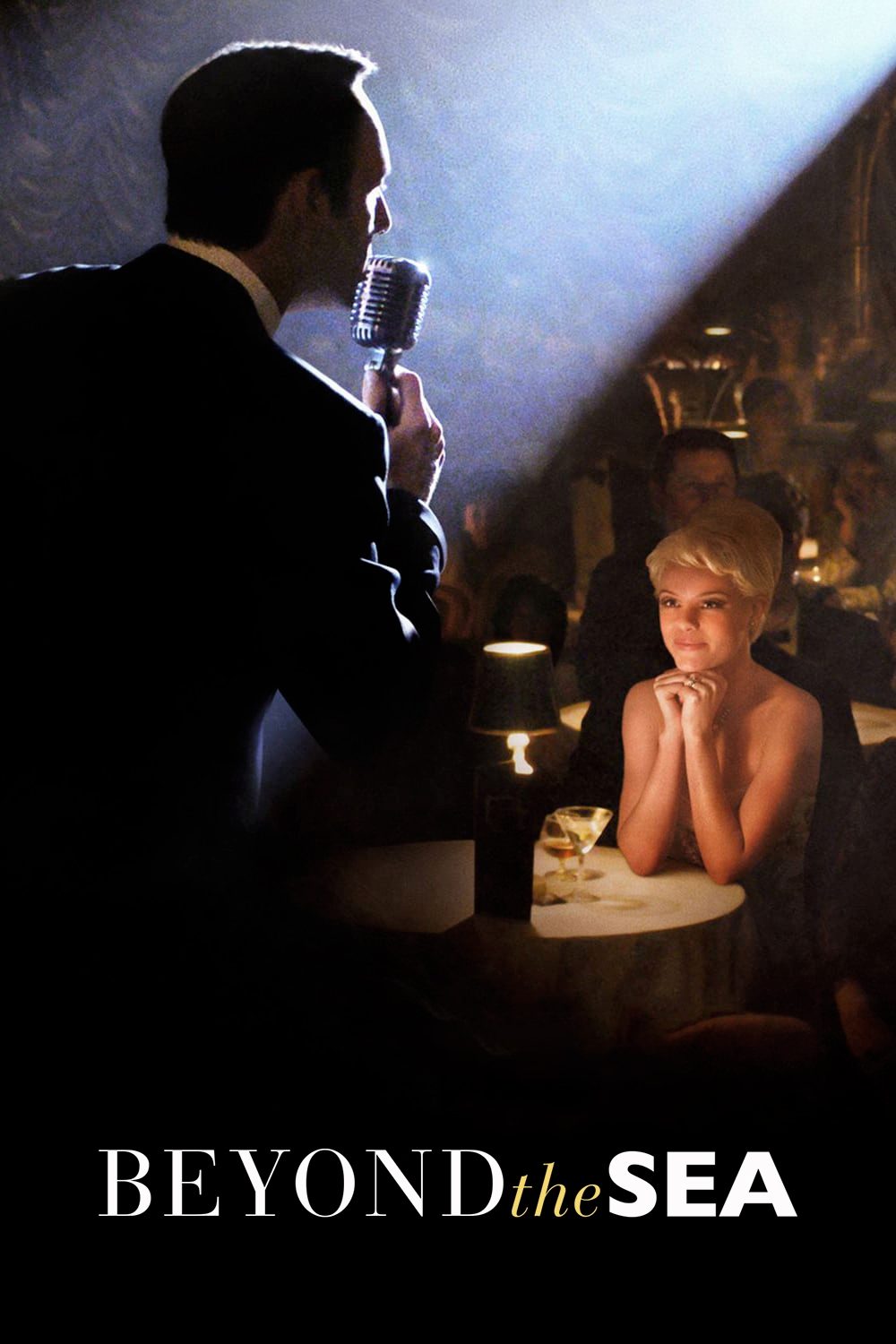
Based on the life and career of legendary entertainer, Bobby Darin, the biopic moves back and forth between his childhood and adulthood, to tell the tale of his life.
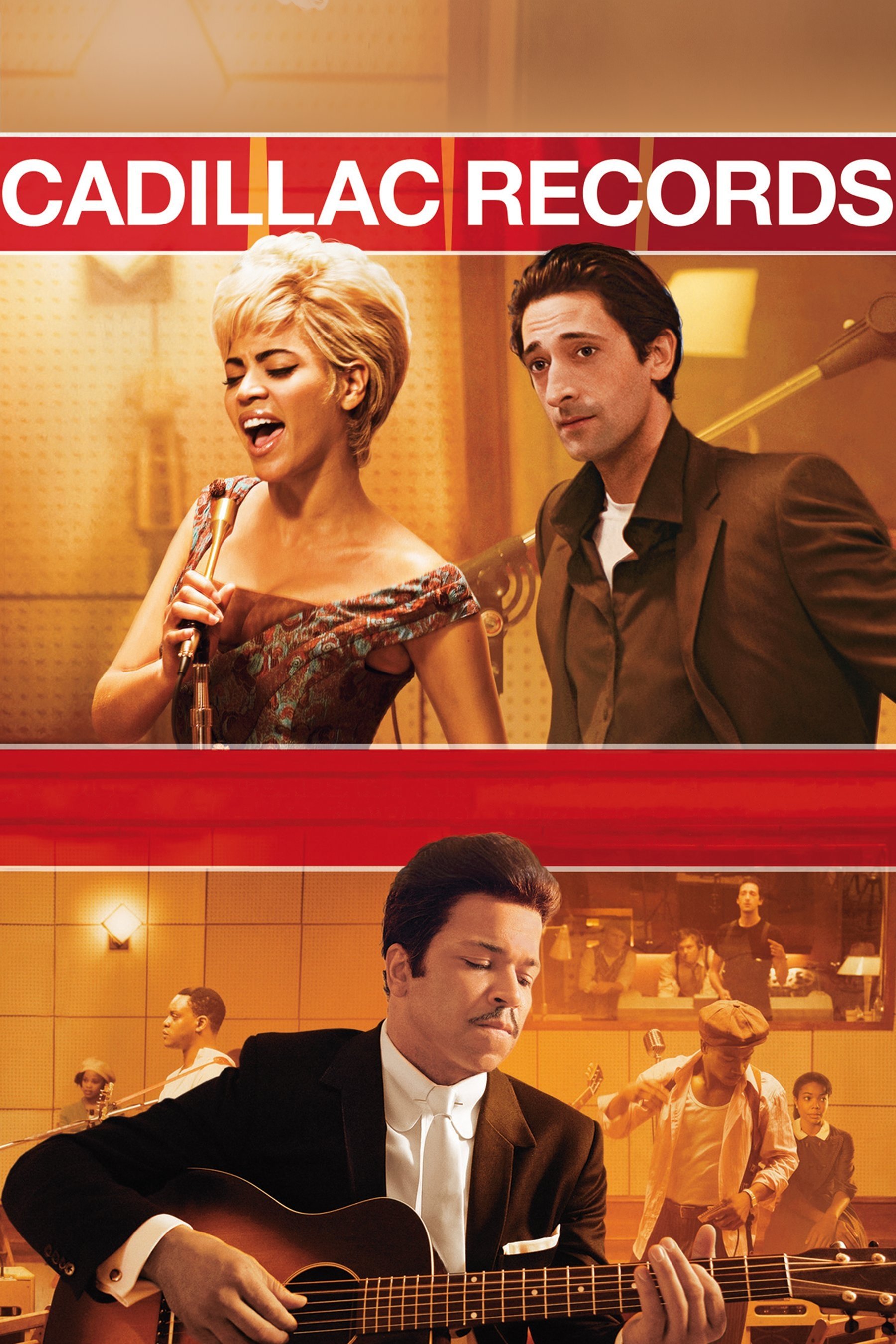
The story of sex, violence, race and rock and roll in 1950s Chicago, and the exciting but turbulent lives of some of America's musical legends, including Muddy Waters, Leonard Chess, Little Walter, Howlin' Wolf, Etta James and Chuck Berry.
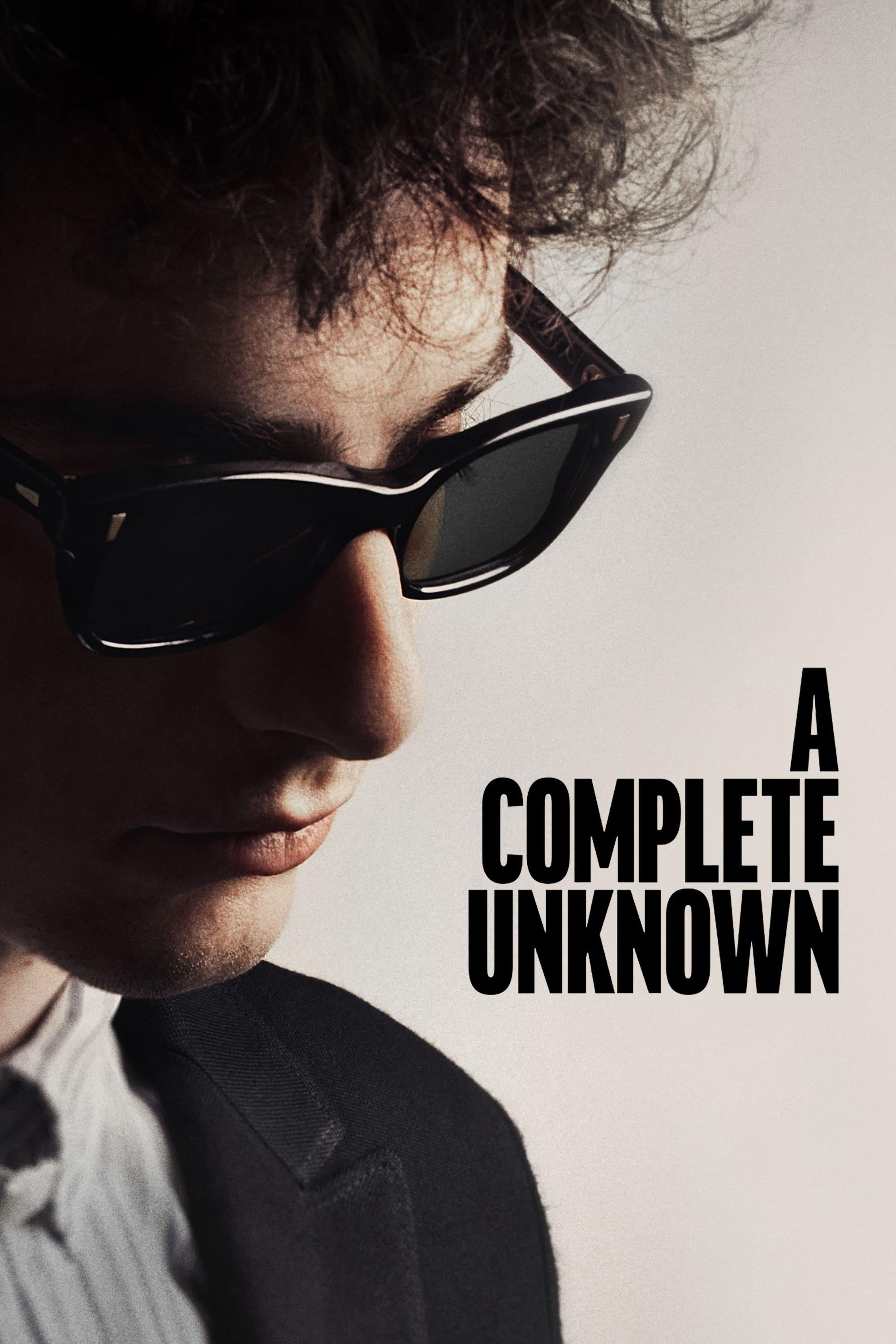
New York, early 1960s. Against the backdrop of a vibrant music scene and tumultuous cultural upheaval, an enigmatic 19-year-old from Minnesota arrives in the West Village with his guitar and revolutionary talent, destined to change the course of American music.