A look at the life and films of the expressionistic movie and television director John Brahm.
Social & External
Self (archive footage)
Self
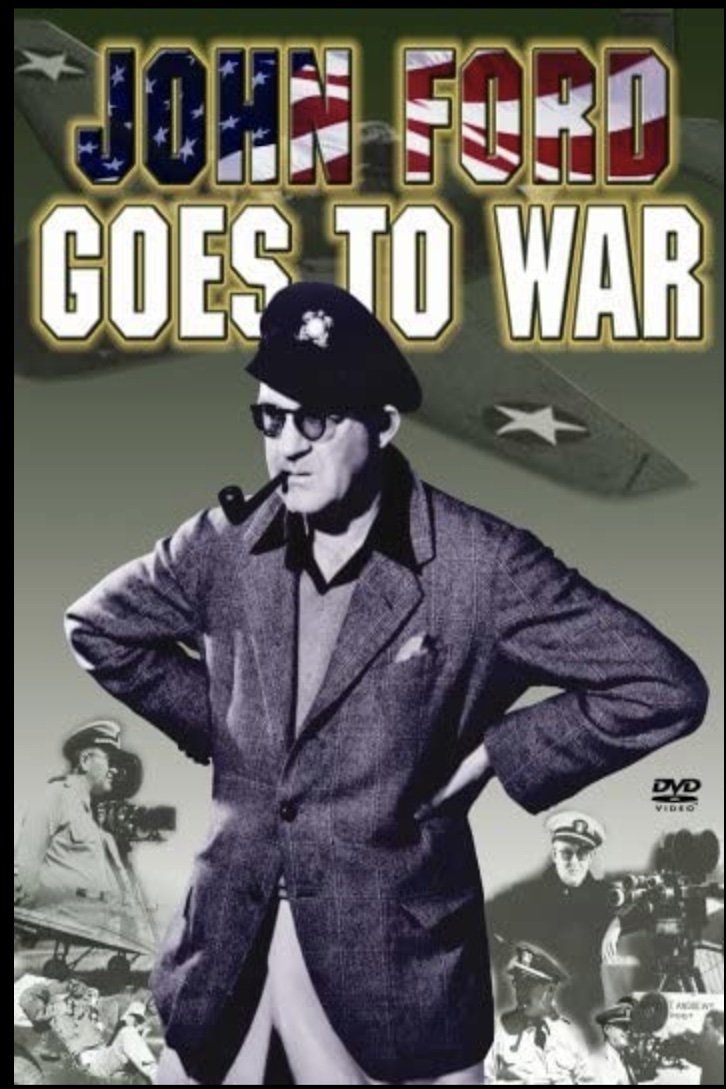
When World War II broke out, John Ford, in his forties, commissioned in the Naval Reserve, was put in charge of the Field Photographic Unit by Bill Donavan, director of the soon-to-be-OSS. During the war, Field Photo made at least 87 documentaries, many with Ford's signature attention to heroism and loss, and many from the point of view of the fighting soldier and sailor. Talking heads discuss Ford's life and personality, the ways that the war gave him fulfillment, and the ways that his war films embodied the same values and conflicts that his Hollywood films did. Among the films profiled are "Battle of Midway," "Torpedo Squadron," "Sexual Hygiene," and "December 7."
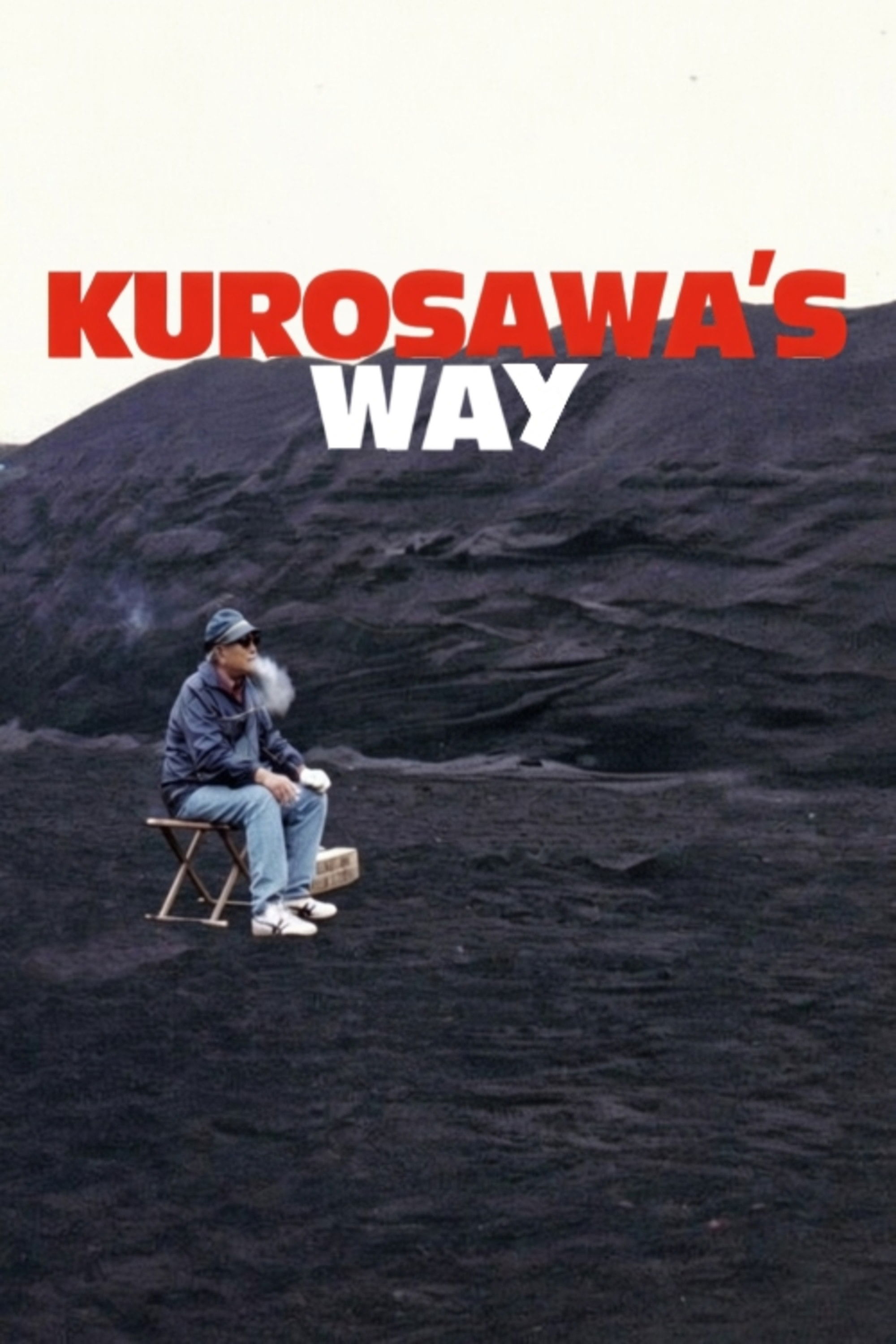
Nagisa Oshima interviews Akira Kurosawa, leading him to share his thoughts about filmmaking, his life and works, and numerous anecdotes relating to his films and his various film activities.
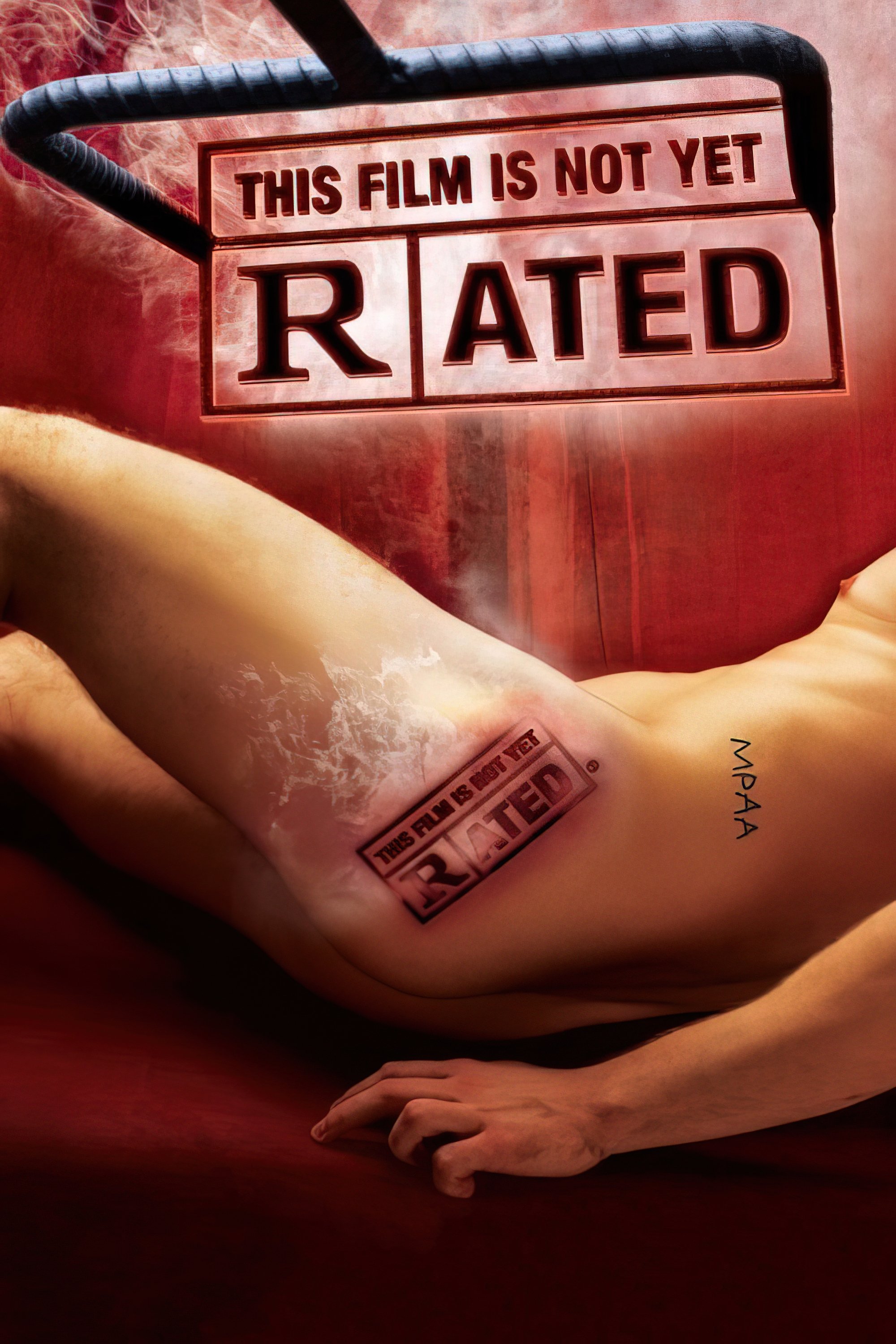
Kirby Dick's provocative documentary investigates the secretive and inconsistent process by which the Motion Picture Association of America rates films, revealing the organization's underhanded efforts to control culture. Dick questions whether certain studios get preferential treatment and exposes the discrepancies in how the MPAA views sex and violence.
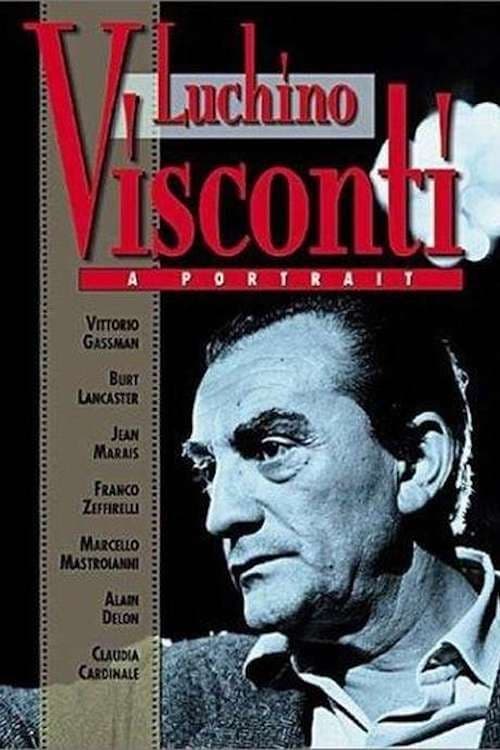
A chronological look at the creative life of Luchino Visconti (1906-1976). It examines his theatricality, role in the neorealist movement, use of melodrama, and relation to decadence. It touches on the impact of a fabulously wealthy childhood, his writing for "Cinema," his politics, his work with Renoir, his appreciation of Thomas Mann, and his deep knowledge of literature and the arts. Visconti moves constantly between film and the theater, staging plays provocatively, working with Maria Callas at La Scala, and shooting films in theaters. Clips from his films and interviews with actors, crew members, and critics provide details for this portrait of creativity.
An inspiring 75min DIY documentary film on new art and the young artists behind it. It was all filmed on the heat of live action of the first NOVA Contemporary Culture Festival, July and August 2010 in São Paulo, Brazil.
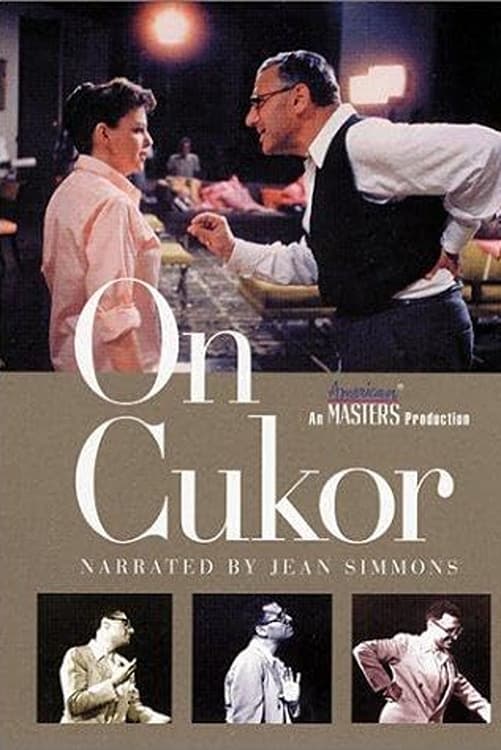
Widely thought of as “a woman’s director,” legendary film director George Cukor is profiled with the use of film clips and interviews with his friends and colleagues to provide a picture of the director’s unique accomplishments and to trace the arc of his career.
Unlike our dream of becoming a great filmmaker, the movie boards that adults talk about are tough. We are looking for our idol, Bong Joon-ho...
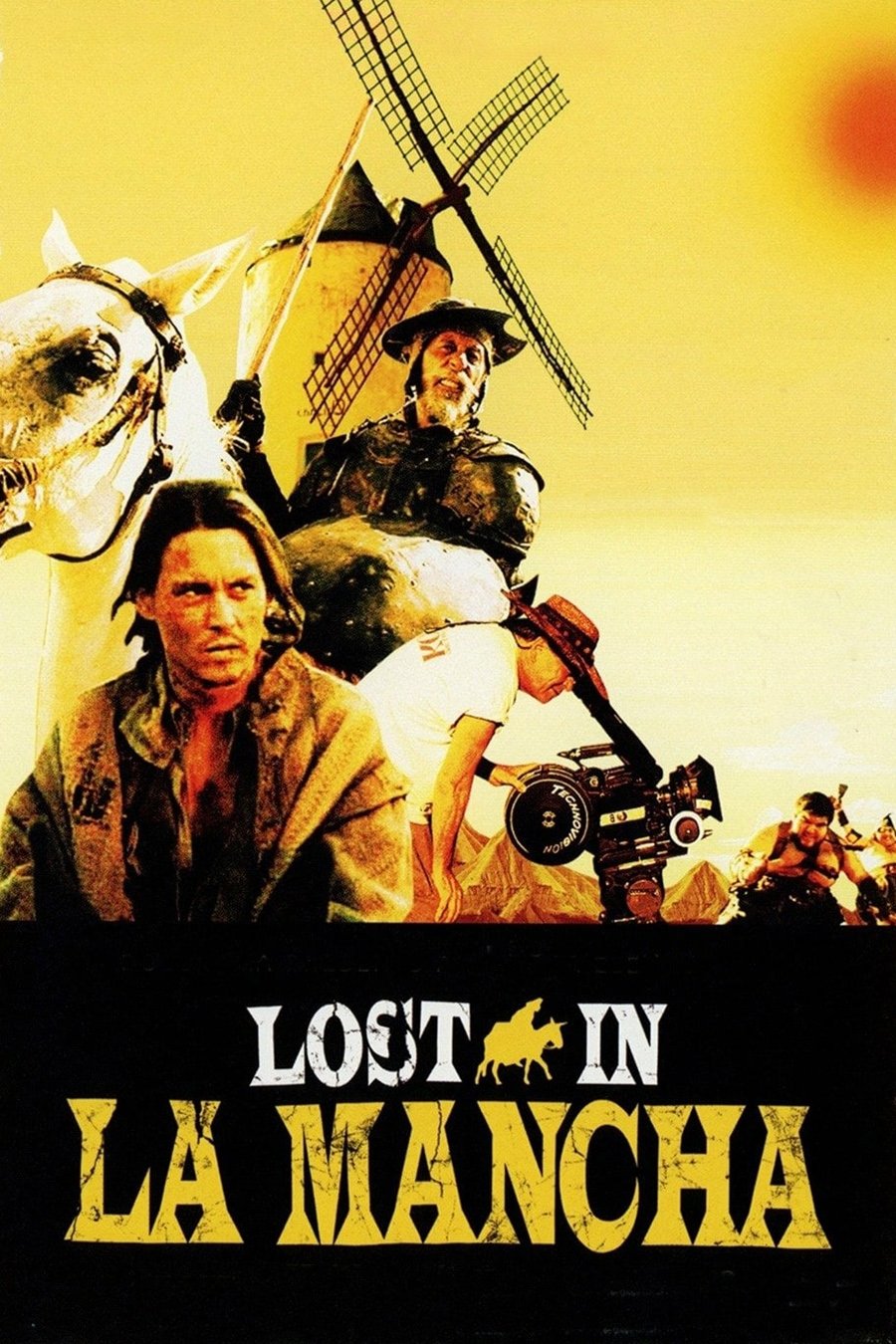
Fulton and Pepe's 2000 documentary captures Terry Gilliam's attempt to get The Man Who Killed Don Quixote off the ground. Back injuries, freakish storms, and more zoom in to sabotage the project.
Alternately hilarious and horrifying, Overnight chronicles one man's misadventures of making a Hollywood movie. It starts out as a rags to riches story as Troy Duffy, a Boston-bred bartender, sells his first screenplay for The Boondock Saints.
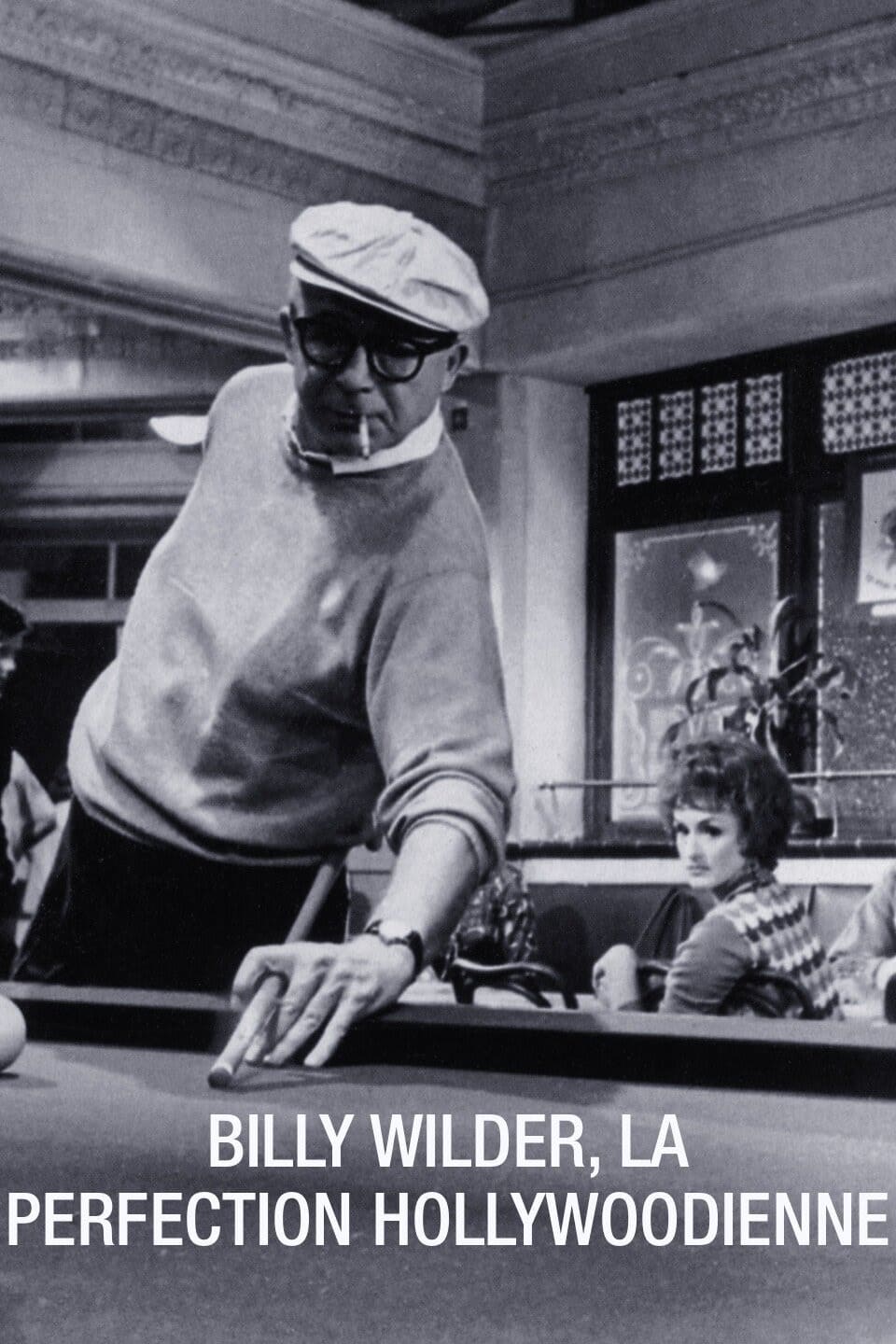
Biography on the famous writer-director, Billy Wilder.
Eleven major film makers from Europe, America and Asia talk about Akira Kurosawa and discover surprising influences on their own work.
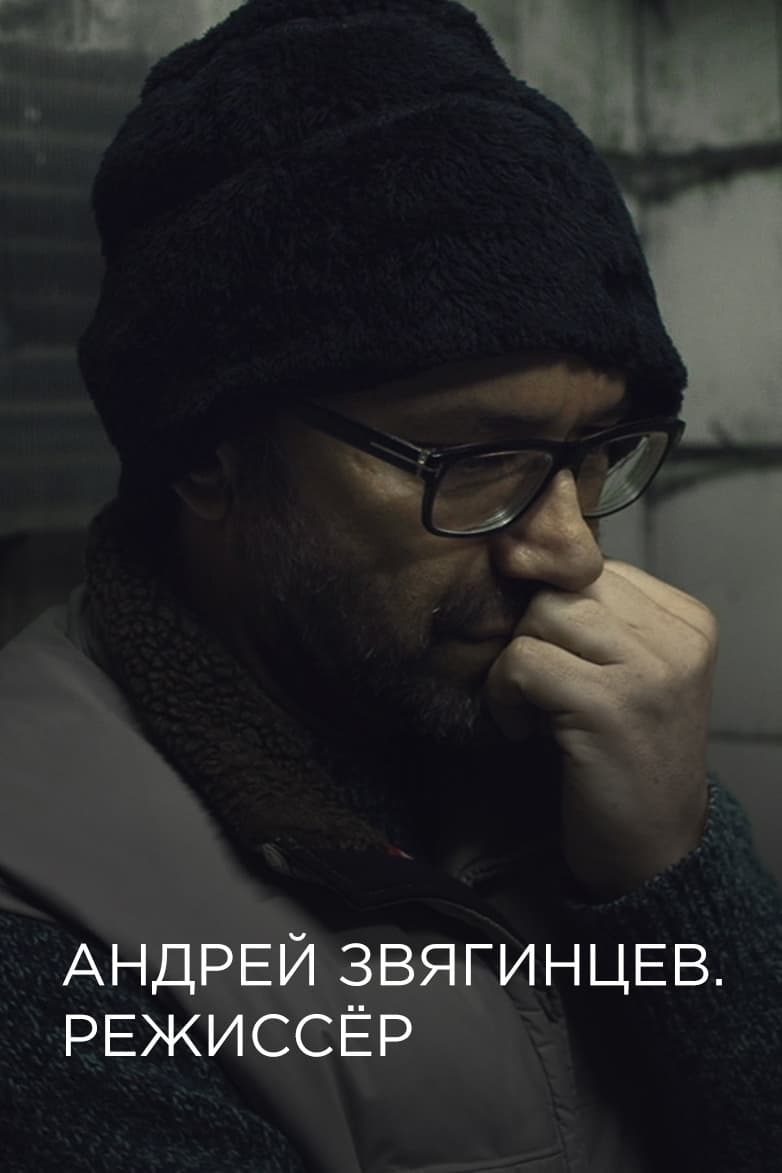
Portrait of director Andrey Zvyagintsev against the background of the filming of his film "Loveless".
Documentary about the life and works of Italian filmmaker Roberto Rossellini.
In 1982, Wim Wenders asked 16 of his fellow directors to speak on the future of cinema, resulting in the film Room 666. Now, 40 years later, in Cannes, director Lubna Playoust asks Wim Wenders himself and a new generation of filmmakers (James Gray, Rebecca Zlotowski, Claire Denis, Olivier Assayas, Nadav Lapid, Asghar Farhadi, Alice Rohrwacher and more) the same question: “is cinema a language about to get lost, an art about to die?”
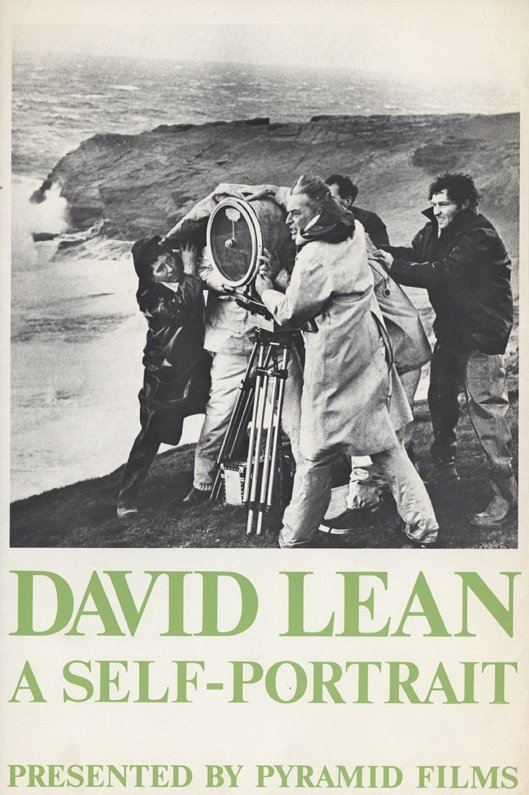
A television documentary on the life and career of British film director David Lean. Scenes of Lean directing are intercut with personal interviews in which the director explains his methods, the beginnings of his career, and his relationships with actors and actresses.
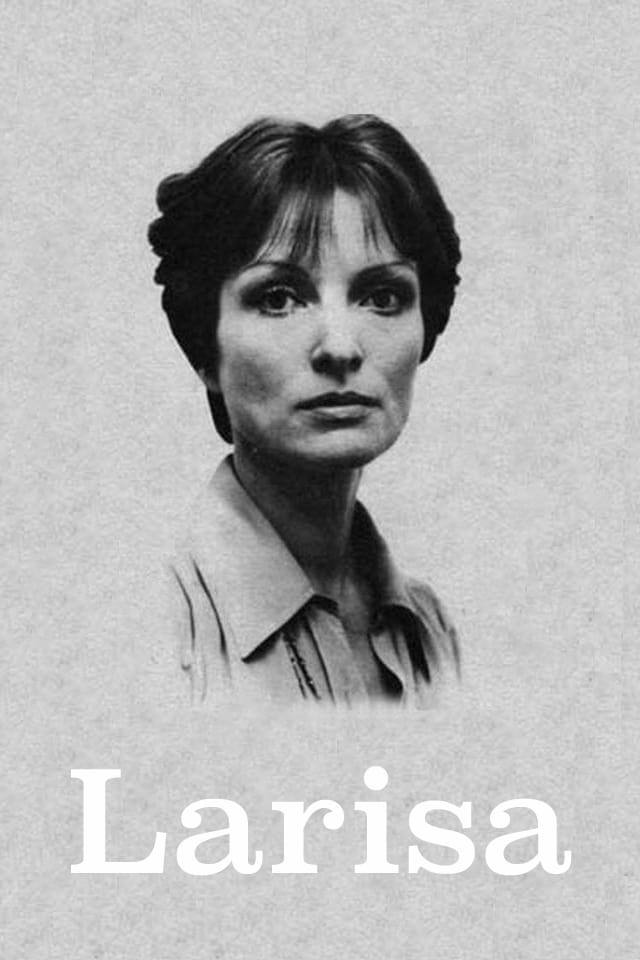
Elem Klimov's tribute to his late wife, director Larisa Shepitko, killed in a car accident a year earlier. Features excerpts from all of her films, and archival audio of her discussing life and art.
Kevin Smith interacts in Q&A sessions throughout various college stops in the USA.
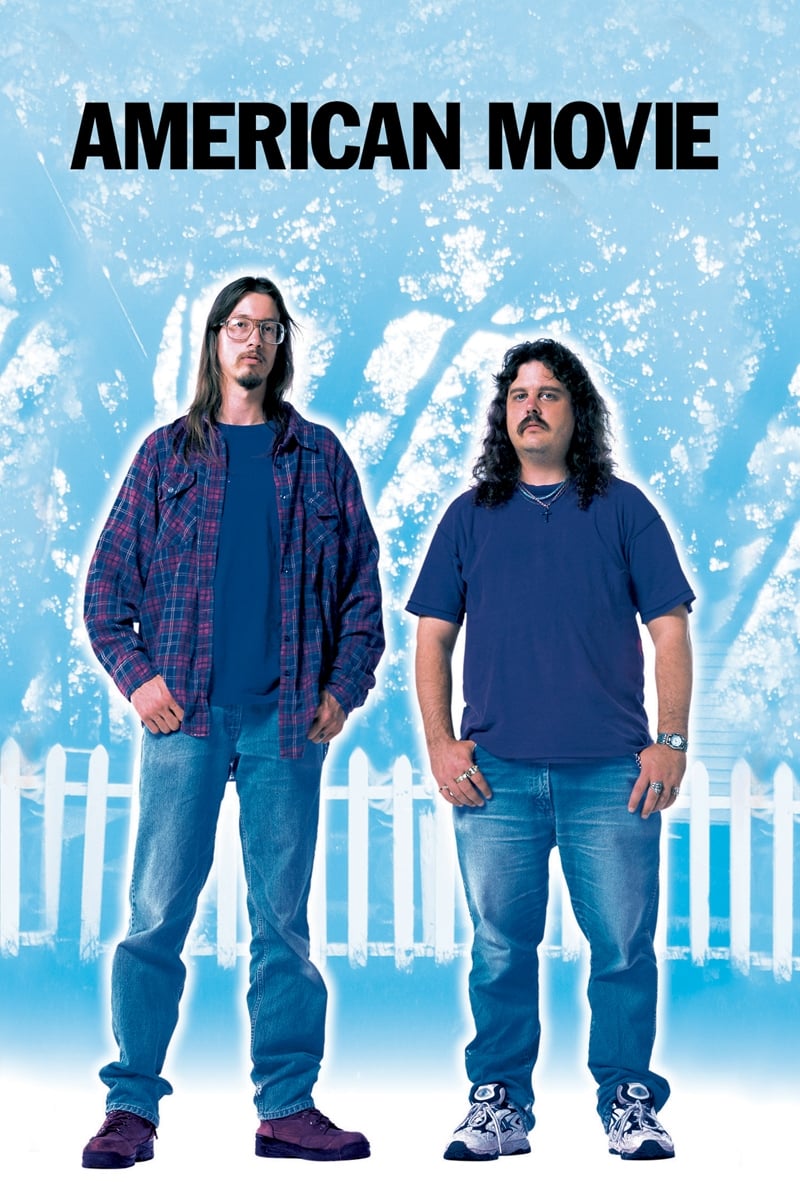
American Movie documents the story of filmmaker Mark Borchardt, his mission, and his dream. Spanning over two years of intense struggle with his film, his family, financial decline, and spiritual crisis, American Movie is a portrayal of ambition, obsession, excess, and one man's quest for the American Dream.
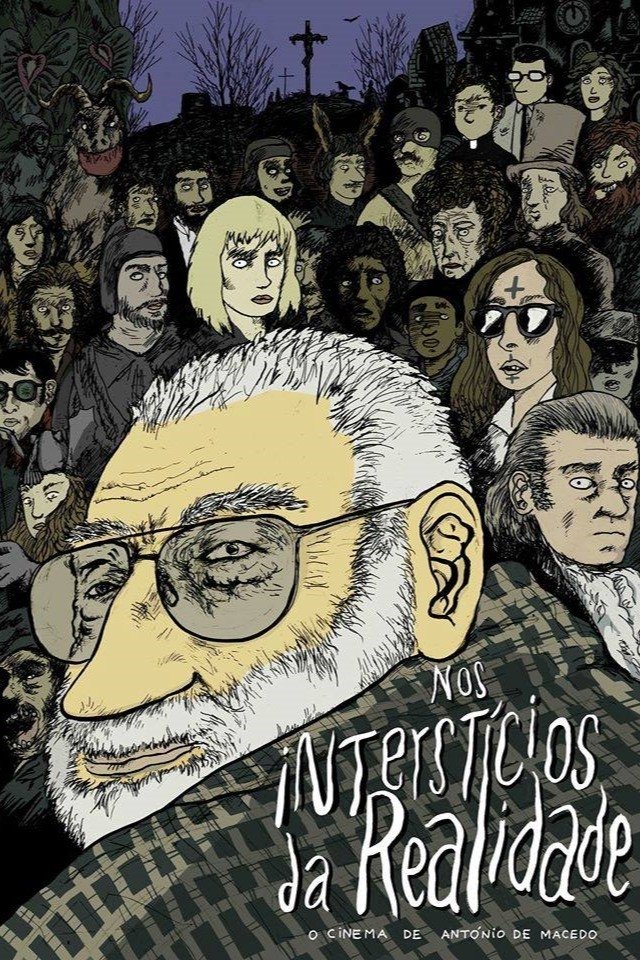
He was the most prolific within the New Portuguese Cinema generation. He would try western spaghetti, esoteric allegory, supernatural, and science-fiction. Without state subsidies, he would quit filmmaking in the 1990s. Who remembers António de Macedo?
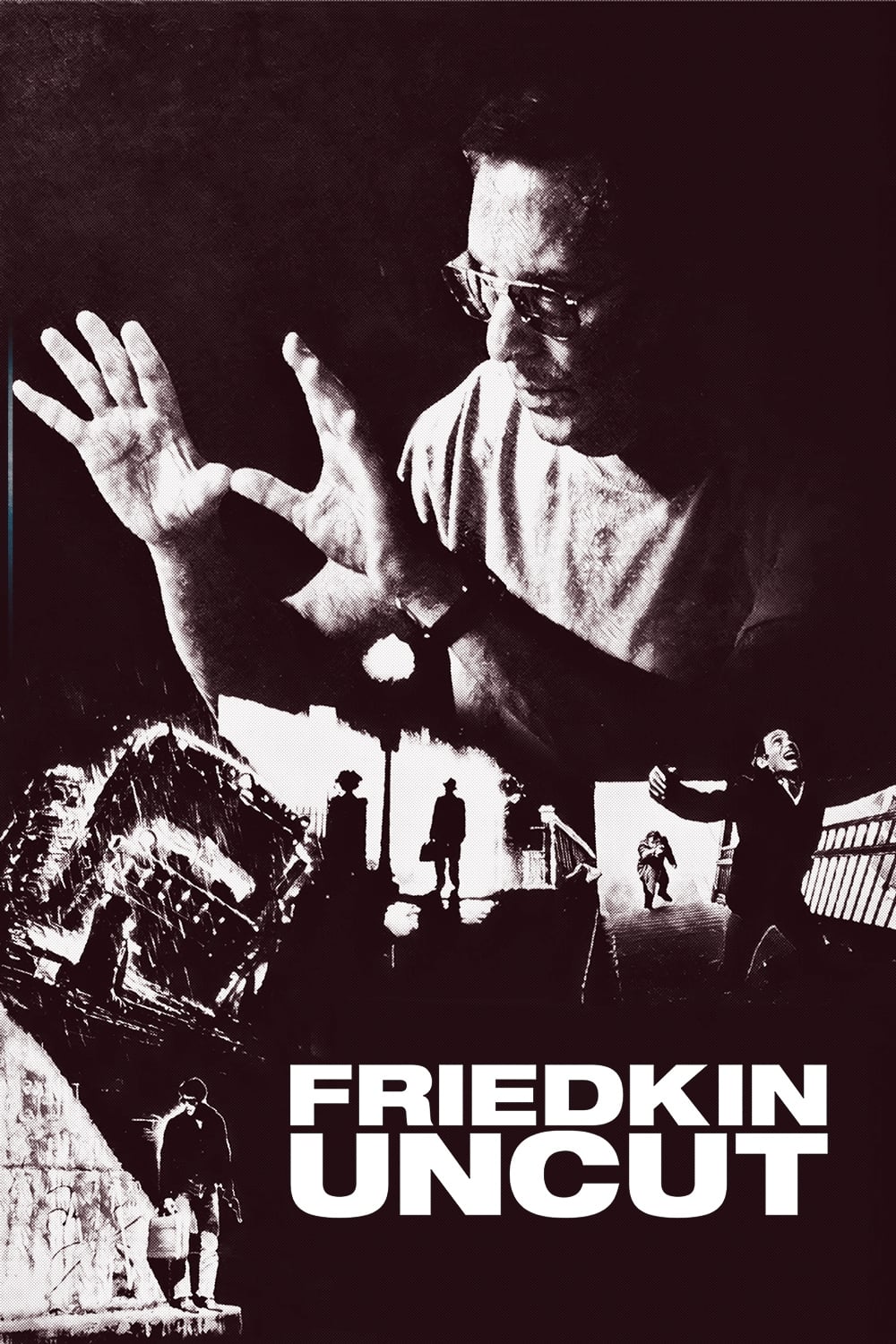
An introspective insight into the life and artistic journey of William Friedkin, an extraordinary and offbeat director of cult films such as The French Connection, The Exorcist, Sorcerer, Cruising, To Live and Die in L.A. and Killer Joe. For the first time Friedkin opens up, guiding the audience on a fascinating journey through the themes and the stories that have influenced his life and his artistic career.
Lyrical and powerfully personal essay film that reflects on the deaths of her husband Lou Reed, her mother, her beloved dog, and such diverse subjects as family memories, surveillance, and Buddhist teachings.
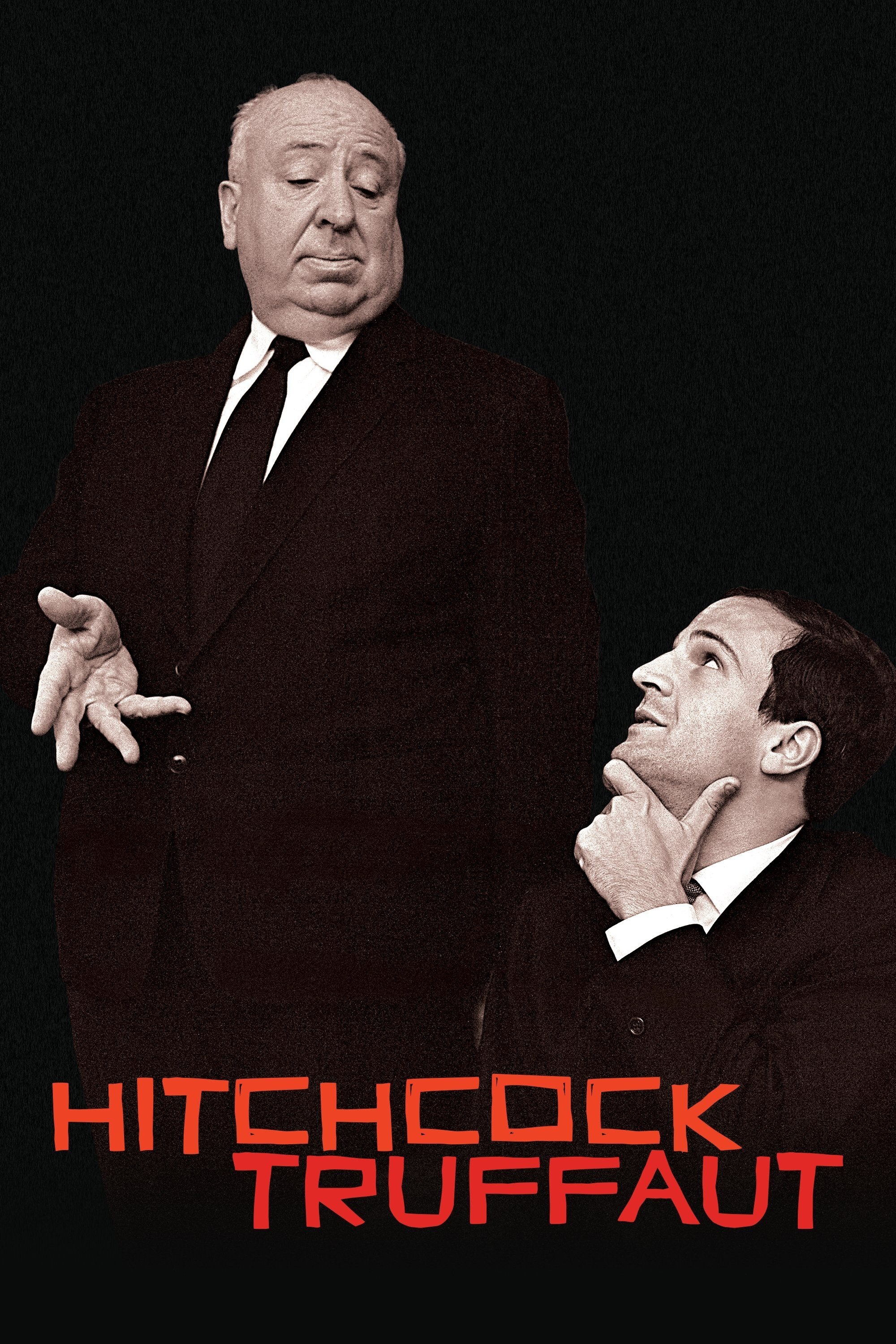
Filmmakers discuss the legacy of Alfred Hitchcock and the book “Hitchcock/Truffaut” (“Le cinéma selon Hitchcock”), written by François Truffaut and published in 1966.
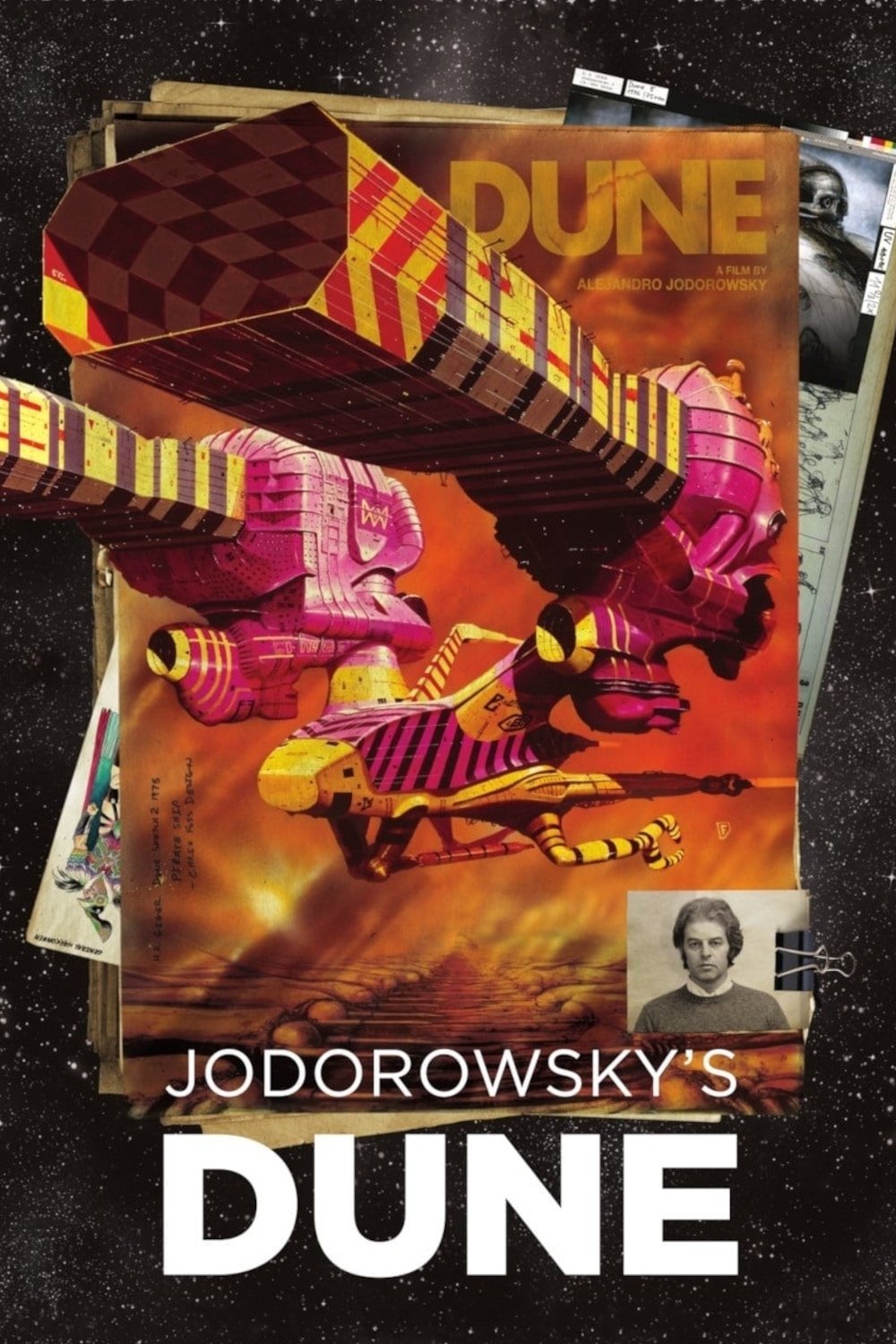
In 1974, Chilean-French director Alejandro Jodorowsky embarked on the quixotic project of adapting Frank Herbert's influential novel Dune (1969) for the big screen. After investing two years, and millions of dollars, the gigantic project ended in failure; but the artists Jodorowsky brought together to carry it out continued to work together, and ended up laying the foundations for modern science fiction cinema.
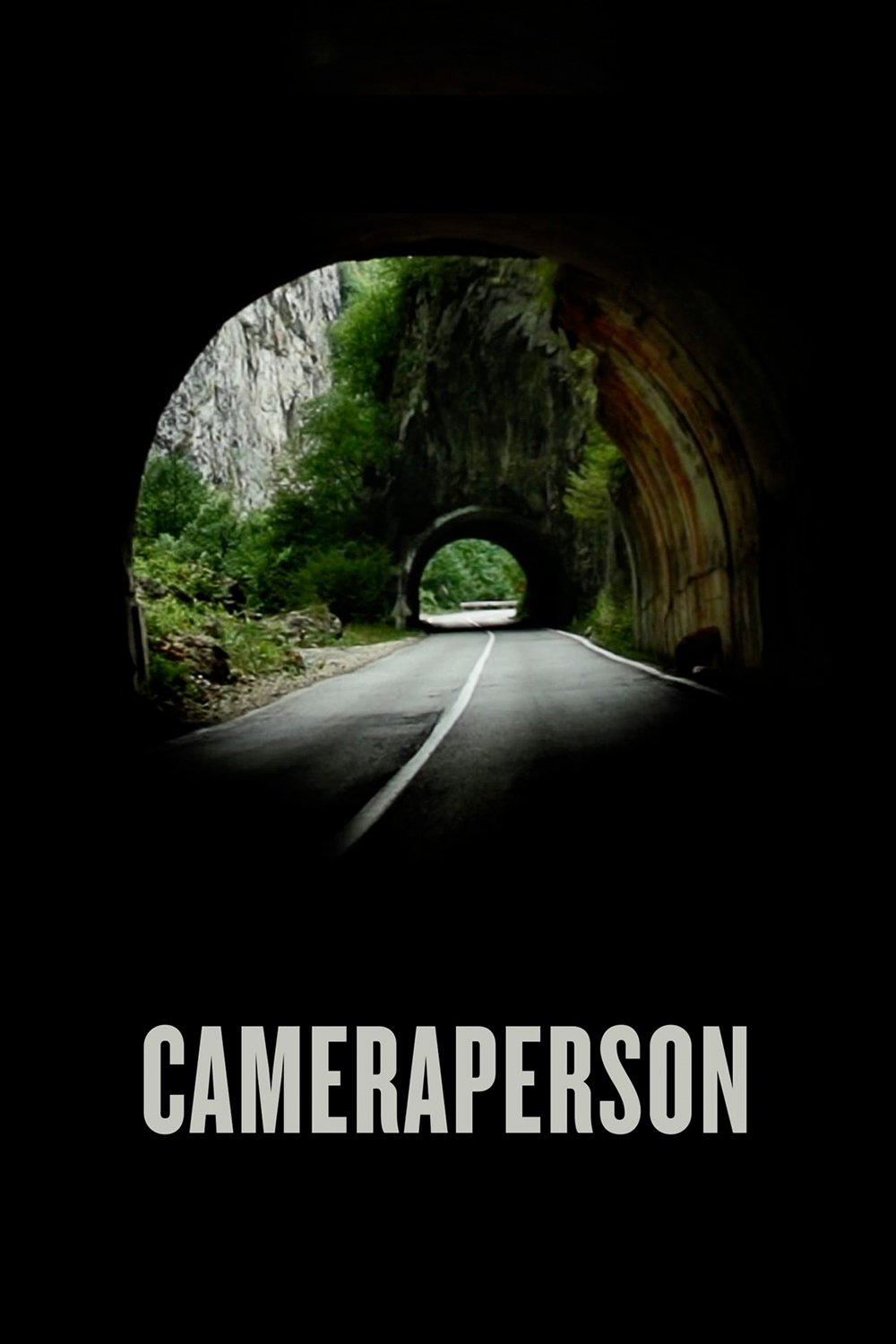
As a visually radical memoir, CAMERAPERSON draws on the remarkable footage that filmmaker Kirsten Johnson has shot and reframes it in ways that illuminate moments and situations that have personally affected her. What emerges is an elegant meditation on the relationship between truth and the camera frame, as Johnson transforms scenes that have been presented on Festival screens as one kind of truth into another kind of story—one about personal journey, craft, and direct human connection.
A documentary on the expletive's origin, why it offends some people so deeply, and what can be gained from its use.
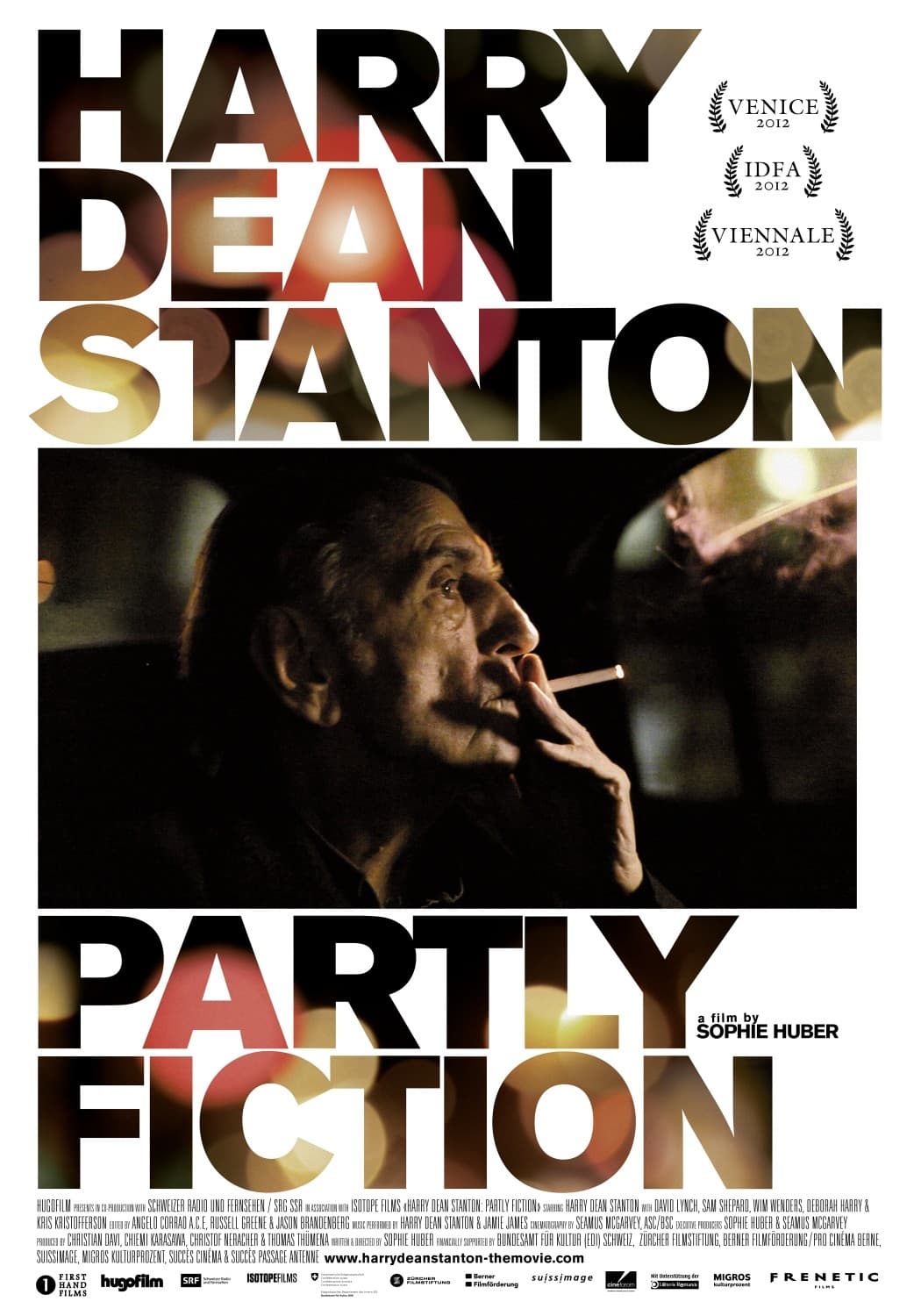
An impressionistic portrait of the iconic actor Harry Dean Stanton comprised of intimate moments, film clips from some of his 250 films and his renditions of American folk songs.
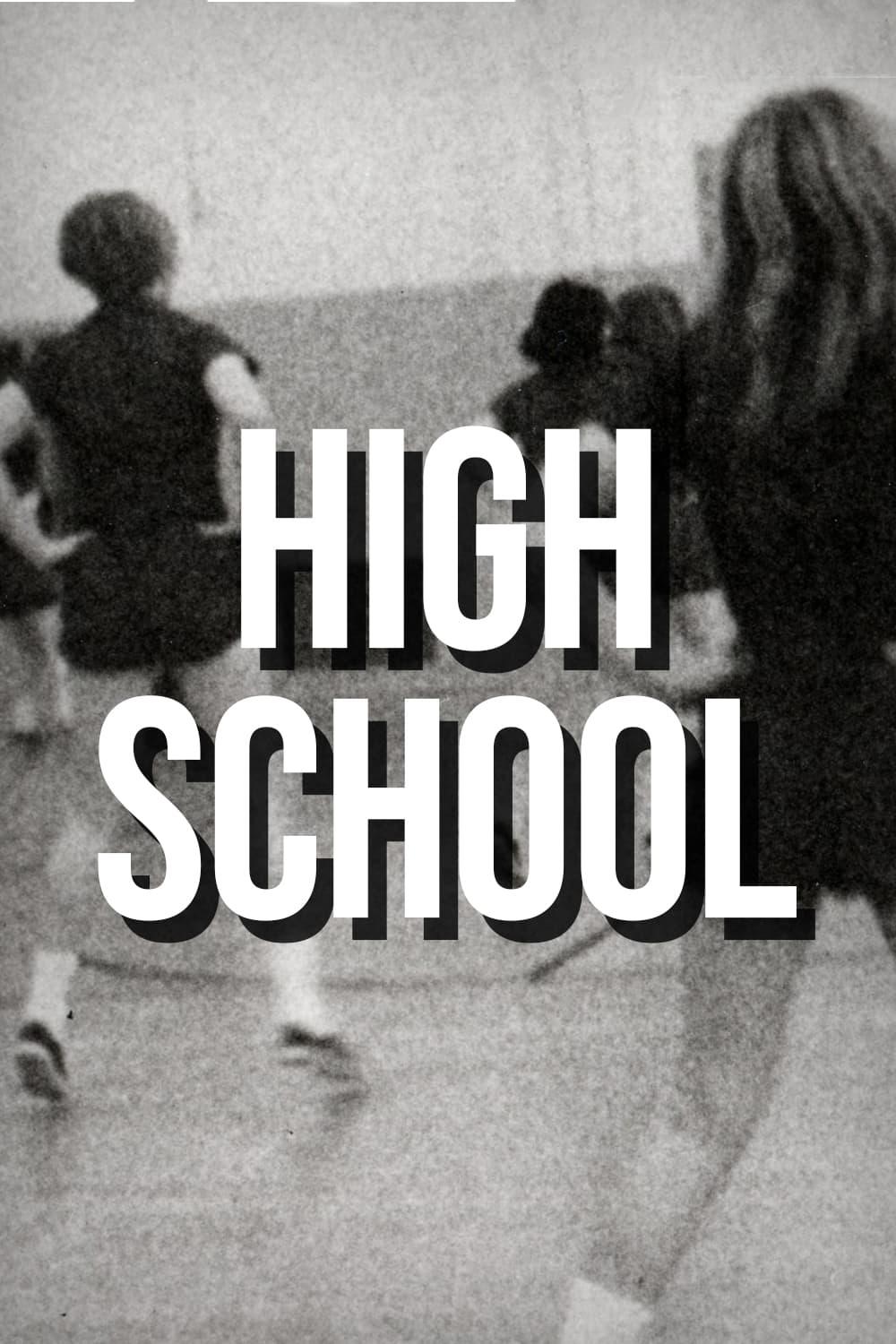
Documentary filmmaker Frederick Wiseman takes us inside Northeast High School as a fly on the wall to observe the teachers and how they interact with the students.
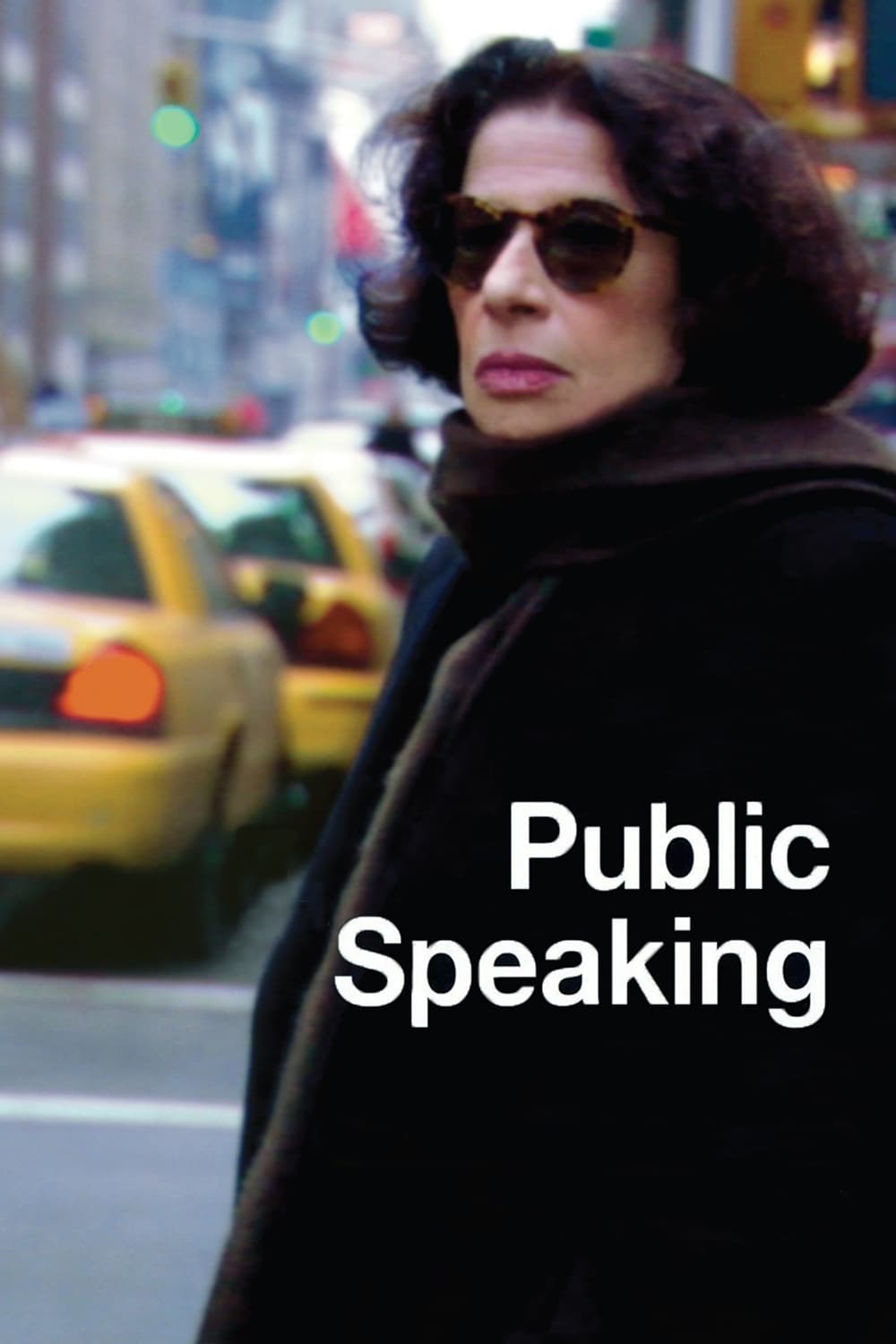
Martin Scorsese’s portrait of writer and social commentator Fran Lebowitz, celebrated for her sharp wit and observations on modern life. Filmed at New York’s Waverly Inn and intercut with archival footage and interviews, the documentary captures Lebowitz’s distinctive worldview through her spontaneous monologues and public appearances.
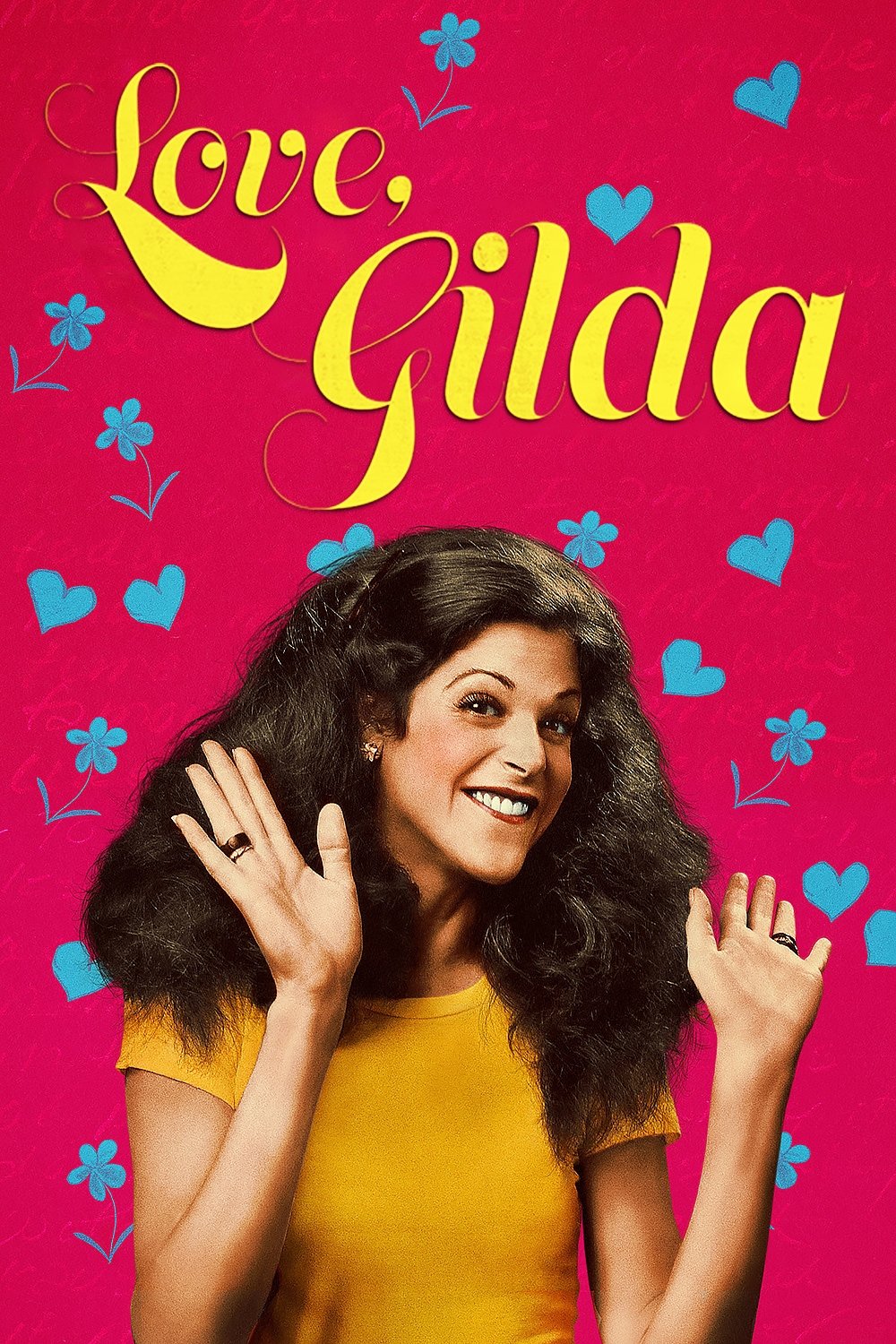
Diaries, audiotapes, videotapes and testimonials from friends and colleagues offer insight into the life and career of Gilda Radner -- the beloved comic and actress who became an icon on Saturday Night Live.
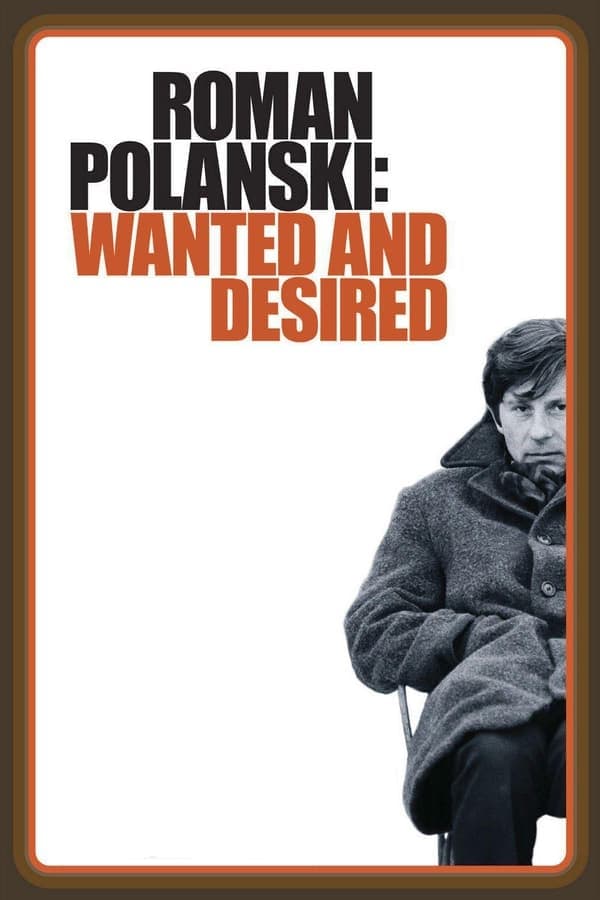
Examines the public scandal and private tragedy which led to legendary director Roman Polanski's sudden flight from the United States.
Daniel Craig candidly reflects on his 15 year adventure as James Bond. Including never-before-seen archival footage from Casino Royale to the upcoming 25th film No Time To Die, Craig shares his personal memories in conversation with 007 producers, Michael G Wilson and Barbara Broccoli.
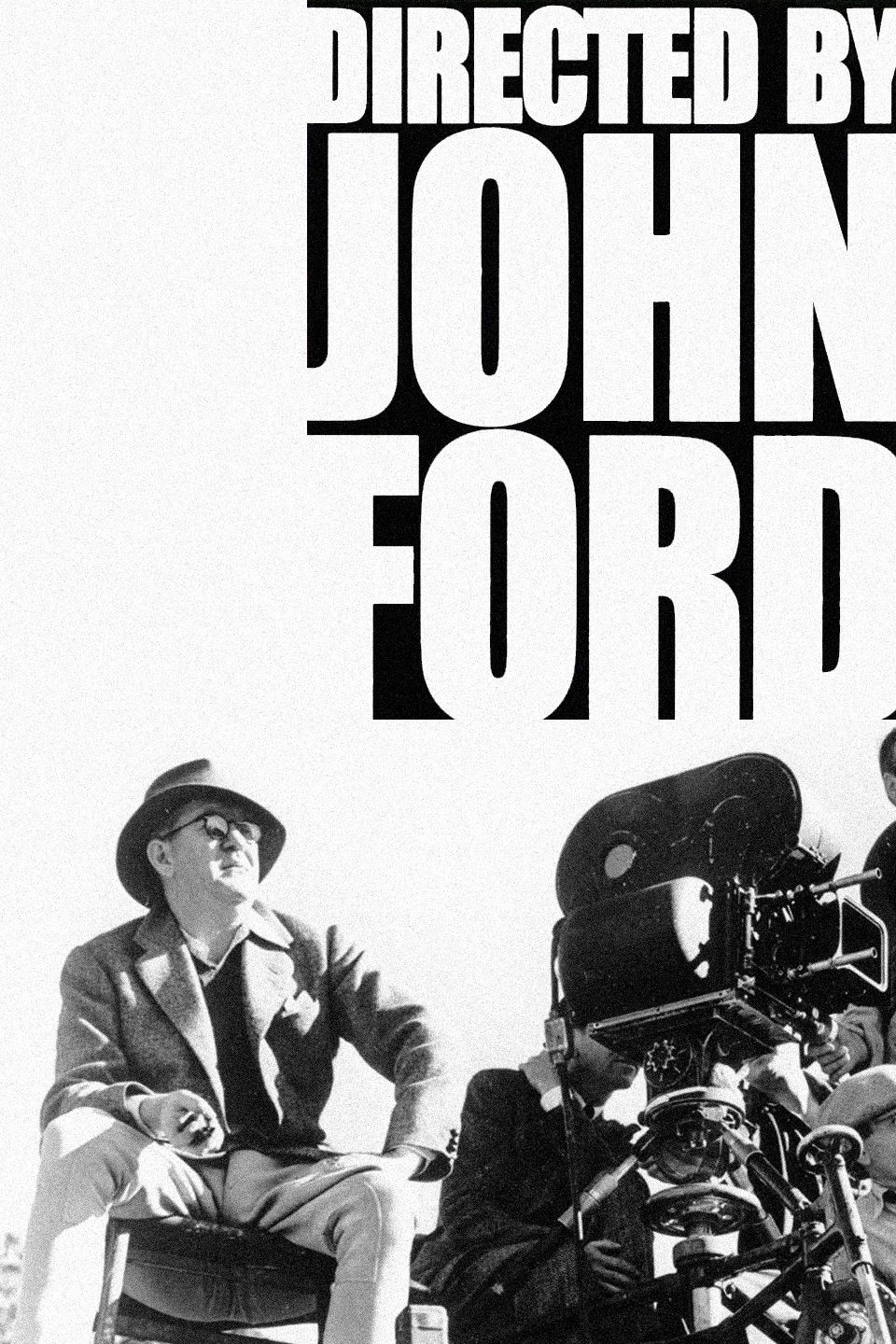
A documentary about the life and films of director John Ford.
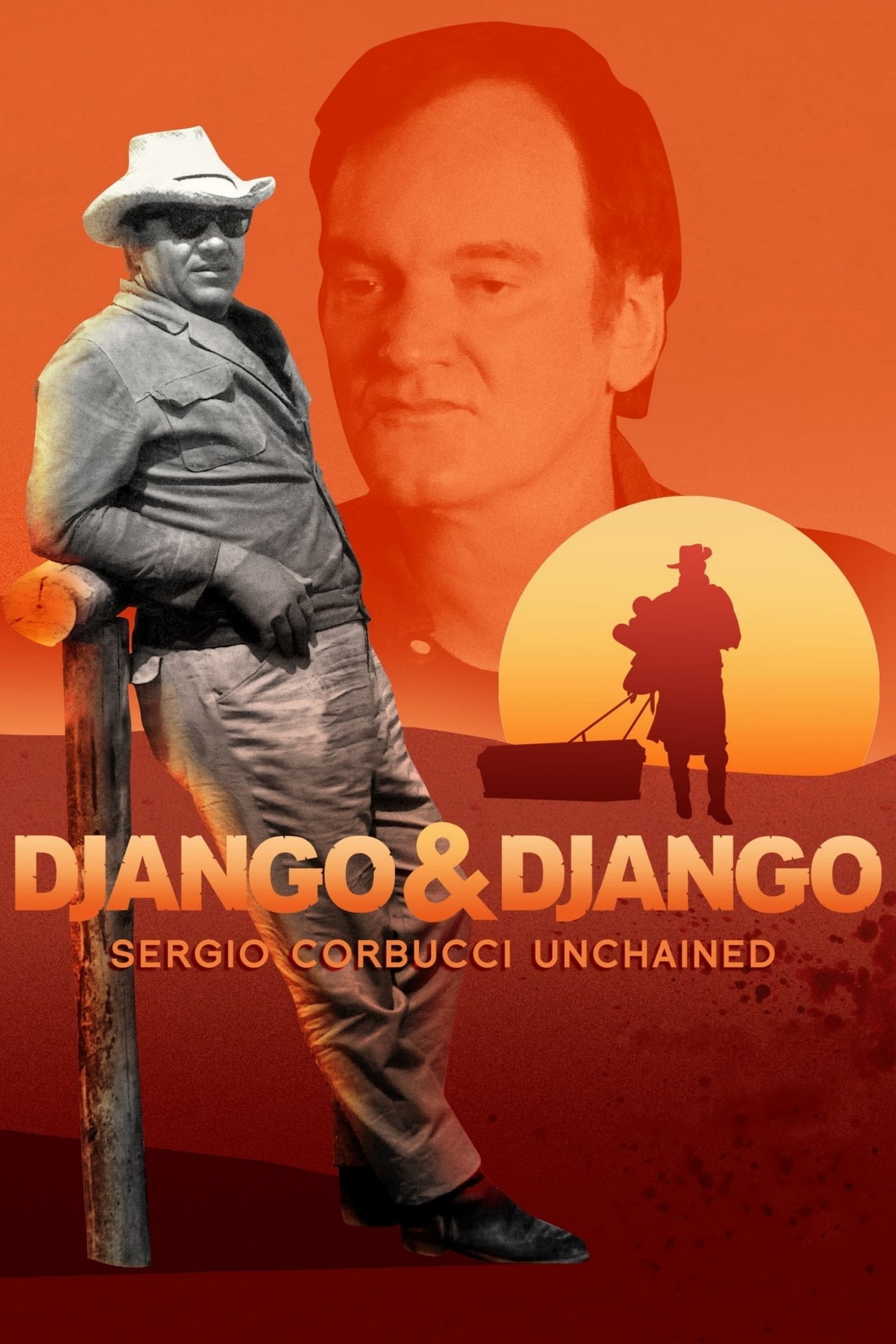
A tribute to Italian filmmaker Sergio Corbucci (1926-90), presented by American filmmaker Quentin Tarantino.
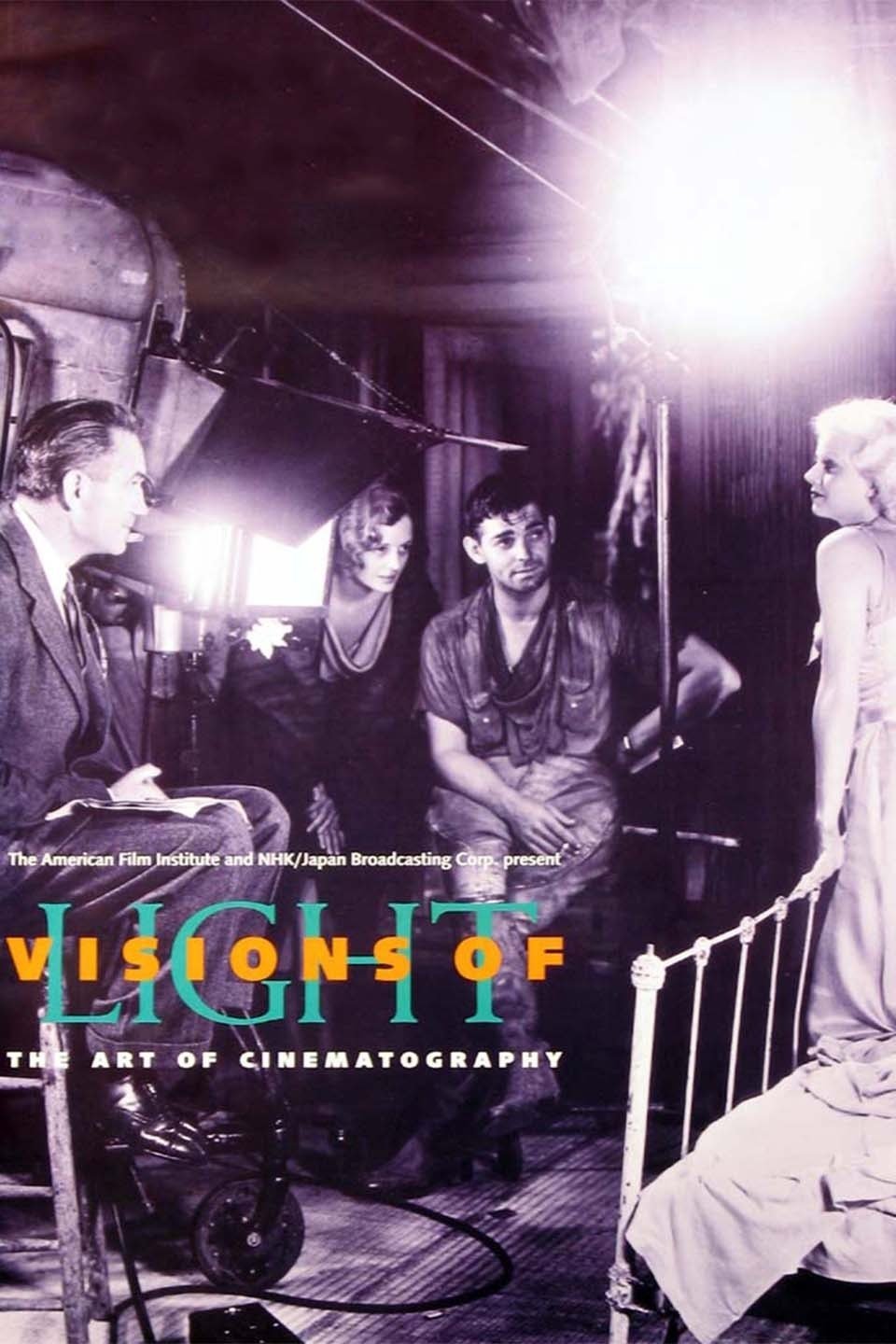
Cameramen and women discuss the craft and art of cinematography and of the "DP" (the director of photography), illustrating their points with clips from 100 films, from Birth of a Nation to Do the Right Thing. Themes: the DP tells people where to look; changes in movies (the arrival of sound, color, and wide screens) required creative responses from DPs; and, these artisans constantly invent new equipment and try new things, with wonderful results. The narration takes us through the identifiable studio styles of the 30s, the emergence of noir, the New York look, and the impact of Europeans. Citizen Kane, The Conformist, and Gordon Willis get special attention.
The life and career of an actor, artist, and icon. His own journey through his own camera.
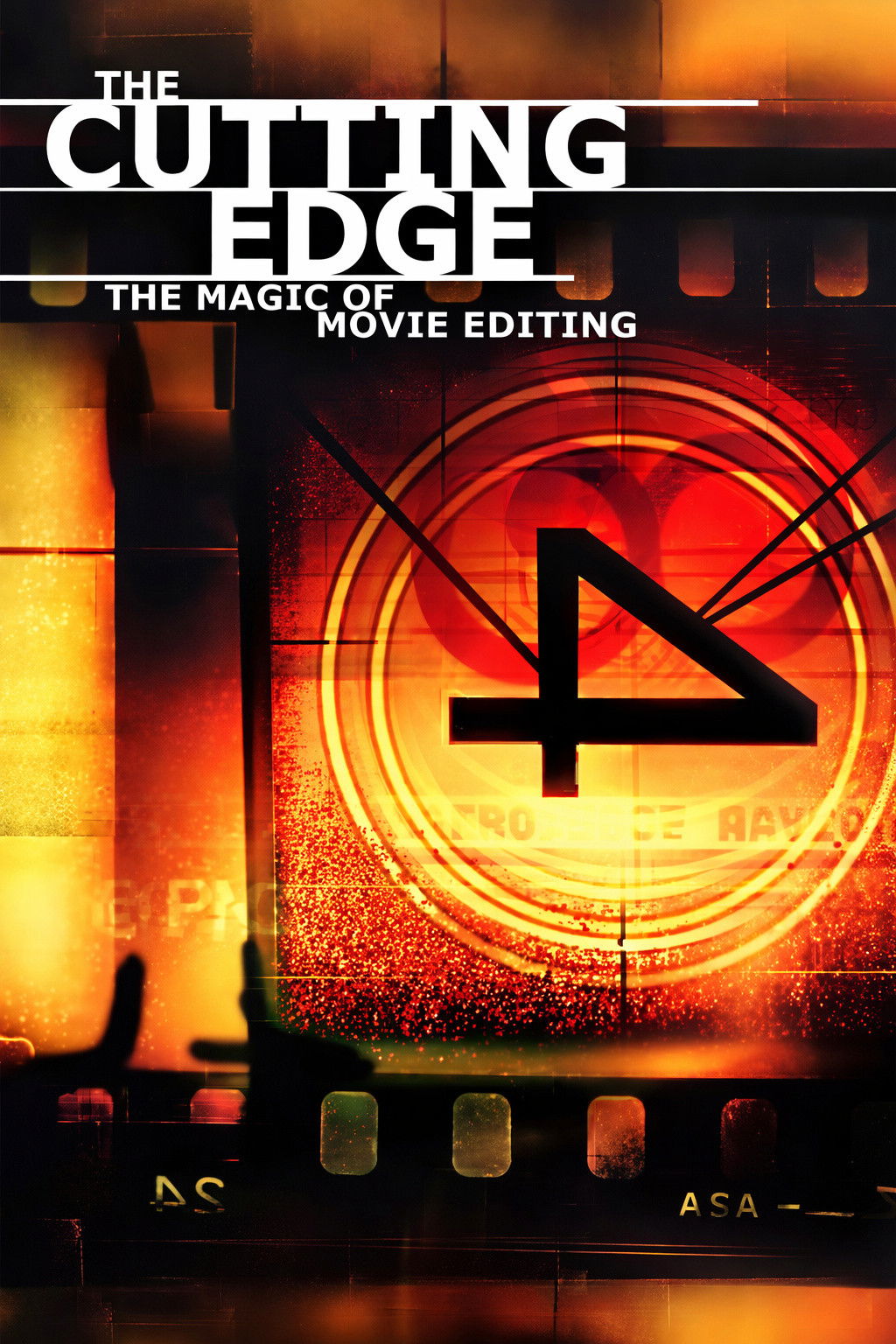
Documentary about the art of film editing. Clips are shown from many groundbreaking films with innovative editing styles.
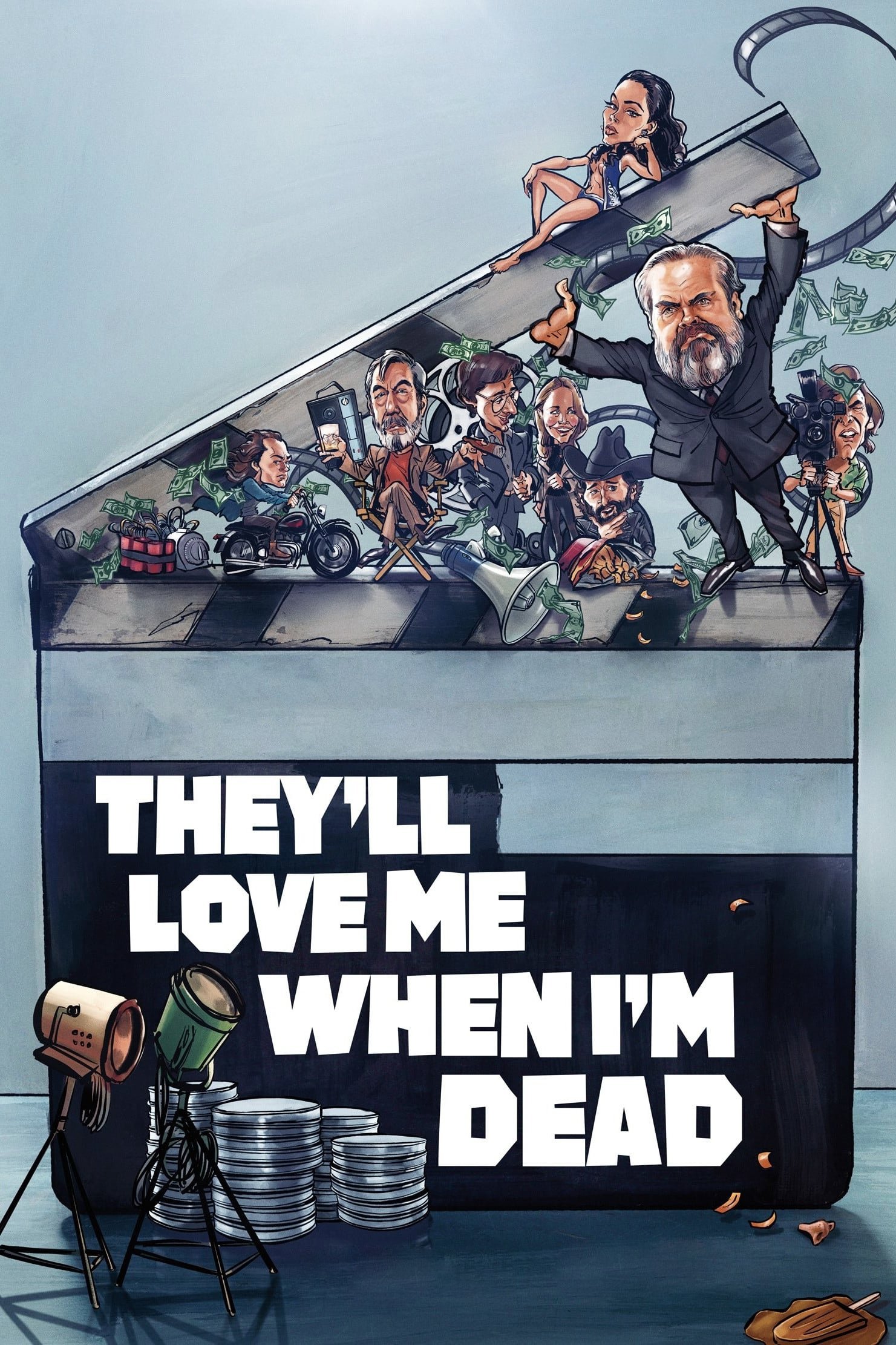
As his life comes to its end, famous Hollywood director Orson Welles puts it all on the line at the chance for renewed success with the film The Other Side of the Wind.
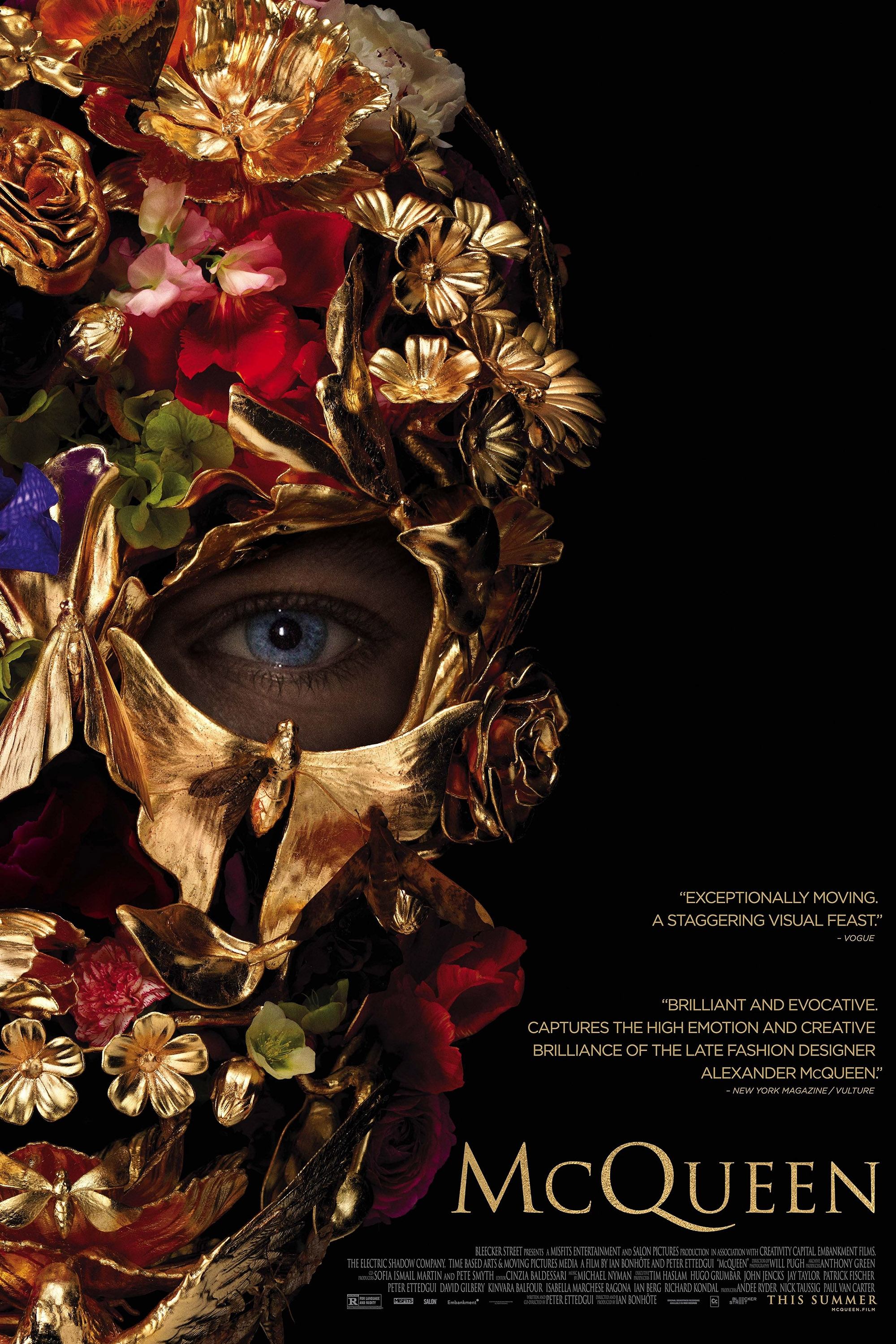
Alexander McQueen's rags-to-riches story is a modern-day fairy tale, laced with the gothic. Mirroring the savage beauty, boldness and vivacity of his design, this documentary is an intimate revelation of McQueen's own world, both tortured and inspired, which celebrates a radical and mesmerizing genius of profound influence.
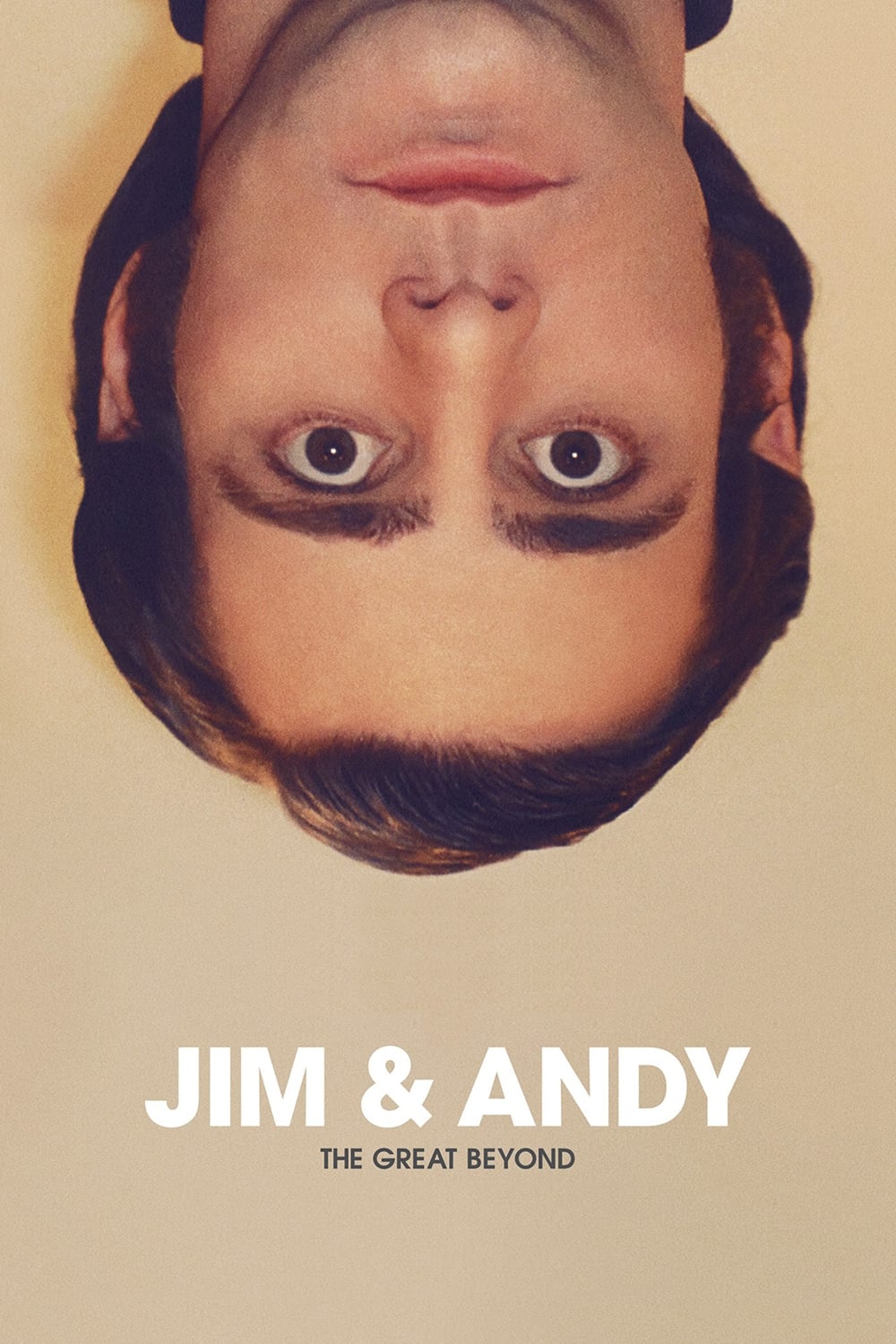
Offbeat documentarian Chris Smith provides a behind-the-scenes look at how Jim Carrey adopted the persona of idiosyncratic comedian Andy Kaufman on the set of Man on the Moon.