Social & External
The people behind it
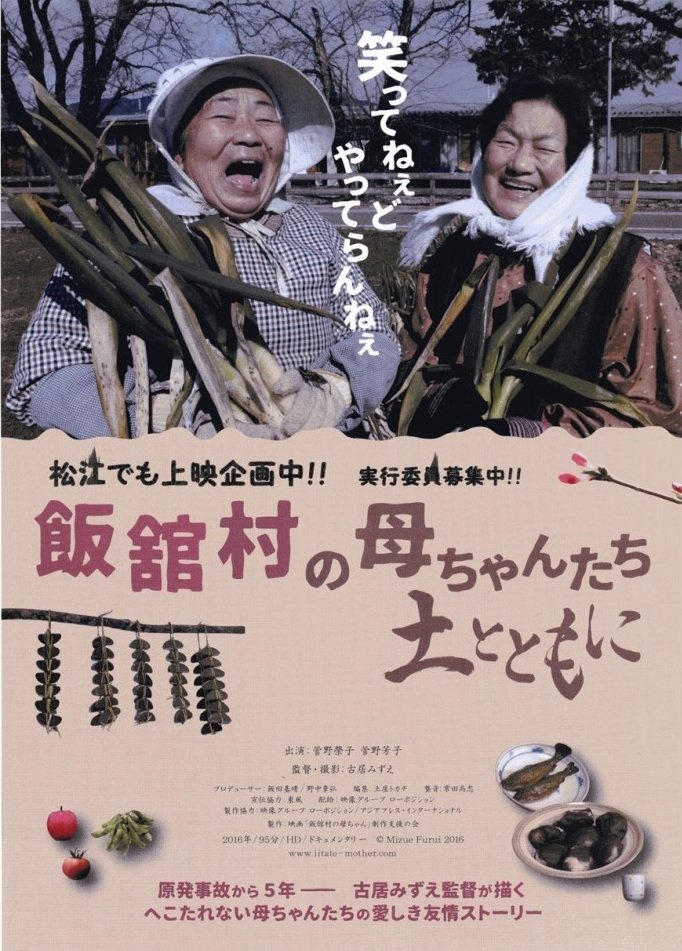
Eiko Kanno is a 79 year old grandmother whose life has been completely changed by the nuclear disaster in Fukushima. Her life should have been with her grandchildren but because of the disaster which caused her entire village of Iitate to be evacuated. She now lives by herself in temporary housing. Yoshiko Kanno and her extended family are very important to her changed life. Yoshiko Kanno lost her parents in the evacuation and she found herself living next door to Eiko Kanno. They entertain themselves by telling jokes to each other like a comedic duo. They now live together.
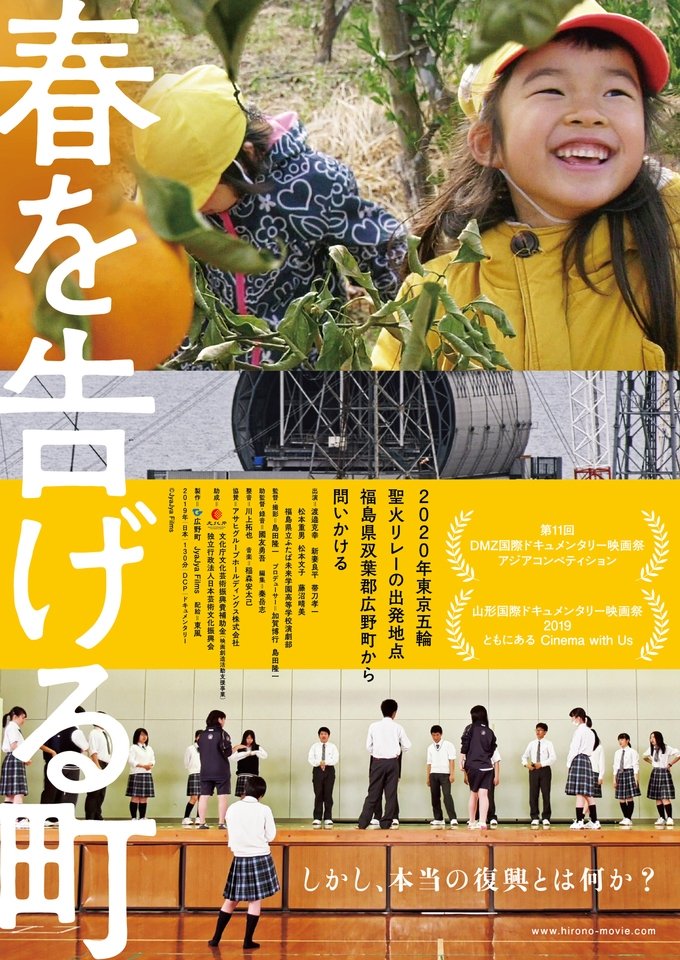
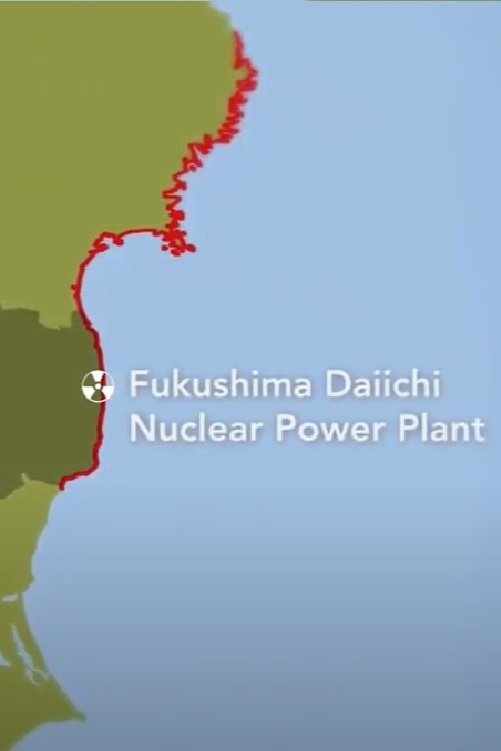
A documentary about the people of Hirono, a city located 20 km away from the Fukushima Daiichi Nuclear Power Station. Immediately after the Great East Japan Earthquake, the whole town was forced to evacuate. In 2019, 80% of the population at the time of the earthquake is back in town.
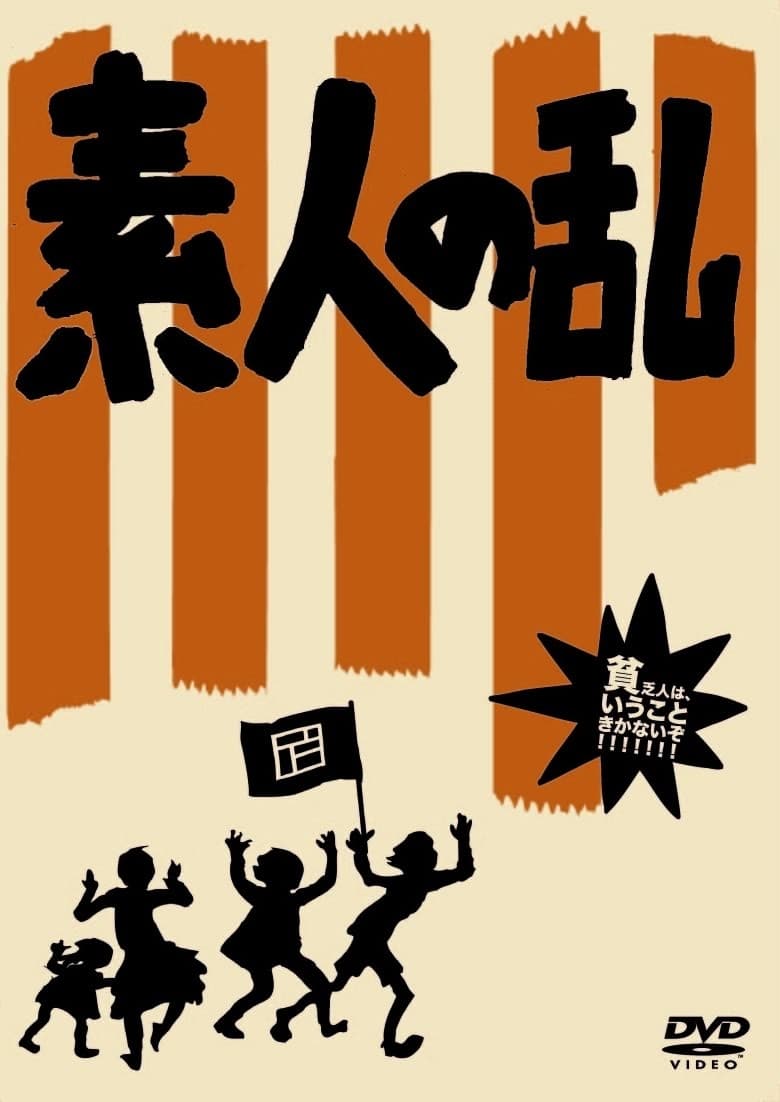
Amateur's Riot (Shirōto no ran) is a Japanese association of activists, committed to the living conditions of the poor people (binbōnin) in Tōkyō. The association was founded in 2005 by Matsumoto Hajime, Yamashita Hikaru, Futatsugi Shin, Mochitsuki Rui and Ogasawara Keita. The protagonists of Shiroto no Ran played an important role in the anti-nuclear demonstrations that appeared in response to the Fukushima nuclear catastrophe.
Eerie images of landscapes after the Fukushima nuclear disaster shot on black and white 8mm.
In a quiet forest, a sign warns of radiation hazard. “Is this the past or the future?” muses the masked figure who appears like a kind of ghost in nuclear disaster areas. At a time when nuclear power may be re-emerging as an alternative to fossil fuels, this calmly observed and compelling tour takes us to places that may serve as a warning.
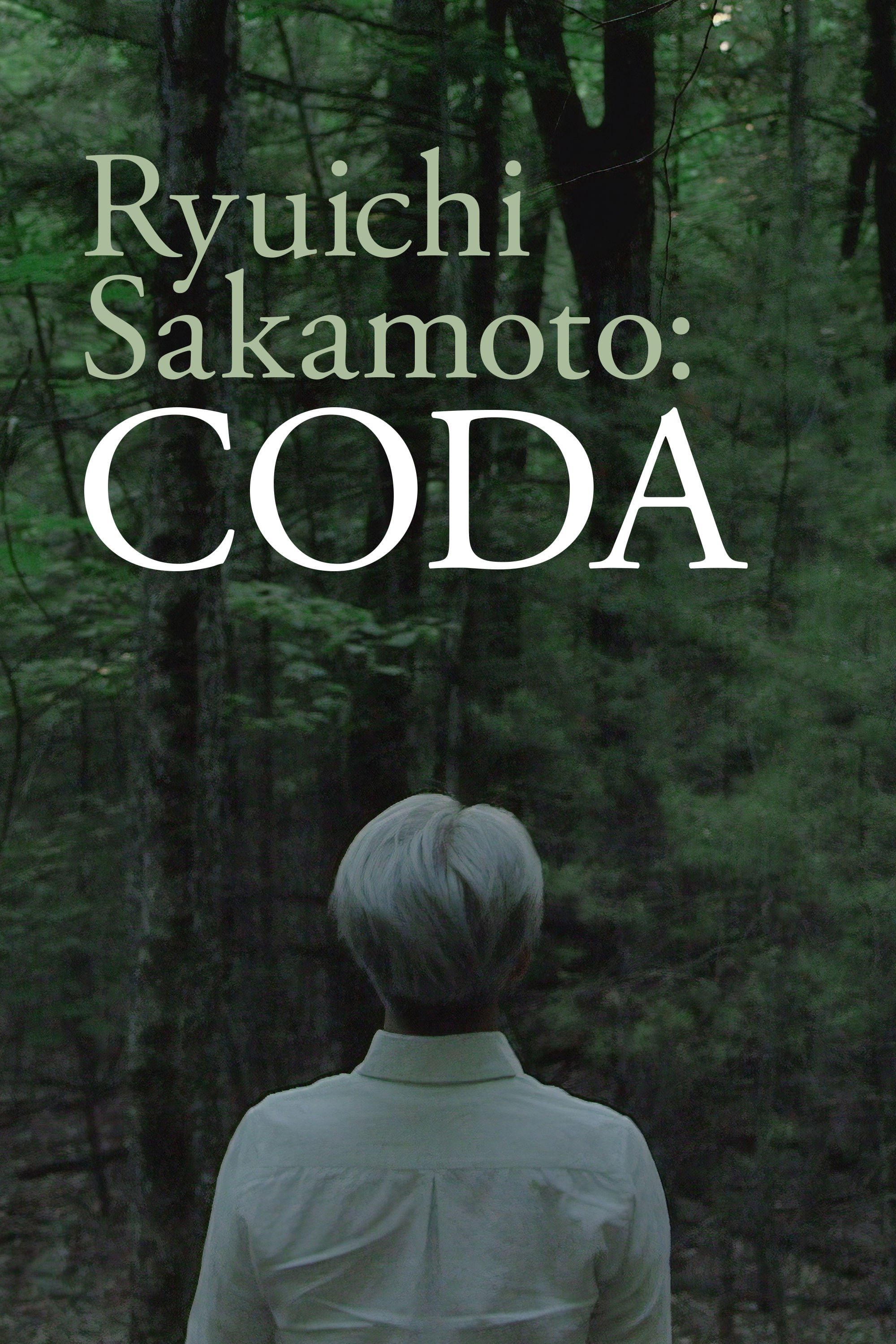
Oscar-winning composer Ryuichi Sakamoto weaves man-made and natural sounds together in his works. His anti-nuclear activism grew after the 2011 Fukushima disaster, and his career only paused after a 2014 cancer diagnosis.
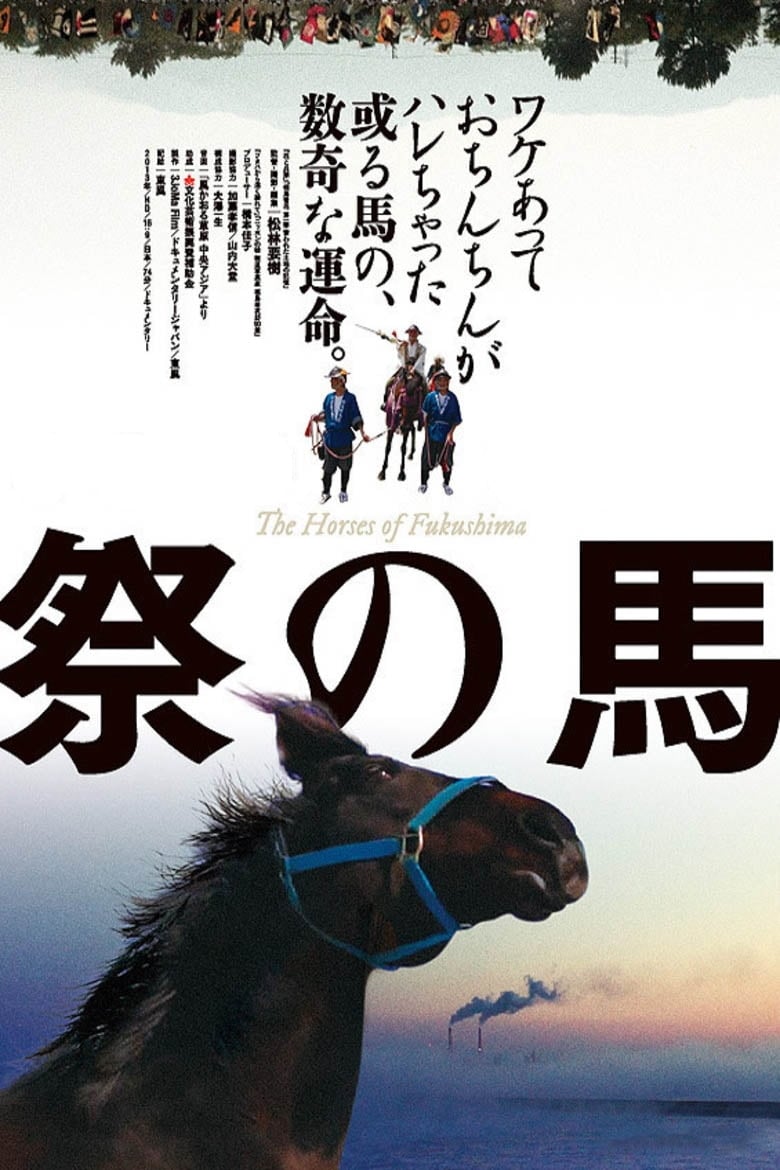
Fukushima's Minami-soma has a ten-centuries-long tradition of holding the Soma Nomaoi ("chasing wild horses") festival to celebrate the horse's great contribution to human society. Following the meltdown of the Fukushima Daiichi Nuclear Power Plant in the wake of the March 11, 2011 earthquake and tsunami, local people were forced to flee the area. Rancher Shinichiro Tanaka returned to find his horses dead or starving, and refused to obey the government's orders to kill them. While many racehorses are slaughtered for horsemeat, his horses had been subjected to radiation and were inedible. Yoju Matsubayashi, whose "Fukushima: Memories of the Lost Landscape" is one of the most impressive documentaries made immediately after the disaster, spent the summer of 2011 helping Tanaka take care of his horses. In documenting their rehabilitation, he has produced a profound meditation on these animals who live as testaments to the tragic bargain human society made with nuclear power.
December 21, 2015. The image of a fox was captured by a camera inside the unit 2 building at Fukushima No.1 nuclear power plant... A film-essay about contemporary Japan in the aftermath of March 2011 earthquake.
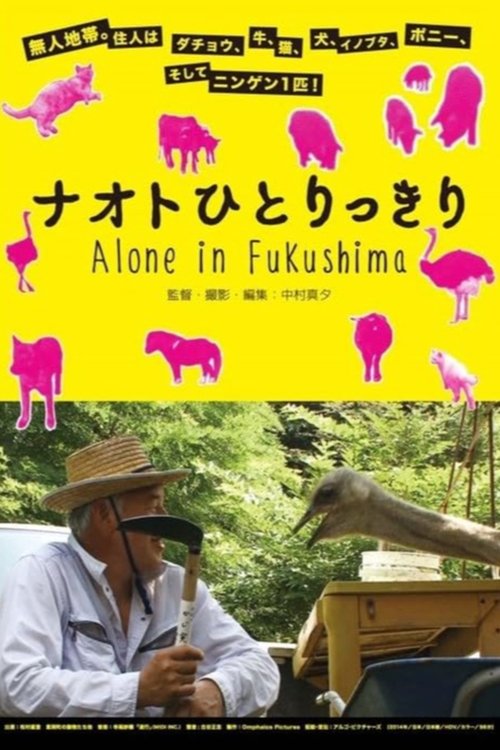
"Alone in Fukushima" is a feature film documentary about Naoto Matsumura who remained in the nuclear zone with animals in Fukushima.
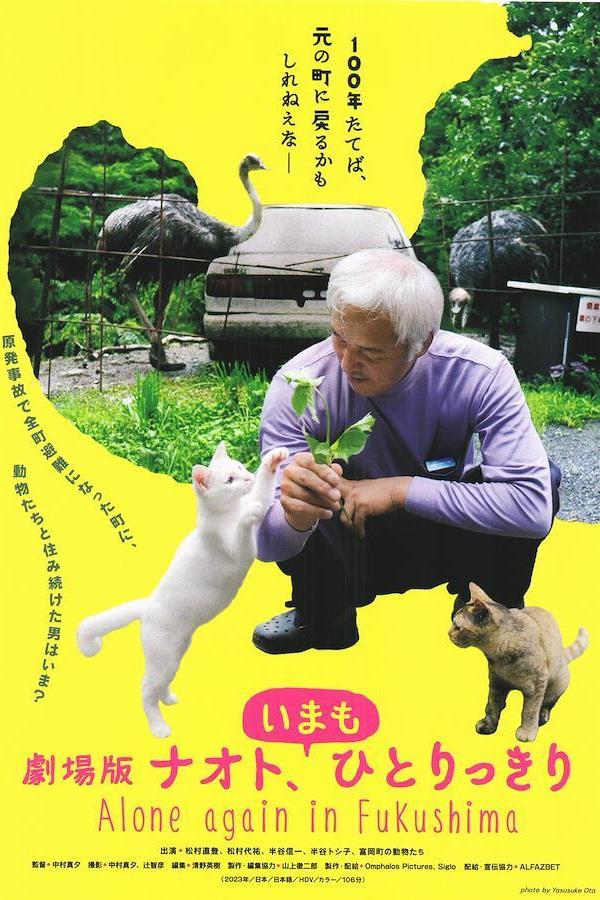
“Alone Again is Fukushima” is the long-awaited sequel to "Alone in Fukushima" (2015), which followed Naoto Matsumura, a man who remained in the nuclear zone in Fukushima to tend animals. The film has followed Naoto for nearly a decade and portrays how Naoto and the animals survived the residents' return to the town, Tokyo Olympics, and COVID-19. In the course of 10 years, many animals and humans were born and died. But Naoto remained in the town and took care of the animals. He raised chickens and kept bees in order to survive. In 2017, Tomioka became the place where people can come back to live, however most young people didn’t return. There is no end in sight for the nuclear crisis in Fukushima. The contaminated water is overflowing and will be pumped out to the ocean soon. Meanwhile the government is trying to restart the nuclear reactors all over the country. The film will give us a chance to reflect on this situation by looking at how Naoto and animals survive in Fukushima.
In the aftermath of the 3.11 Fukushima Daiichi Nuclear Power Plant accident, the Japanese government began implementing a large-scale decontamination effort to clean up the radioactive materials. A mother, a farmer, a community leader, an evacuee - hear how the clean-up effort has been carried out around their lives and what their hopes are for the reconstruction of Fukushima.
In 2011, a catastrophic nuclear disaster forced the immediate evacuation of Fukushima, Japan. This documentary follows an international team of scientists using hundreds of cameras to track and investigate the astonishing wildlife that now thrives in this deadly radioactive environment.
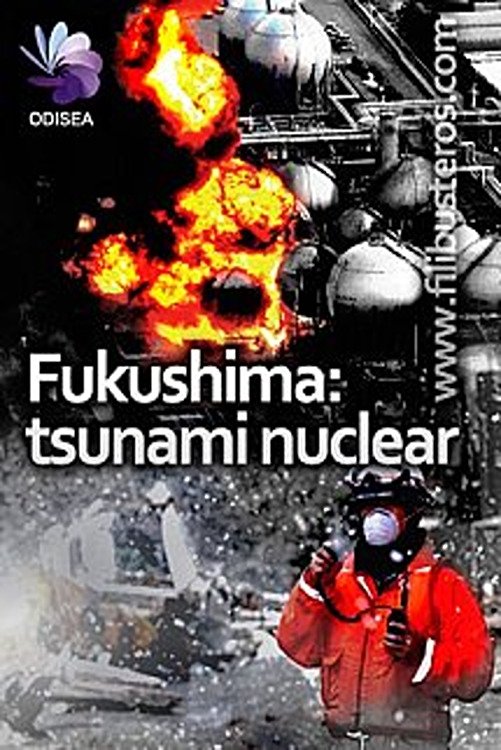
The definitive account of Japan’s struggle as it faced a nuclear catastrophe while still reeling from the devastation of an earthquake and tsunami.
TEPCO's Fukushima Daiichi Nuclear Power Plant is the site of one of history's worst nuclear disasters: the meltdown of three nuclear reactors. The decommissioning program in Japan learns from the Three Mile Island decommissioning in the US after the nuclear plant accident in 1976 in Pennsylvania.
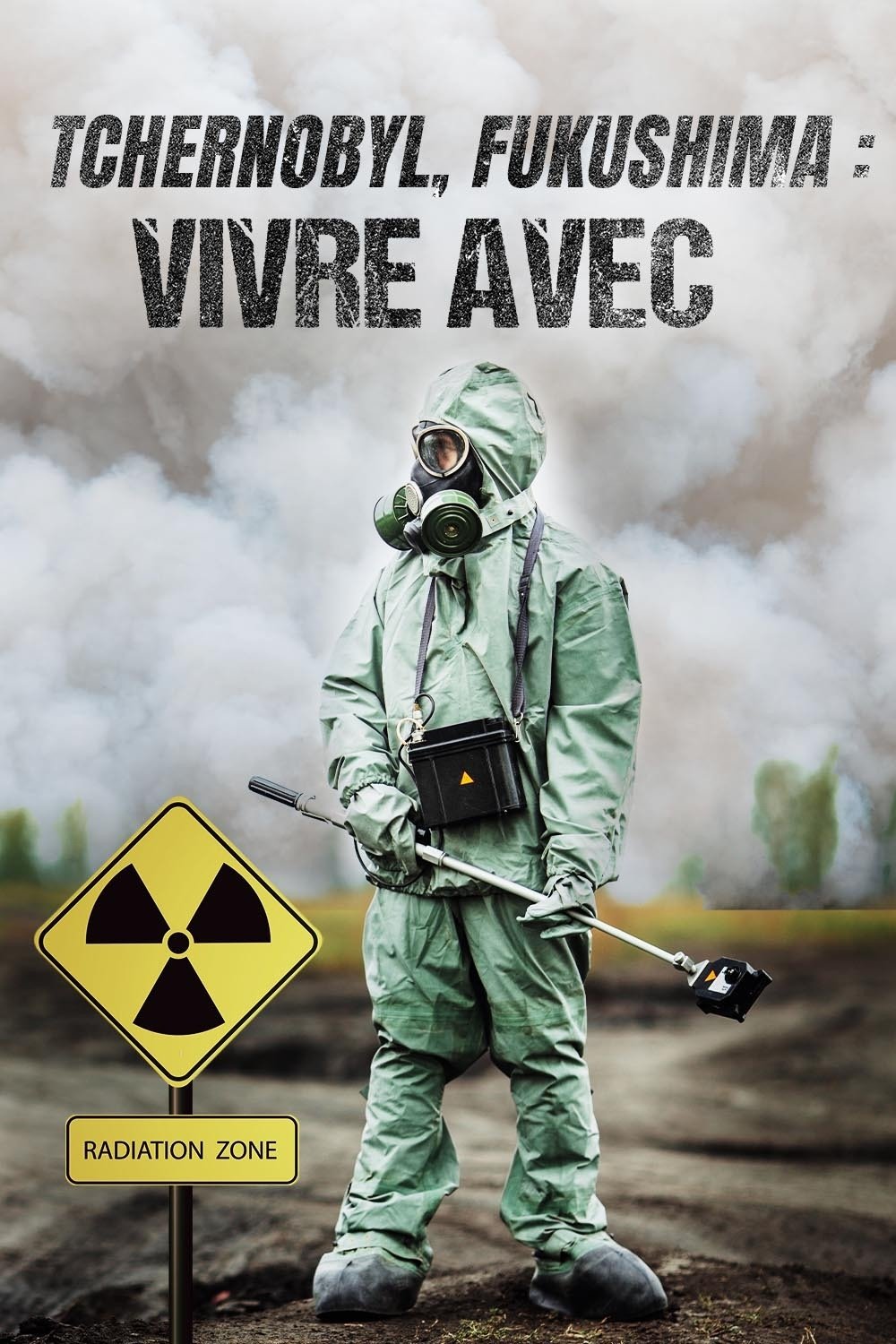
30 years after the Chernobyl catastrophe and 5 years after Fukushima it is time to see what has been happening in the “exclusion zones” where the radioactivity rate is far above normal.
The exciting story of the splitting of the atom, a scientific breakthrough of incalculable importance that ushered in the nuclear age, has a dark side: the many events in which people were exposed to radiation, both intentionally and by accident.
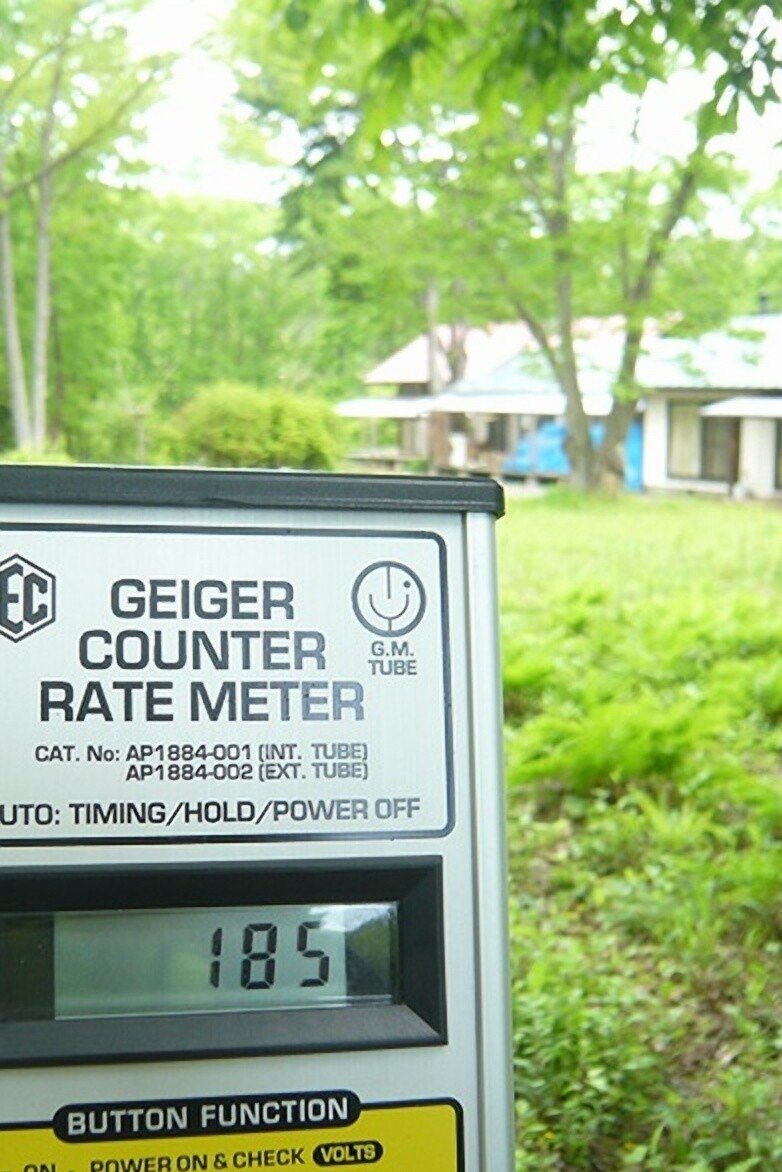
Ten years after Fukushima nuclear accident, a familiy returns every month at their home to measure the radiation with a Geiger counter.
A string of threatening emails escalates into a revenge plot involving a newly married US marshal and his ex-girlfriend.
In an intimate and joyful story of love in the face of loss, celebrated poets Andrea Gibson and Megan Falley find strength—and unexpected hilarity—in what might be their final year together.
This revealing documentary honors the legendary Sidney Poitier—iconic actor, filmmaker, and civil rights activist. Featuring interviews with Denzel Washington, Spike Lee, Halle Berry, and more.
Interviews with leading authors, philosophers and scientists, with an in-depth discussion of the Law of Attraction. The audience is shown how they can learn and use 'The Secret' in their everyday lives.
A 1993 documentary film about Bruce Lee. The film includes interviews from some of his fellow students and opponents who worked alongside him in his movies.
Over 35 years after Bob Lazar's revelations, this documentary exposes secrets of a facility the government still denies. Featuring Lazar's testimony, recreations, and new evidence, it reopens a case that continues to spark global curiosity
An inside look at one of the most anticipated movie sequels ever with James Cameron and cast.
SEDUCED AND ABANDONED combines acting legend Alec Baldwin with director James Toback as they lead us on a troublesome and often hilarious journey of raising financing for their next feature film. Moving from director to financier to star actor, the two players provide us with a unique look behind the curtain at the world's biggest and most glamourous film festival, shining a light on the bitter-sweet relationship filmmakers have with Cannes and the film business. Featuring insights from directors Martin Scorsese, 'Bernando Bertolucci' and Roman Polanski; actors Ryan Gosling and Jessica Chastain and a host of film distribution luminaries.
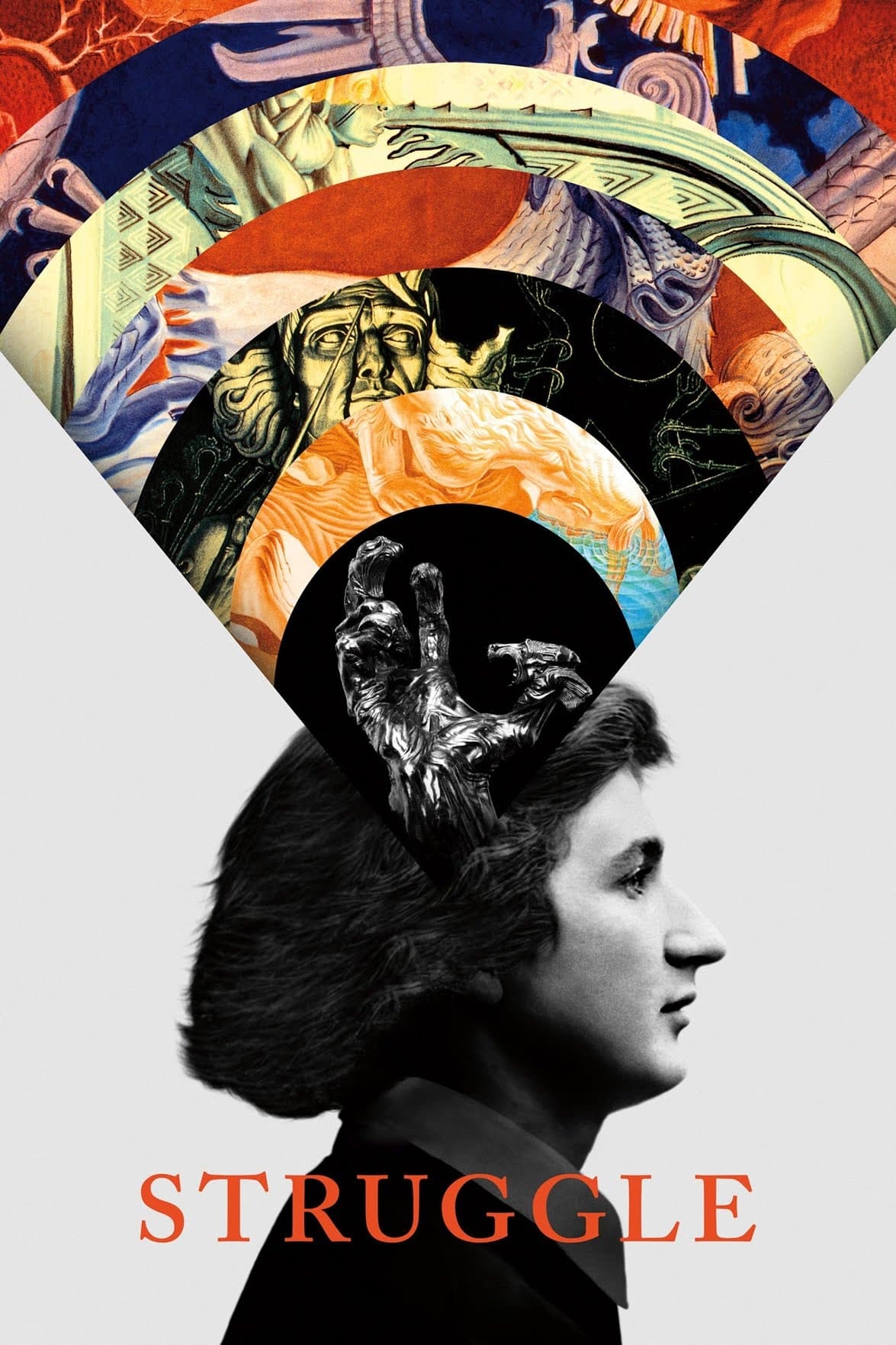
Artists in LA discover the work of forgotten Polish sculptor Stanislav Szukalski, a mad genius whose true story unfolds chapter by astounding chapter.
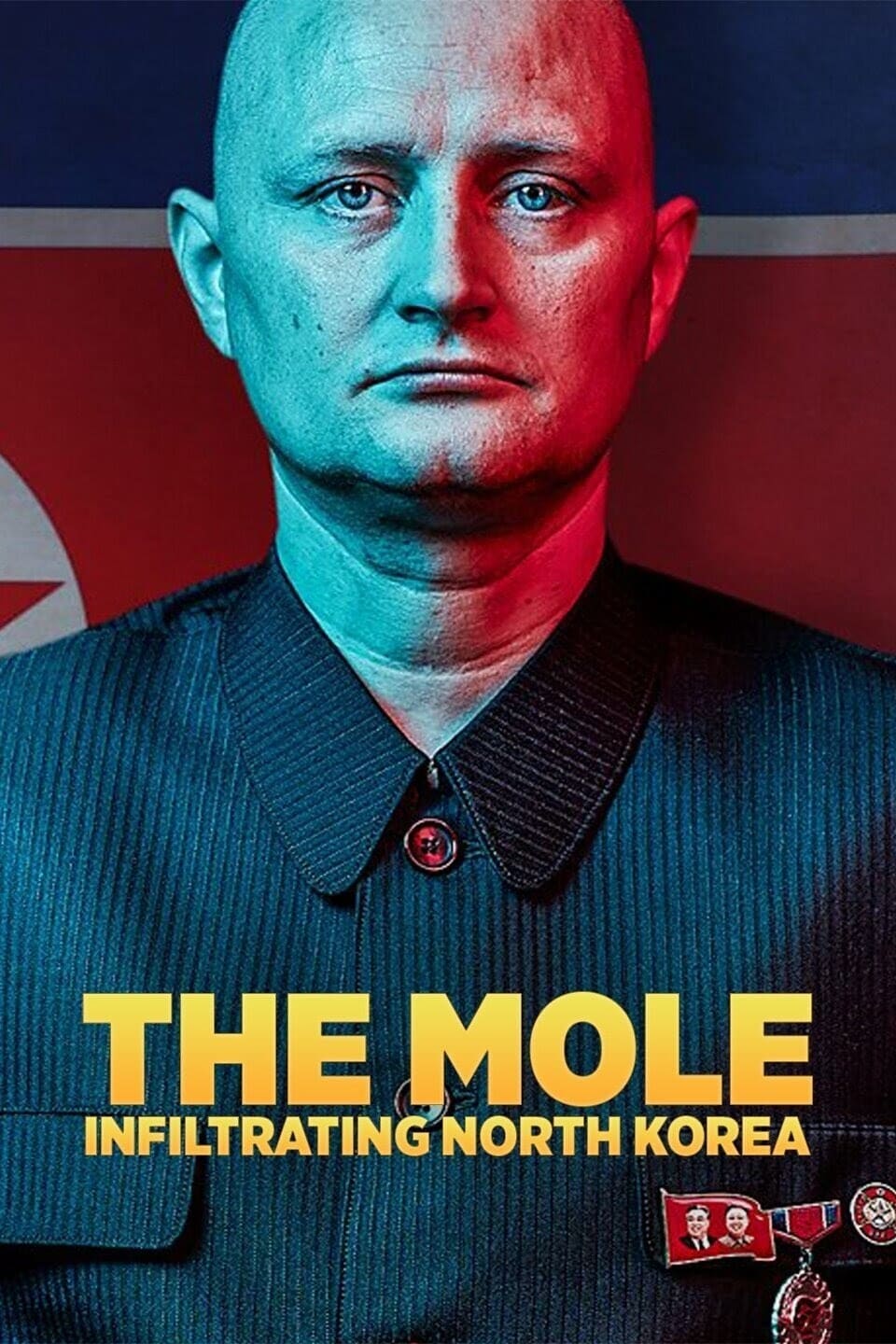
A real-life undercover thriller about two ordinary men who embark on an outrageously dangerous ten-year mission to penetrate the world's most secretive and brutal dictatorship: North Korea.
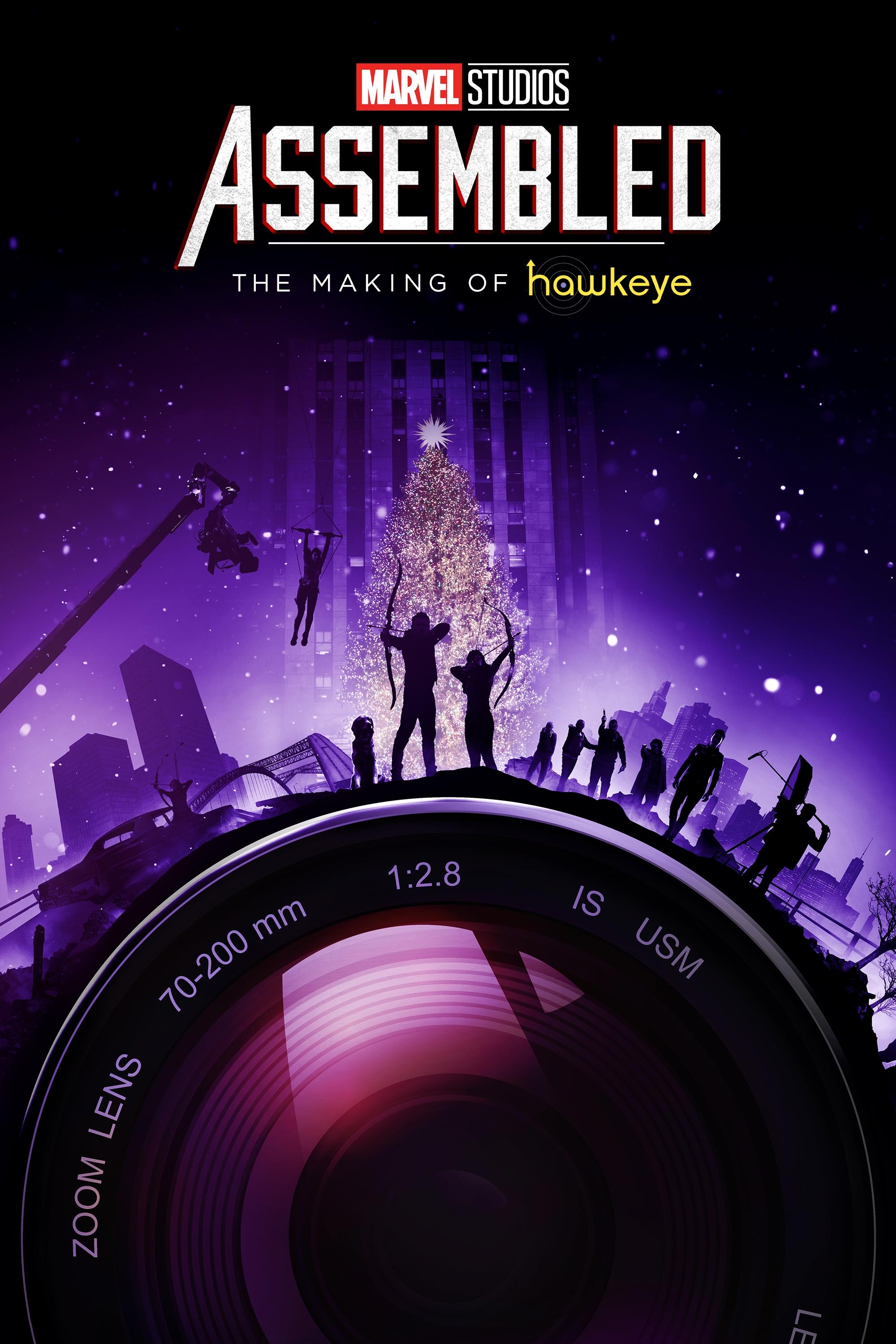
Join the likes of Jeremy Renner, Hailee Steinfeld, Florence Pugh, and Vincent D’Onofrio as they reveal how Marvel Studios’ “Hawkeye” was conceived and created. Witness firsthand what it took to pull off the show’s pulse-pounding action set pieces, and discover how iconic characters from the pages of Marvel Comics such as Kate Bishop were adapted and brought to life for the six-episode series.
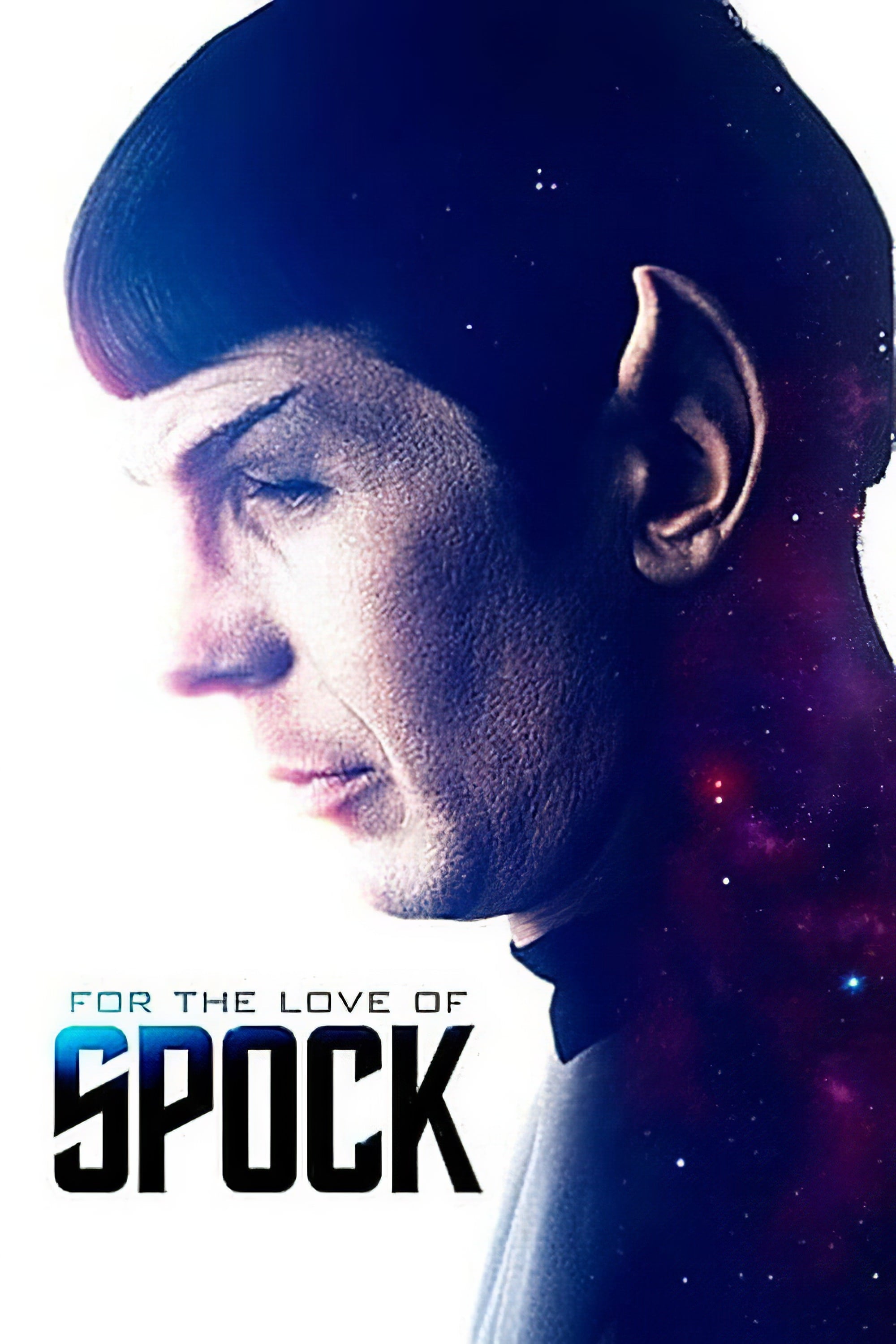
The life of Mr. Spock, as well as that of Leonard Nimoy, the actor who played him for almost fifty years, written and directed by his son: Adam.
The life and career of an actor, artist, and icon. His own journey through his own camera.
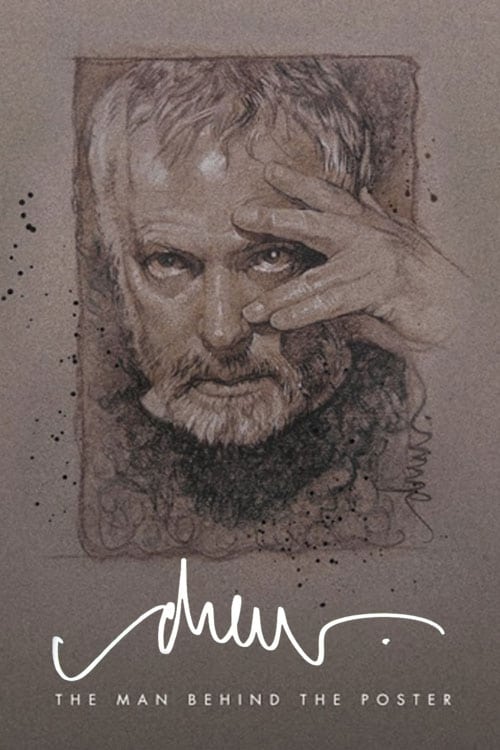
A documentary on legendary movie-poster artist Drew Struzan.
Through deeply personal interviews with her siblings and an examination of the photographs, letters, and belongings left behind, Mariska assembles a new portrait of her mother Jayne Mansfield, an extraordinary and complex woman.
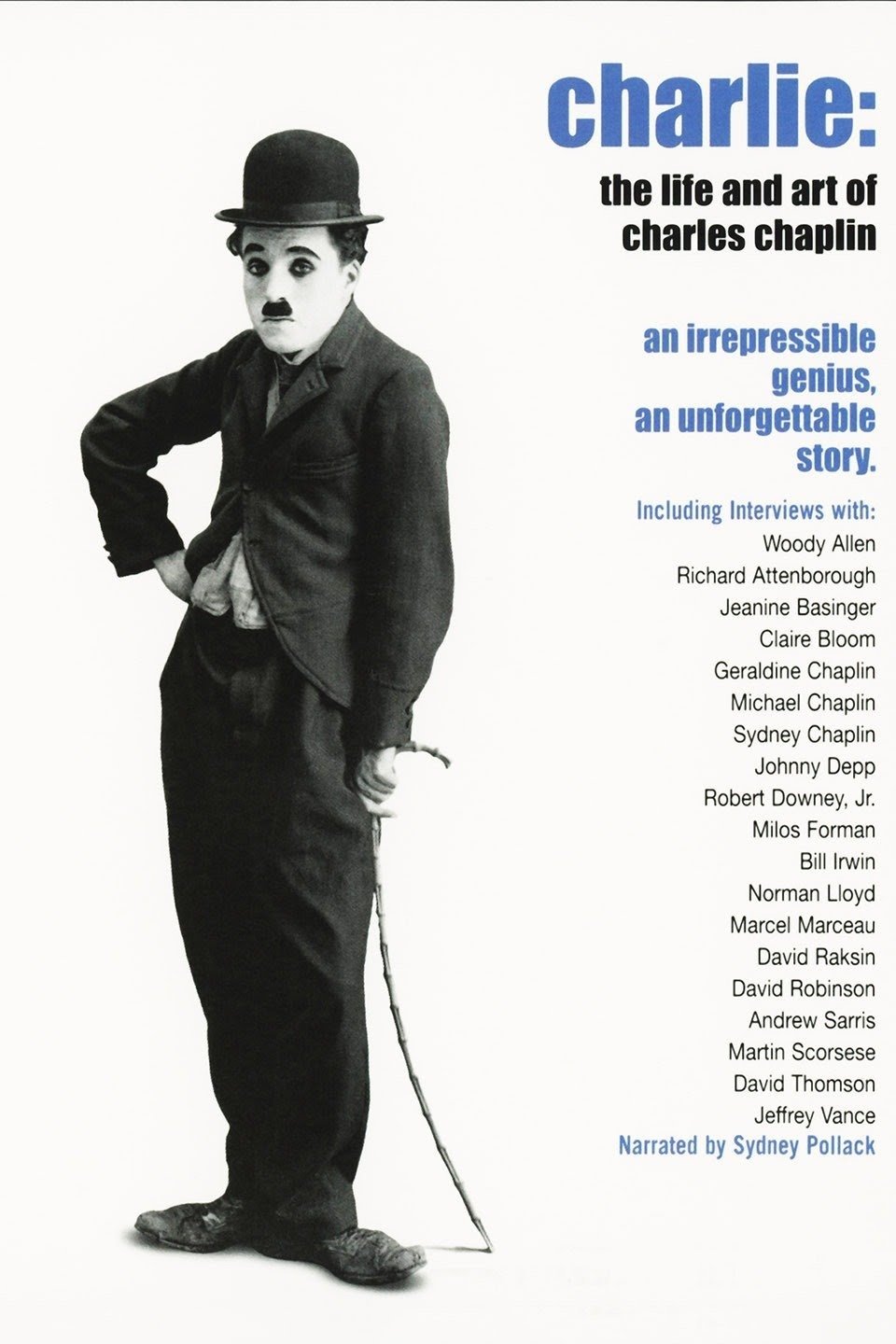
Brilliant, long in-the-works story of the life and art of the world's greatest comedian and the cinema's first genius, Charlie Chaplin. Produced, written and directed by renowned film critic Richard Schickel.
Alex Gibney explores the charged issue of pedophilia in the Catholic Church, following a trail from the first known protest against clerical sexual abuse in the United States and all way to the Vatican.
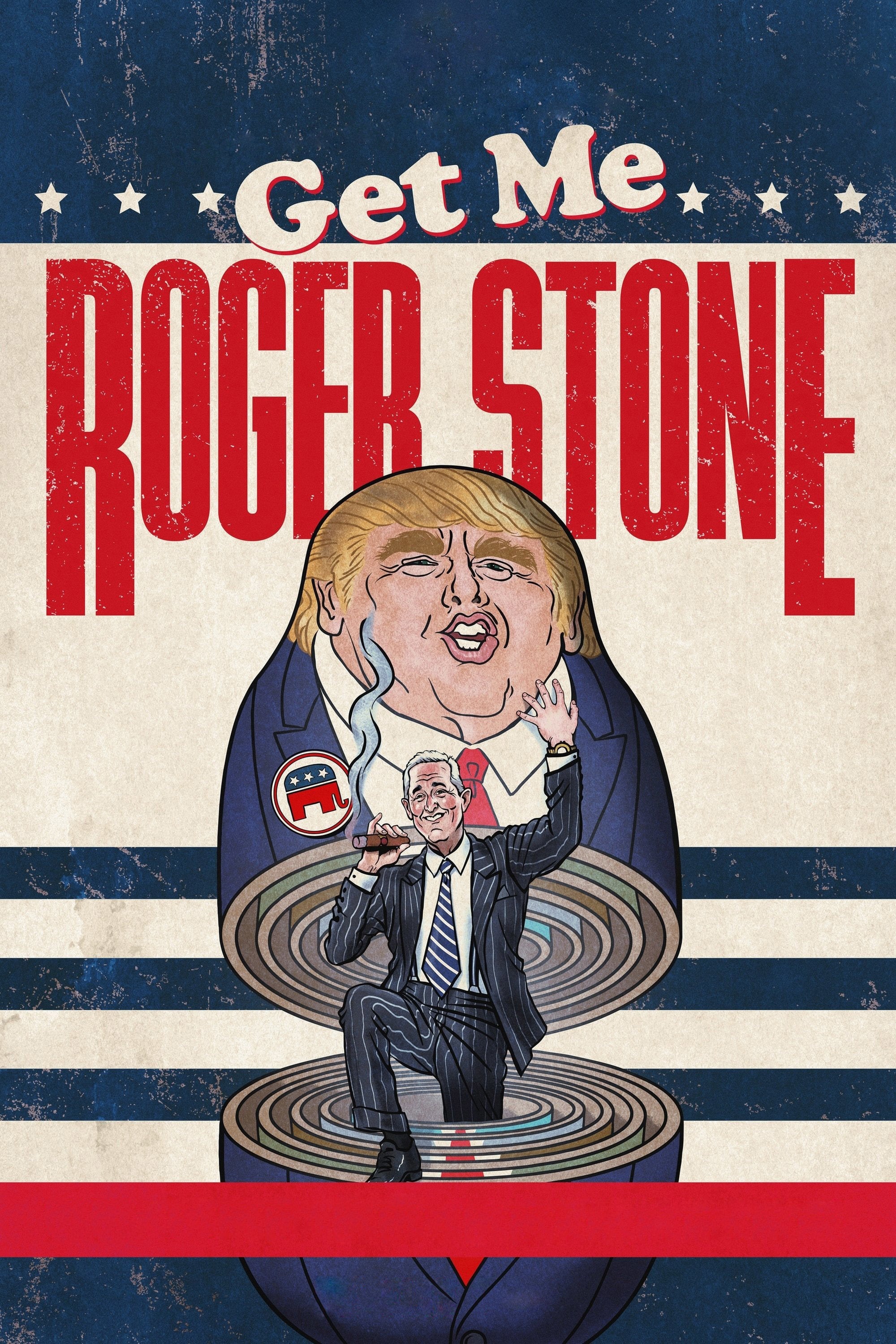
From his days of testifying at the Watergate hearings to advising recent presidential candidate Donald Trump, Roger Stone has long offended people on both sides of the political fence as a force in conservative America. Outspoken author, pundit, ahead of his time election strategist, this is his story.
Using the book 'Fragments', which collects Marilyn Monroe's poems, notes and letters, and with participation from the Arthur Miller and Truman Capote estates who have contributed more material, each of the actresses will embody the legend at various stages in her life.
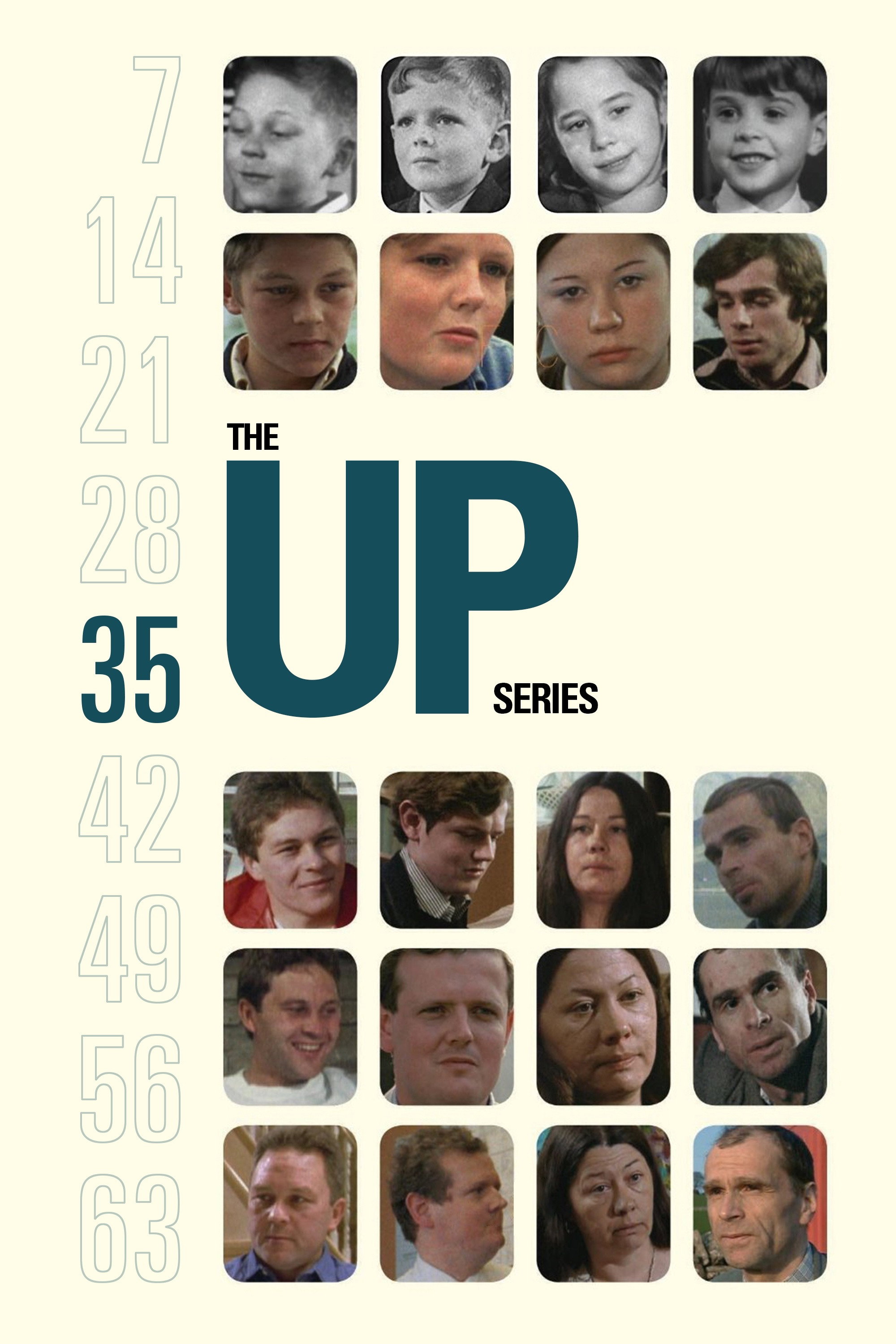
Director Michael Apted revisits the same group of British-born adults after a 7 year wait. The subjects are interviewed as to the changes that have occurred in their lives during the last seven years.